• Skip to primary navigation
  • Skip to main content
  • Skip to primary sidebar
  • Recipe Index
    • Air Fryer
  • Side Dishes
  • Substitutes
  • About
  • Contact
  • Subscribe

ForkLiftKitchen

menu icon
go to homepage
  • Recipe Index
    • Air Fryer
  • Side Dishes
  • Substitutes
  • About
  • Contact
  • Subscribe
subscribe
search icon
Homepage link
  • Recipe Index
    • Air Fryer
  • Side Dishes
  • Substitutes
  • About
  • Contact
  • Subscribe
×

Blog

5 Best Substitutes for Shiso in Japanese Cooking

March 6, 2026

Shiso Substitutes: 5 Alternatives That Work

You're prepping sushi rolls or a Japanese-style salad and realize the shiso leaves didn't make it into your grocery haul. That distinctive herb does more than look decorative on the plate.

5 Best Substitutes for Shiso in Japanese Cooking

Shiso brings a complex mix of mint, basil, and anise notes that brightens raw fish, cuts through rich flavors, and adds aromatic depth to pickles and salads. It's not just about freshness-the herb has a pungency that balances fatty ingredients.

A few fresh herbs from your produce drawer can fill in, though none replicate shiso's full flavor profile. Here's what actually works.

QUICK SUMMARY

Perilla leaves are botanically identical to shiso and swap in 1:1. For cooked dishes, Thai basil's licorice notes mimic shiso's anise undertones. Fresh mint works for brightness but lacks complexity.

🌿Closest Match: Perilla leaves give nearly identical flavor and aroma
🍳For Cooking: Thai basil handles heat better than most fresh herbs
🥗Raw Use: Mint or cilantro add brightness without shiso's full complexity
Quick Substitute Reference
#SubstituteBest ForRatioKey Note
1 Perilla 🥗 Raw 1:1 Nearly identical flavor
2 Thai Basil 🍳 Cooking ¾ amount Licorice notes match anise
3 Mint 🥗 Raw ½ amount Bright but simpler flavor
4 Cilantro 🥗 Raw 1:1 Citrusy and peppery
5 Basil 🍳 Cooking 1:1 Lacks minty notes

1. Fresh Perilla Leaves 🌿

Perilla is the same plant species as shiso-just a different variety. The flavor profile is nearly identical with slightly more pronounced minty and earthy undertones. Use it 1:1 anywhere you'd use shiso.

Green perilla works best for Japanese-style preparations, especially as a garnish for sushi or mixed into salads. The leaves are slightly larger and more textured than shiso but tear or chiffonade the same way.

  • ✅ Closest botanical match
  • ✅ Same aromatic complexity
Best Pick
If you can find fresh perilla at an Asian market, grab it-this is your cleanest swap.

2. Thai Basil 🍃

Thai basil brings licorice notes that echo shiso's anise undertones while adding fresh herbal brightness. It works better in cooked dishes than raw preparations. Use ¾ cup Thai basil per 1 cup shiso.

The sweet, slightly spicy flavor holds up well in stir-fries, seafood dishes, and sauces where heat softens the intensity. If you're low on Thai basil, what to use for Thai Basil covers solid backups.

For cooked dishes: Add Thai basil in the last two minutes of cooking.

Skip raw use: The licorice flavor is too strong for delicate sushi rolls or fresh salads where you want shiso's subtlety.

3. Fresh Mint Leaves 🌱

Mint provides bright herbal freshness but lacks shiso's anise and basil-like complexity. It's a decent stand-in for raw applications where you need cooling brightness. Use ½ cup mint per 1 cup shiso.

The cooling menthol flavor works well as a garnish or mixed into fresh salads. Spearmint is milder than peppermint and won't overpower other ingredients. If mint isn't available either, what to use for Mint has pantry-friendly options.

  • ✅ Bright and cooling
  • ✅ Works raw or lightly cooked
  • ⚠️ Simpler flavor than shiso

4. Fresh Cilantro 🥬

Cilantro contributes citrusy brightness and a slight peppery bite. It's less sweet than shiso and won't give you those minty or anise notes, but it adds fresh herbal flavor to salads and pickles. Use 1:1 for equal volume.

The citrus undertones make cilantro a good match for Asian-inspired dishes where you need a bright herb. It works particularly well in applications with soy, rice vinegar, or sesame oil.

🍳 In pickles: Cilantro's citrus notes complement vinegar-based brines.

🥗 Raw salads: Chop cilantro finely to distribute flavor evenly.

⚠️ Skip if: Your recipe requires subtle anise or mint characteristics.

❌ Not for sushi: The flavor is too assertive for delicate raw fish presentations.

5. Fresh Basil 🌿

Sweet basil offers fresh herbal notes and a slight peppery sweetness but lacks shiso's minty or anise aspects. It works best in cooked preparations where you need green herb flavor without precision matching. Use 1:1 for equal volume.

Basil holds up well in sauces, stir-fries, and seafood dishes where heat mellows its sweetness. The flavor is more straightforward than shiso-think Italian rather than Japanese.

  • ✅ Widely available
  • ✅ Works in cooked dishes
  • ⚠️ Missing shiso's complexity

The lack of anise or mint notes makes basil a poor choice for raw sushi or dishes where shiso's unique flavor is central. For more options, Basil replacements that work covers both fresh and dried alternatives.

The Short Version

Most situations come down to two choices:

  • Raw dishes - Perilla if you can find it, mint for brightness, cilantro for citrus
  • Cooked dishes - Thai basil for anise notes, sweet basil for general herbal flavor

Pick based on whether you're cooking the herb or serving it fresh. Perilla's the only true match-everything else compromises on shiso's complex flavor.

Frequently Asked Questions

Can I use dried shiso instead of fresh?

Dried shiso works in cooked dishes like soups or marinades but won't give you the fresh brightness needed for sushi or salads. Use half the amount of dried and add it early so it rehydrates. It won't replace fresh shiso's texture or aromatic punch.

Is red shiso different from green shiso?

Red shiso has a more assertive, slightly bitter flavor and is commonly used for pickling umeboshi (pickled plums) or coloring rice. Green shiso is milder and more versatile for fresh use. They're not always interchangeable-red shiso can overpower delicate dishes.

Can I substitute shiso in tempura batter?

Thai basil or sweet basil work well for tempura if you're out of shiso leaves. The batter and frying process mellow any herb's flavor, so most fresh greens will give you a similar crispy, aromatic result. Perilla is the closest match if you can find it.

Why does my shiso taste soapy?

Some people have a genetic sensitivity to certain compounds in shiso that trigger a soapy taste, similar to cilantro. If you're in that group, mint or Thai basil are better choices. The soapy note won't cook out, so switch to a different herb entirely.

How much shiso should I use in sushi rolls?

One whole shiso leaf per roll is standard. If you're using a substitute like perilla or mint, stick with one leaf but consider using a slightly smaller piece of mint since it's more intense. Too much mint can overpower the fish.

5 Best Substitutes for Shiso in Japanese Cooking

5 Best Substitutes for Shiso

No ratings yet
Shiso leaves bring a unique blend of mint, basil, and anise notes that enhance raw fish, salads, and cooked dishes. When shiso is unavailable, fresh herbs like perilla, Thai basil, mint, cilantro, and sweet basil offer effective alternatives depending on the preparation method.
Print Recipe Pin Recipe
Prep Time 10 minutes mins
Cook Time 8 minutes mins
Total Time 18 minutes mins
Servings: 4 servings
Course: Kitchen Tips, Substitutes
Cuisine: Various
Ingredients Method Notes

Ingredients
  

  • 1 cup Perilla leaves Use 1:1 substitution for shiso; best raw use.
  • 0.75 cup Thai basil Use ¾ amount of Thai basil per 1 cup shiso; best for cooked dishes.
  • 0.5 cup Fresh mint leaves Use ½ amount per 1 cup shiso; bright, simpler flavor; best raw use.
  • 1 cup Fresh cilantro Use 1:1 volume substitution; citrusy and peppery; best raw use except sushi.
  • 1 cup Fresh sweet basil Use 1:1 volume substitution; works well cooked; lacks minty/anise notes.

Method
 

  1. Choose your substitute based on whether the dish is raw or cooked.
  2. Prep the herb by washing and tearing or chiffonading as needed.
  3. Measure substitutes using recommended ratios relative to shiso volume.
  4. Add Thai basil during the last 2 minutes of cooking for best flavor.
  5. Taste and adjust quantities to match desired brightness and complexity.

Notes

  • Perilla is the closest botanical and flavor match to shiso.
  • Mint and cilantro are best for raw dishes needing brightness but lack shiso complexity.
  • Thai and sweet basil suit cooked applications but miss some anise and mint notes.
Tried this recipe?

Let us know how it was!

What Is Broccolini? Taste Profile, Uses & Tips

March 6, 2026

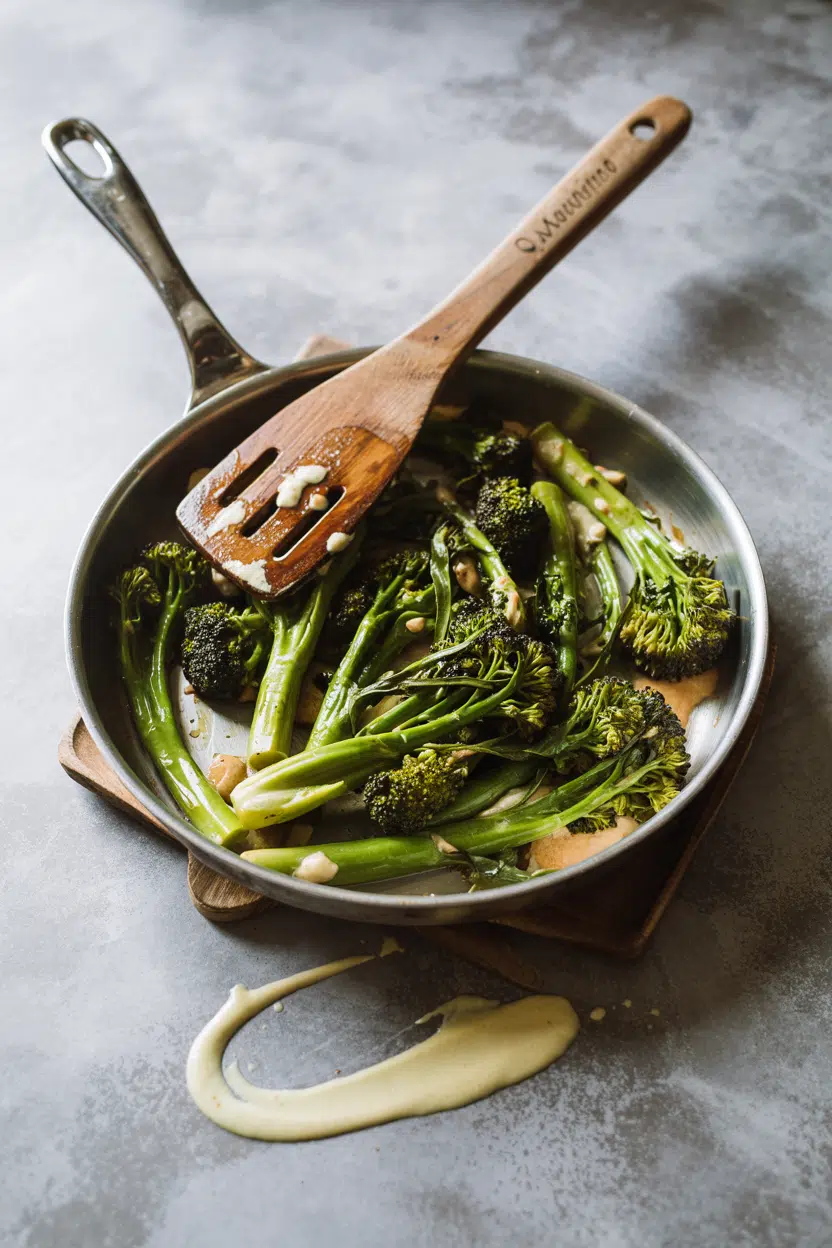
Biting into barely cooked broccolini, you get something broccoli rarely delivers - a clean, sweet green note with almost no sharpness. The stems stay slightly crisp, the tiny florets soften fast, and the whole thing has a freshness that holds up to bold flavors without disappearing beneath them.

What Is Broccolini

It's a hybrid built for fast cooking, and once you know how it actually tastes, it becomes one of the easier greens to reach for. If your usual rotation leans on Chinese broccoli or you're mapping out side dishes for broccoli, broccolini fits neatly into both conversations.

QUICK SUMMARY

Broccolini is a broccoli and gai lan hybrid with long tender stems, small florets, and a mildly sweet, lightly bitter flavor. It cooks in minutes, suits a wide range of cooking methods, and keeps in the fridge for up to a week.

🌿Flavor: Mildly sweet, green, gentle bitterness with a light peppery finish
🍳Best Uses: Roasting, stir-frying, grilling, blanching, steaming
🛒Buy It: Look for firm green stems, tight florets, no yellowing or limpness
📅Shelf Life: 4-7 days refrigerated; use before the one-week mark for best texture

What Is Broccolini?

Broccolini is a man-made hybrid, developed in Japan in the early 1990s by crossing standard broccoli with Chinese broccoli (gai lan). Syngenta brought it to commercial markets in 1996 under the Broccolini trademark, and it's now widely available across North America, Europe, and Australia.

You'll see it sold under several names - baby broccoli, broccolette, and occasionally asparation, an older trade name. It's commonly confused with broccoli raab (rapini), but that's a different plant entirely with a sharper, more bitter character.

The plant looks distinct from mature broccoli:

  • Long, slender stems - typically 6-8 inches, fully edible with no need to peel
  • Small, open florets - looser and more delicate than a standard broccoli crown
  • Tender leaves - the leaves along the stem are edible and cook down quickly
  • Thinner profile - cooks through evenly without splitting or parboiling first

It belongs to the cruciferous family alongside broccoli, kale, and cabbage, and carries the same class of glucosinolate compounds. Need a swap?

The broccolini replacements page covers the closest alternatives.

What Does Broccolini Taste Like?

broccolini - What Is Broccolini

Milder than broccoli is the most accurate starting point. Where standard broccoli can taste dense and slightly sulfurous, broccolini offers a cleaner green sweetness with a light peppery edge at the finish.

Sensory SnapshotMild Intensity
👅 Flavor
sweetgrassylightly bitterpeppery finish
✋ Texture
tender-crisp stemssoft florets
👃 Aroma
fresh greenfaint cabbage-like when cooked

Heat affects it noticeably. Raw broccolini tastes sharp and grassy with a more pronounced bitter edge.

Brief cooking - 2 minutes of blanching or a fast stir-fry - mellows the bitterness and draws out the sweetness. Overcook it past that point and the sweetness fades, the stems go limp, and a mild sulfur note appears.

The gai lan parentage shows in the stems. They carry a subtle mineral quality that broccoli doesn't have, which is part of why broccolini holds up well against soy-based sauces and umami-forward dressings.

Watch Out
The bitterness in broccolini comes from glucosinolates - the same compounds in all crucifers. Overcooking past 4-5 minutes in boiling water intensifies that bitterness rather than reducing it.

How to Use Broccolini

Broccolini is fast to prepare. Most cooking methods take under 10 minutes, and the stems and florets cook at roughly the same rate - no need to cut them apart or stagger timing.

How Broccolini Is Used
MethodBest ForTip
🔥 RoastingCrispy edge, caramelized stems, garlic-forward dishes425°F for 12-15 min; spread in a single layer. No [roasting rack](https://forkliftkitchen.com/roasting-rack-substitutes/) needed - a flat sheet pan works.
🥘 Stir-fryingEast Asian dishes, fast weeknight sidesHigh heat, 2-3 minutes; add soy and sesame oil at the end
💧 BlanchingSalads, cold plates, prep for pasta90 seconds in salted boiling water, then ice bath immediately
♨️ SteamingClean sides alongside fish or grainsSteam 3-4 minutes; season simply with lemon and olive oil
🔥 GrillingCharred flavor, summer sidesOil the stems well; grill over direct heat 3-4 minutes per side

Pairings to know: lemon or orange zest, garlic and chili flakes, olive oil, sesame oil, anchovies or miso for depth, toasted almonds or pine nuts, Parmesan, pecorino, and soy sauce with mirin. Butter works well in richer preparations - pasta or a warm grain bowl.

For an easy weeknight combination, toss blanched broccolini into pasta with anchovy, chili, and breadcrumbs. That's a classic Italian approach that lets the green sweetness cut through the salt and fat.

It also appears in stir-fries alongside mushrooms and toasted almonds, or charred on a grill and finished with chili oil. If you want ideas for building out a stir-fry meal, what to serve with stir-fry offers solid direction.

Try It In
🔥Charred Broccolini with GarlicShows how high heat caramelizes the stems and tames bitterness fast→

How to Buy and Store Broccolini

Stem firmness is your best signal at the store. Bend a stem - it should snap cleanly rather than bend slowly. Limp stems mean the broccolini has already lost moisture and won't recover with cooking.

Best Pick
Choose bunches with deep green, tightly closed florets and glossy leaves. Thin to medium stems cook more evenly than thick woody ones - avoid anything over about ½ inch in diameter.

For prepackaged broccolini, check inside the bag for moisture buildup or dark spotting on the stems. Either is a sign of early breakdown.

Storage method:

  • Wrap loosely in a damp paper towel before bagging
  • Use a perforated bag or leave the top partially open for airflow
  • Crisper drawer is best - broccolini needs humidity but not condensation
  • Don't wash it until you're ready to cook; moisture accelerates decay

Stored correctly, it holds well for 4-7 days. For a deeper look at broccolini storage life and how to tell when it's past its peak, we've covered that in detail.

If you're curious how other leafy greens compare, kale without blanching has a useful shelf life breakdown by storage method.

Where to Start with Broccolini

New to it? Roast it first. Toss trimmed stems with olive oil, salt, and a few smashed garlic cloves, then roast at high heat until the edges char slightly. That method shows the sweet-bitter balance at its clearest and takes under 20 minutes.

From there, move into stir-fries or pasta. Both reward broccolini's quick cooking time and its ability to hold texture in a saucy pan.

If you'd rather substitute something else, the broccoli alternatives page maps out which greens swap well in each context.

Frequently Asked Questions

Is broccolini the same as broccoli?

No. Broccolini is a hybrid of broccoli and Chinese broccoli (gai lan), developed in Japan in the 1990s. It has longer, thinner stems and a milder, sweeter flavor than standard broccoli.

How do you cook broccolini so it isn't bitter?

Keep cooking time short - under 5 minutes for most methods. High-heat roasting or a quick stir-fry draws out sweetness and reduces bitterness more effectively than boiling or steaming too long.

Can you eat broccolini raw?

Yes, though the flavor is sharper and more bitter than when cooked. Thinly sliced raw broccolini works in salads, especially with an acidic dressing that softens the raw bite.

How long does broccolini take to roast?

At 425°F, broccolini roasts in 12-15 minutes. Thinner stems may be done closer to 10 minutes - check for lightly charred edges and tender stems as your cue.

Is broccolini the same as broccoli raab?

No - broccoli raab (rapini) is a different plant entirely, with a distinctly sharper and more bitter flavor. Broccolini is noticeably milder and sweeter, making them poor substitutes for each other in most dishes.

What Is Broccoli Rabe? Taste, Uses & More Guide

March 6, 2026

Most people assume broccoli rabe is just a smaller, leafier version of broccoli. It isn't - and that misreading leads to undercooked stems, oversalted dishes, and bitter bites that put people off for good.

What Is Broccoli Rabe

Rapini belongs to a different genus entirely, closer to mustard greens and turnips than to the broccoli head in your crisper. Understanding what it actually is - and how to handle its assertive bitter-green character - is the difference between a dish that works and one that doesn't.

QUICK SUMMARY

Broccoli rabe is a leafy crucifer with thin stems, small florets, and a sharp bitter-green flavor. It's not broccoli. Blanching before sautéing is standard practice. Best in Italian and Mediterranean cooking, especially with garlic, olive oil, and cured pork.

🌿Category: Leafy crucifer, brassica family, Italian origin
👅Flavor: Sharp, bitter-green, peppery, slightly nutty when cooked
🍳Best Use: Blanch then sauté with garlic, chili flakes, olive oil
🕐Shelf Life: Raw 3-5 days refrigerated; cooked 3-4 days
⚠️Watch For: Yellowing leaves and slimy stems signal older produce - skip those bunches

What Is Broccoli Rabe?

Broccoli rabe - also called rapini, raab, or rapa di rapini - is a leafy crucifer native to the Mediterranean, prized across Southern Italy for centuries. Despite the name, it's more closely related to turnips than to broccoli.

The plant has thin, firm stems topped with small, tightly clustered florets and broad, jagged leaves. All three parts are edible, though cooking times differ.

In Italy, it anchors the cuisines of Apulia and Campania, where it shows up alongside broccolini and other bitter greens as a staple side or pasta partner. Italian-American cooking brought it stateside, where it became the standard bitter green in pork-and-pasta dishes.

A few names you'll encounter at the market:

  • 🌿 Rapini - most common in Italian and Italian-American contexts
  • 🌿 Raab or rabe - interchangeable, common in American supermarkets
  • 🌿 Broccoli di rapa - the Italian form, used in Southern European recipes
  • 🌿 Italian broccoli - a loose term; avoid confusing it with standard broccoli

What Does Broccoli Rabe Taste Like?

broccoli rabe - What Is Broccoli Rabe

Raw broccoli rabe hits with sharp, bitter-green intensity - more aggressive than kale, significantly more so than broccolini. The leaves carry the most bitterness; the stems follow, with a firm snap and mild peppery bite.

Heat changes the equation. Blanching dials back the bitterness and reveals a slightly nutty, earthy undertone.

A quick sauté after that adds caramelized depth without losing the green character.

Sensory SnapshotStrong Intensity
👅 Flavor
bitter-greenpeppery-mustardyslightly nutty
✋ Texture
tender leavesfirm stem snap
👃 Aroma
sulfurous-mustard (raw)earthy-green (cooked)

The closest comparison is mustard greens for bitterness, though rapini's florets add a faint brassica sweetness that mustard greens lack.

Golden Rule
Blanch first, sauté second. Skipping the blanch and going straight into hot oil locks in maximum bitterness - which is rarely what you want.

How to Use Broccoli Rabe

The blanch-then-sauté method is the Italian baseline: drop trimmed rapini into boiling salted water for 2 minutes, shock in ice water, drain, then finish in olive oil with garlic and red pepper flakes. It's the standard side dish in Apulian households and Italian-American restaurants alike.

Pasta is the next major application. Orecchiette is the traditional partner - the cup shape traps chopped rapini, anchovy, and Pecorino in every bite. Lemon zest cuts through the bitterness and fat simultaneously.

For slow-cooked dishes, braise whole stems with pork sausage, white wine, and stock. The long cook time mellows bitterness completely and melds the greens into the braise liquid.

If you need a swap for sautéed greens in another recipe, broccoli alternatives or broccolini alternatives cover the basics.

How Broccoli Rabe Is Used
MethodBest ForTip
♨️ Blanch + SautéSide dishes, pasta tossSalt the blanching water heavily - it seasons the stems from inside
🍲 BraisePork dishes, hearty mainsAdd whole stems; they hold shape better than chopped
🥗 RawPeppery salads, thin-slicedUse only young, small leaves - mature stems are too fibrous
🔥 Grill/RoastCharred sides, grain bowlsToss with oil and high heat; watch closely - leaves scorch fast
🫓 Baked InFocaccia, savory piesBlanch first to reduce moisture and prevent soggy dough

Pairings that hold up against rapini's bitterness: garlic, anchovies, cured pork, Pecorino, lemon, and vinegar. Avoid heavy sweet glazes - they clash rather than balance.

Try It In
🍝Orecchiette with Sausage and Broccoli RabeThe classic application — blanched rapini braised with pork and finished in pasta water→

How to Buy and Store Broccoli Rabe

At the market, look for deep green leaves, tight small florets, and firm stems. A bright mustardy smell at the cut base is a good sign.

Skip any bunch with yellowing leaves, black spotting near the stem base, or a slimy feel - those are signs of age.

Watch Out
Loose, yellowing florets mean the rapini has started to bolt. Bitterness intensifies sharply at this stage and won't fully cook out.

Storage is straightforward:

  • 🧊 Unwashed in the crisper - wrap in a damp towel or use a perforated bag; moisture control matters
  • 📅 Use within 3-5 days raw - flavor and texture decline noticeably after day four
  • 🥡 Blanched and stored - keeps 3-4 days refrigerated in an airtight container

For full details on maximizing freshness, see our guide on broccoli rabe freshness guide.

Start Here if You're New to Rapini

New to broccoli rabe? Blanch it first. That one step removes enough bitterness to make the flavor approachable while keeping its green bite intact.

From there, pair it with fat, acid, and something salty. Garlic in olive oil, a squeeze of lemon, shaved Pecorino - those three elements balance rapini's sharpness without masking it.

If you find even blanched rapini too intense, check the broccoli rabe swaps guide for milder alternatives that cook the same way.

Frequently Asked Questions

Is broccoli rabe the same as broccoli?

No. Broccoli rabe belongs to the turnip genus (Brassica rapa), while common broccoli is Brassica oleracea. They share the crucifer family but differ in flavor, structure, and cooking behavior - rapini is far more bitter and has loose leaves rather than a dense head.

How bitter is broccoli rabe compared to kale?

Significantly more bitter. Kale has a mild, grassy bitterness that most people find approachable raw. Rapini's bitterness is sharper and more mustardy - it typically needs blanching or braising to reach a similar level of palatability.

Can you eat broccoli rabe raw?

Yes, but only the young, small leaves hold up well. Thin-slice them and use in salads with citrus or vinaigrette to cut the bitterness. Mature stems are too fibrous and sharp to eat raw comfortably.

How do you remove bitterness from broccoli rabe?

Blanch in heavily salted boiling water for 2 minutes, then transfer to ice water. This leaches out glucosinolates - the compounds responsible for bitterness. A second round of blanching reduces it further if needed.

How long does broccoli rabe last in the fridge?

Raw rapini lasts 3-5 days when stored unwashed in a damp towel in the crisper drawer. Blanched and refrigerated in an airtight container, it keeps for 3-4 days before texture degrades.

What Is Barley? [Taste, Uses & More]

March 5, 2026

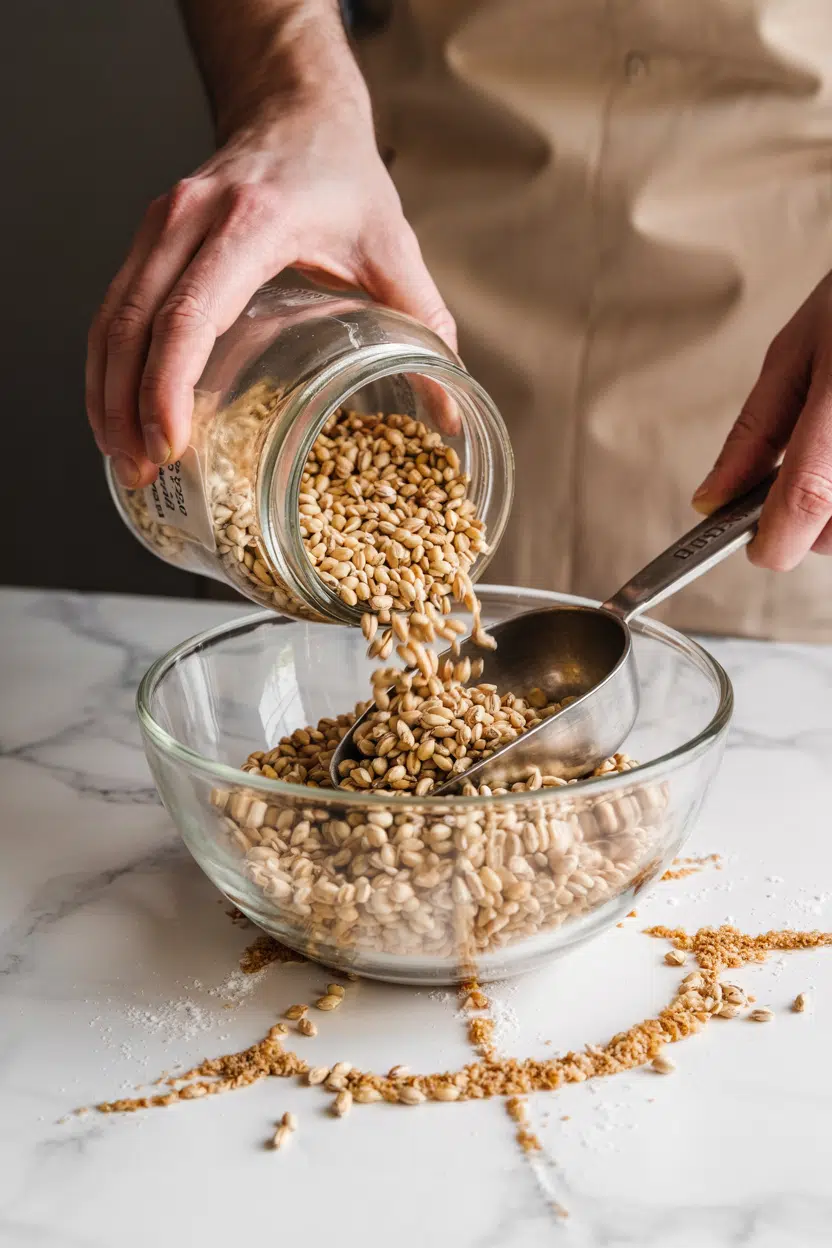
You spot it on the shelf between the rice and the dried lentils - a bag of barley, tan and unassuming, easy to walk past. Most home cooks reach past it without a second thought, defaulting to wheat berries or rice instead.

What Is Barley

That's a missed opportunity. Barley brings a chewy, nutty character to soups, salads, and grain bowls that no other common cereal grain quite replicates.

QUICK SUMMARY

Barley is a cereal grain with a nutty, mildly sweet flavor and satisfying chew. Hulled barley keeps the bran intact; pearled barley cooks faster but loses some fiber. Both suit soups, grain salads, and porridge. Dry barley stores well for up to a year.

🌾Flavor: Nutty, mildly sweet, faintly toasty - milder than farro, sweeter than brown rice
🍲Best Uses: Soups and stews, orzotto, porridge, grain salads, pilafs
📦Shelf Life: Dry, uncooked barley lasts 6-12 months in a cool, dark pantry

What Is Barley?

Barley (Hordeum vulgare) is one of the oldest domesticated grains on earth, first cultivated in the Fertile Crescent of Southwest Asia roughly 10,000 years ago. It belongs to the cereal grain family alongside wheat, rye, and oats.

Three forms appear in kitchens and breweries. Hulled barley has only the inedible outer hull removed, keeping the bran and germ fully intact -

this is the whole-grain form. Pearled barley goes through an additional polishing step that strips away some or all of the bran, producing a paler, smoother grain that cooks significantly faster. Malted barley has been germinated and kiln-dried to activate enzymes, making it the backbone of beer and whisky production.

The pearling process matters nutritionally. Hulled barley retains its beta-glucan soluble fiber, manganese, magnesium, and B vitamins; pearled barley loses a portion of these during polishing.

Watch Out
Barley contains gluten. It is not safe for anyone with celiac disease or a serious wheat gluten intolerance.

Barley also appears under the names pot barley (lightly pearled) and barley grits (cracked). On ingredient labels, look for Hordeum vulgare when checking packaged foods for hidden barley.

What Does Barley Taste Like?

barley - What Is Barley

Barley has a mild, nutty sweetness with a faint toasty quality - closer to warm grain than sharp earthiness. Raw, it smells of toasted wheat with a subtle malt undertone.

Sensory SnapshotModerate Intensity
👅 Flavor
nuttymildly sweettoastygrainy
✋ Texture
chewy (hulled)soft-firm (pearled)
👃 Aroma
toasted wheatwarmslightly malty

Compared to similar grains, barley sits in familiar territory. It tastes close to farro or wheat berries, but less earthy than buckwheat and noticeably sweeter than plain brown rice.

Heat amplifies the toasty note, especially when you toast dry grains in a dry pan before simmering. Long cooking in broth softens the chew without making barley mushy - the grain holds its shape better than many alternatives.

How to Use Barley

Barley earns its keep in long-cooked dishes, but it handles more than just soup. Toasting the dry grain in a pan for two to three minutes before adding liquid deepens the nutty flavor considerably - worth the extra step.

How Barley Is Used
MethodBest ForTip
🍲 SimmeringSoups, stews, orzottoUse a 1:3 grain-to-liquid ratio; hulled needs 60-90 min, pearled 25-40 min
🥗 Cold/Room TempGrain salads, grain bowlsCook ahead and cool completely; dress with lemon and olive oil while still warm
🍚 PilafSide dish replacing riceToast in butter first, then add hot stock - treat it like rice pilaf
🌅 PorridgeBreakfast, warm bowlsPearled barley works best here; simmer in milk for a creamy result
⚗️ MaltingBeer, whisky, barley malt syrupHome brewers: use crushed malted barley within 6 months of purchase

In British and Irish cooking, barley is a standard addition to beef and root vegetable soups, where it adds body and chew. Scandinavian cooks use it in porridge and rustic breads.

Middle Eastern pilafs substitute barley for rice, pairing it with saffron, herbs, and lamb. East Asian kitchens brew roasted barley into mugicha, a tea common in Japan and Korea.

Strong pairings include mushrooms with thyme, lemon with parsley and feta, and butter with aged cheddar. Barley's mild sweetness also complements malt syrup or honey as a porridge topping.

Avoid pairing barley with very high-acid sauces - sharp vinegar or citrus in large amounts overwhelms its subtle grain flavor.

Shortcut
Use a pressure cooker to cut hulled barley's cook time from 90 minutes down to roughly 25-30 minutes at high pressure.
Try It In
🌅Breakfast Barley with Honey and NutsPearled barley cooked creamy, topped with honey and toasted nuts→

How to Buy and Store Barley

Look for hulled barley when nutrition is the priority - intact, uniform tan-to-golden grains with no musty smell. Pearled barley should be pale and smooth; reject any bag with insect debris, clumping, or a stale odor.

  • Hulled barley - Denser, nuttier, higher fiber; takes longer to cook but holds up in slow braises.
  • Pearled barley - Faster cooking, softer texture, slightly lower fiber; best for weeknight soups and porridge.
  • Malted barley - Sold at homebrew shops; keep it separate from cooking barley to avoid contaminating other grains with fermentable enzymes.

Store dry barley in an airtight container in a cool, dark pantry. Uncooked barley lasts 6-12 months at room temperature, and longer if refrigerated or frozen.

For a full breakdown of shelf life across forms and storage conditions, see our guide to barley freshness guide.

Golden Rule
Never store malted barley alongside cooking barley. The active enzymes in malt can affect surrounding grains during long storage.

Start With Pearled, Then Go Further

New to barley? Pearled barley is the easiest entry point - it cooks in under 40 minutes and works in almost any soup or grain salad without adjustment.

Once you're comfortable, move to hulled barley for higher fiber and more chew. From there, orzotto (barley risotto) is the best showcase dish - it highlights exactly what this grain does that rice and pasta cannot.

If you need a swap in a recipe, our roundup of barley replacements covers the closest options by use case.

Frequently Asked Questions

Is barley a whole grain?

Hulled barley is a whole grain - only the inedible outer hull is removed, leaving bran and germ intact. Pearled barley is not technically a whole grain because the pearling process removes some or all of the bran layer.

How long does barley take to cook?

Pearled barley simmers in 25-40 minutes. Hulled barley needs 60-90 minutes on the stovetop, or about 25-30 minutes in a pressure cooker.

Is barley gluten-free?

No. Barley contains gluten and is unsafe for people with celiac disease or non-celiac gluten sensitivity. It also frequently appears in processed foods as malt flavoring, which is another gluten source to watch for on labels.

What is the difference between pearled and hulled barley?

Hulled barley retains its bran and cooks slower with a chewier result. Pearled barley has the bran polished away, making it faster to cook, softer in texture, and lower in fiber and micronutrients.

Can barley be used instead of rice?

Yes, with adjustments. Barley needs more liquid and longer cooking time than white rice. It also delivers more chew, so it works best in pilafs, soups, and grain bowls rather than dishes where soft, fluffy grains are expected.

What Is Baking Powder? [Taste, Uses & More]

March 5, 2026

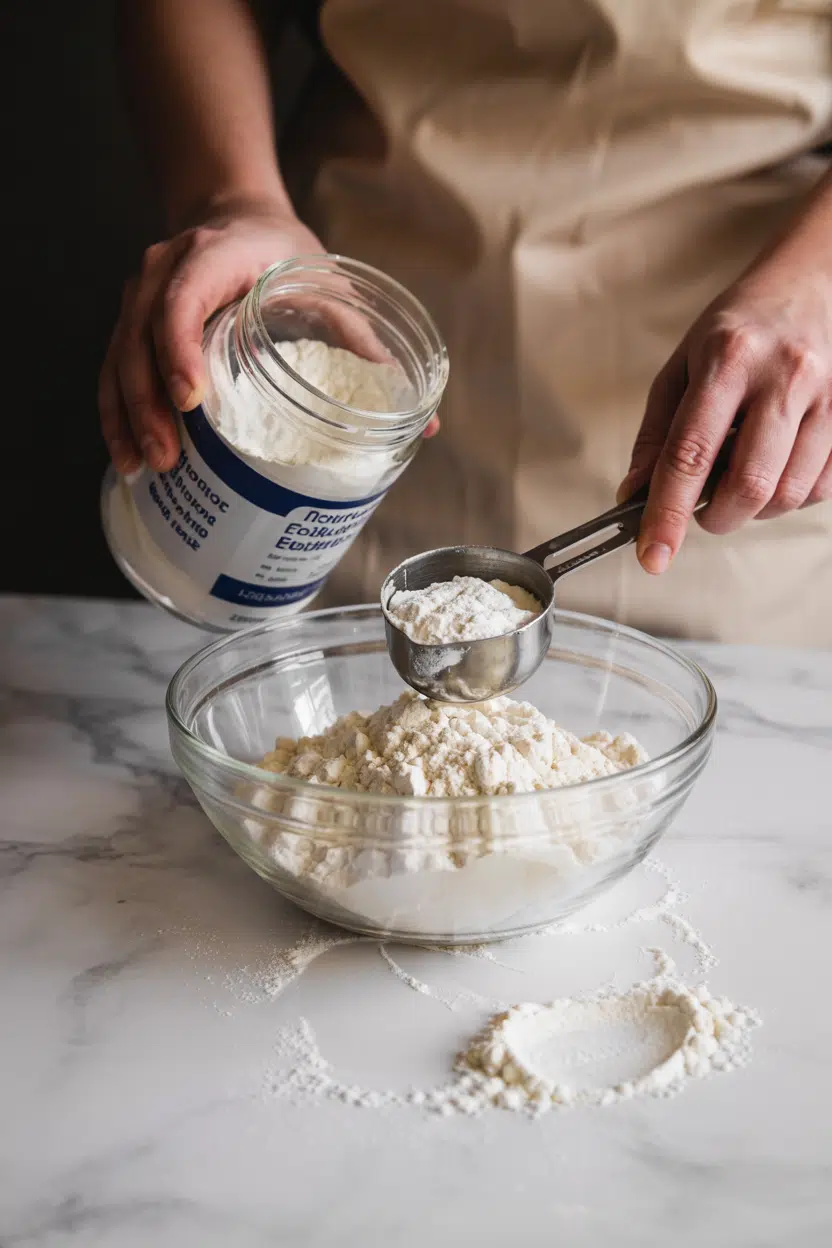
You spot it at the back of the pantry, half-buried behind the baking soda and a box of cornstarch. Baking powder is one of those ingredients that rarely gets its own moment - it's just there, measured and added, quietly doing the structural work.

What Is Baking Powder

But get it wrong - old powder, wrong amount, wrong pairing - and a banana bread comes out dense and flat. Understanding what it actually is and how it behaves makes it a much more reliable tool.

QUICK SUMMARY

Baking powder is a chemical leavening agent that releases carbon dioxide in batters to produce lift and a light, open crumb. It has a mildly alkaline, faintly bitter flavor that disappears when used correctly. Best for quick breads, pancakes, biscuits, and cakes.

🧪Type: Dry chemical leavening - acid, bicarbonate, and starch
👅Flavor: Mildly alkaline with a faint metallic edge if overused
🥞Best For: Pancakes, quick breads, scones, sheet cakes, muffins
📦Shelf Life: 6-12 months after opening; up to 3 years sealed
🛒Buy: Look for double-acting, sealed canisters; avoid clumped powder

What Is Baking Powder?

Baking powder is a dry chemical leavening agent made from three components: an acid salt, a carbonate or bicarbonate (almost always sodium bicarbonate), and a starch carrier - typically cornstarch - that absorbs moisture and keeps the mix stable in the can.

When it contacts liquid, and again when heat is applied, a chemical reaction releases carbon dioxide gas, which inflates bubbles in the batter and creates lift.

The dominant type sold today is double-acting baking powder, which reacts twice: once when wet and once in the oven. This gives bakers more flexibility than older single-acting formulas, which exhausted most of their rise the moment liquid hit the mix.

Some formulations use aluminum-based acid salts; others, labeled aluminum-free, swap in sodium acid pyrophosphate or cream of tartar instead.

  • Double-acting - Standard grocery option; two reaction stages for consistent rise
  • Single-acting - Rare today; reacts fully on contact with liquid, no oven boost
  • Aluminum-free - Uses non-aluminum acids; reduces any residual metallic note
  • Homemade blend - Cream of tartar plus baking soda, mixed fresh for immediate use

What Does Baking Powder Taste Like?

baking powder - What Is Baking Powder

On its own, baking powder tastes unpleasant - mildly alkaline, slightly salty, with a faint bitter or dusty edge. That metallic note comes from the acid salts used in the formula, particularly aluminum compounds if present.

Sensory SnapshotMild Intensity
👅 Flavor
alkalinefaintly bitterfaint metallic edge
✋ Texture
fine powderfree-flowing
👃 Aroma
neutralfaintly chemical

In a correctly formulated recipe, none of that off-flavor survives baking. The acid-base reaction consumes both components fully, leaving no perceptible taste behind.

Problems surface when baking powder is overused - too much creates a soapy or metallic aftertaste in the finished crumb - or when a batter sits too long before going into the oven, letting the reaction run out before heat sets the structure.

Watch Out
A metallic or soapy aftertaste in baked goods is almost always a sign of too much baking powder, not a bad batch. Measure level teaspoons, not heaped ones.

How to Use Baking Powder

Baking powder does its best work in quick-bread batters - recipes that go from bowl to oven without a proofing stage. Muffins, banana bread, scones, and drop biscuits all rely on it for lift.

American-style pancakes and waffles also depend on it almost entirely for their airy texture.

The standard ratio in most recipes is 1 teaspoon per cup of flour, though richer batters with eggs may need slightly less. Always whisk it into the dry ingredients before combining with wet - this distributes it evenly and prevents pockets of unreacted powder.

Once wet and dry mixes meet, work quickly and get the batter into the oven while the first CO₂ reaction is still active.

How Baking Powder Is Used
MethodBest ForTip
🫙 Dry MixQuick breads, muffins, sconesWhisk into flour before adding any liquid
🥞 BatterPancakes, waffles, crepesCombine wet and dry last; cook immediately
🍗 Frying BatterTempura, fried chicken coatingsCold liquid keeps bubbles from releasing too early
🎂 Cake BatterSheet cakes, cupcakes, loaf cakesDon't overmix after adding - degasses batter

Buttermilk and yogurt are natural partners here. Both are acidic, and that extra acid boosts the reaction with the bicarbonate component, producing additional lift.

If you're out of options, check the baking powder replacements available using pantry staples. Pairing with eggs adds structural support while the powder handles the rise - a combination that defines most American layer cakes and cupcake recipes.

Try It In
🍌Moist Banana BreadBaking powder drives the lift in this dense, tender loaf→🌿Dill Yogurt Dressing (Homemade)Yogurt's acidity mirrors its role in leavened batters→🍳Sheet Pan Breakfast Hash with EggsEggs here do the structural work powder handles in batters→

How to Buy and Store Baking Powder

At the store, reach for a double-acting formula in a sealed metal canister or foil-sealed container. Avoid anything that feels damp, rattles with clumps, or lacks a printed best-by date.

Clumping means moisture got in - that powder has likely already begun reacting and won't perform reliably.

Golden Rule
Test older powder by dropping 1 teaspoon into ½ cup of hot water. If it bubbles vigorously, it's still active. A weak fizz means it's time to replace it.

Once opened, transfer the powder to an airtight, opaque container and keep it away from the stove. Steam and heat are the main enemies.

For full details on how long it stays potent, the baking powder storage guide guide covers testing and dating in depth.

  • Unopened - Good for 2-3 years in a sealed container
  • After opening - Reliable rise for 6-12 months; test after 6 months
  • Signs it's spent - No bubbling in hot water, visible clumps, damp smell

Start With What the Recipe Demands

Choose double-acting for everyday baking - it's forgiving and widely available. If you're sensitive to metallic aftertaste, go straight for an aluminum-free label; the difference is noticeable in delicate recipes like scones or white cakes.

When a recipe calls for baking soda instead, that's a different ingredient entirely - not interchangeable without adjustment. If you run out, baking soda replacements require a different approach than swapping leaveners one-for-one.

Best Pick
For most home bakers, an aluminum-free, double-acting baking powder in a resealable tin is the single best option - no metallic edge, consistent rise, longer shelf life when stored right.

Frequently Asked Questions

Is baking powder the same as baking soda?

No. Baking soda is pure sodium bicarbonate and needs an acidic ingredient in the recipe to activate. Baking powder contains its own acid, so it works in non-acidic batters without any extra adjustment.

How does baking powder work?

It reacts in two stages: once when liquid is added, and again under oven heat. Each reaction releases carbon dioxide, which inflates air pockets in the batter and creates a light, open crumb.

Why does baking powder give a metallic taste?

The metallic note comes from aluminum-based acid salts in standard formulas. Switching to an aluminum-free baking powder eliminates it almost entirely, especially in mild-flavored baked goods like scones or vanilla cake.

Can you taste baking powder in baked goods?

Not when used correctly. At normal amounts, the acid and base fully react during baking, leaving no flavor behind. Overuse - or letting batter sit too long before baking - is what creates a detectable bitter or soapy taste.

Can you make baking powder at home?

Yes - combine 1 part baking soda with 2 parts cream of tartar. Use it immediately; homemade blends lack the cornstarch buffer that keeps commercial powder stable, so they react faster once mixed.

What Is Aperol? [Taste, Uses & More]

March 5, 2026

Most people assume Aperol is just a mixer - something you pour into a spritz and forget about. That misses what makes it worth understanding: the careful balance of gentian-root bitterness, rhubarb, and bitter orange that keeps it from tasting like sugary orange drink.

What Is Aperol

Whether you're building a Negroni variant or figuring out pairings for prosecco, knowing what Aperol actually brings to the glass changes how you use it.

QUICK SUMMARY

Aperol is a low-alcohol Italian bitter-sweet liqueur from Padua, Italy. It tastes of bitter orange, gentian, and rhubarb with a light syrupy body. Best known as the base of an Aperol Spritz, it also works in low-ABV cocktails, light glazes, and as a marinade accent.

🍊Flavor: Bitter-sweet with bright citrus peel and mild herbal notes
🍹Best Use: Aperol Spritz with Prosecco and soda water
🏪Buy: Look for vivid orange color and intact seal at ~11% ABV
📦Store: Cool dark cupboard; refrigerate after opening
⏳Shelf Life: Opened bottles hold best flavor for 12-36 months

What Is Aperol?

Aperol is an Italian aperitif liqueur first produced in 1919 by the Barbieri brothers in Padua, in the Veneto region of northeastern Italy.

It sits in the broader family of Italian bitter liqueurs called amaro, though its alcohol content - around 11% ABV - sits notably lower than most.

The flavor comes from a proprietary blend of botanicals, with gentian root, rhubarb, and bitter orange as the named primary ingredients. Quinine and other herbs contribute mild bitterness and dry herbal undertones throughout.

Aperol falls into a specific subcategory: the aperitivo, a style of drink meant to stimulate appetite before a meal. Campari, which shares the bitter-orange profile, is a common reference point - though Aperol runs sweeter and lighter.

If you want to explore similar liqueurs, check out these benedictine liqueur swaps for a sense of how botanical bitters compare across categories.

Aperol is sometimes misspelled "Apero," but the brand name is one word, no accent.

What Does Aperol Taste Like?

aperol - What Is Aperol

Aperol leads with bitter orange and citrus peel, bright and slightly tangy rather than sharp. Gentian-root bitterness follows immediately - present but not harsh, closer to a mild tonic finish than to full-strength amaro.

Sensory SnapshotModerate Intensity
👅 Flavor
bitter orangegentian bitterrhubarb tartnesssweet
✋ Texture
light-bodiedlightly syrupy
👃 Aroma
zesty orange peeldry herbal bitters

Think of it as a lighter, sweeter version of Campari - same general color and citrus-bitter family, but with more sweetness and less edge. The rhubarb adds a faint tart undertone that keeps the sugar from reading as cloying.

Over ice, the flavor opens up; dilution softens the bitterness slightly while the orange notes stay forward.

Golden Rule
Aperol's bitterness is moderate by design. If a recipe calls for it and you want more bite, add a few drops of Angostura bitters - don't swap to Campari, or the balance shifts significantly.

How to Use Aperol

The Aperol Spritz is the canonical application: three parts Prosecco, two parts Aperol, one part soda water, served over ice with an orange slice.

It works because Aperol's sweetness and bitterness both play well against the dry sparkle of Prosecco and the neutral fizz of soda.

Beyond the spritz, Aperol earns a place in several other formats.

  • 🍹 Aperol Negroni - Swap Campari for Aperol with gin and sweet vermouth for a gentler, lower-ABV Negroni with more citrus character.
  • 🍊 Citrus glaze - Reduce Aperol with sugar over low heat until syrupy; brush onto grilled shrimp, scallops, or pound cake.
  • 🧊 Crushed-ice aperitivo - Pour over crushed ice with a soda splash, olives alongside. No cocktail shaker needed.
  • 🍹 Summer pitcher drinks - Add to spritz-style punches with gin or vodka, citrus juice, and soda for a crowd format.
  • 🦐 Marinade accent - A small pour into a seafood marinade adds bitter-citrus brightness without overpowering shellfish.

Aperol pairs well with salty, fatty snacks - prosciutto, olives, brined cheeses - because the bitterness cuts through fat without needing high alcohol to do it. Avoid using it alongside heavy cream sauces or strongly smoked meats, where its citrus notes vanish entirely.

For aperol replacements in cocktail recipes, Campari works with adjustments, though expect more bitterness and less sweetness in the final drink.

How Aperol Is Used
MethodBest ForTip
🍹 Stirred/BuiltAperol Spritz, Aperol Negroni, pitcher drinksAlways build over ice; don't shake - carbonation drops
🔥 ReducedGlazes, dessert syrups, brushed onto seafoodUse low heat; reduce slowly to preserve citrus aroma
🧊 Served coldAperitivo pours, crushed-ice drinksDilute with soda, not water - flat water dulls the finish
💧 Marinade splashGrilled shrimp, scallops, light citrus-glazed fishUse sparingly - a tablespoon or two, not a full pour
Try It In
🍊Italian Aperol Spritz CocktailThe classic 3-2-1 build with Prosecco, Aperol, and soda→

How to Buy and Store Aperol

Good bottles are easy to spot. Look for vivid, uniform orange color throughout - any brownish or murky tint suggests oxidation.

Check the label for ~11% ABV and an intact foil cap; both confirm you're getting an uncompromised bottle.

Watch Out
Bottles stored near heat sources or in direct sunlight often develop a dull, brownish color and a flat flavor - even when sealed. Always check the color before buying from a shelf with poor lighting or warm ambient temperature.

Store unopened bottles upright in a cool, dark cupboard - no refrigeration needed. Once opened, move it to the refrigerator to slow oxidation and flavor loss.

  • Unopened: Keeps for several years without quality loss
  • Opened: Best flavor within 12-36 months; still safe after that, but citrus notes fade
  • Signs of decline: Dull color, flat bitterness, muted orange aroma on the pour

Where to Start with Aperol

If Aperol is new to you, start with the spritz. It's the format the liqueur was built around, and it shows you the balance of bitter, sweet, and sparkling before you start substituting it elsewhere.

Once that ratio feels familiar, try it in an Aperol Negroni - same three-ingredient structure as a classic Negroni, but gentler and more citrus-forward. That's the clearest way to see what Aperol does differently from heavier bitters like Campari.

From there, the glaze and marinade uses follow naturally.

Frequently Asked Questions

What is Aperol made of?

Aperol's named botanicals are gentian root, rhubarb, and bitter orange. The exact formula is proprietary, but quinine and other unnamed herbs contribute to the dry bitter finish and herbal undertone.

Does Aperol contain alcohol?

Yes - Aperol is approximately 11% ABV. That's lower than most liqueurs but still alcoholic. It's not suitable for children or people avoiding alcohol.

Is Aperol sweet or bitter?

Both, but sweetness leads slightly. Gentian bitterness is present throughout, however the added cane sugar and bright orange notes keep it from reading as harsh - unlike Campari, which skews more bitter.

What can I substitute for Aperol?

Campari is the closest swap but adds more bitterness and less sweetness. For a milder substitute, try Lillet Rosé or a low-ABV orange bitter. Adjust the ratio to compensate for the flavor shift.

Can you drink Aperol straight?

Yes, though it's rarely done. Poured over ice with a soda splash is more typical - the dilution balances the sweetness. Straight, its syrupy body and concentrated bitterness can feel unbalanced without bubbles to cut through.

5 Best Substitutes for Shoyu in Asian Cooking

March 5, 2026

Best Shoyu Substitutes for Any Recipe

You're prepping a stir-fry and grab the shoyu bottle-empty. The recipe calls for it to salt the vegetables and add that deep, savory backbone that holds everything together.

5 Best Substitutes for Shoyu in Asian Cooking

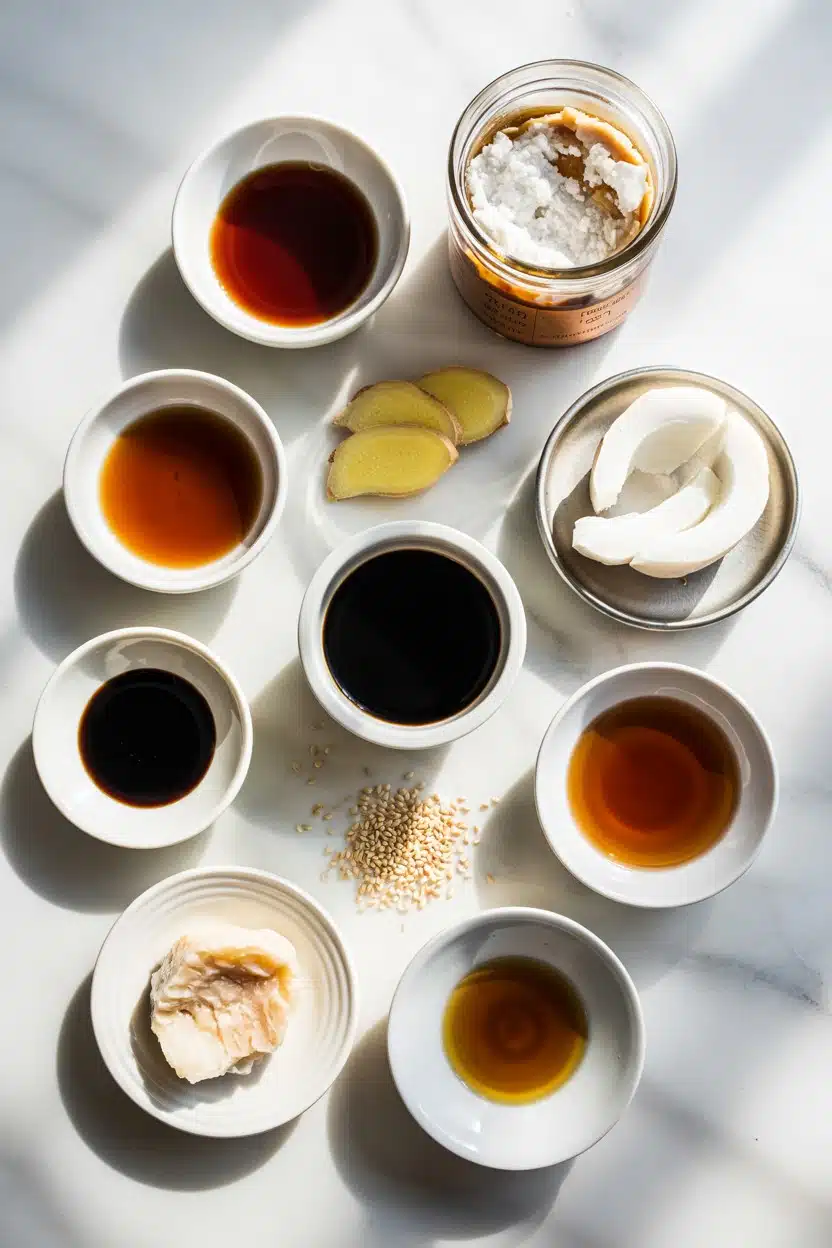
Shoyu brings umami, saltiness, and color to dishes without overwhelming them. It's fermented longer than most soy sauces, which gives it a balanced sweetness and complexity that lighter soy sauces can't match.

A few kitchen staples can fill that role. Some match the flavor almost perfectly, others shift the balance but still work.

QUICK SUMMARY

Shoyu adds umami, salt, and color to everything from stir-fries to dipping sauces. Tamari matches closest with a richer, less salty profile. Coconut aminos work for gluten-free needs, but expect more sweetness. Mix soy sauce with molasses and vinegar to rebuild shoyu's depth at home.

🥇Closest match: Tamari-gluten-free, richer, less salty
⚡Fastest swap: Tamari or coconut aminos (1:1)
🔧DIY option: Soy sauce + molasses + vinegar for balanced depth
Quick Substitute Reference
#SubstituteBest ForRatioKey Note
1 Tamari ✨ Both 1:1 Richer, less salty
2 Coconut Aminos 🌱 Vegan 1:1 Sweeter, lighter color
3 Worcestershire 🍳 Cooking 1:1 Tangy, complex spice
4 Soy Molasses Mix ✨ Both See recipe Balances sweet + tangy
5 Fish Sauce 🍳 Cooking 1:2 (half) Strong, pungent, briny

1. Tamari Soy Sauce 🥇

Tamari is the closest swap you'll find. It's a Japanese soy sauce made with little or no wheat, which gives it a richer, rounder flavor than shoyu. The umami hits just as hard, but the saltiness is milder and there's a hint of sweetness that balances everything out.

Use 1 tablespoon tamari per 1 tablespoon shoyu in any recipe. It works especially well in stir-fries and dipping sauces where you want that deep color and savory backbone. If you're low on tamari too, check out easy Tamari swaps that work for backup options.

  • ✅ Gluten-free and nearly identical in function
  • ⚠️ Slightly sweeter than shoyu-taste before adding more salt
Best Pick
Tamari matches shoyu's umami and color almost perfectly-use it 1:1 in any recipe without adjusting other ingredients.

2. Coconut Aminos 🌱

Coconut aminos come from coconut sap, not soybeans. They're naturally gluten-free and soy-free, which makes them a go-to for allergy-friendly cooking. The flavor is milder and sweeter than shoyu, with less salt and a lighter color. You won't get that dark, caramelized look in your stir-fry, but the umami still shows up.

Swap 1 tablespoon coconut aminos per 1 tablespoon shoyu. It works best in dishes where you don't need deep browning or strong saltiness-think quick stir-fries, marinades, or dressings. If you're swapping coconut aminos often, common Coconut Aminos swaps ranked covers what to reach for when it runs out.

🍳 In cooking: Add earlier in the process to let sweetness mellow
🥗 Raw: Works in dressings but expect lighter color
⚠️ Lower sodium: You may need to add salt separately

3. Worcestershire Sauce 🥩

Worcestershire brings tangy, spiced umami instead of the clean soy flavor shoyu delivers. It's thinner, lighter in color, and has vinegar, tamarind, and molasses in the mix. That complexity works in cooked dishes-marinades, braised meats, pan sauces-but it's too sharp for raw applications like sushi dipping sauce.

Use 1 tablespoon Worcestershire per 1 tablespoon shoyu in marinades or anything that cooks down. The vinegar bite softens with heat, leaving behind a savory depth that mimics shoyu's role without copying its flavor. For more ways to swap it, Worcestershire Sauce swaps by recipe type breaks down what works best.

Worcestershire Sauce

Works for: Marinades, braised meats, cooked sauces

Skip if: Making dipping sauces or sushi bowls

4. Soy Molasses Mix 🔧

Mixing soy sauce with molasses and vinegar rebuilds shoyu's balance at home. Soy sauce brings the salt and umami. Molasses adds the sweetness. Vinegar sharpens the edges. Together, they mimic shoyu's depth without needing a bottle of it in your pantry.

Combine 2 teaspoons soy sauce + ½ teaspoon molasses + ¼ teaspoon vinegar to replace 1 tablespoon shoyu. Stir it together before adding to your recipe. It works best in finishing sauces and marinades where you're already whisking ingredients together. If molasses isn't in your pantry, easy Molasses swaps that work can point you toward alternatives.

  • ✅ Balances sweet, salty, tangy like shoyu does
  • ⚠️ Takes an extra minute to mix-not ideal for quick cooking

5. Fish Sauce 🐟

Fish sauce is intensely salty and pungent, with a briny punch that shoyu doesn't have. It brings powerful umami to broths, soups, and dipping sauces, but the aroma is strong and the color stays light. You won't get shoyu's deep brown hue, and the flavor is unmistakably fishy.

Use ½ tablespoon fish sauce per 1 tablespoon shoyu-half the amount because it's so concentrated. Add it early in cooking so the smell mellows out and the salt distributes evenly. Fish sauce shines in savory broths and Southeast Asian-inspired dishes, but skip it for vegetarian recipes or anything raw.

🍳 In savory broths: Adds deep umami, mellows with heat
❌ Not for: Vegetarian dishes, delicate sauces, raw applications
⚠️ Strong aroma: Use less at first, taste, adjust

The Short Version

Most situations come down to two choices:

  • Stir-fries and dipping sauces - Tamari gives you the closest match
  • Gluten-free or soy-free needs - Coconut aminos handles it with more sweetness
  • Cooked dishes - Worcestershire or fish sauce adds umami depth
  • DIY option - Mix soy sauce, molasses, and vinegar for balanced flavor

Pick based on whether you need an exact match or just savory depth.

Frequently Asked Questions

Can I use regular soy sauce instead of shoyu?

You can, but regular soy sauce is saltier and less sweet than shoyu. Use ¾ the amount and taste before adding more. If the dish feels flat, stir in a tiny pinch of sugar to balance the salt.

What's the difference between shoyu and tamari?

Shoyu contains wheat and has a lighter, slightly sweeter flavor. Tamari is made with little or no wheat, which makes it richer and less salty. Both deliver strong umami, but tamari works for gluten-free diets.

Can I make shoyu at home?

True shoyu requires fermenting soybeans and wheat with koji mold for months. The DIY soy-molasses-vinegar mix mimics the flavor profile in under a minute, but it's not fermented. It works for cooking, not for sipping or dipping raw.

Is coconut aminos healthier than shoyu?

Coconut aminos has less sodium and no soy or gluten, which helps with specific diets. It's sweeter and less fermented, so it lacks shoyu's depth. "Healthier" depends on what you're avoiding-both work in different contexts.

Does fish sauce taste like shoyu?

Not really. Fish sauce is briny and pungent, while shoyu is smooth and balanced. Both add umami and salt, but fish sauce has a stronger aroma and no sweetness. Use half the amount and cook it into the dish to soften the fishiness.

5 Best Substitutes for Shoyu in Asian Cooking

5 Best Substitutes for Shoyu

No ratings yet
Shoyu provides umami, salt, and color to various dishes, especially stir-fries and sauces. These five substitutes offer alternatives based on dietary needs or flavor profiles, including tamari for gluten-free, coconut aminos for a sweeter taste, and a DIY soy molasses mix for balanced depth.
Print Recipe Pin Recipe
Prep Time 10 minutes mins
Cook Time 6 minutes mins
Total Time 16 minutes mins
Servings: 4 servings
Course: Kitchen Tips, Substitutes
Cuisine: Various
Ingredients Method Notes

Ingredients
  

  • 1 cup Tamari Use 1:1 ratio; richer and less salty than shoyu
  • 1 cup Coconut Aminos Use 1:1 ratio; sweeter, lighter color, may need added salt
  • 1 cup Worcestershire Sauce Use 1:1 ratio; tangy and complex, best for cooked dishes
  • Soy Molasses Mix Combine 2 teaspoon soy sauce + ½ teaspoon molasses + ¼ teaspoon vinegar per 1
  • 0.5 cup Fish Sauce Use half the amount (1:2 ratio); strong, pungent, add early in cooking

Method
 

  1. Choose a substitute based on your recipe's flavor and dietary needs.
  2. Prep the substitute as needed, such as mixing soy molasses blend before use.
  3. Use the recommended substitution ratio for the chosen ingredient.
  4. If cooking, add substitute early to mellow flavors or incorporate fully.
  5. Taste and adjust seasoning or salt if needed to balance flavors.

Notes

  • Tamari works best for nearly identical flavor and gluten-free diets.
  • Coconut aminos offer a sweeter, soy-free alternative but may require extra salt.
  • Fish sauce gives strong umami but has a pungent aroma; use less initially.

Tried this recipe?

Let us know how it was!

What Is Anchovy? [Taste, Uses & More]

March 5, 2026

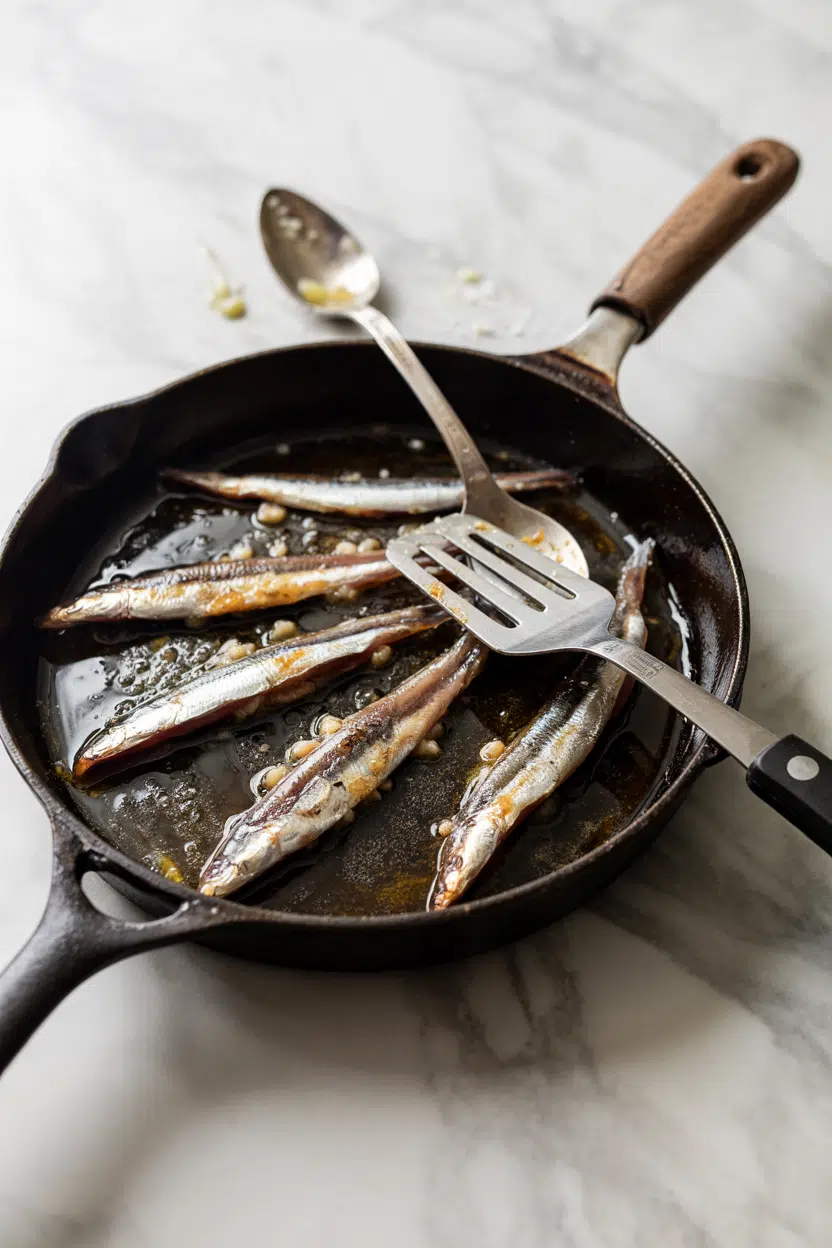
Anchovies do something no other ingredient quite replicates: they disappear into a dish and leave pure savory depth behind. A single fillet dissolved in hot olive oil doesn't announce itself - it becomes the foundation.

What Is Anchovy

That invisible contribution is why anchovy paste alternatives fall short and why cooks who swear they hate anchovies often eat them weekly without knowing it.

QUICK SUMMARY

Anchovies are small cured fish with concentrated umami, salt, and a briny edge. They dissolve into sauces, dressings, and braises to build savory depth. Most recipes use them as seasoning, not protein. Sold as fillets in oil, salt-packed whole, or as paste.

👅Flavor: Briny, salty, umami-rich with a mild fish finish
🍳Best Use: Dissolved into oil as a flavor base for sauces or dressings
🕐Shelf Life: Unopened tins: years; opened and refrigerated in oil: 2-3 months

What Is Anchovy?

Anchovies are small, oily fish from the family Engraulidae, with the European species Engraulis encrasicolus dominating Mediterranean and Atlantic fisheries. They're harvested young and almost always preserved - the fresh fish itself is rarely what you encounter at a market.

Curing transforms them entirely. Salt-packed anchovies are layered in salt for months until fermentation concentrates their flavor; oil-packed fillets are milder and ready to use straight from the tin. Anchovy paste is simply mashed fillets, typically with salt and oil, pressed into a tube.

Regional names vary widely:

  • Anchoa - the Spanish term, often used for high-quality Cantabrian fillets packed in olive oil
  • Acciughe - Italian, particularly common in Ligurian and Piedmontese recipes
  • Anchoveta - the Peruvian species (Engraulis ringens), fished in massive volumes, mostly processed into fishmeal and oil

European tinned fillets and salt-packed whole anchovies represent the standard cooking varieties. Both deliver intense seasoning - the format you choose depends on how much prep time you have.

Watch Out
Bulging tin lids or a sharp ammonia smell on opening means the fish has gone off. A strong cured-fish odor is normal; sourness or chemical sharpness is not.

What Does Anchovy Taste Like?

anchovy - What Is Anchovy

Raw anchovy fillet has a firm, slightly chewy texture and hits you with a direct wave of salt and brine. The fish flavor is real but not overwhelming - closer to concentrated canned fish than to the aggressive fishiness people fear.

Sensory SnapshotPungent Intensity
👅 Flavor
brinyumami-richsaltyslightly fishy
✋ Texture
soft and flakyfirm when wholesmooth as paste
👃 Aroma
pungent cured fishoceanic

Heat changes everything. A fillet dropped into warm olive oil dissolves within two minutes, leaving no visible trace and no pronounced fish flavor - just a deep, savory backbone that reads as richness rather than seafood.

That's the quality that makes anchovy an essential seasoning rather than a topping.

Salt-packed varieties taste cleaner and more complex after rinsing, with less of the oily residue that tinned fillets carry. Fish sauce is a reasonable flavor reference: anchovy delivers that same glutamate intensity but in solid form and with more control over quantity.

How to Use Anchovy

Most cooks use anchovies as a background seasoning, not a featured ingredient. The goal is glutamate delivery - the same reason a splash of fish sauce lifts a stir-fry.

How Anchovy Is Used
MethodBest ForTip
🍳 Dissolved in oilPasta sauces, braises, flavor basesUse low heat; high heat scorches and turns bitter
🥗 Chopped rawCaesar dressing, vinaigrettes, compound buttersMince finely so texture disappears into the mix
🔥 Baked on topPizza, flatbreads, roasted vegetablesPairs with capers and tomato to balance salt
🫙 Mashed into pasteTapenades, aioli, bagna càuda, spreadsSalt-packed anchovies give cleaner flavor after rinsing

Italian cooking uses anchovies most systematically. Pasta puttanesca builds its aggressive, briny sauce on fillets dissolved with garlic and chili - the chicken puttanesca variation follows the same logic with added protein.

Piedmontese bagna càuda goes further, simmering anchovies and garlic in butter until they form a warm dipping sauce for raw vegetables.

French preparations lean toward compound butters and sauces. Spanish Cantabrian anchovies - considered among the finest - are often served simply on bread with olive oil, where the fillet is the focus rather than a background note.

Strong pairings include garlic, capers, tomatoes, lemon, parsley, and red pepper flakes. These ingredients share a sharpness that holds up against anchovy's intensity without being overwhelmed.

Shortcut
Anchovy paste works in any recipe that calls for dissolved fillets. Use roughly half a teaspoon of paste per fillet - it's already broken down and blends faster in cold preparations like dressings.
Try It In
🧈Anchovy Butter French-StyleClassic compound butter that melts over steak or fish→🫒Anchovy Caper ButterSharp, briny butter built for grilled vegetables or pasta→🫕Piedmontese Bagna Cauda Anchovy DipTraditional warm dip — anchovies fully dissolved into garlic butter→

How to Buy and Store Anchovy

Oil-packed fillets in tins or glass jars are the easiest starting point. Look for fillets that appear intact, glossy, and uniformly colored - chalky or fragmented fillets suggest age or poor handling. Glass jars let you assess oil clarity before buying; cloudy or dark oil is a flag.

Salt-packed whole anchovies offer cleaner flavor but require rinsing and filleting before use. They're worth the extra step in uncooked applications where the fillet's texture matters.

  • Unopened tins - store in a cool, dark pantry; shelf life runs many months to years
  • Opened fillets in oil - transfer to a sealed container, keep fillets submerged, refrigerate up to 2-3 months
  • Anchovy paste - refrigerate after opening; most tubes last several months once opened

For full detail on anchovy storage life and signs of spoilage, that guide covers both formats in depth.

Golden Rule
Always keep opened anchovies fully submerged in oil. Exposed fillets oxidize quickly, turning mushy and developing an acrid edge within days.

Start Here

New to anchovies? Start with oil-packed fillets and dissolve one or two into garlic and olive oil before adding pasta or sauce. You won't taste "fish" - you'll taste depth.

From there, try a homemade Caesar dressing to understand how anchovies work in cold applications. If you need a stand-in, anchovy swaps like fish sauce or miso can fill the umami gap, though the texture and salinity differ.

Frequently Asked Questions

Do anchovies taste fishy?

Mildly, but far less than most people expect. Cooked into a sauce or dressing, the fish flavor dissolves almost entirely, leaving salt and umami. Salt-packed anchovies rinsed before use taste cleaner than oil-packed straight from the tin.

How salty are anchovies?

Very salty - curing in salt is what preserves and flavors them. Most recipes account for this by reducing or eliminating added salt. Rinsing salt-packed anchovies under cold water cuts the intensity noticeably.

What is anchovy paste made of?

Anchovy paste is mashed cured anchovy fillets with salt and oil, sometimes with a small amount of vinegar or spice. It's functionally identical to whole fillets for cooked applications but dissolves faster in cold preparations.

Are anchovies good for you?

Yes, in reasonable amounts. They're high in long-chain omega-3 fatty acids, protein, vitamin D, and calcium from their small edible bones. Sodium content is significant, so they work better as seasoning than as a primary protein source.

Can I use sardines instead of anchovies?

Sardines are milder and less salty, so they won't replicate anchovy's umami intensity in a 1:1 swap. They work as a visual substitute on pizza or toast, but for dissolved seasoning applications, fish sauce is closer. See our guide to sardine alternatives for more options.

5 Best Substitutes for Masa Harina in Mexican Cooking

March 5, 2026

You're mid-recipe when you realize the masa harina container is empty. What matters now is what it does in your dough-thickens, binds, and gives that distinct corn flavor.

5 Best Substitutes for Masa Harina in Mexican Cooking

We tested these swaps to find what holds up in tortillas, tamales, and corn breads. The best choice depends on whether you need corn flavor or just the texture.

QUICK SUMMARY

Corn flour comes closest for tortillas and tamales, while cornmeal works in breads where texture matters less. Gluten-free blends thicken without corn flavor. Use polenta sparingly just for corn taste, or mix cake flour with cornstarch for neutral structure.

🌽Closest Match: Nixtamalized corn flour at 1:1 for tortillas
⚖️Key Ratio: Most swaps work 1:1, but add extra liquid for cornmeal
⚠️Common Mistake: Using polenta alone-it won't bind dough

5 Easy Masa Harina Swaps for Cooking

Here are the best replacements, starting with the closest match. Each handles corn flavor and texture differently.

Quick Substitute Reference
#SubstituteBest ForRatioKey Note
1 Corn Flour ✨ Both 1:1 Nixtamalized version best
2 Cornmeal 🍳 Cooking 1:1 + water Coarser texture
3 Gluten-Free Flour ✨ Both 1:1 No corn flavor
4 Polenta 🍳 Cooking Flavor only Needs other flour
5 Flour-Cornstarch Mix 🥧 Baking 2:1 + cornstarch Neutral, soft texture

1 - Corn Flour

Corn flour comes from ground corn like masa harina but often skips nixtamalization. It thickens dough and adds mild corn flavor, though less pronounced than authentic masa.

Use it at 1:1 in most corn-based doughs. The texture runs slightly finer than masa, making it work well in tamales and tortillas that don't need perfect stretch.

Nixtamalized Corn Flour

Works for: Tortillas needing authentic flavor and pliable texture

Skip if: You need the exact coarse feel of masa

Regular Corn Flour

Works for: Corn breads and batters where flavor matters more than stretch

Skip if: Traditional tortilla texture is the goal

If you're short on corn flour too, corn flour swaps covers firmer options for baking.

Skip if: you're making authentic Mexican tortillas and can't find nixtamalized corn flour.

2 - Cornmeal

Cornmeal gives you corn flavor but with noticeably more texture. The grind runs coarser than masa, so dough won't stretch as smoothly-expect a grainier bite.

Use 1:1 for masa harina and add 1-2 tablespoon extra water per cup. Mix well and let the dough rest 10 minutes so the cornmeal absorbs moisture and softens slightly.

Out of cornmeal as well? Cornmeal alternatives lists grains that hold shape.

Best Pick
Medium or fine grind cornmeal works better than coarse for tortillas and soft doughs.

Here's what to expect:

  • Stronger corn flavor than masa
  • Less pliable dough
  • Better for breads than tortillas

Skip if: you need soft, flexible dough for wrapping or folding.

3 - Gluten-Free Flour

All-purpose gluten-free blends thicken dough without adding corn flavor or gluten. They work when you need structure but don't care about that toasty corn taste.

Swap at 1:1 for masa harina. The dough holds together but tastes neutral-season aggressively or pair with other corn-flavored ingredients.

Skip if: corn flavor is essential to the dish.

4 - Polenta

Polenta brings toasty, slightly sweet corn flavor but won't create pliable dough on its own. Use it to boost corn taste when you're already using another flour base.

Add 2-3 tablespoon polenta per cup of gluten-free or all-purpose flour to supplement corn flavor. The coarse grind adds crunch but no binding power.

The essentials:

  • Works as flavor supplement only
  • Needs pairing with other flours
  • Adds texture, not structure
Watch Out
Polenta alone creates crumbly dough that won't hold shape.

Missing polenta as well? Polenta swaps ranked covers grains that cook creamy.

Skip if: you're making dough without another flour to provide structure.

5 - Flour-Cornstarch Mix

Mixing cake flour with cornstarch mimics masa's thickening and softness in recipes where corn flavor isn't critical. The blend creates light, tender texture.

Use 2 parts cake flour plus 1 part cornstarch per 1 part masa harina. Whisk together before adding liquids so the starches distribute evenly.

Quick specs:

  • Neutral flavor
  • Softer than all-purpose flour
  • Best for batters and light doughs
  • Skip for corn-forward recipes
Quick Substitute Reference
UseRatioNotes
Pancakes2:1 + cornstarchLight, tender texture
Sauces2:1 + cornstarchThickens without corn flavor
Batters2:1 + cornstarchCrisp coating, neutral taste

Out of cornstarch too? Cornstarch swaps tested covers starches that thicken sauces.

Skip if: you need corn flavor or you're making traditional tamales.

Before You Swap Masa Harina

Start with corn flour or cornmeal when corn flavor matters. Use gluten-free blends when you need structure without corn taste.

  • Closest match - Nixtamalized corn flour for tortilla texture
  • Easiest grab - Cornmeal for corn breads
  • Dietary option - Gluten-free blend for corn-free structure

Frequently Asked Questions

Can I use cornmeal instead of masa harina for tortillas?

Yes, but expect grainier texture and less flexibility. Add extra water and let dough rest 10 minutes so cornmeal softens.

Does corn flour taste the same as masa harina?

Nixtamalized corn flour comes close but milder. Regular corn flour tastes more neutral and lacks masa's distinctive tang.

What's the best masa harina substitute for tamales?

Nixtamalized corn flour works best at 1:1. Regular cornmeal adds too much texture, making tamales dense instead of light.

Can I use all-purpose flour instead of masa harina?

All-purpose flour thickens but adds no corn flavor and develops gluten, making dough chewy. Use gluten-free blends or the flour-cornstarch mix for better results.

Why won't polenta work alone as a masa harina substitute?

Polenta's coarse grind adds corn flavor but doesn't bind or create pliable dough. Combine it with another flour for structure.

5 Best Substitutes for Masa Harina in Mexican Cooking

5 Best Substitutes for Masa Harina

No ratings yet
When you need a masa harina substitute, choose based on whether you want corn flavor or just texture. Corn flour is best for tortillas and tamales, cornmeal suits breads, gluten-free blends add structure without corn taste, polenta adds flavor only, and a flour-cornstarch mix provides neutral softness.
Print Recipe Pin Recipe
Prep Time 7 minutes mins
Cook Time 10 minutes mins
Total Time 17 minutes mins
Servings: 4 servings
Course: Substitutes
Cuisine: Mexican-Inspired
Ingredients Method Notes

Ingredients
  

  • 1 to 1 Corn Flour Use nixtamalized version for best flavor. Substitute 1:1 in corn-based doughs; texture is finer than masa.
  • 1 to 1 Cornmeal Use 1:1 plus 1-2 tablespoon extra water per cup. Mix and rest dough 10 minutes before use.
  • 1 to 1 Gluten-Free Flour Thickens dough without corn flavor. Substitute 1:1 for masa harina; season or pair with corn-flavored ingredients.
  • Polenta Use only as flavor supplement paired with other flour; does not bind dough. Add 2-3 tablespoon per cup of base flour.
  • Flour-Cornstarch Mix Mix 2 parts cake flour plus 1 part cornstarch per 1 part masa harina for neutral, soft texture; whisk before adding liquids.

Method
 

  1. Choose your substitute based on the desired corn flavor and texture for your dish.
  2. If using cornmeal, add 1-2 tablespoons of extra water per cup of substitute and let the dough rest for 10 minutes to soften.
  3. Combine flour-cornstarch mix by whisking 2 parts cake flour with 1 part cornstarch before adding any liquids.
  4. For polenta, add 2-3 tablespoons per cup of gluten-free or all-purpose flour to boost corn flavor without binding.
  5. Apply substitutes at the specified ratios: 1:1 for corn flour and gluten-free flour, 1:1 plus water for cornmeal, flavor only for polenta, and 2:1 flour to cornstarch mix.
  6. Adjust dough consistency as needed with extra liquid or resting time to ensure pliability and binding depending on the substitute.
  7. Taste and texture test your dough, seasoning or pairing as necessary to compensate for flavor differences especially when using gluten-free flour or flour-cornstarch mix.

Notes

Add extra water slowly when using cornmeal to prevent gritty, dry dough and rest dough to avoid toughness or poor binding.

Tried this recipe?

Let us know how it was!

What Is Amaretto? Taste, Uses & More — Explained

March 5, 2026

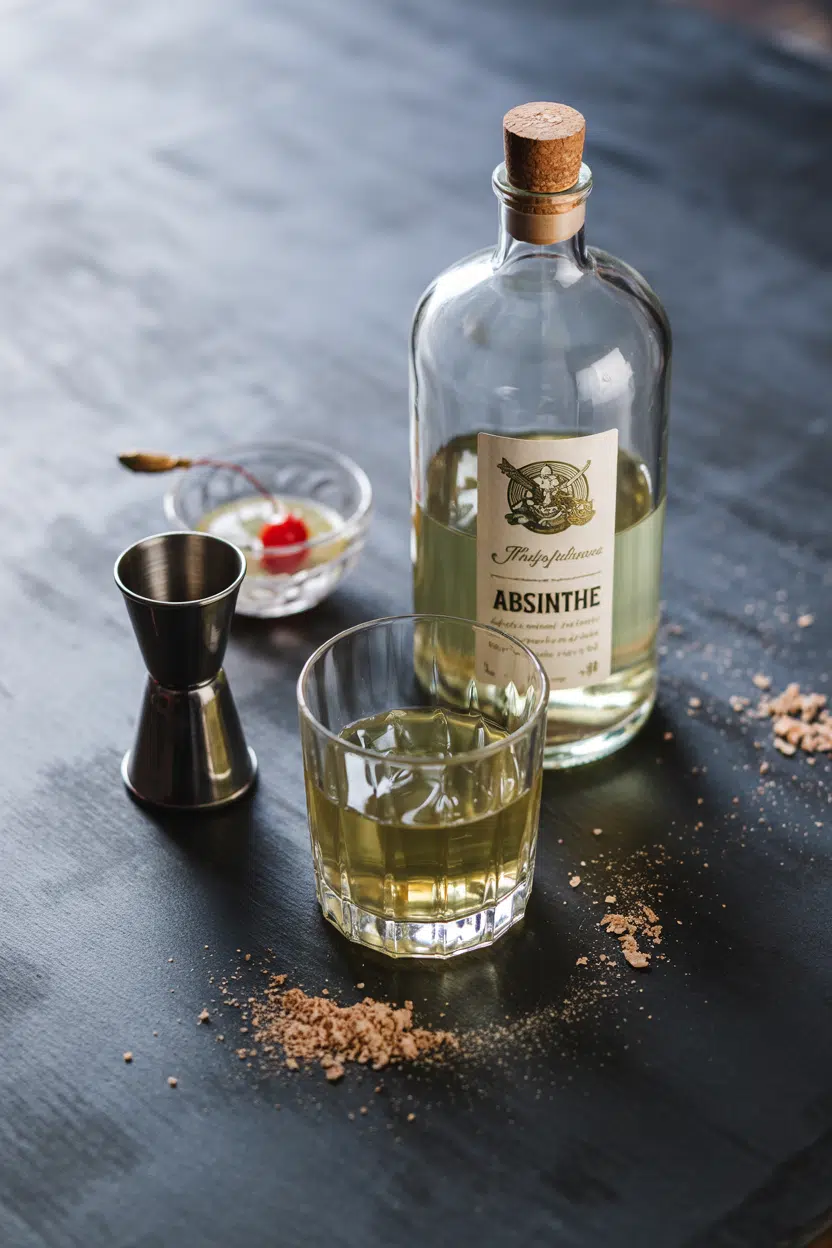
You spot a bottle of amaretto at the back of the liquor store shelf - amber, a little dusty, with a label promising something almond-forward and Italian.

What Is Amaretto

It's easy to grab it without fully knowing what you're working with, and that's where most people go wrong. Amaretto sits in its own category, distinct from almond extract or other sweet liqueurs like limoncello, and understanding its flavor structure changes how you use it.

QUICK SUMMARY

Amaretto is a sweet Italian liqueur built on bitter apricot kernels and/or almonds, finished with vanilla and caramelized sugar. It reads as marzipan in a bottle - syrupy, smooth, and moderately intense - and works in cocktails, desserts, and savory glazes alike.

🌰Flavor: Sweet almond, marzipan, vanilla, hint of bitter apricot kernel
🍶Texture: Syrupy, slightly viscous, smooth on the palate
🍸Best Uses: Cocktails, dessert soaks, glazes, espresso drinks
📦Storage: Cool, dark pantry; opened bottles good for 12-24 months
⚠️Watch Out: High sugar and alcohol content; may trigger nut allergies

What Is Amaretto?

Amaretto is a sweet amber liqueur from northern Italy, specifically traced back to Saronno in Lombardy. The name comes from the Italian amaro, meaning "bitter," a nod to the bitter apricot kernels that have historically defined its flavor base.

Not every bottle is made the same way. Some producers, including the widely known Disaronno, rely on apricot kernel oil rather than actual almonds - others use sweet almonds, and some blend both with vanilla and neutral spirit.

Alcohol content typically runs between 20-28% ABV, placing it firmly in the liqueur category - sweeter and lower in proof than a spirit like whiskey. You may also see it labeled amaretto di Saronno, reflecting its regional roots.

A few key facts worth knowing before you buy:

  • Apricot kernel base - many brands use bitter apricot kernel oil, not almonds, for the core flavor
  • Almond-forward alternatives - some newer craft producers lean toward sweet almonds and heavier vanilla
  • Related liqueurs - if you're comparing sweeter herbal options, Benedictine occupies a different profile category entirely
  • Proof range - 20-28% ABV; much lower than spirits but higher than most wines

What Does Amaretto Taste Like?

amaretto - What Is Amaretto

Amaretto tastes like sweet marzipan with a slightly bitter backbone - think almond extract stirred into a vanilla-caramel syrup, then rounded off with a touch of warmth. That bitterness comes from the apricot kernel base and keeps the sweetness from becoming cloying.

There's also a spice note. Certain brands layer in clove or cinnamon, which surfaces especially when the liqueur is warmed or used in a hot drink.

The mouthfeel is notably thick - not heavy, but coated and smooth.

Sensory SnapshotModerate Intensity
👅 Flavor
sweet almondmarzipanvanillabitter apricot
✋ Texture
syrupyslightly viscous
👃 Aroma
warm almondtoasted sugarvanilla

Cold, from a glass, the vanilla and sugar dominate the front. Heat softens the bitterness and draws out the spice - which is why it reads differently in an Amaretto Sour versus a warm coffee drink.

How to Use Amaretto

Amaretto earns its place across a surprisingly wide range of applications - far beyond the cocktail glass. Stone fruits, espresso, dark chocolate, and cream are its best partners, and that list already covers most of the Italian pantry.

Golden Rule
Use amaretto where you'd use almond extract but want sweetness built in - then reduce or skip any added sugar in the recipe to compensate.

In the kitchen, four methods cover almost every use case:

How Amaretto Is Used
MethodBest ForTip
🥃 Stirred ColdCocktails, mascarpone folds, tiramisuBalance with citrus - lemon juice cuts the sweetness in drinks
🍳 Reduced/GlazedPan sauces for pork, stone fruit broilingReduce slowly; high heat scorches the sugar quickly
🍰 Baked InCookie dough, frangipane, cake layersReplaces almond extract at roughly 2 tablespoon per ½ teaspoon extract
☕ Hot BeveragesEspresso, coffee, warm milkAdd after brewing; heat intensifies the spice notes

On the savory side, amaretto glazes work well on pork chops and duck - the bitterness offsets fatty cuts without overpowering them. Steer clear of delicate white fish; the heavy sweetness clashes with mild flesh.

For baking, it's a gentler substitute where almond extract would read too sharp. Brushed on sponge cake layers as a boozy soak, it delivers almond flavor and moisture in one step.

If you need a non-alcoholic swap, check our guide to amaretto alternatives for baking-specific options - or for similar herbal-sweet liqueur swaps, Frangelico alternatives are worth a look too.

Try It In
🍶Amaretto Extract RecipeMake a non-alcoholic version for baking and desserts→

How to Buy and Store Amaretto

At the store, look for a clear deep amber color without cloudiness or sediment. Open the bottle if you can - the aroma should be immediately almond-forward and warm, not flat or faintly sour.

Best Pick
If you want a bitter apricot-kernel edge, choose producers that list apricot kernel oil or drupe extracts. For a sweeter, softer profile, look for brands emphasizing sweet almonds and vanilla.

Once open, storage is straightforward:

  • Location - cool, dark pantry or liquor cabinet; avoid storing near a stove or in sunlight
  • Cap tight - evaporation flattens the flavor faster than oxidation does
  • Opened shelf life - 12-24 months at best quality; the liqueur won't spoil but loses its edge
  • Unopened - stable for years; no refrigeration needed

For a full breakdown of how long amaretto lasts and how to tell when it's past its best, see our amaretto storage guide guide. A brand-specific deep dive into the most recognized bottle on the shelf is also covered in our Disaronno profile.

Watch Out
Amaretto is high in added sugar and typically contains nut-derived flavoring. Anyone with tree nut allergies should check the label carefully - and note that most commercial brands are gluten-free, but not all.

Start With the Cocktail, Then Expand

If you've never cooked with amaretto before, the Amaretto Sour is the right entry point - it shows you exactly how the liqueur balances against acid and alcohol before you commit it to a baked recipe.

Once you understand that push-pull between sweet almond and bitter kernel, you'll recognize where it fits in a pan sauce or a cake soak. Start simple, taste as you go, and scale up from there.

Frequently Asked Questions

Is amaretto the same as almond liqueur?

Not exactly. Many amaretto brands are flavored with bitter apricot kernels rather than almonds - the almond taste comes from a shared aromatic compound called benzaldehyde. Generic "almond liqueur" labels usually use sweet almond flavoring and taste notably sweeter with less bitter edge.

Does amaretto contain nuts?

It depends on the brand. Some use actual almond extracts or oils, which are tree nut derivatives. Others, including Disaronno, use apricot kernel oil instead. Always check the label if you have a nut allergy, and contact the producer directly if the label is unclear.

Can you cook with amaretto?

Yes, and it holds up well to heat. Use it in pan glazes, reduced sauces, and baked goods - just account for its high sugar content, which caramelizes quickly at high temperatures. In baking, it also replaces almond extract at a roughly 4:1 volume ratio.

What substitutes for amaretto in baking?

Almond extract diluted in simple syrup is the closest match. Use ¼ teaspoon almond extract plus 2 tablespoon sugar syrup per 2 tablespoon amaretto called for. Marzipan dissolved in a neutral spirit also works for recipes where texture and flavor both matter.

How strong does amaretto taste?

Moderate - noticeably almond-forward but not sharp the way almond extract is. The sweetness softens the intensity considerably. In cocktails or coffee, a 1-2 oz pour reads as a clear almond note without dominating the other flavors.

5 Best Substitutes for Speck in Italian & Alpine Dishes

March 5, 2026

You're slicing through a recipe that calls for speck and the deli case doesn't stock it. The smoky, salty depth it brings isn't easy to fake-it balances richness with cured pork flavor in a way plain bacon doesn't quite match.

5 Best Substitutes for Speck in Italian & Alpine Dishes

Speck adds complexity to pasta, risotto, and cold charcuterie boards. Without it, dishes can taste flat or miss that signature alpine smokiness.

A few cured meats and one plant-based option can bridge that gap.

QUICK SUMMARY

For cooked dishes, we reach for smoked bacon or guanciale-both render fat and bring salty depth. On cold platters, prosciutto works best despite less smoke. The main risk is losing that alpine smokiness or adding too much fat. Match the swap to whether the speck gets cooked or served raw.

🏆Closest match: Prosciutto for cold use, bacon for cooked dishes
🔥Heat check: Cook bacon or guanciale early to render fat properly
⚠️Watch out: Most swaps run leaner or fattier than speck
Quick Substitute Reference
#SubstituteBest ForRatioKey Note
1 Prosciutto 🥗 Raw 1:1 Less smoky, more delicate
2 Smoked Bacon 🍳 Cooking 1:1 Fattier, stronger smoke
3 Guanciale 🍳 Cooking Equal Rich, less smoky
4 Smoked Turkey 🍳 Cooking 1:1 Leaner, milder smoke
5 Smoked Tofu 🌱 Vegan Equal Plant-based, add salt

1. Prosciutto di Parma 🥓

Prosciutto works best when speck goes on a platter uncooked. The thin slices and tender chew match speck's texture closely.

Use 1:1 by weight-if the recipe calls for 3 ounces of speck, swap in 3 ounces of prosciutto. It won't bring the same smoky punch, but the salty, savory depth fills most of the gap.

The flavor runs sweeter and more delicate than speck. You'll miss the alpine smokiness on dishes where that's the star. For antipasti, pasta toppings, or wrapped around melon, prosciutto delivers without needing heat.

  • ✅ Matches texture and chew almost exactly
  • ✅ Works cold without cooking
  • ⚠️ Lacks the pronounced smoke flavor

If prosciutto's too mild for your taste, Prosciutto alternatives worth trying offer more options.

2. Smoked Bacon 🥓

Smoked bacon steps in when speck gets cooked into risotto, pasta, or soups. The smoke and salt hit harder than speck, but the rendered fat mimics how speck behaves in heat.

Use 1:1 by weight. Cook it until crisp or chewy depending on the dish-the fat will melt and coat the other ingredients just like speck does.

Bacon runs fattier and stronger in pork flavor. It won't slice as thin or tender as speck for cold use, so save this swap for dishes that cook. The smoky bite works well in hearty, savory contexts where subtlety isn't the goal.

  • 🍳 In cooking: Add early so fat renders and flavors meld
  • ⚠️ Skip if: Recipe needs thin, delicate slices served raw

If bacon doesn't fit, Bacon substitutes ranked may help narrow down alternatives.

3. Guanciale 🍖

Guanciale brings the richness and chew speck delivers without as much smoke. It's cured pork jowl, fattier than speck but tender enough to work in slow-cooked dishes.

Use equal amounts-3 ounces of guanciale for 3 ounces of speck. The fat content makes it melt into pasta sauces and braises the way speck does.

The flavor leans porky and rich rather than smoky. It won't fool anyone expecting that alpine edge, but the mouthfeel and salt balance come close. Best in dishes where smoke isn't the main event-think carbonara, amatriciana, or braised greens.

  • ✅ Fat content matches speck's richness
  • ✅ Tender chew works in cooked dishes
  • ⚠️ Less smoky-expect deeper pork flavor instead
  • ⚠️ Can be hard to find outside specialty shops

For more pork fat swaps, check the simple Guanciale substitutes list for ideas.

4. Smoked Turkey Breast 🦃

Smoked turkey breast offers smoky flavor without the pork fat. It's leaner and milder, but works when you want to skip pork or cut back on richness.

Use 1:1 by weight. The smoke registers but doesn't overpower-expect a lighter, less intense result than speck delivers.

  • ✅ Smoky flavor without pork
  • ⚠️ Much leaner-won't render fat like speck

The texture stays firm and doesn't melt into dishes the way pork fat does. It won't work in recipes that rely on rendered fat for richness-think pasta carbonara or risotto. It fits better in salads, wraps, or grain bowls where smoke adds depth but fat isn't needed.

If turkey doesn't suit your dish, instead of Turkey try these for more protein swaps.

5. Smoked Tofu 🌱

Smoked tofu gives you the smokiness without any meat. The texture's firmer and chewier than speck, but it slices thin and holds up in stir-fries, grain bowls, and vegan pasta.

Use equal volume-if the recipe calls for a cup of diced speck, use a cup of diced smoked tofu. You'll need to add salt separately since tofu doesn't bring the cured saltiness speck does.

The flavor runs smoky but mild with a slight bean taste underneath. It won't replicate pork's richness or fat-don't expect it to melt into dishes or add the same savory depth. Best in plant-based contexts where smoke's the main goal.

  • ✅ Plant-based with smoky flavor
  • ⚠️ No pork taste or fat rendering
  • ⚠️ Requires added salt to match speck's seasoning

For other plant-based protein swaps, common Tofu swaps ranked covers the field.

Matching Your Speck Swap

  • 🏆 Closest match: Prosciutto for cold platters, bacon for cooked dishes
  • 🍳 For cooking: Guanciale or bacon-both render fat and add depth
  • ⚡ Fastest fix: Smoked bacon works in most cooked recipes without tweaks

Frequently Asked Questions

Can I use regular bacon instead of smoked bacon?

Yes, but you'll lose most of the smokiness. Regular bacon brings salt and fat but won't mimic speck's alpine smoke. Add a pinch of smoked paprika if you want to rebuild some of that flavor.

Does prosciutto work in cooked dishes?

It works but turns dry and crispy fast. Prosciutto's best added at the end of cooking or used raw. For dishes that simmer or braise, bacon or guanciale hold up better.

Can I use pancetta as a speck substitute?

Yes, pancetta works in cooked dishes. It's less smoky than speck but offers similar fat content and salty depth. Use it 1:1-expect a milder result with more emphasis on pork flavor than smoke.

What's the best vegan substitute for speck?

Smoked tofu comes closest. It won't replicate pork's richness, but the smoke flavor registers clearly. Slice it thin, add salt to taste, and use it in dishes where smoke matters more than fat.

How do I add smokiness if my substitute isn't smoky enough?

Add a pinch of smoked paprika or a drop of liquid smoke. Both build smoky depth without changing texture. Start small-smokiness intensifies as dishes cook.

5 Best Substitutes for Speck in Italian & Alpine Dishes

5 Best Substitutes for Speck

No ratings yet
Speck's smoky, salty depth can be challenging to replicate, but several substitutes bridge the gap well depending on the dish. Prosciutto suits cold platters, while smoked bacon and guanciale shine in cooked recipes. Smoked turkey offers a leaner alternative, and smoked tofu works best for vegan needs.
Print Recipe Pin Recipe
Prep Time 10 minutes mins
Cook Time 6 minutes mins
Total Time 16 minutes mins
Servings: 4 servings
Course: Kitchen Tips, Substitutes
Cuisine: Various
Ingredients Method Notes

Ingredients
  

  • 1 cup Prosciutto Use 1:1 by weight; best for raw/cold dishes
  • 1 cup Smoked Bacon Use 1:1 by weight; cook until crisp or chewy to render fat
  • 1 cup Guanciale Use equal amounts by weight; rich and fatty but less smoky
  • 1 cup Smoked Turkey Use 1:1 by weight; leaner and milder smoke, no rendered fat
  • 1 cup Smoked Tofu Use equal volume; add salt as tofu lacks curing saltiness

Method
 

  1. Select the substitute based on whether your dish is raw or cooked.
  2. Prepare the substitute by slicing thin or dicing as required; cook bacon or guanciale to render fat when used in cooked dishes.
  3. Use a 1:1 ratio by weight or volume depending on the substitute; adjust seasoning, adding salt for smoked tofu.
  4. In cooked recipes, add substitutes early to allow flavors to meld and fat to render properly.
  5. Taste and check consistency; add smoked paprika or liquid smoke if additional smokiness is desired.

Notes

  • Prosciutto is best for cold platters but lacks smoky intensity.
  • Smoked bacon and guanciale add fat and depth but vary in smokiness.
  • Smoked tofu requires extra salt and won't add fat, ideal for vegan dishes.

Tried this recipe?

Let us know how it was!

What Is Absinthe? Taste Profile, Uses & Pairings

March 5, 2026

You spot a tall, dark bottle at the back of the spirits shelf, its label dense with botanical names and a green-tinted liquid glowing behind the glass. That's absinthe, and if you've only heard the myth - that it causes hallucinations, that it's banned everywhere, that it's basically poison - you're working with bad information.

What Is Absinthe

This guide covers what absinthe actually is, how it tastes, and how to use it in both drinks and cooking.

QUICK SUMMARY

Absinthe is a high-proof, anise-forward spirit distilled with wormwood, fennel, and green anise. Its flavor is licorice-sharp and bitter herbal, softened by louching with water. Used sparingly, it adds serious depth to cocktails, sauces, and desserts.

🌿Category: Distilled anise-flavored spirit with wormwood botanicals
👅Flavor: Sharp licorice, bitter herbal wormwood, bright fennel, floral undertones
🔥Intensity: Strong - a small amount goes a long way in cooking and cocktails
🍶Best Uses: Sazerac, pan sauces for lamb or duck, cream infusions, absinthe drip
📦Shelf Life: Indefinite sealed; 2-5 years after opening if stored cool and dark

What Is Absinthe?

Absinthe originated in Switzerland and France in the late 18th century, built around a trio of core botanicals: grand wormwood (Artemisia absinthium), green anise, and florence fennel. It's a distilled spirit, not a liqueur - there's no added sugar in the traditional formula.

Two main styles exist. Verte (green) gets its color from a post-distillation chlorophyll maceration, giving it a fresh herbal green hue and additional aromatic complexity. Blanche (clear or "white") skips that step, producing a clean, bright spirit that's slightly more neutral in aroma.

Absinthe is also called la fée verte - "the green fairy" - a nickname from 19th-century Parisian café culture. You'll sometimes see it spelled absinth or absynthe, though those are variant spellings rather than separate products.

  • Verte style - Green-tinted, complex herbal aromatics from chlorophyll maceration
  • Blanche style - Clear, slightly cleaner profile, often lighter in botanical character
  • Thujone content - A compound found in wormwood; heavily regulated brands exist for those seeking traditional-style production
  • ABV range - Typically 45-74%, making it one of the strongest common spirits

What Does Absinthe Taste Like?

absinthe - What Is Absinthe

Anise dominates the first impression - sharp, clean licorice that fills the mouth immediately. Behind it sits the wormwood bite: a dry, herbal bitterness that lingers without sweetness.

Sensory SnapshotStrong Intensity
👅 Flavor
licoricebitter herbalfennelfloralcitrus peel
✋ Texture
warmingviscous when louched
👃 Aroma
sharp licoricefresh herbsearthy wormwood

Compared to pastis or ouzo, absinthe carries a sharper, more bitter backbone from the wormwood -

pastis is sweeter and less aggressive, while ouzo skews toward pure anise without the herbaceous edge. Louching - diluting with cold water - turns absinthe milky and softens the harshness considerably, pulling forward the floral and fennel notes that stay hidden at full proof.

Golden Rule
Never judge absinthe straight from the bottle. Louching with 3-5 parts cold water reveals the full flavor - the bitterness drops and the fennel and floral notes emerge.

How to Use Absinthe

Restraint matters here. A few drops or a small splash is often all a dish or drink needs. Going heavy kills the balance.

For cocktails, absinthe works as a rinse or accent rather than a base spirit. The classic Sazerac from New Orleans uses it as a glass rinse - perhaps 5ml - to coat the inside before discarding the excess.

The Corpse Reviver #2 adds a float for anise lift without overwhelming the citrus and Cointreau underneath.

In the kitchen, absinthe pairs exceptionally well with briny shellfish - raw oysters, crab, lobster - and with rich meats like lamb and duck. A small splash deglazes a hot pan after searing duck breast, lifting the fond into a sharp herbal sauce. Cream infusions work well too: steep a few teaspoons into warm cream for 15 minutes, then strain into a custard or pastry cream for a restrained anise note.

Brushing charred citrus rind with absinthe before serving adds green anise aroma without adding liquid volume.

How Absinthe Is Used
MethodBest ForTip
🥂 LouchedClassic absinthe drip ritual, straight sipping3-5 parts cold water; add slowly to control louche
🍸 Cocktail rinse/splashSazerac, Corpse Reviver #2, Death in the AfternoonUse 5ml max; discard rinse or float on top
🔥 Pan deglazeSauces for duck, lamb, shellfishAdd off-heat first; alcohol cooks off fast at high temp
🥛 Cream infusionCustards, pastry cream, ganache15-minute steep, then strain - don't boil or the volatiles vanish

Avoid pairing absinthe with delicate white fish or heavy chocolate in large amounts. Both clash with strong anise at any meaningful volume.

Try It In
🍋One-Pan Baked Lemon Herb Chicken ThighsA splash in the pan sauce adds herbal lift to the citrus base→🫒Lemon Herb Roasted Chicken and PotatoesUse as a finishing deglaze for the roasting juices→🌰Savory Herb Roasted AlmondsA few drops in the seasoning blend adds sharp anise character→

How to Buy and Store Absinthe

Read the label before buying. Authentic absinthe lists Artemisia absinthium (grand wormwood) as a botanical - if it's not there, it's flavored spirit, not true absinthe. Check whether the bottle states distillation origin; Swiss and French producers generally hold to traditional methods.

Watch Out
Cloudy sediment in a sealed bottle is a red flag - it suggests poor distillation or contamination. Some color fade in a verte is normal over time, but murky liquid before opening means skip it.

Color tells you the style: green (verte) vs clear (blanche). Neither is superior - it depends on use.

Verte suits sipping and complex cocktails; blanche works well where color contamination matters, such as light cream sauces.

Store absinthe upright, capped tight, away from heat and sunlight. The high ABV protects it from spoilage, but the volatile botanical aromatics do degrade with air exposure.

More detail on absinthe storage guide is worth reading if you're working through a bottle slowly. If you can't source absinthe, the absinthe alternatives cover the closest options for both cocktails and cooking - pastis alternatives are also worth checking if you need a sweeter anise alternative.

Where to Start With Absinthe

Start with the louching ritual - cold water added slowly to a measure over a sugar cube. It's the most forgiving introduction and reveals what this spirit actually tastes like at its intended dilution.

From there, try a single-use cocktail application: a glass rinse for a Sazerac, or a drop in a cream sauce for duck. Those two uses will tell you how far you want to take it in your kitchen.

Shortcut
If you're unsure about flavor strength, start with half the amount a recipe suggests. You can always add more absinthe - you can't take it back once it's in.

Frequently Asked Questions

Is absinthe illegal?

No. Absinthe is legal in the US, EU, UK, and most countries that regulate it. The US lifted its ban in 2007 under rules that cap thujone levels. Some countries have specific ABV or thujone limits, but commercial absinthe sold today meets those standards.

What does louching mean?

Louching is the clouding effect that happens when cold water is added to absinthe. Aromatic oils in anise and fennel become insoluble at lower alcohol concentration, forming a milky white emulsion. It's not a defect - it's how absinthe is meant to be served.

What is thujone in absinthe?

Thujone is a naturally occurring compound found in grand wormwood. Historic accounts blamed it for absinthe's supposed hallucinogenic effects, but modern research shows thujone levels in traditional absinthe were far too low to cause that. Regulators now cap it at 10-35mg/kg depending on country.

How strong is absinthe compared to vodka?

Significantly stronger. Standard vodka runs 40% ABV; absinthe typically ranges from 45-74% ABV. That's why it's always diluted before drinking and used in tiny amounts for cooking.

Can you cook with absinthe?

Yes, though amounts should stay small - typically 1-2 tablespoons per dish. Its high ABV means alcohol cooks off quickly in a hot pan, leaving behind the herbal anise notes. Cream sauces, shellfish, and lamb are the most compatible applications.

5 Best Substitutes for Shredded Coconut in Baking & Cooking

March 4, 2026

You're topping overnight oats and the bag of shredded coconut is empty. The recipe counts on that chewy texture and mild sweetness for a reason.

5 Best Substitutes for Shredded Coconut in Baking & Cooking

Shredded coconut adds body to baked goods, holds moisture in energy bars, and gives toppings that distinctive tropical bite. Without it, dishes can lose structure or feel one-note.

A handful of pantry swaps can fill that gap without a special trip to the store.

QUICK SUMMARY

For baking and toppings, we swap in desiccated coconut or coconut flakes to keep that tropical flavor intact. Both bring the chewiness and fat content most recipes need. If coconut flavor isn't required, ground almonds or toasted oats match the texture in granola and crusts-just expect a different taste profile.

🥥Closest match: Desiccated coconut works 1:1 in nearly every recipe
🔪Quick fix: Chop coconut flakes smaller for smoother texture
⚠️Watch out: Ground almonds skip coconut flavor entirely-reserve for texture-only swaps
Quick Substitute Reference
#SubstituteBest ForRatioKey Note
1 Desiccated Coconut 🥧 Baking 1:1 Drier but same flavor
2 Coconut Flakes ✨ Both 1:1 Chop for finer texture
3 Ground Almonds 🥧 Baking 1:1 No coconut flavor
4 Dried Pineapple 🥗 Raw 1:1 Sweeter, tangy taste
5 Toasted Oats 🥧 Baking 1:1 Mild nutty flavor

1. Desiccated Coconut 🥥

Desiccated coconut is finely shredded dried coconut that mirrors the flavor and chewiness you're after. It's drier than regular shredded coconut, but the taste stays on target.

Use 1:1 by volume in any recipe. It works in cookies, cakes, energy bars, and toppings without adjustment.

The texture is slightly finer and less moist. If you're folding it into batter, you won't notice much difference. For toppings, it won't clump the same way fresh shredded coconut does.

  • ✅ Same coconut flavor
  • ✅ Holds up in baking
  • ⚠️ Less moisture than fresh shredded

2. Coconut Flakes 🍴

Unsweetened coconut flakes bring the same nutty coconut taste but in chunkier pieces. They work best when you can chop them down or when larger texture is fine.

Use equal volume-chop them smaller if the recipe needs finer texture. A few pulses in a food processor gets you closer to shredded consistency.

  • 🥧 In baking: Fold into batter as-is or chop first
  • 🍨 For toppings: Works on ice cream, yogurt, or granola
  • ⚠️ Skip if: Smooth incorporation matters-flakes stay chunky

The flavor matches shredded coconut exactly. The only difference is size.

Quick Tip
Toast flakes lightly before adding to boost the coconut flavor-spread on a baking sheet at 325°F for 5 minutes.

3. Ground Almonds (Almond Meal) 🌰

Ground almonds step in when you need the chewy texture but coconut flavor isn't required. They add fat and body to baked goods the same way shredded coconut does.

Use 1:1 by volume in crusts, muffins, or energy bars. The texture works, but expect an almond taste instead of tropical notes.

  • Texture: Similar chewiness and moisture retention
  • Skip if: Coconut flavor is the point

Ground almonds run drier than shredded coconut. If your batter feels stiff, add a tablespoon of milk or oil to loosen it.

If you're low on almond meal too, instead of Ground Almond try these to keep the texture right.

4. Chopped Dried Pineapple 🍍

Dried pineapple keeps the tropical vibe alive with a sweeter, tangier flavor. It's chewier than shredded coconut and adds moisture rather than absorbing it.

Use 1:1 by volume in trail mixes, tropical desserts, or energy bars. Chop it small so it distributes evenly.

The flavor is distinct-pineapple, not coconut. It works when you're after chewiness and a fruity punch, not coconut taste. Drain any excess moisture before mixing into batter or dough.

  • ✅ Maintains tropical theme
  • ⚠️ Sweeter and more acidic

5. Toasted Oats 🌾

Toasted oats add chewiness and a mild nutty flavor without coconut taste. They're a solid pick for granola, crusts, and baked goods when you're out of options.

Use 1:1 by volume. Toast raw oats in a dry skillet over medium heat for 3-5 minutes until golden before adding to the recipe.

  • 🥣 In granola: Adds crunch and holds clusters together
  • 🍪 In baked goods: Works in cookies or bars for texture
  • ⚠️ Flavor: Toasty and mild, not tropical
  • ⚠️ Skip if: Coconut flavor is essential

Oats absorb moisture differently. If your batter looks too thick, add a splash of liquid to balance it out.

Picking Your Shredded Coconut Swap

  • For baking: Desiccated coconut or coconut flakes keep flavor intact
  • For toppings: Coconut flakes work straight from the bag-toast them first for more flavor
  • When coconut flavor doesn't matter: Ground almonds or toasted oats match texture in crusts and bars

Frequently Asked Questions

Can I use sweetened coconut instead of unsweetened shredded coconut?

Yes, but reduce added sugar in the recipe by about 2 tablespoons per cup of coconut. Sweetened coconut adds extra sugar and sometimes moisture, which can throw off the balance in cakes and cookies.

What's the difference between shredded coconut and desiccated coconut?

Desiccated coconut is drier and more finely shredded. Shredded coconut has more moisture and comes in longer strands. Both work in most recipes-desiccated absorbs liquid faster, so you may need to adjust hydration slightly in batters.

Can I toast shredded coconut substitutes the same way?

Coconut flakes and desiccated coconut toast well-spread them on a baking sheet at 325°F for 5-7 minutes, stirring halfway. Ground almonds and oats also toast but won't develop the same sweet coconut aroma.

Do these substitutes work in no-bake recipes?

Yes, all five work in no-bake bars, energy balls, and toppings. Desiccated coconut and coconut flakes are closest to the original texture. Ground almonds and oats provide chewiness but change the flavor profile.

How do I make coconut flakes finer for baking?

Pulse coconut flakes in a food processor 5-10 times until they reach a shredded consistency. Don't over-process or you'll end up with coconut flour, which behaves very differently in recipes.

5 Best Substitutes for Shredded Coconut in Baking & Cooking

5 Best Substitutes for Shredded Coconut

No ratings yet
When you're out of shredded coconut, several pantry staples can fill in the gap while maintaining texture or flavor. Desiccated coconut and coconut flakes offer the closest match in taste and chewiness, while ground almonds, dried pineapple, and toasted oats provide texture alternatives with different flavor profiles.
Print Recipe Pin Recipe
Prep Time 10 minutes mins
Cook Time 6 minutes mins
Total Time 16 minutes mins
Servings: 4 servings
Course: Kitchen Tips, Substitutes
Cuisine: Various
Ingredients Method Notes

Ingredients
  

  • 1 cup Desiccated Coconut Use 1:1 ratio by volume; drier than shredded coconut but same flavor
  • 1 cup Coconut Flakes Use 1:1 ratio by volume; chop smaller for finer texture or pulse in a food
  • 1 cup Ground Almonds Use 1:1 ratio by volume; provides texture without coconut flavor;
  • 1 cup Dried Pineapple Use 1:1 ratio by volume; chop finely; sweeter and tangier flavor;
  • 1 cup Toasted Oats Use 1:1 ratio by volume; toast raw oats 3-5 minutes until golden; mild nutty flavor

Method
 

  1. Select the substitute based on your recipe needs-desiccated coconut or coconut flakes for flavor; almonds, pineapple, or oats for texture.
  2. If using coconut flakes or dried pineapple, chop or pulse them to desired texture for even distribution.
  3. Measure substitute at a 1:1 volume ratio to shredded coconut, adjusting moisture as needed by adding liquids for drier options.
  4. Optionally, toast coconut flakes or oats lightly at 325°F for 5 minutes to enhance flavor.
  5. Incorporate the substitute into your recipe and taste or check texture; adjust seasonings or moisture if necessary.

Notes

  • Desiccated coconut absorbs liquid faster than shredded, so consider slight hydration adjustments.
  • Ground almonds and toasted oats lack coconut flavor but add chewiness and moisture retention.
  • Chopping coconut flakes or dried pineapple improves texture and prevents large chunks.

Tried this recipe?

Let us know how it was!

5 Best Substitutes for Jim Beam for Cooking and Baking

March 4, 2026

You pour Jim Beam into the measuring cup and it barely covers the bottom. The recipe calls for a tablespoon, but you're out.

5 Best Substitutes for Jim Beam for Cooking and Baking

Jim Beam adds boozy depth, enhances caramel and vanilla notes, deglazes pans, and adds moisture in baking. The best swap depends on whether you need alcohol for cooking or just flavor for baking.

QUICK SUMMARY

Use **bourbon whiskey** for 1:1 swaps in any recipe, **apple cider vinegar + water** for non-alcoholic sauces, or **vanilla extract + water** for baked goods. The main risk is losing alcohol warmth when using non-alcoholic swaps. Match your substitute to what Jim Beam does in the recipe first.

🥃Closest match: Bourbon whiskey works 1:1 everywhere
⚖️Core ratio: **1 tablespoon per 1 tbsp** for direct bourbon swaps
⚠️Common mistake: Using non-alcoholic swaps in deglazing-they won't lift pan bits

6 Top Jim Beam Alternatives That Hold Up

Each substitute below fills the role of Jim Beam in a slightly different way. Pick based on whether you need alcohol or just flavor.

Quick Substitute Reference
#SubstituteBest ForRatioKey Note
1 Bourbon Whiskey ✨ Both 1:1 Slight brand variation
2 Apple Cider Mix 🍳 Cooking 1 tablespoon vinegar + 1 tablespoon water per 1 tbsp Tangy, no alcohol
3 Vanilla Extract Mix 🥧 Baking 1 teaspoon extract + 3 teaspoon water per 1 tbsp Sweet aroma only
4 Whiskey Flavoring 🌱 Vegan 1:1 No deglazing power
5 Tea Molasses Mix 🍳 Cooking 2 tablespoon tea + 1 teaspoon molasses per 1 tbsp Earthy, no vanilla

1 - Bourbon Whiskey

Any bourbon whiskey shares Jim Beam's core oak and vanilla profile. The alcohol content and flavor structure stay nearly identical across brands.

Use 1 tablespoon bourbon per 1 tablespoon Jim Beam. You'll notice subtle differences in smokiness or sweetness, but the recipe won't suffer.

Here's what to know:

  • Works in glazes, sauces, marinades, and baked goods
  • Deglazes pans just as effectively as Jim Beam

If you're out of bourbon too, Bourbon substitutes for cooking covers whiskey and non-alcoholic swaps.

Maker's Mark or Wild Turkey

Works for: sweeter bourbon notes in desserts and glazes

Skip if: you need a more neutral whiskey flavor

Budget Bourbon

Works for: everyday cooking where brand specifics don't matter

Skip if: the bourbon is the star ingredient in a sauce

Skip if: the recipe specifically calls for Jim Beam's exact flavor profile in a featured role.

2 - Apple Cider Mix

Apple cider vinegar mixed with water replaces Jim Beam's liquid function in sauces and marinades. The acidity brightens flavors while adding moisture.

Use 1 tablespoon apple cider vinegar plus 1 tablespoon water per 1 tablespoon Jim Beam. This works best where you need tang, not alcohol warmth.

The essentials:

  • Mix vinegar and water before adding to the recipe
  • Adds sharpness that balances sweet glazes
  • Won't deglaze pans as effectively without alcohol

Missing vinegar as well? Apple Cider replacements that work has options for acidity swaps.

Watch Out
This swap skips the caramel and vanilla notes-use it when acid matters more than bourbon flavor.

Skip if: you're baking or need bourbon's signature warmth.

3 - Vanilla Extract Mix

Vanilla extract diluted with water mimics Jim Beam's vanilla notes in baked goods. It adds aroma and moisture without alcohol.

Use 1 teaspoon vanilla extract plus 3 teaspoon water per 1 tablespoon Jim Beam. The vanilla comes through, but you lose the boozy depth.

Best Pick
For cakes and quick breads where vanilla aroma is the goal, not deglazing or alcohol bite.

Quick specs:

  • Mix before adding to batter
  • Works in brownies, cookies, and pound cakes
  • Adds sweetness without caramelization
  • Won't help lift pan drippings in savory dishes

Skip if: you're making a savory glaze or need alcohol for cooking off.

4 - Whiskey Flavoring

Non-alcoholic whiskey flavoring replicates bourbon's taste without the burn. It's shelf-stable and alcohol-free.

Use 1 tablespoon whiskey flavoring per 1 tablespoon Jim Beam. The flavor sits on the surface rather than cooking into the dish.

What to expect:

  • Best for desserts and no-cook sauces
  • Mimics oak and vanilla without warmth
  • Won't deglaze or reduce like real bourbon

Skip if: you're searing meat or need alcohol to lift pan bits.

5 - Tea Molasses Mix

Strong black tea combined with molasses delivers earthy depth and caramel sweetness. It skips the vanilla but brings complexity.

Brew tea strong, then mix 2 tablespoon tea with 1 teaspoon molasses per 1 tablespoon Jim Beam. This swap works best in barbecue sauces and glazes.

Key details:

  • Steep tea for at least 5 minutes for bold flavor
  • Molasses adds sticky sweetness similar to bourbon's caramel notes

No molasses either? Quick molasses swaps has brown sugar and honey fixes.

UseRatioNotes
Barbecue sauce2 tablespoon tea + 1 teaspoon molassesAdds tannic bite
Glazes for pork or ribs2 tablespoon tea + 1 teaspoon molassesSticky and rich
Marinades2 tablespoon tea + 1 teaspoon molassesLacks alcohol tenderizing

Skip if: you're baking or need vanilla notes.

Shortcut
Use instant espresso powder instead of tea for deeper roasted notes in savory glazes.

Making Jim Beam Substitutes Work

Start with the closest match. Adjust seasoning and cooking time as needed.

The swap depends on whether you need alcohol or just flavor-bourbon whiskey works everywhere, but vinegar and extract handle specific roles better. Don't overthink it.

  • Closest match - Bourbon whiskey for identical behavior
  • Easiest grab - Vanilla extract mix for baking only
  • Dietary option - Whiskey flavoring for alcohol-free swaps

Frequently Asked Questions

Can I use rum instead of Jim Beam?

Yes, but rum adds sweeter, tropical notes instead of oak and vanilla. Use dark rum for closer caramel flavor or light rum for a cleaner swap.

Does Jim Beam substitute ratio change for baking versus cooking?

Baking needs exact moisture ratios, so diluted vanilla or whiskey flavoring works at 1:1 liquid volume. Cooking tolerates more flexibility-you can reduce or add liquid as the dish cooks.

Will apple cider vinegar taste sour in a Jim Beam glaze?

It can if you skip diluting it. Mix equal parts vinegar and water to cut the sharpness, then balance with brown sugar or honey in the glaze.

Can I skip Jim Beam entirely in a recipe?

Yes, if it's just for flavor and not deglazing or moisture. Replace the liquid volume with water or broth and add a splash of vanilla extract for aroma.

Does whiskey flavoring work the same as real bourbon in sauces?

No, it won't deglaze or reduce like alcohol-based bourbon. Use it in no-cook sauces or add it at the end of cooking for flavor without the functional benefits.

5 Best Substitutes for Jim Beam for Cooking and Baking

5 Best Substitutes for Jim Beam

No ratings yet
Jim Beam adds boozy depth, caramel and vanilla notes, moisture, and deglazing power. Choose your substitute based on whether you need alcohol or just flavor. Bourbon whiskey works 1:1 everywhere, while vinegar and vanilla mix suit specific roles.
Print Recipe Pin Recipe
Prep Time 7 minutes mins
Cook Time 5 minutes mins
Total Time 12 minutes mins
Servings: 4 servings
Course: Cooking Tips, Substitutes
Cuisine: American
Ingredients Method Notes

Ingredients
  

  • 1 tablespoon Bourbon Whiskey Use 1:1 ratio as a direct substitute for Jim Beam; slight brand variations exist.
  • Apple Cider Mix (apple cider vinegar + water) Mix 1 tablespoon apple cider vinegar plus 1 tablespoon water per 1 tablespoon Jim Beam; tangy, no alcohol.
  • Vanilla Extract Mix (vanilla extract + water) Use 1 teaspoon vanilla extract plus 3 teaspoon water per 1 tablespoon Jim Beam; adds aroma, no alcohol warmth.
  • 1 tablespoon Whiskey Flavoring Alcohol-free substitute; use 1:1 ratio but no deglazing power.
  • Tea Molasses Mix (black tea + molasses) Mix 2 tablespoon strong black tea with 1 teaspoon molasses per 1 tablespoon Jim Beam; earthy depth, no vanilla.

Method
 

  1. Choose your substitute based on your recipe's need for alcohol or just flavor.
  2. Prepare mixtures where needed: dilute vinegar and vanilla extract with water before use.
  3. Use bourbon whiskey directly 1:1 as a full substitute with deglazing and cooking impact.
  4. For apple cider vinegar mix, blend equal parts vinegar and water and add per ratio to sauces or marinades.
  5. For vanilla extract mix, dilute vanilla extract with water and add to batters for aroma and moisture in baking.
  6. Use whiskey flavoring 1:1 for no-cook sauces or desserts for flavor without alcohol effects.
  7. For tea molasses mix, steep tea strongly, mix with molasses, and add to barbecue sauces, glazes, or marinades.
  8. Adjust seasoning and cooking times after substituting to balance flavor and consistency.
  9. Taste-test and adjust liquid amounts carefully to avoid overpowering acidity, watery textures, or loss of bourbon notes.

Notes

Thin apple cider vinegar mix before adding slowly to avoid overpowering acidity in sauces and glazes.

Tried this recipe?

Let us know how it was!

5 Best Substitutes for Mahlab in Middle Eastern Baking

March 4, 2026

You measured out mahlab for your ma'amoul cookies and came up short by half. The jar looks emptier than you thought, and you're not stopping mid-dough to track down a Middle Eastern specialty spice.

5 Best Substitutes for Mahlab in Middle Eastern Baking

Mahlab adds a unique nutty-fruity depth to baked goods, and finding the right swap depends on whether you need that cherry-pit aroma or just aromatic complexity. Some options mimic the flavor closely while others shift the profile but still deliver layered warmth.

QUICK SUMMARY

Sour cherry powder and cherry kernels deliver the closest cherry-almond notes, while almond-cherry extract blend works fast for no-grind recipes. Most swaps lose some texture or intensity, so taste as you go and adjust ratios for delicate pastries.

🍒Closest match: Cherry kernels replicate mahlab's core flavor but pack more bitter punch
⚖️Ratio tip: Start with half the amount for potent options like cherry kernels or extracts
⚠️Common mistake: Using anise seed in recipes needing cherry-nut notes-it shifts to licorice territory

5 Smart Mahlab Swaps When You're Out

Some options nail the cherry-almond profile while others lean into warm spice or herbal complexity. Pick based on what your recipe needs most: fruity depth, nutty warmth, or just aromatic lift.

Quick Substitute Reference
#SubstituteBest ForRatioKey Note
1 Sour Cherry Powder 🥧 Baking 1:1 Adds tart cherry lift, less nuttiness
2 Cherry Kernels ✨ Both 1 teaspoon per 1 tbsp Most authentic but more bitter
3 Almond-Cherry Extract 🥧 Baking 1 teaspoon total No texture, concentrated flavor
4 Cardamom-Almond Mix 🍳 Cooking 1 teaspoon + 1 tbsp Warm spice shift, less cherry
5 Anise Seed 🥧 Baking 1 teaspoon per 1 tbsp Licorice notes replace cherry-nut

1 - Sour Cherry Powder

Dried sour cherry powder mimics mahlab's fruity undertone and adds a tart edge that brightens sweet breads. It works best in recipes where mahlab's cherry note matters more than its nutty depth.

Use it 1:1 in doughs and batters. The powder dissolves easily and won't clump, but it lacks the slight graininess mahlab brings.

In Middle Eastern Breads

Works for: Challahs, ka'ak, and sweet buns needing fruity aroma without bitterness

Skip if: You need strong almond-like depth or grainy texture for authenticity

In Delicate Pastries

Works for: Quick recipes where you can't grind whole spices mid-prep

Skip if: Your pastry demands mahlab's signature bitter-almond finish

Here's what to know:

  • Tart cherry flavor shows up more than mahlab's nuttiness
  • Dissolves cleanly-no need to grind or strain
  • Won't replicate mahlab's subtle bitterness

2 - Cherry Kernels

Ground cherry pit kernels are mahlab's origin ingredient, delivering the most authentic cherry-almond profile. They taste more intense and slightly more bitter than mahlab, so you need less.

Use 1 teaspoon per 1 tablespoon of mahlab. Grind fresh if possible-pre-ground kernels lose potency fast. The flavor hits harder, so taste your dough before adding the full amount.

Key details:

  • Closest match for traditional Middle Eastern breads and pastries
  • Requires careful grinding-chunks won't dissolve
  • More bitter than mahlab, so adjust downward
  • Hard to source but worth it for authentic flavor

Skip if: You want a milder option or can't find fresh kernels.

3 - Almond-Cherry Extract

A 50-50 blend of almond and cherry extract replicates mahlab's dual flavor without adding texture. It works fast in recipes where you can't grind whole spices or want concentrated aroma.

Use ½ teaspoon almond extract plus ½ teaspoon cherry extract per 1 tablespoon mahlab. Stir into wet ingredients first to distribute evenly-extracts don't blend well into dry mixes.

Quick specs:

  • Delivers nutty and fruity notes without graininess
  • Works best in batters and doughs that get stirred thoroughly

Missing almond extract too? If you're out of both, extract swaps for baking covers liquid alternatives that keep flavor balanced.

Skip if: Your recipe relies on mahlab's texture or you're baking something delicate that can't handle concentrated extract.

4 - Cardamom-Almond Mix

Ground cardamom mixed with almond meal brings warm spice and nuttiness that approximate mahlab's complexity. The flavor shifts away from cherry toward floral-spicy warmth, but it still adds aromatic depth.

Best Pick
Use 1 teaspoon ground cardamom plus 1 tablespoon almond meal per 1 tablespoon mahlab for spiced breads and cakes that can handle a warmer profile.

Cardamom's floral punch dominates more than mahlab's subtlety. If you're baking something delicate like ma'amoul, cut the cardamom to ½ teaspoon and increase almond meal slightly.

The essentials:

  • Adds warmth and nuttiness but loses cherry notes
  • Works in recipes where spice complexity matters more than exact flavor match

Skip if: You need mahlab's fruity cherry character or are making pastries where cardamom's intensity would overpower.

5 - Anise Seed

Ground anise seed delivers aromatic complexity and a sweet herbal lift, but it replaces mahlab's cherry-nut profile with strong licorice notes. It works best in spiced breads and buns where that flavor shift suits the recipe.

Use 1 teaspoon per 1 tablespoon mahlab. Grind it fresh for maximum aroma-pre-ground anise fades fast and tastes flat.

What to expect:

  • Strong licorice aroma replaces mahlab's fruity-nutty balance
  • Best in recipes with warm spices that can absorb anise's intensity
  • Won't replicate mahlab's subtle cherry or almond notes
Watch Out
Anise overpowers delicate pastries-use it only in breads or cakes with bold spice blends.

Don't have anise seed either? If you're missing both, anise seed alternatives covers swaps that deliver herbal depth.

Skip if: Your recipe depends on mahlab's cherry or almond character, or you're baking something where licorice would clash.

Final Thoughts on Swapping Mahlab

Start with cherry kernels if you want the closest match, or reach for sour cherry powder for a milder fruity lift. Adjust ratios based on intensity-potent swaps like kernels and extracts need half the amount, while lighter options work 1:1.

  • Closest match - Cherry kernels for authentic bitter-almond depth
  • Easiest grab - Almond-cherry extract for no-grind speed
  • Dietary option - Sour cherry powder for fruity lift without nuts

Frequently Asked Questions

Can I use almond extract alone instead of mahlab?

Almond extract alone delivers nuttiness but misses mahlab's cherry undertone. Blend it with a drop of cherry extract or a pinch of sour cherry powder to approximate the dual flavor.

Does sour cherry powder work in savory dishes?

It can, but the tart-fruity flavor works better in sweet or mildly spiced breads. For savory dishes, cardamom-almond mix or ground anise seed offer more compatible aromatic depth.

How do I adjust baking time when using extracts instead of mahlab?

Extracts don't affect baking time, but they add moisture. Reduce other liquids by 1 teaspoon per 1 teaspoon of extract to keep dough consistency the same.

Can I grind whole cherries to replace mahlab?

Whole dried cherries add fruity flavor but lack mahlab's nutty-bitter depth. Use cherry powder or mix dried cherries with almond meal for a closer approximation.

Is ground anise seed too strong for ma'amoul cookies?

Yes. Anise's licorice notes overpower ma'amoul's delicate flavor. Stick with sour cherry powder or almond-cherry extract for pastries needing subtle aromatic lift.

5 Best Substitutes for Mahlab in Middle Eastern Baking

5 Best Substitutes for Mahlab

No ratings yet
Mahlab adds nutty-fruity depth to baked goods. Depending on your recipe, choose substitutes that offer cherry aroma or warm spice. Adjust ratios carefully, especially for potent options, and test flavor as you go.
Print Recipe Pin Recipe
Prep Time 7 minutes mins
Cook Time 5 minutes mins
Total Time 12 minutes mins
Servings: 6 servings
Course: Baking, Cooking, Substitute Guide
Cuisine: General, Middle Eastern
Ingredients Method Notes

Ingredients
  

  • 1 to Sour Cherry Powder Use 1:1 ratio to replace mahlab; adds tart cherry lift but less nuttiness, dissolves cleanly without graininess
  • 1 teaspoon Cherry Kernels Use 1 teaspoon per 1 tablespoon mahlab; closest authentic cherry-almond flavor but more bitter, grind fresh for best potency
  • 1 teaspoon Almond-Cherry Extract Use 1 teaspoon total per 1 tablespoon mahlab; blend ½ teaspoon almond and ½ teaspoon cherry extract; no texture, concentrated flavor
  • Cardamom-Almond Mix Use 1 teaspoon ground cardamom plus 1 tablespoon almond meal per 1 tablespoon mahlab; warm spice profile with less cherry aroma
  • 1 teaspoon Anise Seed Use 1 teaspoon per 1 tablespoon mahlab; strong licorice aroma replaces cherry-nut notes; grind fresh for best flavor

Method
 

  1. Determine your recipe's need: fruity cherry aroma, nutty warmth, or aromatic complexity to pick the best substitute.
  2. For substitutes needing grinding (cherry kernels, anise seed), grind fresh to preserve potency and avoid flat taste.
  3. Apply the substitute ratio carefully: use 1:1 for sour cherry powder; half the original amount for cherry kernels and almond-cherry extract; follow specific ratios for others.
  4. For extracts, stir into wet ingredients first to ensure even distribution.
  5. Taste your mixture during preparation to adjust amounts for delicate pastries or intense flavors.

Notes

Add cherry kernels slowly and taste-test to avoid overpowering bitterness in your dough or batter.

Tried this recipe?

Let us know how it was!

How Long Does Ginger Last? [Storage Guide]

March 4, 2026

You just brought home a knob of fresh ginger - maybe for a stir-fry, a broth, or a pot of tea - and now you're wondering how long it will actually keep before it dries out or turns.

Fresh ginger root has a surprisingly wide shelf life depending on how you store it, ranging from less than a week on the counter to a full year in the freezer.

Understanding what makes ginger distinct as a rhizome - rather than a leaf herb or a dry spice - explains why storage method changes the outcome so dramatically.

The short answer: keep it unpeeled, keep it cold, and only cut what you need.

QUICK SUMMARY

Whole, unpeeled fresh ginger lasts 3-4 weeks in the fridge and up to 12 months in the freezer. Once peeled or cut, the clock speeds up significantly. Store airtight, leave the skin on, and freeze in portions for the longest life.

🧊Fridge (whole): 3-4 weeks unpeeled in a sealed container
❄️Freezer (raw): 6-12 months whole or portioned and bagged
⚠️Key Rule: Peel only what you'll use - exposed flesh dries and darkens fast

How Long Does Ginger Last?

Shelf life for ginger root depends heavily on its state - whole, peeled, sliced, or cooked - and where you keep it. A whole, unpeeled rhizome is the most resilient form because the skin acts as a natural moisture barrier.

Ginger Shelf Life
Method State Duration Notes
🏠 Counter Whole 5-7 days Unwrapped, cool and dry spot; humid kitchens shorten this
🗄️ Pantry Whole 1-2 weeks Paper bag or breathable basket, away from heat and sun
🧊 Fridge Whole (unpeeled) 3-4 weeks Sealed container or produce drawer at 35-40°F
🧊 Fridge Peeled 1-2 weeks Airtight with a paper towel to absorb excess moisture
🧊 Fridge Sliced 5-7 days Cut faces oxidize quickly; keep in airtight container
🧊 Fridge Cooked 3-4 days Follows standard refrigerated cooked-food rules
❄️ Freezer Raw (whole or sliced) 6-12 months Vacuum-sealed or frozen in a single layer; texture softens

Humidity is the silent enemy of counter-stored ginger - a warm, steamy kitchen can cut that five-day window nearly in half. Once you peel or slice the rhizome, the exposed flesh loses moisture and picks up off-odors from the fridge without an airtight container.

How to Store Ginger

The method that fits your kitchen depends on how fast you use ginger and whether you've cut into the rhizome yet. One rule holds across all methods: don't wash ginger until you're ready to use it, since added moisture accelerates breakdown.

Counter: Whole, unwashed ginger keeps 5-7 days in a cool, dry spot away from direct sunlight - workable if you cook with it constantly. Avoid placing it near apples or bananas, which emit ethylene gas that speeds deterioration.

Pantry: A paper bag or breathable basket extends that to 1-2 weeks if your pantry stays cool and dry. This suits cooks who go through ginger steadily but don't want to run to the fridge for every recipe.

Fridge: Leave the skin on when possible. Wrap the unpeeled rhizome in a dry paper towel, place it in a sealed plastic bag or airtight container, and press out excess air before sealing.

For peeled or sliced pieces, the same paper-towel-and-airtight-container method applies - the towel absorbs the moisture that would otherwise turn the surface slimy.

Golden Rule
Peel only what you need for the recipe in front of you. The skin keeps uncut ginger firm, moist, and odor-resistant for weeks longer than a fully peeled piece.

Can You Freeze Ginger?

Yes - and for most home cooks, freezing is the smartest long-term strategy. Frozen ginger keeps 6-12 months, and you can grate it straight from frozen without any thawing at all, which actually makes it easier to work with than fresh.

  1. Wash and dry the rhizome thoroughly, then let it air-dry completely before freezing.
  2. Choose your format: freeze whole on a tray first, then transfer to a freezer bag - or peel, grate, and portion into an ice cube tray with a small amount of water or oil for measured, grab-and-go cubes.
  3. Flash-freeze slices or grated portions on a parchment-lined tray for 1-2 hours so pieces don't clump together.
  4. Transfer to a freezer bag or airtight container, remove as much air as possible, and label with the date and portion size.
  5. To use: grate frozen ginger directly into a hot pan, or thaw larger pieces in the fridge for several hours.

One trade-off worth knowing: the fibrous rhizome softens after freezing and loses its crisp snap. For fresh garnish or paper-thin slices, thawed frozen ginger won't perform as well - however, for cooked applications, sauces, broths, and infusions, the texture difference is irrelevant.

Just as storing vacuum sealed salmon correctly preserves texture better than loose freezing, removing air from your ginger bag makes a real difference to quality at the 6-month mark.

Shortcut
Grate a full knob into an ice cube tray, top with a splash of water, and freeze. Pop out one cube per recipe - no thawing, no waste, no measuring.

Signs Ginger Has Gone Bad

Fresh ginger gives clear signals before it becomes a food safety problem, and most of them are visible before you even smell it. Catching spoilage early lets you trim minor issues rather than discard the whole rhizome.

Signs It's Gone Bad
👀
VisualFuzzy white, green, or blue mold on skin · Dark, sunken spots or large black patches · Excessive shriveling with deep, dry wrinkles
👃
SmellSour or fermented odor · Musty smell distinct from its normal sharp, peppery aroma
✋
TextureSlimy or sticky surface · Watery or mushy interior instead of firm and crisp

Small dry or shriveled patches are cosmetic - peel past them and the interior is often fine. However, any visible mold means discard the whole piece; mold on a rhizome spreads internally even when the surface looks contained.

Watch Out
Do not trim around mold and eat the rest. Mold roots run deeper than the surface. If you see it, throw it out.

Getting the Most From Every Knob

A few habits keep fresh ginger root in good condition from the store through the last use - no special equipment needed beyond a bag and a paper towel.

  • 🧊 Fridge first, freezer as backup - refrigerate what you'll use within a month, freeze anything beyond that immediately at purchase.
  • 📦 Label your freezer bags - ginger frozen six months ago looks identical to ginger frozen last week; a date saves guesswork.
  • 💧 Revive slightly dried ginger - soak peeled slices in cold water for 10-15 minutes before use to restore some moisture and ease grating.
  • 🍌 Mind the neighbors - keep ginger away from ethylene-producing fruit like apples and bananas in both pantry and countertop storage.

If you run out or a piece goes bad before you could use it, knowing your alternatives to ginger can save a recipe.

And for dishes where ginger works alongside aromatics like lemongrass, it helps to know about seasoning with lemongrass in case that ingredient needs a swap too.

Frequently Asked Questions

Can you grate frozen ginger without thawing?

Yes - grating frozen ginger directly is actually the easiest method. The firm, cold rhizome grates cleaner and faster than fresh. No thawing needed for soups, stir-fries, or marinades.

How long does peeled ginger last in the fridge?

Peeled ginger lasts 1-2 weeks refrigerated in an airtight container with a paper towel. Without the skin acting as a barrier, moisture escapes faster and the flesh can turn slimy.

Is mold on ginger safe to cut away?

No. Mold on a rhizome spreads deeper than what's visible on the surface. Discard the whole piece rather than trimming around the affected area.

Does freezing ginger change its flavor?

Flavor stays largely intact after freezing - the sharp, peppery heat is preserved. Texture softens, so frozen ginger works best in cooked dishes rather than raw applications.

Can you store ginger in water in the fridge?

Yes, submerging peeled ginger in a jar of vodka or dry sherry works better than plain water, as the alcohol inhibits spoilage. Plain water keeps it fresh for about a week but can encourage mold faster than an airtight dry container.

5 Best Substitutes for Nori in Sushi and Seaweed Wraps

March 3, 2026

You measured out what you thought was enough nori for rice balls, but when you double-checked, you came up short. Nori brings that signature oceanic flavor and crisp texture that holds everything together.

5 Best Substitutes for Nori in Sushi and Seaweed Wraps

The best swap depends on whether you need seaweed flavor or just structural support. Some options mimic the taste but lack the crispness, while others wrap like nori but skip the briny kick.

QUICK SUMMARY

When you're short on nori, **wakame** adds umami and brine for soups and salads, **soy paper** wraps sushi rolls without seaweed flavor, and **laver** offers the closest match for both taste and texture. The main risk is losing either the crisp wrap or the oceanic taste-pick based on which matters more for your dish.

🌊Closest match: Laver mimics nori's flavor and crisp texture best
🔄Core ratio: **Use 1:1 for soy paper and laver**, rehydrate wakame before measuring
⚠️Common mistake: Skipping toast step with rice paper-dry-toast for crispness

6 Top Nori Alternatives That Hold Up

Below are nori substitutes that vary by shape, size, and heat flow. Match the role first, then adjust the ratio.

Quick Substitute Reference
#SubstituteBest ForRatioKey Note
1 Wakame 🍳 Cooking Equal volume Rehydrate first, softer texture
2 Soy Paper 🍳 Cooking 1:1 sheet No seaweed flavor, crisp wrap
3 Dulse 🍳 Cooking 1 tablespoon per sheet Flaky form, strong smoky taste
4 Rice Paper 🍳 Cooking 1:1 sheet Toast dry, neutral flavor
5 Laver ✨ Both Same quantity Similar flavor, slightly brittle

1 - Wakame

Wakame is a common edible seaweed that shares nori's umami and briny notes. It rehydrates softer than nori, so it won't hold crisp texture in wraps.

Use equal volume rehydrated for nori, but add it to soups or salads where texture flexibility works. Wakame delivers milder ocean flavor without the same intensity.

Wakame

Works for: Soups, salads, and dishes where soft seaweed texture fits

Skip if: You need crispy dry sheets for sushi wraps

Nori

Works for: Wrapping rolls, crispy garnishes, and dry sheet applications

Skip if: You want softer, rehydrated seaweed in broth

Here's what to know:

  • Rehydrate 5 minutes before using, drain well
  • Milder brine means less punch in cold dishes
  • Chop finely for even distribution in fillings
  • Works best when texture isn't critical

2 - Soy Paper

Soy paper mimics nori's structural role in sushi without delivering seaweed flavor. It's made from soybeans and wraps rolls with crisp, dry texture that holds together well.

Use 1 sheet per 1 sheet of nori for sushi rolls or decorative wraps. Missing soy paper too? Wrapper swaps for sushi covers options without seaweed taste.

Skip if: You need that oceanic, briny kick.

3 - Dulse

Dulse is a sea vegetable with rich umami that can impart seaweed flavor though texture varies. It's often sold as flakes or chewy sheets, so it won't wrap like nori.

Best Pick
Use 1 tablespoon dulse flakes per 1 sheet nori when you're sprinkling on dishes or blending into fillings-stronger smoky taste means you can use less.

Use 1 tablespoon flakes per 1 sheet nori, or crumble sheets into smaller pieces. Dulse brings stronger, smoky, more mineral taste, so start with less and taste as you go.

Quick specs:

  • Sprinkle on rice bowls or stir into miso soup
  • Blend into spreads for concentrated seaweed flavor

Skip if: You need whole sheets for wrapping.

4 - Rice Paper

Rice paper adds similar wrap-ability and crispness though without nori's flavor. It works for spring rolls and wraps needing crisp texture, but it lacks umami and briny notes.

Toast dry before using to firm it up-skip soaking if you want crunch. Use 1 sheet rice paper per 1 sheet nori for structural roles.

The essentials:

  • Dry-toast over medium heat 30 seconds per side
  • Slightly sweet, neutral flavor profile
  • Different mouthfeel-thicker and less delicate

Out of rice paper as well? What to use for rice paper lists wrappers that steam or crisp.

Skip if: You need seaweed flavor or very thin texture.

5 - Laver

Laver is a seaweed similar to nori, often used in Chinese cuisine, providing comparable flavor and texture. It can be more brittle and comes in different shapes or sizes, but it delivers that oceanic taste.

UseRatioNotes
Sushi wrapsSame quantitySlightly stronger taste
Snack wrapsSame quantityCan be more brittle
GarnishingSame quantityCrisp, dry texture holds

Use the same quantity as nori for snack wraps, sushi rolls, or garnishing. Laver's slightly stronger flavor means you might prefer it in savory applications where bold taste fits.

What to expect:

  • Handle gently-breaks easier than nori
  • Similar oceanic flavor with more intensity
  • Available in Asian markets as roasted seaweed snacks

6 - Kombu (Rehydrated and Sliced Thin)

Kombu is a thick kelp used for broth, but when rehydrated and sliced thin, it can add umami to dishes needing seaweed presence. It won't wrap or crisp like nori.

Soak kombu 10 minutes, slice into thin strips, and use as a flavor layer in rice bowls or salads. It brings deep umami but lacks nori's crisp texture entirely.

Shortcut
Simmer kombu strips in the cooking liquid for rice-infuses grains with subtle seaweed flavor without adding texture.

Key details:

  • Thick, chewy texture even when sliced thin
  • Strong ocean flavor, less brine than nori
  • Best for flavoring liquids or chopped into fillings

Skip if: You need crisp sheets for wrapping or garnishing.

Choosing the Right Nori Substitute

There's no swap that nails both flavor and texture exactly. Match the role first-if you need seaweed taste, go with laver or dulse; if you need wrapping structure, try soy paper or toasted rice paper.

Start with half the amount if using stronger-flavored options like dulse. Adjust gradually based on how your dish tastes.

  • Closest match - Laver for similar oceanic flavor and crisp texture
  • Easiest grab - Soy paper for ready-to-use sushi wrapping
  • Dietary option - Rice paper for neutral, vegan-friendly wraps

Frequently Asked Questions

Can I use lettuce leaves instead of nori for sushi?

Lettuce works as a fresh, crisp wrapper but won't give you any seaweed flavor or the structural hold of nori. Use sturdy leaves like romaine and expect a different mouthfeel-more like a salad wrap than traditional sushi.

Does wakame taste the same as nori?

Wakame has a milder ocean flavor and less intensity than nori. It shares the briny, umami notes but won't deliver the same crisp texture or concentrated taste when used as a wrap.

Can I toast soy paper to make it crispier?

Yes, but watch it closely-soy paper toasts faster than nori and can burn quickly. Use low heat and flip frequently for even crispness.

How do I store dulse flakes after opening?

Keep dulse flakes in an airtight container in a cool, dry place. They'll stay fresh for several months and maintain their smoky, mineral flavor.

Is laver the same thing as nori?

Laver and nori come from similar seaweed species but are prepared differently-laver is often roasted Chinese-style and can be slightly more brittle. They're close enough in flavor and texture to swap 1:1 in most recipes.

5 Best Substitutes for Nori in Sushi and Seaweed Wraps

5 Best Substitutes for Nori

No ratings yet
Nori offers a unique oceanic flavor and crisp texture essential for many dishes. When you need a substitute, choose based on your priority: seaweed taste or structural support. Laver mimics both best; wakame suits soups and salads; soy paper and rice paper provide crisp wraps without seaweed flavor.
Print Recipe Pin Recipe
Prep Time 6 minutes mins
Cook Time 6 minutes mins
Total Time 12 minutes mins
Servings: 4 servings
Course: Substitutes
Cuisine: Asian, Japanese-inspired
Ingredients Method Notes

Ingredients
  

  • Wakame Rehydrate before use, equal volume substitute
  • 1 sheet Soy Paper Use 1:1 sheet for sushi or wraps
  • 1 tablespoon Dulse flakes 1 tablespoon flakes per 1 sheet nori, strong smoky taste
  • 1 sheet Rice Paper Toast dry before use, 1:1 sheet ratio
  • Laver Same quantity as nori, similar flavor and texture
  • Kombu (rehydrated and sliced thin) Soak 10 minutes; adds flavor but no crispness

Method
 

  1. Determine whether your dish requires seaweed flavor or structural support to select the best substitute.
  2. For wakame, rehydrate for 5 minutes and drain well before measuring equal volume substitution.
  3. Use soy paper or rice paper sheets 1:1 as crisp wraps; toast rice paper dry over medium heat 30 seconds per side for firmness.
  4. Use 1 tablespoon dulse flakes per 1 sheet nori when sprinkling or blending for flavor, adjust amount gradually to taste.
  5. Substitute laver at the same quantity as nori for sushi wraps, snack wraps, or garnishing; handle gently due to brittleness.
  6. Soak kombu for 10 minutes, slice thinly, and add to dishes for umami flavor without crisp texture; ideal for flavoring rice or salads.
  7. Start with half the amount if using stronger flavors like dulse; adjust gradually based on final dish taste.
  8. Taste your dish after adding substitutes to ensure balance of flavor and texture fits your needs.

Notes

  • Drain wakame well to prevent watery texture and preserve dish consistency when substituting for nori.

Tried this recipe?

Let us know how it was!

5 Best Substitutes for Summer Savory in Savory Dishes

March 3, 2026

Summer Savory brings a peppery, herbal warmth to bean dishes, roasted meats, and vegetable stews. When you're out, five practical swaps deliver similar depth without a trip to the store.

5 Best Substitutes for Summer Savory in Savory Dishes

Thyme comes closest with its earthy, slightly minty profile and works in nearly every recipe that calls for Summer Savory. The other four options adjust for different cooking situations-marjoram softens the intensity, oregano amplifies it, and herb blends add complexity when exact flavor matching matters less.

Most swaps use a simple 1:1 ratio. Start there, taste as you go, and adjust for your dish's specific needs.

QUICK SUMMARY

Thyme is your best bet-it mimics Summer Savory's peppery warmth and herbal backbone with minimal compromise. Use the same amount and expect a slightly earthier finish. For dishes needing precise flavor control, blend thyme with a pinch of black pepper to sharpen the edge.

🌿Top Pick: Thyme works in bean stews, meat braises, and roasted vegetables without adjustment
⚖️Conversion: Use equal amounts for most swaps; reduce oregano to one-third the original volume
⚠️Common Mistake: Using oregano at full strength-it overwhelms delicate dishes and turns bitter
Quick Substitute Reference
# Substitute Best For Ratio Key Note
1 Thyme 🍳 Cooking 1:1 Slightly earthier than Summer Savory
2 Savory-Thyme Mix ✨ Both 1:1 Needs finely chopped dried herbs
3 Marjoram 🍳 Cooking 1:1.25 Floral, less peppery warmth
4 Oregano 🍳 Cooking 1 teaspoon per 1 tbsp Too pungent for delicate dishes
5 Herbes de Provence 🍳 Cooking 1:1 Complex blend changes flavor profile

Thyme

Thyme delivers the same herbal warmth and earthy backbone that makes Summer Savory work in bean stews, braised meats, and roasted root vegetables. The peppery edge softens slightly, but the core flavor stays true enough that most diners won't notice the swap.

Use one tablespoon of dried thyme for every tablespoon of Summer Savory called for in the recipe. Fresh thyme needs triple the volume-three tablespoons fresh to replace one tablespoon dried Summer Savory.

The earthier finish shows up most in light dishes like chicken broth or steamed greens. For those recipes, add a pinch of black pepper or a few cracks from the mill to restore the peppery bite.

Thyme

Works for: bean dishes, lamb braises, mushroom sautés, roasted carrots

Skip if: you need bright, sharp pepper notes in delicate cream sauces

Savory-Thyme Mix

Blending equal parts thyme and any leftover savory (winter or summer) rebuilds the original flavor more accurately than thyme alone. The combination balances the earthiness with the sharper pepper warmth Summer Savory brings to vegetable sautés and spice rubs.

Use one tablespoon of the blend per tablespoon of Summer Savory. If you're working with coarse dried herbs, crush them with your fingers or pulse them in a spice grinder before measuring-chunky pieces don't distribute evenly.

  • For rubs: Mix the blend with salt, garlic powder, and paprika; coat pork chops or chicken thighs before grilling
  • For sautés: Add the blend at the start of cooking when onions turn translucent; it needs heat to release its oils
  • For soups: Stir in halfway through simmering; earlier addition mutes the pepper notes
Shortcut
No leftover savory? Use thyme plus a tiny pinch of white pepper-it mimics the warmth without overpowering.

Marjoram

Marjoram offers a softer, sweeter herbal note that works when your dish doesn't lean on Summer Savory's peppery bite. It shines in cream-based vegetable gratins, light pasta sauces, and compound butters where floral sweetness complements rather than competes.

Start with one tablespoon of marjoram per tablespoon of Summer Savory, then add up to a quarter tablespoon more if the herbal presence feels too faint. Running low on marjoram as well? Try Marjoram swaps that match your cooking style. Taste before finishing-the floral notes intensify as the dish cools.

Watch Out
Marjoram turns bitter if added too early in slow-cooked dishes. Stir it in during the last 20 minutes.

Oregano

Oregano's bold, pungent edge makes it a functional swap for hearty dishes that can handle its intensity. Use it in tomato-based meat sauces, chili, or beef stews where Summer Savory's subtlety isn't the star.

The ratio matters here: Use one teaspoon of dried oregano for every tablespoon of Summer Savory. More than that and the bitter, medicinal notes take over.

  • Fresh oregano is milder-use one tablespoon fresh per tablespoon dried Summer Savory
  • Add oregano early in cooking to mellow its sharpness
  • Pair with garlic, onion, or tomato paste to balance the pungency
  • Skip oregano entirely in delicate fish dishes, cream soups, or light vegetable preparations

Oregano

Works for: beef chili, sausage ragù, lamb meatballs, pizza sauce

Skip if: cooking with mild flavors like zucchini, white beans, or chicken breast

Herbes de Provence

This blend brings thyme, rosemary, lavender, and often marjoram or savory into one jar, creating a complex herbal profile that approximates Summer Savory's warmth without matching it exactly. It works best in rustic dishes like roasted chicken, grilled vegetables, or oven-braised root vegetables where the medley of flavors adds depth.

Use one tablespoon of Herbes de Provence per tablespoon of Summer Savory. The lavender note can dominate if you use more-it's floral and slightly sweet, which shifts the dish's character away from Summer Savory's peppery directness.

The blend performs well when tossed with olive oil and rubbed onto meat before roasting, or when stirred into a vegetable medley during the last ten minutes of cooking. It doesn't work as well in recipes that rely on one clean herbal note, like a simple green bean sauté or a delicate fish preparation.

Golden Rule
Taste the blend before using it-some versions have more lavender, others lean heavier on thyme. Adjust your amount based on the dominant herb.

How to Choose the Right Substitute

Match the substitute to your dish's intensity and cooking method. Bean stews, braised meats, and roasted vegetables handle any of the five swaps because their bold flavors absorb herbal adjustments without throwing the dish off balance.

Delicate dishes like cream sauces, poached fish, or steamed greens need gentler options. Thyme or marjoram works best here-oregano and Herbes de Provence overwhelm subtle flavors.

If your recipe calls for Summer Savory in the final minutes, use marjoram or a thyme blend. These release their oils quickly without needing long heat exposure to mellow.

For slow-cooked dishes like chili or stew, oregano or Herbes de Provence add complexity as they simmer. Add them early so their sharper edges soften over time.

When the peppery warmth matters most-like in a spice rub for grilled lamb or a bean dish where Summer Savory is the dominant herb-stick with thyme or the savory-thyme mix. Add a pinch of black pepper if the bite feels too mild.

Best Pick
Can't decide? Thyme at 1:1 ratio works in 90% of recipes without needing adjustments. Start there.

Frequently Asked Questions

Can I use winter savory instead of summer savory?

Yes, but expect a stronger, slightly more bitter flavor. Winter savory has a sharper edge and works better in hearty dishes like bean stews or roasted meats. Use the same amount and add it earlier in cooking to let the bitterness mellow.

Does fresh thyme work the same as dried when substituting for summer savory?

Fresh thyme needs three times the volume of dried to deliver the same intensity. If your recipe calls for one tablespoon dried Summer Savory, use three tablespoons fresh thyme. Strip the leaves from the stems before measuring-woody stems don't break down during cooking.

Why does my oregano substitute taste bitter?

You're likely using too much or adding it too late. Oregano is three times stronger than Summer Savory, so use only one teaspoon per tablespoon of the original herb. Add it early in the cooking process so heat mellows its sharp, pungent edge.

Can I skip the herb entirely if I don't have any of these substitutes?

Yes, but the dish will lose its peppery herbal warmth. To compensate, add a pinch of black pepper and a bay leaf if you have one. The combination won't replicate Summer Savory, but it adds depth and a subtle aromatic layer that keeps the dish from tasting flat.

How do I know if my dried herbs are too old to substitute effectively?

Crush a pinch between your fingers and smell it. If the aroma is faint or smells like dust instead of herbs, the oils have degraded. Dried herbs lose potency after six months to a year. Use double the amount if they're past their peak, or choose a fresher herb from your collection.

5 Best Substitutes for Summer Savory in Savory Dishes

5 Best Substitutes for Summer Savory

No ratings yet
Summer Savory adds a peppery, herbal warmth to many dishes. These five substitutes offer similar flavor profiles with slight variations to suit different cooking needs, from earthy thyme to complex herb blends.
Print Recipe Pin Recipe
Prep Time 10 minutes mins
Cook Time 8 minutes mins
Total Time 18 minutes mins
Servings: 4 servings
Course: Kitchen Tips, Substitutes
Cuisine: Various
Ingredients Method Notes

Ingredients
  

  • 1 tablespoon Thyme Use equal amount to Summer Savory; slightly earthier flavor
  • 1 tablespoon Savory-Thyme Mix Blend equal parts thyme and savory; finely chop dried herbs before measuring
  • 1.25 tablespoon Marjoram Use 1 to 1.25 times Summer Savory amount; softer, floral note
  • 1 teaspoon Oregano Use 1 teaspoon oregano per 1 tablespoon Summer Savory to avoid bitterness
  • 1 tablespoon Herbes de Provence Use equal amount; adds complex herbal flavor, may shift dish profile

Method
 

  1. Choose the substitute based on your recipe and desired flavor intensity.
  2. Prepare herbs as needed: finely chop or crush dried herbs for even distribution.
  3. Apply substitutes according to recommended ratios, adjusting oregano carefully due to its strength.
  4. Incorporate substitutes during cooking as advised: early for oregano and Herbes de Provence, later for marjoram.
  5. Taste and adjust seasoning to ensure the desired herbal warmth and balance.

Notes

  • Start with thyme as it works well in most recipes at a 1:1 ratio.
  • Reduce oregano to one-third the original amount to avoid bitterness.
  • Blend savory and thyme finely for best flavor integration in spice rubs and sautés.

Tried this recipe?

Let us know how it was!

5 Best Substitutes for Yuca in Latin American Cooking

March 3, 2026

You're halfway through a batch of yuca fries when you realize you grabbed the wrong root vegetable at the market. The recipe needs that starchy-firm texture for a reason-yuca holds its shape while staying creamy inside.

5 Best Substitutes for Yuca in Latin American Cooking

Yuca brings both bulk and a mild sweetness that works in fried, boiled, and mashed dishes. Without it, you need something that can take the heat and deliver similar texture.

A few root vegetables and one flour swap get you close enough.

QUICK SUMMARY

We swap potatoes or taro root when we need that starchy-firm bite in fried or boiled dishes. For baking, cassava flour handles the starch but can't replicate chunks. Watch the sweetness-sweet potatoes and breadfruit lean sweeter than yuca's neutral base.

🥔Closest match: Potatoes work 1:1 in most cooked dishes without flavor shift
🍠Watch sweetness: Taro and breadfruit add subtle sweetness to savory recipes
⚠️Skip chunks: Cassava flour only works ground-not for frying or boiling whole
Quick Substitute Reference
#SubstituteBest ForRatioKey Note
1 Cassava Flour 🥧 Baking 1:1 Ground form only
2 Potatoes ✨ Both 1:1 Less fibrous texture
3 Taro Root 🍳 Cooking 1:1 Nuttier flavor profile
4 Sweet Potato 🍳 Cooking 1:1 Much sweeter taste
5 Breadfruit 🍳 Cooking 1:1 Tropical sweet notes

1. Cassava Flour 🌾

Cassava flour is ground yuca-it's the same root in powdered form. Use 1:1 by weight when a recipe calls for yuca flour or needs starchy binding.

It works in baking and thickening but can't replace yuca chunks or slices. The flour lacks the fibrous texture you'd get from boiling or frying whole pieces.

  • ✅ Direct yuca product with same starch content
  • ⚠️ Can't mimic whole-root texture or appearance

If you're working with flour swaps often, instead of Cassava Flour try these options for different baking needs.

2. Potatoes 🥔

Potatoes step in when you need starchy bulk and a creamy-firm texture. The flavor runs more earthy and less sweet than yuca.

Use 1 cup potato for 1 cup yuca in boiled, mashed, or fried dishes. They hold up to high heat and stay firm without falling apart.

Potatoes don't have yuca's natural sweetness or fibrous bite. They won't replicate that exact mouthfeel but they'll keep the dish hearty and filling.

Best Pick
For most savory cooked dishes, potatoes give you the closest match in texture and ease.

3. Taro Root 🌿

Taro root brings the starchy-firm texture yuca does, with a faint nuttiness layered in. Use 1:1 by volume in steamed or boiled dishes.

The flavor shifts slightly-taro runs nuttier and less sweet. It won't taste neutral the way yuca does.

  • 🍳 Boiled or steamed: Works in soups and side dishes
  • ⚠️ Flavor shift: Nutty notes stand out in simple recipes
  • ✅ Texture match: Firm yet creamy after cooking

Taro handles heat well and won't turn mushy if you cook it right.

4. Sweet Potato 🍠

Sweet potatoes deliver a creamy texture and starchy base, but they lean much sweeter than yuca. Use 1:1 by volume in roasted or baked dishes.

The sweetness works in recipes where a hint of sugar won't clash. Skip this swap in neutral-flavored savory dishes-it'll overpower the other ingredients.

Sweet potatoes hold their shape through roasting and baking. They just won't taste like yuca-expect earthy sweetness instead of mild starch.

If you need more replacements similar to Sweet Potato, we've tested other root vegetables that work in similar ways.

5. Breadfruit 🌴

Breadfruit offers starchy flesh with a mildly sweet, tropical flavor. Use equal parts in boiled or fried snacks.

The texture runs softer and more fibrous than yuca. It works in tropical-inspired dishes but won't mash as smoothly.

  • 🍳 Fried snacks: Holds up to frying and browning
  • 🥘 Boiled dishes: Works in stews and soups
  • ⚠️ Texture trade-off: More fibrous and less firm than yuca
  • ✅ Flavor boost: Adds subtle tropical sweetness

Picking Your Yuca Swap

  • 🏆 Closest match: Potatoes for neutral flavor and starchy-firm texture
  • 🌾 For baking: Cassava flour when you need ground starch, not chunks
  • ⚡ For tropical dishes: Taro or breadfruit if sweetness and nuttiness won't clash

Frequently Asked Questions

Can I fry potatoes the same way I'd fry yuca?

Yes-potatoes fry just as well as yuca and hold their shape. Cut them into similar-sized pieces and fry at the same temperature. The texture will be slightly less fibrous but still crispy outside and creamy inside.

Does taro root need special prep like yuca does?

Taro needs peeling and can't be eaten raw, just like yuca. Boil or steam it fully before eating-raw taro contains compounds that irritate the throat. The prep steps match what you'd do with yuca.

Will sweet potatoes work in savory yuca recipes?

They can, but the sweetness will change the flavor profile. Sweet potatoes work best in recipes where a hint of sugar won't clash-like roasted sides or spiced stews. Skip them in dishes that need yuca's neutral base.

Can cassava flour replace boiled yuca in a recipe?

No-cassava flour only works when you need ground starch, not whole pieces. It won't replicate the texture of boiled or fried yuca chunks. Use potatoes or taro if the recipe calls for intact root vegetable pieces.

What's the best substitute for yuca in fried snacks?

Potatoes give you the closest texture and neutral flavor for fried snacks. Cut them into similar shapes and fry at the same temperature. They'll crisp up nicely and stay creamy inside, just like yuca fries.

5 Best Substitutes for Yuca in Latin American Cooking

5 Best Substitutes for Yuca

No ratings yet
Yuca's starchy-firm texture is essential for many cooked dishes, and finding the right substitute depends on the cooking method and flavor profile you want. Potatoes provide the closest match for fried and boiled preparations, while cassava flour works best in baking. Other root vegetables like taro, sweet potato, and breadfruit add unique sweetness and nuttiness, changing the flavor slightly.
Print Recipe Pin Recipe
Prep Time 10 minutes mins
Cook Time 8 minutes mins
Total Time 18 minutes mins
Servings: 4 servings
Course: Kitchen Tips, Substitutes
Cuisine: Various
Ingredients Method Notes

Ingredients
  

  • 1 cup Cassava Flour Use 1:1 by weight for baking and thickening, not for chunks.
  • 1 cup Potatoes Use 1:1 by volume in boiled, mashed, or fried dishes;
  • 1 cup Taro Root Use 1:1 by volume in steamed or boiled dishes; nuttier flavor profile.
  • 1 cup Sweet Potato Use 1:1 by volume in roasted or baked dishes; much sweeter taste.
  • 1 cup Breadfruit Use equal parts in boiled or fried snacks; softer, more fibrous texture with tropical sweetness.

Method
 

  1. Choose the substitute based on your recipe type: potatoes or taro for cooked dishes, cassava flour for baking.
  2. Prepare the substitute similarly to yuca: peel, cut into chunks or use flour as is.
  3. Apply the 1:1 substitution ratio by volume or weight as appropriate.
  4. Cook or bake the substitute according to your recipe, monitoring texture and doneness.
  5. Adjust seasoning and check final taste and consistency before serving.

Notes

  • Potatoes are the best all-around substitute for maintaining texture and neutral flavor.
  • Cassava flour works well for baking but cannot replace whole yuca chunks.
  • Taro, sweet potato, and breadfruit add sweetness and nuttiness that may alter flavor profiles.

Tried this recipe?

Let us know how it was!

5 Best Substitutes for Salsa for Mexican & Tex-Mex Cooking

March 2, 2026

Running out of salsa mid-recipe doesn't mean you're stuck. We've tested five quick fixes that deliver the tangy, spicy moisture salsa brings to tacos, eggs, and bowls without a special grocery run.

5 Best Substitutes for Salsa for Mexican & Tex-Mex Cooking

The key is matching texture and heat. Some replacements work raw, others need a quick chop or stir, and a couple come straight from pantry staples you probably already have.

QUICK SUMMARY

Most salsa swaps fall into two camps: fresh-chopped (like pico de gallo) or smooth-cooked (like tomato sauce mixes). We tested five options across tacos, dips, and cooked dishes. Fresh chopped tomatoes with lime and jalapeño gave us the closest match for raw toppings, while tomato sauce with chili powder worked better in simmered recipes where texture mattered less than moisture and tang.

🌶️Freshest pick: Pico de gallo matches salsa's bite with chunkier texture
🍅Smoothest fix: Tomato sauce plus chili powder for cooked dishes
💡DIY method: Chopped tomatoes, lime juice, and jalapeño in 1:1 ratio
Quick Substitute Reference
# Substitute Best For Ratio Key Note
1 Pico de Gallo 🥗 Raw 1:1 Chunkier, fresher, more cilantro
2 Tomato Sauce + Chili Powder 🍳 Cooking 1 tablespoon sauce + 1 teaspoon powder Smooth, richer tomato flavor
3 Salsa Verde ✨ Both 1:1 Tart green flavor shift
4 Fresh Tomatoes + Lime + Jalapeño 🥗 Raw Equal parts + 1 teaspoon lime Build your own fresh
5 Marinara + Hot Sauce 🍳 Cooking 1 tablespoon + few drops Italian herbs, less authentic

1. Pico de Gallo (🏆 Closest Match)

Pico de gallo delivers the same acidic punch and fresh vegetable bite as salsa but skips the blender entirely. You get chunky raw tomatoes, onion, cilantro, and jalapeño with lime juice tying it all together-exactly what salsa does on tacos, nachos, or chips.

The texture difference is the only real shift. Pico sits chunkier and crisper because nothing's been cooked or pureed, so it won't puddle under your food the way jarred salsa might. Use 1:1 and you're set for any fresh topping situation.

  • ✅ Matches tang and spice - lime and jalapeño hit the same flavor notes
  • ✅ Fresher cilantro punch - more herbaceous than cooked salsa
  • ⚠️ Chunkier texture - pieces stay distinct instead of blending
  • ❌ Skip for saucy dishes - won't coat or blend like smooth salsa
Best Pick
Top tacos or eggs with pico when you want bright, crunchy moisture instead of smooth sauce.

2. Tomato Sauce with Chili Powder (🍳 For Cooking)

When you need salsa's moisture and spice for a cooked dish like chili or stew, tomato sauce mixed with chili powder gets you most of the way there without the chunky texture. The sauce gives you rich tomato acidity while the spice blend brings heat and earthy depth.

This combo works because cooked dishes don't rely on fresh vegetable crunch-they need moisture and flavor that melds during simmering. Each substitute behaves differently. Understanding the role of Chili Powder helps you pick, and our simple Chili Powder substitutes list covers how to adjust spice levels when you're building this mix.

Use 1 tablespoon tomato sauce plus 1 teaspoon chili powder per tablespoon of salsa your recipe calls for. Stir it into your pot early so the flavors cook together.

  • 🍳 In cooking: Blends smoothly into chili, soups, or rice dishes
  • ⚠️ Texture shift: No vegetable chunks, just smooth sauce
  • ❌ Skip for raw use: Won't give you the fresh bite of real salsa

Tomato Sauce Mix

Works for: Chili, stews, casseroles, simmered rice

Skip if: You're topping fresh dishes or need vegetable chunks

3. Salsa Verde (🌶️ Most Versatile)

Salsa verde swaps red tomatoes for tomatillos but keeps the same acidic, spicy job salsa does in Mexican cooking. The green tomatillo base tastes tarter and slightly herbal compared to red salsa's sweeter tomato flavor, but it still brings moisture, heat, and brightness to tacos, enchiladas, or grilled meats.

Use it 1:1 wherever you'd use red salsa. The swap depends on what Salsa does in your recipe. Match the function first-and check our Salsa alternatives worth trying if you need more options for specific dishes.

  • ✅ Same moisture and tang - works raw or cooked
  • ⚠️ Flavor shifts green - less sweet, more herbaceous
  • ❌ Skip if red tomato flavor is key - tomatillos change the profile

The tarter edge makes salsa verde shine with pork or chicken where you want brightness without sweetness.

4. Chopped Fresh Tomatoes with Lime Juice and Jalapeño (💡 Pantry Staple)

Building your own fresh salsa from basic ingredients takes two minutes and gets you closer to the real thing than any jarred swap. Chop fresh tomatoes, squeeze lime juice over them, and mince a jalapeño-you've just made a simplified salsa that works raw.

This mix delivers the same acidity and spice salsa brings to tacos or salads, but it won't have the complexity of a recipe with onions, garlic, and cilantro simmered together. Results vary by dish. A Lime Juice replacement works best when you know its purpose, and our Lime Juice alternatives worth trying can help if you're building this from scratch without citrus.

Use equal parts chopped tomato plus 1 teaspoon lime juice and finely minced jalapeño per tablespoon of salsa you need. Adjust heat by seeding the jalapeño or leaving the ribs in.

  • 🥗 For fresh use: Top bowls, tacos, or eggs
  • ✅ Bright and tangy - lime gives instant acidity
  • ⚠️ Less complex - misses garlic, onion, and herb layers
  • ❌ Won't work cooked - stays too raw and watery under heat
Quick Tip
Let the chopped mix sit for 5 minutes before using so the lime juice can soften the tomatoes and jalapeño can release its heat.

5. Marinara Sauce with Hot Sauce (⚡ Quick Swap)

When you're scraping the bottom of the fridge, marinara sauce mixed with a few drops of hot sauce can mimic salsa's moisture and heat in a pinch. The marinara brings tomato acidity and Italian herbs like basil and oregano, while the hot sauce adds the spicy kick salsa normally provides.

This combo won't fool anyone expecting authentic Mexican flavor-you'll taste oregano and basil instead of cumin and cilantro-but it works when you need something acidic and spicy to add moisture to a cooked dish. Each substitute behaves differently. Understanding the role of Hot Sauce helps you pick, and our list of swaps when Hot Sauce runs out covers what to do if you're missing that element too.

Use 1 tablespoon marinara sauce plus a few drops of hot sauce per tablespoon of salsa. Start with less hot sauce and taste as you go-some brands pack serious heat.

Watch Out
Skip this swap if Mexican flavor authenticity matters-marinara's Italian herbs will clash with cumin-heavy dishes.

Making Salsa Substitutes Work

Most salsa swaps fall into two groups: fresh-chopped replacements that work raw, and smooth sauce mixes that blend into cooked dishes. Fresh options like pico de gallo or DIY tomato-lime-jalapeño mixes give you the closest match for tacos, nachos, or chip dipping because they keep that chunky vegetable texture and bright acidity.

Cooked swaps like tomato sauce with chili powder or marinara with hot sauce trade texture for convenience-they won't give you vegetable chunks, but they'll add the moisture and tang you need in chili, stews, or casseroles where everything simmers together anyway.

The trick is matching the swap to the dish. If your recipe relies on fresh crunch and brightness, reach for a chopped option. If it's going into a pot where everything melds, a smooth sauce mix saves time without sacrificing much flavor.

Golden Rule
Raw dishes need fresh swaps with texture. Cooked dishes forgive smooth substitutes as long as you match acidity and heat.

Quick picks:

  • 🏆 Closest match - Pico de gallo for fresh toppings and dips
  • ⚡ Easiest grab - Tomato sauce with chili powder for cooked dishes
  • 🌱 Dietary option - Fresh tomatoes with lime and jalapeño for clean ingredient lists

Start with half the amount of any substitute, taste, and adjust heat or acid as needed.

Frequently Asked Questions

Can I use ketchup as a salsa substitute?

Ketchup won't work well because it's sweeter and thicker than salsa with no vegetable chunks or significant heat. If you're desperate, mix 2 tablespoons ketchup with 1 teaspoon vinegar and a pinch of chili powder to mimic some of salsa's tang and spice, but expect a noticeably different flavor.

What's the ratio for making salsa from tomato paste?

Mix 2 tablespoons tomato paste with 3 tablespoons water, 1 teaspoon vinegar, ½ teaspoon chili powder, and a pinch of cumin to get a salsa-like consistency. This ratio creates a smooth sauce with similar acidity and spice, though it lacks fresh vegetable texture.

How do I make salsa verde work in recipes calling for red salsa?

Use salsa verde in a 1:1 ratio but expect a tarter, more herbaceous flavor instead of sweet tomato notes. It works best in dishes where the green tang complements the other ingredients, like chicken enchiladas or pork tacos, rather than recipes where red tomato flavor is central to the dish.

Can I substitute salsa with diced tomatoes from a can?

Drained canned diced tomatoes work for cooked dishes if you add 1 teaspoon lime juice and ½ teaspoon chili powder per cup to boost acidity and heat. The texture will be softer than fresh salsa, and you'll miss the onion and cilantro layers, but it provides similar moisture and tomato flavor in chilis or casseroles.

How long does homemade fresh tomato-lime salsa last?

Store it in an airtight container in the fridge for up to 3 days. The fresh tomatoes release more liquid over time, making the mix watery, and the jalapeño heat intensifies as it sits. For best flavor and texture, make it within a few hours of serving.

5 Best Substitutes for Salsa for Mexican & Tex-Mex Cooking

5 Best Substitutes for Salsa

No ratings yet
If you run out of salsa, several great substitutes exist that can replicate the texture, acidity, and heat salsa provides. Options like pico de gallo offer a fresh, chunky alternative, while tomato sauce combined with chili powder works well in cooked dishes. Matching the substitute texture and heat level to your recipe is key for best results.
Print Recipe Pin Recipe
Prep Time 10 minutes mins
Cook Time 5 minutes mins
Total Time 15 minutes mins
Servings: 4 servings
Course: Kitchen Tips, Substitutes
Cuisine: Various
Ingredients Method Notes

Ingredients
  

  • 1 cup Pico de Gallo Use 1:1 as a fresh, chunky substitute matching salsa's bite
  • Tomato Sauce + Chili Powder Mix 1 tablespoon tomato sauce with 1 teaspoon chili powder per tablespoon of salsa
  • 1 cup Salsa Verde Use 1:1 wherever red salsa is called for; tart green flavor
  • Fresh Tomatoes + Lime + Jalapeño Use equal parts chopped tomato plus 1 teaspoon lime juice and minced jalapeño per tablespoon
  • Marinara Sauce + Hot Sauce Mix 1 tablespoon marinara with a few drops of hot sauce per tablespoon of salsa

Method
 

  1. Choose your substitute based on whether the dish is raw or cooked-fresh, chunky for raw; smooth, spiced for cooked.
  2. Prepare the substitute: chop fresh ingredients for pico or DIY mixes, blend sauces with spices for cooked dishes.
  3. Apply the substitution ratios as indicated, adjusting spice or acidity to taste if needed.
  4. Taste and check texture, especially for heat and moisture balance, before serving or cooking further.

Notes

  • Fresh substitutes like pico are best for topping and raw dishes to maintain texture.
  • Smooth sauce mixes suit cooked recipes where moisture and heat integrate.
  • Always start with half the amount when substituting, then adjust based on taste.

Tried this recipe?

Let us know how it was!
« Previous Page
Next Page »

Primary Sidebar

ForkliftKitchen recipe developer

Welcome!

Recipe Developer · 12+ Yr Kitchen Veteran

I'm the recipe developer behind this site, focused on practical, well-tested dishes and smart ingredient swaps. Every recipe is written to be clear, reliable, and easy to make at home.

650+ Recipes
12+ Yrs Exp.
3x Tested
Our Story →

As Featured In

Allrecipes

TASTE OF HOME

Food52

HUFFPOST

Yahoo! Life

Our Editorial Standards

  • ✓ Every recipe tested at least 3 times before publishing
  • ✓ Substitutes verified by real kitchen trials, not guesswork
  • ✓ Reviewed for accuracy by our editorial team
  • ✓ Updated regularly with seasonal info and reader feedback

Most Popular

  • Creamy Lemon Shrimp Linguine
    Creamy Lemon Shrimp Linguine
  • Creamy Garlic Mushroom Chicken
    Creamy Garlic Mushroom Chicken
  • Sesame Ginger Chicken Noodle Bowls
    Sesame Ginger Chicken Noodle Bowls
  • Baked Lemon Herb Fish Fillets
    Baked Lemon Herb Fish Fillets
  • Veggie Loaded Fried Rice
    Veggie Loaded Fried Rice
  • Spicy Garlic Shrimp Stir Fry
    Spicy Garlic Shrimp Stir Fry

Join 8,000+ Home Cooks

Weekly Kitchen Tips

Easy recipes, smart substitutes, and real cooking shortcuts — every Thursday.

Subscribe Free →


Side Dishes

  • What to Serve With Asian Salmon? 15 Best Side Dishes
    What to Serve With Asian Salmon? 15 Best Side Dishes
  • Side Dishes for Strawberry Spinach Salad
    15 Best Side Dishes for Strawberry Spinach Salad
  • Sides for Grilled Cauliflower Steaks to Complete the Meal
    15 Sides for Grilled Cauliflower Steaks to Complete the Meal
  • 15 Sides To Serve With Calabacitas
    15 Best Sides for Calabacitas – Mexican-Inspired Favorites


Substitutes

  • 7 Best Substitutes for Hot Sauce in Marinades & Stir-Fries
    7 Best Substitutes for Hot Sauce in Marinades & Stir-Fries
  • 9 Best Substitutes for Butter in Baking and Cooking
  • 7 Best Substitutes for Tagliatelle for Italian Pasta Dishes
    7 Best Substitutes for Tagliatelle for Italian Pasta Dishes
  • 7 Best Substitutes for Udon Noodles in Asian Stir-Fries
    7 Best Substitutes for Udon Noodles in Asian Stir-Fries


Browse by Topic

  • Side Dishes320
  • Substitutes785
  • Dinner163
  • Air Fryer77
  • Taste Profiles484
  • Food Storage123


Reader Reviews

★★★★★

"Finally a food blog that tells you exactly why a substitute works instead of just listing options."

— Sarah M., via email

★★★★★

"The side dish recommendations are so specific — saved my dinner party twice this month."

— James R., Pinterest comment

★★★★★

"I trust this site more than most because they actually test everything. You can tell."

— Priya K., blog comment

Footer

↑ Back to Top

Forklift Kitchen

We do the heavy lifting so you can enjoy the cooking. Tested recipes, smart substitutes, and perfect pairings—built for real home cooks.

Content

  • Recipes
  • Substitutes
  • What to Serve With
  • Blog

Company

  • About Us
  • Contact
  • Subscribe

Legal

  • Privacy Policy
  • Terms of Service

As an Amazon Associate I earn from qualifying purchases.

© 2026 Forklift Kitchen.

Rate This Recipe

Your vote:


A rating is required
A name is required
An email is required