
Most cooks treat wheat berries as a specialty item - something obscure, slow to cook, and probably not worth the bother.
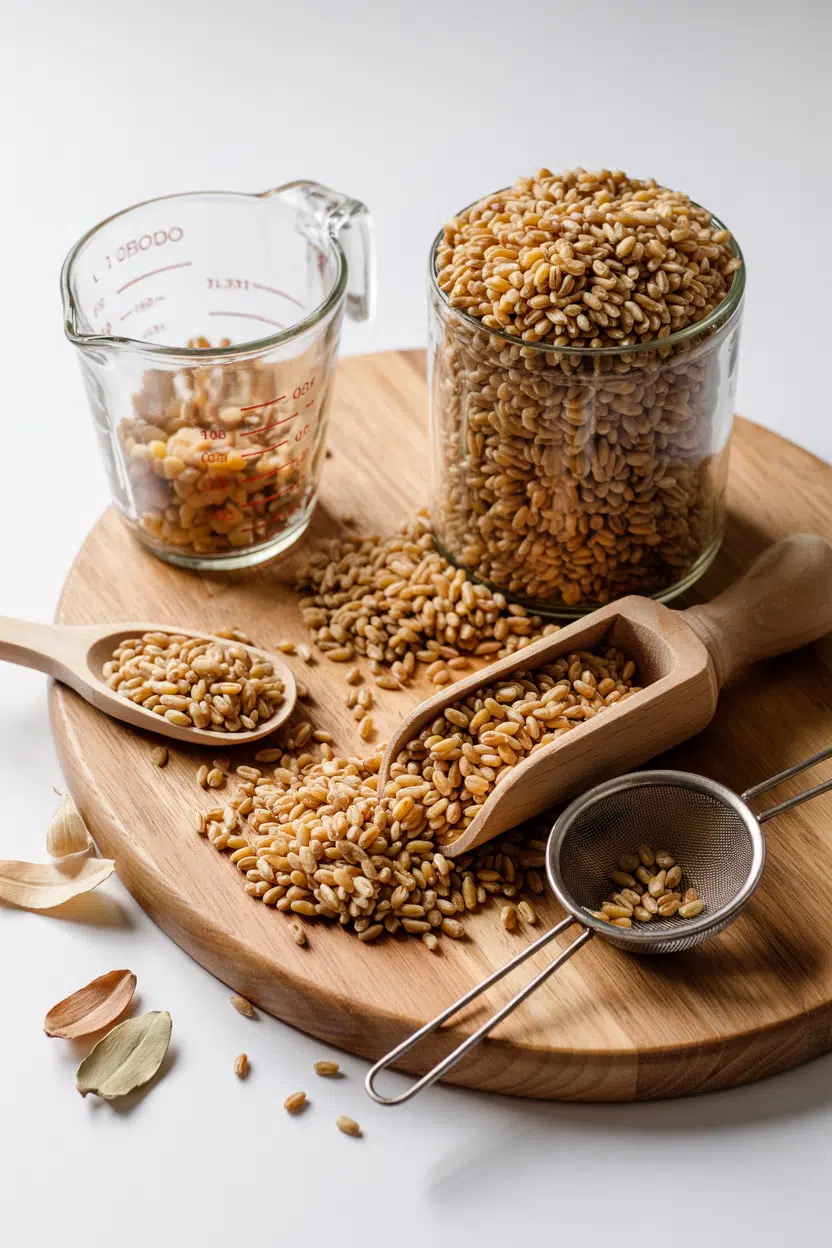
That assumption is wrong, and it costs them one of the most satisfying whole grains in a pantry. Wheat berries are simply the complete, unprocessed kernel of wheat, and storing wheat correctly is far easier than most people expect - they sit comfortably on a shelf for months.
If you've been reaching for alternatives to barley in hearty salads and soups, wheat berries are worth a close look.
Wheat berries are the whole, intact kernel of wheat - bran, germ, and endosperm included. They taste nutty and slightly sweet, cook to a firm, chewy texture, and work well in pilafs, salads, soups, and porridges. Not gluten-free.
What Is Wheat Berries?
Wheat berries are the whole kernel of wheat before any milling or processing has taken place. Every layer remains intact: the fibrous bran on the outside, the nutrient-dense germ at the core, and the starchy endosperm in between.
Remember it later
Planning to try this recipe soon? Save it for a quick find later!
They originate from wheat cultivation in the Fertile Crescent and are now grown across temperate regions worldwide. You'll also see them labeled as whole wheat kernels or hard wheat berries, depending on the variety.
Two main types show up in most stores:
- 🌾 Hard red wheat berries - the most common variety, with a robust, nutty flavor and a very firm, chewy bite after cooking
- 🌾 Hard white wheat berries - slightly milder in flavor, lighter in color, still chewy but marginally softer
- Soft wheat berries - lower protein, less chew; better suited to porridge than salads or pilafs
It's worth separating wheat berries from related products. Bulgur is made from wheat berries that have been parboiled and cracked - it cooks in minutes. Cracked wheat is raw and split but not precooked.
Wheat berries, by contrast, are fully whole and raw, which is precisely what gives them their long cook time and superior chew.
If you're curious how a tabbouleh with parsley and bulgur recipe compares in texture, the bulgur version is noticeably softer and quicker to prepare.
What Does Wheat Berries Taste Like?
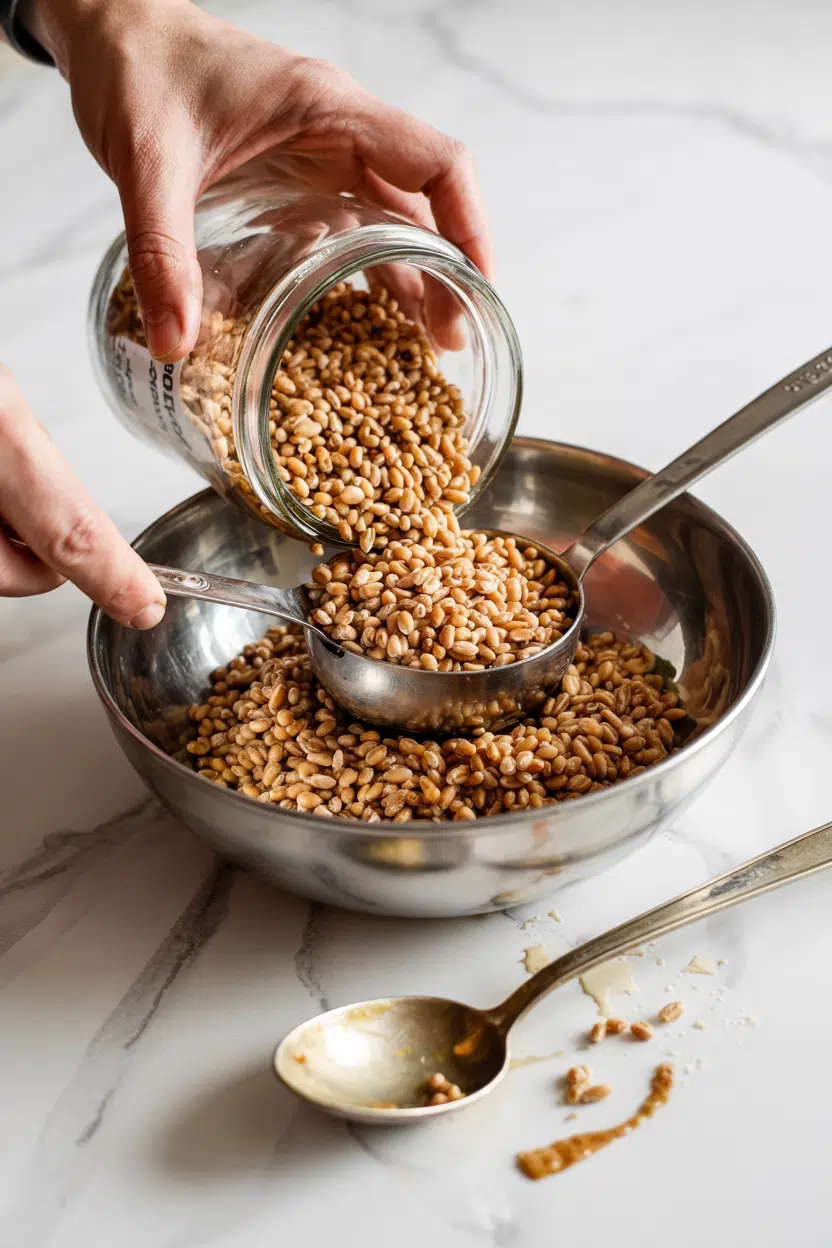
Wheat berries have a clean, honest grain flavor - nutty and toasty at the front, with a mild sweetness that comes through clearly once they've been simmered. There's also a faint grassy undertone, most noticeable in the first few bites.
Heat deepens the toasty quality noticeably. Dry-toasting kernels in a skillet for a few minutes before simmering pulls out oils from the bran and germ, adding a roasted, almost nutty depth that raw-simmered wheat berries lack.
Compared to similar grains, wheat berries sit close to farro in grain dishes and barley in grain dishes in overall character, but with a cleaner, more distinctly wheat-forward note. Farro reads as slightly earthier; barley leans creamier.
Wheat berries are the most assertively chewy of the three.
How to Use Wheat Berries
Long simmering is the standard method - 45 to 60 minutes in well-salted water or stock, optionally after a short dry-toast or an overnight soak. A pressure cooker cuts that to around 25-30 minutes without sacrificing texture.
| Method | Best For | Tip |
|---|---|---|
| 🍲 Simmered | Pilafs, soups, grain salads | Toast kernels first for added depth |
| ♨️ Pressure Cooked | Weeknight meals, meal prep | No soaking required; check at 25 min |
| 💧 Soaked then Simmered | Porridge, stuffed vegetables | Overnight soak reduces cook time by 20 min |
| 🫙 Sprouted | Salads, sandwiches, grain bowls | Rinse twice daily; sprouts appear in 2-3 days |
| ⚙️ Ground | Coarse whole wheat flour, rustic breads | Use a stone mill or high-powered grain grinder |
Wheat berries fit naturally into Middle Eastern pilafs and Eastern European grain salads. Mediterranean preparations favor them dressed with lemon and olive oil, often alongside feta and strong greens like arugula or kale.
American farmhouse cooking uses them in slow-simmered porridges with honey, dried apricot, and walnut.
They pair well with roasted root vegetables - beets and carrots in particular - and hold their own against bold flavors like mushrooms and thyme or hard cheeses such as Parmesan and Pecorino.
Avoid pairing them with very watery broths; the chew becomes lost without enough body in the surrounding dish.
If wheat berries aren't available, our guide to wheat berries stand-ins covers the closest options by texture and cook time.
How to Buy and Store Wheat Berries
Look for plump, intact kernels with a glossy, dry surface when buying. Avoid bags showing broken pieces, visible dust, or any musty smell - that last point indicates moisture damage or old stock.
Storage is straightforward once you understand what degrades first. The oil in the germ goes rancid over time, so heat, light, and air are the main enemies.
- Short-term pantry - airtight container in a cool, dark spot; good for 6-12 months
- Fridge - extends shelf life and protects germ oils in warm climates
- Freezer - best for bulk buying; stays fresh for 1-2 years
- Cooked berries - refrigerate in a sealed container and use within 4-6 days
Full guidance on keeping wheat berries fresh covers signs of spoilage and whether freezer storage changes the texture after cooking.
Where to Start With Wheat Berries
Wheat berries reward a little patience.
If you have 45 minutes and want to understand what these kernels can do, start with a simple warm pilaf - toast, simmer in salted stock, toss with roasted carrots and a splash of olive oil.
Already comfortable with grains like alternatives to farro? Wheat berries work in most of those same dishes - just plan for longer cooking and a chewier result.
Frequently Asked Questions
Stovetop simmering takes 45-60 minutes in well-salted water. An overnight soak cuts that to around 35-40 minutes. A pressure cooker brings it down to 25-30 minutes without soaking.
No. Bulgur is made from wheat berries that have been parboiled, dried, and cracked - it rehydrates in minutes. Wheat berries are the raw, whole kernel and require proper cooking from scratch.
Yes, and the result is true whole wheat flour with all three kernel layers intact. A stone grain mill or a high-powered grain grinder attachment works best; standard blenders produce uneven, coarse meal rather than fine flour.
Soak raw wheat berries in water for 8-12 hours, then drain and rinse twice daily in a jar or sprouting tray. Sprouts appear in 2-3 days at room temperature and are ready when the tail is about the same length as the kernel.
Yes, typically more per serving. The intact bran in wheat berries provides insoluble fiber in its original, undisrupted form. Whole wheat bread uses milled flour, which breaks down that structure even before digestion begins.



