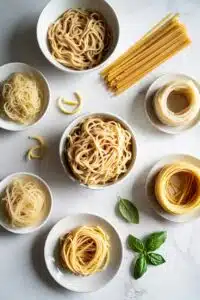
The store isn't an option, and that udon noodle stir-fry isn't going to make itself. Udon brings a thick, chewy bite that soaks up broth and clings to sauce-qualities that matter more than the wheat flavor alone.

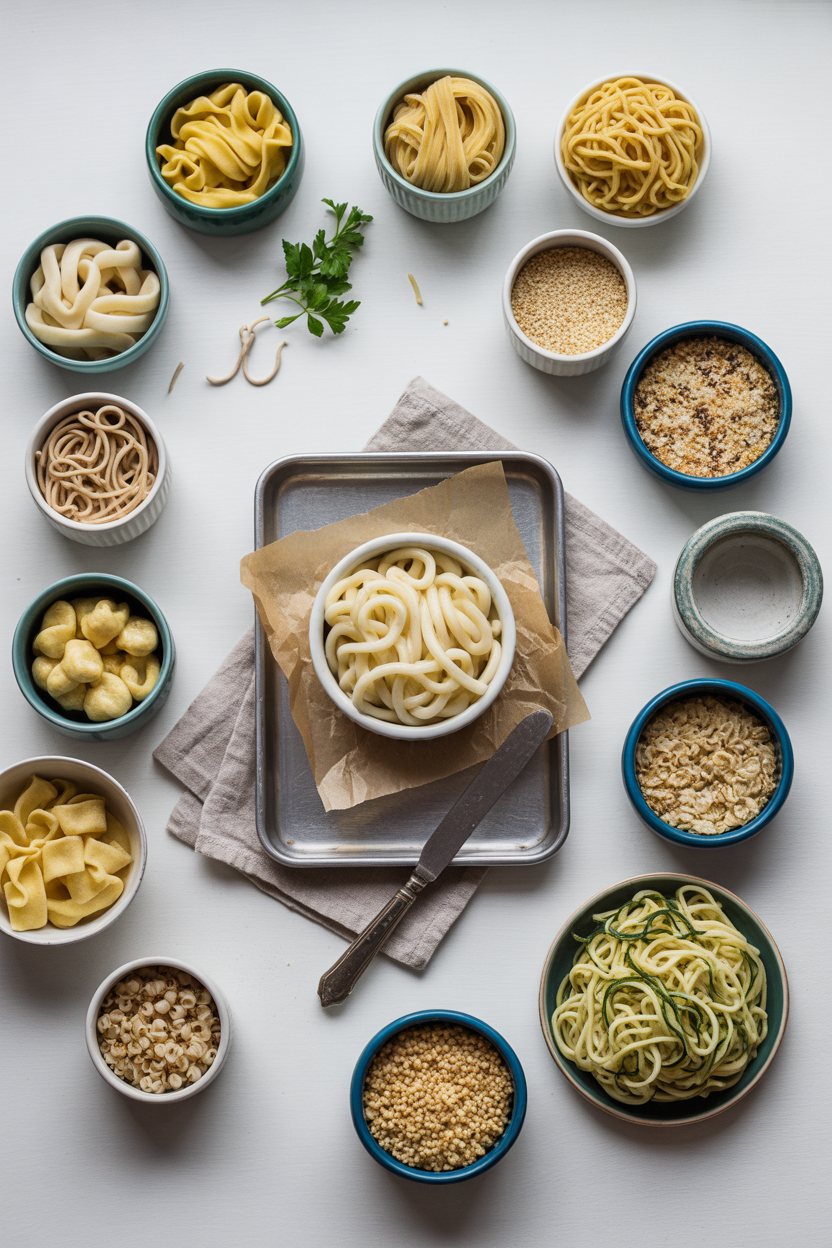
Soba and Lo Mein best replicate udon's texture and sauce grip. Focus on texture first, then flavor. Adjust cooking time to avoid over-softening noodles.
P>Not every noodle handles heat and liquid the same way. Pick a swap based on texture and how you're cooking, not just what looks similar in the pantry.
| # | Substitute | Best For | Ratio | Key Note |
|---|---|---|---|---|
| 1 | Soba Noodles | 🍳 Cooking | 1:1 | Nutty, thinner texture |
| 2 | Rice Noodles | ✨ Both | 1:1 | Gluten-free, more delicate |
| 3 | Lo Mein Noodles | 🍳 Cooking | 1:1 | Smoother, holds sauce well |
| 4 | Somen Noodles | 🍳 Cooking | 1:1 | Very thin, cooks fast |
| 5 | Thick Spaghetti | 🍳 Cooking | 1:1 | Chewier, wheat-forward |
| 6 | Shirataki Noodles | 🌱 Low-carb | Equal volume | Neutral, gelatinous |
| 7 | Flat Rice Noodles | 🍳 Cooking | 1:1 | Chewy, slightly sweet |
7 Quick Udon Noodles Substitutes That Work
Some swaps stay close to udon's thick chew, while others work better for lighter dishes. Start with the closest match and adjust based on your recipe.
Remember it later
Planning to try this recipe soon? Save it for a quick find later!
1 - Soba
Soba brings an earthy, buckwheat flavor that stands apart from udon's neutral wheat taste. The noodles run thinner but still hold up in hot broths and chilled dipping preparations.
Soba works in nearly any dish where udon appears-just expect a nuttier finish. If you're also out of soba, easy Soba Noodles swaps that work covers options with similar texture.
Here's what to know:
- Use 1:1 by weight - No need to adjust quantities.
- Rinse after cooking - Stops residual starch from making them gummy.
Skip if: You need gluten-free noodles.
SOBA
Works for: Hot soups, cold dipping sauces, stir-fries
Skip if: Gluten sensitivity or you want a neutral flavor
RICE NOODLES
Works for: Gluten-free needs, light broths, pad thai-style dishes
Skip if: You want thick, chewy bites
2 - Rice Noodles
Rice noodles deliver a softer, more delicate bite than udon. They absorb broth quickly and work well in Southeast Asian preparations where a lighter texture fits.
The slight sweetness pairs with peanut sauces and coconut broths. Missing rice noodles too? Check tested Rice Noodle replacements for swaps that stay tender.
The essentials:
- Soak in hot water, don't boil - Prevents mushiness in stir-fries.
- Add to soups at the last minute - They break down fast in liquid.
Skip if: You're counting on that thick, bouncy chew.
3 - Lo Mein
Lo mein noodles share udon's wheat base but run smoother and slightly thinner. They grip thick sauces without turning slick.
These noodles shine in high-heat stir-fries where you want caramelized edges. The texture holds better than udon in pan-fried dishes. If lo mein isn't available either, replacements similar to Lo Mein Noodle has options that absorb sauce the same way.
Quick specs:
- Cook according to package - Times vary by brand.
- Toss with oil after draining - Keeps noodles from clumping.
- Works best in saucy dishes - Less ideal for clear broths.
- Slightly firmer bite - Won't mimic udon's soft chew exactly.
4 - Somen
Somen noodles cook in about two minutes and deliver a much thinner strand than udon. They're traditional in chilled Japanese dishes served with dipping sauce.
The delicate texture works in light broths but won't hold up to heavy sauces. Use somen when you want something refreshing rather than hearty.
Key details:
- Watch the pot closely - Overcooking turns them to mush.
- Rinse immediately in cold water - Stops cooking and removes starch.
- Best served cold or in clear soups - Too fragile for stir-fries.
- Use 1:1 ratio - Same quantity as udon.
Skip if: You need thick noodles that hold shape under sauce.
5 - Thick Spaghetti
Thick spaghetti (spaghettoni) offers a chewier bite than standard pasta and handles broth better than thin varieties. The wheat flavor runs stronger than udon, but the texture comes closer than most Western options.
Look for spaghetti labeled "thick" or "#7" for the best match. Cook until just al dente-the noodles continue softening in hot broth.
Skip if: Gluten is a concern or you want authentic Japanese flavor.
6 - Shirataki
Shirataki noodles contain almost no carbs and nearly zero calories. Made from konjac root, they have a springy, gelatinous texture that's nothing like wheat.
These noodles won't absorb flavor on their own. Dry-fry them first to remove excess moisture, then toss in sauce right before serving.
The neutral taste means your sauce does all the work. Good for low-carb versions of noodle bowls, but don't expect udon's comforting chew.
| Use | Ratio | Notes |
|---|---|---|
| Noodle soups | Equal volume | Add last—they don't absorb broth well |
| Stir-fries | Equal volume | Dry-fry 2–3 minutes first |
| Cold noodle bowls | Equal volume | Rinse thoroughly to reduce odor |
7 - Flat Rice Noodles
Ho fun noodles bring a wide, slippery surface that picks up sauce differently than udon. The texture runs chewy with a slight sweetness-closer to pad see ew than ramen.
These noodles excel in high-heat wok cooking where you want charred edges. They're gluten-free and widely available in Asian grocery stores. If flat rice noodles aren't in the pantry either, Rice Noodle substitutes for cooking covers similar wide noodle options.
Skip if: You want the dense wheat chew that defines udon.
Picking the Right Replacement
Most of these swaps work without major recipe changes, but the right choice depends on your dish. For soups, soba or lo mein come closest to udon's presence. For stir-fries, flat rice noodles or thick spaghetti handle high heat better.
- Closest match - Lo mein for similar wheat texture and sauce grip
- Easiest grab - Thick spaghetti from any grocery store
- Dietary option - Rice noodles or shirataki for gluten-free and low-carb needs
Frequently Asked Questions
Yes, but choose thick spaghetti for better texture. Standard thin spaghetti cooks faster and won't hold up as well in brothy dishes.
Rice noodles or flat rice noodles work well. Shirataki is another option if you're also watching carbs, though the texture differs significantly.
Usually yes. Somen cooks in 2 minutes while thick spaghetti takes 10-12 minutes. Follow package directions and taste-test before serving.
Soba or lo mein hold up best in hot broth. Rice noodles work but add them at the last moment since they soften quickly.
Soba and somen are traditional choices for cold preparations. Rice noodles also work well chilled with dipping sauce or in salads.
7 Best Substitutes for Udon Noodles
Ingredients
Method
- Choose your substitute based on dish type: soba or lo mein for soups, flat rice noodles or thick spaghetti for stir-fries.
- Prepare noodles according to specific instructions: soak, cook, rinse, or dry-fry as needed for the substitute.
- Follow the 1:1 substitution ratio by weight or volume depending on the noodle type.
- Adjust cooking time as per substitute: somen cooks in 2 minutes, thick spaghetti takes 10-12 minutes.
- After cooking, rinse or toss noodles with oil to prevent clumping or gumminess when specified.
- Add noodles to your dish according to recipe timing, such as adding rice noodles at the last minute to soups.
- Taste-test the final dish for texture and flavor balance, adjusting future substitutions if needed.