
You're halfway through a cold noodle bowl when you realize the soba ran out two servings ago. That nutty buckwheat flavor and slight chew anchors dishes from dipping bowls to stir-fries.
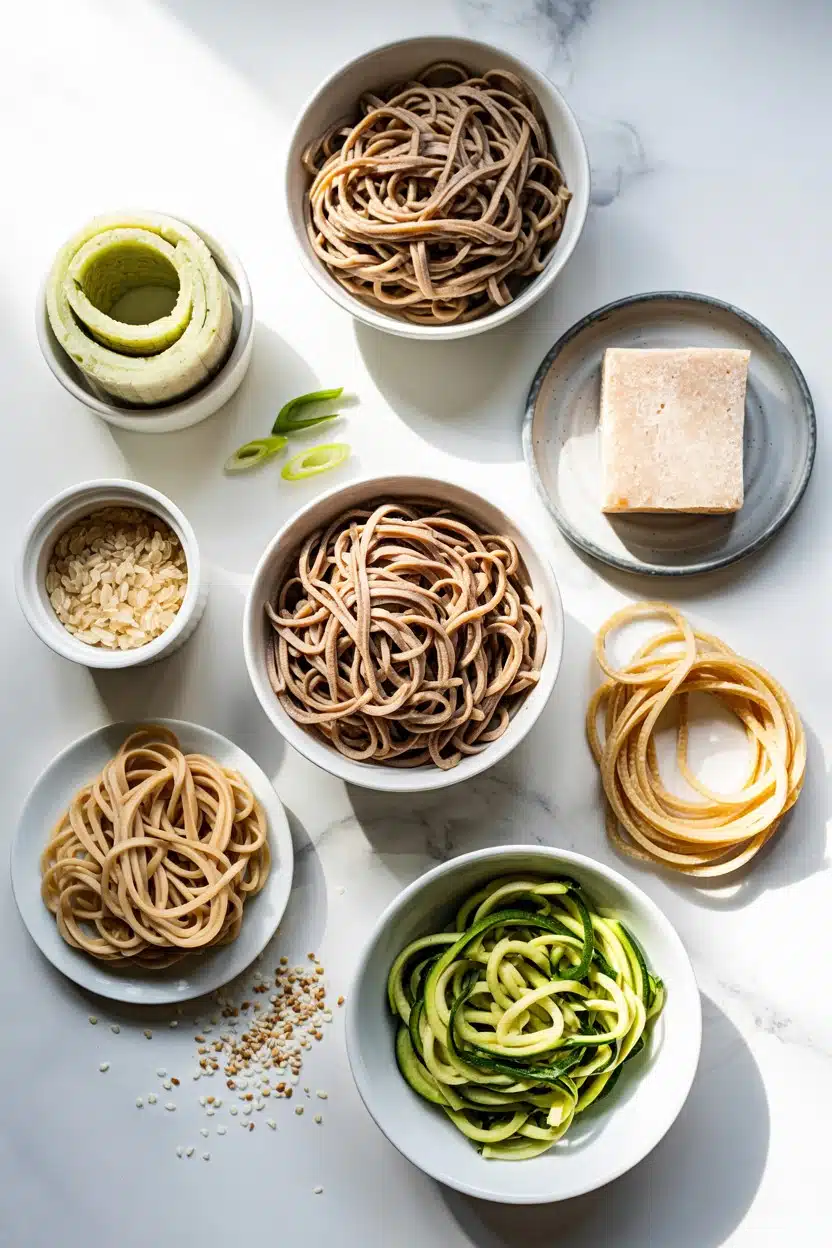
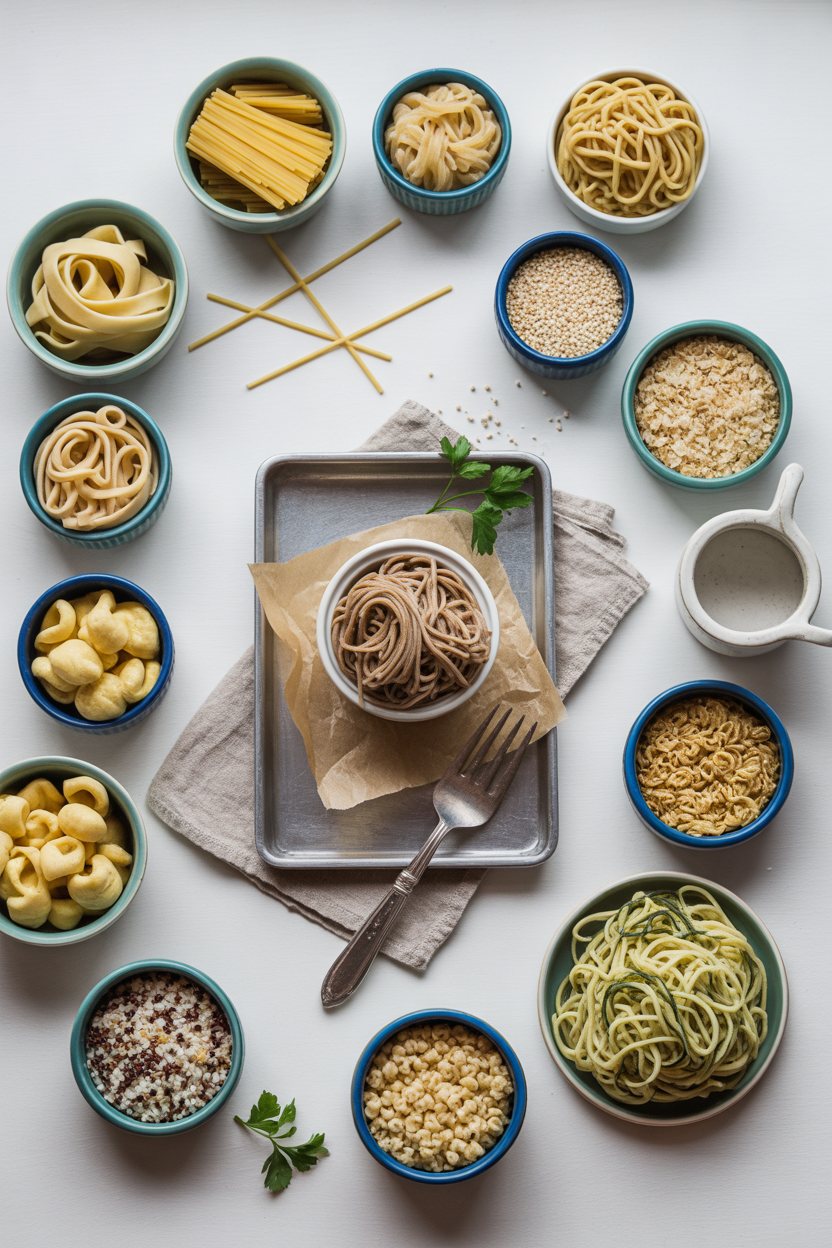
Buckwheat pasta best matches soba's earthy flavor, while udon offers a firm, chewy texture. Prioritize flavor or texture based on your dish, and adjust cooking times accordingly for the substitute chosen.
Not every swap hits the same notes. The best substitute depends on whether you need the earthy buckwheat taste, the firm bite, or just a noodle that works with your sauce. Some options come closer than others.
| # | Substitute | Best For | Ratio | Key Note |
|---|---|---|---|---|
| 1 | Udon Noodles | 🍳 Cooking | 1:1 | Thicker and chewier |
| 2 | Rice Noodles | 🍳 Cooking | 1:1 | Neutral and soft |
| 3 | Whole Wheat Spaghetti | 🍳 Cooking | 1:1 | Dense and wheaty |
| 4 | Shirataki Noodles | ✨ Both | 1:1 | Nearly zero carbs |
| 5 | Buckwheat Pasta | ✨ Both | 1:1 | Closest flavor match |
| 6 | Angel Hair Pasta | 🍳 Cooking | 1:1 | Thin and delicate |
| 7 | Zucchini Noodles | 🌱 Vegan | 1.5:1 | Raw or barely cooked |
7 Top Soba Noodles Alternatives That Hold Up
These range from pantry-friendly wheat noodles to low-carb vegetable options. Pick based on what the dish needs and what you have on hand.
Remember it later
Planning to try this recipe soon? Save it for a quick find later!
1 - Udon
Udon brings a satisfying chew that works in hot broth or a quick stir-fry. The texture runs thicker and bouncier than soba, so the mouthfeel shifts noticeably.
The mild wheat flavor won't replicate buckwheat's earthiness. Udon absorbs sauces well, making it a strong pick for dishes where the broth or dressing carries the flavor load.
If you're also short on udon, swaps when Udon Noodles runs out covers options with similar heft.
Skip if: you need thin noodles or that distinctive nutty taste.
UDON
Works for: Hot soups, stir-fries, dishes with bold sauces
Skip if: Thin noodle texture or buckwheat flavor matters
SOBA
Works for: Cold dipping bowls, salads, nutty flavor profiles
Skip if: You want a thick, chewy noodle
2 - Rice Noodles
Rice noodles sit on the opposite end of the texture spectrum. They cook soft and slippery, with almost no flavor of their own.
That neutral base lets dressings and sauces shine without competition. Cold sesame noodle salads or light broths work well here.
Here's what to know:
- Soak in warm water before cooking to prevent mushiness.
- Cook times run shorter than wheat noodles-watch closely.
- The soft texture won't hold up to aggressive tossing.
- Add them last to hot dishes so they don't overcook.
Don't have rice noodles either? Check easy Rice Noodle swaps that work for similar soft-textured options.
Skip if: you want that nutty buckwheat character or firm bite.
3 - Whole Wheat Spaghetti
Whole wheat spaghetti brings a dense, wheaty chew that holds up in stir-fries. The flavor leans more toward Italian bread than Japanese buckwheat.
Cook it al dente to keep some firmness. Toss with sesame oil immediately after draining to prevent sticking.
Quick specs:
- Use equal amounts as soba.
- Rinse under cold water for cold noodle dishes.
Skip if: gluten-free is required or authentic Japanese flavor matters.
4 - Shirataki
Shirataki noodles come from konjac root and contain almost no calories or carbs. The texture runs springy and slightly rubbery-very different from wheat noodles.
They arrive packed in liquid and need thorough rinsing. A quick dry-fry in a hot pan removes excess moisture and improves texture.
Key details:
- Rinse well to remove the packaging odor.
- Dry-fry for 2-3 minutes before adding to your dish.
The flavor stays completely neutral, so sauces do all the work. Hot preparations mask the texture better than cold ones.
Skip if: you want buckwheat flavor or a traditional noodle chew.
5 - Buckwheat Pasta
This swap lands closest to authentic soba flavor. Italian-style buckwheat pasta (pizzoccheri) uses the same grain, delivering that earthy, nutty taste.
Texture varies by brand. Some run firmer than Japanese soba, others softer. Check package directions since cook times differ.
The essentials:
- Ratio stays 1:1 with soba.
- Taste before the timer-brands vary significantly.
- Works in both hot and cold preparations.
- Not gluten-free unless the package specifies 100% buckwheat.
| Use | Ratio | Notes |
|---|---|---|
| Cold dipping | 1:1 | Rinse well and chill completely |
| Hot broth | 1:1 | Add noodles just before serving |
| Stir-fry | 1:1 | Cook slightly underdone, finish in pan |
Skip if: you need a delicate texture or gluten-free option.
6 - Angel Hair
Angel hair pasta offers the thinnest wheat noodle option. It cooks fast and works in light broths or cold preparations where delicate strands matter.
The texture runs softer than soba. Slight overcooking turns it mushy, so pull it a minute early.
Toss immediately with oil to prevent clumping. Cold noodle salads with thin, light dressings suit angel hair well.
Skip if: gluten-free is needed or you want buckwheat's nutty depth.
7 - Zucchini Noodles
Spiralized zucchini swaps starch for vegetables entirely. The texture stays crisp when raw and turns tender with brief cooking.
Use 1.5 cups zucchini noodles for every cup of soba. The higher volume accounts for water loss during cooking.
Raw zoodles work best in cold preparations. Heat releases moisture quickly, so add them at the last moment to warm dishes.
No zucchini on hand either? See what to use for Zucchini for vegetable noodle alternatives.
Skip if: hot soup or serious noodle chew matters to your dish.
Before You Swap Soba Noodles
Start with the closest match and adjust seasoning and cooking time as needed. Buckwheat pasta delivers the most authentic flavor, while udon offers the easiest pantry grab for hot dishes.
- Closest match - Buckwheat pasta for that nutty, earthy taste
- Easiest grab - Whole wheat spaghetti from any grocery store
- Low-carb option - Shirataki noodles for nearly zero carbs
Frequently Asked Questions
Most substitutes swap 1:1 by weight or volume. Zucchini noodles need about 1.5 cups per cup of soba since they shrink when cooked.
Only buckwheat pasta comes close to soba's nutty flavor. Other options work texturally but rely on sauces and seasonings to carry the dish.
Rice noodles or angel hair pasta both work well chilled. Rinse thoroughly under cold water after cooking and toss with a little oil to prevent sticking.
Rice noodles, shirataki noodles, and zucchini noodles are naturally gluten-free. Some buckwheat pasta contains wheat flour, so check the label if gluten is a concern.
The liquid they're packed in has a mild odor from the konjac. Rinse them well under running water for a minute, then dry-fry in a hot pan to eliminate any lingering smell.
7 Best Substitutes for Soba Noodles
Ingredients
Method
- Choose the substitute based on your dish's needs: buckwheat flavor, texture, or neutral base.
- Prepare the substitute according to its specific instructions, such as soaking or rinsing.
- Use a 1:1 ratio for most substitutes; use 1.5 cups zucchini noodles per cup soba.
- For coated noodles, toss cooked whole wheat spaghetti or angel hair pasta with oil to prevent sticking.
- Taste and adjust seasoning or cooking time as needed to suit the dish.



