You reach for wild rice and the bag is empty. That earthy, chewy grain adds texture and nutty depth that plain rice can't match.
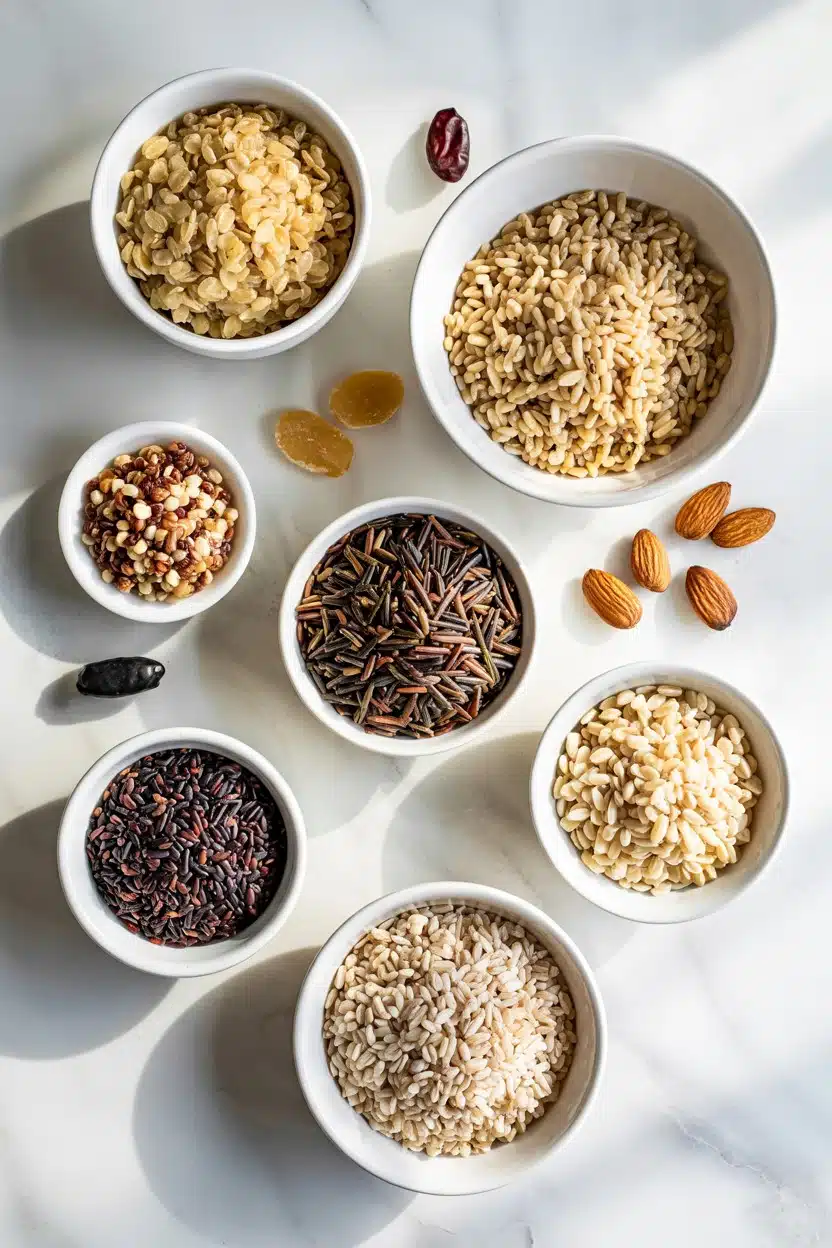

Brown rice and black rice best replicate wild rice's texture and flavor. Focus on chew first, then color or cooking time. For softer results, cook substitutes slightly less to retain bite.
The right substitute depends on whether you need that signature chew or just a hearty grain base. Some swaps cook faster, some softer, and a few bring their own distinct flavors that change the dish.
| # | Substitute | Best For | Ratio | Key Note |
|---|---|---|---|---|
| 1 | Brown Rice | 🍳 Cooking | 1:1 | Milder and softer |
| 2 | Quinoa | 🍳 Cooking | 1:1 cooked | Lighter, smaller grains |
| 3 | Farro | 🍳 Cooking | 1:1 cooked | Earthy, chewy texture |
| 4 | Barley | 🍳 Cooking | 1:1 cooked | Contains gluten |
| 5 | Black Rice | 🍳 Cooking | 1:1 cooked | Slightly sweet, chewy |
| 6 | Bulgur Wheat | 🍳 Cooking | 1:1 cooked | Cooks quickly, softer |
| 7 | Freekeh | 🍳 Cooking | 1:1 cooked | Smoky, firm texture |
7 Quick Wild Rice Substitutes That Work
These options range from pantry staples to specialty grains. The closest matches come first, with bolder alternatives following for when you want something different.
Remember it later
Planning to try this recipe soon? Save it for a quick find later!
1 - Brown Rice
Brown rice lands softer than wild rice, without that distinctive chew. The flavor runs milder too-more neutral than nutty.
Use it in grain bowls where other toppings carry the flavor load. Add a splash of soy sauce or toasted sesame oil to boost depth.
Here's what to know:
- Use 1 cup brown rice per 1 cup wild rice called for.
- Cooking time runs about 45 minutes for most varieties.
- Works best mixed with vegetables or in casseroles.
If you're also out of brown rice, Brown Rice replacements that work covers similar grain options.
Skip if: you need that chewy bite wild rice brings.
Brown Rice
Works for: Grain bowls, casseroles, stuffed peppers
Skip if: Chewy texture matters
Quinoa
Works for: Light salads, quick sides
Skip if: You want substantial chew
2 - Quinoa
Quinoa cooks in half the time and brings a lighter, fluffier texture. The grains are much smaller, so the visual changes significantly.
That nutty flavor stays present but reads more delicate. It works beautifully in cold salads where wild rice might feel too heavy.
Don't have quinoa either? Check swaps when Quinoa runs out for similar quick-cooking grains.
Skip if: the dish relies on wild rice's hearty chew.
3 - Farro
Farro brings serious chew-even more robust than wild rice. The earthy, wheaty flavor stands up to bold dressings and roasted vegetables.
The essentials:
- Use 1 cup cooked farro per 1 cup cooked wild rice.
- Pearled farro cooks in 20 minutes; whole farro needs 40.
- Toast it dry first for deeper nutty flavor.
- Holds up well in meal prep without turning mushy.
The texture actually improves after a day in the fridge. Farro absorbs dressing without falling apart.
No farro on hand? Try easy Farro swaps that work for chewy alternatives.
Skip if: you need a gluten-free option.
4 - Barley
Barley offers a mild, slightly sweet flavor with good chew, though softer than wild rice. It absorbs broth beautifully, making it ideal for soups.
Pearl barley cooks faster than hulled. Either works, but adjust your liquid-barley drinks up more water than wild rice.
Quick specs:
- Substitute 1:1 by cooked volume.
- Add extra broth if using in pilafs or risotto-style dishes.
- The starch makes it naturally creamy when stirred.
Missing barley too? See Barley swaps by recipe type for firm grain options.
Skip if: gluten is a concern.
5 - Black Rice
Black rice matches wild rice's chew almost perfectly. The dramatic purple-black color makes it a stunning stand-in for special occasions.
Key details:
- Swap 1:1 by cooked volume.
- Expect a slightly sweet, nutty flavor with hints of berry.
The color bleeds during cooking, so keep that in mind for lighter dishes.
If black rice isn't available either, Rice alternatives that absorb lists grains with similar texture.
Skip if: you want a lighter, fluffier result.
| Use | Ratio | Notes |
|---|---|---|
| Grain bowls | 1:1 cooked | Black rice adds visual drama |
| Salads | 1:1 cooked | Color may tint lighter ingredients |
| Stuffings | 1:1 cooked | Holds shape well after baking |
6 - Bulgur Wheat
Bulgur cooks in about 15 minutes-a fraction of wild rice's time. The texture runs much softer, with a light, nutty flavor.
What to expect:
- Use 1 cup cooked bulgur per 1 cup cooked wild rice.
- Pour boiling water over it and let it sit-no active cooking needed.
- Works well in tabbouleh-style preparations.
- The softer texture absorbs dressings quickly.
Skip if: you want that firm, chewy bite.
7 - Freekeh
Freekeh brings a distinctive smoky flavor from the roasting process. The texture stays firm and chewy, closer to wild rice than most grains.
It's made from young wheat, so the flavor runs greener and more complex. Use it where you'd appreciate that smokiness-alongside grilled meats or roasted vegetables.
The essentials:
- Substitute 1:1 by cooked volume.
- Cracked freekeh cooks in 20 minutes; whole needs 45.
Skip if: you need gluten-free.
Making Wild Rice Substitutes Work
The best choice depends on what you're making. For cold salads and grain bowls, quinoa or farro work well. For soups and warm dishes, barley or brown rice absorb flavors beautifully.
- Closest match - Farro for similar chewy texture
- Easiest grab - Brown rice, likely already in the pantry
- Gluten-free option - Black rice with matching chew
Frequently Asked Questions
Barley works best in soups because it absorbs broth and adds body without falling apart. Use the same amount and add 10 extra minutes of cooking time.
Yes, use a 1:1 ratio. Brown rice is softer and milder, so the texture changes, but it bakes well and holds together in casseroles.
Black rice comes closest with its chewy texture and nutty flavor. Quinoa works too but has smaller grains and lighter texture.
It depends on the grain. Barley absorbs more liquid, so add extra broth. Quinoa and bulgur need less water than wild rice typically does.
Bulgur wheat cooks in 15 minutes with just boiling water. Quinoa takes about 15-20 minutes on the stovetop. Both cut cooking time significantly compared to wild rice's 45-60 minutes.
7 Best Substitutes for Wild Rice
Ingredients
Method
- Choose the substitute based on dish type: farro or quinoa for salads; barley or brown rice for soups and warm dishes.
- Adjust cooking times and liquid as needed: add extra broth when using barley, use boiling water for bulgur.
- Use the specified 1:1 cooked ratio for all substitutes to maintain volume and texture balance.
- When using bulgur, pour boiling water and let it sit for 15 minutes instead of cooking.
- Toast farro dry before cooking to enhance nutty flavor if desired.
- Taste test and adjust seasonings gradually, especially when using smoky freekeh to avoid overpowering the dish.