
The recipe depends on rice for that familiar starchy base-fluffy grains that soak up sauce and fill out a bowl. Flavor matters here, but so does how the substitute behaves on the plate.
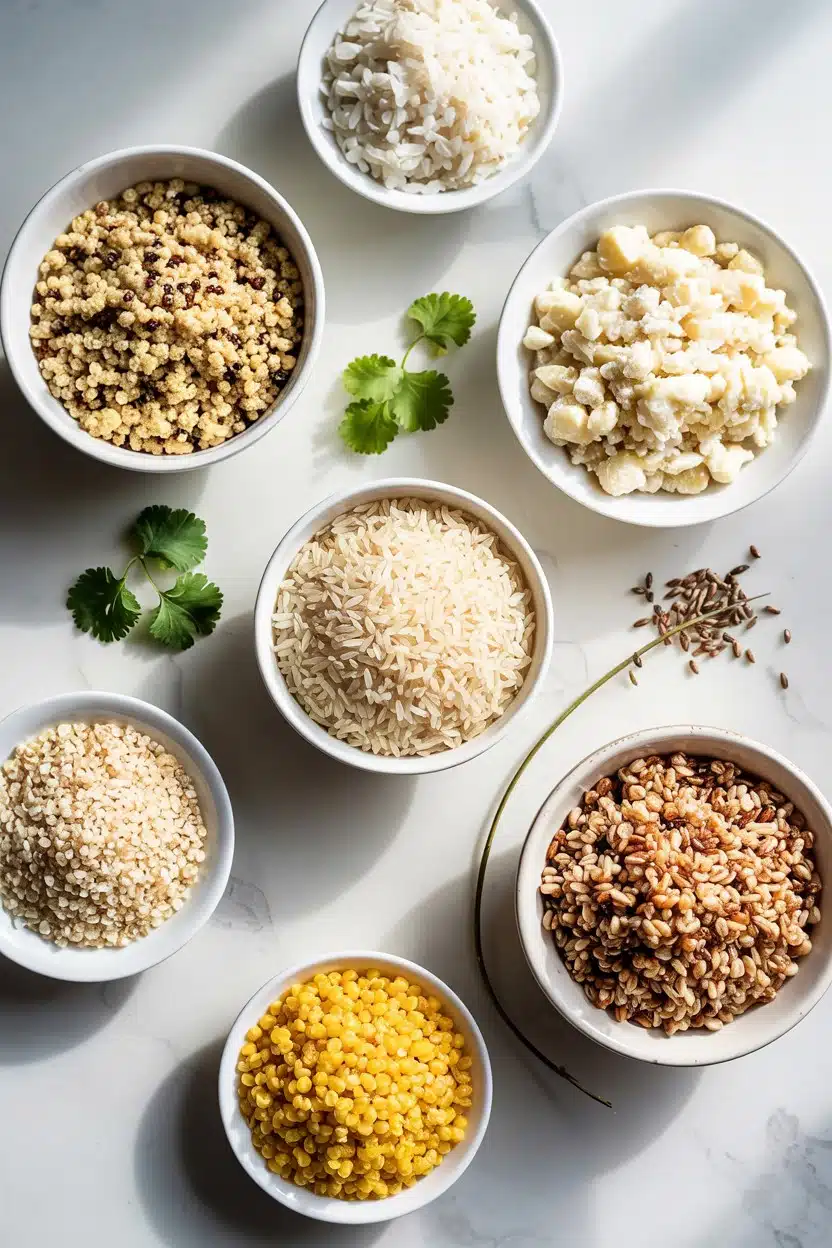
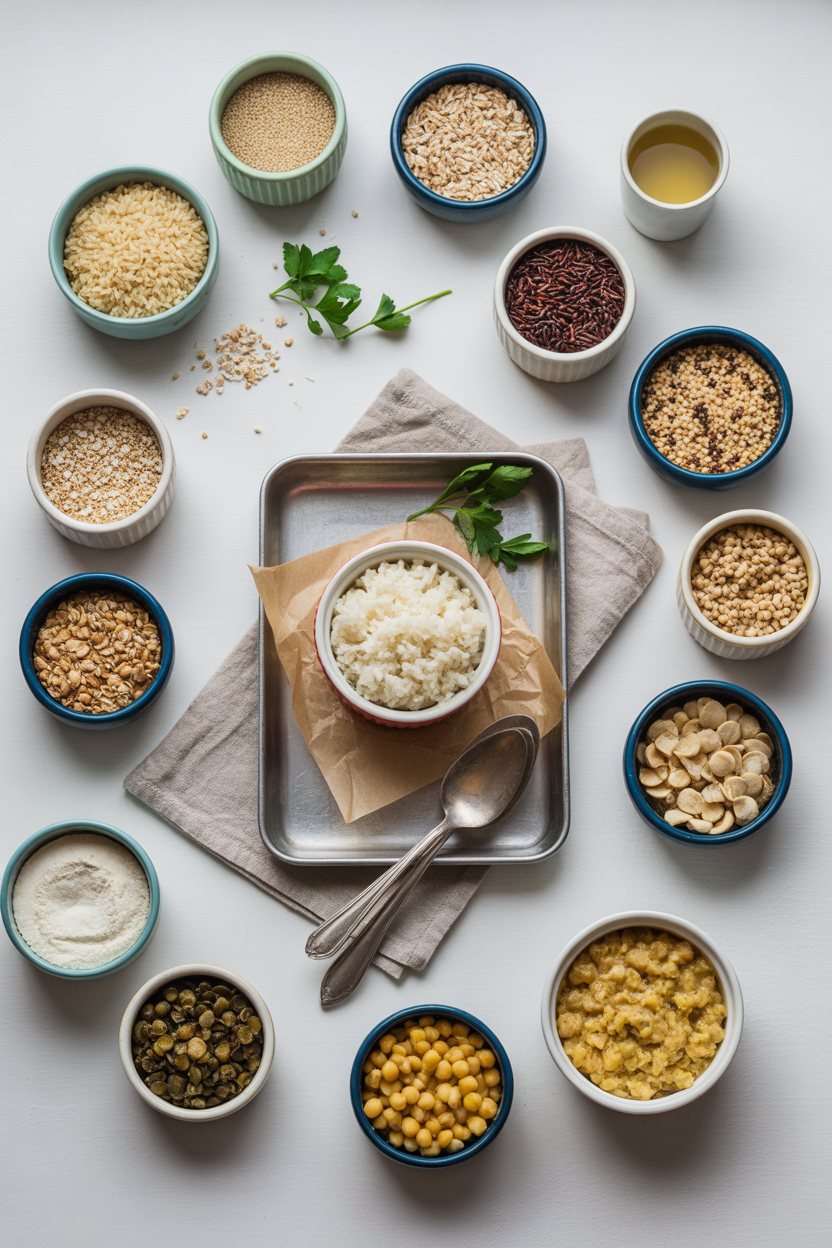
Quinoa and couscous are top substitutes to consider first, focusing on texture and cooking time. Choose based on whether a nutty flavor or quick preparation suits your dish. Remember to adjust liquid amounts when swapping grains to maintain the right consistency.
P>The right swap depends on whether you need something neutral or something with more character. Some alternatives cook faster, others chew differently, and a few change the dish entirely.
| # | Substitute | Best For | Ratio | Key Note |
|---|---|---|---|---|
| 1 | Quinoa | 🍳 Cooking | 1:1 | Nutty, slightly crunchy |
| 2 | Cauliflower Rice | 🍳 Cooking | 1:1 | Low-carb, mild vegetal flavor |
| 3 | Couscous | 🍳 Cooking | 1:1 | Light, fluffy, cooks fast |
| 4 | Barley | 🍳 Cooking | 1:1.25 | Chewy, hearty bite |
| 5 | Bulgur | 🍳 Cooking | 1:1 | Earthy, nutty chew |
| 6 | Farro | 🍳 Cooking | 1:1 | Nutty with firm texture |
| 7 | Millet | ✨ Both | 1:1 | Mild, slightly sweet |
| 8 | Orzo | 🍳 Cooking | 1:1 | Soft wheat pasta |
| 9 | Potato | 🍳 Cooking | 1:1 | Starchy, no grain texture |
9 Rice Swaps That Keep Flavor Balanced
Some of these match rice closely while others bring a distinct personality. Pick based on what your dish needs-neutral backdrop or something bolder.
Remember it later
Planning to try this recipe soon? Save it for a quick find later!
1 - Quinoa
Quinoa cooks in about 15 minutes and delivers a nutty, slightly grassy flavor that rice doesn't have. The texture stays fluffy but individual grains pop more.
Use the same 1:1 ratio for cooked rice. Rinse quinoa first to remove the bitter coating.
If you're short on quinoa too, Quinoa replacements that work covers grains with similar cook times.
Skip if: you need sticky grains that clump together.
2 - Cauliflower Rice
Cauliflower rice mimics the look of rice but acts completely differently. It won't absorb sauces the same way and releases moisture during cooking.
The essentials:
- Sauté in a dry pan - High heat drives off water fast.
- Season generously - The vegetable flavor needs help.
- Don't overcook - Two to three minutes keeps it from turning mushy.
- Mix with real grains - Half cauliflower, half rice cuts carbs without losing texture.
If you're also out of rice, common Rice swaps ranked shows options that absorb better.
Skip if: the dish relies on starchy absorption.
Quinoa
Works for: grain bowls, pilafs, cold salads
Skip if: you need sticky clumping grains
Cauliflower Rice
Works for: low-carb stir-fries, burrito bowls
Skip if: the dish needs sauce absorption
3 - Couscous
Couscous cooks faster than any grain on this list-just pour boiling water over it, cover, and wait five minutes. The texture is light and fluffy with tiny, tender pearls.
Key details:
- Use a 1:1 ratio - Same volume as rice works fine.
- Fluff with a fork - Breaks up clumps and keeps it airy.
The mild wheat flavor disappears into most dishes. It soaks up dressings and pan sauces quickly.
Don't have couscous either? For replacements similar to Couscous, smaller pastas work well.
Skip if: you need long-grain texture or gluten-free options.
4 - Barley
Barley brings a chewy, almost meaty bite that rice never has. The nutty flavor stands out in soups and grain salads.
Plan for longer cooking-pearl barley takes 25 to 30 minutes. Use a 1:1.25 ratio because it absorbs more liquid than rice.
If barley isn't in the pantry either, replacements similar to Barley lists grains with that same hearty chew.
Skip if: the recipe needs a soft, tender grain.
5 - Bulgur
Bulgur is precooked cracked wheat, so it rehydrates in about 10 minutes with hot water. The texture is chewy and earthy with a distinct wheat taste.
Use a 1:1 swap for rice by volume. It works best in cold salads like tabbouleh or warm pilafs where you want that toothy bite.
Skip if: you're making risotto or anything that needs creamy starch release.
6 - Farro
Farro has a nutty, almost buttery flavor with a firm chew that holds up in hearty dishes. It won't turn mushy even after extended cooking.
What to expect:
- Cook time runs 25-30 minutes - Longer than rice by a good margin.
- The chew stays firm - Even in leftovers.
- Rinse before cooking - Removes surface starch.
- Season the cooking water - Farro absorbs flavor while it simmers.
Swap 1:1 by volume for cooked rice. The texture works well in grain bowls and warm salads.
Missing farro as well? For options with similar firmness, tested Farro replacements narrows the list.
7 - Millet
Millet cooks up fluffy and mild with a slightly sweet undertone. It's one of the more neutral-tasting grains on this list.
Quick specs:
- 1:1 ratio works - Same volume as rice.
- Toast before cooking - Brings out the nutty flavor.
- Watch the water - Too much makes it gluey.
- Fluff after resting - Let it sit covered for five minutes, then fork through.
The small round grains look different from rice but behave similarly in bowls and breakfast porridges.
If you're out of millet too, Millet substitutes for cooking covers grains with that same mild profile.
| Use | Ratio | Notes |
|---|---|---|
| Pilafs | 1:1 | Toast first for deeper flavor |
| Porridge | 1:3 | More liquid creates creamy texture |
| Grain bowls | 1:1 | Fluff well to keep grains separate |
8 - Orzo
Orzo looks like rice but cooks like pasta. The soft, tender texture and mild wheat flavor make it a quick swap for soups and baked dishes.
Here's what to know:
- Boil like pasta - Salt the water, cook 8-10 minutes, drain.
- Stir while cooking - Prevents clumping.
- Rinse for cold dishes - Stops cooking and removes surface starch.
Use 1:1 by volume for cooked rice. The pasta soaks up sauces well and holds its shape in casseroles.
Don't have orzo either? For what to use for Orzo, small pasta shapes or Israeli couscous step in easily.
Skip if: you need a gluten-free option.
9 - Potato
Potatoes replace rice as a starchy base, not a grain mimic. Mashed, roasted, or cubed, they fill the same role on the plate.
The essentials:
- Match volume 1:1 - Same portion size as rice.
- Roast for texture - Crispy edges add contrast.
- Mash for creaminess - Works under stews and braised meats.
The flavor is earthy and starchy. No grain texture here, but the comfort factor is high.
If potatoes aren't available either, Potato Ricer swaps that match helps with texture tools for other starches.
Skip if: the recipe specifically needs individual grains.
Before You Swap Rice
Most of these substitutes work without changing the recipe much, but the best pick depends on what you're making. For quick weeknight meals, couscous or orzo cook fastest. For heartier dishes where texture matters, farro or barley deliver more bite.
- Closest match - Quinoa for similar fluffiness
- Easiest grab - Couscous for five-minute prep
- Low-carb option - Cauliflower rice for carb-conscious swaps
Frequently Asked Questions
Cauliflower rice works well for low-carb stir-fries, but quinoa holds up better if you want more substance. Cook either on high heat to avoid sogginess.
Orzo is the best pasta swap for rice in soups. Add it during the last 10 minutes of cooking so it doesn't get too soft.
Quinoa, millet, cauliflower rice, and potatoes are all naturally gluten-free. Avoid couscous, orzo, barley, farro, and bulgur if gluten is a concern.
Most swap 1:1 by volume, but barley needs slightly more water (1:1.25). Cauliflower rice releases water instead of absorbing it, so cook it dry.
Millet and couscous have the mildest flavors. Quinoa adds a nutty taste, while farro and barley bring earthier, chewier profiles.
9 Best Substitutes for Rice
Ingredients
Method
- Select your substitute based on dish needs: neutral (millet, couscous) or more texture (farro, barley).
- Rinse quinoa before cooking and use 1:1 ratio; sauté cauliflower rice dry to avoid sogginess.
- Pour boiling water over couscous, cover and wait five minutes; fluff with fork before serving.
- Cook barley and farro longer (25-30 minutes) and use correct water ratios (1:1.25 for barley).
- Rehydrate bulgur with hot water for 10 minutes without boiling; use 1:1 volume ratio.
- Toast millet before cooking and fluff after resting for best texture; use 1:1 ratio for grains.
- Boil orzo 8-10 minutes with stirring to prevent clumps; rinse if used in cold dishes.
- Match potato volume 1:1 for rice; roast for crispy texture or mash for creamy base.
- Adjust seasoning and moisture after cooking; taste test to ensure flavor and texture balance.



