You're doubling the batch and there's not enough millet to cover it. Millet brings a light, fluffy texture and mild, slightly sweet flavor to grain bowls, porridges, and pilafs.
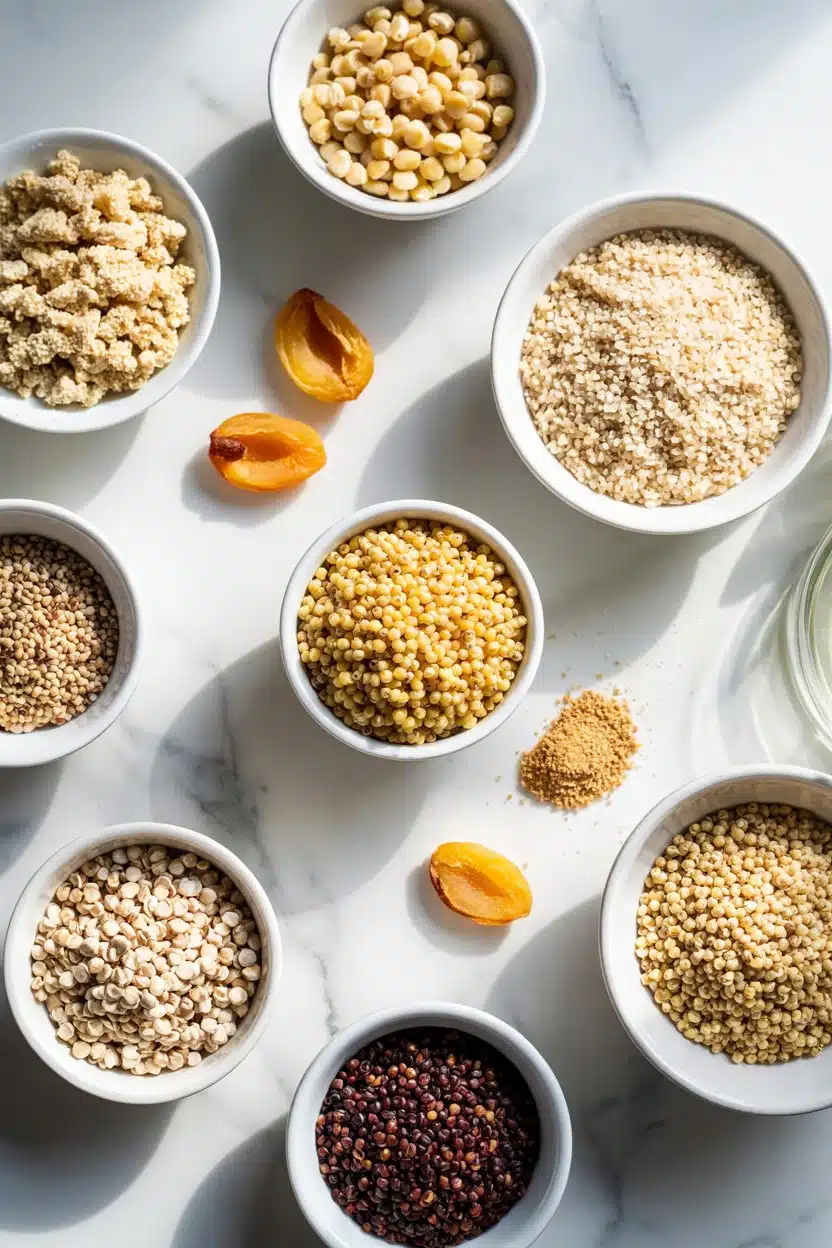
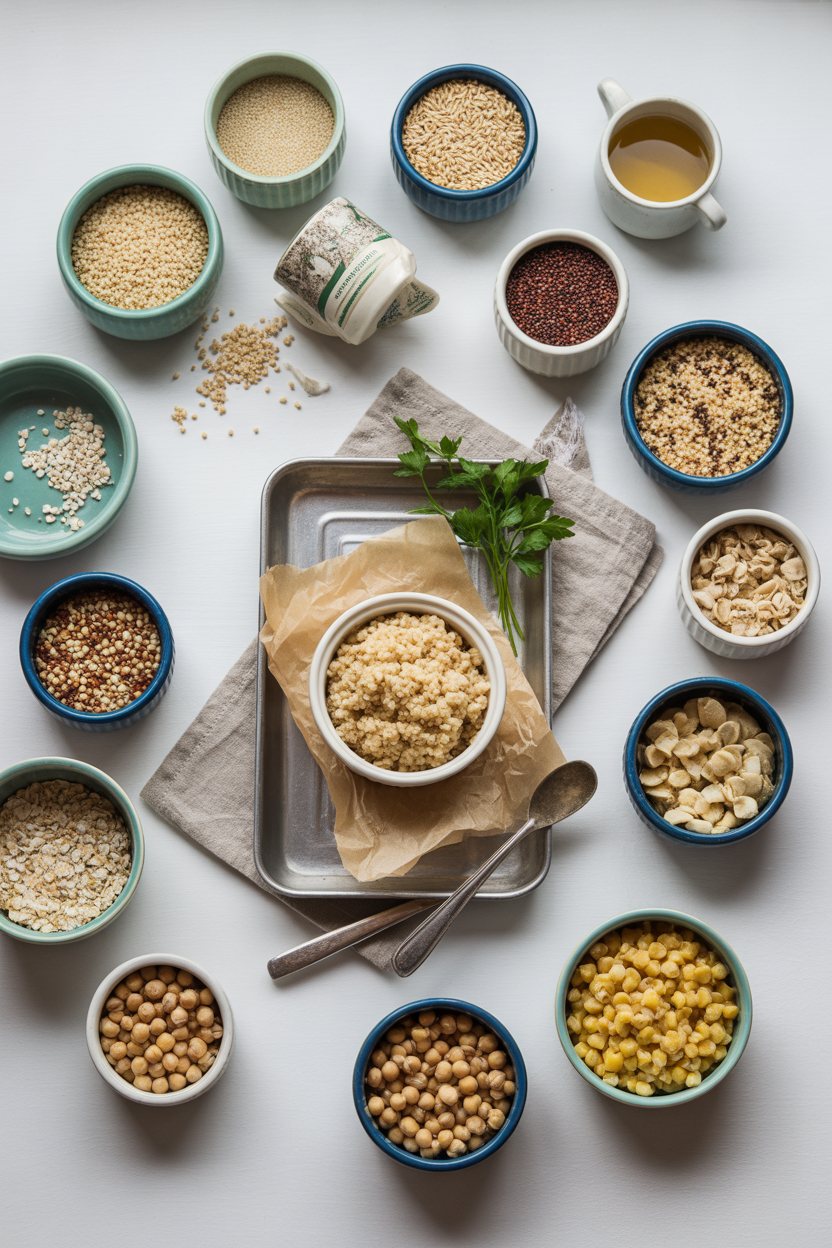
Quinoa and couscous are top substitutes, focusing on texture and cooking time. Prioritize matching how the grain absorbs liquid and adjust water accordingly. For quicker meals, couscous offers speed, while quinoa provides a similar fluffy feel with a nuttier taste.
The right substitute depends on texture and how the grain absorbs liquid-not just flavor. Some swaps cook faster; others need more water. Match the cooking method first, then adjust from there.
| # | Substitute | Best For | Ratio | Key Note |
|---|---|---|---|---|
| 1 | Quinoa | 🍳 Cooking | 1:1 | Nuttier and earthier |
| 2 | Couscous | 🍳 Cooking | 1:1 | Contains gluten |
| 3 | Amaranth | ✨ Both | 1:1 | Stickier texture |
| 4 | Bulgur Wheat | 🍳 Cooking | 1:1 | Contains gluten |
| 5 | Brown Rice | 🍳 Cooking | 1:1 | Larger grain size |
| 6 | Teff | ✨ Both | 1:1 | Slight molasses note |
| 7 | Polenta | ✨ Both | 1:1 | Coarser, corn flavor |
7 Simple Millet Swaps to Save Time
These options range from nearly identical textures to grains with distinct personalities. Pick based on what you're making and whether gluten matters.
Remember it later
Planning to try this recipe soon? Save it for a quick find later!
1 - Quinoa
Quinoa cooks in about the same time as millet and fluffs up similarly. The flavor runs earthier and more pronounced, which works well in grain bowls but may stand out in milder dishes.
Use a 1:1 ratio and rinse quinoa before cooking to remove any bitter coating. The protein content is higher, making this a solid nutritional upgrade.
If you're short on quinoa too, quick Quinoa replacements to try covers grains with similar texture.
Skip if: you need a completely neutral backdrop for delicate flavors.
QUINOA
Works for: Grain bowls, salads, pilafs
Skip if: Mild flavor is essential
MILLET
Works for: Porridge, flatbreads, light sides
Skip if: You want more protein
2 - Couscous
Couscous cooks in under ten minutes-just pour boiling water over it and cover. The texture is softer and less distinct than millet's fluffy grains, but it absorbs dressings and sauces beautifully.
Swap at a 1:1 ratio. The mild, slightly sweet flavor blends into almost anything without competing. This is technically pasta, not a whole grain, so the nutrition profile differs.
Don't have couscous either? The page on Couscous swaps for recipes lists quick-cooking alternatives.
Skip if: gluten is a concern.
3 - Amaranth
Amaranth shares millet's tiny grain size but cooks up stickier. That texture works for porridges and binding baked goods, less so for fluffy pilafs where you want separation.
Here's what to know:
- Use a 1:1 ratio with slightly less water to reduce stickiness.
- Toast the grains dry for 2 minutes before adding liquid-brings out the nutty flavor.
- Expect a denser result in any recipe calling for light, fluffy millet.
No amaranth in the pantry either? Check Amaranth alternatives worth trying for similar small grains.
4 - Bulgur Wheat
Bulgur brings a chewy, hearty texture that holds up in tabbouleh, pilafs, and stuffed vegetables. The earthy flavor is more assertive than millet's subtle sweetness.
This grain is pre-cooked, so it rehydrates quickly. Pour boiling water over fine bulgur and let it sit covered for 15 minutes. Coarse bulgur needs a brief simmer.
The essentials:
- Swap 1:1 by volume.
- Drain any excess liquid after soaking-bulgur can turn mushy if it sits too long.
- Season aggressively; the wheaty flavor can absorb a lot of herbs and acid.
- Works best in cold salads where chewy texture is a feature, not a flaw.
Skip if: you're cooking gluten-free.
5 - Brown Rice
Brown rice matches millet's mild, slightly nutty flavor profile. The grains are larger and take longer to cook-about 40 minutes versus millet's 20.
Account for the timing difference when planning. The texture is chewier with more bite, which pairs well with stir-fries and grain bowls.
If you're also out of brown rice, replacements similar to Brown Rice covers whole grains with comparable cooking behavior.
6 - Teff
Teff is the tiniest grain on this list-even smaller than millet. It cooks into a creamy, porridge-like consistency that works for breakfast bowls and injera-style flatbreads.
The flavor carries a subtle molasses sweetness. Reduce liquid slightly to keep it from turning too soft.
Key details:
- Swap 1:1 but watch the pot-teff absorbs liquid quickly.
- Stir frequently to prevent sticking.
- Toast dry for a minute before adding water to deepen the nutty notes.
- Best for creamy applications, not fluffy grain salads.
Missing teff as well? The list of quick Teff Flour replacements to try includes whole grain and flour options.
Skip if: you want distinct, separate grains.
7 - Polenta
Polenta delivers a completely different texture-creamy and smooth when cooked, firm when cooled. The sweet corn flavor is more pronounced than millet's neutral taste.
Use instant polenta for speed or traditional cornmeal for better texture. Stir constantly to avoid lumps.
No polenta on hand either? The guide to Polenta substitutes for cooking covers cornmeal varieties and alternatives.
| Use | Ratio | Notes |
|---|---|---|
| Creamy side dish | 1:1 | Cook soft, serve immediately |
| Firm slices for grilling | 1:1 | Spread in pan, chill, then slice |
| Baked goods | 1:1 | Adds corn sweetness and grit |
Skip if: you need fluffy, separate grains.
How to Choose a Millet Substitute
Start with the closest texture match. Quinoa and amaranth come nearest to millet's small-grain feel, though amaranth runs stickier.
For gluten-free cooking, stick to quinoa, amaranth, brown rice, teff, or polenta. Couscous and bulgur contain wheat.
- Closest match - Quinoa for similar size and cook time
- Easiest grab - Couscous for speed and availability
- Gluten-free option - Amaranth for small-grain texture without wheat
Frequently Asked Questions
Quinoa works best for most recipes. It cooks similarly and has a comparable texture, though the flavor is slightly earthier.
Yes, couscous works well in grain bowls. Keep in mind it contains gluten and has a softer texture than millet.
Most do. Quinoa and teff cook in about 15-20 minutes like millet. Brown rice takes 40 minutes. Couscous needs only 5-10 minutes.
Amaranth or teff create the creamiest porridge. Both cook down into a soft, slightly sticky consistency similar to millet porridge.
Slightly. Quinoa and amaranth taste nuttier. Polenta adds corn sweetness. Couscous and brown rice stay fairly neutral like millet.
7 Best Substitutes for Millet
Ingredients
Method
- Choose the substitute based on your recipe: quinoa or amaranth for small grains, couscous or bulgur if gluten is not a concern, brown rice for chewier texture, teff or polenta for creamy dishes.
- Prep grains as needed: rinse quinoa, soak bulgur and drain excess, toast amaranth and teff before cooking, or pour boiling water over couscous.
- Use a 1:1 substitution ratio for all millet substitutes unless otherwise noted.
- Adjust water when cooking amaranth or teff to prevent excessive stickiness or softness.
- Cook according to the substitute's typical method and timing, monitoring texture and flavor during cooking.
- Taste-test the dish before serving to ensure flavor balance and desired consistency.