Gingerbread wouldn't be gingerbread without it - that dark, slightly bitter backbone that keeps spiced cookies from tasting like plain caramel.
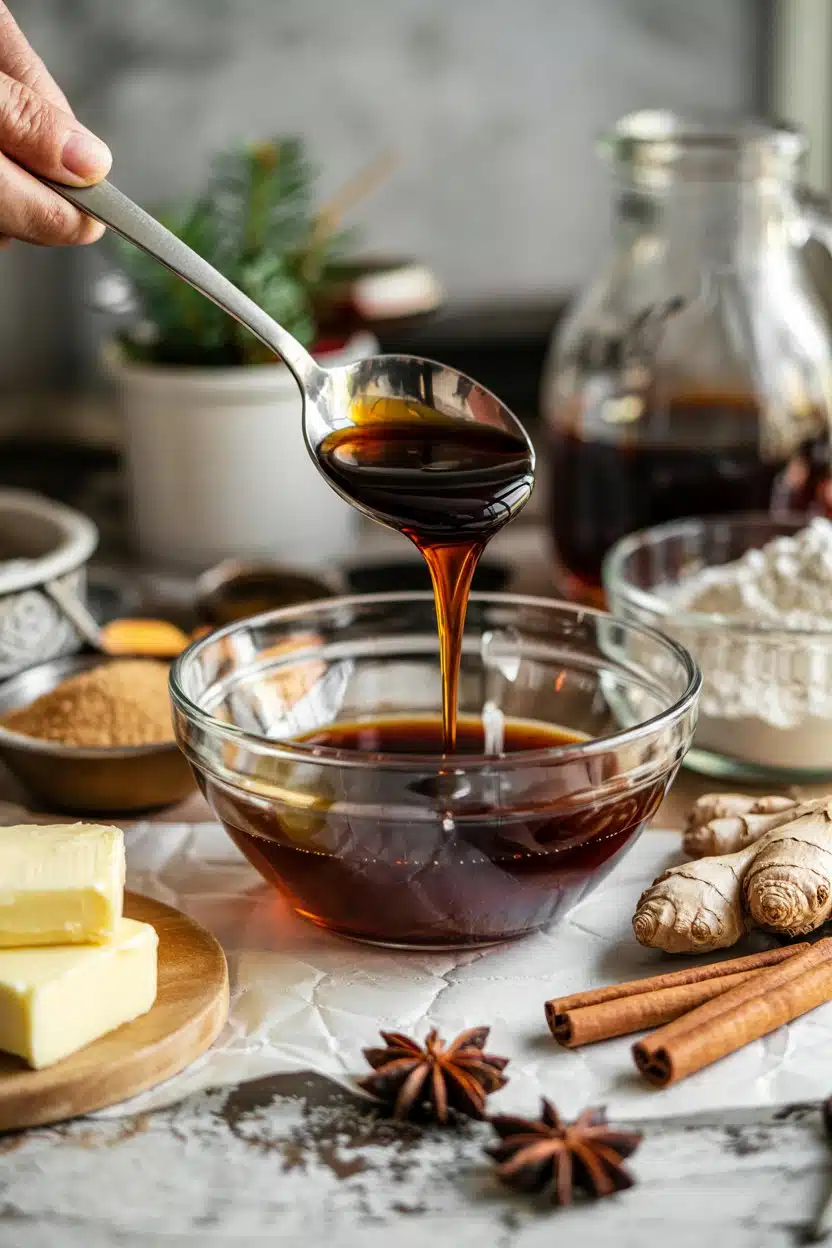
Molasses is what gives brown sugar its color and depth in the first place, and using it straight from the bottle delivers something far more complex than any refined sweetener can replicate.
The range across its types is wide, from gently sweet light molasses to the intensely mineral punch of blackstrap.
Molasses is a thick, dark syrup and byproduct of sugar refining with a deep, bitter-caramel flavor. It ranges from mild and sweet (light) to strongly mineral (blackstrap). Used in baked goods, glazes, sauces, and marinades, it adds color and a complex, slightly tangy sweetness nothing else quite matches.
What Is Molasses?
Molasses is what remains after sugarcane or sugar beet juice is boiled down and sugar crystals are extracted. Each round of extraction - called a "strike" - leaves behind a darker, thicker, more bitter syrup.
Remember it later
Planning to try this recipe soon? Save it for a quick find later!
Light molasses comes from the first strike and is the mildest; dark molasses follows the second and has more depth; blackstrap molasses is the third and final strike, yielding the most intense, mineral-heavy syrup of the three.
In the UK, molasses is closely related to what's sold as treacle, though the terms aren't interchangeable. Black treacle is closer to blackstrap; golden syrup is a separate product made differently and is much sweeter.
Here's how the main types compare:
- Light molasses - Mild, sweet, least bitter; good when you want color without overpowering flavor.
- Dark molasses - Richer, slightly bitter, the standard choice for lebkuchen, gingerbread, and baked beans.
- Blackstrap molasses - Very bitter, mineral, almost savory; used in small quantities or for nutritional reasons.
- Treacle (UK) - Black treacle is the closest British equivalent to blackstrap; used in classic British baking.
What Does Molasses Taste Like?
Molasses tastes like dark brown sugar that has been pushed further - more bitter, more tangy, with a wine-like, slightly acidic finish that no other sweetener produces.
The caramel notes are real, however they come with a woody, smoky undertone rather than the clean sweetness you'd get from straight cane sugar.
Compared to maple syrup, molasses is far less sweet and far more assertive. Maple reads as clean and floral; molasses reads as dark, earthy, and almost savory at higher concentrations.
Blackstrap specifically tips into a slightly metallic register that some find difficult on its own - but balanced inside a gingerbread batter or a slow-simmered barbecue sauce, it adds something irreplaceable.
How to Use Molasses
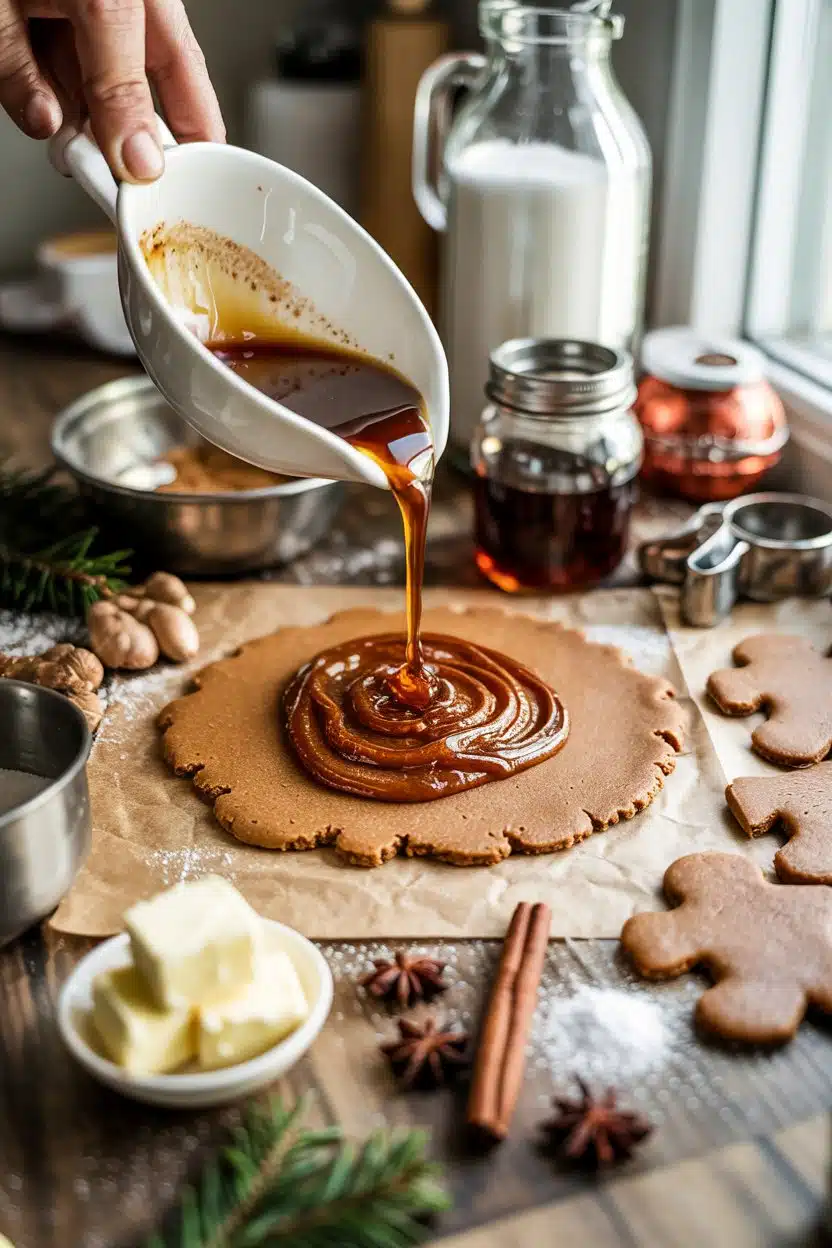
Molasses performs best in recipes where heat and other strong flavors can integrate its bitterness. Baking is its most classic context - it's foundational to gingerbread, spice cookies, and dense rye-based breads found across Scandinavian baking traditions.
| Method | Best For | Tip |
|---|---|---|
| 🥖 Baking | Gingerbread, spice cookies, rye bread, quick breads | Dark molasses for depth; light for milder color and less bitterness |
| 🍖 Glazing | Ham, pork ribs, roasted root vegetables | Brush on during the last 15-20 minutes to prevent scorching |
| 🍲 Simmering | Baked beans, barbecue sauces, braises, stews | Add early so the bitterness mellows into the sauce over time |
| 🥣 Stirring in | Oatmeal, marinades, cocktail syrups | Warm slightly first - it blends far more easily at room temperature |
Ginger, cinnamon, and cloves are molasses's most natural flavor partners, which is why spiced baking is where it dominates. In savory cooking, it pairs well with mustard and soy in glazes for pork and beef, or with a squeeze of orange to cut through the bitterness in marinades.
American Southern cooking leans on molasses for baked beans and molasses-glazed ham, two dishes where the slow application of heat completely transforms its raw bitterness into something rich and layered. Caribbean cooking uses it in sauces and as an ingredient in rum production.
Maple Baked OatmealSwap a tablespoon of maple syrup for molasses to add dark, caramelized depth→Roasted Garlic Marinara SauceA small spoonful of dark molasses balances acidity in a long-simmered tomato base→
How to Buy and Store Molasses
Read the label before buying. Light, dark, and blackstrap are distinct products, and grabbing the wrong one will change your recipe significantly. For general baking, dark molasses is the default.
Check that the bottle shows a glossy, pourable syrup - avoid any jar where the contents look crystallized, separated, or unusually pale.
Store molasses in a cool, dark pantry, tightly sealed in its original jar. Opened bottles stay good for 6-12 months; unopened jars last 2 years or more.
Blackstrap holds up slightly longer than lighter grades because its higher mineral content acts as a natural preservative. For more detail on how long it lasts, see our breakdown of molasses freshness guide.
Start With Dark, Adjust From There
If you're new to cooking with molasses, dark molasses is the right entry point - bitter enough to be interesting, mild enough to work in most standard recipes without adjustment. Try it once in a spice cookie or a simple glaze before committing to blackstrap.
Those looking for brown sugar swaps will find that molasses mixed with white sugar is one of the most reliable swaps available. Start small, taste as you go, and increase only when the recipe can handle the weight.
Frequently Asked Questions
Not exactly. Black treacle is the British equivalent of blackstrap molasses - dark, bitter, and mineral-heavy. Golden syrup, also called treacle in some UK contexts, is a separate product made from a different refining process and is much sweeter.
Maple syrup is clean, floral, and straightforwardly sweet. Molasses is darker, more bitter, and has a tangy, mineral edge that maple lacks. They're not interchangeable in most recipes.
Use ¾ cup white sugar plus 1 tablespoon molasses to replace 1 cup of brown sugar. Dark molasses makes dark brown sugar; light molasses approximates light brown sugar. Adjust liquid slightly if the recipe is sensitive to moisture. More options are covered in our [brown sugar substitutes](https://forkliftkitchen.com/brown-sugar-substitutes/) guide.
Yes, though it takes time. An opened jar kept in the pantry stays good for 6-12 months; off-smells, mold, or extreme crystallization are signs it's past its best. Unopened bottles last over two years stored properly.
Generally yes - molasses is a plant-derived byproduct of sugarcane or sugar beet processing with no animal ingredients. However, some strict vegans avoid cane sugar products processed with bone char; beet-derived molasses sidesteps that concern entirely.