
You spot a bottle of amaretto at the back of the liquor store shelf - amber, a little dusty, with a label promising something almond-forward and Italian.
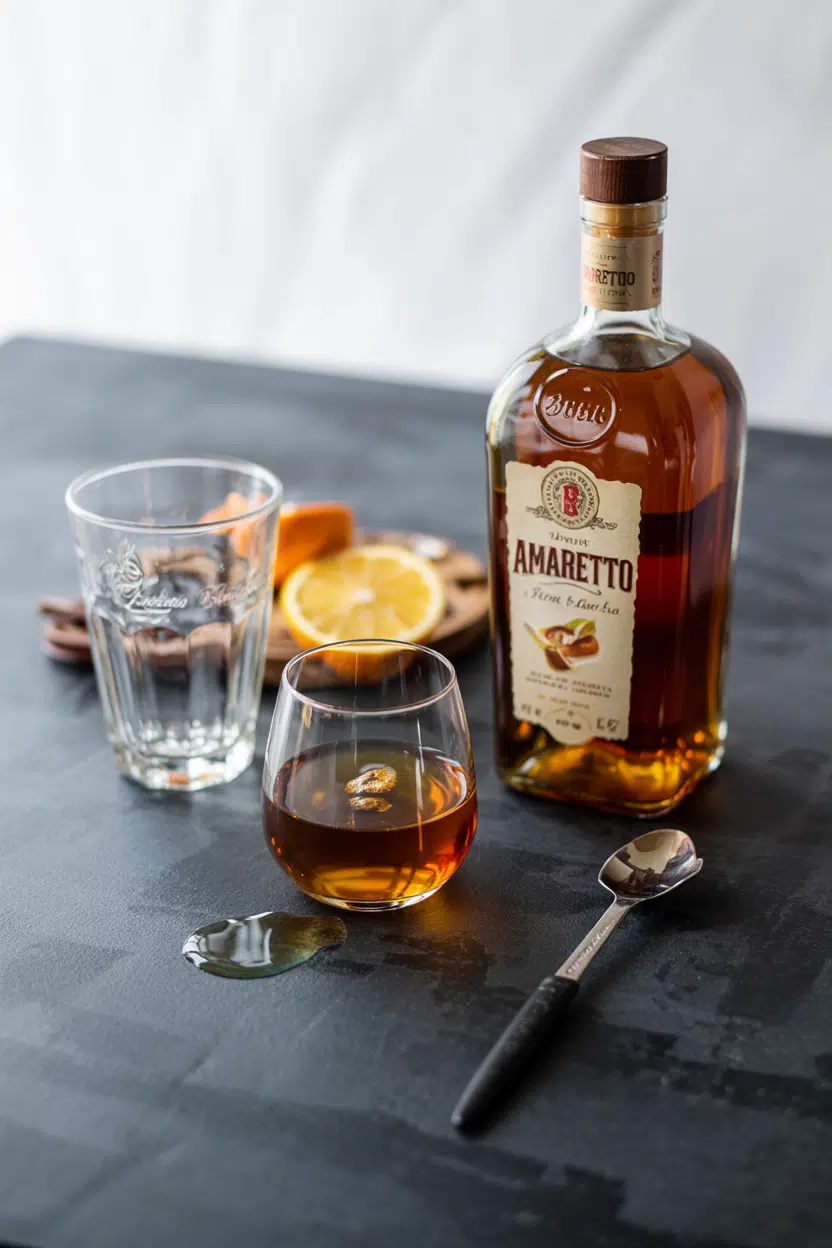
It's easy to grab it without fully knowing what you're working with, and that's where most people go wrong. Amaretto sits in its own category, distinct from almond extract or other sweet liqueurs like limoncello, and understanding its flavor structure changes how you use it.
Amaretto is a sweet Italian liqueur built on bitter apricot kernels and/or almonds, finished with vanilla and caramelized sugar. It reads as marzipan in a bottle - syrupy, smooth, and moderately intense - and works in cocktails, desserts, and savory glazes alike.
What Is Amaretto?
Amaretto is a sweet amber liqueur from northern Italy, specifically traced back to Saronno in Lombardy. The name comes from the Italian amaro, meaning "bitter," a nod to the bitter apricot kernels that have historically defined its flavor base.
Remember it later
Planning to try this recipe soon? Save it for a quick find later!
Not every bottle is made the same way. Some producers, including the widely known Disaronno, rely on apricot kernel oil rather than actual almonds - others use sweet almonds, and some blend both with vanilla and neutral spirit.
Alcohol content typically runs between 20-28% ABV, placing it firmly in the liqueur category - sweeter and lower in proof than a spirit like whiskey. You may also see it labeled amaretto di Saronno, reflecting its regional roots.
A few key facts worth knowing before you buy:
- Apricot kernel base - many brands use bitter apricot kernel oil, not almonds, for the core flavor
- Almond-forward alternatives - some newer craft producers lean toward sweet almonds and heavier vanilla
- Related liqueurs - if you're comparing sweeter herbal options, Benedictine occupies a different profile category entirely
- Proof range - 20-28% ABV; much lower than spirits but higher than most wines
What Does Amaretto Taste Like?
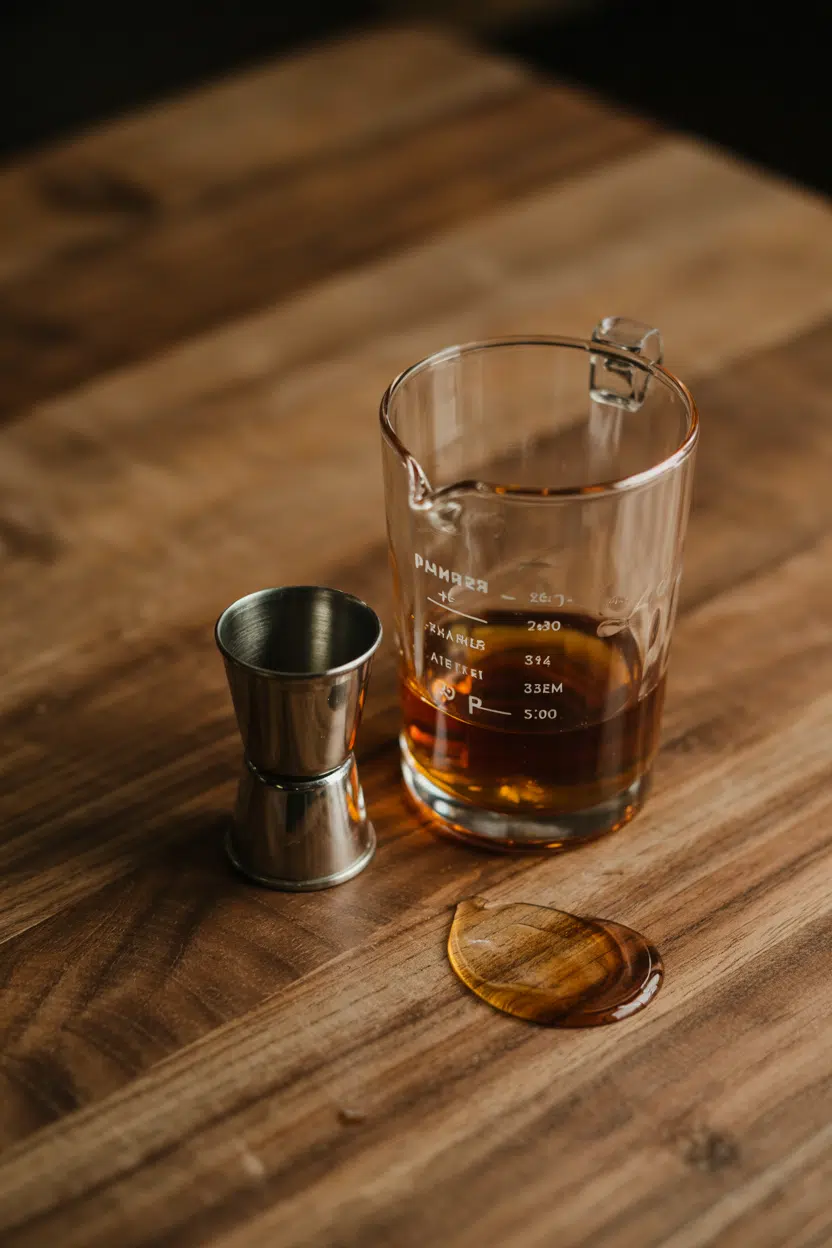
Amaretto tastes like sweet marzipan with a slightly bitter backbone - think almond extract stirred into a vanilla-caramel syrup, then rounded off with a touch of warmth. That bitterness comes from the apricot kernel base and keeps the sweetness from becoming cloying.
There's also a spice note. Certain brands layer in clove or cinnamon, which surfaces especially when the liqueur is warmed or used in a hot drink.
The mouthfeel is notably thick - not heavy, but coated and smooth.
Cold, from a glass, the vanilla and sugar dominate the front. Heat softens the bitterness and draws out the spice - which is why it reads differently in an Amaretto Sour versus a warm coffee drink.
How to Use Amaretto
Amaretto earns its place across a surprisingly wide range of applications - far beyond the cocktail glass. Stone fruits, espresso, dark chocolate, and cream are its best partners, and that list already covers most of the Italian pantry.
In the kitchen, four methods cover almost every use case:
| Method | Best For | Tip |
|---|---|---|
| 🥃 Stirred Cold | Cocktails, mascarpone folds, tiramisu | Balance with citrus - lemon juice cuts the sweetness in drinks |
| 🍳 Reduced/Glazed | Pan sauces for pork, stone fruit broiling | Reduce slowly; high heat scorches the sugar quickly |
| 🍰 Baked In | Cookie dough, frangipane, cake layers | Replaces almond extract at roughly 2 tablespoon per ½ teaspoon extract |
| ☕ Hot Beverages | Espresso, coffee, warm milk | Add after brewing; heat intensifies the spice notes |
On the savory side, amaretto glazes work well on pork chops and duck - the bitterness offsets fatty cuts without overpowering them. Steer clear of delicate white fish; the heavy sweetness clashes with mild flesh.
For baking, it's a gentler substitute where almond extract would read too sharp. Brushed on sponge cake layers as a boozy soak, it delivers almond flavor and moisture in one step.
If you need a non-alcoholic swap, check our guide to amaretto alternatives for baking-specific options - or for similar herbal-sweet liqueur swaps, Frangelico alternatives are worth a look too.
How to Buy and Store Amaretto
At the store, look for a clear deep amber color without cloudiness or sediment. Open the bottle if you can - the aroma should be immediately almond-forward and warm, not flat or faintly sour.
Once open, storage is straightforward:
- Location - cool, dark pantry or liquor cabinet; avoid storing near a stove or in sunlight
- Cap tight - evaporation flattens the flavor faster than oxidation does
- Opened shelf life - 12-24 months at best quality; the liqueur won't spoil but loses its edge
- Unopened - stable for years; no refrigeration needed
For a full breakdown of how long amaretto lasts and how to tell when it's past its best, see our amaretto storage guide guide. A brand-specific deep dive into the most recognized bottle on the shelf is also covered in our Disaronno profile.
Start With the Cocktail, Then Expand
If you've never cooked with amaretto before, the Amaretto Sour is the right entry point - it shows you exactly how the liqueur balances against acid and alcohol before you commit it to a baked recipe.
Once you understand that push-pull between sweet almond and bitter kernel, you'll recognize where it fits in a pan sauce or a cake soak. Start simple, taste as you go, and scale up from there.
Frequently Asked Questions
Not exactly. Many amaretto brands are flavored with bitter apricot kernels rather than almonds - the almond taste comes from a shared aromatic compound called benzaldehyde. Generic "almond liqueur" labels usually use sweet almond flavoring and taste notably sweeter with less bitter edge.
It depends on the brand. Some use actual almond extracts or oils, which are tree nut derivatives. Others, including Disaronno, use apricot kernel oil instead. Always check the label if you have a nut allergy, and contact the producer directly if the label is unclear.
Yes, and it holds up well to heat. Use it in pan glazes, reduced sauces, and baked goods - just account for its high sugar content, which caramelizes quickly at high temperatures. In baking, it also replaces almond extract at a roughly 4:1 volume ratio.
Almond extract diluted in simple syrup is the closest match. Use ¼ teaspoon almond extract plus 2 tablespoon sugar syrup per 2 tablespoon amaretto called for. Marzipan dissolved in a neutral spirit also works for recipes where texture and flavor both matter.
Moderate - noticeably almond-forward but not sharp the way almond extract is. The sweetness softens the intensity considerably. In cocktails or coffee, a 1-2 oz pour reads as a clear almond note without dominating the other flavors.



