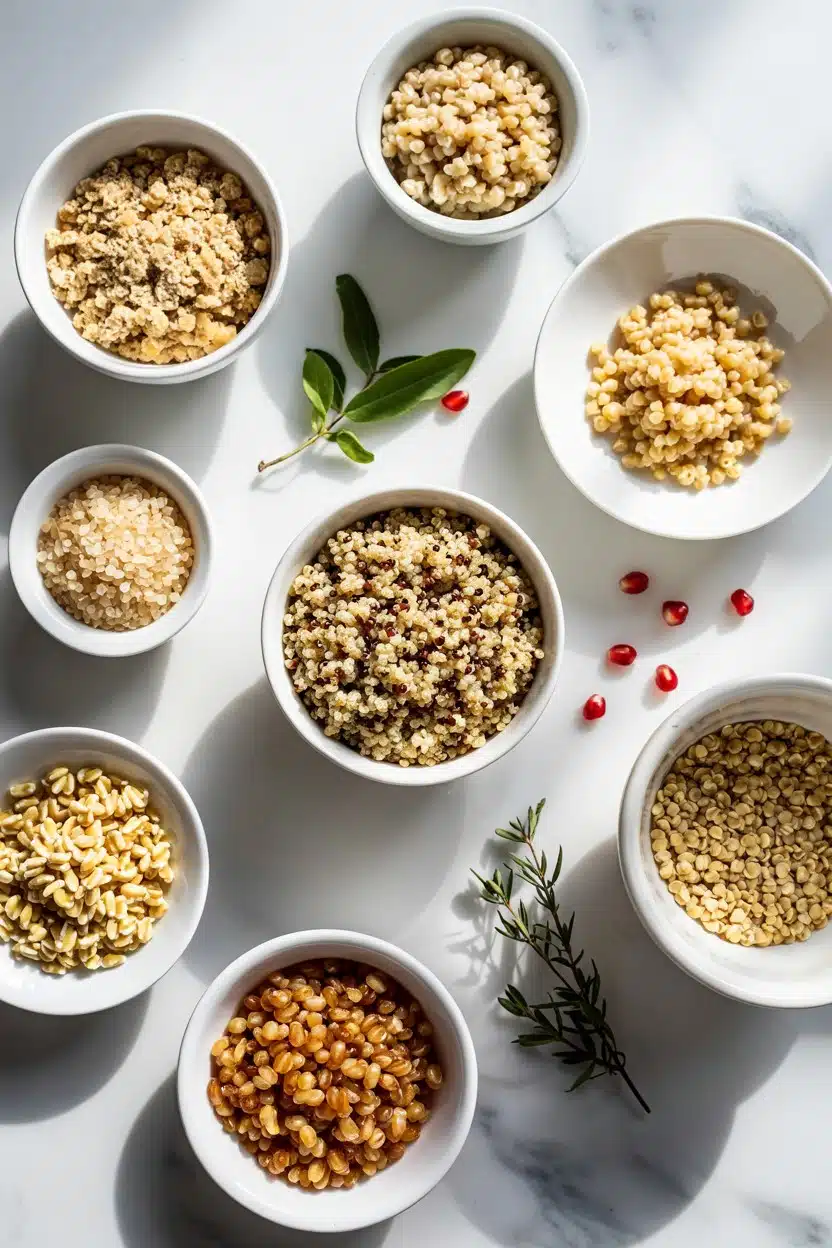
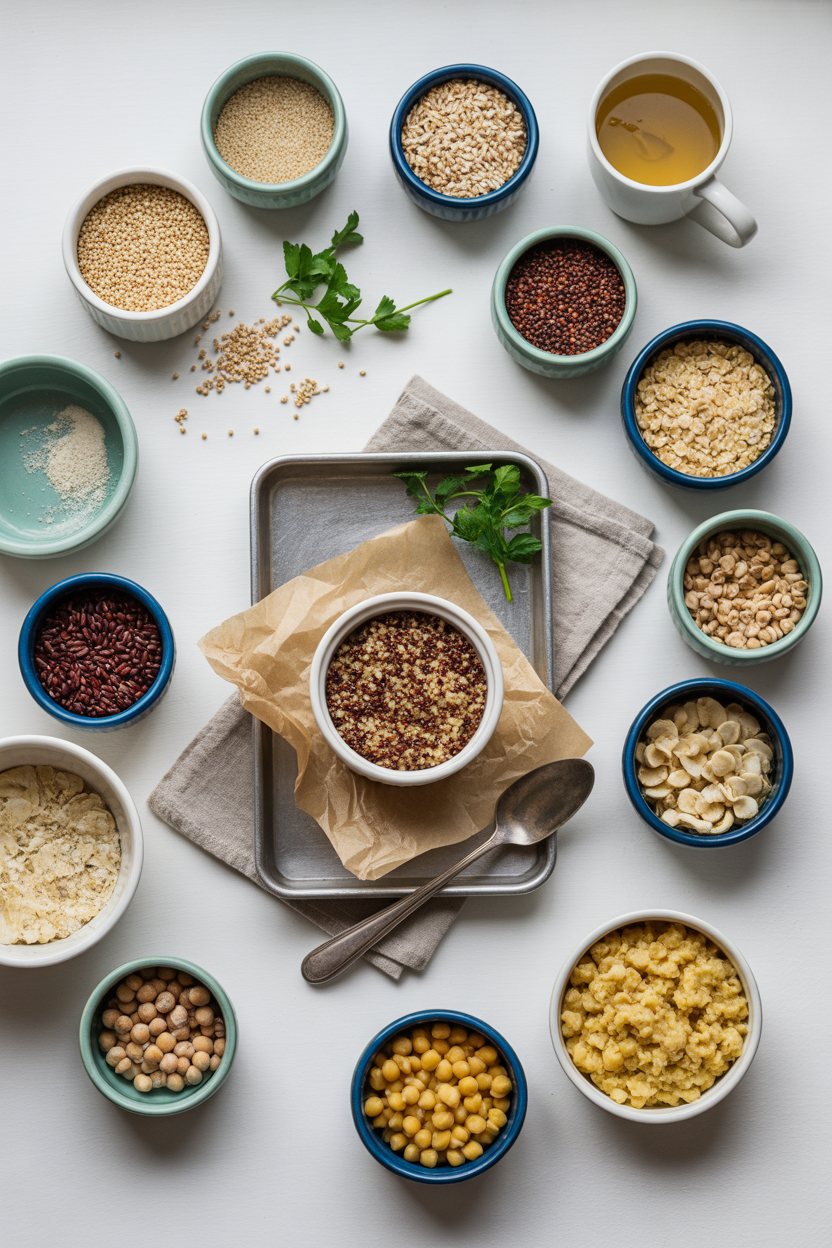
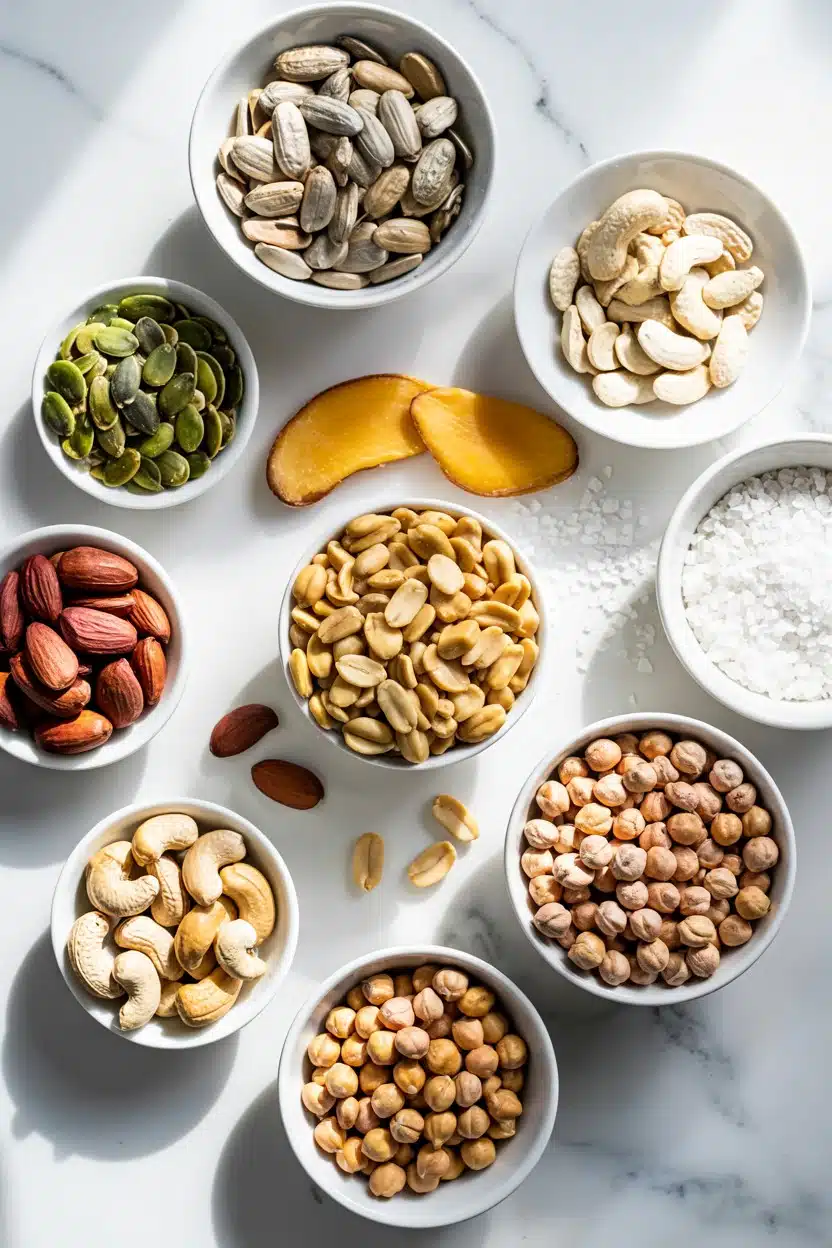
• Skip to primary navigation
  • Skip to main content
  • Skip to primary sidebar
  • Recipe Index
    • Air Fryer
  • Side Dishes
  • Substitutes
  • About
  • Contact
  • Subscribe

ForkLiftKitchen

menu icon
go to homepage
  • Recipe Index
    • Air Fryer
  • Side Dishes
  • Substitutes
  • About
  • Contact
  • Subscribe
subscribe
search icon
Homepage link
  • Recipe Index
    • Air Fryer
  • Side Dishes
  • Substitutes
  • About
  • Contact
  • Subscribe
×

Blog

5 Best Substitutes for Salt Pork in Classic Southern Cooking

May 1, 2026

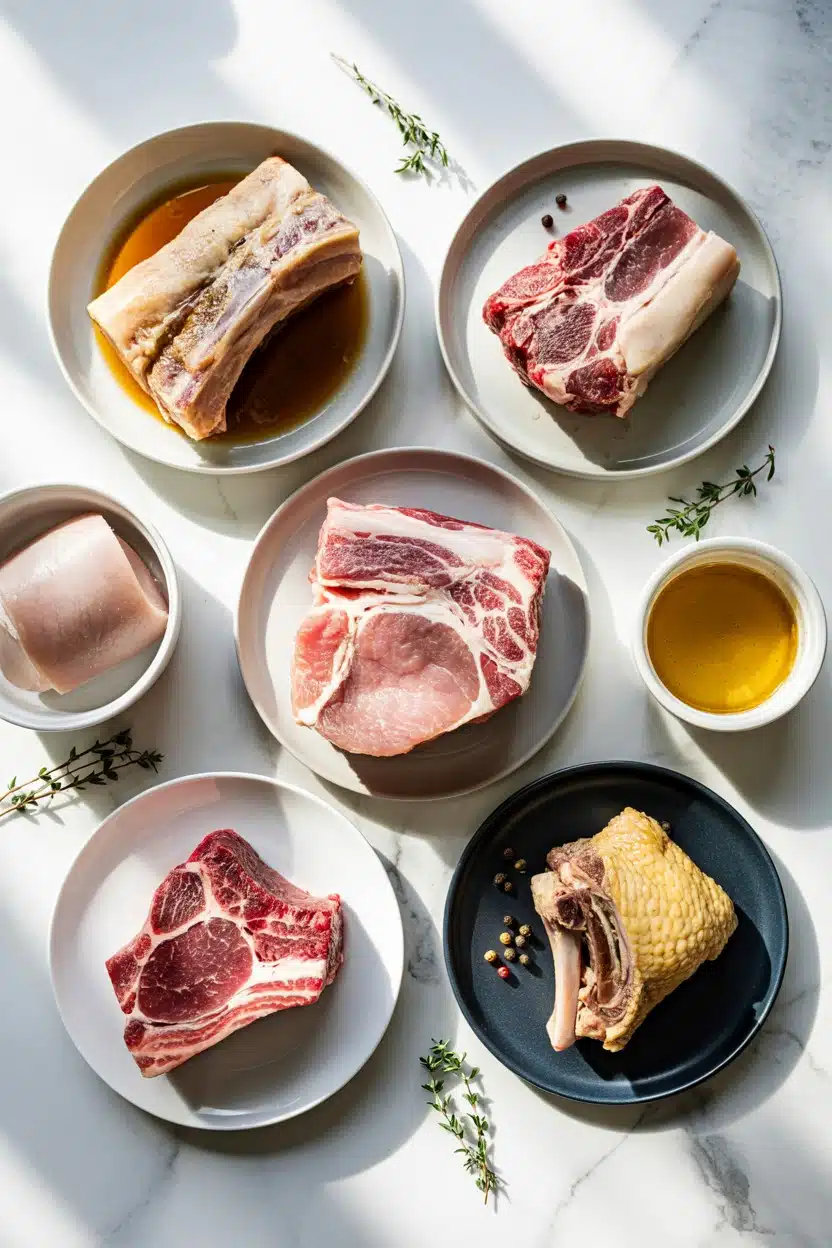
You reach for salt pork mid-recipe and the jar is empty. That rich, salty fat was supposed to flavor the whole pot of beans.
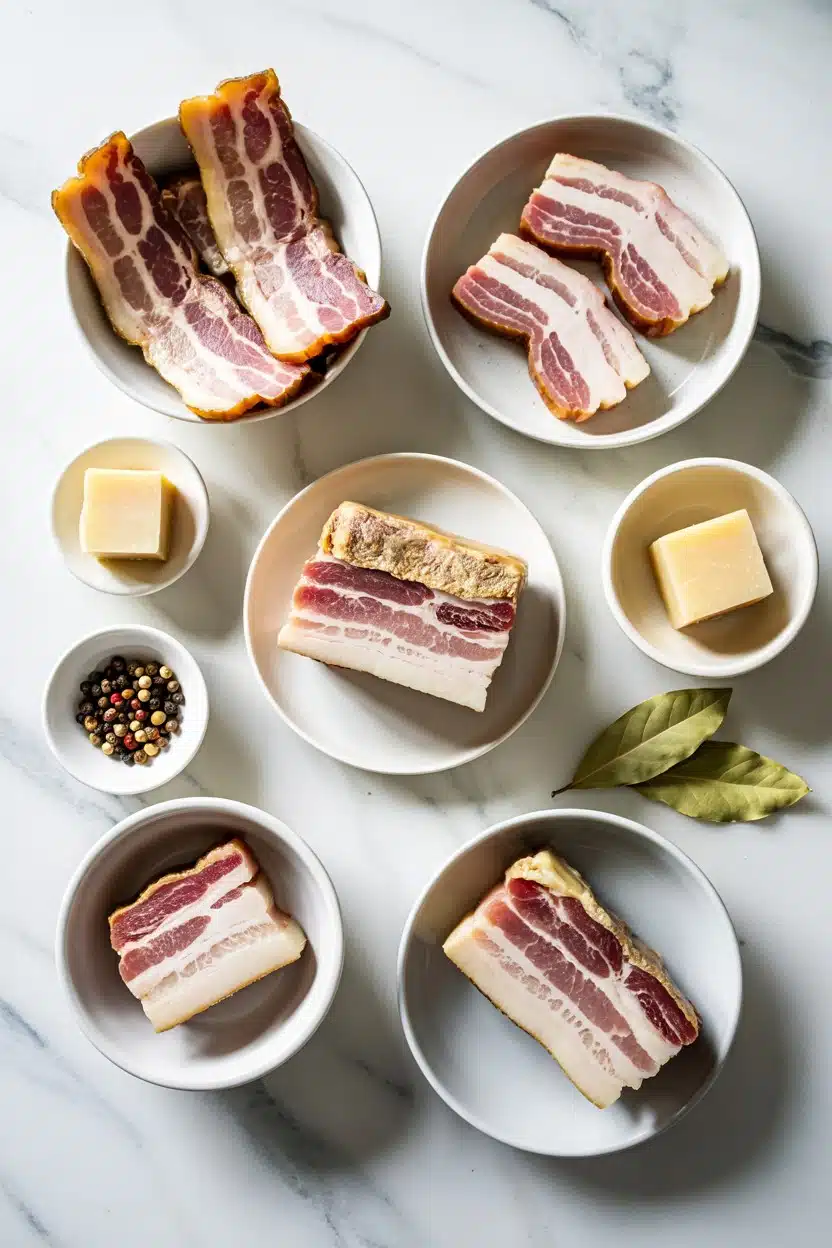
5 Best Substitutes for Salt Pork in Classic Southern Cooking
salt-pork-substitutes
QUICK SUMMARY

Bacon and salted pork belly are top substitutes; prioritize matching fat content and salt level first. Adjust smoke or meatiness to suit your dish. For soups, consider adding ham hock for extra depth.

🥓Closest match: Salted pork belly offers similar salt and fat balance as salt pork.
⚖️Ratio + fix: Swap 1:1; reduce added salt if substitute is saltier.
🔥Watch out: Bacon's smoke can overpower delicate dishes if used excessively.

These swaps work differently depending on what you're cooking. Match the fat content and salt level first, then adjust for smoke or meatiness.

Some substitutes add flavor notes the original doesn't have.

Quick Substitute Reference
# Substitute Best For Ratio Key Note
1 Bacon 🍳 Cooking 1:1 by weight Adds smoke, less salty
2 Pancetta 🍳 Cooking 1:1 by weight Milder, herbal notes
3 Salted Pork Belly 🍳 Cooking 1:1 by weight Firmer texture, similar salt
4 Fatback 🍳 Cooking 1:1 by weight Pure fat, no meat
5 Smoked Ham Hock 🍳 Cooking 1 small hock per cup Deep smoke, firmer meat

5 Salt Pork Swaps That Keep Flavor Balanced

These substitutes range from pantry staples to specialty cuts. The best choice depends on whether you need pure fat for rendering or meaty chunks for texture.

1 - Bacon

Bacon delivers the porky richness salt pork provides, but smoke comes along for the ride. The flavor works beautifully in baked beans, collard greens, and chowders where a hint of campfire won't feel out of place.

Use equal weight and expect less saltiness. You may need to add a pinch of salt to compensate.

Here's what to know:

  • Render slowly - Low heat prevents burning and extracts more fat.
  • Choose thick-cut - Thin slices crisp too fast for long braises.

If you're also out of bacon, Bacon substitutes for cooking covers options with similar richness.

Skip if: You need pure pork fat without any smokiness.

BACON

Works for: Beans, greens, soups needing smoky depth

Skip if: Smoke flavor clashes with your dish

SALT PORK

Works for: Clean pork flavor without smoke

Skip if: You want crispy bits in the final dish

2 - Pancetta

Pancetta brings Italian-style cured pork flavor without the smoke. The taste runs milder and more delicate, with subtle herbal notes from the curing spices.

This swap shines when sautéing aromatics for pasta sauces, risotto, or braised vegetables. Use equal weight and dice it small so it renders evenly.

Don't have pancetta either? Check Pancetta alternatives to try for swaps with similar cured richness.

Skip if: You want intense pork flavor or need large fatty chunks.

3 - Salted Pork Belly

Salted pork belly comes closest to the original in terms of salt level and fat distribution. The texture runs firmer with more defined meat layers.

This works particularly well in slow-cooked dishes where the fat has time to render completely. Beans, greens, and long-simmered soups benefit most.

Best Pick
Salted pork belly is the closest match for traditional recipes calling for salt pork.
  • Cube it small - Quarter-inch pieces render more evenly than large chunks.
  • Blanch first - A quick boil removes excess salt if the dish is already seasoned.
  • Low and slow - Give it at least an hour to fully render in braises.
  • Taste before salting - The belly adds significant salt to the cooking liquid.

If salted pork belly isn't available either, Bell Pepper substitutes ranked won't help here-stick with bacon or fatback instead.

Skip if: You want something ready to eat without long cooking.

4 - Fatback

Fatback is pure pork fat with no meat attached. This makes it ideal when you need rendered lard for cooking but don't want chewy meat bits in the final dish.

The flavor stays clean and porky without the saltiness of cured products. Add your own salt to taste.

Use equal weight and cube it before rendering. Fatback melts completely, leaving no texture behind.

Skip if: You want the chewiness of meat included or need salt built into the fat.

Use Ratio Notes
Rendering for cooking fat 1:1 by weight Melts completely, no residue
Flavoring beans/greens 1:1 by weight Add salt separately
Making lardons Not recommended No meat for texture

5 - Smoked Ham Hock

Ham hock brings deep smoky flavor and collagen-rich body to soups and braises. The meat is firmer and leaner than salt pork, but the bone adds gelatin that enriches cooking liquid.

Use one small ham hock for every cup of diced salt pork your recipe calls for. The flavor runs bolder, so taste as you go.

  • Simmer at least 2 hours - The collagen needs time to break down.
  • Remove the bone - Shred the meat back into the pot before serving.
  • Balance the smoke - A splash of vinegar cuts through heavy smokiness.

Missing ham hock as well? Check Ham Hock swaps by recipe type for options that add similar body.

Watch Out
Ham hock adds much more smoke than salt pork. Use half if you want subtler flavor.

Skip if: You need a leaner, less smoky result or want quick-cooking fat.

How to Choose a Salt Pork Substitute

The right swap depends on what salt pork does in your recipe. For pure fat rendering, fatback works cleanly.

For flavoring slow-cooked dishes, salted pork belly or ham hock deliver the richest results.

  • Closest match - Salted pork belly for similar salt and fat
  • Easiest grab - Bacon from any grocery store
  • Boldest flavor - Smoked ham hock for deep richness

Frequently Asked Questions

Can I use bacon instead of salt pork in baked beans?

Yes, bacon works well in baked beans. The smoke flavor actually complements the molasses. Use equal weight and expect slightly less saltiness.

What's the difference between salt pork and fatback?

Salt pork is cured in salt and may include some meat. Fatback is uncured pure fat with no meat attached and no added salt.

Do I need to rinse salt pork substitutes before cooking?

Blanching salted pork belly in boiling water for 2 minutes removes excess salt. Bacon and pancetta don't need rinsing unless your dish is already well-seasoned.

Can I substitute salt pork in clam chowder?

Bacon or pancetta both work in chowder. Render the fat first, then build your soup in the same pot to capture all the flavor.

Is there a vegetarian substitute for salt pork?

Smoked olive oil plus a splash of soy sauce mimics the salty, rich flavor. Use 2 tablespoons oil per cup of salt pork called for. The texture won't match, but soups and beans still taste satisfying.

5 Best Substitutes for Salt Pork in Classic Southern Cooking

5 Best Substitutes for Salt Pork

No ratings yet
This guide details five practical substitutes for salt pork, focusing on matching fat and salt content while adjusting for flavor nuances like smoke or meatiness. Each option suits different cooking styles and dishes.
Print Recipe Pin Recipe
Prep Time 12 minutes mins
Cook Time 10 minutes mins
Total Time 22 minutes mins
Servings: 4 servings
Course: Cooking
Ingredients Method Notes

Ingredients
  

  • 1 to Bacon Use equal weight for substitution. Adds smoke, less salty. Render slowly on low heat and choose thick-cut.
  • 1 to Pancetta Use equal weight. Milder, herbal flavor. Dice small to render evenly.
  • 1 to Salted Pork Belly Use equal weight. Firmer texture, similar salt. Cube small and blanch first to remove excess salt.
  • 1 to Fatback Use equal weight. Pure fat with no meat. Cube before rendering and add salt separately.
  • Smoked Ham Hock Use one small hock per cup of diced salt pork called for. Simmer at least 2 hours and remove bone before serving.

Method
 

  1. Pick your substitute based on use: fat rendering (fatback), slow cooking (salted pork belly or ham hock), or general cooking (bacon, pancetta).
  2. Prepare bacon by rendering slowly on low heat to extract fat; choose thick-cut for long braises.
  3. Dice pancetta small and render evenly over medium heat without rinsing unless dish is well-seasoned.
  4. Cube salted pork belly into quarter-inch pieces, blanch in boiling water for 2 minutes, then add to slow-cooked dishes.
  5. Cube fatback and render slowly, adding salt separately as it contains no salt or meat.
  6. Simmer smoked ham hock at least 2 hours to break down collagen; remove bone and shred meat back into the dish before serving.
  7. Adjust seasoning after adding the substitute, tasting for salt and smoke levels to balance the flavor.
Notes

Cube and blanch salted pork belly before cooking to prevent overly salty dishes.

Tried this recipe?

Let us know how it was!

5 Best Substitutes for Salami in Sandwiches & Charcuterie

May 1, 2026

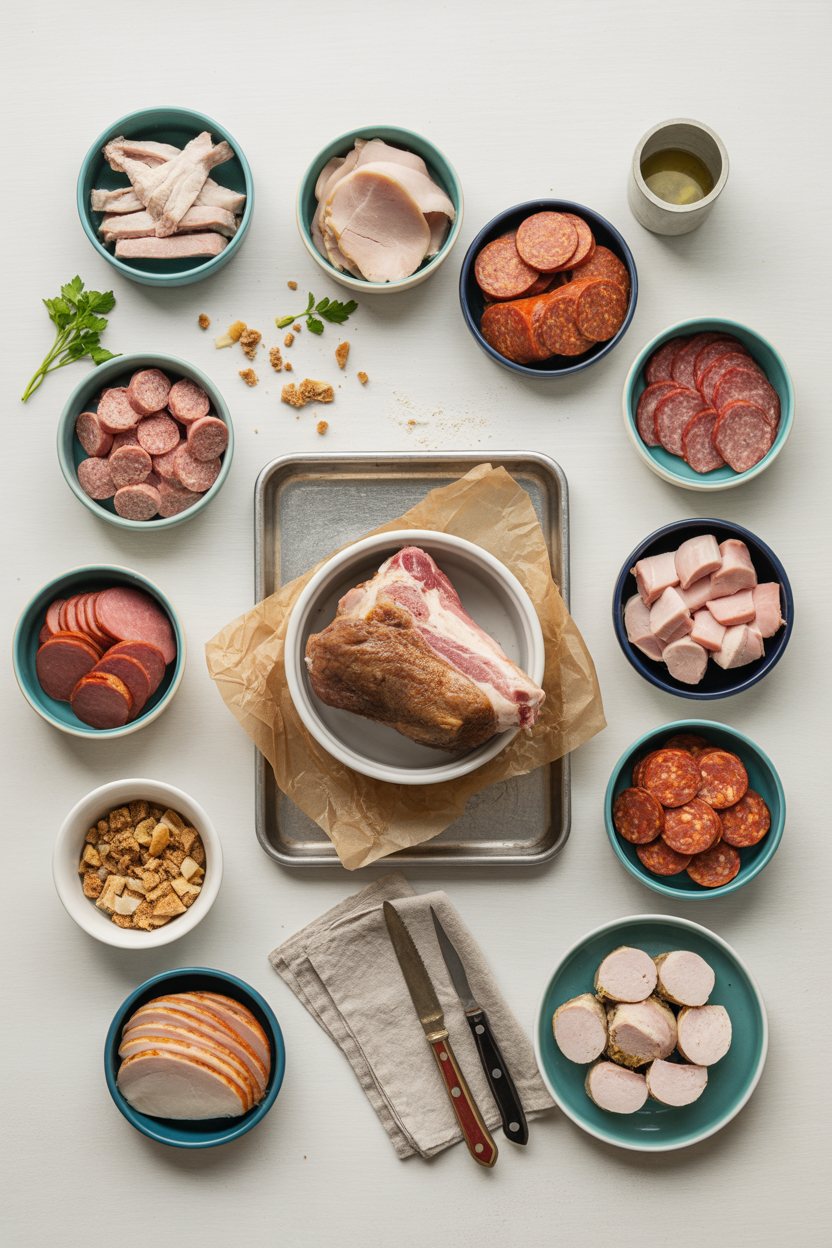
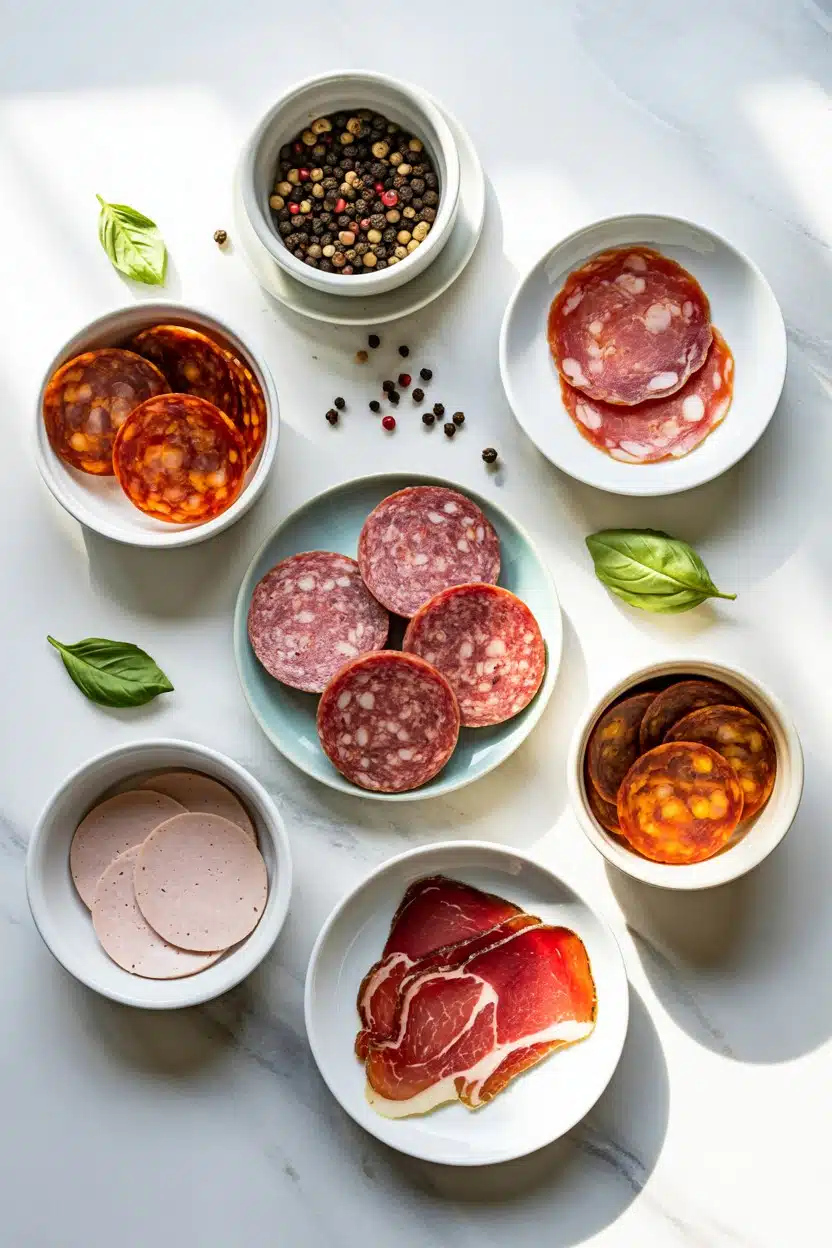
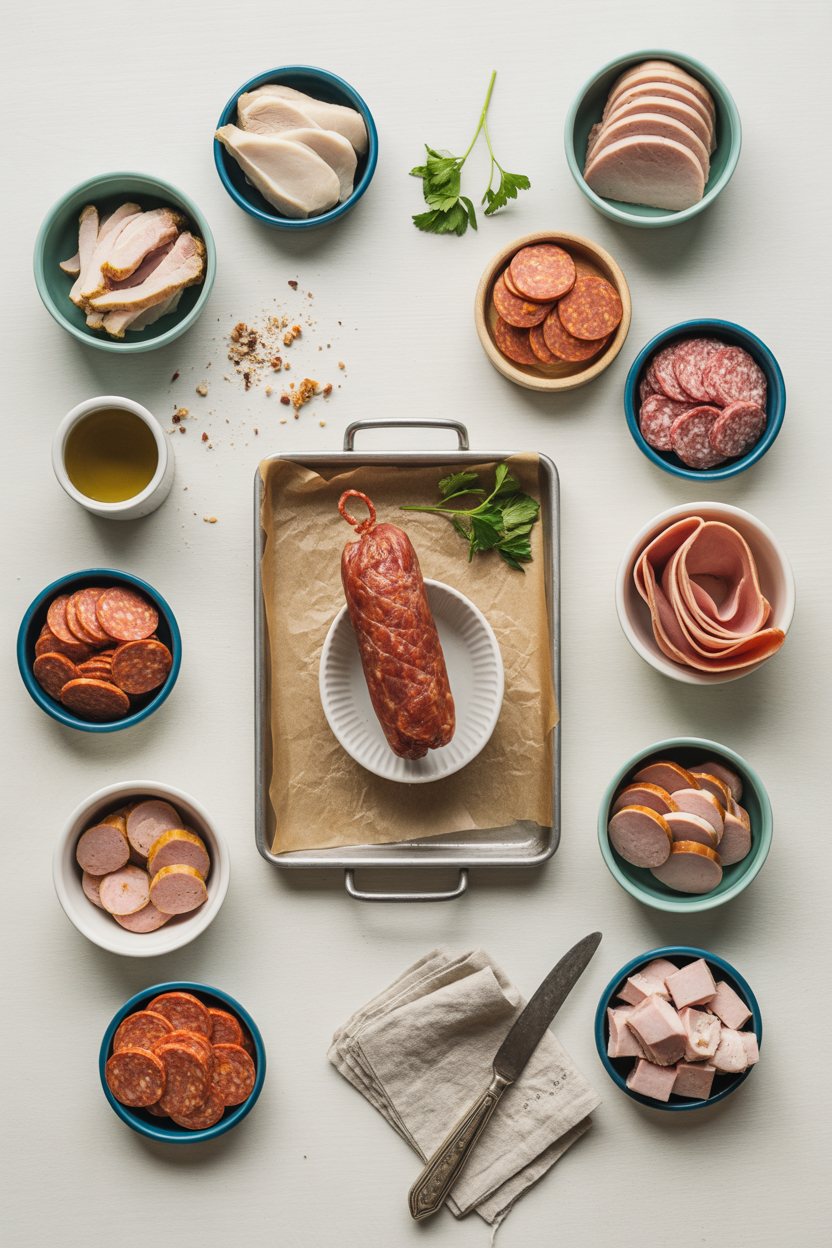
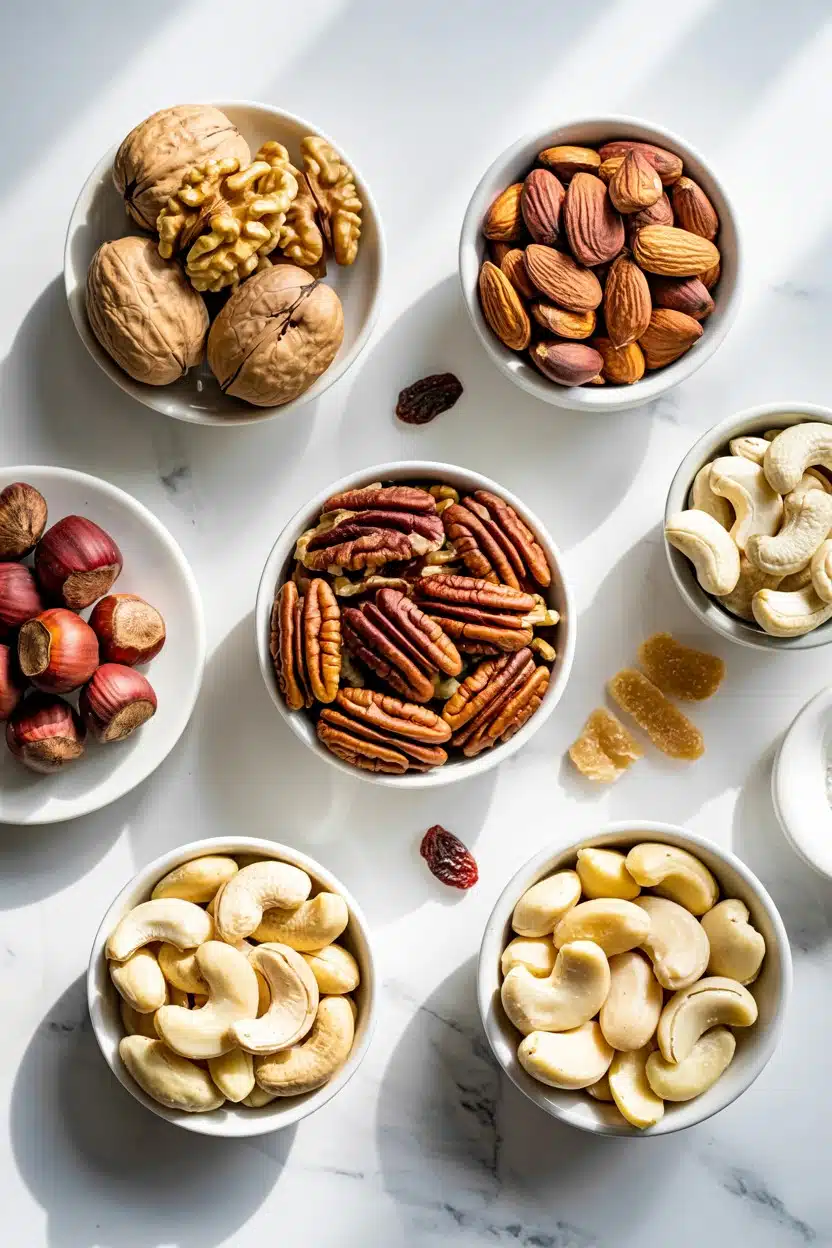
Salami brings a specific punch to a dish-salty, fatty, faintly spiced, with a firm chew that holds up whether sliced thin for sandwiches or diced into pasta. The texture matters as much as the flavor.
5 Best Substitutes for Salami in Sandwiches & Charcuterie
salami-substitutes
QUICK SUMMARY

Pepperoni and Prosciutto best replicate salami's flavor and texture; focus on matching fat and chew first. Adjust spice or slice thickness to balance the dish. For sandwiches, thin slices help maintain the right mouthfeel.

🥓Closest match: Pepperoni shares salami's cured pork base with a spicier kick.
⚖️Ratio + fix: Swap 1:1; reduce added spice if pepperoni feels too hot.
🔥Watch heat: Pepperoni releases more grease when heated, which can affect texture.

P>The right substitute depends on what salami is doing in your recipe. Some swaps nail the fat and salt but run spicier. Others stay mild but lack that cured richness. Match the function first, then adjust seasoning.

Quick Substitute Reference
#SubstituteBest ForRatioKey Note
1 Pepperoni 🍳 Cooking 1:1 Spicier and greasier
2 Prosciutto ✨ Both 1:1 slices Delicate, less fatty
3 Chorizo 🍳 Cooking Slightly less Bold paprika punch
4 Smoked Turkey ✨ Both 1:1 slices Leaner, milder
5 Cooked Ham 🍳 Cooking 1:1 Sweeter, moister

5 Best Salami Alternatives for Recipes

These options range from nearly identical swaps to bolder choices that shift the dish in a new direction. The closest matches come first; the more distinctive alternatives follow.

1 - Pepperoni

Pepperoni shares salami's cured pork base but runs hotter and fattier. The spice level jumps noticeably, and it releases more grease when heated.

Use equal amounts, but expect a kick. Blot with a paper towel after cooking if the extra oil bothers you.

Here's what to know:

  • Best on pizza or baked pasta - the heat complements tomato sauce.
  • Slice thinner for sandwiches - thick cuts can overwhelm milder ingredients.

If you're also out of pepperoni, common Pepperoni swaps ranked covers options with similar heat.

Skip if: you need a mild, low-fat option.

SALAMI

Works for: balanced spice, firm slices, cold or cooked applications

Skip if: you want bold heat or extra rendered fat

PEPPERONI

Works for: pizza, baked dishes, adding spicy punch

Skip if: grease or spice would throw off the dish

2 - Prosciutto

Prosciutto swaps the firm chew of salami for something silky and paper-thin. The flavor leans milder, with a subtle sweetness that salami lacks.

Use equal slices, but handle them gently-prosciutto tears easily and turns leathery when cooked too long. It works best draped over finished dishes or tucked into sandwiches at the last moment.

Don't have prosciutto either? For delicate cured-meat alternatives, instead of Prosciutto try these covers the range.

Skip if: you need something sturdy enough to cook or crisp.

3 - Chorizo (cooked)

Chorizo brings a smokier, spicier profile than salami, with paprika driving most of the flavor. The texture runs softer and crumblier once cooked.
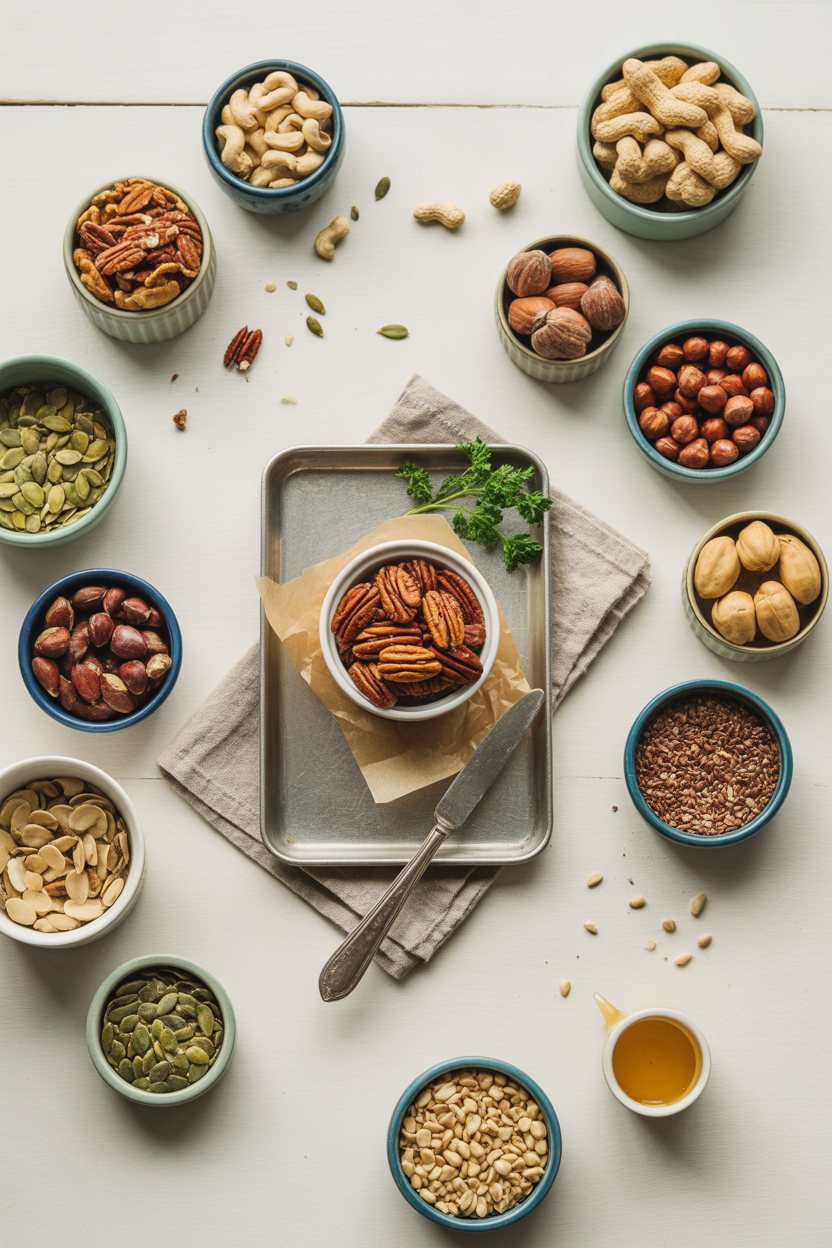
Use slightly less than you would salami-the flavor intensity makes up for the smaller volume. Render it in a dry pan first to release the fat and deepen the color.

The essentials:

  • Ideal for stews and pasta - the fat melts into sauces beautifully.
  • Crumble rather than slice - it won't hold neat rounds like salami.

No chorizo on hand either? For swaps with similar smokiness, Chorizo alternatives worth trying has options.

Skip if: you need thin, neat slices or a milder flavor.

Watch Out
Chorizo varies widely-Spanish chorizo is cured and sliceable, while Mexican chorizo is raw and must be cooked. Check the label before using.

4 - Smoked Turkey Breast

Smoked turkey delivers the smoky, savory notes without the pork fat. The texture stays firmer than deli turkey but won't match salami's richness.

Use equal slices. The leanness works in your favor for lighter sandwiches, but the dish will taste cleaner and less indulgent.

Key details:

  • Best for wraps and club sandwiches - holds up well with crunchy vegetables.
  • Add a drizzle of olive oil - compensates for the missing fat.
  • Season with black pepper - brings back some of the bite salami provides.

Missing smoked turkey as well? For leaner alternatives, Turkey replacements that work lists similar options.

Skip if: you need the rich, fatty mouthfeel of cured pork.

UseRatioNotes
Sandwiches1:1 slicesAdd oil or avocado for richness
Salads1:1 dicedPairs well with sharp cheese
Wraps1:1 slicesWorks best with crunchy fillings

5 - Cooked Ham

Cooked ham shares the pork base but skips the curing process that gives salami its funk. Expect a sweeter, moister bite with none of the spice.

Use equal amounts. The flavor gap is noticeable, so consider adding a pinch of smoked paprika or a few drops of hot sauce to bridge the difference.

Quick specs:

  • Works in breakfast hashes - dices cleanly and crisps at the edges.
  • Solid for hot sandwiches - melts well with cheese.
  • Avoid in charcuterie boards - lacks the complexity of cured meats.
  • Season aggressively - ham needs help to match salami's punch.

Skip if: you need the dry, firm texture of cured meat or the distinctive fermented tang.

Shortcut
Fry diced ham in a dry pan until the edges crisp-this builds flavor and removes some moisture, getting closer to salami's texture.

How to Choose a Salami Substitute

The right swap depends on whether you need the fat, the spice, or just a meaty presence. Pepperoni comes closest for cooked dishes where heat is welcome. For sandwiches and lighter applications, prosciutto or smoked turkey works without overpowering other ingredients.

  • Closest match - Pepperoni, for fat and cured flavor
  • Easiest grab - Cooked ham, widely available and budget-friendly
  • Leaner option - Smoked turkey, for lower fat without losing smoke

Frequently Asked Questions

Can I use pepperoni instead of salami on a pizza?

Yes, pepperoni works well on pizza. Expect more heat and grease, so blot with a paper towel after baking if needed.

What's the best salami substitute for a charcuterie board?

Prosciutto offers the best visual and textural fit. Its delicate slices look elegant alongside cheese and fruit.

Is there a low-fat substitute for salami?

Smoked turkey breast is the leanest option. Add a drizzle of olive oil to compensate for the missing fat.

Can I cook with prosciutto like I would salami?

Prosciutto crisps quickly but turns tough if overcooked. Add it at the end of cooking or use it as a garnish.

How do I adjust the seasoning when using ham instead of salami?

Ham runs sweeter and milder. Add smoked paprika and a pinch of red pepper flakes to bring back some of salami's complexity.

5 Best Substitutes for Salami in Sandwiches & Charcuterie

5 Best Substitutes for Salami

No ratings yet
Choose a substitute based on salami's role-fat, spice, or texture. Pepperoni works best for cooked dishes with heat, while prosciutto and smoked turkey suit milder, lighter uses. Adjust seasoning accordingly.
Print Recipe Pin Recipe
Prep Time 7 minutes mins
Cook Time 8 minutes mins
Total Time 15 minutes mins
Servings: 4 servings
Course: Guide, Substitutes
Cuisine: General
Ingredients Method Notes

Ingredients
  

  • 1 Pepperoni Use equal amounts as salami. Blot with paper towel after cooking if excess grease bothers you.
  • 1 slices Prosciutto Use equal slices, handle gently to avoid tearing. Best added at the end or in sandwiches.
  • Chorizo (cooked) Use slightly less than salami due to strong flavor. Render in dry pan before using.
  • 1 slices Smoked Turkey Breast Use equal slices. Add olive oil and black pepper to boost richness and flavor.
  • 1 Cooked Ham Use equal amounts. Fry diced ham until edges crisp to improve texture and flavor.

Method
 

  1. Select a substitute based on your recipe's need: fat and spice with pepperoni, delicate slices with prosciutto, or leaner alternatives like smoked turkey.
  2. For cooked applications, use pepperoni or chorizo; cook chorizo in a dry pan to release fat before adding to the dish.
  3. For cold or lighter uses, choose prosciutto or smoked turkey; use slices equal to salami and handle delicate meats carefully.
  4. If using cooked ham, fry diced pieces until crisp at the edges to approximate salami's texture and add smoky seasoning as needed.
  5. Adjust seasoning after substitution to balance spice and richness; taste and add oil or spices gradually to prevent overpowering.

Notes

Blot pepperoni after cooking to prevent greasy dishes and maintain balance in flavor intensity.

Tried this recipe?

Let us know how it was!

7 Best Substitutes for Rolling Pin in Home Baking

May 1, 2026

You need the dough flat and even, but the rolling pin is nowhere to be found. The substitute has to roll smoothly without sticking or leaving marks.

7 Best Substitutes for Rolling Pin in Home Baking
QUICK SUMMARY

Wine bottle and glass jar are top substitutes due to their weight and smooth surfaces. Prioritize a heavy, smooth cylinder for even rolling without sticking. A practical tip: chill metal bottles before use to keep dough cool and prevent sticking.

🍷Closest feel: Wine bottle mimics rolling pin weight and smoothness perfectly.
⚖️Ratio + fix: Use full bottle; apply steady pressure for even dough thickness.
❄️Watch heat: Metal bottles warm dough quickly unless pre-chilled.

Pick a stand-in based on weight and surface texture. A heavy, smooth cylinder works best. Lighter options need more pressure and patience.

Quick Substitute Reference
# Substitute Best For Ratio Key Note
1 Wine Bottle 🥧 Baking 1:1 Heavy, smooth glass surface
2 Glass Jar 🥧 Baking 1:1 Works best label-free
3 Drinking Glass 🥧 Baking 1:1 Best for small portions
4 PVC Pipe 🥧 Baking Match diameter Must be food-safe
5 Metal Bottle 🥧 Baking Match diameter Cold surface helps firm dough
6 Wooden Dowel 🥧 Baking Match thickness Needs smooth finish
7 Large Spoon Back 🥧 Baking Spot use only For small areas only

7 Simple Rolling Pin Swaps to Save Time

These options range from items already in your kitchen to a quick garage grab. The closest matches come first, with more creative fixes further down.

1 - Wine Bottle

A full wine bottle has the weight and smooth glass surface that mimics a traditional rolling pin almost exactly. The heft does most of the work, so you press less and roll more evenly.

Flour the bottle generously before starting. Glass picks up sticky dough faster than wood does.

Here's what to know:

  • Keep the cork or cap on to prevent dough from catching the lip.
  • Chill the bottle first for butter-based pastry that needs to stay cold.

Skip if: the bottle has raised lettering or embossed designs that will imprint the dough.

Wine Bottle

Works for: Pie crusts, pizza dough, puff pastry

Skip if: Bottle has textured glass or labels

Glass Jar

Works for: Cookie dough, small pastry sheets

Skip if: Jar has sticky residue or ridges

2 - Glass Jar

A smooth mason jar or large pickle jar rolls dough flat without much fuss. The straight sides create even pressure across the surface.

Remove all labels and wash off any adhesive residue first. Even a thin sticky patch grabs dough and tears it.

The essentials:

  • Fill the jar with cold water for extra weight and a chilled rolling surface.
  • Use a wide-mouth jar for better grip on both ends.
  • Flour the outside heavily-glass gets slick fast.
  • Roll slowly to avoid cracking thinner doughs.

Skip if: the jar has a tapered shape or decorative ridges.

3 - Drinking Glass

A sturdy, straight-sided drinking glass handles small dough portions well. It works for individual pie crusts, empanada discs, or flattening dumpling wrappers.

The shorter length means more passes to cover the same area. Expect to rotate the dough frequently.

Choose a glass with thick walls. Thin glassware risks cracking under pressure.

Shortcut
A pint glass with straight sides rolls faster than a tapered tumbler-less rocking, more even contact.

Skip if: you need to roll a large sheet of dough in one piece.

4 - PVC Pipe

A clean PVC pipe from the hardware store rolls as smoothly as any professional pin. The lightweight material glides easily, and the diameter options let you match your usual rolling style.

Wash it thoroughly with dish soap before first use. Sanitize with a diluted bleach solution, then rinse and dry completely.

Look for pipe marked as food-safe or use schedule 40 PVC, which contains fewer additives. A two-inch diameter works for most baking tasks.

Skip if: the pipe has rough spots, saw marks, or hasn't been sanitized properly.

Substitute Best Diameter Notes
Wine Bottle 3 inches Heavy, no prep needed
PVC Pipe 2 inches Lightweight, must sanitize
Wooden Dowel 1.5–2 inches Traditional feel, needs smooth finish

5 - Metal Bottle

A stainless steel water bottle rolls firm doughs and fondant with precision. The cold metal surface keeps butter-based doughs from warming too fast.

Fill it with ice water for even more chill. The extra cold helps when laminating croissant dough or working with pie crust in a warm kitchen.

Key details:

  • Use a bottle with a smooth, uninsulated exterior-double-wall bottles often have seams.
  • Dry the outside completely to prevent water spots on the dough.

Skip if: you're working with acidic doughs like sourdough-prolonged metal contact can cause off flavors.

Best Pick
For temperature-sensitive laminated doughs, a chilled metal bottle outperforms every other substitute on this list.

6 - Wooden Dowel

A smooth wooden dowel feels closest to a French-style tapered rolling pin. The natural material grips flour well and won't slip on the dough surface.

Sand any rough spots with fine-grit sandpaper before using. Rub a thin coat of food-safe mineral oil into the wood to seal it.

Quick specs:

  • Choose a dowel at least 12 inches long for comfortable rolling.
  • A 1.5 to 2-inch diameter gives good leverage without excessive weight.

Skip if: the wood is unfinished, cracked, or has visible splinters.

Golden Rule
Never soak wooden rolling substitutes-they warp and crack. Wipe clean with a damp cloth instead.

7 - Large Spoon Back

The curved back of a large serving spoon smooths small dough areas or presses tart shells into pans. It won't replace a rolling pin for full sheets, but it handles detail work.

Use firm, even pressure. The small surface means you'll need multiple passes to cover any area larger than a few inches.

A stainless steel spoon with a wide, flat back works better than one with a pronounced curve. The flatter the back, the more even the result.

Skip if: you need to roll anything larger than a single tart shell or cookie portion.

Before You Swap Rolling Pin

Most kitchen cylinders work fine as long as the surface is smooth and the weight is sufficient. Heavier options need less pressure from you. Lighter ones require more passes and patience.

  • Closest match - Wine bottle for weight and smooth glass
  • Easiest grab - Drinking glass from the cabinet
  • Cold dough option - Metal water bottle filled with ice

Frequently Asked Questions

Can I use a can as a rolling pin substitute?

Yes, but only if the can is unopened and has a smooth surface. Dented cans leave marks in the dough.

Do I need to flour rolling pin substitutes?

Always flour glass and metal surfaces generously. They pick up sticky dough faster than wood does.

Which substitute works best for pie crust?

A chilled wine bottle or metal water bottle keeps butter cold while rolling. Both work well for flaky pie crust.

Is PVC pipe safe to use on food?

Schedule 40 PVC is generally safe after thorough washing. Avoid pipes with printing or chemical odors.

How do I keep dough from sticking to glass bottles?

Flour the bottle and the dough surface before each pass. Work quickly so the dough stays cold and firm.

7 Best Substitutes for Rolling Pin in Home Baking

7 Best Substitutes for Rolling Pin

No ratings yet
This guide lists seven common household items you can use as rolling pin substitutes. Each option varies by weight and surface texture, making some better suited for specific dough types and sizes.
Print Recipe Pin Recipe
Prep Time 7 minutes mins
Cook Time 6 minutes mins
Total Time 13 minutes mins
Servings: 4 servings
Course: Baking, Substitutes
Cuisine: General
Ingredients Method Notes

Ingredients
  

  • 1 Wine Bottle Use 1:1 ratio; heavy, smooth glass surface
  • 1 Glass Jar Use 1:1 ratio; works best label-free
  • 1 Drinking Glass Use 1:1 ratio; best for small portions
  • PVC Pipe Match diameter; must be food-safe and sanitized
  • Metal Bottle Match diameter; cold surface helps firm dough
  • Wooden Dowel Match thickness; needs smooth finish
  • Large Spoon Back Spot use only; for small areas only

Method
 

  1. Choose a substitute based on weight and surface texture for best rolling performance.
  2. Prepare substitutes by cleaning thoroughly and removing labels or residues where applicable.
  3. Flour the surface of glass and metal substitutes heavily to prevent dough sticking.
  4. Use a 1:1 ratio for wine bottle, glass jar, and drinking glass substitutes; match diameter or thickness for others.
  5. Chill metal bottles or wine bottles for temperature-sensitive doughs to keep dough firm.
  6. Avoid using substitutes with rough or embossed surfaces that can imprint or tear the dough.
  7. Apply firm even pressure and roll slowly, especially with lighter substitutes or on small dough portions.
  8. For best results, use a wine bottle for heavier weight and glass surface or a metal bottle for cold dough handling.

Notes

Flour the wine bottle before rolling to prevent sticky dough and uneven texture.

Tried this recipe?

Let us know how it was!

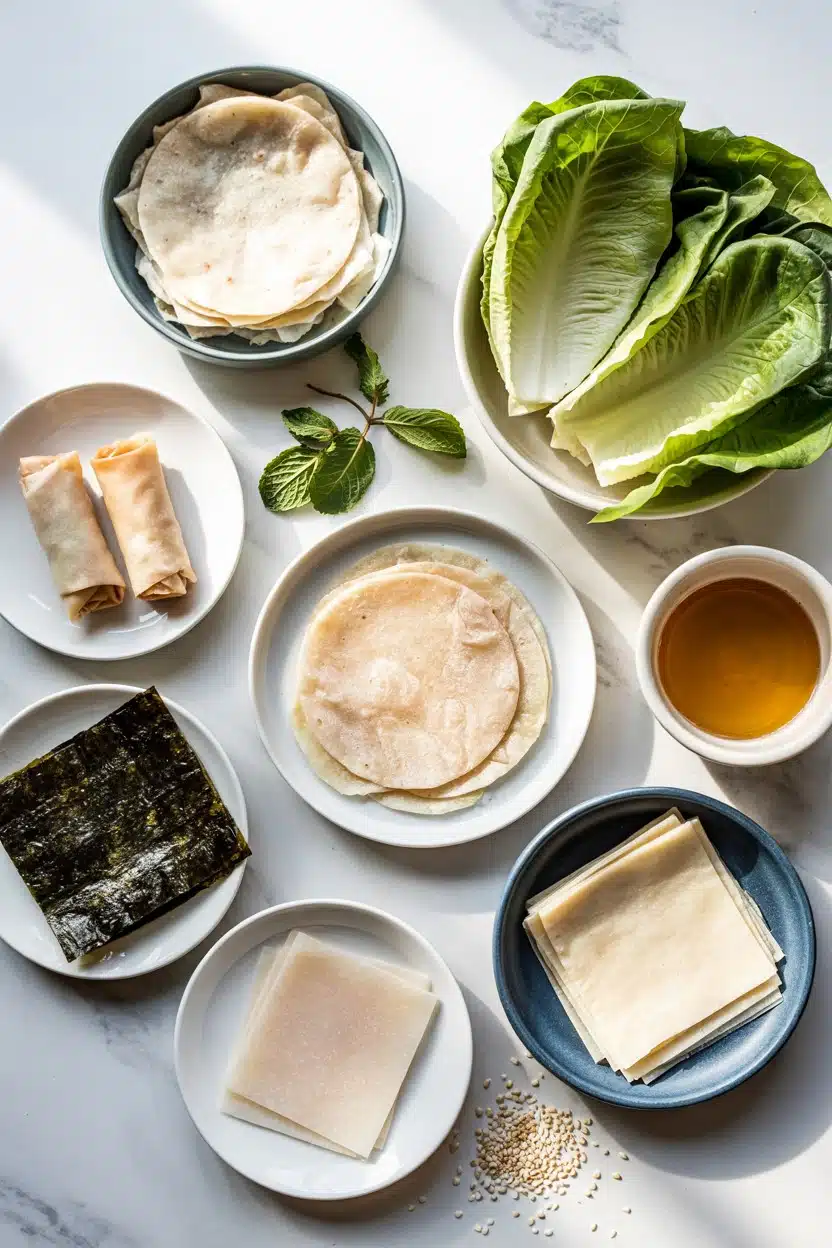
7 Best Substitutes for Rice Paper in Vietnamese Spring Rolls

May 1, 2026

You need rice paper to hold everything together, but the package is empty or you never bought it in the first place.

7 Best Substitutes for Rice Paper in Vietnamese Spring Rolls
rice-paper-substitutes
QUICK SUMMARY

Lettuce and nori are top substitutes depending on texture and flavor needs. Focus on whether you want a fresh, crisp bite or an umami boost. For best results, pick leaves that are pliable but sturdy enough to hold fillings without tearing.

🥬Closest fresh feel: Lettuce offers crispness and zero prep for fresh spring rolls.
⚖️Ratio + fix: Swap 1:1; brush collard greens with oil to soften before wrapping.
🔥Watch heat: Wheat wrappers crisp best fried but can burn quickly if unattended.

The right swap depends on whether you're making fresh rolls, fried appetizers, or something that needs structure without cooking. Match the wrapper's job first-translucent and pliable, sturdy and foldable, or crispy when fried-then pick from this list.

Quick Substitute Reference
#SubstituteBest ForRatioKey Note
1 Lettuce 🍳 Cooking 1 leaf : 1 sheet Fresh, crisp, no soaking needed
2 Nori 🍳 Cooking 1:1 Umami-rich, slightly chewy
3 Collard Greens 🍳 Cooking 1 leaf : 1 sheet Steam first to soften
4 Wheat Wrappers 🍳 Cooking 1:1 Best for frying, not GF
5 Swiss Chard 🍳 Cooking 1 leaf : 1 sheet Blanch briefly, mild bitterness
6 Soy Paper ✨ Both 1:1 Thin, pliable, subtle bean flavor
7 Phyllo Dough 🥧 Baking 1-2 sheets : 1 sheet Crispy when baked or fried

7 Simple Rice Paper Swaps to Save Time

Some work fresh out of the fridge while others need a quick blanch or brush of oil. Pick based on what you're wrapping and whether heat is involved.

1 - Lettuce

Large butter lettuce or romaine leaves give you an instant wrap with zero prep. The texture stays crisp and adds a fresh, slightly sweet bite that complements shrimp, chicken, or vegetables.

One large leaf replaces one sheet of rice paper. The main trade-off is structure-lettuce tears more easily under heavy fillings, so keep portions modest.

Quick specs:

  • Works best for summer rolls, lettuce cups, and light wraps
  • No soaking or cooking required
  • Adds crunch that rice paper doesn't provide

If you're also out of lettuce, Lettuce substitutes ranked covers similar leafy options that hold fillings.

Skip if: you need a wrapper that seals completely or holds up to frying.

LETTUCE

Works for: Fresh rolls, lettuce cups, low-carb wraps

Skip if: You need a sealed wrapper or plan to fry

NORI

Works for: Sushi-style rolls, hand rolls, crispy bites

Skip if: You want soft, pliable texture

2 - Nori

Nori sheets bring an umami depth that rice paper lacks entirely. The seaweed flavor pairs naturally with seafood, avocado, and seasoned rice.

Use one sheet per rice paper sheet. Nori stays slightly chewy rather than soft, which changes the eating experience-think sushi hand rolls rather than Vietnamese spring rolls.

Key details:

  • Keep fillings dry to prevent soggy patches
  • Cut sheets to size with scissors for smaller wraps
  • Toast briefly over a flame for extra crispness

Don't have nori either? Nori substitutes for cooking lists wrappers with similar ocean-forward flavor.

Skip if: you want a neutral-tasting, soft wrapper.

3 - Collard Greens

Collard leaves hold up to heavier fillings without tearing. The sturdy texture makes them reliable for wraps packed with grains, beans, or shredded meat.

Golden Rule
Steam collard leaves for 30-60 seconds until pliable but still bright green. Overcooked leaves turn mushy and won't fold cleanly.

One large leaf replaces one sheet. Trim the thick center stem so the wrap folds flat. The flavor runs earthy with a slight bitter edge that mellows when paired with bold sauces.

If collard greens aren't available either, swaps when Collard Green runs out covers sturdy greens that fold the same way.

Skip if: you want translucent presentation or a completely neutral taste.

4 - Wheat Wrappers

Spring roll wrappers made from wheat flour deliver the crispiest results when fried. They puff and shatter in hot oil where rice paper sometimes turns chewy.

Use one sheet for one sheet. The texture runs thicker and chewier than rice paper, which holds up better to heavy fillings and aggressive dipping.

The essentials:

  • Seal edges with water or egg wash before frying
  • Keep thawed wrappers covered with a damp towel to prevent cracking

Skip if: you need a gluten-free option or want soft, fresh rolls.

UseRatioNotes
Fried spring rolls1:1Crispier than rice paper when fried
Egg rolls1:1Thicker wrapper holds heavy fillings
Fresh wrapsNot recommendedToo thick and chewy uncooked

5 - Swiss Chard

Swiss chard leaves blanch quickly and wrap neatly around fillings. The flavor stays mild with just a hint of earthiness that doesn't compete with sauces or proteins.

Dip leaves in boiling water for 15-20 seconds, then transfer to ice water. This keeps the color vibrant and the texture tender without turning slimy. One large leaf handles the same volume as one rice paper sheet.

The thin stems can stay attached if you shave them down with a knife. Thick stems make folding awkward.

If Swiss chard isn't in your fridge either, Swiss Chard substitutes ranked lists greens with similar flexibility.

Skip if: you want zero bitterness or need a wrapper that stays completely neutral.

Shortcut
Blanch chard leaves in batches and spread on a towel to dry. Wet leaves dilute sauces and make rolls slippery.

6 - Soy Paper

Soy paper mimics rice paper's thin, pliable nature without the soaking step. It comes ready to use straight from the package.

The flavor carries a subtle bean undertone that works well with sushi-style fillings. Use one sheet for one sheet-no adjustment needed.

What to expect:

  • Slightly less sticky than wet rice paper
  • Tears less easily during rolling
  • Colors range from white to pink, orange, or green
  • Stays soft at room temperature longer than rice paper

Skip if: you want traditional rice flavor or plan to fry the wrapper.

7 - Phyllo Dough

Phyllo creates flaky, shatteringly crisp wrappers when baked or fried. It behaves nothing like soft rice paper-this swap only works for cooked applications.

Watch Out
Phyllo dries out fast. Keep unused sheets under a damp towel while you work.

Use one or two sheets per rice paper sheet, brushing each layer lightly with oil or melted butter. The neutral flavor lets fillings shine while adding a satisfying crunch.

Here's what to know:

  • Layer sheets for sturdier wraps
  • Brush with oil before folding to prevent cracking
  • Bake at 375-400°F until golden
  • Works for samosa-style triangles and baked spring rolls

Skip if: you need a soft, fresh wrapper or want something gluten-free.

How to Choose a Rice Paper Substitute

Start with what your recipe actually needs. Fresh rolls call for soft, pliable wrappers like lettuce, chard, or soy paper. Fried appetizers work better with wheat wrappers or phyllo.

  • Closest match - Soy paper for similar pliability without soaking
  • Easiest grab - Lettuce leaves for instant wraps with no prep
  • Sturdy option - Collard greens for heavy fillings that need structure

Frequently Asked Questions

Can I use tortillas instead of rice paper?

Flour tortillas work for wraps but create a completely different texture. They're thicker, chewier, and won't give you the delicate bite of rice paper.

Do lettuce wraps fall apart easily?

Lettuce tears under heavy fillings or aggressive handling. Keep portions small and use sturdy varieties like butter lettuce or romaine hearts.

Which substitute works best for frying?

Wheat spring roll wrappers crisp up better than rice paper in hot oil. Phyllo dough also fries well but requires brushing with oil between layers.

Is soy paper gluten-free?

Most soy paper is gluten-free, but check the package. Some brands add wheat-based ingredients for texture or binding.

How do I keep collard green wraps from being bitter?

A quick blanch mellows the bitterness significantly. Pairing with bold sauces like peanut or hoisin also balances the earthy flavor.

7 Best Substitutes for Rice Paper in Vietnamese Spring Rolls

7 Best Substitutes for Rice Paper

No ratings yet
This guide helps you choose the right rice paper substitute based on your recipe needs. Options range from fresh leafy wraps to crispy fried wrappers, covering prepping and use tips.
Print Recipe Pin Recipe
Prep Time 7 minutes mins
Cook Time 5 minutes mins
Total Time 12 minutes mins
Servings: 4 servings
Course: Substitution Guide
Cuisine: Asian-Inspired
Ingredients Method Notes

Ingredients
  

  • 1 leaf Lettuce Fresh, crisp, no soaking needed. Use one large leaf per rice paper sheet.
  • 1 sheet Nori Umami-rich, slightly chewy, use 1:1 ratio with rice paper.
  • 1 leaf Collard Greens Steam first to soften, one leaf replaces one sheet of rice paper.
  • 1 sheet Wheat Wrappers Best for frying, not gluten-free. Use one sheet per rice paper sheet.
  • 1 leaf Swiss Chard Blanch briefly, mild bitterness. One leaf replaces one rice paper sheet.
  • 1 sheet Soy Paper Thin, pliable with subtle bean flavor. Use one sheet for one sheet.
  • Phyllo Dough Use 1-2 sheets per rice paper sheet. Crispy when baked or fried, brush with oil between layers.

Method
 

  1. Choose substitute based on whether your recipe needs fresh, fried, or sturdy wrappers.
  2. Prepare leafy greens by rinsing and blanching or steaming if needed to soften (collard, chard).
  3. Use lettuce leaves fresh as-is; no soaking or drying needed.
  4. Use nori dry, keep fillings dry to avoid sogginess, and toast briefly if desired.
  5. Use wheat wrappers for frying, seal edges before cooking and keep covered to prevent cracking.
  6. For phyllo dough, layer 1 or 2 sheets brushed with oil, bake or fry until golden and crispy.
  7. Replace one rice paper sheet with the equivalent amount of substitute based on type.
  8. Check wrap texture and integrity before serving to ensure proper structure and texture.

Notes

Drain Swiss chard leaves well to prevent watery rolls and slippery texture.

Tried this recipe?

Let us know how it was!

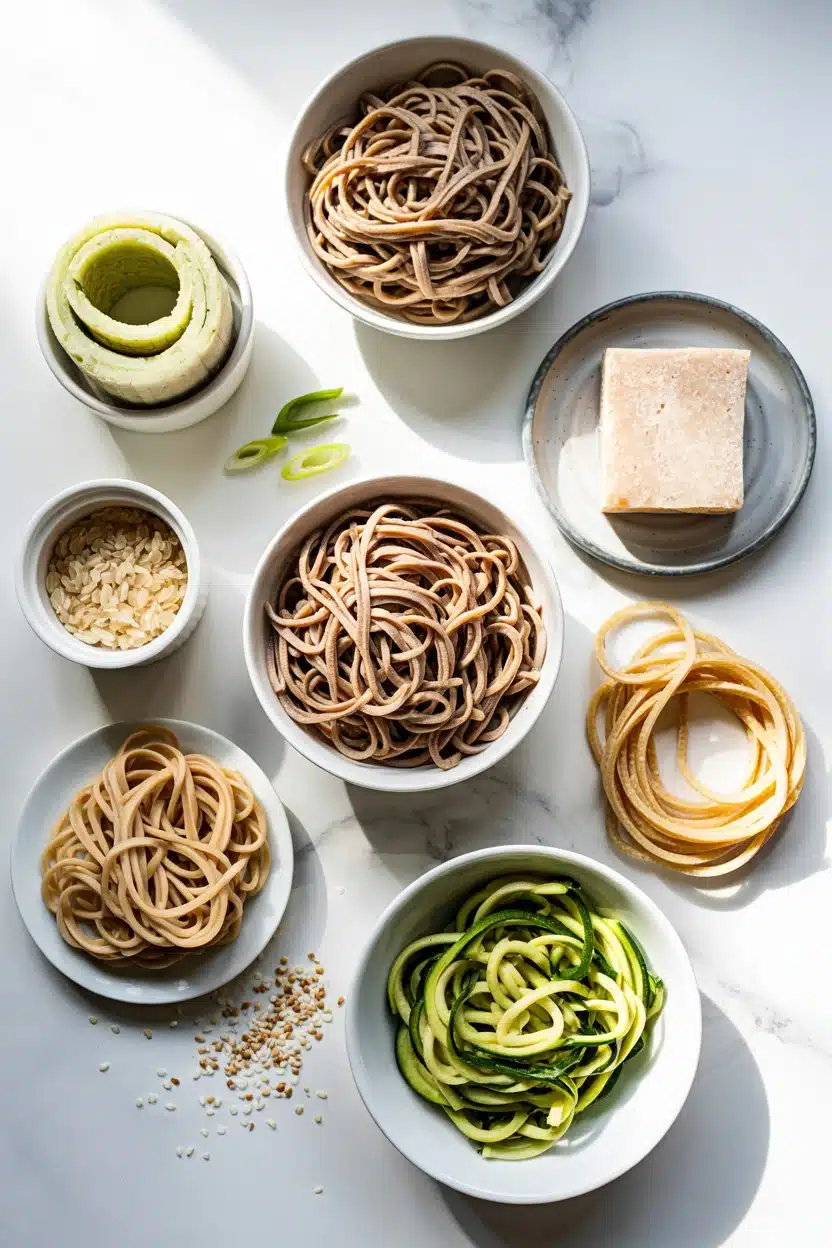
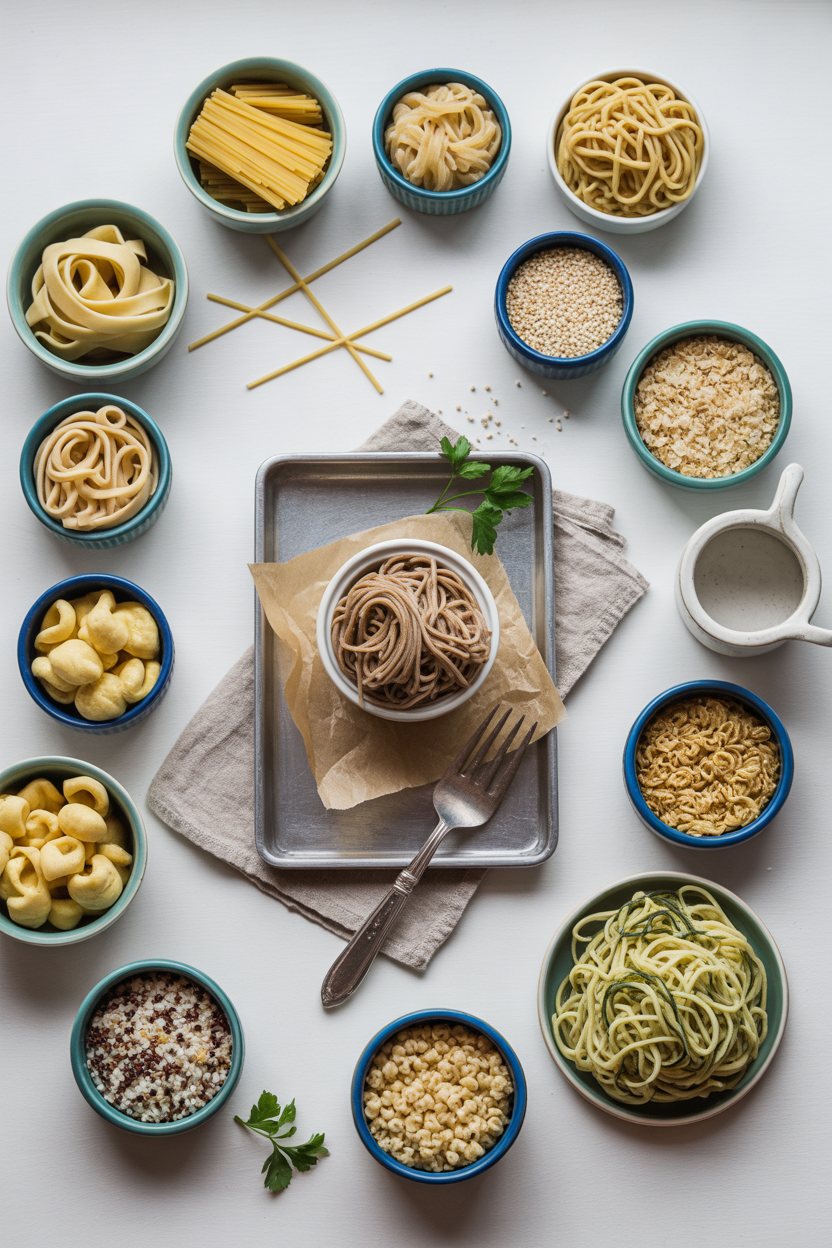
7 Best Substitutes for Soba Noodles in Japanese Dishes

May 1, 2026

You're halfway through a cold noodle bowl when you realize the soba ran out two servings ago. That nutty buckwheat flavor and slight chew anchors dishes from dipping bowls to stir-fries.

7 Best Substitutes for Soba Noodles in Japanese Dishes
soba-noodles-substitutes
QUICK SUMMARY

Buckwheat pasta best matches soba's earthy flavor, while udon offers a firm, chewy texture. Prioritize flavor or texture based on your dish, and adjust cooking times accordingly for the substitute chosen.

🌾Closest match: Buckwheat pasta delivers authentic nutty, earthy soba flavor.
⚖️Ratio + fix: Swap 1:1; reduce cooking time for thinner noodles like rice noodles.
🔥Watch heat: Shirataki noodles need rinsing and gentle cooking to avoid rubbery texture.

Not every swap hits the same notes. The best substitute depends on whether you need the earthy buckwheat taste, the firm bite, or just a noodle that works with your sauce. Some options come closer than others.

Quick Substitute Reference
#SubstituteBest ForRatioKey Note
1 Udon Noodles 🍳 Cooking 1:1 Thicker and chewier
2 Rice Noodles 🍳 Cooking 1:1 Neutral and soft
3 Whole Wheat Spaghetti 🍳 Cooking 1:1 Dense and wheaty
4 Shirataki Noodles ✨ Both 1:1 Nearly zero carbs
5 Buckwheat Pasta ✨ Both 1:1 Closest flavor match
6 Angel Hair Pasta 🍳 Cooking 1:1 Thin and delicate
7 Zucchini Noodles 🌱 Vegan 1.5:1 Raw or barely cooked

7 Top Soba Noodles Alternatives That Hold Up

These range from pantry-friendly wheat noodles to low-carb vegetable options. Pick based on what the dish needs and what you have on hand.

1 - Udon

Udon brings a satisfying chew that works in hot broth or a quick stir-fry. The texture runs thicker and bouncier than soba, so the mouthfeel shifts noticeably.

The mild wheat flavor won't replicate buckwheat's earthiness. Udon absorbs sauces well, making it a strong pick for dishes where the broth or dressing carries the flavor load.

If you're also short on udon, swaps when Udon Noodles runs out covers options with similar heft.

Skip if: you need thin noodles or that distinctive nutty taste.

UDON

Works for: Hot soups, stir-fries, dishes with bold sauces

Skip if: Thin noodle texture or buckwheat flavor matters

SOBA

Works for: Cold dipping bowls, salads, nutty flavor profiles

Skip if: You want a thick, chewy noodle

2 - Rice Noodles

Rice noodles sit on the opposite end of the texture spectrum. They cook soft and slippery, with almost no flavor of their own.

That neutral base lets dressings and sauces shine without competition. Cold sesame noodle salads or light broths work well here.

Here's what to know:

  • Soak in warm water before cooking to prevent mushiness.
  • Cook times run shorter than wheat noodles-watch closely.
  • The soft texture won't hold up to aggressive tossing.
  • Add them last to hot dishes so they don't overcook.

Don't have rice noodles either? Check easy Rice Noodle swaps that work for similar soft-textured options.

Skip if: you want that nutty buckwheat character or firm bite.

3 - Whole Wheat Spaghetti

Whole wheat spaghetti brings a dense, wheaty chew that holds up in stir-fries. The flavor leans more toward Italian bread than Japanese buckwheat.

Cook it al dente to keep some firmness. Toss with sesame oil immediately after draining to prevent sticking.

Quick specs:

  • Use equal amounts as soba.
  • Rinse under cold water for cold noodle dishes.
Shortcut
Toss cooked spaghetti with a splash of rice vinegar and sesame oil for instant Asian-style noodles.

Skip if: gluten-free is required or authentic Japanese flavor matters.

4 - Shirataki

Shirataki noodles come from konjac root and contain almost no calories or carbs. The texture runs springy and slightly rubbery-very different from wheat noodles.

They arrive packed in liquid and need thorough rinsing. A quick dry-fry in a hot pan removes excess moisture and improves texture.

Key details:

  • Rinse well to remove the packaging odor.
  • Dry-fry for 2-3 minutes before adding to your dish.

The flavor stays completely neutral, so sauces do all the work. Hot preparations mask the texture better than cold ones.

Skip if: you want buckwheat flavor or a traditional noodle chew.

5 - Buckwheat Pasta

This swap lands closest to authentic soba flavor. Italian-style buckwheat pasta (pizzoccheri) uses the same grain, delivering that earthy, nutty taste.

Texture varies by brand. Some run firmer than Japanese soba, others softer. Check package directions since cook times differ.

The essentials:

  • Ratio stays 1:1 with soba.
  • Taste before the timer-brands vary significantly.
  • Works in both hot and cold preparations.
  • Not gluten-free unless the package specifies 100% buckwheat.
UseRatioNotes
Cold dipping1:1Rinse well and chill completely
Hot broth1:1Add noodles just before serving
Stir-fry1:1Cook slightly underdone, finish in pan

Skip if: you need a delicate texture or gluten-free option.

6 - Angel Hair

Angel hair pasta offers the thinnest wheat noodle option. It cooks fast and works in light broths or cold preparations where delicate strands matter.

The texture runs softer than soba. Slight overcooking turns it mushy, so pull it a minute early.

Toss immediately with oil to prevent clumping. Cold noodle salads with thin, light dressings suit angel hair well.

Watch Out
Angel hair overcooks in seconds. Set a timer and test early.

Skip if: gluten-free is needed or you want buckwheat's nutty depth.

7 - Zucchini Noodles

Spiralized zucchini swaps starch for vegetables entirely. The texture stays crisp when raw and turns tender with brief cooking.

Use 1.5 cups zucchini noodles for every cup of soba. The higher volume accounts for water loss during cooking.

Raw zoodles work best in cold preparations. Heat releases moisture quickly, so add them at the last moment to warm dishes.

No zucchini on hand either? See what to use for Zucchini for vegetable noodle alternatives.

Skip if: hot soup or serious noodle chew matters to your dish.

Golden Rule
Salt zucchini noodles and drain for 10 minutes before using to remove excess water.

Before You Swap Soba Noodles

Start with the closest match and adjust seasoning and cooking time as needed. Buckwheat pasta delivers the most authentic flavor, while udon offers the easiest pantry grab for hot dishes.

  • Closest match - Buckwheat pasta for that nutty, earthy taste
  • Easiest grab - Whole wheat spaghetti from any grocery store
  • Low-carb option - Shirataki noodles for nearly zero carbs

Frequently Asked Questions

What ratio works for most soba substitutes?

Most substitutes swap 1:1 by weight or volume. Zucchini noodles need about 1.5 cups per cup of soba since they shrink when cooked.

Will these substitutes taste like soba?

Only buckwheat pasta comes close to soba's nutty flavor. Other options work texturally but rely on sauces and seasonings to carry the dish.

Which substitute works best for cold noodle salads?

Rice noodles or angel hair pasta both work well chilled. Rinse thoroughly under cold water after cooking and toss with a little oil to prevent sticking.

Are any of these substitutes gluten-free?

Rice noodles, shirataki noodles, and zucchini noodles are naturally gluten-free. Some buckwheat pasta contains wheat flour, so check the label if gluten is a concern.

Why do my shirataki noodles smell strange?

The liquid they're packed in has a mild odor from the konjac. Rinse them well under running water for a minute, then dry-fry in a hot pan to eliminate any lingering smell.

7 Best Substitutes for Soba Noodles in Japanese Dishes

7 Best Substitutes for Soba Noodles

No ratings yet
Find the best soba noodle substitutes based on the dish's needs, such as buckwheat flavor, firm bite, or neutrality. Options cover wheat, rice, and low-carb vegetable noodles.
Print Recipe Pin Recipe
Prep Time 7 minutes mins
Cook Time 6 minutes mins
Total Time 13 minutes mins
Servings: 4 servings
Course: Noodles, Substitutes
Cuisine: Asian-Inspired, Japanese
Ingredients Method Notes

Ingredients
  

  • 1 to 1 Use equal amounts as substitute for soba noodles; thicker and chewier texture with mild wheat flavor
  • 1 to 1 Use equal amounts as substitute for soba noodles; neutral and soft texture, soak in warm water before cooking
  • 1 to 1 Use equal amounts as substitute for soba noodles; dense and wheaty chew, toss with sesame oil after draining
  • 1 to 1 Use equal amounts as substitute for soba noodles; rinse well and dry-fry 2-3 minutes before use
  • 1 to 1 Use equal amounts as substitute for soba noodles; closest flavor match, check package for cook times
  • 1 to 1 Use equal amounts as substitute for soba noodles; thin and delicate texture, avoid overcooking
  • 1.5 cups Zucchini Noodles Use 1.5 cups for every cup of soba; salt and drain for 10 minutes before use to remove excess water

Method
 

  1. Choose the substitute based on your dish's needs: buckwheat flavor, texture, or neutral base.
  2. Prepare the substitute according to its specific instructions, such as soaking or rinsing.
  3. Use a 1:1 ratio for most substitutes; use 1.5 cups zucchini noodles per cup soba.
  4. For coated noodles, toss cooked whole wheat spaghetti or angel hair pasta with oil to prevent sticking.
  5. Taste and adjust seasoning or cooking time as needed to suit the dish.

Notes

Drain zucchini noodles well before adding to avoid watery texture in the dish.

Tried this recipe?

Let us know how it was!

7 Best Substitutes for Rice Vinegar in Asian Cooking

May 1, 2026

Rice vinegar adds a mild, slightly sweet acidity that balances stir-fries, dressings, and sushi rice. It's gentler than most vinegars, so the right swap depends on how much sharpness your dish can handle.

7 Best Substitutes for Rice Vinegar in Asian Cooking
rice-vinegar-substitutes
QUICK SUMMARY

Champagne vinegar and apple cider vinegar are top substitutes; acidity level is key to balance. Adjust sweetness or dilute stronger vinegars to fit your dish. Consider the dish's sharpness tolerance before swapping rice vinegar.

🍾Closest match: Champagne vinegar offers mild, slightly fruity acidity like rice vinegar.
⚖️Ratio + fix: Swap 1:1; dilute white distilled vinegar to reduce harshness.
⚠️Watch out: White distilled vinegar is much stronger and can overpower dishes if undiluted.

Match the acidity level first, then adjust sweetness if needed. Some substitutes run sharper or more pungent, which works in robust dishes but overwhelms delicate ones.

Quick Substitute Reference
#SubstituteBest ForRatioKey Note
1 Apple Cider Vinegar 🍳 Cooking 1:1 Fruity, slightly tart
2 White Wine Vinegar 🍳 Cooking 1:1 Crisp, sharper bite
3 Champagne Vinegar ✨ Both 1:1 Light and subtle
4 Lemon Juice 🍳 Cooking 1:1 Bright citrus punch
5 White Distilled Vinegar 🍳 Cooking 1:2 Strong, dilute first
6 Malt Vinegar 🍳 Cooking 1:1 Deep malty flavor
7 Sherry Vinegar 🍳 Cooking 1:1 Nutty, slightly sweet

7 Quick Rice Vinegar Substitutes That Work

These options range from pantry basics to specialty bottles. Pick based on what you're making and how much sharpness fits the dish.

1 - Apple Cider

Apple cider vinegar brings fruity undertones and a tang that's bolder than rice vinegar. It works well in marinades and vinaigrettes where other flavors can balance its punch.

Use the same amount but consider adding half a teaspoon of sugar per tablespoon to soften the tartness. The apple notes complement pork, chicken, and grain bowls.

If you're also out of apple cider vinegar, quick Apple Cider replacements to try covers options with similar brightness.

Skip if: you're making delicate sushi rice or light finishing sauces.

Apple Cider Vinegar

Works for: Marinades, dressings, slaws

Skip if: Finishing sushi or light dishes

White Wine Vinegar

Works for: Pickling, cooking, pan sauces

Skip if: Sweet glazes or desserts

2 - White Wine

White wine vinegar runs drier and sharper than rice vinegar. That crispness suits pickled vegetables and pan sauces where you want acidity without sweetness.

Swap one-to-one, but taste as you go. Add a pinch of sugar if the dish needs balance.

Here's what to know:

  • Works best in savory dishes where sharpness is welcome.
  • Skip the sugar addition for pickles-the sharpness helps preservation.

No white wine vinegar either? White Wine alternatives to try has options that match the dry acidity.

Skip if: the recipe calls for sweetness or a mellow finish.

3 - Champagne

Champagne vinegar is the closest match in mildness. Light and slightly fruity, it won't overpower salad dressings or drizzled finishes.

Best Pick
Champagne vinegar is the gentlest swap-ideal when you need subtle acidity without adjustments.

Use it one-to-one with no modifications needed. The flavor profile sits close enough that most recipes won't notice the difference.

If champagne vinegar isn't in the pantry either, Champagne Vinegar swaps by recipe type lists mild alternatives.

4 - Lemon Juice

Lemon juice swaps the fermented tang for bright citrus acidity. It's sharper and more forward, which works when you want a fresh, zesty pop.

Use it in quick pickles, dressings, and dishes served cold. The citrus fades with heat, so add it at the end of cooking.

Quick specs:

  • Use one-to-one, adjusting to taste.
  • Adds citrus aroma rice vinegar doesn't have.
  • Best for cold applications and finishing.
  • Avoid in recipes needing long cook times.

Missing lemon juice as well? Replacements similar to Lemon Juice covers citrus-forward options.

Skip if: you need the vinegar's fermented depth or the dish cooks for more than a few minutes.

5 - White Distilled

White distilled vinegar packs serious punch. It's nearly twice as acidic as rice vinegar, so dilution is essential.

Watch Out
Use half the amount and thin with water-undiluted white distilled vinegar overwhelms most dishes.

Mix half a tablespoon with half a tablespoon of water to replace one tablespoon of rice vinegar. This works for pickling and cooking where other bold flavors mask the sharpness.

The essentials:

  • Always dilute before adding.
  • Works in brines and heavy marinades.
  • Skip for anything served raw or lightly dressed.

Skip if: the dish relies on subtle, mellow acidity.

UseRatioNotes
Pickling1:2 (half amount)Dilute with equal water
Marinades1:2 (half amount)Add sweetener to balance
DressingsNot recommendedToo harsh for raw applications

6 - Malt Vinegar

Malt vinegar brings a deep, toasty flavor that's nothing like rice vinegar's mildness. It's best in hearty dishes where that malty punch becomes a feature.

Golden Rule
Reserve malt vinegar for robust dishes-fish and chips glazes, BBQ sauces, and bold marinades.

Use the same amount but expect a flavor shift. The result leans British pub rather than Asian pantry.

Key details:

  • Pairs well with fried foods and grilled meats.
  • Adds color that rice vinegar doesn't.
  • Too assertive for sushi rice or light stir-fries.

Don't have malt vinegar either? Tested Malt Vinegar replacements covers alternatives with similar depth.

Skip if: you want clean, neutral acidity.

7 - Sherry

Sherry vinegar offers nutty complexity with a hint of sweetness. It's richer than rice vinegar, making it better suited for warm applications.

Use one-to-one in braises, pan sauces, and vinaigrettes for grain salads. The depth adds interest without overwhelming.

If sherry vinegar isn't available either, quick Sherry replacements to try lists options with similar warmth.

Skip if: the dish needs light, clean acidity or you're making traditional Asian recipes.

Shortcut
Sherry vinegar plus a splash of water gets you closer to rice vinegar's mildness in a pinch.

How to Choose a Rice Vinegar Substitute

Start with champagne vinegar for the closest flavor match-it's mild and needs no adjustments. When that's not available, apple cider or white wine vinegar work well with a pinch of sugar to round out the sharpness.

  • Closest match - Champagne vinegar for gentle acidity
  • Easiest grab - Apple cider vinegar, widely available
  • Bold alternative - Sherry vinegar for nutty depth

Frequently Asked Questions

What's the best rice vinegar substitute for sushi rice?

Champagne vinegar comes closest to the mild sweetness sushi rice needs. Add a small pinch of sugar if using white wine vinegar instead.

Can I use regular white vinegar instead of rice vinegar?

Yes, but use half the amount and dilute with water. White distilled vinegar is much stronger and will overpower dishes if used one-to-one.

Does apple cider vinegar taste like rice vinegar?

Not exactly. Apple cider vinegar has a fruity, slightly tangy flavor that's bolder than rice vinegar's gentle sweetness. It works in marinades and dressings but changes the final taste.

What's the difference between rice vinegar and seasoned rice vinegar?

Seasoned rice vinegar contains added sugar and salt. Plain rice vinegar substitutes may need a pinch of sugar and salt to match recipes calling for the seasoned version.

Can lemon juice replace rice vinegar in stir-fry?

It can, but add it at the very end. Lemon juice loses its brightness when cooked too long, so stir it in after removing the pan from heat.

7 Best Substitutes for Rice Vinegar in Asian Cooking

7 Best Substitutes for Rice Vinegar

No ratings yet
Rice vinegar adds mild acidity with slight sweetness, ideal for balancing stir-fries, dressings, and sushi rice. This guide helps you choose substitutes based on dish sharpness and flavor compatibility.
Print Recipe Pin Recipe
Prep Time 6 minutes mins
Cook Time 5 minutes mins
Total Time 11 minutes mins
Servings: 4 servings
Course: Substitute Guide
Cuisine: General
Ingredients Method Notes

Ingredients
  

  • 1 to Apple Cider Vinegar Use 1:1 ratio; add ½ teaspoon sugar per tablespoon to soften tartness. Skip for delicate sushi rice or light sauces.
  • 1 to White Wine Vinegar Use 1:1 ratio; add pinch of sugar if needed for balance, except in pickles. Skip for sweet glazes or desserts.
  • 1 to Champagne Vinegar Use 1:1 ratio; gentlest substitute, no adjustments needed. Best for subtle acidity.
  • 1 to Lemon Juice Use 1:1 ratio; add at end of cooking for bright citrus punch. Avoid long cook times.
  • 0.5 tablespoon White Distilled Vinegar Dilute with equal water before use (1:2 ratio). Skip for raw or lightly dressed dishes.
  • 1 to Malt Vinegar Use 1:1 ratio; best for hearty dishes. Skip for clean, neutral acidity.
  • 1 to Sherry Vinegar Use 1:1 ratio; add a splash of water for milder acidity if needed. Skip for light, clean acidity dishes.

Method
 

  1. Choose your substitute based on dish type and desired sharpness of acidity.
  2. For Apple Cider Vinegar, use the same amount as rice vinegar and add sugar to soften tartness if needed.
  3. Use White Wine Vinegar one-to-one and add a pinch of sugar for balance in some dishes; avoid sugar for pickling.
  4. Swap Champagne Vinegar one-to-one with no adjustments, ideal for subtle acidity in delicate dishes.
  5. Use Lemon Juice one-to-one, adding it at the end of cooking for best citrus flavor and avoid long cook times.
  6. Dilute White Distilled Vinegar with an equal amount of water and use half the quantity; avoid raw or light dressings.
  7. Use Malt Vinegar equally in robust dishes; expect a flavor shift. Not suitable for dishes requiring mild acidity.
  8. Substitute Sherry Vinegar one-to-one in warm dishes and add water to lessen acidity if needed; skip for traditional Asian recipes.
  9. Taste-test and adjust sweetness or dilution as needed to prevent overpowering or imbalance in your dish.

Notes

Add sugar slowly to apple cider vinegar to avoid a tart bite that overpowers delicate dishes.

Tried this recipe?

Let us know how it was!

7 Best Substitutes for Rice Noodle in Asian Stir-Fries

May 1, 2026

Rice noodles slip through sauces, soak up broth, and stay tender without turning gummy. That texture-smooth, springy, and light-is what makes pad Thai work and pho feel right.

7 Best Substitutes for Rice Noodle in Asian Stir-Fries
rice-noodle-substitutes
QUICK SUMMARY

Glass noodles and soba noodles offer the best texture and flavor balance for rice noodle swaps. Prioritize texture first, then flavor. For stir-fries, soak glass noodles before cooking to prevent clumping and ensure tenderness.

🍜Closest match: Glass noodles hold up well and share rice noodles' neutral flavor.
⚖️Ratio + fix: Swap 1:1; soak glass noodles before stir-frying for best texture.
🔥Watch out: Spaghetti changes flavor and texture noticeably, use only in a pinch.
The best swap depends on what the dish needs: chew, slipperiness, or neutral flavor absorption. Some options nail the mouthfeel but bring wheat into the mix. Others stay gluten-free but cook faster or softer.

Quick Substitute Reference
#SubstituteBest ForRatioKey Note
1 Glass Noodles 🍳 Cooking 1:1 Chewier, nearly clear
2 Soba Noodles 🍳 Cooking 1:1 Nutty, contains gluten
3 Udon Noodles 🍳 Cooking 1:1 Thick and chewy
4 Shirataki Noodles 🌱 Low-Carb 1:1 Nearly zero calories
5 Spaghetti 🍳 Cooking 1:1 Last resort option
6 Zucchini Noodles 🌱 Low-Carb 1:1 volume Fresh, crunchy texture
7 Rice Vermicelli 🍳 Cooking 1:1 Thinner, more delicate

7 Best Rice Noodle Alternatives for Recipes

These swaps range from nearly identical textures to creative workarounds. The closest matches come first, with bolder departures toward the end.

1 - Glass Noodles

Glass noodles (also called cellophane or mung bean noodles) turn translucent when cooked and hold up well in hot dishes. They share rice noodles' neutral flavor profile but land slightly chewier.

The texture works in stir-fries and soups where slippery noodles matter. Use them straight-1 cup cooked glass noodles replaces 1 cup cooked rice noodles.

Quick specs:

  • Soak in hot water - 5 minutes until pliable, then drain before adding to the pan.
  • Cut after soaking - Long strands tangle; kitchen scissors make portioning easier.
  • Add late - They absorb liquid fast, so toss them in during the final minute.
  • Watch the heat - High heat for too long turns them gummy.

Skip if: you need noodles that stay firm after sitting in sauce.

Glass Noodles

Works for: Japchae, spring rolls, clear soups

Skip if: Firmer bite matters

Rice Noodles

Works for: Pad Thai, pho, stir-fries with heavy sauce

Skip if: You want a translucent look

2 - Soba Noodles

Soba brings a nutty, earthy flavor that rice noodles don't have. The texture runs firmer and denser-closer to wheat pasta than the soft slip of rice noodles.

Cold noodle salads and dishes with bold Asian sauces showcase soba best. Swap 1:1 by cooked volume, but rinse them under cold water after boiling to stop the cooking and remove excess starch.

If you're out of soba too, Soba Noodles replacements that work covers options with similar earthy character.

Skip if: gluten is a concern-most soba contains wheat flour alongside buckwheat.

3 - Udon Noodles

Udon runs thick and chewy, nothing like the delicate strands of rice noodles. But in brothy soups and saucy stir-fries, that heft works.

The mild wheat flavor won't compete with ginger, garlic, or soy. Use 1 cup cooked udon per 1 cup cooked rice noodles.

Shortcut
Pre-cooked shelf-stable udon needs only 1 minute in boiling water-faster than dried rice noodles.

Here's what to know:

  • Boil fresh udon briefly - 2-3 minutes max; overcooked udon turns mushy.
  • Rinse to stop cooking - Cold water keeps them chewy.
  • Add to soup last - They absorb broth quickly.

If udon isn't available either, Udon Noodles swaps by recipe type has alternatives that hold up in hot liquid.

Skip if: you need light, slippery noodles for delicate spring rolls.

4 - Shirataki Noodles

Shirataki noodles come from konjac root and contain almost no calories or carbs. They work for low-carb stir-fries and soups when you want noodle texture without the starch.

The trade-off is real: shirataki has a gelatinous, slightly rubbery chew and almost zero flavor. They won't absorb sauce the way rice noodles do.

Rinse them thoroughly-the packaging liquid has a distinct smell that disappears after a quick boil or dry-fry.

The essentials:

  • Drain and rinse well - Run under water for 30 seconds minimum.
  • Dry-fry first - 2 minutes in a hot pan drives off moisture and firms the texture.
  • Season the sauce heavily - These noodles contribute nothing but texture.
  • Serve immediately - They get rubbery as they cool.

Skip if: you want noodles that soak up broth or sauce.

Watch Out
Shirataki won't fool anyone expecting real rice noodles. Use them when low-carb matters more than authenticity.

5 - Spaghetti

Spaghetti is a last-resort swap, but it works in a pinch. The wheat flavor and firmer texture change the dish noticeably.

Cook spaghetti al dente, rinse with cold water, then toss with a little sesame oil to prevent sticking. Use 1:1 by cooked volume.

The noodles hold up to high-heat stir-frying better than rice noodles. They won't absorb sauce the same way, so dress them while hot.

If you're exploring tested Spaghetti Squash replacements, that page covers vegetable-based options for lighter dishes.

Key details:

  • Rinse after cooking - Removes surface starch and stops carryover cooking.
  • Toss with oil - Prevents clumping while you prep other ingredients.
  • Add sauce last - Wheat pasta doesn't absorb like rice noodles, so coat just before serving.

Skip if: you need gluten-free or want authentic Asian noodle texture.

UseRatioNotes
Stir-fry1:1 cookedRinse and oil before frying
Soup1:1 cookedAdd late; gets soft fast
Cold salad1:1 cookedChill completely, toss with dressing

6 - Zucchini Noodles

Zucchini noodles deliver crunch and freshness, not the soft slip of rice noodles. They work in light stir-fries and cold noodle salads where you want vegetables to star.

Use equal volume raw or barely cooked. High heat for too long releases water and turns them soggy.

What to expect:

  • Spiralize or julienne - Thin strands mimic noodle shape best.
  • Salt and drain - 10 minutes with salt pulls out moisture; pat dry before cooking.

The flavor stays mild and vegetal. If you're also out of zucchini, tested Zucchini replacements covers similar vegetable swaps.

Skip if: you need noodles that hold up in hot soup or absorb heavy sauce.

Best Pick
Zucchini noodles shine in summer rolls and cold sesame noodle bowls where crunch matters.

7 - Rice Vermicelli

Rice vermicelli comes from the same rice flour base but runs thinner and more delicate. It's the closest texture match on this list.

These noodles cook faster-just 3-4 minutes in boiling water or a 5-minute soak in hot water. They work well in spring rolls, light stir-fries, and vermicelli bowls with fresh herbs.

Use 1:1 cooked volume. The thinner strands absorb sauce quickly, so dress them right before serving.

If vermicelli isn't on hand either, instead of Vermicelli try these covers similar thin noodle options.

Skip if: you need wider, chewier noodles for pad Thai or drunken noodles.

Picking the Right Replacement

No single substitute perfectly replicates rice noodles, but most of these work without major recipe changes. Glass noodles and rice vermicelli come closest for texture; soba and udon bring more character but shift the dish in a different direction.

  • Closest match - Rice vermicelli, same base ingredient
  • Easiest grab - Spaghetti, already in most pantries
  • Low-carb option - Shirataki noodles, nearly zero carbs

Frequently Asked Questions

What's the closest substitute for rice noodles in pad Thai?

Rice vermicelli works best-same rice flour base, just thinner. Soak briefly and toss in the wok during the last minute of cooking.

Can I use spaghetti instead of rice noodles in stir-fry?

Yes, but the texture and flavor differ noticeably. Cook spaghetti al dente, rinse with cold water, and toss with sesame oil before stir-frying.

Are glass noodles gluten-free like rice noodles?

Most glass noodles made from mung bean starch are gluten-free. Check the label-some brands add wheat starch.

Why do shirataki noodles smell bad out of the package?

The packaging liquid from konjac root has a fishy odor. Drain, rinse thoroughly for 30 seconds, then boil or dry-fry-the smell disappears completely.

Which rice noodle substitute works best for pho?

Rice vermicelli is the closest match for pho. Glass noodles work too but turn translucent and slightly chewier in the hot broth.

7 Best Substitutes for Rice Noodle in Asian Stir-Fries

7 Best Substitutes for Rice Noodle

No ratings yet
Rice noodles have a unique tender and slippery texture essential for dishes like pad Thai and pho. These substitutes offer alternatives that vary by texture and composition, suitable for different cooking needs and diets.
Print Recipe Pin Recipe
Prep Time 6 minutes mins
Cook Time 8 minutes mins
Total Time 14 minutes mins
Servings: 4 servings
Course: Substitute Guide
Cuisine: Asian-Inspired
Ingredients Method Notes

Ingredients
  

  • 1 cup Glass Noodles Use 1:1 cooked ratio; soak 5 minutes in hot water then drain; add late to avoid gumminess
  • 1 cup Soba Noodles Use 1:1 cooked ratio; rinse under cold water after boiling to remove excess starch
  • 1 cup Udon Noodles Use 1:1 cooked ratio; boil fresh 2-3 minutes and rinse with cold water to keep chewy
  • 1 cup Shirataki Noodles Use 1:1 ratio; drain and rinse well, dry-fry 2 minutes before using
  • 1 cup Spaghetti Use 1:1 cooked ratio; rinse after cooking and toss with oil before stir-frying
  • Zucchini Noodles Use equal volume raw or barely cooked; salt and drain for 10 minutes; pat dry before cooking
  • 1 cup Rice Vermicelli Use 1:1 cooked ratio; soak 5 minutes in hot water or boil 3-4 minutes; dress right before serving

Method
 

  1. Choose your substitute based on dish needs: texture, chewiness, and flavor absorption.
  2. For glass noodles, soak in hot water 5 minutes, drain, cut if needed, and add late to dish.
  3. For soba noodles, boil then rinse with cold water to remove starch before use, swap 1:1 cooked volume.
  4. Boil fresh udon noodles 2-3 minutes, rinse cold to keep chewy; add late in soups or stir-fries.
  5. Drain and rinse shirataki noodles well; dry-fry 2 minutes to remove moisture; season heavily and serve immediately.
  6. Cook spaghetti al dente, rinse cold, toss with oil to prevent sticking; use 1:1 cooked volume.
  7. Use zucchini noodles raw or lightly cooked; salt and drain 10 minutes to remove moisture; pat dry before cooking.
  8. Cook rice vermicelli by boiling 3-4 minutes or soaking 5 minutes in hot water; use 1:1 cooked volume; dress before serving.
  9. Adjust cooking times and seasoning based on substitute texture and flavor to best match original dish.

Notes

Drain glass noodles well to prevent a gummy texture when added to hot dishes.

Tried this recipe?

Let us know how it was!

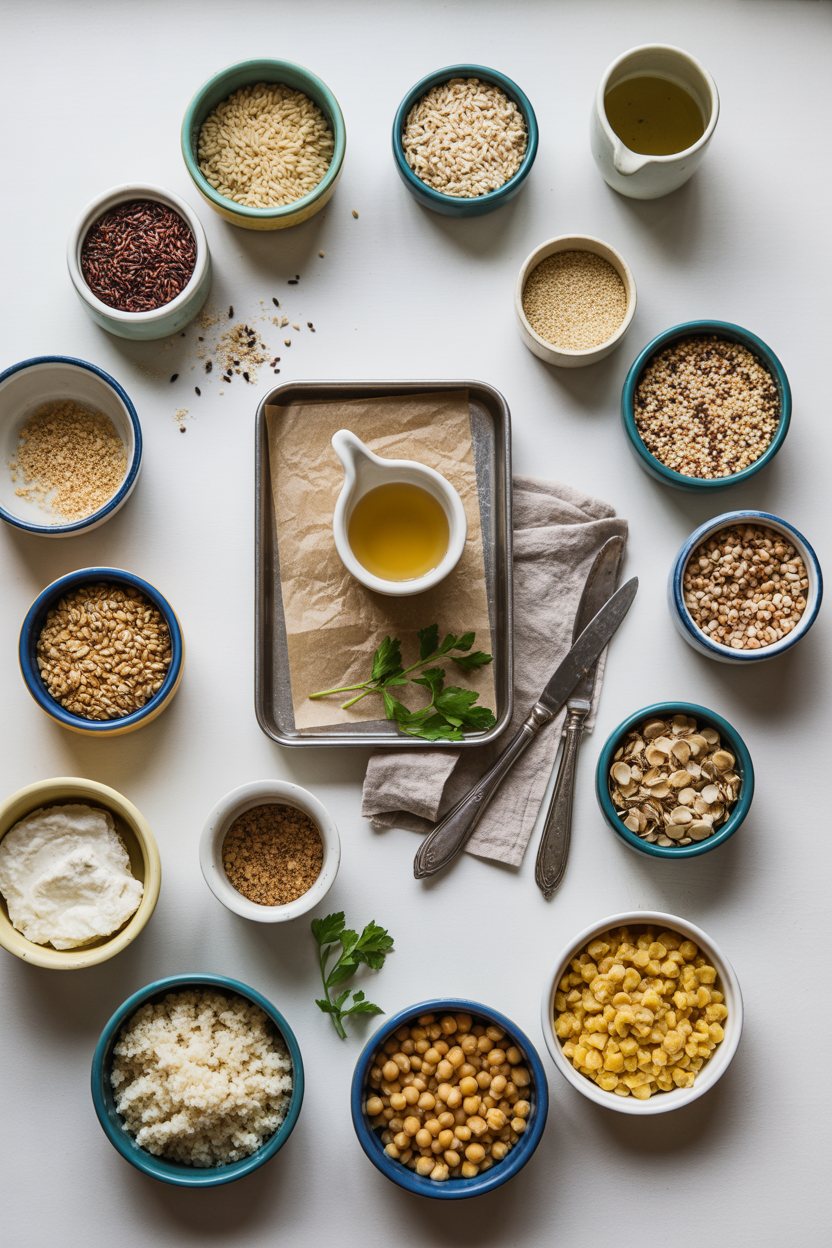
9 Best Substitutes for Rice in Everyday Cooking

May 1, 2026

The recipe depends on rice for that familiar starchy base-fluffy grains that soak up sauce and fill out a bowl. Flavor matters here, but so does how the substitute behaves on the plate.

9 Best Substitutes for Rice in Everyday Cooking
rice-substitutes
QUICK SUMMARY

Quinoa and couscous are top substitutes to consider first, focusing on texture and cooking time. Choose based on whether a nutty flavor or quick preparation suits your dish. Remember to adjust liquid amounts when swapping grains to maintain the right consistency.

🌾Closest match: Quinoa offers fluffy grains with a nutty flavor similar to rice.
⚖️Ratio + fix: Swap 1:1; increase liquid slightly for quinoa to keep fluffiness.
🥦Watch out: Cauliflower rice releases moisture and won't absorb sauces like rice.

P>The right swap depends on whether you need something neutral or something with more character. Some alternatives cook faster, others chew differently, and a few change the dish entirely.

Quick Substitute Reference
#SubstituteBest ForRatioKey Note
1 Quinoa 🍳 Cooking 1:1 Nutty, slightly crunchy
2 Cauliflower Rice 🍳 Cooking 1:1 Low-carb, mild vegetal flavor
3 Couscous 🍳 Cooking 1:1 Light, fluffy, cooks fast
4 Barley 🍳 Cooking 1:1.25 Chewy, hearty bite
5 Bulgur 🍳 Cooking 1:1 Earthy, nutty chew
6 Farro 🍳 Cooking 1:1 Nutty with firm texture
7 Millet ✨ Both 1:1 Mild, slightly sweet
8 Orzo 🍳 Cooking 1:1 Soft wheat pasta
9 Potato 🍳 Cooking 1:1 Starchy, no grain texture

9 Rice Swaps That Keep Flavor Balanced

Some of these match rice closely while others bring a distinct personality. Pick based on what your dish needs-neutral backdrop or something bolder.

1 - Quinoa

Quinoa cooks in about 15 minutes and delivers a nutty, slightly grassy flavor that rice doesn't have. The texture stays fluffy but individual grains pop more.

Use the same 1:1 ratio for cooked rice. Rinse quinoa first to remove the bitter coating.

If you're short on quinoa too, Quinoa replacements that work covers grains with similar cook times.

Skip if: you need sticky grains that clump together.

2 - Cauliflower Rice

Cauliflower rice mimics the look of rice but acts completely differently. It won't absorb sauces the same way and releases moisture during cooking.

The essentials:

  • Sauté in a dry pan - High heat drives off water fast.
  • Season generously - The vegetable flavor needs help.
  • Don't overcook - Two to three minutes keeps it from turning mushy.
  • Mix with real grains - Half cauliflower, half rice cuts carbs without losing texture.

If you're also out of rice, common Rice swaps ranked shows options that absorb better.

Skip if: the dish relies on starchy absorption.

Quinoa

Works for: grain bowls, pilafs, cold salads

Skip if: you need sticky clumping grains

Cauliflower Rice

Works for: low-carb stir-fries, burrito bowls

Skip if: the dish needs sauce absorption

3 - Couscous

Couscous cooks faster than any grain on this list-just pour boiling water over it, cover, and wait five minutes. The texture is light and fluffy with tiny, tender pearls.

Key details:

  • Use a 1:1 ratio - Same volume as rice works fine.
  • Fluff with a fork - Breaks up clumps and keeps it airy.

The mild wheat flavor disappears into most dishes. It soaks up dressings and pan sauces quickly.

Don't have couscous either? For replacements similar to Couscous, smaller pastas work well.

Skip if: you need long-grain texture or gluten-free options.

Shortcut
Couscous needs no stovetop-just boiling water and five minutes.

4 - Barley

Barley brings a chewy, almost meaty bite that rice never has. The nutty flavor stands out in soups and grain salads.

Plan for longer cooking-pearl barley takes 25 to 30 minutes. Use a 1:1.25 ratio because it absorbs more liquid than rice.

If barley isn't in the pantry either, replacements similar to Barley lists grains with that same hearty chew.

Skip if: the recipe needs a soft, tender grain.

5 - Bulgur

Bulgur is precooked cracked wheat, so it rehydrates in about 10 minutes with hot water. The texture is chewy and earthy with a distinct wheat taste.

Use a 1:1 swap for rice by volume. It works best in cold salads like tabbouleh or warm pilafs where you want that toothy bite.

Skip if: you're making risotto or anything that needs creamy starch release.

Golden Rule
Bulgur rehydrates-it doesn't need boiling. Hot water and 10 minutes does the job.

6 - Farro

Farro has a nutty, almost buttery flavor with a firm chew that holds up in hearty dishes. It won't turn mushy even after extended cooking.

What to expect:

  • Cook time runs 25-30 minutes - Longer than rice by a good margin.
  • The chew stays firm - Even in leftovers.
  • Rinse before cooking - Removes surface starch.
  • Season the cooking water - Farro absorbs flavor while it simmers.

Swap 1:1 by volume for cooked rice. The texture works well in grain bowls and warm salads.

Missing farro as well? For options with similar firmness, tested Farro replacements narrows the list.

7 - Millet

Millet cooks up fluffy and mild with a slightly sweet undertone. It's one of the more neutral-tasting grains on this list.

Quick specs:

  • 1:1 ratio works - Same volume as rice.
  • Toast before cooking - Brings out the nutty flavor.
  • Watch the water - Too much makes it gluey.
  • Fluff after resting - Let it sit covered for five minutes, then fork through.

The small round grains look different from rice but behave similarly in bowls and breakfast porridges.

If you're out of millet too, Millet substitutes for cooking covers grains with that same mild profile.

UseRatioNotes
Pilafs1:1Toast first for deeper flavor
Porridge1:3More liquid creates creamy texture
Grain bowls1:1Fluff well to keep grains separate

8 - Orzo

Orzo looks like rice but cooks like pasta. The soft, tender texture and mild wheat flavor make it a quick swap for soups and baked dishes.

Here's what to know:

  • Boil like pasta - Salt the water, cook 8-10 minutes, drain.
  • Stir while cooking - Prevents clumping.
  • Rinse for cold dishes - Stops cooking and removes surface starch.

Use 1:1 by volume for cooked rice. The pasta soaks up sauces well and holds its shape in casseroles.

Don't have orzo either? For what to use for Orzo, small pasta shapes or Israeli couscous step in easily.

Skip if: you need a gluten-free option.

Watch Out
Orzo absorbs liquid in storage-add extra sauce when reheating leftovers.

9 - Potato

Potatoes replace rice as a starchy base, not a grain mimic. Mashed, roasted, or cubed, they fill the same role on the plate.

The essentials:

  • Match volume 1:1 - Same portion size as rice.
  • Roast for texture - Crispy edges add contrast.
  • Mash for creaminess - Works under stews and braised meats.

The flavor is earthy and starchy. No grain texture here, but the comfort factor is high.

If potatoes aren't available either, Potato Ricer swaps that match helps with texture tools for other starches.

Skip if: the recipe specifically needs individual grains.

Before You Swap Rice

Most of these substitutes work without changing the recipe much, but the best pick depends on what you're making. For quick weeknight meals, couscous or orzo cook fastest. For heartier dishes where texture matters, farro or barley deliver more bite.

  • Closest match - Quinoa for similar fluffiness
  • Easiest grab - Couscous for five-minute prep
  • Low-carb option - Cauliflower rice for carb-conscious swaps

Frequently Asked Questions

What is the best rice substitute for stir-fry?

Cauliflower rice works well for low-carb stir-fries, but quinoa holds up better if you want more substance. Cook either on high heat to avoid sogginess.

Can I use pasta instead of rice in soup?

Orzo is the best pasta swap for rice in soups. Add it during the last 10 minutes of cooking so it doesn't get too soft.

Which rice substitute is gluten-free?

Quinoa, millet, cauliflower rice, and potatoes are all naturally gluten-free. Avoid couscous, orzo, barley, farro, and bulgur if gluten is a concern.

Do rice substitutes need different water ratios?

Most swap 1:1 by volume, but barley needs slightly more water (1:1.25). Cauliflower rice releases water instead of absorbing it, so cook it dry.

What tastes most like white rice?

Millet and couscous have the mildest flavors. Quinoa adds a nutty taste, while farro and barley bring earthier, chewier profiles.

9 Best Substitutes for Rice in Everyday Cooking

9 Best Substitutes for Rice

No ratings yet
This guide covers nine practical rice substitutes with ratio tips and cooking advice. Choose based on your dish's texture and flavor needs, from quick-cooking couscous to low-carb cauliflower rice.
Print Recipe Pin Recipe
Prep Time 7 minutes mins
Cook Time 8 minutes mins
Total Time 15 minutes mins
Servings: 4 servings
Course: Substitutes
Cuisine: Various
Ingredients Method Notes

Ingredients
  

  • 1 to 1 Quinoa Nutty, slightly crunchy; rinse before cooking to remove bitter coating; skip if sticky clumps needed
  • 1 to 1 Cauliflower Rice Low-carb, mild vegetal flavor; sauté in dry pan; skip if dish needs sauce absorption
  • 1 to 1 Couscous Light, fluffy, cooks fast; just add boiling water and wait five minutes; skip if gluten-free needed
  • 1.25 to 1 Barley Chewy, hearty bite; longer cook time; needs more water (1.25 ratio); skip if soft grains needed
  • 1 to 1 Bulgur Earthy, nutty chew; rehydrates in hot water for 10 minutes; skip for creamy starch dishes
  • 1 to 1 Farro Nutty firm texture; cooks 25-30 minutes; rinse before cooking; skip if soft grain needed
  • 1 to 1 Millet Mild, slightly sweet; toast before cooking; fluff after resting; skip if a different porridge ratio needed
  • 1 to 1 Orzo Soft wheat pasta; boil 8-10 minutes, stir; skip if gluten-free needed
  • 1 to 1 Potato Starchy, no grain texture; match volume; roast or mash for best results; skip if grain texture needed

Method
 

  1. Select your substitute based on dish needs: neutral (millet, couscous) or more texture (farro, barley).
  2. Rinse quinoa before cooking and use 1:1 ratio; sauté cauliflower rice dry to avoid sogginess.
  3. Pour boiling water over couscous, cover and wait five minutes; fluff with fork before serving.
  4. Cook barley and farro longer (25-30 minutes) and use correct water ratios (1:1.25 for barley).
  5. Rehydrate bulgur with hot water for 10 minutes without boiling; use 1:1 volume ratio.
  6. Toast millet before cooking and fluff after resting for best texture; use 1:1 ratio for grains.
  7. Boil orzo 8-10 minutes with stirring to prevent clumps; rinse if used in cold dishes.
  8. Match potato volume 1:1 for rice; roast for crispy texture or mash for creamy base.
  9. Adjust seasoning and moisture after cooking; taste test to ensure flavor and texture balance.

Notes

Rinse quinoa thoroughly before cooking to prevent bitterness and gritty texture in the dish.

Tried this recipe?

Let us know how it was!

7 Best Substitutes for Pistachio in Baking & Cooking

April 30, 2026

You need pistachios but the bag's empty. The store isn't happening and the recipe's already started.

7 Best Substitutes for Pistachio in Baking & Cooking
pistachio-substitutes

Pistachios add buttery crunch and a subtle sweetness that's tough to fake. The right swap depends on whether you need the texture, color, or that mild nutty flavor. Each substitute below behaves a little differently.

QUICK SUMMARY

**Almonds** and **cashews** work best for most recipes. Almonds match the crunch, cashews nail the creaminess. Both trade pistachio's green hue and distinct flavor for easier availability and similar texture.

🥜Closest match: Almonds for baking, cashews for creamy dishes
⚖️Core ratio: **Use 1:1 by volume** for all swaps
⚠️Common mistake: Forgetting pistachio's visual appeal - toast nuts for depth

6 Top Pistachio Alternatives That Hold Up

These substitutes are ranked by how well they mimic pistachios. Most deliver crunch and richness without major recipe changes.

Quick Substitute Reference
#SubstituteBest ForRatioKey Note
1 Almonds ✨ Both 1:1 milder, less buttery
2 Cashews ✨ Both 1:1 softer, creamier texture
3 Hazelnuts 🥧 Baking 1:1 stronger, earthier flavor
4 Pumpkin Seeds 🍳 Cooking 1:1 earthy, different flavor
5 Sunflower Seeds 🌱 Vegan 1:1 slightly bitter
6 Walnuts ✨ Both 1:1 more astringent
7 Macadamia Nuts 🥧 Baking 1:1 richer, buttery crunch

1 - Almonds

Almonds deliver a clean crunch that works in almost any recipe calling for pistachios. They're widely available and less expensive, making them a practical first pick.

Use equal volume - if the recipe wants ½ cup pistachios, use ½ cup chopped almonds. Toast them lightly to bring out nutty depth that gets closer to pistachio's character.

Raw Almonds

Works for: Quick swaps, salads, granola

Skip if: You need buttery sweetness

Toasted Almonds

Works for: Baking, desserts, depth of flavor

Skip if: Recipe already has roasted elements

Here's what to know:

  • Chop to match pistachio size - smaller pieces integrate better
  • Add a pinch of sugar if recipe leans sweet

If you're out of almonds too, what to use instead covers firmer options.

2 - Cashews

Cashews bring creamy richness that makes them a strong match for desserts and smooth sauces. They're softer than pistachios but still add body and a mild buttery note.

Use them straight from the bag or toast lightly. The softer texture works well when you're blending, pureeing, or folding into batters.

Missing cashews as well? Cashew swaps has creamier picks.

Skip if: the recipe needs a firm, crunchy bite that holds up after baking.

3 - Hazelnuts

Hazelnuts pair naturally with chocolate and rich desserts. Their robust, earthy flavor stands out more than pistachio's subtlety, but that intensity works when you're baking brownies, cookies, or tarts.

Chop them finely and toast to deepen the nutty character. The stronger taste means you might want to start with slightly less and add more if needed.

Best Pick
Toast hazelnuts and rub off skins for smoother texture and cleaner flavor

Key details:

  • Works especially well in chocolate-based recipes
  • Stronger flavor than pistachio - taste and adjust
  • Pairs with vanilla, cinnamon, and citrus zests

Out of hazelnuts too? Hazelnut replacements lists milder alternatives.

4 - Pumpkin Seeds

Pumpkin seeds replicate the crunch without tree-nut allergens. They bring an earthy, slightly grassy note that diverges from pistachio's sweetness but still adds texture and richness.

Toast them in a dry pan until they pop and turn golden. Use the same volume as pistachios - their flat shape and firm bite work well in salads, granola, and savory toppings.

The essentials:

  • Best for savory dishes and grain bowls
  • Toast before using to boost flavor
  • Less sweet - balance with honey or maple if needed

Don't have pumpkin seeds either? Pepita swaps covers textured seeds.

Skip if: you need a distinctly nutty, sweet profile.

5 - Sunflower Seeds

Sunflower seeds work when you need a nut-free option that still delivers crunch. They're slightly bitter and less buttery, but toasting them brings out a roasted depth that helps bridge the gap.

UseRatioNotes
Salads1:1Toast for better flavor
Baking1:1Add pinch of sugar
Granola1:1Mix with other seeds

Quick specs:

  • Cheaper and allergen-friendly
  • Slightly bitter - sweetener helps

Missing sunflower seeds too? Sunflower seed alternatives has seed-based backups.

Skip if: pistachio's mild sweetness is critical to the dish.

6 - Walnuts

Walnuts bring bold, slightly astringent flavor that works in baking and sauces. They're softer than pistachios and carry bitter undertones, so they're best when other flavors can balance them.

Chop finely and toast lightly to mellow the bitterness. Use them in recipes with sweeteners, spices, or chocolate to round out their stronger profile.

Watch Out
Walnuts can overpower delicate flavors - start with half and taste before adding more

Here's what to know:

  • Works well in brownies, banana bread, and pesto
  • Toast to reduce bitterness
  • More robust than pistachio - adjust other seasonings

Skip if: the recipe needs a mild, sweet nutty flavor without bitterness.

7 - Macadamia Nuts

Macadamia nuts deliver rich, buttery crunch that elevates desserts and cookies. They're creamier and more indulgent than pistachios, which makes them a splurge-worthy swap for special bakes.

Use the same volume and chop them into similar-sized pieces. Their softer texture means they won't stay as firm after baking, but the luxurious flavor compensates.

What to expect:

  • Richer and creamier than pistachio
  • Works best in cookies, shortbread, and tarts

Out of macadamia nuts as well? Macadamia nut swaps covers buttery alternatives.

Skip if: pistachio's visual appeal or subtle flavor is essential.

Making Pistachio Substitutes Work

Start with almonds for the closest crunch and cashews for creamier dishes. Adjust seasoning and sweetness based on the substitute's flavor profile - some need sugar, others need toasting.

Taste as you go and remember that none of these will perfectly mimic pistachio's green color or unique taste, but they all deliver satisfying texture and richness.

  • Closest match - Almonds for balanced crunch
  • Easiest grab - Cashews for creamy texture
  • Dietary option - Sunflower seeds for nut-free needs

Frequently Asked Questions

Can I substitute almonds for pistachios in baking?

Yes, use 1:1 by volume. Almonds deliver similar crunch but lack pistachio's buttery sweetness and green color, so toast them lightly to deepen flavor.

Do cashews work as a pistachio replacement in desserts?

Cashews work well in creamy desserts and batters because of their soft, buttery texture. They're less crunchy than pistachios, so skip them if you need firm bite after baking.

What's the best nut-free substitute for pistachios?

Sunflower seeds or pumpkin seeds replicate the crunch without tree nuts. Toast them before using and add a pinch of sugar if the recipe leans sweet.

Can I use walnuts instead of pistachios in pesto?

Walnuts work but bring bitter, robust flavor. Toast them lightly and use half the amount first, then add more to taste - they're stronger than pistachios.

Why don't pistachio substitutes match the green color?

Pistachio's vibrant green is unique. No natural substitute replicates it, so focus on matching texture and flavor instead - toasting helps deepen the nutty character.

7 Best Substitutes for Pistachio in Baking & Cooking

7 Best Substitutes for Pistachio

No ratings yet
Pistachios offer unique buttery crunch and subtle sweetness. For substitution, choose almonds for crunch or cashews for creaminess. Use a 1:1 volume ratio and toast nuts for flavor depth. Adjust seasonings as needed.
Print Recipe Pin Recipe
Prep Time 7 minutes mins
Cook Time 5 minutes mins
Total Time 12 minutes mins
Servings: 4 servings
Course: Snack, Substitutes
Cuisine: General
Ingredients Method Notes

Ingredients
  

  • 1 cup Almonds Use equal volume to pistachios (e.g., ½ cup for ½ cup pistachios). Toast lightly and chop to match pistachio size to deepen flavor and better integrate.
  • 1 cup Cashews Use equal volume for creamy dishes and desserts. Use straight or lightly toast; softer texture works well when blending or folding into batters.
  • 1 cup Hazelnuts Use equal volume. Chop finely, toast and rub off skins for smoother texture and stronger, earthier flavor especially in chocolate desserts.
  • 1 cup Pumpkin Seeds Use equal volume. Toast until golden to boost flavor; best for savory dishes and grain bowls. Balance earthiness with honey or maple if needed.
  • 1 cup Sunflower Seeds Use equal volume. Toast for better flavor and add pinch of sugar if recipe leans sweet. Good nut-free option with slightly bitter taste.
  • 1 cup Walnuts Use equal volume. Chop finely and toast lightly to reduce bitterness. Start with half quantity to avoid overpowering delicate flavors.
  • 1 cup Macadamia Nuts Use equal volume chopped to size. Richer and softer texture; better for baking cookies and tarts where buttery crunch is desired.

Method
 

  1. Choose almonds for crunch and cashews for creamy texture based on recipe needs.
  2. Chop nuts or seeds to match pistachio size for better integration.
  3. Toast almonds, hazelnuts, pumpkin seeds, sunflower seeds, and walnuts lightly to deepen flavor.
  4. Use the same volume as pistachios (1:1 ratio) when substituting.
  5. Add a pinch of sugar when using almonds or sunflower seeds if the recipe is sweet.
  6. For walnuts, start with half the amount and taste before adding more due to strong flavor.
  7. Blend or fold cashews directly into creamy dishes or batters; avoid if crunch is needed after baking.
  8. Taste and adjust seasoning and sweetness according to substitute's flavor profile.

Notes

Toast almonds gently to enhance flavor and avoid a bland, flat substitute taste.

Tried this recipe?

Let us know how it was!

5 Best Substitutes for Prosciutto in Italian Antipasti

April 30, 2026

You're counting on prosciutto to bring that delicate, salty-sweet edge to the dish. The flavor has to land close, or the whole plate shifts.

5 Best Substitutes for Prosciutto in Italian Antipasti
prosciutto-substitutes
QUICK SUMMARY

Parma ham and Speck are top substitutes, focusing on matching flavor and texture. Prioritize the silky, cured pork feel first. For cooked dishes, turkey bacon works well but lacks raw prosciutto's texture. Adjust salt levels when using saltier options like Serrano ham.

🍖Closest match: Parma ham offers nearly identical flavor and texture to prosciutto.
⚖️Ratio + fix: Swap 1:1; reduce added salt if using Serrano ham.
🔥Watch heat: Turkey bacon needs cooking and won't replicate prosciutto's silky texture.

The right swap depends on whether you need the same silky texture or just the cured pork punch. Some alternatives work raw, others need heat to shine.

Quick Substitute Reference
#SubstituteBest ForRatioKey Note
1 Parma Ham ✨ Both 1:1 Slightly firmer texture
2 Speck 🍳 Cooking 1:1 Smokier and earthier
3 Serrano Ham ✨ Both 1:1 Saltier and drier
4 Turkey Bacon 🍳 Cooking 1:1 Lighter, less salty
5 Pancetta 🍳 Cooking 1:1 Must be cooked first

5 Prosciutto Substitutes Without Big Changes

These swaps range from nearly identical Italian cured meats to lighter options for different dietary needs. The closest matches come first, with bolder alternatives toward the end.

1 - Parma Ham

Parma ham and prosciutto are essentially the same product-both are dry-cured Italian hams from the hind leg of a pig. The main difference comes down to regional production standards and slight variations in aging time.

Use it anywhere you'd use prosciutto: wrapped around melon, draped over pizza, or layered in sandwiches. The texture runs slightly firmer, so slices may not melt quite as delicately on warm dishes.

Skip if: you need paper-thin slices that practically dissolve on contact with heat.

2 - Speck

Speck brings a smokier, more robust character than prosciutto. The juniper and bay leaf cure gives it an earthy depth that works beautifully in heartier dishes.

This swap shines in cooked applications-think pasta carbonara, stuffed chicken, or rustic flatbreads. The firmer texture holds up to heat without turning stringy.

Key details:

  • Slice thin - Speck's density means thick cuts feel chewy.
  • Reduce added salt - The cure runs saltier than prosciutto.
  • Pair with bold flavors - Smoke stands up to garlic, aged cheese, and bitter greens.

If you're also short on speck, Speck swaps that match covers similar smoky alternatives.

Skip if: delicate saltiness is the whole point of the dish.

Parma Ham

Works for: Raw applications, charcuterie, delicate flavor needs

Skip if: You need ultra-thin melt-on-contact texture

Speck

Works for: Cooked dishes, rustic recipes, bold flavor profiles

Skip if: Subtle saltiness matters more than smoke

3 - Serrano Ham

Serrano ham delivers a more intense, concentrated pork flavor than prosciutto. The longer curing process creates a drier texture with pronounced saltiness.

This works well on tapas boards, in sandwiches, or crisped up as a garnish. The firmer bite means it won't drape as gracefully, but the flavor punches harder.

The essentials:

  • Cut against the grain - Reduces chewiness in each bite.
  • Balance the salt - Skip additional seasoning on accompanying ingredients.
  • Serve at room temperature - Cold serrano tastes tougher.

Don't have serrano either? Check quick Serrano Ham replacements to try for similar cured options.

Skip if: you want a softer, more delicate mouthfeel.

Golden Rule
Italian cured hams (Parma, speck) swap closest; Spanish varieties run saltier and drier.

4 - Turkey Bacon

Turkey bacon offers a lighter alternative when you want the crispy, salty element without the richness of pork. It lacks prosciutto's silky texture entirely but delivers in cooked applications.

This substitute needs heat to work. Raw turkey bacon doesn't have the cured quality that makes prosciutto safe and pleasant uncooked. Crisp it in a pan first, then use as a topping or mix-in.

What to expect:

  • Cook until crisp - Soft turkey bacon tastes rubbery.
  • Add fat if needed - A drizzle of olive oil helps browning.
  • Season lightly - Most brands contain enough salt already.
  • Use in composed dishes - Works better mixed into salads or pasta than as a standalone element.

Missing turkey bacon as well? The guide to Turkey substitutes for cooking has leaner protein swaps.

Skip if: you need raw ham for antipasto or wrapping.

5 - Pancetta

Pancetta shares prosciutto's Italian heritage but comes from the belly instead of the leg. The fattier cut means richer flavor with no smoke-just pure cured pork.

This substitute must be cooked. Unlike prosciutto, pancetta isn't aged long enough to eat raw safely. Render it slowly to crisp the fat and release those savory juices.

Quick specs:

  • Cube or slice thin - Smaller pieces crisp faster and more evenly.
  • Start in a cold pan - Lets fat render gradually without burning the meat.

If pancetta isn't in the fridge either, Pancetta alternatives worth trying offers cooked pork belly swaps.

Skip if: your recipe calls for raw, thinly sliced ham.

UseRatioNotes
Raw/charcuterie1:1Parma ham or serrano only
Cooked pasta/pizza1:1Speck or pancetta work well
Lighter option1:1Turkey bacon, must be cooked first

Making Prosciutto Substitutes Work

The best choice depends on whether your recipe uses prosciutto raw or cooked. For charcuterie and cold applications, stick with Parma ham or serrano. For pasta, pizza, and hot dishes, speck and pancetta deliver similar richness.

  • Closest match - Parma ham, nearly identical flavor and use
  • Easiest grab - Turkey bacon, widely available at any grocery store
  • Bold alternative - Speck, adds smoky depth to cooked dishes

Frequently Asked Questions

Can I use bacon instead of prosciutto?

Regular bacon adds smoke that prosciutto doesn't have. Use it only in cooked dishes where that flavor works, and cook it crisp first.

What's the difference between prosciutto and pancetta?

Prosciutto comes from the leg and can be eaten raw. Pancetta comes from the belly, has more fat, and must be cooked before eating.

Is serrano ham saltier than prosciutto?

Yes, serrano ham typically tastes saltier and drier due to its longer curing time. Reduce other salt in your recipe when substituting.

Can I wrap melon with speck instead of prosciutto?

You can, but the smoky flavor changes the dish significantly. Parma ham or serrano work better for this classic pairing.

What's the best prosciutto substitute for someone avoiding pork?

Turkey bacon is your best option, though it must be cooked and lacks prosciutto's silky texture. Use it in hot dishes rather than raw applications.

5 Best Substitutes for Prosciutto in Italian Antipasti

5 Best Substitutes for Prosciutto

No ratings yet
This guide gives practical alternatives for prosciutto based on use case-whether raw or cooked. Choose Parma ham or serrano for delicate cold dishes, and speck or pancetta for cooked recipes. Turkey bacon suits lighter, cooked options.
Print Recipe Pin Recipe
Prep Time 6 minutes mins
Cook Time 8 minutes mins
Total Time 14 minutes mins
Servings: 4 servings
Course: Substitute Guide
Cuisine: Italian-Inspired, Spanish-Inspired
Ingredients Method Notes

Ingredients
  

  • 1 to 1 Parma Ham Substitute at a 1:1 ratio; slightly firmer texture than prosciutto; use raw or cooked.
  • 1 to 1 Speck Use a 1:1 ratio; best for cooked dishes; smokier and earthier flavor.
  • 1 to 1 Serrano Ham 1:1 ratio; saltier and drier; cut against the grain and serve at room temperature.
  • 1 to 1 Turkey Bacon Maintain 1:1 ratio; must be cooked until crisp before use; lighter and less salty.
  • 1 to 1 Pancetta Use 1:1 ratio; must be cooked first; richer, fattier cut from the belly.

Method
 

  1. Choose your substitute based on whether your dish is raw or cooked for best results.
  2. For raw applications, select Parma ham or Serrano ham and use a 1:1 substitute ratio.
  3. For cooked dishes like pasta or pizza, choose Speck or Pancetta, also at a 1:1 ratio.
  4. If using Turkey bacon, cook it until crisp and use in place of prosciutto in cooked dishes only.
  5. Slice Speck thin to avoid chewiness and reduce added salt in recipes due to its saltier cure.
  6. Cut Serrano ham against the grain to reduce chewiness and serve at room temperature for best texture.
  7. Cube or slice Pancetta thinly and render slowly in a cold pan to crisp fat and release flavor.
  8. Adjust seasoning and salt according to substitute flavor intensity and taste-test before serving.

Notes

Slice Parma ham thinly to prevent overly firm texture that could alter the dish's delicate balance.

Tried this recipe?

Let us know how it was!

5 Best Substitutes for Pork Shoulder in Slow Cooking Recipes

April 30, 2026

You're halfway through a slow-cooker recipe and the pork shoulder isn't there. That cut brings fat, collagen, and the kind of texture that falls apart after hours of braising.

5 Best Substitutes for Pork Shoulder in Slow Cooking Recipes
pork-shoulder-substitutes
QUICK SUMMARY

Pork butt and beef chuck best replicate pork shoulder's texture and fat content for slow cooking. Prioritize matching fat and collagen for melt-apart results. For leaner options, adjust cooking time to avoid dryness.

🐖Closest match: Pork butt shares the same cut and fat for ideal slow cooking.
⚖️Ratio + fix: Swap 1:1; reduce cooking time slightly for leaner pork loin.
🐔Watch heat: Chicken thighs can dry if cooked too long without enough moisture.

Not every swap handles long cooking the same way. The best substitute depends on whether you need that same melt-apart richness or just a protein that won't dry out.

Quick Substitute Reference
#SubstituteBest ForRatioKey Note
1 Pork Butt 🍳 Cooking 1:1 Slightly fattier, same shreddability
2 Pork Loin 🍳 Cooking 1:1 Leaner, best for shorter cooking
3 Beef Chuck 🍳 Cooking 1:1 Beefy flavor, similar texture
4 Chicken Thighs 🍳 Cooking 1:1 Lighter, cooks faster
5 Tempeh 🌱 Vegan 1:1 Plant-based, firmer texture

5 Smart Pork Shoulder Swaps When You're Out

These options range from near-identical cuts to completely different proteins. The closest matches come first, with bolder alternatives toward the end for dietary needs or different flavor profiles.

1 - Pork Butt

Pork butt and pork shoulder come from the same part of the pig. The names cause confusion, but they're practically interchangeable for slow cooking.

Pork butt runs slightly fattier, which means even more moisture during long braises. The marbling keeps the meat from drying out, and it shreds just as easily.

Here's what to know:

  • Use the same cooking time and temperature as your original recipe.
  • Expect slightly richer drippings for gravy or sauce.
  • Trim excess fat cap if you prefer leaner results.

Skip if: you need a leaner cut for health reasons.

Pork Shoulder

Works for: pulled pork, carnitas, stews

Skip if: you want less fat

Pork Butt

Works for: all the same dishes, extra moisture

Skip if: you're trimming calories

2 - Pork Loin

Pork loin delivers a cleaner, milder pork flavor without the heavy fat content. It works when you want pork but don't need hours of braising.

The texture stays firmer and slices cleanly rather than shredding. This makes it better for roasted dishes or quicker cooking methods where you want distinct pieces.

Keep cooking times shorter-loin dries out if overcooked. Add extra liquid or wrap in foil to retain moisture during roasting.

Skip if: you need meat that falls apart for tacos or sandwiches.

3 - Beef Chuck

Beef chuck handles slow cooking the same way pork shoulder does. The connective tissue breaks down into gelatin, giving you that fork-tender texture.

The flavor shifts completely-expect robust, beefy richness instead of pork's milder taste. This works well in barbacoa, pot roast, or any braise where bold meat flavor is welcome.

Golden Rule
Season differently than you would pork. Beef pairs better with red wine, tomatoes, and earthy spices like cumin.

The essentials:

  • Same cooking time works for most recipes.
  • Add beef broth instead of chicken for better flavor matching.
  • Trim large fat pieces before cooking if your dish won't have time to render them.
  • Expect a firmer final texture than pork shoulder.

Skip if: the dish specifically needs pork flavor, like traditional carnitas.

4 - Chicken Thighs

Chicken thighs bring enough fat to stay juicy through longer cooking. They won't replicate pork shoulder exactly, but they deliver tender, flavorful meat.

The cooking time drops significantly. What takes pork shoulder 8 hours needs only 3-4 hours for chicken thighs in a slow cooker.

Bone-in thighs add more flavor to the cooking liquid. Remove bones after cooking if you're shredding the meat.

Skip if: you need that rich, porky fat flavor or the dish requires very long braising.

UseRatioNotes
Slow cooker1:1 by weightReduce time to 3-4 hours
Braised dishes1:1 by weightCheck doneness earlier
Shredded meat1:1 by weightRemove bones before pulling

5 - Tempeh

Tempeh holds its shape through braising and absorbs sauce flavors well. The texture stays firm rather than falling apart, giving you something to bite into.

The flavor runs nutty and earthy-nothing like pork. Marinate it heavily or use bold sauces to build the savory depth you'd get from meat.

Key details:

  • Slice into strips or cubes before cooking for better sauce absorption.
  • Brown the pieces first for a meatier texture on the outside.

If you're also out of tempeh, replacements similar to tempeh covers plant-based options with similar firmness.

Skip if: you need the dish to taste like pork or want shreddable texture.

Shortcut
Press tempeh for 15 minutes before cooking to remove excess moisture and improve browning.

Before You Swap Pork Shoulder

The right substitute depends on what you're making. For pulled pork or carnitas, pork butt is nearly identical and requires no recipe changes.

  • Closest match - Pork butt for same fat and shreddability
  • Easiest grab - Chicken thighs for faster cooking
  • Dietary option - Tempeh for plant-based meals

Frequently Asked Questions

Can I use pork loin instead of pork shoulder for pulled pork?

Pork loin won't shred the same way because it lacks the fat and connective tissue. You'll get sliceable meat rather than the stringy pulled texture.

What's the difference between pork shoulder and pork butt?

Both come from the front of the pig. Pork butt sits higher on the shoulder and has slightly more marbling, but they cook identically for most recipes.

How do I adjust cooking time when using chicken thighs?

Cut the time roughly in half. Chicken thighs need 3-4 hours on low in a slow cooker compared to 8 hours for pork shoulder.

Will beef chuck work in a pork shoulder recipe without other changes?

The cooking method stays the same, but adjust your seasonings. Beef pairs better with red wine and tomato-based sauces than the sweeter flavors often used with pork.

Is tempeh a good substitute for pork shoulder in tacos?

Tempeh works for a plant-based version but won't replicate the taste or texture. Crumble it, season heavily with taco spices, and brown well for the best results.

5 Best Substitutes for Pork Shoulder in Slow Cooking Recipes

5 Best Substitutes for Pork Shoulder

No ratings yet
This guide provides five practical substitutes for pork shoulder, highlighting their best uses, cooking ratios, and key considerations for cooking or plant-based alternatives.
Print Recipe Pin Recipe
Prep Time 7 minutes mins
Cook Time 8 minutes mins
Total Time 15 minutes mins
Servings: 4 servings
Course: Substitution Guide
Cuisine: Various
Ingredients Method Notes

Ingredients
  

  • 1 to 1 Pork Butt Slightly fattier, same shreddability; use a 1:1 substitution ratio by weight
  • 1 to 1 Pork Loin Leaner, best for shorter cooking; use same weight ratio but keep cooking times shorter
  • 1 to 1 Beef Chuck Beefy flavor, similar texture; use 1:1 weight ratio, season with red wine and earthy spices
  • 1 to 1 Chicken Thighs Lighter, cooks faster; use 1:1 weight ratio and reduce cooking time to 3-4 hours in slow cooker
  • 1 to 1 Tempeh Plant-based, firmer texture; slice before cooking and press 15 minutes to remove moisture

Method
 

  1. Choose your substitute based on cooking needs or dietary preference: pork butt for similar fat and shreddability, pork loin for leaner quick cook, beef chuck for beefy flavor, chicken thighs for faster cooking, or tempeh for plant-based option.
  2. Prepare the substitute accordingly: trim excess fat from pork butt if desired; keep pork loin times short and add moisture; season beef chuck with beef-friendly spices; use bone-in chicken thighs and remove bones after cooking if shredding; press and slice tempeh before browning.
  3. Apply a 1:1 substitution ratio by weight for all substitutes.
  4. Adjust cooking times to match the substitute's needs: maintain original time for pork butt and beef chuck; shorten to 3-4 hours for chicken thighs; keep pork loin cooking brief to prevent drying; brown tempeh well to enhance texture.
  5. Check final textures for shreddability or firmness and taste for desired flavor balance before completing the dish.

Notes

Press tempeh before cooking to avoid watery texture and ensure proper browning.

Tried this recipe?

Let us know how it was!

5 Best Substitutes for Refried Bean in Mexican Dishes

April 30, 2026

You reach for the refried beans mid-recipe and the can is empty. That creamy, seasoned base holds burritos together and gives nachos their substance.

5 Best Substitutes for Refried Bean in Mexican Dishes
QUICK SUMMARY

Mashed Pinto Beans offer the closest flavor and texture to refried beans, while Black Bean Puree adds a richer, earthier taste. Prioritize texture or flavor depending on your dish. For best results, adjust seasoning when swapping to maintain balance.

🥄Closest match: Mashed Pinto Beans mimic traditional refried beans' creamy texture and flavor.
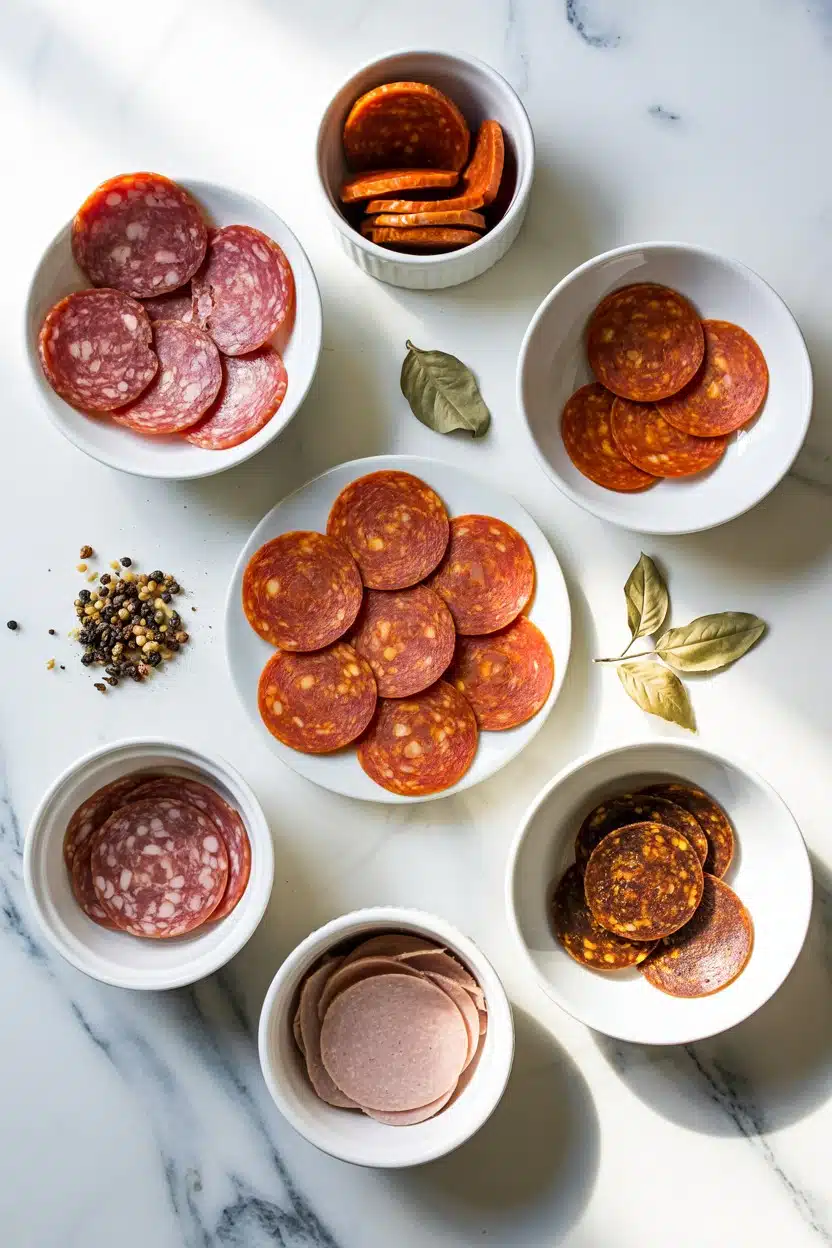
⚖️Ratio + fix: Swap 1:1; add extra seasoning to match original bean flavor.
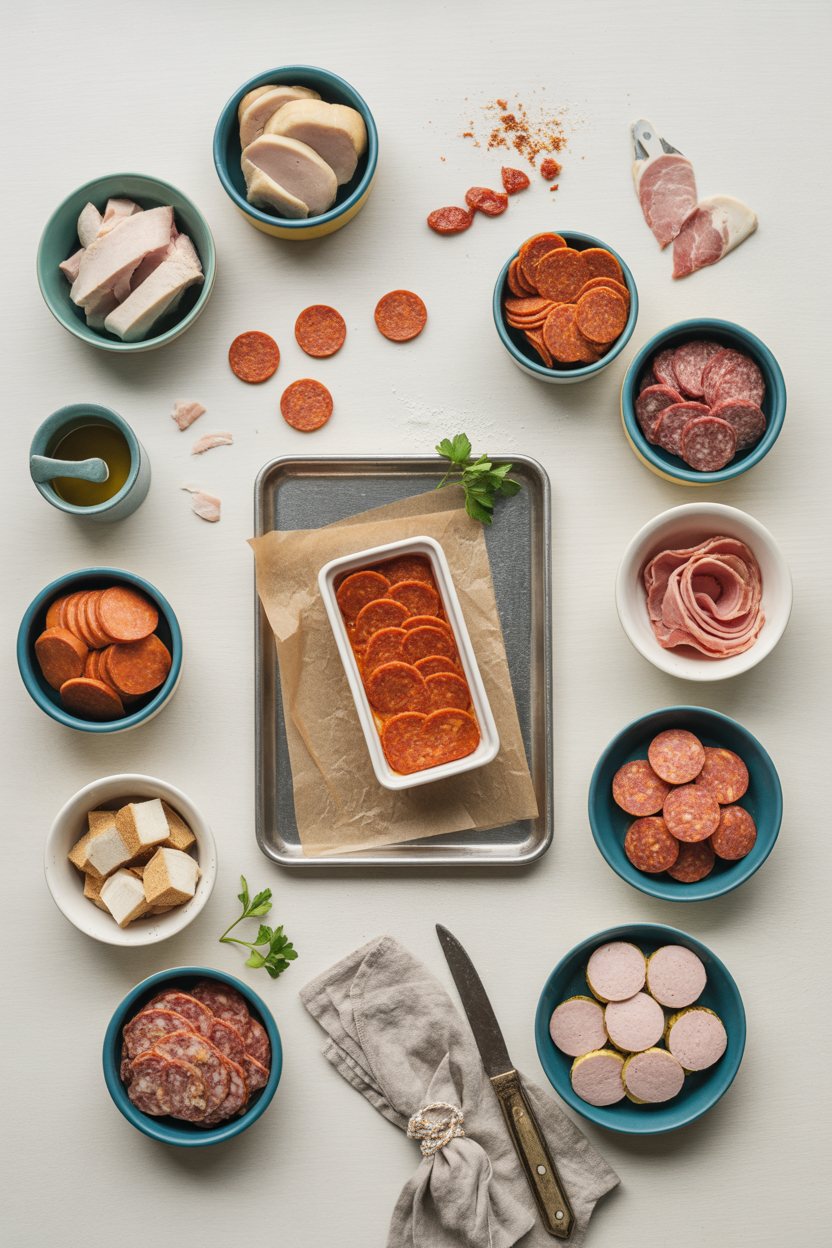
⚠️Watch out: Black Bean Puree changes color and can overpower milder dishes.

Not every swap delivers the same texture or flavor. The right substitute depends on whether you need smooth spreadability or just hearty bean flavor. These options cover both.
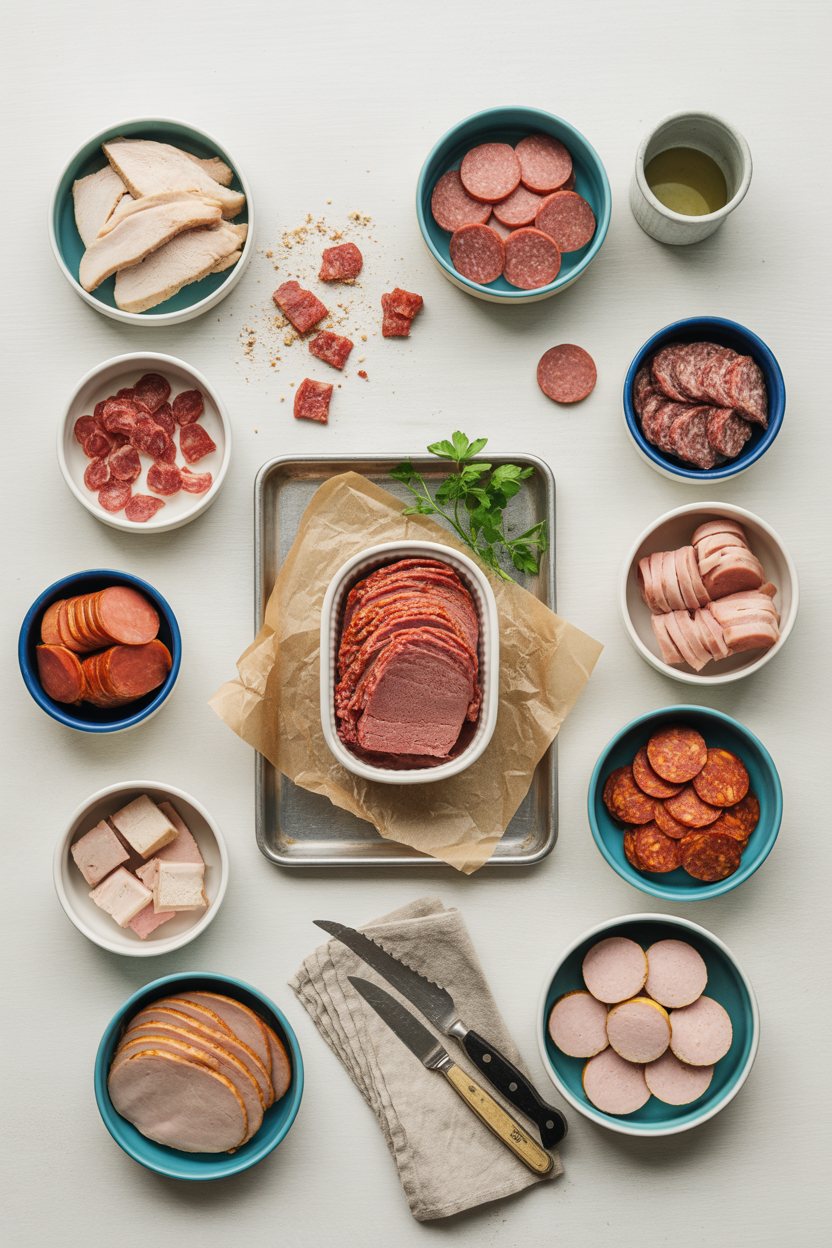
Quick Substitute Reference
# Substitute Best For Ratio Key Note
1 Black Bean Puree 🍳 Cooking 1:1 Earthy with sweeter notes
2 Mashed Chickpeas ✨ Both 1:1 Milder, nuttier, grainy
3 Lentil Mash 🍳 Cooking 1:1 Earthy and peppery
4 Hummus ✨ Both 1:1 Creamy with garlic-lemon
5 Mashed Pinto Beans 🍳 Cooking 1:1 Closest authentic flavor

5 Refried Bean Replacements for Better Texture

Some swaps stay close to the original, while others require small adjustments. Pick based on what you're making and whether you need that signature creaminess or just solid bean flavor.

1 - Black Bean Puree

Black bean puree brings a deeper, earthier flavor than traditional refried beans. The color shifts to dark purple-black, which works fine in burritos but changes the look of seven-layer dip.

Blend canned black beans with a splash of their liquid until smooth. Add cumin and a pinch of salt to bridge the flavor gap.

If you're also out of black beans, replacements similar to Black Bean covers options with similar body.

Skip if: you need the traditional tan color for presentation.

Black Bean Puree

Works for: Burritos, taco filling, layered dips

Skip if: Color matters for your dish

Mashed Pinto Beans

Works for: Authentic Mexican dishes, nachos

Skip if: You need pre-seasoned convenience

2 - Mashed Chickpeas

Chickpeas deliver a milder, nuttier profile than pinto-based refried beans. The texture runs grainier even when mashed well.

This swap shines in dips and spreads where you want substance without overpowering other flavors. Add water a tablespoon at a time to reach spreadable consistency.

Here's what to know:

  • Mash warm chickpeas for smoother results.
  • Season with cumin, garlic powder, and lime juice.
  • Works cold or reheated without texture loss.
  • Add olive oil for richer mouthfeel.

Don't have chickpeas either? Check what to use for Chickpea for similar legume swaps.

3 - Lentil Mash

Red or brown lentils cook down into a thick, spreadable mash in about 20 minutes. The flavor leans earthy with a slight peppery bite.

Use equal parts lentils to water and simmer until soft. Mash with a fork, leaving some texture, or blend smooth for dips.

Shortcut
Red lentils break down fastest-skip soaking and go straight to simmering.

The essentials:

  • Cook until completely soft before mashing.
  • Add cumin, smoked paprika, and garlic for depth.
  • Thin with broth if too thick.

Missing lentils too? See Lentil replacements that work for beans that behave similarly.

Skip if: you need the smooth, creamy paste of traditional refried beans.

4 - Hummus

Hummus already has the creamy, spreadable texture you need. The garlic and lemon notes add brightness that refried beans lack.

Spread it in wraps, layer it on tostadas, or use as a dip base. Skip this swap for cooked dishes where the tahini flavor would clash.

Quick specs:

  • Use plain hummus, not flavored varieties.
  • Works best cold or at room temperature.

If hummus isn't an option either, tested Hummus replacements has creamy alternatives.

Skip if: you're making something that needs to be heated-the texture changes.

Watch Out
Hummus separates when heated too long. Use it for cold applications or add at the very end.

5 - Mashed Pinto Beans

This is the closest match. Refried beans are traditionally made from pinto beans anyway-you're just skipping the canned version.

Drain and rinse canned pinto beans, then mash with a potato masher or fork. The texture won't be as silky as store-bought refried beans, but the flavor lands right.

Key details:

  • Mash while warm for easier blending.
  • Add a tablespoon of oil or lard for authentic richness.
  • Season with cumin, garlic, and a pinch of chili powder.

No pinto beans in the pantry? Check instead of Pinto Bean try these for options that hold up in Mexican-style dishes.

Use Ratio Notes
Burrito filling 1:1 Mashed pinto or black bean puree work best
Dip base 1:1 Hummus or chickpea mash for cold dips
Nachos topping 1:1 Any option works; warm before serving

Before You Swap Refried Bean

Most of these substitutes work without major recipe changes. The best choice depends on whether you need authentic flavor or just bean-based substance.

Start with mashed pinto beans if you want the closest match. For cold applications like dips, hummus saves time.

  • Closest match - Mashed Pinto Beans for authentic flavor
  • Easiest grab - Hummus for no-cook convenience
  • Protein boost - Lentil Mash for extra fiber

Frequently Asked Questions

Can I use black beans instead of refried beans in burritos?

Yes. Puree them with cumin and salt for a similar texture. The color will be darker, but the flavor works well in wrapped dishes.

What's the best substitute for refried beans in seven-layer dip?

Mashed pinto beans keep the traditional look and taste. Hummus works too if you want a lighter, tangier base layer.

Do I need to add fat when mashing beans for a refried bean substitute?

Adding oil, butter, or lard improves texture and richness. Without fat, the mash can taste flat and dry out quickly.

Can I heat hummus as a refried bean replacement?

Briefly, yes. Extended heating causes separation and changes the texture. Add it at the end of cooking or use it cold.

Which refried bean substitute has the most protein?

Lentil mash and mashed chickpeas both offer slightly more protein per serving than traditional refried pinto beans.

5 Best Substitutes for Refried Bean in Mexican Dishes

5 Best Substitutes for Refried Bean

No ratings yet
This guide lists five effective substitutes for refried beans focusing on texture and flavor. Choose based on your recipe need for creamy spreadability or robust bean flavor and follow simple prep and seasoning tips.
Print Recipe Pin Recipe
Prep Time 12 minutes mins
Cook Time 8 minutes mins
Total Time 20 minutes mins
Servings: 4 servings
Course: Substitutes
Cuisine: Mexican-Inspired
Ingredients Method Notes

Ingredients
  

  • 1 to 1 Black Bean Puree Use 1:1 ratio by volume; earthy flavor with sweeter notes; blend canned black beans with liquid, season with cumin and salt.
  • 1 to 1 Mashed Chickpeas Use 1:1 ratio by volume; milder, nuttier and grainier texture; mash warm chickpeas and season with cumin, garlic, lime juice, add water/olive oil as needed.
  • 1 to 1 Lentil Mash Use 1:1 ratio by volume; earthy and peppery; cook lentils soft in equal water, mash or blend smooth, season with cumin, smoked paprika, garlic.
  • 1 to 1 Hummus Use 1:1 ratio by volume; creamy with garlic-lemon notes; use plain hummus cold or room temperature, avoid heating to prevent separation.
  • 1 to 1 Mashed Pinto Beans Use 1:1 ratio by volume; closest authentic flavor; drain, rinse, mash warm pinto beans, season with cumin, garlic, chili powder, add oil or lard.

Method
 

  1. Choose your substitute depending on the dish and desired texture-creaminess or bean flavor.
  2. For black bean puree, blend canned black beans with liquid, season with cumin and salt for a 1:1 swap.
  3. Mash warm chickpeas for smoother results; season with cumin, garlic powder, lime juice, and adjust consistency with water or olive oil, use equal volume.
  4. Cook lentils in equal parts water until soft, mash or blend smooth for dips, season with spices, use equal volume and thin with broth if needed.
  5. Use plain hummus cold or at room temperature in a 1:1 ratio; avoid heating to prevent separating.
  6. Drain and rinse canned pinto beans, mash while warm, season with cumin, garlic, chili powder and add oil or lard for richness, swap 1:1.
  7. Taste and adjust seasoning or consistency as needed before serving or integrating into your dish.

Notes

Drain and rinse pinto beans before mashing to prevent watery mash that won't bind properly.

Tried this recipe?

Let us know how it was!

7 Best Substitutes for Potato Ricer for Smooth Mashed Potatoes

April 30, 2026

You measured out what you needed, and the potato ricer is nowhere to be found. Maybe it's buried in a drawer, maybe you never owned one. Either way, those cooked potatoes need to become something smooth.

7 Best Substitutes for Potato Ricer for Smooth Mashed Potatoes
potato-ricer-substitutes
QUICK SUMMARY

Food mill and mesh sieve offer the best texture for smooth mashed potatoes. Prioritize texture first, then ease of use. For a quick fix, press potatoes gently through a sieve to avoid overworking starch.

🍽️Closest match: Food mill mimics a ricer's light, airy texture perfectly.
⚖️Ratio + fix: Swap 1:1; mash gently to prevent gluey texture.
⚠️Watch out: Blenders can overwork potatoes, creating a gluey paste.

The right substitute depends on how fine you need the texture. A ricer creates light, fluffy strands without overworking the starch. Some swaps get close. Others work fine for rustic dishes where a few lumps add character.

Quick Substitute Reference
#SubstituteBest ForRatioKey Note
1 Food Mill 🍳 Cooking 1:1 Slightly coarser texture
2 Fork Masher 🍳 Cooking 1:1 Chunky, rustic finish
3 Potato Masher 🍳 Cooking 1:1 May leave small lumps
4 Mesh Sieve 🍳 Cooking 1:1 Smooth but labor-intensive
5 Blender 🍳 Cooking 1:1 Risk of gummy texture
6 Vegetable Mill 🍳 Cooking 1:1 Fine, uniform puree
7 Colander + Spoon 🍳 Cooking 1:1 Rustic, coarser result

Here are the best replacements, starting with the closest match.

7 Potato Ricer Substitutes Without Big Changes

These options range from near-identical results to perfectly acceptable rustic alternatives. Pick based on what texture your dish actually needs and what's already in your kitchen.

1 - Food Mill

A food mill works almost identically to a ricer. The rotating blade pushes cooked potatoes through small holes, creating that same light, airy texture without activating the starch.

Use the finest disc setting for smoothest results. The texture runs slightly coarser than a ricer, but most people won't notice the difference in finished mashed potatoes.

Quick specs:

  • Works best with hot, fully cooked potatoes
  • Cleanup takes longer than a ricer

Skip if: you need to process very small amounts-the mill works better with larger batches.

Food Mill

Works for: Large batches, soups, baby food

Skip if: Quick cleanup matters

Potato Ricer

Works for: Small batches, gnocchi, ultra-fluffy mash

Skip if: You need to strain seeds or skins

2 - Fork Masher

Two forks held together create a basic mashing tool. It takes more effort, but works for small amounts when nothing else is available.

The texture comes out chunkier and less uniform. That's fine for smashed potatoes or rustic preparations where you want visible potato pieces.

The essentials:

  • Press and twist rather than stir
  • Work in small sections for better results
  • Expect visible lumps in the final dish

Skip if: you're making gnocchi or anything requiring perfectly smooth potatoes.

3 - Potato Masher

The handheld masher sits in most kitchen drawers already. It won't produce ricer-smooth results, but gets close enough for everyday mashed potatoes.

Keep potatoes hot while mashing-cold potatoes turn gluey faster. Work in batches if needed, and add butter before milk for better absorption.

Key details:

  • Use a grid-style masher for finer texture
  • Avoid overworking or the starch activates
  • Works well for shepherd's pie topping
  • Rustic lumps can be a feature, not a flaw

Skip if: the recipe specifically calls for riced potatoes or requires a completely smooth puree.

Golden Rule
Hot potatoes mash smoother. Let them cool and they turn gluey no matter what tool you use.

4 - Mesh Sieve

A fine mesh sieve produces surprisingly smooth results. Press cooked potato pieces through with a spoon or spatula, and you'll get texture close to a ricer.

This method takes time and arm strength. Only practical for small batches-a pound of potatoes might take ten minutes of pressing.

Skip if: you're cooking for more than two people or don't have patience for the process.

5 - Blender

A blender or food processor creates smooth purees fast. The catch: it's easy to overwork the potatoes into a gluey, paste-like consistency that no amount of butter can fix.

Pulse in short bursts, never more than a few seconds at a time. Add liquid (butter, cream, milk) to help the potatoes move without over-processing. Stop before you think it's done.

What to expect:

  • Very smooth texture when done right
  • Gummy disaster when overdone
  • Works better with waxy potato varieties

If you're also short on a standard blender, simple Immersion Blender substitutes list covers handheld options that give you more control.

Skip if: you tend to over-blend things or want fluffy rather than creamy mashed potatoes.

Watch Out
Three seconds too long in a blender turns fluffy potatoes into wallpaper paste. Pulse and check constantly.

6 - Vegetable Mill

A vegetable mill functions nearly the same as a food mill. The crank mechanism forces cooked vegetables through a perforated disc, producing fine, uniform texture.

Results come out smooth and consistent. The mill handles larger batches efficiently and works for other purees beyond potatoes-squash, carrots, applesauce.

Here's what to know:

  • Choose the finest disc for smoothest results
  • Hot potatoes process easier than warm ones
  • Mill removes skins automatically
  • Works for soups and sauces too

Skip if: you only need to rice a single potato-setup and cleanup outweigh the convenience.

ToolTexture ResultBest For
RicerLight, fluffy strandsGnocchi, elegant mash
Food/Vegetable MillFine, uniform pureeLarge batches, soups
MasherChunky with some smoothEveryday mashed potatoes

7 - Colander + Spoon

Already own a colander? It works as a makeshift ricer. Press hot cooked potatoes through the holes with a large spoon or the bottom of a measuring cup.

The holes are larger than a ricer's, so texture comes out coarser and more rustic. Some potato pieces won't press through evenly. That's fine for casual family dinners.

Quick specs:

  • Metal colanders work better than plastic
  • Press firmly in circular motions

Missing the grain side of your meal too? Replacements similar to Rice covers starches that pair well with hearty mains.

Skip if: you're serving guests who expect restaurant-smooth mashed potatoes.

Shortcut
No special tools? A colander you already own plus a sturdy spoon gets the job done for weeknight dinners.

Before You Swap Potato Ricer

No substitute replicates a ricer exactly, but most get close enough. For fluffy mashed potatoes, a food mill or vegetable mill comes closest. For rustic dishes, a standard masher works fine.

  • Closest match - Food Mill for nearly identical fluffy texture
  • Easiest grab - Potato Masher already in most drawers
  • Most control - Mesh Sieve for small, precise batches

Frequently Asked Questions

Can I use a blender instead of a potato ricer for gnocchi?

Not recommended. Blenders overwork the starch and create gummy dough. Use a food mill or press through a sieve instead for light gnocchi.

Why do my mashed potatoes turn gluey with a food processor?

The blades rupture too many starch cells at once, releasing excess starch. Pulse briefly and add butter first to coat the starch and reduce gumminess.

What's the difference between a food mill and a potato ricer?

A ricer squeezes potatoes through small holes like a giant garlic press. A food mill uses a rotating blade to push food through a disc. Both create similar textures.

Do potatoes need to be hot when using a ricer substitute?

Yes. Hot potatoes mash smoother and absorb butter better. Cold potatoes turn sticky and resist breaking down evenly.

Which potato ricer substitute works best for large batches?

A food mill or vegetable mill handles large quantities most efficiently. A handheld masher works for medium batches but requires more effort.

7 Best Substitutes for Potato Ricer for Smooth Mashed Potatoes

7 Best Substitutes for Potato Ricer

No ratings yet
If you don't have a potato ricer, these substitutes cover a range from near-identical textures to rustic alternatives. Choose based on the texture you need and what tools are available in your kitchen.
Print Recipe Pin Recipe
Prep Time 9 minutes mins
Cook Time 6 minutes mins
Total Time 15 minutes mins
Servings: 4 servings
Course: Side Dish
Cuisine: American
Ingredients Equipment Method Notes

Ingredients
  

  • 1 1 Food Mill Ratio 1:1, slightly coarser texture, best for large batches, soups, baby food. Use hot, fully cooked potatoes.
  • 1 1 Fork Masher Ratio 1:1, chunky, rustic finish. Press and twist, work in small sections.
  • 1 1 Potato Masher Ratio 1:1, may leave small lumps. Use grid-style masher and keep potatoes hot while mashing.
  • 1 1 Mesh Sieve Ratio 1:1, smooth but labor-intensive, suitable for small batches only.
  • 1 1 Blender Ratio 1:1, risk of gummy texture. Pulse in short bursts with added liquid.
  • 1 1 Vegetable Mill Ratio 1:1, fine, uniform puree. Remove skins automatically, best with hot potatoes.
  • 1 1 Colander + Spoon Ratio 1:1, rustic, coarser result. Metal colanders preferred, press firmly in circular motions.

Equipment

  • Food Mill Use the finest disc setting for smooth results.
  • Fork Masher Use two forks pressed and twisted together for small amounts.
  • Potato Masher Use grid-style masher and keep potatoes hot for better texture.
  • Mesh Sieve Press potatoes through with spoon or spatula, suitable for small batches.
  • Blender Pulse in short bursts to avoid gummy texture.
  • Vegetable Mill Use finest disc and hot potatoes for smooth uniform puree.
  • Colander Press hot potatoes through larger holes using a sturdy spoon.

Method
 

  1. Choose a substitute based on the texture needed and batch size.
  2. Prepare the potatoes by cooking them fully and keeping them hot for mashing or milling.
  3. For Food Mill and Vegetable Mill, use the finest disc setting and process hot potatoes for smooth texture.
  4. If using Fork Masher or Potato Masher, press and twist or mash in small batches to avoid overworking starch.
  5. With a Mesh Sieve, press hot cooked potatoes through the mesh with a spoon for smooth results; suitable for small batches.
  6. If blending, pulse in short bursts and add liquid like butter or milk to prevent gummy texture.
  7. Using a colander, press hot potatoes through the holes firmly using a sturdy spoon with circular motions for rustic texture.
  8. Adjust texture and taste if needed by adding butter or milk according to your dish requirements.
  9. Always keep potatoes hot while processing to avoid gluey or sticky texture.

Notes

Keep potatoes hot when mashing with a potato masher to prevent gluey texture and ensure better absorption of butter.

Tried this recipe?

Let us know how it was!

7 Best Substitutes for Plastic Wrap for Food Covering

April 30, 2026

You're halfway through wrapping leftovers and the plastic wrap roll spins empty. That cling film does one job well-it seals out air and keeps food fresh without adding bulk.

7 Best Substitutes for Plastic Wrap for Food Covering
plastic-wrap-substitutes
QUICK SUMMARY

Aluminum foil and beeswax wraps are top substitutes for plastic wrap, focusing on sealing and breathability. Prioritize how airtight the cover needs to be. For best results, press wraps gently with warm hands to form a snug seal.

🥄Closest seal: Aluminum foil molds tightly and withstands heat well.
⚖️Ratio + fix: Use beeswax wraps 1:1; soften with hand warmth to seal.
🔥Watch heat: Plastic wrap melts easily; foil handles hot dishes safely.

P>The best replacement depends on what you're covering and how long it needs to stay sealed. Some swaps work for quick fridge storage, others handle freezer duty or oven use better.

Quick Substitute Reference
#SubstituteBest ForRatioKey Note
1 Aluminum Foil 🍳 Cooking 1:1 sheet Avoid with acidic foods
2 Beeswax Wraps ✨ Both Equal size Not for liquids
3 Parchment Paper 🥧 Baking Cut to fit Won't seal airtight
4 Silicone Covers ✨ Both Stretch to fit Best for bowls
5 Fabric Covers 🍳 Cooking Match size Not airtight
6 Wax Paper ✨ Both Equal sheets No heat use
7 Containers with Lids ✨ Both No wrap needed Truly airtight

7 Simple Plastic Wrap Swaps to Save Time

Some swaps stay close, while others require small adjustments. The list moves from everyday pantry items to reusable options that cut waste over time.

1 - Aluminum Foil

Foil creates a tight seal and handles heat that would melt plastic wrap instantly. It molds around dishes and holds its shape without clips or ties.

The trade-off is texture-foil can't cling the way plastic does. Press it firmly around bowl edges to minimize air gaps.

Aluminum Foil

Works for: Oven covers, freezer storage, grilling packets

Skip if: Wrapping tomato sauce or citrus dishes

Plastic Wrap

Works for: Airtight fridge storage, microwave covers

Skip if: Anything going in the oven

Skip if: storing tomatoes, lemon-based marinades, or vinegar dressings-acid reacts with metal and leaves a metallic taste.

2 - Beeswax Wraps

These reusable wraps soften with hand warmth and mold around produce or sandwich halves. The wax coating creates a gentle seal that breathes slightly.

Rinse with cool water between uses. Hot water melts the wax coating and ruins the wrap.

Expect a faint honey scent at first. It fades after a few uses and doesn't transfer to food.

Skip if: wrapping raw meat, storing soup, or sealing anything with strong odors that might absorb into the fabric.

3 - Parchment Paper

Parchment works when you need a loose cover rather than an airtight seal. It handles steam beautifully for en papillote cooking.

The paper sits flat and won't cling to bowl rims. Secure edges with a rubber band or fold them under the dish.

Shortcut
Crumple parchment into a ball, then smooth it flat-the wrinkles help it drape over irregular shapes.

If you're also out of parchment, Parchment Paper replacements for steaming covers heat-safe alternatives that won't stick.

Skip if: you need a true airtight seal for marinating or long-term fridge storage.

4 - Silicone Covers

Stretchy silicone lids suction onto smooth bowl rims and create a genuinely airtight seal. They work on glass, ceramic, and metal containers.

Key details:

  • Stretch over the rim - Pull until the lip grips the edge completely.
  • Check the fit - Silicone needs a smooth, flat surface to seal.
  • Microwave safe - Most brands handle reheating without warping.
  • Dishwasher friendly - Toss them on the top rack for easy cleaning.

The initial rubbery smell disappears after a few washes. These last for years with proper care.

Skip if: covering oddly shaped platters or anything with a textured rim.

5 - Fabric Covers

Cloth bowl covers work like shower caps for your leftovers. Elastic edges stretch over most bowl sizes and hold loosely in place.

Here's what to know:

  • Machine washable - Toss in with dish towels.
  • Breathable - Good for rising dough or resting salads.
Watch Out
Fabric covers don't block odors-strong-smelling foods in the fridge will transfer scents.

Skip if: storing anything liquid or needing a true seal to prevent drying out.

6 - Wax Paper

Wax paper wraps sandwiches and cheese blocks neatly. The light coating keeps food from sticking without adding moisture.

UseRatioNotes
Sandwich wrappingOne sheet per itemFold edges under to seal
Cheese storageWrap snuglyAllows slight breathing
Separating frozen itemsCut to sizePrevents sticking together

The wax melts at low temperatures. Never use it in the oven or microwave.

Some people taste a slight waxy note on unwrapped food. Rinse produce after unwrapping if this bothers you.

Skip if: any heat application or when you need moisture locked in completely.

7 - Containers with Lids

Glass or plastic containers with matching lids provide the most reliable seal of any option here. No wrapping technique required.

Best Pick
For truly airtight storage that keeps food fresh longest, containers beat every wrap option.

The essentials:

  • Stack efficiently - Square shapes save fridge space.
  • Check the gasket - Silicone rings in lids create the tightest seal.

The only downside is bulk. Containers take up more space than a flat sheet of wrap.

Skip if: you need to cover a serving dish or wrap something that won't fit standard container sizes.

Final Thoughts on Swapping Plastic Wrap

The best substitute depends on your recipe and how long you're storing food. For quick fridge coverage, silicone lids or aluminum foil work immediately without any technique.

  • Closest match - Silicone covers for airtight seal
  • Easiest grab - Aluminum foil for instant coverage
  • Eco option - Beeswax wraps for reusable daily use

Frequently Asked Questions

Can I use aluminum foil instead of plastic wrap in the microwave?

No. Metal causes sparks in the microwave. Use a damp paper towel, silicone lid, or microwave-safe plate as a cover instead.

Do beeswax wraps keep food as fresh as plastic wrap?

They work well for short-term storage but breathe slightly more than plastic. Use them for produce and snacks, not raw meat or liquids.

What's the best plastic wrap substitute for covering rising dough?

A damp kitchen towel or silicone lid works perfectly. Both trap moisture and warmth while letting the dough expand without sticking.

Can wax paper go in the freezer like plastic wrap?

Yes, but it doesn't seal as tightly. Double-wrap items or place wax-paper-wrapped food inside a freezer bag to prevent freezer burn.

Which substitute works best for meal prep containers?

Glass or plastic containers with lids outperform any wrap for meal prep. They stack neatly, seal completely, and handle reheating without switching vessels.

7 Best Substitutes for Plastic Wrap for Food Covering

7 Best Substitutes for Plastic Wrap

No ratings yet
This guide provides practical options for substituting plastic wrap depending on what you're covering and how long the food needs to stay fresh. From quick pantry fixes to reusable, eco-friendly wraps, choose the best fit for your storage needs.
Print Recipe Pin Recipe
Prep Time 6 minutes mins
Cook Time 5 minutes mins
Total Time 11 minutes mins
Servings: 4 servings
Course: Storage, Substitutes
Cuisine: Universal
Ingredients Method Notes

Ingredients
  

  • 1 sheet Aluminum Foil Avoid with acidic foods like tomato sauce or citrus to prevent metallic taste.
  • Beeswax Wraps Use equal size as plastic wrap; not suitable for liquids.
  • Parchment Paper Cut to fit; won't seal airtight, best for loose cover or baking.
  • Silicone Covers Stretch to fit smooth bowl rims for airtight seal; best for bowls.
  • Fabric Covers Match size to bowl; breathable but not airtight, avoid liquids.
  • Wax Paper Use equal sheets; no heat use; fold edges under to seal sandwiches.
  • Containers with Lids No wrap needed; truly airtight storage for longest freshness.

Method
 

  1. Select a substitute based on your food type and storage duration needs.
  2. Prepare the substitute by cutting to size, stretching, or adjusting fit as needed.
  3. Apply the substitute in the recommended ratio or size equivalence to the original plastic wrap requirement.
  4. Check the seal or coverage and adjust for airtightness especially for long-term storage.
  5. Avoid using aluminum foil with acidic foods to prevent metallic taste transfer.
  6. Rinse beeswax wraps with cool water between uses to maintain effectiveness without melting wax.
  7. Secure parchment paper edges with rubber bands or folds to keep coverage in place.
  8. Use silicone covers on smooth rim bowls to ensure airtight sealing and microwave safety.
  9. Use fabric covers for breathable storage; avoid liquids or odor-prone foods to prevent scent transfer.
  10. Do not use wax paper with heat; rinse food if wax taste is detected after unwrapping.
  11. Choose containers with lids for strongest seal and stackability but allow bulk in storage.

Notes

Rinse beeswax wraps gently with cool water to prevent wax melting and maintain coating, avoiding wrap degradation.

Tried this recipe?

Let us know how it was!

7 Best Substitutes for Quinoa Flakes in Vegan Baking

April 30, 2026

You reach for the quinoa flakes halfway through mixing your porridge, and the bag is empty. These quick-cooking flakes add protein and a mild earthy flavor to breakfast bowls and baked goods.

7 Best Substitutes for Quinoa Flakes in Vegan Baking
QUICK SUMMARY

Oats and amaranth flakes best replicate quinoa flakes' texture and protein. Prioritize texture for binding or bulk for porridge. Adjust liquid slightly when swapping to maintain consistency in recipes.

🥣Closest match: Rolled oats offer similar texture and cooking time for breakfast bowls.
⚖️Ratio + fix: Swap 1:1; add a bit more liquid if mixture feels dry.
⚠️Watch out: Chia seeds gel differently and may change baked goods' texture.

The right swap depends on whether you need the flaky texture for binding or just the bulk for porridge. Some options cook faster, others add more chew. Match the function first.

Quick Substitute Reference
# Substitute Best For Ratio Key Note
1 Rolled Oats ✨ Both 1:1 Softer texture, not gluten-free
2 Chia Seeds 🥧 Baking 1 tablespoon gel : 2 tablespoon flakes Best for binding, gel-like
3 Amaranth Flakes ✨ Both 1:1 Gluten-free, slightly earthy
4 Buckwheat Flakes ✨ Both 1:1 Robust flavor, gluten-free
5 Millet Flakes ✨ Both 1:1 Mild and slightly sweet
6 Instant Oatmeal 🍳 Cooking 1:1 Check for added sugar
7 Ground Flaxseed 🥧 Baking 1 tablespoon + 3 tablespoon water : 2 tablespoon flakes Adds moisture and density

7 Smart Quinoa Flakes Swaps When You're Out

These substitutes range from pantry staples to specialty grain options. The closest matches come first, with bolder alternatives toward the end for when you want something different.

1 - Oats

Rolled oats deliver a similar soft, porridge-friendly texture with a mild nutty taste. They cook at nearly the same rate and absorb liquid the same way, making them the easiest grab for breakfast bowls.

The main trade-off is gluten. Oats contain it unless certified gluten-free, so check labels if that matters.

Key details:

  • Use the same 1:1 measurement for porridge or baking
  • Expect a slightly softer, less grainy final texture
  • Works in muffins, cookies, and granola bars without adjustment
  • Pulse in a blender for finer texture closer to quinoa flakes

If you're also out of oats, common Old Fashioned Oats swaps ranked covers similar whole-grain options.

Rolled Oats

Works for: Porridge, baking, granola, any recipe needing bulk

Skip if: You need a gluten-free option

Quinoa Flakes

Works for: Gluten-free diets, higher protein needs

Skip if: You want a milder, more familiar taste

2 - Chia Seeds

Chia works differently than quinoa flakes. Soaked chia forms a gel that binds baked goods together, replacing the structural role quinoa flakes play in muffins and energy bars.

Mix 1 tablespoon chia seeds with 3 tablespoons water and let it sit for 10 minutes before adding. This gel replaces about 2 tablespoons of quinoa flakes.

Don't have chia either? The common Chia Seeds swaps ranked page covers binding alternatives that work in baking.

Skip if: You want visible flakes or a flakier texture in the final product.

3 - Amaranth Flakes

Amaranth flakes match quinoa flakes almost perfectly for gluten-free cooking. Both come from ancient grains with similar protein content and cooking behavior.

The flavor runs slightly earthier with a faint nuttiness. Most people won't notice the difference in sweetened porridge or baked goods.

The essentials:

  • Swap at a straight 1:1 ratio
  • Cooks in the same time as quinoa flakes

If amaranth isn't in your pantry either, easy Amaranth swaps that work lists other ancient grain options.

Best Pick
Amaranth flakes are the closest gluten-free match-same texture, same cooking time, nearly identical nutrition.

4 - Buckwheat Flakes

Buckwheat flakes bring a heartier, more robust flavor than quinoa flakes. Despite the name, buckwheat contains no wheat and works for gluten-free diets.

Expect an earthy taste with slight bitterness. This works beautifully in savory porridge or recipes with maple, chocolate, or warm spices that complement the boldness.

Quick specs:

  • Use 1:1 for porridge or baking
  • Pairs well with cinnamon, nutmeg, and brown sugar
  • May darken the color of light-colored baked goods

Skip if: You need a neutral, mild flavor that stays in the background.

5 - Millet Flakes

Millet flakes cook into a smooth, creamy porridge with a subtle sweetness. The texture runs slightly finer than quinoa flakes, creating a silkier breakfast bowl.

Use them 1:1 in any recipe. The mild taste disappears into other flavors, making millet flakes ideal for fruit-forward porridge or lightly sweetened baking.

Missing millet too? The common Millet swaps ranked page has backup options for mild whole grains.

Shortcut
Millet flakes need no recipe adjustments-same ratio, same cooking time, just a smoother result.

6 - Instant Oatmeal

Instant oatmeal works in a pinch for porridge or quick baking projects. The flakes are pre-cooked and rolled thinner, so they soften faster than regular oats or quinoa flakes.

Check the package for added sugar or flavorings. Plain instant oatmeal swaps directly; flavored packets throw off the sweetness balance.

What to expect:

  • Use 1:1 for porridge
  • Reduce liquid slightly-instant oats absorb faster
  • Works for cookies, muffins, and pancakes
  • Texture will be softer and mushier than quinoa flakes

If instant oatmeal isn't available either, Oatmeal alternatives to try covers quick-cooking grain options.

Use Ratio Notes
Porridge 1:1 Reduce liquid by 2 tablespoon per cup
Baking 1:1 Check for added sugar first
Smoothies 1:1 Blends smoother than quinoa flakes

7 - Flaxseed

Ground flaxseed adds binding power and a nutty richness to baked goods. It won't replicate the flaky texture, but it handles the structural job quinoa flakes do in muffins and bars.

Mix 1 tablespoon ground flaxseed with 3 tablespoons water to create a gel. This replaces about 2 tablespoons of quinoa flakes for binding purposes.

The final product will be denser and moister. Flaxseed adds omega-3s but also a distinct nutty flavor that comes through in delicate recipes.

Here's what to know:

  • Let the flax-water mixture sit 5 minutes before adding
  • Works best in chocolate, banana, or spiced baked goods
  • Adds moisture-reduce other liquids slightly if batter looks too wet

Out of flaxseed as well? The Ground Flaxseed swaps that match page covers other binding options for baking.

Watch Out
Flaxseed changes the texture significantly-use it for binding, not for porridge or visible flakes.

Making Quinoa Flakes Substitutes Work

Start with the closest match. Rolled oats or amaranth flakes work for most recipes without any adjustments.

For gluten-free needs, amaranth or millet flakes deliver the best results. Chia and flaxseed handle binding jobs but change the texture completely.

  • Closest match - Amaranth flakes for identical texture and gluten-free cooking
  • Easiest grab - Rolled oats since most pantries already have them
  • Dietary option - Millet flakes for mild flavor and gluten-free baking

Frequently Asked Questions

Can I use rolled oats instead of quinoa flakes in baking?

Yes, use them 1:1. The texture will be slightly softer, but the recipe will work the same way.

What's the best gluten-free substitute for quinoa flakes?

Amaranth flakes are the closest match. They cook the same way and have nearly identical texture and nutrition.

Do chia seeds work as a quinoa flake replacement in porridge?

Not really. Chia creates a gel-like pudding texture, not the soft flakes you expect from porridge. Use them for binding in baking instead.

Will buckwheat flakes taste the same as quinoa flakes?

No, buckwheat has a stronger, earthier flavor with slight bitterness. It works well with warm spices but stands out in plain recipes.

How do I substitute ground flaxseed for quinoa flakes in muffins?

Mix 1 tablespoon ground flaxseed with 3 tablespoons water and let it gel for 5 minutes. This replaces about 2 tablespoons of quinoa flakes for binding.

7 Best Substitutes for Quinoa Flakes in Vegan Baking

7 Best Substitutes for Quinoa Flakes

No ratings yet
This guide helps you find the right substitute for quinoa flakes depending on whether you need the texture for binding or bulk for porridge. Options range from pantry staples to specialty flakes, with specific ratios and notes for each.
Print Recipe Pin Recipe
Prep Time 10 minutes mins
Cook Time 8 minutes mins
Total Time 18 minutes mins
Servings: 4 servings
Course: Baking, Breakfast, Cooking
Cuisine: Gluten-Free, Whole Grains
Ingredients Method Notes

Ingredients
  

  • 1 1 Rolled Oats Use same 1:1 measurement as quinoa flakes for porridge or baking. Softer texture, not gluten-free.
  • Chia Seeds For baking use 1 tablespoon chia gel (1 tablespoon seeds + 3 tablespoon water) to replace 2 tablespoons quinoa flakes. Best for binding with gel-like texture.
  • 1 1 Amaranth Flakes Gluten-free, slightly earthy; swap 1:1 with quinoa flakes. Same texture and cooking time.
  • 1 1 Buckwheat Flakes Use 1:1 for porridge or baking. Robust flavor, gluten-free, pairs well with warm spices and sweeteners.
  • 1 1 Millet Flakes Mild and slightly sweet; use 1:1 in any recipe for smooth, creamy porridge or fruit-forward baking.
  • 1 1 Instant Oatmeal Use 1:1 for porridge or baking; reduce liquid slightly and check for added sugar. Softer, mushier texture.
  • Ground Flaxseed Mix 1 tablespoon ground flaxseed with 3 tablespoons water to replace 2 tablespoons quinoa flakes for binding. Adds moisture and density.

Method
 

  1. Choose your substitute based on use: oats, amaranth, buckwheat, millet, or instant oatmeal for porridge or baking; chia and flaxseed for binding in baking.
  2. For chia seeds, mix 1 tablespoon seeds with 3 tablespoons water and let sit for 10 minutes to form a gel before adding.
  3. For ground flaxseed, mix 1 tablespoon with 3 tablespoons water and let rest for 5 minutes to create a binding gel.
  4. Use rolled oats, amaranth flakes, buckwheat flakes, millet flakes, or instant oatmeal at a 1:1 ratio to quinoa flakes. Adjust liquid slightly for instant oats.
  5. Pulse rolled oats in a blender for finer texture closer to quinoa flakes if needed.
  6. When using chia or flaxseed gels, apply the specific gel amount according to the substitution ratio and reduce other liquids slightly if the batter seems wet.
  7. Taste and check texture after swapping to ensure the balance of flavor and consistency matches your recipe needs.

Notes

Pulse rolled oats for a finer texture to prevent a gritty or coarse final dish.

Tried this recipe?

Let us know how it was!

7 Best Substitutes for Quinoa in Healthy Grain Bowls

April 30, 2026

Quinoa does more than fill a bowl. It holds dressings, adds protein, and gives grain salads their signature texture.

7 Best Substitutes for Quinoa in Healthy Grain Bowls
quinoa-substitutes
QUICK SUMMARY

Couscous and bulgur are top substitutes for quinoa, focusing on texture and cook time. Prioritize matching the grain's bite or how it holds dressings. For quicker meals, couscous works best; bulgur suits recipes needing a chewier texture.

🌾Closest texture match: Bulgur holds shape and chew like quinoa does.
⚖️Ratio + fix: Swap 1:1; rinse bulgur to reduce bitterness.
🔥Watch heat: Couscous can overcook quickly if left too long covered.

The right swap depends on whether you need that same bite, a similar cook time, or just something to carry the other flavors. These options cover different textures and cooking styles, so pick based on what your recipe actually needs.

Quick Substitute Reference
#SubstituteBest ForRatioKey Note
1 Couscous 🍳 Cooking 1:1 Lighter, fluffier texture
2 Brown Rice 🍳 Cooking 1:1 cooked Chewier, earthier flavor
3 Bulgur 🍳 Cooking 1:1 cooked Contains gluten
4 Millet 🍳 Cooking 1:1 Gluten-free, mild flavor
5 Amaranth ✨ Both 1:1 cooked Gets sticky when cooked
6 Cauliflower Rice 🍳 Cooking 1:1 Low-carb, no protein
7 Farro 🍳 Cooking 1:1 cooked Heartier, contains gluten

7 Quinoa Swaps That Keep Flavor Balanced

Some substitutes cook faster, others chew differently. The list starts with the quickest swap and moves toward heartier grains that need more time.

1 - Couscous

Couscous cooks in about five minutes-just pour boiling water over it and cover. The texture runs lighter and fluffier than quinoa, without that slight crunch.

Use equal volume and fluff with a fork before serving. The flavor stays mild, so it won't compete with bold dressings or spiced vegetables.

If you're also out of couscous, replacements similar to Couscous covers grains with similar cook times.

Skip if: you need a gluten-free option.

COUSCOUS

Works for: quick grain salads, pilafs, side dishes

Skip if: gluten-free diet required

QUINOA

Works for: protein-rich bowls, cold salads, stuffing

Skip if: you want a lighter, fluffier texture

2 - Brown Rice

Brown rice brings an earthier, nuttier flavor than quinoa. The grains stay separate and chewy, which works well in hearty bowls and warm salads.

Here's what to know:

  • Use 1 cup cooked brown rice for 1 cup cooked quinoa.
  • Cook time runs 40-45 minutes, so plan ahead.

The texture holds up to heavy dressings and roasted vegetables without turning mushy.

Don't have brown rice either? Check replacements similar to Brown Rice for grains that absorb flavors the same way.

Skip if: you need something fluffy or quick-cooking.

3 - Bulgur

Bulgur lands close to quinoa in texture-slightly chewy with a nutty taste. It's the classic base for tabbouleh and works anywhere you want grains that hold their shape.

Use 1 cup cooked bulgur for 1 cup cooked quinoa. Pour boiling water over fine bulgur and let it sit for 15 minutes.

Best Pick
Bulgur makes the closest texture match for Mediterranean-style grain salads.

Skip if: you're cooking gluten-free.

4 - Millet

Millet cooks up fluffy with a mild, slightly sweet flavor. It won't mimic quinoa's crunch, but it absorbs dressings and seasonings well.

The essentials:

  • Use equal volume cooked millet.
  • Toast dry millet in the pan before adding water for nuttier flavor.
  • Cooking time runs about 20 minutes.

No millet on hand either? Try quick Millet replacements to try for other gluten-free grains.

Skip if: you need distinct, separate grains that hold their shape.

5 - Amaranth

Amaranth packs more protein than most grains, with an earthy, slightly peppery taste. It cooks into a porridge-like consistency rather than fluffy separate grains.

Use 1 cup cooked amaranth for 1 cup cooked quinoa. Stir frequently while cooking to prevent sticking.

Missing amaranth too? See Amaranth substitutes for cooking for options with similar nutrition.

Skip if: you want individual grains that stay separate in salads.

Watch Out
Amaranth gets sticky fast. Use it in porridge or as a binder, not in fluffy grain bowls.

6 - Cauliflower Rice

Cauliflower rice drops the carbs and adds a fresh, vegetable-forward taste. It won't give you protein or that chewy grain texture, but it works for low-carb swaps.

Key details:

  • Use 1 cup cauliflower rice per 1 cup cooked quinoa.
  • Sauté for 3-4 minutes to remove excess moisture.
  • Season well-it tastes bland on its own.

If cauliflower rice isn't available either, replacements similar to Rice includes other low-carb alternatives.

Skip if: you're baking or need the binding that cooked grains provide.

7 - Farro

Farro brings a satisfying chew and rich, nutty depth. The grains stay firm even after long cooking, making it ideal for soups and hearty salads.

Use 1 cup cooked farro for 1 cup cooked quinoa. Simmer for 25-30 minutes until tender but still chewy.

Quick specs:

  • Heartier texture than quinoa-more like wheat berries.
  • Holds up in warm dishes without getting mushy.
  • Pairs well with roasted vegetables and bold vinaigrettes.
  • Contains gluten, so not suitable for celiac diets.

Don't have farro either? See Farro replacements that work for similar chewy whole grains.

UseRatioNotes
Grain bowls1:1 cookedChewier texture, longer cook time
Warm salads1:1 cookedHolds dressing without getting soggy
Soups1:1 cookedStays firm after simmering

How to Choose a Quinoa Substitute

No single grain matches quinoa exactly. For quick meals, couscous or millet work best. For heartier dishes where texture matters, brown rice or farro hold up better.

  • Closest match - Bulgur offers similar chew and cook time
  • Easiest grab - Couscous cooks in five minutes flat
  • Dietary option - Millet stays gluten-free with mild flavor

Frequently Asked Questions

What is the best gluten-free substitute for quinoa?

Millet works best for gluten-free diets. It cooks fluffy and absorbs seasonings well, though it lacks quinoa's signature crunch.

Can I substitute rice for quinoa in a salad?

Yes, brown rice works well in grain salads. Use it cooled completely so it stays firm and doesn't clump.

Does couscous have the same protein as quinoa?

No. Couscous has about half the protein of quinoa. Add chickpeas or nuts to boost the protein content in your dish.

Why does my quinoa substitute turn mushy?

Too much water or overcooking causes mushiness. Use the exact water ratio for each grain and check doneness a few minutes early.

What can I use instead of quinoa for meal prep?

Farro and brown rice hold up well for 4-5 days refrigerated. Both reheat without losing texture, making them solid meal prep options.

7 Best Substitutes for Quinoa in Healthy Grain Bowls

7 Best Substitutes for Quinoa

No ratings yet
Explore seven practical substitutes for quinoa tailored for varying textures and cook times. Choose based on quick cooking, dietary needs, or the texture required for your recipe.
Print Recipe Pin Recipe
Prep Time 7 minutes mins
Cook Time 8 minutes mins
Total Time 15 minutes mins
Servings: 4 servings
Course: Grain Alternatives, Substitutes
Cuisine: General
Ingredients Method Notes

Ingredients
  

  • 1 cup Couscous Use 1:1 volume ratio as a lighter, fluffier texture substitute; cook by pouring boiling water over and covering for 5 minutes.
  • 1 cup Brown Rice (cooked) Use 1:1 cooked ratio; brings chewy texture and earthier flavor with longer cook time of 40-45 minutes.
  • 1 cup Bulgur (cooked) Use 1:1 cooked ratio; closest texture match for Mediterranean grain salads; soak fine bulgur in boiling water for 15 minutes. Contains gluten.
  • 1 cup Millet (cooked) Use 1:1 cooked ratio; gluten-free and mild-flavored; toast dry millet before cooking for nuttier flavor. Cook time about 20 minutes.
  • 1 cup Amaranth (cooked) Use 1:1 cooked ratio; cooks sticky, porridge-like texture best for binders or porridge, not fluffy grains; stir frequently while cooking.
  • 1 cup Cauliflower Rice Use 1:1 ratio; sauté for 3-4 minutes to remove moisture; low-carb with no protein; season well as it tastes bland alone.
  • 1 cup Farro (cooked) Use 1:1 cooked ratio; hearty, nutty, chewy texture ideal for soups and salads; simmers 25-30 minutes; contains gluten.

Method
 

  1. Choose a substitute based on desired use: quick cooking, texture, dietary need, or recipe compatibility.
  2. For couscous, pour boiling water over and cover; cook 5 minutes and fluff with a fork before serving.
  3. Brown rice requires cooking 40-45 minutes; use 1 cup cooked for 1 cup quinoa, ideal for hearty dishes.
  4. Soak fine bulgur in boiling water for 15 minutes to cook; use 1:1 cooked ratio, suitable for Mediterranean salads.
  5. Toast millet dry in pan for nuttier flavor; cook about 20 minutes; use equal volume cooked millet.
  6. Cook amaranth by stirring frequently to prevent sticking; expect a sticky, porridge-like texture; use equal cooked volume.
  7. Sauté cauliflower rice for 3-4 minutes to remove moisture; season well; use 1 cup per cup quinoa.
  8. Simmer farro for 25-30 minutes until tender but chewy; use equal cooked volumes in recipes.
  9. Adjust seasoning and texture as needed; taste-test and check consistency before serving.

Notes

Sauté cauliflower rice well to prevent watery texture and bland flavor in your dishes.

Tried this recipe?

Let us know how it was!

5 Best Substitutes for Pecans in Baking & Salads

April 29, 2026

You grab the bag of pecans for your apple crisp and it's half what you need. The buttery, sweet crunch pecans bring to baked goods and salads is hard to replace, but you can get close with the right swap.

5 Best Substitutes for Pecans in Baking & Salads
pecans-substitutes

The best substitute depends on what pecans do in your recipe-add richness, crunch, or that sweet nuttiness. Some swaps mimic the buttery flavor, others just the texture, and a few work for allergy-friendly needs.

QUICK SUMMARY

Walnuts are the closest match for most recipes, almonds work well toasted for baking, and sunflower seeds cover nut-free needs. The main trade-off is pecans' unique buttery sweetness-no swap nails it perfectly. Pick based on whether you need crunch, richness, or both.

🌰Closest match: Walnuts bring similar crunch and nutty flavor
⚖️Ratio rule: Use 1:1 by volume for all swaps
⚠️Watch out: Toast almonds or sunflower seeds first to boost flavor

5 Easy Pecans Swaps for Cooking

These substitutes are ranked by how well they mimic pecans. Start with the closest match and adjust based on your recipe's needs.

Quick Substitute Reference
#SubstituteBest ForRatioKey Note
1 Walnuts ✨ Both 1:1 slightly more earthy
2 Almonds 🥧 Baking 1:1 toast first for depth
3 Sunflower Seeds 🍳 Cooking 1:1 nut-free option
4 Pine Nuts 🍳 Cooking 1:1 softer, more buttery
5 Pumpkin Seeds 🍳 Cooking 1:1 allergy-friendly crunch

1 - Walnuts

Walnuts match pecans in texture and bring a similar nutty richness to baked goods and salads. They're slightly more bitter and earthy, but the difference is minor in most recipes.

Use the same amount by volume-1 cup walnuts for 1 cup pecans. Chop them to the same size as the pecans your recipe calls for to keep the texture consistent.

Baking (Pies, Cookies, Bars)

Works for: Recipes where pecans are mixed into batter or topping

Skip if: The pecan flavor is the main attraction, like classic pecan pie

Salads and Savory Dishes

Works for: Tossed salads, grain bowls, roasted vegetable toppings

Skip if: You want a sweeter, less earthy flavor

Here's what to know:

  • Toast them lightly to bring out sweetness and reduce bitterness
  • Walnuts soften faster than pecans when baked-watch timing

2 - Almonds

Almonds give you crunch and a mild nutty flavor that works well in baking and toasted toppings. They're firmer and less creamy than pecans, so they stand up better in recipes with moisture.

Swap almonds 1:1 by volume. Toast them first to deepen the flavor and bring out a slight sweetness that mimics pecans better.

Quick specs:

  • Sliced almonds work best for crumble toppings and salads
  • Whole almonds need chopping-aim for pecan-sized pieces
  • They stay crunchy longer in cookies and granola bars

If you're out of almonds too, almond swaps for baking covers firmer alternatives.

Skip if: You need the buttery sweetness pecans bring to candy or pralines.

3 - Sunflower Seeds

Sunflower seeds deliver crunch without the nut allergen risk. They're milder and more neutral than pecans, so they work best in savory dishes and salads where you don't need a strong nutty flavor.

Use the same amount by volume. Toast them first to bring out a modest nutty note and improve texture.

Here's what to know:

  • Roasted salted seeds add a salty-sweet contrast in salads
  • Raw seeds taste flat-always toast before using

Missing sunflower seeds as well? Sunflower seed substitutes for texture has nut-free picks.

Best Pick
Sunflower seeds are your go-to for nut-free granola, trail mix, and cold salads

Skip if: Your recipe needs rich, buttery flavor for sweet baking.

4 - Pine Nuts

Pine nuts bring a rich, buttery flavor that's closer to pecans' creaminess than most other swaps. They're softer and less crunchy, with a resinous note that works well in pesto, salads, and light baking.

Swap 1:1 by volume. Use them in recipes where the nut blends into the dish rather than providing a standout crunch.

The essentials:

  • Toast lightly to avoid bitterness-pine nuts burn fast
  • They soften quickly when baked, so add them late in cooking
  • Best raw or lightly toasted in salads and pasta dishes
  • Pricier than pecans-save them for dishes where their flavor shines

Skip if: You need pronounced crunch for toppings or brittle.

5 - Pumpkin Seeds

Pumpkin seeds give you firm crunch and a mild, slightly sweet flavor that works in salads, granolas, and snacks. They're less nutty and buttery than pecans, but they're allergy-friendly and hold up well in moist dishes.

Use the same amount by volume. Toast them first to boost flavor and crispness.

Key details:

  • Roasted salted pepitas add savory depth to grain bowls
  • They stay crunchy in oatmeal and yogurt longer than pecans
  • Raw seeds taste bland-always toast or roast before using

Don't have pumpkin seeds either? Pepita replacements for salads covers options that stay firm.

Shortcut
Buy pre-roasted pepitas to skip the toasting step-just toss them straight into your recipe

Skip if: You're baking something sweet where pecan flavor is central.

Final Thoughts on Swapping Pecans

Start with walnuts for the closest match in baking and salads. If you need nut-free crunch, sunflower or pumpkin seeds work well in savory dishes.

Toast your swap first to boost flavor and texture. Adjust sweetness in baked goods if you miss pecans' buttery note.

  • Closest match - Walnuts for similar richness and crunch
  • Easiest grab - Almonds for firmer texture and toasted depth
  • Dietary option - Sunflower seeds for nut-free and allergen-safe recipes

Frequently Asked Questions

Can I use walnuts instead of pecans in pecan pie?

You can, but the flavor won't be the same. Walnuts are more bitter and earthy than pecans, so the pie loses that signature buttery sweetness.

Do I need to toast almonds before using them as a pecan substitute?

Yes. Toasting brings out a slight sweetness and deeper flavor that gets closer to pecans' rich profile. Raw almonds taste flat in comparison.

What's the best nut-free substitute for pecans in baking?

Sunflower seeds work well for crunch, but they lack pecans' buttery sweetness. Toast them first and add a pinch of cinnamon or brown sugar to mimic the warmth pecans bring to baked goods.

Can I substitute pecans with pine nuts in salads?

Yes. Pine nuts add a creamy, buttery flavor that complements salads well. They're softer than pecans, so use them raw or lightly toasted to keep some texture.

How do pumpkin seeds compare to pecans in granola?

Pumpkin seeds stay crunchier longer and add a mild, earthy sweetness. They don't bring the same buttery richness, but they hold up well in moisture and are allergy-friendly.

5 Best Substitutes for Pecans in Baking & Salads

5 Best Substitutes for Pecans

No ratings yet
When you need a pecan substitute, choose based on the role pecans play-whether adding crunch, richness, or sweetness. Walnuts offer the closest match, almonds are great toasted for baking, and sunflower seeds meet nut-free needs.
Print Recipe Pin Recipe
Prep Time 7 minutes mins
Cook Time 6 minutes mins
Total Time 13 minutes mins
Servings: 4 servings
Course: Substitute Guide
Cuisine: General
Ingredients Method Notes

Ingredients
  

  • 1 cup Walnuts Use 1:1 volume ratio for pecan substitution; chop to match pecan size; lightly toast to reduce bitterness
  • 1 cup Almonds Use 1:1 volume ratio; toast first to deepen flavor and bring out sweetness
  • 1 cup Sunflower Seeds Use 1:1 volume ratio; toast first to bring out nutty note and improve texture
  • 1 cup Pine Nuts Use 1:1 volume ratio; toast lightly to avoid bitterness; add late to baking to prevent softening
  • 1 cup Pumpkin Seeds Use 1:1 volume ratio; toast first to boost flavor and crispness

Method
 

  1. Choose your substitute based on your recipe needs: walnuts for richness and crunch, almonds for baking, sunflower or pumpkin seeds for nut-free options, or pine nuts for buttery flavor.
  2. Toast almonds, sunflower seeds, pine nuts, or pumpkin seeds lightly to bring out flavor and improve texture before use.
  3. Measure the substitute using a 1:1 volume ratio to pecans as called for in the recipe, chopping to pecan size when needed.
  4. In baked goods, watch for texture changes: walnuts soften faster, pine nuts soften quickly so add late, almonds stay crunchy longer.
  5. Adjust sweetness in baked recipes if you miss pecans' buttery note, especially when using sunflower or pumpkin seeds.
  6. Taste and check consistency during cooking or baking to ensure the substitute complements your dish as expected.

Notes

Toast almonds before use to deepen flavor and prevent flat taste in baked goods.

Tried this recipe?

Let us know how it was!

5 Best Substitutes for Peanuts in Thai Curry

April 29, 2026

You reach for the bag of peanuts, but it's empty. The recipe needs that rich crunch and nutty base - now what?

5 Best Substitutes for Peanuts in Thai Curry
peanuts-substitutes
p>Peanuts bring structure, richness, and texture to both sweet and savory dishes. The best swap depends on whether you need crunch, creaminess, or both.

QUICK SUMMARY

**Cashews** and **almonds** match peanuts' crunch and richness in most recipes. Seeds like sunflower or pumpkin work when allergies matter. The main risk is flavor strength - some swaps taste bolder or milder than peanuts.

🥜Closest match: Cashews for creamy texture and mild flavor
⚖️Core ratio: **1:1 by volume** for most nut and seed swaps
⚠️Common mistake: Using raw nuts when recipe needs toasted depth

5 Peanuts Substitutes Without Big Changes

Some swaps mimic peanuts closely while others shift the flavor slightly. Pick based on what your recipe needs most - crunch, richness, or both.

Quick Substitute Reference
#SubstituteBest ForRatioKey Note
1 Cashews ✨ Both 1:1 Creamier, milder flavor
2 Sunflower Seeds 🍳 Cooking 1:1 Allergy-friendly, earthy
3 Almonds 🥧 Baking 1:1 Stronger flavor, firm crunch
4 Roasted Edamame 🍳 Cooking 1:1 Legume swap, mild bean flavor
5 Pumpkin Seeds 🍳 Cooking 1:1 Less richness, vegetal notes

1 - Cashews

Cashews deliver the creamy richness and crunch that peanuts bring to curries, stir-fries, and sauces. The texture stays close, though the flavor leans milder and less earthy.

Use the same volume you'd use for peanuts. Toast them first if the recipe calls for roasted peanuts - raw cashews won't give you the same depth.

Cashews in Thai Curry

Works for: Creamy texture that blends into sauces

Skip if: You need a bolder, earthier nut flavor

Cashews in Stir-Fries

Works for: Mild crunch that doesn't overpower vegetables

Skip if: You want a firmer, less creamy bite

Here's what to know:

  • Toast at 325°F for 8 minutes to match roasted peanuts
  • They soften faster in sauces than peanuts do
  • Add them late to keep the crunch intact

If you're short on cashews too, cashew substitutes for creamy dishes covers firmer nut options.

Skip if: allergies extend to tree nuts.

2 - Sunflower Seeds

Sunflower seeds bring crunch and a subtle nuttiness without the allergen risk. They work best as finishing touches on salads or stirred into sauces where you don't need deep richness.

The flavor stays earthy but less sweet than peanuts. Use the same volume - 1 cup sunflower seeds for 1 cup peanuts.

Quick specs:

  • Toast them first for better flavor depth
  • They stay firmer in liquid than peanuts

Missing sunflower seeds as well? Sunflower seed replacements by texture lists crunchy seed swaps.

Skip if: you need a creamy nut butter consistency.

3 - Almonds

Almonds match peanuts' firm crunch but bring a sweeter, slightly woody flavor. They shine in baking and as crunchy toppings where a bolder nut taste fits.

Best Pick
Use sliced almonds for garnishes and whole almonds for baking - the shape holds better than chopped peanuts in most recipes.

Use 1:1 by volume, but expect a firmer bite. Almonds don't soften as quickly as peanuts in batters or sauces.

The essentials:

  • Blanched almonds give a milder finish than skin-on
  • They add more structure than peanuts in granola bars
  • Chop them finer if you want them to blend into dough

Out of almonds too? Almond swaps for baking covers softer nut options.

Skip if: you need a mild, neutral nut flavor.

4 - Roasted Edamame

Roasted edamame brings a crunchy, protein-rich swap that mimics peanuts' texture in snack mixes and savory dishes. The flavor stays mild with a slight bean edge - less sweet than peanuts but still satisfying.

Use the same volume as peanuts. They hold their shape well in stir-fries and grain bowls where you need a firm bite. Don't have edamame either? Edamame alternatives for protein has legume swaps that stay firm.

Skip if: legume allergies are a concern.

5 - Pumpkin Seeds

Pumpkin seeds add crunch without the richness peanuts bring. They work best as toppings where you want texture but don't need the creamy base.

UseRatioNotes
Salad toppings1:1Toast first for better flavor
Trail mix1:1Less sweet than peanuts
Granola1:1Add after baking to keep crunch

The flavor leans more vegetal than nutty. They won't replicate peanuts in sauces or baking where creaminess matters. Out of pumpkin seeds as well? Pumpkin seed swaps by use covers crunchier alternatives.

Skip if: you need richness along with crunch.

How to Choose a Peanuts Substitute

Match the swap to what peanuts do in your recipe - crunch, richness, or both. Start with the same volume and adjust after tasting.

  • Closest match - Cashews for creamy dishes and mild flavor
  • Easiest grab - Sunflower seeds for allergy-safe crunch
  • Dietary option - Roasted edamame for plant-based protein

Frequently Asked Questions

Can I use almond butter instead of peanut butter?

Yes, use the same amount. Almond butter tastes sweeter and less earthy, so add a pinch of salt to balance the flavor if the recipe calls for salted peanut butter.

Do sunflower seeds work in peanut brittle?

They do, but the flavor stays earthier and less sweet. Toast the seeds first to boost the nutty taste, and expect a firmer, less creamy bite than peanut brittle.

Which substitute works best for Thai peanut sauce?

Cashew butter gives the closest texture and mild flavor. Use the same amount and add a bit more lime juice or soy sauce to balance the creaminess.

Can I mix different nuts and seeds in one recipe?

Yes, combining cashews and sunflower seeds works well for balanced flavor and texture. Use half of each to get creaminess and crunch without one ingredient dominating.

Should I toast the substitute before using it?

If the recipe calls for roasted peanuts, yes. Toast nuts or seeds at 325°F for 6-8 minutes to bring out deeper flavor and match the intended texture.

5 Best Substitutes for Peanuts in Thai Curry

5 Best Substitutes for Peanuts

No ratings yet
Peanuts add crunch, richness, and texture to sweet and savory recipes. Choose substitutes based on whether you need crunch, creaminess, or both. Use equal volume and toast substitutes when the recipe calls for roasted peanuts.
Print Recipe Pin Recipe
Prep Time 8 minutes mins
Cook Time 6 minutes mins
Total Time 14 minutes mins
Servings: 4 servings
Course: Substitution Guide
Ingredients Method Notes

Ingredients
  

  • 1 cup Cashews Use same volume as peanuts. Toast at 325°F for 8 minutes if recipe calls for roasted peanuts to match depth and texture.
  • 1 cup Sunflower Seeds Use equal volume as peanuts. Toast first for better flavor. Allergy-friendly, holds firmness in liquids.
  • 1 cup Almonds Use equal volume as peanuts. Blanched almonds milder than skin-on. Use sliced for garnishes, whole for baking.
  • 1 cup Roasted Edamame Use same volume as peanuts. Mild bean flavor, holds shape well in stir-fries and grain bowls.
  • 1 cup Pumpkin Seeds Use 1:1 ratio. Toast first for better flavor in toppings. Add after baking in granola to keep crunch.

Method
 

  1. Identify if your recipe needs crunch, creaminess, or both to choose the right peanut substitute.
  2. Toast nuts or seeds at 325°F for 6 to 8 minutes to replicate roasted peanut flavor when needed.
  3. Use the substitute in the same 1:1 volume ratio as peanuts in your recipe.
  4. Add substitutes like cashews late in cooking to maintain crunch, especially in sauces and stir-fries.
  5. For creamy dishes, prefer cashews; for allergy-friendly crunch, choose sunflower seeds; for protein, roasted edamame is good.
  6. Taste after adding substitutes and adjust seasoning or texture as needed to match your original dish.

Notes

Toast cashews before adding to sauces to avoid a watery texture and preserve the intended richness and crunch.

Tried this recipe?

Let us know how it was!

6 Best Substitutes for Pepperoni on Pizza & Sandwiches

April 29, 2026

You need pepperoni to hold the dish together-that salty, spicy fat that crisps up and flavors everything around it. Without it, the pizza feels flat, the pasta loses punch, and the snack board looks bare.

6 Best Substitutes for Pepperoni on Pizza & Sandwiches
pepperoni-substitutes
QUICK SUMMARY

Salami and Turkey Pepperoni best replicate pepperoni's spicy, fatty texture and crispiness. Focus on matching fat content and seasoning first. For crumbled dishes, consider chorizo's bold flavor. Slice thin for crisp edges or crumble for melting into sauces.

🥓Closest match: Salami offers similar fat and chew, crisping well on pizza.
⚖️Ratio + fix: Swap 1:1; add chili flakes if heat feels mild.
🔥Watch heat: Chorizo's spiciness can overpower if used in large amounts.

P>The right substitute depends on what pepperoni does in your recipe: add heat, render fat, or crisp into those curled-up cups. Some swaps nail the texture but miss the spice. Others bring bold flavor but won't slice thin. Match the function first.

Quick Substitute Reference
#SubstituteBest ForRatioKey Note
1 Salami 🍳 Cooking 1:1 Milder, less spicy
2 Chorizo 🍳 Cooking ⅔ Smoky, intense heat
3 Turkey Pepperoni ✨ Both 1:1 Lighter, less fat
4 Soppressata 🍳 Cooking 1:1 Coarser, richer bite
5 Smoked Sausage 🍳 Cooking 1:1 Smoky, won't crisp thin
6 Vegetarian Pepperoni 🌱 Vegan 1:1 Plant-based, mild smoke

6 Smart Pepperoni Swaps When You're Out

These substitutes range from pantry cured meats to plant-based options, ordered by how closely they mimic pepperoni's spicy, fatty punch. Pick based on whether you need thin slices that crisp or chunks that melt into a dish.

1 - Salami

Salami delivers that same cured-meat chew pepperoni brings, but the heat backs off. The fat content stays close, so it renders and crisps similarly on pizza.

Use it slice-for-slice. The main adjustment is seasoning-add a pinch of cayenne or red pepper flakes if you want that kick back.

Here's what to know:

  • Slices thin and crisps under high heat like pepperoni does.
  • Works on sandwiches, pizza, and charcuterie without major changes.
  • Flavor runs milder, so spicy toppings or sauces help bridge the gap.

If you're also short on salami, instead of Salami try these for similar cured-meat options.

Skip if: you need pronounced spice without adding anything extra.

Salami

Works for: Pizza, sandwiches, cold slicing

Skip if: You want spicier flavor

Chorizo

Works for: Cooked dishes needing bold heat

Skip if: You need thin slices or mild flavor

2 - Chorizo

Chorizo swings harder than pepperoni-smokier, spicier, and more intense across the board. It won't slice into neat rounds, but crumbled into pasta, eggs, or casseroles, the flavor payoff is huge.

Use two-thirds the amount you'd use of pepperoni. The fat renders fast, so watch the heat to avoid greasy pools.

Don't have chorizo either? Check tested Chorizo replacements for options with similar smoke and spice.

Skip if: the recipe needs cold slicing or a gentler flavor.

3 - Turkey Pepperoni

Turkey pepperoni exists specifically to mimic the original with less fat. The slices crisp up, the shape holds, and the seasoning hits most of the same notes.

Quick specs:

  • Use equal amounts-no ratio adjustments needed.
  • Crisps slightly faster due to lower fat, so watch cook time.
  • Flavor runs lighter; pair with bold sauces or extra cheese.
  • Best on pizza and in baked dishes where it can render properly.

If you're missing turkey pepperoni too, swaps when Pepperoni runs out covers both traditional and lighter alternatives.

Skip if: you want that rich pork flavor and don't mind the calories.

Best Pick
Turkey pepperoni gives you the closest match in shape, slice, and crisp-just with less fat.

4 - Soppressata

Soppressata brings a coarser grind and deeper, more complex pork flavor than pepperoni. It's drier and less oily, which means it won't create those little grease cups-but the taste is richer.

Slice it thin for pizza or cube it for antipasto. The texture holds up well on charcuterie boards where you want something heartier to chew.

The essentials:

  • Use the same amount as pepperoni.
  • Slice thinner than you think-the denser texture needs it.
  • Pairs well with sharp cheeses and briny olives.
  • Less greasy, so add a drizzle of olive oil if the dish needs fat.

Skip if: you need something that crisps into delicate cups.

5 - Smoked Sausage

Smoked sausage works when pepperoni is meant to cook into a dish rather than top it. Think jambalaya, baked pasta, or sheet-pan dinners where the smokiness can spread.

It won't slice thin or crisp like pepperoni. Cut it into coins or chunks and let it brown in the pan.

If smoked sausage isn't in the fridge either, tested Sage replacements covers options with similar savory depth for sausage-heavy dishes.

Skip if: you need thin, crispy slices on top of pizza.

UseRatioNotes
Pizza topping1:1Slice coins thin, brown first
Pasta bake1:1Cube and fold into sauce
Sheet-pan dinner1:1Roast with vegetables at 400°F

6 - Vegetarian Pepperoni

Plant-based pepperoni has come a long way. Most versions use soy or wheat protein with paprika and fennel to mimic that signature spiced flavor.

The texture is firmer and won't render fat, so it crisps differently-more like a chip than a curled cup.

Key details:

  • Use equal amounts; no adjustment needed.
  • Works best on pizza where high heat can crisp the edges.
  • Add a brush of oil before baking for better browning.

No vegetarian pepperoni on hand? Check Pepperoni replacements that work for both meat and meatless swaps.

Skip if: authentic pork flavor matters more than dietary needs.

Shortcut
Brush plant-based pepperoni with olive oil before baking-it crisps better without the natural fat.

Making Pepperoni Substitutes Work

Most of these swaps work without overhauling your recipe, but the best choice depends on whether you need slices that crisp or meat that melts into the dish. For pizza and sandwiches, salami or turkey pepperoni comes closest. For cooked dishes where pepperoni flavors the whole pot, chorizo or smoked sausage delivers more punch.

  • Closest match - Turkey pepperoni for shape and crisp
  • Easiest grab - Salami, likely already in the deli drawer
  • Dietary option - Vegetarian pepperoni for plant-based needs

Frequently Asked Questions

What's the best pepperoni substitute for pizza?

Turkey pepperoni or thinly sliced salami works best. Both crisp under high heat and hold their shape on melted cheese.

Can I use chorizo instead of pepperoni?

Yes, but use two-thirds the amount since chorizo packs more heat. It works better crumbled into cooked dishes than sliced on top.

Does vegetarian pepperoni taste like real pepperoni?

It gets close on spice and smokiness but lacks the fatty richness. Brushing with oil before cooking helps it crisp better.

Why does my pepperoni substitute taste bland?

Salami and turkey pepperoni are milder than regular pepperoni. Add red pepper flakes or a spicy sauce to compensate for the missing heat.

Can smoked sausage replace pepperoni on pizza?

It can, but slice it very thin. Smoked sausage won't crisp into cups like pepperoni-expect a chewier texture with deep smoky flavor.

6 Best Substitutes for Pepperoni on Pizza & Sandwiches

6 Best Substitutes for Pepperoni

No ratings yet
Choose pepperoni substitutes based on whether you need spice, fat rendering, or crisp texture. Salami and turkey pepperoni work well for pizza and sandwiches, while chorizo and smoked sausage enhance cooked dishes.
Print Recipe Pin Recipe
Prep Time 7 minutes mins
Cook Time 8 minutes mins
Total Time 15 minutes mins
Servings: 4 servings
Course: Substitutes
Cuisine: American
Ingredients Method Notes

Ingredients
  

  • 1 Salami Use slice-for-slice as pepperoni; add cayenne or red pepper flakes for extra heat if desired.
  • 0.67 Chorizo Use two-thirds the amount of pepperoni; crumbled better in cooked dishes; renders fat quickly.
  • 1 Turkey Pepperoni Use equal amounts; crisps faster due to less fat; pairs well with bold sauces or cheese.
  • 1 Soppressata Use same amount as pepperoni; slice thinner for denser texture; add olive oil if needed for fat.
  • 1 Smoked Sausage Use equal amounts; slice thin or cube for cooking; won't crisp thin like pepperoni.
  • 1 Vegetarian Pepperoni Use equal amounts; brush with oil before baking for better crisping; firmer texture than meat.

Method
 

  1. Identify whether your recipe needs slices that crisp or meat that melts into the dish to pick the right substitute.
  2. For substitutes that slice like pepperoni, slice thinly to achieve crisp texture; add seasoning if mild like with salami.
  3. Adjust quantities when necessary: use two-thirds amount for chorizo, equal parts for others unless noted.
  4. For cooked dishes, crumble or cube substitutes like chorizo or smoked sausage to blend flavors evenly.
  5. Use turkey pepperoni for closest shape and crisp; add bold sauces or cheese to enhance lighter flavor.
  6. Brush vegetarian pepperoni with olive oil before baking to help crisp edges due to lower fat content.
  7. Taste-test your dish after adding substitutes; adjust spices as needed to match desired heat and flavor profile.

Notes

Slice salami thin and add seasoning slowly to avoid bland flavor and ensure proper crisping.

Tried this recipe?

Let us know how it was!

6 Best Substitutes for Pastrami in Sandwiches & Deli Dishes

April 29, 2026

We're counting on Pastrami for the flavor, so the swap has to land close. That smoky, peppery, richly spiced meat anchors sandwiches and hot dishes in a way few deli cuts can match.

6 Best Substitutes for Pastrami in Sandwiches & Deli Dishes
pastrami-substitutes
QUICK SUMMARY

Corned beef and smoked turkey stand out for flavor and smokiness. Focus on matching smoke or spice first, then texture. Adding smoked paprika can boost plain roast beef. Slice substitutes thinly for best sandwich results.

🥩Closest match: Corned beef shares curing but lacks smoky pepper bark.
⚖️Ratio + fix: Swap 1:1; add smoked paprika to roast beef for smoky flavor.
🌱Watch heat: Smoked tofu can dry out if overheated, slice thick and warm gently.

The right substitute depends on whether you need the smoke, the spice, or just the meaty heft. Some swaps nail the texture but miss the bark. Others bring smokiness without the beef.

Quick Substitute Reference
#SubstituteBest ForRatioKey Note
1 Corned Beef 🍳 Cooking 1:1 Saltier, no smoke
2 Smoked Turkey 🍳 Cooking 1:1 Lighter, subtle smoke
3 Roast Beef Mix 🍳 Cooking 1:1 + paprika Beefy, needs spice
4 Smoked Tofu 🌱 Vegan 1:1 volume Plant-based, firm
5 Bresaola 🍳 Cooking 1:1 Lean, air-dried
6 Turkey Pastrami 🍳 Cooking 1:1 Same spice, less fat

6 Top Pastrami Alternatives That Hold Up

These substitutes range from nearly identical twins to creative workarounds. The closest matches come first, with bolder departures toward the end. Pick based on what your dish needs most-smoke, spice, or simply sliced meat with character.

1 - Corned Beef

Corned beef shares the same brined, cured beef DNA as pastrami. The main difference? No smoking and no peppery bark.

Use it anywhere pastrami appears in hot sandwiches or hash. The saltier profile means you may want to dial back any added salt. Texture-wise, you'll get the same tender, sliceable meat.

Here's what to know:

  • Same brine base - Both start with cured brisket, so the texture matches closely.
  • Add black pepper - A heavy crack of coarse pepper mimics the signature crust.
  • Best warmed - Heating brings out more flavor and softens the meat.
  • Watch the salt - Corned beef runs saltier, so taste before seasoning.

If you're out of corned beef too, simple Corned Beef substitutes list covers similar cured meats.

Skip if: You need that smoky, charred flavor-corned beef won't deliver it.

Corned Beef

Works for: Reubens, hash, hot sandwiches

Skip if: Smoky flavor is essential

Pastrami

Works for: Classic deli sandwiches, boards

Skip if: You want milder, less peppery meat

2 - Smoked Turkey

Smoked turkey delivers gentle smokiness without the heaviness of beef. It's leaner, milder, and works when you want deli-style sandwiches with less fat.

The flavor won't fool anyone expecting beef pastrami. But for lighter sandwiches or wraps where you need sliced smoked meat, it fills the role. Use equal amounts and consider adding a dash of black pepper to boost the spice.

If you're also missing turkey, swaps when Turkey runs out has options for poultry-based replacements.

Skip if: The recipe depends on beefy richness or bold spice.

3 - Roast Beef Mix

Plain roast beef gives you the beef flavor but none of the smoke or spice. The fix is simple: add smoked paprika.

Dust sliced roast beef with smoked paprika before building your sandwich. About half a teaspoon per quarter pound gets you into pastrami territory. The texture differs-roast beef is more uniform without that distinctive bark-but the flavor lands closer than you'd expect.

The essentials:

  • Smoked paprika is key - It bridges the gap between plain roast beef and pastrami's smokiness.
  • Layer the spice - Sprinkle on both sides of each slice for better coverage.

If you need tested Paprika replacements for that smoky element, plenty of options exist.

Shortcut
Mix smoked paprika with a pinch of coriander and black pepper for a quick pastrami-style spice blend.

4 - Smoked Tofu

Smoked tofu offers the closest plant-based match. It's firm enough to slice, holds up to heat, and carries genuine smokiness.

Press the tofu first to remove excess moisture. Slice it thin and layer it like deli meat. The texture stays chewy rather than tender, and you won't get the fatty richness of beef. But for vegan Reubens or plant-based deli boards, it works.

Don't have smoked tofu either? Tofu swaps that match for similar firmness might help.

Skip if: Authentic meat texture matters for your dish.

5 - Bresaola

Bresaola brings Italian air-dried beef to the table. It's lean, mildly salty, and slices paper-thin.

The flavor profile runs quieter than pastrami-no smoke, no heavy spice, just clean beefy taste with subtle seasoning. Use it for upscale cold-cut boards or sandwiches where you want elegance over boldness. Equal amounts work fine.

Key details:

  • Serve cold or room temp - Heating dries it out quickly.
  • Pair with peppery greens - Arugula adds the kick bresaola lacks.
  • Drizzle with olive oil - Brings out the delicate flavors.
Best Pick
Choose bresaola when you want sophisticated deli flavor without heavy spice or smoke.

Skip if: You're making a hot sandwich or need that peppery crust.

UseRatioNotes
Cold sandwiches1:1Slice thin, keep cold
Charcuterie boards1:1Fan slices, add oil drizzle
Salad topping1:1Roll or fold for presentation

6 - Turkey Pastrami

Turkey pastrami mimics the original almost exactly-same spice rub, same smoking process, just with turkey instead of beef.

The texture runs leaner and slightly drier. You'll taste the familiar peppery, garlicky, coriander-forward seasoning. For anyone cutting back on red meat or fat, this is the most seamless swap.

What to expect:

  • Nearly identical spicing - Manufacturers use the same cure and rub.
  • Leaner bite - Less marbling means less richness.
  • Works hot or cold - Handles the same applications as beef pastrami.

If turkey pastrami isn't available either, Pastrami substitutes for cooking covers additional options with similar profiles.

Golden Rule
When swapping turkey pastrami, add a thin layer of mustard to boost moisture and tang.

Picking the Right Replacement

The best choice depends on what you're making and what you have on hand. For hot sandwiches and hash, corned beef comes closest-just add black pepper. For lighter meals, smoked turkey or turkey pastrami keeps the deli vibe without the heaviness.

  • Closest match - Corned Beef with added black pepper
  • Easiest grab - Roast Beef with smoked paprika
  • Dietary option - Smoked Tofu for plant-based dishes

Frequently Asked Questions

What's the closest substitute for pastrami in a Reuben?

Corned beef works best since it shares the same brined base. Add coarse black pepper to mimic the peppery crust.

Can I use roast beef instead of pastrami?

Yes, but season it with smoked paprika and black pepper to get closer to pastrami's flavor profile.

Is turkey pastrami a healthy swap?

Turkey pastrami has less fat and fewer calories than beef pastrami while keeping the same spice blend. It's a solid choice for lighter eating.

What's the best vegan substitute for pastrami?

Smoked tofu offers the closest plant-based option. Press it well, slice thin, and use it in sandwiches or wraps.

Does bresaola taste like pastrami?

Not quite. Bresaola is air-dried rather than smoked, so it's milder and less spicy. Use it for cold applications where subtlety matters more than bold flavor.

6 Best Substitutes for Pastrami in Sandwiches & Deli Dishes

6 Best Substitutes for Pastrami

No ratings yet
This guide covers six practical substitutes for pastrami, detailing their best uses, key differences, and how to adjust seasonings and preparation for the closest results in your dishes.
Print Recipe Pin Recipe
Prep Time 6 minutes mins
Cook Time 6 minutes mins
Total Time 12 minutes mins
Servings: 4 servings
Course: Substitute Guide
Ingredients Method Notes

Ingredients
  

  • 1 Corned Beef Use equal amounts (1:1). Add coarse black pepper to mimic pastrami's peppery crust. Watch salt.
  • 1 Smoked Turkey Use equal amounts (1:1). Consider adding black pepper to boost spice.
  • Roast Beef Mix Use equal amounts (1:1) plus smoked paprika for spice.
  • 1 volume Smoked Tofu Use equal volume (1:1). Press tofu to remove moisture, then slice thin.
  • 1 Bresaola Use equal amounts (1:1). Serve cold or room temperature to avoid drying out.
  • 1 Turkey Pastrami Use equal amounts (1:1). Add a thin layer of mustard to boost moisture and tang.

Method
 

  1. Choose a substitute depending on your dish's needs: smoke, spice, or meat texture.
  2. For Corned Beef, warm it and add coarse black pepper to mimic pastrami's peppery crust. Reduce added salt as it is saltier.
  3. For Smoked Turkey, use the same amount and consider adding black pepper for more spice.
  4. For Roast Beef Mix, sprinkle smoked paprika on both sides of the slices before serving to add smoky spice.
  5. For Smoked Tofu, press out excess moisture, slice thin, and use as a plant-based substitute in sandwiches or wraps.
  6. Serve Bresaola cold or at room temperature to prevent drying. Pair with peppery greens and drizzle olive oil if desired.
  7. For Turkey Pastrami, use an equal amount and add a thin layer of mustard to enhance moisture and tang.
  8. Taste test and adjust seasoning as needed to best match the flavor profile of pastrami in your recipe.

Notes

Press smoked tofu well to avoid watery texture when used as a pastrami substitute in sandwiches.

Tried this recipe?

Let us know how it was!
« Previous Page
Next Page »

Primary Sidebar

ForkliftKitchen recipe developer

Welcome!

Recipe Developer · 12+ Yr Kitchen Veteran

I'm the recipe developer behind this site, focused on practical, well-tested dishes and smart ingredient swaps. Every recipe is written to be clear, reliable, and easy to make at home.

650+ Recipes
12+ Yrs Exp.
3x Tested
Our Story →

As Featured In

Allrecipes

TASTE OF HOME

Food52

HUFFPOST

Yahoo! Life

Our Editorial Standards

  • ✓ Every recipe tested at least 3 times before publishing
  • ✓ Substitutes verified by real kitchen trials, not guesswork
  • ✓ Reviewed for accuracy by our editorial team
  • ✓ Updated regularly with seasonal info and reader feedback

Most Popular

  • Creamy Lemon Shrimp Linguine
    Creamy Lemon Shrimp Linguine
  • Creamy Garlic Mushroom Chicken
    Creamy Garlic Mushroom Chicken
  • Sesame Ginger Chicken Noodle Bowls
    Sesame Ginger Chicken Noodle Bowls
  • Baked Lemon Herb Fish Fillets
    Baked Lemon Herb Fish Fillets
  • Veggie Loaded Fried Rice
    Veggie Loaded Fried Rice
  • Spicy Garlic Shrimp Stir Fry
    Spicy Garlic Shrimp Stir Fry

Join 8,000+ Home Cooks

Weekly Kitchen Tips

Easy recipes, smart substitutes, and real cooking shortcuts — every Thursday.

Subscribe Free →


Side Dishes

  • What to Serve With Asian Salmon? 15 Best Side Dishes
    What to Serve With Asian Salmon? 15 Best Side Dishes
  • Side Dishes for Strawberry Spinach Salad
    15 Best Side Dishes for Strawberry Spinach Salad
  • Sides for Grilled Cauliflower Steaks to Complete the Meal
    15 Sides for Grilled Cauliflower Steaks to Complete the Meal
  • 15 Sides To Serve With Calabacitas
    15 Best Sides for Calabacitas – Mexican-Inspired Favorites


Substitutes

  • 7 Best Substitutes for Hot Sauce in Marinades & Stir-Fries
    7 Best Substitutes for Hot Sauce in Marinades & Stir-Fries
  • 9 Best Substitutes for Butter in Baking and Cooking
  • 7 Best Substitutes for Tagliatelle for Italian Pasta Dishes
    7 Best Substitutes for Tagliatelle for Italian Pasta Dishes
  • 7 Best Substitutes for Udon Noodles in Asian Stir-Fries
    7 Best Substitutes for Udon Noodles in Asian Stir-Fries


Browse by Topic

  • Side Dishes320
  • Substitutes785
  • Dinner163
  • Air Fryer77
  • Taste Profiles484
  • Food Storage123


Reader Reviews

★★★★★

"Finally a food blog that tells you exactly why a substitute works instead of just listing options."

— Sarah M., via email

★★★★★

"The side dish recommendations are so specific — saved my dinner party twice this month."

— James R., Pinterest comment

★★★★★

"I trust this site more than most because they actually test everything. You can tell."

— Priya K., blog comment

Footer

↑ Back to Top

Forklift Kitchen

We do the heavy lifting so you can enjoy the cooking. Tested recipes, smart substitutes, and perfect pairings—built for real home cooks.

Content

  • Recipes
  • Substitutes
  • What to Serve With
  • Blog

Company

  • About Us
  • Contact
  • Subscribe

Legal

  • Privacy Policy
  • Terms of Service

As an Amazon Associate I earn from qualifying purchases.

© 2026 Forklift Kitchen.

Rate This Recipe

Your vote:


A rating is required
A name is required
An email is required