• Skip to primary navigation
  • Skip to main content
  • Skip to primary sidebar
  • Recipe Index
    • Air Fryer
  • Side Dishes
  • Substitutes
  • About
  • Contact
  • Subscribe

ForkLiftKitchen

menu icon
go to homepage
  • Recipe Index
    • Air Fryer
  • Side Dishes
  • Substitutes
  • About
  • Contact
  • Subscribe
subscribe
search icon
Homepage link
  • Recipe Index
    • Air Fryer
  • Side Dishes
  • Substitutes
  • About
  • Contact
  • Subscribe
×

Blog

6 Best Substitutes for Pancetta in Italian Cooking

April 29, 2026

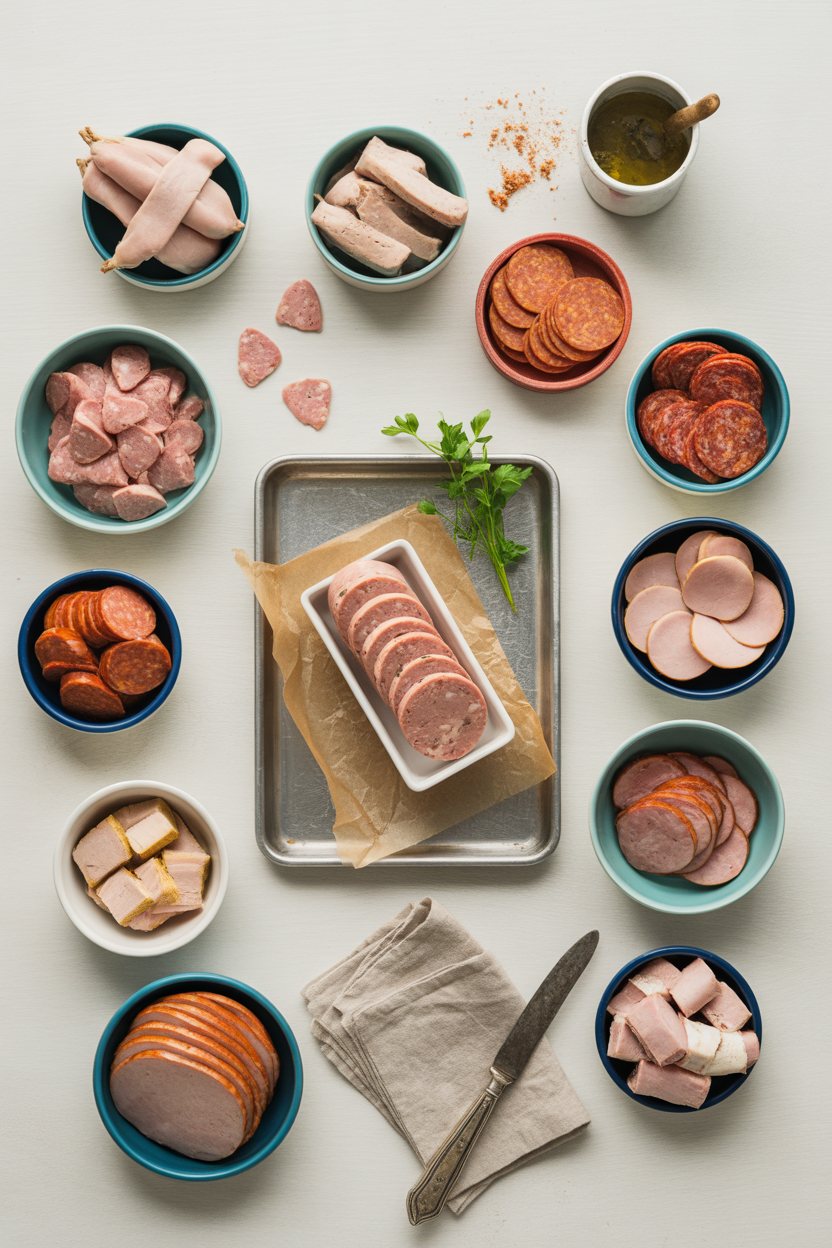
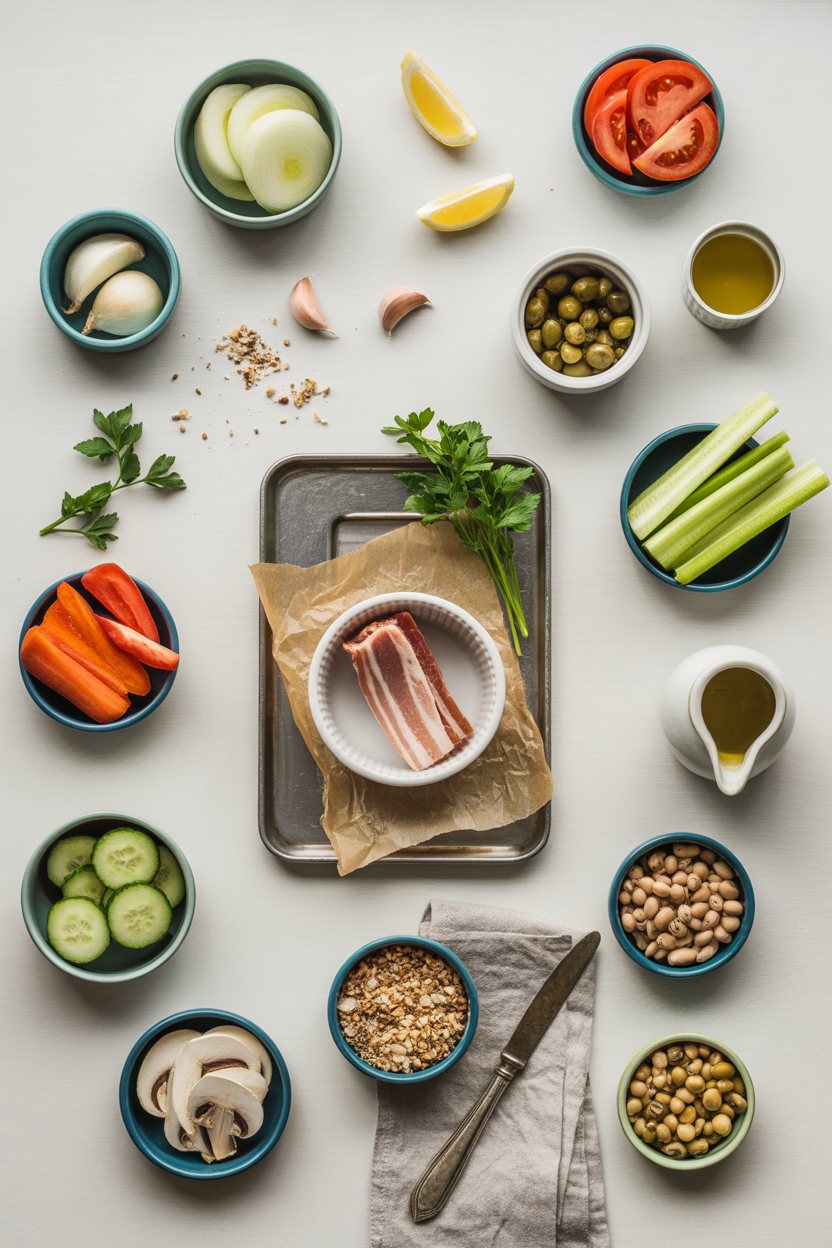
You measured out what you need, and the pancetta falls short. That rich, cured pork belly adds savory depth and rendered fat to pasta, soups, and sautés-functions that matter more than the name on the package.

6 Best Substitutes for Pancetta in Italian Cooking
pancetta-substitutes
QUICK SUMMARY

Bacon and guanciale are top substitutes depending on whether fat or flavor is key. Focus on matching rendered fat or salty depth first. For best results, adjust cooking time to balance crispiness and flavor release.

🥓Closest match: Bacon crisps and renders fat similarly to pancetta, great for most dishes.
⚖️Ratio + tweak: Swap 1:1; reduce added salt due to bacon's stronger smoke flavor.
🔥Watch heat: Prosciutto can dry out quickly and won't render much fat.

>The right substitute depends on whether you need the fat to render, the salty-savory punch, or both. Some swaps run smokier, others leaner. Start with what's in the fridge and adjust from there.

Quick Substitute Reference
#SubstituteBest ForRatioKey Note
1 Bacon 🍳 Cooking 1:1 Smokier and saltier
2 Prosciutto 🍳 Cooking 1:1 Best as finishing topping
3 Guanciale 🍳 Cooking 1:1 Richer, more intense pork
4 Smoked Ham ✨ Both 1.25:1 Adds smoky sweetness
5 Turkey Bacon 🍳 Cooking 1:1 Leaner, milder flavor
6 Vegetarian Bacon 🌱 Vegan 1:1 Smoky, no pork fat

6 Top Pancetta Alternatives That Hold Up

Each substitute below fills the role of pancetta in a slightly different way. Pick based on what your dish needs most-rendered fat, salty bite, or background savoriness.

1 - Bacon

Bacon renders fat and crisps up just like pancetta, making it the most practical swap in most kitchens. The smoke flavor runs stronger, so expect a different finish.

Cut back on added salt since bacon typically runs saltier than pancetta. Blanching the strips in boiling water for two minutes tames the smokiness if that's a concern.

Key details:

  • Render slowly over medium heat - Prevents burning and maximizes fat output.
  • Chop before cooking - Matches pancetta's typical cube or lardon shape.
  • Drain excess fat if needed - Some dishes can't handle the extra grease.
  • Works in carbonara - The smoke changes the profile but still delivers.

If you're also out of bacon, common Bacon swaps ranked covers similar cured pork options.

Skip if: you need a clean, unsmoked pork flavor.

Bacon

Works for: Carbonara, pasta sauces, rendered fat needs

Skip if: Smoke-free flavor is essential

Prosciutto

Works for: Finishing salads, wrapping, cold applications

Skip if: You need fat to render

2 - Prosciutto

Prosciutto shares pancetta's cured pork character but behaves differently in the pan. It's drier, leaner, and won't give you much rendered fat.

Use it as a finishing touch rather than a cooking fat. Tear or slice it thin and add at the end so it doesn't turn leathery.

The essentials:

  • Add after cooking - Heat toughens prosciutto quickly.
  • Works in salads and pasta - Adds salty pork flavor without grease.
  • Skip for long braises - It dries out and turns chewy.

Don't have prosciutto either? Check instead of Prosciutto try these for similar cured options.

3 - Guanciale

Guanciale comes from pork jowl and delivers a richer, silkier fat than pancetta. It's the traditional choice for carbonara and amatriciana.

The flavor runs more intense-almost funky. That's a feature in Roman pastas but can overwhelm lighter dishes.

Best Pick
For authentic Italian pasta sauces, guanciale outperforms pancetta. The fat renders beautifully and coats every strand.

What to expect:

  • Cube it small - Renders more evenly than thick slices.
  • Cook low and slow - Brings out the creamy texture without crisping too fast.
  • Use equal amounts - The fat content is similar to pancetta.
  • Find it at Italian delis - Regular grocery stores rarely stock it.

Missing guanciale as well? See Guanciale alternatives to try for pork jowl stand-ins.

Skip if: you can't find it or want a milder pork flavor.

4 - Smoked Ham

Smoked ham brings a sweeter, smokier profile than pancetta. It won't render fat the same way, but it adds meaty heft to soups and baked dishes.

Use about 25% more than the recipe calls for since ham is leaner. Dice it small so it distributes evenly.

Quick specs:

  • Best in baked beans and soups - The smoke complements long cooking.
  • Add oil if frying - Ham doesn't release enough fat on its own.

Skip if: you need rendered pork fat for the sauce base.

Shortcut
Leftover holiday ham works well here. Chop it fine and add a tablespoon of olive oil when sautéing.

5 - Turkey Bacon

Turkey bacon offers a leaner swap with less saturated fat. It crisps up nicely but won't give you the rich pork flavor or rendered fat that pancetta provides.

The texture runs closer to regular bacon, though thinner and more prone to burning. Watch the heat.

This works best when you want the crispy, salty element without the full pork impact. Add a drizzle of olive oil to compensate for the missing fat.

If turkey isn't available either, replacements similar to Turkey has lighter protein swaps.

Skip if: rich pork flavor and rendered fat are essential to the dish.

UseRatioNotes
Pasta carbonara1:1 bacon or guancialeBacon adds smoke; guanciale stays traditional
Soups and stews1.25:1 smoked hamAdd oil for sautéing
Salad topping1:1 prosciuttoAdd after cooking to prevent toughening

6 - Vegetarian Bacon

Vegetarian bacon delivers smoky flavor without any pork. The texture differs-crispier and less fatty-but it works for finishing dishes.

Most plant-based bacons use coconut oil or similar fats, so they won't render like real pancetta. Treat them as a topping rather than a cooking fat.

The smoky notes come through clearly. Season carefully since some brands run salty.

No vegetarian bacon on hand either? Check Bacon substitutes ranked for more plant-forward options.

Skip if: you need pork fat to render for the sauce or dish structure.

Watch Out
Plant-based bacons vary wildly by brand. Some crisp well; others turn rubbery. Test a small batch first.

Picking the Right Replacement

No single swap matches pancetta exactly, but most of these get close enough. Match the function first-rendered fat, salty bite, or finishing texture-then adjust seasoning as you go.

  • Closest match - Guanciale for authentic Italian pasta sauces
  • Easiest grab - Bacon, likely already in the fridge
  • Dietary option - Vegetarian bacon for plant-based needs

Frequently Asked Questions

Can I use bacon instead of pancetta in carbonara?

Yes, bacon works well in carbonara. The dish will taste smokier than traditional versions, but the fat renders similarly and coats the pasta.

What's the difference between pancetta and prosciutto?

Pancetta is cured pork belly meant for cooking. Prosciutto is dry-cured ham typically eaten raw or added at the end of cooking.

Do I need to adjust the ratio when substituting for pancetta?

Most substitutes work at a 1:1 ratio. Smoked ham is the exception-use about 25% more since it's leaner and won't render fat.

Is guanciale better than pancetta?

For traditional Roman pastas like carbonara and amatriciana, guanciale is the authentic choice. It renders a silkier fat with a more intense pork flavor.

Can vegetarians substitute something for pancetta?

Vegetarian bacon provides smoky flavor without pork. It won't render fat, so use it as a topping or add oil when cooking.

6 Best Substitutes for Pancetta in Italian Cooking

6 Best Substitutes for Pancetta

No ratings yet
This guide provides six practical substitutes for pancetta, focusing on fat rendering, salty flavor, or finishing texture. Choose based on your dish's needs and adjust seasoning accordingly.
Print Recipe Pin Recipe
Prep Time 7 minutes mins
Cook Time 6 minutes mins
Total Time 13 minutes mins
Servings: 4 servings
Course: Cooking
Cuisine: Italian-Inspired
Ingredients Method Notes

Ingredients
  

  • 1 to 1 Bacon Use 1:1 ratio; smokier and saltier; blanch strips 2 minutes to reduce smokiness if needed.
  • 1 to 1 Prosciutto Use 1:1 ratio; best added after cooking as finishing topping to avoid toughness.
  • 1 to 1 Guanciale Use 1:1 ratio; richer and more intense pork; cube small for even rendering; cook low and slow.
  • 1.25 to 1 Smoked Ham Use 1.25:1 ratio; adds smoky sweetness; add oil when frying since it won't render fat well.
  • 1 to 1 Turkey Bacon Use 1:1 ratio; leaner and milder; add olive oil to compensate for missing fat and watch heat carefully.
  • 1 to 1 Vegetarian Bacon Use 1:1 ratio; smoky flavor without pork fat; treat as topping rather than cooking fat; test brand for best texture.

Method
 

  1. Identify your need: rendered fat, salty bite, or finishing texture, then select the appropriate substitute.
  2. For bacon and guanciale, chop or cube small to match pancetta shape and cook low and slow to render fat properly.
  3. For smoked ham, use 25% more and add oil if frying as it doesn't release enough fat. For turkey bacon, add olive oil to compensate fat loss.
  4. Add prosciutto or vegetarian bacon after cooking to avoid toughness or texture issues; treat vegetarian bacon as a topping.
  5. Adjust salt levels when using bacon or similar smoky substitutes to prevent the dish from becoming too salty.
  6. Taste and check texture continuously, drain excess fat if dish can't handle extra grease, and adjust seasoning for balance.
Notes

Drain bacon fat slowly to prevent overly greasy dishes when substituting for pancetta.

Tried this recipe?

Let us know how it was!

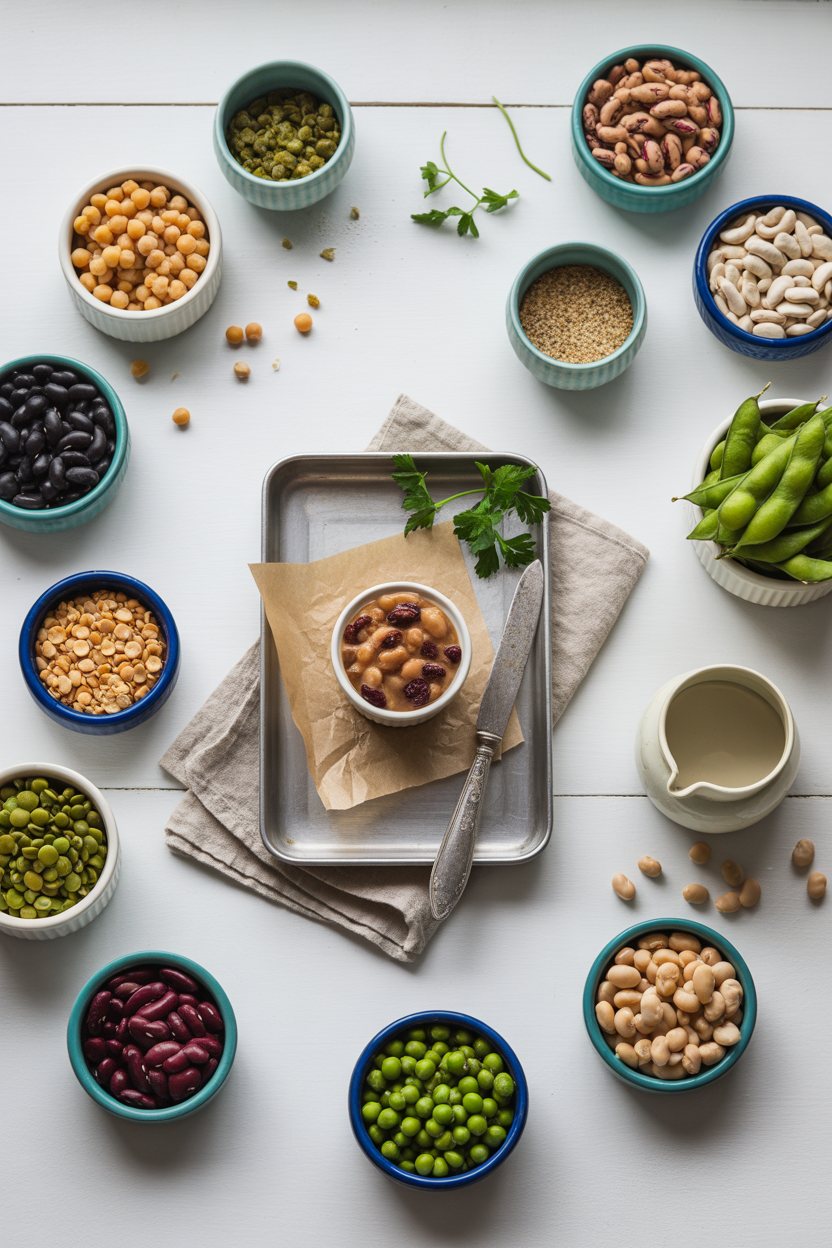
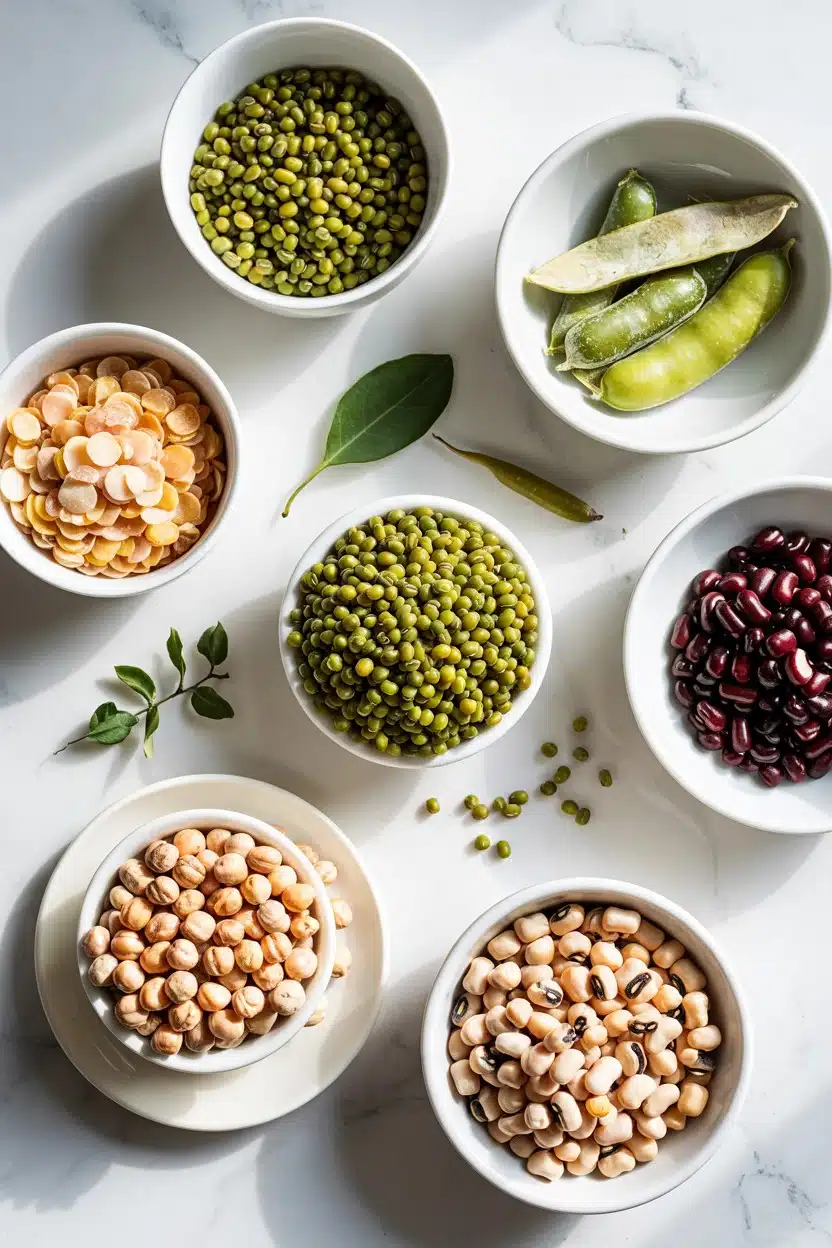
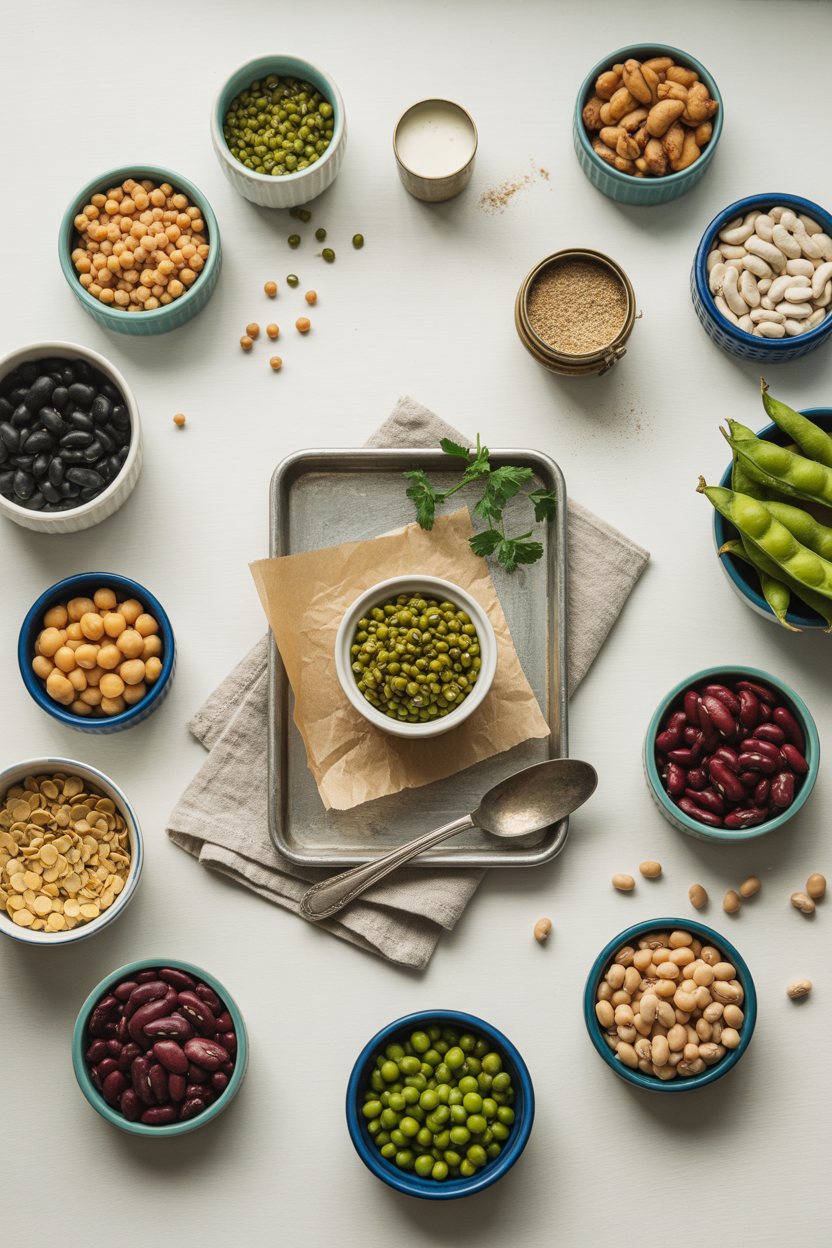
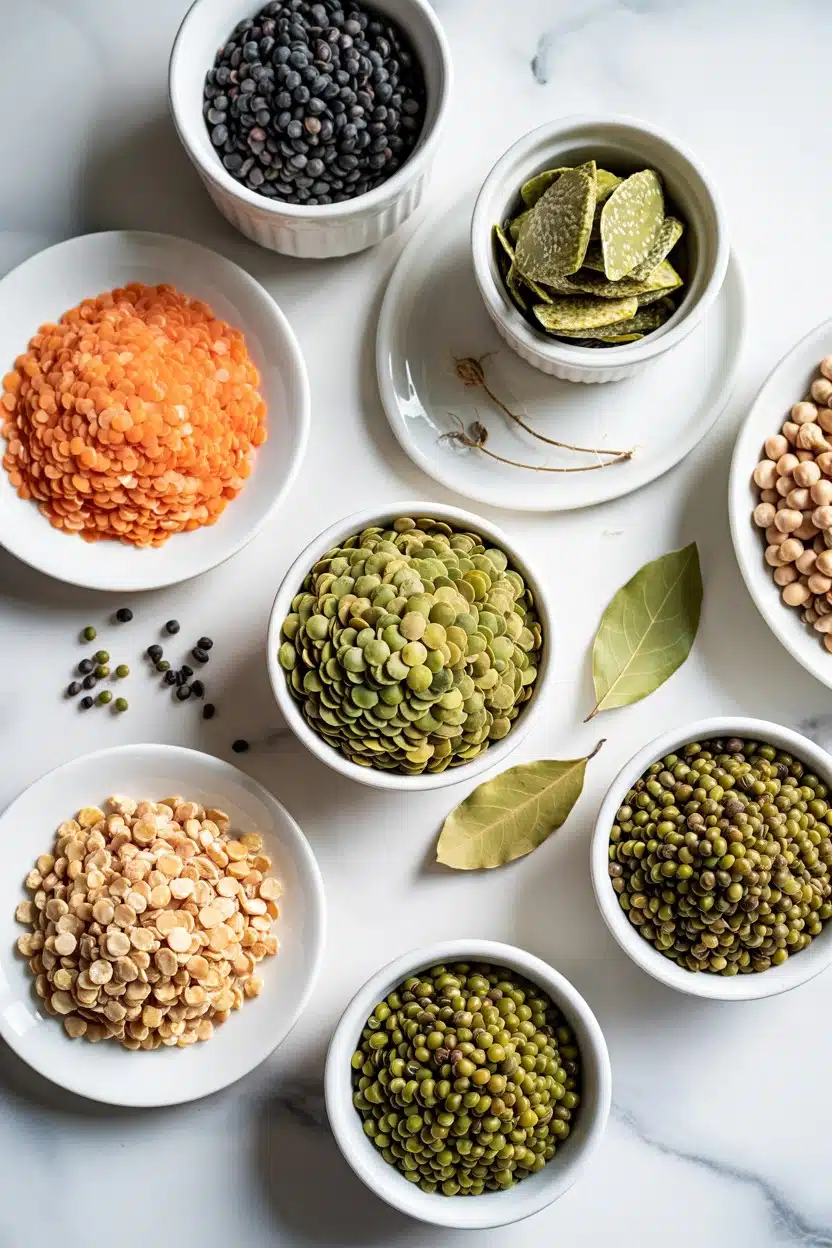
5 Best Substitutes for Pinto Bean in Hearty Mexican Dishes

April 29, 2026

You're scaling up a big batch of refried beans and the pinto bean supply won't stretch far enough. These substitutes fill the gap without a grocery run.

5 Best Substitutes for Pinto Bean in Hearty Mexican Dishes
pinto-bean-substitutes
QUICK SUMMARY

Black beans, kidney beans, and cannellini beans are top substitutes depending on flavor and texture needs. Prioritize whether your dish requires mashing smoothness or bean shape retention. For best results, adjust cooking times to avoid overcooking or undercooking swapped beans.

🖤Closest flavor match: Black beans add earthiness and work well in most Mexican dishes.
⚖️Ratio + fix: Swap 1:1; soak kidney beans longer to soften before simmering.
⏳Watch cooking time: Lentils cook much faster and can become mushy if overcooked.

Not every swap behaves the same way. The right choice depends on whether you need beans that mash smoothly, hold their shape, or cook faster than pintos.

Quick Substitute Reference
#SubstituteBest ForRatioKey Note
1 Black Bean 🍳 Cooking 1:1 Earthier and slightly sweeter
2 Kidney Bean 🍳 Cooking 1:1 Firmer with slight bitterness
3 Cannellini Bean ✨ Both 1:1 Milder and creamier
4 Great Northern Bean 🥧 Baking 1:1 Mild nutty flavor, firm texture
5 Lentils 🍳 Cooking ¾:1 Cooks faster, softer texture

5 Pinto Bean Replacements for Better Texture

These options range from pantry staples to specialty picks. Choose based on what your dish needs and what you have on hand.

1 - Black Bean

Black beans bring a deeper, earthier flavor than pintos. The color shifts noticeably-expect dark flecks in lighter dishes.

Texture holds up well in soups and chili where beans simmer for a while. The slightly sweeter undertone pairs naturally with cumin and lime.

Key details:

  • Use the same amount - Swap cup for cup without adjustments.
  • Expect darker color - Works fine in chili but changes the look of lighter dishes.
  • Flavor runs bolder - Add a squeeze of lime to balance the earthiness.

If you're short on black beans too, replacements similar to Black Bean covers options with comparable firmness.

Skip if: You need a mild, neutral bean flavor.

Black Bean

Works for: Chili, tacos, and bean soups

Skip if: You want a lighter color or milder taste

Pinto Bean

Works for: Refried beans, burritos, and dips

Skip if: You need beans that stay very firm

2 - Kidney Bean

Kidney beans hold their shape better than pintos. They won't break down as easily when simmered.

The flavor runs slightly bitter compared to pinto's creaminess. This works well in hearty chili where bold seasonings mask the difference.

Use 1 cup kidney beans for every 1 cup of pintos. Expect firmer bites even after long cooking.

Don't have kidney beans either? Kidney Bean alternatives that hold lists swaps with similar firmness.

Skip if: You're making refried beans or need a creamy mash.

3 - Cannellini Bean

Cannellini beans mash smoother than pintos. The texture turns almost velvety when blended.

Flavor stays mild with a subtle nutty finish. This makes them ideal for white bean dips or creamy soups where you want the seasonings to lead.

Best Pick
Cannellini beans work best when you need a smooth, creamy result-refried beans, dips, and purees.

The essentials:

  • Swap 1:1 - No ratio adjustments needed.
  • Mashes easily - Less effort to get a smooth consistency.
  • Milder flavor - Season more aggressively than you would with pintos.
  • Color stays light - Good for dishes where appearance matters.

If cannellini beans aren't available either, common Cannellini Bean swaps ranked has creamy alternatives.

Skip if: You want that distinct pinto bean taste.

4 - Great Northern Bean

Great northern beans sit between pintos and cannellini in texture. They hold shape well but still mash when needed.

The mild, nutty flavor works in baked bean dishes and casseroles. They absorb seasonings without competing.

What to expect:

  • Use cup for cup - Same ratio as pintos.
  • Stays intact longer - Good for dishes with extended cooking times.

These beans run paler than pintos. For recipes where the tan color matters, adjust expectations.

No great northern beans on hand? Tested Great Northern Bean replacements covers similar mild options.

Skip if: Color contrast is important to the dish.

UseRatioNotes
Baked beans1:1Holds shape through long baking
Casseroles1:1Absorbs sauce flavors well
Bean salads1:1Firmer texture for cold dishes

5 - Lentils

Lentils cook faster than any bean on this list. They're ready in 20-25 minutes versus an hour or more for dried pintos.

The texture turns softer and breaks down more readily. This works for stews where you want the legumes to thicken the broth.

Use ¾ cup cooked lentils for every 1 cup of pinto beans. The smaller size means they pack differently.

Green or brown lentils hold shape best. Red lentils turn mushy and work only for purees.

Missing lentils also? Easy Lentil swaps that work has quick-cooking alternatives.

Skip if: You need whole beans that stay intact.

Watch Out
Red lentils dissolve completely-use green or brown varieties if you want any texture.

Making Pinto Bean Substitutes Work

Most of these swaps work without major recipe changes, but the best choice depends on what you're cooking. For refried beans and dips, cannellini beans come closest to that creamy texture. For chili and soups where beans simmer in sauce, black beans or kidney beans hold up better.

  • Closest match - Cannellini beans for smooth, creamy results
  • Easiest grab - Black beans found in most pantries
  • Firmest option - Kidney beans for dishes needing structure

Frequently Asked Questions

What is the best substitute for pinto beans in refried beans?

Cannellini beans mash the smoothest and give you a creamy texture similar to traditional refried pintos. Season them a bit more aggressively since the flavor is milder.

Can I use black beans instead of pinto beans in chili?

Yes, black beans work well in chili with a 1:1 swap. The flavor runs earthier and slightly sweeter, which pairs naturally with chili spices.

Do kidney beans taste the same as pinto beans?

Kidney beans have a firmer texture and slightly bitter edge compared to pinto's creamier, milder flavor. Bold seasonings help mask the difference.

Can I substitute lentils for pinto beans?

Lentils work in stews and soups but use ¾ cup cooked lentils per cup of pintos. Stick with green or brown lentils-red ones turn mushy.

Which pinto bean substitute holds its shape best?

Kidney beans and great northern beans stay firmest during cooking. Use these for salads, casseroles, or any dish where you want distinct bean pieces.

5 Best Substitutes for Pinto Bean in Hearty Mexican Dishes

5 Best Substitutes for Pinto Bean

No ratings yet
This guide helps you choose the right pinto bean substitute for your dish based on texture and cooking needs. Ratios and flavor notes ensure a smooth swap in refried beans, chili, soups, and baking.
Print Recipe Pin Recipe
Prep Time 7 minutes mins
Cook Time 8 minutes mins
Total Time 15 minutes mins
Servings: 4 servings
Course: Substitute Guide
Cuisine: American
Ingredients Method Notes

Ingredients
  

  • 1 cup Black Bean Use 1:1 ratio. Earthier and slightly sweeter flavor. Darker color affects appearance in light dishes. Add lime to balance earthiness.
  • 1 cup Kidney Bean Use 1:1 ratio. Firmer texture with slight bitterness. Holds shape well in simmered dishes. Skip for creamy or refried beans.
  • 1 cup Cannellini Bean Use 1:1 ratio. Milder and creamier. Mashes smoothly with less effort. Good for dips and purees. Season more for flavor.
  • 1 cup Great Northern Bean Use 1:1 ratio. Mild nutty flavor, firm texture. Holds shape through baking and long cooking. Paler color than pintos.
  • 0.75 cup Lentils Use ¾:1 ratio. Cooks faster with softer texture. Green or brown hold shape; red lentils turn mushy. Best for stews to thicken broth.

Method
 

  1. Choose your substitute based on dish needs: creamy mashes, firm beans, or quick cooking.
  2. For creamy textures like refried beans or dips, use cannellini beans with a 1:1 swap.
  3. For soups, chili, or simmered dishes, black beans or kidney beans work well at a 1:1 ratio.
  4. For baking, casseroles, or dishes requiring firm beans that hold shape, use great northern beans 1:1.
  5. Lentils cook faster; use ¾ cup cooked lentils per cup of pinto beans, preferably green or brown for texture.
  6. Drain or blend beans as needed: cannellini for smooth mash, black and kidney hold shape without breaking.
  7. Adjust seasoning and add lime for earthier beans like black beans to balance flavor.
  8. Taste-test final dish to ensure flavor and texture meet expectations for the substitute used.

Notes

Drain cannellini beans well before mashing to prevent watery refried bean texture issues.

Tried this recipe?

Let us know how it was!

7 Best Substitutes for Pastry Cutter in Dough Preparation

April 29, 2026

You're halfway through rolling out pie dough and realize the pastry cutter is missing. The whole point of cutting butter into flour is keeping those cold fat pockets intact-they're what makes crust flaky.

7 Best Substitutes for Pastry Cutter in Dough Preparation
pastry-cutter-substitutes
QUICK SUMMARY

Butter knives and a fork offer the best control over butter size, preserving flakiness. Prioritize keeping butter cold to maintain texture. For speed, a food processor works well but sacrifices precision. Use chilled hands carefully to avoid melting butter too fast.

🔪Closest feel: Butter knives mimic pastry blender action for flaky dough.
⚖️Ratio + fix: Use two knives in opposite directions; keep butter cold.
🔥Watch heat: Chilled hands melt butter quickly, risking less flaky crust.

P>The right substitute depends on what you have nearby and how much control you need. Some options work fast but risk overworking the dough. Others take longer but give you better texture. The list below ranks them by how well they protect those butter pieces.

Quick Substitute Reference
#SubstituteBest ForRatioKey Note
1 Butter Knives 🥧 Baking Crisscross motion Good control, slower pace
2 Fork 🥧 Baking Press and drag Less uniform pieces
3 Chilled Hands 🥧 Baking Pinch and rub Risk of warming butter
4 Food Processor 🥧 Baking 5-6 pulses Fast but easy to overwork
5 Pastry Blender Attachment 🥧 Baking Low speed Hands-free option
6 Rolling Pin 🥧 Baking Pound and fold Laminated-style layers
7 Pizza Cutter ✨ Both Cutting only Won't blend-just slices

7 Easy Pastry Cutter Swaps for Cooking

These options range from things already in your drawer to equipment that speeds up the process. The first few give you the most control over butter size, while later options trade precision for speed.

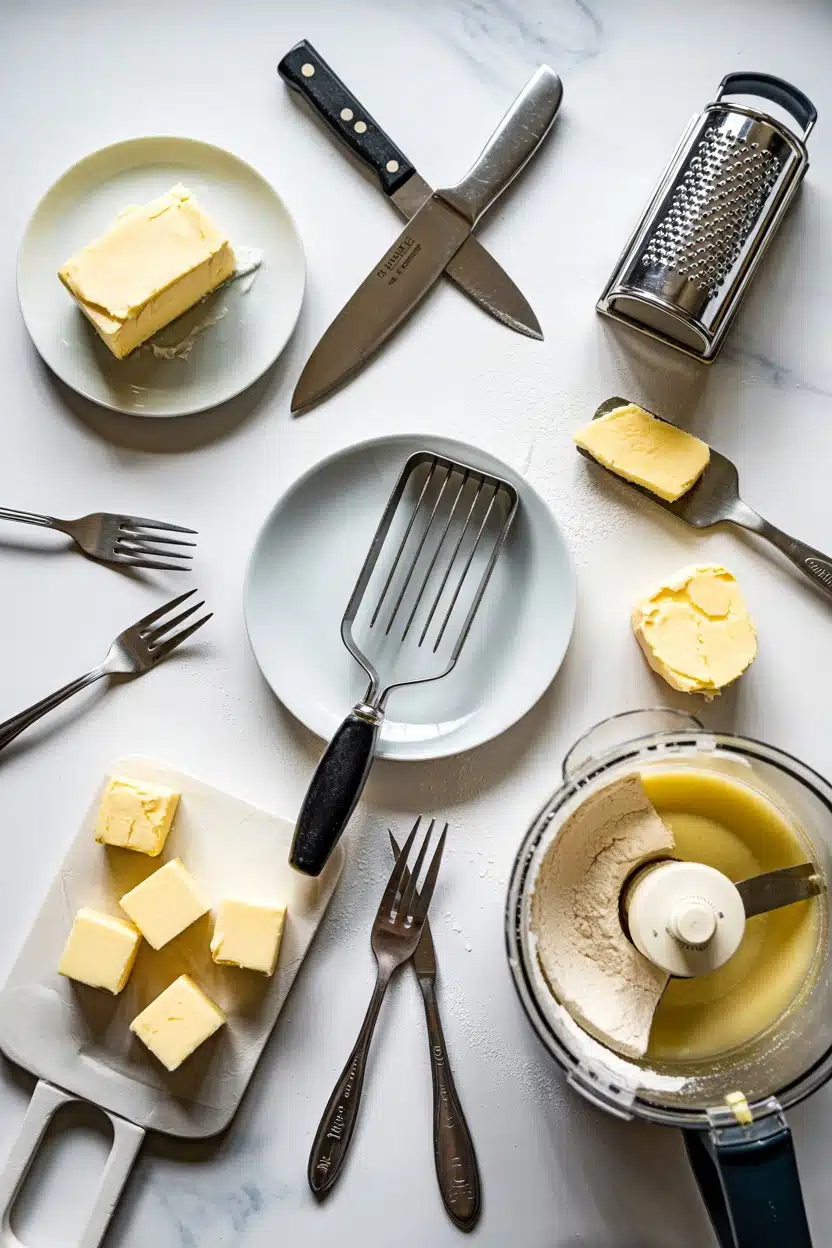
1 - Butter Knives

Two butter knives held together create the same cutting action as a pastry blender. You drag them through the flour in opposite directions, slicing through cold butter chunks until everything looks like coarse crumbs.

The technique takes longer than a dedicated tool-expect an extra three to four minutes. Your results stay consistent because you control exactly when to stop.

Here's what to know:

  • Hold one knife in each hand - Position them at a slight angle facing each other.
  • Use a scissoring motion - Pull knives past each other through the butter repeatedly.
  • Work in sections - Move around the bowl to catch all the flour.
  • Stop at pea-sized pieces - Larger chunks mean flakier layers.

If you're also running low on butter itself, swaps when Butter runs out covers fats that behave similarly in pastry.

Skip if: you need to work through a large batch quickly.

Butter Knives

Works for: Small batches where control matters most

Skip if: Making multiple pie crusts at once

Fork

Works for: Quick biscuit doughs with softer butter

Skip if: You need very even, small butter pieces

2 - Fork

A sturdy dinner fork works when butter is slightly softer than ice-cold. Press the tines down into the butter and flour, then drag and repeat.

The pieces end up less uniform than with a pastry cutter. For rustic biscuits or scones where some larger butter pockets are fine, this works well enough.

Key details:

  • Use a large fork - More tines means faster progress.
  • Press firmly - Don't just stir; actually smash the butter.
  • Scrape the tines - Butter builds up quickly between them.

Skip if: your recipe requires very fine, even crumbs for a smooth dough.

3 - Chilled Hands

Your fingertips can pinch butter into flour faster than any utensil. The catch: body heat melts butter quickly, which ruins flakiness.

Run hands under cold water for thirty seconds before starting. Work fast, using just your fingertips to rub butter and flour together. Stop the moment you see shaggy crumbs-overworking means tough pastry.

Watch Out
Warm kitchens speed up butter melting. If your hands get sticky, chill them again before continuing.

The essentials:

  • Ice water first - Cold fingertips buy you more working time.
  • Fingertips only - Palms transfer too much heat.
  • Lift and drop - Keep flour aerated as you work.
  • Freeze butter chunks - Starting colder gives you a bigger margin.

Skip if: your kitchen runs warm or you tend to work slowly.

4 - Food Processor

A food processor cuts butter into flour in under ten seconds. Cube cold butter, add it to flour in the bowl, then pulse five or six times until you see coarse meal.

The danger is overprocessing. One pulse too many turns your dough into paste instead of flaky layers. Watch through the lid and stop early.

If your food processor is also unavailable, Food Processor replacements that work covers manual alternatives for this exact task.

Skip if: you want a very coarse, rustic texture with large butter pieces visible.

5 - Pastry Blender Attachment

Some hand mixers come with a pastry blender attachment-curved wires designed for cutting fat into flour. Set the mixer to low and let it do the work.

This option keeps your hands completely out of the dough. The trade-off is less tactile feedback, so you need to watch carefully and stop before the butter disappears.

Shortcut
Freeze butter for 15 minutes before using a mixer attachment. Firmer butter resists overworking.

Skip if: you prefer hands-on control over the final texture.

6 - Rolling Pin

This method creates laminated-style layers like puff pastry. Pound a chilled butter block flat, fold it into the flour, then roll and fold repeatedly.

The technique takes longer and requires more counter space. What you get is extremely flaky pastry with distinct butter layers rather than evenly distributed crumbs.

What to expect:

  • Start with a butter block - Softer butter won't hold its shape during rolling.
  • Pound first - Flatten the butter between parchment before folding into flour.

If you're missing a rolling pin as well, a simple Rolling Pin substitutes list shows what else works for flattening dough.

Skip if: you want traditional pie crust texture rather than laminated layers.

MethodSpeedBest Result
Butter KnivesSlowEven crumbs, good control
Food ProcessorFastFine crumbs, risk of overworking
Rolling PinSlowestLaminated flaky layers

7 - Pizza Cutter

A pizza cutter wheel slices dough shapes quickly-lattice strips, crackers, or cutting shortbread bars. It rolls through soft dough cleaner than a knife.

This tool doesn't blend anything. You can't use it to cut butter into flour. It's strictly for shaping after your dough is already mixed.

Golden Rule
Pizza cutters cut shapes. They don't replace pastry cutters for mixing fat into flour.

Quick specs:

  • Sharp wheel required - Dull cutters drag and tear dough.
  • Roll, don't press - Let the wheel do the work.
  • Flour the blade - Prevents sticking on wet doughs.

Skip if: you need something to actually blend butter and flour together.

Making Pastry Cutter Substitutes Work

The best substitute depends on your priorities. For control and even texture, two butter knives take more time but deliver consistent results. For speed, a food processor finishes in seconds-just watch for overprocessing.

  • Closest match - Butter knives give the most similar action
  • Easiest grab - Fork works with what's already in the drawer
  • Fastest option - Food processor finishes in under ten seconds

Frequently Asked Questions

Can I use a regular knife instead of two butter knives?

A chef's knife works but moves slower since you're cutting with one blade. Two butter knives create the scissoring action that breaks butter apart faster.

How do I know when the butter is cut in enough?

Stop when the mixture looks like coarse crumbs with some pea-sized butter pieces visible. If it looks like sand, you've gone too far.

Does butter temperature matter more with these substitutes?

Yes. Colder butter stays intact longer, which is critical when using slower methods like forks or hands. Freeze butter for 15 minutes if your kitchen runs warm.

Will my pie crust taste different using these methods?

Flavor stays the same. Texture might vary slightly-food processors make finer crumbs while hands tend to leave larger pieces that create flakier layers.

Can I use these substitutes for cutting shortening into flour?

All of these work for shortening too. Since shortening stays solid at higher temperatures than butter, you have more working time with any method.

7 Best Substitutes for Pastry Cutter in Dough Preparation

7 Best Substitutes for Pastry Cutter

No ratings yet
This guide covers seven practical substitutes for a pastry cutter, detailing control, speed, and technique options to help maintain butter texture for flaky pastries while adapting to what you have.
Print Recipe Pin Recipe
Prep Time 10 minutes mins
Cook Time 6 minutes mins
Total Time 16 minutes mins
Servings: 4 servings
Course: Baking, Substitute Guide
Ingredients Method Notes

Ingredients
  

  • Butter Knives Use crisscross motion to slice cold butter chunks; good control but slower pace
  • Fork Press and drag to cut butter; less uniform pieces suitable for rustic doughs
  • Chilled Hands Pinch and rub butter into flour quickly using cold fingertips to avoid warming butter
  • Food Processor Pulse 5-6 times to cut butter quickly; risk of overworking dough
  • Pastry Blender Attachment Use mixer at low speed; hands-free option requires careful watching
  • Rolling Pin Pound and fold butter into flour to create laminated-style layers
  • Pizza Cutter Cut dough shapes only; does not blend butter into flour

Method
 

  1. Choose a substitute based on your control needs and available tools.
  2. For best texture control, use two butter knives in a scissoring motion to cut cold butter into flour.
  3. Alternatively, press and drag with a fork for rustic doughs if you need quicker results.
  4. Use chilled hands to pinch and rub butter quickly; keep fingertips cold to prevent warming butter.
  5. Pulse cubed cold butter with flour 5-6 times in a food processor for fast mixing; watch to avoid overprocessing.
  6. Attach a pastry blender to a hand mixer on low speed for a hands-free cutter substitute, monitoring dough closely.
  7. For laminated layers, pound a chilled butter block flat with a rolling pin, then fold into flour repeatedly.
  8. Use a pizza cutter only to slice already mixed dough shapes; it will not blend butter and flour.
  9. Stop mixing when coarse crumbs with pea-sized butter pieces appear to maintain flakiness in pastry.

Notes

Use butter knives slowly and carefully to avoid overworking dough and maintain flaky texture.

Tried this recipe?

Let us know how it was!

7 Best Substitutes for Parchment Paper for Oven Baking

April 29, 2026

That roll of parchment paper looked fine last week, but now it's crinkled, torn at the edges, and barely enough for one small pan.

7 Best Substitutes for Parchment Paper for Oven Baking
parchment-paper-substitutes
QUICK SUMMARY

Aluminum foil and silicone mats offer the best heat resistance and non-stick properties. Prioritize heat tolerance or non-stick needs first. Greasing trays works well but requires extra fat. Always oil foil to prevent sticking when roasting or baking.

✨Closest match: Silicone mat provides reliable non-stick without greasing or waste.
⚖️Ratio + fix: Swap 1:1 parchment to foil; add oil to prevent sticking.
🔥Watch heat: Wax paper melts and smokes at oven temperatures, avoid using it.

Parchment paper creates a barrier between food and metal, preventing sticking and making cleanup simple. The right substitute depends on whether you need non-stick release, heat resistance, or both. Some swaps work for high-heat roasting while others handle delicate cookies better.

Quick Substitute Reference
#SubstituteBest ForRatioKey Note
1 Aluminum Foil 🍳 Cooking 1:1 + grease Needs oil to prevent sticking
2 Silicone Mat 🥧 Baking 1:1 Reusable, no greasing needed
3 Greased Tray ✨ Both Thorough coat Basic but effective
4 Wax Paper 🍳 Cold Prep 1:1 No heat-melts in oven
5 Banana Leaves 🍳 Steaming 1:1 Adds subtle aroma
6 Cooking Spray ✨ Both Even coat Quick but no liner
7 Glass/Ceramic Dish 🥧 Baking Direct use Grease if needed

7 Parchment Paper Swaps That Keep Flavor Balanced

Below are parchment paper substitutes that vary by shape, size, and heat flow. The best choice depends on your recipe and what's already in the kitchen.

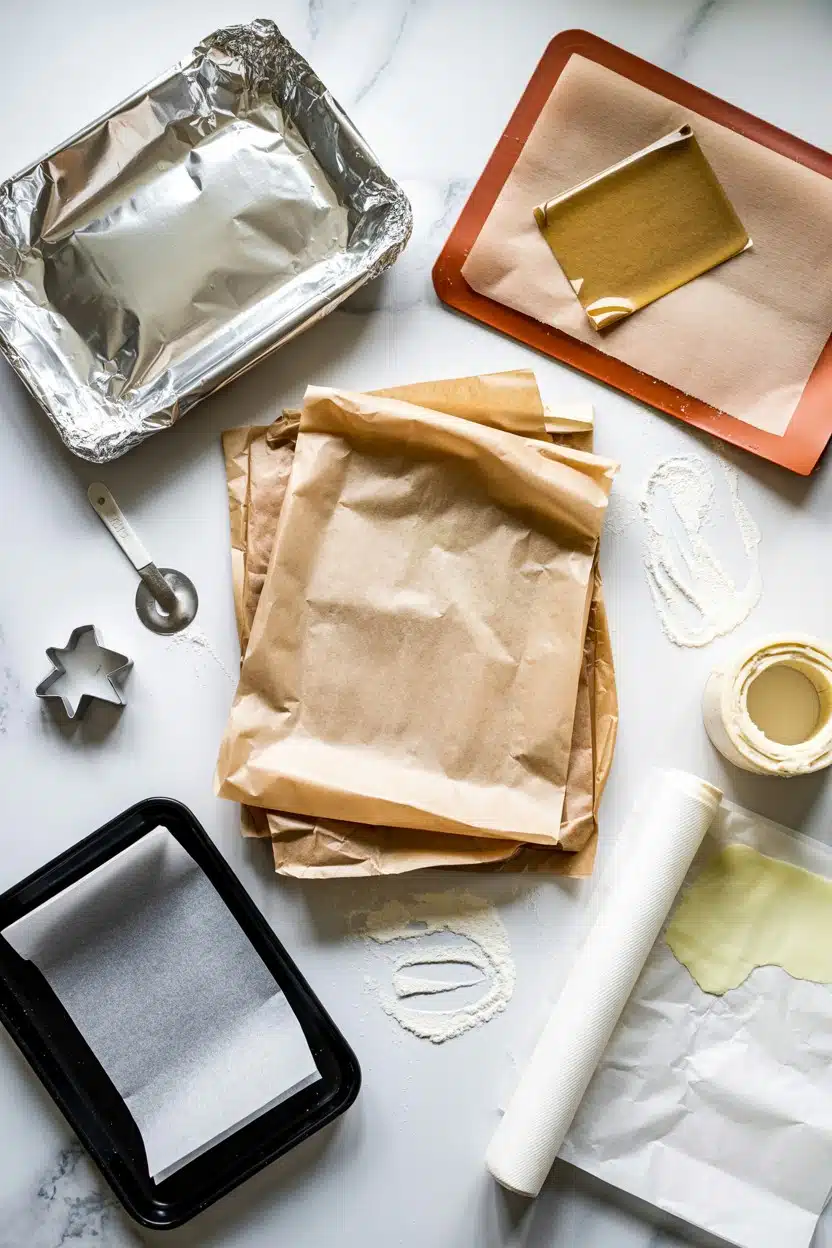
1 - Aluminum Foil

Foil handles high heat without breaking down, making it reliable for roasting vegetables or baking sturdy items. The tradeoff is sticking-without a layer of oil or butter, food bonds directly to the surface.

A light brush of neutral oil solves most adhesion problems. Foil works best when you need heat reflection and easy cleanup, not delicate release.

Quick specs:

  • Apply oil before placing food to prevent tearing during removal.
  • Crisp edges develop faster due to heat conduction.
  • Cleanup stays simple since you toss the foil afterward.
  • Avoid for thin cookies or sticky glazes that pull apart.

Skip if: you're baking delicate pastries or anything with caramelized sugar.

Aluminum Foil

Works for: roasting, sheet pan dinners, meat

Skip if: baking cookies or sticky desserts

Silicone Mat

Works for: cookies, macarons, repetitive batches

Skip if: you need crisp bottoms

2 - Silicone Mat

Silicone mats provide consistent non-stick performance without any greasing. Cookies slide off cleanly, and the mat goes back in the drawer for next time.

The surface insulates slightly, which means bottoms brown less than on parchment. For crisp-bottomed biscuits or crackers, this matters.

The essentials:

  • Lay flat on a standard sheet pan for best contact.
  • Wash with warm soapy water between uses.
  • Expect softer bottoms on items that normally crisp underneath.
  • Store rolled or flat to prevent creasing.

Texture runs slightly different than parchment since the silicone cushions heat transfer. Recipes relying on crisp edges may need an extra minute or two.

Skip if: golden-brown bottoms are the goal.

3 - Greased Tray

Direct greasing eliminates the liner entirely. A thin layer of butter, oil, or shortening creates enough barrier for most baked goods to release.

This method works well for breads, brownies, and bar cookies. Sugary items or anything prone to caramelization may stick in spots where grease thins out.

Apply grease evenly using a paper towel or pastry brush-missed corners cause problems. For extra insurance, dust with flour after greasing.

Shortcut
Butter plus a light flour dusting releases even sticky batters cleanly.

Skip if: you're making anything with burnt sugar or caramel toppings.

4 - Wax Paper

Wax paper looks similar to parchment but behaves completely differently under heat. The wax coating melts at oven temperatures, potentially smoking or transferring onto food.

For cold prep, it works fine. Roll out dough between sheets, wrap sandwiches, or line counters when decorating.

Key details:

  • Never place wax paper in a heated oven.
  • Use for room-temperature or refrigerated tasks only.

The slight waxy feel doesn't affect cold foods. Just keep it far from heat sources.

Skip if: your recipe involves any oven time at all.

5 - Banana Leaves

Traditional in Southeast Asian and Latin American cooking, banana leaves create a natural non-stick surface for steaming or wrapping. They add a subtle earthy sweetness that parchment can't replicate.

Soften leaves over an open flame or in hot water before folding. This prevents cracking and makes them pliable enough to wrap around tamales, fish, or rice.

What to expect:

  • Aroma transfers to food during cooking.
  • Best for steaming, grilling in packets, or lining steamers.
  • Trim to fit your pan or basket.

If banana leaves aren't available either, common banana swaps ranked covers alternatives that provide similar wrapping flexibility.

Skip if: you need a neutral-flavored liner or crisp baked results.

Golden Rule
Banana leaves work for moist-heat cooking only-steaming, boiling, or grilling in packets.

6 - Cooking Spray

A quick spritz coats the pan faster than spreading butter. Most sprays contain lecithin, which helps create a thin non-stick layer.

The downside is buildup. Repeated use leaves a sticky residue on pans that requires scrubbing. There's also no physical barrier protecting food from direct metal contact.

Spray evenly from about six inches away for consistent coverage. Missed spots show up as stuck-on bits after baking.

If cooking spray isn't in the pantry either, Pam Cooking Spray alternatives to try offers oil-based options that work similarly.

Skip if: you need easy transfer of delicate items or want to avoid pan buildup.

UseMethodNotes
Quick bakesLight sprayWorks for muffins, quick breads
RoastingEven coatPrevents vegetable sticking
Delicate pastriesAvoidNo barrier for sugar-heavy items

7 - Glass/Ceramic Dish

Oven-safe glass and ceramic dishes eliminate the need for any liner. Food bakes directly in the vessel, and the smooth surface releases most items without trouble.

Grease the dish for batters or sticky foods. For casseroles and roasted vegetables, the natural surface usually suffices.

Heat distribution differs from metal pans. Glass holds heat longer, which can overcook edges if you're not watching. Reduce oven temperature by 25°F when converting recipes from metal pans.

Skip if: you need the quick heat transfer of a metal sheet pan.

Watch Out
Glass retains heat longer than metal-lower your oven temp by 25°F to prevent overbrowning.

Final Tips for Parchment Paper Substitutes

Start with the closest match. Adjust seasoning and cooking time as needed.

Most of these substitutes handle the job without major recipe changes. Foil and silicone mats cover the widest range of uses, while wax paper stays strictly for cold tasks.

  • Closest match - Silicone mat for reliable non-stick release
  • Easiest grab - Aluminum foil with oil for quick prep
  • Bold alternative - Banana leaves for aromatic steaming

Frequently Asked Questions

Can I use aluminum foil instead of parchment paper for cookies?

Yes, but grease it first. Without oil, cookies stick and tear when you try to remove them.

Why can't I put wax paper in the oven?

The wax coating melts at oven temperatures, potentially smoking and transferring onto food. Use it only for cold prep tasks.

Do silicone baking mats change how cookies bake?

Slightly. The silicone insulates, so bottoms brown less than on parchment. Add a minute or two for crispier results.

What's the best substitute for parchment when roasting vegetables?

Aluminum foil with a light oil coating handles high-heat roasting well and makes cleanup simple.

Can I bake a cake without parchment paper?

Yes. Grease the pan thoroughly with butter and dust with flour. This classic method releases most cakes cleanly.

7 Best Substitutes for Parchment Paper for Oven Baking

7 Best Substitutes for Parchment Paper

No ratings yet
This guide covers seven practical parchment paper substitutes, detailing their best uses, preparation tips, and non-stick performance. Choose based on your cooking or baking needs for effective results.
Print Recipe Pin Recipe
Prep Time 7 minutes mins
Cook Time 6 minutes mins
Total Time 13 minutes mins
Servings: 4 servings
Course: Substitution Guide
Cuisine: General
Ingredients Method Notes

Ingredients
  

  • Aluminum Foil Use a 1:1 ratio with parchment and add grease to prevent sticking.
  • Silicone Mat Use 1:1 as a reusable non-stick alternative with no greasing needed.
  • Greased Tray Apply a thorough coat of butter, oil, or shortening evenly for release.
  • Wax Paper Use 1:1 ratio only for cold prep; do not use in heated ovens.
  • Banana Leaves Use 1:1 ratio mainly for steaming or grilling in packets; adds aroma.
  • Cooking Spray Apply an even coat; no physical liner barrier, may cause pan buildup.
  • Glass/Ceramic Dish Use direct; grease if needed. Lower oven temp by 25°F to avoid overbrowning.

Method
 

  1. Select your substitute based on cooking or baking needs: foil for cooking, silicone mat for baking, greased tray or spray for both, wax paper for cold prep, banana leaves for steaming, or glass/ceramic dish for direct baking.
  2. Prepare the substitute as required: oil or grease foil, lay silicone mat flat, apply thorough grease to trays, keep wax paper only for cold tasks, soften banana leaves before use, spray even coat, or grease glass dish if sticky food.
  3. Adjust usage ratio according to the substitute: use 1:1 with parchment amount plus grease for foil, 1:1 for silicone mat and wax paper (cold only), thorough coat for greased tray, even coat for spray, direct use for glass/ceramic, and 1:1 for banana leaves.
  4. Check for special considerations: avoid foil for delicate pastries or sticky glazes, skip silicone mats if crisp bottoms are needed, never heat wax paper, note banana leaves add aroma and work only for moist-heat cooking, and lower glass dish oven temperature by 25°F.
  5. Monitor food during cooking for best results, adjusting cooking times slightly if needed, especially with silicone mats and glass dishes to prevent overbrowning or undercooking.

Notes

Grease aluminum foil well before use to prevent food from sticking and tearing during roasting or baking.

Tried this recipe?

Let us know how it was!

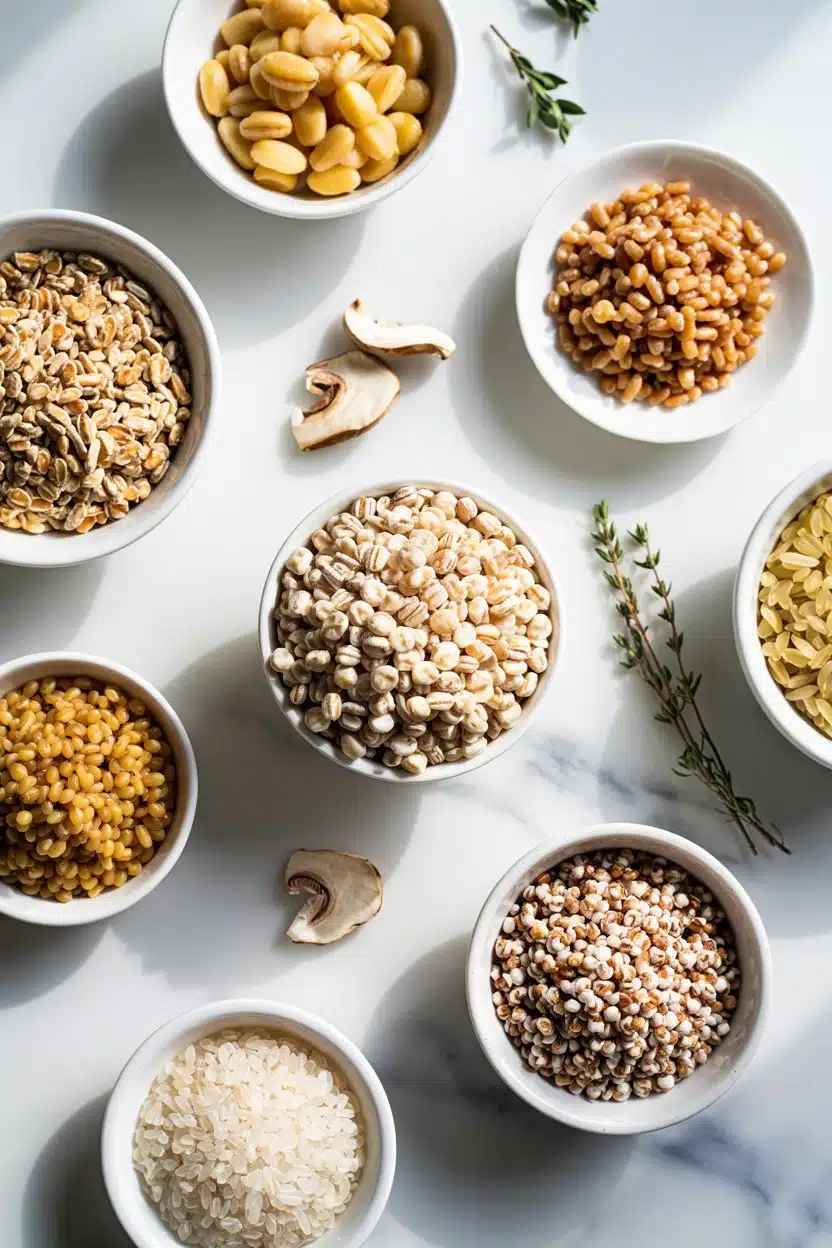
7 Best Substitutes for Pearl Barley in Hearty Soups & Stews

April 29, 2026

The pearl barley in the back of the pantry looks questionable. That dusty bag isn't going into tonight's soup.

7 Best Substitutes for Pearl Barley in Hearty Soups & Stews
pearl-barley-substitutes
QUICK SUMMARY

Hulled barley and farro best match pearl barley's chewy texture and nutty flavor. Prioritize texture first, then flavor. For quicker cooking, soak hulled barley overnight before use.

🌾Closest feel: Hulled barley keeps chewiness with a nuttier taste.
⚖️Ratio + fix: Swap 1:1; soak hulled barley to reduce cooking time.
⏳Watch out: Hulled barley takes longer to cook than pearl barley.

Pearl barley adds chewy texture and absorbs broth without turning mushy. The right swap depends on whether you need that same bite or just a hearty grain to fill the bowl. Each option below behaves a little differently, so match the substitute to your dish.

Quick Substitute Reference
#SubstituteBest ForRatioKey Note
1 Hulled Barley 🍳 Cooking 1:1 Chewier; needs longer cook time
2 Farro ✨ Both 1:1 Nuttier with firm bite
3 Brown Rice 🍳 Cooking 1:1 Milder; less chewy
4 Couscous 🍳 Cooking 1:1 Light and fluffy; cooks fast
5 Quinoa ✨ Both 1:1 Lighter texture; earthy flavor
6 Millet 🍳 Cooking 1:1 Fluffy not chewy; mild taste
7 Steel-Cut Oats 🍳 Cooking 1:1 Coarse texture; nutty flavor

7 Smart Pearl Barley Swaps When You're Out

These substitutes range from near-identical grains to pantry staples that change the dish slightly. The closest matches come first, with bolder alternatives toward the end.

1 - Hulled Barley

Hulled barley is the same grain with the bran intact. It takes longer to cook but delivers a chewier, nuttier result.

Add 15-20 extra minutes of simmering time. The texture holds up well in beef stew or mushroom soup where you want grains with real bite.

If you're also out of hulled barley, quick Barley replacements to try covers options with similar chew.

Skip if: you need dinner in under 30 minutes.

Hulled Barley

Works for: Long-simmered soups and stews

Skip if: Time is short

Farro

Works for: Grain salads and bowls

Skip if: You want creamy texture

2 - Farro

Farro brings a robust, nutty flavor and holds its shape after cooking. The texture stays firm even when dressed with vinaigrette.

Key details:

  • Use 1:1 and cook about 25-30 minutes until tender but still chewy.
  • Rinse before cooking to remove surface starch.

This grain shines in cold salads and grain bowls where pearl barley might turn too soft. Don't have farro either? Farro substitutes for cooking lists grains with that same toothsome bite.

Skip if: your recipe needs grains that soften into a creamy porridge.

3 - Brown Rice

Brown rice works in soups and pilafs where barley adds heft. The flavor runs milder and the texture is less chewy.

Cook times run similar-about 40-45 minutes for brown rice. The grains won't absorb broth quite the same way, so your soup may feel slightly thinner.

If you're missing brown rice too, quick Brown Rice replacements to try has swaps that absorb liquid well.

Shortcut
Use quick-cooking brown rice to cut the time in half-just add it later in the recipe.

4 - Couscous

Couscous cooks in minutes and brings a light, fluffy texture. It won't mimic barley's chew but works well in grain salads and side dishes.

The essentials:

  • Use 1:1 by volume.
  • Pour boiling liquid over couscous, cover, and let sit 5 minutes.
  • Fluff with a fork before serving.
  • Season the cooking liquid since couscous absorbs flavor fast.

This swap changes the dish-expect something closer to a pasta salad than a hearty grain bowl. No couscous on hand either? Couscous alternatives worth trying covers quick-cooking options.

Skip if: your dish simmers for a long time-couscous turns to mush.

5 - Quinoa

Quinoa cooks faster than barley and delivers a lighter, slightly earthy result. The texture is softer with less chew.

Rinse quinoa thoroughly before cooking to remove the bitter coating. Use a 1:1 swap and reduce cooking time to about 15 minutes.

Quick specs:

  • Works best in salads, stuffed peppers, and quick weeknight bowls.
  • The grains separate more than barley-expect a fluffier finished dish.

Missing quinoa as well? Quinoa alternatives worth trying covers grains with similar cook times.

UseRatioNotes
Grain bowls1:1Add toppings after cooking
Stuffed vegetables1:1Precook quinoa before stuffing
Cold salads1:1Chill completely before dressing

6 - Millet

Millet cooks up fluffy rather than chewy. The flavor is mild and slightly sweet.

This grain works best in porridges and warm salads where you want something soft. Toast it dry in the pan first for a nuttier flavor.

What to expect:

  • Use 1:1 with slightly more liquid-about 2½ cups water per cup of millet.
  • Cook covered for 20 minutes, then let it steam off heat for 5 more.
  • The texture softens quickly, so don't overcook.
  • Season generously since millet doesn't bring much flavor on its own.

Don't have millet either? Millet swaps that match lists fluffy grains that cook the same way.

Watch Out
Millet absorbs liquid fast. Check it early to avoid a gummy result.

7 - Steel-Cut Oats

Steel-cut oats bring a coarse, chewy texture that holds up in savory dishes. The flavor runs nutty with a hint of sweetness.

Use these in breakfast porridges or savory grain bowls. They absorb liquid well and create a creamy base.

Here's what to know:

  • Swap 1:1 for pearl barley.
  • Simmer 25-30 minutes until tender.
  • Stir occasionally to prevent sticking.

Skip if: you want distinct, separate grains-oats tend to clump together.

Best Pick
For the closest match to pearl barley's texture, start with hulled barley or farro.

Making Pearl Barley Substitutes Work

The right substitute depends on what you're cooking. For soups and stews, hulled barley or farro come closest to the original texture. For quick salads, quinoa or couscous get dinner on the table faster.

  • Closest match - Hulled barley; same grain, just chewier
  • Easiest grab - Brown rice; probably already in your pantry
  • Quick option - Couscous; ready in 5 minutes flat

Frequently Asked Questions

Can I use the same amount of any substitute for pearl barley?

Yes, all these substitutes work at a 1:1 ratio by volume. Adjust liquid amounts slightly since some grains absorb more than others.

Which substitute tastes most like pearl barley?

Hulled barley tastes nearly identical since it's the same grain. Farro comes close with a similar nutty, chewy profile.

What works best in soup instead of pearl barley?

Hulled barley, farro, or brown rice all hold up well in soups. Avoid couscous and quinoa since they turn mushy with long simmering.

Are any of these substitutes gluten-free?

Brown rice, quinoa, and millet are naturally gluten-free. Barley, farro, couscous, and oats contain gluten or risk cross-contamination.

Can I substitute pearl barley in a cold grain salad?

Farro, quinoa, and couscous all work well in cold salads. Cook them, chill completely, then toss with dressing to prevent soggy results.

7 Best Substitutes for Pearl Barley in Hearty Soups & Stews

7 Best Substitutes for Pearl Barley

No ratings yet
Pearl barley adds a chewy texture and absorbs broth well. Choose your substitute based on whether you want a similar bite or just a hearty grain. These options vary in cooking time and texture.
Print Recipe Pin Recipe
Prep Time 7 minutes mins
Cook Time 25 minutes mins
Total Time 32 minutes mins
Servings: 4 servings
Course: Substitutes
Cuisine: General
Ingredients Method Notes

Ingredients
  

  • 1 cup Hulled Barley Use a 1:1 ratio with pearl barley; longer simmering time by 15-20 minutes for chewier texture.
  • 1 cup Farro Use a 1:1 ratio; rinse before cooking to remove starch; cook 25-30 minutes until tender but chewy.
  • 1 cup Brown Rice Use a 1:1 ratio; cook 40-45 minutes; milder flavor and less chew; soup may be thinner.
  • 1 cup Couscous Use a 1:1 ratio; pour boiling liquid, cover, and sit 5 minutes; fluff before serving; season cooking liquid.
  • 1 cup Quinoa Use a 1:1 ratio; rinse thoroughly; cook about 15 minutes; lighter texture and earthy flavor.
  • 1 cup Millet Use 1:1 ratio with slightly more liquid (2.5 cups water per cup); cook covered 20 min, then steam 5 min.
  • 1 cup Steel-Cut Oats Use a 1:1 ratio; simmer 25-30 minutes; stir occasionally; coarse texture and nutty flavor.

Method
 

  1. Choose your substitute based on dish type: hulled barley or farro for soups and stews; quinoa or couscous for quick salads or bowls.
  2. Rinse grains like farro and quinoa before cooking to remove surface starch or bitter coating.
  3. Apply a 1:1 volume ratio of substitute to pearl barley in your recipe, adjusting liquid slightly for absorbency.
  4. Cook hulled barley with an extra 15-20 minutes simmer time; farro for about 25-30 minutes; brown rice for 40-45 minutes; quinoa for 15 minutes; millet covered for 20 minutes plus 5 minutes steam; steel-cut oats for 25-30 minutes.
  5. For couscous, pour boiling liquid over, cover and let sit for 5 minutes, then fluff with a fork before serving.
  6. Season cooking liquids adequately, especially with fast-absorbing grains like couscous and millet.
  7. Check texture during cooking to avoid overcooking softer grains like millet and couscous, which can become mushy.
  8. Taste test and adjust seasoning before serving to ensure the dish's flavor balance with new grains.

Notes

Rinse quinoa before cooking to prevent the dish from tasting bitter or gritty.

Tried this recipe?

Let us know how it was!

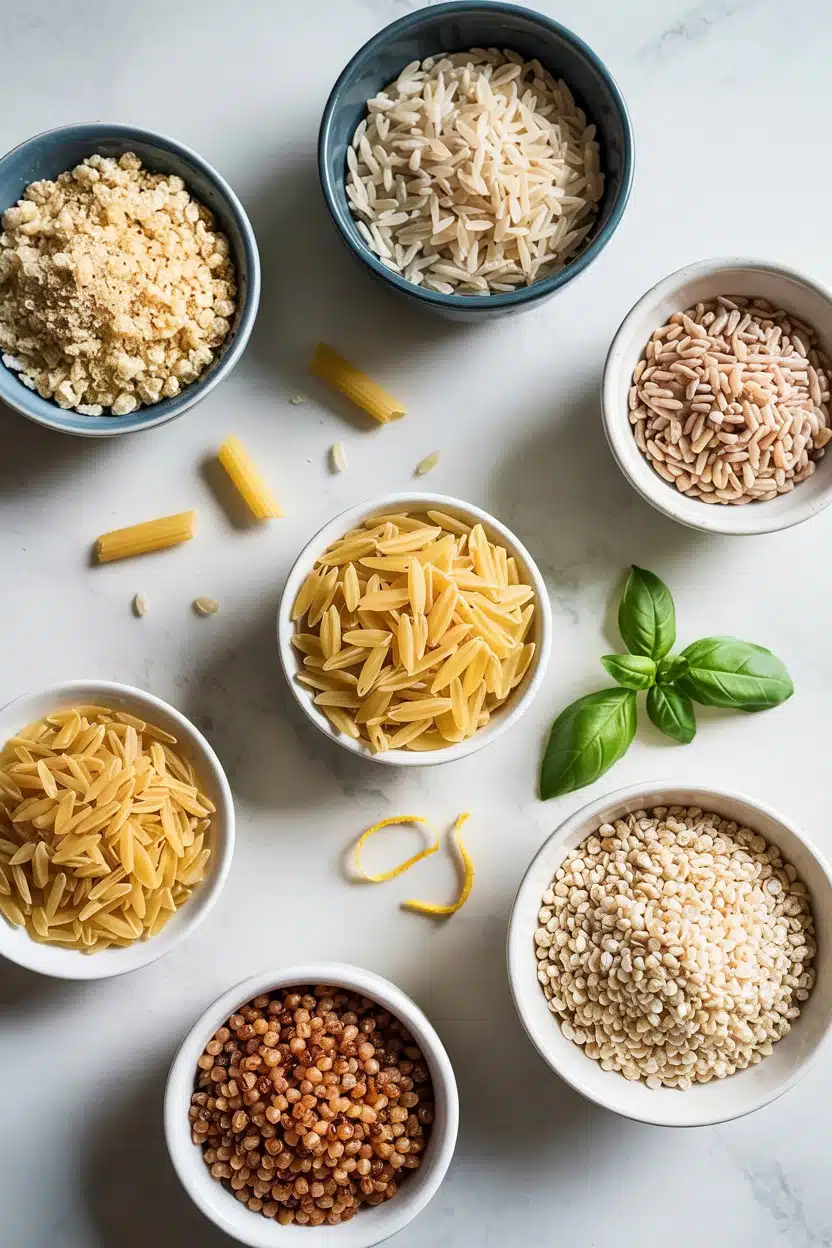
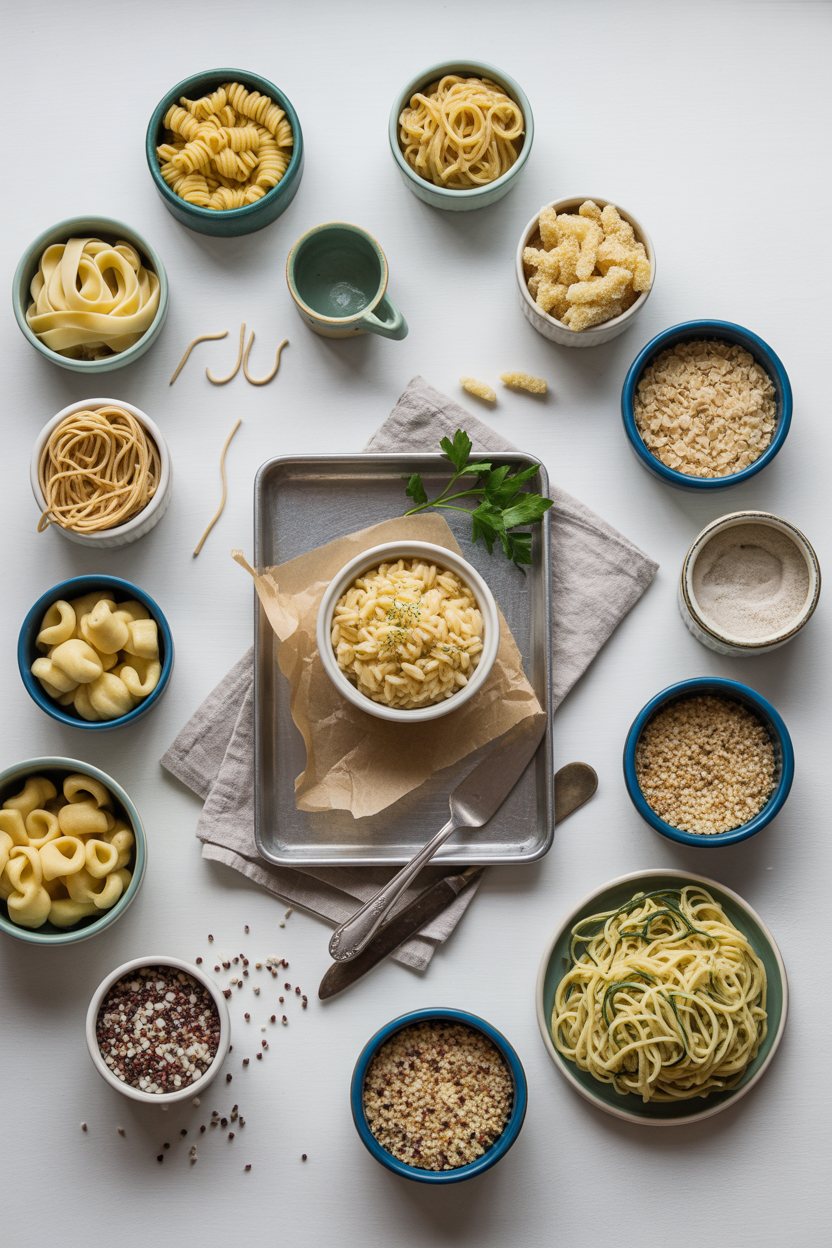
7 Best Substitutes for Orzo in Mediterranean Dishes

April 29, 2026

You're doubling the batch and the orzo jar is nearly empty. There's not enough to cover what you need.

7 Best Substitutes for Orzo in Mediterranean Dishes
orzo-substitutes
QUICK SUMMARY

Fregola and Acini di Pepe offer the best texture and absorption balance for orzo substitutes. Prioritize texture first to maintain bite and broth-holding ability. For soups, adjust cooking times to avoid overcooking smaller pasta shapes.

🍝Closest texture: Fregola adds chewiness and holds shape well in brothy dishes.
⚖️Ratio + fix: Swap 1:1; reduce cooking time slightly for smaller pasta like Acini di Pepe.
⏲️Watch heat: Couscous cooks fast and can become mushy if over-soaked or overheated.

Orzo fills a specific space in recipes-it absorbs broth, holds sauce, and cooks quickly into a rice-like texture. The right substitute depends on whether you need that same absorption, shape, or bite. Some swaps cook faster, others chewier.

Quick Substitute Reference
#SubstituteBest ForRatioKey Note
1 Fregola Sarda 🍳 Cooking 1:1 Toasted, chewier texture
2 Acini di Pepe 🍳 Cooking 1:1 Smaller, more bite
3 Couscous 🍳 Cooking 1:1 cooked Fluffier, cooks faster
4 Ditalini 🍳 Cooking 1:1 Tubular shape, heartier
5 Short Grain Rice 🍳 Cooking 1:1 cooked Softer, less chew
6 Quinoa 🍳 Cooking 1:1 cooked Nutty, slight crunch
7 Israeli Couscous 🍳 Cooking 1:1 Toasted, chewy pearls

7 Orzo Swaps That Keep Flavor Balanced

These range from pantry staples to specialty grains. The closest matches come first, with bolder texture shifts toward the end.

1 - Fregola

Fregola brings a toasted, nutty depth that orzo doesn't have. The texture runs chewier, which works well in brothy soups where you want each piece to hold its shape.

The key trade-off is that toasted flavor. It adds character to Mediterranean-style dishes but may shift the taste profile in lighter recipes. Use the same amount and add a minute or two to cooking time.

Skip if: you need a neutral-tasting grain.

FREGOLA

Works for: Soups, salads, pilafs with bold flavors

Skip if: Recipe needs neutral base

ORZO

Works for: Any dish needing mild, rice-shaped pasta

Skip if: You want toasted depth

2 - Acini di Pepe

Acini di pepe runs smaller than orzo with a bit more bite per piece. It disappears into soups nicely, making it ideal for broths where you want texture without bulk.

The mild flavor won't compete with other ingredients. Cook time stays similar, so no major adjustments needed.

Quick specs:

  • Size difference - Noticeably smaller, more bead-like than orzo.
  • Best context - Light soups, frog eye salad, delicate broths.
  • Avoid in - Dishes where you want visible, distinct pasta pieces.

If you're also out of acini di pepe, Acini Di Pepe substitutes for cooking covers similar tiny pasta options.

3 - Couscous

Couscous cooks in half the time-just add hot liquid, cover, and wait five minutes. The texture lands fluffier and lighter than orzo's chewier bite.

Stick to quick dishes like grain salads or simple sides. Couscous breaks down in long-simmered soups, turning mushy fast.

Don't have couscous either? Check quick Couscous replacements to try for grains with similar speed.

Shortcut
Couscous needs no boiling-just hot liquid and five minutes covered.

4 - Ditalini

Ditalini's tubular shape traps sauce and broth differently than orzo's rice shape. You get more textural variety in each bite.

The size runs slightly larger, so it reads heartier in minestrone or pasta e fagioli. Use ditalini when the dish needs pasta that stands up to chunky vegetables or beans.

Missing ditalini as well? The common Ditalini Pasta swaps ranked lists similar short-cut options.

Skip if: the recipe specifically calls for rice-shaped pasta.

5 - Short Grain Rice

Short grain rice mimics orzo's shape but swaps the chew for a softer, stickier texture. It works well in casseroles and pilafs where everything melds together.

Cook the rice separately first, then fold it in. Direct substitution in orzo recipes means adjusting liquid-rice absorbs more.

Key details:

  • Texture shift - Softer, less al dente bite.
  • Cooking method - Pre-cook, then add to recipe.
  • Liquid adjustment - Rice needs roughly double its volume in water.
  • Best use - Casseroles, baked dishes, creamy preparations.

Out of short grain rice too? See what to use for Rice for grains with similar starch levels.

Watch Out
Rice absorbs liquid differently-cook it separately before adding to orzo recipes.

6 - Quinoa

Quinoa brings protein and an earthy, nutty flavor that orzo lacks. The texture stays slightly crunchy even when fully cooked.

Rinse quinoa well before cooking to remove bitterness. It works best in cold grain salads or bowls where that distinct texture adds interest.

If quinoa isn't available either, Quinoa replacements that work has protein-rich alternatives.

Skip if: you need traditional pasta mouthfeel.

7 - Israeli Couscous

Israeli couscous-also called pearl couscous-delivers chewy, toasted pearls that hold up in salads and pilafs. The buttery undertone adds richness orzo doesn't provide.

Toast it briefly in butter before adding liquid for even more depth. The larger pearls mean slightly longer cooking time than regular couscous.

The essentials:

  • Texture - Chewier and bouncier than orzo.
  • Flavor - Subtle toasted, buttery notes.
  • Best use - Grain salads, warm pilafs, side dishes.
  • Avoid in - Delicate, brothy soups where it may overwhelm.

No Israeli couscous on hand? The replacements similar to Couscous page covers pearl-style alternatives.

UseRatioNotes
Cold salads1:1 cookedToast first for nuttier flavor
Warm pilafs1:1 by volumeAdd 2-3 min extra cook time
Side dishes1:1 by volumeFinish with butter or olive oil

Final Thoughts on Swapping Orzo

The best substitute depends on what your recipe needs most-quick cooking, specific texture, or neutral flavor. For the closest match in soups and salads, fregola or Israeli couscous deliver similar satisfaction.

  • Closest match - Fregola for texture and shape
  • Easiest grab - Couscous, cooks in five minutes
  • Dietary option - Quinoa adds protein and goes gluten-free

Frequently Asked Questions

What is the best 1:1 substitute for orzo?

Fregola or Israeli couscous work at a straight 1:1 ratio by volume. Both have similar size and hold up well in most orzo recipes.

Can I use rice instead of orzo in soup?

Yes, but cook the rice separately first. Rice absorbs more liquid than orzo and can make soup too thick if added directly.

Is couscous gluten-free like some orzo alternatives?

No, couscous contains wheat. For gluten-free options, use quinoa or rice instead of orzo.

Why does my orzo substitute turn mushy?

Overcooking is the usual cause. Couscous and rice break down faster than orzo in simmering liquid. Add them later or cook separately.

Does quinoa taste different from orzo?

Yes, quinoa has an earthy, slightly nutty flavor. Rinse it thoroughly before cooking to reduce any bitter taste.

7 Best Substitutes for Orzo in Mediterranean Dishes

7 Best Substitutes for Orzo

No ratings yet
Orzo substitutes vary by texture, cooking time, and flavor. Choose fregola or Israeli couscous for close texture and shape; use quinoa for gluten-free protein, or couscous for quick cooking.
Print Recipe Pin Recipe
Prep Time 7 minutes mins
Cook Time 8 minutes mins
Total Time 15 minutes mins
Servings: 4 servings
Course: Substitution Guide
Cuisine: Mediterranean-Inspired
Ingredients Method Notes

Ingredients
  

  • 1 Fregola Sarda Use 1:1 ratio by volume; adds toasted, chewier texture; add 1-2 minutes to cooking time; skip for neutral flavor needs.
  • 1 Acini di Pepe Use 1:1 ratio by volume; smaller size with more bite; cooks similar time as orzo; best for light soups or delicate broths.
  • 1 cup Couscous Use 1:1 cooked ratio; fluffy texture; cooks faster requiring only hot liquid and 5 minutes covered.
  • 1 Ditalini Use 1:1 ratio by volume; heartier tubular pasta shape; best for chunky vegetable or bean dishes; skip if rice shape is required.
  • 1 cup Short Grain Rice Use 1:1 cooked ratio; softer, stickier texture; pre-cook rice separately before adding; requires more liquid.
  • 1 cup Quinoa Use 1:1 cooked ratio; nutty, slight crunch; rinse well before cooking; best for cold grain salads; skip if traditional pasta texture needed.
  • 1 Israeli Couscous Use 1:1 ratio by volume; chewy toasted pearls; toast briefly in butter before cooking for richer flavor; avoid in delicate soups.

Method
 

  1. Choose your substitute based on the recipe's needs: fregola or Israeli couscous for texture and shape, quinoa for protein and gluten-free, couscous for quick cooking.
  2. For fregola and Israeli couscous, measure equal volumes to orzo and add 1 to 2 minutes extra cooking time if needed.
  3. Rinse quinoa thoroughly before cooking to remove bitterness and cook separately before adding to your dish.
  4. Cook short grain rice separately using double the volume of water; then fold it into casseroles or pilafs replacing orzo at a 1:1 cooked ratio.
  5. Add couscous by using equal volume of cooked couscous; add hot liquid and cover for five minutes without boiling.
  6. Use ditalini as a 1:1 volume substitute for heartier dishes with chunky veggies or beans; avoid if recipe requires rice-shaped pasta.
  7. Taste-test your dish and adjust liquid or cooking time as needed to maintain desired texture and flavor balance after substitution.

Notes

Rinse quinoa well before cooking to avoid bitterness and ensure a pleasant texture in your dish.

Tried this recipe?

Let us know how it was!

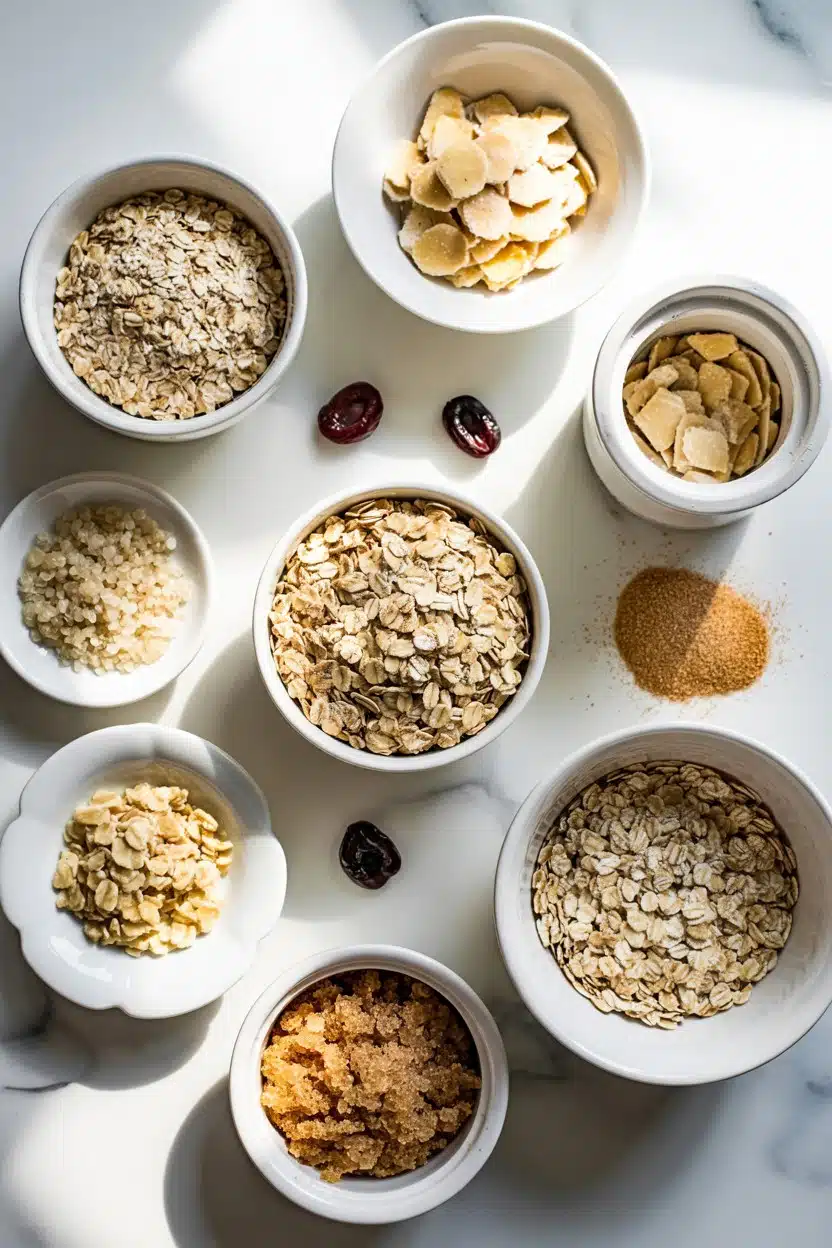
7 Best Substitutes for Old Fashioned Oats in Breakfast Bowls

April 29, 2026

You're counting on old fashioned oats for that chewy, hearty texture in your recipe. The swap needs to deliver similar body and absorption, or the dish won't hold together the same way.

7 Best Substitutes for Old Fashioned Oats in Breakfast Bowls
old-fashioned-oats-substitutes
QUICK SUMMARY

Rolled oats and steel-cut oats are top substitutes, focusing on texture first for best results. Flavor differences are subtle but noticeable. Adjust cooking times to fit the substitute's needs, especially with steel-cut oats for a chewier bite.

🥣Closest texture: Rolled oats offer nearly identical chew and flavor to old fashioned oats.
⚖️Ratio + tweak: Swap 1:1; increase cooking time for steel-cut oats to soften fully.
⏳Watch cooking time: Quick oats cook faster and can become mushy if overcooked.

Not every oat works identically. Texture and cooking time vary more than flavor, so match the structure first. The list below starts with the closest matches and moves toward bolder alternatives.

Quick Substitute Reference
#SubstituteBest ForRatioKey Note
1 Rolled Oats ✨ Both 1:1 Slightly softer result
2 Steel-Cut Oats 🍳 Cooking 1:1 volume Needs longer cook time
3 Quick Oats 🥧 Baking 1:1 Finer texture, less chew
4 Quinoa Flakes 🌱 Gluten-Free 1:1 Different grain taste
5 Chopped Nuts 🥧 Baking ¾ cup per 1 cup Crunch only, no chew
6 Bran Flakes 🍳 Cooking 1:1 More fibrous, less creamy
7 Buckwheat Groats 🍳 Cooking 1:1 volume Earthy, coarser texture

7 Easy Old Fashioned Oats Swaps for Cooking

These substitutes range from nearly identical oat varieties to grain-free alternatives. Pick based on what your recipe needs and what's already in your pantry.

1 - Rolled Oats

Rolled oats and old fashioned oats are often the same product with different labeling. The texture runs slightly softer after cooking, but the oat flavor stays identical.

Use them cup-for-cup without adjusting liquid. The only real difference shows up in baked goods, where you'll get a marginally less chewy bite.

Quick specs:

  • Swap 1:1 - No recipe changes needed.
  • Expect softer edges - Cookies spread a bit more than with old fashioned oats.

Old Fashioned Oats

Works for: Chewy cookies, hearty oatmeal, granola bars

Skip if: You want a smoother porridge

Rolled Oats

Works for: Same recipes, slightly softer texture

Skip if: Maximum chew is the goal

2 - Steel-Cut Oats

Steel-cut oats deliver a nutty, toasty flavor with more bite than old fashioned oats. They hold their shape through long cooking, making them ideal for hearty breakfast bowls.

The trade-off is time. Steel-cut oats need 20-30 minutes on the stovetop compared to 5 minutes for old fashioned. Soak them overnight to cut cooking time in half.

Plan ahead or skip this one for quick recipes. The texture stays firmer even when fully cooked, so expect a chewier result.

Skip if: You need oats that soften quickly or blend into baked goods.

3 - Quick Oats

Quick oats are old fashioned oats that have been chopped finer and rolled thinner. They cook faster and create a smoother texture in everything from oatmeal to muffins.

The key difference: less chew. Quick oats absorb liquid rapidly and break down more during mixing.

Shortcut
Pulse old fashioned oats in a food processor 3-4 times to make your own quick oats.

The essentials:

  • Use 1:1 - Same volume works for most recipes.
  • Reduce mixing time - Over-mixing turns batter gummy.
  • Expect softer cookies - They spread more and crisp less.
  • Best for smoothies - They blend without leaving chunks.

Skip if: Visible oat flakes or a chewy texture matters to your dish.

4 - Quinoa Flakes

Quinoa flakes cook just like oats but deliver a slightly nuttier, earthier flavor. They work well for anyone avoiding gluten or looking to add more protein to breakfast.

The texture lands close to quick oats-soft and porridge-ready within minutes. Use the same amount of liquid you would for old fashioned oats.

If you're also out of quinoa flakes, common quinoa flakes swaps ranked covers grain-free options that cook similarly.

Key details:

  • Swap 1:1 - Same volume, same liquid ratio.
  • Add a pinch of salt - Brings out the mild nutty notes.

Skip if: You want that familiar oat taste front and center.

5 - Chopped Nuts

Chopped almonds or walnuts add crunch and richness where oats would normally provide chew. This swap works for toppings, granola clusters, and cookie mix-ins.

The texture is completely different-crisp rather than soft. Nuts also brown faster, so watch baking times carefully.

Use about three-quarters cup of nuts for every cup of oats the recipe calls for. The density is higher, and too many nuts can make baked goods crumbly.

If you're out of almonds as well, almonds substitutes ranked lists other nuts that toast and chop the same way.

Skip if: You need oats for structure, binding, or moisture absorption.

UseRatioNotes
Granola topping¾ cup nuts per 1 cup oatsToast lightly first
Cookie mix-ins¾ cup nuts per 1 cup oatsChop to oat-sized pieces
Crumble topping½ cup nuts per 1 cup oatsMix with flour for binding

6 - Bran Flakes

Bran flakes bring fiber and a toasty, wheaty flavor to recipes. They work best as a cereal base, granola component, or crunchy topping rather than a porridge substitute.

Here's what to know:

  • Use equal volume - One cup bran flakes for one cup oats.
  • Expect less creaminess - Bran flakes don't soften the same way.
  • Add extra liquid for porridge - About 2 tablespoons more than usual.

The texture stays more distinct even after cooking. Bran flakes hold their shape rather than melting into a creamy bowl.

Watch Out
Bran flakes turn soggy fast in wet batters. Fold them in at the last moment for baked goods.

Skip if: Creamy oatmeal or soft-baked texture is the goal.

7 - Buckwheat Groats

Buckwheat groats deliver an earthy, nutty flavor that stands apart from oats. Despite the name, buckwheat contains no wheat and works for gluten-free diets.

The texture is coarser and chewier, even after a long simmer. Toast them dry in a pan for 2-3 minutes before cooking to bring out more flavor.

Use the same volume but add 5-10 extra minutes of cooking time. Buckwheat absorbs liquid more slowly than oats.

Golden Rule
Rinse buckwheat groats before cooking to remove any dusty residue that affects texture.

Skip if: You want a mild flavor that disappears into the recipe.

How to Choose an Old Fashioned Oats Substitute

The right swap depends on whether you're cooking porridge or baking. Rolled oats and quick oats handle most recipes without adjustment. Steel-cut oats and buckwheat groats need more time but reward you with heartier texture.

  • Closest match - Rolled oats, nearly identical in every way
  • Easiest grab - Quick oats, found in most pantries
  • Dietary option - Quinoa flakes, gluten-free with similar cook time

Frequently Asked Questions

Can I use quick oats instead of old fashioned oats in cookies?

Yes, but expect softer cookies that spread more. Quick oats absorb moisture faster and break down during mixing, reducing the chewy texture.

Do I need to adjust liquid when substituting steel-cut oats?

Use the same volume of oats but allow extra cooking time. Steel-cut oats absorb liquid more slowly and need 20-30 minutes to fully soften.

Are quinoa flakes a good substitute for oatmeal?

Quinoa flakes work well for hot cereal and cook in about the same time. The flavor is slightly nuttier and earthier than traditional oats.

Can I substitute nuts for oats in granola?

Nuts add crunch but won't provide the same chewy clusters. Use three-quarters cup of chopped nuts per cup of oats and mix with a binding ingredient like honey.

What's the best gluten-free substitute for old fashioned oats?

Quinoa flakes and buckwheat groats are both naturally gluten-free. Quinoa flakes cook faster and have a softer texture, while buckwheat groats stay chewy and hearty.

7 Best Substitutes for Old Fashioned Oats in Breakfast Bowls

7 Best Substitutes for Old Fashioned Oats

No ratings yet
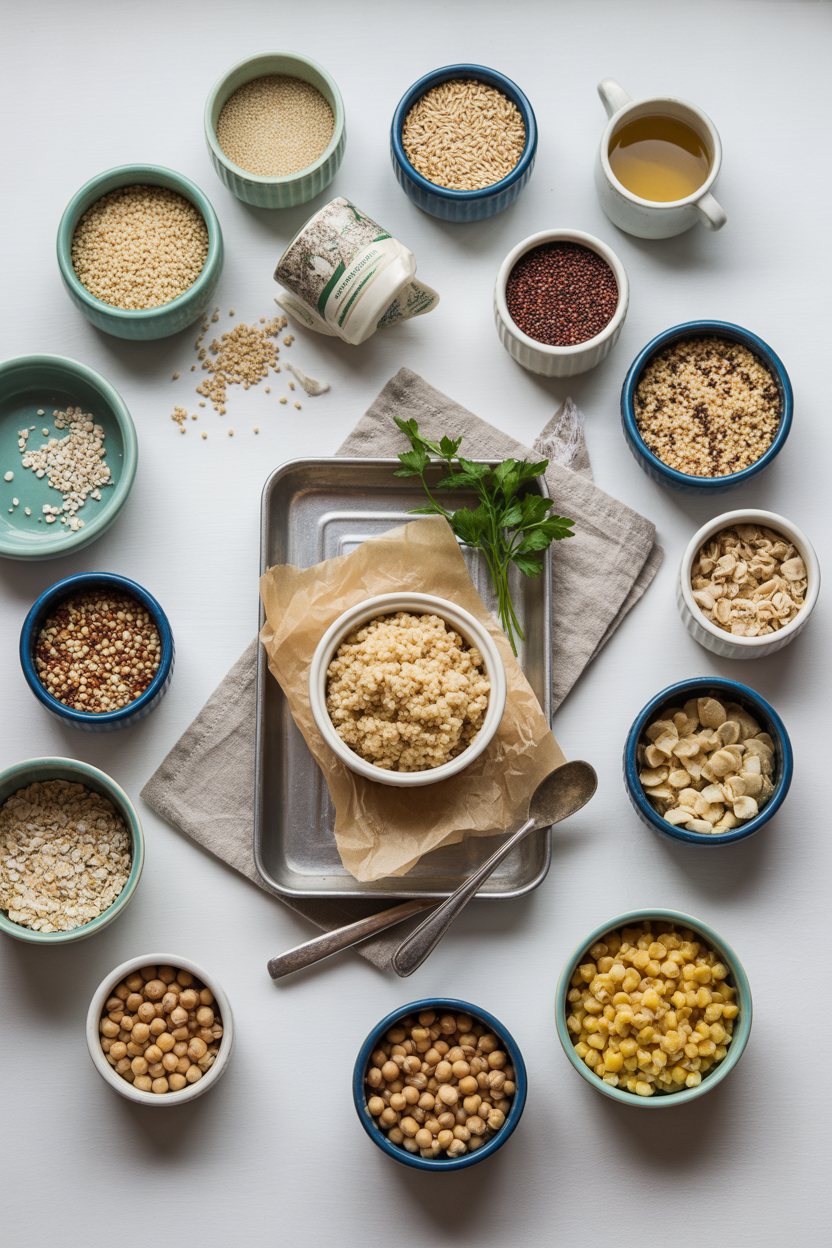
This guide provides practical substitutions for old fashioned oats focusing on texture and cooking time to maintain the dish's structure and flavor balance. Choose the best swap based on cooking or baking needs.
Print Recipe Pin Recipe
Prep Time 6 minutes mins
Cook Time 10 minutes mins
Total Time 16 minutes mins
Servings: 4 servings
Course: Substitutes
Cuisine: General
Ingredients Method Notes

Ingredients
  

  • 1 cup Rolled Oats Use 1:1 ratio, same volume, no liquid adjustment; produces slightly softer texture in baked goods.
  • 1 cup Steel-Cut Oats Use 1:1 volume ratio; requires longer cooking time, soak overnight to halve time.
  • 1 cup Quick Oats Use 1:1 ratio; finer texture with less chew, reduce mixing time to avoid gummy batter.
  • 1 cup Quinoa Flakes Use 1:1 ratio; same liquid amount, add a pinch of salt for enhanced flavor.
  • 0.75 cup Chopped Nuts Use ¾ cup per 1 cup oats; adds crunch without chew, watch baking times carefully.
  • 1 cup Bran Flakes Use 1:1 ratio by volume; add extra 2 tablespoons liquid for porridge to avoid dryness.
  • 1 cup Buckwheat Groats Use 1:1 volume ratio; toast before cooking, rinse to prevent gritty texture, add extra cooking time.

Method
 

  1. Pick your substitute based on recipe type: cooking, baking, or dietary needs.
  2. Prepare the substitute as needed: soak steel-cut oats overnight, pulse oats to make quick oats, or toast buckwheat groats before cooking.
  3. Apply the substitute using the recommended ratios from the guide, adjusting liquid or mixing time if noted.
  4. Monitor texture and cooking times closely, especially for substitutes that require longer or different handling.
  5. Taste and check consistency before finalizing the dish to ensure the desired texture and flavor are achieved.

Notes

Rinse buckwheat groats before cooking to prevent a gritty texture and improve mouthfeel.

Tried this recipe?

Let us know how it was!

7 Best Substitutes for Macadamia Nuts in Baking Recipes

April 28, 2026

You've got macadamia nuts on the counter, but they smell off or look stale. Tossing them mid-prep feels wasteful, yet using them could ruin the dish.

7 Best Substitutes for Macadamia Nuts in Baking Recipes
macadamia-nuts-substitutes

The swap you pick depends on what macadamia nuts do in your recipe. Buttery richness and firm crunch matter more than the name on the bag.

QUICK SUMMARY

**Cashews** and **pecans** mimic macadamia nuts' creamy richness best. Both work 1:1 in most recipes but have slightly different sweetness levels. Choose cashews for neutral dishes, pecans for sweeter baked goods, and skip nuts entirely if texture isn't critical.

🥜Closest match: Cashews replicate the buttery texture with less sweetness
⚖️Use equal amounts for cashews, pecans, and brazil nuts by volume
⚠️Biggest mistake: Swapping in raw nuts when the recipe calls for toasted

7 Quick Macadamia Nuts Substitutes That Work

Pick based on what the nuts add to your dish. Crunch and richness translate differently across swaps.

Quick Substitute Reference
#SubstituteBest ForRatioKey Note
1 Cashews ✨ Both 1:1 Less sweet, creamy texture
2 Pecans 🥧 Baking 1:1 Sweeter, softer crunch
3 Brazil Nuts ✨ Both 1:1 Rich, slightly earthy flavor
4 Almonds 🥧 Baking 1:1 Firm crunch, less richness
5 Sunflower Seeds 🌱 Vegan 1:1 Nut-free, less creamy
6 Hazelnuts 🥧 Baking 1:1 Toast first for best flavor
7 Macadamia Butter 🍳 Cooking ¾ volume No crunch, pure richness

1 - Cashews

Cashews bring creamy richness that closely matches macadamia nuts' texture. They work in cookies, granola, and stir-fries without major flavor shifts.

Use equal amounts by volume or weight. The flavor is mildly buttery but less sweet, so add a pinch of sugar to desserts if needed.

Raw Cashews

Works for: Sauces, vegan cheeses, and no-bake desserts needing soft texture

Skip if: Recipe needs toasted crunch or caramelized flavor

Toasted Cashews

Works for: Baked goods, trail mixes, and dishes requiring firm bite

Skip if: You're making creamy spreads or blended bases

If you're out of cashews too, tested cashew replacements covers firmer options.

2 - Pecans

Pecans taste sweeter than macadamia nuts, with a buttery softness that works in most baked goods. They're ideal for cookies, brownies, and pies where sweetness helps.

Replace 1:1 by volume. Toast them first to deepen flavor and firm up the crunch slightly.

Here's what to know:

  • They soften faster than macadamias during baking
  • Chop them smaller if you want more even distribution
  • They brown quickly-watch them closely in the oven

Missing pecans as well? Pecan swaps ranked has options that hold shape.

Skip if: you need a neutral flavor for savory dishes.

3 - Brazil Nuts

Brazil nuts offer rich, creamy texture with a slightly earthy bite. They're firmer than macadamias and hold up well in trail mixes and baked goods.

Use equal volume substitution. Their strong flavor works best in recipes where nuts aren't the star ingredient.

Best Pick
Chop brazil nuts coarsely for snack mixes-they stay crunchy longer than softer nuts.

Key details:

  • Toast them to reduce bitterness
  • They're larger, so chop them smaller for even mixing
  • High selenium content means a little goes a long way nutritionally
  • They can taste slightly soapy if overused in delicate desserts

If you're short on brazil nuts too, brazil nut swaps tested covers milder alternatives.

Skip if: you're making a white chocolate bark where their color stands out.

4 - Almonds

Almonds deliver firm crunch but lack the buttery richness of macadamia nuts. They work best as a finishing touch or in recipes where texture matters more than flavor.

Replace 1:1 by volume. Toast them to bring out sweetness and soften the slightly bitter edge raw almonds can have.

Out of almonds as well? Tested almond swaps covers options for similar crunch.

Skip if: you're making shortbread or other recipes where buttery richness is essential.

5 - Sunflower Seeds

Sunflower seeds provide crunch and mild nutty flavor without allergens. They're a solid pick for nut-free diets and hold up well in granola, salads, and trail mixes.

Use equal volume substitution. They're less rich, so boost fat elsewhere if the recipe needs it.

UseRatioNotes
Granola1:1Toast seeds first for deeper flavor
Salads1:1Add them just before serving for crunch
Cookies1:1 + 1 tablespoon oilExtra fat compensates for lower richness

Missing sunflower seeds too? Sunflower seed swaps tested has nut-free picks.

Skip if: you need creamy texture or want buttery sweetness.

6 - Hazelnuts

Hazelnuts bring earthy sweetness and firm crunch that works well in desserts and confections. Toast them to unlock their full flavor and remove any bitterness.

Replace 1:1 by volume. Their stronger taste pairs best with chocolate, coffee, or caramel flavors.

Watch Out
Rub toasted hazelnuts in a towel to remove skins-they can add bitterness if left on.

Quick specs:

  • They're harder than macadamias, so chop them finer
  • Best toasted at 350°F for 10-12 minutes

If you're out of hazelnuts too, hazelnut replacements ranked has softer options.

Skip if: your recipe needs very soft texture or subtle flavor.

7 - Macadamia Butter

Macadamia butter gives you the same rich, buttery flavor without any crunch. It works in sauces, dressings, and spreads where smooth texture matters.

Use ¾ the amount by volume to replace whole nuts. It's concentrated, so less goes further in flavor.

No macadamia butter either? Nut butter swaps tested covers creamy alternatives.

Skip if: you need whole nut pieces or crunchy texture.

Final Thoughts on Swapping Macadamia Nuts

No swap replicates macadamia nuts perfectly, but several come close. Match the role first-richness, crunch, or both-then adjust as needed.

Start with half the amount, taste, and add more if the dish needs it.

  • Closest match - Cashews for similar creamy texture
  • Easiest grab - Pecans for sweet baked goods
  • Dietary option - Sunflower seeds for nut-free recipes

Frequently Asked Questions

Can I swap macadamia nuts 1:1 in cookies?

Yes, cashews and pecans work 1:1 by volume. Cashews give similar creaminess, while pecans add more sweetness and softer crunch.

What's the best nut-free substitute for macadamia nuts?

Sunflower seeds provide crunch and mild flavor without allergens. Use equal volume and add 1 tablespoon oil per cup if the recipe needs extra richness.

Do I need to toast substitute nuts first?

Toast cashews, pecans, and hazelnuts at 350°F for 8-10 minutes for better flavor and firmer texture. Skip toasting if you're blending them into a creamy spread.

Can almonds replace macadamia nuts in white chocolate bark?

Almonds work but lack the buttery richness. Toast sliced almonds first and add 1 teaspoon vanilla extract to the melted chocolate for more depth.

How do I make cashews taste more like macadamia nuts?

Toast cashews with 1 teaspoon melted butter per cup before using them. This adds richness and mimics macadamia nuts' buttery sweetness more closely.

7 Best Substitutes for Macadamia Nuts in Baking Recipes

7 Best Substitutes for Macadamia Nuts

No ratings yet
Choose your macadamia nut substitute based on texture and richness needs. Cashews and pecans offer similar creaminess and work 1:1 in most recipes. Adjust sweetness or toast for flavor.
Print Recipe Pin Recipe
Prep Time 7 minutes mins
Cook Time 6 minutes mins
Total Time 13 minutes mins
Servings: 4 servings
Ingredients Method Notes

Ingredients
  

  • 1 Cashews Use raw for creams and no-bake desserts, toasted for baked goods and trail mixes. Add pinch sugar if needed.
  • 1 Pecans Toast first to deepen flavor and firm up crunch. Best for sweeter baked goods.
  • 1 Brazil Nuts Chop coarsely for treats; toast to reduce bitterness. Use in recipes where nuts aren't main flavor.
  • 1 Almonds Toast to bring out sweetness; best when crunch matters more than richness.
  • 1 Sunflower Seeds Toast before use. Add 1 tablespoon oil per cup in cookies for extra richness if needed.
  • 1 Hazelnuts Toast and rub skins off to avoid bitterness. Pair well with chocolate or caramel flavors.
  • 0.75 Macadamia Butter Use as a concentrated richness substitute without crunch.

Method
 

  1. Choose your substitute based on whether you need buttery richness, firm crunch, or both in your recipe.
  2. Toast nuts like pecans, almonds, cashews, and hazelnuts at 350°F for 8-12 minutes for best flavor and texture unless making creamy blends.
  3. Use equal volume or weight for substitutes except macadamia butter, where use ¾ volume of the nut called for.
  4. Adjust sweetness by adding a pinch of sugar when using less sweet substitutes like cashews.
  5. For nut-free options, use sunflower seeds and add extra oil to compensate for lower richness if needed.
  6. Chop larger nuts like brazil nuts smaller to ensure even distribution in your dish.
  7. Taste your dish after substitution and adjust seasoning or texture as needed for best results.

Notes

Toast pecans properly to avoid raw taste and prevent soggy baked goods.

Tried this recipe?

Let us know how it was!

5 Best Substitutes for Mortadella for Italian Sandwiches

April 28, 2026

You measured out the mortadella for an Italian sandwich spread, but the package came up short. That silky pork flavor and soft, fatty texture are what set mortadella apart from other deli meats.

5 Best Substitutes for Mortadella for Italian Sandwiches
mortadella-substitutes
QUICK SUMMARY

Bologna and cooked ham are top substitutes, focusing on texture and mild flavor. Prioritize whether you need fatty richness or just a smooth slice. Remember to cook pancetta before using it as a swap to avoid toughness.

🥩Closest texture: Bologna matches mortadella's smooth, emulsified sausage texture perfectly.
⚖️Ratio + fix: Swap 1:1; add mild seasoning if using cooked ham for extra flavor.
🔥Watch heat: Pancetta must be cooked first or it won't substitute well raw.

The right swap depends on whether you need the richness, the mild seasoning, or just a similar slicing texture. Some options land closer than others, so match the substitute to what your recipe actually needs.

Quick Substitute Reference
#SubstituteBest ForRatioKey Note
1 Cooked Ham 🍳 Cooking 1:1 Milder, less fatty
2 Prosciutto 🍳 Cooking 1:1 Saltier, drier texture
3 Bologna 🍳 Cooking 1:1 Similar texture, milder taste
4 Poultry Deli Meat 🍳 Cooking 1:1 Leaner, lighter flavor
5 Cooked Pancetta 🍳 Cooking ¾ amount Richer, smokier

5 Mortadella Swaps That Keep Flavor Balanced

Some of these substitutes match the texture closely while others bring bolder or milder flavors. Pick based on whether your dish needs that fatty richness or just a solid cold cut presence.

1 - Cooked Ham

Cooked ham shares the same smooth, sliceable texture as mortadella. The flavor runs milder and slightly sweeter, without the distinctive pistachio-studded richness.

Use it slice for slice in sandwiches or antipasto platters. The leaner profile works well when you want pork flavor without the fattiness weighing down the dish.

Quick specs:

  • Same slicing weight - Use 1:1 by weight for cold platters.
  • Add fat if needed - A drizzle of olive oil compensates for the leaner texture.

Skip if: you need that signature fatty mouthfeel or visible fat speckling.

COOKED HAM

Works for: Italian sandwiches, cold platters, muffulettas

Skip if: you want visible fat and rich pork flavor

MORTADELLA

Works for: traditional Italian preparations, charcuterie boards

Skip if: you prefer leaner, less fatty cold cuts

2 - Prosciutto

Prosciutto delivers a more intense cured pork flavor than mortadella. The texture is drier and the salt level runs noticeably higher.

Slice it thin for charcuterie boards or roll it around cheese for appetizers. The saltiness means you may want to skip additional seasoning in your dish.

The essentials:

  • Match by weight - Use 1:1, but taste before adding salt.
  • Serve at room temperature - Cold prosciutto loses some of its delicate flavor.

If you're out of prosciutto too, swaps when Prosciutto runs out covers options with similar cured character.

Skip if: you need a milder, cooked meat flavor or softer texture.

3 - Bologna

Bologna comes closest to mortadella in texture. Both are emulsified sausages with that smooth, uniform bite.

The flavor is simpler-less aromatic, without the peppercorns or pistachios that give mortadella its character. American bologna works fine for sandwiches where other ingredients carry the flavor. Italian bologna (the original) sits closer to mortadella if you can find it.

The swap works best when mortadella plays a supporting role rather than starring. Fry slices for a crispy sandwich or cube it for pasta salads where dressing does the heavy lifting.

Shortcut
Thick-cut bologna fried until the edges crisp mimics mortadella's richness in hot sandwiches.

4 - Poultry Deli Meat

Turkey or chicken deli meat offers a much leaner swap. The pork flavor disappears entirely, replaced by something milder and cleaner.

This works when you want the sandwich structure without the heaviness. Layer it with stronger cheeses or tangy pickled vegetables to build flavor back in.

Key details:

  • Weight stays the same - Use 1:1 by weight.
  • Boost the fat - Add avocado, aioli, or cheese to compensate for the lean texture.
  • Season more aggressively - The mild flavor needs help from herbs or spices.

Don't have turkey either? Check swaps when Turkey runs out for similar lean options.

Skip if: the dish depends on rich pork flavor and fatty texture.

UseRatioNotes
Cold sandwiches1:1 by weightAdd mayo or cheese for richness
Wraps1:1 by weightWorks well with crisp vegetables
Salads1:1 cubedToss with bold vinaigrette

5 - Cooked Pancetta

Pancetta brings a richer, smokier pork flavor than mortadella. It needs cooking first-raw pancetta won't work as a direct swap.

Render it in a pan until crispy, then use the pieces in pasta, on pizza, or scattered over salads. The rendered fat adds flavor that mortadella would have contributed.

Use less than you think. The intensity means three-quarters of the weight delivers similar impact. Start with ¾ and adjust from there.

Missing pancetta as well? See Pancetta substitutes ranked for backup pork options.

Skip if: you need a cold cut for raw applications or delicate platters.

Watch Out
Pancetta must be cooked before eating. Never substitute it raw where mortadella would be served cold.

How to Choose a Mortadella Substitute

The best substitute depends on what role mortadella plays in your recipe. For cold sandwiches and platters, cooked ham or bologna keep the texture familiar. For cooked dishes where pork fat matters, pancetta delivers more flavor with less volume.

  • Closest match - Bologna for identical smooth texture
  • Easiest grab - Cooked ham, widely available everywhere
  • Lighter option - Turkey deli meat for reduced fat

Frequently Asked Questions

Can I use bologna instead of mortadella in a muffuletta?

Yes, bologna works well in muffulettas. The olive salad and other bold flavors compensate for bologna's milder taste.

What gives mortadella its distinctive flavor?

Mortadella gets its flavor from pork fat, black peppercorns, and often pistachios. Most substitutes lack these specific elements.

Is prosciutto too salty to replace mortadella?

Prosciutto runs saltier than mortadella. Reduce or skip added salt in your recipe when making the swap.

Can I substitute mortadella in cooked dishes?

For cooked dishes, pancetta or cooked ham work better than cold cuts. They handle heat well and contribute similar pork flavor.

What if I need a pork-free mortadella substitute?

Turkey or chicken deli meat provides similar slicing texture without pork. The flavor profile changes significantly, so boost seasonings accordingly.

5 Best Substitutes for Mortadella for Italian Sandwiches

5 Best Substitutes for Mortadella

No ratings yet
This guide lists five substitutes for mortadella with advice on when to use each, covering texture, flavor, and ratio details suited for various dishes and cooking methods.
Print Recipe Pin Recipe
Prep Time 7 minutes mins
Cook Time 6 minutes mins
Total Time 13 minutes mins
Servings: 4 servings
Course: Lunch, Snacks
Cuisine: Italian-Inspired
Ingredients Method Notes

Ingredients
  

  • 1 to 1 Cooked Ham Use 1:1 by weight. Milder, less fatty. Add olive oil if needed to add fat.
  • 1 to 1 Prosciutto Use 1:1 by weight. Saltier, drier texture. Serve at room temperature and taste before adding salt.
  • 1 to 1 Bologna Use 1:1 by weight. Similar texture, milder taste. Best for supporting role like sandwiches or pasta salads.
  • 1 to 1 Poultry Deli Meat Use 1:1 by weight. Leaner, lighter flavor. Add fat or seasoning to boost flavor.
  • 0.75 to 1 Cooked Pancetta Use ¾ amount by weight. Richer, smokier flavor. Must be cooked before use.

Method
 

  1. Choose a substitute based on your recipe's need for either richness, mild seasoning, or similar texture.
  2. Prepare the substitute accordingly: add olive oil to cooked ham or extra seasoning to poultry deli meat as needed.
  3. Use the substitutes at the recommended ratios: 1:1 weight for most, or ¾ amount for cooked pancetta.
  4. For prosciutto, serve at room temperature and taste before adding salt to your dish.
  5. Cook pancetta until crispy before using in hot dishes; do not use raw as a cold cut substitute.
  6. Adjust the final dish by tasting and ensuring the texture and flavor balance meet your expectations.

Notes

Taste-test cooked ham slices slowly to avoid blandness and add olive oil to prevent dryness.

Tried this recipe?

Let us know how it was!

5 Best Substitutes for Navy Bean in Hearty Soups & Stews

April 28, 2026

You're halfway through a pot of baked beans when you realize the navy beans ran out two cans ago. The recipe needs something small, creamy, and able to absorb all that smoky-sweet liquid without falling apart.

5 Best Substitutes for Navy Bean in Hearty Soups & Stews
navy-bean-substitutes
QUICK SUMMARY

Great Northern and Cannellini beans are top substitutes, focusing on texture and creaminess. Consider cooking time and bean size for best results. For longer braises, choose beans that hold shape well to avoid mushy textures.

🫘Closest match: Great Northern beans hold shape and absorb sauces like navy beans.
⚖️Ratio + fix: Swap 1:1; adjust cooking time based on bean size and firmness.
🔥Watch heat: Lentils cook fast and can dissolve, changing soup texture quickly.

The right substitute depends on texture and how long the dish cooks. Some beans hold their shape for hours; others turn to mush after thirty minutes. The options below cover both quick-cooking swaps and slow-simmer picks.

Quick Substitute Reference
#SubstituteBest ForRatioKey Note
1 Great Northern 🍳 Cooking 1:1 Slightly firmer, nuttier
2 Cannellini 🍳 Cooking 1:1 Creamier, larger size
3 Chickpeas 🍳 Cooking 1:1 Firmer bite, earthy flavor
4 Lentils 🍳 Cooking 1:1 Cooks faster, softer texture
5 Butter Beans 🍳 Cooking 1:1 Rich, buttery, much larger

5 Best Navy Bean Alternatives for Recipes

Each substitute below fills the role of navy bean in a slightly different way. Pick based on cooking time, the texture you need, and what's already in your pantry.

1 - Great Northern

Great Northern beans come closest to navy beans in size and behavior. They hold their shape through long braises and absorb sauces without turning mushy.

The texture runs slightly firmer with a mild, nutty undertone. Use the same amount and cooking time-no adjustments needed.

Quick specs:

  • Swap ratio - Use 1:1 cup for cup.
  • Best fit - Soups, stews, cassoulet, baked beans.
  • Watch the color - Slightly paler than navy beans.
  • Texture note - Holds shape better in acidic sauces.

If you're short on Great Northern too, simple Great Northern Bean substitutes list covers beans with similar firmness.

Skip if: you need a creamier, softer bean for purees.

GREAT NORTHERN

Works for: Long braises, baked beans, hearty soups

Skip if: You want a creamier texture for dips

NAVY BEAN

Works for: Classic baked beans, Senate bean soup

Skip if: You need beans that stay very firm

2 - Cannellini

Cannellini beans bring more creaminess than navy beans. They're larger, so the final dish looks different, but the flavor stays neutral enough to blend in.

The essentials:

  • Swap ratio - Use 1:1 by volume.
  • Best fit - Creamy soups, casseroles, white bean dips.

The soft interior makes cannellini ideal for mashing or pureeing. Expect the beans to break down faster if you simmer them past an hour.

Don't have cannellini either? Check instead of Cannellini Bean try these for options that hold up in stews.

Skip if: your recipe needs small, uniform beans that keep their shape.

3 - Chickpeas

Chickpeas stay firm where navy beans would soften. The earthy, nutty flavor reads differently, but it works in rustic stews and grain bowls.

Mash a few chickpeas against the pot to thicken the liquid if you miss that starchy body navy beans provide. The 1:1 ratio holds, but check doneness earlier-chickpeas cook faster from canned.

Shortcut
Crush a handful of chickpeas with a fork to thicken soups without adding flour.

For dishes that need a creamier finish, partially blend the chickpeas before adding.

Missing chickpeas as well? See replacements similar to Chickpea for swaps that won't turn mushy.

Skip if: you're making a smooth puree or want beans that disappear into the sauce.

4 - Lentils

Lentils cook faster and softer than navy beans. Brown or green lentils hold their shape best; red lentils dissolve into mush.

Use them for quick soups where navy beans would take too long. Cut the simmer time by half and taste early-overcooked lentils lose all texture.

Key details:

  • Swap ratio - 1:1 by volume, but reduce liquid slightly.
  • Best fit - Quick weeknight soups, salads, grain bowls.
  • Flavor shift - More peppery and earthy than navy beans.

The smaller size changes the look of the dish. Lentils work well when you want protein and body without waiting an hour.

If lentils aren't an option either, Lentil swaps by recipe type breaks down which legumes match different cooking methods.

Skip if: you need beans that stay whole through long cooking.

Watch Out
Red lentils break down completely. Stick to brown or green for visible bean texture.

5 - Butter Beans

Butter beans run much larger than navy beans, but the creamy, rich texture makes up for the size difference. They melt into soups and braises beautifully.

The buttery flavor pairs well with smoky or herby dishes. Use the same volume-the larger beans just mean fewer pieces per spoonful.

What to expect:

  • Swap ratio - 1:1 cup for cup.
  • Best fit - Creamy soups, purees, Southern-style sides.

Butter beans fall apart faster than navy beans. Add them later in the cooking process if you want them to hold some shape.

No butter beans on hand either? Visit simple Butter Bean substitutes list for creamy alternatives.

Skip if: you need small beans or a firmer bite.

UseRatioNotes
Baked beans1:1Great Northern or cannellini work best
Quick soups1:1Lentils save 30+ minutes
Creamy dips1:1Butter beans or cannellini blend smoothest

Final Thoughts on Swapping Navy Bean

Most of these swaps work without changing the recipe much. The right choice depends on cooking time and whether you need beans that hold their shape or melt into the dish.

Start with Great Northern for the closest match in size and texture. For faster cooking, lentils get dinner on the table sooner.

  • Closest match - Great Northern for similar size and firmness
  • Easiest grab - Chickpeas, usually already in most pantries
  • Creamiest option - Butter beans for rich, soft texture

Frequently Asked Questions

Can I use Great Northern beans instead of navy beans in baked beans?

Yes. Great Northern beans hold their shape well and absorb sauce the same way. Use a 1:1 ratio with no other changes.

Do navy bean substitutes change the taste of my dish?

Slightly. Chickpeas taste earthier and nuttier, while butter beans add richness. Great Northern and cannellini stay closest to navy bean's mild flavor.

Which substitute works best for soup?

Great Northern beans for long-simmered soups. Lentils work better for quick soups since they cook in half the time.

Are these substitutes okay for people avoiding gluten?

All five substitutes are naturally gluten-free. Check canned versions for additives if you have celiac disease or a severe sensitivity.

Why did my substitute beans turn mushy?

Cannellini, butter beans, and lentils soften faster than navy beans. Reduce cooking time by 10-15 minutes or add them later in the recipe.

5 Best Substitutes for Navy Bean in Hearty Soups & Stews

5 Best Substitutes for Navy Bean

No ratings yet
This guide helps you choose the right substitute for navy beans based on cooking time and desired texture, whether you need beans that hold their shape or those that melt into the dish.
Print Recipe Pin Recipe
Prep Time 6 minutes mins
Cook Time 10 minutes mins
Total Time 16 minutes mins
Servings: 4 servings
Course: Cooking, Substitutes
Cuisine: American
Ingredients Method Notes

Ingredients
  

  • 1 cup Great Northern beans Use cup for cup. Slightly firmer, nuttier texture; holds shape better in acidic sauces.
  • 1 cup Cannellini beans Use 1:1 ratio by volume. Creamier and larger size, ideal for mashing or pureeing but breaks down faster.
  • 1 cup Chickpeas Use 1:1 ratio. Firmer bite, earthy flavor; mash some to thicken soups for starchy body.
  • 1 cup Lentils Use 1:1 ratio by volume; reduce liquid slightly. Brown or green lentils hold shape, red lentils dissolve into mush.
  • 1 cup Butter beans Use 1:1 cup for cup. Rich, buttery, and larger; add late to keep some shape in cooking.

Method
 

  1. Choose a substitute based on cooking time and texture needed for your dish.
  2. Drain canned beans or lentils before using to avoid excess liquid in the recipe.
  3. For creamy dishes, mash or blend cannellini, butter beans, or chickpeas as needed.
  4. Use substitutes at a 1:1 ratio by volume or cup for cup as noted.
  5. Adjust cooking time: reduce for lentils and add butter beans later to prevent them from falling apart.
  6. Taste and check texture before finishing to ensure desired consistency and flavor.

Notes

Drain cannellini beans well and mash slowly to prevent a watery dish.

Tried this recipe?

Let us know how it was!

5 Best Substitutes for Mung Bean in Asian Cooking

April 28, 2026

We're doubling the batch and there's not enough mung bean to cover it. These small green legumes bring mild sweetness and a tender bite to soups, curries, and salads.

5 Best Substitutes for Mung Bean in Asian Cooking
mung-bean-substitutes
QUICK SUMMARY

Lentils and adzuki beans are top substitutes; prioritize texture and cooking time first. Adjust seasoning to suit each legume's flavor profile. Add peas late in cooking to keep their snap.

🍬Closest match: Adzuki beans mimic mung bean sweetness and creamy texture well.
⚖️Ratio + fix: Swap 1:1; reduce cooking time for lentils to avoid mushiness.
🔥Watch out: Green peas soften quickly and lose texture if overcooked.

The right substitute depends on texture and cook time, not just flavor. Some swaps hold their shape in long braises while others turn creamy fast. Match the cooking method first, then adjust seasoning as needed.

Quick Substitute Reference
#SubstituteBest ForRatioKey Note
1 Lentils 🍳 Cooking 1:1 Earthy, cooks faster
2 Green Peas 🍳 Cooking 1:1 Sweeter, softer texture
3 Chickpeas 🍳 Cooking 1:1 Firmer, nuttier
4 Adzuki Beans ✨ Both 1:1 Sweet, similar size
5 Split Peas 🍳 Cooking 1:1 Breaks down easily

5 Smart Mung Bean Swaps When You're Out

These options range from pantry staples to specialty store finds. Pick based on what the dish needs-some hold shape while others melt into sauces.

1 - Lentils

Lentils cook faster than mung beans and bring an earthier, slightly peppery note. Red lentils break down quickly for dal-style dishes, while green or brown varieties hold their shape better in salads.

Use the same 1:1 measurement but check doneness 5-10 minutes earlier. The heartier flavor pairs well with cumin and coriander.

If you're out of lentils too, replacements similar to Lentil covers options with similar cook times.

Skip if: you need that signature mild sweetness mung beans provide.

LENTILS

Works for: Soups, stews, and curries needing body

Skip if: Recipe requires lighter, sweeter legume flavor

GREEN PEAS

Works for: Quick stir-fries and fresh salads

Skip if: Dish needs neutral taste or firm texture

2 - Green Peas

Green peas run sweeter and softer than mung beans. They work best added near the end of cooking to keep some snap.

Frozen peas need just 2-3 minutes in a hot pan. Fresh ones take slightly longer but taste brighter.

Don't have green peas either? Check instead of Green Pea try these for swaps that stay tender.

Skip if: the recipe calls for a neutral, mild legume that fades into the background.

3 - Chickpeas

Chickpeas bring a nutty richness and firmer bite that stands up to bold spices. They won't break down the way mung beans do in longer cooking.

The essentials:

  • Use canned chickpeas drained and rinsed for fastest results
  • Add them in the last 15 minutes if you want texture contrast
  • Mash a few to thicken curries naturally
  • Season more aggressively-chickpeas absorb spice well

Missing chickpeas as well? See what to use for Chickpea for beans that hold shape similarly.

Best Pick
Chickpeas work best when you want hearty texture that won't disappear into the sauce.

4 - Adzuki Beans

Adzuki beans share that natural sweetness mung beans carry, making them the closest match for desserts and sweet preparations. The texture stays similar-slightly creamy with a soft bite.

Key details:

  • Soak dried adzuki beans overnight or use canned for speed
  • Reduce added sugar slightly since adzuki runs sweeter

For savory dishes, balance the sweetness with extra garlic or a splash of vinegar.

No adzuki beans in the pantry? Try easy Adzuki Bean swaps that work for options with comparable sweetness.

Skip if: you're making a savory dish where sweetness would clash.

Golden Rule
Match the dish type first-sweet recipes call for adzuki, savory ones work better with lentils or chickpeas.

5 - Split Peas

Split peas melt into a creamy puree when cooked long enough. They're the go-to for thick soups and dal where mung beans would break down anyway.

What to expect:

  • Yellow split peas taste milder than green
  • Cooking takes 45-60 minutes without soaking
  • Stir occasionally to prevent sticking

The final texture runs thicker than mung bean dishes. Add extra liquid if you want a looser consistency.

Skip if: you need beans that keep their shape or cook quickly.

UseRatioNotes
Thick soups1:1Add extra broth for thinner result
Indian dal1:1Yellow split peas closest to moong dal
Purees1:1Blend smooth after cooking

How to Choose a Mung Bean Substitute

Most of these swaps work without changing the recipe dramatically. Start with lentils for everyday cooking-they're the most versatile and widely available.

For sweet dishes, adzuki beans match the flavor profile best. Chickpeas work when you want something that holds its shape through longer cooking.

  • Closest match - Adzuki beans for similar sweetness and size
  • Easiest grab - Lentils since most pantries stock them
  • Texture keeper - Chickpeas stay firm in soups and stews

Frequently Asked Questions

Can I substitute lentils for mung beans in dal?

Yes, red or yellow lentils work well in dal recipes. They cook faster and create a similar creamy texture, though the flavor runs earthier than traditional moong dal.

Do I need to adjust cooking time when using chickpeas instead of mung beans?

Canned chickpeas need less time since they're already cooked. Add them in the last 15 minutes just to warm through and absorb flavors.

Which substitute works best for mung bean sprouts?

None of these dried legume substitutes replicate the crunch of fresh sprouts. For stir-fries needing that texture, use bean sprouts from other sources or thinly sliced cabbage instead.

Are any of these substitutes good for sweet Asian desserts?

Adzuki beans work best for desserts like sweet soup or red bean paste. They share that natural sweetness and cook to a similar smooth texture when mashed.

Can I use frozen green peas as a mung bean substitute in curry?

Frozen peas add sweetness and bright color but turn soft quickly. Stir them in during the last few minutes of cooking to keep some texture.

5 Best Substitutes for Mung Bean in Asian Cooking

5 Best Substitutes for Mung Bean

No ratings yet
When you run out of mung beans, choose substitutes based on texture and cooking time. Lentils are versatile for quick dishes, chickpeas hold shape in stews, and adzuki beans suit sweet recipes. Adjust cooking times and seasoning accordingly for best results.
Print Recipe Pin Recipe
Prep Time 7 minutes mins
Cook Time 8 minutes mins
Total Time 15 minutes mins
Servings: 4 servings
Course: Substitutes
Cuisine: Global
Ingredients Method Notes

Ingredients
  

  • 1 Lentils Use a 1:1 ratio. Check doneness 5-10 minutes earlier than mung beans for best texture.
  • 1 Green Peas Use a 1:1 ratio. Add near the end of cooking to retain snap, cooking 2-3 minutes if frozen.
  • 1 Chickpeas Use a 1:1 ratio. Use canned chickpeas drained and rinsed; add in last 15 minutes; mash some to thicken sauce.
  • 1 Adzuki Beans Use a 1:1 ratio. Soak dried beans overnight or use canned; reduce sugar for sweet dishes.
  • 1 Split Peas Use a 1:1 ratio. Cook long enough to melt into puree; add extra liquid for thinner soups.

Method
 

  1. Choose a substitute based on the dish: lentils for everyday cooking, chickpeas for firm texture, adzuki for sweet dishes, or split peas for creamy purees.
  2. Prepare substitutes as needed: drain canned chickpeas, soak adzuki beans overnight, or thaw frozen peas before cooking.
  3. Apply each substitute using a 1:1 ratio to mung beans, adjusting cooking time and seasoning accordingly.
  4. Add green peas near the end of cooking to keep their texture, and add canned chickpeas in last 15 minutes to warm through.
  5. For split peas, cook longer stirring occasionally and add extra broth if needed for thinner consistency.
  6. Taste and adjust seasoning as needed to balance flavors, especially sweetness when using adzuki or heartiness with lentils and chickpeas.

Notes

Drain chickpeas before use to prevent watery texture in your dish.

Tried this recipe?

Let us know how it was!

5 Best Substitutes for Lentil in Hearty Stews & Salads

April 28, 2026

You need lentils to hold the dish together-structure first. The recipe calls for them to absorb liquid, bind ingredients, or add body to a soup or stew.

5 Best Substitutes for Lentil in Hearty Stews & Salads
QUICK SUMMARY

Chickpeas and split peas are top substitutes, focusing on texture first. Chickpeas keep shape for chunkier dishes, while split peas break down like lentils. Adjust cooking times accordingly to get the right consistency in stews or salads.

🥫Closest texture: Chickpeas hold firm, ideal for distinct pieces in soups and stews
⚖️Ratio + fix: Swap 1:1; increase cooking time for chickpeas to soften if needed
🍄Watch out: Mushrooms add umami but won't thicken or bind like lentils

P>Not every swap handles that job the same way. Match the texture and cooking behavior before worrying about flavor. The options below are ranked by how closely they mimic what lentils do in a recipe.

Quick Substitute Reference
#SubstituteBest ForRatioKey Note
1 Chickpeas 🍳 Cooking 1:1 Firmer, nuttier
2 Split Peas 🍳 Cooking 1:1 Breaks down easily
3 Black Beans 🍳 Cooking 1:1 Rich, firm texture
4 Quinoa ✨ Both 1:1 Lighter, won't thicken
5 Chopped Mushrooms 🍳 Cooking 1:1 volume Meaty, umami-forward

5 Lentil Swaps That Keep Flavor Balanced

These range from pantry staples to options that change the dish slightly. Pick based on what you're making and what texture you need-the table above gives the fastest answer.

1 - Chickpeas

Chickpeas hold their shape where lentils would turn soft. The texture stays firmer even after simmering, which works well in soups and stews where you want distinct pieces.

The flavor runs nuttier and slightly sweeter than lentils. Use 1 cup cooked chickpeas for every 1 cup cooked lentils.

Key details:

  • Cooking adjustment - Add chickpeas later in the recipe to prevent mushiness.
  • Best match - Curries, grain bowls, and chunky soups.

If you're also out of chickpeas, common Chickpea swaps ranked covers beans with similar firmness.

Skip if: You need a smooth puree or something that breaks down completely.

Chickpeas

Works for: Soups, stews, salads where texture matters

Skip if: You need lentils to dissolve into the dish

Lentils

Works for: Dishes that need body and thickening

Skip if: You want pieces that stay distinct

2 - Split Peas

Split peas cook down the way lentils do. They fall apart after 30-40 minutes, thickening soups and stews without any extra work.

The earthy flavor comes through stronger than lentils. That works in hearty dishes but can overpower lighter recipes.

The essentials:

  • Ratio - Use 1 cup cooked split peas per 1 cup cooked lentils.
  • Cooking time - Split peas take longer; add 15-20 minutes to your simmer.
  • Texture tip - For chunkier results, reduce cooking time slightly.
  • Flavor pairing - Smoked ham, bay leaves, and garlic complement the earthiness.

Skip if: You need something quick-cooking or want a subtle background flavor.

3 - Black Beans

Black beans bring a richer, earthier taste than lentils. The texture stays firm even after extended cooking, making them better for dishes where you want beans to hold their shape.

They work especially well in chili-style recipes and salads. The darker color changes the look of your dish-keep that in mind for presentation.

If black beans aren't in the pantry either, Black Bean replacements that work lists options with similar firmness.

Skip if: You're making a light-colored soup or need beans that break down quickly.

Golden Rule
Rinse canned beans thoroughly-the liquid adds starch and sodium you probably don't want.

4 - Quinoa

Quinoa fills the protein gap but behaves differently. It won't thicken a soup or break down into a creamy texture the way lentils do.

The mild, slightly nutty flavor blends into most dishes without competing. Use it in salads, grain bowls, or anywhere you want a lighter result.

What to expect:

  • Ratio - 1 cup cooked quinoa per 1 cup cooked lentils.
  • Texture change - Expect a fluffier, less dense result.
  • Best use - Cold salads and Buddha bowls where lentils add bulk, not body.

No quinoa on hand either? Check tested Quinoa replacements for grains that cook similarly.

Skip if: Your recipe depends on lentils to thicken or create a creamy consistency.

Shortcut
Rinse quinoa before cooking to remove the bitter coating-30 seconds under cold water does it.

5 - Chopped Mushrooms

Mushrooms swap in for lentils when you want a meaty texture without legumes. They bring umami depth that lentils don't have, making the dish taste richer.

Chop them fine for taco filling or lentil-style crumbles. Leave them chunky for stews where you want visible pieces.

Here's what to know:

  • Ratio - Equal volume of chopped mushrooms for lentils.
  • Cooking tip - Sauté until golden before adding to the dish; raw mushrooms release too much water.

Skip if: You need a neutral flavor or want the exact texture of cooked lentils.

UseRatioNotes
Taco filling1:1 volumeChop fine, season heavily
Bolognese1:1 volumeMix with tomato paste for richness
Soup base1:1 volumeSauté first to reduce moisture

Final Thoughts on Swapping Lentil

There's no single replacement that works in every recipe. Match the role first-thickening, texture, or protein-then adjust from there.

Start with a small batch if you're unsure. Most of these swaps need minor tweaks, not full recipe overhauls.

  • Closest match - Split peas break down similarly
  • Easiest grab - Chickpeas work in most pantries
  • Bold alternative - Mushrooms for a meaty, umami-rich swap

Frequently Asked Questions

Can I substitute canned beans for dried lentils?

Yes, but use cooked measurements. One cup of dried lentils yields about 2.5 cups cooked, so adjust your canned bean quantity accordingly.

Will the substitute change my soup's texture?

Split peas thicken like lentils do. Chickpeas and black beans stay firmer, so your soup will be chunkier rather than creamy.

What works best for lentil loaf or veggie burgers?

Black beans or chickpeas mash well and hold together when baked. Process them slightly in a food processor for the right consistency.

Are these substitutes good for meal prep?

Chickpeas, black beans, and quinoa all hold up well for 4-5 days refrigerated. Split peas continue to soften, so use those within 2-3 days.

Which substitute has the most protein?

Chickpeas and black beans come closest to lentils in protein content. Quinoa offers complete protein but in smaller amounts per serving.

5 Best Substitutes for Lentil in Hearty Stews & Salads

5 Best Substitutes for Lentil

No ratings yet
Lentils provide structure and absorb liquid in recipes. These five substitutes offer similar texture and cooking behavior. Choose based on how the substitute breaks down and the dish type for best results.
Print Recipe Pin Recipe
Prep Time 7 minutes mins
Cook Time 10 minutes mins
Total Time 17 minutes mins
Servings: 4 servings
Course: Cooking Tips, Substitutes
Cuisine: Universal
Ingredients Method Notes

Ingredients
  

  • 1 cup Chickpeas Use cooked chickpeas in a 1:1 ratio for cooked lentils. Add later to avoid mushiness. Firmer, nuttier texture.
  • 1 cup Split Peas Use cooked split peas 1:1 for cooked lentils. Add 15-20 minutes extra simmer time. Breaks down easily, great for thickening.
  • 1 cup Black Beans Use cooked black beans 1:1 for cooked lentils. Rinse canned beans thoroughly to remove starch and sodium. Rich, firm texture.
  • 1 cup Quinoa Use cooked quinoa 1:1 for cooked lentils. Rinse before cooking to remove bitterness. Lighter texture, won't thicken soups.
  • Chopped Mushrooms Use equal volume to lentils. Sauté until golden before adding to reduce moisture. Meaty, umami-forward flavor.

Method
 

  1. Choose your substitute based on desired texture and dish type-refer to the cooking/binding role needed.
  2. For chickpeas and black beans, rinse canned beans and add them later in cooking to keep firmness.
  3. Sauté chopped mushrooms until golden before adding to prevent excess moisture in the dish.
  4. Use substitutes at a 1:1 ratio by cooked volume for lentils, except mushrooms which use equal volume.
  5. For split peas, add an extra 15-20 minutes simmer to allow breakdown similar to lentils.
  6. Rinse quinoa before cooking to remove bitterness, then use as a lighter, non-thickening option in salads or bowls.
  7. Adjust cooking times slightly based on desired chunkiness or creaminess and always taste-test for seasoning and consistency.

Notes

Rinse canned black beans well before use to avoid adding unwanted starch and sodium to your dish.

Tried this recipe?

Let us know how it was!

7 Best Substitutes for Mortar And Pestle for Grinding Spices at Home

April 28, 2026

You measured out spices for a curry paste, grabbed the mortar and pestle spot on the shelf, and found it missing. That stone bowl does more than crush-it releases oils and builds texture that electric tools often miss.

7 Best Substitutes for Mortar And Pestle for Grinding Spices at Home
mortar-and-pestle-substitutes
QUICK SUMMARY

Spice grinders and coffee grinders deliver the finest powder and quickest results. Prioritize texture first-fine powder or coarse crush-then adjust technique accordingly. Crushing spices in a sealed bag with a rolling pin is a simple, effective hack for small amounts.

⚡Closest match: Spice grinder pulverizes dry spices fast for fine powder texture
⚖️Ratio + fix: Swap 1:1; crush gently in a sealed bag for coarse texture
⚠️Watch out: Coffee grinders can retain flavors; clean thoroughly before use

P>The right substitute depends on what you're grinding and how fine you need it. Dry spices behave differently than wet pastes, and some tools handle one better than the other.

Quick Substitute Reference
#SubstituteBest ForRatioKey Note
1 Spice Grinder 🍳 Cooking 1:1 volume Finer, more uniform grind
2 Rolling Pin Bag 🍳 Cooking 1:1 Coarse, rustic texture
3 Food Processor 🍳 Cooking 1:1, pulse Best for large batches
4 Coffee Grinder 🍳 Cooking 1:1 weight Very fine powder
5 Knife Chopping 🍳 Cooking 1:1 volume Uneven but fresh
6 Blender 🍳 Cooking 1:1 + liquid Smooth pastes only
7 Spoon and Bowl 🍳 Cooking 1:1 Small quantities only

7 Mortar And Pestle Replacements for Better Texture

Some swaps stay close to the original grinding action, while others require small adjustments. Pick based on whether you need a fine powder, coarse crush, or wet paste.

1 - Spice Grinder

Electric grinders pulverize dry spices in seconds. The blade spins fast enough to turn whole cumin or coriander into powder before you can count to ten.

The grind comes out finer and more uniform than hand-pounding. You lose some of the rustic, uneven texture that makes spice blends interesting. Toast spices first to compensate-heat brings out oils the quick grind might miss.

Key details:

  • Use equal volume - One tablespoon whole spices yields about one tablespoon ground.
  • Pulse in bursts - Three-second pulses prevent overheating and burning.
  • Clean between uses - Grind raw rice to absorb residual oils and odors.
  • Avoid wet ingredients - Moisture clumps and dulls the blade.

Spice Grinder

Works for: Quick dry spice blends, curry powders, dukkah

Skip if: You need coarse or varied texture

Mortar and Pestle

Works for: Releasing oils, building pastes, rustic texture

Skip if: You need speed or large batches

2 - Rolling Pin Bag

A sealed plastic bag and rolling pin crush spices without any special equipment. The technique works especially well for peppercorns, coriander seeds, and toasted nuts.

Place ingredients in a sturdy zip-top bag, press out air, and roll firmly. You control the texture-light pressure keeps things coarse, while heavy rolling breaks everything down further.

The essentials:

  • Use same quantity - No ratio change needed.
  • Double-bag for tough seeds - Prevents punctures and mess.
  • Roll on a cutting board - Stable surface gives better control.
  • Expect uneven results - Some pieces stay larger than others.

If you're also out of a rolling pin, instead of Rolling Pin try these for crushing alternatives.

Skip if: You need a fine powder or consistent particle size.

3 - Food Processor

Food processors handle larger batches that would take forever by hand. A cup of herbs or a big pile of garlic gets broken down in under a minute.

The blade chops rather than grinds. Herbs can bruise and turn dark faster than you'd like, releasing less oil than traditional pounding. Add ingredients gradually and scrape down the sides between pulses.

Watch Out
Small quantities bounce around without touching the blade-stick to at least half a cup for best results.

Don't have a food processor either? Check our simple Food Processor substitutes list for similar chopping tools.

Skip if: You're working with a tablespoon of spices or need fine powder.

4 - Coffee Grinder

Blade coffee grinders produce the finest powder of any home tool. Dedicated spice grinders use the same mechanism, but a clean coffee grinder works identically.

The grind turns almost flour-fine with extended grinding. You lose all texture-no coarse bits, no variation. This works great for spice rubs where uniformity matters, less so for chunky salsas or textured pastes.

Skip if: You want any coarseness or rustic character in the final dish.

UseRatioNotes
Spice rubsEqual weightGrind in short bursts to control fineness
Curry powderEqual weightToast spices first for better flavor
Nut floursEqual weightFreeze nuts to prevent butter forming

5 - Knife Chopping

A sharp knife and cutting board handle garlic, herbs, and ginger just as well as any tool. The technique takes longer but gives you complete control.

Mince finely, then use the flat of your blade to smash and smear garlic into a paste. Rock the knife through herbs repeatedly until they reach your desired size.

What to expect:

  • Use equal volume - Chopped replaces pounded directly.
  • Results stay uneven - Some pieces bigger than others, which adds texture.

Skip if: You need spices ground to powder.

Shortcut
Sprinkle coarse salt over garlic before smashing-it acts as an abrasive and speeds up paste formation.

6 - Blender

Blenders excel at wet preparations. Thai curry paste, chimichurri, and pesto come together smoothly with enough liquid to help the blade catch.

Dry spices alone just spin without grinding. Add a splash of oil, water, or citrus juice to create movement. The texture runs smoother than hand-pounded versions-less rustic, more uniform.

Key details:

  • Add liquid gradually - Start with two tablespoons, increase as needed.
  • Scrape often - Ingredients climb the sides and escape the blade.

Missing a blender too? Our guide to Immersion Blender alternatives to try covers handheld options that work for pastes.

Skip if: You're grinding dry spices without any wet ingredients.

7 - Spoon and Bowl

The back of a sturdy spoon pressed against a bowl mimics the pestle action on a smaller scale. It works for crushing a few peppercorns, smashing roasted garlic, or muddling herbs.

You won't generate the same force as a heavy stone pestle. Tough seeds like cumin stay mostly whole. Softer ingredients like cooked chickpeas or ripe avocado mash easily.

Quick specs:

  • Same measurement - No adjustment needed.
  • Works best small - Stick to a tablespoon or two at a time.
  • Choose a heavy spoon - Wooden or metal, not flimsy plastic.

Skip if: You need to grind anything harder than a cooked vegetable.

Golden Rule
Match the tool to the task-wet pastes need blenders, dry spices need grinders, and gentle crushing needs low-tech options.

Picking the Right Replacement

The best substitute depends on what you're making. For dry spice blends, reach for a spice grinder or coffee grinder. For wet pastes and sauces, a blender handles the job.

  • Closest match - Spice grinder for speed and fine texture
  • Easiest grab - Knife and board, already in every kitchen
  • Low-tech option - Rolling pin bag for coarse crushing

Frequently Asked Questions

Can I use a blender instead of a mortar and pestle for dry spices?

Not effectively. Dry spices need liquid to move in a blender. Use a spice grinder or coffee grinder for dry ingredients instead.

Which substitute gives the closest texture to hand-ground spices?

A rolling pin and plastic bag produces the most similar uneven texture. Electric grinders make everything too uniform.

How do I make curry paste without a mortar and pestle?

Use a blender or food processor with a few tablespoons of oil. The paste will be smoother than traditional versions but works the same in cooking.

Will a coffee grinder make my spices taste like coffee?

It can if residue remains. Grind a tablespoon of raw rice first to absorb old flavors, then wipe clean before adding spices.

What's the best substitute for making pesto?

A food processor works well for pesto. Pulse in short bursts and scrape down the sides to keep the texture from getting too smooth.

7 Best Substitutes for Mortar And Pestle for Grinding Spices at Home

7 Best Substitutes for Mortar And Pestle

No ratings yet
This guide offers practical substitutes for a mortar and pestle based on what you need: fine powders, coarse crushes, or wet pastes. Choose from kitchen tools like spice grinders, rolling pins, or blenders to match your recipe needs.
Print Recipe Pin Recipe
Prep Time 10 minutes mins
Cook Time 5 minutes mins
Total Time 15 minutes mins
Servings: 4 servings
Course: Cooking
Ingredients Method Notes

Ingredients
  

  • 1 volume Spice Grinder Use equal volume; pulse in bursts for dry spices; avoid wet ingredients
  • 1 volume Rolling Pin Bag Use same quantity; double-bag tough seeds; roll on stable surface for coarse texture
  • 1 volume Food Processor Use equal volume; pulse gradually; scrape sides; best for large batches
  • 1 weight Coffee Grinder Use equal weight; grind in short bursts; clean with raw rice to avoid residual flavors
  • 1 volume Knife Chopping Use equal volume; uneven texture adds freshness; good for herbs and garlic paste
  • 1 volume Blender Use equal volume plus liquid; add liquid gradually; scrape often for smooth wet pastes
  • 1 volume Spoon and Bowl Use equal volume; best for small quantities; choose a heavy spoon for crushing

Method
 

  1. Select your substitute based on your ingredient: use spice or coffee grinder for dry spices, rolling pin for coarse crush, blender for wet pastes, and spoon for small quantity crushing.
  2. Prepare ingredients accordingly: toast spices before grinding in a spice or coffee grinder; place ingredients in a sealed plastic bag for rolling pin crushing; add liquid gradually for blender use.
  3. Apply the substitution ratio carefully: use equal volume or weight as indicated; pulse in short bursts for grinders and food processors; scrape down sides frequently for even texture.
  4. Adjust texture by controlling pressure and blending time: use light rolling pressure for coarse texture in rolling pin bag; pulse blender to avoid overly smooth paste; mince finely and smash for paste with knife.
  5. Check the final product for consistency and texture; taste and adjust seasoning if needed before using in your recipe.

Notes

Add liquid gradually when using a blender to prevent watery texture and ensuring smooth pastes.

Tried this recipe?

Let us know how it was!

7 Best Substitutes for Meat Mallet for Tenderizing and Flattening

April 28, 2026

You're halfway through pounding chicken breasts and the meat mallet is nowhere to be found. That textured head does two jobs: it flattens uneven cuts and breaks down tough fibers so meat cooks evenly.

7 Best Substitutes for Meat Mallet for Tenderizing and Flattening
meat-mallet-substitutes
QUICK SUMMARY

Rolling pin and heavy skillet are top substitutes for tenderizing and flattening meat. Focus on matching the mallet's weight and surface texture for best results. Use gentle, even pressure to avoid tearing the meat fibers.

🥄Closest match: Rolling pin flattens evenly without damaging meat fibers.
⚖️Ratio + fix: Swap 1:1; apply steady pressure to prevent thin spots.
🔥Watch out: Wooden spoon handles can be too narrow and may tear delicate cuts.

The best substitute depends on whether you need force, control, or just a flat surface. Some swaps pound just as well; others work better for gentle flattening.

Quick Substitute Reference
#SubstituteBest ForRatioKey Note
1 Rolling Pin 🍳 Cooking 1:1 pressure Best for even flattening
2 Heavy Skillet 🍳 Cooking Press, don't strike Great weight distribution
3 Glass Bottom 🍳 Cooking 1:1 gentle Small cuts only
4 Wooden Spoon Handle 🍳 Cooking 1:1 light taps For thin cuts
5 Tenderizer Powder 🍳 Cooking 1 teaspoon per lb Chemical not mechanical
6 Knife Spine 🍳 Cooking 1:1 pressure Wrap meat first
7 Frozen Meat 🍳 Cooking Firm pressure Unconventional but works

7 Best Meat Mallet Alternatives for Recipes

These options range from kitchen staples you already own to creative workarounds. The closest matches come first, with more specialized alternatives later.

1 - Rolling Pin

A rolling pin flattens meat evenly without tearing the fibers. The smooth surface spreads pressure across the whole cutlet, which prevents thin spots that overcook.

Use firm, rolling pressure instead of striking. Start from the center and work outward for consistent thickness.

If you're also out of a rolling pin, Rolling Pin swaps that match covers alternatives for flattening tasks.

Quick specs:

  • Works on chicken, pork, and beef cutlets - handles most proteins under 1 inch thick.
  • Wrap meat in plastic first - prevents sticking and keeps cleanup easy.
  • Apply steady pressure - rolling motion beats pounding for even results.
  • Clean thoroughly after - raw meat contact requires proper washing.

Skip if: you need heavy tenderizing force for tough cuts.

Rolling Pin

Works for: Even flattening, thin cutlets, controlled pressure

Skip if: You need to break down tough connective tissue

Heavy Skillet

Works for: Maximum weight, thick cuts, hands-free pressing

Skip if: You need precise control over thickness

2 - Heavy Skillet

Cast iron or heavy stainless steel skillets deliver serious weight without swinging. The flat bottom distributes pressure evenly across the meat surface.

Press down firmly and hold rather than striking. You can also set the skillet on wrapped meat and let gravity do the work for a few minutes.

The essentials:

  • Use the bottom surface - flip the skillet upside down for maximum contact.
  • Let weight work for you - steady pressure beats repeated impacts.

Skip if: you need to tenderize very delicate fish or thin scallopini.

3 - Glass Bottom

A sturdy mason jar or drinking glass works for small jobs. The flat bottom provides enough surface area for individual portions.

Wrap the meat well and use gentle, controlled taps. Glass can crack under heavy impact, so this swap suits thinner cuts that need light flattening rather than aggressive pounding.

Watch Out
Check glass for chips or cracks before using-compromised glass can shatter under pressure.

Skip if: you're working with thick steaks or need real force.

4 - Wooden Spoon Handle

The handle end of a solid wooden spoon provides a narrow striking surface. This works well for targeted tenderizing on thin cutlets.

Use light, quick taps across the meat surface. The narrow profile means more passes, but you get better control over which areas need work.

Key details:

  • Choose a sturdy spoon - thin handles can snap under pressure.
  • Tap in a grid pattern - cover the whole surface systematically.

Skip if: you're flattening large cuts or need to work quickly.

5 - Tenderizer Powder

Meat tenderizer powder uses enzymes to break down proteins chemically. It accomplishes what a mallet does mechanically but through a different process entirely.

Sprinkle one teaspoon per pound and let it sit for 30 minutes before cooking. The enzymes work on the surface, so flip the meat halfway through.

This adds a slight salty taste and won't flatten meat at all. Use it when tenderness matters more than thickness.

UseRatioNotes
Beef steaks1 teaspoon per lb30 min rest time
Pork chops1 teaspoon per lbFlip halfway
Chicken breast¾ teaspoon per lbWatch for mushy texture

Skip if: you need to flatten meat or control thickness.

6 - Knife Spine

The spine of a chef's knife provides a solid, narrow edge for controlled flattening. Wrap the meat in plastic first to prevent direct contact.

Use the flat back of the blade and press firmly. This works best for cutlets that need slight evening out rather than aggressive pounding.

If Plastic Wrap substitutes for cooking aren't available either, parchment paper works as a barrier.

Skip if: you need to pound thick cuts or cover large surface areas quickly.

Golden Rule
Always wrap meat before using improvised tools-it protects both the food and your equipment.

7 - Frozen Meat

A frozen portion of meat can pound another piece flat. The solid, heavy block delivers consistent force without special tools.

Wrap both pieces in plastic. Use the frozen portion like a hammer, applying firm pressure in steady motions.

What to expect:

  • The frozen piece stays firm - it won't thaw fast enough to deform during use.
  • Works in a pinch - unconventional but surprisingly effective.
  • Cold temperature affects texture - the fresh meat may firm up slightly from contact.
  • Thaw the pounder after - cook it later once fully defrosted.
Shortcut
Freeze a small portion of meat specifically for this purpose-instant reusable mallet.

Skip if: you need precise flattening or working with very delicate proteins.

Choosing the Right Meat Mallet Substitute

Most of these swaps handle basic flattening without any recipe changes. The right choice depends on whether you need weight, control, or tenderizing action.

For cutlets and schnitzels, a rolling pin or heavy skillet delivers the most consistent results. For tough cuts where texture matters more than shape, tenderizer powder does the job chemically.

  • Closest match - Rolling pin for even, controlled flattening
  • Easiest grab - Heavy skillet already in your kitchen
  • Best for tough cuts - Tenderizer powder breaks down fibers without pounding

Frequently Asked Questions

Can I use a hammer instead of a meat mallet?

A clean hammer wrapped in plastic can work, but the head shape creates uneven pressure. A flat-bottomed tool like a skillet gives better results.

Do I need to wrap meat before pounding with substitutes?

Yes. Plastic wrap or a zip-top bag prevents the meat from sticking and keeps your tools clean. It also stops the meat from tearing.

Will a rolling pin tenderize meat or just flatten it?

A rolling pin mostly flattens. The smooth surface doesn't break fibers the way a textured mallet does, but thinner meat still cooks more evenly.

How long should meat tenderizer powder sit before cooking?

About 30 minutes works for most cuts. Longer than an hour can make the surface mushy, especially on chicken.

What's the best substitute for pounding chicken breast thin?

A rolling pin works best for chicken. The smooth surface and rolling motion flatten the breast evenly without creating holes or tears.

7 Best Substitutes for Meat Mallet for Tenderizing and Flattening

7 Best Substitutes for Meat Mallet

No ratings yet
This guide presents practical substitutes for a meat mallet using common kitchen tools and options. Choose based on whether you need flattening, tenderizing, or controlled pressure while prepping meat.
Print Recipe Pin Recipe
Prep Time 6 minutes mins
Cook Time 30 minutes mins
Total Time 36 minutes mins
Servings: 4 servings
Course: Cooking
Cuisine: General
Ingredients Method Notes

Ingredients
  

  • Rolling Pin Use 1:1 pressure; best for even flattening; wrap meat in plastic first to prevent sticking
  • Heavy Skillet Press down firmly, don't strike; great weight distribution; use skillet upside down for maximum contact
  • Glass Bottom Use gentle, controlled taps at 1:1 ratio; suitable for small cuts only; wrap meat well to protect glass
  • Wooden Spoon Handle Light taps at 1:1 ratio; best for thin cuts; tap in a grid pattern with a sturdy spoon handle
  • 1 teaspoon Tenderizer Powder Use 1 teaspoon per lb; chemical tenderizing; let sit 30 minutes before cooking; flip halfway
  • Knife Spine Use firm 1:1 pressure; wrap meat before use; works for slight evening of cutlets
  • Frozen Meat Apply firm pressure with frozen piece wrapped in plastic; works unconventionally to pound meat flat

Method
 

  1. Choose a substitute based on your need: rolling pin for even flattening, heavy skillet for weight, tenderizer powder for breaking down fibers chemically.
  2. Wrap the meat in plastic or parchment paper before pounding to prevent sticking and protect both meat and tools.
  3. For rolling pin, use steady rolling pressure starting from center outward; avoid striking.
  4. Use the bottom of a heavy skillet pressed firmly and held steady or set on top of wrapped meat to let gravity compress.
  5. For glass bottom or wooden spoon handle, tap gently with controlled, light pressure; best on thin or small cuts.
  6. Sprinkle tenderizer powder evenly at 1 teaspoon per pound and let rest for 30 minutes before cooking; flip meat halfway through.
  7. Use the spine of a knife for firm pressure to even out thickness on cutlets; always wrap meat first.
  8. Use a frozen piece of meat wrapped in plastic as a hammer, applying firm, steady pressure to flatten another piece.
  9. Check for uniform thickness and appropriate tenderness; adjust pressure or rest time if needed before cooking.

Notes

Wrap the meat tightly before using a rolling pin to avoid sticking or tearing during flattening.

Tried this recipe?

Let us know how it was!

7 Best Substitutes for Oatmeal in Vegan Baking

April 28, 2026

You need oatmeal to hold the batter together, but the canister is empty. Without that binding power, the whole recipe could fall apart.

7 Best Substitutes for Oatmeal in Vegan Baking
oatmeal-substitutes
QUICK SUMMARY

Barley and quinoa flakes offer the best texture and flavor balance. Prioritize matching texture or binding first, then adjust liquid amounts slightly. For binding, chia seeds work well but change texture noticeably.
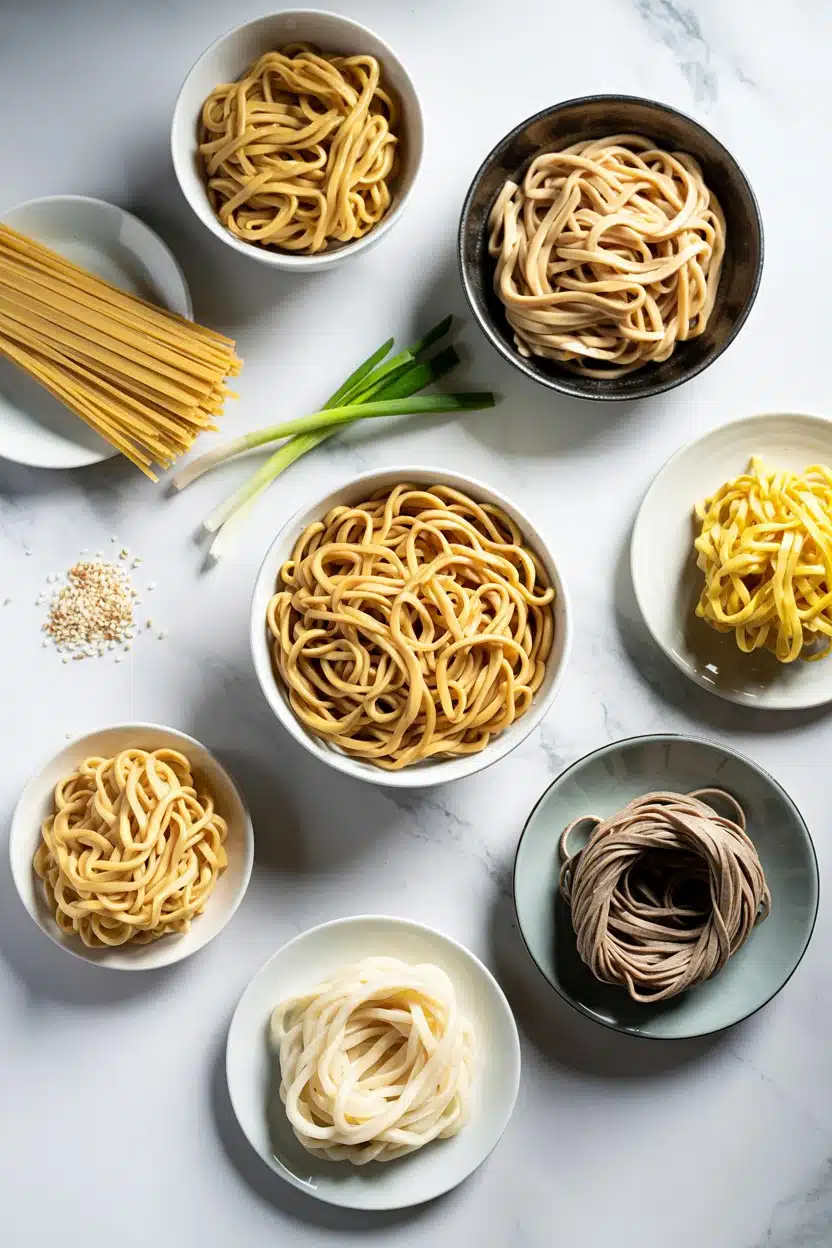
🌾Closest texture match: Barley absorbs liquid and softens like oats with a nutty flavor.
⚖️Ratio + tweak: Swap 1:1; add a bit more liquid for quinoa flakes' faster cooking.
⚠️Watch out: Chia seeds gel and bind but don't replicate oatmeal's chewiness.

The right substitute depends on whether you need structure, texture, or both. Some swaps absorb moisture the same way; others add chew or crunch instead. Match the function first, then adjust ratios as needed.

Quick Substitute Reference
#SubstituteBest ForRatioKey Note
1 Rolled Barley ✨ Both 1:1 Chewier with earthy notes
2 Quinoa Flakes 🥧 Baking 1:1 Gluten-free, softer texture
3 Chia Seeds 🥧 Baking 1 tablespoon + 3 tablespoon water per ¼ cup Gel-like binding action
4 Ground Flaxseed 🥧 Baking 1:1 Adds fiber and nutty flavor
5 Crushed Cornflakes 🥧 Baking 1:1 Crunch only, won't absorb
6 Crushed Almonds 🥧 Baking 1:1 Rich crunch, nut allergy risk
7 Buckwheat Groats ✨ Both 1:1 Earthy, gluten-free porridge

7 Oatmeal Swaps That Keep Flavor Balanced

These substitutes range from near-identical grain swaps to binding alternatives that work differently. Some mimic oatmeal's texture; others replace its structural role without the same chew.

1 - Barley

Rolled barley absorbs liquid and softens just like oats, making it the closest texture match for porridge and baked goods. The flavor runs earthier with a slightly nuttier finish.

Expect more chew in cookies and bars. That denser bite works well in hearty recipes but may feel heavier in delicate baked goods.

Quick specs:

  • Use equal volume - No ratio adjustments needed.
  • Cook time stays the same - Barley softens at a similar rate in hot liquid.

If you're also out of barley, tested Barley replacements covers grains with similar absorption.

Skip if: You need a gluten-free recipe.

Rolled Barley

Works for: Porridge, cookies, muffins, granola bars

Skip if: Gluten-free diet required

Quinoa Flakes

Works for: Gluten-free baking, breakfast bowls

Skip if: You want oat-like chew

2 - Quinoa Flakes

Quinoa flakes cook faster than oats and turn softer, which works well in breakfast cereals and gluten-free muffins. The flavor is mildly nutty without the toasted grain taste oats provide.

Baked goods may spread slightly more since quinoa flakes don't hold structure as firmly. Reduce liquid by a tablespoon if the batter looks too wet.

The essentials:

  • Swap 1:1 by volume - Measure the same as oats.
  • Watch for spreading - Cookies flatten more than with oats.
  • Best for soft textures - Pancakes and quick breads work well.

Don't have quinoa flakes either? Check what to use for Quinoa Flakes for similar gluten-free grains.

Skip if: You want crisp edges on cookies or bars.

3 - Chia Seeds

Chia seeds don't mimic oatmeal's texture but replace its binding function completely. When soaked, they form a gel that holds batters together the same way oats do.

Golden Rule
Mix 1 tablespoon chia seeds with 3 tablespoons water per ¼ cup oatmeal. Let it gel for 5 minutes before adding to the batter.

The finished texture runs denser and slightly pudding-like. This works in energy balls and no-bake bars but changes the crumb in muffins.

Key details:

  • Pre-soak required - Dry chia won't bind properly.
  • Adds moisture - Reduce other liquids slightly.
  • Visible specks - The seeds stay visible in light-colored batters.
  • Neutral flavor - Won't change the taste noticeably.

Missing chia seeds as well? See tested Chia Seeds replacements for other gel-forming options.

Skip if: You want a light, fluffy crumb.

4 - Flaxseed

Ground flaxseed binds and adds fiber like oats, with a warm, nutty flavor that works in cookies, muffins, and pancakes. The texture stays moist rather than chewy.

Use it in recipes where oatmeal adds body without being the star. The flavor comes through more than chia, so pair it with chocolate, banana, or warm spices.

No ground flaxseed on hand? Check quick Ground Flaxseed replacements to try for similar binding swaps.

Skip if: You want a mild, neutral base.

UseRatioNotes
Cookies1:1Denser, chewier texture
Muffins1:1Adds moisture, nutty flavor
Smoothies1:1Thickens without changing taste much

5 - Cornflakes

Crushed cornflakes add crunch but won't absorb liquid or bind a batter. Use them where oatmeal provides texture on top rather than structure inside.

They work as a topping for fruit crisps or a coating for baked chicken. Inside cookies or bars, they stay crunchy instead of softening.

Skip if: The recipe needs oatmeal to hold moisture or bind ingredients together.

Shortcut
Pulse cornflakes briefly in a food processor for a finer crumb that blends better into batters.

6 - Almonds

Crushed almonds add richness and crunch where oatmeal provides texture. The flavor runs more pronounced, so they work best in recipes that welcome a nutty taste.

Use them in crumble toppings, granola, or cookies where you want visible nut pieces. Pulse to a coarse meal for better blending into batters.

What to expect:

  • Same volume swap - Measure equal to oats called for.
  • Higher fat content - May brown faster in the oven.
  • Won't absorb moisture - Texture stays crunchy.
  • Rich flavor - Pairs well with chocolate and dried fruit.

If almonds aren't an option either, instead of Almonds try these for other nut-based swaps.

Skip if: Nut allergies are a concern.

7 - Buckwheat

Buckwheat groats make a hearty porridge with more chew than oatmeal and a robust, earthy flavor. Despite the name, buckwheat contains no gluten.

The taste is stronger than oats-almost grassy. It works in savory breakfast bowls or paired with honey and fruit to balance the earthiness.

Watch Out
Buckwheat cooks slightly faster than steel-cut oats. Start checking at 10 minutes to avoid mushiness.

Skip if: You want a mild, neutral base for sweet toppings.

Final Thoughts on Swapping Oatmeal

The best substitute depends on what oatmeal does in your recipe. For porridge and baking where chew matters, rolled barley comes closest.

For binding without the texture, chia or flax fills the role differently but reliably. Test with a small batch first-most swaps need minor tweaks to liquid or timing.

  • Closest match - Rolled barley for similar chew and absorption
  • Easiest grab - Crushed cornflakes for quick texture swaps
  • Dietary option - Quinoa flakes or buckwheat for gluten-free needs

Frequently Asked Questions

Can I use any of these substitutes in overnight oats?

Quinoa flakes and chia seeds work well since they soften in liquid overnight. Rolled barley needs cooking first, and cornflakes turn soggy.

Will these substitutes change the taste of my cookies?

Yes, slightly. Barley adds earthiness, flax brings nuttiness, and almonds make the flavor richer. Quinoa flakes and chia stay fairly neutral.

Which substitute works best for meatloaf or meatballs?

Ground flaxseed or crushed cornflakes both work. Flax adds binding and moisture; cornflakes keep things lighter but won't hold as firmly.

Do I need to adjust baking time with these swaps?

Usually not by much. Chia and flax hold moisture longer, so check a minute or two earlier. Almonds may brown faster due to higher fat.

Are any of these substitutes lower in carbs than oatmeal?

Chia seeds, ground flaxseed, and crushed almonds are all lower in carbs. They work well for keto-friendly baking when you need binding without the starch.

7 Best Substitutes for Oatmeal in Vegan Baking

7 Best Substitutes for Oatmeal

No ratings yet
This guide helps you choose the right substitute for oatmeal based on whether you need structure, texture, or both. Each alternative comes with ratio guidelines and usage tips for baking and porridge.
Print Recipe Pin Recipe
Prep Time 10 minutes mins
Cook Time 8 minutes mins
Total Time 18 minutes mins
Servings: 6 servings
Course: Baking, Breakfast
Cuisine: Gluten-Free Options
Ingredients Method Notes

Ingredients
  

  • 1 cup Rolled Barley Chewier texture with earthy notes, use equal volume as oats, cooks at similar rate. Skip if gluten-free needed.
  • 1 cup Quinoa Flakes Gluten-free softer texture, 1:1 volume swap. Cookies may spread more; best for soft baked goods. Skip if oat-like chew is desired.
  • Chia Seeds Mix 1 tablespoon chia seeds with 3 tablespoon water per ¼ cup oatmeal. Let gel 5 minutes before use. Adds gel-like binding and moisture.
  • 1 cup Ground Flaxseed 1:1 volume swap, adds fiber and nutty flavor. Use in recipes where moisture and binding is needed. Skip if mild flavor preferred.
  • 1 cup Crushed Cornflakes Adds crunch but won't absorb moisture or bind. Use for texture only, like toppings or coatings. Pulse to finer crumb for batter.
  • 1 cup Crushed Almonds Rich crunch and nutty flavor, same volume swap. Won't absorb moisture; higher fat may brown faster. Skip if nut allergies present.
  • 1 cup Buckwheat Groats Earthy gluten-free porridge grain. 1:1 volume swap. Cooks faster than steel-cut oats; watch to avoid mushiness. Stronger taste than oats.

Method
 

  1. Choose your substitute based on recipe needs: structure, texture, or both.
  2. For grain substitutes like rolled barley, quinoa flakes, and buckwheat, use equal volume by cup measure as oats.
  3. For chia seeds, mix 1 tablespoon with 3 tablespoons of water per ¼ cup oatmeal and let sit for 5 minutes to form a gel before adding to your batter.
  4. Ground flaxseed can be used 1:1 for moisture and binding, adding a nutty flavor.
  5. Crushed cornflakes and almonds add crunch without moisture absorption; pulse cornflakes to a finer texture if blending into batter.
  6. Adjust liquids slightly if batter looks too wet, especially with quinoa flakes or gel-forming substitutes like chia.
  7. Check texture and taste after baking or cooking; adjust timing slightly as needed for substitutes that cook faster or hold more moisture.

Notes

Pre-soak chia seeds before adding to prevent batter not binding properly.

Tried this recipe?

Let us know how it was!

7 Best Substitutes for Millet in Gluten-Free Cooking

April 28, 2026

You're doubling the batch and there's not enough millet to cover it. Millet brings a light, fluffy texture and mild, slightly sweet flavor to grain bowls, porridges, and pilafs.

7 Best Substitutes for Millet in Gluten-Free Cooking
millet-substitutes
QUICK SUMMARY

Quinoa and couscous are top substitutes, focusing on texture and cooking time. Prioritize matching how the grain absorbs liquid and adjust water accordingly. For quicker meals, couscous offers speed, while quinoa provides a similar fluffy feel with a nuttier taste.

🌾Closest texture: Quinoa fluffs like millet and cooks in similar time.
⚖️Ratio + fix: Swap 1:1; add extra water for couscous to soften fully.
🔥Watch out: Amaranth cooks sticky, not ideal for fluffy pilafs.

The right substitute depends on texture and how the grain absorbs liquid-not just flavor. Some swaps cook faster; others need more water. Match the cooking method first, then adjust from there.

Quick Substitute Reference
#SubstituteBest ForRatioKey Note
1 Quinoa 🍳 Cooking 1:1 Nuttier and earthier
2 Couscous 🍳 Cooking 1:1 Contains gluten
3 Amaranth ✨ Both 1:1 Stickier texture
4 Bulgur Wheat 🍳 Cooking 1:1 Contains gluten
5 Brown Rice 🍳 Cooking 1:1 Larger grain size
6 Teff ✨ Both 1:1 Slight molasses note
7 Polenta ✨ Both 1:1 Coarser, corn flavor

7 Simple Millet Swaps to Save Time

These options range from nearly identical textures to grains with distinct personalities. Pick based on what you're making and whether gluten matters.

1 - Quinoa

Quinoa cooks in about the same time as millet and fluffs up similarly. The flavor runs earthier and more pronounced, which works well in grain bowls but may stand out in milder dishes.

Use a 1:1 ratio and rinse quinoa before cooking to remove any bitter coating. The protein content is higher, making this a solid nutritional upgrade.

If you're short on quinoa too, quick Quinoa replacements to try covers grains with similar texture.

Skip if: you need a completely neutral backdrop for delicate flavors.

QUINOA

Works for: Grain bowls, salads, pilafs

Skip if: Mild flavor is essential

MILLET

Works for: Porridge, flatbreads, light sides

Skip if: You want more protein

2 - Couscous

Couscous cooks in under ten minutes-just pour boiling water over it and cover. The texture is softer and less distinct than millet's fluffy grains, but it absorbs dressings and sauces beautifully.

Swap at a 1:1 ratio. The mild, slightly sweet flavor blends into almost anything without competing. This is technically pasta, not a whole grain, so the nutrition profile differs.

Don't have couscous either? The page on Couscous swaps for recipes lists quick-cooking alternatives.

Skip if: gluten is a concern.

3 - Amaranth

Amaranth shares millet's tiny grain size but cooks up stickier. That texture works for porridges and binding baked goods, less so for fluffy pilafs where you want separation.

Here's what to know:

  • Use a 1:1 ratio with slightly less water to reduce stickiness.
  • Toast the grains dry for 2 minutes before adding liquid-brings out the nutty flavor.
  • Expect a denser result in any recipe calling for light, fluffy millet.

No amaranth in the pantry either? Check Amaranth alternatives worth trying for similar small grains.

Watch Out
Amaranth absorbs liquid fast. Add water gradually and check texture at the 15-minute mark.

4 - Bulgur Wheat

Bulgur brings a chewy, hearty texture that holds up in tabbouleh, pilafs, and stuffed vegetables. The earthy flavor is more assertive than millet's subtle sweetness.

This grain is pre-cooked, so it rehydrates quickly. Pour boiling water over fine bulgur and let it sit covered for 15 minutes. Coarse bulgur needs a brief simmer.

The essentials:

  • Swap 1:1 by volume.
  • Drain any excess liquid after soaking-bulgur can turn mushy if it sits too long.
  • Season aggressively; the wheaty flavor can absorb a lot of herbs and acid.
  • Works best in cold salads where chewy texture is a feature, not a flaw.

Skip if: you're cooking gluten-free.

5 - Brown Rice

Brown rice matches millet's mild, slightly nutty flavor profile. The grains are larger and take longer to cook-about 40 minutes versus millet's 20.

Account for the timing difference when planning. The texture is chewier with more bite, which pairs well with stir-fries and grain bowls.

If you're also out of brown rice, replacements similar to Brown Rice covers whole grains with comparable cooking behavior.

Shortcut
Use instant brown rice to match millet's quick cook time. Texture won't be identical, but it's close enough for weeknight meals.

6 - Teff

Teff is the tiniest grain on this list-even smaller than millet. It cooks into a creamy, porridge-like consistency that works for breakfast bowls and injera-style flatbreads.

The flavor carries a subtle molasses sweetness. Reduce liquid slightly to keep it from turning too soft.

Key details:

  • Swap 1:1 but watch the pot-teff absorbs liquid quickly.
  • Stir frequently to prevent sticking.
  • Toast dry for a minute before adding water to deepen the nutty notes.
  • Best for creamy applications, not fluffy grain salads.

Missing teff as well? The list of quick Teff Flour replacements to try includes whole grain and flour options.

Skip if: you want distinct, separate grains.

7 - Polenta

Polenta delivers a completely different texture-creamy and smooth when cooked, firm when cooled. The sweet corn flavor is more pronounced than millet's neutral taste.

Use instant polenta for speed or traditional cornmeal for better texture. Stir constantly to avoid lumps.

No polenta on hand either? The guide to Polenta substitutes for cooking covers cornmeal varieties and alternatives.

UseRatioNotes
Creamy side dish1:1Cook soft, serve immediately
Firm slices for grilling1:1Spread in pan, chill, then slice
Baked goods1:1Adds corn sweetness and grit

Skip if: you need fluffy, separate grains.

How to Choose a Millet Substitute

Start with the closest texture match. Quinoa and amaranth come nearest to millet's small-grain feel, though amaranth runs stickier.

For gluten-free cooking, stick to quinoa, amaranth, brown rice, teff, or polenta. Couscous and bulgur contain wheat.

  • Closest match - Quinoa for similar size and cook time
  • Easiest grab - Couscous for speed and availability
  • Gluten-free option - Amaranth for small-grain texture without wheat

Frequently Asked Questions

What is the best gluten-free substitute for millet?

Quinoa works best for most recipes. It cooks similarly and has a comparable texture, though the flavor is slightly earthier.

Can I substitute couscous for millet in a grain bowl?

Yes, couscous works well in grain bowls. Keep in mind it contains gluten and has a softer texture than millet.

Do millet substitutes need different cooking times?

Most do. Quinoa and teff cook in about 15-20 minutes like millet. Brown rice takes 40 minutes. Couscous needs only 5-10 minutes.

Which substitute works best for millet porridge?

Amaranth or teff create the creamiest porridge. Both cook down into a soft, slightly sticky consistency similar to millet porridge.

Will these substitutes change the flavor of my recipe?

Slightly. Quinoa and amaranth taste nuttier. Polenta adds corn sweetness. Couscous and brown rice stay fairly neutral like millet.

7 Best Substitutes for Millet in Gluten-Free Cooking

7 Best Substitutes for Millet

No ratings yet
Millet adds a light, fluffy texture and mild sweetness to dishes. These seven substitutes vary in texture, cooking time, and gluten content. Choose based on cooking method, recipe type, and dietary needs.
Print Recipe Pin Recipe
Prep Time 7 minutes mins
Cook Time 10 minutes mins
Total Time 17 minutes mins
Servings: 4 servings
Course: Grains, Substitutes
Cuisine: Global
Ingredients Method Notes

Ingredients
  

  • 1 Quinoa Use 1:1 ratio; rinse before cooking to remove bitterness. Nutty, earthier flavor; best for grain bowls and salads.
  • 1 Couscous Use 1:1 ratio; quick-cooking, softer texture; contains gluten; great for quick soaking and absorbing dressings.
  • 1 Amaranth Use 1:1 ratio; toast dry 2 minutes; use slightly less water for less sticky texture; good for porridges and binding.
  • 1 Bulgur Wheat Use 1:1 ratio; soak fine bulgur 15 mins and drain excess; contains gluten and has a chewy texture.
  • 1 Brown Rice Use 1:1 ratio; longer cook time (about 40 mins); chewier texture; instant brown rice shortens cook time.
  • 1 Teff Use 1:1 ratio; toast dry 1 minute; stir frequently; reduces liquid slightly to prevent too soft porridge.
  • 1 Polenta Use 1:1 ratio; stir constantly to avoid lumps; creamy texture; adds corn sweetness and grit.

Method
 

  1. Choose the substitute based on your recipe: quinoa or amaranth for small grains, couscous or bulgur if gluten is not a concern, brown rice for chewier texture, teff or polenta for creamy dishes.
  2. Prep grains as needed: rinse quinoa, soak bulgur and drain excess, toast amaranth and teff before cooking, or pour boiling water over couscous.
  3. Use a 1:1 substitution ratio for all millet substitutes unless otherwise noted.
  4. Adjust water when cooking amaranth or teff to prevent excessive stickiness or softness.
  5. Cook according to the substitute's typical method and timing, monitoring texture and flavor during cooking.
  6. Taste-test the dish before serving to ensure flavor balance and desired consistency.

Notes

Drain soaked bulgur before use to avoid mushy texture in your dish.

Tried this recipe?

Let us know how it was!

7 Best Substitutes for Lo Mein Noodle for Stir-Fries & Asian Dishes

April 28, 2026

You measured out what you need for tonight's lo mein and the package is almost empty. Those soft, chewy wheat noodles carry sauce and hold up to high-heat stir-frying without turning mushy.

7 Best Substitutes for Lo Mein Noodle for Stir-Fries & Asian Dishes
lo-mein-noodle-substitutes
QUICK SUMMARY

Spaghetti and Udon are top substitutes to consider, focusing on texture first. Spaghetti offers firmness while udon delivers chewiness. Adjust cooking times and sauce absorption accordingly for best results in stir-fries.

🍝Closest texture: Spaghetti holds up well with a firmer bite than lo mein.
⚖️Ratio + fix: Swap 1:1; reduce cooking time slightly for thinner noodles.
🔥Watch heat: Rice vermicelli can become mushy if overcooked in stir-fries.

The right swap depends on whether you need that same chew or just a noodle that won't fall apart in the wok. Some alternatives match the texture closely, while others bring their own character to the dish.

Quick Substitute Reference
#SubstituteBest ForRatioKey Note
1 Thin Spaghetti 🍳 Cooking 1:1 Firmer bite, milder wheat flavor
2 Udon Noodles 🍳 Cooking 1:1 Thicker and chewier
3 Rice Vermicelli 🍳 Cooking 1:1 Softer, more delicate
4 Soba Noodles 🍳 Cooking 1:1 Earthy buckwheat flavor
5 Angel Hair Pasta 🍳 Cooking 1:1 Fine texture, cooks fast
6 Egg Noodles 🍳 Cooking 1:1 Richer, slightly eggy
7 Shirataki Noodles 🌱 Low-Carb 1:1 Rinse well before using

7 Easy Lo Mein Noodle Swaps for Cooking

Some swaps stay close, while others require small adjustments. The best pick depends on what's in your pantry and whether texture or flavor matters more for your dish.

1 - Spaghetti

Thin spaghetti sits in most pantries and holds up well to stir-fry heat. The texture runs firmer than lo mein, with less of that springy chew.

Cook it one minute shy of the package time so it doesn't turn soft when you toss it in the wok. The milder wheat flavor lets sauces shine without competing.

If you're also out of spaghetti, Spaghetti Squash substitutes for bulk covers options for filling out the dish.

Skip if: you need that authentic bouncy texture.

Thin Spaghetti

Works for: Quick weeknight stir-fries with heavy sauce

Skip if: Authentic Asian noodle texture matters

Lo Mein Noodles

Works for: Traditional dishes needing springy chew

Skip if: You only have dried Italian pasta

2 - Udon

Udon brings serious chew. These thick Japanese noodles absorb sauce differently, soaking it up rather than coating the surface.

The essentials:

  • Rinse frozen or vacuum-packed udon under warm water to loosen strands
  • Reduce stir-fry time since they're already cooked
  • Cut cook time if using dried udon-they firm up fast

The neutral flavor works with any sauce profile. Expect a heartier bowl than lo mein delivers.

Don't have udon either? Check swaps when Udon Noodles runs out for similar thick noodle picks.

Skip if: you want thin, delicate strands.

3 - Rice Vermicelli

Rice vermicelli swaps wheat for rice, giving you a lighter, more delicate noodle. The texture runs softer with a slight snap when cooked right.

Soak in warm water for 5-8 minutes instead of boiling. They'll finish cooking in the wok. Sauce clings well to the thin strands.

Key details:

  • Drain thoroughly-excess water makes the dish soggy
  • Add to the wok last to prevent overcooking

Missing vermicelli as well? See Vermicelli swaps by recipe type for texture-matched options.

Skip if: you prefer wheat-based chewy noodles.

Shortcut
Rice vermicelli needs no boiling-just soak in hot water while you prep everything else.

4 - Soba

Soba noodles bring an earthy, nutty flavor from buckwheat flour. That taste stands out, making this swap better for dishes where you want the noodle to add character.

What to expect:

  • Rinse under cold water after boiling to stop cooking and remove starch
  • Toss with a drop of oil to prevent clumping
  • Works best with lighter sauces that won't mask the buckwheat
  • The color runs darker than lo mein

Use the same 1:1 volume ratio. The noodles hold their shape well in stir-fries.

If soba isn't in the pantry either, what to use for Soba Noodles has similar grain-based alternatives.

Skip if: you want a neutral noodle that disappears into the sauce.

5 - Angel Hair

Angel hair cooks in about three minutes, making it the fastest swap on this list. The ultra-thin strands coat beautifully with sauce.

Here's what to know:

  • Watch the pot-overcooking turns it to mush in seconds
  • Drain when still slightly firm
  • Toss immediately in a hot wok with sauce
  • Works best with lighter, oil-based sauces

The delicate texture won't give you lo mein's chew. But for a quick weeknight stir-fry, it gets the job done.

Watch Out
Angel hair overcooks fast. Pull it from the water 30 seconds before you think it's ready.

Skip if: you need noodles that hold up to heavy tossing.

6 - Egg Noodles

Egg noodles come closest to lo mein's DNA. Both contain egg and wheat, giving you similar richness and chew.

The flavor runs slightly eggier, which works well in dishes with garlic, ginger, and soy. Use wide egg noodles for the best texture match.

If you're out of egg noodles too, Egg Noodle alternatives worth trying covers wheat-based backups with similar body.

Skip if: you want a lighter noodle without the richness.

UseRatioNotes
Stir-fry with heavy sauce1:1Wide egg noodles hold up best
Soup base1:1Fine egg noodles work well
Cold noodle salad1:1Rinse and chill after cooking

7 - Shirataki

Shirataki noodles contain almost no carbs, making them the go-to for keto or low-carb versions. Made from konjac root, they have a gelatinous texture that's nothing like wheat noodles.

Rinse them well-straight from the package, they have a mild odor. Dry-fry in a hot pan for two minutes to remove excess moisture and improve texture.

Quick specs:

  • Won't absorb sauce the same way wheat noodles do
  • The chew is bouncy, almost rubbery

The flavor stays neutral. Sauce does the heavy lifting here.

Skip if: you want anything close to traditional noodle texture.

Golden Rule
Always dry-fry shirataki after rinsing. Skipping this step leaves them watery and slippery.

Before You Swap Lo Mein Noodle

Most of these swaps work without overhauling your recipe. The closest match is egg noodles or thin spaghetti-both handle high heat and sauce well. For low-carb needs, shirataki gets the job done with some texture trade-offs.

  • Closest match - Egg noodles for similar richness and chew
  • Easiest grab - Thin spaghetti from the pantry
  • Dietary option - Shirataki for low-carb stir-fries

Frequently Asked Questions

Can I use regular spaghetti instead of lo mein noodles?

Yes. Cook it one minute less than the package suggests so it stays firm during stir-frying. The texture runs slightly stiffer than lo mein but works well with sauce.

What's the difference between lo mein and udon noodles?

Lo mein noodles are thinner with a springy chew, while udon runs thicker and chewier. Udon absorbs more sauce and gives you a heartier dish.

Do I need to boil rice vermicelli before stir-frying?

No boiling needed. Soak rice vermicelli in warm water for 5-8 minutes until pliable, then add directly to the wok. They'll finish cooking in the heat.

Are egg noodles the same as lo mein noodles?

They're very similar. Both contain wheat and egg, giving comparable texture and richness. Wide egg noodles make the closest substitute in stir-fries.

Why do my shirataki noodles taste rubbery?

Shirataki has a naturally bouncy texture that differs from wheat noodles. Dry-frying them in a hot pan for two minutes after rinsing removes moisture and improves the bite.

7 Best Substitutes for Lo Mein Noodle for Stir-Fries & Asian Dishes

7 Best Substitutes for Lo Mein Noodle

No ratings yet
This guide lists seven noodle alternatives for lo mein with details on texture, cooking tips, and best uses, helping you pick a suitable substitute based on pantry availability and dish needs.
Print Recipe Pin Recipe
Prep Time 7 minutes mins
Cook Time 8 minutes mins
Total Time 15 minutes mins
Servings: 4 servings
Course: Cooking
Cuisine: Asian-Inspired
Ingredients Method Notes

Ingredients
  

  • 1 to Thin Spaghetti Use 1:1 ratio. Cook one minute less than package to keep firm for stir-frying.
  • 1 to Udon Noodles Use 1:1 ratio. Rinse frozen types under warm water; reduce stir-fry time, especially if precooked.
  • 1 to Rice Vermicelli Use 1:1 ratio. Soak in warm water 5-8 minutes; drain thoroughly to prevent sogginess; add last to wok.
  • 1 to Soba Noodles Use 1:1 ratio. Rinse after boiling to remove starch; toss with oil to prevent clumping.
  • 1 to Angel Hair Pasta Use 1:1 ratio. Cook very briefly and drain when slightly firm to avoid mush.
  • 1 to Egg Noodles Use 1:1 ratio. Wide noodles hold best in stir-fries for richness and chew.
  • 1 to Shirataki Noodles Use 1:1 ratio. Rinse well and dry-fry for two minutes to improve texture and remove odor.

Method
 

  1. Choose your substitute based on dish needs: thin spaghetti for firm texture, udon for chewiness, rice vermicelli for delicate texture, soba for earthy flavor, angel hair for quick cooking, egg noodles for richness, or shirataki for low-carb.
  2. Prepare substitutes as needed: rinse frozen udon, soak rice vermicelli in warm water, rinse soba after boiling, cook angel hair briefly, dry-fry shirataki after rinsing.
  3. Use the substitute at a 1:1 volume ratio to replace lo mein noodles.
  4. Adjust cooking times: cook spaghetti one minute less than recommended; reduce stir-fry time for pre-cooked udon; soak rice vermicelli instead of boiling; watch angel hair closely to avoid overcooking.
  5. Add noodles to the wok or dish carefully to maintain texture: add rice vermicelli last; toss soba with a little oil; toss angel hair immediately in hot wok.
  6. Taste and check noodle texture and sauce consistency during cooking to ensure the swap fits your dish.

Notes

Drain rice vermicelli thoroughly to avoid watery stir-fries that spoil texture.

Tried this recipe?

Let us know how it was!

7 Best Substitutes for Lasagna Noodle in Italian Pasta Bakes

April 28, 2026

You're counting on lasagna noodles for the flavor and structure of tonight's dinner, so the swap has to land close. These wide, flat sheets do more than hold sauce-they create distinct layers and provide that satisfying chew between bites.

7 Best Substitutes for Lasagna Noodle in Italian Pasta Bakes
QUICK SUMMARY

Zucchini and eggplant offer great texture and flavor balance for lasagna layers. Prioritize texture first to keep structure intact. No-boil sheets save time by hydrating during baking. Slice vegetables thinly for even cooking and layering.

🥒Closest match: Zucchini provides tender, low-carb layers that hold sauce well.
⚖️Ratio + fix: Swap 1:1; slice vegetables thinly to ensure even baking.
🔥Watch heat: Eggplant can become soggy if not sliced thick enough or salted before baking.

P>The right substitute depends on whether you need traditional pasta texture or you're open to a lighter, grain-free approach. Some swaps work seamlessly. Others change the dish entirely.

Quick Substitute Reference
#SubstituteBest ForRatioKey Note
1 Zucchini Slices 🍳 Cooking Equal volume Releases moisture; salt and drain first
2 Eggplant Slices 🍳 Cooking Equal volume Pre-roast to remove bitterness
3 No-Boil Sheets 🍳 Cooking 1:1 Needs extra sauce for hydration
4 Fresh Pasta 🍳 Cooking 1:1 Cooks faster; reduce bake time
5 Manicotti 🍳 Cooking Same volume Different shape; similar wheat flavor
6 Stuffed Crepes 🍳 Cooking 1:1 per layer Delicate; best for lighter dishes
7 Polenta Sheets 🌱 Gluten-Free Equal volume Corn flavor; firmer texture

7 Top Lasagna Noodle Alternatives That Hold Up

These options range from vegetable-based swaps to different pasta formats. The closest matches come first, with bolder alternatives toward the end.

1 - Zucchini

Thinly sliced zucchini creates layers that hold sauce without the carbs. The texture softens during baking, giving you tender sheets between fillings.

The main challenge is moisture. Zucchini releases water as it cooks, which can make your lasagna soggy if you skip the prep.

Here's what to know:

  • Salt slices and let them drain 20 minutes before layering.
  • Pat completely dry with paper towels for crispier results.

If you're also out of zucchini, Zucchini alternatives to try covers similar vegetable options for layered dishes.

Skip if: you want that traditional chewy pasta bite.

ZUCCHINI SLICES

Works for: Low-carb diets, lighter summer lasagnas

Skip if: You need firm layers that hold structure

EGGPLANT SLICES

Works for: Hearty vegetable lasagnas, Mediterranean flavors

Skip if: You dislike earthy or slightly bitter notes

2 - Eggplant

Eggplant slices bring meatier texture than zucchini. They hold up better under heavy sauces and rich cheese layers.

The flavor runs earthier with slight bitterness. Pre-roasting solves both issues-it removes excess moisture and mellows the taste. Slice about ¼-inch thick for best results.

Don't have eggplant either? Check quick Eggplant replacements to try for similar hearty vegetable swaps.

Skip if: you want neutral-tasting layers that let the sauce shine.

3 - No-Boil Sheets

No-boil lasagna sheets skip the pot of boiling water entirely. They hydrate during baking, absorbing liquid from your sauce.

The texture differs slightly. These sheets stay firmer with less chew than traditional boiled noodles. They work well when you're short on time.

Shortcut
Add ½ cup extra sauce per layer-no-boil sheets need that moisture to cook through properly.

Quick specs:

  • Use 1:1 replacement by sheet count.
  • Ensure sauce reaches every edge for even cooking.
  • Cover tightly with foil for the first 40 minutes.
  • Check center doneness before serving.

Skip if: your recipe relies on that springy, al dente texture.

4 - Fresh Pasta

Fresh pasta sheets cook faster and turn out more tender than dried. They practically melt into each layer.

The trade-off is structure. You lose that firm bite, but you gain silkier texture throughout. Reduce baking time by 10-15 minutes to prevent mushiness.

The essentials:

  • Use 1:1 sheet substitution without pre-cooking.
  • Layer quickly-fresh pasta dries out fast.

Skip if: you prefer distinct, chewy noodle layers.

5 - Manicotti

Manicotti tubes give you the same wheat pasta flavor in a different package. Slice them open lengthwise and lay flat for makeshift sheets.

The shape change means thicker spots where tubes overlap. Your layers won't be perfectly even, but the taste stays familiar.

Golden Rule
Cook manicotti just until pliable before slicing-overcooked tubes tear when you try to flatten them.

Key details:

  • Use same pasta volume as noodles called for.
  • Overlap edges slightly to cover gaps.
  • Press gently to create flatter layers.
  • Expect slightly thicker pasta sections.

Skip if: even, uniform layers matter for your presentation.

UseRatioNotes
Quick weeknight lasagnaNo-boil 1:1Add extra sauce; cover while baking
Low-carb versionZucchini equal volumeSalt and drain 20 min first
Gluten-free optionPolenta equal volumeExpect corn flavor; firmer bite

6 - Stuffed Crepes

Crepes create delicate, almost French-style lasagna layers. They're thinner than any pasta option.

The eggy flavor comes through, especially with lighter sauces. This works beautifully for white sauce lasagnas or seafood fillings. Heavy meat sauces overpower the crepes.

Use one crepe per traditional noodle layer. They tear easily, so handle gently and work quickly.

Skip if: you're making a hearty, traditional red sauce lasagna.

Watch Out
Crepes absorb sauce quickly-add more than you think you need, or layers dry out during baking.

7 - Polenta Sheets

Polenta offers a completely different experience. The corn flavor stands out, and the texture runs firmer and grainier than wheat pasta.

This swap works best when you embrace the difference rather than fight it. Italian-style polenta lasagna is its own dish worth trying.

What to expect:

  • Cut chilled polenta into ¼-inch sheets.
  • Brush with oil to prevent sticking.

Missing polenta too? See Polenta swaps that match for corn-based alternatives with similar texture.

Skip if: you need that classic wheat pasta taste and chew.

Making Lasagna Noodle Substitutes Work

Most of these swaps require small adjustments, but none will ruin your dinner. Start with no-boil sheets if you want the closest match to traditional lasagna.

For low-carb versions, zucchini edges out eggplant for milder flavor. Polenta takes you in a completely different direction-delicious, but noticeably different.

  • Closest match - No-boil sheets need only extra sauce
  • Easiest grab - Fresh pasta works without pre-cooking
  • Dietary option - Zucchini keeps it grain-free and light

Frequently Asked Questions

Can I use regular pasta sheets instead of lasagna noodles?

Yes, fresh pasta sheets work as a direct 1:1 swap. They cook faster, so reduce baking time by 10-15 minutes and check for doneness earlier.

Why does my zucchini lasagna turn out watery?

Zucchini releases moisture during baking. Salt the slices, let them sit 20 minutes, then pat completely dry before layering to prevent soggy results.

Do no-boil lasagna noodles taste the same as regular?

The flavor is similar, but texture differs slightly. No-boil sheets stay firmer with less chew than boiled noodles, though most people barely notice the difference.

What's the best gluten-free lasagna noodle substitute?

Polenta sheets or thinly sliced zucchini work well for gluten-free lasagna. Polenta adds corn flavor while zucchini keeps things lighter and vegetable-forward.

How do I keep eggplant slices from getting bitter in lasagna?

Pre-roast eggplant slices at 400°F for 15 minutes before layering. This removes excess moisture, mellows bitterness, and gives you better texture in the finished dish.

7 Best Substitutes for Lasagna Noodle in Italian Pasta Bakes

7 Best Substitutes for Lasagna Noodle

No ratings yet
Explore seven practical substitutes for lasagna noodles with details on usage, ratios, and how to handle each replacement. Includes vegetable options and alternative pasta forms for tailored textures and diets.
Print Recipe Pin Recipe
Prep Time 7 minutes mins
Cook Time 10 minutes mins
Total Time 17 minutes mins
Servings: 4 servings
Course: Dinner
Cuisine: Italian-Inspired
Ingredients Method Notes

Ingredients
  

  • Zucchini Slices Use equal volume; releases moisture so salt and drain slices before layering
  • Eggplant Slices Use equal volume; pre-roast 15 minutes at 400°F to remove bitterness and excess moisture
  • 1 to 1 Use 1:1 sheet substitution; add ½ cup extra sauce per layer for hydration
  • 1 to 1 Use 1:1 fresh pasta sheets without pre-cooking; reduce bake time by 10-15 minutes
  • Manicotti Use same volume as noodles; slice open lengthwise and press flat to form layers
  • 1 to 1 per layer Use one stuffed crepe per noodle layer; handle delicately as crepes tear easily
  • Polenta Sheets Use equal volume; cut chilled sheets ¼-inch thick and brush with oil to prevent sticking

Method
 

  1. Choose a substitute based on your preference for traditional pasta texture or a lighter, grain-free option.
  2. For vegetable slices (zucchini, eggplant), prep by slicing thin, salting (for zucchini), and draining or pre-roasting (for eggplant) to manage moisture.
  3. For no-boil and fresh pasta sheets, use a 1:1 replacement ratio; add extra sauce with no-boil sheets and reduce bake time with fresh pasta.
  4. Prepare manicotti by cooking until pliable, slicing open, and pressing flat; use same volume as noodles with slight edge overlap.
  5. Layer stuffed crepes one per noodle layer, handling gently to avoid tearing; add extra sauce to avoid drying out.
  6. For polenta, cut chilled sheets into ¼-inch slices and brush with oil to prevent sticking; use equal volume substitution.
  7. Adjust sauce quantity and baking times based on substitute characteristics to ensure proper hydration and texture.

Notes

Salt and drain zucchini slices before layering to prevent watery lasagna layers.

Tried this recipe?

Let us know how it was!

5 Best Substitutes for Hazelnut in Chocolate Cake

April 27, 2026

You're measuring out hazelnuts for a batch of biscotti and realize you're a quarter-cup short. The jar looks emptier than you thought, and you're mid-recipe with flour already measured.

5 Best Substitutes for Hazelnut in Chocolate Cake
hazelnut-substitutes

Hazelnuts add a sweet, earthy richness and satisfying crunch to baked goods, toppings, and sauces. Most swaps can match the texture, but the distinct roasted-nut flavor is harder to replicate exactly. Pick based on what the recipe needs most: buttery richness, firm bite, or just a crunchy element.

QUICK SUMMARY

Almonds and pecans are the closest swaps for hazelnuts. Both deliver the crunchy texture and rich oil content hazelnuts provide, though almonds taste milder and pecans skew sweeter. For nut-free needs, toasted sunflower seeds work in a pinch but lack the signature richness.

🥜Closest match: Almonds mimic the crunch and richness with a cleaner, less earthy taste
⚖️Core ratio: Use 1:1 by weight or volume for all nut swaps; adjust roasting time
⚠️Common mistake: Skipping the toasting step - most swaps need heat to develop comparable depth

5 Hazelnut Swaps That Keep Flavor Balanced

Each swap below handles the texture role differently, so match the substitute to how the hazelnuts function in your recipe.

Quick Substitute Reference
#SubstituteBest ForRatioKey Note
1 Almond ✨ Both 1:1 Toast to deepen flavor
2 Pecans 🥧 Baking 1:1 Sweeter, softer bite
3 Walnut ✨ Both 1:1 Slight bitterness when roasted
4 Sunflower Seeds 🌱 Vegan 1:1 Nut-free, less oily
5 Toasted Oats 🍳 Cooking 1:1 Grain texture, lacks richness

1 - Almond

Almonds deliver the same crunchy bite and oily richness hazelnuts provide, making them the most reliable all-purpose swap. They taste cleaner and less earthy than hazelnuts, with a mildly sweet finish that works in most baked goods and toppings.

Use almonds 1:1 by volume or weight, and toast them at 350°F for 8-10 minutes to bring out deeper flavor. The swap works best in biscotti, cookies, cakes, and salad toppings where you need texture and richness but the distinct hazelnut flavor isn't critical.

Sliced Almonds

Works for: Quick-toasting toppings, light crunch in granola or yogurt bowls

Skip if: You need chunky pieces for texture contrast

Whole Almonds

Works for: Chopping to match hazelnut size, making pralines or nut butters

Skip if: Recipe calls for finely ground nuts without extra processing

Here's what to know:

  • Blanched almonds taste milder; skin-on almonds add slight bitterness
  • Chop almonds to match the hazelnut size your recipe lists
  • If making nut butter, almonds need longer blending than hazelnuts

If you're out of almonds too, almond swaps for baking covers firmer alternatives.

2 - Pecans

Pecans bring a buttery, sweeter richness that complements desserts and baked goods where a softer texture works. They're slightly less firm than hazelnuts when chopped, with a melt-in-your-mouth quality that suits cookies, brownies, and pie fillings.

Swap pecans 1:1 for hazelnuts and toast them for 6-8 minutes at 325°F to avoid burning the oils. They work well in recipes where sweetness enhances the dish, but their softer texture means they won't hold up as crisply in high-heat applications.

Skip if: You need a firmer crunch or a less sweet nut profile.

Missing pecans as well? Pecan replacements for baking has options with better firmness.

3 - Walnut

Walnuts provide a strong nutty crunch and richness, but their earthier, slightly bitter flavor becomes more pronounced after roasting. They work well in savory applications, hearty baked goods, and dishes where a bolder nut presence enhances the recipe rather than blending into the background.

Use walnuts 1:1 for hazelnuts, but expect a flavor shift. Toast them at 350°F for 7-9 minutes, watching closely to prevent over-browning that intensifies bitterness.

Watch Out
Walnuts turn bitter faster than hazelnuts when overheated - pull them when fragrant, not deeply browned

Key details:

  • Walnuts soften slightly more than hazelnuts during baking
  • Their bitterness pairs well with chocolate, coffee, and caramel

Out of walnut oil too? Swaps for walnut oil offers milder oil picks.

Skip if: You need a sweeter, less assertive nut flavor.

4 - Sunflower Seeds

Sunflower seeds mimic the crunchy texture hazelnuts provide without introducing nut allergens, making them a practical swap for allergy-friendly baking and snacks. They taste mildly grassy with less oil content, so recipes lose some richness but gain a safe alternative.

Swap sunflower seeds 1:1 by volume for chopped hazelnuts, and toast them at 325°F for 5-7 minutes to deepen flavor.

The essentials:

  • Raw sunflower seeds taste too mild; toasting is critical
  • Works best in granola bars, trail mixes, and salad toppings

If you're short on sunflower seeds as well, sunflower seed swaps for recipes lists more nut-free picks.

Best Pick
For nut-free baking that still needs crunch, roasted sunflower seeds outperform most seed alternatives

Skip if: The recipe depends on nutty sweetness or oily richness.

5 - Toasted Oats

Toasted oats provide a crunchy, chewy texture with a warm grain flavor, but they lack the oil content and nutty sweetness hazelnuts deliver. They work best in applications where texture matters more than richness, like granola bars, crumbles, or streusel toppings.

Use toasted oats 1:1 by volume for chopped hazelnuts. Toast rolled oats at 350°F for 10-12 minutes, stirring halfway, until golden and fragrant.

Oats absorb moisture differently than nuts, so recipes may turn slightly drier. Add a tablespoon of melted butter or oil per cup of oats to mimic the richness hazelnuts provide.

Skip if: The recipe needs nut oils or a distinctly nutty flavor.

Making Hazelnut Substitutes Work

The best substitute depends on your recipe's needs. Match the swap to the role hazelnuts play: texture, richness, or flavor balance.

Most nut swaps work 1:1, but toasting is essential to develop comparable depth. Test the swap in small batches if you're unsure how the flavor shift will affect the final dish.

  • Closest match - Almonds for clean crunch and richness
  • Easiest grab - Pecans for sweeter baked goods
  • Dietary option - Sunflower seeds for nut-free cooking

Frequently Asked Questions

Can I use almond flour instead of ground hazelnuts in baking?

Yes, almond flour works 1:1 for ground hazelnuts in most recipes. The texture matches closely, but almond flour tastes milder and slightly sweeter, so adjust spices or sweeteners if needed.

Do I need to toast substitute nuts the same way I would hazelnuts?

Most substitutes benefit from toasting to develop deeper flavor, but timing varies. Almonds and walnuts take 8-10 minutes at 350°F, while pecans need 6-8 minutes at 325°F to avoid burning.

Will pecans work in savory dishes that call for hazelnuts?

Pecans work, but their sweetness can clash with savory flavors. Walnuts or almonds are better picks for savory dishes like salads, roasted vegetables, or herb crusts.

Can I mix different nut substitutes in one recipe?

Yes, mixing nuts adds complexity. Combine almonds for crunch with pecans for sweetness, or use walnuts with sunflower seeds for a nut-reduced blend that still delivers texture.

How do I adjust liquid in recipes when using sunflower seeds or oats?

Both absorb more moisture than nuts. Reduce liquid by 1-2 tablespoons per cup of substitute, or add a tablespoon of oil to compensate for the missing nut oils.

5 Best Substitutes for Hazelnut in Chocolate Cake

5 Best Substitutes for Hazelnut

No ratings yet
Hazelnuts add earthy richness and crunch to recipes. Substitute almonds or pecans 1:1 for texture and richness, or choose sunflower seeds for a nut-free option. Toast substitutes to enhance flavor.
Print Recipe Pin Recipe
Prep Time 10 minutes mins
Cook Time 8 minutes mins
Total Time 18 minutes mins
Servings: 6 servings
Course: Baking, Cooking, Snack
Cuisine: General
Ingredients Method Notes

Ingredients
  

  • 1 1 Almond Use 1:1 by volume or weight; toast at 350°F for 8-10 minutes to deepen flavor.
  • 1 1 Pecans Use 1:1 by volume or weight; toast at 325°F for 6-8 minutes to avoid burning.
  • 1 1 Walnut Use 1:1 by volume or weight; toast at 350°F for 7-9 minutes and watch closely to avoid bitterness.
  • 1 1 Sunflower Seeds Use 1:1 by volume; toast at 325°F for 5-7 minutes to deepen flavor, nut-free alternative.
  • 1 1 Toasted Oats Use 1:1 by volume; toast rolled oats at 350°F for 10-12 minutes, stirring halfway; add butter or oil to mimic richness.

Method
 

  1. Select a substitute based on your recipe's need for texture, richness, or flavor balance.
  2. Toast nuts or seeds as specified to develop depth of flavor before use.
  3. Use all substitutes in a 1:1 ratio by weight or volume compared to hazelnuts.
  4. Adjust toasting time depending on the substitute to avoid burning or bitterness.
  5. For oats, add a tablespoon of melted butter or oil per cup to mimic hazelnut richness.
  6. If using sunflower seeds or oats, reduce liquid by 1-2 tablespoons per cup or add oil to compensate for absorption.
  7. After preparing the substitute, check taste and texture to ensure it meets your recipe's needs.

Notes

Toast almonds thoroughly before use to prevent a bland flavor in baked goods.

Tried this recipe?

Let us know how it was!

5 Best Substitutes for Ground Almond in Vegan Baking

April 27, 2026

You reach for the bag of ground almonds and realize the texture feels off-clumpy, slightly damp, past its best. Ground almonds add richness and structure to baked goods, but when they're stale or suspect, you need a quick swap.

5 Best Substitutes for Ground Almond in Vegan Baking

p>Swaps vary by what you're making. Some alternatives match the fat content and texture closely, while others shift flavor or structure. Use this list to pick the right option for your recipe.

QUICK SUMMARY

Ground hazelnuts and ground cashews stay closest to ground almonds in richness and texture. Use a 1:1 swap for most baked goods. Watch moisture levels with cashews; they add extra softness. Avoid all-purpose flour if you need nutty flavor or richness.

🥜Top swap: Ground hazelnuts for similar richness and structure
⚖️Core ratio: 1:1 by volume for nut-based swaps
⚠️Common mistake: Using flour without adding fat-it dries out the recipe

5 Ground Almond Replacements for Better Texture

Ground almonds bring fat, moisture, and structure to recipes. Nut-based swaps stay closest to the original, while flour options shift the texture and flavor more noticeably.

Quick Substitute Reference
# Substitute Best For Ratio Key Note
1 Ground Hazelnuts 🥧 Baking 1:1 Stronger nutty flavor
2 Ground Cashews ✨ Both 1:1 Adds extra moisture
3 All-Purpose Flour 🥧 Baking 1:1 Add butter or oil
4 Oat Flour 🥧 Baking 1:1 Milder, slightly sweet
5 Desiccated Coconut 🥧 Baking 1:1 Strong coconut flavor

1 - Hazelnuts

Ground hazelnuts match ground almonds in fat content and structure, making them a strong swap for cakes, tarts, and cookies. The texture stays similar, and the richness holds up through baking.

The flavor is more pronounced-nuttier and slightly sweet. Use hazelnuts when the recipe can handle a bolder taste, like chocolate desserts or dense cakes.

Ground Hazelnuts

Works for: Rich desserts, chocolate pairings, sturdy baked goods

Skip if: You need a subtle almond flavor or mild nuttiness

Ground Almonds

Works for: Delicate cakes, macarons, marzipan

Skip if: You want a stronger, more distinctive nut flavor

If you're out of hazelnuts too, hazelnut swaps for baking covers options that hold similar richness.

2 - Cashews

Ground cashews bring a buttery texture and creamy richness that works in fillings, frangipane, and softer cakes. They add moisture, so the texture shifts slightly toward tenderness.

The flavor is milder than ground almonds, with a subtle sweetness that doesn't overpower. Use cashews when you want richness without a strong nutty punch.

Here's what to know:

  • Grind cashews finely for even texture-coarse pieces clump
  • Add 1-2 minutes less baking time to prevent over-browning
  • Works well in no-bake desserts and blended fillings
  • Avoid in recipes needing firm structure or crunch

Missing cashews as well? Cashew swaps that work has creamier alternatives.

3 - AP Flour

All-purpose flour provides structure but loses the richness and nutty flavor of ground almonds. It works in dense cakes and cookies where texture matters more than fat content.

Watch Out
Flour absorbs moisture differently-add 2 tablespoon butter or oil per cup to restore richness.

The swap shifts texture toward dryness unless you compensate with fat. Use flour when structure is the priority and flavor can shift neutral.

Quick specs:

  • Swap 1:1 by volume
  • Add extra fat to match ground almond richness
  • Works for cookies, muffins, dense cakes

Out of flour too? Flour swaps for structure has options that maintain body.

Skip if: You need gluten-free or nut-forward flavor.

4 - Oat Flour

Oat flour adds moisture and structure with a mild, slightly sweet flavor that stays neutral in most recipes. It works in muffins, pancakes, and tender cakes where you want softness without strong flavor.

The texture is finer than ground almonds but less rich. Oat flour absorbs liquid quickly, so batters may thicken faster than expected.

The essentials:

  • Use 1:1 by volume
  • Add 1 tablespoon oil per cup for extra richness

Skip if: You need firm texture or nutty flavor.

5 - Desiccated Coconut

Desiccated coconut provides fat and richness with a distinct coconut flavor and slightly chewy texture. It works in tropical desserts, macaroons, and recipes where coconut complements the flavor profile.

The texture is less fine than ground almonds, adding noticeable chew. Grind it finer in a food processor if you need smoother consistency.

Best Pick
Use desiccated coconut in lime bars, pineapple cakes, or any recipe where coconut flavor enhances the dish.

Key details:

  • Swap 1:1 by volume
  • Pulse in a food processor for finer texture
  • Works best in tropical or textured desserts
Use Ratio Notes
Tropical desserts 1:1 Coconut flavor enhances the dish
Textured cookies 1:1 Adds chew and fat
Smooth cakes Grind finer first Reduces chewiness

Skip if: You need smooth texture or subtle flavor.

Making Ground Almond Substitutes Work

Ground hazelnuts and ground cashews stay closest in richness and texture. All-purpose flour and oat flour work when structure matters more than fat content, but you'll need to adjust moisture.

Test with a small batch if you're unsure. Most swaps need minor tweaks based on what the recipe prioritizes-richness, structure, or flavor.

  • Closest match - Ground hazelnuts for similar richness
  • Easiest grab - All-purpose flour with added fat
  • Dietary option - Oat flour for gluten-free swaps

Frequently Asked Questions

Can I use ground hazelnuts in macarons?

Yes, but the flavor is stronger and the texture slightly denser. Ground hazelnuts work in chocolate or coffee-flavored macarons where boldness fits.

Does ground cashew change baking time?

Slightly-cashews add moisture, so reduce baking time by 1-2 minutes to prevent over-browning. Check doneness early with a toothpick.

Can I swap all-purpose flour directly for ground almonds?

Yes, but add 2 tablespoon butter or oil per cup to restore richness. Flour alone dries out the recipe and shifts flavor neutral.

Is oat flour a good gluten-free swap for ground almonds?

Yes, oat flour works well for gluten-free baking. It adds moisture and structure with mild flavor, though it lacks the richness of ground almonds.

Can I use desiccated coconut in frangipane?

It works if you want coconut flavor, but grind it finer first. Desiccated coconut adds chew and a distinct taste that shifts the traditional frangipane profile.

5 Best Substitutes for Ground Almond in Vegan Baking

5 Best Substitutes for Ground Almond

No ratings yet
Ground almonds add fat, moisture, and structure to baked goods. This guide covers five substitutes to match or shift texture and flavor depending on your recipe needs.
Print Recipe Pin Recipe
Prep Time 9 minutes mins
Cook Time 6 minutes mins
Total Time 15 minutes mins
Servings: 6 servings
Course: Baking, Dessert
Cuisine: General
Ingredients Method Notes

Ingredients
  

  • 1 cup Ground Hazelnuts Use for richer baked goods with stronger nutty flavor, 1:1 volume swap.
  • 1 cup Ground Cashews Grind finely to avoid clumping; adds moisture, reduce baking time 1-2 minutes; 1:1 volume swap.
  • 1 cup All-Purpose Flour Add 2 tablespoon butter or oil per cup to restore richness; 1:1 volume swap.
  • 1 cup Oat Flour Add 1 tablespoon oil per cup for extra richness; 1:1 volume swap.
  • 1 cup Desiccated Coconut Pulse in food processor for finer texture if needed; 1:1 volume swap.

Method
 

  1. Choose a substitute based on recipe use: hazelnuts for rich, bold flavors; cashews for creamy softness; flours for structure; coconut for tropical flavor.
  2. Grind nuts finely to ensure even texture and avoid clumps before using as substitute.
  3. Apply a 1:1 volume ratio when replacing ground almonds with these substitutes.
  4. Adjust moisture levels: add extra fat when using flours; monitor baking time when using cashews.
  5. Check final texture and taste. Blend or thin the mixture if needed to achieve desired consistency.

Notes

Pulse desiccated coconut finely to prevent gritty texture in your baked goods.

Tried this recipe?

Let us know how it was!
« Previous Page
Next Page »

Primary Sidebar

ForkliftKitchen recipe developer

Welcome!

Recipe Developer · 12+ Yr Kitchen Veteran

I'm the recipe developer behind this site, focused on practical, well-tested dishes and smart ingredient swaps. Every recipe is written to be clear, reliable, and easy to make at home.

650+ Recipes
12+ Yrs Exp.
3x Tested
Our Story →

As Featured In

Allrecipes

TASTE OF HOME

Food52

HUFFPOST

Yahoo! Life

Our Editorial Standards

  • ✓ Every recipe tested at least 3 times before publishing
  • ✓ Substitutes verified by real kitchen trials, not guesswork
  • ✓ Reviewed for accuracy by our editorial team
  • ✓ Updated regularly with seasonal info and reader feedback

Most Popular

  • Creamy Lemon Shrimp Linguine
    Creamy Lemon Shrimp Linguine
  • Creamy Garlic Mushroom Chicken
    Creamy Garlic Mushroom Chicken
  • Sesame Ginger Chicken Noodle Bowls
    Sesame Ginger Chicken Noodle Bowls
  • Baked Lemon Herb Fish Fillets
    Baked Lemon Herb Fish Fillets
  • Veggie Loaded Fried Rice
    Veggie Loaded Fried Rice
  • Spicy Garlic Shrimp Stir Fry
    Spicy Garlic Shrimp Stir Fry

Join 8,000+ Home Cooks

Weekly Kitchen Tips

Easy recipes, smart substitutes, and real cooking shortcuts — every Thursday.

Subscribe Free →


Side Dishes

  • What to Serve With Asian Salmon? 15 Best Side Dishes
    What to Serve With Asian Salmon? 15 Best Side Dishes
  • Side Dishes for Strawberry Spinach Salad
    15 Best Side Dishes for Strawberry Spinach Salad
  • Sides for Grilled Cauliflower Steaks to Complete the Meal
    15 Sides for Grilled Cauliflower Steaks to Complete the Meal
  • 15 Sides To Serve With Calabacitas
    15 Best Sides for Calabacitas – Mexican-Inspired Favorites


Substitutes

  • 7 Best Substitutes for Hot Sauce in Marinades & Stir-Fries
    7 Best Substitutes for Hot Sauce in Marinades & Stir-Fries
  • 9 Best Substitutes for Butter in Baking and Cooking
  • 7 Best Substitutes for Tagliatelle for Italian Pasta Dishes
    7 Best Substitutes for Tagliatelle for Italian Pasta Dishes
  • 7 Best Substitutes for Udon Noodles in Asian Stir-Fries
    7 Best Substitutes for Udon Noodles in Asian Stir-Fries


Browse by Topic

  • Side Dishes320
  • Substitutes785
  • Dinner163
  • Air Fryer77
  • Taste Profiles484
  • Food Storage123


Reader Reviews

★★★★★

"Finally a food blog that tells you exactly why a substitute works instead of just listing options."

— Sarah M., via email

★★★★★

"The side dish recommendations are so specific — saved my dinner party twice this month."

— James R., Pinterest comment

★★★★★

"I trust this site more than most because they actually test everything. You can tell."

— Priya K., blog comment

Footer

↑ Back to Top

Forklift Kitchen

We do the heavy lifting so you can enjoy the cooking. Tested recipes, smart substitutes, and perfect pairings—built for real home cooks.

Content

  • Recipes
  • Substitutes
  • What to Serve With
  • Blog

Company

  • About Us
  • Contact
  • Subscribe

Legal

  • Privacy Policy
  • Terms of Service

As an Amazon Associate I earn from qualifying purchases.

© 2026 Forklift Kitchen.

Rate This Recipe

Your vote:


A rating is required
A name is required
An email is required