You reach for the Pam can to spray a baking sheet and realize you're down to one pathetic sputter. It leaves bare patches and forces you to dig through the pantry for something that'll keep dinner from welding itself to the pan.

Most swaps work if you match the job. Some add fat and flavor, others just prevent sticking-pick based on whether you're baking, frying, or roasting.
**Vegetable oil in a spray bottle** mimics Pam's thin even coat. **Butter** adds flavor in baked goods. **Silicone mats** skip fat entirely for oven use. Control how heavy you apply and you won't see a difference.
5 Pam Cooking Spray Swaps That Keep Flavor Balanced
Some swaps stay neutral. Others bring flavor or skip fat entirely.
Remember it later
Planning to try this recipe soon? Save it for a quick find later!
Use texture and heat as your guide-baking needs less fat than frying, and high heat rules out some options.
| # | Substitute | Best For | Ratio | Key Note |
|---|---|---|---|---|
| 1 | Vegetable Oil Spray | ✨ Both | 1 teaspoon oil per spray | Neutral, mimics Pam closely |
| 2 | Butter | 🥧 Baking | ½ teaspoon melted per spray | Adds creamy richness |
| 3 | Olive Oil | 🍳 Cooking | ½ teaspoon per spray | Fruity, peppery flavor |
| 4 | Silicone Mat | 🥧 Baking | 1 mat per sheet | No fat, reusable |
| 5 | Parchment Paper | 🥧 Baking | Line pan | Barrier only, no browning |
1 - Vegetable Oil Spray
Pouring vegetable oil into a clean spray bottle gives you the same thin, even coat as Pam. It prevents sticking on pans, baking sheets, and grills without pooling.
Use 1 teaspoon of oil spread evenly per spray. A light mist keeps food from welding to metal without adding greasy patches.
For Frying and Roasting
Works for: high-heat cooking and daily pan prep
Skip if: you need an ultra-fine commercial mist
For Quick Spray Jobs
Works for: muffin tins and waffle irons
Skip if: bottle clogs or sprays unevenly
Quick specs:
- Neutral flavor, closest to Pam's original taste
- Works on grill grates and nonstick pans alike
If you're short on vegetable oil too, what to use instead of vegetable oil covers milder alternatives.
2 - Butter
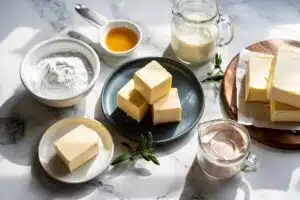
Melted butter rubbed onto a pan creates a thin nonstick layer. It adds a creamy, slightly sweet note-especially useful for cookies, cakes, and muffins where the extra flavor enhances the finished dish.
Use about ½ teaspoon melted butter per spray. Spread it evenly with a pastry brush or paper towel to avoid thick spots.
Here's what to know:
- Best for baking at moderate heat-high temps can scorch milk solids
- Works in cast iron and metal baking pans
- Adds a golden crust to breads and pastries
Missing butter as well? Butter replacements that work covers fat swaps that stay neutral.
Skip if: you need neutral flavor or you're cooking above 350°F.
3 - Olive Oil
Brushed or drizzled olive oil coats pans for sautéing and roasting. It prevents sticking and adds a fruity, peppery edge that works in savory dishes like roasted vegetables or frittatas.
The robust flavor makes it ideal for Mediterranean recipes. For neutral cooking, pick a lighter oil or a different swap.
Quick specs:
- Smoke point lower than vegetable oil-watch the heat
- Pairs with garlic, herbs, and roasted meats
Don't have olive oil either? Olive oil swaps by recipe type covers lighter options.
Skip if: you want no added taste or you're baking delicate cakes.
4 - Silicone Mat
A nonstick silicone mat lines a baking sheet and prevents food from sticking without adding any fat. It's reusable, heat-safe to around 480°F, and works for cookies, roasted vegetables, and anything baked flat.
The mat doesn't promote browning the way oil or butter does. Foods come off clean but may not develop as much golden crust.
The essentials:
- No flavor contribution-purely functional
- Dishwasher-safe and lasts years
- Doesn't work for frying or direct-flame grilling
- Cookies may spread slightly less than on greased metal
Skip if: you need stovetop release or you want a crisp, browned bottom.
5 - Parchment Paper
Parchment paper lines pans and acts as a nonstick barrier in the oven. It handles heat up to 450°F, making it safe for cookies, cakes, and roasted vegetables without adding fat or flavor.
Cut a sheet to fit your pan and lay it flat-no greasing required. Food lifts off cleanly and the paper goes straight into the trash or compost.
Key details:
- Neutral taste with zero grease
- Prevents sticking on metal and glass pans
- Not suitable for stovetop or broiler use
Out of parchment paper too? Parchment paper replacements for steaming covers heat-safe liners.
Skip if: you're frying or need a fat coating to crisp food.
Choosing the Right Pam Cooking Spray Substitute
Start with vegetable oil spray for neutral nonstick action. Add butter for baking, olive oil for savory dishes, or a mat when you want zero fat.
Adjust based on heat and flavor-you'll hit the right balance faster than you think.
- Closest match - Vegetable oil spray for all-around nonstick release
- Easiest grab - Butter for baking at moderate temps
- Dietary option - Silicone mat for zero added fat
Frequently Asked Questions
Yes, but expect a fruity, peppery flavor. Spread ½ teaspoon olive oil thinly on the pan-works better for savory baked goods like focaccia than for cakes.
Vegetable oil in a spray bottle handles high heat without smoking. Apply a light coat before the pan gets hot to prevent sticking.
They prevent sticking but don't add fat, so cookies may not brown as deeply. If you want crisp edges, use a light spray of oil instead.
Yes, melt about ½ teaspoon butter per spray and toss vegetables before roasting. Keep the oven under 400°F to avoid scorching milk solids.
No, parchment creates a nonstick surface on its own. Line the pan and bake-no extra grease required unless you want added browning.
5 Best Substitutes for Pam Cooking Spray
Ingredients
Method
- Identify your cooking method: frying and roasting suit vegetable or olive oil; baking benefits from butter, silicone mats, or parchment paper.
- If using vegetable oil spray, pour vegetable oil into a clean spray bottle and apply 1 teaspoon of oil spread evenly per spray to the cooking surface.
- For butter, melt and evenly spread about ½ teaspoon per spray on the pan using a pastry brush or paper towel to avoid thick spots.
- If opting for olive oil, brush or drizzle ½ teaspoon per spray thinly on the pan surface, ideal for savory cooking with medium heat.
- Line baking sheets with one silicone mat per pan for a fat-free, reusable nonstick surface; clean by rinsing after use.
- Alternatively, cut parchment paper to pan size and lay flat as a nonstick barrier in the oven without additional grease required.
- Adjust the amount applied based on cooking method and heat; avoid over-greasing to prevent soggy food and uneven cooking.
- For flavored oils like olive oil, consider the recipe's flavor profile to avoid overpowering delicate dishes or baked goods.
Notes
- Use vegetable oil spray by spreading thinly to avoid greasy patches and prevent sticking effectively.