• Skip to primary navigation
  • Skip to main content
  • Skip to primary sidebar
  • Recipe Index
    • Air Fryer
  • Side Dishes
  • Substitutes
  • About
  • Contact
  • Subscribe

ForkLiftKitchen

menu icon
go to homepage
  • Recipe Index
    • Air Fryer
  • Side Dishes
  • Substitutes
  • About
  • Contact
  • Subscribe
subscribe
search icon
Homepage link
  • Recipe Index
    • Air Fryer
  • Side Dishes
  • Substitutes
  • About
  • Contact
  • Subscribe
×

Blog

5 Best Substitutes for Green Olive in Mediterranean Cooking

April 27, 2026

You measured out the green olives for your pasta puttanesca and came up three tablespoons short. Green olives add briny punch and firm texture - swaps that skip those traits fall flat.
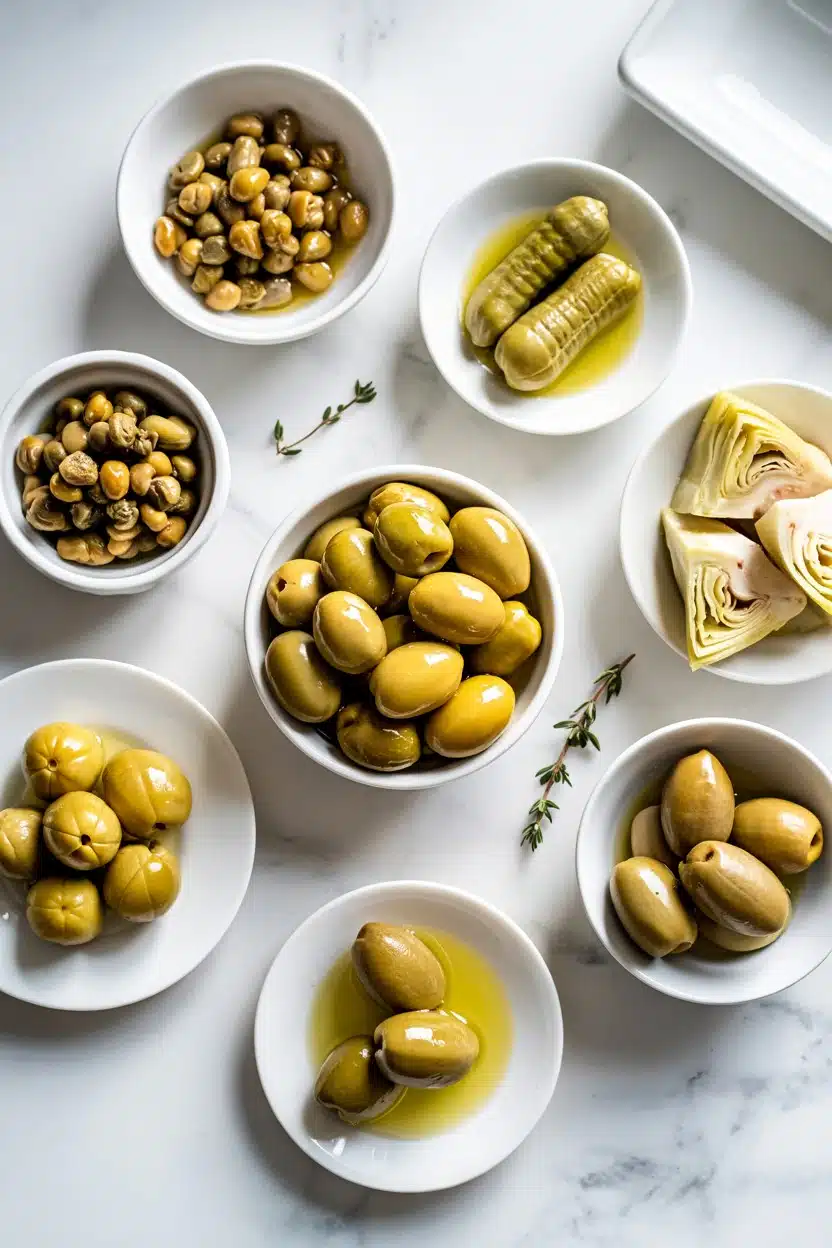
5 Best Substitutes for Green Olive in Mediterranean Cooking

p>Most substitutes shift the balance slightly. Pick based on what green olives do in your dish: briny tang for salads, meaty texture for tapenade, or savory depth for cooked sauces.

QUICK SUMMARY

**Capers** and **nicoise olives** handle most green olive jobs with minimal fuss. Capers deliver sharp brine in salads and dressings, while nicoise olives bring earthy depth to cooked dishes. Both work at 1:1, but capers lack olive's meaty bite.

🫒Closest match: Nicoise olives - similar texture, deeper flavor
⚖️Core ratio: **Use 1:1 volume** for most swaps, adjust salt separately
⚠️Common mistake: Swapping without tasting - briny intensity varies widely

4 Best Green Olive Alternatives for Recipes

Some swaps replicate texture, others focus on brine. Match the substitute to what green olives contribute in your specific dish.

Quick Substitute Reference
# Substitute Best For Ratio Key Note
1 Capers 🍳 Cooking 1:1 sharper, less meaty
2 Green Pepper Mix 🍳 Cooking 1 tablespoon + ¼ teaspoon salt per 1 tbsp fresher, less complex
3 Nicoise Olives ✨ Both 1:1 earthier, softer
4 Artichoke Hearts 🍳 Cooking 1:1 milder, less salty
5 Pickled Relish 🍳 Cooking 1:1 sweeter, no texture

1 - Capers

Capers replicate the salty, briny punch that green olives provide in dressings and cold dishes. They work in salads, tapenades, and sauces where you need sharp tang without meaty bite.

Use equal volume - one tablespoon capers for one tablespoon chopped green olives. Rinse capers first if packed in brine; salt-packed capers need a quick soak.

Capers

Works for: Salads, pasta, dressings where brine is key

Skip if: You need olive's meaty texture or earthy depth

Green Olives

Works for: Dishes needing firm texture and complex flavor

Skip if: Sharp, floral tang suits the dish better

Here's what to know:

  • Capers deliver more floral sharpness, less earthy undertone
  • They're smaller - chop fewer if your recipe calls for sliced olives

If you're out of capers too, swaps when caper runs out covers briny alternatives that hold shape.

Skip if: you're relying on olive's firm, meaty texture in a tapenade or garnish.

2 - Green Pepper Mix

This mix imitates the salty tang and crisp texture of olives in fresh preparations. It works best in salads and garnishes where you need crunch and brine without cooked depth.

Use one tablespoon finely diced green bell pepper plus ¼ teaspoon kosher salt per tablespoon of green olive. Dice pepper small so it doesn't overwhelm the dish.

The essentials:

  • Fresh, crunchy, mildly sweet with added saltiness
  • Lacks olive's unique bitterness and oily richness
  • Best in cold dishes - heat turns pepper mushy
  • Add salt gradually; taste before adding more
Shortcut
Pickle the pepper in vinegar for 10 minutes to boost tang

Missing kosher salt as well? Kosher salt swaps that match covers fine-grain options.

Skip if: you're making a cooked dish that needs olive flavor or if texture matters more than tang.

3 - Nicoise Olives

Nicoise olives match green olives in texture and savory punch, but bring earthier, more robust flavor. They work in Mediterranean stews, pastas, and braises where olives cook into the dish.

Use 1:1 volume substitution - same amount as green olives. The flavor is slightly more bitter and less bright, so taste and adjust lemon or vinegar if needed.

Best Pick
Nicoise olives stay firm through cooking and add rich, savory depth to sauces

Skip if: you need light, bright flavor or if the darker color clashes with your dish's look.

4 - Artichoke Hearts

Artichoke hearts mimic the firm, slightly fibrous texture and provide umami depth without added saltiness. They work in vegetable medleys, antipasti, and salads where you need body without brine.

Use equal volume - one tablespoon chopped artichoke for one tablespoon green olive. Add salt and a squeeze of lemon to boost tang if the dish tastes flat.

Quick specs:

  • Mildly tangy, earthy, less salty and less oily
  • Softer texture than olives but still holds shape
Use Ratio Notes
Antipasti 1:1 Add lemon zest for brightness
Salads 1:1 Taste and adjust salt separately
Baked dishes 1:1 Texture softens with heat

Out of artichoke hearts too? Artichoke heart swaps that match has options for textured vegetables.

Skip if: you need strong olive flavor or if your dish relies on brine for balance.

5 - Pickled Relish

Pickled relish provides the salty, vinegary flavor profile that approximates olive brininess in finishing dishes. It works in sauces, dressings, and as a garnish where texture matters less than tang.

Use one tablespoon relish per tablespoon chopped green olive. The texture is softer and the flavor is sweeter, so add a pinch of salt if the dish needs more savory punch.

Watch Out
Relish is sweeter and more vinegary - start with half and taste before adding more

Key details:

  • Sharp, vinegary, slightly sweet
  • No meaty texture - works only as flavor boost
  • Best stirred into sauces or dressings at the end

Skip if: you need olive texture or if the dish can't handle added sweetness and vinegar.

Making Green Olive Substitutes Work

The best substitute depends on your recipe. Capers and nicoise olives handle most needs, while artichoke hearts and pepper mix work when texture or mildness matters more than brine.

  • Closest match - Nicoise olives for cooked dishes needing depth
  • Easiest grab - Capers for quick briny tang
  • Dietary option - Green pepper mix for salt-free brine

Frequently Asked Questions

Can I use black olives instead of green olives?

Yes, but black olives are softer, sweeter, and less briny. They work in cooked dishes but taste noticeably different in salads or tapenades where green olive's firmer texture and sharper flavor stand out.

Do I need to adjust salt when using capers instead of green olives?

Usually not if you rinse them first. Capers are saltier than olives when straight from the jar, so rinse under cold water for 30 seconds, then use 1:1 and taste before adding more salt.

Can green olive substitutes work in baking?

Nicoise olives and capers work in savory breads and focaccia where brine and texture matter. Skip artichoke hearts and pepper mix - they don't hold up to heat or provide the oily richness that olives bring to dough.

What's the best substitute for green olives in tapenade?

Nicoise olives are the closest match - they puree smoothly and deliver earthy, briny depth. Capers work too but make a thinner, sharper spread; add a tablespoon of olive oil to fix the texture.

Can I mix substitutes to match green olive flavor?

Yes. Combine nicoise olives for texture with a few capers for sharper tang, or mix artichoke hearts with pickled relish to balance mildness and brine. Start with half of each and adjust to taste.

5 Best Substitutes for Green Olive in Mediterranean Cooking

5 Best Substitutes for Green Olive

No ratings yet
Green olives add firm texture and briny punch to dishes. Substitute based on the role olives play in your recipe: capers for sharp brine, Nicoise olives for depth and texture, or milder options like artichoke hearts and green pepper mix.
Print Recipe Pin Recipe
Prep Time 7 minutes mins
Cook Time 6 minutes mins
Total Time 13 minutes mins
Servings: 4 servings
Course: Substitutes
Ingredients Method Notes

Ingredients
  

  • 1 tablespoon Capers Rinse first if packed in brine; use 1:1 volume for chopped green olives; salt-packed capers need a quick soak
  • Green Pepper Mix Use 1 tablespoon finely diced green bell pepper plus ¼ teaspoon kosher salt per tablespoon green olive; dice small; add salt gradually and taste
  • 1 tablespoon Nicoise Olives Use 1:1 volume substitution; flavor is earthier and softer; adjust lemon or vinegar if needed
  • 1 tablespoon Artichoke Hearts Use equal volume; add salt and lemon juice to boost tang if dish tastes flat
  • 1 tablespoon Pickled Relish Use 1:1 volume; relish is sweeter and softer; add salt if dish needs more savory punch; start with half amount and taste

Method
 

  1. Choose your substitute based on what green olives contribute: briny tang, meaty texture, or savory depth.
  2. For capers, rinse if brine-packed and use equal volume to green olives; suitable for salads, pasta, and dressings where sharp brine is key.
  3. For green pepper mix, finely dice with kosher salt; use one tablespoon pepper plus ¼ teaspoon salt per tablespoon olive; best in cold dishes.
  4. Use Nicoise olives at 1:1 volume for cooked dishes; adjust acidity with lemon or vinegar as flavor is earthier and softer.
  5. Use artichoke hearts equal to olives; add salt and lemon juice for brightness; suitable for antipasti, salads, and baked dishes.
  6. Use pickled relish in equal volume as flavor boost in sauces or dressings; start with half amount and add salt if needed; best added at the end.
  7. Always taste after adding your substitute and adjust salt or acidity as needed for balance and desired texture.

Notes

Rinse capers thoroughly before use to prevent overly salty taste in your dish.

Tried this recipe?

Let us know how it was!

5 Best Substitutes for Kielbasa Sausage in Hearty Polish Dishes

April 27, 2026

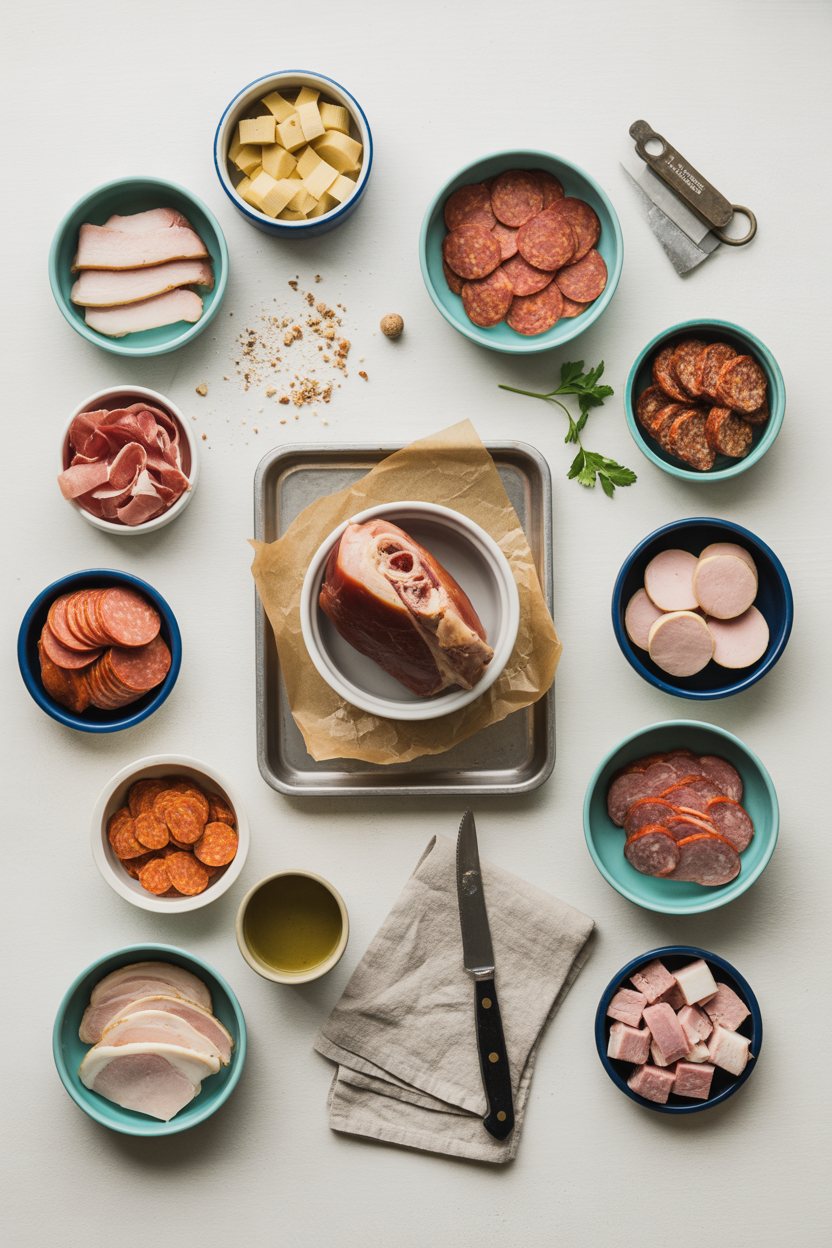
You measured out the kielbasa for tonight's sheet pan dinner and the package came up short. That smoky, garlicky sausage does more than add protein-it renders fat into the vegetables and infuses everything with a distinctly Polish meatiness.

5 Best Substitutes for Kielbasa Sausage in Hearty Polish Dishes
kielbasa-sausage-substitutes
QUICK SUMMARY

Andouille and Bratwurst offer the best balance of smoke and texture; prioritize matching smoke level first. Consider adjusting spice or fat content depending on your choice to keep the dish balanced.

🔥Closest match: Andouille adds smoky heat and a bold Cajun twist.
⚖️Ratio + fix: Swap 1:1; reduce added spices if using Andouille to avoid overpowering.
🌶️Watch heat: Andouille's cayenne can make dishes spicier than expected.

P>The right substitute depends on whether you need that smoke, that snap, or just something hearty to fill the gap. Some swaps run spicier, others milder, and a few skip pork entirely. Match the role first.

Quick Substitute Reference
#SubstituteBest ForRatioKey Note
1 Andouille 🍳 Cooking 1:1 Spicier with Cajun heat
2 Bratwurst 🍳 Cooking 1:1 Milder, creamy texture
3 White Sausage 🍳 Cooking 1:1 Fresh, herby, no smoke
4 Turkey Sausage 🍳 Cooking 1:1 Lean, less rendered fat
5 Chorizo 🍳 Cooking 1:2 Bold, use half amount

5 Best Kielbasa Sausage Alternatives for Recipes

The options below range from nearly identical smoke profiles to bolder picks that take the dish in a new direction. Start with what matches your pantry and your heat tolerance.

1 - Andouille

Andouille brings serious smoke and a Cajun kick that kielbasa doesn't have. The spice level runs higher-paprika, garlic, and cayenne come through strong. Use equal weight and expect the dish to lean Louisiana instead of Polish.

This swap shines in jambalaya, red beans and rice, or any braise that can handle heat. The coarser grind holds up during long cooking without turning mushy.

The essentials:

  • Slice thick - Quarter-inch rounds keep texture in stews.
  • Reduce added spice - The sausage already packs heat.
  • Brown first - Renders fat and builds fond for the sauce.
  • Pair with beans - Stands up to hearty legumes and greens.

If you're also out of andouille, Andouille Sausage substitutes ranked covers options with similar smoke.

Skip if: you want mild, kid-friendly flavor.

Andouille

Works for: Gumbo, jambalaya, smoky stews

Skip if: Mild Polish flavor matters

Kielbasa

Works for: Sheet pans, soups, pierogi filling

Skip if: You need Cajun punch

2 - Bratwurst

Smoked bratwurst has a milder profile with a creamy, almost buttery texture inside the casing. The smoke is subtle-more hint than statement. It works when you want sausage presence without dominating other flavors.

Grill or pan-fry for best results. The casing crisps nicely and the interior stays juicy. Add it sliced to potato dishes or serve whole alongside sauerkraut.

Key details:

  • Use equal amount - Same weight, same portion size.
  • Score the casing - Helps fat render and prevents bursting.
  • Finish with mustard - Classic pairing that bridges the flavor gap.

Don't have bratwurst either? The list of common Bratwurst swaps ranked points to sausages with that same mild richness.

Skip if: you need bold smoke to carry the dish.

3 - White Sausage

Polish white sausage, or biala kielbasa, shares the same heritage but skips the smoking step entirely. The flavor runs fresher and more herbal-think marjoram and garlic without the campfire note. It's traditionally boiled or baked, not grilled.

Golden Rule
White sausage needs gentle cooking. High heat toughens the texture quickly.

This works best in żurek (sour rye soup) or alongside boiled potatoes where you want sausage flavor without competing smoke. The 1:1 swap holds for weight, but the result tastes distinctly different.

If the herbal flavor appeals and you're short on white sausage too, swaps when Sage runs out helps balance seasoning.

Skip if: smoky depth is essential to the recipe.

4 - Turkey Sausage

Smoked turkey sausage delivers lighter flavor with noticeably less fat. The smoke comes through, but the richness doesn't. Dishes cooked with turkey sausage won't have as much rendered fat coating the vegetables or building sauce body.

Use equal volume. Compensate for the leanness by adding a tablespoon of olive oil to the pan. This prevents sticking and adds back some of the richness the pork version provides.

What to expect:

  • Leaner bite - Less juicy, firmer texture.
  • Mild smoke - Present but not prominent.

Missing turkey sausage as well? Check tested Turkey replacements for poultry options that cook similarly.

Skip if: you need pork richness or substantial fat rendering.

SubstituteFat LevelBest Use
KielbasaHighSheet pans, soups
Turkey SausageLowLighter pasta, sautés
AndouilleMedium-HighCajun dishes, stews

5 - Chorizo

Chorizo takes the dish in a completely different direction. Spanish chorizo is cured and smoky. Mexican chorizo is fresh and crumbly. Both pack more punch than kielbasa-paprika, garlic, and vinegar notes dominate.

Use half the amount called for. The flavor is concentrated enough that a full swap overwhelms everything else. Crumble Mexican chorizo into the pan; slice Spanish chorizo into coins.

This works when you want bold flavor and don't mind the color shift. Chorizo stains sauces and oils orange-red. Plan for it.

Out of chorizo too? The guide to Chorizo alternatives worth trying covers spiced sausage swaps that won't overpower.

Watch Out
Full chorizo portions can make the dish too spicy and too red. Start with half.

Skip if: you want a mild, traditionally Polish flavor profile.

Before You Bake Without Kielbasa Sausage

No single sausage replaces kielbasa perfectly-the swap depends on what the dish needs most. For smoke and heat, andouille gets closest. For milder weeknight meals, bratwurst or turkey sausage fill the gap without changing the character too much.

  • Closest match - Andouille, similar smoke and snap
  • Easiest grab - Bratwurst, widely available and mild
  • Lighter option - Turkey sausage, less fat but still smoked

Frequently Asked Questions

Can I use Italian sausage instead of kielbasa?

Italian sausage works in a pinch but lacks the smoke. Add a dash of smoked paprika to bridge the gap.

What's the best kielbasa substitute for soup?

Andouille holds up well in soups and adds similar smokiness. Use equal weight and slice into coins.

Is turkey sausage a good low-fat kielbasa swap?

Yes, smoked turkey sausage cuts fat significantly while keeping some smoke flavor. Add oil to compensate for less rendering.

How much chorizo should I use to replace kielbasa?

Use half the amount. Chorizo packs more concentrated flavor and spice than kielbasa.

Can I substitute hot dogs for kielbasa?

Hot dogs work for texture but lack the garlic and smoke. They're a last resort, not a close match.

5 Best Substitutes for Kielbasa Sausage in Hearty Polish Dishes

5 Best Substitutes for Kielbasa Sausage

No ratings yet
This guide provides the top five substitutes for kielbasa sausage, highlighting their best uses, preparation tips, and how to adjust quantities and cooking methods for optimal results.
Print Recipe Pin Recipe
Prep Time 7 minutes mins
Cook Time 8 minutes mins
Total Time 15 minutes mins
Servings: 4 servings
Course: Cooking, Substitutes
Cuisine: American, Cajun, Mexican, Polish-Inspired, Spanish
Ingredients Method Notes

Ingredients
  

  • 1 to 1 Use Andouille sausage in a 1:1 weight ratio for a spicier, smoky Cajun flavor with paprika, garlic, and cayenne. Slice thick for stews and brown first to render fat.
  • 1 to 1 Use Bratwurst in a 1:1 weight ratio for a mild, creamy sausage with subtle smoke. Score casing before grilling or pan-frying for best texture.
  • 1 to 1 Use White Sausage in a 1:1 weight ratio for a fresh, herby flavor without smoke. Cook gently to avoid toughening and best used boiled or baked.
  • 1 to 1 Use Turkey Sausage in a 1:1 volume ratio as a leaner, less fatty option with mild smoke. Add a tablespoon of olive oil when cooking to compensate for leanness.
  • 0.5 to 1 Use Chorizo at half the amount for a bold, smoky and spicy flavor. Mexican chorizo should be crumbled; Spanish chorizo sliced. Expect color shifts and strong flavor.

Method
 

  1. Choose your substitute based on the flavor and texture needs: smoke and heat (Andouille), mild and creamy (Bratwurst), fresh and herby (White Sausage), lean and smoked (Turkey Sausage), or bold and spicy (Chorizo).
  2. Prepare the substitute according to its best use: slice Andouille thick, score Bratwurst casing, cook White Sausage gently, add oil when pan-frying Turkey Sausage, crumble or slice Chorizo accordingly.
  3. Apply the substitution ratio: use an equal amount for Andouille, Bratwurst, White Sausage, and Turkey Sausage; use half the amount for Chorizo to avoid overpowering the dish.
  4. Cook the substitute as the recipe requires, adjusting seasoning to accommodate the spice or mildness of the substitute. Reduce additional spices if using spicy Andouille or Chorizo.
  5. Taste and check the consistency once cooked. Adjust for texture and spice level to ensure the dish remains balanced with the chosen substitute.

Notes

Slice Andouille thick and brown before use to prevent sogginess and build flavor when substituting kielbasa.

Tried this recipe?

Let us know how it was!

5 Best Substitutes for Italian Sausage in Hearty Italian Dishes

April 27, 2026

Italian sausage brings more than meat to a dish. The fennel, garlic, and red pepper work together to create that signature savory-sweet heat that defines Italian-American cooking.

5 Best Substitutes for Italian Sausage in Hearty Italian Dishes
italian-sausage-substitutes
QUICK SUMMARY

Seasoned ground pork and chorizo are top substitutes, focusing on matching fat and flavor. Prioritize fat content for texture and add spices if needed. Adjust seasoning to balance smoky or leaner options for best results in Italian dishes.

🐖Closest match: Seasoned ground pork mimics fat and texture of Italian sausage perfectly.
⚖️Ratio + fix: Swap 1:1; add fennel and garlic to ground pork for authentic flavor.
🌶️Watch heat: Chorizo can overpower dishes with smoky or spicy notes if not balanced.

The right swap depends on whether you need that fennel-forward flavor or just seasoned ground meat with some kick. Some options stay close to the original profile, while others take the dish in a bolder direction.

Quick Substitute Reference
#SubstituteBest ForRatioKey Note
1 Seasoned Ground Pork 🍳 Cooking 1:1 Add fennel seeds yourself
2 Chorizo 🍳 Cooking 1:1 Smokier and bolder
3 Veggie Sausage Crumbles 🌱 Vegan 1:1 vol Lacks pork fat richness
4 Herbed Ground Turkey 🍳 Cooking 1:1 Add olive oil for moisture
5 Seasoned Ground Beef 🍳 Cooking 1:1 Deeper, beefy taste

5 Quick Italian Sausage Substitutes That Work

Some swaps stay close to the original fennel-garlic profile. Others require seasoning adjustments but still deliver satisfying results in pasta, soups, and sheet-pan dinners.

1 - Seasoned Ground Pork

Plain ground pork gives you the same fat content and texture as Italian sausage. The meat browns and crumbles identically, making it the most seamless swap for sauces and skillets.

Add ¾ teaspoon fennel seeds and ¼ teaspoon red pepper flakes per pound. Toast the fennel seeds briefly in a dry pan before crushing them for stronger aroma.

The essentials:

  • Brown the meat before adding fennel for better spice bloom.
  • Use 1:1 by weight with no other adjustments needed.
  • Season with garlic powder and dried oregano to round out the flavor.

If you're also short on red pepper flakes, replacements similar to Red Pepper Flakes covers heat options that work here.

Skip if: you need the pre-formed casing texture for slicing.

SEASONED GROUND PORK

Works for: Pasta sauces, meatballs, stuffed peppers

Skip if: Recipe calls for sausage links

CHORIZO

Works for: Bold tacos, pizza, egg dishes

Skip if: You want mild, fennel-forward flavor

2 - Chorizo

Chorizo pushes the dish in a smokier, more assertive direction. Spanish chorizo brings paprika depth while Mexican chorizo adds earthy chili heat.

The trade-off is real: you lose the fennel sweetness entirely. This works when the recipe can handle a flavor detour, like in baked ziti or breakfast scrambles where bold spice fits.

Key details:

  • Use Spanish chorizo for firm slices, Mexican for loose crumbles.
  • Render the fat slowly over medium heat to avoid burning the paprika.
  • Cut back on added salt since chorizo runs salty.
  • Pair with a splash of red wine vinegar to brighten the smokiness.

Don't have chorizo either? Check swaps when Chorizo runs out for options with similar punch.

Skip if: the recipe depends on that anise-like fennel note.

3 - Veggie Sausage Crumbles

Plant-based crumbles absorb sauce well and hold their shape through simmering. The texture works in lasagna, stuffed shells, and chunky meat sauces.

Watch Out
Veggie crumbles lack the rendered fat that carries flavor-add 1 tablespoon olive oil per cup to compensate.

Boost the seasoning yourself. Most commercial brands taste mild, so adding fennel, garlic, and a pinch of red pepper brings them closer to Italian sausage territory.

If you're layering in sage for that breakfast sausage vibe and run short, tested Sage replacements has backup herbs that work.

Skip if: you need the fatty mouthfeel that makes sausage gravy rich.

4 - Herbed Ground Turkey

Turkey runs lean, which means it dries out faster than pork. The flavor sits lighter and cleaner, making it a solid choice for healthier weeknight meals.

Add a tablespoon of olive oil per pound to keep things moist. Season generously with fennel, oregano, basil, and garlic to build back the flavor that turkey lacks naturally.

Quick specs:

  • Brown in batches to avoid steaming the meat.
  • Use 1:1 by weight with added fat.

Missing turkey as well? Check Turkey replacements that work for other lean protein swaps.

Shortcut
Mix turkey with 2 tablespoons tomato paste while browning-it adds depth and helps compensate for the missing pork fat.

5 - Seasoned Ground Beef

Ground beef delivers a heartier, more robust base than pork. The flavor skews beefy rather than herby, which works well in casseroles and baked pasta where cheese and tomato dominate.

Use 80/20 beef for enough fat to keep things juicy. Season with the same fennel-garlic-red pepper combo, but expect a deeper, less aromatic result.

UseRatioNotes
Meat sauce1:1Add extra herbs to brighten
Stuffed peppers1:1Mix with rice to lighten texture
Sheet pan dinner1:1Form into loose meatballs for better browning

Skip if: the pork-specific sweetness matters to your dish.

Before You Swap Italian Sausage

The best substitute depends on what your recipe needs most. For closest flavor match, seasoned ground pork with fennel delivers. For bolder dishes that can handle a detour, chorizo adds welcome smokiness.

  • Closest match - Seasoned Ground Pork, same fat and texture
  • Easiest grab - Ground Beef, likely already in the fridge
  • Dietary option - Veggie Crumbles, works for plant-based meals

Frequently Asked Questions

What spices do I add to plain ground pork to make it taste like Italian sausage?

Combine ¾ teaspoon fennel seeds, ¼ teaspoon red pepper flakes, ½ teaspoon garlic powder, and ½ teaspoon dried oregano per pound of pork. Mix well and let it sit 10 minutes before cooking.

Can I use turkey sausage instead of Italian sausage?

Yes, but add olive oil to prevent dryness. Turkey sausage works well in pasta sauces and soups where other ingredients add moisture and fat.

Does chorizo work as an Italian sausage substitute in lasagna?

It works but changes the flavor profile significantly. Chorizo adds smokiness and paprika heat instead of the fennel-garlic notes traditional to Italian sausage lasagna.

What's the best vegetarian substitute for Italian sausage?

Plant-based sausage crumbles hold up best in cooked dishes. Add fennel seeds and a drizzle of olive oil to boost flavor and replicate the fatty richness of pork.

How much fennel seed equals one pound of Italian sausage?

Use ¾ teaspoon of fennel seeds per pound of ground meat. Crush the seeds lightly to release more flavor, or toast them first for a stronger anise note.

5 Best Substitutes for Italian Sausage in Hearty Italian Dishes

5 Best Substitutes for Italian Sausage

No ratings yet
This guide outlines practical substitutions for Italian sausage, focusing on flavor and use cases. Choose based on whether you need fennel-forward seasoning or simply a spiced ground meat alternative.
Print Recipe Pin Recipe
Prep Time 7 minutes mins
Cook Time 8 minutes mins
Total Time 15 minutes mins
Servings: 4 servings
Course: Ingredient Guide
Cuisine: Italian-Inspired
Ingredients Method Notes

Ingredients
  

  • 1 to 1 Seasoned Ground Pork Use 1:1 by weight; add ¾ teaspoon fennel seeds and ¼ teaspoon red pepper flakes per pound, plus garlic powder and dried oregano to mimic Italian sausage flavor.
  • 1 to 1 Chorizo Use 1:1 ratio; choose Spanish for firm slices or Mexican for loose crumbles; reduce added salt and add red wine vinegar to brighten smokiness.
  • Veggie Sausage Crumbles Use 1:1 volume; lacks pork fat richness, add 1 tablespoon olive oil per cup and boost seasoning with fennel, garlic, and red pepper.
  • 1 to 1 Herbed Ground Turkey Use 1:1 by weight; add 1 tablespoon olive oil per pound for moisture; season with fennel, oregano, basil, and garlic.
  • 1 to 1 Seasoned Ground Beef Use 1:1 ratio; use 80/20 beef and season with fennel, garlic, and red pepper for a deeper, beefy flavor.

Method
 

  1. Choose your substitute based on the dish: seasoned ground pork for a close flavor match or chorizo for bold and smoky dishes.
  2. If using seasoned ground pork, brown the meat first, then add fennel seeds and red pepper flakes to develop their aroma.
  3. For chorizo, render fat slowly over medium heat to avoid burning spices, and adjust salt and acidity with vinegar as needed.
  4. Use veggie sausage crumbles in a 1:1 volume ratio; add olive oil and extra seasoning to compensate for lack of pork fat.
  5. When substituting with herbed ground turkey, add olive oil to keep moisture and season generously to enrich the flavor.
  6. For seasoned ground beef, use 80/20 ratio meat and season similarly; form into loose meatballs for better browning if needed.
  7. Always taste the substitute mixture and adjust seasoning as needed to balance flavor and moisture before final cooking.

Notes

Add fennel seeds slowly when using seasoned ground pork to prevent gritty texture and ensure even flavor distribution.

Tried this recipe?

Let us know how it was!

5 Best Substitutes for Hanger Steak for Pan-Seared Dishes

April 27, 2026

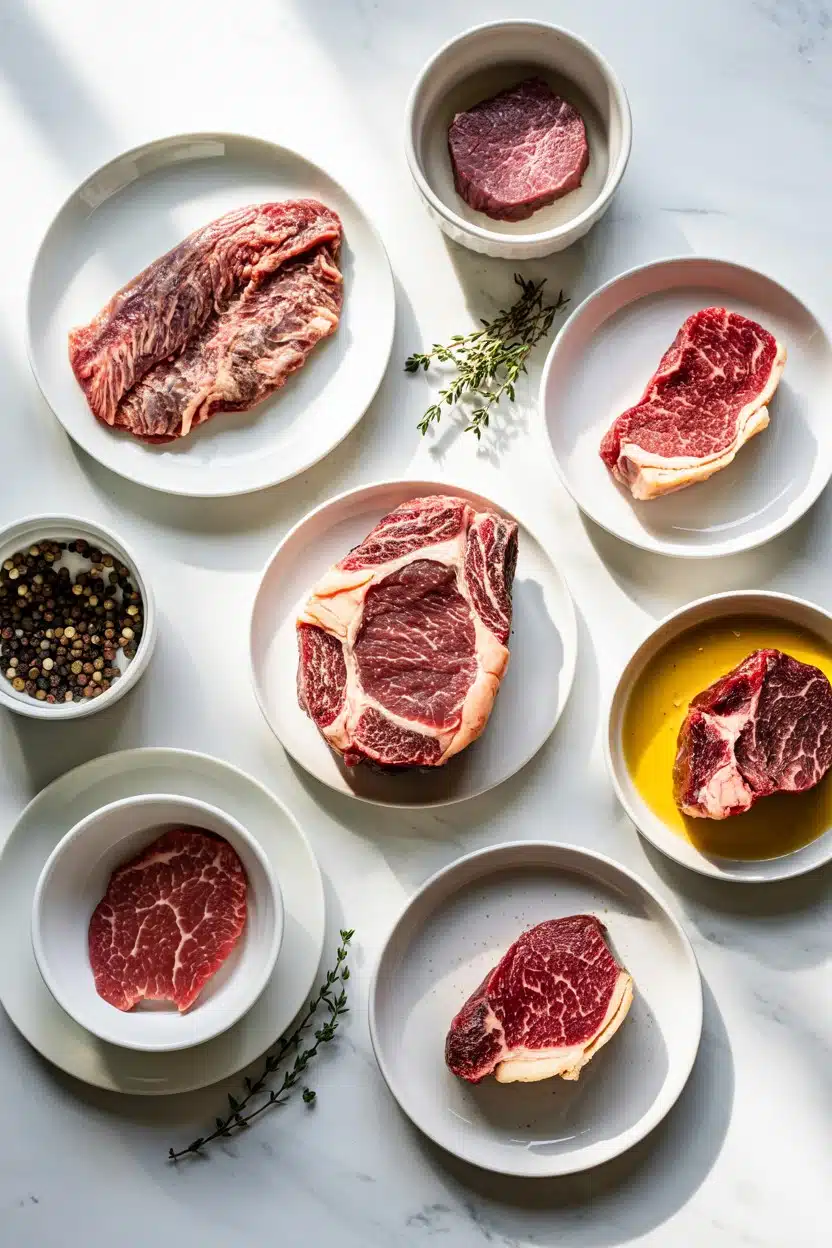
You're counting on Hanger Steak for the flavor, so the swap has to land close. That deep, beefy intensity comes from the cut's position near the diaphragm-not every steak delivers the same punch.

5 Best Substitutes for Hanger Steak for Pan-Seared Dishes
QUICK SUMMARY

Flank, skirt, and flat iron steaks offer the best balance of flavor and texture to replace hanger steak. Prioritize matching beefy intensity first, then texture. For leaner cuts, marinate briefly to enhance tenderness and juiciness.

🥩Closest match: Flank steak keeps strong beef flavor with a slightly chewier texture.
⚖️Ratio + fix: Swap 1:1; marinate lean cuts like flank for better tenderness.
🔥Watch heat: Skirt steak cooks fast and can become tough if overdone.

P>The right substitute depends on how you're cooking it, not just the label. Grilling, pan-searing, and marinating all behave differently with these alternatives.

Quick Substitute Reference
#SubstituteBest ForRatioKey Note
1 Flank Steak 🍳 Cooking 1:1 Leaner, slightly chewier
2 Skirt Steak 🍳 Cooking 1:1 More fibrous, intense flavor
3 Flat Iron Steak 🍳 Cooking 1:1 Tender with good marbling
4 Ribeye Steak 🍳 Cooking 1:1 Richer, fattier profile
5 Chuck Eye Steak 🍳 Cooking 1:1 Budget-friendly, flavorful

5 Hanger Steak Replacements for Better Texture

These substitutes range from pantry-friendly cuts to specialty options worth seeking out. The order moves from closest match to bolder alternatives that bring their own character to the plate.

1 - Flank Steak

Flank steak runs leaner than hanger with a slightly chewier bite. The beefy flavor stays strong, though you'll miss some of the mineral richness hanger provides.

Slice against the grain-thin cuts make all the difference here. A quick marinade with acid helps tenderize the longer muscle fibers.

Here's what to know:

  • Use equal weight - No adjustment needed for recipes.
  • Marinate 2-4 hours - Acid breaks down toughness without turning mushy.
  • Rest 5 minutes - Lets juices redistribute before slicing.
  • Cut thin against grain - Transforms texture from chewy to tender.

If you're also out of flank steak, replacements similar to Flank Steak covers options with comparable texture.

Skip if: you need a naturally tender cut without marinating.

FLANK STEAK

Works for: Fajitas, stir-fry, grilled steak salads

Skip if: You want fork-tender without prep work

HANGER STEAK

Works for: Bistro-style steak, chimichurri pairings

Skip if: Feeding a crowd on budget

2 - Skirt Steak

Skirt steak brings more intense beef flavor than hanger. The texture runs more fibrous with longer muscle strands running through the meat.

The key difference is cooking speed. Skirt needs screaming hot heat and minimal time-two minutes per side max.

Quick specs:

  • Slice paper-thin - Counters the fibrous texture.
  • High heat only - Medium heat steams instead of sears.
  • Don't skip the rest - Five minutes off heat before cutting.

Skip if: you're planning slow-cooking or stewing methods.

3 - Flat Iron Steak

Flat iron comes from the shoulder but delivers surprising tenderness. Good marbling throughout keeps things juicy without the intense beefiness of hanger.

The flavor profile runs milder-more buttery than mineral. Works well when you want the steak to play supporting role rather than star.

Best Pick
Flat iron works best for weeknight dinners where tenderness matters more than bold flavor.

Skip if: you're specifically chasing that deep, iron-rich hanger taste.

4 - Ribeye Steak

Ribeye trades hanger's lean intensity for rich, fatty luxury. The marbling melts during cooking and bastes the meat from within.

Expect a more buttery beef experience. The flavor runs richer but less concentrated than hanger's mineral punch.

The essentials:

  • Reduce added fat - The marbling provides plenty.
  • Watch for flare-ups - Fat renders and drips during grilling.
Watch Out
Ribeye costs significantly more per pound-save it for when richness matters most.

Skip if: you need a leaner option or want to stay budget-conscious.

5 - Chuck Eye Steak

Chuck eye sits next to the ribeye on the cow, sharing similar marbling at a fraction of the cost. The texture runs slightly tougher but delivers solid beefy flavor.

This cut rewards patience. A quick sear works, but don't expect the same melt-in-your-mouth tenderness as hanger.

UseRatioNotes
Pan-searing1:1Medium-high heat, 4 min per side
Grilling1:1Direct heat, watch for toughness
Marinated dishes1:1Benefits from 4+ hours acid marinade

Skip if: you need very tender steak without marinade time.

Final Tips for Hanger Steak Substitutes

Start with the closest match and adjust seasoning and cooking time as needed. Flank steak delivers the most similar experience when sliced thin against the grain.

For special occasions where budget allows, ribeye brings luxury. For everyday cooking, chuck eye keeps costs down while still satisfying.

  • Closest match - Flank steak with proper slicing
  • Easiest grab - Chuck eye from any grocery store
  • Budget option - Chuck eye at half the ribeye price

Frequently Asked Questions

What's the closest substitute for hanger steak flavor?

Flank steak comes closest in beefy intensity. Skirt steak also delivers strong flavor but with more fibrous texture.

Can I use ribeye instead of hanger steak in recipes?

Yes, but expect a richer, fattier result. Ribeye works well when you want more marbling and don't mind the higher cost.

Do I need to marinate hanger steak substitutes?

Flank and skirt benefit from 2-4 hours in acidic marinade. Flat iron and ribeye don't need it due to natural tenderness.

Which hanger steak substitute is most budget-friendly?

Chuck eye steak costs significantly less than other options while still providing good marbling and beef flavor.

How should I slice hanger steak substitutes?

Always slice against the grain and cut thin. This matters most for flank and skirt steak where muscle fibers run long.

5 Best Substitutes for Hanger Steak for Pan-Seared Dishes

5 Best Substitutes for Hanger Steak

No ratings yet
This guide helps home cooks find the best hanger steak substitutes based on cooking method. It includes practical advice for prep and ratio adjustments to ensure similar texture and flavor.
Print Recipe Pin Recipe
Prep Time 10 minutes mins
Cook Time 8 minutes mins
Total Time 18 minutes mins
Servings: 4 servings
Course: Cooking
Ingredients Method Notes

Ingredients
  

  • 1 1 Flank Steak Use equal weight as hanger steak; leaner and slightly chewier.
  • 1 1 Skirt Steak Use equal weight as hanger steak; more fibrous with intense flavor.
  • 1 1 Flat Iron Steak Use equal weight as hanger steak; tender with good marbling.
  • 1 1 Ribeye Steak Use equal weight as hanger steak; richer and fattier profile.
  • 1 1 Chuck Eye Steak Use equal weight as hanger steak; budget-friendly and flavorful.

Method
 

  1. Choose substitute based on cooking method and desired texture.
  2. For flank and skirt steak, marinate in acidic marinade 2-4 hours to tenderize.
  3. Slice flank and skirt steak thinly against the grain to reduce chewiness.
  4. Use ribeye with reduced added fat due to natural marbling.
  5. Rest meat 5 minutes after cooking to redistribute juices before slicing.
  6. Apply 1:1 weight ratio when substituting any steak for hanger steak.
  7. Adjust cooking time and heat: use high heat and short time for skirt steak; medium-high for chuck eye steak (4 min per side).
  8. Taste and adjust seasoning after cooking and resting the substitute steak.

Notes

Slice flank steak thin against the grain to avoid chewy texture problems.

Tried this recipe?

Let us know how it was!

5 Best Substitutes for Ham Hock in Slow-Cooked Dishes

April 27, 2026

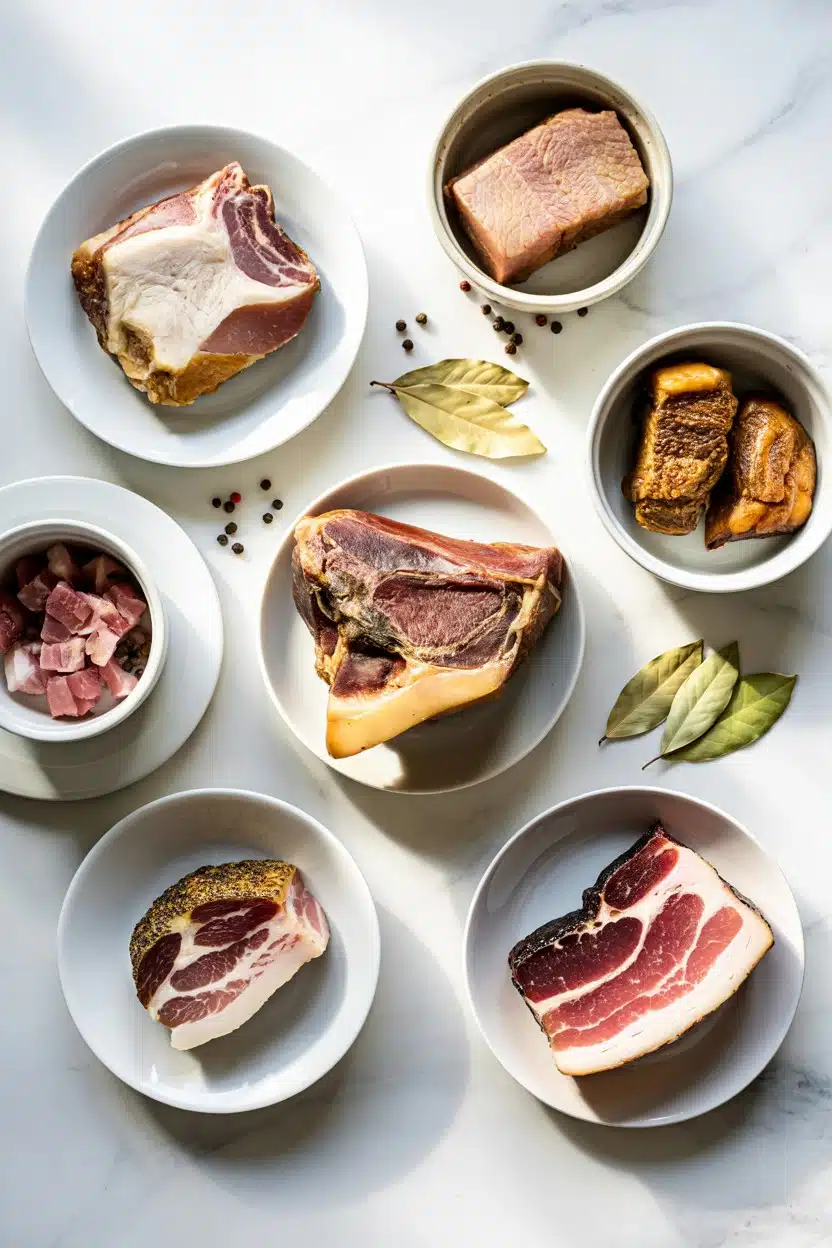
Ham hock gives soups and stews their smoky depth and silky body. The collagen breaks down over hours, thickening the liquid while infusing it with rich pork flavor.

5 Best Substitutes for Ham Hock in Slow-Cooked Dishes
ham-hock-substitutes
QUICK SUMMARY

Smoked turkey leg and pork shoulder best replicate ham hock's flavor and texture. Focus on matching smokiness and collagen for thickening. For bacon, add it late to avoid overpowering saltiness.

🦃Closest match: Smoked turkey leg offers tender meat and gelatin like ham hock.
⚖️Ratio + fix: Swap 1:1; add smoked salt if extra smokiness is needed.
🥓Watch out: Bacon can overpower with salt and lacks tender meat chunks.

Finding a substitute means matching two things: smokiness and gelatin. The best swap depends on whether you need that tender meat or just the flavor it leaves behind. Below are five options ranked by how closely they replicate what ham hock does in slow-cooked dishes.

Quick Substitute Reference
#SubstituteBest ForRatioKey Note
1 Smoked Turkey Leg 🍳 Cooking 1:1 by weight Leaner, milder smoke
2 Pork Shoulder 🍳 Cooking 1:1 by weight Rich but not smoky
3 Bacon 🍳 Cooking 3 strips per hock Concentrated smoke, no tender meat
4 Salt Pork 🍳 Cooking 1:1 by weight Salty, fatty, mild pork taste
5 Smoky Mushroom Broth 🌱 Vegan 1 cup per hock Umami depth, no meat

5 Easy Ham Hock Swaps for Cooking

These substitutes range from nearly identical pork cuts to plant-based alternatives. The first options give you the closest match in texture and flavor, while later picks work when dietary needs or pantry limits come into play.

1 - Smoked Turkey Leg

Smoked turkey leg delivers the same slow-braise behavior as ham hock. The meat turns tender after hours of cooking, and it releases gelatin that thickens your cooking liquid.

The smoke flavor runs milder and the meat is leaner. You won't get the same fatty richness, so add a tablespoon of butter or oil if the dish feels thin.

Here's what to know:

  • Use equal weight - One turkey leg replaces one ham hock directly.
  • Expect lighter color - The broth won't turn as deep or amber.

If you're out of smoked turkey too, Turkey substitutes for cooking covers options with similar smoke and texture.

SMOKED TURKEY LEG

Works for: Collard greens, bean soups, split pea soup

Skip if: You need bold pork flavor

HAM HOCK

Works for: Traditional Southern dishes, rich stocks

Skip if: Avoiding pork

2 - Pork Shoulder

Pork shoulder brings the same fatty richness and collagen content as ham hock. It breaks down beautifully over long cooking times and gives you plenty of shreddable meat.

The main gap is smoke. Without that cured, smoky edge, your dish will taste like braised pork rather than the distinctly hammy flavor you might expect. A teaspoon of smoked paprika or a few drops of liquid smoke bridges that difference.

Key details:

  • Use equal weight replacement - Match the original amount by scale.
  • Add smoke separately - Smoked paprika or liquid smoke fills the gap.

No pork shoulder either? Check Pork Shoulder replacements that work for cuts with similar fat and texture.

Skip if: Smoky flavor is the whole point of the dish.

3 - Bacon

Bacon packs more smoke into less meat. Three strips give you the concentrated salty-smoky punch that one ham hock delivers, but you won't get tender chunks to pull apart at the end.

This swap works when you need flavor, not meat. Chop the bacon and render it at the start of cooking. The fat becomes your cooking base and the crispy bits add texture throughout.

Shortcut
Render chopped bacon first, then build your soup in that fat for deeper flavor without long simmering.

The trade-off is texture. Bacon won't give you that pull-apart meat after braising. If you need both smoke and tender protein, combine bacon with another cut like pork shoulder.

Missing bacon as well? See Bacon replacements that work for smoky alternatives.

4 - Salt Pork

Salt pork has been flavoring beans and greens for generations. It delivers fatty richness and a mild pork taste that melts into whatever you're cooking.

The flavor profile sits closer to fatback than ham hock. You get salty, porky depth without any smoke. This works well in dishes where smoke isn't essential-think navy beans or simple vegetable soups.

Don't have salt pork either? Try replacements similar to Salt Pork for similar fat-forward options.

Skip if: Your recipe specifically calls for smoky flavor.

Golden Rule
Salt pork runs salty. Taste before adding any extra salt to your dish.

5 - Smoky Mushroom Broth

This vegetarian option brings umami and smokiness without any meat. The mushrooms provide earthy depth while smoked ingredients (like chipotle or smoked salt in the broth) handle the smoky notes.

Use one cup of broth to replace one ham hock in soup. You lose the gelatin that thickens the liquid, so consider adding a splash of miso paste or a cornstarch slurry for body.

The essentials:

  • One cup broth per hock - Add it where the ham hock would simmer.
  • Boost body separately - Miso, nutritional yeast, or a roux helps thicken.
  • Layer the smoke - Smoked paprika or liquid smoke intensifies the effect.
  • Expect lighter color - The broth won't have that amber tint.
UseRatioNotes
Soups and stews1 cup broth per hockAdd miso for body
Braised greens½ cup broth per hockLess liquid needed
Bean dishes1 cup broth per hockSimmer beans in the broth

Skip if: You need that distinct pork flavor or pull-apart meat.

Making Ham Hock Substitutes Work

No single swap replicates everything ham hock does, so focus on the role it plays in your recipe. Smoked turkey leg comes closest for texture and body. Bacon handles the smoke when you don't need tender meat.

  • Closest match - Smoked turkey leg for similar texture and gelatin
  • Easiest grab - Bacon for quick smoky depth
  • Dietary option - Smoky mushroom broth for vegan recipes

Frequently Asked Questions

What gives ham hock its unique flavor?

The combination of curing, smoking, and collagen-rich meat creates ham hock's signature taste. The smoking process adds depth while the connective tissue breaks down during cooking to thicken liquids.

Can I use ham instead of ham hock?

Regular ham works for flavor but lacks the collagen that thickens cooking liquid. Use diced ham plus a splash of stock or gelatin to compensate for the missing body.

How do I add smokiness without ham hock?

Smoked paprika, liquid smoke, or chipotle peppers all add smoky notes. Start with a small amount and taste as you go since these ingredients concentrate quickly.

What's the best vegetarian substitute for ham hock?

Smoky mushroom broth provides umami depth and smokiness. Add miso paste or nutritional yeast for extra savory richness and body.

Do I need to adjust cooking time when using substitutes?

Most substitutes cook at similar rates to ham hock. Bacon renders faster, so add it at the start. Liquid substitutes like broth need no extra time-just simmer as your recipe directs.

5 Best Substitutes for Ham Hock in Slow-Cooked Dishes

5 Best Substitutes for Ham Hock

No ratings yet
Ham hock adds smoky depth and silky body to soups and stews by releasing collagen and rich pork flavor. These five substitutes vary by texture and smoky intensity to fit your dish's needs.
Print Recipe Pin Recipe
Prep Time 7 minutes mins
Cook Time 10 minutes mins
Total Time 17 minutes mins
Servings: 4 servings
Course: Cooking, Substitution
Cuisine: American, Southern
Ingredients Method Notes

Ingredients
  

  • 1 unit Smoked Turkey Leg Use equal weight replacement; leaner with milder smoke, adds gelatin and tender meat
  • 1 unit Pork Shoulder Use equal weight replacement; rich and fatty but no smoke, add smoked paprika or liquid smoke
  • Bacon Use 3 strips per ham hock; concentrate smoky flavor but no tender meat
  • 1 unit Salt Pork Use equal weight replacement; salty, fatty, mild pork taste without smoke
  • 1 cup Smoky Mushroom Broth Use 1 cup per ham hock; add miso or cornstarch for body and smoked elements for smoke

Method
 

  1. Choose your substitute based on whether you need tender meat, smoky flavor, or a vegetarian option.
  2. For smoked turkey leg and pork shoulder, use an equal weight replacement to the ham hock in your recipe.
  3. Render bacon strips first if using, then cook your dish in the rendered fat to capture deep smoky flavor.
  4. For smoky mushroom broth, add 1 cup per ham hock and consider adding miso paste or a thickener to boost body.
  5. Add smoked paprika or liquid smoke when using pork shoulder or mushroom broth to mimic smoky notes.
  6. Taste and adjust seasoning to avoid overly salty dishes when using salt pork or bacon substitutes.
  7. Simmer or braise substitutes as your original recipe directs to integrate flavors and textures properly.

Notes

Taste-test salt pork slowly to prevent an overly salty dish when substituting ham hock.

Tried this recipe?

Let us know how it was!

5 Best Substitutes for Guanciale in Italian Pasta Dishes

April 27, 2026

You measured out what the recipe calls for and came up short. Guanciale brings rich pork fat and a subtle, sweet cure that coats pasta and flavors sauces from the inside out.

5 Best Substitutes for Guanciale in Italian Pasta Dishes
QUICK SUMMARY

Pancetta and lardons best replicate guanciale's fat content and texture. Focus on matching fat and cure style first. Adjust cooking time slightly to avoid burning or under-rendering fat.

🥓Closest match: Pancetta offers similar cured pork flavor with slightly less fat.
⚖️Ratio + fix: Swap 1:1; reduce cooking heat to render fat gently.
🔥Watch heat: Bacon's smoke can overpower dishes if cooked too long or hot.

The right substitute depends on fat content and cure style, not just the pork flavor. Some swaps render similarly, others crisp up differently, and a few skip meat entirely. Match the role first.

Quick Substitute Reference
# Substitute Best For Ratio Key Note
1 Pancetta 🍳 Cooking 1:1 Milder, less fatty
2 Bacon 🍳 Cooking 1:1 Smokier, saltier
3 Prosciutto 🍳 Cooking 1.5:1 Lean, add oil
4 Lardons 🍳 Cooking 1:1 Pure fat, rich
5 Smoked Tempeh 🌱 Vegan 1.25:1 Smoky, no pork

5 Simple Guanciale Swaps to Save Time

Some swaps stay close to the original, while others require small adjustments. Pick based on what fat content and flavor profile your dish needs most.

1 - Pancetta

Pancetta comes from pork belly instead of the jowl, giving you a similar cured pork flavor with less fat to render. The texture runs slightly firmer and the taste leans subtler with a hint of sweetness.

Use equal amounts and expect a cleaner, less rich finish. Add a splash of olive oil if the pan looks dry during cooking.

If you're also out of pancetta, simple Pancetta substitutes list covers options with similar cure profiles.

Skip if: you need that signature fatty richness that coats every strand of pasta.

Guanciale

Works for: Rich, silky carbonara with melted fat coating

Skip if: You want less grease

Pancetta

Works for: Lighter pasta dishes, soups, bean stews

Skip if: Authentic Roman recipes matter

2 - Bacon

Bacon brings smoke that guanciale never has. That campfire note changes the dish, so this swap works best when smoky fits the flavor profile you want.

The salt level runs higher too. Taste before adding any extra seasoning.

Key details:

  • Renders faster - Watch the heat to avoid burning.
  • Crisps more - Pull it earlier for chewier pieces.
  • Smokiness dominates - Works great in bean dishes or breakfast pasta.
  • Cut thick - Thin strips turn brittle quickly.

Don't have bacon either? Check Bacon alternatives worth trying for swaps that crisp similarly.

3 - Prosciutto

Prosciutto skips the fat entirely. It's dry-cured ham that adds porky flavor without any rendered grease to speak of.

Add two tablespoons of olive oil or butter for every tablespoon of prosciutto. Crisp the pieces quickly over medium heat-they turn tough if overcooked.

Watch Out
Prosciutto goes from tender to cardboard in seconds. Add it late or cook it fast.

The essentials:

  • Use 1.5x the amount - Compensates for zero fat.
  • Finish with it - Stir into hot pasta off the heat.

Missing prosciutto as well? See Prosciutto alternatives worth trying for options that stay tender.

Skip if: the recipe depends on slow-rendered pork fat.

4 - Lardons

Lardons come from cured pork fatback-pure fat with minimal meat. They render beautifully and give you that slick, rich coating guanciale provides.

The flavor runs simpler without the cheek's subtle sweetness. Season the dish a touch more aggressively.

What to expect:

  • Equal swap - Same amount works perfectly.
  • Low and slow - Render over medium-low for best results.

No lardons on hand? Check instead of Lardo try these for pure-fat alternatives.

Skip if: you're adding this raw or to delicate cold dishes.

Use Ratio Notes
Carbonara 1:1 Renders similarly, less sweet
Amatriciana 1:1 Add pinch of sugar for balance
Bean dishes 1:1 Perfect for long braises

5 - Smoked Tempeh

Smoked tempeh gives vegetarian dishes that savory, smoky punch without any pork. The texture stays chewy rather than melting into fat.

Cube it small and crisp in oil over high heat. It won't render, so you're building texture instead of coating.

Use about 1.25 times the volume to fill the same space on the plate. Season with a splash of soy sauce for extra depth.

Shortcut
Marinate tempeh cubes in a little maple syrup and smoked paprika before crisping for closer flavor.

Out of tempeh too? See Tempeh replacements that work for plant-based swaps with similar chew.

Skip if: traditional pork flavor matters more than the texture.

How to Choose a Guanciale Substitute

There's no perfect replacement-guanciale's jowl fat and cure are unique. Match the fat content first, then adjust seasoning to get close.

  • Closest match - Lardons render almost identically
  • Easiest grab - Bacon works from most fridges
  • Dietary option - Smoked tempeh for plant-based meals

Frequently Asked Questions

Can I use bacon instead of guanciale in carbonara?

Yes, but the smoke flavor changes the dish noticeably. Use thick-cut bacon and render it slowly to get closer to the original texture.

Why does prosciutto need extra fat when substituting?

Prosciutto is lean cured ham with almost no fat to render. Adding olive oil or butter compensates for what guanciale naturally provides.

What makes pancetta different from guanciale?

Pancetta comes from pork belly while guanciale comes from the jowl. Pancetta has less fat and a milder, slightly sweeter flavor.

Is there a vegetarian substitute that works in pasta?

Smoked tempeh crisped in oil adds smoky, savory notes. It won't melt like fat, but it delivers texture and flavor to vegetarian carbonara-style dishes.

Do I need to adjust cooking time with these substitutes?

Bacon and pancetta render faster than guanciale. Prosciutto cooks in seconds and turns tough if left too long. Watch your heat and timing.

5 Best Substitutes for Guanciale in Italian Pasta Dishes

5 Best Substitutes for Guanciale

No ratings yet
Guanciale provides rich pork fat and a sweet cured flavor essential for some Italian dishes. This guide offers practical substitutes to match fat content and flavor profile whether cooking or for dietary needs.
Print Recipe Pin Recipe
Prep Time 7 minutes mins
Cook Time 8 minutes mins
Total Time 15 minutes mins
Servings: 4 servings
Course: Cooking, Substitutes
Cuisine: Italian
Ingredients Method Notes

Ingredients
  

  • 1 to 1 Pancetta Use equal amounts as guanciale; milder and less fatty.
  • 1 to 1 Bacon Use equal amounts as guanciale; smokier and saltier.
  • 1.5 to 1 Prosciutto Use 1.5 times the amount and add oil to compensate for lack of fat.
  • 1 to 1 Lardons Use equal amounts; pure fat and rich but less sweet flavor.
  • 1.25 to 1 Smoked Tempeh Use 1.25 times the volume to replace guanciale in vegetarian dishes; smoky and no pork.

Method
 

  1. Choose a substitute based on the fat content and flavor profile your dish requires.
  2. If using pancetta or bacon, cook with the same quantity as guanciale and add olive oil if pan is dry.
  3. When using prosciutto, use 1.5 times the amount and add olive oil or butter for fat. Cook quickly over medium heat.
  4. For lardons, use equal parts and render slowly over medium-low heat to get a rich coating.
  5. For smoked tempeh, cube small and crisp in oil over high heat. Use about 1.25 times the volume and season with soy sauce.
  6. Taste and adjust seasoning carefully, especially with smoky or saltier substitutes like bacon and tempeh.

Notes

Add olive oil slowly when cooking prosciutto to prevent dryness and toughness.

Tried this recipe?

Let us know how it was!

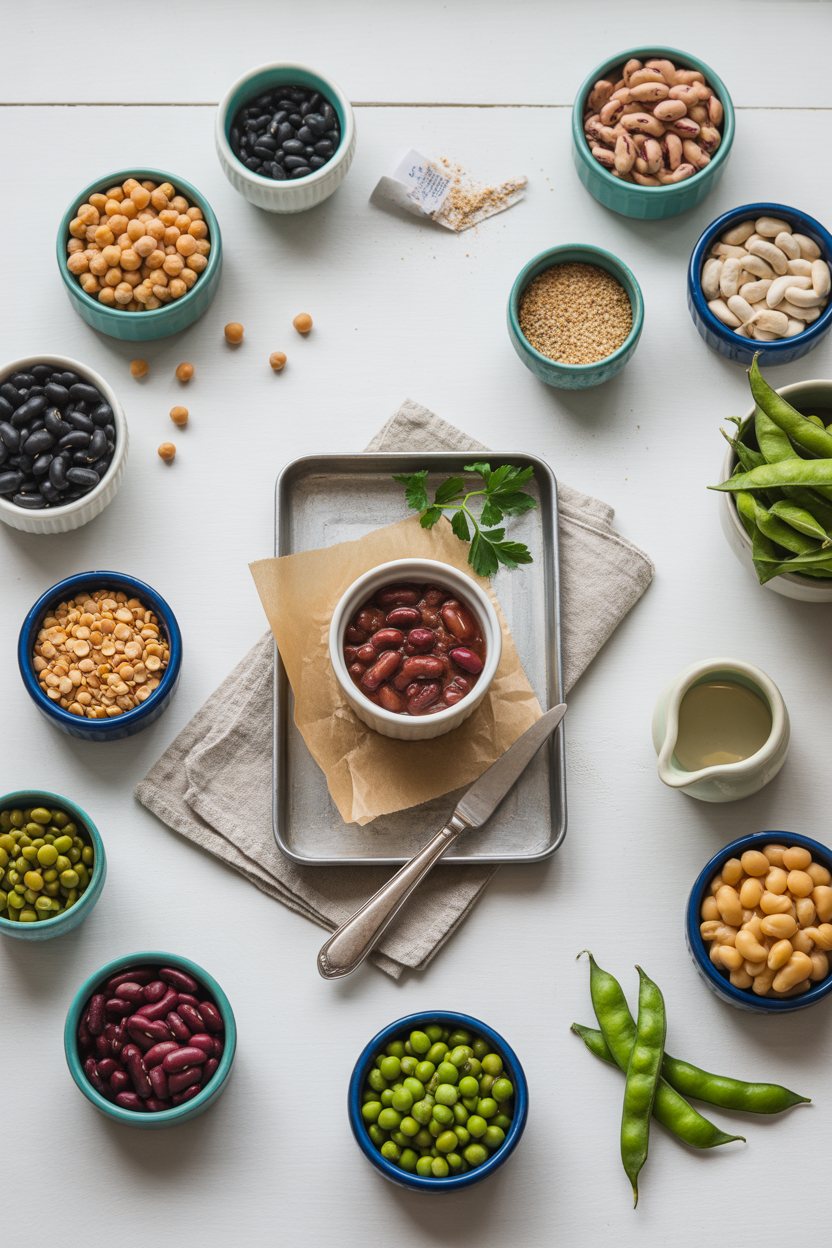
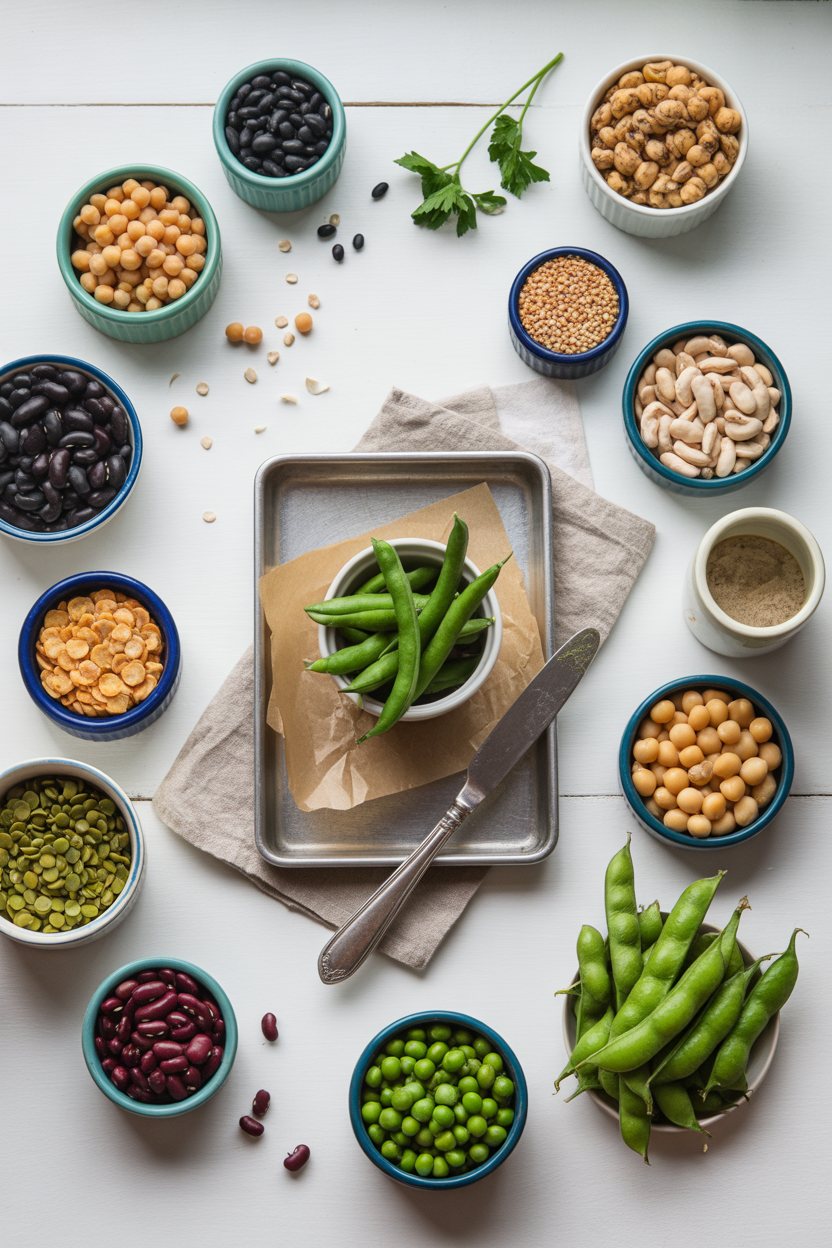
5 Best Substitutes for Kidney Bean in Chili and Stews

April 27, 2026

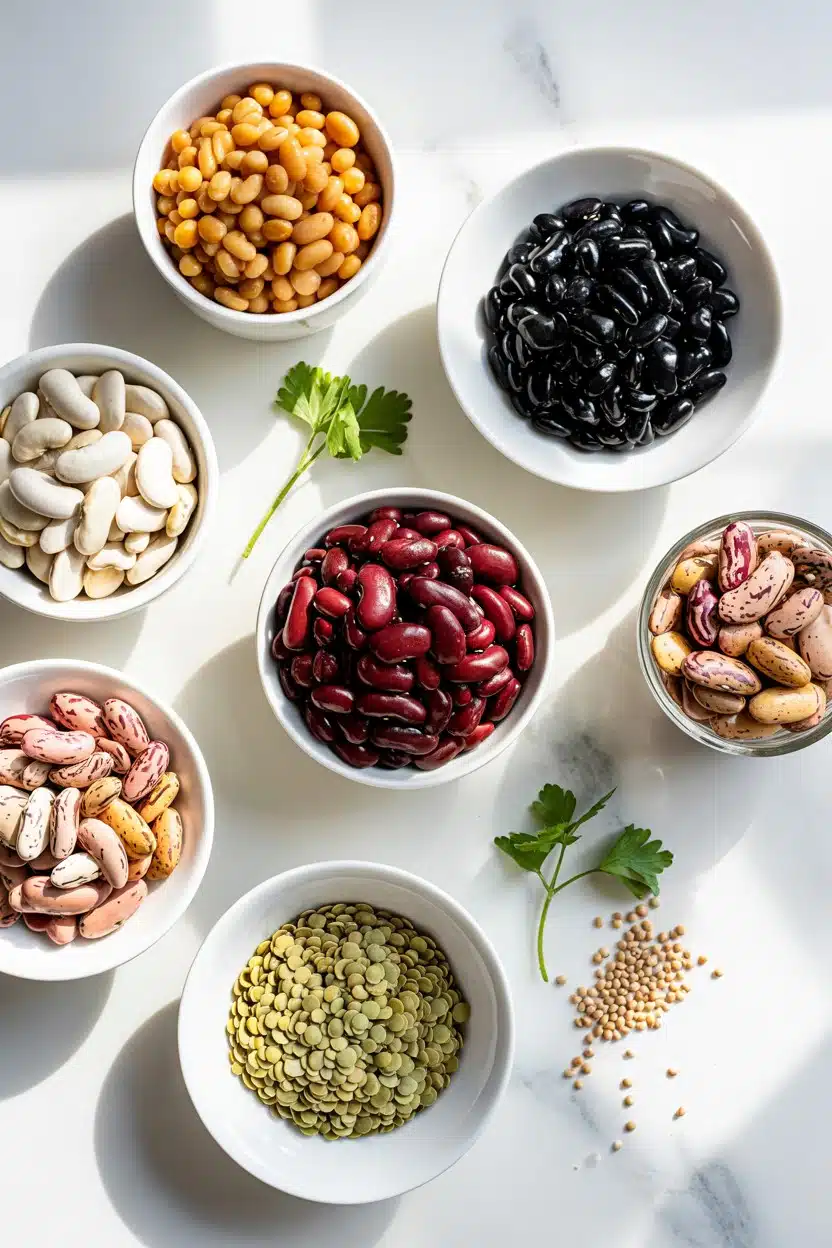
You're halfway through a pot of chili when you realize the kidney beans are gone. The empty can sits on the counter, and now you need something else to fill that role.

5 Best Substitutes for Kidney Bean in Chili and Stews
kidney-bean-substitutes
QUICK SUMMARY

Black beans and chickpeas offer the best texture match for kidney beans. Focus on texture first to keep your chili hearty. For softer dishes, consider pinto beans. Always adjust cooking time based on the substitute's firmness.

🫘Closest match: Black beans hold shape and texture like kidney beans in chili.
⚖️Ratio + fix: Swap 1:1; reduce cooking time slightly for chickpeas to avoid toughness.
⏳Watch out: Red lentils break down quickly and can turn your stew into a puree.

Kidney beans bring a firm, meaty texture and mild earthiness that anchors hearty dishes. The right substitute depends on whether you need beans that hold their shape or ones that blend into the background. This list starts with the closest matches and moves toward bolder swaps.

Quick Substitute Reference
#SubstituteBest ForRatioKey Note
1 Black Beans 🍳 Cooking 1:1 Firmer with deeper color
2 Cannellini Beans 🍳 Cooking 1:1 Milder and creamier
3 Pinto Beans 🍳 Cooking 1:1 Softer, earthy flavor
4 Chickpeas ✨ Both 1:1 Nutty, holds shape well
5 Red Lentils 🍳 Cooking ½ cup per 1 cup Breaks down, thickens dishes

5 Top Kidney Bean Alternatives That Hold Up

The options below range from pantry staples to specialty picks. Start with what you have on hand, and match the swap to your dish-some work better in braises, others in cold salads.

1 - Black Beans

Black beans share that firm, meaty quality kidney beans bring to chili. They hold their shape through long simmers without turning mushy.

The flavor runs earthier with a slight sweetness underneath. Expect a darker color in the finished dish-the liquid will tint purple-black.

Key details:

  • Swap 1:1 by volume or weight.
  • Rinse canned beans to reduce sodium.
  • Add 5 minutes earlier if using dried beans.
  • Works in soups, tacos, and rice bowls.

If you're short on black beans too, replacements similar to Black Bean covers options with similar firmness.

Skip if: you need the classic red-brown color for presentation.

BLACK BEANS

Works for: Chili, stews, and Tex-Mex dishes

Skip if: You need kidney bean's signature color

CANNELLINI BEANS

Works for: Italian soups, minestrone, and white chili

Skip if: The dish has bold, spicy flavors

2 - Cannellini Beans

Cannellini beans have a milder, nuttier taste than kidney beans. The texture runs creamier, almost buttery when cooked through.

They absorb surrounding flavors well. This makes them ideal for dishes where the broth or sauce carries the seasoning load.

The essentials:

  • Use 1:1 ratio.
  • Cook gently-they fall apart at high boils.
  • Best in Italian soups and pasta e fagioli.

No cannellini either? Check Cannellini Bean substitutes for cooking for beans with that same creamy finish.

Skip if: the recipe needs beans that stand up to aggressive spices.

3 - Pinto Beans

Pinto beans cook up softer than kidney beans. They work in dishes where you want the beans to partially break down and thicken the liquid.

Shortcut
Mash half the pinto beans before adding to simulate kidney bean's body without losing all texture.

The flavor leans earthier with a slight creaminess. Mexican and Southwestern dishes suit them best.

Swap 1:1. For refried beans or bean dip, these actually outperform kidney beans.

Don't have pinto beans either? See Pinto Bean swaps by recipe type for options that match that soft, earthy profile.

Skip if: you need beans that stay completely intact after hours of cooking.

4 - Chickpeas

Chickpeas bring a nuttier, starchier bite than kidney beans. They hold their shape better than almost any other option here.

The texture is firmer and slightly grainy. This swap works best in salads, grain bowls, and Mediterranean-style stews.

What to expect:

  • Use 1:1 ratio.
  • Roast them for added crunch in salads.

Missing chickpeas as well? Chickpea substitutes for stews lists beans with comparable firmness.

Skip if: the recipe needs a smooth, creamy bean texture.

Best Pick
For cold bean salads where texture matters most, chickpeas outperform kidney beans.

5 - Red Lentils

Red lentils cook completely differently. They break down into a thick puree within 15-20 minutes.

This makes them a poor match for dishes where you want visible, intact beans. But for soups that need body or stews that benefit from natural thickening, they work.

Quick specs:

  • Use ½ cup red lentils per 1 cup kidney beans.
  • No soaking needed-they cook fast.
  • Stir frequently to prevent sticking.

Out of red lentils too? Replacements similar to Lentil has quick-cooking options.

Skip if: you want beans that hold their shape.

UseRatioNotes
Chili and hearty stews1:1 black beansFirmest option, darkens liquid
Italian soups1:1 cannelliniCreamier, absorbs broth well
Thickening soups½ cup red lentilsBreaks down completely

How to Choose a Kidney Bean Substitute

Most of these swaps work without major recipe changes. The decision comes down to texture-do you need beans that stay firm or ones that blend in?

Start with black beans or cannellini for the closest match. Use red lentils only when you want natural thickening.

  • Closest match - Black beans for similar firmness
  • Easiest grab - Pinto beans, common pantry staple
  • Shape retention - Chickpeas for salads and cold dishes

Frequently Asked Questions

Can I substitute canned beans for dried kidney beans in recipes?

Yes. Use about 1.5 cups of canned beans for every 1 cup of dried called for. Add canned beans near the end since they're already cooked.

Do kidney bean substitutes change the taste of chili?

Slightly. Black beans add earthier depth while cannellini beans taste milder. The spices in chili usually mask small flavor differences.

Which kidney bean substitute works best for bean salads?

Chickpeas hold their shape best in cold salads. They stay firm even after sitting in dressing for hours.

Are kidney bean substitutes safe for people with kidney concerns?

Most beans contain similar nutrients. Consult a doctor about specific dietary restrictions before choosing substitutes.

Can I mix different beans when substituting for kidney beans?

Absolutely. A mix of black beans and pinto beans mimics kidney bean texture and color better than either alone.

5 Best Substitutes for Kidney Bean in Chili and Stews

5 Best Substitutes for Kidney Bean

No ratings yet
This guide offers five practical substitutes for kidney beans, focusing on matching texture and flavor. Choose based on whether you need beans that hold shape or dissolve into the dish.
Print Recipe Pin Recipe
Prep Time 7 minutes mins
Cook Time 8 minutes mins
Total Time 15 minutes mins
Servings: 4 servings
Course: Substitute Guide
Cuisine: Various
Ingredients Method Notes

Ingredients
  

  • 1 Black Beans Use 1:1 swap by volume or weight; rinse canned beans to reduce sodium; add 5 minutes earlier if using dried.
  • 1 Cannellini Beans Use 1:1 ratio; cook gently to avoid falling apart; best for Italian soups and pasta e fagioli.
  • 1 Pinto Beans Use 1:1 ratio; mash half before adding to simulate kidney bean texture without losing all integrity.
  • 1 Chickpeas Use 1:1 ratio; best roasted for crunch in salads; holds shape well.
  • ½ cup Red Lentils Use ½ cup per 1 cup kidney beans; no soaking needed; stir frequently to prevent sticking.

Method
 

  1. Choose your substitute based on the dish type and whether you want beans that hold shape or blend in.
  2. If using canned beans, rinse them to reduce excess sodium and drain well before use.
  3. For dried beans, adjust cooking time by adding 5 minutes earlier than kidney beans, except for delicate ones like cannellini which require gentle cooking.
  4. Apply the specified ratio for each substitute: 1:1 for most beans, ½ cup red lentils per 1 cup kidney beans for thickening.
  5. For pinto beans, mash half before adding to maintain some texture while mimicking kidney bean body.
  6. Use chickpeas for salads and dishes needing firm beans; roast them for added crunch if desired.
  7. Use red lentils only if you want the beans to break down and thicken soups or stews naturally.
  8. Taste and check consistency near the end of cooking to ensure the substitute blends well with the dish.

Notes

Rinse black beans thoroughly to prevent excess saltiness in your dish.

Tried this recipe?

Let us know how it was!

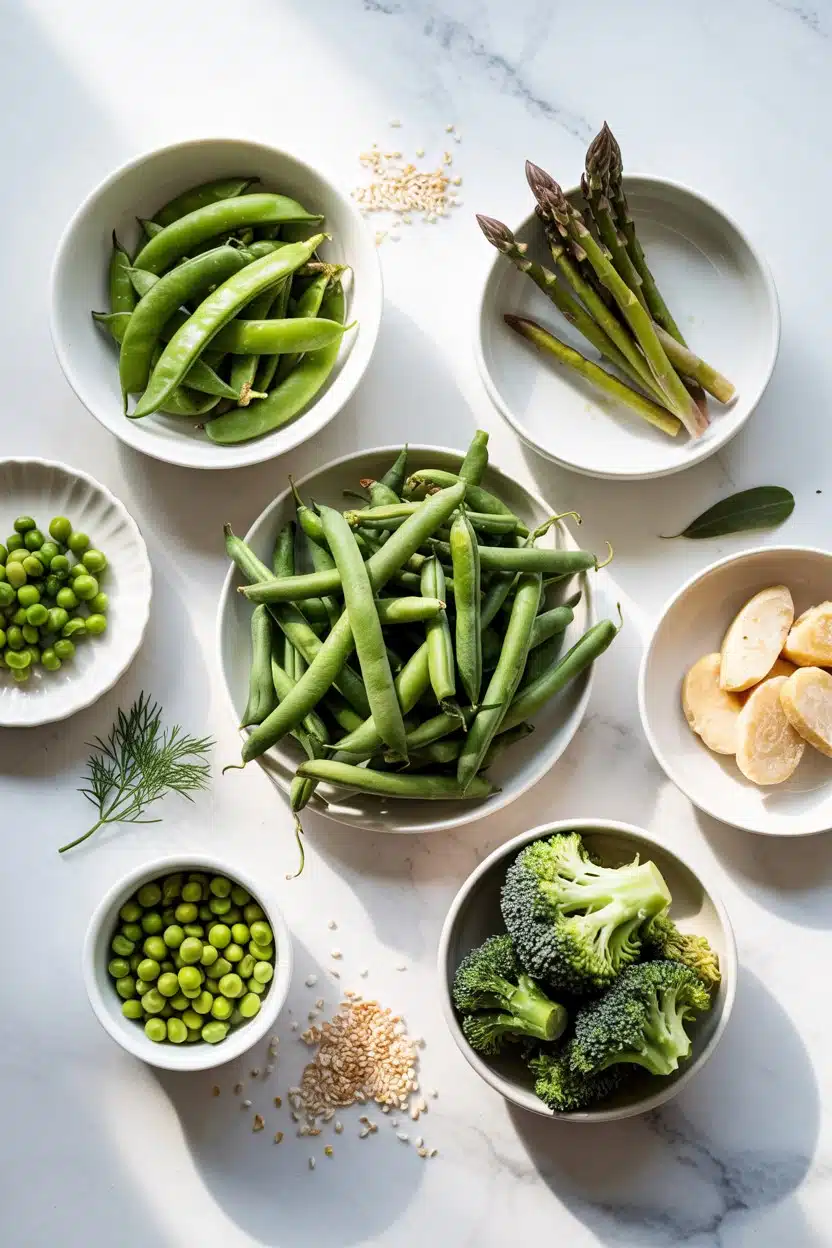
5 Best Substitutes for Green Bean in Home Cooking

April 27, 2026

The green beans in the crisper look tired. They've gone limp, maybe spotted, definitely past the point of crisp-tender sautéing. Time to pivot.

5 Best Substitutes for Green Bean in Home Cooking
green-bean-substitutes
QUICK SUMMARY

Asparagus and Snap Peas are top substitutes, focusing on texture first. Choose based on whether you want snap or crunch. Blanch or sauté asparagus briefly to keep its bright color and flavor.

🥒Closest match: Haricots verts offer nearly identical flavor with a more delicate texture.
⚖️Ratio + fix: Swap 1:1; adjust cooking time to avoid over-softening.
🔥Watch heat: Zucchini releases liquid quickly, which can water down sauces.

These substitutes range from near-identical swaps to vegetables that play the same role with a different personality. The right pick depends on whether you need crunch, color, or just something green on the plate.

Quick Substitute Reference
#SubstituteBest ForRatioKey Note
1 Asparagus 🍳 Cooking 1:1 Slightly sweeter, earthier
2 Snap Peas ✨ Both 1:1 Sweeter, stays crunchy
3 Broccoli 🍳 Cooking 1:1 Chop small, more robust
4 Zucchini 🍳 Cooking 1.5:1 Softer, releases moisture
5 Haricots Verts ✨ Both 1:1 Thinner, more tender

5 Simple Green Bean Swaps to Save Time

Not every swap behaves the same way under heat, and some hold up better in cold dishes than others. Start with the closest match if texture matters, or pick based on what's already in the fridge.

1 - Asparagus

Asparagus delivers the same satisfying snap when cooked properly, with a slightly sweeter, earthier edge that complements garlic and lemon. The stalks need similar timing-blanch for 2-3 minutes or sauté until bright green with charred spots.

Trim the woody ends before cooking. Thicker spears work better for roasting; pencil-thin ones suit quick stir-fries.

Here's what to know:

  • Match the thickness - Choose spears similar in width to your green beans for even cooking.
  • Adjust the cut - Slice on the diagonal for stir-fries to mimic green bean shape.

If you're also out of asparagus, Asparagus swaps by recipe type covers options with similar snap.

Skip if: You need something that holds up to long braising.

Asparagus

Works for: Sautés, roasting, steamed sides

Skip if: Raw salads needing serious crunch

Snap Peas

Works for: Stir-fries, fresh salads, quick sautés

Skip if: Long-simmered dishes like casseroles

2 - Snap Peas

Snap peas bring more sweetness and a pronounced crunch that holds even after cooking. They're closest to green beans in how they look on a plate, with that bright green pop and similar shape.

The pod is entirely edible-no shelling needed. Pull the string from the seam if it bothers you, but most snap peas sold today are stringless. Keep cooking time short to preserve the snap.

Don't have snap peas either? Sugar Snap Peas swaps for protein lists alternatives that stay crisp.

3 - Broccoli

Broccoli offers more bulk and a slightly bitter, cabbage-like flavor that stands up to bold seasonings. It won't mimic the slender shape of green beans, but it fills the same role as a green vegetable side.

Cut florets small-about the size of a bite-so they cook at the same rate. Larger pieces stay raw in the center while the edges char.

Shortcut
Use broccoli stems too-peel and slice into coins for extra crunch.

The essentials:

  • Roast at high heat - 425°F brings out sweetness and crispy edges.
  • Steam briefly - 3-4 minutes keeps it bright green without turning mushy.

No broccoli on hand either? Tested Broccoli replacements has options that roast well.

Skip if: You need a delicate, slender vegetable for presentation.

4 - Zucchini

Zucchini cooks faster and releases more liquid, so it won't give you that satisfying snap. What it does offer is a mild, buttery background that absorbs whatever sauce or seasoning you throw at it.

Use 1.5 times the volume of green beans to account for shrinkage. Salt the slices and let them drain for 10 minutes if you're sautéing-this pulls out moisture and helps with browning.

Key details:

  • Cut thick - Thin slices turn to mush; aim for ½-inch half-moons.
  • High heat only - Medium heat steams instead of sears.
  • Add late - In stir-fries, toss in zucchini during the last 2 minutes.
  • Season after - Salt draws out water, so wait until it's nearly done.

Missing zucchini as well? Zucchini alternatives to try covers swaps with similar mild flavor.

Skip if: Crunch is essential to the dish.

UseRatioNotes
Casseroles1.5:1Slice thick to hold shape
Stir-fries1.5:1Add last to prevent sogginess
Grilling1:1Brush with oil to prevent sticking

5 - Haricots Verts

Haricots verts are just thinner, more tender green beans-French-style, if you want the fancy name. They cook faster and have a more delicate texture, but the flavor is nearly identical.

Reduce cooking time by a minute or two. These go from crisp-tender to limp quickly, so watch them.

No adjustments needed for seasoning or technique. They work anywhere green beans do, just with a slightly more refined look on the plate.

Out of haricots verts too? Quick Green Bean replacements to try covers similar options.

Golden Rule
The thinner the bean, the shorter the cook time. Pull them a minute early.

Final Thoughts on Swapping Green Bean

Most of these substitutes work without changing your technique much, but the best choice depends on what you're making. For sautés and stir-fries, snap peas or asparagus come closest in texture and appearance.

  • Closest match - Haricots verts, nearly identical flavor
  • Easiest grab - Broccoli, usually already in the fridge
  • Best for crunch - Snap peas, stays crisp even cooked

Frequently Asked Questions

Can I use frozen vegetables as green bean substitutes?

Frozen snap peas and broccoli work well-just thaw and pat dry before sautéing to avoid steaming instead of browning.

Which substitute works best in green bean casserole?

Broccoli holds up best to the long bake time and creamy sauce. Cut florets small so they blend into the dish.

Do I need to adjust cooking time when swapping green beans?

Haricots verts need 1-2 minutes less, while broccoli florets need about the same time. Zucchini cooks fastest-add it last.

What's the best substitute for raw green beans in salads?

Snap peas are the top pick for cold salads. They stay crunchy and have a similar fresh, vegetal flavor.

Can I mix different substitutes in one dish?

Absolutely. Asparagus and snap peas together make a colorful stir-fry, and mixing adds texture variety to roasted vegetable medleys.

5 Best Substitutes for Green Bean in Home Cooking

5 Best Substitutes for Green Bean

No ratings yet
This guide offers five vegetable substitutes for green beans, focusing on texture, flavor, and cooking method to help you pick the best alternative for your dish.
Print Recipe Pin Recipe
Prep Time 7 minutes mins
Cook Time 8 minutes mins
Total Time 15 minutes mins
Servings: 4 servings
Course: Side Dish, Vegetable
Cuisine: American-Inspired
Ingredients Method Notes

Ingredients
  

  • 1 to 1 Asparagus Use a 1:1 ratio by volume; slightly sweeter and earthier than green beans
  • 1 to 1 Snap Peas Use a 1:1 ratio by volume; sweeter and stays crunchy, pod is edible
  • 1 to 1 Broccoli Use a 1:1 ratio by volume; chop small for even cooking and more robust flavor
  • 1.5 to 1 Zucchini Use 1.5 times the volume of green beans; softer and releases moisture
  • 1 to 1 Haricots Verts Use a 1:1 ratio by volume; thinner and more tender than regular green beans

Method
 

  1. Choose substitute based on dish needs: snap peas or asparagus for sautés and stir-fries, haricots verts for closest match, broccoli for bulk and easy grab, zucchini for mild flavor dishes.
  2. Prepare substitutes by trimming woody ends for asparagus, slicing zucchini thick, and cutting broccoli into bite-sized florets.
  3. Apply substitution ratios as follows: 1:1 for asparagus, snap peas, broccoli, and haricots verts; 1.5:1 for zucchini accounting for moisture loss.
  4. Adjust cooking time: blanch asparagus 2-3 minutes or sauté; roast broccoli at high heat or steam briefly 3-4 minutes; add zucchini last in stir-fries; watch haricots verts closely.
  5. Check final dish for texture and flavor, ensuring substitutes maintain desired crunch, color, and appearance.

Notes

Salt zucchini and let it drain before cooking to prevent a watery texture and preserve browning.

Tried this recipe?

Let us know how it was!

7 Best Substitutes for Immersion Blender in Pureeing Soups

April 27, 2026

You're halfway through blending a batch of soup when the immersion blender sputters and dies. The motor burned out, and now you need another way to get that smooth texture.

7 Best Substitutes for Immersion Blender in Pureeing Soups
immersion-blender-substitutes
QUICK SUMMARY

Countertop blenders and food processors offer the best texture for purees, focusing on smoothness and ease. For light emulsions, a whisk works well. Keep in mind that blending in batches may be necessary, and cleanup can vary by tool.

🔄Closest match: Countertop blender creates smooth purees with a sealed jar vortex.
⚖️Ratio + fix: Blend in smaller batches; stir between to ensure even texture.
⚠️Watch out: Food processors leave chunkier texture, not ideal for silky soups.

The right backup depends on what you're making-thick purées need different tools than light dressings. Some swaps match the convenience of an immersion blender while others require extra steps or cleanup.

Quick Substitute Reference
#SubstituteBest ForRatioKey Note
1 Countertop Blender 🍳 Cooking 1:1 Best for large batches
2 Food Processor 🍳 Cooking 1:1 More textured results
3 Whisk 🍳 Cooking Equal effort Dressings and emulsions only
4 Potato Masher 🍳 Cooking 1:1 Chunky texture
5 Hand Mixer 🥧 Baking Equal time Whipping only, no purée
6 Food Mill 🍳 Cooking 1:1 Smooth purée, removes skins
7 Blender Stick Attachment 🍳 Cooking 1:1 Requires stand mixer

7 Quick Immersion Blender Substitutes That Work

These options range from common countertop appliances to simple hand tools. The closest matches come first, with more specialized alternatives toward the end.

1 - Countertop Blender

A standard blender handles large batches of soup or sauce with ease. The sealed jar creates a vortex that pulls ingredients down into the blades, producing silky-smooth results.

You lose the convenience of blending directly in the pot. Let hot liquids cool for a few minutes before transferring, and never fill past the halfway mark to avoid pressure buildup.

Here's what to know:

  • Blend in batches - Overloading causes splatters and uneven texture.
  • Leave the lid cracked - Steam needs somewhere to escape when blending hot liquids.
  • Start on low - Build speed gradually to avoid launching soup onto your ceiling.
  • Transfer carefully - Use a ladle and funnel for hot purées.

Skip if: you're working with less than two cups of liquid.

Countertop Blender

Works for: Large batches of soup, smoothies, silky sauces

Skip if: Small quantities or blending directly in pot

Food Processor

Works for: Chunky purées, pesto, chopped vegetables

Skip if: You need completely smooth results

2 - Food Processor

This machine excels at chopping and rough purées but won't achieve the same smoothness as an immersion blender. The wide bowl and blade design leaves more texture in the final product.

Pesto, hummus, and chunky tomato sauce work well here. For soups, expect a rustic finish rather than restaurant-smooth.

If you're also out of a food processor, Food Processor alternatives worth trying covers similar choppers and grinders.

Skip if: you want baby-food smooth consistency.

3 - Whisk

A whisk handles emulsions and light sauces beautifully. Vinaigrettes, hollandaise, and pan sauces come together with just your arm and a bowl.

No pureeing power here. You're combining and aerating, not breaking down solids.

The essentials:

  • Use a deep bowl - Prevents splattering when whisking vigorously.
  • Match whisk size to task - Balloon whisks for volume, flat whisks for pan sauces.
Shortcut
For mayonnaise, whisk in oil drop by drop at first. Once emulsified, you can add oil in a thin stream.

4 - Potato Masher

When you want texture, a masher delivers. Mashed potatoes, smashed beans, and chunky applesauce all benefit from this simple tool.

Press straight down rather than stirring. Work in sections for even results.

Key details:

  • Cook ingredients soft - Hard vegetables won't mash smoothly.
  • Drain excess liquid first - Too much water makes mashing messy.
  • Use a sturdy pot - The pot needs to handle downward pressure without tipping.

The trade-off is effort. Large batches tire your arm quickly.

Skip if: smooth purée is the goal.

5 - Hand Mixer

Electric hand mixers whip cream and beat eggs efficiently. They add air and volume to batters.

Zero pureeing ability. The beaters spin but don't cut through solid ingredients.

What to expect:

  • Great for whipped cream - Faster than whisking by hand.
  • Works for soft batters - Pancakes, cake batter, muffin mix.
  • Fails on solids - Cooked vegetables won't break down.
  • Splatter risk - Keep speeds low when starting in liquid.
Watch Out
Hand mixers spray liquid at high speeds. Start slow and increase gradually to avoid a mess.

6 - Food Mill

A food mill produces silky purées while removing seeds and skins. Tomato sauce and applesauce benefit from this one-step process.

The hand crank requires patience. Hot liquids work fine, but the mill doesn't process quickly.

Quick specs:

  • Choose the right disk - Fine for smooth, coarse for chunky.
  • Process cooked ingredients only - Raw vegetables won't pass through.
  • Expect arm fatigue - Large batches take time and effort.

This tool shines for canning projects where seed-free texture matters.

UseBest ToolNotes
Smooth soupCountertop BlenderCool slightly before blending
Chunky salsaFood ProcessorPulse for control
Seed-free sauceFood MillRemoves skins automatically

7 - Blender Stick Attachment

Some stand mixers accept immersion-style attachments. These work similarly to dedicated immersion blenders but with less flexibility.

You need the specific attachment and a compatible stand mixer. Not a universal solution.

The essentials:

  • Check compatibility first - Not all mixers support this attachment.
  • Less maneuverable - The cord and mixer base limit movement.

Skip if: you don't already own the attachment.

Golden Rule
Match the tool to the texture you want. Smooth needs a blender; chunky works with a masher or processor.

Making Immersion Blender Substitutes Work

Most kitchens already have at least one of these alternatives tucked in a cabinet. The key is matching the tool to your texture goal-smooth, chunky, or somewhere between.

  • Closest match - Countertop Blender, handles hot liquids and large volumes
  • Easiest grab - Potato Masher, no electricity needed
  • Most versatile - Food Processor, chops and purées multiple textures

Frequently Asked Questions

Can I blend hot soup in a regular blender?

Yes, but let it cool for five minutes first and fill only halfway. Remove the center cap and cover with a towel to let steam escape.

What's the best substitute for pureeing baby food?

A countertop blender or food mill produces the smoothest results for baby food. A food processor works but leaves more texture.

Can a hand mixer replace an immersion blender for soup?

No. Hand mixers whip and aerate but cannot purée solid ingredients. Use a countertop blender or food processor instead.

Why does my blender soup taste different than when I use an immersion blender?

Countertop blenders incorporate more air and process more aggressively. This can lighten color and change texture slightly compared to immersion blending.

What's the easiest no-equipment option for mashing cooked vegetables?

A fork works for small amounts of soft vegetables like avocado or banana. For larger batches, a potato masher is faster and more effective.

7 Best Substitutes for Immersion Blender in Pureeing Soups

7 Best Substitutes for Immersion Blender

No ratings yet
Explore seven practical alternatives to an immersion blender that cover a range of textures from smooth purees to chunky mixtures. Find the best tool for your recipe and follow simple steps for optimal results.
Print Recipe Pin Recipe
Prep Time 10 minutes mins
Cook Time 8 minutes mins
Total Time 18 minutes mins
Servings: 4 servings
Course: Baking, Cooking, Substitutes
Ingredients Equipment Method Notes

Ingredients
  

  • 1 to 1 Countertop Blender Use at a 1:1 ratio substitute, best for large batches
  • 1 to 1 Food Processor Use at a 1:1 ratio substitute, more textured results
  • Whisk Equal effort ratio, use only for dressings and emulsions
  • 1 to 1 Potato Masher Use at a 1:1 ratio substitute for chunky texture
  • Hand Mixer Equal time, only for whipping, no pureeing
  • 1 to 1 Food Mill Use at a 1:1 ratio, smooth puree and removes skins
  • 1 to 1 Blender Stick Attachment Use at a 1:1 ratio, requires compatible stand mixer

Equipment

  • Countertop Blender Used for blending large batches and hot liquids with care
  • Food processor Great for chopping and rough purees with texture
  • Whisk For emulsions and light sauces only
  • Potato Masher Ideal for chunky textures and soft cooked vegetables
  • Hand mixer Whips and aerates soft batters and creams only
  • Food Mill Produces smooth purees removing skins and seeds
  • Blender Stick Attachment Attachment for stand mixers, similar to immersion blender

Method
 

  1. Choose the substitute based on your texture needs: smooth purees with countertop blender or food mill, chunky textures with food processor or potato masher, and emulsions with whisk.
  2. For countertop blender, cool hot liquids slightly before blending; blend in batches and leave lid cracked to let steam escape.
  3. Use food processor for chunky purées like pesto or salsa, pulse for better control and rustic texture.
  4. Whisk emulsions and light sauces in a deep bowl to prevent splattering; add oil slowly for mayonnaise-style emulsions.
  5. Press soft cooked ingredients with potato masher in sections after draining excess liquid for even chunky texture.
  6. Use hand mixer for whipping cream or beating eggs but avoid puréeing solids; start slow to prevent splatters.
  7. Process cooked ingredients through a food mill using the right disk for desired smoothness; expect some arm effort.
  8. Check that your stand mixer supports the blender stick attachment; use it carefully as it limits maneuverability compared to immersion blender.
  9. Adjust amounts and blending times as needed; taste-test and check texture before serving or continuing with your recipe.

Notes

Drain excess liquid from potato mash to avoid watery texture.

Tried this recipe?

Let us know how it was!

5 Best Substitutes for Grappa for Home Bartenders

April 26, 2026

You're scaling up a tiramisu and the bottle runs dry. You need that warming kick, but grappa isn't coming through the door tonight.

5 Best Substitutes for Grappa for Home Bartenders

The function matters more than the label. Some spirits mimic grappa's pomace punch, others lean on smoothness or fruit - what works depends on whether you're building a cocktail or deglazing a pan.

QUICK SUMMARY

**Marc** and **brandy** are your closest matches - both bring warmth and aroma without altering recipes much. Pisco works for lighter contexts, while white grape juice mixed with vodka mimics the fruit without full heat. Pick based on whether you need grappa's harsher bite or just its alcohol backbone.

🍇Closest match: Marc shares grappa's pomace base and earthy character
📏Core ratio: **1:1 for most spirits** - adjust sweetness for juice blends
⚠️Common mistake: Using sweet liqueurs - they change texture and caramelize differently

5 Simple Grappa Swaps Without Big Changes

These options ranked by how closely they mirror grappa's warming alcoholic profile and aroma. Choose based on whether you're cooking, baking, or mixing drinks.

Quick Substitute Reference
# Substitute Best For Ratio Key Note
1 Marc ✨ Both 1:1 earthier, less floral
2 Pisco 🍳 Cooking 1:1 smoother, lighter body
3 Grape Juice Mix 🥧 Baking 1 tablespoon juice + ½ tablespoon vodka per 1 tbsp sweeter, less heat
4 Brandy ✨ Both 1:1 oak and caramel tones
5 White Rum 🍳 Cooking 1:1 tropical sweetness

1 - Marc

Marc is French pomace brandy - made from grape skins, seeds, and stems just like grappa. It brings similar alcohol warmth and aromatic punch but leans earthier and skips some of grappa's floral lift.

Use 1 tablespoon marc per 1 tablespoon grappa in sauces, cocktails, or deglazing pans. The slightly different fruit notes won't derail Italian-style dishes, but you'll notice a heavier base and less brightness at the finish.

Marc

Works for: sauces, cocktails, deglazing - anywhere you need full alcohol punch

Skip if: you want grappa's specific floral regional character

Grappa

Works for: traditional tiramisu, grappa-forward drinks, marinades

Skip if: you want softer alcohol or don't have it on hand

Here's what to know:

  • Marc sits at the same alcohol range (40-50%) so swaps measure-for-measure
  • Expect earthier grape skin tones and a bit less perfume
  • Works best in cooked applications where the base spirit supports rather than stars

Skip if: you're making a drink where grappa's brightness is the lead flavor - marc won't deliver that lift.

2 - Pisco

Pisco is a South American brandy distilled from grape wine, not pomace. It delivers fruity aroma and warming alcohol but with a lighter body and smoother finish than grappa's harsher bite.

Swap 1 tablespoon pisco per 1 tablespoon grappa in cocktails or light sauces. It won't match grappa's aggressive edge, but the fruit base and alcohol strength keep the dish on track.

Don't have pisco either? If you need smoothness without heat, substitutes for smoother spirits covers gentler brandy swaps.

Skip if: your recipe leans on grappa's sharp, peppery kick - pisco's too mellow for that role.

3 - Grape Juice Mix

White grape juice mixed with vodka mimics grappa's fruity sweetness with adjustable alcohol. It's sweeter and less warming, but works in baking and desserts where full alcohol evaporation isn't critical.

Shortcut
Mix 1 tablespoon white grape juice with ½ tablespoon vodka per 1 tablespoon grappa - adjust vodka up for more heat, down for milder sweetness.

Use this blend for cakes, tiramisu layers, or dessert glazes. The juice adds grape character without the pomace bite, while vodka provides clean alcohol backbone.

Quick specs:

  • Juice contributes sweetness and fruit - vodka adds warmth and evaporation
  • Lower total alcohol means less flambé power in stovetop dishes
  • Works best in recipes where grappa's harshness would overpower delicate flavors
  • Adjust sugar separately if the juice skews the balance

Missing vodka too? If you're short on neutral spirits, spirit swaps for blending has options that mix clean.

Skip if: you're deglazing a pan or flambéing - the juice won't behave like straight alcohol and can scorch.

4 - Brandy

Brandy brings similar warming alcoholic character and aromatic depth without grappa's pomace edge. It's richer, with oak and caramel tones from barrel aging, and works across sauces, desserts, and cocktails.

Swap 1 tablespoon brandy per 1 tablespoon grappa in most recipes. You'll lose some of the harsher grape skin notes but gain smoothness and a rounder finish that doesn't fight other flavors.

Out of brandy as well? If you need warming spirits with fruit tones, brandy swaps by cooking method covers alternatives that handle heat.

Skip if: you want grappa's specific pomace bitterness - brandy's too polished for that raw character.

5 - White Rum

White rum comes from sugar cane, not grapes, but its mild profile and matching alcohol content make it a flexible stand-in. It's lighter and sweeter, with tropical notes that shift the flavor base but keep warmth intact.

Use Ratio Notes
Cocktails 1:1 Adds tropical sweetness — best in fruit-forward drinks
Deglazing 1:1 Works but skips grape aroma — lighter finish
Desserts 1:1 Smooth and sweet — pairs well with citrus or stone fruit

Use 1 tablespoon white rum per 1 tablespoon grappa in dishes where grape-specific character isn't critical. The sugar cane base won't replicate grappa's pomace bite, but the alcohol does the job in mixed drinks and cooked sauces.

The essentials:

  • Lighter body means less aggressive warmth on the palate
  • Tropical sweetness plays better with fruit-forward recipes than savory Italian styles
  • Clean finish works in cocktails where you don't want heavy grape funk

Missing rum too? If you need spirit swaps for mixed drinks, rum alternatives for cocktails covers options that stay balanced.

Watch Out
White rum's sweetness can tip desserts toward cloying - taste and adjust sugar separately before baking.

Skip if: you're making a grappa-centric Italian dish - the sugar cane base won't match the regional flavor profile.

Making Grappa Substitutes Work

The best swap depends on what grappa does in your recipe. Match the function - warming alcohol, aromatic lift, or deglazing power - before worrying about exact flavor. Start with marc or brandy for closest behavior, pisco or rum for smoothness, and juice blends when sweetness won't hurt the dish.

  • Closest match - Marc for earthy pomace character
  • Easiest grab - Brandy for smooth warmth
  • Dietary option - Grape juice mix for lower alcohol

Frequently Asked Questions

Can I use vodka instead of grappa in tiramisu?

Vodka works but skips grappa's grape character. Mix 1 part vodka with 1 part white grape juice to mimic the fruit, or use straight vodka if you only need alcohol without flavor shift.

What's the best grappa substitute for cocktails?

Marc or pisco deliver closest results. Marc matches grappa's pomace bite, pisco brings smoother fruit tones - pick based on whether your drink wants aggressive or gentle spirit character.

Can I skip alcohol entirely when replacing grappa?

White grape juice alone mimics flavor but loses warming alcohol and cooking behavior. It works in no-bake desserts or cold applications but won't deglaze pans or flambé properly.

Does brandy taste like grappa in sauces?

Brandy brings similar warmth and aromatic depth but skips grappa's harsh pomace edge. It's smoother and richer with oak tones - expect rounder flavor without the bite.

How much white rum replaces 2 tablespoons of grappa?

Use 2 tablespoon white rum straight across. The sugar cane base adds tropical sweetness instead of grape character, but the alcohol content matches and the swap works in most cooked dishes.

5 Best Substitutes for Grappa for Home Bartenders

5 Best Substitutes for Grappa

No ratings yet
This guide presents five practical substitutes for grappa based on cooking or mixing needs. Select marc or brandy for closest flavor and warmth, pisco or white rum for smoothness, and grape juice mix for lower alcohol baking.
Print Recipe Pin Recipe
Prep Time 7 minutes mins
Cook Time 6 minutes mins
Total Time 13 minutes mins
Servings: 4 servings
Course: Substitutes
Cuisine: Italian-Inspired
Ingredients Method Notes

Ingredients
  

  • 1 tablespoon Marc Use 1:1 ratio; earthier, less floral character
  • 1 tablespoon Pisco Use 1:1 ratio; smoother, lighter body
  • Grape Juice Mix Mix 1 tablespoon white grape juice with 0.5 tablespoon vodka per 1 tablespoon grappa; sweeter, less heat
  • 1 tablespoon Brandy Use 1:1 ratio; oak and caramel tones
  • 1 tablespoon White Rum Use 1:1 ratio; tropical sweetness

Method
 

  1. Choose your substitute based on the recipe need: marc or brandy for closest warmth and aroma, pisco or rum for smoother flavor, grape juice mix for baking and lower alcohol.
  2. Prepare the substitute as needed: use marc, pisco, brandy, or white rum as is; blend grape juice and vodka thoroughly for the mix.
  3. Apply the substitute generally at a 1:1 ratio to grappa; for grape juice mix, use 1 tablespoon juice plus ½ tablespoon vodka per 1 tablespoon grappa and adjust sweetness if needed.
  4. Taste and adjust sweetness or alcohol strength where applicable, especially with grape juice mix and white rum to avoid overpowering or cloying flavors.
  5. Use substitutes according to recipe type: cocktails, sauces, deglazing with spirits; baking and desserts with grape juice mix; avoid juice mix for flambé or pan deglazing.

Notes

Blend grape juice mix thoroughly to prevent separation and uneven sweetness in baking and desserts.

Tried this recipe?

Let us know how it was!

5 Best Substitutes for Glycerin in Vegan Baking

April 26, 2026

You're halfway through frosting cupcakes when you realize the glycerin bottle is almost empty. You measured what's left-not enough to finish the batch.

5 Best Substitutes for Glycerin in Vegan Baking

p>Glycerin keeps baked goods moist, prevents sugar crystallization in candy, and adds smoothness to frostings and fondant. The right swap depends on whether you're baking, making candy, or working with icing.

QUICK SUMMARY

**Corn syrup** and **honey** work best for most baking and candy projects. Both provide moisture and prevent crystallization, though honey adds floral notes. Match your swap to the recipe's texture needs-candy requires more precision than cake.

🍯Closest match: Corn syrup mimics glycerin's viscosity and sweetness almost exactly
⚖️Core ratio: Use **1 tbsp** for most liquid sweeteners, **¾ tbsp** for honey
⚠️Watch out: Agave and maple add strong flavors that can overpower delicate recipes

5 Quick Glycerin Swaps When You're Out

These swaps are ranked by how closely they match glycerin's moisture-retaining and anti-crystallization properties. Texture and flavor vary.

Quick Substitute Reference
# Substitute Best For Ratio Key Note
1 Corn Syrup ✨ Both 1:1 Slight corn flavor
2 Honey 🥧 Baking ¾ tablespoon per 1 tbsp Strong floral notes
3 Maple Syrup 🥧 Baking 1:1 Rich maple taste
4 Agave Nectar 🌱 Vegan 1:1 Fruity undertones
5 Oil + Sugar Syrup 🍳 Cooking 1 teaspoon oil + 2 teaspoon syrup Needs mixing

1 - Corn Syrup

Corn syrup matches glycerin's thick, clear texture and moisture-holding ability almost perfectly. It works in candy, frosting, and cake batters without altering consistency.

Use 1 tablespoon corn syrup per 1 tablespoon glycerin. Mild corn flavor emerges in plain recipes but disappears in chocolate or spice-forward batters.

Here's what to know:

  • Prevents sugar crystals in candy and fondant
  • Keeps cakes moist for several days after baking

If you're short on corn syrup too, what to use instead covers thicker options that prevent crystallization.

Corn Syrup

Works for: candy making, royal icing, fondant, keeping cakes tender

Skip if: you need a corn-free or vegan option

Honey

Works for: glazes, quick breads, moist layer cakes, sweetening frostings

Skip if: recipe calls for neutral flavor or vegan cooking

2 - Honey

Honey brings natural humectant properties that keep baked goods soft and moist. Its viscosity resembles glycerin, though it's slightly thinner.

Use ¾ tablespoon honey per 1 tablespoon glycerin. Floral notes work well in spice cakes, oatmeal cookies, and fruit-based desserts but can clash with delicate vanilla or almond flavors.

The essentials:

  • Best in recipes with cinnamon, ginger, or citrus
  • Darkens batter slightly and adds golden color
  • Not suitable for vegan baking

3 - Maple Syrup

Maple syrup provides moisture and sweetness with a distinct woody, caramel-like flavor. It's thinner than glycerin but still holds moisture in baked goods.

Use 1 tablespoon maple syrup per 1 tablespoon glycerin. Rich flavor shines in pancakes, waffles, and autumn-spiced cakes but overwhelms plain butter cakes or white frostings.

Watch Out
Maple syrup adds darker color and stronger flavor-works in bold recipes, not delicate ones.

Quick specs:

  • Strong maple taste limits use to compatible recipes
  • Thinner consistency may slightly change batter texture

Don't have maple syrup either? Maple syrup replacements has a few more options for similar sweetness.

Skip if: recipe needs neutral flavor or pure white frosting

4 - Agave Nectar

Agave nectar is a plant-based liquid sweetener with moisture-retaining properties close to glycerin. It dissolves easily and blends smoothly into batters and beverages.

Use 1 tablespoon agave nectar per 1 tablespoon glycerin. Mild sweetness with fruity undertones suits vegan baking and drinks but lacks the body for candy making.

Use Ratio Notes
Vegan cakes 1:1 Keeps crumb tender without animal products
Smoothies 1:1 Blends smoothly, adds mild sweetness
Light frostings 1:1 Thinner than glycerin—may need less liquid elsewhere

What to expect:

  • Sweeter than glycerin-reduce other sugars slightly
  • Thinner consistency works better in batters than frostings
  • Lacks anti-crystallization power for candy
  • Plant-based option for vegan recipes

Missing agave nectar as well? Agave substitutes covers vegan-friendly sweeteners that hold moisture.

Skip if: making hard candy or need thick, stable frosting

5 - Oil + Sugar Syrup

Combining vegetable oil and simple syrup mimics glycerin's dual role-fat provides moisture, syrup adds sweetness. This DIY blend works best in batters and doughs.

Mix 1 teaspoon vegetable oil with 2 teaspoon simple syrup per 1 tablespoon glycerin. Neutral oil keeps flavor clean; simple syrup (equal parts sugar and water, heated until dissolved) adds sweetness without strong taste.

Shortcut
Make simple syrup in 3 minutes: heat equal parts sugar and water until dissolved, cool before mixing with oil.

Key details:

  • Blend thoroughly before adding to recipe
  • Works in muffins, quick breads, and cake batters
  • Less effective in candy or fondant-lacks binding power

Out of vegetable oil too? Oil swaps for baking has tested options that keep cakes moist.

Skip if: recipe needs pure sweetness, making candy, or working with royal icing

Before You Swap Glycerin

Start with corn syrup for closest results. Adjust other liquids if your swap is thinner than glycerin.

Taste and texture shift with each swap-honey and maple add flavor, agave adds sweetness, oil blends need mixing. Test in small batches before committing to full recipes.

  • Closest match - Corn syrup for candy and fondant
  • Easiest grab - Honey for moist baked goods
  • Dietary option - Agave nectar for vegan recipes

Frequently Asked Questions

Can I use corn syrup in royal icing instead of glycerin?

Yes, use 1 tablespoon corn syrup per 1 tablespoon glycerin. Corn syrup keeps royal icing glossy and prevents it from drying too hard, just like glycerin does.

Does honey change the taste when replacing glycerin in baking?

Yes, honey adds floral sweetness that works well in spice cakes and oatmeal cookies. It can overpower delicate vanilla or almond-flavored recipes, so save it for bold-flavored bakes.

Will agave nectar work in candy making like glycerin does?

No, agave nectar lacks glycerin's anti-crystallization power needed for smooth candy. Stick to corn syrup for candy-it prevents sugar crystals better than agave.

Can I skip glycerin entirely in a cake recipe?

You can, but cakes may dry out faster. Glycerin's job is moisture retention-without it or a swap, cakes stale within a day or two instead of staying soft for several days.

What's the best vegan substitute for glycerin in frosting?

Agave nectar works best for vegan frosting. Use 1 tablespoon per 1 tablespoon glycerin-it adds sweetness and keeps frosting smooth without animal products.

5 Best Substitutes for Glycerin in Vegan Baking

5 Best Substitutes for Glycerin

No ratings yet
Glycerin keeps baked goods moist, prevents sugar crystallization, and smooths frostings. This guide covers five practical substitutes with ratios and usage tips for baking, candy, and icing.
Print Recipe Pin Recipe
Prep Time 7 minutes mins
Cook Time 5 minutes mins
Total Time 12 minutes mins
Servings: 4 servings
Course: Baking, Candy, Frosting
Cuisine: General
Ingredients Method Notes

Ingredients
  

  • 1 tablespoon Corn Syrup Use 1 tablespoon per 1 tablespoon glycerin; slight corn flavor, prevents sugar crystals, keeps cakes moist
  • 0.75 tablespoon Honey Use ¾ tablespoon per 1 tablespoon glycerin; adds floral notes, best in spice cakes, not vegan
  • 1 tablespoon Maple Syrup Use 1:1 ratio; rich maple taste suits bold recipes, can darken batter
  • 1 tablespoon Agave Nectar Use 1:1 ratio; plant-based, fruity undertones, sweeter and thinner than glycerin
  • Oil + Sugar Syrup Mix 1 teaspoon vegetable oil with 2 teaspoon simple syrup per 1 tablespoon glycerin; blend thoroughly before use

Method
 

  1. Choose corn syrup for candy, frosting, and cake to closely mimic glycerin's properties.
  2. Use honey for moist baked goods with bold flavors; reduce amount to ¾ tablespoon per 1 tablespoon glycerin.
  3. Select maple syrup for recipes with strong complementary flavors; use equal amounts as glycerin.
  4. Use agave nectar for vegan recipes; substitute in equal parts but reduce other sugars slightly.
  5. Prepare oil and sugar syrup substitute by mixing 1 teaspoon vegetable oil and 2 teaspoon simple syrup per 1 tablespoon glycerin; blend well.
  6. Adjust other liquids in your recipe if your chosen substitute is thinner than glycerin to maintain consistency.
  7. Test the swap in small batches first to evaluate taste and texture before using in full recipes.

Notes

Blend oil + sugar syrup substitute thoroughly to prevent separation and maintain proper binding.

Tried this recipe?

Let us know how it was!

5 Best Substitutes for Granulated Garlic for Pantry-Friendly Cooking

April 26, 2026

You reach for the granulated garlic and find nothing but an empty spot in the spice rack. That garlicky depth your recipe counts on is now up in the air.

5 Best Substitutes for Granulated Garlic for Pantry-Friendly Cooking
granulated-garlic-substitutes

Granulated garlic adds savory backbone and aroma without the moisture of fresh cloves. The texture and release rate matter as much as the flavor itself. Some swaps dissolve quickly, others need time to bloom, and a few require you to dial back the salt.

QUICK SUMMARY

Garlic powder is the closest match with the same punch but finer texture. Minced garlic works in cooked dishes but adds moisture. Garlic salt delivers flavor but forces you to cut back on salt elsewhere.

🥇Top pick: Garlic powder-same flavor, slightly finer grind
⚖️Ratio rule: 1:1 for garlic powder, adjust for moisture swaps
⚠️Watch out: Garlic salt hides extra sodium-reduce added salt by half

5 Smart Granulated Garlic Swaps When You're Out

Not all garlic forms behave the same way. Texture, moisture, and concentration shift how each one performs in the dish.

Quick Substitute Reference
#SubstituteBest ForRatioKey Note
1 Garlic Powder ✨ Both 1:1 finer texture, concentrated
2 Minced Garlic 🍳 Cooking 1 tablespoon per 1 tsp adds moisture, fresher bite
3 Garlic Salt 🍳 Cooking 1.5 teaspoon per 1 tsp reduce added salt
4 Crushed Garlic Flakes 🍳 Cooking 1 tablespoon per 1 tsp rehydrates slowly, milder
5 Garlic Oil 🍳 Cooking 1 teaspoon per 1 tsp gentle flavor, adds fat

1 - Garlic Powder

Garlic powder carries the same bold garlic punch you expect from granulated garlic. The main shift is texture-powder dissolves faster and clings to surfaces more readily.

Use equal amounts of garlic powder when swapping for granulated garlic. The finer grind means it disperses more evenly in dry rubs and spice blends, though it can clump if moisture sneaks in.

Granulated Garlic

Works for: dry rubs, longer cooking times, visible texture

Skip if: you want ultra-fine dispersion in liquids

Garlic Powder

Works for: quick-dissolving needs, fine seasoning blends

Skip if: you prefer granular texture in the finished dish

Here's what to know:

  • Powder blends into sauces and soups faster than granules
  • Store in a cool, dry spot to prevent clumping
  • Flavor intensity is slightly sharper due to finer grind
  • Works in both raw applications and high-heat cooking

If you're out of garlic powder too, tested garlic powder substitutes covers alternatives that deliver similar depth.

Skip if: your recipe depends on visible garlic specks or coarser texture for appearance.

2 - Minced Garlic

Minced garlic brings fresh, pungent flavor but introduces moisture. It works best in sautés and stir-fries where you want that fresh garlic bite without the dry texture of granules.

Use 1 tablespoon of minced garlic for every teaspoon of granulated garlic. The moisture content means this swap won't work in dry rubs or seasoning blends where clumping becomes an issue.

Skip if: you're making a dry spice mix or need a shelf-stable seasoning.

3 - Garlic Salt

Garlic salt delivers garlicky flavor with a salty undertone. The challenge is managing the extra sodium it brings to the table.

Use 1.5 teaspoons of garlic salt for every teaspoon of granulated garlic, then cut your added salt by at least half. The garlic-to-salt ratio varies by brand, so taste as you go.

Watch Out
Start with less garlic salt than you think you need-oversalting is tough to reverse once it happens.

Quick specs:

  • Best for seasoning meats and roasted vegetables
  • Garlic flavor is milder than pure granulated garlic
  • Not ideal for baking or recipes with precise salt measurements

Skip if: your recipe is sensitive to salt balance or you're cooking for low-sodium diets.

4 - Crushed Garlic Flakes

Crushed garlic flakes rehydrate slowly and release a toasted, mellower garlic flavor. They shine in slow-cooked dishes where time lets them soften and bloom.

Use 1 tablespoon of crushed flakes for every teaspoon of granulated garlic. The larger pieces need moisture and heat to break down, so quick-cooking methods leave them chewy and underutilized.

UseRatioNotes
Soups & stews1 tablespoon per 1 tspRehydrates fully, mild flavor
Slow braises1 tablespoon per 1 tspSoftens over time, toasted notes
Quick sautésNot recommendedStays tough, uneven flavor release

Skip if: you're working with a quick-cooking recipe or need fine, even distribution.

5 - Garlic Oil

Garlic oil imparts gentle garlic aroma with an oily finish. It works as a finishing drizzle or in sautéing where added fat fits naturally into the dish.

Use 1 teaspoon of garlic oil for every teaspoon of granulated garlic, and reduce other fats slightly to balance richness. The flavor is milder than dry garlic forms, so don't expect the same punch.

Shortcut
Drizzle garlic oil over roasted vegetables or pasta just before serving for a quick garlic hit without adding dry texture.

The essentials:

  • Best used at the end of cooking to preserve aroma
  • Won't provide the same savory depth as granulated garlic

Skip if: you need dry seasoning or a concentrated garlic punch in the base of your dish.

How to Choose a Granulated Garlic Substitute

Start with garlic powder if you want the closest match in flavor and ease. Most swaps need small adjustments-less salt with garlic salt, extra liquid time for flakes, fat reduction with garlic oil.

Test with half the suggested amount if you're unsure, then add more as needed.

  • Closest match - Garlic powder for same flavor, finer texture
  • Easiest grab - Minced garlic for cooked dishes only
  • Dietary option - Garlic oil for fat-based cooking

Frequently Asked Questions

Can I use garlic powder and granulated garlic interchangeably?

Yes, use equal amounts. Garlic powder dissolves faster and has a finer texture, but the flavor strength is similar enough for most recipes.

How much fresh garlic equals granulated garlic?

One teaspoon of granulated garlic equals about 1 tablespoon of minced fresh garlic. Fresh garlic adds moisture, so adjust liquid in dry rubs or spice blends.

Does garlic salt taste the same as granulated garlic?

No, garlic salt is milder and includes salt. Use 1.5 teaspoons of garlic salt per teaspoon of granulated garlic, then reduce added salt by half to avoid oversalting.

Can I use garlic flakes in place of granulated garlic?

Yes, but crush them first. Use 1 tablespoon of crushed flakes per teaspoon of granulated garlic, and give them time to rehydrate in slow-cooked dishes.

Will garlic oil work as a direct substitute?

It works in cooked dishes where added fat fits, but the flavor is milder. Use 1 teaspoon of garlic oil per teaspoon of granulated garlic and reduce other fats slightly.

5 Best Substitutes for Granulated Garlic for Pantry-Friendly Cooking

5 Best Substitutes for Granulated Garlic

No ratings yet
When you run out of granulated garlic, knowing the right substitute matters. Garlic powder matches best in flavor and texture. Minced garlic and garlic oil work well in cooking but add moisture or fat. Garlic salt and crushed flakes require salt adjustment or cooking time for best results.
Print Recipe Pin Recipe
Prep Time 7 minutes mins
Cook Time 6 minutes mins
Total Time 13 minutes mins
Servings: 4 servings
Course: Cooking Tips, Seasoning
Cuisine: General
Ingredients Method Notes

Ingredients
  

  • 1 teaspoon Garlic Powder Use 1:1 ratio; finer texture disperses more evenly but can clump with moisture.
  • 1 tablespoon Minced Garlic Use 1 tablespoon per 1 teaspoon granulated garlic; adds moisture, not for dry rubs.
  • 1.5 teaspoon Garlic Salt Use 1.5 teaspoon per 1 teaspoon granulated garlic; reduce added salt by half due to sodium.
  • 1 tablespoon Crushed Garlic Flakes Use 1 tablespoon per 1 teaspoon granulated garlic; rehydrates slowly and releases milder flavor.
  • 1 teaspoon Garlic Oil Use 1 teaspoon per 1 teaspoon granulated garlic; reduce other fats slightly; gentle flavor.

Method
 

  1. Choose garlic powder for a close match, minced garlic for cooking with moisture, or garlic oil for added fat.
  2. Crush garlic flakes before use and allow time to rehydrate in slow-cooked dishes.
  3. Use the appropriate ratio: 1:1 for garlic powder, 1 tablespoon minced garlic per 1 teaspoon granulated, 1.5 teaspoon garlic salt per 1 teaspoon granulated, 1 tablespoon crushed flakes per 1 teaspoon granulated, 1 teaspoon garlic oil per 1 teaspoon granulated.
  4. Adjust salt as needed when using garlic salt by reducing added salt by half to avoid oversalting.
  5. Reduce other fats slightly when using garlic oil to balance the added richness.
  6. Taste the dish after adding substitutes and adjust seasoning or moisture content as needed for best results.

Notes

Add garlic salt slowly while tasting to prevent oversalting your dish.

Tried this recipe?

Let us know how it was!

5 Best Substitutes for Grana Padano for Italian Cooking

April 26, 2026

You're grating the last of the Grana Padano into your pasta, but it's not enough. The right swap keeps that nutty, salty richness intact without changing your dish.

5 Best Substitutes for Grana Padano for Italian Cooking
grana-padano-substitutes

These five options range from near-identical matches to dairy-free stand-ins. Pick based on what's already in your kitchen and what role the cheese plays in your recipe.

QUICK SUMMARY

Parmigiano-Reggiano is the closest match for flavor and texture, followed by Pecorino Romano if you want sharper, saltier notes. Nutritional yeast works for vegan dishes but skips the melt. Use 1:1 for most swaps, but cut Pecorino to ¾ to avoid oversalting.

🧀Closest swap: Parmigiano-Reggiano mimics the granular texture and nutty flavor
⚖️Core ratio: Most work 1:1, but Pecorino needs only ¾ amount
⚠️Common mistake: Using fresh mozzarella - it melts differently and lacks the sharp bite

Top 6 Grana Padano Alternatives That Hold Up

Each substitute mimics the salty umami and richness in different ways. Some add extra sharpness, others soften the punch.

Quick Substitute Reference
# Substitute Best For Ratio Key Note
1 Parmigiano-Reggiano ✨ Both 1:1 Slightly more complex flavor
2 Pecorino Romano 🍳 Cooking ¾ amount Saltier, sharper tang
3 Nutritional Yeast 🌱 Vegan 1 tablespoon per 1 tbsp Flaky texture, no melt
4 Dry Asiago ✨ Both 1:1 Milder, slightly sweet
5 Aged Vegan Cheese 🌱 Vegan 1:1 Creamy but less sharp

1 - Parmigiano-Reggiano

Parmigiano-Reggiano shares the same production region and aging process as Grana Padano. It delivers that granular, crystalline texture and nutty depth with a bit more complexity on the finish.

Use it 1:1 in any recipe calling for Grana Padano. The flavor sits slightly sharper and the crystals crunch more, but most diners won't notice the difference.

Parmigiano-Reggiano

Works for: pasta, risotto, Caesar salad, baked gratins

Skip if: you need a milder, less expensive option

Grana Padano

Works for: everyday grating, budget-friendly dishes

Skip if: you want a more pronounced sharpness

Here's what to know:

  • Aged minimum 12 months (longer than Grana Padano's 9-month minimum)
  • Slightly firmer texture makes it easier to grate finely
  • Protected designation ensures consistent quality across brands

2 - Pecorino Romano

Pecorino Romano is made from sheep's milk, which gives it a sharper, saltier punch than Grana Padano's cow's milk base. It works when you want that salty umami but can handle a more aggressive tang.

Use about ¾ the amount called for in the recipe. The extra salt and pungency mean a little goes further.

Watch Out
Pecorino can overpower delicate sauces - cut back even more in cream-based dishes.

Key details:

  • Grainy texture similar to Grana Padano but firmer when grated
  • Stands up well to heat - melts cleanly in pasta dishes
  • Traditional choice for cacio e pepe and carbonara
  • Skip if the recipe needs a subtle, background cheese flavor

3 - Nutritional Yeast

Nutritional yeast is a deactivated yeast sold as flaky yellow granules. It brings cheesy umami without any dairy, making it a go-to for vegan finishing touches.

Use 1 tablespoon per 1 tablespoon of grated Grana Padano. It won't melt or add richness, so it works best as a topping rather than stirred into hot dishes.

If you're out of nutritional yeast too, what to use for nutritional yeast covers plant-based umami options.

Skip if: you need cheese that melts or adds creamy richness to the dish.

4 - Dry Asiago

Dry Asiago is aged cow's milk cheese with a granular texture close to Grana Padano. It's milder and slightly sweet, which makes it less assertive in recipes but still functional for grating.

Use Ratio Notes
Pasta topping 1:1 Milder than Grana Padano, less salty
Baked gratins 1:1 Melts smoothly, browns well
Salads 1:1 Less sharp bite, slightly sweet finish

Dry Asiago grates easily and melts cleanly. It won't deliver the same sharp edge, but it adds richness and a cheese presence without dominating other flavors.

Missing dry Asiago as well? Asiago cheese swaps by use covers firmer grating cheeses.

Skip if: your recipe relies on Grana Padano's sharper, more pronounced flavor.

5 - Aged Vegan Cheese

Aged vegan cheese, often cashew-based, mimics the creamy richness of aged dairy cheese without the animal products. It works for recipes where you need cheese-like body but can skip the sharp, tangy bite.

Use 1:1 by volume. The texture stays similar when grated, but the flavor leans nutty and mild instead of salty and sharp.

Best Pick
Cashew-based wheels aged 60+ days deliver the closest texture and a hint of tanginess.

The essentials:

  • Grates cleanly but doesn't melt like dairy cheese
  • Lacks the umami depth - add a pinch of white miso to compensate

Out of cashew-based cheese? Cashew alternatives to try has nut-free options for vegan cooking.

Skip if: you need the salty, sharp punch that defines Grana Padano in the recipe.

Picking the Right Replacement

The best swap depends on whether you're finishing a dish or cooking with it. Parmigiano-Reggiano mirrors Grana Padano most closely, while Pecorino Romano adds more salt and sharpness.

For dairy-free cooking, nutritional yeast handles finishing roles, and aged vegan cheese brings richness without the melt.

  • Closest match - Parmigiano-Reggiano for identical texture and depth
  • Easiest grab - Pecorino Romano if you already stock Italian staples
  • Dietary option - Nutritional yeast for vegan umami without richness

Frequently Asked Questions

Can I use Parmesan instead of Grana Padano in pasta?

Yes, Parmigiano-Reggiano works 1:1 in pasta dishes. It adds slightly more complexity but delivers the same granular texture and salty richness.

Does Pecorino Romano taste the same as Grana Padano?

No, Pecorino Romano is sharper and saltier due to sheep's milk. Use about ¾ the amount to avoid overpowering the dish.

Can I bake with nutritional yeast instead of Grana Padano?

Nutritional yeast adds umami flavor but won't melt or brown like Grana Padano. It works better as a finishing sprinkle than a baking ingredient.

What's the best dairy-free substitute for Grana Padano?

Aged vegan cheese made from cashews mimics the texture and richness. For extra umami, combine it with a pinch of white miso or nutritional yeast.

Can I mix Asiago and Pecorino to replace Grana Padano?

Yes, blending mild Asiago with sharp Pecorino balances the flavor. Use a 2:1 ratio of Asiago to Pecorino for a closer match to Grana Padano's profile.

5 Best Substitutes for Grana Padano for Italian Cooking

5 Best Substitutes for Grana Padano

No ratings yet
This guide covers five effective substitutes for Grana Padano, including Parmigiano-Reggiano for identical texture, Pecorino Romano for sharper flavor, and vegan options like nutritional yeast and aged vegan cheese. Use ratios carefully to maintain the right saltiness and richness.
Print Recipe Pin Recipe
Prep Time 7 minutes mins
Cook Time 6 minutes mins
Total Time 13 minutes mins
Servings: 4 servings
Course: Substitute Guide
Cuisine: Italian-Inspired
Ingredients Method Notes

Ingredients
  

  • 1 to 1 Parmigiano-Reggiano Use 1:1 ratio, slightly more complex flavor and firmer texture
  • 0.75 to 1 Pecorino Romano Use ¾ amount to avoid oversalting, sharper and saltier taste
  • 1 tablespoon Nutritional Yeast Use 1 tablespoon per 1 tablespoon grated Grana Padano; flaky texture, no melt
  • 1 to 1 Dry Asiago Use 1:1 ratio; milder and slightly sweet flavor, melts smoothly
  • 1 to 1 Aged Vegan Cheese Use 1:1 by volume; creamy but less sharp, often cashew-based

Method
 

  1. Choose your substitute based on recipe role: Parmigiano-Reggiano or Dry Asiago for both cooking and finishing, Pecorino Romano for cooking, Nutritional Yeast or Aged Vegan Cheese for vegan options.
  2. Prepare the substitute as needed: grate Parmigiano-Reggiano, Pecorino Romano, or Dry Asiago; measure Nutritional Yeast and grate Aged Vegan Cheese.
  3. Apply the correct ratio when substituting: use 1:1 for most, ¾ amount for Pecorino Romano to avoid too much salt.
  4. Add the substitute to your dish accordingly, stirring or sprinkling as appropriate, checking texture and taste.
  5. Taste the dish after adding the substitute and adjust seasoning if necessary to maintain balance.

Notes

Add Pecorino Romano gradually and taste-test to prevent oversalting and overpowering the dish.

Tried this recipe?

Let us know how it was!

5 Best Substitutes for Grains Of Paradise in African & Moroccan Cooking

April 26, 2026

You grab the recipe box and scan the spice list. Grains of Paradise adds a warm, peppery kick with subtle citrus-and you don't have any.

5 Best Substitutes for Grains Of Paradise in African & Moroccan Cooking
grains-of-paradise-substitutes
p>Most swaps bring the heat but miss the citrus edge. Some lean earthy, others go floral, and a few swing too sharp or too mild. Match the role first, then adjust your ratios.

QUICK SUMMARY

**Black pepper** brings the closest heat and works for most savory dishes. **Allspice** adds warmth with mild citrus but less bite. **Cardamom** leans floral and sweet-use half as much. Pick based on whether you need heat, citrus, or both, and start small.

🌶️Closest match: Black pepper for heat, allspice for warmth
⚖️Ratio rule: **Start with half**, then taste and add more
⚠️Common mistake: Using cardamom at full strength-it overpowers fast

5 Quick Grains Of Paradise Substitutes That Work

Some swaps prioritize heat, while others highlight citrus or floral notes. Pick based on what your dish needs most-bold spice or bright complexity.

Quick Substitute Reference
#SubstituteBest ForRatioKey Note
1 Black Pepper 🍳 Cooking 1:1 Stronger bite, less citrus
2 Allspice ✨ Both 1:1 Milder heat, more aromatic
3 Cardamom 🍳 Cooking ½ teaspoon per 1 tsp Sweet and floral, use sparingly
4 Fresh Ginger 🍳 Cooking 1:1 Pungent, fresh heat
5 Coriander ✨ Both 1:1 Citrusy, mild warmth

1 - Black Pepper

Black pepper delivers peppery heat and works in almost any savory dish calling for Grains of Paradise. It lacks the citrus notes but holds up well in stews, roasts, and meat rubs.

Use 1 teaspoon black pepper per 1 teaspoon Grains of Paradise. The heat hits harder and lingers longer, so add gradually and taste as you go.

Whole Peppercorns

Works for: dishes with long cook times where you want slow spice release

Skip if: you need immediate heat or don't have a grinder

Pre-Ground Black Pepper

Works for: quick seasoning and last-minute adjustments

Skip if: your ground pepper has been sitting open for months-it loses punch

Here's what to know:

  • Freshly cracked pepper tastes sharper and more vibrant
  • Add near the end of cooking to preserve heat
  • Pre-ground works fine but delivers less complexity
  • Pair with a squeeze of lemon to mimic citrus

If you're short on black pepper too, what to use instead of pepper covers firmer spice options.

Skip if: your recipe depends on citrus brightness-black pepper won't deliver that.

2 - Allspice

Allspice brings warm spice with subtle citrus and works well in Moroccan-inspired dishes and braised meats. It's milder than Grains of Paradise but adds cinnamon and clove undertones that layer nicely.

Use 1 teaspoon ground allspice per 1 teaspoon Grains of Paradise. The heat stays gentle, so you won't need to pull back on the amount.

Missing allspice as well? Swaps that match allspice warmth has spice-blend options.

Skip if: you need pronounced peppery heat-allspice leans sweet and aromatic.

3 - Cardamom

Cardamom adds citrus and floral warmth but lacks the peppery bite of Grains of Paradise. It works best in vegetable dishes and Moroccan tagines where sweetness complements the other flavors.

Watch Out
Cardamom overpowers fast-start with half the amount and taste before adding more.

Use ½ teaspoon ground cardamom per 1 teaspoon Grains of Paradise. The floral notes come through strong, so less is more.

Quick specs:

  • Green cardamom tastes brighter and more citrusy
  • Black cardamom leans smoky and earthy
  • Crush pods just before using for maximum flavor

Skip if: your dish requires strong pepper heat-cardamom won't deliver that kick.

4 - Fresh Ginger

Fresh ginger brings citrusy heat and sharp pungency that works in sauces, stews, and braises. It substitutes the brightness but adds a different texture and stronger bite.

Use 1 teaspoon grated fresh ginger per 1 teaspoon Grains of Paradise. Grate finely so it blends evenly without clumping.

The essentials:

  • Add early in cooking to mellow the sharpness
  • Ginger's moisture affects dry spice blends-avoid it there
  • Pair with black pepper to balance heat and citrus

No fresh ginger either? Ginger swaps for cooking heat covers dried and ground options.

Best Pick
Fresh ginger shines in stews and sauces where liquid carries the flavor.

Skip if: you're making a dry rub or spice blend-fresh ginger doesn't mix evenly.

5 - Coriander

Coriander seeds bring citrusy warmth with gentle spice and work well in spice blends and roasted vegetables. They mimic the citrus notes but deliver milder heat than Grains of Paradise.

Use 1 teaspoon ground coriander per 1 teaspoon Grains of Paradise. The warmth stays subtle, so you won't need to adjust downward.

Key details:

  • Toast whole seeds before grinding for deeper flavor
  • Ground coriander loses potency quickly-buy small amounts

Out of coriander too? Spice swaps for coriander flavor covers citrus-forward options.

UseRatioNotes
Spice blends1:1Works great for curry and tagine mixes
Roasted vegetables1:1Adds citrus without overpowering other flavors
Meat rubsStart with ½Increase if you want more warmth

Skip if: you need strong peppery spice-coriander stays on the milder side.

Before You Swap Grains Of Paradise

There's no swap that perfectly mimics Grains of Paradise. Match the role first-heat, citrus, or both-and start small.

Each substitute brings its own balance of warmth and brightness, so adjust gradually and taste often.

  • Closest match - Black pepper for heat, coriander for citrus
  • Easiest grab - Black pepper from your grinder
  • Dietary option - All listed swaps work for vegan and gluten-free diets

Frequently Asked Questions

Can I use white pepper instead of Grains of Paradise?

Yes, but white pepper tastes sharper and more earthy. Use the same ratio and add a pinch of lemon zest to mimic the citrus notes.

What's the best substitute for baking with Grains of Paradise?

Allspice works best for baking because it adds warmth without overwhelming sweetness. Start with 1 teaspoon allspice per 1 teaspoon Grains of Paradise and adjust based on taste.

Can I mix substitutes to get closer to the original flavor?

Yes, combining black pepper and coriander gets you closer to both heat and citrus. Use ½ teaspoon of each per 1 teaspoon Grains of Paradise, then taste and adjust.

Does cardamom work in savory dishes like stews?

Cardamom can work, but use half as much to avoid overpowering the dish. It pairs best with root vegetables and mild proteins, not bold meats.

How do I store leftover Grains of Paradise substitutes?

Keep whole spices in airtight containers away from light and heat. Ground spices lose potency after six months, so label containers with the date you opened them.

5 Best Substitutes for Grains Of Paradise in African & Moroccan Cooking

5 Best Substitutes for Grains Of Paradise

No ratings yet
This guide outlines five suitable substitutes for Grains of Paradise based on desired heat and citrus notes. Use ratios as starting points and adjust gradually to fit your dish's flavor profile.
Print Recipe Pin Recipe
Prep Time 6 minutes mins
Cook Time 6 minutes mins
Total Time 12 minutes mins
Servings: 4 servings
Course: Substitution Guide
Cuisine: Global
Ingredients Method Notes

Ingredients
  

  • 1 teaspoon Black Pepper Use 1 teaspoon black pepper per 1 teaspoon Grains of Paradise. Add gradually and taste as you go due to stronger heat and lasting bite.
  • 1 teaspoon Allspice Use 1 teaspoon ground allspice per 1 teaspoon Grains of Paradise. It provides milder heat with aromatic cinnamon and clove undertones.
  • 0.5 teaspoon Cardamom Use half the amount: ½ teaspoon ground cardamom per 1 teaspoon Grains of Paradise. It is sweet and floral, so use sparingly to avoid overpowering.
  • 1 teaspoon Fresh Ginger (grated) Use 1 teaspoon grated fresh ginger per 1 teaspoon Grains of Paradise. Grate finely for even blending without clumping.
  • 1 teaspoon Coriander Use 1 teaspoon ground coriander per 1 teaspoon Grains of Paradise. Offers citrusy warmth with mild heat; no need to reduce amount.

Method
 

  1. Choose a substitute based on whether you need heat, citrus, or both flavor profiles in your dish.
  2. Prepare the substitute as needed: grate fresh ginger finely, crush cardamom pods, or use ground spices as is.
  3. Apply the recommended substitution ratio for each spice: Black Pepper, Allspice, Fresh Ginger, and Coriander at 1:1; Cardamom at half the amount.
  4. Add the substitute gradually and taste frequently to adjust the level of heat and flavor complexity.
  5. For citrus notes when using black pepper, consider pairing with a squeeze of lemon juice to mimic brightness.

Notes

Add black pepper gradually and taste-test to prevent overpowering the dish and ensure balanced heat.

Tried this recipe?

Let us know how it was!

5 Best Substitutes for Ginger Ale in Cooking & Baking

April 26, 2026

You're staring at an empty ginger ale can mid-recipe. The store run isn't happening, and your glaze or mocktail needs that fizzy ginger-sweet kick now.

5 Best Substitutes for Ginger Ale in Cooking & Baking
ginger-ale-substitutes

Ginger ale brings bubbles, mild sweetness, and gentle spice. Swaps need to match at least two of those roles, and your recipe dictates which matters most-carbonation for drinks, ginger heat for marinades, or sugar for glazes.

QUICK SUMMARY

Ginger beer and club soda mixed with ginger syrup get closest to ginger ale's fizz and spice. Ginger beer brings stronger heat but works in most recipes. Club soda plus syrup lets you dial in sweetness and carbonation. Match the swap to what your recipe needs most-bubbles, ginger bite, or sugar.

🍺Closest match: Ginger beer-stronger spice, same fizz
⚖️Core ratio: 1:1 for most swaps, adjust sugar to taste
⚠️Common mistake: Skipping sugar check-some swaps need honey or syrup

5 Ginger Ale Swaps That Keep Flavor Balanced

Carbonation and ginger intensity vary across swaps. Pick based on whether your recipe needs fizz, spice, or sweetness first.

Quick Substitute Reference
#SubstituteBest ForRatioKey Note
1 Ginger Beer 🍳 Cooking 1:1 Spicier, less sweet
2 Club Soda + Ginger Syrup ✨ Both 1 cup soda + 1-2 tablespoon syrup Adjustable strength
3 Sparkling Water + Honey + Ground Ginger ✨ Both 1 cup water + 1 teaspoon honey + ¼ teaspoon ginger Less fizz, natural taste
4 Apple Juice + Fresh Ginger + Soda Water 🥧 Baking ¾ cup juice + ¼ cup soda + 1 teaspoon ginger Fruity, sharp bite
5 Lemon-Lime Soda 🍳 Cooking 1:1 No ginger flavor

1 - Ginger Beer

Ginger beer tastes stronger and spicier than ginger ale but keeps the same carbonation level. It's fermented or brewed, which gives it a sharper ginger punch and less sweetness.

Use 1:1 in marinades, cocktails, or glazes where bold ginger flavor helps. Add honey or sugar if the recipe needs more sweetness-ginger beer runs drier than ginger ale.

Ginger Beer

Works for: Savory marinades, spicy drinks, hearty sauces

Skip if: Your recipe needs mild ginger or sweeter notes

Ginger Ale

Works for: Baked goods, light mocktails, delicate glazes

Skip if: You want stronger ginger character

Here's what to know:

  • Carbonation matches ginger ale-full fizz
  • Spice level triples-cut back if heat overwhelms
  • Sweetness drops-taste before finishing the dish
  • Color runs darker-expect amber instead of pale gold

Missing fresh ginger too? Simple ginger replacements covers dried and powdered options.

Skip if: You're baking cakes or making kids' drinks.

2 - Club Soda + Ginger Syrup

Mixing club soda with ginger syrup replicates ginger ale's fizz and flavor with control over both. Start with 1 tablespoon syrup per cup of soda, then adjust.

This works best in cocktails and mocktails where you can taste and tweak. The bubbles stay sharp, and the ginger intensity scales up or down based on syrup amount.

Quick specs:

  • Start with 1 tablespoon syrup, add more for stronger ginger bite
  • Carbonation stays crisp-no flatness

Out of club soda as well? Club soda swaps ranked includes sparkling water and tonic options.

Skip if: You don't have ginger syrup or need exact ginger ale flavor for baking.

3 - Sparkling Water Mix

Sparkling water mixed with honey and ground ginger delivers a lighter, less processed version of ginger ale. It won't fizz as aggressively, but the flavor stays clean and adjustable.

Use 1 cup sparkling water with 1 teaspoon honey and ¼ teaspoon ground ginger. Stir well to dissolve the honey-ground ginger settles fast, so mix right before using.

Shortcut
Microplane fresh ginger directly into the glass for brighter heat without graininess.

The essentials:

  • Fizz fades faster than commercial soda-use immediately
  • Ground ginger adds subtle warmth but can taste grainy
  • Honey brings floral sweetness instead of white sugar's neutral tone

Don't have ground ginger? Swaps for fresh ginger breaks down dried and crystallized options.

Skip if: Your recipe needs strong carbonation or perfectly smooth texture.

4 - Apple Juice Mix

Apple juice combined with fresh ginger and soda water brings fruity sweetness and sharp ginger bite with lighter bubbles. Mix ¾ cup apple juice, ¼ cup soda water, and 1 teaspoon grated fresh ginger.

This swap shines in baking and non-alcoholic drinks where apple flavor complements the recipe. The ginger stays fresh and bright, and the apple adds natural sugar without extra steps.

UseRatioNotes
Baking¾ cup juice + ¼ cup soda + 1 teaspoon gingerFruitier crumb, apple flavor shows
MocktailsSame ratioGrate ginger just before mixing
MarinadesSkip soda, use full cup juice + 2 teaspoon gingerSugar content tenderizes meat

What to expect:

  • Apple flavor dominates-only use when it fits the dish
  • Fresh ginger adds heat but needs grating or mincing
  • Carbonation drops-soda water fizzes less than ginger ale

No apple juice either? Apple juice substitutes ranked has white grape and pear juice backups.

Skip if: Your recipe can't handle apple flavor or needs strong fizz.

5 - Lemon-Lime Soda

Lemon-lime soda matches ginger ale's carbonation and sweetness but skips the ginger entirely. Use 1:1 when bubbles and sugar matter more than spice.

This works in recipes where ginger ale adds structure or moisture-not flavor. Baked ham glazes, fruit punches, or cake batters stay light and sweet without ginger warmth.

Watch Out
Citrus notes shift flavor-taste before committing the full amount in savory dishes.

Key details:

  • Carbonation level matches ginger ale exactly
  • Citrus tang replaces ginger spice-adjust other seasonings

Skip if: Ginger flavor defines your recipe or you're making Asian-inspired marinades.

Before You Swap Ginger Ale

Start with ginger beer or club soda plus syrup for closest results. Check sweetness after adding any substitute-some run drier than ginger ale.

Test carbonation strength if fizz matters. Fresh mixes lose bubbles fast, so prepare them right before use.

  • Closest match - Ginger beer for bold ginger punch
  • Easiest grab - Lemon-lime soda for fizz without ginger
  • Dietary option - Sparkling water mix for natural sweetness

Frequently Asked Questions

Can I use ginger beer instead of ginger ale in baking?

Yes, but add 1-2 tablespoon sugar per cup to offset ginger beer's drier profile. The stronger spice works in gingerbread or spice cakes but may overpower vanilla-based recipes.

Does lemon-lime soda work in marinades that call for ginger ale?

It provides sweetness and acidity but skips ginger's warmth. Add ½ teaspoon ground ginger or 1 teaspoon grated fresh ginger per cup of soda to restore spice notes.

How do I make ginger ale at home without syrup?

Mix 1 cup sparkling water, 1 teaspoon honey, and ¼ teaspoon ground ginger. Stir until honey dissolves, then use immediately-carbonation fades within minutes.

Will club soda alone replace ginger ale in cocktails?

No-it lacks both sweetness and ginger flavor. Add 1-2 tablespoon ginger syrup or muddle fresh ginger with simple syrup before mixing with club soda.

Can I substitute apple juice for ginger ale without adding soda water?

Yes, but only in baking or marinades where carbonation doesn't matter. Add 1 teaspoon grated fresh ginger per cup of juice to restore spice, and expect apple flavor to dominate.

5 Best Substitutes for Ginger Ale in Cooking & Baking

5 Best Substitutes for Ginger Ale

No ratings yet
When you're out of ginger ale, these substitutes offer options based on your recipe's needs for fizz, ginger spice, or sweetness. Choose ginger beer for bold heat, club soda with syrup for control, or others depending on flavor and texture.
Print Recipe Pin Recipe
Prep Time 7 minutes mins
Cook Time 6 minutes mins
Total Time 13 minutes mins
Servings: 4 servings
Course: Substitute Guide
Cuisine: General
Ingredients Method Notes

Ingredients
  

  • 1 cup Ginger Beer Use 1:1 ratio in marinades, cocktails, or glazes. Add honey or sugar for sweetness if needed.
  • Club Soda + Ginger Syrup Mix 1 cup soda with 1-2 tablespoon ginger syrup. Adjust syrup to taste for sweetness and spice.
  • 1 cup Sparkling Water + Honey + Ground Ginger Combine 1 cup sparkling water with 1 teaspoon honey and ¼ teaspoon ground ginger. Stir before use.
  • ¾ cup Apple Juice + Fresh Ginger + Soda Water Mix ¾ cup apple juice, ¼ cup soda water, and 1 teaspoon grated fresh ginger.
  • 1 cup Lemon-Lime Soda Use 1:1 ratio with ginger ale. No ginger flavor, adjust seasonings as needed.

Method
 

  1. Choose a substitute based on your recipe's priority: fizz, ginger spice, or sweetness.
  2. For bold ginger flavor with full fizz, use ginger beer 1:1 and add sugar if needed.
  3. For adjustable sweetness and spice, mix club soda with 1-2 tablespoons ginger syrup per cup.
  4. Mix sparkling water with honey and ground ginger for a lighter, less fizzy option; stir before serving.
  5. Combine apple juice, fresh grated ginger, and soda water for a fruity, sharp substitute ideal for baking.
  6. Use lemon-lime soda 1:1 to match carbonation and sweetness when ginger flavor is not essential.
  7. Always taste and adjust sweetness or spice levels after adding substitutes, and prepare fresh mixes right before use for best carbonation.

Notes

Add ginger syrup slowly when mixing club soda to prevent overly sweet results and maintain balanced flavor.

Tried this recipe?

Let us know how it was!

5 Best Substitutes for Ginger in Asian Stir-Fries

April 26, 2026

You reach for the ginger to grate into your curry, but the fridge drawer comes up empty. No store run tonight.

5 Best Substitutes for Ginger in Asian Stir-Fries
ginger-substitutes

The recipe counts on ginger for spicy warmth and bright aroma. The right substitute depends on whether you need that sharpness for savory cooking or warm spice for baking.

QUICK SUMMARY

When you're out of ginger, **galangal**, **allspice**, or **cinnamon** can step in. Galangal works best for savory dishes that need pungency. Allspice and cinnamon handle baking where warm spice matters more than sharp bite. Use small amounts first-these swaps bring different levels of heat and sweetness.

🔄Closest match: Galangal for Asian cooking, allspice for mixed spice warmth
⚖️Key ratio: Start with **¼ teaspoon ground spice per 1 tablespoon fresh ginger**-adjust up
⚠️Watch out: Ground spices lack texture and can taste bitter if you add too much

6 Top Ginger Alternatives That Hold Up

These substitutes bring warmth, but they each lean toward different flavor angles. Pick based on whether your dish is sweet, savory, or needs that citrusy bite.

Quick Substitute Reference
# Substitute Best For Ratio Key Note
1 Allspice 🥧 Baking ¼ teaspoon per 1 tbsp Warm, clove-like, less sharp
2 Turmeric 🍳 Cooking ½ teaspoon per 1 tbsp Earthy, bitter, adds color
3 Cinnamon 🥧 Baking ½ teaspoon per 1 tbsp Sweet, woody, gentle heat
4 Galangal 🍳 Cooking Equal fresh / ½ dried Sharp, woodier, citrus edge
5 Cardamom 🥧 Baking ¼-1/2 teaspoon per 1 tbsp Floral, sweet, aromatic

1 - Allspice

Allspice brings warm, clove-like spice without ginger's citrusy sharpness. It works best when you need aromatic heat in baked goods or marinades where texture isn't critical.

Allspice

Works for: Cakes, cookies, spice rubs, fruit compotes

Skip if: You need fresh ginger's fibrous texture or bright citrus bite

Ground Ginger

Works for: All baking and savory dishes with sharp, peppery warmth

Skip if: You're out-allspice covers similar ground

Start with ¼ teaspoon allspice per 1 tablespoon fresh ginger and taste. The flavor reads warmer and slightly sweeter than ginger's peppery kick.

Here's what to know:

  • Add late in cooking to prevent bitterness from prolonged heat
  • Pairs well with cinnamon and nutmeg in sweet recipes

If you're short on allspice too, warm baking spice swaps covers cinnamon-based blends.

2 - Turmeric

Turmeric adds earthy warmth and color to curries and savory dishes. It mimics ginger's heat without the brightness, making it better for dishes where color and warmth matter more than sharp flavor.

Use ½ teaspoon turmeric per 1 tablespoon fresh ginger. The taste leans bitter and earthy, so balance it with a pinch of black pepper or a squeeze of lemon to lift the flavor.

Skip if: Your dish is sweet or needs delicate spice-turmeric overpowers gentle flavors.

3 - Cinnamon

Cinnamon offers sweet, woody warmth that works in baked goods and hot drinks. It trades ginger's sharpness for gentle spice, so it shines in recipes where you want cozy flavor without heat.

Best Pick
For chai, oatmeal, or spice cakes where warm sweetness beats peppery bite

Use ½ teaspoon ground cinnamon per 1 tablespoon fresh ginger. The flavor stays mellow, so you can add more without overwhelming the dish.

Quick specs:

  • Combine with cardamom or nutmeg for more depth
  • Stir into batters last to avoid clumping

Skip if: You're making stir-fries or savory dishes that rely on ginger's pungency.

4 - Galangal

Galangal is the closest match for ginger's pungency and aroma in Asian cooking. It brings sharp, woody heat with a citrus edge that works in soups, curries, and stir-fries where ginger's bite is essential.

Use equal amounts of fresh galangal or half the amount if using dried. The texture stays firm even after long cooking, so slice it thin or pound it into pastes for even distribution.

The essentials:

  • Fresh galangal tastes sharper-dried is milder and more piney
  • Slice thin or grate to release oils faster
  • Add early to build flavor through simmering

If galangal isn't stocked either, tested galangal swaps has lemongrass and kaffir lime options.

5 - Cardamom

Cardamom handles sweet dishes where you want aromatic brightness without ginger's peppery heat. It brings floral, citrusy warmth that complements baking and desserts, but it falls short in savory recipes that need pungency.

Shortcut
Use ¼ teaspoon cardamom per 1 tablespoon fresh ginger in cakes, then taste before adding more

The flavor leans sweet and perfumed, so start small. Too much cardamom tastes soapy and overpowers other spices.

Key details:

  • Crush whole pods for fresher flavor than pre-ground
  • Mix with cinnamon for balanced warmth in baked goods
  • Store in airtight containers to preserve oils

Skip if: You're cooking savory dishes that rely on ginger's sharp, spicy bite.

How to Choose a Ginger Substitute

Start with galangal for Asian savory dishes and allspice for baked goods. Adjust the amount based on how much warmth your recipe needs-ground spices concentrate faster than fresh ginger.

  • Closest match - Galangal for pungent heat
  • Easiest grab - Cinnamon for pantry baking
  • Dietary option - Turmeric for plant-based curries

Frequently Asked Questions

Can I use ground ginger instead of fresh in stir-fries?

Ground ginger works, but it tastes sharper and lacks texture. Use ¼ teaspoon per 1 tablespoon fresh and add it near the end to prevent bitterness from high heat.

Does turmeric taste like ginger?

No. Turmeric is earthy and bitter where ginger is bright and peppery. It adds warmth and color but won't mimic ginger's sharp bite.

Can cinnamon replace ginger in cookies?

Yes. Cinnamon brings sweet warmth that works in most baked goods. Use ½ teaspoon per 1 tablespoon fresh ginger and combine with a pinch of nutmeg for more depth.

How do I keep galangal from tasting too woody?

Slice it thin or grate it before adding. Fresh galangal releases oils faster than thick slices, and simmering it in liquid mellows the woody bite.

Can I mix substitutes to match ginger's flavor better?

Yes. Combine cinnamon and cardamom for sweet recipes or turmeric and black pepper for savory dishes. Start with small amounts and adjust as you taste.

5 Best Substitutes for Gelatin in Vegan Baking

April 26, 2026

You grab the recipe card and scan the ingredients. Gelatin. Your hand hits the empty packet in the drawer.

5 Best Substitutes for Gelatin in Vegan Baking

Gelatin sets desserts, holds mousses firm, and gives panna cotta its signature wobble. The swap needs to match how your recipe behaves - gelling, thickening, or stabilizing - or the texture falls apart.

QUICK SUMMARY

Agar agar and pectin offer the closest match for gelling power. Agar sets firmer and faster, pectin needs sugar and acid. Cornstarch thickens without gelling, so it won't replace gelatin in jellies but works for puddings.

🌱Closest vegan match: Agar agar gels like gelatin but with a firmer bite
⚖️Core ratio: 1 teaspoon agar powder per 1 tablespoon gelatin - boil first
⚠️Common mistake: Using cornstarch for jellies - it thickens but never sets firm

5 Easy Gelatin Swaps for Cooking

Each swap below handles texture differently - some gel firm, others just thicken. Match the substitute to what your recipe needs most.

Quick Substitute Reference
# Substitute Best For Ratio Key Note
1 Agar Agar 🌱 Vegan 1 teaspoon per 1 tbsp Boil to activate, sets firmer
2 Pectin 🍳 Cooking Equal weight Needs sugar + acid to gel
3 Carrageenan 🍳 Cooking Equal weight Best in dairy-based recipes
4 Cornstarch 🍳 Cooking 2 tablespoon per 1 tbsp Thickens only, no gel
5 Silken Tofu 🌱 Vegan Equal volume Adds creaminess, mild bean taste

1 - Agar Agar

Agar agar is a seaweed-based gelling agent that sets firm when cooled, just like gelatin. It works in vegan jellies, panna cotta, and fruit desserts where you need a clean slice.

The gel forms faster than gelatin and holds up at room temperature. Boil agar powder in liquid for 3-5 minutes to activate it, then let cool.

Agar in Fruit Jellies

Works for: clear, sliceable desserts with bright fruit flavor

Skip if: you want a soft, melt-in-mouth texture

Agar in Panna Cotta

Works for: vegan versions that hold shape on the plate

Skip if: you prefer the creamy wobble gelatin gives

Here's what to know:

  • Boil agar in liquid - it won't set without full heat activation
  • Use 1 teaspoon agar powder per 1 tablespoon gelatin for firm gels

If you're short on agar too, agar swaps for firm gels covers plant-based picks that hold structure.

Skip if: the recipe needs a soft, elastic texture or melt-in-mouth feel.

2 - Pectin

Pectin thickens and gels when combined with sugar and acid, which makes it a go-to for jams, jellies, and fruit-based desserts. It won't gel without both components.

Replace gelatin with equal weight pectin, then add enough sugar and a splash of lemon juice to trigger the set. The gel texture is softer and less elastic than gelatin.

Quick specs:

  • Use equal weight pectin for gelatin - measure carefully
  • Add 1-2 teaspoon lemon juice and ¼ cup sugar per cup liquid to activate

Skip if: your recipe is low-sugar or you need stretchy, elastic texture.

3 - Carrageenan

Carrageenan gels in the presence of calcium or potassium, offering a firm texture in dairy-based custards and vegan puddings. The texture can be slightly brittle or slippery compared to gelatin.

Best Pick
Carrageenan shines in creamy desserts where a firm, sliceable texture beats wobble - think vegan panna cotta or coconut milk custards.

Use equal weight carrageenan for gelatin, and stir it into your liquid while heating. It sets as it cools, much like gelatin, but the gel holds firmer and can feel less smooth. The flavor stays neutral with just a faint seaweed note that disappears in most recipes.

The essentials:

  • Heat carrageenan in liquid to dissolve fully before cooling
  • Replace gelatin 1:1 by weight - measure precisely
  • Works best in recipes with dairy or calcium-rich plant milks
  • Gel texture is firmer and can turn brittle if overused

Skip if: you need clear jellies or a soft, elastic gel that jiggles.

4 - Cornstarch

Cornstarch thickens liquids when heated but never gels, so it adds body to puddings, pie fillings, and sauces without the firm set gelatin provides. The texture stays soft and spoonable.

Use 2 tablespoon cornstarch per 1 tablespoon gelatin, mixed into a slurry before heating. Stir constantly to avoid lumps, and cook until the mixture thickens and turns glossy.

Use Ratio Notes
Puddings 2 tablespoon per 1 tablespoon gelatin Stir constantly while heating
Pie fillings 2 tablespoon per 1 tablespoon gelatin Thickens but won't slice firm
Sauces 1–2 tablespoon per cup liquid Loses body when cooled

What to expect:

  • Mix cornstarch with cold liquid first to prevent clumping
  • Cook until the mixture thickens and turns clear
  • Texture softens again as it cools - best served warm

Missing cornstarch as well? Cornstarch swaps for thickening has options that hold body in sauces.

Skip if: the recipe requires a firm, sliceable gel or room-temperature hold.

5 - Silken Tofu

Silken tofu adds creamy texture and stability to mousses and vegan cheesecakes, but it doesn't gel like gelatin. The mild bean flavor fades in chocolate or fruit-heavy desserts.

Watch Out
Silken tofu won't set firm - it creates a soft, spoonable texture that works for mousses but fails in recipes that need a clean slice.

Puree silken tofu until smooth, then fold it into your recipe at equal volume to gelatin. The texture stays creamy and soft, with no gel structure. It blends well in chocolate desserts and fruit-based fillings where the bean taste disappears.

Out of silken tofu too? Silken tofu swaps for creaminess covers soft, plant-based picks that stabilize.

Skip if: you need clear jellies, firm gels, or neutral flavor is critical.

Before You Swap Gelatin

Test with a small batch if you're unsure - most swaps need minor tweaks. Agar agar and pectin gel firm, cornstarch just thickens, and silken tofu stays creamy.

Each substitute handles texture differently, so match the swap to what your recipe needs most.

  • Closest match - Agar agar for firm, vegan gels
  • Easiest grab - Cornstarch for soft, spoonable texture
  • Dietary option - Silken tofu for creamy, plant-based desserts

Frequently Asked Questions

Can I use agar agar in the same ratio as gelatin?

Use 1 teaspoon agar powder per 1 tablespoon gelatin, but boil agar fully to activate it. Agar sets firmer and faster than gelatin, so test a small batch first.

Will cornstarch work in jellies or gummies?

No. Cornstarch thickens but doesn't gel, so it can't replace gelatin in recipes that need a firm, sliceable texture.

Does pectin need sugar to set like gelatin?

Yes. Pectin gels only when combined with sugar and acid, so it won't work in low-sugar recipes or savory dishes.

Can I use silken tofu in baked cheesecakes?

Yes, but the texture stays creamy and soft - silken tofu won't create the firm slice gelatin gives. Puree it smooth and fold it in at equal volume.

Which substitute works best for vegan panna cotta?

Agar agar or carrageenan both gel firm enough to hold shape on a plate. Agar sets faster and holds at room temperature, while carrageenan works well in coconut milk bases.

5 Best Substitutes for Gelatin in Vegan Baking

5 Best Substitutes for Gelatin

No ratings yet
Gelatin sets desserts by gelling, thickening, or stabilizing texture. This guide helps you choose the right substitute based on your recipe's needs, from firm gels to creamy textures or soft thickeners.
Print Recipe Pin Recipe
Prep Time 8 minutes mins
Cook Time 6 minutes mins
Total Time 14 minutes mins
Servings: 4 servings
Course: Substitute Guide
Cuisine: General
Ingredients Method Notes

Ingredients
  

  • 1 teaspoon Agar Agar Boil to activate, use 1 teaspoon agar powder per 1 tablespoon gelatin for firm gels
  • Pectin Use equal weight to gelatin; needs sugar and acid to gel
  • Carrageenan Use equal weight to gelatin, best in dairy-based recipes
  • 2 tablespoon Cornstarch Use 2 tablespoon per 1 tablespoon gelatin; thickens only, no gel
  • Silken Tofu Use equal volume to gelatin; adds creaminess and mild bean taste

Method
 

  1. Choose your substitute based on recipe needs: agar agar or pectin for firm gels, cornstarch for soft thickening, silken tofu for creamy texture.
  2. For agar agar, boil powder in liquid for 3-5 minutes to activate, then cool. Use 1 teaspoon agar powder per 1 tablespoon gelatin.
  3. For pectin, replace gelatin with equal weight pectin and add sugar and 1-2 teaspoon lemon juice per cup liquid to set the gel.
  4. For carrageenan, stir equal weight into liquid while heating until dissolved, then cool. Works best in dairy or calcium-rich plant milks.
  5. For cornstarch, mix 2 tablespoon with cold liquid to make a slurry, stir constantly while heating until thick and glossy, then serve warm.
  6. For silken tofu, puree until smooth and fold in at equal volume to gelatin. Good for creamy desserts without firm gel structure.
  7. Test the substitute in a small batch first and adjust as needed for texture and taste.

Notes

Boil agar agar powder fully to activate and prevent gels from failing to set properly.

Tried this recipe?

Let us know how it was!

7 Best Substitutes for Garlic Cloves in Home Cooking

April 26, 2026

You measure out garlic for a braise and notice the cloves feel mushy or smell off. Fresh garlic builds aroma, adds pungency, and deepens umami - losing it means your dish tastes flat.

7 Best Substitutes for Garlic Cloves in Home Cooking

p>Most swaps handle cooked applications well, but raw garlic's sharpness is harder to replicate. Pick based on whether you need texture, intensity, or just background aroma.

QUICK SUMMARY

**Jarred minced garlic** works for most cooked dishes with a 1:1 swap (½ teaspoon per clove). **Garlic powder** offers concentrated flavor at ⅛ teaspoon per clove but skips texture. Adjust ratios for raw uses or baking, where flavor balance shifts.

🥄Closest match: Jarred minced garlic keeps aroma and pungency in sauces
⚖️Core ratio: **Use ½ teaspoon jarred or ⅛ teaspoon powder per clove** - taste and adjust
⚠️Common mistake: Using powder in raw dishes - heat activates its flavor best

7 Best Garlic Cloves Alternatives for Recipes

Choose based on whether you need fresh texture, concentrated flavor, or mild aroma. Raw dishes need sharper swaps; cooked recipes handle powder or jarred options well.

Quick Substitute Reference
# Substitute Best For Ratio Key Note
1 Jarred Minced Garlic 🍳 Cooking ½ teaspoon per clove less fresh, slightly vinegary
2 Garlic Powder 🍳 Cooking ⅛ teaspoon per clove concentrated, no texture
3 Garlic Salt 🍳 Cooking ¼ teaspoon per clove reduce other salt
4 Shallots 🍳 Cooking 1 tablespoon per clove sweeter, more onion-like
5 Garlic Chives 🍳 Cooking 1 tablespoon per clove mild, herbal
6 Asafoetida 🍳 Cooking pinch per clove sharp sulfurous aroma
7 Leek 🍳 Cooking 2 tablespoon per clove mild, sweet, less pungent

1 - Jarred Minced Garlic

Jarred minced garlic preserves the essential flavor compounds of fresh garlic in a convenient form. It delivers pungency and aroma in cooked dishes like sauces, stir-fries, and braises.

Use ½ teaspoon jarred minced garlic per 1 clove fresh. The flavor is slightly less fresh and sometimes carries a vinegary note from the preserving liquid.

Jarred Minced Garlic

Works for: cooked sauces, stir-fries, marinades where texture is less critical

Skip if: raw garlic sharpness or firm texture matters (dressings, aioli)

Fresh Garlic Cloves

Works for: raw preparations, precise texture control, brightest aroma

Skip if: you need speed or don't have fresh cloves on hand

Here's what to know:

  • Rinse jarred garlic briefly if the brine tastes too sharp
  • Add later in cooking to preserve some brightness
  • Double-check the label - some brands add citric acid or salt

Skip if: you're making raw garlic dishes like pesto or fresh aioli where texture and sharpness define the result.

2 - Garlic Powder

Garlic powder offers concentrated garlic flavor with no texture and a long shelf life. It works in dry rubs, seasoning blends, and soups where fresh garlic's moisture isn't needed.

Use ⅛ teaspoon powder per 1 clove fresh garlic. The flavor is more toasted and less complex than fresh, but it blooms well in oil or liquid.

Quick specs:

  • Dissolve powder in a bit of water or oil before adding to avoid clumping
  • Add early in cooking to let the flavor mellow and spread

If you're out of powder too, Garlic Powder replacements that work covers onion powder and other dry options.

Skip if: you need fresh texture or raw garlic sharpness - powder tastes flat without heat.

3 - Garlic Salt

Garlic salt combines garlic powder with salt for a quick seasoning boost. It works well on meats and vegetables but requires adjusting other salt in the recipe.

Watch Out
Use ¼ teaspoon garlic salt per 1 clove fresh garlic, then cut other salt by ¼ teaspoon to avoid over-salting.

Use it as a finishing seasoning on roasted vegetables or grilled meats. The garlic flavor is milder than powder alone because salt dilutes it.

The essentials:

  • Taste before adding more salt - garlic salt is saltier than you think
  • Skip in baking or low-sodium diets where salt control matters
  • Works best sprinkled on food just before serving
  • Store in a dry place - moisture clumps it fast

Skip if: you're on a low-sodium diet or need precise salt control in baking.

4 - Shallots

Shallots offer sulfurous aroma and sweetness similar to cooked garlic. They work in sautéed dishes and dressings where mild allium flavor fits.

Use 1 tablespoon finely chopped shallots per 1 clove garlic. Shallots are milder and more onion-like, so they won't give you garlic's sharp bite.

Key details:

  • Cook shallots until translucent to bring out their sweetness
  • Chop finely so they blend into sauces without chunky texture
  • Raw shallots work in vinaigrettes where garlic might be too harsh

Skip if: you need pure garlic flavor - shallots lean sweeter and less pungent.

5 - Garlic Chives

Garlic chives bring mild garlic flavor with herbal notes. They work best as fresh garnishes, in salads, or in light sautés where you want a hint of allium without overpowering the dish.

Best Pick
Use 1 tablespoon chopped garlic chives per 1 clove garlic for a fresh, mild garlic scent that brightens without dominating.

Chop chives finely and add them at the end of cooking to keep their delicate flavor. Heat wilts them fast, so treat them like a finishing herb.

What to expect:

  • Add chives raw or just before serving - they lose flavor when overcooked
  • They add visual appeal with their green color and delicate texture

If you're out of chives too, Chive substitutes for cooking lists scallion greens and other mild herbs.

Skip if: you need strong cooked garlic flavor - chives are too mild for braises or stews.

6 - Asafoetida

Asafoetida mimics garlic and onion pungency after cooking in oil. It's a staple in Indian cooking, especially in lentil dishes and curries where allium flavor is needed without texture.

Use a pinch (1/16 tsp) per 1 clove fresh garlic. The flavor is sharp and sulfurous raw but mellows into a garlicky aroma once heated.

Use Ratio Notes
Cooked lentils or curries 1 pinch per clove Bloom in oil first to mellow sharpness
Spice blends or tadka 1 pinch per clove Add early with other spices
Raw or light dishes Skip Too sharp without heat

Here's how:

  • Heat oil, add asafoetida, then immediately add other ingredients
  • Store in an airtight container - it's pungent and spreads odor

Skip if: you're making raw dishes or light sautés - asafoetida needs heat to taste right.

7 - Leek

Leek offers gentle allium aroma and sweet depth. It works in soups, stews, and braises where garlic flavor isn't critical but you want subtle background richness.

Use 2 tablespoon finely chopped leek (white part) per 1 clove garlic. Leeks are milder and sweeter, with less pungency than garlic.

Shortcut
Slice leeks thinly and rinse well - grit hides between layers and ruins texture if you skip this step.

Cook leeks low and slow to bring out their sweetness. They add body to broths and sauces without sharp garlic bite.

Quick tips:

  • Use only the white and light green parts - dark greens turn tough
  • Leeks soften faster than onions, so add them later in long braises
  • They pair well with potatoes, cream, and chicken stock
  • Raw leeks are too fibrous - always cook them first

If you're out of leeks too, Leek replacements that work covers onion and scallion options.

Skip if: you need raw garlic sharpness - leeks are too mild and sweet for that role.

How to Choose a Garlic Cloves Substitute

Start with jarred minced garlic for cooked dishes or garlic powder for dry rubs and soups. Adjust seasoning and taste as you go - some swaps are milder or saltier than fresh garlic.

  • Closest match - Jarred minced garlic for cooked sauces and stir-fries
  • Easiest grab - Garlic powder for dry rubs and soups
  • Dietary option - Asafoetida for allium-free garlic flavor in Indian cooking

Frequently Asked Questions

Can I use garlic powder instead of fresh garlic cloves in any recipe?

Garlic powder works in most cooked recipes but skips texture and tastes flat in raw dishes like aioli or pesto. Use ⅛ teaspoon powder per clove and add it early in cooking to let the flavor bloom.

How much jarred minced garlic equals one clove?

Use ½ teaspoon jarred minced garlic per 1 clove fresh. Jarred garlic is slightly less fresh and sometimes vinegary, so taste and adjust as you go.

Does garlic salt work the same as fresh garlic?

Garlic salt adds garlic flavor plus saltiness, so you need to reduce other salt in the recipe. Use ¼ teaspoon garlic salt per clove and skip it in baking or low-sodium dishes where salt control matters.

Can I substitute shallots for garlic in cooking?

Shallots work in sautéed dishes and dressings where mild allium flavor fits. Use 1 tablespoon finely chopped shallots per clove, but skip them if you need pure garlic sharpness.

What's the best garlic substitute for baking?

Garlic powder works best in baking because it blends evenly and doesn't add moisture. Use ⅛ teaspoon powder per clove and skip jarred garlic, which can make dough too wet.

7 Best Substitutes for Garlic Cloves in Home Cooking

7 Best Substitutes for Garlic Cloves

No ratings yet
This guide helps home cooks select the right garlic substitute based on texture, intensity, and aroma needs. It covers ratios and tips for using jarred minced garlic, powders, salts, and fresh alliums.
Print Recipe Pin Recipe
Prep Time 7 minutes mins
Cook Time 6 minutes mins
Total Time 13 minutes mins
Servings: 4 servings
Course: Guide, Substitutes
Ingredients Method Notes

Ingredients
  

  • 0.5 teaspoon Jarred Minced Garlic Use 0.5 teaspoon per clove, rinse if brine tastes sharp, add late in cooking
  • 0.125 teaspoon Garlic Powder Use 0.125 teaspoon per clove, dissolve in water or oil, add early in cooking
  • 0.25 teaspoon Garlic Salt Use 0.25 teaspoon per clove, reduce other salt by 0.25 tsp, avoid in low-sodium diets
  • 1 tablespoon Shallots Use 1 tablespoon finely chopped per clove, cook until translucent, chop finely
  • 1 tablespoon Garlic Chives Use 1 tablespoon chopped per clove, add raw or end of cooking, treat as finishing herb
  • Asafoetida Use a pinch per clove, bloom in oil first, avoid raw dishes and light sautés
  • 2 tablespoon Leek Use 2 tablespoon finely chopped white part per clove, rinse well, cook low and slow

Method
 

  1. Select a substitute based on your need for fresh texture, concentrated flavor, or mild aroma.
  2. For jarred minced garlic, rinse briefly if brine tastes sharp and add later in cooking.
  3. For garlic powder, dissolve in water or oil to avoid clumping and add early in cooking.
  4. Adjust garlic salt by using 0.25 teaspoon per clove and reduce other salt accordingly, adding at the end.
  5. Cook shallots until translucent, chop finely, and use as a milder garlic substitute in cooked dishes.
  6. Add chopped garlic chives raw or at the end of cooking to keep their delicate flavor.
  7. Bloom asafoetida in hot oil before adding other ingredients; avoid use in raw or light sauté dishes.
  8. Slice leeks thin, rinse well to remove grit, and cook slowly to bring out sweetness.
  9. Taste as you go and adjust seasonings and ratios to suit your dish's flavor balance.

Notes

Rinse jarred minced garlic before use to avoid watery bitterness and ensure flavor balance is maintained.

Tried this recipe?

Let us know how it was!

5 Best Substitutes for Great Northern Bean in Hearty Soups

April 26, 2026

You reach for Great Northern beans mid-recipe and the jar is empty. These mild, creamy beans add body to soups and hold their shape in slow-cooked dishes without turning mushy.

5 Best Substitutes for Great Northern Bean in Hearty Soups
great-northern-bean-substitutes
QUICK SUMMARY

Cannellini and Navy beans offer the best balance of flavor and texture. Prioritize creaminess or firmness depending on your dish. Adjust cooking times slightly for smaller beans to maintain shape and avoid mushiness.

🌱Closest match: Cannellini beans share mild flavor and creamy texture with Great Northern beans.
⚖️Ratio + fix: Swap 1:1; reduce cooking time slightly for smaller Navy beans.
⚠️Watch out: Chickpeas stay firm but add a nuttier flavor that may alter the dish.

Not every white bean behaves the same way. The right swap depends on whether you need creaminess, firmness, or neutral flavor. Below are five substitutes ranked by how closely they match, with notes on where each one works best.

Quick Substitute Reference
#SubstituteBest ForRatioKey Note
1 Cannellini Bean 🍳 Cooking 1:1 Creamier and nuttier
2 Navy Bean ✨ Both 1:1 Smaller and denser
3 Chickpeas 🍳 Cooking 1:1 Firmer with nutty bite
4 Lima Bean 🍳 Cooking 1:1 Buttery and starchy
5 White Kidney Bean 🍳 Cooking 1:1 Firmer, holds shape longer

5 Easy Great Northern Bean Swaps for Cooking

Some swaps stay close to the original, while others require small adjustments. Pick based on what you're making and what's already in your pantry.

1 - Cannellini Bean

Cannellini beans are the closest match. They share the same mild flavor and creamy interior, though they run slightly larger and nuttier.

Use them anywhere Great Northern beans appear. The texture holds through long simmering, making them ideal for minestrone or white bean soup.

Here's what to know:

  • Swap at a 1:1 ratio - No measurement changes needed.
  • Expect a creamier finish - Cannellini break down slightly more when mashed.
  • Watch cooking time - Larger beans may need an extra 5 minutes.

If you're also out of cannellini, what to use for Cannellini Bean covers beans with similar creaminess.

Skip if: you need a milder, more neutral flavor.

CANNELLINI BEAN

Works for: Soups, stews, purees, slow-cooked dishes

Skip if: You want a subtler, less nutty taste

GREAT NORTHERN BEAN

Works for: Any recipe needing mild, firm white beans

Skip if: You want more creaminess when mashed

2 - Navy Bean

Navy beans run smaller and denser than Great Northern beans. They hold their shape through hours of baking, which makes them the classic choice for Boston baked beans.

The flavor leans slightly earthier. Swap at 1:1 by volume, but expect a firmer bite in finished dishes.

Don't have navy beans either? Check Navy Bean substitutes for stews for options that stay firm.

Skip if: you want a softer, creamier texture.

3 - Chickpeas

Chickpeas bring a nuttier, more robust flavor than Great Northern beans. They stay firm even after long cooking, which works well in salads and grain bowls where you want distinct bites.

The texture is denser and won't mash smoothly. For soups, expect the chickpeas to hold their shape rather than breaking down into the broth.

The essentials:

  • Swap 1:1 by volume - Works for most recipes.
  • Add extra liquid - Chickpeas absorb more than white beans.
  • Taste as you go - The nuttiness may need balancing with acid or herbs.
  • Rinse canned chickpeas well - Reduces any metallic taste.

If chickpeas aren't available either, easy Chickpea swaps that work lists firmer legume options.

Skip if: you need a smooth, pureed texture.
Best Pick
Cannellini beans come closest in flavor and texture. Use them first if available.
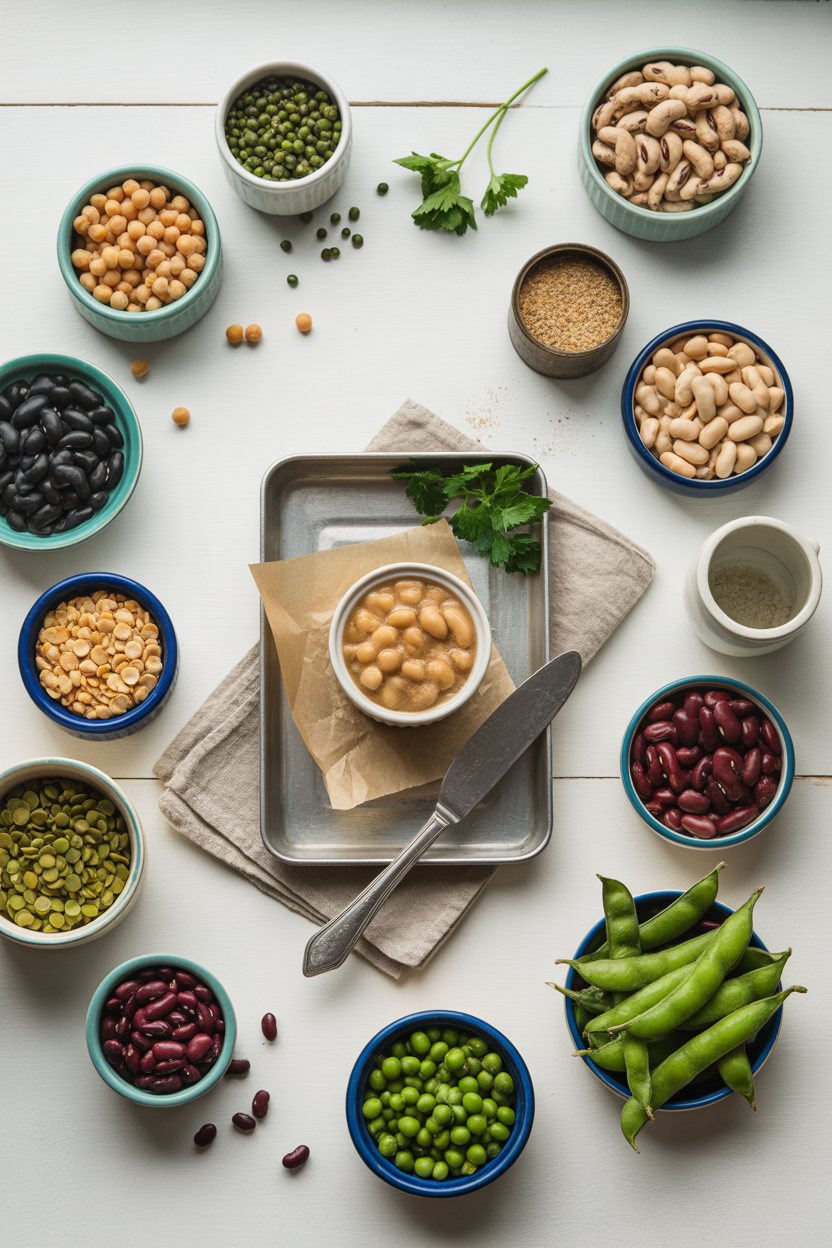
4 - Lima Bean

Lima beans deliver a buttery, starchy quality that Great Northern beans lack. They work especially well in creamy soups and casseroles where richness matters.

The flavor is more pronounced. Some find it slightly sweet, almost like chestnuts. Swap at 1:1, but reduce cooking time by a few minutes since limas turn soft faster.

Key details:

  • Best in creamy dishes - The starchy texture thickens sauces naturally.
  • Avoid overcooking - They go mushy quickly past the tender stage.
  • Fresh or frozen work best - Canned limas can be too soft for some recipes.

Missing lima beans too? See Butter Bean alternatives that hold for swaps with similar richness.

Skip if: you want a subtle, neutral bean flavor.

5 - White Kidney Bean

White kidney beans hold their shape better than any other option here. They're firmer with a slight sweetness that works well in chili and slow-cooked dishes.

The trade-off is cooking time. Dried white kidney beans take longer to soften, so add extra simmering time or use canned for quicker results.

Out of white kidney beans as well? Check tested Kidney Bean replacements for beans that stay intact through long cooking.

Skip if: you need quick-cooking beans or a softer result.

UseRatioNotes
Soups and stews1:1Cannellini or navy work best
Salads and grain bowls1:1Chickpeas hold shape well
Creamy casseroles1:1Lima beans add richness

Before You Swap Great Northern Bean

Any of these substitutes will work in most recipes, but the best choice depends on what you're cooking. For soups and stews where creaminess matters, cannellini beans come closest. For dishes where beans need to hold their shape, white kidney beans or chickpeas perform better.

  • Closest match - Cannellini beans for similar texture and mild flavor
  • Easiest grab - Navy beans, found in most pantries
  • Bold alternative - Chickpeas for added nuttiness and firmer bite

Frequently Asked Questions

Can I substitute canned beans for dried Great Northern beans?

Yes. One 15-ounce can equals about 1½ cups cooked beans. Drain and rinse before adding to your recipe.

Do these substitutes change the flavor of my dish?

Slightly. Cannellini and navy beans stay close to the original. Chickpeas and lima beans add more distinct, nuttier or buttery notes.

Which substitute works best for white bean dip?

Cannellini beans blend smoothest. Navy beans work too but create a slightly grainier texture.
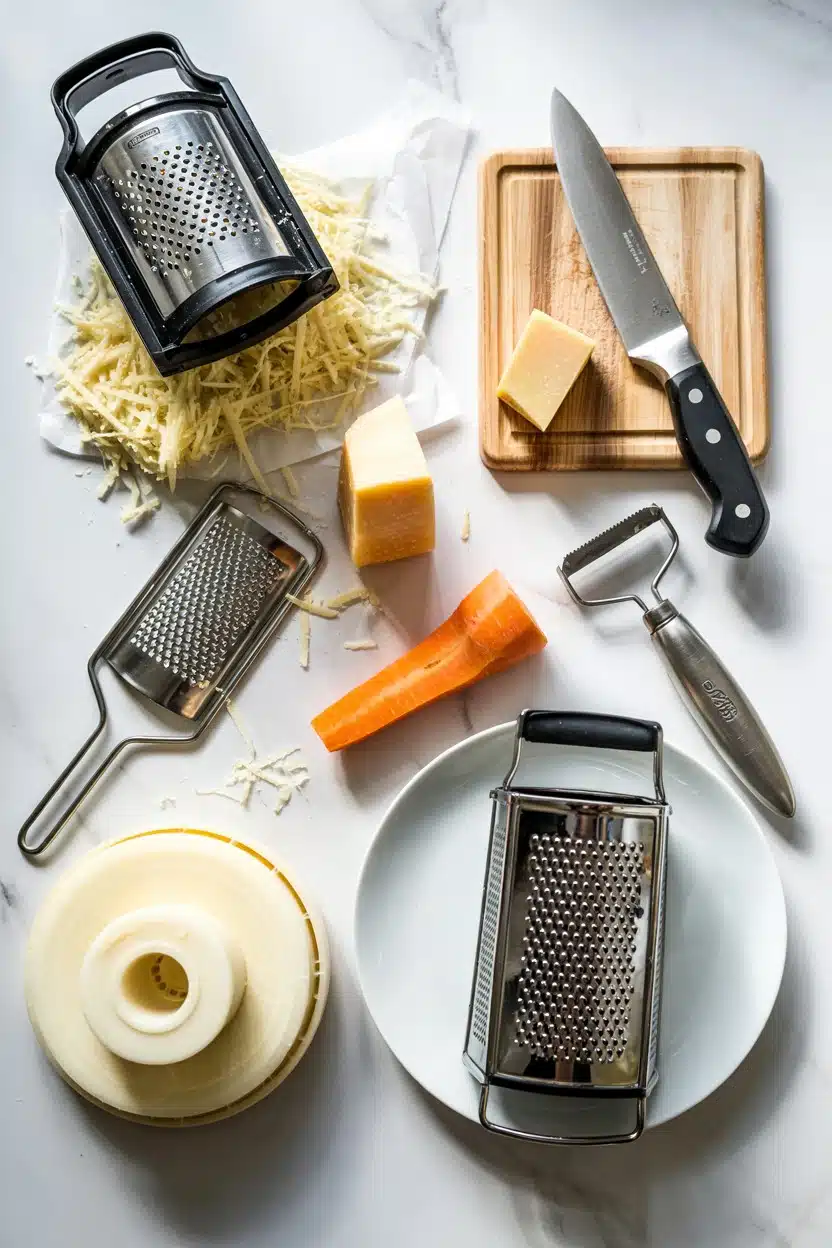
Are any of these substitutes lower in carbs?

All white beans have similar carb counts. For a lower-carb option, consider using cauliflower florets in soups, though the texture differs significantly.

Can I mix different beans as a substitute?

Absolutely. A mix of cannellini and navy beans gives you varied texture while keeping the flavor mild. Just match the total volume to what the recipe calls for.

5 Best Substitutes for Great Northern Bean in Hearty Soups

5 Best Substitutes for Great Northern Bean

No ratings yet
Great Northern beans are mild and creamy, perfect for soups and slow-cooked dishes. This guide covers five best substitutes with 1:1 ratios, focusing on creaminess, firmness, and flavor needs.
Print Recipe Pin Recipe
Prep Time 7 minutes mins
Cook Time 8 minutes mins
Total Time 15 minutes mins
Servings: 4 servings
Course: Ingredient Guide, Substitutes
Cuisine: American
Ingredients Method Notes

Ingredients
  

  • 1 to Cannellini Bean Swap at a 1:1 ratio. Creamier and nuttier. May need 5 extra minutes cooking time.
  • 1 to Navy Bean Swap at 1:1 ratio by volume. Smaller and denser with firmer bite.
  • 1 to Chickpeas Swap 1:1 by volume. Add extra liquid as they absorb more. Firmer with nutty bite.
  • 1 to Lima Bean Swap 1:1. Best for creamy dishes. Reduce cooking time slightly to avoid mushiness.
  • 1 to White Kidney Bean Swap 1:1. Firmer bean that holds shape longer. Dried beans require extra simmer time.

Method
 

  1. Choose your substitute based on the recipe: cannellini for creaminess, navy for firmness, chickpeas for nuttiness, lima for richness, or white kidney for shape-holding dishes.
  2. Drain canned beans or chickpeas well before use to avoid excess liquid and metallic taste.
  3. Use the substitute at a 1:1 ratio unless noted. For chickpeas and lima beans, adjust liquid or cooking time accordingly.
  4. Cook or simmer beans as required, adding 5 additional minutes for cannellini and longer for dried white kidney beans.
  5. Taste and adjust seasoning or texture throughout cooking to balance nuttiness, creaminess, or firmness as needed.

Notes

Drain canned chickpeas well to prevent a metallic taste in your dish.

Tried this recipe?

Let us know how it was!

7 Best Substitutes for Grater for Home Cooking Prep

April 26, 2026

You're scaling up a big batch and realize there's not enough grater surface to handle the volume. A box grater works fine for a cup of cheese, but when you need three cups in five minutes, the tool becomes the bottleneck.

7 Best Substitutes for Grater for Home Cooking Prep
grater-substitutes
QUICK SUMMARY

Microplane and food processor are top substitutes depending on texture needs; choose based on whether you want fine shreds or fast bulk prep. Prioritize texture first, then speed. For best results, keep blades sharp and feed ingredients steadily.

🧀Closest match: Microplane for fine, powdery shreds perfect for hard cheeses and zest.
⚖️Ratio + fix: Use food processor at 1:1 ratio; cut chunks evenly for consistent shredding.
🔪Watch out: Knife slicing requires skill to mimic grated texture and avoid uneven pieces.

The right substitute depends on what you're grating and how much texture matters. Some swaps handle bulk shredding faster, while others give you finer control for zesting or finishing.

Quick Substitute Reference
#SubstituteBest ForRatioKey Note
1 Microplane Zester 🍳 Cooking 1:1 Finer texture, more aroma
2 Sharp Knife 🍳 Cooking 1:1 by volume Chunky, less uniform
3 Food Processor 🍳 Cooking Equal parts Fast for large batches
4 Vegetable Peeler 🍳 Cooking 1:1 strips Thick ribbons, visible texture
5 Box Grater ✨ Both 1:1 Coarser, rustic shreds
6 Mortar & Pestle 🍳 Cooking Equal crushed Toasted, intense flavor
7 Blender 🍳 Cooking 1:1 by weight Powdery, potent release

7 Easy Grater Swaps for Cooking

Some of these substitutes give you speed, others give you precision. The best pick depends on whether you need fluffy shreds, thin slices, or fine powder.

1 - Microplane

A microplane produces wispy, almost powder-fine shreds that melt instantly. This works beautifully for hard cheeses like parmesan or for citrus zest where you want maximum aroma without any pith.

The texture runs much finer than a standard grater, so the same volume looks smaller. Use the same amount by weight if precision matters. The sharper teeth release more oils, which intensifies flavor in dressings and finishing applications.

Skip if: you need wide shreds for melting on pizza or casseroles.

MICROPLANE

Works for: Zesting citrus, finishing hard cheeses, grating garlic and ginger

Skip if: You need visible shreds or bulk volume

BOX GRATER

Works for: General shredding, varied textures on different sides

Skip if: You need superfine zest or powder

2 - Knife

A sharp chef's knife gives you thin slices, matchsticks, or rough chops depending on your technique. The results look different from grated texture, but they work well in stir-fries, salads, and dishes where visible pieces add appeal.

Slice cheese into thin shavings using a rocking motion. For vegetables, julienne cuts mimic shreds closely enough for most cooking applications.

The essentials:

  • Control the thickness - Thinner cuts melt faster and distribute more evenly.
  • Use a sharp blade - Dull knives crush instead of slice, especially with soft cheeses.

Skip if: you need fluffy, cloud-like texture for toppings.

3 - Food Processor

The shredding disc attachment turns a ten-minute grating job into thirty seconds. Feed chunks through the tube and let the machine do the work. This swap shines when you're prepping large batches for casseroles, tacos, or meal prep.

The shreds come out uniform but slightly thicker than hand-grated. They melt well and hold up in baked dishes without clumping.

Shortcut
Chill cheese for 15 minutes before processing to prevent it from gumming up the blade.

Quick specs:

  • Speed matters - Process in short pulses to avoid over-shredding.
  • Clean promptly - Cheese residue hardens fast on the disc.

If you're also out of a food processor, simple Food Processor substitutes list covers manual options that handle smaller batches.

4 - Peeler

A vegetable peeler creates wide ribbons and thick strips that look elegant on salads and pasta. Run it along a block of parmesan or a carrot to get long, curling shavings.

The texture differs significantly from grated. You get visible pieces with more bite, which changes how the ingredient distributes through a dish.

Key details:

  • Works best on firm ingredients - Soft cheeses and ripe vegetables tear instead of peel cleanly.
  • Apply steady pressure - Light strokes give you thin, delicate ribbons.
  • Rotate the block - Turn as you go to maintain even strips.
  • Expect more chew - Thicker pieces don't melt or blend as quickly.

Peeler strips add visual interest to dishes where a fine grate would disappear. Think shaved parmesan over arugula or carrot ribbons in spring rolls.

Skip if: you need the ingredient to melt into a sauce or disappear into a batter.

Golden Rule
Match the tool to the texture you need. Fine grating melts and blends; ribbons and strips stay visible.

5 - Box Grater

A box grater with multiple sides handles most grating tasks adequately. The large holes produce coarser shreds than a rotary grater, giving you a more rustic result.

Different sides serve different purposes. The large holes work for cheddar and mozzarella. The small holes handle ginger and hard cheeses. The slicing side creates thin rounds.

What to expect:

  • Coarser output - Shreds are thicker and more visible than fine-grated.
  • More effort for large batches - Hand fatigue sets in faster than with powered tools.
  • Stable base needed - Place on a cutting board or damp towel to prevent sliding.

If you need Grater alternatives to try, that page covers options sorted by texture preference.

UseRatioNotes
Cheese for melting1:1Coarser shreds melt slightly slower
Vegetables for salads1:1More visible texture than fine grate
Hard cheese for finishing1:1Use small holes for finer result

6 - Mortar & Pestle

A mortar and pestle crushes rather than shreds, producing coarse to fine textures depending on how long you grind. This works for hard spices, garlic, ginger, and ingredients where you want to release oils through friction.

The crushing action creates a different flavor profile. Garlic paste from a mortar tastes more pungent than grated garlic because the cell walls break more completely.

The texture runs from chunky to smooth based on your effort. Start coarse and keep grinding until you reach the consistency you need. Add a pinch of salt to help break down fibrous ingredients faster.

Don't have a mortar and pestle either? Check replacements similar to Mortar And Pestle for crushing alternatives.

Skip if: you need uniform shreds or ribbons.

Best Pick
For spice pastes and curry bases, a mortar and pestle produces deeper flavor than any grater.

7 - Blender

A blender or spice grinder pulverizes hard ingredients into powder. This works for whole spices, dried chilies, and hard cheeses you want completely incorporated into sauces or batters.

The result is powder, not shreds. Use this when you want the ingredient to disappear into the dish rather than provide visible texture. A few pulses gives you coarse powder; longer blending creates fine dust.
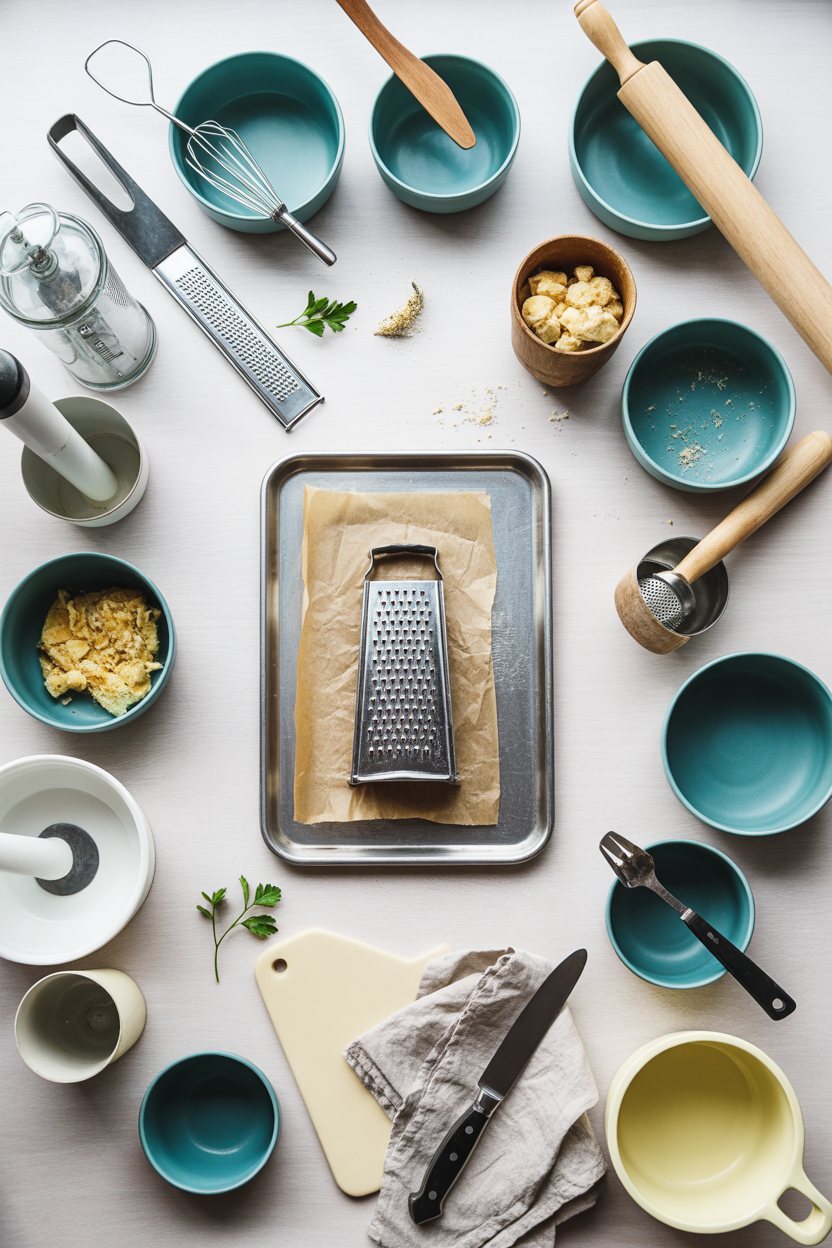
The flavor release is immediate and potent. Freshly ground spices taste noticeably brighter than pre-ground versions from a jar.

If your blender isn't available either, what to use for Immersion Blender covers handheld and manual grinding options.

Skip if: you need texture or shape retention.

Watch Out
Blenders heat ingredients during extended processing. Pulse in short bursts to avoid warming delicate items.

How to Choose a Grater Substitute

The best substitute depends on the texture your recipe needs. Fine powder, fluffy shreds, and visible ribbons each behave differently when cooked.

Start with a food processor if speed matters most. For finishing touches and zesting, reach for a microplane. When you need visible pieces with more chew, a peeler or knife gives you control.

  • Closest match - Box grater for general-purpose shredding
  • Fastest option - Food processor with shredding disc
  • Most control - Sharp knife for custom cuts and thickness

Frequently Asked Questions

Can I use a blender instead of a grater for cheese?

Only for hard, aged cheeses you want powdered. Soft cheeses will clump into a paste instead of producing shreds.

What's the difference between a microplane and a box grater?

A microplane produces much finer shreds that almost dissolve on contact. A box grater creates coarser, more visible pieces that hold their shape during cooking.

Will knife-cut cheese melt the same as grated?

Thin slices melt well but take slightly longer than shreds. Cut as thin as possible for faster, more even melting.

Can I grate vegetables with a vegetable peeler?

You'll get ribbons rather than shreds. This works well for salads and garnishes but changes the texture in cooked dishes.

Which substitute works best for zesting citrus?

A microplane is ideal. A sharp paring knife works as a backup-remove strips of zest and mince finely to approximate the texture.

7 Best Substitutes for Grater for Home Cooking Prep

7 Best Substitutes for Grater

No ratings yet
Choosing the right grater substitute depends on the desired texture and volume. Use a microplane for fine zest and finishing, a food processor for large batches, or a peeler and knife for visible ribbons and slices.
Print Recipe Pin Recipe
Prep Time 10 minutes mins
Cook Time 6 minutes mins
Total Time 16 minutes mins
Servings: 4 servings
Course: Cooking Tips, Substitutes
Cuisine: General
Ingredients Equipment Method Notes

Ingredients
  

  • 1 1 Microplane Zester Use 1:1 ratio by weight for fine texture and aroma
  • 1 cup Sharp Knife Slice thinly or julienne for chunky, less uniform pieces
  • Food Processor Use equal parts ratio, chill cheese before processing to prevent gum buildup
  • 1 cup Vegetable Peeler Creates thick ribbons with a 1:1 strips ratio, works best on firm ingredients
  • 1 cup Box Grater General-purpose grating with coarser, rustic shreds using a 1:1 ratio
  • Mortar & Pestle Use equal crushed ratio to produce toasted, intense flavor through grinding
  • 1 cup Blender Use 1:1 by weight to make powdery texture suitable for sauces and batters

Equipment

  • Food processor For shredding large batches quickly
  • Mortar & Pestle For crushing and grinding ingredients
  • Blender For pulverizing ingredients into powder

Method
 

  1. Choose the substitute based on the texture you need: fine powder, fluffy shreds, or visible ribbons.
  2. For fine zest or finishing touches, use the microplane at a 1:1 weight ratio.
  3. Use a sharp knife to slice or julienne ingredients for chunky pieces; control thickness carefully.
  4. Process large batches quickly with a food processor using equal parts, chilling cheese first.
  5. Peel firm ingredients into ribbons with a vegetable peeler, applying steady pressure and rotating.
  6. Use a box grater for general shredding tasks at a 1:1 ratio for coarser shreds.
  7. Crush spices or garlic with a mortar and pestle, adjusting texture from chunky to smooth.
  8. Pulverize hard ingredients into powder using a blender at 1:1 by weight for sauces or batters.
  9. Taste and adjust texture as needed; avoid blends that create too much moisture or overly large chunks.

Notes

Use food processor and chill cheese before processing to prevent the mixture from becoming gummy during shredding.

Tried this recipe?

Let us know how it was!
« Previous Page
Next Page »

Primary Sidebar

ForkliftKitchen recipe developer

Welcome!

Recipe Developer · 12+ Yr Kitchen Veteran

I'm the recipe developer behind this site, focused on practical, well-tested dishes and smart ingredient swaps. Every recipe is written to be clear, reliable, and easy to make at home.

650+ Recipes
12+ Yrs Exp.
3x Tested
Our Story →

As Featured In

Allrecipes

TASTE OF HOME

Food52

HUFFPOST

Yahoo! Life

Our Editorial Standards

  • ✓ Every recipe tested at least 3 times before publishing
  • ✓ Substitutes verified by real kitchen trials, not guesswork
  • ✓ Reviewed for accuracy by our editorial team
  • ✓ Updated regularly with seasonal info and reader feedback

Most Popular

  • Creamy Lemon Shrimp Linguine
    Creamy Lemon Shrimp Linguine
  • Creamy Garlic Mushroom Chicken
    Creamy Garlic Mushroom Chicken
  • Sesame Ginger Chicken Noodle Bowls
    Sesame Ginger Chicken Noodle Bowls
  • Baked Lemon Herb Fish Fillets
    Baked Lemon Herb Fish Fillets
  • Veggie Loaded Fried Rice
    Veggie Loaded Fried Rice
  • Spicy Garlic Shrimp Stir Fry
    Spicy Garlic Shrimp Stir Fry

Join 8,000+ Home Cooks

Weekly Kitchen Tips

Easy recipes, smart substitutes, and real cooking shortcuts — every Thursday.

Subscribe Free →


Side Dishes

  • What to Serve With Asian Salmon? 15 Best Side Dishes
    What to Serve With Asian Salmon? 15 Best Side Dishes
  • Side Dishes for Strawberry Spinach Salad
    15 Best Side Dishes for Strawberry Spinach Salad
  • Sides for Grilled Cauliflower Steaks to Complete the Meal
    15 Sides for Grilled Cauliflower Steaks to Complete the Meal
  • 15 Sides To Serve With Calabacitas
    15 Best Sides for Calabacitas – Mexican-Inspired Favorites


Substitutes

  • 7 Best Substitutes for Hot Sauce in Marinades & Stir-Fries
    7 Best Substitutes for Hot Sauce in Marinades & Stir-Fries
  • 9 Best Substitutes for Butter in Baking and Cooking
  • 7 Best Substitutes for Tagliatelle for Italian Pasta Dishes
    7 Best Substitutes for Tagliatelle for Italian Pasta Dishes
  • 7 Best Substitutes for Udon Noodles in Asian Stir-Fries
    7 Best Substitutes for Udon Noodles in Asian Stir-Fries


Browse by Topic

  • Side Dishes320
  • Substitutes785
  • Dinner163
  • Air Fryer77
  • Taste Profiles484
  • Food Storage123


Reader Reviews

★★★★★

"Finally a food blog that tells you exactly why a substitute works instead of just listing options."

— Sarah M., via email

★★★★★

"The side dish recommendations are so specific — saved my dinner party twice this month."

— James R., Pinterest comment

★★★★★

"I trust this site more than most because they actually test everything. You can tell."

— Priya K., blog comment

Footer

↑ Back to Top

Forklift Kitchen

We do the heavy lifting so you can enjoy the cooking. Tested recipes, smart substitutes, and perfect pairings—built for real home cooks.

Content

  • Recipes
  • Substitutes
  • What to Serve With
  • Blog

Company

  • About Us
  • Contact
  • Subscribe

Legal

  • Privacy Policy
  • Terms of Service

As an Amazon Associate I earn from qualifying purchases.

© 2026 Forklift Kitchen.

Rate This Recipe

Your vote:


A rating is required
A name is required
An email is required