You're scaling up a big batch and realize there's not enough grater surface to handle the volume. A box grater works fine for a cup of cheese, but when you need three cups in five minutes, the tool becomes the bottleneck.
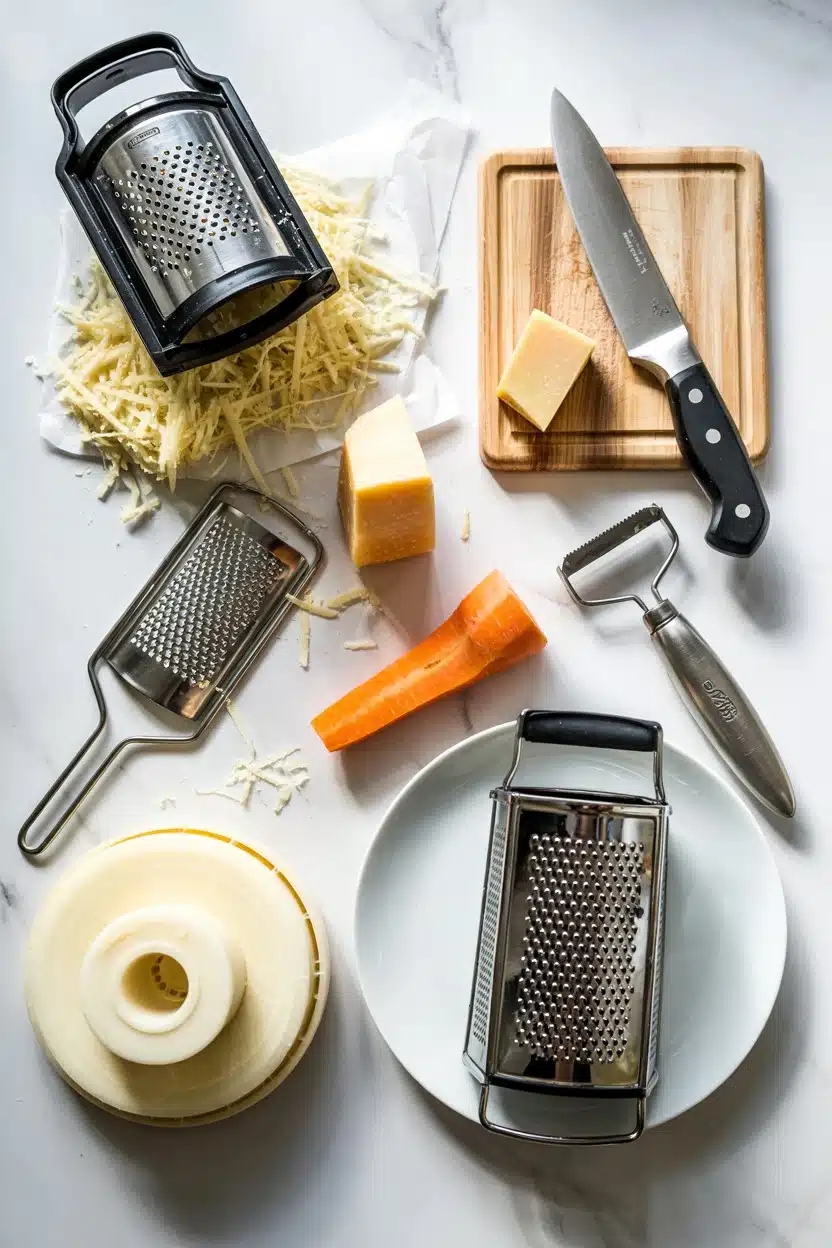
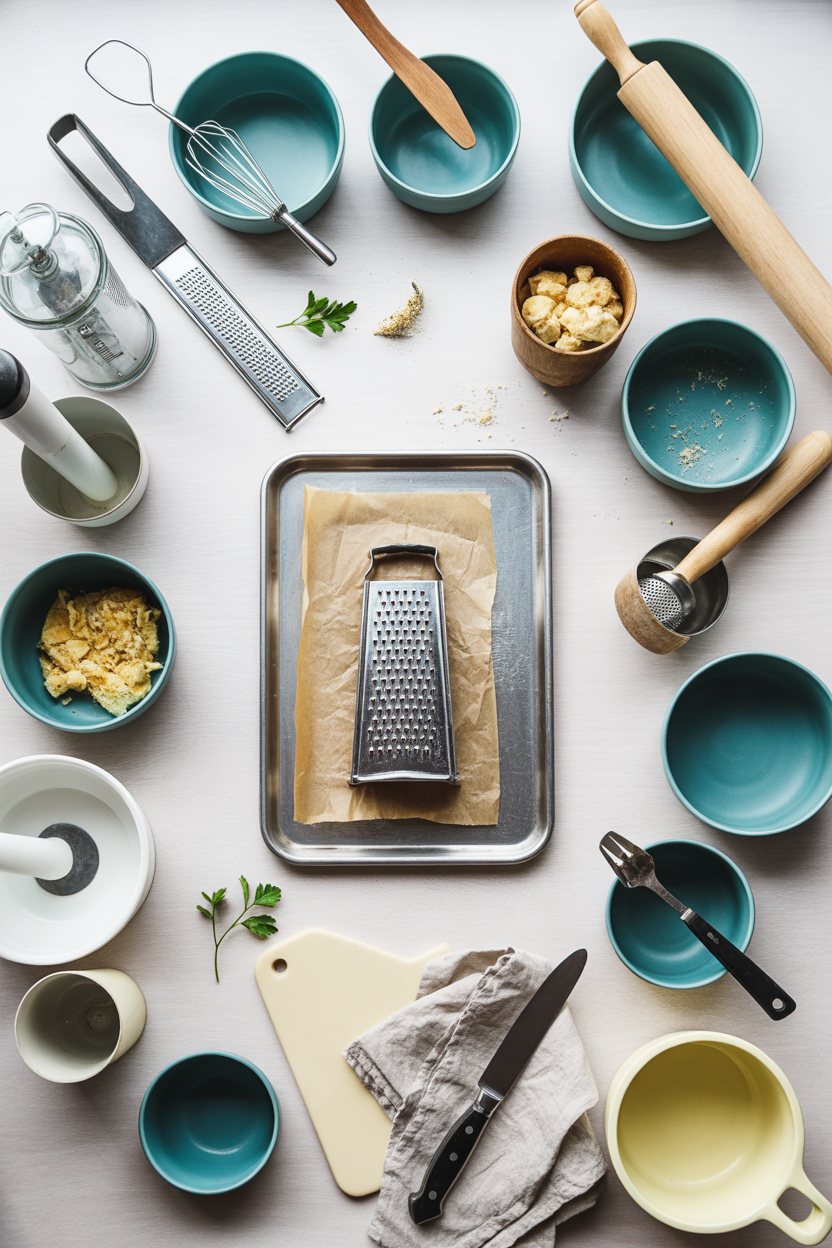
Microplane and food processor are top substitutes depending on texture needs; choose based on whether you want fine shreds or fast bulk prep. Prioritize texture first, then speed. For best results, keep blades sharp and feed ingredients steadily.
The right substitute depends on what you're grating and how much texture matters. Some swaps handle bulk shredding faster, while others give you finer control for zesting or finishing.
| # | Substitute | Best For | Ratio | Key Note |
|---|---|---|---|---|
| 1 | Microplane Zester | 🍳 Cooking | 1:1 | Finer texture, more aroma |
| 2 | Sharp Knife | 🍳 Cooking | 1:1 by volume | Chunky, less uniform |
| 3 | Food Processor | 🍳 Cooking | Equal parts | Fast for large batches |
| 4 | Vegetable Peeler | 🍳 Cooking | 1:1 strips | Thick ribbons, visible texture |
| 5 | Box Grater | ✨ Both | 1:1 | Coarser, rustic shreds |
| 6 | Mortar & Pestle | 🍳 Cooking | Equal crushed | Toasted, intense flavor |
| 7 | Blender | 🍳 Cooking | 1:1 by weight | Powdery, potent release |
7 Easy Grater Swaps for Cooking
Some of these substitutes give you speed, others give you precision. The best pick depends on whether you need fluffy shreds, thin slices, or fine powder.
Remember it later
Planning to try this recipe soon? Save it for a quick find later!
1 - Microplane
A microplane produces wispy, almost powder-fine shreds that melt instantly. This works beautifully for hard cheeses like parmesan or for citrus zest where you want maximum aroma without any pith.
The texture runs much finer than a standard grater, so the same volume looks smaller. Use the same amount by weight if precision matters. The sharper teeth release more oils, which intensifies flavor in dressings and finishing applications.
Skip if: you need wide shreds for melting on pizza or casseroles.
MICROPLANE
Works for: Zesting citrus, finishing hard cheeses, grating garlic and ginger
Skip if: You need visible shreds or bulk volume
BOX GRATER
Works for: General shredding, varied textures on different sides
Skip if: You need superfine zest or powder
2 - Knife
A sharp chef's knife gives you thin slices, matchsticks, or rough chops depending on your technique. The results look different from grated texture, but they work well in stir-fries, salads, and dishes where visible pieces add appeal.
Slice cheese into thin shavings using a rocking motion. For vegetables, julienne cuts mimic shreds closely enough for most cooking applications.
The essentials:
- Control the thickness - Thinner cuts melt faster and distribute more evenly.
- Use a sharp blade - Dull knives crush instead of slice, especially with soft cheeses.
Skip if: you need fluffy, cloud-like texture for toppings.
3 - Food Processor
The shredding disc attachment turns a ten-minute grating job into thirty seconds. Feed chunks through the tube and let the machine do the work. This swap shines when you're prepping large batches for casseroles, tacos, or meal prep.
The shreds come out uniform but slightly thicker than hand-grated. They melt well and hold up in baked dishes without clumping.
Quick specs:
- Speed matters - Process in short pulses to avoid over-shredding.
- Clean promptly - Cheese residue hardens fast on the disc.
If you're also out of a food processor, simple Food Processor substitutes list covers manual options that handle smaller batches.
4 - Peeler
A vegetable peeler creates wide ribbons and thick strips that look elegant on salads and pasta. Run it along a block of parmesan or a carrot to get long, curling shavings.
The texture differs significantly from grated. You get visible pieces with more bite, which changes how the ingredient distributes through a dish.
Key details:
- Works best on firm ingredients - Soft cheeses and ripe vegetables tear instead of peel cleanly.
- Apply steady pressure - Light strokes give you thin, delicate ribbons.
- Rotate the block - Turn as you go to maintain even strips.
- Expect more chew - Thicker pieces don't melt or blend as quickly.
Peeler strips add visual interest to dishes where a fine grate would disappear. Think shaved parmesan over arugula or carrot ribbons in spring rolls.
Skip if: you need the ingredient to melt into a sauce or disappear into a batter.
5 - Box Grater
A box grater with multiple sides handles most grating tasks adequately. The large holes produce coarser shreds than a rotary grater, giving you a more rustic result.
Different sides serve different purposes. The large holes work for cheddar and mozzarella. The small holes handle ginger and hard cheeses. The slicing side creates thin rounds.
What to expect:
- Coarser output - Shreds are thicker and more visible than fine-grated.
- More effort for large batches - Hand fatigue sets in faster than with powered tools.
- Stable base needed - Place on a cutting board or damp towel to prevent sliding.
If you need Grater alternatives to try, that page covers options sorted by texture preference.
| Use | Ratio | Notes |
|---|---|---|
| Cheese for melting | 1:1 | Coarser shreds melt slightly slower |
| Vegetables for salads | 1:1 | More visible texture than fine grate |
| Hard cheese for finishing | 1:1 | Use small holes for finer result |
6 - Mortar & Pestle
A mortar and pestle crushes rather than shreds, producing coarse to fine textures depending on how long you grind. This works for hard spices, garlic, ginger, and ingredients where you want to release oils through friction.
The crushing action creates a different flavor profile. Garlic paste from a mortar tastes more pungent than grated garlic because the cell walls break more completely.
The texture runs from chunky to smooth based on your effort. Start coarse and keep grinding until you reach the consistency you need. Add a pinch of salt to help break down fibrous ingredients faster.
Don't have a mortar and pestle either? Check replacements similar to Mortar And Pestle for crushing alternatives.
Skip if: you need uniform shreds or ribbons.
7 - Blender
A blender or spice grinder pulverizes hard ingredients into powder. This works for whole spices, dried chilies, and hard cheeses you want completely incorporated into sauces or batters.
The result is powder, not shreds. Use this when you want the ingredient to disappear into the dish rather than provide visible texture. A few pulses gives you coarse powder; longer blending creates fine dust.
The flavor release is immediate and potent. Freshly ground spices taste noticeably brighter than pre-ground versions from a jar.
If your blender isn't available either, what to use for Immersion Blender covers handheld and manual grinding options.
Skip if: you need texture or shape retention.
How to Choose a Grater Substitute
The best substitute depends on the texture your recipe needs. Fine powder, fluffy shreds, and visible ribbons each behave differently when cooked.
Start with a food processor if speed matters most. For finishing touches and zesting, reach for a microplane. When you need visible pieces with more chew, a peeler or knife gives you control.
- Closest match - Box grater for general-purpose shredding
- Fastest option - Food processor with shredding disc
- Most control - Sharp knife for custom cuts and thickness
Frequently Asked Questions
Only for hard, aged cheeses you want powdered. Soft cheeses will clump into a paste instead of producing shreds.
A microplane produces much finer shreds that almost dissolve on contact. A box grater creates coarser, more visible pieces that hold their shape during cooking.
Thin slices melt well but take slightly longer than shreds. Cut as thin as possible for faster, more even melting.
You'll get ribbons rather than shreds. This works well for salads and garnishes but changes the texture in cooked dishes.
A microplane is ideal. A sharp paring knife works as a backup-remove strips of zest and mince finely to approximate the texture.
7 Best Substitutes for Grater
Ingredients
Equipment
Method
- Choose the substitute based on the texture you need: fine powder, fluffy shreds, or visible ribbons.
- For fine zest or finishing touches, use the microplane at a 1:1 weight ratio.
- Use a sharp knife to slice or julienne ingredients for chunky pieces; control thickness carefully.
- Process large batches quickly with a food processor using equal parts, chilling cheese first.
- Peel firm ingredients into ribbons with a vegetable peeler, applying steady pressure and rotating.
- Use a box grater for general shredding tasks at a 1:1 ratio for coarser shreds.
- Crush spices or garlic with a mortar and pestle, adjusting texture from chunky to smooth.
- Pulverize hard ingredients into powder using a blender at 1:1 by weight for sauces or batters.
- Taste and adjust texture as needed; avoid blends that create too much moisture or overly large chunks.