You measured out spices for a curry paste, grabbed the mortar and pestle spot on the shelf, and found it missing. That stone bowl does more than crush-it releases oils and builds texture that electric tools often miss.

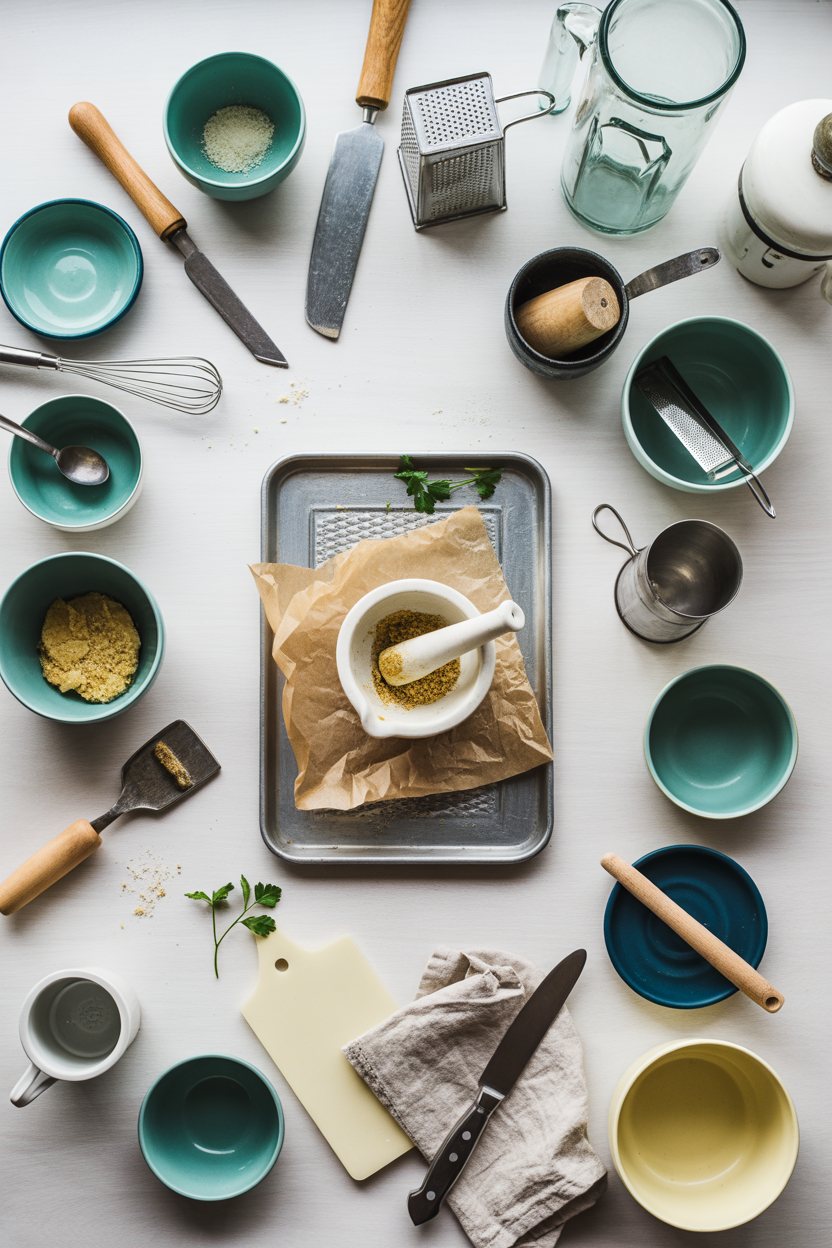
Spice grinders and coffee grinders deliver the finest powder and quickest results. Prioritize texture first-fine powder or coarse crush-then adjust technique accordingly. Crushing spices in a sealed bag with a rolling pin is a simple, effective hack for small amounts.
P>The right substitute depends on what you're grinding and how fine you need it. Dry spices behave differently than wet pastes, and some tools handle one better than the other.
| # | Substitute | Best For | Ratio | Key Note |
|---|---|---|---|---|
| 1 | Spice Grinder | 🍳 Cooking | 1:1 volume | Finer, more uniform grind |
| 2 | Rolling Pin Bag | 🍳 Cooking | 1:1 | Coarse, rustic texture |
| 3 | Food Processor | 🍳 Cooking | 1:1, pulse | Best for large batches |
| 4 | Coffee Grinder | 🍳 Cooking | 1:1 weight | Very fine powder |
| 5 | Knife Chopping | 🍳 Cooking | 1:1 volume | Uneven but fresh |
| 6 | Blender | 🍳 Cooking | 1:1 + liquid | Smooth pastes only |
| 7 | Spoon and Bowl | 🍳 Cooking | 1:1 | Small quantities only |
7 Mortar And Pestle Replacements for Better Texture
Some swaps stay close to the original grinding action, while others require small adjustments. Pick based on whether you need a fine powder, coarse crush, or wet paste.
Remember it later
Planning to try this recipe soon? Save it for a quick find later!
1 - Spice Grinder
Electric grinders pulverize dry spices in seconds. The blade spins fast enough to turn whole cumin or coriander into powder before you can count to ten.
The grind comes out finer and more uniform than hand-pounding. You lose some of the rustic, uneven texture that makes spice blends interesting. Toast spices first to compensate-heat brings out oils the quick grind might miss.
Key details:
- Use equal volume - One tablespoon whole spices yields about one tablespoon ground.
- Pulse in bursts - Three-second pulses prevent overheating and burning.
- Clean between uses - Grind raw rice to absorb residual oils and odors.
- Avoid wet ingredients - Moisture clumps and dulls the blade.
Spice Grinder
Works for: Quick dry spice blends, curry powders, dukkah
Skip if: You need coarse or varied texture
Mortar and Pestle
Works for: Releasing oils, building pastes, rustic texture
Skip if: You need speed or large batches
2 - Rolling Pin Bag
A sealed plastic bag and rolling pin crush spices without any special equipment. The technique works especially well for peppercorns, coriander seeds, and toasted nuts.
Place ingredients in a sturdy zip-top bag, press out air, and roll firmly. You control the texture-light pressure keeps things coarse, while heavy rolling breaks everything down further.
The essentials:
- Use same quantity - No ratio change needed.
- Double-bag for tough seeds - Prevents punctures and mess.
- Roll on a cutting board - Stable surface gives better control.
- Expect uneven results - Some pieces stay larger than others.
If you're also out of a rolling pin, instead of Rolling Pin try these for crushing alternatives.
Skip if: You need a fine powder or consistent particle size.
3 - Food Processor
Food processors handle larger batches that would take forever by hand. A cup of herbs or a big pile of garlic gets broken down in under a minute.
The blade chops rather than grinds. Herbs can bruise and turn dark faster than you'd like, releasing less oil than traditional pounding. Add ingredients gradually and scrape down the sides between pulses.
Don't have a food processor either? Check our simple Food Processor substitutes list for similar chopping tools.
Skip if: You're working with a tablespoon of spices or need fine powder.
4 - Coffee Grinder
Blade coffee grinders produce the finest powder of any home tool. Dedicated spice grinders use the same mechanism, but a clean coffee grinder works identically.
The grind turns almost flour-fine with extended grinding. You lose all texture-no coarse bits, no variation. This works great for spice rubs where uniformity matters, less so for chunky salsas or textured pastes.
Skip if: You want any coarseness or rustic character in the final dish.
| Use | Ratio | Notes |
|---|---|---|
| Spice rubs | Equal weight | Grind in short bursts to control fineness |
| Curry powder | Equal weight | Toast spices first for better flavor |
| Nut flours | Equal weight | Freeze nuts to prevent butter forming |
5 - Knife Chopping
A sharp knife and cutting board handle garlic, herbs, and ginger just as well as any tool. The technique takes longer but gives you complete control.
Mince finely, then use the flat of your blade to smash and smear garlic into a paste. Rock the knife through herbs repeatedly until they reach your desired size.
What to expect:
- Use equal volume - Chopped replaces pounded directly.
- Results stay uneven - Some pieces bigger than others, which adds texture.
Skip if: You need spices ground to powder.
6 - Blender
Blenders excel at wet preparations. Thai curry paste, chimichurri, and pesto come together smoothly with enough liquid to help the blade catch.
Dry spices alone just spin without grinding. Add a splash of oil, water, or citrus juice to create movement. The texture runs smoother than hand-pounded versions-less rustic, more uniform.
Key details:
- Add liquid gradually - Start with two tablespoons, increase as needed.
- Scrape often - Ingredients climb the sides and escape the blade.
Missing a blender too? Our guide to Immersion Blender alternatives to try covers handheld options that work for pastes.
Skip if: You're grinding dry spices without any wet ingredients.
7 - Spoon and Bowl
The back of a sturdy spoon pressed against a bowl mimics the pestle action on a smaller scale. It works for crushing a few peppercorns, smashing roasted garlic, or muddling herbs.
You won't generate the same force as a heavy stone pestle. Tough seeds like cumin stay mostly whole. Softer ingredients like cooked chickpeas or ripe avocado mash easily.
Quick specs:
- Same measurement - No adjustment needed.
- Works best small - Stick to a tablespoon or two at a time.
- Choose a heavy spoon - Wooden or metal, not flimsy plastic.
Skip if: You need to grind anything harder than a cooked vegetable.
Picking the Right Replacement
The best substitute depends on what you're making. For dry spice blends, reach for a spice grinder or coffee grinder. For wet pastes and sauces, a blender handles the job.
- Closest match - Spice grinder for speed and fine texture
- Easiest grab - Knife and board, already in every kitchen
- Low-tech option - Rolling pin bag for coarse crushing
Frequently Asked Questions
Not effectively. Dry spices need liquid to move in a blender. Use a spice grinder or coffee grinder for dry ingredients instead.
A rolling pin and plastic bag produces the most similar uneven texture. Electric grinders make everything too uniform.
Use a blender or food processor with a few tablespoons of oil. The paste will be smoother than traditional versions but works the same in cooking.
It can if residue remains. Grind a tablespoon of raw rice first to absorb old flavors, then wipe clean before adding spices.
A food processor works well for pesto. Pulse in short bursts and scrape down the sides to keep the texture from getting too smooth.
7 Best Substitutes for Mortar And Pestle
Ingredients
Method
- Select your substitute based on your ingredient: use spice or coffee grinder for dry spices, rolling pin for coarse crush, blender for wet pastes, and spoon for small quantity crushing.
- Prepare ingredients accordingly: toast spices before grinding in a spice or coffee grinder; place ingredients in a sealed plastic bag for rolling pin crushing; add liquid gradually for blender use.
- Apply the substitution ratio carefully: use equal volume or weight as indicated; pulse in short bursts for grinders and food processors; scrape down sides frequently for even texture.
- Adjust texture by controlling pressure and blending time: use light rolling pressure for coarse texture in rolling pin bag; pulse blender to avoid overly smooth paste; mince finely and smash for paste with knife.
- Check the final product for consistency and texture; taste and adjust seasoning if needed before using in your recipe.