• Skip to primary navigation
  • Skip to main content
  • Skip to primary sidebar
  • Recipe Index
    • Air Fryer
  • Side Dishes
  • Substitutes
  • About
  • Contact
  • Subscribe

ForkLiftKitchen

menu icon
go to homepage
  • Recipe Index
    • Air Fryer
  • Side Dishes
  • Substitutes
  • About
  • Contact
  • Subscribe
subscribe
search icon
Homepage link
  • Recipe Index
    • Air Fryer
  • Side Dishes
  • Substitutes
  • About
  • Contact
  • Subscribe
×

Blog

5 Best Substitutes for Doubanjiang in Sichuan Cooking

April 25, 2026

You're halfway through mapo tofu when you realize the jar of doubanjiang is empty. The recipe needs that fermented chili-bean funk for a reason-without it, the dish tastes one-dimensional.
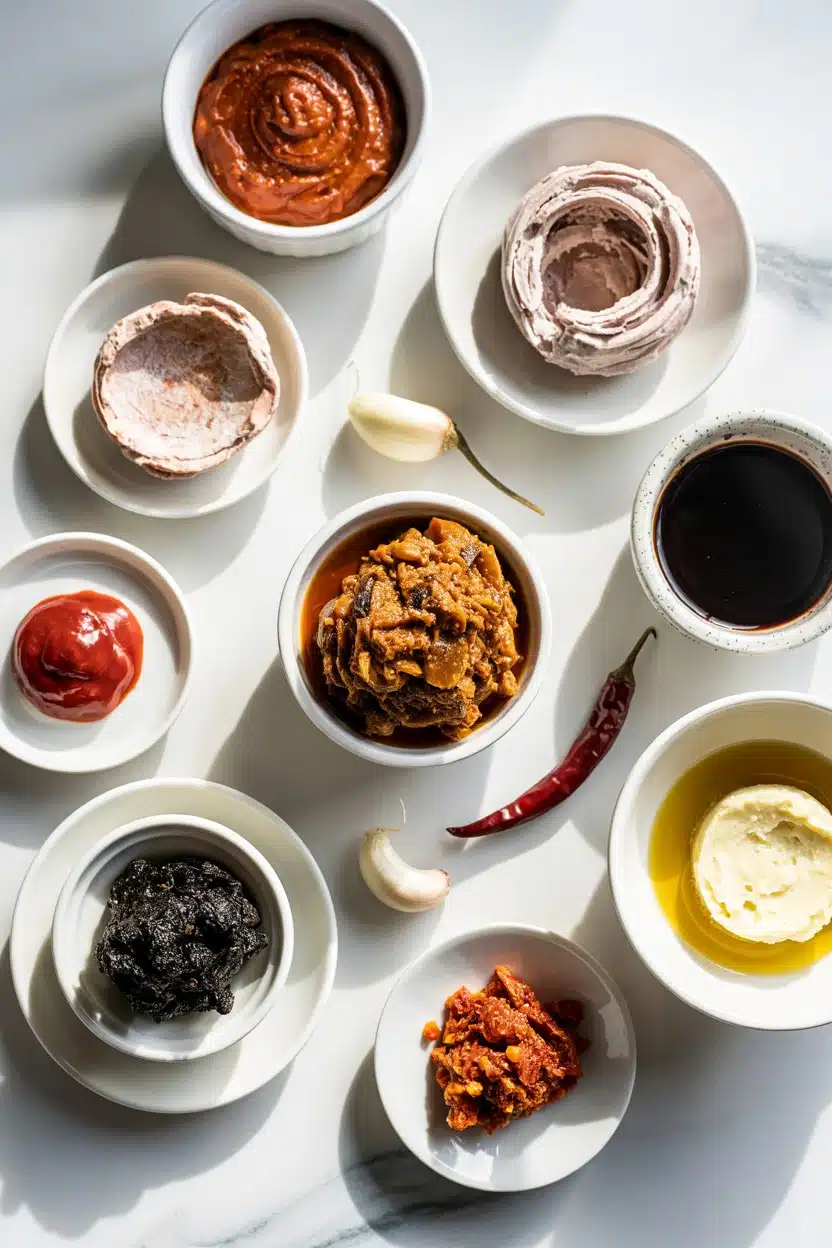
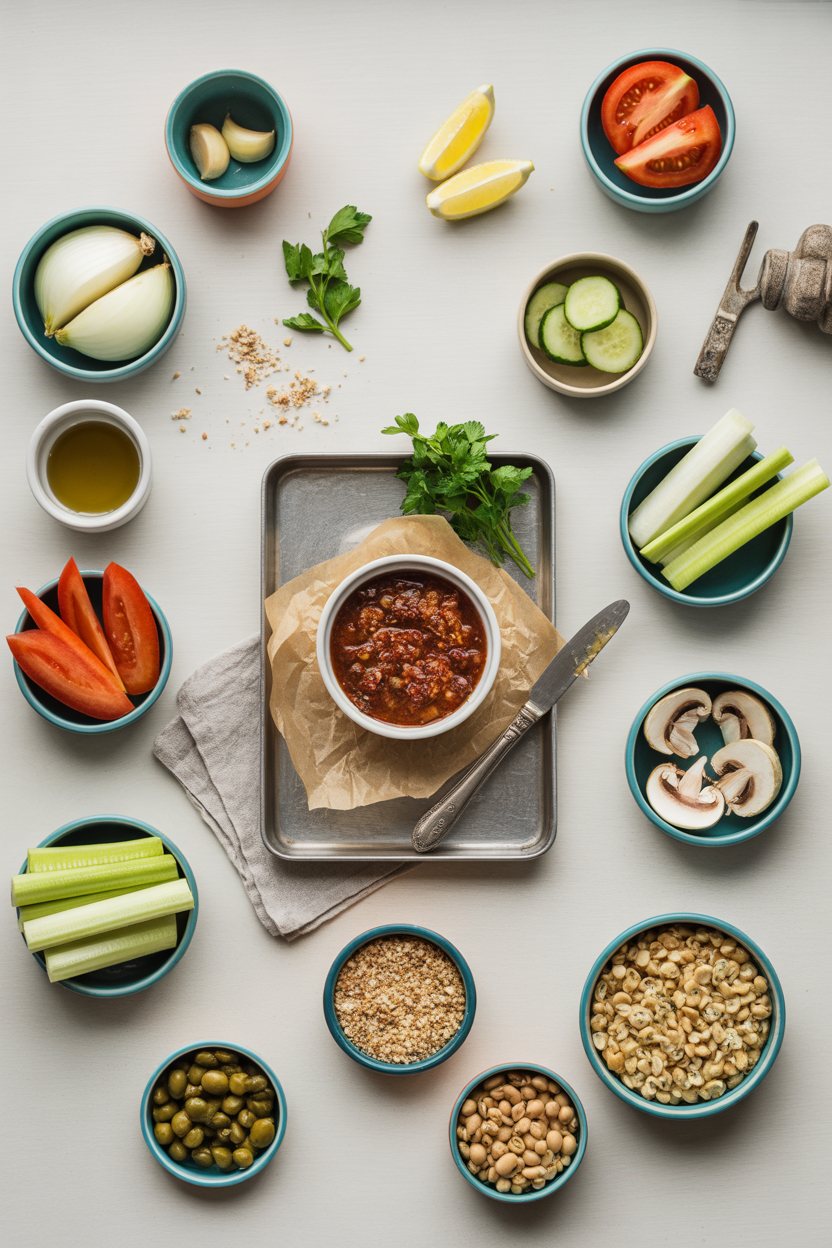
5 Best Substitutes for Doubanjiang in Sichuan Cooking
doubanjiang-substitutes
p>Doubanjiang isn't just heat or salt. It's the backbone of Sichuan cooking, bringing umami, spice, and a savory depth that balances bold flavors like numbing peppercorns and garlic.

A few swaps from other fermented pastes can fill that gap without losing the dish's soul.

QUICK SUMMARY

For Sichuan stir-fries and braises, we reach for Pixian doubanjiang or gochujang mixed with soy sauce first. Both bring fermented depth and chili heat, though gochujang skews sweeter. Watch the salt level-some brands run saltier than standard doubanjiang. In quick stir-fries, chili garlic sauce with soy sauce works when you don't need long-cooked complexity.

🏆Closest match: Pixian doubanjiang or gochujang adjusted with soy sauce for salt
⚖️Ratio + tweak: Start 1:1, then taste-some swaps need extra salt or chili
⚠️Watch out: Gochujang adds sweetness; miso blends lack heat unless you add flakes
Quick Substitute Reference
#SubstituteBest ForRatioKey Note
1 Pixian Doubanjiang ✨ Both 1:1 Slight aroma variance
2 Gochujang 🍳 Cooking 1 tablespoon + 1 teaspoon soy Sweeter, needs salt boost
3 Miso + Chili 🍳 Cooking 1 tablespoon + ½ teaspoon flakes Lower heat intensity
4 Chili Garlic Sauce 🍳 Cooking 1 tablespoon + 1 teaspoon soy Bright, no ferment depth
5 Black Bean Paste 🍳 Cooking 1:1 + chili flakes Low heat, add spice

1. Pixian Doubanjiang 🌶️

Pixian doubanjiang is a regional variant of the same fermented chili bean paste you're trying to replace. It comes from Pixian County in Sichuan and follows traditional fermentation methods.

The flavor sits close to standard doubanjiang-salty, spicy, and deeply savory. Some brands ferment longer, which can shift the aroma slightly.

Use 1:1 in any recipe calling for doubanjiang.

  • ✅ Same core ingredients and fermentation process
  • ✅ Works in stir-fries, hot pots, and braises
  • ⚠️ Saltiness varies by brand-taste before adding more salt
Best Pick
Pixian is the swap we use when doubanjiang runs out mid-recipe.

2. Gochujang + Soy Sauce 🥘

Gochujang brings fermented depth and chili heat, but it's sweeter and less salty than doubanjiang. Mixing it with soy sauce rebalances the salt and tones down the sweetness.

Use 1 tablespoon gochujang + 1 teaspoon soy sauce per 1 tablespoon doubanjiang. Add it early in cooking so the flavors meld.

  • 🍳 In stir-fries: Add at the same time you'd add doubanjiang
  • 🍲 In braises: Works well in long-cooked dishes like braised pork
  • 🥗 In marinades: Sweetness mellows with time-balance with vinegar if needed
  • ⚠️ Sweeter profile: Expect a different finish than standard doubanjiang

If you don't have gochujang on hand either, Gochujang swaps by recipe type can point you to what works next.

3. Miso Paste + Chili Flakes 🍜

Miso paste delivers umami and saltiness without the chili heat. Adding chili flakes rebuilds the spice level, though the fermentation profile differs.

Mix 1 tablespoon miso paste + ½ teaspoon chili flakes per 1 tablespoon doubanjiang. Red or brown miso works better than white-deeper flavor, less sweetness.

Use it in soups, sauces, and dressings where you don't need thick paste texture. The chili flakes won't dissolve the way doubanjiang's chili does, so the heat hits differently.

Miso won't replicate the bean-forward funk of doubanjiang, but it covers the savory base. If miso's missing too, Miso Paste alternatives worth trying lists what steps in.

4. Chili Garlic Sauce + Soy Sauce 🔥

Chili garlic sauce gives you heat and garlic punch but skips the fermented complexity. Mixing it with soy sauce adds the salty umami doubanjiang brings.

Use 1 tablespoon chili garlic sauce + 1 teaspoon soy sauce per 1 tablespoon doubanjiang. This works best in quick stir-fries where you don't need long-cooked depth.

The flavor is brighter and sharper than doubanjiang. It won't give you the same background richness in slow braises or hot pots.

Skip this swap for dishes that simmer for hours-the fermented notes matter more there. For more heat options, Chili Garlic Sauce alternatives worth trying breaks down what else works.

5. Fermented Black Bean Paste + Chili 🫘

Fermented black bean paste covers the salty, savory side of doubanjiang but lacks chili heat. Adding chili flakes or fresh chilies rebuilds the spice.

Use 1 tablespoon black bean paste per 1 tablespoon doubanjiang, then add ½ teaspoon chili flakes or more to taste. The paste works in braises and stews where the fermented funk matters more than texture.

  • ✅ Strong umami and salt from fermented beans
  • ✅ Works in slow-cooked dishes with added spice
  • ⚠️ Aroma differs-earthier, less chili-forward than doubanjiang

Black bean paste won't replicate the chili-bean balance perfectly, but it holds up in long-cooked recipes. If you're out of that too, Black Bean Paste swaps for protein covers what else fits.

Picking Your Doubanjiang Swap

  • For Sichuan stir-fries: Pixian doubanjiang or gochujang + soy sauce
  • For quick dishes: Chili garlic sauce + soy sauce when you don't need fermented depth
  • For braises and stews: Fermented black bean paste + chili flakes or miso + chili

Match the cooking time to the swap. Short stir-fries don't need long fermentation-chili garlic sauce works fine. Slow braises benefit from gochujang, miso, or black bean paste where fermented complexity builds over time.

Frequently Asked Questions

Can I use sriracha instead of doubanjiang?

Sriracha adds heat but lacks the fermented umami and bean texture doubanjiang brings. Mix it with soy sauce and a pinch of sugar to get closer, but expect a thinner, sharper flavor. It works in quick stir-fries but won't hold up in slow-cooked dishes.

What's the difference between doubanjiang and tianmianjiang?

Doubanjiang is a spicy, salty fermented chili bean paste. Tianmianjiang is a sweet fermented wheat paste with no chili heat. They're not interchangeable-tianmianjiang works in dishes like Peking duck or hoisin-based sauces, not Sichuan stir-fries.

Can I make doubanjiang at home?

You can ferment soybeans and chilies at home, but traditional doubanjiang takes months to develop full flavor. Home versions won't match the depth of aged commercial brands. If you need it now, a store-bought swap works better.

Is doubanjiang the same as chili bean sauce?

Some brands label doubanjiang as chili bean sauce, but not all chili bean sauces are doubanjiang. Check the ingredients-real doubanjiang lists fermented broad beans and chilies. Generic chili bean sauces may skip fermentation or add sugar and thickeners.

How long does doubanjiang last after opening?

Doubanjiang keeps for months in the fridge after opening. The high salt content and fermentation preserve it. If you see mold or an off smell, toss it. Otherwise, it stays good for up to a year.

5 Best Substitutes for Doubanjiang in Sichuan Cooking

5 Best Substitutes for Doubanjiang

No ratings yet
If you run out of doubanjiang, these five fermented chili and bean paste substitutes can fill the gap. Each brings unique flavor profiles ranging from fermented depth to chili heat, suitable for various cooking methods like stir-fries and braises.
Print Recipe Pin Recipe
Prep Time 10 minutes mins
Cook Time 8 minutes mins
Total Time 18 minutes mins
Servings: 4 servings
Course: Kitchen Tips, Substitutes
Cuisine: Various
Ingredients Method Notes

Ingredients
  

  • 1 cup Pixian Doubanjiang Use 1:1 as a direct substitute for doubanjiang.
  • 1 tablespoon Gochujang Mix 1 tablespoon gochujang with 1 teaspoon soy sauce per 1 tablespoon doubanjiang.
  • 1 tablespoon Miso Paste + Chili Flakes Mix 1 tablespoon miso paste with ½ teaspoon chili flakes per 1 tablespoon doubanjiang.
  • 1 tablespoon Chili Garlic Sauce + Soy Sauce Combine 1 tablespoon chili garlic sauce with 1 teaspoon soy sauce per 1 tablespoon doubanjiang.
  • 1 tablespoon Fermented Black Bean Paste + Chili Flakes Use 1 tablespoon black bean paste plus ½ teaspoon chili flakes per 1 tablespoon doubanjiang.

Method
 

  1. Identify the best substitute based on your dish: Pixian doubanjiang or gochujang + soy for stir-fries and braises; chili garlic sauce + soy for quick stir-fries; miso + chili or black bean paste + chili flakes for braises and stews.
  2. Prepare the substitute by blending or mixing as needed (e.g., mix gochujang with soy sauce or combine miso paste with chili flakes).
  3. Apply the substitute using the given ratios relative to doubanjiang and adjust salt or chili heat to taste.
  4. Cook the dish accordingly, noting that substitutes like chili garlic sauce suit quick stir-fries while others benefit from longer simmering.
  5. Taste and adjust seasoning or spice level before serving to ensure balanced flavor.

Notes

  • Pixian doubanjiang offers the closest flavor and fermentation match.
  • Gochujang adds sweetness; balance with extra soy sauce or vinegar if needed.
  • Substitutes lacking fermentation depth work best in quick dishes.
Tried this recipe?

Let us know how it was!

7 Best Substitutes for Frisee in Salads & Garnishes

April 25, 2026

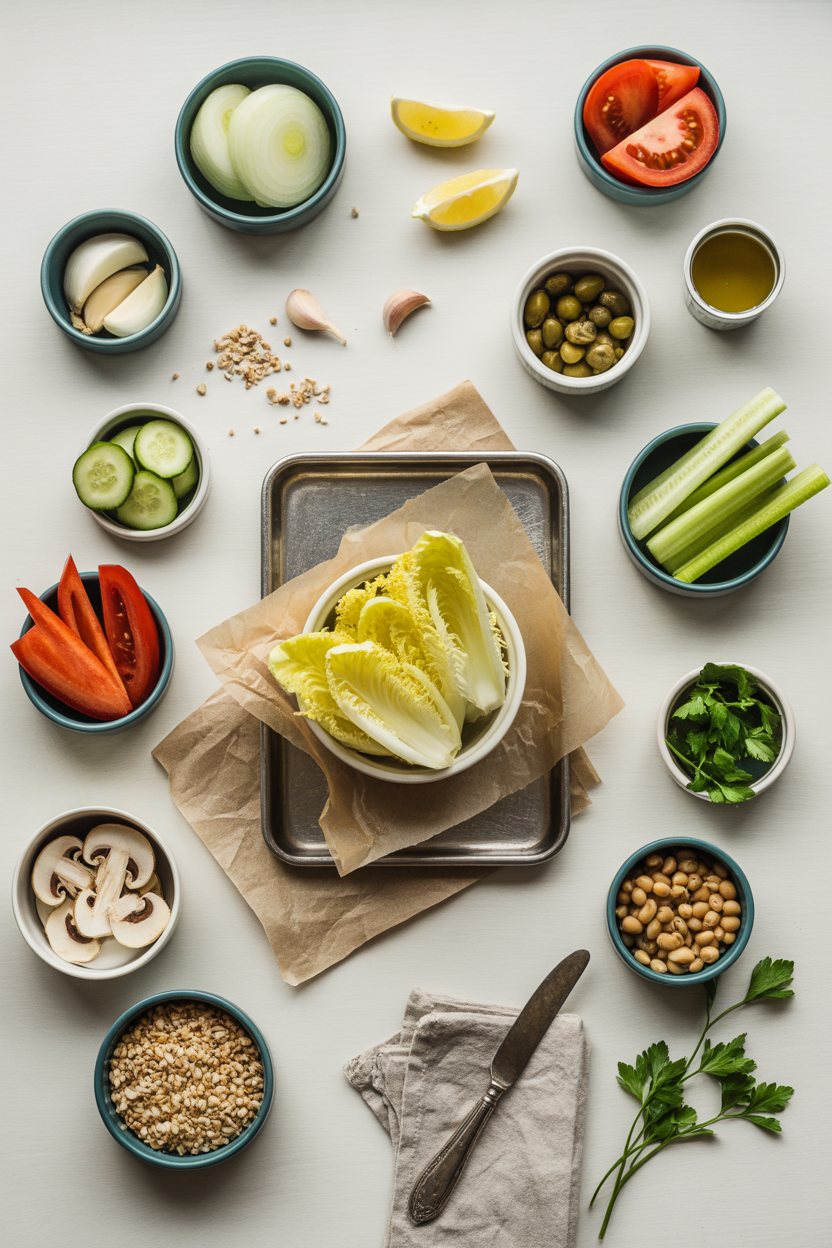
You reach for Frisee to bring that feathery crunch and gentle bitterness to your salad, only to find the crisper drawer empty. Frisee adds texture and a slight bite that balances rich dressings and fatty proteins, making it more than just a garnish. When it's missing, you need a green that can hold its own without wilting into mush.

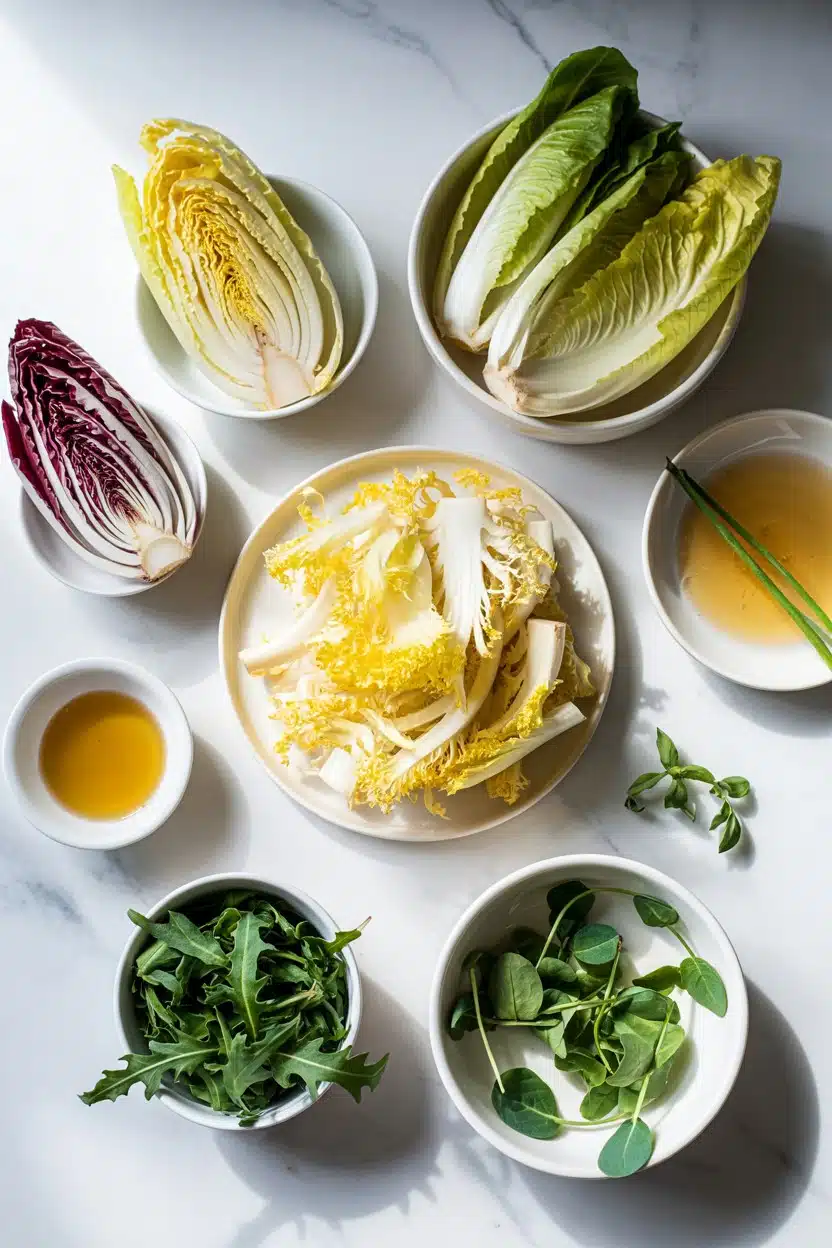
7 Best Substitutes for Frisee in Salads & Garnishes
frisee-substitutes
QUICK SUMMARY

Curly En and Radicchio best replicate Frisee's bitterness and texture. Focus on matching bitterness first, then leaf sturdiness. For salads with warm toppings, choose thicker leaves to avoid wilting.

🥬Closest match: Curly En offers familiar bitterness and frilly leaves like Frisee.
⚖️Ratio + fix: Swap 1:1; use Radicchio for bolder color and sharper bite.
🔥Watch heat: Arugula wilts quickly under warm dressings or proteins.

This guide walks through seven swaps that range from close botanical cousins to everyday lettuce you probably already have. Some deliver the same bitter edge, while others trade bitterness for peppery heat or mild sweetness. The key differences lie in texture, intensity, and how well each green stands up to vinaigrette or warm toppings.

No single replacement mirrors Frisee exactly. Pick based on whether you need that signature bitterness, a sturdy leaf structure, or just a clean base that won't overpower other flavors. Start with the suggested ratio, taste as you build the dish, and add more if the balance feels off.

7 Best Substitutes for Frisee to Try

The options below cover greens with similar bitterness, peppery alternatives, and milder backups for when you want texture without the bite. Choose based on how much bitterness your dish needs and whether you're serving raw or adding heat.

1 - Curly Endive

Curly endive sits in the same botanical family as Frisee, so the bitterness feels familiar even if the texture is a touch less delicate. It works well in salads where you need frilly leaves that catch dressing, and it holds up as a garnish when you want visual interest. The bitterness is milder, and the leaves are slightly thicker, so they don't wilt as fast under warm proteins or bacon. If you want more ways to stay close to that flavor, how to swap in Endive are worth a look.

Use 1 cup per 1 cup of Frisee. Tear the leaves into bite-size pieces before tossing with dressing so they coat evenly. Taste after mixing, and if the bitterness feels too mild, add a pinch of lemon zest or a splash of red wine vinegar to sharpen the edge.

Skip this option when you're cooking greens down; curly endive can turn tough and chewy under heat.

2 - Radicchio

Radicchio brings bold color and a sharper bitter punch that stands out in any salad bowl. It excels when you want a green that can balance creamy dressings, blue cheese, or sweet fruit like pears and oranges. The leaves are firmer and more cabbage-like, and the flavor leans spicy on top of the bitterness, so it's not a quiet swap.

Use ½ cup chopped for every 1 cup of Frisee. Slice the leaves into thin ribbons so the intense flavor spreads evenly instead of landing in big, overpowering bites. Taste the dressed salad before serving, and if the bitterness feels too strong, add a touch of honey or maple syrup to the vinaigrette to soften the edge.

Avoid radicchio when you need a mild, neutral base; its spicy bitterness will dominate lighter ingredients.

3 - Arugula

Arugula swaps bitterness for peppery heat, making it a good choice when you want personality without the same sharp bite. It adds a leafy, spicy note that pairs well with citrus dressings, nuts, and shaved Parmesan. The texture is more delicate than Frisee, so it wilts faster under warm toppings or heavy dressings.

Use 1 cup per 1 cup of Frisee. Dress the arugula just before serving to keep it from collapsing, and toss gently so the leaves stay intact. If the peppery flavor feels too strong, mix it with a milder green like butter lettuce to dial it back.

Skip arugula if you're aiming for the classic bitter edge Frisee provides; the peppery note shifts the flavor in a different direction.

4 - Belgian Endive

Belgian endive delivers mild bitterness and a satisfying crunch that works in both salads and appetizer spreads. The leaves grow in tight, boat-shaped clusters, so they're sturdy enough to hold fillings or stand alone as dippers. The flavor is less intense than Frisee, and the texture is firmer and more watery, which keeps things crisp without adding much weight.

Use 1 cup chopped for every 1 cup of Frisee. Slice the leaves crosswise into rounds or leave them whole if you're using them as vessels for toppings. Taste after dressing, and if the bitterness feels too mild, add a few capers or a drizzle of balsamic vinegar to sharpen the profile.

Avoid Belgian endive when you need loose, feathery leaves; the structured shape changes the texture of the dish.

5 - Green Leaf Lettuce

Green leaf lettuce is the mildest swap on the list, offering a sweet, tender base when bitterness isn't what you're after. It works well in salads that need volume without strong flavor, and it pairs easily with everything from ranch dressing to grilled chicken. If you like the direction of this swap, looking at what to use instead of Lettuce gives you even more flexibility. The leaves are soft and delicate, so they tear easily and wilt under warm ingredients or heavy dressings.

Use 1 cup per 1 cup of Frisee. Tear the leaves into large, irregular pieces to add texture, and dress lightly so the greens don't collapse. Taste before serving, and if the salad feels too plain, add a handful of radishes or a sprinkle of toasted seeds for crunch and flavor.

Skip green leaf lettuce when bitterness or sturdy texture is central to the dish; this option won't deliver either.

6 - Mâche

Mâche brings a nutty, mild flavor and a soft, velvety texture that feels luxurious in delicate salads. It works best when you want a gentle green that won't compete with subtle ingredients like poached eggs, citrus segments, or light vinaigrettes. When you want to compare a few approaches, those Mache Lettuce replacement ideas walk through similar tricks with Mache Lettuce. The leaves are small and tender, so they wilt quickly under heat or heavy dressing.

Use 1 cup per 1 cup of Frisee. Dress the mâche just before serving to preserve its delicate structure, and toss gently to avoid bruising the leaves. If the mild flavor feels too quiet, add a few drops of walnut oil or a sprinkle of coarse sea salt to bring out the nuttiness.

Avoid mâche when bitterness is key; this green is all about gentle, nutty sweetness.

7 - Baby Kale

Baby kale offers an earthy, mildly bitter flavor and a chewy texture that holds up well in hearty salads. It works best when you want a robust green that can handle warm grains, roasted vegetables, or bold dressings. The leaves are tougher than Frisee, so they need more massage or a slightly acidic dressing to soften the bite.

Use 1 cup per 1 cup of Frisee. Massage the leaves with a little olive oil and lemon juice before adding other ingredients; this breaks down the fibers and mellows the flavor. Taste after dressing, and if the texture still feels too chewy, let the salad sit for a few minutes before serving so the acid can work.

Skip baby kale if you need a delicate, feathery texture; the chewy leaves will change the feel of the dish.

Before You Swap Frisee

No green perfectly replicates Frisee's feathery texture and gentle bitterness. Match your choice to the dish: use curly endive or Belgian endive for similar bitterness, arugula or radicchio for bold flavor, and green leaf lettuce or mâche for milder options. Start with the suggested ratio, taste as you go, and adjust dressing or seasoning to balance the new flavor.

Frequently Asked Questions

Can I use radicchio in place of Frisee in a warm salad?

Yes, radicchio holds up better under warm toppings than Frisee, but its stronger bitterness and spicy flavor will shift the taste noticeably.

What's the mildest substitute for Frisee?

Green leaf lettuce is the mildest option, offering a sweet, tender base with almost no bitterness.

Does arugula work if I need a bitter green?

Arugula delivers peppery heat instead of classic bitterness, so it shifts the flavor profile rather than matching Frisee's bite.

How do I keep delicate greens from wilting in salad?

Dress delicate greens like mâche or arugula just before serving, and toss gently to avoid bruising the leaves.

Can I mix substitutes to mimic Frisee more closely?

Yes, blending curly endive with arugula or radicchio can balance bitterness and texture to get closer to Frisee's profile.

7 Best Substitutes for Flounder in Light White Fish Dishes

April 25, 2026

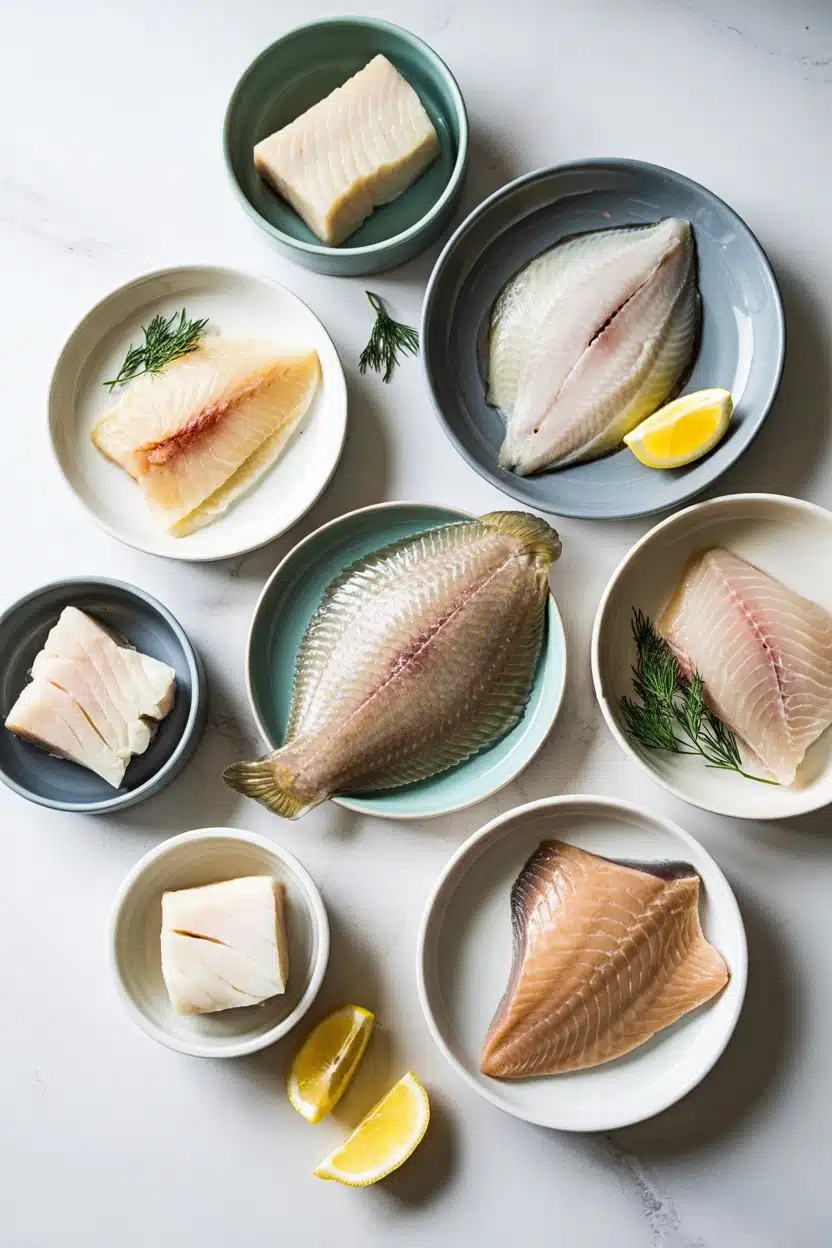
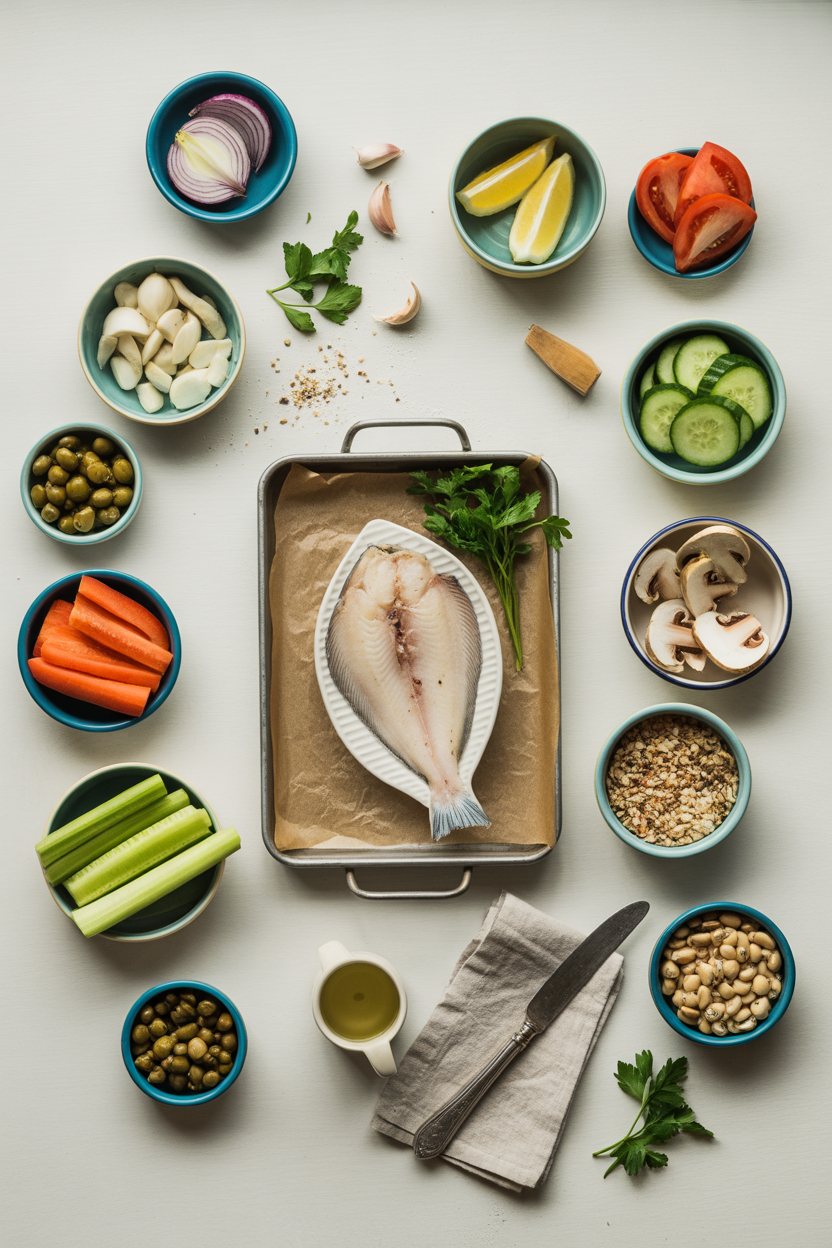
You're ready to pan-fry flounder when you realize the package has less than you need. Most recipes count on flounder for mild flavor and delicate texture that flakes cleanly.

7 Best Substitutes for Flounder in Light White Fish Dishes
flounder-substitutes

The swap depends on what flounder does in your dish. Mild fish work well in simple preparations, while firmer swaps suit stews and frying where you need extra structure.

QUICK SUMMARY

**Sole** and **tilapia** are your closest matches for mild flavor and quick cooking. Most swaps need the same cook time, but watch for texture shifts-firmer fish like cod and pollock hold up better in stews but cook slightly drier. For plant-based dishes, pressed tofu mimics the flaky texture without seafood flavor.

🐟Closest match: Sole for nearly identical texture and mild taste
⚖️Core ratio: **1:1 by weight** for all fish swaps, adjust liquid slightly
⚠️Common mistake: Overcooking firmer fish like cod-reduces heat to prevent drying

5 Flounder Replacements for Better Texture

Flounder works because it cooks fast and stays tender with minimal seasoning. These swaps vary in firmness and flavor strength-picking the right one keeps your dish balanced.

Quick Substitute Reference
#SubstituteBest ForRatioKey Note
1 Sole ✨ Both 1:1 Nearly identical texture and cook time
2 Tilapia ✨ Both 1:1 More neutral flavor, widely available
3 Catfish 🍳 Cooking 1:1 Earthy taste, best fried or robust prep
4 Cod 🍳 Cooking 1:1 Firmer texture, needs lower heat
5 Pollock 🍳 Cooking 1:1 Slightly stronger flavor, flaky texture
6 Tofu 🌱 Vegan 1:1 Mimics texture, no seafood flavor
7 Hearts of Palm 🌱 Vegan 1:1 Best raw or lightly dressed

1 - Sole

Sole matches flounder's delicate flake and mild buttery flavor almost exactly. It cooks in the same time and works in any flounder recipe without adjustments.

Swap 1:1 by weight and use the same heat level. The flavor difference is slight-most diners won't notice the change in pan-fried or baked dishes.

If you're short on sole too, sole fish substitutes covers milder white fish swaps.

Sole

Works for: Pan-frying, baking, gentle preparations needing tender flake

Skip if: You need firmer structure for grilling or skewering

Flounder

Works for: Quick-cooking methods, delicate seasoning, mild dishes

Skip if: Recipe calls for very firm fish that holds shape under high heat

2 - Tilapia

Tilapia is milder and more neutral than flounder with a similar flaky texture. It's accessible and cooks just as fast, making it a reliable everyday swap.

Use 1:1 by weight-it won't add sweetness like flounder does. Season a bit more aggressively to compensate for the neutral base.

Here's what to know:

  • Cooks in 3-4 minutes per side over medium-high heat
  • Absorbs marinades and spice rubs easily
  • More earthy undertone than flounder's slight sweetness
  • Holds up well in light stews and broths

Missing tilapia as well? Tilapia fish swaps covers neutral white fish by recipe method.

3 - Catfish

Catfish flakes cleanly like flounder but carries a stronger earthy flavor. It works best in fried dishes or recipes with bold seasoning that can balance the muddy notes.

Swap 1:1 by weight and expect a firmer bite. The texture holds up better under breading and high heat than flounder does.

Quick specs:

  • Earthier taste-not ideal for delicate sauces
  • Firmer flesh stays intact during frying
  • Best with Cajun spice, cornmeal coating, or tangy slaw

If you're out of catfish too, catfish replacements has firmer swaps for fried dishes.

Skip if: You're making a light lemon-butter preparation where clean flavor matters.

Best Pick
Sole gives the closest match for texture and flavor-it's the easiest 1:1 swap with no adjustments needed.

4 - Cod

Cod shares flounder's mild flavor and flaky texture but cooks firmer and slightly drier. It suits baked or stewed dishes where you need fish that holds its shape.

Use 1:1 by weight and reduce heat slightly to avoid drying out the thicker fillets. Add a tablespoon of butter or oil to keep moisture balanced.

The essentials:

  • Thicker fillets need 1-2 extra minutes of cook time
  • Sweetness is subtle-closer to flounder than tilapia

Don't have cod either? Cod fish alternatives covers flaky white fish for baking.

Skip if: You're pan-frying at high heat-cod can toughen quickly without careful timing.

UseRatioNotes
Pan-frying1:1Reduce heat slightly for firmer fish
Baking1:1Add 2 minutes to cook time for cod/pollock
Stews1:1Firmer swaps hold shape better

5 - Pollock

Pollock offers mild flavor and flaky texture similar to flounder but with a slightly stronger seafood taste. It works well in stews, frying, or baked dishes where you need fish that stays firm.

Swap 1:1 by weight-the firmer texture prevents it from falling apart in wet preparations. The earthy undertone is subtle enough for most flounder recipes.

Out of pollock as well? Pollock fish swaps has flaky white fish for stews.

Skip if: You need the sweetest, mildest flavor possible-pollock has more character than flounder.

Watch Out
Firmer fish like cod and pollock dry out faster-reduce heat by 25°F and add a little extra fat to keep them tender.

6 - Tofu

Firm pressed tofu mimics flounder's flaky texture and quick cooking time in plant-based recipes. It absorbs seasoning well but lacks any seafood flavor.

Use equal volume (1:1) and press the tofu for at least 15 minutes to remove excess water. Pan-fry in high heat to create a crisp exterior that mimics seared fish.

Missing tofu too? Tofu swaps for cooking covers plant proteins by texture.

Skip if: Seafood flavor is essential to the dish-tofu stays neutral no matter how you season it.

Shortcut
Freeze-thaw-press tofu once before cooking to create a meatier texture that flakes like fish.

7 - Hearts of Palm

Hearts of palm offer a flaky texture similar to flounder in raw or lightly dressed preparations. They work best in cold salads or ceviche-style dishes where you don't need structure.

Use 1:1 chopped substitution and expect a mild vegetal sweetness instead of seafood flavor. Marinate them in citrus or vinegar to mimic the bright acidity flounder carries.

What to expect:

  • Very soft texture-won't hold up to heat
  • Sweet and slightly tangy flavor
  • Best shredded or chopped into salads
  • Works in vegan "fish" tacos with lime and slaw

If you're out of hearts of palm as well, hearts of palm swaps has flaky plant-based picks.

Skip if: You're cooking the fish-hearts of palm turn mushy under heat and lose their structure.

Choosing the Right Flounder Substitute

Start with the cooking method-delicate fish like sole work for quick pan-frying, while firmer options suit stews and baking. Most swaps need the same cook time, but firmer fish require lower heat to stay tender.

  • Closest match - Sole for nearly identical flavor and texture
  • Easiest grab - Tilapia for wide availability and neutral taste
  • Dietary option - Pressed tofu for plant-based flaky texture

Frequently Asked Questions

Can I use cod instead of flounder in fish tacos?

Yes, but reduce heat slightly and add extra fat to prevent drying. Cod's firmer texture holds up well in tacos, but it needs careful timing to stay tender.

Does tilapia taste like flounder?

Tilapia is more neutral and earthy with less sweetness than flounder. The texture is similar, but you'll notice the flavor difference in simple preparations with minimal seasoning.

Can I bake catfish the same way as flounder?

Yes, use 1:1 by weight and the same temperature. Catfish is firmer and more earthy, so it pairs better with bold seasonings like Cajun spice or garlic butter instead of delicate lemon-herb preparations.

What's the best vegan substitute for flounder's flaky texture?

Pressed firm tofu works best for cooked dishes-freeze it once, thaw, press, then pan-fry for a flaky texture. For raw preparations like ceviche, use shredded hearts of palm marinated in citrus.

How do I keep sole from falling apart when I pan-fry it?

Pat it completely dry before cooking and use medium-high heat with enough fat to coat the pan. Don't flip it until the edges turn opaque and it releases easily-forcing it too early breaks the fillet.

7 Best Substitutes for Flounder in Light White Fish Dishes

7 Best Substitutes for Flounder

No ratings yet
Use these 7 substitutes to replace flounder based on your dish's cooking method and texture needs. Sole and tilapia offer mild flavors and quick cooking. Firmer fish like cod and pollock suit stews, while tofu and hearts of palm provide plant-based options with similar textures.
Print Recipe Pin Recipe
Prep Time 7 minutes mins
Cook Time 6 minutes mins
Total Time 13 minutes mins
Servings: 4 servings
Course: Guides, Substitutes
Cuisine: American
Ingredients Method Notes

Ingredients
  

  • 1 to Sole 1:1 by weight, nearly identical texture and cook time
  • 1 to Tilapia 1:1 by weight, more neutral flavor widely available
  • 1 to Catfish 1:1 by weight, best fried or robust prep with earthy taste
  • 1 to Cod 1:1 by weight, reduce heat slightly to avoid drying
  • 1 to Pollock 1:1 by weight, slightly stronger flavor, flaky texture
  • 1 to Tofu 1:1 by volume, mimics flaky texture without seafood flavor
  • 1 to Hearts of Palm 1:1 by chopped volume, best raw or lightly dressed

Method
 

  1. Choose the substitute based on your cooking method and desired texture, from mild and delicate to firm and sturdy or plant-based.
  2. Prepare the substitute appropriately: press tofu to remove moisture, chop hearts of palm, or use fish fillets as is.
  3. Use a 1:1 substitution ratio by weight for fish and by volume for tofu and hearts of palm.
  4. Adjust cooking heat as needed: reduce heat slightly for firmer fish like cod and pollock to prevent drying.
  5. Season moderately especially for neutral-flavored substitutes like tilapia or tofu to enhance flavor.
  6. Check final dish texture and flavor, making small seasoning or cooking time adjustments to balance the swap.

Notes

Press tofu thoroughly before cooking to prevent watery texture and maintain flaky consistency in dishes with tofu.

Tried this recipe?

Let us know how it was!

5 Best Substitutes for Fleur De Sel in Finishing Salts & Seasoning

April 25, 2026

You just discovered your dish needs Fleur De Sel. The canister is empty, and dinner won't wait.

5 Best Substitutes for Fleur De Sel in Finishing Salts & Seasoning
QUICK SUMMARY

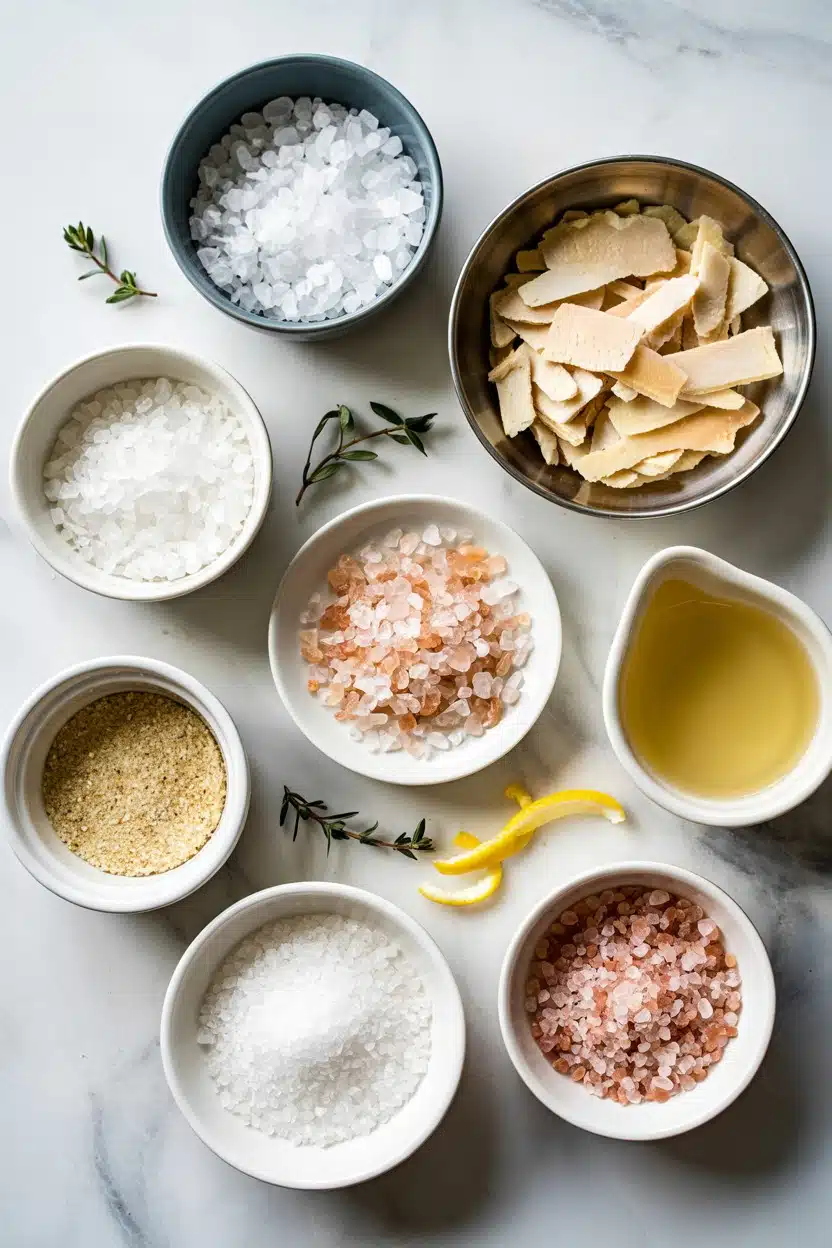
Maldon Salt and Kosher Salt are top substitutes to consider. Texture is key-choose flaky Maldon for crunch or Kosher for cooking ease. Adjust amounts based on saltiness and dissolve time. Use Maldon for finishing and Kosher for seasoning during cooking.

🧂Closest texture: Maldon Salt adds a light, flaky crunch like Fleur De Sel.
⚖️Ratio + fix: Swap 1:1; reduce amount slightly if using finer Kosher Salt.
🔥Watch out: Smoked Paprika Salt changes flavor, so use only when smoky notes suit the dish.

This French sea salt brings a delicate crunch and subtle mineral finish that regular table salt can't match. It dissolves slowly on the tongue, which makes it shine as a finishing touch on vegetables, grilled meats, or chocolate desserts.

Some swaps lean coarser and some finer, so texture matters as much as taste.

This guide covers five options that range from direct stand-ins to creative blends.

You'll see flaky salts, mineral-rich crystals, and even a smoky mix. The right choice depends on whether you're finishing a dish at the table or seasoning during cooking, and whether you want a clean salty bite or a hint of earth or smoke.

Start with less than you think and taste before adding more.

5 Best Substitutes for Fleur De Sel to Try

Each option below handles salt in a different way, from fine grains that dissolve fast to large flakes that add crunch. Pick based on your recipe's timing and the texture you want.

1 - Kosher Salt

Kosher salt works well when you're cooking rather than finishing.

It dissolves quickly and seasons evenly, which makes it a solid choice for pasta water, marinades, or roasted vegetables. The grains are larger than table salt but smaller than Fleur De Sel, so the texture stays coarse without the same delicate crunch.

The flavor is clean and straightforward, with less of the mineral complexity you get from sea salt. If you need Kosher Salt stand-ins for other recipes, that resource covers even more ground.

Use 1 tablespoon of kosher salt for every 1 tablespoon of Fleur De Sel. Add it early in the cooking process so the grains have time to dissolve and distribute.

Taste the dish before adding more, because kosher salt can taste saltier than you expect once it melts into the food. Stir well after each addition so the seasoning stays even.

Skip this option if you're finishing a dish at the table. The coarse texture doesn't deliver the same delicate crunch, and it can feel gritty on tender foods like sliced tomatoes or soft cheeses.

2 - Maldon Salt

Maldon salt works beautifully as a finishing salt when you want a light, flaky crunch.

The pyramid-shaped flakes dissolve slowly on the tongue, so they add texture and bursts of saltiness without overpowering the dish. The flavor is milder and cleaner than Fleur De Sel, with less mineral depth.

You'll see this option on chocolate chip cookies, caramel desserts, and grilled steak, where the flakes catch the light and add a satisfying bite.

Use 1 tablespoon of Maldon salt for every 1 tablespoon of Fleur De Sel.

Sprinkle it on just before serving so the flakes stay crisp and visible. Taste a small bite first, then add more if the dish needs extra salt.

The flakes crush easily between your fingers, so you can control the texture by pinching them smaller or leaving them whole.

Avoid this substitute in baking recipes that call for fine salt.

The large flakes won't dissolve evenly in batters or doughs, and you'll end up with pockets of salt that taste too strong.

3 - Himalayan Pink Salt

Himalayan pink salt brings an earthy, mineral-forward flavor that works well in both cooking and finishing. The pink hue comes from trace minerals, which add a subtle complexity you won't find in plain white salt.

This option shines when you're seasoning roasted vegetables, grilled meats, or hearty stews, where the mineral notes blend into the background. The texture is coarser than table salt but finer than Fleur De Sel, so it dissolves faster and seasons more evenly during cooking.

Use 1 tablespoon of Himalayan pink salt for every 1 tablespoon of Fleur De Sel. Add it midway through cooking so the minerals have time to meld with the other flavors.

Taste before serving, because the earthy notes can build as the dish cooks. Stir thoroughly after each addition so the salt distributes without clumping.

Skip this substitute if you're finishing a delicate dish like fresh fruit, raw oysters, or lightly dressed greens. The mineral taste can overpower subtle flavors and change the dish in ways you didn't plan.

4 - Fine Sea Salt

Fine sea salt works best when you need even salt distribution in baking or cooking.

The small grains dissolve quickly and blend into batters, doughs, and sauces without leaving any gritty texture behind. The flavor is milder and less complex than Fleur De Sel, so you won't get the same mineral nuance or crunchy finish.

This option is a reliable choice for bread dough, cake batter, or pasta water, where the salt needs to disappear into the recipe rather than stand out on top.

Use 1 tablespoon of fine sea salt for every 1 tablespoon of Fleur De Sel.

Mix it into the recipe early so it has time to dissolve completely. Taste the batter or dough before baking if possible, and adjust the amount if it tastes flat or too salty.

Stir well after adding it so the grains don't settle at the bottom of the bowl.

Avoid using this substitute as a finishing salt.

The fine grain doesn't add any crunch or visual appeal, and the flavor lacks the brightness that makes Fleur De Sel special on top of finished dishes.

5 - Smoked Paprika Salt

This blend adds smoky warmth alongside saltiness, which makes it a smart choice for grilled dishes, roasted meats, or charred vegetables. Mix 1 tablespoon of table salt with ⅛ teaspoon of smoked paprika to match 1 tablespoon of Fleur De Sel.

The paprika shifts the flavor profile toward barbecue and campfire notes, so it works best when you want that extra layer. If you're curious about more ways to play with spice, Paprika style swaps offer plenty of flexibility.

Sprinkle the blend on just before serving so the smoky aroma stays bright and doesn't fade during cooking. Start with half the amount and taste, because the paprika can take over if you add too much at once.

The salt will dissolve, but the paprika will cling to the surface and add color along with flavor.

Skip this option if your recipe needs a pure salt flavor.

The smoky warmth will change the dish in ways that don't fit with delicate foods like white fish, fresh berries, or soft cheeses.

Before You Swap Fleur De Sel

There's no single replacement that matches every role Fleur De Sel plays.

Match the substitute to the job first, whether that's finishing with crunch, seasoning during cooking, or blending into batter. Start with less salt than you think you need, taste the result, and adjust slowly so the dish doesn't turn too salty to fix.

Frequently Asked Questions

Can I use kosher salt as a finishing salt instead of Fleur De Sel?

Kosher salt works better during cooking than as a finishing touch because the grains are coarser and lack the delicate crunch Fleur De Sel provides.

Does Maldon salt taste the same as Fleur De Sel?

Maldon salt has a milder, cleaner flavor with less mineral complexity, but it delivers a similar flaky crunch that works well as a finishing salt.

Will Himalayan pink salt work in baking recipes?

Himalayan pink salt dissolves well in batters and doughs, but the earthy mineral notes may shift the flavor slightly compared to a neutral sea salt.

Can I substitute table salt for Fleur De Sel in all recipes?

Table salt works in cooking but lacks the texture and subtle mineral flavor that make Fleur De Sel special as a finishing salt on plated dishes.

How do I know if I added too much finishing salt?

If the salt overpowers the other flavors or feels gritty on your tongue, you added too much. Start with a light sprinkle and taste before adding more.

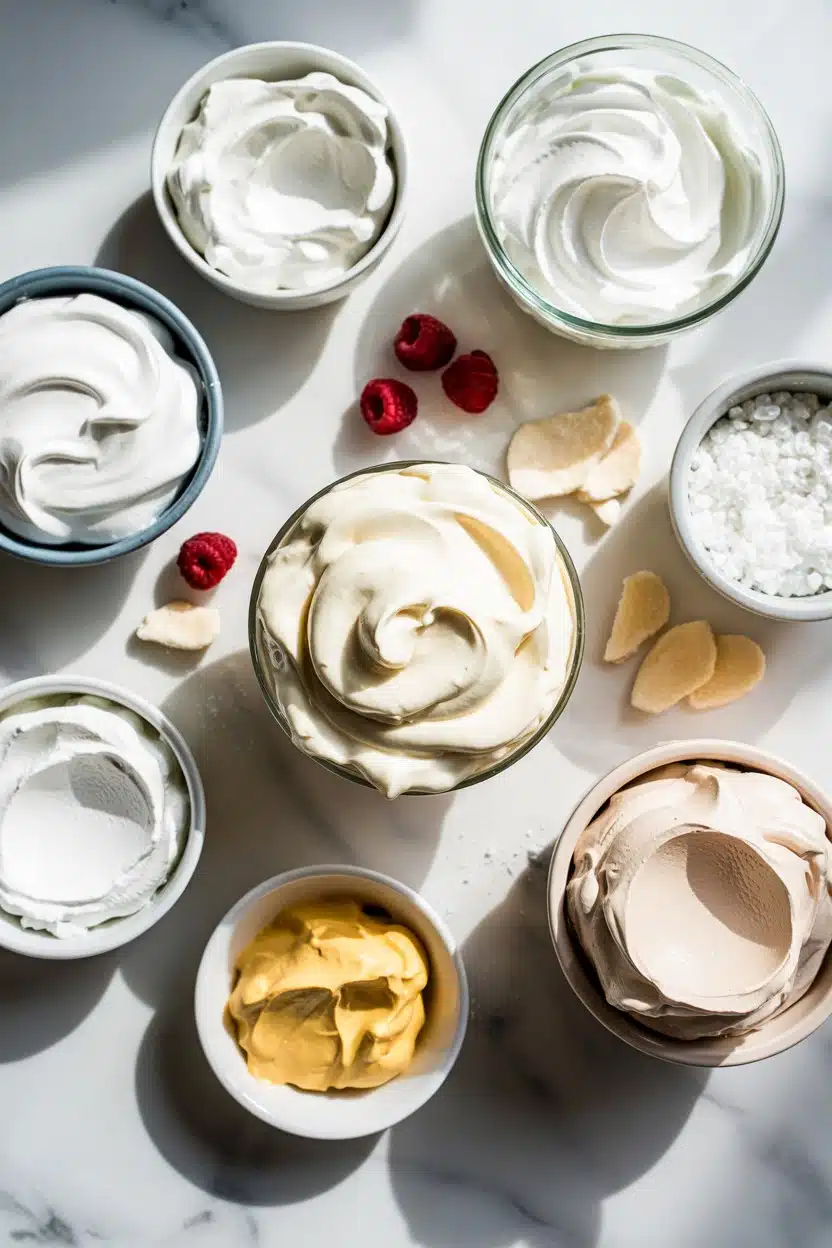
5 Best Dream Whip Alternatives for Your Cooking

April 25, 2026

You reach for Dream Whip and realize the canister is empty. This topping adds fluff and richness, and the dish depends on both.

The swap depends on what Dream Whip does in your recipe-structure, sweetness, or dairy-free ease. Some alternatives whip stiff and hold shape, while others stay creamy but dense.

5 Best Dream Whip Alternatives for Your Cooking

Others need sweetening or stabilizers to match the original. Use this list to find the best match based on what you have and what the dish needs.

QUICK SUMMARY

Heavy cream and chilled coconut cream are the closest swaps for Dream Whip in desserts and toppings. Both whip into fluffy peaks, though heavy cream runs richer and coconut cream brings tropical notes. For baking, match the fat content first, then adjust sweetness-Dream Whip includes sugar, so reduce added sugar by 1-2 tablespoons per cup when using unsweetened alternatives.

🥛Closest match: Heavy cream whips stiff and mimics Dream Whip's richness without extra steps.
📏Ratio + fix: Use 1:1 volume for any swap, then add sweetener to taste if needed.
⚠️Watch texture: Greek yogurt and silken tofu stay dense-skip them if you need airy peaks.

5 Best Dream Whip Alternatives for Recipes

These swaps range from pantry staples to specialty picks. The table below shows which works best for your dish and how much to use.

Quick Substitute Reference
# Substitute Best For Ratio Key Note
1 Heavy Cream ✨ Both 1:1 Richer, less sweet
2 Coconut Cream 🌱 Vegan 1:1 chilled Coconut flavor present
3 Non-Dairy Whipped Topping ✨ Both 1:1 Often sweeter
4 Silken Tofu Blend 🌱 Vegan 1 cup + 1-2 tablespoon sweetener Dense, not airy
5 Whipped Greek Yogurt 🍳 Cooking 1:1 sweetened Tangy, denser

1 - Heavy Cream

Heavy cream whips into stiff peaks that hold shape like Dream Whip. Results vary by dish.

A Heavy Cream replacement works best when you know its purpose.

The richness runs deeper than Dream Whip, and the flavor stays less sweet. If you're chasing similar texture for trifles or parfaits, easy Heavy Cream swaps that work include lighter dairy and plant-based picks that whip without the fat.

Here's what to know:

  • Chill the bowl and beaters - Cold equipment speeds whipping and builds volume faster.
  • Add sugar gradually - Start with 1 tablespoon per cup, then taste and adjust.
  • Stop at soft peaks for folding - Overwhipping turns cream grainy and separates the fat.

Skip if: You need a shelf-stable topping or want to avoid dairy completely.

Heavy Cream

Works for: Fluffy toppings that hold shape, rich desserts

Skip if: You're avoiding dairy or need a lighter option

Dream Whip

Works for: Instant whipped topping, no-churn ice cream base

Skip if: You want fresher flavor or control over sweetness

2 - Coconut Cream

Coconut cream whips into soft peaks when chilled overnight. The tropical flavor comes through in every bite, so it works best in desserts where coconut fits the profile-think pineapple trifles or chocolate mousse with a twist.

Chill the can for at least 12 hours, then scoop out the solid layer on top. Leave the liquid behind.

Whip with a hand mixer until fluffy, adding powdered sugar if you want extra sweetness.

The texture stays lighter than heavy cream but denser than Dream Whip. It holds shape for a few hours, then softens.

If you're short on coconut cream too, swaps when Coconut Cream runs out cover similar thick dairy and plant-based options for topping and fillings.

  • Use full-fat cans - Light versions lack the fat needed to whip properly.
  • Avoid stirring the can - Separation helps; you want only the thick top layer.
  • Add stabilizer for longer hold - A teaspoon of cornstarch or agar powder keeps peaks firm.
  • Test one can first - Brands vary; some whip better than others.

Skip if: You need a neutral flavor or the dish calls for dairy richness.

Shortcut
Freeze the mixing bowl for 10 minutes before whipping coconut cream-it speeds the process and builds stiffer peaks.

3 - Non-Dairy Whipped Topping

Store-bought non-dairy whipped toppings deliver instant fluff without any prep. They match Dream Whip in texture and sweetness, making them a seamless swap for pies, parfaits, and quick desserts.

The flavor leans sweeter and less creamy than homemade options. Most brands use hydrogenated oils for stability, so the mouthfeel stays light but slightly artificial.

Use the same volume as Dream Whip-no adjustments needed.

Skip if: You prefer homemade freshness or want to avoid processed ingredients.

4 - Silken Tofu Blend

Silken tofu blends into a smooth, creamy base when mixed with sweetener. The texture stays dense and velvety, ideal for mousse or pudding-style fillings where you don't need airy peaks.

Use 1 cup of silken tofu with 1-2 tablespoons of maple syrup or powdered sugar. Blend until completely smooth-no lumps.

The flavor runs mildly beany, so vanilla extract or cocoa powder helps mask it.

This swap won't whip into fluff. If firmness matters more than lift, common Silken Tofu swaps ranked include other soft-textured plant-based picks for creamy fillings.

Skip if: You need a whipped topping that holds peaks or prefer neutral flavor.

Use Ratio Notes
Cold dessert toppings 1 cup heavy cream Whip to stiff peaks, add sugar to taste
Vegan toppings 1 cup chilled coconut cream Whip only the solid layer, discard liquid
Creamy fillings (no whip) 1 cup silken tofu + 1–2 tablespoon sweetener Blend smooth, flavor with vanilla or cocoa

5 - Whipped Greek Yogurt

Greek yogurt whips lightly when sweetened, creating a tangy topping with more body than Dream Whip. The tartness stands out, so it pairs best with fruit desserts or dishes that benefit from a little contrast.

Use equal volume of Greek yogurt. Whisk in powdered sugar (start with 2 tablespoons per cup) and a splash of vanilla.

Each substitute behaves differently. Understanding the role of Greek Yogurt helps you pick.

The texture stays denser and less airy. It won't hold peaks like whipped cream, but it spreads smoothly over cakes and pies.

If you're short on Greek Yogurt too, instead of Greek Yogurt try these for tangy dairy and non-dairy swaps that work in similar ways.

  • Strain if it's watery - Thick yogurt whips better and holds consistency longer.
  • Sweeten to taste - Greek yogurt runs tart, so adjust sugar until balanced.
  • Serve immediately - Yogurt breaks down faster than cream-based toppings.

Skip if: You need light, airy foam or want a neutral flavor profile.

Watch Out
Whipped Greek yogurt separates when left at room temperature-keep it chilled until serving to maintain texture.

Making Dream Whip Substitutes Work

Most of these swaps work without changing the recipe. The right choice depends on whether you need airy peaks or creamy richness.

For fluffy toppings, heavy cream comes closest. For vegan dishes, chilled coconut cream delivers similar lift with a hint of tropical flavor.

  • Closest match - Heavy cream whips stiff and mimics Dream Whip's texture
  • Easiest grab - Non-dairy whipped topping delivers instant fluff
  • Dietary option - Coconut cream whips vegan and holds shape

Frequently Asked Questions

Can I use regular milk instead of Dream Whip?

No. Regular milk lacks the fat needed to whip into a topping. Use heavy cream or coconut cream instead-they whip into peaks that hold shape.

Does coconut cream taste like coconut in desserts?

Yes. The coconut flavor comes through clearly, so it works best in tropical desserts or chocolate dishes where the taste fits. For neutral toppings, stick with heavy cream or non-dairy whipped topping.

What's the best swap for no-bake cheesecake?

Heavy cream works best. It whips stiff, holds shape when folded into cream cheese, and keeps the filling stable. Coconut cream is a close second for vegan versions.

Can I use Greek yogurt in place of Dream Whip for baking?

Not for recipes that need airy structure. Greek yogurt stays dense and won't create the same lift. Use it only in fillings or toppings where thickness matters more than fluff.

How do I keep whipped substitutes from deflating?

Add a stabilizer. A teaspoon of cornstarch, gelatin, or cream of tartar per cup helps whipped cream or coconut cream hold peaks longer. Chill the bowl and beaters before whipping to improve stability.

5 Best Dream Whip Alternatives for Your Cooking

5 Best Substitutes for Dream Whip

No ratings yet
Use these five common substitutes based on your recipe's need for airy peaks, creaminess, or vegan options. Heavy cream and coconut cream offer fluffy texture, while tofu and Greek yogurt add dense creaminess. Adjust sweetness and use stabilizers when needed.
Print Recipe Pin Recipe
Prep Time 10 minutes mins
Cook Time 6 minutes mins
Total Time 16 minutes mins
Servings: 4 servings
Course: Dessert, Substitutes, Toppings
Cuisine: American
Ingredients Method Notes

Ingredients
  

  • 1 cup Heavy Cream Chill bowl and beaters; add sugar gradually to taste; whip to soft peaks for folding
  • 1 cup Coconut Cream Use full-fat cans chilled at least 12 hours; whip only solid top layer; add powdered sugar for sweetness; add stabilizer for hold
  • 1 cup Non-Dairy Whipped Topping Use equal volume; ready to use; often sweeter than Dream Whip
  • 1 cup Silken Tofu Blend Blend silken tofu smooth with 1-2 tablespoons sweetener and flavoring; dense texture, not airy
  • 1 cup Whipped Greek Yogurt Sweeten with 2 tablespoons powdered sugar and vanilla; strain if watery; serve immediately; dense texture

Method
 

  1. Choose the substitute based on your dish needs: airy peaks (heavy cream, coconut cream), instant fluff (non-dairy whipped topping), or dense creaminess (silken tofu, Greek yogurt).
  2. For heavy cream, chill bowl and beaters before whipping; add sugar slowly and whip to soft peaks if folding is necessary.
  3. For coconut cream, chill can at least 12 hours; scoop only the solid top layer and whip with powdered sugar; use stabilizers for longer peak hold if desired.
  4. Use non-dairy whipped topping ready as-is in equal volume to Dream Whip for quick and sweet replacement.
  5. Blend silken tofu with sweetener (maple syrup or powdered sugar) and flavorings until smooth; no whipping to peaks, dense texture.
  6. Whisk Greek yogurt with powdered sugar and vanilla; strain if watery; serve immediately to maintain texture; best for tangy, dense toppings or fillings.
  7. Adjust sweetness by taste for all substitutes as needed since Dream Whip usually contains sugar.
  8. Use stabilizers like cornstarch or gelatin with heavy or coconut cream to help hold peaks longer when needed.

Notes

Chill coconut cream before whipping to avoid watery texture and weak peaks.

Tried this recipe?

Let us know how it was!

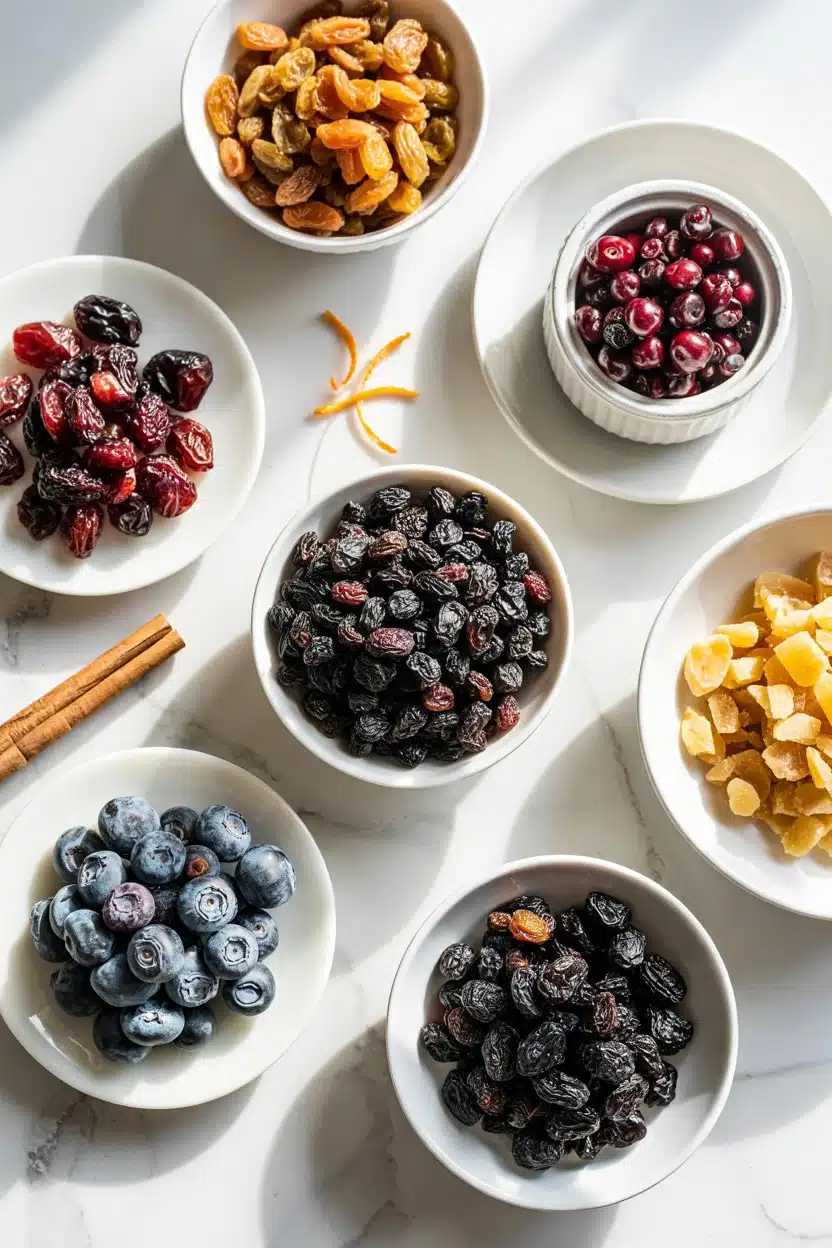
5 Best Substitutes for Currant in Recipes

April 25, 2026

We started measuring and there's not enough currant to finish the batch. The tartness and soft chew they add shapes how the dish tastes.

5 Best Substitutes for Currant in Recipes
currant-substitutes

The right substitute depends on whether you're baking or cooking, since some options bring more sweetness while others hold tartness better. Match the texture and acidity first, then adjust for sweetness if needed.

QUICK SUMMARY

For baking, **dried cranberries or Zante currants** replicate the tart-sweet balance currants provide. The main risk is **sweetness imbalance**-some swaps run milder or more sugary, requiring slight reductions in added sugar. Prioritize tartness and chew first, then adjust liquid or sweetness to keep the structure intact.

🍒Best all-around swap: Dried cranberries mimic size and tartness for scones and stuffings.
⚖️Ratio + fix: Use **1:1 volume**, reduce sugar by 1 teaspoon per cup if the swap runs sweeter.
⚠️Common mistake: Skipping a taste test before adding sweetener leaves the dish overly sugary.

5 Currant Substitutes Without Big Changes

Some swaps stay close, while others require small adjustments. Pick based on the dish and what you have.

The table below gives you the fastest swap path.

Quick Substitute Reference
# Substitute Best For Ratio Key Note
1 Dried Cranberries ✨ Both 1:1 Sweeter with mild tartness
2 Raisins 🍳 Cooking 1:1 Less tartness, richer sweetness
3 Dried Chopped Tart Cherry 🥧 Baking Equal volume Bright tart flavor, larger pieces
4 Dried Blueberries 🥧 Baking 1:1 Mildly sweet, less acidic
5 Zante Currants ✨ Both 1:1 Closest match in size and flavor

1 - Dried Cranberries

Dried cranberries deliver the chew and tart punch currants provide, with a slightly sweeter edge and darker red color. They fold into baked goods without bleeding pigment or turning mushy.

Use 1:1 volume for currants and reduce sugar by 1 teaspoon per cup if the recipe already leans sweet. The tartness balances heavier spices in stuffings and pairs well with nuts in scones.

Here's what to know:

  • Texture stays firm - They hold shape through mixing and baking without breaking apart.
  • Color shifts darker - Deep red replaces the black-purple tone of currants.
  • Sweetness runs higher - Cut back on honey or maple syrup if the dish includes both.
  • Works in savory dishes - Stuffings and grain salads gain a fruity contrast without overpowering herbs.

Results vary by dish. If you're short on cranberries too, Cranberries alternatives to try covers other tart dried fruits that match.

Skip if: the recipe depends on the exact deep color and sharp bite of true currants.

Dried Cranberries

Works for: Scones, stuffings, and grain salads where tartness matters

Skip if: You need the sharp, wine-like acidity of true currants

Raisins

Works for: Cooked dishes where sweetness balances spices

Skip if: The dish relies on a tart counterpoint to rich ingredients

2 - Raisins

Raisins bring a firm chew and rich sweetness without the tartness currants provide. They work best in cooked dishes where spices and salt balance the extra sugar.

Swap at 1:1 volume and add a squeeze of lemon juice or a pinch of citric acid if the dish needs brightness. They blend into stuffings, pilafs, and slow-cooked tagines without turning soft or sticky.

Each substitute behaves differently. No raisins either?

Swaps when Raisins runs out keeps you covered for recipes that need dried fruit with chew.

Skip if: the recipe depends on a pronounced tart contrast to balance fatty or savory ingredients.

Watch Out
Raisins lack the acidity that keeps currant-based dishes from tasting flat. Add a splash of vinegar or lemon juice to cooked grains and stuffings for balance.

3 - Dried Chopped Tart Cherry

Dried chopped tart cherries replicate the sour punch currants bring, with a brighter red color and slightly larger pieces. They hold tartness well in sauces and baked goods where the flavor needs to stand out.

Use equal volume substitution and chop them smaller if the recipe calls for whole currants. The texture stays chewy without turning sticky, making them ideal for scones, muffins, and fruit compotes.

  • Tartness stays sharp - The sour edge balances sweet batters and rich doughs.
  • Color shifts brighter - Red replaces the dark purple-black tone of currants.

The swap depends on what the original ingredient does in your recipe. If you're also out of tart cherries, Cherry Pepper swaps that match covers alternatives with similar acidity.

Skip if: the recipe requires a subtle berry flavor that doesn't overpower other fruits.

Use Ratio Notes
Baking (scones, muffins) 1:1 volume Chop smaller for even distribution
Sauces and compotes 1:1 volume Tartness holds through cooking
Stuffings and grain salads 1:1 volume Add last to prevent color bleeding

4 - Dried Blueberries

Dried blueberries provide a soft chew and mild sweetness without the tartness currants bring. They work best in baked goods where a gentle berry note complements other flavors without dominating.

Swap at 1:1 volume and increase lemon zest or a pinch of citric acid if the dish needs more brightness. They fold into muffins, quick breads, and granola without bleeding color or turning the batter gray.

Each substitute behaves differently. Missing dried blueberries as well?

Blueberries alternatives to try gives you milder dried fruit options that won't overpower delicate batters.

Skip if: the recipe requires a sharp tart contrast to balance rich or fatty ingredients.

Shortcut
If the dish tastes flat, stir in ¼ teaspoon lemon juice per cup of dried blueberries to mimic the acidity currants provide.

5 - Zante Currants (Black Corinth Raisins)

Zante currants are small dried black grapes that match the size, chew, and sweet-tart balance of true currants almost exactly. They work in traditional recipes without requiring adjustments to ratios or technique.

Use 1:1 volume and expect a slightly sweeter profile if you're substituting for fresh red or black currants. They hold their shape in baking and cooking, delivering the dark color and firm texture recipes depend on.

  • Size matches perfectly - Small round berries fold into batters and doughs without clumping.
  • Color stays dark - The deep black tone replicates the visual appearance of dried currants.

Results vary by dish. Out of Zante currants too?

What to use for Currant covers other small dried fruits with similar chew and tartness.

Skip if: you need fresh currants for sauces or jams where the raw fruit texture matters.

Best Pick
Zante currants are the closest functional match for dried currants in baking. No ratio changes, no texture adjustments-just swap and go.

Making Currant Substitutes Work

Most of these swaps work without changing the recipe structure. The right choice depends on whether you're baking or cooking and how much tartness the dish needs.

For scones and baked goods, dried cranberries or Zante currants come closest; for stuffings and pilafs, raisins or tart cherries balance better.

  • Closest match - Zante currants for size and tart-sweet balance
  • Easiest grab - Raisins for cooked dishes without sharp acidity
  • Dietary option - Dried cranberries for vegan and gluten-free recipes

Frequently Asked Questions

Can I use fresh berries instead of dried currants?

Fresh berries add moisture and won't replicate the chewy texture dried currants provide. If you use them, reduce liquid in the recipe by 2 tablespoon per cup and expect a softer crumb.

Do I need to adjust sugar when swapping currants?

It depends on the substitute. Raisins and dried blueberries run sweeter, so reduce sugar by 1 teaspoon per cup. Dried cranberries and tart cherries stay closer to currants and usually need no adjustment.

Will the color change if I swap currants?

Yes. Currants are dark purple-black, while cranberries are red and blueberries are blue-gray. Zante currants match the color best if appearance matters.

Can I use currant substitutes in jams and preserves?

Dried substitutes won't work in jams since they lack the moisture and pectin fresh currants provide. Use fresh cranberries or tart cherries instead and adjust sugar to taste.

Do these substitutes work in savory dishes?

Yes. Dried cranberries and raisins work well in stuffings, grain salads, and tagines. Add them toward the end of cooking to prevent them from breaking apart or turning mushy.

5 Best Substitutes for Currant in Recipes

5 Best Substitutes for Currant

No ratings yet
This guide helps you choose the right currant substitute based on whether you're baking or cooking. It covers ratio adjustments and tips to balance sweetness and tartness for best results.
Print Recipe Pin Recipe
Prep Time 6 minutes mins
Cook Time 6 minutes mins
Total Time 12 minutes mins
Servings: 4 servings
Course: Substitutes
Cuisine: General
Ingredients Method Notes

Ingredients
  

  • 1 cup Dried Cranberries Use 1:1 volume substitution, reduce sugar by 1 teaspoon per cup if the recipe is sweet.
  • 1 cup Raisins Use 1:1 volume substitution; add lemon juice or citric acid for brightness if needed.
  • Dried Chopped Tart Cherry Use equal volume substitution, chop smaller if replacing whole currants.
  • 1 cup Dried Blueberries Use 1:1 volume substitution, add lemon zest or citric acid if brightness is needed.
  • 1 cup Zante Currants Use 1:1 volume substitution; no ratio or texture adjustments needed.

Method
 

  1. Choose substitutes based on whether you are baking or cooking and how much tartness is needed.
  2. For baking, dried cranberries or Zante currants are best for replicating tart-sweet balance.
  3. For cooking dishes like stuffings or pilafs, raisins or dried chopped tart cherries provide a balance of sweetness and acidity.
  4. Use a 1:1 volume ratio for all substitutes; adjust sugar down by 1 teaspoon per cup for sweeter substitutes like dried cranberries and raisins.
  5. Chop dried chopped tart cherries smaller if needed to match distribution of whole currants.
  6. Add lemon juice or citric acid for brightness when substituting raisins or dried blueberries to add tartness.
  7. Mix substitutes into recipes carefully to preserve texture and avoid excess moisture.
  8. Taste the dish after adding substitutes and adjust sweetness or acidity to avoid overly sugary or flat flavors.

Notes

Taste-test dried cranberries when adding slowly to avoid an overly sweet dish.

Tried this recipe?

Let us know how it was!

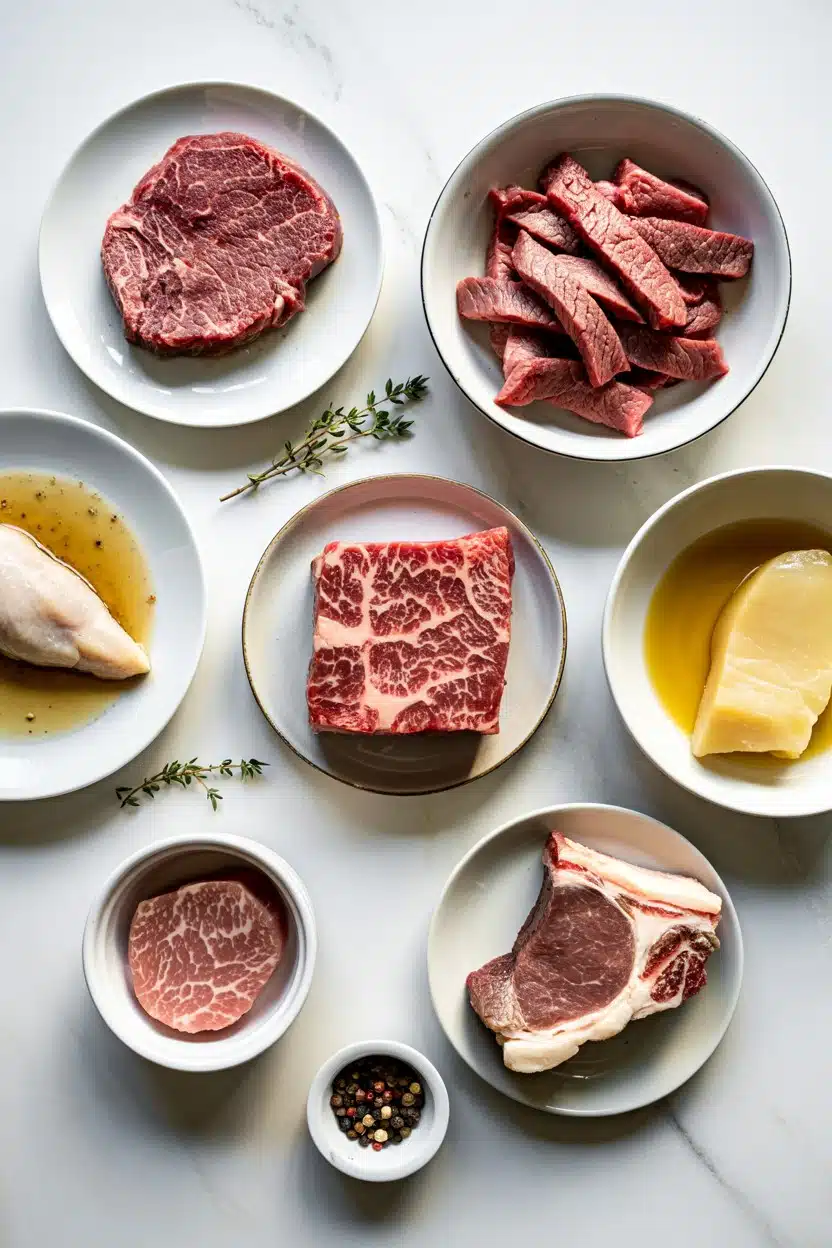
5 Best Substitutes for Cube Steak in Quick Pan Frying

April 25, 2026

The cube steak in the fridge has gone gray around the edges. That tenderized texture matters for quick-cooking dishes like chicken fried steak, where the meat needs to cook fast without turning chewy.

5 Best Substitutes for Cube Steak in Quick Pan Frying
cube-steak-substitutes
QUICK SUMMARY

Round steak and top sirloin are top substitutes depending on whether texture or tenderness matters most. Prioritize texture for pan-frying and remember to slice flank steak against the grain for best results.

🥩Closest texture: Round steak offers a firm, lean feel similar to cube steak.
⚖️Ratio + fix: Swap 1:1; watch for dryness by not overcooking round steak.
🔥Watch heat: Round steak can dry out quickly over high heat if not monitored.

Not every swap handles high heat the same way. The right substitute depends on whether you're pan-frying, braising, or slow cooking-choose based on method first.

Quick Substitute Reference
#SubstituteBest ForRatioKey Note
1 Round Steak 🍳 Cooking 1:1 Leaner, needs tenderizing
2 Top Sirloin 🍳 Cooking 1:1 More tender, beefier flavor
3 Minute Steak 🍳 Cooking 1:1 Extra thin, cooks fast
4 Swiss Steak 🍳 Cooking 1:1 Pre-tenderized, softer texture
5 Flank Steak 🍳 Cooking 1:1 Lean, needs slicing against grain

5 Top Cube Steak Alternatives That Hold Up

These cuts range from near-identical matches to options that need a little extra work. Start with round steak if you want the closest texture, or grab sirloin when tenderness matters more than that classic tenderized look.

1 - Round Steak

Round steak comes from the same rear leg region as cube steak, just without the mechanical tenderizing. The texture runs firmer and the meat is noticeably leaner, which means it can dry out fast over high heat.

Pound it thin with a meat mallet before cooking. This breaks down the muscle fibers and gets you closer to that cube steak chew.

Skip if: you need something tender enough to skip the prep work.

Round Steak

Works for: Chicken fried steak when pounded thin

Skip if: You want zero prep time

Cube Steak

Works for: Quick pan-frying without tenderizing

Skip if: You prefer a thicker cut

2 - Top Sirloin

Top sirloin delivers more tenderness and a deeper beef flavor than cube steak. The texture is naturally softer, so you skip the tenderizing step entirely.

Slice it into thin cutlets for pan-frying, aiming for quarter-inch thickness. The beefier taste works well in smothered steak dishes where gravy adds moisture.

The essentials:

  • Sear over high heat for 2-3 minutes per side.
  • Rest for 5 minutes before slicing.
  • Season generously-sirloin handles bold spices well.
  • Avoid overcooking past medium or it turns tough.

If you're also out of sirloin, quick sirloin steak replacements to try covers cuts with similar tenderness.

Skip if: you want that distinctive tenderized texture.

3 - Minute Steak

Minute steak is cube steak's thinner cousin. It cooks in under two minutes per side, making it the fastest swap on this list.

The trade-off is thickness. You won't get that substantial bite, but for sandwiches and quick weeknight dinners, it works perfectly.

Shortcut
Minute steak needs 60-90 seconds per side over high heat-any longer and it turns rubbery.

Key details:

  • Works best for Philly-style sandwiches.
  • Cooks too fast for thick gravies to cling.
  • Season before cooking since there's no time to build flavor in the pan.

Skip if: you need a thick, juicy cut that holds up to smothering.

4 - Swiss Steak

Swiss steak is essentially pre-tenderized round steak, making it the closest match in texture. The meat has already been pounded or run through a cubing machine.

Low and slow cooking brings out the best results here. This cut shines in braised dishes with tomatoes and onions where it can simmer until fork-tender.

Pan-frying works, but the softer texture won't crisp up as well as cube steak. For smothered steak recipes, it's nearly identical.

Skip if: you're making chicken fried steak and want crispy edges.

Golden Rule
Swiss steak needs at least 90 minutes of braising to reach its best texture.

5 - Flank Steak

Flank steak runs leaner and longer than cube steak, with prominent muscle fibers that require slicing against the grain. The flavor is bolder and slightly more mineral.

Marinate for at least 30 minutes to help tenderize the meat. A quick sear over high heat followed by thin slicing gives you results that work in stir-fries and fajitas.

What to expect:

  • Chewier than cube steak if sliced wrong.
  • Takes well to acidic marinades with lime or vinegar.

No flank steak either? Check replacements similar to flank steak for cuts that handle the same cooking methods.

Skip if: you need small, pre-cut portions ready for breading.

UseRatioNotes
Chicken fried steak1:1Pound round steak thin or use minute steak
Smothered steak1:1Swiss steak or sirloin work best
Stir-fry1:1Flank steak sliced thin against the grain

Before You Bake Without Cube Steak

The best substitute depends on your cooking method. For quick pan-frying, minute steak or pounded round steak come closest to the original. Slow-cooked dishes give you more flexibility since braising tenderizes almost any cut.

  • Closest match - Swiss steak, already tenderized
  • Easiest grab - Minute steak, no prep needed
  • Bold alternative - Flank steak, stronger beef flavor

Frequently Asked Questions

Can I use ground beef instead of cube steak?

Ground beef won't work as a direct swap since cube steak needs to stay in one piece for breading and frying. Form ground beef into thin patties only if you're making a completely different dish.

How do I tenderize round steak to match cube steak?

Pound the round steak with a meat mallet until it's about quarter-inch thick. Use the textured side of the mallet to break down the muscle fibers, working from the center outward.

Will sirloin taste different than cube steak in chicken fried steak?

Sirloin has a beefier, richer flavor that some people prefer. The texture is more tender, so you'll notice less chew than traditional cube steak.

Can I slow cook any of these substitutes?

Swiss steak and round steak handle slow cooking best. Sirloin and minute steak turn mushy after long braising, so stick to quick-cooking methods for those cuts.

Which substitute is cheapest?

Round steak usually costs less than cube steak since it skips the tenderizing process at the butcher. Minute steak and Swiss steak fall in the same price range as cube steak.

5 Best Substitutes for Cube Steak in Quick Pan Frying

5 Best Substitutes for Cube Steak

No ratings yet
These five substitutes offer a range of textures and flavors for cooking methods like pan-frying and braising, helping you choose the right cut based on tenderness and preparation time.
Print Recipe Pin Recipe
Prep Time 12 minutes mins
Cook Time 10 minutes mins
Total Time 22 minutes mins
Servings: 4 servings
Course: Meat Alternatives, Substitutes
Cuisine: American
Ingredients Method Notes

Ingredients
  

  • 1 Round Steak Leaner, needs tenderizing; pound thin with a meat mallet to break down fibers before cooking
  • 1 Top Sirloin More tender, beefier flavor; slice into thin cutlets for quick pan frying
  • 1 Minute Steak Extra thin, cooks fast; cook 60-90 seconds per side over high heat to avoid rubberiness
  • 1 Swiss Steak Pre-tenderized, softer texture; braise at least 90 minutes for best texture
  • 1 Flank Steak Lean, needs slicing against grain; marinate 30 minutes then sear and slice thin

Method
 

  1. Choose your substitute based on cooking method: round or minute steak for quick pan-frying, Swiss or round steak for braising, flank steak for stir-frying.
  2. Pound round steak thin with a meat mallet to tenderize if using for chicken fried steak.
  3. Slice top sirloin into quarter-inch cutlets and season generously for pan-frying.
  4. Cook minute steak over high heat for 60-90 seconds per side to avoid toughness.
  5. Braise Swiss steak at low heat for at least 90 minutes until fork-tender for best results.
  6. Marinate flank steak for at least 30 minutes then sear quickly and slice thinly against the grain.
  7. Adjust using a 1:1 ratio substitute amount by amount for cube steak in recipes.
  8. Confirm final texture and flavor by tasting and checking doneness before serving.

Notes

Pound round steak thin to avoid toughness and dryness during cooking when substituting for cube steak.

Tried this recipe?

Let us know how it was!

5 Best Substitutes for Flageolet Bean in French Cooking

April 25, 2026

The flageolet beans in the back of the pantry look questionable. The color's off, and you're not risking it mid-cassoulet. These pale green French beans bring a delicate, creamy texture and subtle herbal flavor that holds up in braises without turning mushy.

5 Best Substitutes for Flageolet Bean in French Cooking
flageolet-bean-substitutes
QUICK SUMMARY

Cannellini and Great Northern beans best balance creamy texture and mild flavor. Prioritize texture or flavor first depending on your dish. For casseroles, choose firmer beans to avoid mushiness.

🍽️Closest match: Cannellini beans offer similar creaminess and mild taste to flageolets.
⚖️Ratio + fix: Swap 1:1; soak beans longer if using dried for even cooking.
🔥Watch out: Navy beans break down easily, avoid if you want firm texture.

Not every substitute matches that combination. The best swap depends on whether you need the creamy texture, the mild flavor, or both. Below are five options ranked by how closely they match-start at the top and work down based on what you have.

Quick Substitute Reference
#SubstituteBest ForRatioKey Note
1 Cannellini Beans 🍳 Cooking 1:1 Creamier, less delicate
2 Navy Beans 🍳 Cooking 1:1 Denser, great for purees
3 Baby Lima Beans ✨ Both 1:1 Buttery, softer texture
4 Great Northern Beans 🍳 Cooking 1:1 Firmer, nutty flavor
5 Green Lentils 🍳 Cooking ¾ cup Earthy, holds shape well

5 Flageolet Bean Substitutes Without Big Changes

Some swaps stay close to the original while others require small adjustments. Pick based on what your dish needs most-creaminess, firmness, or neutral flavor.

1 - Cannellini Beans

Cannellini beans are the closest match for flageolet in most recipes. They share that creamy interior and mild taste, though cannellini run slightly larger and denser.

Use them 1:1 by volume in soups, stews, and braises. The texture holds through long cooking without falling apart.

If you're short on cannellini too, what to use for Cannellini Bean covers similar creamy options.

Skip if: your dish needs the delicate, almost velvety texture flageolets provide.

Cannellini Beans

Works for: Cassoulet, minestrone, bean salads

Skip if: Delicate texture matters

Navy Beans

Works for: Purees, baked beans, dips

Skip if: Firm whole beans needed

2 - Navy Beans

Navy beans work best when you're pureeing or mashing. They break down smoothly and absorb seasonings well.

The flavor runs milder and slightly sweeter than flageolet. You'll lose some of that herbal, grassy note.

Here's what to know:

  • Swap 1:1 - Same volume works in most recipes.
  • Expect denser texture - They're firmer when whole.
  • Best for purees - Blends smoother than most white beans.
  • Season boldly - The mild flavor needs help standing out.

Don't have navy beans either? Check Navy Bean substitutes for stews for beans that hold their shape better.

Skip if: you need whole beans that stay intact and tender.

3 - Baby Lima Beans

Baby limas bring a buttery richness that flageolets don't quite match. The flavor is richer, the texture softer.

They work beautifully in salads and side dishes where that creaminess shines. The color runs more green-white than the pale jade of flageolets.

Quick specs:

  • 1:1 ratio - Direct swap by volume.
  • Cook gently - They turn mushy faster than flageolet.
  • Best served whole - Shows off that buttery texture.
Best Pick
Baby limas for dishes where rich, buttery flavor matters more than the classic French bean look.

4 - Great Northern Beans

Great Northerns hold their shape through casseroles and baked dishes better than most alternatives. The texture stays firmer, even after hours in the oven.

The flavor is mild with a slight nuttiness-less delicate than flageolet but pleasant. Use them 1:1.

The essentials:

  • Firmer bite - Won't turn soft as quickly.
  • Nutty undertone - Different from flageolet's herbal notes.
  • Casserole champion - Ideal for gratins and bakes.

If you're also out of Great Northern beans, Great Northern Bean alternatives that hold lists beans with similar firmness.

Skip if: the dish relies on subtle, understated bean flavor.

UseRatioNotes
Soups & stews1:1Cannellini closest match
Purees & dips1:1Navy beans blend smoothest
Salads1:1Baby limas or Great Northerns

5 - Green Lentils

Green lentils take flageolet's place when you want something that holds its shape through cooking. The texture stays firm-almost toothsome.

Use ¾ cup cooked lentils for every cup of cooked flageolet. The earthy, peppery flavor reads differently than the mild herbal notes of flageolet.

Lentils not available either? There are quick Lentil replacements to try for firmer legume options.

Skip if: you need a creamy bean texture or want to stay close to the original flavor profile.

Watch Out
Green lentils cook faster than flageolets. Check them 10 minutes earlier than you would beans.

Before You Swap Flageolet Bean

Start with cannellini for the closest match-same cooking time, similar creaminess. Navy beans work better for purees, while baby limas add richness to salads and sides.

  • Closest match - Cannellini beans for texture and mildness
  • Easiest grab - Navy beans from any grocery store
  • Firmest option - Green lentils when shape matters most

Frequently Asked Questions

Can I use canned beans instead of dried for these substitutes?

Yes. Drain and rinse canned beans, then add them near the end of cooking since they're already soft. Reduce simmering time by about half.

Will substitutes change the color of my dish?

Most will. Flageolets have a distinctive pale green color that cannellini and navy beans lack. Baby limas come closest in appearance.

Do I need to adjust cooking time for these substitutes?

Cannellini and Great Northern beans cook at similar rates to flageolet. Navy beans and lentils cook faster, so check them earlier.

Which substitute works best for cassoulet?

Cannellini beans are the traditional backup for cassoulet. They hold up to long braising and absorb the rich flavors without falling apart.

Are any of these substitutes lower in carbs than flageolet beans?

All white beans and lentils have similar carb counts. Green lentils offer slightly more protein per serving but comparable carbohydrates.

5 Best Substitutes for Flageolet Bean in French Cooking

5 Best Substitutes for Flageolet Bean

No ratings yet
This guide lists five substitutes for flageolet beans ranked by how closely they match texture and flavor. Choose based on whether your dish needs creaminess, firmness, or mild flavor. Ratios and tips included for effective swaps.
Print Recipe Pin Recipe
Prep Time 7 minutes mins
Cook Time 6 minutes mins
Total Time 13 minutes mins
Servings: 4 servings
Course: Guide, Substitutes
Ingredients Method Notes

Ingredients
  

  • 1 Cannellini Beans Use a 1:1 ratio by volume. Creamier and less delicate than flageolet.
  • 1 Navy Beans Use a 1:1 ratio by volume. Denser texture, great for purees, season boldly.
  • 1 Baby Lima Beans Use a 1:1 ratio by volume. Buttery, softer texture. Cook gently to avoid mushiness.
  • 1 Great Northern Beans Use a 1:1 ratio by volume. Firmer with nutty flavor, holds shape in casseroles.
  • 0.75 cup Green Lentils Use ¾ cup cooked lentils per 1 cup flageolet. Earthy flavor, holds shape well.

Method
 

  1. Choose your substitute based on dish needs: creaminess, firmness, or mild flavor.
  2. Drain and rinse canned beans if used; add near end of cooking to avoid over-softening.
  3. Use Cannellini, Navy, Baby Lima, or Great Northern beans in a 1:1 volume swap, Green Lentils at ¾ cup per cup.
  4. Cook or integrate substitutes according to your recipe, adjusting seasoning and texture as needed.
  5. Check texture and flavor towards end of cooking, especially for Navy beans and Green Lentils, as they cook faster.

Notes

Drain canned beans slowly to prevent watery texture in your dish.

Tried this recipe?

Let us know how it was!

5 Best Substitutes for Edamame in Asian-Inspired Dishes

April 25, 2026

You reach for edamame mid-recipe and the bag is empty. That bright, snappy bite was supposed to anchor the whole dish.

5 Best Substitutes for Edamame in Asian-Inspired Dishes
edamame-substitutes
QUICK SUMMARY

Green peas and fava beans best replicate edamame's texture and flavor; focus on matching bite and protein content. Add green peas late to keep their pop. Adjust cooking times based on substitute firmness for best results.

🟢Closest match: Green peas offer similar color and mild flavor with a softer bite.
⚖️Ratio + fix: Swap 1:1; add peas near the end to avoid overcooking.
⚠️Watch out: Chickpeas can overpower delicate dishes with their heavier texture.

What matters most is texture and protein presence, so pick a swap that matches how edamame behaves in your recipe. Some alternatives run softer, others hold firmer. Start with the closest match and adjust from there.

Quick Substitute Reference
#SubstituteBest ForRatioKey Note
1 Green Peas 🍳 Cooking 1:1 Sweeter and softer
2 Chickpeas 🍳 Cooking 1:1 cooked Earthier, firmer texture
3 Fava Beans 🍳 Cooking 1:1 Buttery, slightly nutty
4 Broad Bean Hummus 🍳 Cooking ¾ cup per 1 cup Creamy, tangy
5 Snow Peas 🍳 Cooking 1:1 chopped Crunchier, lighter

5 Simple Edamame Swaps to Save Time

These substitutes range from pantry staples to fresh produce options. The closest match comes first, with bolder alternatives following for specific uses.

1 - Green Peas

Green peas deliver a similar pop of green color and mild vegetal flavor. They cook faster than edamame and turn softer, so add them late in stir-fries to keep some bite.

Use a 1:1 swap. The natural sweetness runs higher, which works well in fried rice or grain bowls but may taste off in savory-forward dishes.

Key details:

  • Add late - Toss in during the last 2 minutes to prevent mushiness.
  • Frozen works - No need to thaw; they cook through quickly.
  • Season after - Salt after cooking to avoid toughening the skins.
  • Color boost - Blanch briefly in salted water for brighter green.

If you're short on green peas too, simple Green Pea substitutes list covers other legumes with similar sweetness.

Skip if: you need beans that hold firm through long simmering.

GREEN PEAS

Works for: Quick stir-fries, grain bowls, fried rice

Skip if: Recipe needs firm texture after cooking

EDAMAME

Works for: Snacking, salads, dishes needing bite

Skip if: You want something sweeter

2 - Chickpeas

Chickpeas bring more heft than edamame. The texture holds up through extended cooking, making them reliable for soups and stews where edamame would turn soft.

Swap 1 cup cooked chickpeas for 1 cup edamame. The flavor runs earthier and nuttier, so expect a heartier result rather than the bright, grassy notes of edamame.

If you're also out of chickpeas, easy Chickpea swaps that work has options that stay firm through simmering.

Skip if: you're serving raw or lightly cooked dishes where chickpeas taste too dense.

3 - Fava Beans

Fava beans share edamame's broad, flat shape and satisfying chew. The flavor leans buttery with a slight nuttiness that complements simple preparations.

Use equal amounts. Fresh favas need shelling and blanching to remove the tough outer skin, adding prep time but delivering better texture.

Shortcut
Frozen favas skip the shelling step-thaw and slip off the skins in 5 minutes.

The essentials:

  • Double peel - Remove both the pod and the pale inner skin for tenderness.
  • Blanch first - 2 minutes in boiling water loosens the skins.
  • Season simply - Olive oil, salt, and lemon let the bean flavor shine.

Skip if: you need smooth purees-favas turn grainy when blended.

4 - Broad Bean Hummus

This swap works when you need edamame's protein and creaminess in dip form. Broad bean hummus delivers a tangy, smooth spread that fills the same appetizer role.

Use ¾ cup hummus per 1 cup edamame. The texture differs completely-you're trading whole beans for a puree, so this only suits dips, spreads, or sauces.

What to expect:

  • Tangy finish - Lemon and tahini add brightness missing from plain edamame.
  • Thicker spread - Thin with olive oil if using as a sauce base.

Don't have broad bean hummus either? Hummus replacements that work covers bean-based dips with similar creaminess.

Skip if: you need whole beans for salads or stir-fries.

UseRatioNotes
Veggie dip¾ cupServe with raw vegetables
Sandwich spread2–3 tbspReplace mayo layer
Sauce base½ cup + oilThin for drizzling

5 - Snow Peas

Snow peas match edamame's fresh crunch better than any other option. The flat pods stay crisp through quick cooking and add visual appeal to stir-fries and salads.

Chop them into edamame-sized pieces and use 1:1. They cook even faster-30 seconds in a hot wok is plenty.

Quick specs:

  • Keep raw - Slice thin for salads; no cooking needed.
  • High heat - Wok cooking preserves the snap.
  • Trim ends - Remove the stringy edge before slicing.

The flavor runs sweeter and lighter than edamame. Pair with soy sauce or sesame to balance the brightness.

Best Pick
Snow peas deliver the closest crunch to edamame in stir-fries and cold salads.

Missing snow peas as well? Common Snow Pea swaps ranked lists other crunchy options for quick-cook dishes.

Skip if: you're making pureed or mashed preparations.

How to Choose a Edamame Substitute

The right choice depends on your cooking method and final texture. For stir-fries and salads where crunch matters, snow peas or green peas work best. For soups and stews that simmer longer, chickpeas or fava beans hold their shape.

  • Closest match - Green peas for color and mild sweetness
  • Easiest grab - Chickpeas from a can, ready in seconds
  • Texture swap - Snow peas for maximum crunch

Frequently Asked Questions

What is the best 1:1 substitute for edamame?

Green peas work at a straight 1:1 ratio. They're softer and sweeter but match the color and general vibe in most recipes.

Can I use chickpeas instead of edamame in salads?

Yes, but expect a different texture and earthier flavor. Chickpeas hold up well in grain salads and add more protein density.

Which edamame substitute works best for stir-fries?

Snow peas deliver the closest crunch when cooked quickly over high heat. Add them in the last 30 seconds to keep the snap.

Are any edamame substitutes good for people with soy allergies?

All five substitutes listed here are soy-free. Green peas, chickpeas, fava beans, broad bean hummus, and snow peas work for soy-free diets.

Why do some substitutes turn mushy when edamame stays firm?

Green peas and fava beans have thinner skins and softer starches. Add them late in cooking or use frozen versions that hold texture better.

5 Best Substitutes for Edamame in Asian-Inspired Dishes

5 Best Substitutes for Edamame

No ratings yet
This guide covers five practical substitutes for edamame focusing on texture and protein. Choose the right swap based on cooking method and desired firmness from green peas to snow peas.
Print Recipe Pin Recipe
Prep Time 10 minutes mins
Cook Time 6 minutes mins
Total Time 16 minutes mins
Servings: 4 servings
Course: Cooking
Ingredients Method Notes

Ingredients
  

  • 1 cup Green Peas Use 1:1 ratio with edamame; add late to prevent mushiness
  • 1 cup Cooked Chickpeas Use 1:1 ratio with edamame; suited for soups and stews with longer cooking
  • 1 cup Fava Beans Use 1:1 ratio; shell, blanch, and peel for best texture
  • 0.75 cup Broad Bean Hummus Use ¾ cup per 1 cup edamame; best for dips and spreads only
  • 1 cup Chopped Snow Peas Use 1:1 ratio chopped; keep raw or cook quickly to retain crunch

Method
 

  1. Select your substitute based on dish type and desired texture: green peas for quick stir-fries, chickpeas for soups, fava beans for buttery chew, hummus for creamy dips, snow peas for crunchy salads.
  2. For green peas, add frozen peas during the last 2 minutes of cooking to avoid mushiness and season after cooking to keep skins tender.
  3. Drain canned cooked chickpeas well before adding them to your dish, especially in soups or stews where longer cooking preserves their firmness.
  4. For fresh fava beans, shell and blanch in boiling water for 2 minutes, then remove the inner skins for tenderness before use.
  5. Use broad bean hummus as a creamy substitute in dips or spreads by measuring ¾ cup hummus per cup edamame and thin with olive oil if needed.
  6. Chop snow peas into edamame-sized pieces; use raw in salads or stir-fry quickly, about 30 seconds, to maintain their crunch.
  7. Adjust seasoning and texture as needed after substitution; taste-test to ensure balance and correct mouthfeel.

Notes

Drain chickpeas well before use to prevent watery dishes and maintain texture.

Tried this recipe?

Let us know how it was!

7 Best Substitutes for Food Processor for Home Cooks

April 25, 2026

You're doubling the batch and there's not enough food processor power to handle it all at once. A food processor chops, purees, and mixes faster than almost any other kitchen tool, but the same results come from different methods.

7 Best Substitutes for Food Processor for Home Cooks
QUICK SUMMARY

Blender and immersion blender best replace a food processor by handling liquids and soft ingredients efficiently. Texture and consistency are key factors to consider first. For chunkier results, manual tools work well. Always adjust processing time to avoid over-pureeing.

🔄Closest match: Blender creates a vortex that blends liquids smoothly and quickly.
⚖️Ratio + fix: Swap 1:1; pulse shorter to prevent over-processing soft ingredients.
⚠️Watch heat: Immersion blenders can splash hot liquids if moved too fast.

The right substitute depends on what you're processing-liquids blend differently than dry ingredients, and doughs need specific handling. Start with the closest match for your task, then adjust technique as needed.

Quick Substitute Reference
# Substitute Best For Ratio Key Note
1 Blender 🍳 Cooking 1:1 Best for liquids and purees
2 Immersion Blender 🍳 Cooking As needed Rustic texture, small batches
3 Box Grater ✨ Both 1:1 Shredding only, no pureeing
4 Manual Chopper 🍳 Cooking 1:1 Chunkier results, hand-powered
5 Stand Mixer 🥧 Baking 1:1 Mixing and creaming only
6 Mortar & Pestle 🍳 Cooking As needed Small batches, intense aroma
7 Knife & Board ✨ Both 1:1 Full control, more effort

7 Best Food Processor Alternatives for Recipes

These options range from common countertop appliances to basic hand tools. The closest matches handle liquids and soft ingredients well, while manual options work better for chopping tasks.

1 - Blender

A blender processes soups, sauces, smoothies, and any liquid-heavy mixture with ease. The tall, narrow jar creates a vortex that pulls ingredients down into the blades.

Add enough liquid to keep things moving-about half a cup minimum for most recipes. The texture runs smoother than a food processor, sometimes too smooth for chunky salsas or roughly chopped nuts.

If you're also out of a blender, common Immersion Blender swaps ranked covers handheld options that handle similar tasks.

Skip if: you need to chop dry ingredients or make thick doughs.

Blender

Works for: Smooth soups, sauces, and purees

Skip if: Processing nuts, dough, or dry ingredients

Immersion Blender

Works for: Blending directly in pots and bowls

Skip if: Making large batches or thick mixtures

2 - Immersion Blender

This handheld tool works directly in the pot, bowl, or container. No transferring hot soup to a blender jar.

The texture stays chunkier than a standard blender or food processor. Pulse in short bursts and move the blade around to catch all the ingredients.

Quick specs:

  • Best for small batches - One to two cups at a time works well.
  • Angle matters - Keep the blade submerged to avoid splattering.

Don't have an immersion blender either? Check replacements similar to Immersion Blender for alternatives that blend in tight spaces.

3 - Box Grater

A box grater handles shredding tasks that a food processor's grating disc normally covers. Cheese, zucchini, carrots, and potatoes all work well.

Use the coarse side for hash browns and coleslaws, the fine side for hard cheeses and citrus zest. The four-sided design gives you options without switching attachments.

Shortcut
Freeze butter for 15 minutes before grating it into pastry dough-it shreds cleanly without melting.

The essentials:

  • Stable surface - Place a damp towel under the grater to prevent sliding.
  • Knuckle guard - Stop when you're down to a small nub.
  • Even pressure - Long strokes beat short, choppy ones.
  • Clean immediately - Dried cheese sticks in the holes.

If you're also missing a grater, what to use for Grater has workarounds using knives and peelers.

Skip if: you need to puree, chop, or mix anything.

4 - Manual Chopper

A pull-cord or push-down manual chopper handles onions, garlic, herbs, and nuts without electricity. The results run chunkier than a food processor.

Work in small batches-overloading jams the mechanism. Three to four pulls gives you a rough chop; eight to ten gets closer to minced.

Key details:

  • Size limit - Cut ingredients into one-inch pieces first.
  • Wet vs dry - Wet ingredients process faster than dry ones.

Skip if: you need to process more than two cups at once or make smooth purees.

Use Ratio Notes
Chopping onions 1 cup max 4–6 pulls for rough dice
Mincing garlic 6–8 cloves 8–10 pulls until fine
Grinding nuts ½ cup Pulse to avoid nut butter

5 - Stand Mixer

A stand mixer with the paddle attachment creams butter, mixes batters, and kneads doughs. It replaces the food processor for any mixing task-not chopping or pureeing.

Use low speed to start, then increase as ingredients combine. The paddle works for cookie doughs and cake batters; switch to the dough hook for bread.

What to expect:

  • No chopping - You still need to prep ingredients by hand first.
  • Volume capacity - Most bowls hold four to five quarts, handling large batches easily.
  • Temperature control - Metal bowls chill butter faster; warm them for yeast doughs.
  • Scrape often - Stop and push ingredients down from the sides.

Skip if: your recipe needs chopping, shredding, or pureeing.

Golden Rule
Match the tool to the task-stand mixers handle batters and doughs, but they can't replace blades for chopping or pureeing.

6 - Mortar & Pestle

A mortar and pestle grinds spices, makes pastes, and crushes garlic better than any machine. The slow grinding releases more aromatic oils than blade-chopping.

Start with a rocking motion, then switch to pounding once ingredients break down. Work in small batches-a quarter cup of peppercorns or six garlic cloves at a time.

Pesto, curry pastes, and spice blends all benefit from this method. The texture stays rustic, with visible bits rather than uniform smoothness.

No mortar and pestle either? See simple Mortar And Pestle substitutes list for crushing options using kitchen tools you already have.

Skip if: you need to process large quantities quickly.

7 - Knife & Board

A sharp chef's knife handles every chopping task a food processor does-just slower. The results give you full control over size and texture.

Rock the blade for herbs and garlic. Use a forward push for onions and carrots. A bench scraper helps move chopped piles without dulling your knife edge.

Best Pick
For small batches where texture matters, hand-chopping beats machine processing every time-you control the size of every piece.

Here's what to know:

  • Keep it sharp - A dull knife slips and crushes instead of cutting.
  • Claw grip - Curl your fingertips under to protect them.

Skip if: you're processing large volumes or need hands-free operation.

Making Food Processor Substitutes Work

The best substitute depends on what your recipe actually needs. Pureeing tasks go to blenders; chopping tasks work with manual choppers or knives; mixing tasks belong to stand mixers.

  • Closest match - Blender for anything liquid-based
  • Easiest grab - Knife and cutting board, already in every kitchen
  • Manual option - Box grater for shredding without electricity

Frequently Asked Questions

Can I use a blender instead of a food processor for dough?

No, blender motors aren't designed for thick doughs and can overheat or burn out. Use a stand mixer with a dough hook or knead by hand instead.

What's the best substitute for making hummus without a food processor?

A blender works well for hummus-add extra liquid to help it blend smoothly. Stop and scrape down the sides several times during processing.

Can a manual chopper handle nuts for baking?

Yes, but work in small batches and pulse carefully. Over-processing turns nuts into butter quickly, so stop when you reach the texture you want.

How do I shred cheese without a food processor or grater?

Freeze the cheese for 20 minutes, then use a sharp knife to cut thin slices and chop into small pieces. A vegetable peeler also creates thin shavings for hard cheeses.

Why does my blender leave chunks when I try to chop vegetables?

Blenders need liquid to create the vortex that pulls food into the blades. For dry chopping, use a manual chopper or knife instead-blenders aren't designed for that task.

7 Best Substitutes for Food Processor for Home Cooks

7 Best Substitutes for Food Processor

No ratings yet
This guide outlines seven alternatives to a food processor, explaining which tool suits different tasks like chopping, pureeing, or mixing. Choose based on ingredient type and batch size for best results.
Print Recipe Pin Recipe
Prep Time 10 minutes mins
Cook Time 5 minutes mins
Total Time 15 minutes mins
Servings: 4 servings
Course: Guides, Substitutes
Cuisine: General
Ingredients Method Notes

Ingredients
  

  • 1 to 1 Blender Best for liquids and purees, use 1:1 ratio with original food processor amount.
  • Immersion Blender Use as needed for small batches; provides rustic texture.
  • 1 to 1 Box Grater Shredding only, no pureeing, use same volume as food processor.
  • 1 to 1 Manual Chopper Chunkier results, hand-powered; use same quantity, process in small batches.
  • 1 to 1 Stand Mixer Mixing and creaming only; use equal amounts as recipe states.
  • Mortar & Pestle Use as needed for small batches to retain aromatic intensity.
  • 1 to 1 Knife & Board Full control over texture; use equal volume for chopping tasks.

Method
 

  1. Identify the main task: puree, chop, or mix to select the appropriate substitute.
  2. For purees or liquids, use a blender. Add about ½ cup liquid to help blending and maintain texture.
  3. Use immersion blender for small batches, blending directly in containers without transferring.
  4. For shredding tasks, use a box grater with stable surface and even pressure to shred ingredients.
  5. Chop onions, herbs, or nuts with a manual chopper in small batches; avoid overloading the device.
  6. Use stand mixer for mixing batters or kneading dough; hand prep chopping needed beforehand.
  7. Grind spices or crush aromatics with mortar and pestle using rocking and pounding in small quantities.
  8. Hand chop with knife and cutting board for full texture control in small batches where machine is unavailable.
  9. Adjust quantities and textures as needed; taste and check consistency before final use.

Notes

Add liquid slowly when using blender to prevent watery mixtures and maintain proper texture.

Tried this recipe?

Let us know how it was!

5 Best Dairy-Free Substitutes for Coffee Creamer in Baking

April 24, 2026

You measure out the creamer for your morning coffee or that cake batter. The container tips-empty. The recipe needs richness and smooth blending, and you need a fix now.

5 Best Dairy-Free Substitutes for Coffee Creamer in Baking
coffee-creamer-substitutes
p>Coffee creamer adds fat, emulsifies liquids, and brings a touch of sweetness. The best substitute matches the job it's doing in your recipe. Swaps that work in baking may fall flat in coffee, and vice versa.

QUICK SUMMARY

**Coconut milk** and **evaporated milk** deliver the richest texture for cooking and baking. Both emulsify and add body, though coconut milk brings a subtle tropical note. For vegan needs, silken tofu or cashew cream work well in smoothies and desserts, but they won't dissolve cleanly in hot coffee.

🥥Closest Match: Coconut milk mimics creamer's fat content and blending power
📊Standard Ratio: **Use 1 tablespoon per 1 tbsp** for most dairy and plant-based swaps
⚠️Common Mistake: Adding plain plant milk to coffee without oil-it splits and looks watery

5 Easy Coffee Creamer Swaps for Cooking

These substitutes range from direct matches to workable alternatives. Pick the one that fits your recipe's needs.

Quick Substitute Reference
#SubstituteBest ForRatioKey Note
1 Coconut Milk ✨ Both 1:1 Mild coconut flavor
2 Silken Tofu 🌱 Vegan 1:1 blended Neutral, needs blending
3 Cashew Cream 🥧 Baking 1:1 Rich, nutty undertone
4 Evaporated Milk ✨ Both 1:1 Slight caramel note
5 Almond Milk Blend 🍳 Cooking 3:1 + oil Lighter body

1 - Coconut Milk

Canned coconut milk has the fat content and emulsifying power to stand in for creamer in most recipes. It blends smoothly into batters, sauces, and hot drinks without splitting.

The coconut flavor is mild but noticeable in delicate dishes. In coffee or chai, it adds a tropical hint that some cooks love and others want to avoid.
Full-Fat Coconut Milk

Works for: Rich sauces, baking, and creamy beverages

Skip if: You want no coconut taste or need a lighter body

Light Coconut Milk

Works for: Coffee drinks and lighter batters

Skip if: You need thick richness or strong emulsification

Here's what to know:

  • Shake the can before opening-fat separates when stored
  • Full-fat works best for baking and cooking with heat

If you're out of coconut milk too, what to use instead of coconut milk covers firmer plant-based picks.

Skip if: You're making something subtle like vanilla custard or white chocolate ganache.

2 - Silken Tofu

Blended silken tofu creates a creamy, neutral base for smoothies, pancake batters, and vegan desserts. It adds body and richness without altering flavor much.

The texture depends on how well you blend it. A high-speed blender produces silky results; a standard blender may leave slight graininess.

Quick specs:

  • Blend 1 cup tofu with 2-3 tablespoon water for creamer consistency
  • Works best in cold or room-temperature recipes
  • Adds subtle bean flavor if underblended

Missing silken tofu as well? Silken tofu swaps covers creamy vegan alternatives.

Skip if: You need something for hot coffee-tofu doesn't dissolve and may curdle.

3 - Cashew Cream

Soaked and blended cashews produce a rich, velvety cream that works beautifully in desserts and coffee finishes. The nutty sweetness complements chocolate, caramel, and vanilla flavors.

Best Pick
Cashew cream delivers the closest match to creamer's richness in vegan baking-it whips, blends, and adds body without splitting.

This swap takes prep time. Cashews need at least 4 hours of soaking to blend smooth, or 15 minutes in boiling water for a quick version.

The essentials:

  • Blend 1 cup soaked cashews with ½ cup water for thick cream
  • Adjust water for thinner consistency
  • Stores in the fridge for up to 5 days

Out of cashews too? Cashew substitutes has nut-free options.

Skip if: You have nut allergies or need something ready in under 10 minutes.

4 - Evaporated Milk

Evaporated milk brings concentrated dairy richness to coffee, baked goods, and creamy sauces. The slight caramelization from processing adds depth without overwhelming other flavors.

Use it straight from the can at a 1:1 ratio. It won't split in hot coffee and blends smoothly into batters and frostings.

UseRatioNotes
Coffee drinks1:1Stir in hot—no splitting
Baking1:1Adds moisture, slight caramel note
Sauces1:1Thickens as it reduces

Missing evaporated milk as well? Dairy swaps for milk covers lighter and plant-based picks.

Skip if: You need a vegan or lactose-free option.

5 - Almond Milk Blend

Plain almond milk lacks the fat to replace creamer on its own. Mix 3 parts almond milk with 1 part neutral oil (canola, grapeseed, or light olive oil) to add richness and prevent splitting in hot drinks.

This blend works for coffee and light baking but won't deliver the thick body of coconut milk or evaporated milk. The nutty flavor stays subtle.

Shortcut
Whisk the oil into almond milk before adding it to hot coffee-it emulsifies better and won't separate as quickly.

Out of almond milk too? Almond milk swaps that work covers thicker plant-based options.

Skip if: You're making something that needs thick richness, like panna cotta or custard.

How to Choose a Coffee Creamer Substitute

Start with what your recipe needs most-fat content, emulsification, or sweetness. Coconut milk and evaporated milk handle heat and blending best, while tofu and cashew cream shine in cold applications.

  • Closest match - Coconut milk for rich body and smooth blending
  • Easiest grab - Evaporated milk for instant use in coffee
  • Dietary option - Silken tofu for vegan creaminess without nuts

Frequently Asked Questions

Can I use regular milk instead of coffee creamer?

Regular milk works but lacks the fat and sweetness of creamer. Add 1 teaspoon sugar and a splash of heavy cream per cup of milk to boost richness and mimic the texture.

Does coconut milk taste like coconut in coffee?

Yes, but it's mild. Full-fat coconut milk adds a subtle tropical note that blends well with bold coffee flavors. Light coconut milk has even less coconut taste but also less richness.

Can I use Greek yogurt as a creamer substitute in baking?

Greek yogurt works in batters and quick breads at a 1:1 ratio. It adds tang and moisture but won't dissolve in hot coffee-it curdles when heated in liquids.

What's the best vegan substitute for coffee creamer?

Coconut milk delivers the richest vegan option with strong emulsification. Cashew cream offers a neutral flavor and thick body, while blended silken tofu works best in cold recipes like smoothies.

How do I keep plant milk from splitting in coffee?

Add a small amount of neutral oil (1 teaspoon per ½ cup) to the plant milk before pouring it into hot coffee. Stir gently and avoid pouring cold milk into boiling coffee-heat the milk slightly first.

5 Best Dairy-Free Substitutes for Coffee Creamer in Baking

5 Best Substitutes for Coffee Creamer

No ratings yet
This guide covers the five best substitutes for coffee creamer with practical ratios and usage advice. Match the substitute to your recipe's needs-fat content, emulsification, or sweetness-for best results.
Print Recipe Pin Recipe
Prep Time 8 minutes mins
Cook Time 6 minutes mins
Total Time 14 minutes mins
Servings: 4 servings
Course: Substitutes
Ingredients Method Notes

Ingredients
  

  • 1 tablespoon Coconut Milk Use a 1:1 ratio; adds mild coconut flavor and emulsifies well
  • Silken Tofu Blend 1:1 with water for creamer consistency; neutral flavor, needs blending
  • 1 tablespoon Cashew Cream Use a 1:1 ratio; rich, nutty undertone, best for vegan baking
  • 1 tablespoon Evaporated Milk Use straight from can at 1:1 ratio; slight caramel note
  • Almond Milk Blend Mix 3 parts almond milk to 1 part neutral oil (canola, grapeseed) to add richness

Method
 

  1. Choose the substitute based on recipe needs: coconut milk and evaporated milk for heat and blending; silken tofu and cashew cream for cold recipes and vegan options.
  2. Shake canned coconut milk before use; use full-fat for baking and cooking and light coconut milk for lighter applications.
  3. Blend silken tofu with 2-3 tablespoons of water until smooth to match creamer consistency before adding to recipes.
  4. Soak cashews at least 4 hours or boil for 15 minutes, then blend 1 cup soaked cashews with ½ cup water for thick cream. Adjust water for thinner consistency.
  5. Use evaporated milk straight at a 1:1 ratio; stir into hot coffee or mix into batters and sauces without splitting.
  6. To prepare almond milk blend, whisk 3 parts almond milk with 1 part neutral oil before adding to hot coffee or light baking recipes to prevent splitting.
  7. Taste and check consistency after adding substitutes and adjust ratios as needed for flavor balance and texture.

Notes

Blend silken tofu thoroughly to prevent gritty texture and avoid adding plain almond milk to hot coffee without oil to prevent splitting.

Tried this recipe?

Let us know how it was!

5 Best Substitutes for Coconut Extract in Vegan Baking

April 24, 2026

You measured the coconut extract and came up short. There's enough for most of the recipe, but not quite the full teaspoon the recipe needs.

5 Best Substitutes for Coconut Extract in Vegan Baking
coconut-extract-substitutes

The swap depends on what coconut extract does in your dish - pure aroma, tropical sweetness, or concentrated flavor. Match the primary function first, then adjust ratios.

QUICK SUMMARY

Coconut milk concentrate and vanilla extract plus coconut flakes deliver the closest match for most recipes. The main risk is adding liquid or texture where you don't want it. Pick based on whether you need pure flavor or can handle slight texture changes.

🥥Closest match: Coconut milk concentrate for authentic tropical flavor
⚖️Core ratio: Use 1 tablespoon per 1 teaspoon extract and reduce other liquids
⚠️Common mistake: Adding syrup without cutting other sweeteners

5 Quick Coconut Extract Substitutes That Work

We tested each swap across baking and beverages to see what holds up. Choose based on whether you need concentrated aroma or can handle extra liquid.

Quick Substitute Reference
#SubstituteBest ForRatioKey Note
1 Coconut Milk Concentrate 🥧 Baking 1 tablespoon per 1 tsp Reduce other liquids
2 Almond Extract 🥧 Baking 1:1 No tropical flavor
3 Vanilla & Coconut Flakes ✨ Both 1 teaspoon vanilla + 1 tablespoon flakes Adds texture
4 Coconut Syrup 🍳 Cooking 1 tablespoon per 1 tsp Very sweet
5 Macadamia Nut Oil 🍳 Cooking 1:1 Mild nutty flavor

1 - Coconut Milk Concentrate

Coconut milk concentrate delivers the richest coconut flavor without synthetic notes. It's less potent than extract but adds creamy depth that works in most desserts.

Use 1 tablespoon per teaspoon of extract and cut other liquids by the same amount. The concentrate adds moisture, so you may need to adjust baking time slightly.

Coconut Milk Concentrate

Works for: Cakes, frostings, puddings, ice cream bases

Skip if: You need a clear liquid or can't adjust moisture balance

Coconut Extract

Works for: Pure aroma without texture changes

Skip if: You want natural coconut depth instead of concentrated fragrance

Here's what to know:

  • Look for pure concentrate without added sweeteners
  • Whisk into wet ingredients before mixing dry
  • Test a small batch first in delicate pastries
  • Works best in recipes with other coconut elements

If you're short on coconut milk too, what to use for coconut milk covers creamier alternatives.

Skip if: The recipe requires a clear, alcohol-based extract or you're making hard candy.

2 - Almond Extract

Almond extract shares the same aromatic intensity as coconut extract. The sweet, nutty notes won't give you tropical flavor, but they add complexity to baked goods.

Use it 1:1 in cakes, cookies, and pastries where you want aromatic depth without coconut taste. It works particularly well in recipes with vanilla or chocolate.

Quick specs:

  • Measure exactly - too much tastes medicinal
  • Best in recipes with other strong flavors

Missing almond extract as well? Almond extract swaps ranked covers nutty alternatives.

Skip if: You need coconut flavor specifically or anyone has nut allergies.

3 - Vanilla & Coconut Flakes

This combination gives you both aromatic sweetness and natural coconut flavor. The flakes add texture, so it works best in recipes where small coconut pieces fit naturally.

Best Pick
Use 1 teaspoon vanilla extract plus 1 tablespoon finely ground coconut flakes per teaspoon of coconut extract.

Grind the flakes in a spice grinder or food processor until powdery. Mix them with vanilla extract and let sit for 5 minutes before adding to your recipe.

The essentials:

  • Toast flakes lightly first for deeper flavor
  • Works great in cookies, muffins, and granola

Skip if: You need a smooth texture or the recipe can't handle coconut pieces.

4 - Coconut Syrup

Coconut syrup brings strong coconut flavor with caramelized sweetness. It's thinner than concentrate but adds more sugar, so you need to balance other sweeteners.

Use 1 tablespoon syrup per teaspoon extract and reduce sugar by 1-2 teaspoons. Cut liquid by 1 tablespoon to maintain the right consistency. It works best in drinks, glazes, and no-bake desserts where extra sweetness fits.

UseRatioNotes
Beverages1 tablespoon syrupStir into cold drinks or cocktails
Glazes1 tablespoon syrupReduce other liquid by half
No-bake desserts1 tablespoon syrupCut sugar by 2 tsp

Skip if: The recipe is already sweet or requires precise moisture control.

5 - Macadamia Nut Oil

Macadamia nut oil adds a buttery, tropical-leaning richness without coconut aroma. The flavor is subtle and nutty rather than sweet.

Use it 1:1 in savory dishes or light baking where you want tropical undertones without strong coconut taste. It works in pancakes, waffles, and sautéed dishes but won't give you the aromatic punch of extract.

Watch Out
This swap changes the fat content. Cut other oils by 1 teaspoon to compensate.

Missing macadamia nuts too? Replacements for macadamia nuts covers buttery alternatives.

Skip if: You need sweet coconut flavor or clear aromatic notes.

How to Choose a Coconut Extract Substitute

Start with coconut milk concentrate for the closest tropical match. Adjust liquid levels and test a small batch before committing to the full recipe.

  • Closest match - Coconut milk concentrate for authentic depth
  • Easiest grab - Vanilla & coconut flakes for pantry staples
  • Dietary option - Coconut syrup for vegan sweetness

Frequently Asked Questions

Can I use coconut cream instead of coconut extract?

Yes, but it's thicker and less concentrated. Use 2 tablespoons per teaspoon of extract and reduce other liquids significantly.

Does almond extract taste like coconut?

No, it tastes nutty and sweet without any tropical notes. It works for aromatic intensity but won't give you coconut flavor.

Can I skip coconut extract entirely?

In most recipes, yes. Add an extra teaspoon of vanilla extract or use a pinch of coconut flakes for subtle flavor.

What's the difference between coconut milk concentrate and coconut extract?

Coconut extract is alcohol-based and highly concentrated. Coconut milk concentrate is thicker, less potent, and adds moisture.

Will coconut syrup work in baking?

It can, but you need to reduce both sugar and liquid. Works best in recipes that can handle extra sweetness like muffins or quick breads.

5 Best Substitutes for Coconut Extract in Vegan Baking

5 Best Substitutes for Coconut Extract

No ratings yet
When you lack coconut extract, choose a substitute based on its role: pure aroma, tropical flavor, or sweetness. Adjust liquid or texture accordingly for best results in baking or cooking.
Print Recipe Pin Recipe
Prep Time 9 minutes mins
Cook Time 8 minutes mins
Total Time 17 minutes mins
Servings: 6 servings
Course: Baking, Cooking, Substitutes
Cuisine: General
Ingredients Method Notes

Ingredients
  

  • 1 tablespoon Coconut Milk Concentrate Use 1 tablespoon per 1 teaspoon extract and reduce other liquids by the same amount
  • 1 teaspoon Almond Extract Use 1:1 ratio, provides aromatic depth but no tropical flavor
  • Vanilla & Coconut Flakes Use 1 teaspoon vanilla extract plus 1 tablespoon finely ground coconut flakes per teaspoon of coconut extract; adds texture
  • 1 tablespoon Coconut Syrup Use 1 tablespoon per 1 teaspoon extract, reduce sugar by 1-2 teaspoons and liquids accordingly
  • 1 teaspoon Macadamia Nut Oil Use equal amount; cut other oils by 1 teaspoon to compensate for added fat

Method
 

  1. Choose a substitute based on whether you need tropical flavor, pure aroma, or sweetness in your recipe.
  2. For Coconut Milk Concentrate, whisk into wet ingredients and use 1 tablespoon per teaspoon extract, reducing other liquids accordingly.
  3. Use Almond Extract 1:1 for aromatic intensity without coconut taste, best in recipes with strong flavors like vanilla or chocolate.
  4. Grind coconut flakes finely and mix with 1 teaspoon vanilla extract; let sit 5 minutes before adding to recipes where texture is acceptable.
  5. Use Coconut Syrup at 1 tablespoon per teaspoon extract, reduce sugar by 1-2 teaspoons and cut liquids to maintain consistency, good for drinks and no-bake desserts.
  6. Use Macadamia Nut Oil 1:1 in savory or light baking dishes; reduce other oils by 1 teaspoon to balance fat content.
  7. Adjust liquid levels and texture as needed, then taste and check consistency before finalizing your dish.

Notes

Whisk coconut milk concentrate thoroughly and reduce liquids to avoid a watery batter or mixture.

Tried this recipe?

Let us know how it was!

5 Best Substitutes for Club Soda for Vegan Baking

April 24, 2026

You're halfway through making tempura vegetables and realize the club soda bottle's empty. The batter needs that lift and lightness carbonation provides.

5 Best Substitutes for Club Soda for Vegan Baking
club-soda-substitutes

Substitutes work, but not all of them do the same job. Some add bubbles, some create lift through chemistry, and a few just keep things moist. Pick based on what your recipe actually needs.

QUICK SUMMARY

**Seltzer water** and **sparkling mineral water** work best for carbonation and leavening in batters and cocktails. Both substitute 1:1 for club soda. The main risk is losing mineral flavor with seltzer or adding too much mineral taste with sparkling water. Choose based on whether you need neutral bubbles or a hint of minerality.

🥇Closest match: Seltzer water-same carbonation, neutral flavor
⚖️Core ratio: Use **1:1** for all carbonated swaps
⚠️Common mistake: Using flat water when recipe needs bubbles for lift

5 Smart Club Soda Swaps When You're Out

These options range from direct carbonated swaps to chemistry-based leavening tricks. Not every substitute brings bubbles, so match the swap to what your recipe demands.

Quick Substitute Reference
#SubstituteBest ForRatioKey Note
1 Seltzer Water ✨ Both 1:1 Lacks mineral flavor
2 Sparkling Mineral Water ✨ Both 1:1 Adds minerality
3 Baking Soda + Water 🥧 Baking ¼ teaspoon + 1 cup water No carbonation
4 Chilled Plain Water + Lemon Juice 🥧 Baking 1 cup water + 1 tablespoon juice Adds acidity
5 Carbonated Water with a Splash of Vinegar 🍳 Cooking 1 cup + 1 teaspoon vinegar Slightly tart

1 - Seltzer

Seltzer water is carbonated water with nothing added-no minerals, no sodium. It produces the same bubbles and fizz club soda does, making it a direct swap for batters, pancakes, and drinks.

Use it 1:1 in any recipe calling for club soda. The main trade-off is a slightly flatter mineral profile, but most recipes won't notice the difference.

Seltzer Water

Works for: Light batters, tempura, cocktails, pancakes

Skip if: Recipe relies on mineral content for depth

Club Soda

Works for: All recipes requiring carbonation and subtle minerality

Skip if: You don't have any-seltzer covers it

Key details:

  • Works in tempura batter to create crisp, airy coating
  • Swaps directly into waffle or pancake recipes
  • No sodium or minerals-completely neutral base

2 - Mineral Water

Sparkling mineral water brings carbonation plus naturally occurring minerals like calcium and magnesium. It behaves like club soda in batters and cocktails, but the mineral content adds a slightly savory or earthy undertone.

Use 1:1 for club soda in most recipes. The bubbles provide the same leavening lift, though the flavor may be more noticeable in delicate dishes.

Quick specs:

  • Minerals add subtle depth to savory batters
  • Works well in gin and tonics or spritzers

Skip if: You're making a very sweet batter where mineral notes clash.

3 - Baking Soda Mix

Baking soda dissolved in water doesn't create carbonation, but it does provide chemical leavening when combined with acidic ingredients in batter. This swap works for recipes where lift matters more than bubbles.

Add ¼ teaspoon baking soda to 1 cup of water to replace 1 cup of club soda. The baking soda reacts with acids like buttermilk or lemon juice to produce CO2, helping baked goods rise.

Watch Out
This won't add fizz to drinks or batters that need visible bubbles. Use it only when leavening is the goal.

The essentials:

  • Pair with acidic ingredients for best results
  • Neutral to slightly alkaline taste
  • Works in quick breads, muffins, and cakes

If you're out of baking soda too, easy baking soda swaps that work covers leavening alternatives.

Skip if: The recipe requires actual carbonation for texture or appearance.

4 - Water Lemon Mix

Chilled plain water mixed with lemon juice adds moisture and acidity but no carbonation. This substitute works when club soda's main role is keeping batter thin and preventing gluten development, not creating lift.

Use 1 cup of cold water mixed with 1 tablespoon lemon juice to replace 1 cup of club soda. The acidity brightens flavor and tenderizes batter slightly, though you lose all carbonation.

Here's what to know:

  • Chill the water first to mimic club soda's temperature
  • Lemon juice adds citrus brightness and balances richness
  • Works in batters where moisture matters more than bubbles
  • Best for savory pancakes, fritters, or flatbreads

Missing lemon juice as well? Tested lemon juice replacements has options for similar acidity.

Skip if: The recipe depends on carbonation for a light, airy texture.

5 - Carbonated Vinegar Mix

UseRatioNotes
Savory batters1 cup carbonated water + 1 teaspoon vinegarAdds tang and lift
Quick breads1 cup carbonated water + 1 teaspoon vinegarReacts with baking soda for rise
Sweet battersSkip this swapVinegar flavor clashes

Carbonated water mixed with a splash of apple cider vinegar provides both bubbles and acidity. The vinegar reacts with baking soda in recipes to create CO2, while the carbonation keeps things light.

Use 1 cup of carbonated water mixed with 1 teaspoon apple cider vinegar to replace 1 cup of club soda. This works best in savory applications like cornbread, fritters, or onion rings where a hint of tang fits the flavor profile.

Quick specs:

  • Vinegar adds mild acidity and subtle sharpness
  • Best for savory batters, not desserts

Skip if: You're making delicate cakes, pancakes, or other sweet baked goods.

Making Club Soda Substitutes Work

No substitute perfectly replicates club soda's combination of carbonation and mineral content. Match the substitute to the recipe's needs-bubbles for batter, acidity for leavening, or moisture for thinning. Start with recommended ratios and taste as you go.

  • Closest match - Seltzer water for neutral carbonation
  • Easiest grab - Sparkling mineral water adds bubbles fast
  • Dietary option - Water lemon mix skips sodium entirely

Frequently Asked Questions

Can I use tonic water instead of club soda?

Tonic water adds carbonation but also brings sweetness and quinine bitterness. It works in cocktails but changes the flavor of batters and baked goods significantly.

Does club soda make batter crispier than plain water?

Yes. The carbonation creates air pockets in the batter that turn into crisp, light texture when fried. Flat water produces a denser coating.

Can I substitute club soda for baking powder?

No. Club soda adds moisture and temporary bubbles, but baking powder provides chemical leavening that works throughout baking. They serve different functions.

What's the difference between seltzer and club soda?

Seltzer is just carbonated water. Club soda has added minerals like sodium bicarbonate and potassium sulfate, which give it a slightly savory, mineral taste.

Will flat water work in recipes that call for club soda?

Flat water adds moisture but no carbonation or leavening. Use it only when the recipe can handle a denser texture, like thick pancake batter or simple quick breads.

5 Best Substitutes for Club Soda for Vegan Baking

5 Best Substitutes for Club Soda

No ratings yet
These substitutes offer options from direct carbonated swaps to chemical leavening and moisture additions. Pick based on whether your recipe needs bubbles, lift, or just moisture. Use recommended ratios and adjust to taste.
Print Recipe Pin Recipe
Prep Time 7 minutes mins
Cook Time 6 minutes mins
Total Time 13 minutes mins
Servings: 4 servings
Ingredients Method Notes

Ingredients
  

  • 1 cup Seltzer Water Use 1:1 ratio as a direct substitute for club soda; neutral flavor without minerals
  • 1 cup Sparkling Mineral Water Use 1:1 ratio to replace club soda; adds natural mineral flavor
  • 0.25 teaspoon Baking Soda Dissolve baking soda in 1 cup water, no carbonation, use in recipes needing chemical leavening
  • 1 cup Water Mix with 1 tablespoon lemon juice; no carbonation but adds acidity and moisture
  • 1 cup Carbonated Water Combine with 1 teaspoon vinegar; adds bubbles and acidity, best for savory batters
  • 1 tablespoon Lemon Juice Mix into water for acidity with no bubbles, 1 tablespoon per cup of water
  • 1 teaspoon Vinegar Add to carbonated water to add acidity and lift in savory batters

Method
 

  1. Identify the role of club soda in your recipe: carbonation for lift, acidity for leavening, or moisture for thinning.
  2. Select seltzer water or sparkling mineral water for direct carbonation replacement; use in a 1:1 ratio with club soda.
  3. For baking soda mix, dissolve ¼ teaspoon baking soda in 1 cup water; use only if lift is needed without bubbles.
  4. Mix 1 cup chilled plain water with 1 tablespoon lemon juice to add acidity and moisture without carbonation.
  5. Combine 1 cup carbonated water with 1 teaspoon vinegar for a lightly tangy, bubbly substitute; best in savory batters.
  6. Adjust ratio slowly and taste as you go to ensure balance and desired texture or flavor.

Notes

Use seltzer water carefully by adjusting carbonation levels to avoid overly diluted texture in batters.

Tried this recipe?

Let us know how it was!

5 Best Substitutes for Chocolate Chips in Baking Recipes

April 24, 2026

You measured out chocolate chips and the bag rattled empty. They melt into pockets of warmth, hold their shape in cookies, and add bursts of richness to brownies and muffins.

5 Best Substitutes for Chocolate Chips in Baking Recipes
chocolate-chips-substitutes

Swaps vary by how they melt and hold up in heat. Pick based on whether you need melting or texture first.

QUICK SUMMARY

Chopped chocolate bar and chocolate chunks melt similarly and work 1:1 in most baking. Carob chips and vegan options swap directly for dairy-free recipes. Cacao nibs add crunch but won't melt-use them as toppings, not in batters needing smooth chocolate layers.

🍫Closest match: Chopped chocolate bar melts like chips with richer flavor.
⚖️Core ratio: 1:1 by volume for most swaps; weigh for precision.
⚠️Common mistake: Using nibs in batters expecting melted chocolate ruins texture.

5 Smart Chocolate Chips Swaps When You're Out

These options range from exact matches to textural pivots. Match the swap to what chocolate chips do in your recipe-melting, texture contrast, or both.

Quick Substitute Reference
#SubstituteBest ForRatioKey Note
1 Chopped Chocolate 🥧 Baking 1:1 Richer flavor, chop evenly
2 Carob Chips 🌱 Vegan 1:1 Earthy, less melty
3 Cacao Nibs 🍳 Cooking 1:1 Crunchy topping only
4 Vegan Chocolate Chips 🌱 Vegan 1:1 Dairy-free direct swap
5 Chocolate Chunks 🥧 Baking 1:1 Bigger melt pockets

1 - Chopped Chocolate

A chocolate bar chopped into chip-sized pieces mimics chocolate chips' melting and texture. It gives you control over piece size and often delivers richer flavor depending on the bar's cocoa content.

Use a 1:1 swap by volume or weight. Chop evenly so pieces melt at the same rate-uneven chunks create hot spots or dry patches in cookies.

Dark Chocolate Bar (60-70% cacao)

Works for: Cookies, brownies, and recipes needing bold chocolate flavor.

Skip if: You want sweeter milk chocolate taste.

Milk Chocolate Bar

Works for: Sweeter baked goods and kid-friendly treats.

Skip if: Recipe already calls for extra sugar.

Here's what to know:

  • Chop bars into ¼-inch pieces for even distribution in batters
  • Store in the fridge if bar softens during chopping
  • Semisweet bars land closest to standard chip flavor

2 - Carob Chips

Carob chips look like chocolate chips but taste earthy and mildly sweet with nutty notes instead of cocoa richness. They work in vegan or dairy-free baking where chocolate flavor isn't critical.

Swap 1:1 in recipes. They melt less smoothly than chocolate, so expect firmer pockets in cookies and bars.

Here's what to know:

  • Toast lightly before adding to batters for deeper flavor
  • Pair with vanilla or cinnamon to mask earthy notes
  • Check labels-some brands add dairy or sweeteners
  • Works best in granola bars and trail mixes

Skip if: authentic chocolate flavor matters more than dietary needs.

3 - Cacao Nibs

Cacao nibs are crushed cocoa beans with intense bitter chocolate flavor and crunchy texture. They don't melt, so use them as toppings or mix-ins where crunch adds interest rather than smooth chocolate layers.

Watch Out
Nibs taste sharply bitter-pair with honey, maple syrup, or sweeter batters to balance.

Swap 1:1 for chocolate chips in trail mixes, granola, or as muffin toppings. They add pure cocoa punch without melting into the batter.

Quick specs:

  • Sprinkle on yogurt, oatmeal, or ice cream for crunch
  • Fold into cookie dough for textural contrast

Missing cacao nibs too? Cacao nib replacements covers crunchy alternatives.

Skip if: you need melted chocolate pockets in baked goods.

4 - Vegan Chocolate Chips

Specialty vegan chips replicate traditional chocolate chips without dairy. They melt similarly and hold shape in cookies, though some brands lean slightly less sweet or have subtle coconut or oat undertones.

Swap 1:1 in any recipe calling for chocolate chips. Test brands first-flavor and melt consistency vary more than dairy-based chips.

UseRatioNotes
Cookies1:1Melts similarly to milk chocolate chips
Brownies1:1May need 1–2 minutes less baking time
Muffins1:1Check sweetness—some brands run less sweet

Skip if: you prefer exact milk chocolate flavor and texture.

5 - Chocolate Chunks

Pre-cut chocolate chunks or broken baking wafers create larger melted chocolate areas than chips. They work in cookies, muffins, and brownies where bigger pockets of chocolate add visual appeal and richness.

Use equal volume to chocolate chips. Chunks melt faster and create more dramatic chocolate swirls in batters.

Shortcut
Break wafers into halves or thirds for chunk-sized pieces without chopping.

The essentials:

  • Larger pieces sink in thin batters-fold gently to distribute
  • Reduce baking time by 1-2 minutes to avoid over-melting
  • Works best in thick cookie dough or brownie batter

Skip if: you need uniform chip size for consistent appearance.

How to Choose a Chocolate Chips Substitute

Test with a small batch if you're unsure. Most swaps need minor tweaks to baking time or sweetness depending on your recipe's structure.

Match the swap to what your recipe needs-melting for gooey centers, or firm pieces for texture contrast.

  • Closest match - Chopped chocolate bar for same melt behavior
  • Easiest grab - Chocolate chunks if already stocked
  • Dietary option - Vegan chips for dairy-free baking

Frequently Asked Questions

Can I use cocoa powder instead of chocolate chips?

No-cocoa powder adds chocolate flavor but lacks the fat and sugar that make chips melt into pockets. Use chopped chocolate bar or chunks for similar texture.

Do chocolate chips and baking chocolate swap 1:1?

Yes by weight, but baking chocolate tastes more bitter and melts faster. Add 1-2 tablespoons sugar per cup of baking chocolate to match chip sweetness.

Can I use white chocolate chips instead of semisweet?

Yes, but expect sweeter flavor and no cocoa taste. White chips melt softer and work best in recipes where chocolate flavor isn't essential.

Why do my chopped chocolate bars melt differently than chips?

Chocolate chips contain stabilizers that help them hold shape in heat. Chopped bars melt faster and spread more-reduce oven temp by 10°F or bake 1-2 minutes less.

Can I mix different chocolate chip substitutes in one recipe?

Yes-mixing chopped chocolate, chunks, and chips creates varied melt pockets and textures. Keep total volume the same as the original chip amount.

5 Best Substitutes for Chocolate Chips in Baking Recipes

5 Best Substitutes for Chocolate Chips

No ratings yet
This guide helps you choose the best chocolate chip substitutes for baking and cooking. Match the substitute to your recipe's needs like melting or texture. Ratios are mostly 1:1 by volume.
Print Recipe Pin Recipe
Prep Time 6 minutes mins
Cook Time 6 minutes mins
Total Time 12 minutes mins
Servings: 6 servings
Course: Baking, Cooking
Cuisine: Universal
Ingredients Method Notes

Ingredients
  

  • 1 to 1 Chopped Chocolate bar, 1:1 swap by volume or weight, chop evenly
  • 1 to 1 Carob Chips, 1:1 swap by volume, melt less smoothly for firmer pockets
  • 1 to 1 Cacao Nibs, 1:1 swap by volume, do not melt, use as crunchy topping only
  • 1 to 1 Vegan Chocolate Chips, 1:1 swap by volume in dairy-free recipes, test brands first
  • 1 to 1 Chocolate Chunks, 1:1 swap by volume, bigger melt pockets, fold gently in batter

Method
 

  1. Identify the main purpose of the chocolate chips in your recipe: melting or texture contrast.
  2. For melting needs, choose chopped chocolate or chocolate chunks; for texture, consider cacao nibs or carob chips.
  3. Prepare substitutes by chopping chocolate bars evenly or breaking wafers into chunk sizes if needed.
  4. Swap substitutes in a 1:1 ratio by volume to the original chocolate chip amount.
  5. Adjust baking time slightly for chunks or vegan chips, reducing time by 1-2 minutes if necessary.
  6. Test the final product for taste and texture balance, and adjust sweeteners or baking conditions accordingly.

Notes

Chop chopped chocolate evenly to prevent uneven melting and dry spots in your baked goods.

Tried this recipe?

Let us know how it was!

5 Best Substitutes for Coffee Extract for Chocolate Baking

April 24, 2026

You check the pantry and find the coffee extract bottle empty right when the recipe calls for it. The liquid's concentrated punch can lift chocolate desserts, add depth to frostings, or build richness in sauces-hard to fake without a decent swap.

5 Best Substitutes for Coffee Extract for Chocolate Baking
coffee-extract-substitutes
p>Not every substitute matches its intensity or alcohol base. Some add more liquid, others skip the boozy edge, and a few trade true coffee notes for dark richness that only sort of fits.

QUICK SUMMARY

Brewed coffee and instant espresso powder give you real coffee flavor with minimal fuss. Brewed versions add liquid, so adjust your recipe's moisture. Instant powder dissolves fast but can go bitter if you use too much.

☕Closest match: Instant coffee powder-strong flavor, easy to control
📏Standard ratio: 2 tablespoon brewed coffee per 1 tablespoon extract or 1 teaspoon powder in 1 tablespoon water
⚠️Watch out: Liqueurs add sweetness and alcohol-skip if either feels off

4 Best Coffee Extract Alternatives for Recipes

Some swaps match intensity, others balance liquid and flavor. Pick based on whether you need concentration or can handle extra moisture.

Quick Substitute Reference
#SubstituteBest ForRatioKey Note
1 Brewed Coffee ✨ Both 2 tablespoon per 1 tbsp adds liquid-reduce other wet ingredients
2 Instant Coffee ✨ Both 1 teaspoon powder + 1 tablespoon water strongest flavor, easiest to adjust
3 Coffee Liqueur 🍳 Cooking 1:1 adds alcohol and sweetness
4 Chocolate Molasses Mix 🥧 Baking 1 tablespoon chocolate + 1 teaspoon molasses dark richness, not true coffee
5 Vanilla & Coffee 🥧 Baking 1 teaspoon vanilla + ⅛ teaspoon ground coffee mild coffee hint with vanilla warmth

1 - Brewed Coffee

Strong brewed coffee or espresso gives authentic coffee flavor and enough moisture to mimic extract in most baked goods. It works especially well when you're already adding liquid to batter or frosting.

Because it's less concentrated, you'll need more volume-use 2 tablespoon brewed coffee for every 1 tablespoon extract. Reduce other liquids slightly to avoid thinning the batter.

Cold Brew or Espresso

Works for: batters, glazes, buttercreams where extra liquid blends in

Skip if: you need high concentration or zero added moisture

Instant Coffee Dissolved

Works for: quick fixes when you want liquid format but stronger flavor

Skip if: you prefer dry powder for easier control

Here's what to know:

  • Espresso tastes stronger than regular coffee-start with less
  • Cold brew gives smoother flavor with less bitterness
  • Cooled coffee works better in frostings and no-bake desserts

2 - Instant Coffee

Instant coffee or espresso powder packs concentrated flavor in a form you can dissolve or stir directly into dry mixes. It's easy to scale up or down depending on how bold you want the coffee notes.

Mix 1 teaspoon instant powder with 1 tablespoon hot water to replace 1 tablespoon extract. You can also fold the powder straight into batters if the recipe has enough moisture to dissolve it.

Quick specs:

  • Espresso powder tastes more intense than standard instant coffee
  • Add powder gradually-it's easy to overdo and hit bitter territory

If you're out of instant coffee too, swaps when espresso powder runs out covers a few more options.

3 - Coffee Liqueur

Coffee liqueur like Kahlúa brings coffee flavor plus sweetness and alcohol, making it a solid pick for adult desserts, cocktails, or finishing sauces. It matches extract's liquid form and richness without needing extra prep.

Use 1 tablespoon liqueur per 1 tablespoon extract. The alcohol content may bake off in cakes or brownies, but it lingers in no-bake recipes and frostings.

Watch Out
Liqueurs add sugar-cut back on other sweeteners if the dessert already runs sweet

The essentials:

  • Kahlúa works best-Tia Maria or any coffee rum does the job too
  • Skip for kids' treats or recipes where alcohol flavor feels off
  • The boozy edge can enhance tiramisu, truffles, or coffee cakes
  • Store-brand versions taste similar but may be less smooth

Missing liqueur as well? What to use for Kahlua has a few more options.

Skip if: the recipe is alcohol-free or you need pure coffee flavor without sweetness.

4 - Chocolate Molasses Mix

Combining melted dark chocolate with molasses gives you bitterness and deep sweetness similar to coffee extract's impact on richness-though it skips true coffee flavor. This works when you want dark, complex notes more than an actual coffee taste.

Use 1 tablespoon melted dark chocolate plus 1 teaspoon molasses per 1 tablespoon extract. Stir into batters or frostings while the chocolate is still fluid.

If you're short on molasses too, quick molasses replacements to try covers firmer alternatives.

Skip if: coffee flavor is central to the recipe-this mix won't deliver that.

5 - Vanilla & Coffee

Vanilla extract paired with a pinch of ground coffee gives a mild coffee hint wrapped in vanilla's warmth. It's a gentler approach when you want background coffee notes without overpowering other flavors.

UseRatioNotes
Cakes and brownies1 teaspoon vanilla + ⅛ teaspoon groundMix into wet ingredients first
Frostings1 teaspoon vanilla + pinch of instantInstant dissolves cleaner than ground
Cookies1 teaspoon vanilla + ⅛ teaspoon groundWorks best in darker batters

Use 1 teaspoon vanilla extract plus ⅛ teaspoon finely ground coffee per 1 tablespoon extract. The vanilla smooths out any bitterness from the coffee grounds.

Skip if: you need strong coffee flavor-this combo stays subtle.

Final Thoughts on Swapping Coffee Extract

Instant coffee powder matches extract's intensity best and lets you control strength without adding much liquid. Brewed coffee works when you can afford extra moisture, and coffee liqueur fits desserts where alcohol and sweetness belong.

  • Closest match - Instant coffee + gives concentrated flavor you can adjust easily
  • Easiest grab - Brewed espresso + already liquid, blends right in
  • Dietary option - Vanilla and coffee + stays alcohol-free with gentle coffee notes

Frequently Asked Questions

Can I use regular brewed coffee instead of coffee extract in baking?

Yes, but you'll need 2 tablespoon brewed coffee per 1 tablespoon extract and should reduce other liquids slightly. Espresso gives stronger flavor than regular drip coffee.

Does instant coffee powder taste as good as coffee extract?

It delivers similar intensity and works in most recipes. Espresso powder tastes closer to extract than standard instant coffee, and you can adjust the amount to match your recipe's needs.

Will coffee liqueur make my dessert taste boozy?

The alcohol bakes off in cakes and brownies but lingers in frostings and no-bake treats. If you want to avoid alcohol flavor entirely, stick with brewed coffee or instant powder.

Can I add ground coffee directly to batter without dissolving it?

Finely ground coffee works in batters with enough moisture to soften it, but instant coffee dissolves cleaner. If you use ground coffee, keep it under ¼ teaspoon per cup of batter to avoid grittiness.

Does chocolate molasses mix really replace coffee flavor?

No, but it adds dark richness and bitterness similar to coffee extract's impact on chocolate desserts. Use it when you need depth more than actual coffee taste.

5 Best Substitutes for Coffee Extract for Chocolate Baking

5 Best Substitutes for Coffee Extract

No ratings yet
This guide explains how to substitute coffee extract with brewed coffee, instant coffee, coffee liqueur, chocolate molasses mix, or vanilla with coffee. Choose based on liquid needs and flavor intensity.
Print Recipe Pin Recipe
Prep Time 7 minutes mins
Cook Time 5 minutes mins
Total Time 12 minutes mins
Servings: 4 servings
Ingredients Method Notes

Ingredients
  

  • 2 tablespoon Brewed Coffee Use per 1 tablespoon coffee extract and reduce other liquids slightly
  • 1 teaspoon Instant Coffee Powder Mix with 1 tablespoon hot water to replace 1 tablespoon extract
  • 1 tablespoon Coffee Liqueur Use 1:1 ratio, adds alcohol and sweetness
  • 1 tablespoon Melted Dark Chocolate Mix with 1 teaspoon molasses as a substitute for 1 tablespoon extract
  • 1 teaspoon Molasses Mix with 1 tablespoon melted dark chocolate as a substitute for 1 tablespoon extract
  • 1 teaspoon Vanilla Extract Combine with ⅛ teaspoon ground coffee per 1 tablespoon extract
  • 0.125 teaspoon Ground Coffee Combine with 1 teaspoon vanilla extract; use finely ground for mild coffee hint

Method
 

  1. Choose a substitute based on your recipe's need for liquid and flavor intensity.
  2. For brewed coffee, use 2 tablespoon per 1 tablespoon coffee extract and reduce other liquid ingredients accordingly.
  3. For instant coffee, dissolve 1 teaspoon powder in 1 tablespoon hot water; adjust amount gradually to avoid bitterness.
  4. For coffee liqueur, use a 1:1 replacement; note it adds sweetness and alcohol that may bake off or linger depending on recipe.
  5. For chocolate molasses mix, combine 1 tablespoon melted dark chocolate with 1 teaspoon molasses and stir into batter or frosting while warm.
  6. For vanilla and coffee, mix 1 teaspoon vanilla extract with ⅛ teaspoon finely ground coffee and add to wet ingredients for a subtle coffee hint.
  7. Taste and check consistency after adding your chosen substitute to ensure proper balance and flavor.

Notes

Add brewed coffee slowly and adjust liquids to avoid thinning batter or frosting.

Tried this recipe?

Let us know how it was!

5 Best Substitutes for Cornichon in French and Charcuterie Dishes

April 24, 2026

You're mid-recipe when you realize cornichon is missing. These tiny pickled cucumbers add sharp tang and crisp bite to charcuterie, sauces, and salads. A good substitute needs to bring similar acidity and crunch without overwhelming the dish.

5 Best Substitutes for Cornichon in French and Charcuterie Dishes
cornichon-substitutes
QUICK SUMMARY

Dill pickles and gherkin pickles best match cornichon's crisp texture and tangy flavor. Focus on balancing acidity and crunch first. For sauces, capers add briny depth but lack crunch. Adjust vinegar or lemon zest to brighten dishes without pickles.

🥒Closest match: Gherkin pickles offer similar size, crunch, and mild sweetness.
⚖️Ratio + fix: Swap 1:1; add lemon juice to boost acidity if needed.
🧂Watch out: Capers can overpower dishes with salt and lack crunch.

The options below range from other pickles to creative stand-ins that shift texture or flavor slightly. Some swaps taste milder, while others lean sweeter or brinier. Each one changes the result in a small but noticeable way.

No swap is exact. Choose by matching the role cornichon plays in your recipe. Start with less than you think you need, taste, and adjust from there.

5 Best Substitutes for Cornichon to Try

These five options cover pickled cucumbers, briny add-ins, and fresh twists that bring tang without needing a specialty jar. Pick the one that fits your dish and what you have on hand.

1 - Dill Pickles

Small dill pickles work well when you need a crunchy, tangy bite in sandwiches, charcuterie boards, or chopped into egg salad. They taste milder and less sharp than cornichon, with a stronger dill flavor and less vinegar punch. The texture stays crisp, so they hold up when sliced thin or left whole as a garnish.

Use 1 tablespoon of chopped dill pickles per 1 tablespoon of cornichon. Chop them finely so the size matches what the recipe expects. Taste your dish after stirring them in, and add a splash of white vinegar if you need more brightness.

Skip dill pickles when you need a very sharp, tart flavor. Their mildness works better in rich, fatty dishes where a gentle tang is enough.

2 - Capers

Capers bring intense brine and salt to sauces, vinaigrettes, and compound butters. They taste more briny and less tart than cornichon, with a soft, almost chewy texture instead of a crunch. That makes them a better fit for blended or cooked dishes where texture matters less. If you want to explore backup options for Caper, you'll find even more ways to work with that salty, briny profile.

Use 1 teaspoon of capers for every 1 tablespoon of cornichon. Rinse them first to cut some of the salt, then chop or mash them if you want the flavor to spread evenly. Stir them in near the end so the brine stays bright.

Avoid capers when you need crisp texture or a clean, sharp tartness. They work best when you want concentrated brine in a liquid or soft mixture.

3 - Gherkin Pickles

Gherkin pickles match cornichon in size and crisp texture, making them a straightforward swap in relishes, potato salads, and tartare. They taste sweeter and less sour, with a rounder flavor that's less assertive. The crunch is nearly identical, so they hold up well when chopped or sliced.

Use equal amounts of gherkin pickles to cornichon. Chop them to the same size the recipe calls for, and taste before adding more. If the sweetness feels too soft, add a small splash of white vinegar to sharpen the edge.

Skip gherkins when you need a very tart, acidic bite. Their sweetness works better in dishes with rich proteins or creamy dressings.

4 - Pickled Baby Cucumbers

Pickled baby cucumbers bring crisp texture and lighter acidity to salads, grain bowls, and fresh garnishes. They taste fresher and less intensely pickled than cornichon, with a cleaner cucumber flavor. If you want to learn how to swap in Cucumber for other uses, that guide covers fresh and pickled options in more detail.
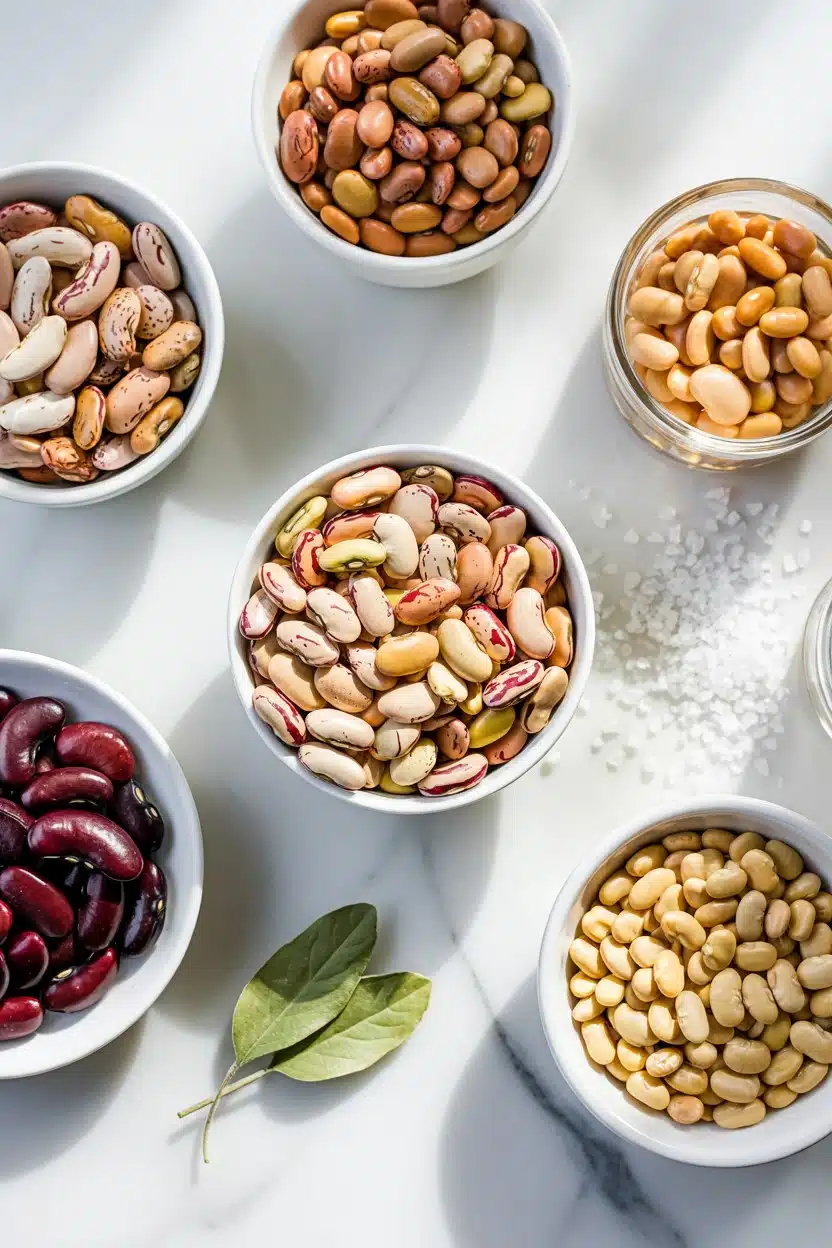
Use 1.5 tablespoons of pickled baby cucumbers per 1 tablespoon of cornichon. Slice them thinly so the texture stays subtle, and taste your dish after mixing them in. Add a pinch of salt or a few drops of vinegar if the flavor feels too mild.

Avoid this swap when you need a strong, sharp pickled flavor. The lighter acidity works best in fresh dishes where you want crunch without heavy tang.

5 - Lemon Zest & Vinegar

Lemon zest mixed with white vinegar adds bright acidity and citrus aroma to dressings, aioli, and garnishes. This swap brings tangy sharpness without any crunch, so it's best for liquid or blended recipes. For more ideas on adjusting acid levels, these ways to replace White Vinegar give you extra control over tang and balance.

Use 1 teaspoon of lemon zest plus ¼ teaspoon of white vinegar per 1 tablespoon of cornichon. Stir them in gradually, tasting after each addition so the citrus doesn't overpower the dish. This mix works best when added at the end to keep the zest fragrant.

Skip this option when you need pickled texture or a cucumber-based flavor. It's a flavor substitute only, not a texture match.

Making Cornichon Substitutes Work

No substitute tastes exactly like cornichon. Match the substitute to the role it plays in your recipe-texture, acidity, or both. Start with less than the recipe calls for, taste, and adjust gradually so you don't overshoot.

Frequently Asked Questions

Can I use regular pickles instead of cornichon?

Yes, small dill pickles or gherkins work well. Chop them to match cornichon size and adjust seasoning as needed.

Are capers a good substitute for cornichon?

Capers add briny flavor but lack crunch. Use them in sauces and dressings, not in recipes where texture matters.

What if I don't have any pickles?

Mix lemon zest with a splash of white vinegar to add tang and brightness. This works best in dressings and liquid recipes.

Can I make cornichon at home quickly?

Quick-pickle baby cucumbers in vinegar, salt, and sugar for an hour. The flavor will be milder but still tangy and crisp.

Do gherkin pickles taste the same as cornichon?

Gherkins are similar in size and texture but taste sweeter and less tart. Add a splash of vinegar to sharpen the flavor.

5 Best Cool Whip Substitutes for Recipes

April 24, 2026

You reach for Cool Whip mid-recipe and the container is empty. Cool Whip adds airy sweetness and holds its shape-jobs that regular whipped cream sometimes struggles with.

5 Best Cool Whip Substitutes for Recipes
cool-whip-substitutes
!-- /wp:paragraph -->

The right substitute depends on whether you need dairy-free options or just the closest texture match. Some swaps whip up light and fluffy, while others lean richer or require a bit more sweetener to land in the same range.

QUICK SUMMARY

Whipped heavy cream and coconut whipped cream deliver the closest match for dessert toppings. The main risk is texture-some options collapse faster or taste tangier than Cool Whip. **For best results, prioritize fat content and sweetness**, then adjust stabilizers or sugar to match the dish.

🥄Closest swap: Whipped heavy cream mimics Cool Whip's airy richness with minimal tweaks.
📏Ratio + fix: Use **1:1 by volume** and add 1-2 tablespoon sugar if the swap tastes flat.
⚠️Watch out: Overwhipping turns cream grainy-stop once soft peaks form.

5 Best Cool Whip Alternatives for Recipes

Some options come straight from the dairy case, while others pull from plant-based shelves. Pick based on what the dish needs and what you already have on hand.

Quick Substitute Reference
# Substitute Best For Ratio Key Note
1 Whipped Heavy Cream ✨ Both 1:1 Richer, less sweet
2 Coconut Whipped Cream 🌱 Vegan 1:1 Subtle coconut flavor
3 Silken Tofu + Sweetener 🌱 Vegan 1 cup blend Less airy, creamier
4 Greek Yogurt + Honey 🍳 Cooking 1:1 + honey Tangier, denser
5 Aquafaba Whipped 🌱 Vegan 3 tablespoon per ¼ cup Light foam, less rich

1 - Whipped Cream

Heavy cream whips to the same airy peaks Cool Whip delivers. The texture holds on pies and parfaits without collapsing mid-serve.

The flavor runs richer and less sweet. Add 1-2 tablespoons of powdered sugar while whipping if the dessert needs more sweetness.

Whipped Heavy Cream

Works for: dessert toppings that need volume and richness

Skip if: you need dairy-free or shelf-stable options

Cool Whip

Works for: sweeter, more stable topping straight from the freezer

Skip if: you want a fresher dairy taste without stabilizers

Use 1:1 by volume for Cool Whip. Chill the bowl and beaters before whipping to speed up the process and keep the texture stable.

If you're short on heavy cream too, Whipped Cream alternatives worth trying covers swaps that match the same airy lift.

Skip if: the recipe demands vegan or dairy-free ingredients-cream won't work here.

2 - Coconut Cream

Chilled coconut cream whips into thick peaks that mimic Cool Whip's structure. The texture stays fluffy on tarts and layered desserts without turning watery.

Here's what to know:

  • Chill the can overnight - Cold coconut cream whips faster and holds better volume.
  • Scoop out the solid layer - Discard the liquid or save it for smoothies; only the thick cream whips properly.

The coconut flavor comes through clearly-sometimes subtle, sometimes pronounced depending on the brand. If the dessert already includes tropical notes, this swap blends right in.

Use 1:1 by volume for Cool Whip. Add 1-2 teaspoons of maple syrup or powdered sugar if the topping tastes too plain.

Don't have coconut cream either? Try swaps when Coconut Cream runs out for plant-based picks that whip similarly.

Skip if: you need a completely neutral flavor-coconut always shows up at least a little.

3 - Silken Tofu Mix

Best Pick
Silken tofu blends into a creamy base that mimics Cool Whip's richness without dairy. It works especially well in vegan frostings and pie fillings where you need body more than airiness.

Blend equal parts silken tofu with sweetener (maple syrup, agave, or powdered sugar) until smooth. The mixture won't whip to peaks, but it adds the same creamy thickness Cool Whip provides in layered desserts.

  • Use soft or silken varieties - Firm tofu stays grainy even after blending.
  • Add vanilla extract - A quarter teaspoon masks any subtle beany flavor.
  • Blend until completely smooth - Lumps ruin the texture in delicate desserts.

The texture lands softer and denser than Cool Whip. It holds up in no-bake cheesecakes and pudding parfaits where you fold it in rather than dollop it on top.

If you're missing tofu as well, replacements similar to Silken Tofu covers other plant-based options for creamy swaps.

Skip if: the recipe requires a light, fluffy topping-tofu adds weight instead.

4 - Greek Yogurt Mix

Greek yogurt delivers thick creaminess with a tangy edge. Mix it with honey to taste, and you get a topping that works on fruit bowls, pancakes, and parfaits where a little acidity balances sweetness.

  • Start with full-fat yogurt - Low-fat versions turn runny and lack the richness Cool Whip provides.
  • Add honey gradually - Taste as you go to avoid making it too sweet.
Use Ratio Notes
Fruit topping 1:1 + 1 tablespoon honey Tart flavor balances sweet berries
Parfait layer 1:1 + 2 teaspoon honey Holds shape between cake and fruit
Frosting base Skip this swap Too thin for piping or spreading

The texture stays denser than Cool Whip and won't hold peaks. This swap shines in dishes where you spoon or layer the topping rather than pipe it.

When yogurt isn't available either, Greek Yogurt alternatives to try helps you find thick dairy or plant-based options that match the tang.

Skip if: you need a light, airy topping-yogurt adds weight and density instead.

5 - Aquafaba Whip

Watch Out
Aquafaba whips into a stable foam but lacks the richness Cool Whip provides. It works best in vegan desserts where you need volume without fat-think meringues, mousse, or light frostings.

Whip 3 tablespoons of aquafaba (the liquid from a can of chickpeas) with a mixer until soft peaks form. Add sugar gradually while whipping to stabilize the foam and add sweetness.

The texture stays light and airy but collapses faster than Cool Whip. Use it immediately after whipping for the best results.

The flavor stays neutral, making it a clean swap in recipes where you don't want coconut or dairy notes. It won't add creaminess, so save it for dishes where airiness matters more than richness.

Skip if: you need a topping that holds for hours-aquafaba foam deflates quickly once it sits.

How to Choose a Cool Whip Substitute

The right choice depends on what you're making and what flavor profile fits. For desserts where texture and sweetness matter most, whipped heavy cream or coconut whipped cream come closest.

For healthier toppings or dishes where tanginess works, Greek yogurt mixed with honey delivers.

Try a few options and see which one matches your dish best.

  • Closest match - Whipped heavy cream for airy richness
  • Easiest grab - Greek yogurt mix for quick fruit toppings
  • Vegan option - Coconut whipped cream for dairy-free desserts

Frequently Asked Questions

Can I use whipped cream instead of Cool Whip in no-bake pies?

Yes, whipped heavy cream works in no-bake pies. It holds the same airy structure Cool Whip provides, though it tastes richer and less sweet. Add 1-2 tablespoons of powdered sugar while whipping if the filling needs more sweetness.

What's the best dairy-free substitute for Cool Whip?

Coconut whipped cream delivers the closest match for dairy-free needs. Chill the can overnight, scoop out the solid layer, and whip it with a bit of sweetener. The texture mimics Cool Whip's fluffiness, though the coconut flavor shows up clearly.

Does Greek yogurt taste like Cool Whip when sweetened?

Greek yogurt mixed with honey tastes tangier and denser than Cool Whip. It works well on fruit or pancakes where the acidity balances sweetness, but it won't match Cool Whip's light, sweet profile in desserts like parfaits or layered cakes.

Can aquafaba replace Cool Whip in baking?

Aquafaba works in vegan baking when you need volume without fat, like in mousse or meringue-style desserts. It whips to soft peaks but collapses faster than Cool Whip and lacks richness. Use it immediately after whipping for the best hold.

How do I keep whipped cream from deflating like Cool Whip does?

Chill the bowl and beaters before whipping, and stop once soft peaks form-overwhipping turns cream grainy. Adding 1 tablespoon of powdered sugar per cup of cream helps stabilize the structure and keeps it from collapsing quickly.

5 Best Cool Whip Substitutes for Recipes

5 Best Substitutes for Cool Whip

No ratings yet
Cool Whip adds airy sweetness and holds shape, but if you run out, substitutes vary in texture and flavor. Choose based on need for dairy-free or closest texture match. Adjust sweetness and stabilizers as needed.
Print Recipe Pin Recipe
Prep Time 10 minutes mins
Cook Time 5 minutes mins
Total Time 15 minutes mins
Servings: 4 servings
Course: Dessert, Topping
Cuisine: American
Ingredients Method Notes

Ingredients
  

  • 1 cup Whipped Heavy Cream Use 1:1 volume ratio with Cool Whip; add 1-2 tablespoon powdered sugar if needed for sweetness
  • 1 cup Coconut Whipped Cream Use 1:1 volume ratio with Cool Whip; add 1-2 teaspoon maple syrup or powdered sugar if topping tastes plain; chill can overnight and scoop solid layer
  • Silken Tofu + Sweetener Blend equal parts silken tofu and sweetener until completely smooth for creamy thickness; use soft tofu
  • Greek Yogurt + Honey Mix full-fat Greek yogurt with honey to taste; use 1:1 plus honey ratio depending on use; start with small honey amounts
  • 3 tablespoons Aquafaba Whipped Whip 3 tablespoon aquafaba to soft peaks; add sugar gradually while whipping; use immediately as foam collapses quickly

Method
 

  1. Choose substitute based on dietary needs: whipped cream for richness, coconut cream or aquafaba for vegan options, silken tofu or Greek yogurt for creamy texture.
  2. For whipped cream, chill bowl and beaters before whipping; whip heavy cream to soft peaks with 1:1 ratio to Cool Whip; add 1-2 tablespoon powdered sugar if needed.
  3. For coconut whipped cream, chill can overnight; scoop out and whip solid cream layer with 1:1 volume ratio; add 1-2 teaspoon sweetener if plain.
  4. Blend silken tofu with sweetener until completely smooth; use equal parts tofu and sweetener; add vanilla extract to mask flavor if desired.
  5. For Greek yogurt, use full-fat yogurt mixed with honey gradually to taste; apply 1:1 plus honey ratio depending on the dish; use for spooned or layered toppings.
  6. Whip aquafaba to soft peaks using 3 tablespoons per ¼ cup substitute; add sugar gradually while whipping; use immediately for best hold as it collapses fast.
  7. Taste test and adjust sweetness or texture accordingly; avoid overwhipping cream to prevent graininess; note dairy-free options have distinct flavor profiles to consider.

Notes

Chill coconut cream before whipping to prevent watery texture and keep it stable in desserts.

Tried this recipe?

Let us know how it was!

5 Best Substitutes for Corned Beef in Hearty Home Cooking

April 24, 2026

You need Corned Beef to hold the dish together-the salty, cured texture binds flavors in hash, Reubens, and braises. Without it, the structure shifts.

5 Best Substitutes for Corned Beef in Hearty Home Cooking
corned-beef-substitutes
QUICK SUMMARY

Pastrami and Cooked Brisket best replicate corned beef's flavor and texture; prioritize flavor or sliceability first. Adjust seasoning to balance salt and spice. Use deli roast beef for tender slices without the brine.

🥩Closest flavor match: Pastrami adds smoky, spicy notes like corned beef's cured punch.
⚖️Ratio + fix: Swap 1:1; add pickling spices to brisket for brined flavor.
⚠️Watch texture: Canned corned beef crumbles and won't slice cleanly like fresh cuts.

P>The right substitute depends on whether you need that brined firmness or just the savory beef presence. Some swaps slice clean; others work better chopped into stews. Match the texture role first, then adjust seasoning.

Quick Substitute Reference
#SubstituteBest ForRatioKey Note
1 Roast Beef 🍳 Cooking 1:1 More tender, less salty
2 Cooked Brisket 🍳 Cooking 1:1 Richer flavor, no cure
3 Pastrami ✨ Both 1:1 Smokier and spicier
4 Canned Corned Beef 🍳 Cooking 1:1 Softer, budget-friendly
5 Stewed Beef 🍳 Cooking 1:1 Add pickling spices

5 Corned Beef Replacements for Better Texture

Each substitute below fills the role of Corned Beef in a slightly different way. Pick based on whether you need sliceability, that brined punch, or just hearty beef in a cooked dish.

1 - Roast Beef

Deli roast beef gives you tender slices without the cured saltiness. The texture is softer and pulls apart more easily than corned beef.

Use it straight from the package for cold sandwiches or give it a quick sauté with butter for warm applications. Add a pinch of salt to compensate for the milder profile.

Here's what to know:

  • Works 1:1 by weight - No conversion math needed.
  • Best cold or lightly warmed - High heat dries it out fast.
  • Season to taste - The salt gap is noticeable without adjustment.

Skip if: you need that distinctive brined flavor or firmer slicing texture.

Roast Beef

Works for: Quick sandwiches, light sautés, tender bites

Skip if: You want salty, cured flavor

Corned Beef

Works for: Reubens, hash, traditional braises

Skip if: You prefer milder, tender meat

2 - Cooked Brisket

Brisket delivers a richer, beefier depth than corned beef but without the salty brine. The texture holds up to long cooking and shreds beautifully.

Slice it against the grain for sandwiches or cube it for stews. You'll want to add salt gradually-taste as you go since brisket starts much milder.

The essentials:

  • Use cooked brisket only - Raw brisket needs hours of prep time.
  • Swap 1:1 by weight - Same quantity, different flavor profile.
  • Fat content varies - Trim excess if the dish runs greasy.
  • Season with pickling spices - Brings it closer to corned beef territory.

Skip if: you're short on time or need that cured tang upfront.

3 - Pastrami

Pastrami shares the cured DNA with corned beef but brings smoke and black pepper to the party. The flavor runs bolder and spicier.

This swap works seamlessly in sandwiches where you want more punch. For cooked dishes, the smoke can dominate-use it when that's a feature, not a flaw.

If you're also out of pastrami, swaps when Pastrami runs out covers similar cured options.

Skip if: you want a milder, less smoky result.

Best Pick
Pastrami comes closest to corned beef's cured character-swap 1:1 and expect smokier, peppery results.

4 - Canned Corned Beef

Canned corned beef tastes like the real thing but with a softer, more processed texture. It crumbles instead of slicing clean.

This works best in hash, fried rice, or anywhere the meat gets chopped and crisped. Break it up in a hot skillet with onions and potatoes for a quick breakfast.

If you need firmer texture or want to compare replacements similar to Corned Beef, that page covers sliceable alternatives too.

Key details:

  • Use 1:1 by weight - Drain any liquid from the can first.
  • Crisp it in a hot pan - Browning improves the soft texture significantly.

Skip if: you need neat slices or a fresher mouthfeel.

UseRatioNotes
Hash1:1Break up and crisp in skillet
Fried Rice1:1Chop small, fry until edges brown
Sandwiches1:1Pan-fry slabs for better texture

5 - Stewed Beef

Regular beef stew meat simmered with pickling spices gets you close to corned beef's flavor in braises and soups. The texture stays chunky rather than sliceable.

Use beef chuck or round, cut into cubes, and braise low and slow with mustard seed, coriander, bay leaves, and peppercorns. The spice blend does most of the work.

If you need to pull together swaps when Pickling Spice runs out, a DIY blend of whole spices works fine.

Skip if: you need quick prep or sliced meat for sandwiches.

Shortcut
No pickling spice? Combine equal parts mustard seed, coriander seed, and black peppercorns with a bay leaf.

Picking the Right Replacement

No single swap replicates corned beef exactly, but each one fills a specific role well. Pastrami comes closest for cured flavor; roast beef works when you want something milder and faster.

Start with what matches your dish's structure needs, then adjust salt and spices from there.

  • Closest match - Pastrami delivers cured, sliceable results
  • Easiest grab - Deli roast beef needs zero prep
  • Budget option - Canned corned beef costs less and stores well

Frequently Asked Questions

Can I use roast beef in a Reuben sandwich?

Yes, but add extra salt and consider a splash of pickle brine to get closer to that tangy, cured flavor.

Does pastrami taste the same as corned beef?

They're similar but pastrami has a smokier, spicier profile from the pepper crust and smoking process.

Is canned corned beef good for hash?

It's actually ideal for hash since it crumbles easily and crisps up well in a hot skillet with potatoes.

How do I make regular beef taste like corned beef?

Braise beef chuck with pickling spices (mustard seed, coriander, bay leaf, peppercorns) and salt for 2-3 hours until tender.

Which substitute works best for cold sandwiches?

Deli roast beef or pastrami work best cold since they're already sliced and ready to use without cooking.

5 Best Substitutes for Corned Beef in Hearty Home Cooking

5 Best Substitutes for Corned Beef

No ratings yet
Corned beef substitutes vary by texture and flavor. Choose based on needing cured firmness or just beef presence. Adjust seasoning and preparation to suit cooking or slicing needs for best results.
Print Recipe Pin Recipe
Prep Time 7 minutes mins
Cook Time 8 minutes mins
Total Time 15 minutes mins
Servings: 4 servings
Course: Substitutes
Cuisine: American
Ingredients Method Notes

Ingredients
  

  • 1 to 1 Use equal weight ratio by weight
  • 1 to 1 Use cooked brisket only, trim fat to taste, season with pickling spices, swap by equal weight
  • 1 to 1 Smokier and spicier; swap by equal weight
  • 1 to 1 Drain liquid before use, crisp well in pan, swap by equal weight
  • 1 to 1 Simmer stew beef with pickling spices to mimic corned beef flavor, swap by equal weight

Method
 

  1. Choose your substitute based on the dish's texture and flavor needs: sliceability, brined firmness, or hearty cooked beef.
  2. For roast beef, use 1:1 ratio by weight, serve cold or lightly warm with a pinch of salt to compensate for mildness.
  3. For cooked brisket, use cooked meat only, trim excess fat, season gradually with salt and pickling spices, and use 1:1 weight ratio.
  4. Pastrami works as a direct 1:1 substitute offering a smoky, peppery, spicier profile, best in sandwiches or dishes where smoke is welcome.
  5. Drain canned corned beef liquid first, break apart and crisp in a hot skillet, and use at a 1:1 weight ratio for best texture.
  6. Stewed beef should be cubed and braised low and slow with mustard seed, coriander, bay leaf, and peppercorns using a 1:1 weight swap.
  7. Adjust seasoning and salt to match your preference and dish requirements after substituting.

Notes

Drain canned corned beef before use to prevent a watery dish and maintain texture.

Tried this recipe?

Let us know how it was!

6 Best Substitutes for Chorizo in Spanish-Style Dishes

April 24, 2026

You measured out the chorizo and there's barely half of what the recipe calls for. That smoky, spiced pork brings fat, heat, and a red-orange color that seasons everything it touches.

6 Best Substitutes for Chorizo in Spanish-Style Dishes
chorizo-substitutes
QUICK SUMMARY

Andouille and ground pork with smoked paprika best replicate chorizo's smoky flavor and fat content. Prioritize matching the fat and spice level for authentic taste. For plant-based dishes, paprika blends add color and warmth without meat. Adjust seasoning to balance heat and texture.

🔥Closest flavor match: Andouille offers smoke and heat with a crispy casing.
⚖️Ratio + fix: Swap 1:1 with ground pork; add smoked paprika and garlic.
🌶️Watch heat: Andouille's garlic and black pepper can overpower paprika's sweetness.

The right substitute depends on what chorizo does in your dish-whether that's rendering fat for a base, adding texture, or delivering that signature paprika punch. Some swaps match the meatiness, others nail the spice profile, and a few work for plant-based cooking.

Quick Substitute Reference
#SubstituteBest ForRatioKey Note
1 Andouille Sausage 🍳 Cooking 1:1 Smokier, less spicy
2 Ground Pork with Spices 🍳 Cooking 1:1 Customizable heat level
3 Paprika Mix 🌱 Vegan 1 tablespoon per 1 tablespoon flavor Flavor only, no meat
4 Pepperoni 🍳 Cooking 1:1 Tangier, firmer texture
5 Smoked Tofu Mix 🌱 Vegan 1:1 Firm texture, no meat
6 Mexican Longaniza 🍳 Cooking 1:1 Sweeter, milder

6 Chorizo Substitutes Without Big Changes

These options range from smoky sausages to spice-forward plant-based swaps. The best pick depends on whether you need rendered fat, meaty chunks, or just that paprika-garlic backbone.

1 - Andouille

Andouille delivers smoke and heat in a casing that crisps up beautifully. The Cajun seasoning leans heavier on garlic and black pepper than chorizo's paprika-forward profile.

Use it in jambalaya, gumbo, or bean stews where you want bold flavor without adjusting the recipe much. The texture holds up to long simmers better than fresh Mexican chorizo.

Here's what to know:

  • Swap at a 1:1 ratio - no changes needed for most recipes.
  • Expect deeper smoke - andouille's oakwood flavor comes through.
  • Slice thicker for stews - keeps the sausage from disappearing into the dish.

If you're also out of andouille, quick Andouille Sausage replacements to try covers similar smoky options.

Skip if: you need crumbly, rendered chorizo for tacos or breakfast hash.

Andouille Sausage

Works for: Stews, gumbo, rice dishes needing smoky depth

Skip if: You need crumbled texture or dry-cured slices

Ground Pork with Spices

Works for: Tacos, scrambles, any dish calling for loose chorizo

Skip if: You want ready-to-use sausage without mixing spices

2 - Pork with Spices

Ground pork seasoned with smoked paprika and garlic gives you the closest thing to homemade chorizo. You control the heat, which matters if you're cooking for mixed spice tolerances.

Mix 1 pound pork with 1 tablespoon smoked paprika, 1 teaspoon garlic powder, ½ teaspoon cumin, and a pinch of cayenne. Let it sit for 10 minutes before cooking so the spices bloom.

Quick specs:

  • Use a 1:1 ratio - same amount as the chorizo called for.
  • Add vinegar for tang - 1 teaspoon cider vinegar mimics cured chorizo's edge.

Don't have paprika either? Check our simple Paprika substitutes list for swaps that still deliver color and warmth.

3 - Paprika Mix

Spanish paprika blended with smoked paprika gives vegetarian dishes that signature chorizo color and warmth. You get the flavor without the meat.

Shortcut
Mix 2 parts sweet paprika with 1 part smoked paprika for balanced flavor. Add a pinch of cayenne if you want heat.

This works best when chorizo is a background flavor rather than the star. Stir it into oil before adding vegetables, or sprinkle over roasted potatoes.

The trade-off is texture. You lose the fat and chew that sausage provides.

Skip if: meatiness matters more than spice in your dish.

4 - Pepperoni

Pepperoni runs tangier and spicier than chorizo, with a firmer, sliceable texture. It won't crumble like Mexican chorizo, but it crisps up nicely when cooked.

Chop it fine for pasta sauces or leave it in coins for pizza and flatbreads. The fennel notes in some pepperoni add an Italian twist that works surprisingly well in shakshuka or baked eggs.

Use the same amount you'd use for chorizo. The fat renders out similarly, giving you a flavorful cooking base.

Missing pepperoni as well? Our list of Pepperoni swaps by recipe type has options sorted by texture and heat.

Skip if: you need that specific paprika-garlic flavor profile.

UseRatioNotes
Pizza or flatbreads1:1Slice into coins for even crisping
Pasta sauces1:1Dice small so it distributes evenly
Baked eggs¾:1Pepperoni is saltier, so reduce slightly

5 - Smoked Tofu Mix

Smoked tofu crumbled with paprika and chili powder creates a plant-based swap that holds up in tacos, rice bowls, and scrambles. The texture stays firm through cooking.

Press the tofu first to remove excess moisture-about 15 minutes under a heavy pan. Then crumble it and toss with 1 teaspoon smoked paprika and ½ teaspoon chili powder per block.

The essentials:

  • Use a 1:1 ratio by volume - crumble to match chorizo's texture.
  • Cook in oil for crispy edges - the smoke flavor intensifies with browning.

No tofu on hand either? There are tested Tofu replacements that work for similar applications.

Skip if: you need fat to render out and season the dish.

Best Pick
For vegan tacos, smoked tofu seasoned with paprika and chili powder comes closest to chorizo's texture and color.

6 - Longaniza

Mexican longaniza runs sweeter and milder than chorizo, with less smokiness and a lighter red color. It works well when you want sausage flavor without overpowering heat.

The casing is thinner, so it cooks faster. Watch it closely to avoid drying out.

Swap at 1:1. Longaniza shines in tortas, huevos con longaniza, and any recipe where you want pork flavor to complement rather than dominate.

Key details:

  • Remove the casing to crumble - it breaks apart like fresh chorizo.
  • Add smoked paprika for depth - ½ teaspoon per pound closes the gap.
  • Cook over medium heat - the sugars can burn at high temperatures.
  • Pairs well with eggs - the sweetness balances rich yolks nicely.

Longaniza often contains spices similar to easy Long Pepper swaps that work if you're building the flavor from scratch.

Watch Out
Longaniza lacks chorizo's smokiness. Add ½ teaspoon smoked paprika per pound to close the flavor gap.

Before You Swap Chorizo

No single substitute covers every chorizo application. Match the function first-rendered fat, crumbly texture, or spice profile-then adjust from there.

  • Closest match - Andouille Sausage for smoky stews
  • Easiest grab - Ground pork with pantry spices
  • Dietary option - Smoked tofu mix for plant-based dishes

Frequently Asked Questions

What is the best chorizo substitute for tacos?

Ground pork seasoned with smoked paprika and garlic comes closest. It crumbles the same way and you can adjust the heat to your preference.

Can I use Italian sausage instead of chorizo?

Yes, but add 1 teaspoon smoked paprika per pound to get closer to chorizo's flavor. Italian sausage has fennel and herbs that taste noticeably different without the adjustment.

What is the difference between Mexican and Spanish chorizo?

Mexican chorizo is fresh and crumbly, sold raw in casings. Spanish chorizo is dry-cured and sliceable like salami. The substitutes work differently depending on which type your recipe needs.

How do I make a vegetarian chorizo substitute?

Crumble pressed smoked tofu and season with smoked paprika, chili powder, garlic, and a splash of vinegar. Cook in oil until crispy for the best texture.

Does the chorizo substitute ratio change for baking?

Chorizo rarely appears in baked goods, but if your recipe calls for it in a savory bread or pastry, stick with 1:1 and choose a drier substitute like pepperoni to avoid excess grease.

6 Best Substitutes for Chorizo in Spanish-Style Dishes

6 Best Substitutes for Chorizo

No ratings yet
This guide helps you choose the right chorizo substitute based on your dish's needs-whether fat for cooking, texture, or spice flavor. Options include smoky sausages, seasoned pork, and plant-based mixes.
Print Recipe Pin Recipe
Prep Time 12 minutes mins
Cook Time 10 minutes mins
Total Time 22 minutes mins
Servings: 4 servings
Course: Substitutes
Cuisine: Mexican, Spanish
Ingredients Method Notes

Ingredients
  

  • 1 Andouille Sausage Use as a 1:1 ratio substitute; smokier and less spicy than chorizo.
  • 1 Ground Pork with Spices Mix 1 tablespoon smoked paprika, 1 teaspoon garlic powder, 0.5 teaspoon cumin, and a pinch of cayenne per pound pork; add 1 teaspoon cider vinegar for tang; use 1:1 ratio.
  • Paprika Mix Mix 2 parts sweet paprika with 1 part smoked paprika; use 1 tablespoon mix per 1 tablespoon chorizo flavor; provides flavor only, no meat.
  • 1 Pepperoni Use at 1:1 ratio except 0.75:1 for baked eggs; tangier and firmer texture than chorizo.
  • 1 Smoked Tofu Mix Crumble smoked tofu and toss with 1 teaspoon smoked paprika and 0.5 teaspoon chili powder per block; use 1:1 volume ratio.
  • 1 Mexican Longaniza Use 1:1 ratio; remove casing to crumble; add 0.5 teaspoon smoked paprika per pound for depth; sweeter and milder than chorizo.

Method
 

  1. Choose a substitute based on your dish's need: rendered fat, texture, or paprika-garlic flavor.
  2. For Andouille, slice thicker for stews and use a 1:1 ratio to match chorizo amount.
  3. To make ground pork substitute, mix pork with spices and vinegar, let sit 10 minutes before cooking, then use 1:1 ratio.
  4. For paprika mix, stir into oil or sprinkle over vegetables using 1 tablespoon mix per 1 tablespoon chorizo flavor required.
  5. Use pepperoni sliced or diced according to dish; use 1:1 ratio or 0.75:1 for baked eggs; cook until crisped.
  6. Prepare smoked tofu by pressing and crumbling, then toss with paprika and chili powder; cook in oil for crispy edges; use 1:1 volume ratio.
  7. For longaniza, remove casing to crumble, add smoked paprika for depth, cook over medium heat; use 1:1 ratio.
  8. Taste and adjust seasoning after cooking to ensure the desired heat and flavor balance.

Notes

For smoked tofu substitute, press and crumble thoroughly to avoid watery texture in your dish.

Tried this recipe?

Let us know how it was!

5 Best Substitutes for Cranberry Bean in Hearty Bean Soups

April 24, 2026

Cranberry beans bring a creamy texture and mild, nutty flavor that works well in Italian dishes, soups, and slow-cooked stews. The swap you choose depends on whether you need that same creaminess or a bean that holds its shape better.

5 Best Substitutes for Cranberry Bean in Hearty Bean Soups
cranberry-bean-substitutes
QUICK SUMMARY

Pinto, Cannellini, and Kidney beans are top cranberry bean substitutes. Prioritize texture first, then flavor. For best results, adjust cooking times to prevent mushiness or undercooking.

🥄Closest match: Pinto beans offer similar creaminess and mild, earthy flavor.
⚖️Ratio + fix: Swap 1:1; reduce cooking time slightly to avoid mushiness.
🔥Watch heat: Pinto beans can become mushy if overcooked in soups or stews.

Match the cooking method first, then worry about flavor. Beans behave differently in braises versus salads, so texture matters more than taste in most recipes.

Quick Substitute Reference
#SubstituteBest ForRatioKey Note
1 Pinto Bean 🍳 Cooking 1:1 Slightly softer when cooked
2 Kidney Bean 🍳 Cooking 1:1 More robust, sweeter flavor
3 Cannellini Bean ✨ Both 1:1 Creamier texture
4 Great Northern 🍳 Cooking 1:1 Firm, needs longer cooking
5 Black-Eyed Pea 🍳 Cooking 1:1 Earthier, Southern-style dishes

5 Simple Cranberry Bean Swaps to Save Time

The following options range from near-identical matches to beans that shift the dish in a slightly different direction. Pick based on what you're cooking and what's already in the pantry.

1 - Pinto Bean

Pinto beans come closest to cranberry beans in both texture and mild, earthy flavor. They turn slightly softer when cooked, which works fine in soups and stews but can get mushy if overcooked.

Use a 1:1 ratio and reduce simmering time by 5-10 minutes if the beans seem tender early. The flavor runs a bit more neutral, so season generously.

Here's what to know:

  • Check tenderness early - Pintos soften faster than cranberry beans.
  • Add acid late - Tomatoes or vinegar can toughen the skins if added too soon.
  • Mash easily - Works well for refried beans or thick stews.
  • Adjust salt - The milder taste needs more seasoning to pop.

If you're short on pinto beans too, simple Pinto Bean substitutes list covers options with similar creaminess.

Skip if: you need beans that stay firm after long cooking.

Pinto Bean

Works for: Soups, stews, refried beans

Skip if: You need firm texture after braising

Kidney Bean

Works for: Chili, red beans and rice, bold dishes

Skip if: Delicate soups where softness matters

2 - Kidney Bean

Kidney beans hold their shape better than cranberry beans and add a bolder, slightly sweeter flavor. The deep red color makes dishes look more vibrant.

Swap at a 1:1 ratio. The firmer texture means kidney beans can handle longer cooking without falling apart.

  • Best for chili - The robust flavor stands up to heavy spices.
  • Rinse canned beans - Reduces the starchy liquid that can cloud soups.

Don't have kidney beans either? Check Kidney Bean swaps by recipe type for beans that hold up similarly.

Skip if: you want a mild, creamy result in delicate soups.

3 - Cannellini Bean

Cannellini beans share that creamy, buttery quality cranberry beans have, with a slightly milder and nuttier taste. They're the go-to for Italian recipes like pasta e fagioli or minestrone.

The texture runs softer, so they mash into sauces more easily. Use a 1:1 swap and expect a lighter color in the finished dish.

Best Pick
Cannellini beans work best when you want that same creamy texture cranberry beans provide.

Cannellini beans also purée smoothly for dips or spreads. If you're also out of cannellini, simple Cannellini Bean substitutes list has options that blend just as well.

Skip if: the recipe needs a denser, firmer bite.

4 - Great Northern Bean

Great Northern beans have a firm texture that holds up well in casseroles and baked dishes. The flavor is delicate and slightly nutty, similar to cranberry beans but less creamy.

These beans take longer to cook than cranberry beans-add 10-15 minutes to your simmer time. Use a 1:1 ratio.

Key details:

  • Soak overnight - Reduces cooking time and improves texture.
  • Check firmness - They stay firmer longer, so test before serving.
  • Works in baked beans - Holds shape under sweet, tangy sauces.

No Great Northern beans either? You'll find simple Great Northern Bean substitutes list helpful for similar firm-textured swaps.

Watch Out
Great Northern beans need extra cooking time-don't rush them or they'll be chalky inside.

Skip if: you're making a quick-cooking recipe.

5 - Black-Eyed Pea

Black-eyed peas bring an earthier, slightly sweeter flavor than cranberry beans. They work well in Southern-style dishes, salads, and hoppin' John.

The texture runs softer when cooked, and the distinct black spot adds visual interest. Swap at a 1:1 ratio.

The earthy taste pairs well with smoked meat and greens but shifts the flavor profile noticeably in Italian recipes.

UseRatioNotes
Soups and stews1:1Softens quickly; add late
Salads1:1Holds shape when chilled
Southern dishes1:1Best match for traditional recipes

Skip if: you need a milder, less earthy flavor.

Picking the Right Replacement

Most of these swaps work without major changes to your recipe. Start with pinto or cannellini beans if you want the closest match in texture and flavor.

For dishes where firmness matters-like salads or long braises-kidney beans or Great Northern beans hold up better. Black-eyed peas work best when you're leaning into Southern flavors.

  • Closest match - Pinto beans for similar creaminess
  • Easiest grab - Cannellini beans, widely available canned
  • Bold alternative - Kidney beans for firmer texture

Frequently Asked Questions

Can I use canned beans instead of dried cranberry beans?

Yes, canned beans work fine. Drain and rinse them, then add during the last 15-20 minutes of cooking so they don't turn mushy.

Will these substitutes change the taste of my dish?

Slightly. Pinto and cannellini beans taste closest to cranberry beans. Kidney beans and black-eyed peas add a more distinct flavor.

Which substitute works best for Italian soups?

Cannellini beans are the traditional choice for Italian recipes like minestrone and pasta e fagioli. They have a similar creamy texture.

Do I need to adjust cooking times when substituting?

Sometimes. Pinto beans cook faster than cranberry beans, while Great Northern beans take longer. Check tenderness 10 minutes early or late depending on the swap.

Are any of these substitutes good for salads?

Kidney beans and black-eyed peas hold their shape well when chilled, making them better choices for bean salads than softer options like pinto beans.

5 Best Substitutes for Cranberry Bean in Hearty Bean Soups

5 Best Substitutes for Cranberry Bean

No ratings yet
Choose the best cranberry bean substitute based on cooking method and texture needs. Use pinto or cannellini beans for creaminess, kidney or Great Northern for firmness, and black-eyed pea for Southern dishes.
Print Recipe Pin Recipe
Prep Time 7 minutes mins
Cook Time 10 minutes mins
Total Time 17 minutes mins
Servings: 4 servings
Course: Beans, Substitutes
Cuisine: Italian, Southern
Ingredients Method Notes

Ingredients
  

  • 1 Pinto Bean Use 1:1 ratio. Slightly softer when cooked, reduce simmering time by 5-10 minutes if tender early.
  • 1 Kidney Bean Use 1:1 ratio. Holds shape better, best for chili and bold dishes, rinse canned beans to reduce starch.
  • 1 Cannellini Bean Use 1:1 ratio. Creamier texture, softer and mash easily, lighter color in dishes.
  • 1 Great Northern Use 1:1 ratio. Firm texture, needs longer cooking (add 10-15 min), soak overnight for better texture.
  • 1 Black-Eyed Pea Use 1:1 ratio. Earthier flavor, softens quickly, best in Southern dishes and salads, add late for soups.

Method
 

  1. Pick your substitute based on the dish: pinto or cannellini for creamy texture, kidney or Great Northern for firmness, black-eyed pea for Southern flavors.
  2. Drain and rinse canned beans to reduce starch and prevent cloudiness in soups where applicable.
  3. Apply the 1:1 substitution ratio for all beans and adjust cooking time; reduce for pinto beans, increase for Great Northern.
  4. Add acidic ingredients late when using pinto or black-eyed peas to avoid toughening skins.
  5. Check tenderness early for pinto beans and adjust seasoning; kidney and black-eyed peas hold shape well for salads.
  6. For creamy results, mash pinto or cannellini beans; for firm texture, rely on kidney or Great Northern beans.
  7. Taste and adjust seasoning as needed to compensate for flavor differences between substitutes.

Notes

Drain and rinse kidney beans carefully to avoid cloudy broth and enhance dish clarity.

Tried this recipe?

Let us know how it was!
« Previous Page
Next Page »

Primary Sidebar

ForkliftKitchen recipe developer

Welcome!

Recipe Developer · 12+ Yr Kitchen Veteran

I'm the recipe developer behind this site, focused on practical, well-tested dishes and smart ingredient swaps. Every recipe is written to be clear, reliable, and easy to make at home.

650+ Recipes
12+ Yrs Exp.
3x Tested
Our Story →

As Featured In

Allrecipes

TASTE OF HOME

Food52

HUFFPOST

Yahoo! Life

Our Editorial Standards

  • ✓ Every recipe tested at least 3 times before publishing
  • ✓ Substitutes verified by real kitchen trials, not guesswork
  • ✓ Reviewed for accuracy by our editorial team
  • ✓ Updated regularly with seasonal info and reader feedback

Most Popular

  • Creamy Lemon Shrimp Linguine
    Creamy Lemon Shrimp Linguine
  • Creamy Garlic Mushroom Chicken
    Creamy Garlic Mushroom Chicken
  • Sesame Ginger Chicken Noodle Bowls
    Sesame Ginger Chicken Noodle Bowls
  • Baked Lemon Herb Fish Fillets
    Baked Lemon Herb Fish Fillets
  • Veggie Loaded Fried Rice
    Veggie Loaded Fried Rice
  • Spicy Garlic Shrimp Stir Fry
    Spicy Garlic Shrimp Stir Fry

Join 8,000+ Home Cooks

Weekly Kitchen Tips

Easy recipes, smart substitutes, and real cooking shortcuts — every Thursday.

Subscribe Free →


Side Dishes

  • What to Serve With Asian Salmon? 15 Best Side Dishes
    What to Serve With Asian Salmon? 15 Best Side Dishes
  • Side Dishes for Strawberry Spinach Salad
    15 Best Side Dishes for Strawberry Spinach Salad
  • Sides for Grilled Cauliflower Steaks to Complete the Meal
    15 Sides for Grilled Cauliflower Steaks to Complete the Meal
  • 15 Sides To Serve With Calabacitas
    15 Best Sides for Calabacitas – Mexican-Inspired Favorites


Substitutes

  • 7 Best Substitutes for Hot Sauce in Marinades & Stir-Fries
    7 Best Substitutes for Hot Sauce in Marinades & Stir-Fries
  • 9 Best Substitutes for Butter in Baking and Cooking
  • 7 Best Substitutes for Tagliatelle for Italian Pasta Dishes
    7 Best Substitutes for Tagliatelle for Italian Pasta Dishes
  • 7 Best Substitutes for Udon Noodles in Asian Stir-Fries
    7 Best Substitutes for Udon Noodles in Asian Stir-Fries


Browse by Topic

  • Side Dishes320
  • Substitutes785
  • Dinner163
  • Air Fryer77
  • Taste Profiles484
  • Food Storage123


Reader Reviews

★★★★★

"Finally a food blog that tells you exactly why a substitute works instead of just listing options."

— Sarah M., via email

★★★★★

"The side dish recommendations are so specific — saved my dinner party twice this month."

— James R., Pinterest comment

★★★★★

"I trust this site more than most because they actually test everything. You can tell."

— Priya K., blog comment

Footer

↑ Back to Top

Forklift Kitchen

We do the heavy lifting so you can enjoy the cooking. Tested recipes, smart substitutes, and perfect pairings—built for real home cooks.

Content

  • Recipes
  • Substitutes
  • What to Serve With
  • Blog

Company

  • About Us
  • Contact
  • Subscribe

Legal

  • Privacy Policy
  • Terms of Service

As an Amazon Associate I earn from qualifying purchases.

© 2026 Forklift Kitchen.

Rate This Recipe

Your vote:


A rating is required
A name is required
An email is required