We started measuring and there's not enough currant to finish the batch. The tartness and soft chew they add shapes how the dish tastes.
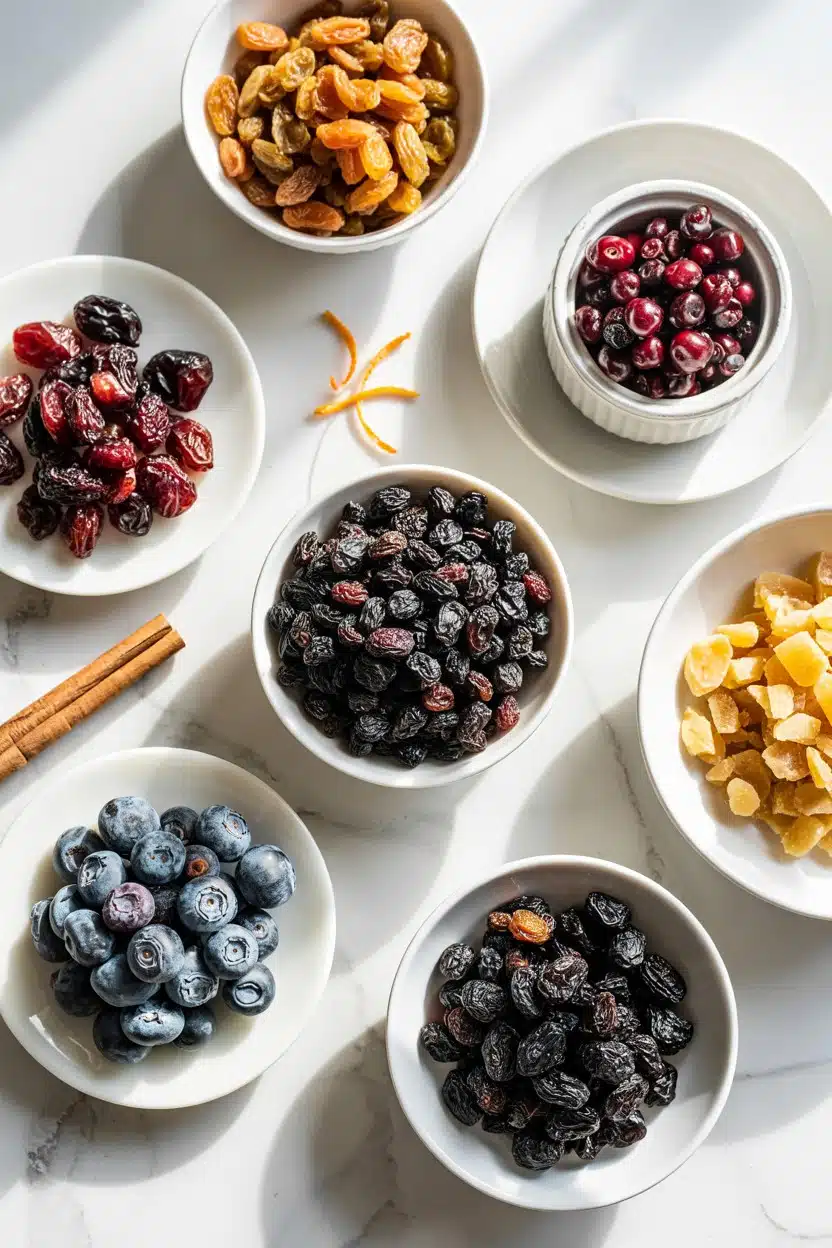
The right substitute depends on whether you're baking or cooking, since some options bring more sweetness while others hold tartness better. Match the texture and acidity first, then adjust for sweetness if needed.
For baking, **dried cranberries or Zante currants** replicate the tart-sweet balance currants provide. The main risk is **sweetness imbalance**-some swaps run milder or more sugary, requiring slight reductions in added sugar. Prioritize tartness and chew first, then adjust liquid or sweetness to keep the structure intact.
5 Currant Substitutes Without Big Changes
Some swaps stay close, while others require small adjustments. Pick based on the dish and what you have.
Remember it later
Planning to try this recipe soon? Save it for a quick find later!
The table below gives you the fastest swap path.
| # | Substitute | Best For | Ratio | Key Note |
|---|---|---|---|---|
| 1 | Dried Cranberries | ✨ Both | 1:1 | Sweeter with mild tartness |
| 2 | Raisins | 🍳 Cooking | 1:1 | Less tartness, richer sweetness |
| 3 | Dried Chopped Tart Cherry | 🥧 Baking | Equal volume | Bright tart flavor, larger pieces |
| 4 | Dried Blueberries | 🥧 Baking | 1:1 | Mildly sweet, less acidic |
| 5 | Zante Currants | ✨ Both | 1:1 | Closest match in size and flavor |
1 - Dried Cranberries
Dried cranberries deliver the chew and tart punch currants provide, with a slightly sweeter edge and darker red color. They fold into baked goods without bleeding pigment or turning mushy.
Use 1:1 volume for currants and reduce sugar by 1 teaspoon per cup if the recipe already leans sweet. The tartness balances heavier spices in stuffings and pairs well with nuts in scones.
Here's what to know:
- Texture stays firm - They hold shape through mixing and baking without breaking apart.
- Color shifts darker - Deep red replaces the black-purple tone of currants.
- Sweetness runs higher - Cut back on honey or maple syrup if the dish includes both.
- Works in savory dishes - Stuffings and grain salads gain a fruity contrast without overpowering herbs.
Results vary by dish. If you're short on cranberries too, Cranberries alternatives to try covers other tart dried fruits that match.
Skip if: the recipe depends on the exact deep color and sharp bite of true currants.
Dried Cranberries
Works for: Scones, stuffings, and grain salads where tartness matters
Skip if: You need the sharp, wine-like acidity of true currants
Raisins
Works for: Cooked dishes where sweetness balances spices
Skip if: The dish relies on a tart counterpoint to rich ingredients
2 - Raisins
Raisins bring a firm chew and rich sweetness without the tartness currants provide. They work best in cooked dishes where spices and salt balance the extra sugar.
Swap at 1:1 volume and add a squeeze of lemon juice or a pinch of citric acid if the dish needs brightness. They blend into stuffings, pilafs, and slow-cooked tagines without turning soft or sticky.
Each substitute behaves differently. No raisins either?
Swaps when Raisins runs out keeps you covered for recipes that need dried fruit with chew.
Skip if: the recipe depends on a pronounced tart contrast to balance fatty or savory ingredients.
3 - Dried Chopped Tart Cherry
Dried chopped tart cherries replicate the sour punch currants bring, with a brighter red color and slightly larger pieces. They hold tartness well in sauces and baked goods where the flavor needs to stand out.
Use equal volume substitution and chop them smaller if the recipe calls for whole currants. The texture stays chewy without turning sticky, making them ideal for scones, muffins, and fruit compotes.
- Tartness stays sharp - The sour edge balances sweet batters and rich doughs.
- Color shifts brighter - Red replaces the dark purple-black tone of currants.
The swap depends on what the original ingredient does in your recipe. If you're also out of tart cherries, Cherry Pepper swaps that match covers alternatives with similar acidity.
Skip if: the recipe requires a subtle berry flavor that doesn't overpower other fruits.
| Use | Ratio | Notes |
|---|---|---|
| Baking (scones, muffins) | 1:1 volume | Chop smaller for even distribution |
| Sauces and compotes | 1:1 volume | Tartness holds through cooking |
| Stuffings and grain salads | 1:1 volume | Add last to prevent color bleeding |
4 - Dried Blueberries
Dried blueberries provide a soft chew and mild sweetness without the tartness currants bring. They work best in baked goods where a gentle berry note complements other flavors without dominating.
Swap at 1:1 volume and increase lemon zest or a pinch of citric acid if the dish needs more brightness. They fold into muffins, quick breads, and granola without bleeding color or turning the batter gray.
Each substitute behaves differently. Missing dried blueberries as well?
Blueberries alternatives to try gives you milder dried fruit options that won't overpower delicate batters.
Skip if: the recipe requires a sharp tart contrast to balance rich or fatty ingredients.
5 - Zante Currants (Black Corinth Raisins)
Zante currants are small dried black grapes that match the size, chew, and sweet-tart balance of true currants almost exactly. They work in traditional recipes without requiring adjustments to ratios or technique.
Use 1:1 volume and expect a slightly sweeter profile if you're substituting for fresh red or black currants. They hold their shape in baking and cooking, delivering the dark color and firm texture recipes depend on.
- Size matches perfectly - Small round berries fold into batters and doughs without clumping.
- Color stays dark - The deep black tone replicates the visual appearance of dried currants.
Results vary by dish. Out of Zante currants too?
What to use for Currant covers other small dried fruits with similar chew and tartness.
Skip if: you need fresh currants for sauces or jams where the raw fruit texture matters.
Making Currant Substitutes Work
Most of these swaps work without changing the recipe structure. The right choice depends on whether you're baking or cooking and how much tartness the dish needs.
For scones and baked goods, dried cranberries or Zante currants come closest; for stuffings and pilafs, raisins or tart cherries balance better.
- Closest match - Zante currants for size and tart-sweet balance
- Easiest grab - Raisins for cooked dishes without sharp acidity
- Dietary option - Dried cranberries for vegan and gluten-free recipes
Frequently Asked Questions
Fresh berries add moisture and won't replicate the chewy texture dried currants provide. If you use them, reduce liquid in the recipe by 2 tablespoon per cup and expect a softer crumb.
It depends on the substitute. Raisins and dried blueberries run sweeter, so reduce sugar by 1 teaspoon per cup. Dried cranberries and tart cherries stay closer to currants and usually need no adjustment.
Yes. Currants are dark purple-black, while cranberries are red and blueberries are blue-gray. Zante currants match the color best if appearance matters.
Dried substitutes won't work in jams since they lack the moisture and pectin fresh currants provide. Use fresh cranberries or tart cherries instead and adjust sugar to taste.
Yes. Dried cranberries and raisins work well in stuffings, grain salads, and tagines. Add them toward the end of cooking to prevent them from breaking apart or turning mushy.
5 Best Substitutes for Currant
Ingredients
Method
- Choose substitutes based on whether you are baking or cooking and how much tartness is needed.
- For baking, dried cranberries or Zante currants are best for replicating tart-sweet balance.
- For cooking dishes like stuffings or pilafs, raisins or dried chopped tart cherries provide a balance of sweetness and acidity.
- Use a 1:1 volume ratio for all substitutes; adjust sugar down by 1 teaspoon per cup for sweeter substitutes like dried cranberries and raisins.
- Chop dried chopped tart cherries smaller if needed to match distribution of whole currants.
- Add lemon juice or citric acid for brightness when substituting raisins or dried blueberries to add tartness.
- Mix substitutes into recipes carefully to preserve texture and avoid excess moisture.
- Taste the dish after adding substitutes and adjust sweetness or acidity to avoid overly sugary or flat flavors.