
You reach for the jar of cherry peppers and find it empty-right when the recipe calls for that sweet-tangy heat. The dish needs that specific balance, not just any pepper.
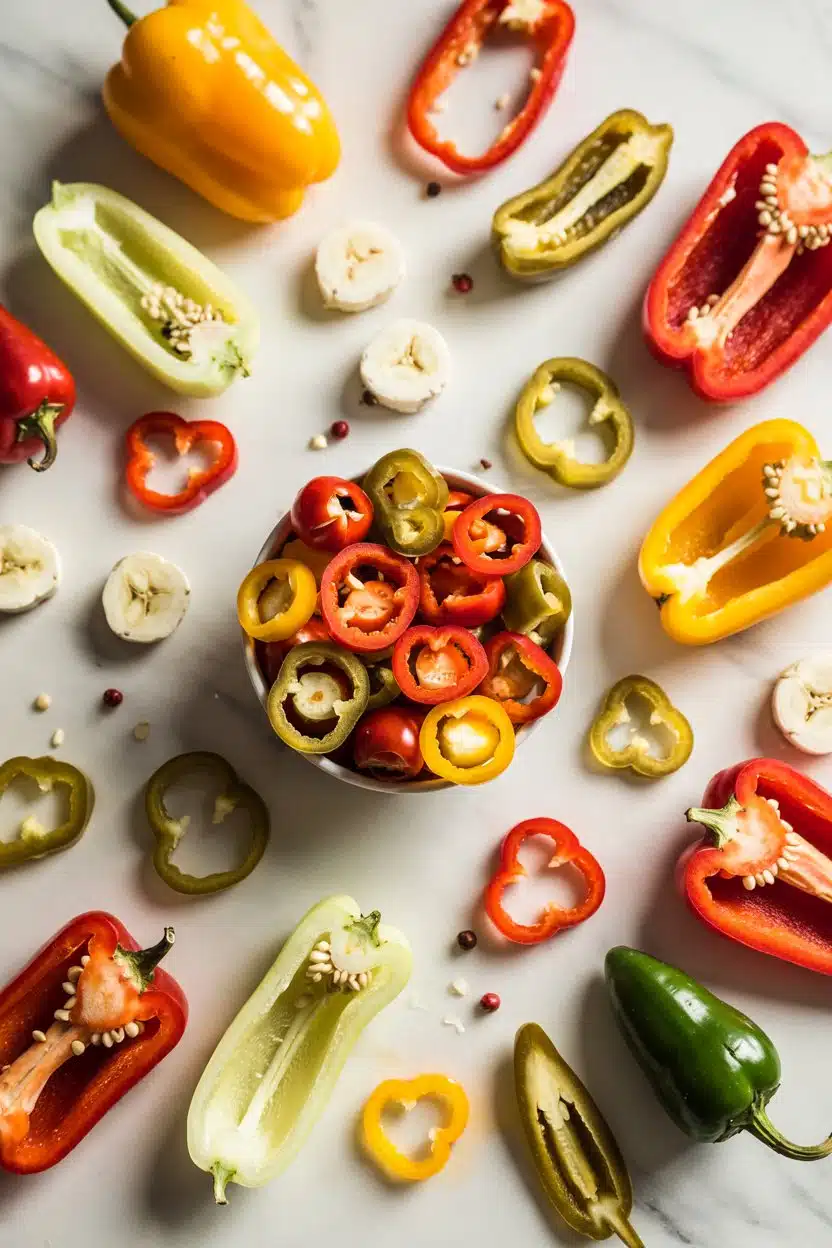
Cherry peppers add mild heat with a sweetness most peppers skip. They work raw in salads, pickled on sandwiches, or cooked into sauces.
A few pantry swaps can hit that same bright, slightly spicy note.
We reach for banana peppers or pickled pepperoncini when cherry peppers run out. For raw salads and sandwich toppings, banana peppers match the mild heat and tang best. Watch the sweetness-most swaps run tangier and less sweet than cherry peppers.
| # | Substitute | Best For | Ratio | Key Note |
|---|---|---|---|---|
| 1 | Banana Pepper | ✨ Both | 1:1 | Slightly milder heat |
| 2 | Pickled Pepperoncini | 🍳 Cooking | 1:1 | Softer texture |
| 3 | Jalapeño Pepper | 🍳 Cooking | ½ : 1 | Hotter bite |
| 4 | Sweet Mini Peppers | 🥗 Raw | 1:1 | No heat |
| 5 | DIY Pickled Blend | ✨ Both | Custom | Balanced tang |
1. Banana Pepper 🌶️
Banana peppers come closest to cherry peppers in raw salads and pickled sandwich toppings. They bring similar mild heat with a tangy crunch that works almost anywhere cherry peppers do.
Remember it later
Planning to try this recipe soon? Save it for a quick find later!
The heat runs slightly milder. The sweetness doesn't quite match-banana peppers lean tangier.
Use 1:1 fresh or pickled. They work on pizzas, in salads, or as a sandwich layer.
- ✅ Similar heat level and crunch
- ⚠️ Less sweet, more acidic tang
If banana peppers don't work, we've listed Banana Pepper alternatives worth trying that cover similar flavors.
2. Pickled Pepperoncini 🥒
Pickled pepperoncini steps in when you're cooking cherry peppers into sauces, stews, or braised dishes. They add the same tangy brightness and mild heat, though the texture softens faster.
Use 1:1 by pickled volume. Chop them if your recipe calls for diced cherry peppers.
They work in pasta sauces, slow-cooked meats, or any dish where peppers break down. Skip them if you need fresh, crunchy texture-they turn soft when heated.
Pepperoncini runs more acidic and less sweet. Add a pinch of sugar if the tang overpowers.
We've also covered Pepperoncini substitutes ranked for when you need the reverse swap.
3. Jalapeño Pepper 🔥
Jalapeños bring fresh brightness and heat but run hotter than cherry peppers. They work in cooked sauces or dishes where you want more kick.
Use half a jalapeño per 1 cherry pepper. Adjust based on your heat tolerance.
- 🍳 In cooking: Add early so heat mellows slightly
- ⚠️ Heat warning: Jalapeños pack more spice than cherry peppers
- ✂️ Reduce heat: Remove seeds and membranes before using
Skip jalapeños for raw salads or garnishes unless you want sharper heat. They lack cherry pepper's sweetness entirely.
If you're low on jalapeños too, we've got Jalapeno Pepper substitutes for cooking that work across different heat levels.
4. Sweet Mini Peppers 🫑
Sweet mini peppers add color and crunch but no heat. They work in raw salads or mild dishes where cherry pepper's spice isn't the main point.
Use 1:1 fresh. Slice them the same way you'd slice cherry peppers.
They're crisp and slightly sweet but won't add any kick. Good for kids' meals or anyone avoiding spicy food.
Skip them if heat or tang is essential. They're sweet bell peppers in miniature-no heat, no acidity.
5. DIY Pickled Pepper Blend 🥫
Mixing your own pickled peppers rebuilds cherry pepper flavor from pantry staples. Combine diced banana peppers and a small amount of mild jalapeño, then pickle them with vinegar and a touch of sugar.
- 🔪 Mix: 3 parts banana pepper to 1 part jalapeño
- 🧪 Brine: Equal parts vinegar and water with 1 teaspoon sugar per cup
- ⏱️ Wait time: Let sit 30 minutes minimum for flavors to blend
- 🌡️ Storage: Keeps refrigerated up to 2 weeks
This blend works for pickled relish, sandwich toppings, or anywhere you'd use jarred cherry peppers. It won't match fresh cherry peppers-stick to cooked or pickled uses.
Picking Your Cherry Pepper Swap
- For sandwiches and salads: Banana peppers match best raw or pickled
- For cooked sauces: Pickled pepperoncini softens nicely in braises
- Need more heat: Use half a jalapeño and adjust from there
Frequently Asked Questions
Red bell peppers add sweetness and color but no heat or tang. They work if you only need the visual or mild sweetness. Add hot sauce or vinegar separately to rebuild the kick and acidity cherry peppers provide.
No. Pimentos are sweeter and have almost no heat. Cherry peppers bring mild spice and tangy brightness that pimentos don't match. Use pimentos only if you want sweetness without any kick.
Remove seeds and white membranes-that's where most heat lives. Use less of the substitute than the recipe calls for. You can also mix in sweet mini peppers to dilute the spice while keeping the pepper texture.
Yes, but drain and rinse pickled peppers first to reduce brine intensity. Pickled peppers add more tang and softer texture than fresh. They work better in cooked dishes than raw salads where crunch matters.
Banana peppers work best-they're the right size and hold up when stuffed and baked. Sweet mini peppers also work but skip the heat entirely. Jalapeños are too narrow and run much hotter than most stuffed cherry pepper recipes expect.
5 Best Substitutes for Cherry Pepper
Ingredients
Method
- Choose your substitute based on dish type: raw (banana pepper, sweet mini peppers) or cooked (pickled pepperoncini, jalapeño, DIY pickled blend).
- Prep the substitute by slicing or dicing; drain pickled peppers and remove seeds from jalapeños to adjust heat if desired.
- Apply the substitution ratio as per the recommended amounts for each substitute.
- Taste and adjust sweetness or heat by adding a pinch of sugar or reducing spicy parts if needed.
- For the DIY pickled blend, mix diced peppers with vinegar, water, and sugar; let sit for at least 30 minutes before use.
Notes
- Banana peppers offer the closest texture and mild heat for fresh and pickled uses.
- Pickled pepperoncini soften with cooking and are tangier, so add sugar if too acidic.
- Jalapeños are hotter; remove seeds and membranes to reduce spice.



