• Skip to primary navigation
  • Skip to main content
  • Skip to primary sidebar
  • Recipe Index
    • Air Fryer
  • Side Dishes
  • Substitutes
  • About
  • Contact
  • Subscribe

ForkLiftKitchen

menu icon
go to homepage
  • Recipe Index
    • Air Fryer
  • Side Dishes
  • Substitutes
  • About
  • Contact
  • Subscribe
subscribe
search icon
Homepage link
  • Recipe Index
    • Air Fryer
  • Side Dishes
  • Substitutes
  • About
  • Contact
  • Subscribe
×

Blog

5 Best Substitutes for Chive in Fresh Garnishes

April 23, 2026

You reach for chives and the container sits empty. The recipe calls for that mild onion bite and fresh green color.
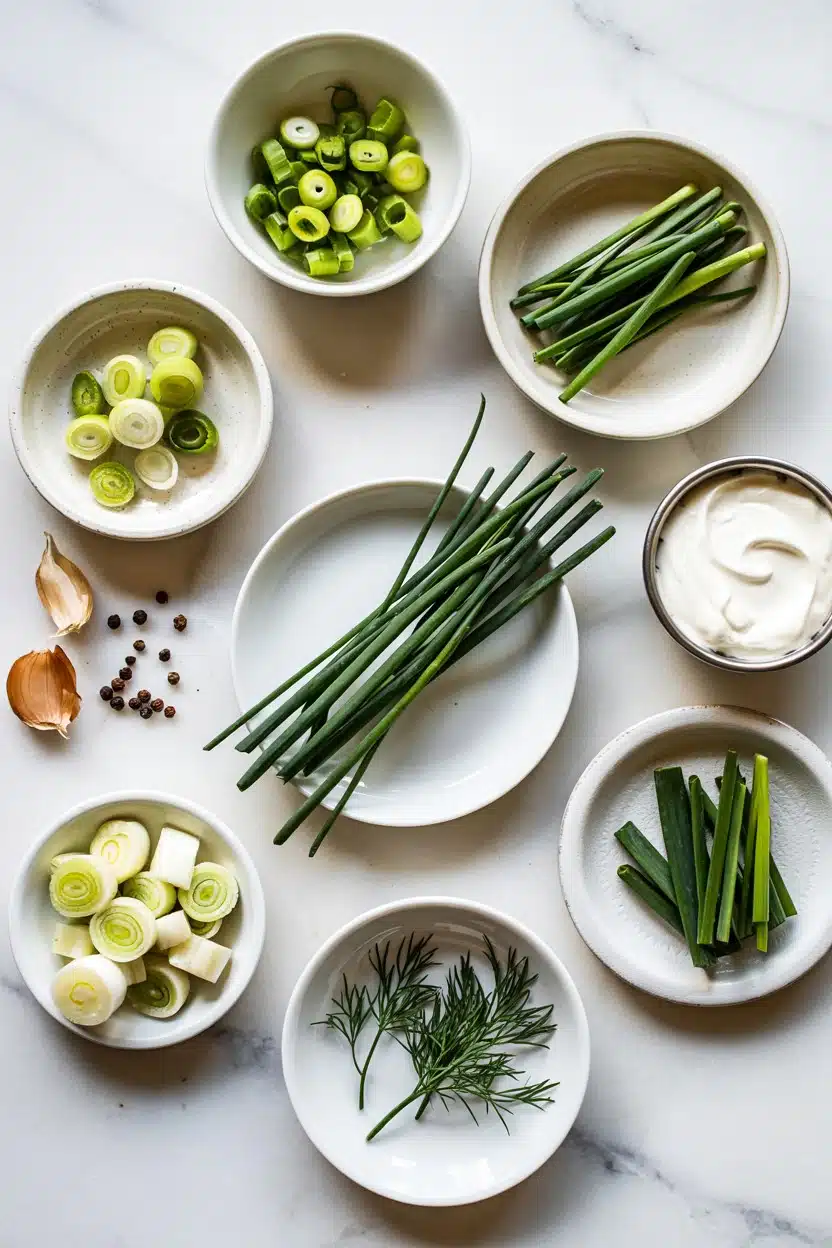
5 Best Substitutes for Chive in Fresh Garnishes
chive-substitutes

Pick a substitute based on whether you need the flavor, the color, or both. Green onion tops and garlic chives come closest in most recipes, but parsley works when you just need bright green.

QUICK SUMMARY

Green onion tops and garlic chives match chives best for oniony flavor and green color. Most swaps work at a 1:1 ratio, but expect slight texture or flavor shifts. Watch for stronger garlic notes in garlic chives and skip parsley if you need onion taste.

🌿Closest match: Green onion tops - mild flavor, tender texture, fresh color
📊Core ratio: 1:1 for most swaps; halve raw shallots to prevent overpowering
⚠️Common mistake: Using parsley when onion flavor matters - it only adds color

6 Top Chive Alternatives That Hold Up

Some match both flavor and color closely. Others cover just one role but still save the dish.

Quick Substitute Reference
#SubstituteBest ForRatioKey Note
1 Green Onion Tops ✨ Both 1:1 Slightly stronger flavor
2 Garlic Chives 🍳 Cooking 1:1 Garlicky undertones
3 Parsley 🍳 Cooking 1:1 Color only, no onion flavor
4 Raw Shallots 🍳 Cooking ½ tablespoon per 1 tbsp More intense, no color
5 Leek Greens 🍳 Cooking 1:1 cooked Coarser texture

1 - Green Onion Tops

Green onion tops deliver mild onion flavor and fresh green color with a tender texture. They're slightly more pungent than chives but still delicate enough for raw applications.

Use them at a 1:1 ratio in salads, dips, and garnishes. The stronger bite fades when mixed into other ingredients.

Green Onion Tops

Works for: Fresh garnishes, dips, and light cooking where mild onion flavor and green color matter

Skip if: You need extremely delicate texture or no onion bite at all

Chives

Works for: Any dish needing subtle onion flavor with tender, grass-like texture

Skip if: You want stronger onion presence or don't have fresh herbs

Here's what to know:

  • Chop into thin rounds like chives to match texture
  • Add at the end of cooking to keep flavor bright

If you're out of green onion tops too, what to use for green onion covers firmer allium swaps.

2 - Garlic Chives

Garlic chives look like regular chives but bring a garlicky edge. They work when the dish already includes garlic or when you want more aromatic depth.

Use them at a 1:1 ratio in stir-fries, Asian-inspired dishes, or any recipe where garlic complements the other flavors. They're more fibrous than regular chives, so cut them finely.

Skip if: you need purely onion flavor or the dish avoids garlic.

3 - Parsley

Parsley adds bright green color and herbaceous freshness but no onion flavor. It works as a visual substitute when you need the green pop more than the taste.

Use it at a 1:1 ratio as a garnish or in salads where color matters most. Flat-leaf parsley has a softer texture than curly, so pick based on what looks right.

Watch Out
Parsley won't replicate the oniony bite - add a pinch of garlic powder or shallot if flavor matters

The essentials:

  • Flat-leaf parsley blends better into dishes
  • Curly parsley stands out more as a garnish
  • Chop finely to match the delicate look of chives
  • Mix with a tiny amount of minced shallot if you need mild onion notes

If you're missing parsley too, Parsley replacements that work has herb swaps for color.

4 - Raw Shallots

Raw shallots bring more intense onion-garlic flavor with a sweet edge. They work in dressings, dips, and cooked dishes where green color isn't needed.

Use half the amount called for in chives - start with ½ tablespoon per 1 tablespoon chive and adjust. Mince them finely so they blend smoothly.

Quick specs:

  • Stronger flavor means less is more
  • Works best in vinaigrettes and sauces
  • Loses harshness when mixed with fat or acid

Skip if: you need fresh green appearance or very mild onion flavor.

5 - Leek Greens

Leek greens deliver earthy onion flavor and green color when cooked. They're coarser than chives, so they work better in soups, stews, and braised dishes than as a fresh garnish.

UseRatioNotes
Cooked dishes1:1Slice thinly and cook until tender
Soups1:1Add early for softer texture
Raw garnishSkipToo fibrous and chewy

Wash leek greens carefully - dirt hides between layers. Slice them into thin rounds and cook until they soften.

If you're short on leek greens as well, swaps when leek runs out covers milder alliums.

Skip if: you need a delicate fresh garnish or tender texture.

Making Chive Substitutes Work

The best swap depends on your recipe and what role the chives play. Match flavor and color when possible, but prioritize the one that matters most.

  • Closest match - Green onion tops for both flavor and color
  • Easiest grab - Parsley when you just need green
  • Dietary option - All swaps work for most diets

Frequently Asked Questions

Can I use dried chives instead of fresh?

Dried chives work in cooked dishes but lack the fresh flavor and bright color of regular chives. Use about 1 teaspoon dried for every 1 tablespoon fresh and add them early so they rehydrate.

What if I need chives for a baked potato topping?

Green onion tops work best for baked potatoes because they match the mild onion flavor and fresh appearance. Chop them finely and sprinkle on top just before serving.

Do chive substitutes work in cream cheese spreads?

Green onion tops and finely minced raw shallots both work in cream cheese. Use half the amount of shallots to prevent overpowering the spread, and mix well to distribute the flavor evenly.

Can I substitute chives in egg dishes?

Green onion tops and garlic chives both work in omelets, scrambled eggs, and frittatas. Add them at the end of cooking to keep the flavor bright and the color green.

How do I store leftover chive substitutes?

Wrap green onion tops, garlic chives, and parsley in a damp paper towel and store them in the fridge for up to a week. Keep raw shallots in a cool, dry place, and use leek greens within a few days.

5 Best Substitutes for Chive in Fresh Garnishes

5 Best Substitutes for Chive

No ratings yet
Choose chive substitutes based on whether you need flavor, color, or both. Green onion tops and garlic chives offer similar onion flavor and green color, while parsley adds green color without onion taste.
Print Recipe Pin Recipe
Prep Time 7 minutes mins
Cook Time 5 minutes mins
Total Time 12 minutes mins
Servings: 4 servings
Course: Substitutes
Cuisine: General
Ingredients Method Notes

Ingredients
  

  • Green Onion Tops Use at a 1:1 ratio; slightly stronger flavor than chives
  • Garlic Chives Use at a 1:1 ratio; garlicky undertones; cut finely
  • Parsley Use at a 1:1 ratio; color only, no onion flavor
  • 0.5 tablespoon Raw Shallots Use half the amount called for chives (½ tablespoon per 1 tablespoon chives); more intense flavor, no green color
  • Leek Greens Use 1:1 cooked; coarser texture; slice thinly and cook until tender

Method
 

  1. Identify if you need the substitute for flavor, color, or both to select the best option.
  2. For texture matching, chop green onion tops and parsley finely into thin rounds resembling chives.
  3. Use green onion tops and garlic chives at a 1:1 ratio; mince raw shallots at half the amount, and cook leek greens before using 1:1.
  4. Add green onion tops and garlic chives at the end of cooking to preserve fresh flavor and color.
  5. For leek greens, slice thin and cook until tender before adding to soups or stews for best texture.
  6. Taste-test final dish after adding substitutes to adjust for stronger or milder flavor as needed.
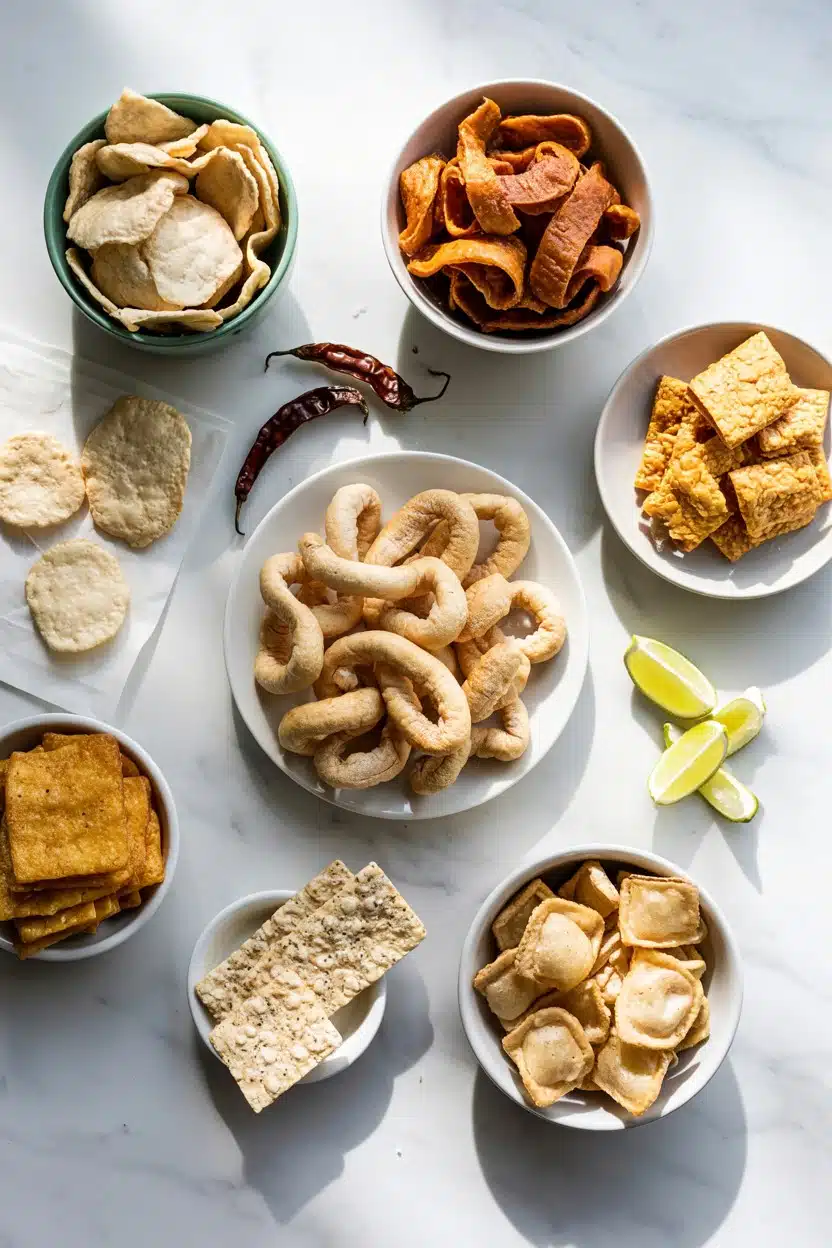
Notes

Chop green onion tops thin to avoid overpowering bites and keep texture gentle in dishes requiring mild onion flavor.

Tried this recipe?

Let us know how it was!

5 Best Substitutes for Chicharron in Mexican and Latin Dishes

April 23, 2026

You grab the bag expecting crispy chicharron for your pozole, but it's empty. Chicharron gives stews body, tops tacos with crunch, and adds pork richness to soups-losing it mid-cook changes the dish.

5 Best Substitutes for Chicharron in Mexican and Latin Dishes
chicharron-substitutes
p>Swaps vary based on what you're making. Stews need richness, garnishes need crunch, and some dishes need both. Pick based on the texture and flavor role chicharron plays in your recipe.

QUICK SUMMARY

For stews and Mexican dishes, **pork cracklings** match closest. For crispy toppings, **fried chicken skin** works when you don't need pork flavor. For vegan needs, **fried tofu** crisps up but needs extra seasoning to carry flavor.

🥓Closest Match: Pork cracklings replicate both texture and pork flavor
⚖️Core Ratio: **Use 1:1 by weight** for most swaps, adjust seasoning
⚠️Common Mistake: Using plant swaps in recipes needing pork fat-add oil separately

6 Top Chicharron Alternatives That Hold Up

Each option below handles crunch and richness differently. Match your choice to whether you need authentic pork flavor, just texture, or a plant-based option.

Quick Substitute Reference
#SubstituteBest ForRatioKey Note
1 Pork Cracklings ✨ Both 1:1 weight Nearly identical texture and flavor
2 Chicken Skin 🍳 Cooking 1:1 weight Less pork flavor, still crispy
3 Fried Tofu 🌱 Vegan 1.5x volume Absorbs seasoning well, no pork fat
4 Roasted Chickpeas 🌱 Vegan 1:1 volume Nutty flavor, strong crunch
5 Tempeh Bacon 🍳 Cooking Equal weight Smoky but softer texture

1 - Pork Cracklings

Pork cracklings come from the same source as chicharron and deliver the same smoky pork punch. They crunch the same way and dissolve slightly in hot stews, adding body without going mushy.

Use equal weight and treat them exactly like chicharron. They soften at the same rate in liquid and stay crispy when used as garnish.

Stews and Soups

Works for: Adding richness and body to pozole, menudo, or bean stews

Skip if: You're avoiding pork entirely

Toppings and Garnish

Works for: Finishing tacos, tostadas, or salads with crunch

Skip if: You need them to stay crispy for hours

Here's what to know:

  • Cracklings soften faster in acidic liquids-add them just before serving
  • Season them the same way you'd season chicharron

2 - Chicken Skin

Fried chicken skin crisps up just as well but tastes like poultry instead of pork. It works when you need crunch and fat but don't need authentic pork flavor.

Fry it until golden and drain well. It stays crispier longer than pork cracklings when used as topping.

The essentials:

  • Save skin from roasting a whole chicken and fry it separately
  • Season heavily-chicken skin tastes milder than pork
  • Add it at the end of cooking to keep texture intact

Skip if: The recipe relies on pork flavor for balance.

3 - Fried Tofu

Fried tofu gives you crunch without animal products. It crisps well but doesn't bring the fatty richness chicharron adds, so season aggressively.

Press tofu dry, cube it small, and fry until golden. Use 1.5 times the volume to match chicharron's presence in the dish. Missing fried tofu too? What to use for tofu covers firmer plant options.

Best Pick
Extra-firm tofu holds shape better during frying and mimics chicharron's structure more closely than soft varieties.

Skip if: You need the dish to taste porky or carry serious fat content.

4 - Roasted Chickpeas

Roasted chickpeas crunch hard and add a nutty, earthy note. They don't replicate pork flavor but work as a plant-based crispy garnish.

Toss drained chickpeas in oil and spices, roast at 400°F until crunchy. Use the same volume as chicharron-they take up similar space on a plate. Out of roasted chickpeas as well? Chickpea swaps for cooking lists beans that crisp similarly.

Watch Out
Chickpeas soften quickly in hot liquid. Add them right before serving or they'll lose crunch entirely.

Skip if: You need fat to enrich a stew or soup base.

5 - Tempeh Bacon

Tempeh bacon brings smoky, savory flavor close to pork but stays softer even when cooked crisp. It works better stirred into stews than as crunchy topping.

UseRatioNotes
StewsEqual weightCook until edges crisp, add near end
GarnishEqual weightFry longer than usual for maximum crunch
SnackingEqual weightSeason heavily, best eaten fresh

Fry it until the edges turn dark. It won't crunch like chicharron but adds smoky depth. Missing tempeh bacon too? Replacements for tempeh covers fermented soy swaps.

Key details:

  • Slice thin-thick tempeh stays chewy even when fried
  • Marinate first if you need deeper smoky flavor

Skip if: Crunch is the main reason you're using chicharron.

6 - Bonus Option: Bacon Bits

Bacon bits (real, not imitation) add pork flavor and some crunch. They work in a pinch but lack chicharron's airy texture.

Shortcut
Use store-bought bacon bits for instant smoky crunch-just double the amount since they're denser than chicharron.

Use twice the volume to match chicharron's visual presence. They work better as garnish than stirred into liquid.

Skip if: You want the light, puffy texture chicharron brings.

Making Chicharron Substitutes Work

Test your swap in a small portion first if the recipe depends on chicharron for body. Most work with minor seasoning tweaks-add salt, smoke, or fat to bridge gaps.

Plant swaps need help carrying flavor, pork swaps handle it naturally.

  • Closest match - Pork cracklings for identical texture and flavor
  • Easiest grab - Fried chicken skin if you roasted chicken recently
  • Dietary option - Fried tofu for vegan crunch that takes seasoning

Frequently Asked Questions

Can I use pork rinds instead of chicharron?

Yes-they're the same thing in most cases. Pork rinds and chicharron both come from fried pork skin, so use them 1:1 in any recipe.

Do chicharron substitutes work in pozole?

Pork cracklings work best because they soften and add body like traditional chicharron. Fried tofu or chickpeas stay too firm and won't enrich the broth the same way.

How do I keep substitutes crispy when topping dishes?

Add them right before serving and keep them separate from hot liquid. Fried chicken skin and roasted chickpeas stay crispy longer than pork-based swaps.

Can I make vegan chicharron at home?

Fry thin-sliced tofu or rice paper until crispy, then season with smoked paprika, salt, and garlic powder. It won't taste like pork but delivers crunch and savory flavor.

Which substitute works best for keto or low-carb diets?

Pork cracklings and fried chicken skin are zero-carb and fit keto perfectly. Skip chickpeas and tempeh if you're tracking carbs closely.

5 Best Substitutes for Chicharron in Mexican and Latin Dishes

5 Best Substitutes for Chicharron

No ratings yet
Chicharron adds crunch and pork richness to stews and toppings. Choose substitutes based on whether you need pork flavor, texture, or a plant-based option. Use ratios carefully and adjust seasoning to match the dish.
Print Recipe Pin Recipe
Prep Time 7 minutes mins
Cook Time 6 minutes mins
Total Time 13 minutes mins
Servings: 4 servings
Course: Substitute Guide
Cuisine: Mexican
Ingredients Method Notes

Ingredients
  

  • 1 weight Pork Cracklings Use equal weight as chicharron and season the same way.
  • 1 weight Chicken Skin Use equal weight as chicharron; fry until golden and drain well.
  • 1.5 volume Fried Tofu Use 1.5 times the volume of chicharron; press dry and season aggressively.
  • 1 volume Roasted Chickpeas Use equal volume to chicharron; add oil and spices and roast until crunchy.
  • 1 weight Tempeh Bacon Use equal weight; slice thin, marinate if desired, and fry until edges dark.

Method
 

  1. Select the substitute based on the need for pork flavor, crunch, or a vegan option.
  2. Press, drain, or slice the substitute as needed for best texture and flavor absorption.
  3. Use the recommended ratio: 1:1 weight for pork cracklings, chicken skin, and tempeh bacon; 1.5x volume for fried tofu; 1:1 volume for roasted chickpeas.
  4. Season substitutes to compensate for missing pork fat, especially plant-based options like fried tofu and roasted chickpeas.
  5. Add substitutions at the right time: fried chicken skin and roasted chickpeas before serving to retain crunch; pork cracklings just before serving to prevent softening.
  6. Taste and adjust seasoning as needed to match the original dish's balance and richness.

Notes

Drain fried chicken skin well to prevent sogginess and preserve crispiness when used as garnish.

Tried this recipe?

Let us know how it was!

5 Best Substitutes for Cherry Heering for Classic Cocktails

April 23, 2026

You reach for the Cherry Heering and the bottle's bone-dry. Most cocktail recipes lean on it for sweet cherry depth and a subtle almond finish that rounds out spirit-forward drinks.

5 Best Substitutes for Cherry Heering for Classic Cocktails
cherry-heering-substitutes

The swap depends on whether you need sweetness, cherry flavor, or both. These options range from direct liqueur matches to syrup-based workarounds.

QUICK SUMMARY

**Cherry liqueur** delivers the closest match for cocktails and dessert sauces. For non-alcoholic builds, cherry syrup mixed with almond extract hits the sweet-cherry profile without the booze. Kirsch works when you can add extra sweetness to balance its drier, brandy-forward bite.

🍒Closest swap: Cherry liqueur mimics the fruit-forward sweetness with minimal adjustment
📊Core ratio: **1:1 for most liqueur swaps**-add simple syrup if using Kirsch
⚠️Common mistake: Skipping sweetness checks-Kirsch runs drier and needs balancing

5 Quick Cherry Heering Substitutes That Work

Swaps vary by recipe type and whether you need alcohol. Match the function first-sweetness, cherry flavor, or the almond undertone.

Quick Substitute Reference
#SubstituteBest ForRatioKey Note
1 Cherry Liqueur ✨ Both 1:1 May need slight sweetness tweak
2 Cherry Syrup Mix 🍳 Cooking 1 tablespoon syrup + ⅛ teaspoon extract Non-alcoholic option
3 Kirsch ✨ Both 1 tablespoon + ½ teaspoon syrup Requires added sweetness
4 Grenadine 🍳 Cooking 1:1 Pomegranate base, no almond
5 Cherry Juice Mix 🍳 Cooking 3 tablespoon juice + 1 teaspoon syrup Thinner texture

1 - Cherry Liqueur

Cherry liqueur like Luxardo delivers near-identical fruit flavor with a comparable liqueur base. It carries the same sweetness level and alcohol warmth Cherry Heering brings to classic cocktails.

Use 1 tablespoon per 1 tbsp of Cherry Heering in Manhattans, Singapores, or chocolate dessert sauces. Taste before serving-some brands run slightly sweeter or less almond-forward than Heering.

Luxardo Sangue Morlacco

Works for: Rich cherry depth with natural fruit sweetness

Skip if: Recipe needs exact Heering almond complexity

Heering-Style Generic

Works for: Budget-friendly bar builds and everyday cooking

Skip if: Cocktail balance depends on premium liqueur quality

Skip if: The recipe hinges on Cherry Heering's specific almond-cherry signature.

2 - Cherry Syrup Mix

Homemade cherry syrup mixed with almond extract replicates the sweet-cherry profile without alcohol. This works in mocktails, baking glazes, and dessert toppings where booze isn't needed.

Combine 1 tablespoon cherry syrup with ⅛ teaspoon almond extract per tablespoon of Cherry Heering. The extract brings back the subtle almond note while syrup handles sweetness and fruit flavor.

Here's what to know:

  • Adjust extract carefully-too much tastes artificial
  • Syrup thins out faster than liqueur in hot applications

If you're missing the extract too, swaps for almond extract covers vanilla and amaretto backups.

Skip if: You need the mouthfeel and warmth that only alcohol provides.

3 - Kirsch

Kirsch supplies authentic cherry flavor with a pronounced almond undertone but runs drier than Cherry Heering. It works in cocktails that can handle a less-sweet, brandy-forward profile.

Shortcut
Mix 1 tablespoon Kirsch with ½ teaspoon simple syrup to match Heering's sweetness level fast.

Use 1 tablespoon Kirsch plus ½ teaspoon simple syrup per tablespoon of Cherry Heering. The syrup balances Kirsch's drier bite and brings it closer to the liqueur's sugar content.

Quick specs:

  • Higher alcohol burn-dial back if building spirit-heavy drinks
  • Less fruit-forward than Heering-cherry flavor's more subtle

Out of Kirsch as well? Cherry brandy swaps offers fruit-forward alternatives.

Skip if: Sweetness is non-negotiable or you're making a classic that demands Heering's exact profile.

4 - Grenadine

Grenadine brings vivid red color and sweetness but lacks the layered cherry-almond complexity. It works in mocktails and sweet sauces where visual pop matters more than nuanced flavor.

Use 1 tablespoon per 1 tbsp of Cherry Heering in Shirley Temples, fruit punches, or simple glazes. Grenadine's pomegranate-raspberry base shifts the flavor profile away from true cherry.

The essentials:

  • No alcohol-good for kid-friendly drinks or daytime builds
  • Pomegranate base-expect berry notes instead of pure cherry
  • Color holds-great for layered drinks and decorative finishes
  • Syrup texture-thinner than liqueur, may need thickening in sauces

Missing Grenadine too? Pomegranate syrup options covers berry-forward picks.

Skip if: The recipe requires authentic cherry flavor or any almond undertone.

5 - Cherry Juice Mix

Red cherry juice mixed with simple syrup delivers natural cherry flavor without alcohol or almond notes. This works in baking, non-alcoholic drinks, and fruit-based desserts.

UseRatioNotes
Mocktails3 tablespoon juice + 1 teaspoon syrupThin texture—adjust ice or mixers
Baking glazes3 tablespoon juice + 1 teaspoon syrupReduce slightly for thicker consistency
Fruit sauces3 tablespoon juice + 1 teaspoon syrupAdd cornstarch if sauce needs body

Use 3 tablespoon cherry juice plus 1 teaspoon simple syrup per tablespoon of Cherry Heering. The extra volume compensates for lower sweetness concentration and thinner body.

What to expect:

  • Natural cherry flavor-less processed than liqueur
  • No almond notes-consider adding 1/16 teaspoon almond extract if needed
  • Thinner mouthfeel-works better in mixed drinks than standalone pours

Skip if: The recipe needs liqueur structure, alcohol warmth, or complex almond-cherry layering.

How to Choose a Cherry Heering Substitute

Start with cherry liqueur for the closest match. Adjust sweetness when using Kirsch, or skip alcohol entirely with syrup-based swaps.

  • Closest match - Cherry liqueur for cocktails and desserts
  • Easiest grab - Grenadine for color and quick sweetness
  • Dietary option - Cherry syrup mix for alcohol-free builds

Frequently Asked Questions

Can I use maraschino liqueur instead of Cherry Heering?

Yes, but maraschino runs drier and more almond-forward. Add ½ teaspoon simple syrup per tablespoon to match Cherry Heering's sweetness level.

What's the best non-alcoholic Cherry Heering substitute?

Mix 1 tablespoon cherry syrup with ⅛ teaspoon almond extract. This replicates the sweet cherry-almond profile without booze.

Does cherry brandy work the same as Cherry Heering?

Not exactly-cherry brandy like Kirsch runs drier with stronger alcohol bite. Add simple syrup to balance sweetness and tone down the burn.

Can I substitute Cherry Heering in a Singapore Sling?

Use cherry liqueur 1:1 for the closest match. If using Kirsch, add ½ teaspoon simple syrup per tablespoon to keep the cocktail balanced.

How much grenadine equals one tablespoon of Cherry Heering?

Use 1 tablespoon grenadine, but expect pomegranate-berry notes instead of true cherry. Works best in mixed drinks where color matters more than precise flavor.

5 Best Substitutes for Cherry Heering for Classic Cocktails

5 Best Substitutes for Cherry Heering

No ratings yet
This guide lists five practical substitutes for Cherry Heering, focusing on sweetness, cherry flavor, and almond undertones. Use cherry liqueur for closest flavor, syrup mix for alcohol-free uses, and adjust sweetness with Kirsch or other syrups.
Print Recipe Pin Recipe
Prep Time 8 minutes mins
Cook Time 5 minutes mins
Total Time 13 minutes mins
Servings: 4 servings
Course: Cocktails, Substitutes
Cuisine: International
Ingredients Method Notes

Ingredients
  

  • 1 tablespoon Cherry Liqueur Use 1:1 ratio; may need slight sweetness tweak
  • 1 tablespoon Cherry Syrup Mix with ⅛ teaspoon almond extract; non-alcoholic option
  • 0.125 teaspoon Almond Extract Add to cherry syrup at ⅛ teaspoon per tablespoon syrup to replicate subtle almond note
  • 1 tablespoon Kirsch Use with ½ teaspoon simple syrup to balance sweetness
  • 0.5 teaspoon Simple Syrup Add to Kirsch to balance dry bite and match Heering sweetness
  • 1 tablespoon Grenadine Use 1:1 ratio; pomegranate base, no almond
  • 3 tablespoon Cherry Juice Mix with 1 teaspoon simple syrup; thinner texture
  • 1 teaspoon Simple Syrup Add to cherry juice to compensate for lower sweetness and thin body

Method
 

  1. Choose your substitute based on whether you need sweetness, cherry flavor, or almond undertone.
  2. For alcohol-based substitutes in cocktails or desserts, use cherry liqueur 1:1; taste and tweak sweetness as needed.
  3. For non-alcoholic or cooking uses, combine cherry syrup with almond extract at 1 tablespoon syrup plus ⅛ teaspoon extract per tablespoon of Cherry Heering.
  4. If using Kirsch, mix 1 tablespoon with ½ teaspoon simple syrup per tablespoon of Cherry Heering for balanced sweetness.
  5. Use grenadine 1:1 for color and sweetness in mocktails or sauces but expect pomegranate berry notes without almond flavor.
  6. For cherry juice mix, blend 3 tablespoon cherry juice with 1 teaspoon simple syrup per tablespoon of Cherry Heering; adjust for thinner texture.
  7. Taste your final mix and adjust sweetness or almond extract carefully to avoid artificial or unbalanced flavors.

Notes

Add almond extract slowly and taste-test cherry syrup mix to avoid artificial flavor off-notes.

Tried this recipe?

Let us know how it was!

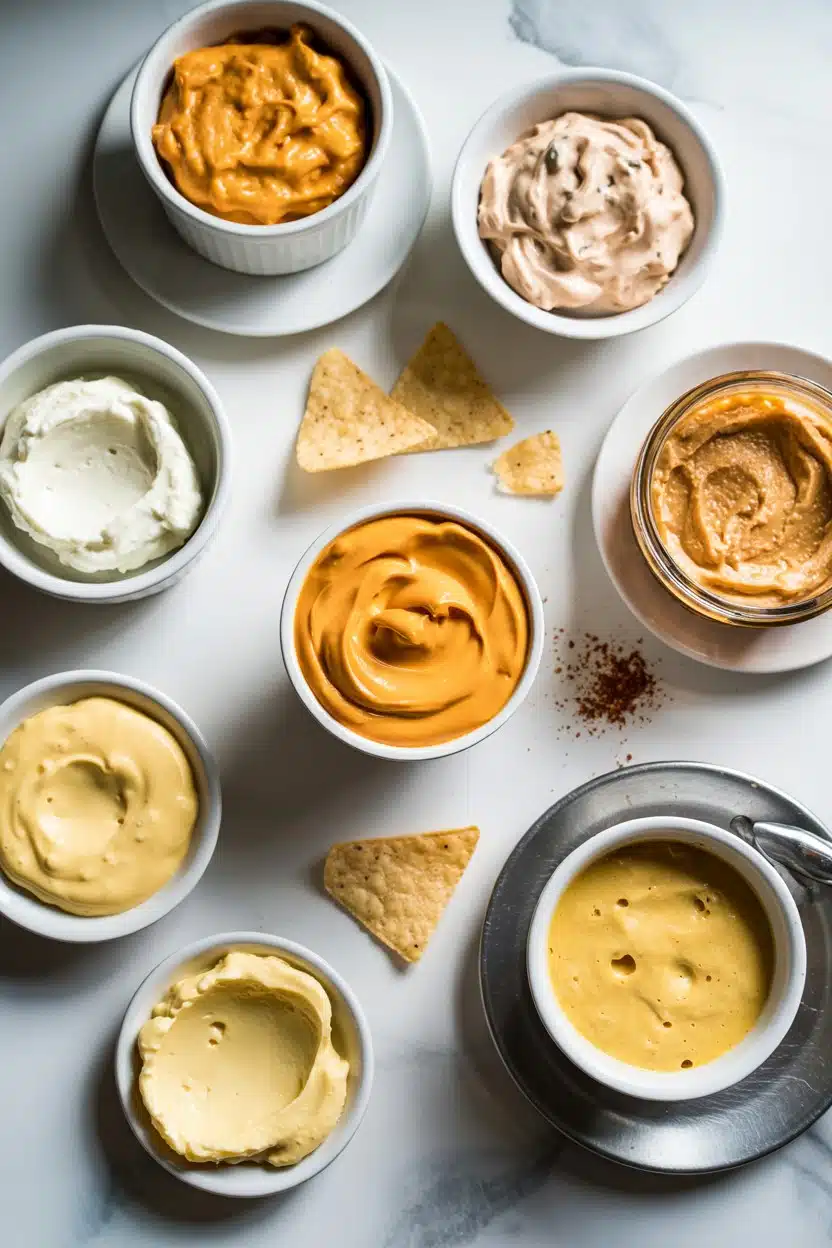
5 Best Substitutes for Cheez Whiz in Cheesy Dips & Spreads

April 23, 2026

You grab the jar of Cheez Whiz, and it's dried out around the rim. The cheese inside looks separated and crusty-past its prime for your nachos or dip.

5 Best Substitutes for Cheez Whiz in Cheesy Dips & Spreads
cheez-whiz-substitutes
p>Cheez Whiz emulsifies fats and adds creamy, salty richness to hot dishes. The best swap depends on whether you need that smooth melt or just the flavor. These options range from direct swaps to workable stand-ins.

QUICK SUMMARY

When Cheez Whiz goes bad, reach for processed cheese slices or Velveeta for the closest melt and texture. Both emulsify smoothly in sauces and dips. The main risk is texture-some swaps turn grainy if overheated-so melt gently and stir often.

🧀Closest match: Processed cheese slices melt just as smoothly
⚖️Ratio: Use 1:1 by volume but thin with milk if needed
⚠️Common mistake: High heat breaks the emulsion-use low heat and stir constantly

5 Cheez Whiz Substitutes Without Big Changes

These substitutes are ranked by how closely they match Cheez Whiz's creamy melt and processed cheese flavor. Pick based on whether you're making a hot dip or cold spread.

Quick Substitute Reference
#SubstituteBest ForRatioKey Note
1 Processed Cheese 🍳 Cooking 1 slice per 1 tbsp Melt fully before using
2 Cream Cheese & Cheddar ✨ Both 1:1 Mix equal parts before adding
3 Vegan Cheese Sauce 🌱 Vegan 1:1 Less sharp than Cheez Whiz
4 Velveeta 🍳 Cooking 1:1 Slightly sweeter flavor
5 Cheddar Cheese Sauce 🍳 Cooking 1:1 Thicker consistency

1 - Processed Cheese

Processed cheese slices melt into that same smooth, emulsified texture you get from Cheez Whiz. The flavor is milder and less sharp, but the melt profile is nearly identical.

Melt one slice (about 20g) per tablespoon of Cheez Whiz called for. Use low heat and stir constantly-the cheese can seize if the heat spikes.

Processed Cheese Slices

Works for: hot dips, cheese sauces, topping nachos

Skip if: you need a pourable texture straight from the jar

Cheez Whiz

Works for: instant spreading, no-melt applications

Skip if: jar is dried out or separated

Here's what to know:

  • Unwrap slices first to avoid plastic bits
  • Add 1-2 teaspoon milk if sauce gets too thick
  • Stir off-heat between additions for smoother blend
  • Store leftovers in fridge for up to 5 days

Skip if: you need something that spreads cold without heating.

2 - Cream Cheese & Cheddar

Mix equal parts softened cream cheese and shredded sharp cheddar for a creamier, tangier swap. It's thicker than Cheez Whiz but adds richness and fresh cheese flavor to dips and spreads.

Use 1 tablespoon of the mix per tablespoon of Cheez Whiz. Warm gently if you need a thinner consistency-don't microwave on high or the cheddar will separate.

Quick specs:

  • Soften cream cheese at room temp for easier mixing
  • Shred cheddar fresh for smoother melt

If you're short on cream cheese too, tested cream cheese swaps offers dairy and non-dairy picks for dips.

Skip if: you need an ultra-smooth, pourable texture without any graininess.

3 - Vegan Cheese Sauce

Vegan cheese sauce made from nutritional yeast and cashews replicates the creamy, emulsified texture without dairy. The flavor is nutty and cheesy but less sharp and processed than Cheez Whiz.

Best Pick
Use this when making vegan nachos or dips-it holds up to heat without splitting.

Use 1 tablespoon prepared sauce per tablespoon of Cheez Whiz. Thin with non-dairy milk if it's too thick, and add a pinch of salt to boost the savory notes.

The essentials:

  • Blend cashews smooth before mixing with yeast
  • Add garlic powder for deeper cheese flavor

Missing nutritional yeast as well? what to use instead covers umami-rich swaps for vegan sauces.

Skip if: you're cooking for guests who expect traditional cheese taste.

4 - Velveeta

Velveeta melts into that same silky, emulsified texture as Cheez Whiz. The flavor is sweeter and less tangy, but it behaves identically in hot dips and cheese sauces.

Use equal volume-1 tablespoon melted Velveeta per 1 tablespoon Cheez Whiz. Cube it first for faster, more even melting.

Key details:

  • Melt over low heat to prevent graininess
  • Stir constantly for smooth consistency
  • Add hot sauce if you need more tang
UseRatioNotes
Hot dips1:1Cube and melt slowly
Cheese sauces1:1Thin with milk if needed
Cold spreadsSkipToo firm when chilled

Out of Velveeta too? Velveeta cheese replacements lists melty options that work in queso.

Skip if: you're making a cold spread or need something that stays soft at room temp.

5 - Cheddar Cheese Sauce

Sharp cheddar sauce made with a roux gives you authentic cheese flavor but with a thicker, less emulsified texture than Cheez Whiz. It's rich and creamy but won't pour as smoothly.

Use 1 tablespoon sauce per 1 tablespoon Cheez Whiz. Thin with warm milk if you need a looser consistency for drizzling.

Watch Out
High heat breaks the sauce-reheat gently and stir often to keep it smooth.

What to expect:

  • Fresh cheese taste without processed notes
  • Thicker mouthfeel than Cheez Whiz
  • Needs reheating for smooth texture

Don't have sharp cheddar either? cheddar cheese swaps covers mild and aged options for sauces.

Skip if: you need an ultra-smooth, instant-drizzle topping.

Before You Swap Cheez Whiz

Start with processed cheese or Velveeta for the closest melt and texture. Both emulsify smoothly and handle heat without separating. Adjust salt and tang with hot sauce or a squeeze of lemon if your swap tastes too mild.

  • Closest match - Processed cheese slices for smooth melt
  • Easiest grab - Velveeta for instant swap
  • Dietary option - Vegan cheese sauce for dairy-free needs

Frequently Asked Questions

Can I use shredded cheddar instead of Cheez Whiz?

Yes, but melt it with butter and milk to get a smooth sauce. Shredded cheddar alone turns grainy without emulsifiers.

What's the best ratio for processed cheese slices?

Use one slice (about 20g) per tablespoon of Cheez Whiz. Melt it completely before mixing into your recipe.

Does cream cheese and cheddar work for nachos?

Yes, but warm it gently to thin the texture. Cold cream cheese is too thick for drizzling over nachos.

Can I make vegan cheese sauce work in baking?

It works in casseroles and baked dips but won't brown like dairy cheese. Use it where texture matters more than browning.

Why does my cheese sauce turn grainy?

High heat breaks the emulsion. Use low heat and stir constantly, especially with cheddar-based sauces.

5 Best Substitutes for Cheez Whiz in Cheesy Dips & Spreads

5 Best Substitutes for Cheez Whiz

No ratings yet
Cheez Whiz gives creamy, emulsified cheese flavor for dips and sauces. Choose your substitute based on texture needs-processed cheese slices or Velveeta for melt, cream cheese mix for richness, vegan sauce for dairy-free.
Print Recipe Pin Recipe
Prep Time 9 minutes mins
Cook Time 6 minutes mins
Total Time 15 minutes mins
Servings: 4 servings
Course: Substitute Guide
Cuisine: American
Ingredients Method Notes

Ingredients
  

  • 1 slice Processed Cheese Melt fully before using; use one slice per 1 tablespoon of Cheez Whiz. Unwrap slices to avoid plastic and add 1-2 teaspoon milk if too thick.
  • 1 tablespoon Cream Cheese & Cheddar Mix Mix equal parts softened cream cheese and shredded cheddar. Use 1:1 ratio with Cheez Whiz; warm gently to thin before use.
  • 1 tablespoon Vegan Cheese Sauce Use 1:1 ratio with Cheez Whiz; thin with non-dairy milk if too thick and add a pinch of salt for flavor.
  • 1 tablespoon Velveeta Cube and melt slowly with constant stirring. Use equal volume ratio with Cheez Whiz; thin with milk if needed.
  • 1 tablespoon Cheddar Cheese Sauce Use 1:1 ratio with Cheez Whiz. Thin with warm milk if needed and reheat gently to prevent graininess.

Method
 

  1. Select a substitute based on your dish: processed cheese or Velveeta for hot dips, cream cheese mix for dips and spreads, vegan sauce for dairy-free needs.
  2. Prepare the substitute: unwrap and melt processed cheese or cube and melt Velveeta slowly; mix cream cheese and cheddar; blend cashews and nutritional yeast for vegan sauce.
  3. Apply the substitution ratio: use one slice of processed cheese per tablespoon of Cheez Whiz, or equal parts by volume for other substitutes. Thin sauces with milk or non-dairy milk as needed.
  4. Melt or warm substitutes gently over low heat, stirring constantly to maintain smooth texture and prevent graininess or seizing.
  5. Taste and adjust seasoning with salt, hot sauce, or lemon to balance mild or sweet substitute flavors as needed.
Notes

Melt processed cheese slowly and add milk gradually to prevent grainy texture or sauce separation.

Tried this recipe?

Let us know how it was!

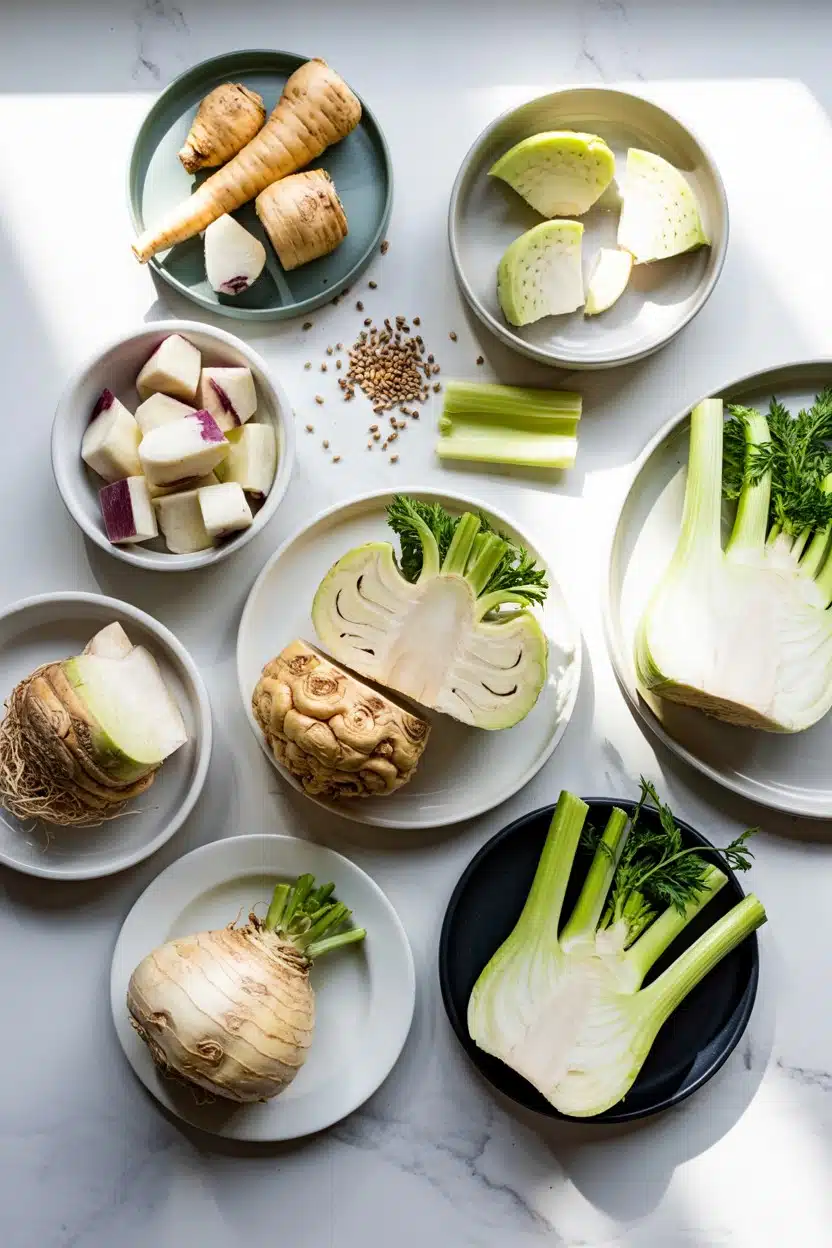
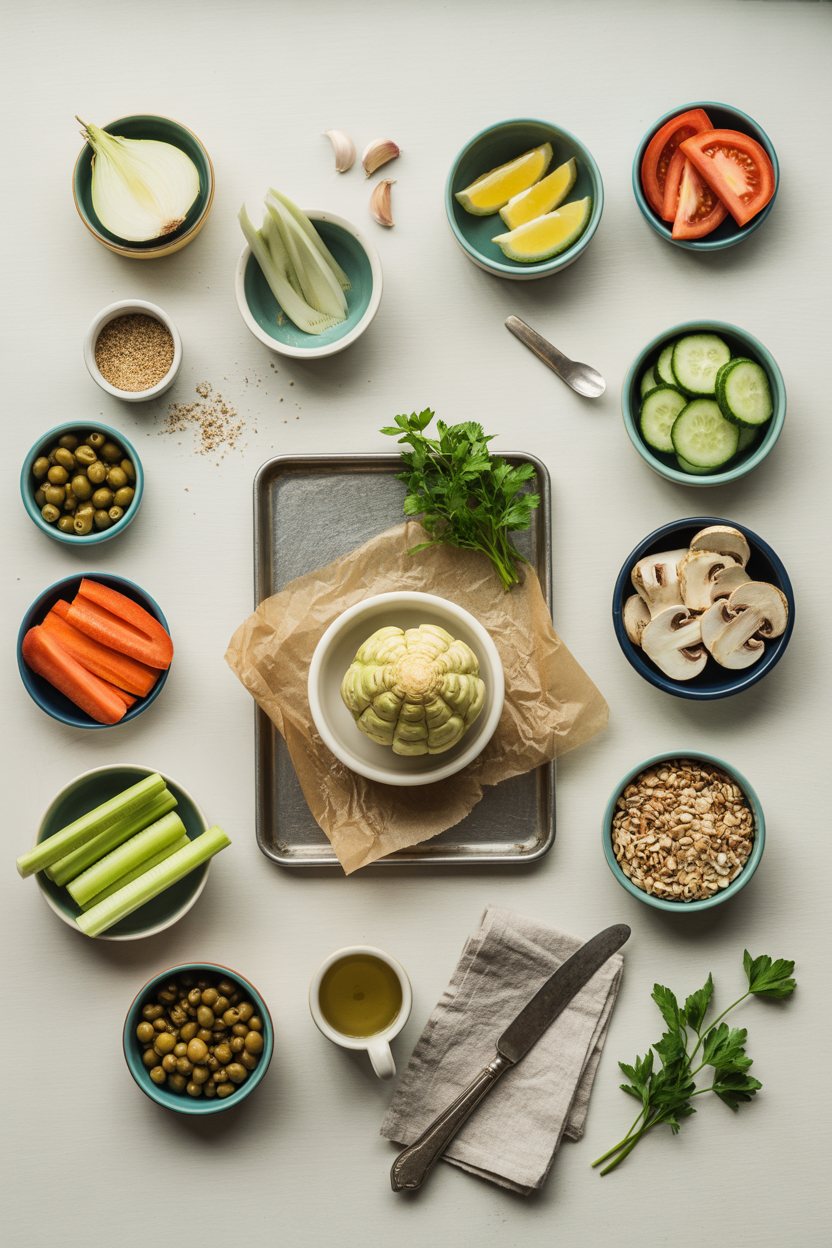
5 Best Substitutes for Celeriac in Hearty Soups & Stews

April 23, 2026

You peel your last celeriac and realize you're two cups short for the batch you planned. The right backup keeps dinner on track without changing the whole recipe.

5 Best Substitutes for Celeriac in Hearty Soups & Stews
celeriac-substitutes

We tested these swaps to find what actually works. Pick based on how celeriac functions in your dish-earthy aroma, mild celery flavor, or firm texture.

QUICK SUMMARY

**Celery root** gives you the closest match for soups and stews. **Parsley root** works for purees when you don't need celery notes. **Turnip** holds texture in braises but tastes peppery, not herbal. Choose based on whether you need that earthy celery character or just firm bulk.

🥕Closest Match: Celery root-same plant part, same core flavor
⚖️Core Ratio: **1:1 by weight** for most root swaps
⚠️Common Mistake: Swapping without tasting-turnip and fennel change flavor profiles

5 Easy Celeriac Swaps for Cooking

Here are the best replacements, starting with the closest match. Each one handles heat differently, so we note when to adjust cooking time or seasoning.

Quick Substitute Reference
#SubstituteBest ForRatioKey Note
1 Celery Root 🍳 Cooking 1:1 by weight same plant, lacks nuttiness
2 Parsley Root 🍳 Cooking 1:1 by weight earthy but no celery taste
3 Turnip 🍳 Cooking 1:1 by volume peppery, less aromatic
4 Kohlrabi ✨ Both 1:1 by volume crisp texture, mild sweet
5 Fennel Bulb 🍳 Cooking ¾ cup per 1 cup anise flavor, softer texture

1 - Celery Root

Celery root is the same plant part you're replacing, so it delivers the earthy celery aroma and mild herbal flavor celeriac brings to soups and stews. You get the core flavor profile without the slightly nutty undertone celeriac has.

Use equal amounts by weight-1:1 swap-and cook it the same way. The texture holds through simmering and roasting, though it won't caramelize quite as deeply.

Celery Root

Works for: Soups, stews, purees where celery flavor matters

Skip if: You want that subtle nutty sweetness celeriac adds

Fresh Celery Stalk (Optional Boost)

Works for: Adding extra celery punch to root-based swaps

Skip if: You're roasting-stalks turn stringy

Here's what to know:

  • Peel and dice just like celeriac-same prep steps
  • Add one extra celery stalk if you want stronger herbal notes
  • Works raw in slaws or salads if sliced thin

2 - Parsley Root

Parsley root adds earthy depth without the celery flavor, making it a smart pick for purees and roasted medleys where you need body and a mild sweetness. It's less aromatic but still delivers that root-vegetable richness.

Use equal amounts by weight-1:1-and expect it to soften faster than celeriac. If you're short on parsley root too, parsley swaps for cooking covers milder herb options that work in similar dishes.

3 - Turnip

Turnip holds firm through long cooking, making it a textural stand-in for soups and stews where you need chunks that don't collapse. It tastes mildly peppery instead of herbal, so the flavor shifts away from celery notes.

Use 1 cup chopped turnip per 1 cup celeriac and add a pinch of celery seed or an extra stalk of celery to restore some of that earthy aroma. Missing turnips as well? Turnip substitutes for soups lists firm-cooking alternatives.

Watch Out
Turnips get bitter if overcooked-pull them when just tender, not mushy.

Skip if: You need that celery-forward flavor in the final dish.

4 - Kohlrabi

Kohlrabi brings a crisp texture and mild earthiness that works in roasted vegetables and raw salads where you want celeriac's crunch without its herbal punch. It tastes faintly sweet and less aromatic, so it won't carry the same depth in brothy dishes.

Swap 1:1 by volume-same amount, same prep. Peel the tough outer layer before slicing or dicing.

Quick specs:

  • Stays crisp raw, softens gently when roasted
  • Roast at 425°F for 25-30 minutes, turning halfway
  • Add celery seed or fresh thyme to bring back herbal notes

Out of kohlrabi too? Kohlrabi replacements for salads covers crunchy alternatives that hold up raw.

Skip if: The recipe relies on subtle celery flavor to balance other ingredients.

5 - Fennel

Fennel offers an aromatic complexity with a texture that softens beautifully when braised or roasted, adding a distinct anise note instead of celery's herbal character. It's best when you want aromatic depth but don't need that specific celery flavor.

Use slightly less fennel than celeriac-¾ cup per 1 cup-because its stronger flavor can dominate milder ingredients.

UseRatioNotes
Braising¾ cup per 1 cupSlice thick—fennel softens faster
Roasting¾ cup per 1 cupCaramelizes well at 400°F, 30–35 min
Raw salads½ cup per 1 cupShave thin—anise flavor is strong raw

The essentials:

  • Remove tough core before slicing
  • Fronds work as a mild herb garnish
  • Pair with citrus or tomato to balance the anise
  • Lower heat slightly to prevent scorching

Missing fennel as well? Fennel seed swaps by dish covers spice alternatives that add similar aromatic notes.

Skip if: You're making a soup or stew needing subtle celery notes-fennel changes the flavor profile too much.

How to Choose a Celeriac Substitute

The best substitute depends on your recipe. Match the swap to what celeriac does-earthy aroma, celery flavor, or firm texture.

Consider flavor, texture, and cooking method before you swap. Some roots hold firm through long simmers, others soften fast or shift the taste.

  • Closest match - Celery root for soups needing celery flavor
  • Easiest grab - Turnip for stews needing firm texture
  • Dietary option - Kohlrabi for raw salads needing crunch

Frequently Asked Questions

Can I use celery stalks instead of celeriac?

Celery stalks add flavor but lack the firm texture celeriac provides. Use them in soups or stews for celery notes, but add a root vegetable like turnip or parsley root for body.

What's the best celeriac substitute for purees?

Parsley root works best-it purees smooth and delivers earthy depth without celery flavor. Celery root also works if you want to keep that herbal note.

Does turnip taste like celeriac?

No-turnip tastes peppery and less aromatic. It matches celeriac's firm texture in soups and stews but won't give you that earthy celery flavor.

Can I use kohlrabi in hot dishes?

Yes-kohlrabi roasts well and stays crisp-tender. It softens more gently than celeriac, so it's best in roasted medleys or quick sautés, not long-simmered stews.

Will fennel work in a soup if I don't like licorice flavor?

Use less fennel and add extra celery stalks to dilute the anise flavor. Cooking mellows fennel, but it won't disappear-choose celery root or turnip if you want to avoid that taste entirely.

5 Best Substitutes for Celeriac in Hearty Soups & Stews

5 Best Substitutes for Celeriac

No ratings yet
Find the best celeriac substitutes based on your dish's needs-whether it's earthy aroma, mild celery flavor, or firm texture. Use these swaps with proper ratios and cooking adjustments.
Print Recipe Pin Recipe
Prep Time 10 minutes mins
Cook Time 8 minutes mins
Total Time 18 minutes mins
Servings: 4 servings
Ingredients Method Notes

Ingredients
  

  • 1 to Celery Root Use equal amounts by weight; same plant but lacks celeriac nuttiness
  • 1 to Parsley Root Use equal amounts by weight; earthy but no celery taste
  • 1 cup Turnip Use 1:1 by volume; tastes peppery and less aromatic; add celery seed or stalk for aroma
  • 1 cup Kohlrabi Use 1:1 by volume; crisp texture, mild sweet; peel tough layer
  • 0.75 cup Fennel Bulb Use ¾ cup per 1 cup celeriac; anise flavor and softer texture

Method
 

  1. Choose your substitute based on whether you need earthy aroma, mild celery flavor, or firm texture.
  2. Peel and prepare the substitute as you would celeriac, adjusting thickness if noted (e.g., peel tough layers of kohlrabi, remove fennel core).
  3. Use celery root and parsley root in a 1:1 weight ratio; use turnip and kohlrabi in a 1:1 volume ratio; use fennel bulb at ¾ cup per 1 cup of celeriac.
  4. Adjust seasoning by adding celery seed or extra celery stalks with turnip, kohlrabi, or fennel to restore herbal or earthy notes if desired.
  5. Cook or roast according to each substitute's best use; note fennel softens faster and has distinct anise flavor, and turnips get bitter if overcooked.
  6. Taste test the final dish to ensure flavor balance, especially when using fennel or turnip as they alter the flavor profile more than celery root.

Notes

Add parsley root slowly when pureeing to avoid watery texture and maintain smooth consistency.

Tried this recipe?

Let us know how it was!

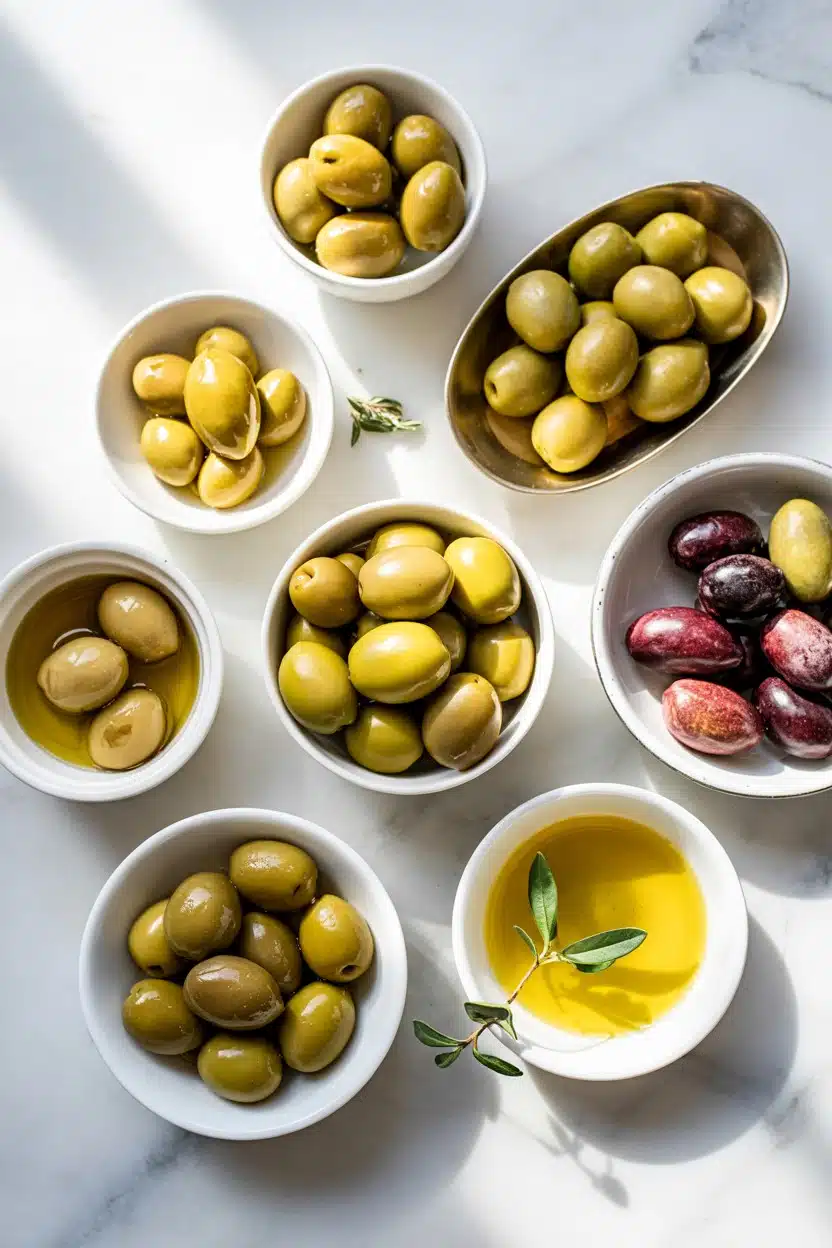
5 Best Substitutes for Castelvetrano Olive in Mediterranean Dishes

April 23, 2026

You grab a jar of Castelvetrano olives to finish your antipasto platter - but there's only three left, and you need ten. Doubling a recipe comes with these moments.

5 Best Substitutes for Castelvetrano Olive in Mediterranean Dishes
castelvetrano-olive-substitutes
p>Castelvetrano olives bring mild, buttery flavor and firm, crisp texture. The best swap depends on whether you need that sweetness or just the crunch.

QUICK SUMMARY

Nyon olives and Manzanilla olives are your closest matches for texture and mild brine. Both work 1:1, but they're less buttery. Most mistakes happen when cooks skip taste-testing first - stronger olives can overpower a dish.

🫒Closest match: Nyon olives for firm texture and mild earthiness
📏Core ratio: Use 1:1 by volume, adjust salt to taste
⚠️Common mistake: Using Kalamatas without chopping - their strong flavor dominates

5 Castelvetrano Olive Swaps That Keep Flavor Balanced

Texture and brine intensity vary more than you'd expect. Start with olives that won't throw off the balance.

Quick Substitute Reference
#SubstituteBest ForRatioKey Note
1 Nyon Olives ✨ Both 1:1 Earthier, less buttery
2 Manzanilla Olives ✨ Both 1:1 Saltier, slightly nutty
3 Kalamata Olives 🍳 Cooking 1:1 chopped Stronger, fruity flavor
4 Green Queen Olives ✨ Both 1:1 Mildly bitter, firm
5 Green Olive & Butter Mix ✨ Both 1 tablespoon + ¼ tsp Mimics buttery richness

1 - Nyon Olives

Nyon olives offer firm, crisp texture that holds up in salads and antipasto platters. They stay mild and briny without the Castelvetrano's signature buttery sweetness.

Use them 1:1 by volume. Expect earthier, slightly astringent notes that work better in Mediterranean dishes than sweet preparations.

Fresh Salads

Works for: Texture-focused dishes where crunch matters more than sweetness

Skip if: Recipe depends on buttery richness

Antipasto Platters

Works for: Mixed presentations where mild brine complements other flavors

Skip if: Castelvetrano is the star ingredient

Quick specs:

  • Firmer bite than Castelvetrano
  • More earthy, less sweet

2 - Manzanilla Olives

Manzanilla olives match the firm texture and mild brine. They lean saltier with a slight nuttiness that works in fresh applications.

Swap 1:1 by volume. Rinse briefly if they taste too salty straight from the jar.

Here's what to know:

  • Best for salads and tapenade
  • More salt, less butter
Best Pick
For salads where you need firm olives that won't wilt, Manzanillas stay snappy through dressing.

3 - Kalamata Olives

Kalamatas bring briny depth but with stronger, fruity flavor. They work best in cooked Mediterranean dishes where their richness blends into the overall profile.

Use equal volume, but chop them to reduce dominance. Their wrinkled texture and pungent taste can overpower lighter dishes.

If you're missing Kalamatas too, what to use instead of Kalamata covers milder picks that stay firm.

The essentials:

  • Richer and fruitier than Castelvetrano
  • Best in pasta or cooked sauces
  • Chop finely for even distribution

Skip if: You need mild flavor or fresh crunch.

4 - Green Queen Olives

Green Queen olives deliver firm texture and mild brine. They're slightly more bitter and less sweet, making them practical for fresh salads and pizza toppings.

Swap 1:1 by volume. Their size matches Castelvetranos, so no extra prep needed.

Key details:

  • Mildly bitter, salty finish
  • Stays firm when sliced
  • Size matches well for presentation
Watch Out
Queen olives can taste more astringent raw - taste one before adding to delicate dishes.

5 - Green Olive & Butter Mix

Combining chopped green olives with softened butter replicates the buttery richness Castelvetranos are known for. This works especially well in spreads or finishing dishes.

Use 1 tablespoon chopped green olives plus ¼ teaspoon softened butter per 1 tablespoon Castelvetrano. Mix thoroughly before adding to the dish.

What to expect:

  • Mimics buttery sweetness
  • Best for spreads or tapenade
  • Requires mixing before use
  • Works well as finishing touch

Out of green olives as well? Easy swaps for green olives has firmer alternatives worth trying.

UseRatioNotes
Spreads1 tablespoon olive + ¼ teaspoon butterBlend until smooth
Finishing1 tablespoon olive + ¼ teaspoon butterAdd at end of cooking
Tapenade1 tablespoon olive + ¼ teaspoon butterPulse in food processor

Skip if: You need whole olives with texture alone.

Making Castelvetrano Olive Substitutes Work

Nyon and Manzanilla olives stay closest to the texture and mild brine. Kalamatas work when you're cooking, not serving raw.

Match the function first - texture or flavor. Fresh dishes need firm, mild olives; cooked recipes can handle stronger, richer ones.

  • Closest match - Nyon olives for mild earthiness
  • Easiest grab - Manzanilla olives from most stores
  • Buttery option - Green olive and butter mix

Frequently Asked Questions

Can I use black olives instead of Castelvetrano?

Yes, but they're softer and less buttery. Nyon black olives work better than standard canned ones because they hold firm texture.

Do I need to adjust salt when swapping olives?

Most substitutes run saltier than Castelvetranos. Rinse them briefly or hold back on added salt until you taste the dish.

Are Castelvetrano olive swaps good for baking?

Olives aren't typically used in baking, but in savory breads or focaccia, Manzanilla or green Queen olives work well. Their firm texture holds through the oven.

Can I mix different olive types in one dish?

Yes. Combining Nyon and Manzanilla adds texture variety and balances their individual flavors without overpowering the dish.

Why do Kalamata olives taste stronger than Castelvetranos?

Kalamatas are riper when harvested and cured differently, giving them deeper, fruitier flavor. Castelvetranos are picked earlier, keeping them mild and buttery.

5 Best Substitutes for Castelvetrano Olive in Mediterranean Dishes

5 Best Substitutes for Castelvetrano Olive

No ratings yet
This guide helps you choose the right substitute for Castelvetrano olives based on texture and flavor. Find options that maintain balance in fresh or cooked dishes with practical ratio tips.
Print Recipe Pin Recipe
Prep Time 6 minutes mins
Cook Time 5 minutes mins
Total Time 11 minutes mins
Servings: 4 servings
Course: Salad, Snack, Substitutes
Cuisine: Mediterranean
Ingredients Method Notes

Ingredients
  

  • 1 cup Nyon Olives Use 1:1 by volume; earthier and less buttery
  • 1 cup Manzanilla Olives Use 1:1 by volume; rinse if too salty
  • 1 cup Kalamata Olives Use 1:1 by volume chopped; stronger, fruity flavor
  • 1 cup Green Queen Olives Use 1:1 by volume; mildly bitter, stays firm
  • 1 tablespoon Chopped Green Olives Mix with ¼ teaspoon softened butter to mimic buttery richness
  • 0.25 teaspoon Softened Butter Mix with 1 tablespoon chopped green olives to mimic buttery richness

Method
 

  1. Select the substitute based on your dish: Nyon or Manzanilla for fresh salads and antipasto, Kalamata for cooked dishes, Green Queen for salads and pizza, and Green Olive & Butter mix for spreads.
  2. If olives taste too salty, rinse them briefly before use.
  3. Chop Kalamata olives finely to reduce their strong flavor dominance in dishes.
  4. Use substitutes at a 1:1 ratio by volume, except for Green Olive & Butter mix which is 1 tablespoon chopped olives plus ¼ teaspoon butter per tablespoon of Castelvetrano.
  5. Mix chopped green olives and softened butter thoroughly before adding to spreads or finishing dishes.
  6. Taste the dish after adding olives to adjust seasoning and ensure balance without overpowering flavors.

Notes

Rinse Manzanilla olives before use to prevent excess saltiness from overpowering your dish.

Tried this recipe?

Let us know how it was!

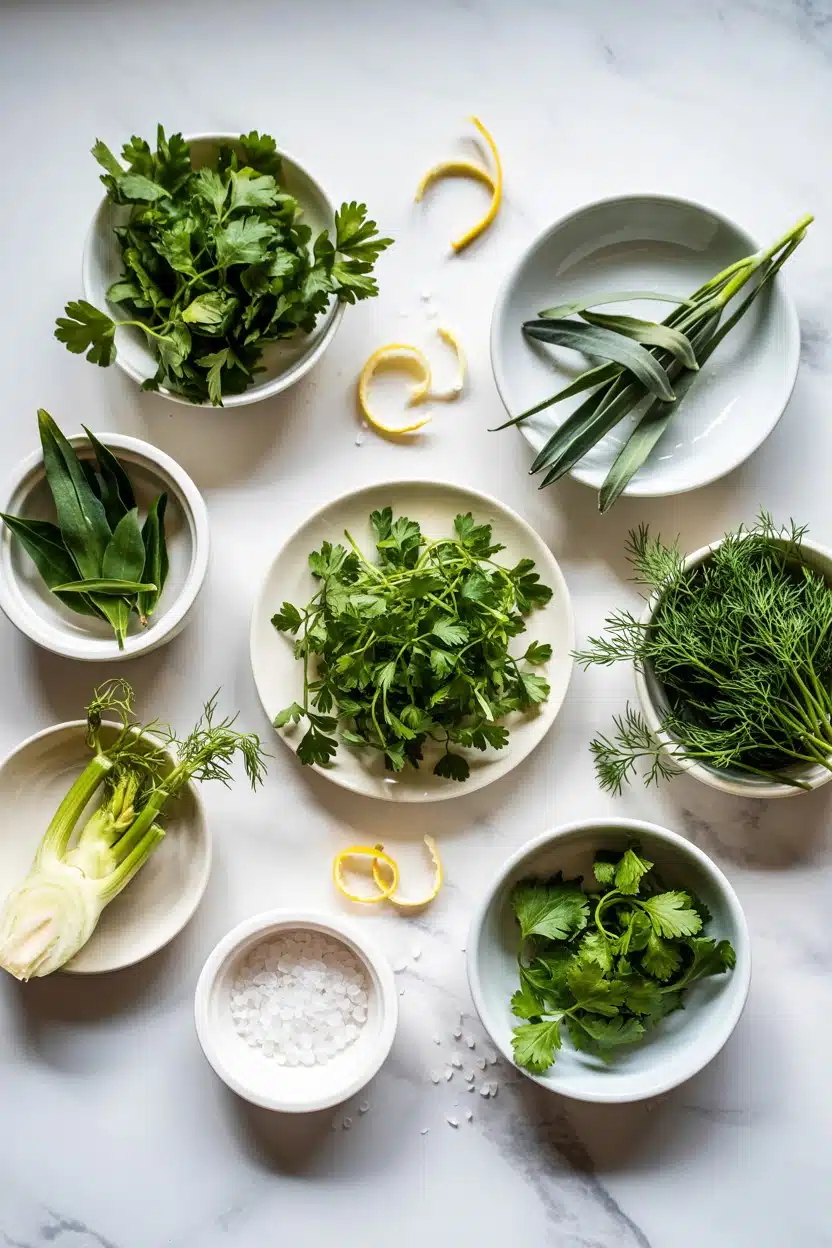
5 Best Substitutes for Chervil in French Cooking

April 23, 2026

You grabbed the chervil from the fridge and found wilted stems. The delicate lacy leaves turned slimy, and you're mid-prep with no backup plan.

5 Best Substitutes for Chervil in French Cooking
chervil-substitutes

Chervil adds gentle anise notes and fresh green flavor without overpowering a dish. When you swap it, you're matching both the brightness and that subtle licorice tone. Some replacements nail the freshness but skip the anise, while others bring too much punch.

QUICK SUMMARY

Parsley gives fresh green flavor minus the anise, while tarragon hits the licorice note but stronger. For most cooked dishes, parsley works fine; for French sauces where that anise flavor matters, use half the tarragon. The main risk is overpowering delicate recipes with a more assertive herb.

🌿Closest match: Tarragon for anise tone, parsley for mild brightness
⚖️Core ratio: Use 1:1 for parsley, ½ for tarragon to avoid overpowering
⚠️Common mistake: Swapping tarragon 1:1 drowns out subtle flavors

5 Chervil Replacements for Better Texture

The options below work in different cooking scenarios. Match the substitute to how you're using chervil, not just the flavor.

Quick Substitute Reference
#SubstituteBest ForRatioKey Note
1 Fresh Flat-Leaf Parsley 🍳 Cooking 1:1 Lacks anise but stays mild
2 Fresh Tarragon 🍳 Cooking ½ tarragon Stronger anise punch
3 Fresh Dill 🍳 Cooking 1:1 Citrusy and grassy
4 Fresh Fennel Fronds 🍳 Cooking 1:1 Anise flavor, softer texture
5 Chopped Fresh Basil 🍳 Cooking 1:1 Sweet, no licorice notes

1 - Parsley

Parsley looks and behaves like chervil in most cooked dishes. It brings fresh green flavor without the anise edge, which works when you're after brightness over complexity.

Use equal amounts-1 tablespoon parsley per 1 tablespoon chervil-and chop it fine to mimic chervil's delicate texture. The trade-off is a simpler flavor profile that won't confuse anyone but also won't deliver that subtle licorice hint.

Parsley

Works for: Soups, stocks, and herb blends where mild brightness matters

Skip if: You need that anise signature in béarnaise or fines herbes

Tarragon

Works for: French sauces and vinaigrettes requiring anise notes

Skip if: Your dish needs delicate flavor-tarragon's too bold

If you're out of parsley too, herb swaps for parsley covers cilantro and other mild options.

Skip if: The recipe specifically calls for chervil's anise character, like in a classic French omelet.

2 - Tarragon

Tarragon nails the anise flavor but brings more punch than chervil. It works in French sauces and dressings where that licorice note defines the dish, but you'll need to dial it back.

Use ½ tablespoon tarragon per 1 tablespoon chervil to keep the flavor balanced. Tarragon's slightly more pungent, so going 1:1 drowns out delicate ingredients like eggs or cream.

Missing tarragon as well? Substitutes for tarragon flavor ranks fennel and anise seed swaps.

Skip if: You're making a dish where chervil's gentle presence is the whole point-tarragon will dominate.

3 - Dill

Dill offers fresh herb flavor with a grassy, citrusy edge that complements seafood and salads. It skips chervil's anise tone but adds aromatic brightness that keeps dishes lively.

Best Pick
Use dill 1:1 in cold dishes like potato salad or cucumber salads where its citrusy snap shines.

Use equal amounts-1 tablespoon dill per 1 tablespoon chervil-and chop fronds fine to mimic chervil's delicate texture. Dill's flavor is more assertive, so it can overpower subtle blends like fines herbes.

Here's what to know:

  • Works best raw or added at the end of cooking
  • Pairs naturally with cream, lemon, and fish
  • Heat dulls its flavor, so stir it in off the stove

Skip if: You're building a classic French herb blend where chervil's mild anise is essential.

4 - Fennel Fronds

Fennel fronds deliver anise flavor similar to chervil but with a softer, more feathery texture. They work as a finishing herb for salads and garnishes where you want that licorice note without cooking the greens.

Use equal amounts-1 tablespoon fennel fronds per 1 tablespoon chervil-but skip them in cooked dishes where their soft texture wilts too quickly. The flavor is stronger and greener than chervil, so they shine best raw.

Skip if: You're simmering the herb into a sauce-fennel fronds turn slimy with prolonged heat.

5 - Basil

Basil brings sweet, peppery freshness that brightens warm dishes and herb blends. It skips chervil's licorice character entirely, but the green aroma fills the same role in many recipes.

UseRatioNotes
Warm pasta dishes1:1Sweet flavor complements tomato and cream
Herb blends1:1Works when anise isn't required
Salads1:1Bright and peppery, best torn not chopped

Use 1 tablespoon basil per 1 tablespoon chervil and tear the leaves instead of chopping to keep the flavor clean. Basil's sweetness works in Italian and Mediterranean dishes but clashes with French classics that rely on chervil's subtle anise.

Key details:

  • Add basil at the end to preserve its aroma
  • Thai basil has anise notes if you want some licorice character
  • Heat turns basil's oils bitter, so keep cooking brief

Out of basil too? Fresh herb swaps for basil covers oregano and mint alternatives.

Skip if: The recipe's French and calls for chervil specifically-basil's sweetness won't fit.

Before You Swap Chervil

The best substitute depends on your recipe's flavor goal. Match the anise tone if you're making French sauces, or go for mild brightness in simple cooked dishes.

Experiment with half the amount first-most swaps are stronger than chervil.

  • Closest match - Tarragon for anise flavor
  • Easiest grab - Parsley for everyday brightness
  • Dietary option - Any fresh herb works plant-based

Frequently Asked Questions

Can I use dried herbs instead of fresh chervil?

Dried chervil loses most of its flavor and won't substitute well. Fresh parsley or tarragon work better than any dried option.

Does parsley taste like chervil?

Parsley tastes similar in texture and mild brightness but lacks chervil's anise notes. It works in cooked dishes where that licorice flavor isn't essential.

Can I use tarragon in equal amounts for chervil?

No. Use half the tarragon since it's stronger in anise flavor and will overpower delicate dishes if used 1:1.

What herb works best in fines herbes without chervil?

Tarragon or fennel fronds work best for the anise note. Use half the amount and balance with extra parsley or chives.

Can dill replace chervil in egg dishes?

Yes, but dill's citrusy flavor changes the profile. It works in scrambled eggs or omelets but won't mimic chervil's subtle anise character.

5 Best Substitutes for Chia Seeds in Vegan Baking & Smoothies

April 23, 2026

You're mid-recipe when you realize the chia seeds are gone. They were supposed to bind everything together, add that silky gel, and keep it all from falling apart.

5 Best Substitutes for Chia Seeds in Vegan Baking & Smoothies
chia-seeds-substitutes

Swaps vary because chia does more than one job. Some replacements bind like chia does, others thicken like it, and a few do both - but none match it exactly.

QUICK SUMMARY

Ground flaxseed and psyllium husk handle binding and thickening best, while basil seeds excel in cold drinks and puddings. Match the swap to your recipe's need - binding for baked goods, gelling for desserts, texture for smoothies. Skip fiber-based swaps in recipes where lightness matters.

🌾Closest match: Ground flaxseed gels and binds with a nuttier flavor
⚖️Core ratio: 1 tablespoon ground swap + 3 tablespoon water replaces 1 tablespoon chia
⚠️Common mistake: Using psyllium husk at full strength - it gels faster and stronger than chia

8 Simple Chia Seeds Swaps Without Big Changes

Here are the best replacements, starting with the closest match. Each one works differently depending on whether you're baking, blending, or setting something cold.

Quick Substitute Reference
#SubstituteBest ForRatioKey Note
1 Ground Flaxseed ✨ Both 1 tablespoon + 3 tablespoon water stronger nutty flavor
2 Basil Seeds 🍳 Cooking 1 tablespoon hydrated slower to swell
3 Psyllium Husk 🥧 Baking 1 teaspoon + 3 tablespoon water gels faster and thicker
4 Egg Whites 🥧 Baking 1 egg white not vegan, no fiber
5 Gelatin 🍳 Cooking 1 teaspoon dissolved sets firm when chilled

1 - Flaxseed

Ground flax absorbs water and forms a gel just like chia does. It binds batters, thickens smoothies, and holds up in vegan baking.

The flavor is earthier and nuttier than chia. Mix 1 tablespoon ground flaxseed with 3 tablespoon water, let it sit 5 minutes, then use it in place of 1 tablespoon chia seeds.

Ground Flaxseed

Works for: vegan baking, smoothies, puddings, binding batters

Skip if: you need a neutral flavor or want visible seeds for texture

Chia Seeds

Works for: gel texture, neutral flavor, visible crunch in overnight oats

Skip if: you don't have any and can't wait for delivery

Here's what to know:

  • Let the mix sit 5-10 minutes before adding to batter
  • Use whole flax only if you grind it fresh - pre-ground is easier
  • Works in muffins, pancakes, and energy bars without changing structure
  • Add 1-2 tablespoon extra liquid if the batter feels too thick

If you're out of ground flax too, flaxseed swaps that work lists firmer gel options.

Skip if: you need a mild flavor or want the seeds to stay crunchy.

2 - Basil Seeds

Basil seeds swell in liquid and form a slippery gel similar to chia. They work best in cold drinks, puddings, and desserts where you're not relying on them to bind.

They take longer to hydrate than chia - give them 10-15 minutes. Use 1 tablespoon hydrated basil seeds in place of 1 tablespoon chia seeds.

Quick specs:

  • Soak in water or milk before using
  • Flavor is mild and doesn't compete with other ingredients
  • Texture is slightly firmer than chia gel

Skip if: you're baking something that needs strong binding power.

3 - Psyllium Husk

Psyllium husk powder gels fast and binds tightly. It's a strong choice for gluten-free baking where structure matters.

Watch Out
Psyllium gels thicker than chia. Start with half the amount and add more if needed.

Use 1 teaspoon psyllium husk powder mixed with 3 tablespoon water to replace 1 tablespoon chia seeds. Let it sit for 2 minutes before mixing into the batter.

The essentials:

  • Gels in under 2 minutes - faster than chia or flax
  • Texture can get mucilaginous if you use too much

If you're short on psyllium as well, psyllium husk swaps ranked covers options that still bind.

Skip if: you're making something where texture has to stay light and airy.

4 - Egg Whites

Egg whites bind batters and add moisture, doing the structural work chia does in baked goods. They don't add fiber and they're not vegan, but they hold things together.

Use 1 egg white in place of 1 tablespoon chia seeds. Beat it lightly before folding into the batter for even distribution.

Key details:

  • Best for muffins, quick breads, and pancakes
  • Adds protein but no fiber or omega-3s
  • Works only in cooked recipes - not for raw applications

Skip if: you're keeping it vegan or need fiber in the recipe.

5 - Gelatin

Gelatin sets liquids into a firm gel when chilled. It thickens puddings and desserts the way chia does, but it won't bind dry ingredients in baking.

UseRatioNotes
Puddings1 teaspoon gelatin dissolvedSets firm when chilled
Smoothies½ teaspoon dissolvedThickens without graininess
Dessert layers1 teaspoon per cup liquidGels completely after 2 hours

Dissolve 1 teaspoon gelatin powder in 2 tablespoon warm water, then stir it into your recipe. It replaces 1 tablespoon chia seeds in set desserts.

If gelatin's not on hand either, tested gelatin replacements covers plant-based gelling options.

Skip if: you're vegan or need fiber along with the thickening.

Making Chia Seeds Substitutes Work

There's no perfect replacement. Match the role first, start small, and adjust gradually.

  • Closest match - Ground flaxseed for binding and gelling
  • Easiest grab - Egg whites if you're not vegan
  • Dietary option - Psyllium husk for gluten-free baking

Frequently Asked Questions

Can I use whole flaxseed instead of ground for a chia seed substitute?

Whole flax won't gel like ground flax does. Grind it fresh in a spice grinder or blender, then mix with water to get the binding effect you need.

Do chia seed substitutes work in overnight oats?

Ground flaxseed and basil seeds both work. They thicken the oats overnight but won't give you the visible seed texture chia does.

Can I skip the water when using psyllium husk as a chia substitute?

No. Psyllium needs water to gel. Without it, you'll get a gritty texture and it won't bind properly.

Will egg whites work in vegan baking as a chia substitute?

No. Egg whites aren't vegan. Stick with ground flax or psyllium husk if you need to keep it plant-based.

How do I adjust baking time when using chia substitutes?

Most swaps don't change baking time. If you used psyllium husk, check doneness a few minutes early since it can dry batter faster than chia does.

5 Best Substitutes for Chickpea in Mediterranean Cooking

April 23, 2026

The store isn't an option, and the pantry has to cover this one. Chickpeas bring a nutty, slightly earthy flavor along with a firm texture that holds up in soups, salads, and purees.

5 Best Substitutes for Chickpea in Mediterranean Cooking
chickpea-substitutes
QUICK SUMMARY

Cannellini beans and lentils are top substitutes, focusing on texture and flavor. Choose based on whether you want beans that hold shape or ones that blend smoothly. For curries, lentils work better; for salads, cannellini beans are ideal.

🫘Closest match: Cannellini beans mimic chickpeas' size and hold shape well in dishes.
⚖️Ratio + fix: Swap 1:1; rinse beans to reduce creaminess if needed.

🔥Watch out: Lentils break down quickly, so avoid for salads needing firm texture.

The right substitute depends on what you need-texture that stays intact or a base that blends smooth. These options range from nearly identical swaps to workable stand-ins that change the dish slightly.

Quick Substitute Reference
#SubstituteBest ForRatioKey Note
1 Cannellini Beans 🍳 Cooking 1:1 Milder and creamier
2 Lentils 🍳 Cooking 1:1 cooked Earthier, softer texture
3 Fava Beans 🍳 Cooking 1:1 cooked Buttery and slightly sweet
4 Tofu 🌱 Vegan Equal volume Neutral, smooth texture
5 Chickpea Flour 🥧 Baking ½ cup per 1 cup Concentrated nutty flavor

5 Chickpea Substitutes Without Big Changes

These swaps cover everything from pantry staples to specialty picks. The closest match comes first, with bolder alternatives toward the end.

1 - Cannellini Beans

Cannellini beans come closest to chickpeas in size and how they hold their shape during cooking. The flavor runs milder with a creamier finish, which works well in Mediterranean dishes.

Use them 1:1 in soups, stews, and pasta dishes. They mash easily for dips but won't give you that signature chickpea nuttiness.

If you're short on cannellini too, Cannellini Bean alternatives that hold covers beans with similar texture.

Skip if: you need firm beans that stay intact after long simmering.

Cannellini Beans

Works for: soups, stews, pasta, mashing for dips

Skip if: you need a firmer hold or nutty flavor

Chickpeas

Works for: salads, roasting, hummus, curries

Skip if: you want a creamier, milder base

2 - Lentils

Lentils break down more than chickpeas, making them better for curries and purees than salads. Green or brown lentils hold shape slightly better than red.

Swap cooked lentils 1:1. Expect an earthier flavor and softer bite.

Don't have lentils either? Check Lentil swaps by recipe type for options that match your dish.

Skip if: you need whole beans that stay firm in cold salads.

3 - Fava Beans

Fava beans bring a buttery, slightly sweet flavor that chickpeas don't have. The texture runs softer, which works better in dips and spreads than in dishes where you want distinct beans.

The essentials:

  • Use 1:1 cooked fava beans for chickpeas.
  • Remove the outer skin for smoother texture in purees.
  • Best in room-temperature salads and Mediterranean spreads.

Skip if: you need quick-cooking beans or a neutral flavor base.

Best Pick
For hummus-style dips, fava beans create a silkier texture than chickpeas.

4 - Tofu

Firm tofu works when you need protein bulk without the bean texture. It absorbs seasonings well, making it useful in curries and stir-fries where chickpeas add heft.

The texture differs completely-smooth and soft instead of grainy and firm. Cube it for stews or crumble it for a ground-meat-style filling.

Key details:

  • Use equal volume of firm tofu for chickpeas.
  • Press excess water out before cooking for better browning.
  • Season heavily since tofu starts neutral.

If tofu isn't available either, instead of Tofu try these for plant-based protein swaps.

Skip if: you want traditional bean texture or are making hummus.

UseRatioNotes
CurriesEqual volume cubedPress water out first
Stir-friesEqual volume cubedCut smaller than chickpeas
Grain bowlsEqual volume crumbledSeason before adding

5 - Chickpea Flour

Chickpea flour delivers concentrated nutty flavor without the whole-bean texture. It works for thickening soups, making socca flatbread, or adding protein to baked goods.

Use ½ cup flour per 1 cup cooked chickpeas when thickening. For baking, start with small amounts and adjust.

What to expect:

  • Toasted, intense chickpea flavor.
  • Powdery texture that needs liquid to hydrate.

Missing chickpea flour as well? Check instead of Chickpea try these for whole-bean alternatives.

Skip if: you need distinct beans for texture or appearance.

Shortcut
Toast chickpea flour in a dry pan for 2 minutes to reduce the raw taste before adding to recipes.

Making Chickpea Substitutes Work

Most of these swaps work without major recipe changes, but the best choice depends on what you're making. For soups and stews, cannellini beans come closest in texture and behavior.

  • Closest match - Cannellini beans for similar size and shape
  • Easiest grab - Lentils for pantry convenience
  • Dietary option - Tofu for soy-based protein needs

Frequently Asked Questions

Can I substitute canned beans for chickpeas in hummus?

Yes, cannellini or fava beans make smooth hummus-style dips. The flavor will be milder and less nutty than traditional hummus.

Do chickpea substitutes work in salads?

Cannellini beans and fava beans hold up well in salads. Avoid lentils since they break apart and turn mushy when dressed.

What's the best chickpea substitute for curry?

Lentils work best for curries since they absorb spices well and cook down into the sauce. Tofu cubes also work if you want more defined pieces.

Can I use chickpea flour instead of whole chickpeas?

Only for thickening or baking. Chickpea flour won't give you the texture of whole beans in soups, salads, or grain bowls.

Are these substitutes okay for people with soy allergies?

All options except tofu are soy-free. Cannellini beans, lentils, fava beans, and chickpea flour work for soy-free diets.

5 Best Substitutes for Chickpea in Mediterranean Cooking

5 Best Substitutes for Chickpea

No ratings yet
Chickpeas offer firm texture and nutty flavor in many dishes. These five substitutes vary from similar beans for soups and salads to flour for baking and tofu for protein. Choose based on desired texture and dish type.
Print Recipe Pin Recipe
Prep Time 7 minutes mins
Cook Time 6 minutes mins
Total Time 13 minutes mins
Servings: 4 servings
Course: Substitute
Cuisine: Mediterranean
Ingredients Method Notes

Ingredients
  

  • 1 to Cannellini Beans Use in a 1:1 ratio by volume; milder and creamier than chickpeas
  • 1 to Lentils Use cooked lentils in a 1:1 ratio; earthier flavor and softer texture than chickpeas
  • 1 to Fava Beans Use cooked fava beans in a 1:1 ratio; buttery and slightly sweet flavor, remove outer skin for purees
  • Tofu Use equal volume of firm tofu; neutral flavor and smooth texture, press excess water out before use
  • 0.5 cup Chickpea Flour Use ½ cup chickpea flour per 1 cup cooked chickpeas for thickening or baking; concentrated nutty flavor

Method
 

  1. Select your substitute based on the dish type and desired texture.
  2. For whole-bean texture in soups or salads, use Cannellini beans or Fava beans, considering their mild and buttery flavors.
  3. For curries or purees, cooked lentils work well, offering a softer bite and earthier flavor.
  4. Use firm tofu as a soy-based protein substitute; press out excess water and season heavily before adding to dishes.
  5. For baking or thickening, use chickpea flour; toast it briefly to reduce raw taste and add gradually to recipes.
  6. Apply the recommended ratios: 1:1 for most substitutes, equal volume for tofu, and ½ cup flour per cup chickpeas.
  7. Adjust seasoning and texture after substituting, taste-testing to ensure flavors balance and consistency fits the dish.

Notes

Press excess water out of tofu before cooking to prevent watery dishes and improve texture blending.

Tried this recipe?

Let us know how it was!

7 Best Substitutes for Cheesecloth for Straining and Infusing

April 23, 2026

We're counting on cheesecloth for the texture, so the swap has to land close. It strains, wraps, and filters without leaving fibers behind.

7 Best Substitutes for Cheesecloth for Straining and Infusing
cheesecloth-substitutes
QUICK SUMMARY

Muslin and coffee filters offer the best texture and filtration for straining. Focus on weave density to suit your recipe's needs. For bundling herbs, opt for a lint-free kitchen towel to avoid fibers in your dish.

🧵Closest feel: Muslin is sturdier with a tight weave, perfect for clean straining.
⚖️Ratio + fix: Swap 1:1; use a coffee filter for finer sediment filtration.
🔥Watch heat: Kitchen towels can break down if simmered too long or too hot.

The right substitute depends on weave density and what you're straining. Some options filter fine particles; others work better for bundling herbs or draining curds.

Quick Substitute Reference
#SubstituteBest ForRatioKey Note
1 Muslin Cloth 🍳 Cooking Same size Thicker weave, reusable
2 Coffee Filter 🍳 Cooking 1:1 Slow flow, very fine strain
3 Kitchen Towel 🍳 Cooking 1 layer Best for herb bundles
4 Cotton T-Shirt 🍳 Cooking Folded section Absorbent, mild cotton scent
5 Nut Milk Bag 🍳 Cooking 1 bag Drawstring makes squeezing easy
6 Mesh Sieve 🍳 Cooking Comparable area Can't wrap or bundle
7 Parchment Paper 🍳 Cooking Folded layers Draining only, no straining

7 Smart Cheesecloth Swaps When You're Out

Each substitute handles liquids and solids differently. Some filter fine sediment; others just hold ingredients together while they simmer. Match the swap to what your recipe actually needs.

1 - Muslin

Muslin has a tighter weave than standard cheesecloth, which makes it sturdier for repeated use. It strains broths and stocks cleanly without tearing.

The thicker fabric slows drainage slightly. Give liquids an extra minute to pass through, or gently press with a spoon.

Skip if: you need to filter out very fine particles like spice dust or sediment.

Muslin Cloth

Works for: Stocks, broths, draining yogurt

Skip if: Filtering powdered spices or fine sediment

Coffee Filter

Works for: Clarifying butter, filtering infused oils

Skip if: Straining large batches or thick solids

2 - Coffee Filter

Coffee filters catch particles cheesecloth misses. They're the go-to for clarifying butter or straining infused oils where clarity matters.

The essentials:

  • Place over a jar or bowl - The filter needs support since it tears under weight.
  • Work in small batches - Filters clog quickly with thick liquids.

The tight weave means slow flow. Plan for triple the straining time compared to cheesecloth.

Skip if: you're working with more than a cup of liquid at once.

3 - Kitchen Towel

A thin, lint-free kitchen towel works well for bundling herbs into a bouquet garni. The fabric holds up during long simmers without falling apart.

Wash the towel without fabric softener first. Softener residue can transfer a faint scent to delicate broths.

Watch Out
Terry cloth towels shed fibers into liquids. Use only smooth, thin cotton for straining.

Key details:

  • Fold for strength - A single layer tears more easily than doubled fabric.
  • Rinse thoroughly - Detergent residue affects flavor in subtle dishes.
  • Wring gently - Aggressive squeezing forces fine particles through.

Skip if: the recipe requires direct food contact with sterile material, like cheese making.

4 - Cotton T-Shirt

Old cotton t-shirts strain nut milks surprisingly well. The weave catches pulp while letting liquid flow through with minimal effort.

Cut a section about twelve inches square and fold it double. This gives enough thickness to strain without tearing under pressure.

What to expect:

  • Mild cotton taste - Noticeable in delicate liquids, barely there in strongly flavored ones.
  • High absorbency - You'll lose slightly more liquid to the fabric than with cheesecloth.
  • Easy squeezing - The fabric handles pressure better than paper filters.

Skip if: you need restaurant-quality clarity or the liquid touches the fabric for extended time.

5 - Nut Milk Bag

Nut milk bags strain plant-based milks faster than any other option. The drawstring closure lets you squeeze hard without the bag slipping.

The mesh is finer than cheesecloth but coarser than coffee filters. It hits the sweet spot for most home straining jobs.

If you're also short on dairy milk, Milk substitutes ranked covers options that match different textures.

Quick specs:

  • Reusable - Rinse and air dry between uses.
  • Neutral taste - No fabric flavor transfers to the liquid.

Skip if: you need to wrap ingredients or create a bundle for simmering.

UseRatioNotes
Straining nut milk1 bag per batchSqueeze firmly for maximum yield
Filtering cold brew1 bag per pitcherStrain twice for less sediment
Draining tofu1 bagPress with a weight for 20 minutes

6 - Mesh Sieve

A fine mesh sieve handles quick straining jobs where you'd normally reach for cheesecloth. It catches seeds, pulp, and larger solids instantly.

The trade-off is function, not quality. Sieves strain but can't wrap, bundle, or line molds. Use them for sauces and purees, not ricotta or bouquet garni.

Here's what to know:

  • Press with a spatula - This forces more liquid through without clogging.
  • Double-strain for clarity - One pass removes solids; a second catches what slipped through.
  • Size matters - Match sieve diameter to your bowl or pot for stability.
  • Clean immediately - Dried residue clogs the mesh and is harder to remove later.

Skip if: you need to hold solid bunches together or create a pouch for simmering.

Shortcut
Line a mesh sieve with a coffee filter for superfine straining without cheesecloth.

7 - Parchment Paper

Folded parchment paper creates a barrier for draining or wrapping delicate foods. It works for en papillote cooking and light moisture absorption.

This is a draining substitute, not a straining one. Liquids pool on parchment rather than passing through.

If parchment isn't available either, Parchment Paper replacements for steaming covers heat-safe alternatives.

Key details:

  • Fold into multiple layers - Single sheets tear when wet.
  • No liquid straining - Use only for wrapping or absorbing surface moisture.
  • Food-safe - No flavor transfer to wrapped items.
  • Heat tolerant - Works in ovens up to 425°F.

Skip if: you need continuous liquid flow or true filtration.

Golden Rule
Match the weave to the job. Tight weave for fine particles, loose weave for quick drainage.

Making Cheesecloth Substitutes Work

There's no perfect replacement. Each option excels at specific tasks-filtering, wrapping, or draining-but none does everything cheesecloth does. Match the substitute to your recipe's actual need, not just convenience.

  • Closest match - Muslin cloth for general straining and durability
  • Easiest grab - Coffee filter for small-batch clarity
  • Best for nut milks - Nut milk bag for easy squeezing and reuse

Frequently Asked Questions

Can I reuse cheesecloth substitutes?

Muslin, nut milk bags, and cotton t-shirts are all reusable. Rinse immediately after use and air dry completely before storing.

What's the best substitute for making cheese at home?

Muslin cloth works best for cheese making. It's food-safe, handles heat, and drains curds without shedding fibers.

Will coffee filters change the taste of strained liquids?

Unbleached coffee filters have no flavor impact. Bleached filters may add a faint paper taste to very delicate liquids like clarified butter.

Can I use paper towels instead of cheesecloth?

Paper towels tear easily when wet and leave fibers in food. Use coffee filters or parchment for paper-based alternatives instead.

How do I strain bone broth without cheesecloth?

Line a fine mesh sieve with a coffee filter and strain in batches. For faster results, use muslin cloth and strain the full pot at once.

7 Best Substitutes for Cheesecloth for Straining and Infusing

7 Best Substitutes for Cheesecloth

No ratings yet
This guide covers seven practical substitutes for cheesecloth based on use. Learn which option to pick for straining, bundling, or draining to match your recipe's needs.
Print Recipe Pin Recipe
Prep Time 5 minutes mins
Cook Time 6 minutes mins
Total Time 11 minutes mins
Servings: 4 servings
Course: Cooking Tips
Cuisine: General
Ingredients Method Notes

Ingredients
  

  • Muslin Cloth Use the same size as cheesecloth. Thicker weave, reusable. Gives sturdier, slower drainage for stocks and yogurt.
  • 1 piece Coffee Filter Use 1:1 ratio. Filters very fine particles with slow flow. Support needed to prevent tearing.
  • Kitchen Towel Use a single thin lint-free cotton layer for herb bundles. Wash without softener and rinse thoroughly.
  • Cotton T-Shirt Folded section about 12 inches square. Absorbent with mild cotton scent. Best for straining nut milks.
  • 1 bag Nut Milk Bag Use 1 bag per batch. Drawstring helps squeeze easily. Reusable and neutral taste for plant-based milks.
  • Mesh Sieve Use comparable surface area to cheesecloth. Good for quick straining but can't wrap or bundle.
  • Parchment Paper Folded layers only. For draining and wrapping, not straining. Use multiple folds for strength.

Method
 

  1. Select the substitute based on what you need: fine filtering, bundling herbs, or simple draining.
  2. Prepare your substitute by washing, folding, or setting over a support as needed to ensure stability.
  3. Apply the substitute using the recommended ratio: same size for muslin, 1:1 for coffee filter, 1 bag for nut milk bag, etc.
  4. Adjust straining time and pressure for each substitute, such as allowing extra time for muslin or gentle squeezing for kitchen towels.
  5. Check final clarity and texture and repeat straining if necessary, especially when using coffee filters or mesh sieves for finer filtration.

Notes

Use muslin cloth and drain liquids slowly to avoid watery or gritty texture in strained recipes.

Tried this recipe?

Let us know how it was!

5 Best Substitutes for Caper in Mediterranean Cooking

April 22, 2026

You reach for capers to finish a dish and realize the jar's been empty for weeks. That briny, pungent pop is what makes the sauce shine, but you're not stopping now.

5 Best Substitutes for Caper in Mediterranean Cooking
caper-substitutes

The substitute you need depends on whether you want tang, texture, or both. Some swaps bring the same bite, while others lean softer or spicier.

QUICK SUMMARY

Green olives and dill pickles deliver similar briny tang with a soft bite. Both work in sauces and salads, though olives stay closer to capers' savory edge while pickles add mild sweetness. Skip lemon-salt mixes if your recipe needs actual texture.

🫒Closest swap: Green olives match caper's briny punch in cooked dishes
⚖️Core ratio: Use 1:1 by volume - adjust salt after tasting
⚠️Common mistake: Adding pickled jalapeños without cutting the amount - they're twice as bold

5 Smart Caper Swaps When You're Out

Some swaps stay close to capers' sharp, briny edge. Others bring tang with texture or flavor trade-offs that require small tweaks.

Quick Substitute Reference
#SubstituteBest ForRatioKey Note
1 Green Olives 🍳 Cooking 1:1 Softer texture, milder tang
2 Dill Pickle ✨ Both 1 tablespoon per 1 tbsp Sweeter with crunchy bits
3 Lemon Zest Salt 🍳 Cooking ½ teaspoon zest + ¼ teaspoon salt per 1 tbsp No texture, bright citrus tang
4 Nicoise Olives 🍳 Cooking 1:1 Earthy, less sharp
5 Pickled Jalapeños 🍳 Cooking ½ tablespoon per 1 tbsp Adds heat and crunch

1 - Green Olives

Green olives hit the same salty, briny notes that make capers work in Mediterranean sauces and pasta. They hold up well to heat and won't disappear into the dish.

Green Olives

Works for: Cooked sauces, stews, and pasta dishes needing a savory punch

Skip if: Your recipe needs sharp, concentrated tang or firmer texture

Capers

Works for: Raw garnishes and dishes needing a sharp, pungent burst

Skip if: You want milder, fruitier salinity without extra brine

Use 1:1 by volume - chop them if your recipe calls for whole capers. The flavor leans slightly fruity with less bite, so taste before adding extra salt.

If you're short on green olives too, swaps when olives run out covers firmer briny picks.

Skip if: You need raw garnish texture or intensely sharp tang.

2 - Dill Pickle

Dill pickles bring the tangy, briny edge capers provide in cold salads and potato dishes. They work raw or cooked, though the crunch softens slightly with heat.

Use 1 tablespoon finely chopped pickles or relish per 1 tablespoon capers. The flavor skews sweeter than capers, so cut back on any added sugar in your recipe.

Here's what to know:

  • Relish blends faster into dressings and spreads
  • Chopped pickles hold texture better in salads
  • Rinse if the brine tastes too sweet
  • Add just before serving to keep the crunch

3 - Lemon Zest Salt

Lemon zest and salt mimic caper's acidity and salinity without the texture. This works when you need brightness in a dressing or finishing touch but don't care about the pop.

Mix ½ teaspoon lemon zest with ¼ teaspoon salt per 1 tablespoon capers. Stir it in at the end so the citrus stays bright and doesn't turn bitter with heat.

Best Pick
Use this for quick pan sauces or roasted fish where you want tang without adding chunks.

The essentials:

  • Zest before juicing - it's easier
  • Add salt first, taste, then adjust zest
  • Skip this for dishes needing savory depth

Missing lemon zest as well? Lemon seasoning swaps that work covers citrus-forward options.

Skip if: Your recipe relies on caper's savory, pungent flavor or needs actual texture.

4 - Nicoise Olives

Nicoise olives bring earthy, salty flavor close to capers but with softer texture and less sharpness. They work well in cooked Mediterranean dishes where heat mellows their bitterness.

Use 1:1 by volume - chop them if you need smaller pieces. The flavor stays briny but leans more olive-forward, so reduce other salty ingredients slightly.

Quick specs:

  • Pits remove faster when olives are cold
  • They soften more than capers when simmered

5 - Pickled Jalapeños

Pickled jalapeños add tang and crunch with a spicy kick that works in bold-flavored dishes. Use them when you want heat alongside the briny bite capers usually bring.

Use ½ tablespoon chopped jalapeños per 1 tablespoon capers - they're twice as punchy. Rinse them first if the pickling liquid tastes too sharp, then adjust heat by adding more gradually.

Out of pickled jalapeños too? Jalapeño swaps for spicy dishes has heat-forward picks.

Skip if: Your dish needs mild, delicate flavor or you're serving people who avoid spice.

Before You Swap Caper

Start with green olives or dill pickles for the closest match. Adjust salt and acidity after swapping, since most substitutes carry different brine levels.

  • Closest match - Green olives for salty-briny punch in cooked dishes
  • Easiest grab - Dill pickles for tangy crunch in salads
  • Dietary option - Lemon zest salt for citrus tang without texture

Frequently Asked Questions

Can I use olive brine instead of capers?

Yes, but only for liquid applications. Use 1 teaspoon olive brine per 1 tablespoon capers in dressings or marinades where texture doesn't matter.

Do green olives taste the same as capers in pasta?

Close, but not exact. Green olives bring similar salinity with milder tang and softer texture, so your sauce won't have quite the same sharp bite.

Can I substitute capers in chicken piccata?

Yes - use chopped green olives or dill pickles at a 1:1 ratio. Both add the briny acidity piccata needs, though the flavor shifts slightly fruitier or sweeter.

Should I rinse caper substitutes before using them?

Rinse if the brine tastes too strong or sweet. Olives and pickles carry extra liquid that can throw off your dish's salt balance if you don't drain them first.

Can I use lemon juice instead of capers?

Lemon juice adds acidity but skips the briny, savory depth capers bring. Combine it with a pinch of salt for closer results, but expect a brighter, less complex flavor.

5 Best Substitutes for Caper in Mediterranean Cooking

5 Best Substitutes for Caper

No ratings yet
If you run out of capers, choose your substitute based on the desired tang, texture, or both. Green olives and dill pickles closely mimic the briny pop in cooked dishes and salads. Lemon zest salt works when texture is not needed.
Print Recipe Pin Recipe
Prep Time 7 minutes mins
Cook Time 5 minutes mins
Total Time 12 minutes mins
Servings: 4 servings
Course: Sauce Accents, Substitutes
Ingredients Method Notes

Ingredients
  

  • Green Olives Use 1:1 by volume, chop if recipe calls for whole capers. Taste and adjust salt as needed.
  • 1 tablespoon Dill Pickle Finely chopped. Use equal volume to capers. Rinse if brine is too sweet. Add just before serving to keep crunch.
  • Lemon Zest Salt Mix ½ teaspoon zest with ¼ teaspoon salt per 1 tablespoon capers. Stir in at the end to keep brightness. No texture.
  • Nicoise Olives Use 1:1 by volume, chop if smaller pieces needed. Reduce other salt slightly.
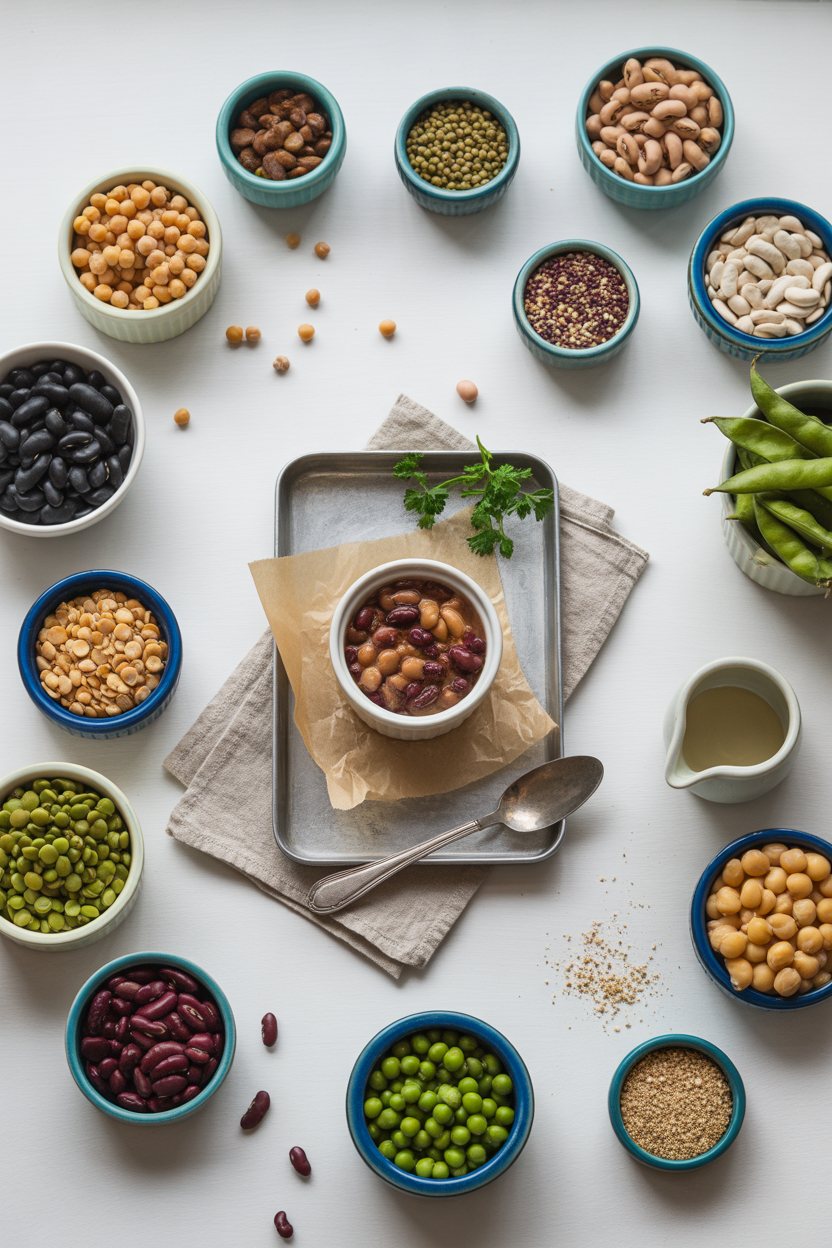
  • 0.5 tablespoon Pickled Jalapeños Chopped. Use half the amount of capers. Rinse if pickling liquid is too sharp and adjust heat gradually.

Method
 

  1. Choose green olives for cooked sauces needing a savory punch or dill pickles for salads and both raw and cooked dishes.
  2. Chop green olives or nicoise olives if recipe calls for smaller pieces. Finely chop dill pickles or jalapeños as needed.
  3. Rinse dill pickles or pickled jalapeños if their brine tastes too strong or sweet to reduce excess salt or heat.
  4. Use green olives or nicoise olives at a 1:1 volume ratio, dill pickles at 1 tablespoon per 1 tablespoon capers, and pickled jalapeños at ½ tablespoon per 1 tablespoon capers.
  5. Mix lemon zest salt by combining ½ teaspoon zest with ¼ teaspoon salt per 1 tablespoon capers and stir in at the end without cooking.
  6. Adjust salt and acidity after adding substitutes, as brine levels vary. Taste test before serving to balance flavor.

Notes

Drain dill pickles before use to prevent watery dishes or overly salty results.

Tried this recipe?

Let us know how it was!

5 Best Substitutes for Calvados in French Cooking

April 22, 2026

You reach for the Calvados to finish a sauce or flambé and realize you're two tablespoons short. Scaling up a French apple tart recipe means you need triple the usual amount, but the bottle's nearly empty.

5 Best Substitutes for Calvados in French Cooking
calvados-substitutes

Most recipes use Calvados for its fruity depth and subtle warmth. Match that function first, then pick your swap based on what you're cooking.

QUICK SUMMARY

Apple brandy works 1:1 in nearly all dishes, while apple cider mixed with brandy extract suits baking when you want less alcohol. Pear brandy shifts the flavor slightly but holds up in sauces and cocktails. Your main risk is losing the apple-forward taste or the spirit's warmth.

🍎Closest swap: Apple brandy mimics Calvados almost exactly
📐Core ratio: 1:1 for spirit swaps, dilute mixes 3:1
⚠️Common mistake: Adding too much vinegar in non-alcoholic blends turns sauces sour

6 Top Calvados Alternatives That Hold Up

Some swaps stay close to the original, while others shift the flavor or remove alcohol entirely. Choose based on whether you need the spirit's warmth or just the fruity depth.

Quick Substitute Reference
#SubstituteBest ForRatioKey Note
1 Apple Brandy ✨ Both 1:1 Almost identical flavor
2 Apple Cider Mix 🥧 Baking 3 tablespoon cider + ¼ teaspoon extract Less alcohol, sweeter
3 Apple Juice Vinegar 🍳 Cooking 2 tablespoon juice + 1 teaspoon vinegar No alcohol, tangy
4 Pear Brandy ✨ Both 1:1 Pear notes instead of apple
5 Sweet Cider Vinegar Mix 🍳 Cooking 1 tablespoon vinegar + 1 teaspoon sugar + 2 tablespoon water Non-alcoholic, less depth

1 - Apple Brandy

Apple brandy shares the same apple-distillate base as Calvados. It delivers nearly identical fruity depth and spirit warmth in sauces, desserts, and glazes.

Swap 1 tablespoon apple brandy for 1 tablespoon Calvados without adjusting cooking time or other ingredients. The flavor profile stays so close that most recipes won't show a difference.

Standard Apple Brandy

Works for: sauces, flambés, pan reductions, baking

Skip if: you need a budget option or can't find it locally

Artisan Apple Brandy

Works for: finishing sauces, cocktails, cold applications

Skip if: cost matters or you're cooking off the alcohol anyway

Here's what to know:

  • Use the same flambé technique - ignite at the pan's edge for safety
  • Adjust sugar slightly if your brandy tastes sweeter than expected
  • Taste before adding more; some brands carry stronger spice notes

If you're short on apple brandy too, brandy replacements for cooking covers grape-based spirits that still add warmth.

2 - Apple Cider Mix

Apple cider provides the fruity base, while brandy extract adds a hint of spirit aroma without full alcohol content. This works well in baked goods where you want apple flavor but less boozy punch.

Combine 3 tablespoon apple cider with ¼ teaspoon brandy extract per 1 tablespoon Calvados. Stir the extract into the cider before adding it to your batter or dough.

The essentials:

  • Chill the cider if your recipe needs cold liquid to keep butter firm
  • Add extract at the end to preserve its aroma during baking
  • Reduce oven time by 2-3 minutes if the extra liquid makes batter wetter

Missing cider as well? What to use instead of cider lists juice and concentrate options that work here.

Skip if: you're deglazing a pan or making a reduction that needs alcohol to lift browned bits.

3 - Apple Juice Vinegar

Apple juice brings mild sweetness, and white wine vinegar mimics the acidity cooked Calvados leaves behind. This non-alcoholic mix suits savory sauces and marinades where the fruity note matters more than spirit warmth.

Mix 2 tablespoon apple juice with 1 teaspoon white wine vinegar per 1 tablespoon Calvados. Add the vinegar gradually and taste as you go to avoid overpowering tartness.

Watch Out
Too much vinegar turns a delicate sauce sour fast - start with half the amount and build up.

Use this in pork glazes, chicken marinades, or warm vinaigrettes where a hint of apple complements the dish. Skip it in desserts or baking where the vinegar's sharpness clashes with sugar.

Out of juice too? Tested juice swaps covers concentrate and cider options that blend with vinegar the same way.

4 - Pear Brandy

Pear brandy (like Poire Williams) shares Calvados's fruit-spirit profile but swaps apple notes for pear. It works in finishing sauces, cocktails, and dishes where a slight flavor shift won't throw off the balance.

Swap 1 tablespoon pear brandy for 1 tablespoon Calvados in reductions, glazes, or drinks. The floral pear note comes through more in cold applications than cooked ones.

Best Pick
Use pear brandy in cocktails or light cream sauces where the fruity shift adds interest rather than distraction.

Quick specs:

  • Pair with pork or duck where pear complements the meat's richness
  • Reduce cooking time slightly if the brandy's alcohol content is higher

Skip if: your recipe demands true apple flavor, like an apple tart or cider-braised dish.

5 - Sweet Cider Vinegar Mix

Apple cider vinegar provides tang, sugar adds mild sweetness, and water dilutes the sharpness. This non-alcoholic blend works for deglazing or cooking where Calvados's spirit warmth isn't critical.

Combine 1 tablespoon apple cider vinegar, 1 teaspoon sugar, and 2 tablespoon water per 1 tablespoon Calvados. Stir until the sugar dissolves before adding it to the pan.

Use this in braised dishes or pan sauces where you need acidity and a hint of apple without alcohol. The mix won't lift browned bits as aggressively as spirits do, so scrape the pan more actively.

UseRatioNotes
DeglazingFull amountScrape pan actively; lacks alcohol's lift
MarinadesFull amountAdds tang without boozy warmth
GlazesReduce by ¼Less liquid needed; concentrate flavors

Skip if: you're baking or making delicate sauces where vinegar's sharpness disrupts the flavor balance.

Before You Swap Calvados

Start with apple brandy if you want the closest match. Adjust your mix based on whether the recipe needs alcohol, fruitiness, or both.

Taste as you go and don't dump the entire substitute in at once.

  • Closest match - Apple Brandy for 1:1 swap
  • Easiest grab - Apple Cider Mix for pantry staples
  • Dietary option - Sweet Cider Vinegar Mix for no alcohol

Frequently Asked Questions

Can I use regular brandy instead of Calvados?

Yes, but you lose the apple flavor. Regular grape brandy adds warmth and spirit depth without the fruity note Calvados provides, so it works better in savory reductions than desserts.

How do I adjust ratios when using apple juice mixes?

Use 2-3 times the volume of Calvados called for, then reduce cooking time slightly to avoid extra liquid. Taste before adding more vinegar or extract to keep balance.

Does pear brandy work in apple-forward recipes?

It shifts the flavor noticeably. Pear brandy suits dishes where a slight change enhances the profile, like pork or cream sauces, but skip it in apple tarts or cider-based recipes.

Can I skip alcohol entirely in flambé recipes?

Flambéing requires alcohol to ignite, so non-alcoholic mixes won't work. Use apple cider vinegar blends for deglazing instead, scraping the pan actively to lift browned bits.

What's the best swap for baking with Calvados?

Apple cider mixed with brandy extract delivers fruity depth without overwhelming alcohol. Use 3 tablespoon cider plus ¼ teaspoon extract per 1 tablespoon Calvados and reduce oven time if needed.

5 Best Substitutes for Calvados in French Cooking

5 Best Substitutes for Calvados

No ratings yet
Calvados substitutes vary by need: apple brandy is the closest 1:1 swap for both cooking and baking. Apple cider mix works for baking with less alcohol. Non-alcoholic vinegar mixes suit cooking but alter flavor. Pear brandy shifts fruit notes but holds well in sauces and cocktails.
Print Recipe Pin Recipe
Prep Time 7 minutes mins
Cook Time 6 minutes mins
Total Time 13 minutes mins
Servings: 4 servings
Course: Baking, Cooking, Substitutes
Cuisine: French-Inspired
Ingredients Method Notes

Ingredients
  

  • 1 tablespoon Apple Brandy Use as a 1:1 direct swap for Calvados in sauces, desserts, glazes, and flambés.
  • Apple Cider Mix Mix 3 tablespoon apple cider with ¼ teaspoon brandy extract per 1 tablespoon Calvados for baking.
  • Apple Juice Vinegar Mix 2 tablespoon apple juice and 1 teaspoon white wine vinegar per 1 tablespoon Calvados; add vinegar gradually.
  • 1 tablespoon Pear Brandy Use as a 1:1 swap but expect pear flavor shift; ideal for cocktails and light sauces.
  • Sweet Cider Vinegar Mix Combine 1 tablespoon apple cider vinegar, 1 teaspoon sugar, and 2 tablespoon water per 1 tablespoon Calvados; stir sugar to dissolve.

Method
 

  1. Choose your substitute based on ingredient needs: use spirits for warmth, cider mixes for baking, and vinegar blends for cooking without alcohol.
  2. Prepare non-alcoholic mixes by blending ingredients as directed to mimic Calvados flavor and texture.
  3. Apply substitute using specified ratios: 1:1 for apple and pear brandy; cider and vinegar mixes require precise mixing for balance.
  4. Adjust cooking or baking time slightly if needed, especially with cider mixes that add extra liquid or stronger alcohol content in brandy.
  5. Taste the dish after adding substitutes to ensure flavor balance; add more gradually to avoid overpowering or sour notes.

Notes

Add apple cider vinegar mix slowly and stir to prevent sour sauces from too much acidity.

Tried this recipe?

Let us know how it was!

6 Best Caldo De Tomate Substitutes for Mexican Soups & Stews

April 22, 2026

You grab the container of caldo de tomate for your pozole, tip it to measure, and realize you're halfway short. The recipe's already started, and you need that rich tomato broth to anchor the soup.

6 Best Caldo De Tomate Substitutes for Mexican Soups & Stews
caldo-de-tomate-substitutes

Swaps depend on what caldo brings to your dish - savory depth, tomato brightness, or liquid volume. Match the role first, then adjust ratios. Some replacements mimic the original closely, while others need a flavor tweak or texture fix.

QUICK SUMMARY

When you're out of caldo de tomate, **tomato broth** (equal parts tomato juice and vegetable broth) delivers the closest match. **Tomato bouillon** dissolved in water works for quick soups but runs saltier. **Tomato soup** diluted 1:1 with water adds creaminess but sweetness too.

🥫Closest Match: Tomato broth blends acidity and savory depth
⚖️Ratio Key: **1:1 swaps** work for most; adjust salt after tasting
⚠️Common Miss: Using straight tomato juice makes dishes too acidic

8 Caldo De Tomate Substitutes Without Big Changes

Some swaps mimic caldo's balanced tomato-savory profile, while others shift flavor or texture. Match the substitute to your recipe's needs - soups handle more flexibility than rice dishes.

Quick Substitute Reference
#SubstituteBest ForRatioKey Note
1 Tomato Broth ✨ Both 1:1 Mix juice + broth
2 Tomato Bouillon 🍳 Cooking 1 cube per cup Very salty
3 Tomato Soup Mix 🍳 Cooking 1:1 soup + water Sweeter, thicker
4 Tomato Water Stock 🍳 Cooking 1:1 Lighter body
5 Thinned Tomato Paste 🍳 Cooking 1 tablespoon per cup water Needs salt added
6 Spiced Veg Broth 🍳 Cooking 1 cup + 1 teaspoon lime No tomato flavor

1 - Tomato Broth

Mixing equal parts tomato juice and vegetable broth replicates caldo's savory-sweet balance without hunting down specialty ingredients. The juice supplies acidity and tomato brightness, while the broth adds umami and body that straight juice lacks.

Use this swap 1:1 in soups, stews, and rice dishes. The texture runs slightly thinner than caldo, so if you're making arroz rojo, let it simmer an extra 2-3 minutes to cook off excess liquid.

If you're out of tomato juice too, tomato juice swaps covers firmer alternatives.

Tomato Broth

Works for: soups, stews, rice - mild tomato flavor

Skip if: you need thick, concentrated broth

Straight Tomato Juice

Works for: quick fixes with strong tomato taste

Skip if: recipe needs savory depth, not just acidity

Skip if: you want the exact layered spice profile of traditional caldo.

2 - Tomato Bouillon

A bouillon cube dissolved in hot water delivers concentrated tomato and savory notes fast. This swap works when you're making quick soups or stews that can handle bold, salty flavor.

Dissolve 1 cube in 1 cup hot water to replace 1 cup caldo. Taste before adding any extra salt - most bouillon cubes run high in sodium and can tip a dish too salty if you don't adjust other seasonings.

Quick specs:

  • Stir until fully dissolved, no granules left
  • Add cube to boiling water, not cold
  • Let cool slightly before using in cold applications

Out of bouillon cubes too? Bouillon cube replacements has options that match intensity.

Watch Out
Bouillon often contains MSG and preservatives - check labels if avoiding additives.

Skip if: you're watching sodium intake or need a cleaner ingredient list.

3 - Tomato Soup Mix

Canned tomato soup diluted with water brings creaminess and tomato flavor, though it skews sweeter than caldo. This swap fits richer soups and sauces where a velvety texture helps, but it changes the final dish more than other options.

Mix 1 part soup with 1 part water to replace 1 cup caldo. The sweetness works in chilis and braised dishes but clashes with delicate broths - taste and add a pinch of salt or a squeeze of lime to balance if needed.

The essentials:

  • Use condensed soup, not ready-to-eat versions
  • Thin gradually - start with less water
  • Balance sweetness with acid or spice

No canned soup either? Canned tomato swaps for a few more options.

Skip if: your recipe relies on thin, clean broth texture.

4 - Tomato Water Stock

Combining fresh tomato water with vegetable stock mimics caldo's liquid base with a lighter, more delicate profile. This swap works for poaching liquids, light soups, or dishes where subtle tomato essence matters more than bold flavor.

Shortcut
Blend ripe tomatoes, strain through cheesecloth, and mix equal parts with veggie stock.

Mix equal amounts tomato water and vegetable stock to replace 1 cup caldo. The body stays thinner, so it won't reduce into a thick sauce like traditional caldo - use it where broth consistency stays key.

Key details:

  • Tomato water separates if left sitting - stir before using
  • Flavor peaks fresh, fades after 2 days refrigerated
  • Best for recipes where tomato plays a supporting role
  • Add salt and pepper after mixing to adjust savory depth

Skip if: you need concentrated tomato punch or a broth that thickens as it cooks.

5 - Thinned Tomato Paste

Tomato paste thinned with water delivers concentrated tomato flavor in a broth-like form. This swap needs more hands-on adjusting than premade options, but it works when you control seasoning from scratch.

UseRatioNotes
Soups/Stews1 tablespoon paste + 1 cup waterAdd salt, cumin, garlic powder
Rice Dishes1 tablespoon paste + ¾ cup waterSlightly thicker for better coating
Braising Liquid2 tablespoon paste + 1 cup waterRicher base, reduce salt elsewhere

Mix 1 tablespoon paste with 1 cup water to replace 1 cup caldo. Start with less paste if you want a milder tomato flavor - you can always stir in more, but you can't pull it back out.

What to expect:

  • Paste clumps if added to cold water - use warm or hot
  • Flavor stays flat without salt and spices added separately
  • Texture runs slightly thicker than caldo even when thinned
  • Color deepens to a darker red-orange

Missing tomato paste as well? Tomato paste substitutes for swaps that hold richness.

Skip if: you need a clean, ready-seasoned broth without extra steps.

6 - Spiced Veg Broth

Plain vegetable broth spiked with lime juice and cumin supplies savory depth and brightness, but it skips tomato flavor entirely. This swap fits recipes where caldo's liquid and acidity matter more than its tomato character.

Use 1 cup vegetable broth plus 1 teaspoon lime juice and a pinch of cumin to replace 1 cup caldo. The lime cuts through richness like tomato does, while the cumin adds earthy warmth - but you lose the sweetness and color tomato brings.

Out of lime juice too? Citrus swaps for lime for similar brightness.

Skip if: tomato flavor defines the dish or you need that signature red-orange color.

How to Choose a Caldo De Tomate Substitute

The best swap hinges on what caldo does in your recipe - adds liquid, tomato brightness, or savory base. Tomato broth handles most uses, bouillon works for speed, and thinned paste lets you control seasoning from scratch.

Test swaps in forgiving dishes like soups or stews before using them in precise recipes like Spanish rice.

  • Closest match - Tomato Broth for balanced flavor
  • Easiest grab - Tomato Bouillon for speed
  • Dietary option - Tomato Water Stock for lighter dishes

Frequently Asked Questions

Can I use plain tomato juice instead of caldo de tomate?

Straight tomato juice works but runs too acidic and lacks the savory depth caldo provides. Mix it 1:1 with vegetable broth to balance acidity and add umami - this gets closer to caldo's flavor profile.

How do I adjust seasoning when using tomato bouillon as a substitute?

Taste the dish before adding any salt - bouillon cubes contain high sodium levels that can oversalt quickly. Start with half your usual salt amount, then adjust after the bouillon dissolves completely.

Will diluted tomato soup change the texture of my recipe?

Yes - tomato soup runs thicker and creamier than caldo even when diluted. It works in hearty stews and chilis where body helps, but it makes delicate broths too heavy and shifts the texture.

Can I use these substitutes in rice dishes like arroz rojo?

Tomato broth and thinned tomato paste work best for rice - they coat grains without adding too much liquid. Tomato soup runs too thick, and bouillon can oversalt the rice before it finishes cooking.

How do I store homemade tomato broth or tomato water stock?

Refrigerate in an airtight container for up to 4 days. Tomato water separates as it sits - stir before using. Both freeze well for 3 months; thaw overnight in the fridge and stir to recombine.

6 Best Caldo De Tomate Substitutes for Mexican Soups & Stews

6 Best Substitutes for Caldo De Tomate

No ratings yet
Caldo de tomate adds tomato brightness, savory depth, and liquid volume to dishes. Use tomato broth for balanced flavor, bouillon cubes for quick salty boosts, or thinned tomato paste to control seasoning. Match substitutes to your recipe's needs and adjust salt as needed.
Print Recipe Pin Recipe
Prep Time 10 minutes mins
Cook Time 10 minutes mins
Total Time 20 minutes mins
Servings: 4 servings
Course: Cooking, Substitutes
Cuisine: Mexican-Inspired
Ingredients Method Notes

Ingredients
  

  • 1 cup Tomato Broth Mix equal parts tomato juice and vegetable broth. Use 1:1 ratio for substitution in soups, stews, and rice dishes.
  • 1 cube Tomato Bouillon Dissolve 1 cube in 1 cup hot water for substitution. Very salty; taste before adding salt.
  • 1 cup Tomato Soup Mix Mix 1 part condensed tomato soup with 1 part water to replace 1 cup caldo. Sweeter and thicker, adjust sweetness with salt or lime.
  • 1 cup Tomato Water Stock Mix equal parts tomato water and vegetable stock. Stir before use as it separates, adjust salt and pepper to taste.
  • 1 tablespoon Thinned Tomato Paste Thin 1 tablespoon tomato paste with 1 cup warm water. Add salt and spices to prevent flat flavor and clumping.
  • 1 cup Spiced Veg Broth Use 1 cup vegetable broth with 1 teaspoon lime juice and pinch of cumin. No tomato flavor, adds acidity and depth.

Method
 

  1. Choose a substitute based on your recipe's need for tomato brightness, savory depth, or liquid volume.
  2. For tomato broth, mix equal parts tomato juice and vegetable broth and use 1:1 substitution. Let simmer 2-3 minutes longer for rice dishes.
  3. For tomato bouillon, dissolve 1 cube in 1 cup boiling water, stir fully, then taste before adding salt.
  4. For tomato soup mix, combine equal parts condensed tomato soup and water; thin gradually and balance sweetness with salt or lime juice.
  5. Make tomato water stock by blending ripe tomatoes, straining, then mixing equal parts with vegetable stock. Stir before use and season as needed.
  6. Thin tomato paste with warm water (1 tablespoon per cup for soups/stews) and add salt and spices to prevent flat flavor and clumping.
  7. For spiced veg broth, combine 1 cup vegetable broth with 1 teaspoon lime juice and a pinch of cumin. Use where acidity and savory depth matter more than tomato flavor.
  8. Adjust seasoning after adding substitutes, especially salt. Taste the dish before finalizing to ensure balance.

Notes

Thin tomato paste slowly and add seasoning carefully to avoid gritty texture and flat flavor in your substitute broth.

Tried this recipe?

Let us know how it was!

5 Best Substitutes for Cacao Nibs in Chocolate Baking

April 22, 2026

You reach for cacao nibs and notice the bag looks past its prime. That grainy chocolate crunch won't happen with stale nibs.

5 Best Substitutes for Cacao Nibs in Chocolate Baking
cacao-nibs-substitutes

Swaps work when they match the original's job-texture, bitterness, or both. Dark chocolate chunks come closest for recipes that bake, while coffee beans nail the bitter crunch.

QUICK SUMMARY

Dark chocolate chunks match chocolate flavor and add crunch in baked goods. Chopped coffee beans deliver bitter crunch without chocolate notes. Roasted almonds add texture when flavor doesn't matter. Pick based on whether you need chocolate flavor, bitter bite, or just crunch.

🍫Closest match: Dark chocolate-similar flavor, melts more
⚖️Core ratio: 1:1 for most swaps, adjust coffee beans to ¾ volume
⚠️Watch out: Most substitutes lack nibs' intense bitterness and firm crunch

5 Smart Cacao Nibs Swaps When You're Out

Some swaps stay close, while others require small adjustments. Focus on whether your recipe needs chocolate flavor or just textural contrast.

Quick Substitute Reference
#SubstituteBest ForRatioKey Note
1 Dark Chocolate 🥧 Baking 1:1 Melts when heated
2 Chopped Coffee Beans ✨ Both ¾ volume No chocolate flavor
3 Roasted Almonds ✨ Both 1:1 Nutty, not bitter
4 Carob Chips 🌱 Vegan 1:1 Milder, sweeter
5 Cacao & Coconut 🍳 Cooking 1 tablespoon each per 1 tablespoon nibs Softer texture

1 - Dark Chocolate

Dark chocolate chunks give you chocolate flavor with a satisfying bite. They melt more than nibs when baked, creating pockets of gooey chocolate instead of staying firm.

Use equal volume-swap 1 tablespoon nibs for 1 tablespoon chopped dark chocolate. Expect sweeter, creamier notes and less bitter punch.

Here's what to know:

  • Choose 70% cacao or higher for stronger chocolate flavor
  • Chunks soften in hot batter, creating melted spots
  • Works best in cookies and brownies where melting is fine

Dark Chocolate Chunks

Works for: Baked goods where chocolate pockets are acceptable

Skip if: You need firm texture that stays crunchy after baking

Cacao Nibs

Works for: Crisp texture that holds up through baking and storage

Skip if: You want sweeter chocolate flavor without bitterness

Skip if: Your recipe needs crisp texture that survives heat.

2 - Chopped Coffee Beans

Roasted coffee beans deliver bitter crunch without chocolate notes. They bring sharp, roasted intensity that works in granola, energy bars, and snack mixes.

Use ¾ volume-swap 1 tablespoon nibs for about 2 teaspoons chopped coffee beans. The bitterness hits harder, so start light.

Quick specs:

  • Chop beans coarsely for similar size to nibs
  • Flavor leans acidic and roasted, not chocolatey

Skip if: Chocolate flavor matters to your recipe.

3 - Roasted Almonds

Chopped roasted almonds add crunch and texture contrast without any chocolate flavor. They work when you need bite and visual interest but don't care about cocoa notes.

Swap equal volume-use 1 tablespoon chopped almonds for 1 tablespoon nibs. Expect nutty sweetness instead of bitterness.

The essentials:

  • Chop almonds to nib-sized pieces for even distribution
  • Toast lightly if using raw almonds for deeper flavor

Missing roasted almonds as well? Almond substitutes for crunch covers textural alternatives.

Skip if: Bitter chocolate notes are central to the dish.

4 - Carob Chips

Carob chips mimic chocolate flavor with mild sweetness and no caffeine. They soften more than nibs but hold their shape better than dark chocolate chunks.

Best Pick
Carob chips work for vegan or caffeine-free baking where mild chocolate flavor fits.

Use 1:1-swap 1 tablespoon nibs for 1 tablespoon carob chips. Flavor stays sweet and gentle, lacking nibs' roasted bitterness.

Key details:

  • Carob melts slightly when baked, creating softer pockets
  • Sweeter profile suits recipes with less added sugar
  • No caffeine makes it safe for sensitive eaters

Skip if: You need strong roasted chocolate bitterness.

5 - Cacao & Coconut

Combining cacao powder with toasted coconut flakes approximates nibs' chocolate flavor and textural contrast. This mix works best as a topping or stirred into no-bake recipes.

Mix 1 tablespoon cacao powder with 1 tablespoon toasted coconut flakes for each tablespoon of nibs. Flavor leans chocolatey with nutty sweetness from coconut.

UseRatioNotes
Granola topping1 tablespoon eachSprinkle after baking
Smoothie bowl garnish1 tablespoon eachAdd just before serving
Energy ball coating1 tablespoon eachPress into chilled balls

Skip if: You need firm crunch that survives mixing or baking.

Making Cacao Nibs Substitutes Work

Start with dark chocolate chunks for the closest chocolate match. Adjust ratios based on how much bitterness and crunch your recipe needs.

Test small batches first. Each swap behaves differently under heat.

  • Closest match - Dark chocolate + mild melting acceptable
  • Easiest grab - Roasted almonds + crunch without chocolate
  • Dietary option - Carob chips + caffeine-free vegan pick

Frequently Asked Questions

Can I use cocoa powder instead of cacao nibs?

Cocoa powder provides chocolate flavor but no crunch. Mix it with toasted coconut or chopped nuts to approximate the texture.

Do cacao nibs substitutes work in baking and cooking?

Dark chocolate chunks and carob chips work in baking but melt slightly. Chopped coffee beans and roasted almonds hold up better in both baked goods and cold applications.

What's the closest flavor match to cacao nibs?

Dark chocolate chunks with 70% cacao or higher come closest. They deliver chocolate flavor with some bitterness, though less intense than nibs.

Can I mix cacao powder with coconut for crunchy texture?

Yes. Combine equal parts cacao powder and toasted coconut flakes for chocolate flavor and textural contrast in toppings and no-bake recipes.

Why use chopped coffee beans instead of cacao nibs?

Chopped coffee beans provide bitter crunch similar to nibs but lack chocolate flavor. Use them when you need texture and roasted bitterness without cocoa notes.

5 Best Substitutes for Cacao Nibs in Chocolate Baking

5 Best Substitutes for Cacao Nibs

No ratings yet
Cacao nib substitutes vary by texture and flavor. Dark chocolate chunks suit baking with a mild melt; chopped coffee beans offer bitter crunch without chocolate; roasted almonds add crunch without cocoa notes. Choose based on flavor or texture needs.
Print Recipe Pin Recipe
Prep Time 7 minutes mins
Cook Time 6 minutes mins
Total Time 13 minutes mins
Servings: 6 servings
Course: Baking, Substitutes
Cuisine: General
Ingredients Method Notes

Ingredients
  

  • 1 tablespoon Dark Chocolate Use 70% cacao or higher. Melts when heated, creating softer chocolate pockets in baked goods.
  • ¾ tablespoon Chopped Coffee Beans Use coarsely chopped beans for similar size to nibs; delivers bitter crunch without chocolate flavor.
  • 1 tablespoon Roasted Almonds Chop to nib-sized pieces and toast if raw; adds nutty crunch without bitterness.
  • 1 tablespoon Carob Chips Swap 1:1; mimics chocolate flavor with milder sweetness and no caffeine. Softens less than dark chocolate.
  • Cacao & Coconut Mix 1 tablespoon cacao powder and 1 tablespoon toasted coconut flakes per tablespoon nibs; best for toppings or no-bake recipes.

Method
 

  1. Choose a substitute based on whether you need chocolate flavor, bitter crunch, or just texture contrast in your recipe.
  2. Chop coffee beans or almonds to match cacao nib size for even distribution and proper texture.
  3. Use dark chocolate, carob chips, or roasted almonds in equal volume to cacao nibs; use ¾ volume for chopped coffee beans.
  4. Adjust measurements based on desired bitterness and texture; test small batches first for best results.
  5. Bake or mix according to your recipe, noting that dark chocolate and carob chips will soften and melt more than nibs.

Notes

Add chopped coffee beans slowly and taste-test to avoid overpowering bitterness.

Tried this recipe?

Let us know how it was!

5 Best Substitutes for Cabernet Sauvignon in French Cooking

April 22, 2026

You're halfway through making a braise when you spot the empty Cabernet bottle. The recipe needs its acidity and depth to balance the richness.

5 Best Substitutes for Cabernet Sauvignon in French Cooking
cabernet-sauvignon-substitutes

The best swap depends on what Cabernet does in your dish-match the function first, then adjust for flavor. Some options nail the tannin structure; others lean on acidity alone.

QUICK SUMMARY

**Merlot** stays closest with similar acidity and body. **Beef broth plus red wine vinegar** brings savory depth and tang without wine. Skip juice-based swaps in long braises-they lack complexity and turn too sweet.

🍷Closest match: Merlot mimics Cabernet's richness with softer tannins
⚖️Core ratio: Most swaps work **1:1**, but broth mixes need **¾ cup broth + ¼ cup vinegar**
⚠️Common mistake: Using juice in slow-cooked dishes-acidity fades and sweetness builds

5 Cabernet Sauvignon Swaps That Keep Flavor Balanced

The following options work best in different recipe situations. Pick based on cooking method and how much tannin bite you need.

Quick Substitute Reference
#SubstituteBest ForRatioKey Note
1 Merlot ✨ Both 1:1 Softer tannins, fruitier finish
2 Broth plus Vinegar 🍳 Cooking ¾ cup broth + ¼ cup vinegar Savory but less fruity
3 Pomegranate Mix 🍳 Cooking 1 cup juice + 1 tablespoon vinegar Fruity and tart, sweeter base
4 Diluted Cranberry 🍳 Cooking 1:1 concentrate to water Sharp acidity, minimal body
5 Lemon Water 🍳 Cooking 1 cup water + 1 tablespoon lemon + 1 teaspoon sugar Bright acid only, no depth

1 - Merlot

Merlot shares Cabernet's structure-rich body, moderate acidity, and enough tannins to stand up to fat. It softens the edges with plum and berry notes instead of Cabernet's cassis punch.

Use it straight in any recipe calling for Cabernet. The fruitiness shifts slightly sweeter, but the balance holds in sauces, braises, and reductions.

Red Sauces

Works for: Bolognese, red wine reductions, tomato-based braises

Skip if: You want Cabernet's firm tannin grip on fatty cuts

Slow Cooking

Works for: Pot roasts, beef stews, wine-braised short ribs

Skip if: The recipe leans on strong astringency for balance

Here's what to know:

  • Same acidity level-no need to adjust other ingredients
  • Slightly softer finish-add a pinch of black pepper if you miss the bite

2 - Broth plus Vinegar

Beef broth brings umami and body while red wine vinegar mimics wine's sharp acidity. Together they create a savory backbone that works in slow-cooked dishes without alcohol.

Mix ¾ cup broth with ¼ cup vinegar per cup of Cabernet. The result leans more savory than fruity, so it shines in hearty braises and stews where richness matters more than wine complexity.

Out of red wine vinegar too? Vinegar swaps for braises covers sharper options.

Skip if: The recipe relies on wine's fruity notes or you're making a glaze where sweetness balances the sauce.

3 - Pomegranate Mix

Pomegranate juice adds tartness and a fruity edge similar to wine's brightness. A tablespoon of balsamic vinegar sharpens the acidity and adds a hint of depth that plain juice lacks.

Use 1 cup pomegranate juice plus 1 tablespoon balsamic per cup of Cabernet. The mix works in glazes and pan sauces where you want tang and a glossy finish without tannin bitterness.

Best Pick
Pomegranate juice concentrate (not cocktail mix) gives the brightest acidity. Dilute if it's too intense.

Here's what to expect:

  • Sweeter base-taste as you cook and add a pinch of salt to balance
  • Less astringency-skip this in recipes where tannins cut through fat
  • Fruity finish-works best in quick-cooked sauces, not long braises

Missing pomegranate juice as well? Tart juice swaps lists alternatives with similar brightness.

4 - Diluted Cranberry

Cranberry concentrate delivers sharp acidity with a berry punch that approximates wine's tartness. Dilute it 1:1 with water to tone down the intensity and avoid overpowering the dish.

The swap adds brightness but lacks Cabernet's body and complexity. It fits quick marinades and sauces where acidity matters more than depth.

Quick specs:

  • Mix equal parts concentrate and water-straight concentrate turns too sharp
  • Add a splash during the last few minutes of cooking to preserve brightness
  • Taste before adding salt-some concentrates are pre-sweetened
  • Stir in a teaspoon of soy sauce if you miss savory depth
UseRatioNotes
Pan sauces1:1 concentrate to waterAdd near the end to keep acidity bright
Marinades1:1 concentrate to waterBalance with a pinch of sugar if too tart
BraisesSkipSweetness builds during long cooking

Skip if: You're braising or slow-cooking-the acidity fades and sugar intensifies over time.

5 - Lemon Water

Water with lemon juice and a pinch of sugar brings acidity to brighten sauces without adding alcohol. It skips the complexity and tannins but works when you need a quick deglazing liquid.

Use 1 cup water, 1 tablespoon lemon juice, and 1 teaspoon sugar per cup of Cabernet. The mix lifts flavors in finishing sauces but won't hold up in recipes requiring wine's body.

The essentials:

  • Add lemon juice off heat to preserve brightness
  • Sugar rounds out the sharpness-skip it if the dish is already sweet

No lemon juice either? Citrus acid swaps has backups that brighten dishes.

Watch Out
This swap adds liquid without flavor complexity. Use it to deglaze pans, not as a braising base.

Skip if: The recipe relies on wine to add richness or you're cooking low and slow where depth matters.

Before You Swap Cabernet Sauvignon

Test with a small batch if you're unsure. Most swaps need minor tweaks-a pinch of salt here, a splash of vinegar there.

Match the swap to cooking time: wine alternatives with body (like Merlot or broth) for long cooking, acidic mixes (like lemon water) for quick finishes.

  • Closest match - Merlot for similar acidity and richness
  • Easiest grab - Broth plus vinegar for savory depth
  • Dietary option - Pomegranate mix for alcohol-free tang

Frequently Asked Questions

Can I use any red wine instead of Cabernet Sauvignon?

Merlot, Pinot Noir, and Syrah work best because they have similar acidity and body. Avoid sweet dessert wines or very light reds-they shift the flavor balance too far.

What's the best non-alcoholic substitute for Cabernet Sauvignon?

Beef broth plus red wine vinegar gives the closest match for savory dishes. Pomegranate juice with balsamic vinegar works in sauces and glazes where fruitiness fits.

Does the substitute ratio change for cooking versus baking?

Cabernet rarely appears in baking, but if it does, use Merlot 1:1. For cooking, most swaps work at equal volume except broth mixes-use ¾ cup broth and ¼ cup vinegar per cup of wine.

Can I use grape juice as a substitute for Cabernet Sauvignon?

Grape juice adds sweetness but lacks acidity and tannins. If you use it, add a tablespoon of vinegar per cup to balance the flavor-but it still won't match wine's complexity.

Why does my substitute taste too sweet after cooking?

Juice-based swaps concentrate sugars during reduction. Add vinegar or lemon juice at the end to brighten the sauce, or use a broth-based substitute instead for long-cooked dishes.

5 Best Substitutes for Cabernet Sauvignon in French Cooking

5 Best Substitutes for Cabernet Sauvignon

No ratings yet
Choose Cabernet Sauvignon substitutes based on cooking method and desired tannin level. Merlot works 1:1 for similar acidity and body. Broth plus vinegar offers savory depth without alcohol. Juice-based swaps suit quick sauces, not long braises.
Print Recipe Pin Recipe
Prep Time 7 minutes mins
Cook Time 8 minutes mins
Total Time 15 minutes mins
Servings: 4 servings
Course: Substitutes
Cuisine: All
Ingredients Method Notes

Ingredients
  

  • Merlot Use straight in any recipe calling for Cabernet, ratio 1:1, softer tannins and fruitier finish
  • 0.75 cup Beef broth Mix with ¼ cup red wine vinegar per cup of Cabernet for savory, less fruity swap
  • 0.25 cup Red wine vinegar Mix with ¾ cup beef broth per cup of Cabernet for savory, less fruity swap
  • 1 cup Pomegranate juice Use 1 cup juice plus 1 tablespoon balsamic vinegar per cup of Cabernet, fruity and tart
  • 1 tablespoon Balsamic vinegar Add to pomegranate juice for acidity and depth, ratio 1 cup juice to 1 tablespoon vinegar
  • 1 cup Cranberry concentrate Dilute 1:1 with water before use to moderate sharp acidity, add a splash at end of cooking
  • 1 cup Water Dilute cranberry concentrate 1:1 before use or mix with lemon and sugar for bright acid
  • 1 cup Water Use with 1 tablespoon lemon juice and 1 teaspoon sugar per cup of Cabernet, bright acid for quick deglazing
  • 1 tablespoon Lemon juice Add off heat to preserve brightness, mix with water and sugar for acidity
  • 1 teaspoon Sugar Balances lemon juice sharpness, omit if dish is already sweet

Method
 

  1. Select substitute based on recipe: Merlot for sauces and slow cooking with tannin, broth plus vinegar for savory cooking, fruit juices for quick sauces.
  2. If using Merlot, substitute directly 1:1 for Cabernet without adjustment; add black pepper for more bite if desired.
  3. For broth plus vinegar, mix ¾ cup beef broth with ¼ cup red wine vinegar per cup of wine being replaced.
  4. Combine 1 cup pomegranate juice with 1 tablespoon balsamic vinegar for a fruity, tart substitute; adjust salt to balance sweetness.
  5. Dilute cranberry concentrate 1:1 with water; add near end of cooking to maintain brightness and add soy sauce if savory depth is needed.
  6. Mix 1 cup water with 1 tablespoon lemon juice and 1 teaspoon sugar; add lemon juice off heat and use for quick deglazing, not braising.
  7. Taste and adjust the substitution if needed by adding a pinch of salt, sugar, or black pepper according to dish requirements.

Notes

Dilute cranberry concentrate before use to prevent overpowering sharpness in sauces and marinades.

Tried this recipe?

Let us know how it was!

5 Best Substitutes for Brazil Nuts in Vegan Baking & Snacks

April 22, 2026

You open the container and find half a Brazil nut rattling at the bottom. The recipe needs a full cup.

5 Best Substitutes for Brazil Nuts in Vegan Baking & Snacks
brazil-nuts-substitutes

Brazil nuts bring buttery richness and a creamy bite that's hard to match exactly. The best swap depends on whether you need that silky texture or just rich flavor. Some nuts come close on both fronts, while others nail one quality and miss the other.

QUICK SUMMARY

Macadamia nuts and cashews mimic Brazil nuts' creamy texture best, while almonds work for crunch-focused recipes. Match the substitute to the recipe's needs-texture for blending, firmness for snacking. The biggest mistake is using a dry nut where you need creaminess.

🥜Closest match: Macadamia nuts deliver similar buttery richness
⚖️Core ratio: Use 1:1 volume for all swaps listed
⚠️Common mistake: Using firm nuts in creamy sauces-they won't blend smooth

5 Quick Brazil Nuts Swaps When You're Out

We ranked these by how closely they match Brazil nuts' texture and flavor. Start at the top for the best results, or skip down if you need something specific like nut-free options.

Quick Substitute Reference
#SubstituteBest ForRatioKey Note
1 Macadamia Nuts ✨ Both 1:1 Richer, sweeter finish
2 Cashews 🍳 Cooking 1:1 Softer when blended
3 Almonds ✨ Both 1:1 Firmer, less buttery
4 Walnuts 🥧 Baking 1:1 Stronger earthy flavor
5 Sunflower Seeds 🌱 Vegan 1:1 Nut-free, milder taste

1 - Macadamia

Macadamia nuts match Brazil nuts' creamy richness better than any other swap. They carry similar fat content and blend smooth in sauces or nut butters.

The flavor tilts sweeter and more buttery, which works in most recipes but can feel too rich in savory dishes. Use the same amount and adjust salt slightly if the dish tastes heavier.

Raw Macadamias

Works for: Blending into creamy sauces or making nut butter

Skip if: You want a less sweet finish

Roasted Macadamias

Works for: Snacking, topping dishes, or adding crunch to baked goods

Skip if: The recipe needs neutral flavor

Here's what to know:

  • Roast raw macadamias at 325°F for 10-12 minutes to boost flavor
  • They soften faster than Brazil nuts when heated

If you're out of macadamias too, tested macadamia substitutes covers firmer alternatives.

2 - Cashews

Cashews deliver creamy texture without the firm bite of Brazil nuts. They soften fast when soaked or cooked, making them a go-to for sauces and vegan cheese.

The flavor stays mild and slightly sweet, though less buttery than Brazil nuts. Swap 1:1 by volume and add a pinch of salt if the dish tastes flat.

Missing cashews as well? Cashew replacement options has swaps for similar creaminess.

Skip if: You need nuts that hold crunch after roasting.

3 - Almonds

Almonds bring nutty richness but miss the creamy softness that defines Brazil nuts.

Best Pick
Use sliced or slivered almonds for baking-they distribute evenly and toast faster than whole nuts.

They work well in cookies, granola, or as a topping where you want firmer texture. The drier consistency means they won't blend as smooth in sauces without extra liquid.

Quick specs:

  • Toast at 350°F for 8-10 minutes until golden
  • Add 1-2 teaspoon extra oil when blending for smoother results
  • Blanched almonds taste milder than skin-on

Out of almonds too? Almond swaps worth trying covers softer options.

Skip if: The recipe relies on buttery flavor or creamy blending.

4 - Walnuts

Walnuts match Brazil nuts' rich fat content but bring a stronger, earthier flavor that can dominate delicate recipes. They soften more than Brazil nuts when baked, giving a tender rather than crisp finish.

UseRatioNotes
Baking (cookies, brownies)1:1Adds earthy depth, softer texture
Salads or grain bowls1:1Toast first to reduce bitterness
Blending (sauces, pestos)1:1Works but tastes more pronounced

The essentials:

  • Toast walnuts 5-7 minutes at 350°F to mellow sharpness
  • They turn rancid faster-store in the fridge or freezer
  • Chop coarsely for even distribution in batters

Skip if: You need subtle, buttery flavor or firm crunch.

5 - Sunflower Seeds

Sunflower seeds replicate the creamy texture and fat content of Brazil nuts with a neutral, slightly grassy flavor. They're the only nut-free option here, making them a solid pick for allergy-friendly recipes.

Shortcut
Soak raw sunflower seeds for 2 hours before blending-they turn silky smooth and won't taste grainy.

Use them 1:1 in nut butters, vegan cheese, or as a topping. They won't taste as buttery, so add a pinch of nutritional yeast or extra salt to boost savoriness.

Key details:

  • Toast at 325°F for 8-10 minutes until lightly golden
  • They oxidize quickly-buy raw and roast fresh for best flavor

Out of sunflower seeds too? Replacements for sunflower seeds has nut-based backups.

Skip if: You want classic nut flavor or firm crunch.

Final Thoughts on Swapping Brazil Nuts

Macadamia nuts come closest to Brazil nuts' buttery richness and creamy texture. Cashews work best for blending, while almonds suit recipes needing firmer crunch.

Choose based on the recipe's needs:

  • Closest match - Macadamia nuts for buttery richness and smooth texture
  • Easiest grab - Cashews for creamy sauces and nut butters
  • Dietary option - Sunflower seeds for nut-free, allergy-friendly recipes

Frequently Asked Questions

Can I use almonds instead of Brazil nuts in baking?

Yes, but expect firmer texture and less buttery flavor. Almonds work best in cookies or bars where crunch matters more than creaminess.

Do cashews taste like Brazil nuts?

Not quite-cashews are milder and sweeter, lacking the earthy bite Brazil nuts have. They match the creamy texture well but won't replicate the flavor exactly.

Which substitute works best for making nut butter?

Macadamia nuts or cashews blend smoothest and taste closest to Brazil nut butter. Add a pinch of salt and 1 teaspoon oil per cup if the mixture feels too thick.

Can I mix different nuts to replace Brazil nuts?

Yes-combine cashews and almonds for a balance of creaminess and crunch. Use half of each to get closer to Brazil nuts' texture and flavor.

Are sunflower seeds a good nut-free substitute for Brazil nuts?

Yes, sunflower seeds match the creamy texture and fat content without nuts. Soak them first for smoother blending, and add extra salt to boost flavor.

5 Best Substitutes for Capicola in Italian Sandwiches

April 22, 2026

Capicola brings a specific combination of fat marbling, peppery spice, and silky texture that most cured meats don't replicate exactly. The way it melts slightly on a hot sandwich or drapes across a charcuterie board depends on that fat-to-lean ratio.

5 Best Substitutes for Capicola in Italian Sandwiches
capicola-substitutes
QUICK SUMMARY

Prosciutto and Soppressata stand out as top substitutes depending on whether texture or spice is key. Focus first on matching fat content or flavor intensity. For best results, adjust seasoning or cooking method to balance differences in fat and spice.

🥓Closest match: Prosciutto offers similar thin slices and melt-in-mouth texture.
⚖️Ratio + fix: Swap 1:1; add black pepper to prosciutto for spice boost.
🔥Watch heat: Pancetta requires cooking before use to avoid toughness.

The right substitute depends on whether you need the spice, the texture, or just a cured pork presence. Some swaps run milder, others leaner, and a few shift the flavor profile entirely.

Quick Substitute Reference
#SubstituteBest ForRatioKey Note
1 Prosciutto 🍳 Cooking 1:1 Milder, sweeter, no spice
2 Soppressata 🍳 Cooking 1:1 Spicier with coarser texture
3 Pancetta 🍳 Cooking 1:1 cooked Rich, needs cooking first
4 Smoked Turkey Breast ✨ Both 1:1 Lean, mild, smoky
5 Capocollo Ham 🍳 Cooking 1:1 Closest match, less intense

5 Capicola Replacements for Better Texture

The following options range from near-identical swaps to lighter alternatives that change the character of your dish. Pick based on whether fat content, spice level, or dietary restrictions matter most.

1 - Prosciutto

Prosciutto shares capicola's paper-thin sliceability and melt-on-the-tongue quality. The flavor runs sweeter and more delicate, with none of the black pepper punch.

Use it weight-for-weight in sandwiches, wraps, or draped over melon. Add a pinch of cracked pepper if you miss the heat.

If you're short on prosciutto too, quick Prosciutto replacements to try covers similar cured options.

Skip if: you need that peppery kick to cut through rich cheeses.

PROSCIUTTO

Works for: Charcuterie boards, Italian subs, appetizers

Skip if: Spice is essential to the dish

CAPICOLA

Works for: Hot sandwiches, antipasto, bold flavor needs

Skip if: You want something milder

2 - Soppressata

Soppressata actually runs spicier than capicola, with a coarser grind and more pronounced garlic. The texture feels denser under the teeth.

Slice it thin to soften that chewiness. Works particularly well on pizza or in pasta where heat renders the fat.

Here's what to know:

  • Spice level varies - hot versions pack serious heat, so taste first.
  • Fattier cut - expect more richness than capicola delivers.

Skip if: a leaner, more refined texture matters for your presentation.

3 - Pancetta

Pancetta comes from the belly rather than the neck, so the fat distribution differs entirely. It needs cooking before eating, which changes how you use it.

Crisp thin slices in a pan, then layer onto sandwiches or salads. The rendered fat adds richness capicola can't match.

The essentials:

  • Cook it first - raw pancetta isn't meant for cold applications.
  • Slice thin - thick cuts turn chewy instead of crispy.

If you're also out of pancetta, Pancetta alternatives worth trying lists options with similar fat content.

Shortcut
Microwave pancetta between paper towels for 2 minutes to crisp it fast.

4 - Smoked Turkey Breast

This swap drops the fat content dramatically while adding smokiness capicola doesn't have. The texture runs firmer and drier.

Layer it generously since the leaner profile means less impact per slice. A drizzle of olive oil helps compensate for missing richness.

Key details:

  • Best cold - heat dries it out further.
  • Pairs with bold condiments - mustard or pesto helps bridge the flavor gap.
  • Protein-forward - good choice when you want substance without heaviness.

Don't have smoked turkey either? Check tested Turkey replacements for similar lean swaps.

Skip if: you need pork flavor or that characteristic fattiness.

UseRatioNotes
Cold sandwiches1:1 by weightAdd oil for moisture
Salads1:1 by weightDice smaller for better distribution
Wraps1:1 by weightLayer with creamy spreads

5 - Capocollo Ham

This is essentially the same cut with regional variation in curing. The spice blend tends milder, and the aging process sometimes runs shorter.

Swap directly at 1:1 without adjustments. The differences are subtle enough that most recipes won't notice.

Quick specs:

  • Texture matches - same fat marbling and silky bite.
  • Flavor runs softer - less pepper, slightly sweeter cure.
  • Works everywhere - no modifications needed for any application.
  • Check labels - some brands cure identically to capicola.
Best Pick
Capocollo ham is the closest match when texture and fat content matter most.

Picking the Right Replacement

The best substitute depends on what role capicola plays in your dish. For Italian subs or charcuterie where thin-sliced pork matters, prosciutto or capocollo ham come closest.

  • Closest match - Capocollo ham for nearly identical texture
  • Easiest grab - Prosciutto, widely available at most delis
  • Bold alternative - Soppressata when you want more spice

Frequently Asked Questions

Can I use prosciutto instead of capicola on a hoagie?

Yes, but add cracked black pepper to compensate for the missing spice. The texture works identically.

What's the difference between capicola and capocollo ham?

They're the same cut with regional spelling differences. Capocollo ham sometimes uses a milder spice blend during curing.

Is soppressata spicier than capicola?

Usually yes. Hot soppressata contains more red pepper, and the garlic comes through stronger. Taste before adding to mild dishes.

Can I substitute smoked turkey for capicola in a low-fat diet?

Smoked turkey works well for reducing fat content. Add olive oil or avocado to replace some of the richness you'll lose.

Does pancetta need to be cooked before using it like capicola?

Yes. Pancetta is cured but not ready to eat raw like capicola. Crisp it in a pan first, then use in sandwiches or salads.

5 Best Substitutes for Capicola in Italian Sandwiches

5 Best Substitutes for Capicola

No ratings yet
Capicola's unique fat marbling and spice profile can be matched with several substitutes depending on your dish's needs. Choose replacements based on desired texture, spice level, or dietary preference.
Print Recipe Pin Recipe
Prep Time 7 minutes mins
Cook Time 6 minutes mins
Total Time 13 minutes mins
Servings: 4 servings
Course: Charcuterie, Substitute Guide
Cuisine: Italian
Ingredients Method Notes

Ingredients
  

  • 1 to Prosciutto Use 1:1 by weight; milder, sweeter, no spice
  • 1 to Soppressata Use 1:1 by weight; spicier with coarser texture
  • 1 to Pancetta (cooked) Use 1:1 cooked weight; rich, needs cooking first
  • 1 to Smoked Turkey Breast Use 1:1 by weight; lean, mild, smoky
  • 1 to Capocollo Ham Use 1:1 by weight; closest match with less intense flavor

Method
 

  1. Choose the substitute based on your dish's requirement for spice, texture, or pork presence.
  2. Slice Prosciutto thin and use it weight-for-weight; add cracked black pepper if missing spice is needed.
  3. Slice Soppressata thin to soften chewiness; use 1:1 ratio and check spice level before adding.
  4. Cook Pancetta first by crisping thin slices; then use equal cooked weight in your dish.
  5. Use Smoked Turkey Breast cold at 1:1 weight ratio and add olive oil or bold condiments for moisture and flavor.
  6. Substitute Capocollo Ham directly at 1:1 weight for a nearly identical texture and milder flavor.
  7. Taste your final dish to adjust seasoning, texture, or moisture as needed after substitution.

Notes

Slice prosciutto thin and add cracked pepper to prevent missing the characteristic spice in your dish.

Tried this recipe?

Let us know how it was!

5 Best Substitutes for Bratwurst for Grilling and Pan-Frying

April 22, 2026

The store run isn't happening, and the bratwurst you planned for dinner isn't in the fridge. These swaps fill the same spot on the grill or in the pan.

5 Best Substitutes for Bratwurst for Grilling and Pan-Frying
bratwurst-substitutes
QUICK SUMMARY

Italian sausage and kielbasa best replicate bratwurst's flavor and fat content. Focus on matching seasoning or fat first. Adjust cooking time slightly for leaner options like chicken sausage to avoid drying out.

🌭Closest match: Italian sausage offers similar fat with a spicier, herbaceous flavor.
⚖️Ratio + fix: Swap 1:1; reduce heat for leaner chicken sausage to keep it juicy.
🔥Watch out: Tofu sausage grills softer and lacks pork's texture and flavor.

The right substitute depends on whether you need the fat content, the seasoning profile, or just a sausage that cooks the same way. Some options run leaner, others bring more smoke or spice.

Quick Substitute Reference
#SubstituteBest ForRatioKey Note
1 Italian Sausage 🍳 Cooking 1:1 Spicier with fennel notes
2 Kielbasa 🍳 Cooking 1:1 Smokier and garlic-forward
3 Chicken Sausage 🍳 Cooking 1:1 Lighter and leaner
4 Tofu Sausage 🌱 Vegan 1:1 Plant-based, softer texture
5 Turkey Sausage 🍳 Cooking 1:1 Smoky with sweet undertones

5 Easy Bratwurst Swaps for Cooking

These alternatives change how heat and structure behave. The closest matches come first, with bolder options toward the end for when you want something different.

1 - Italian Sausage

Italian sausage brings more heat and herbaceous punch than bratwurst. The fennel and paprika shift the flavor toward a Mediterranean direction.

Use it anywhere you'd grill or pan-fry bratwurst. The fat content runs similar, so cook times stay the same.

If you're also out of Italian sausage, Italian Sausage swaps by recipe type covers options with similar seasoning profiles.

Skip if: you want a milder, more subtle sausage flavor.

BRATWURST

Works for: mild flavor, German-style dishes, beer boils

Skip if: you want bold spice

ITALIAN SAUSAGE

Works for: pasta sauces, pizza toppings, spicier grilled dishes

Skip if: fennel or heat overwhelms your recipe

2 - Kielbasa

Kielbasa delivers a pronounced smoky flavor that bratwurst doesn't have. The garlic hits harder too.

Here's what to know:

  • Slice before cooking - rounds brown faster and crisp better than whole links.
  • Reduce added smoke - skip liquid smoke or smoked paprika in the recipe.

The coarser grind holds up in stews where bratwurst might fall apart. Don't have kielbasa either? Check tested Kielbasa Sausage replacements for similar smoky options.

3 - Chicken Sausage

Chicken sausage runs leaner and milder than pork-based bratwurst. The lower fat means less juice dripping onto coals.

Quick specs:

  • Add oil to the pan - compensates for less rendered fat.
  • Watch for dryness - pull off heat a minute earlier than you would with bratwurst.

Works well for lighter meals where pork richness feels heavy. Many chicken sausages come pre-seasoned with herbs like Sage alternatives to try, which pairs naturally with the milder meat.

Shortcut
Apple chicken sausage adds sweetness that complements sauerkraut the same way bratwurst does.

4 - Tofu Sausage

Tofu sausage won't fool anyone expecting pork, but it grills and sautés without falling apart. The texture runs softer with an earthy base.

The seasoning does most of the work here. Look for brands with fennel, garlic, and smoked paprika to get closer to bratwurst territory.

The essentials:

  • Oil the grill grates - tofu sausage sticks more than meat.
  • Score the surface - shallow cuts help seasonings penetrate and create crisp edges.
  • Higher heat works - get a good char without worrying about raw centers.

Missing tofu sausage as well? The guide to Tofu swaps that match covers plant-based proteins with similar firmness.

Skip if: you need authentic pork taste or plan to simmer in beer.

5 - Turkey Sausage

Smoked turkey sausage brings a leaner profile with noticeable smokiness. A slight sweetness comes through that bratwurst doesn't have.

The texture holds well on the grill. Fat renders less, so baste with butter or oil if you want that glossy finish.

If you're short on turkey sausage too, common Turkey swaps ranked helps match the lean protein angle.

UseRatioNotes
Grilling1:1Baste with oil to prevent drying
Pan-frying1:1Lower heat than pork sausage
Stews1:1Add near end to keep texture

Choosing the Right Bratwurst Substitute

Most of these swaps work without changing the recipe much. Italian sausage or kielbasa come closest if you want similar richness and fat content.

For lighter meals, chicken or turkey sausage does the job without the heaviness. Plant-based eaters can make tofu sausage work with the right seasonings and technique.

  • Closest match - Italian sausage for similar fat and grill behavior
  • Easiest grab - kielbasa since most grocery stores stock it
  • Dietary option - tofu sausage for vegan or lower-fat needs

Frequently Asked Questions

Can I use hot dogs instead of bratwurst?

Hot dogs work in a pinch but have a finer texture and milder flavor. They cook faster and won't hold up to long simmering.

What's the best bratwurst substitute for beer brats?

Kielbasa handles the beer bath well and absorbs flavor similarly. Italian sausage also works but adds fennel notes to the broth.

Do I need to adjust cooking time for these substitutes?

Most cook at the same rate as bratwurst. Chicken and turkey sausage may dry out faster, so pull them a minute earlier.

Which substitute works best for people avoiding pork?

Chicken sausage or turkey sausage gives you similar structure without pork. Tofu sausage covers vegan needs with proper seasoning.

Will these substitutes taste the same as bratwurst?

None taste identical. Italian sausage runs spicier, kielbasa smokier, and poultry options leaner. Match the substitute to what matters most in your dish.

5 Best Substitutes for Bratwurst for Grilling and Pan-Frying

5 Best Substitutes for Bratwurst

No ratings yet
If bratwurst is missing, these five substitutes fit the grill or pan well. Choose based on fat content, seasoning, or cooking style for a smooth swap every time.
Print Recipe Pin Recipe
Prep Time 7 minutes mins
Cook Time 8 minutes mins
Total Time 15 minutes mins
Servings: 4 servings
Course: Dinner, Substitutes
Cuisine: German, Mediterranean
Ingredients Method Notes

Ingredients
  

  • 1 to 1 Use Italian Sausage as a 1:1 substitute; spicier with fennel notes
  • 1 to 1 Use Kielbasa as a 1:1 substitute; smokier and garlic-forward
  • 1 to 1 Use Chicken Sausage as a 1:1 substitute; lighter and leaner
  • 1 to 1 Use Tofu Sausage as a 1:1 substitute; plant-based, softer texture
  • 1 to 1 Use Turkey Sausage as a 1:1 substitute; smoky with sweet undertones

Method
 

  1. Choose your substitute based on desired fat content, flavor, or cooking style.
  2. Prepare as needed: slice kielbasa, score tofu sausage, or add oil for lean sausages.
  3. Apply the substitute at a 1:1 ratio to bratwurst in your recipe.
  4. Adjust seasoning and cooking time slightly, pulling lean poultry sausages earlier.
  5. Check texture and flavor after cooking to ensure the substitute fits your dish.

Notes

Slice kielbasa before cooking to prevent uneven heating and ensure better texture.

Tried this recipe?

Let us know how it was!

5 Best Substitutes for Cannellini Bean in Italian Dishes

April 22, 2026

The dish you're making needs cannellini beans to hold everything together. Structure matters more than flavor here-these beans break down into a creamy base while keeping enough body to anchor soups, stews, and purées.

5 Best Substitutes for Cannellini Bean in Italian Dishes
cannellini-bean-substitutes
QUICK SUMMARY

Great Northern Beans and Navy Beans are top substitutes; focus on matching texture first. Great Northern beans hold shape well, while Navy beans create creaminess. For best results, rinse canned beans to reduce excess salt and improve flavor absorption.

🫘Closest match: Great Northern Beans mimic cannellini's size and tenderness perfectly.
⚖️Ratio + fix: Swap 1:1; rinse canned beans to reduce salt and improve texture.
🔥Watch out: Navy beans break down quickly, so avoid overcooking to prevent mushiness.

>The right swap depends on how much creaminess you need versus how firm the beans should stay. Some alternatives mash smoothly; others hold their shape through long simmers. Match the texture role first, then adjust seasoning as needed.

Quick Substitute Reference
#SubstituteBest ForRatioKey Note
1 Great Northern Beans 🍳 Cooking 1:1 Slightly less creamy
2 Navy Beans 🍳 Cooking 1:1 Softer, breaks down faster
3 Chickpeas 🍳 Cooking 1:1 Firmer, nuttier flavor
4 Butter Beans 🍳 Cooking 1:1 Richer, buttery taste
5 White Kidney Beans 🍳 Cooking 1:1 Firmer texture holds shape

5 Easy Cannellini Bean Swaps for Cooking

These substitutes range from near-identical matches to options with more distinct personalities. The list starts with the closest swap and moves toward bolder alternatives that still get the job done.

1 - Great Northern Beans

Great Northern beans come closest to cannellini in size and behavior. They cook to a similar tenderness and absorb surrounding flavors without turning mushy.

The texture runs slightly less creamy, which means purées won't be quite as silky. Use the same amount and expect minimal adjustment to cooking time.

Quick specs:

  • Swap ratio - Use 1:1 by volume with no changes needed.
  • Best application - Soups, stews, and brothy dishes where beans simmer in liquid.
  • Watch the finish - Mash a few against the pot for thickness if needed.

If you're also out of Great Northern beans, Great Northern Bean substitutes for cooking covers firmer alternatives.

Skip if: you need the creamiest possible texture for white bean dip.

Great Northern Beans

Works for: soups, stews, any long-simmered dish

Skip if: maximum creaminess matters

Navy Beans

Works for: baked beans, purées, smooth dips

Skip if: beans need to hold their shape

2 - Navy Beans

Navy beans break down faster than cannellini, which makes them ideal when you want a thick, creamy result. The flavor stays mild with a faint nuttiness.

Reduce cooking time by 5-10 minutes if you need beans to stay intact. For purées or baked bean dishes, the softer texture works in your favor.

The essentials:

  • Ratio - Swap 1:1 by volume.
  • Texture note - These get very soft; perfect for mashing into sauces.
  • Flavor adjustment - Slightly sweeter; balance with a pinch of salt.
  • Best use - Baked beans, cassoulet, white bean hummus.

Don't have navy beans either? See what to use for Navy Bean for options that hold up longer.

Skip if: your recipe needs firm, distinct beans that don't fall apart.

3 - Chickpeas

Chickpeas bring a firmer bite and earthier, nuttier flavor than cannellini. They hold their shape through long cooking and won't dissolve into the broth.

This swap changes the dish more noticeably than other options. The texture stays distinct rather than melting into the background. Works well in salads, grain bowls, and Mediterranean dishes where you want beans to stand out.

Missing chickpeas too? Check tested Chickpea replacements for similar texture options.

Skip if: you want a delicate, mild bean flavor that blends in.

Golden Rule
Match the texture role first-creamy vs. firm-then adjust seasoning second.

4 - Butter Beans

Butter beans deliver a richer, more buttery taste than cannellini. The texture runs smooth and velvety, making them excellent for creamy soups and casseroles.

They're larger, so you may want to halve them for even distribution. The stronger flavor means they won't disappear into a dish the way milder beans do.

Key details:

  • Ratio - Use 1:1 by volume; halve larger beans if needed.
  • Flavor note - Richer taste; reduce added butter or oil slightly.

The bolder profile works beautifully in pasta e fagioli or lemony bean salads. If you're short on butter beans as well, Butter Bean alternatives that hold lists options with similar creaminess.

Skip if: you need a neutral bean that won't compete with other flavors.

5 - White Kidney Beans

White kidney beans are actually the same species as cannellini-just a slightly different variety. They run firmer and hold their shape better through extended cooking.

The flavor matches closely, with minimal adjustment needed. Use them anywhere you'd use cannellini, especially in Italian dishes like minestrone or pasta.

What to expect:

  • Swap ratio - Use 1:1 by volume.
  • Texture difference - Slightly firmer; won't mash as easily.
  • Best context - Dishes where beans need to stay intact after simmering.

No white kidney beans on hand either? Kidney Bean substitutes for cooking covers similar legumes that hold their shape.

UseRatioNotes
Creamy soups1:1Navy or butter beans work best
Salads1:1Chickpeas or white kidney beans hold shape
Purées and dips1:1Navy beans mash smoothest

Picking the Right Replacement

Most of these substitutes work without changing your recipe significantly. Great Northern beans come closest for general cooking, while navy beans excel in anything you plan to mash or purée.

  • Closest match - Great Northern beans for similar size and mild flavor
  • Easiest grab - Navy beans, stocked in most pantries
  • Firmest option - Chickpeas when you want beans that hold their shape

Frequently Asked Questions

Can I use canned beans instead of dried cannellini beans?

Yes. Drain and rinse canned beans, then add them in the last 15-20 minutes of cooking since they're already tender.

Do these substitutes work in white bean dip?

Navy beans and butter beans purée smoothest. Chickpeas work but create a grainier texture closer to hummus.

Will the swap change the taste of my soup?

Great Northern and white kidney beans taste nearly identical to cannellini. Butter beans add richness; chickpeas bring a nuttier note.

Which substitute holds up best in slow cooker recipes?

White kidney beans and chickpeas stay firm longest. Navy beans turn very soft after hours of cooking.

Are any of these substitutes lower in carbs?

All white beans have similar carb counts. For a lower-carb option, reduce the bean quantity and add more vegetables.

5 Best Substitutes for Cannellini Bean in Italian Dishes

5 Best Substitutes for Cannellini Bean

No ratings yet
Cannellini beans need to hold dishes together with a creamy yet firm texture. Choose substitutes based on desired creaminess or firmness, adjusting seasoning as needed for best results in soups, stews, and purées.
Print Recipe Pin Recipe
Prep Time 7 minutes mins
Cook Time 10 minutes mins
Total Time 17 minutes mins
Servings: 4 servings
Course: Substitutes
Cuisine: General
Ingredients Method Notes

Ingredients
  

  • 1 cup Great Northern Beans Use 1:1 by volume; slightly less creamy than cannellini.
  • 1 cup Navy Beans Use 1:1 by volume; softer and breaks down faster-balance sweetness with salt.
  • 1 cup Chickpeas Use 1:1 by volume; firmer texture and nuttier flavor, holds shape well.
  • 1 cup Butter Beans Use 1:1 by volume; larger beans may be halved, richer buttery taste.
  • 1 cup White Kidney Beans Use 1:1 by volume; slightly firmer and hold shape better.

Method
 

  1. Choose your substitute based on the texture needed: creamy options like navy or butter beans, firmer ones like chickpeas or white kidney beans.
  2. Drain canned beans well if using instead of dried to avoid excess moisture in the dish.
  3. Use substitutes in a 1:1 volume ratio compared to cannellini beans with minimal cooking time adjustments.
  4. Mash a few Great Northern or navy beans against the pot for thickness if dish needs more body.
  5. Halve larger butter beans for even distribution and reduce added fats slightly to balance richer flavor.
  6. Taste test and adjust seasoning as needed, especially with sweeter navy beans or stronger-flavored butter beans.

Notes

Drain navy beans well and taste-test seasoning to avoid watery or too salty results.

Tried this recipe?

Let us know how it was!

5 Best Substitutes for Borlotti Bean in Hearty Italian Dishes

April 22, 2026

Borlotti beans bring a creamy texture and nutty sweetness that holds up in long-simmered dishes. When the recipe depends on that behavior, the substitute needs to match.

5 Best Substitutes for Borlotti Bean in Hearty Italian Dishes
borlotti-bean-substitutes
QUICK SUMMARY

Cannellini and Kidney beans are top substitutes, focusing on texture first. Choose beans that either stay firm or break down as needed. Adjust seasoning if the flavor is lighter or earthier than borlotti beans.

🥫Closest match: Cannellini beans cook creamy but hold shape well in soups and stews
⚖️Ratio + fix: Swap 1:1; add herbs to boost milder flavor
🔥Watch out: Kidney beans stay firm but may need longer cooking to soften fully

Not every swap performs the same way. Pick based on whether you need beans that stay firm or ones that break down into the sauce. The closer the texture match, the less you'll notice the change.

Quick Substitute Reference
#SubstituteBest ForRatioKey Note
1 Cannellini Bean 🍳 Cooking 1:1 Milder, creamier flavor
2 Kidney Bean 🍳 Cooking 1:1 Earthier, firmer texture
3 Great Northern Bean 🍳 Cooking 1:1 Light and nutty, less sweet
4 Pinto Bean 🍳 Cooking 1:1 Earthy, slightly buttery
5 Fava Bean 🍳 Cooking 1:1 Bold, nutty, firmer bite

5 Borlotti Bean Replacements for Better Texture

These options range from mild and creamy to bold and firm. Start with the closest match for your dish, then adjust seasoning if the flavor runs lighter or earthier than expected.

1 - Cannellini Bean

Cannellini beans come closest to borlotti in how they cook down. They turn creamy without falling apart completely, making them reliable in minestrone and pasta e fagioli.

The flavor runs milder and less sweet. Add a pinch of smoked paprika or a splash of tomato paste to bring back depth.

Here's what to know:

  • Use 1:1 by volume with no timing changes.
  • Works best in soups where beans simmer for 30+ minutes.
  • Expect a lighter color in the finished dish.
  • Season more aggressively to compensate for the mild taste.

If you're short on cannellini too, Cannellini Bean alternatives worth trying covers options with similar creaminess.

Cannellini Bean

Works for: Soups, stews, and braises needing creamy beans

Skip if: You need a firmer texture that holds shape in salads

Kidney Bean

Works for: Chili, robust stews, and hearty grain bowls

Skip if: The dish calls for delicate flavors or lighter broth

2 - Kidney Bean

Kidney beans hold their shape better than borlotti, even after hours of cooking. The texture stays firm with a slight bite.

The flavor is earthier and less sweet. This works well in chili and spiced stews but can overpower lighter dishes.

The essentials:

  • Use 1:1 by volume.
  • Reduce cooking time by 5-10 minutes if beans are already tender.

Don't have kidney beans either? Kidney Bean swaps for protein lists firmer alternatives that won't turn mushy.

Skip if: The recipe needs beans that partially break down to thicken the broth.

3 - Great Northern Bean

Great northern beans work well when you want the dish to absorb other flavors. They're mild and slightly nutty, taking on whatever seasonings you add.

The texture is softer than borlotti but not as creamy as cannellini. They hold together in casseroles and purees without turning to paste.

Expect less sweetness. A drizzle of honey or a bit of caramelized onion can balance this out.

Shortcut
Great northern beans cook faster than borlotti. Check doneness 10 minutes earlier to avoid overdone mush.

Missing great northern beans as well? Common Great Northern Bean swaps ranked has options that stay tender without falling apart.

Skip if: Vibrant color matters-these beans turn the dish pale.

4 - Pinto Bean

Pinto beans bring an earthy, slightly buttery flavor that complements Southwestern and Mexican recipes. They mash easily, making them ideal for refried beans or thick stews.

The sweetness is closer to borlotti than most other options. Use them in dishes where beans cook down partially.

Swap 1:1 by volume. No timing adjustments needed.

If pinto beans aren't on hand either, Pinto Bean substitutes for cooking covers swaps that mash well.

Best Pick
Pinto beans are the closest flavor match for borlotti in dishes where beans break down into the sauce.

Skip if: You need a clean, mild bean flavor that won't compete with delicate herbs.

UseRatioNotes
Soups and stews1:1Cannellini or pinto for creaminess
Chili and robust dishes1:1Kidney beans hold texture best
Salads and finishing1:1Fava beans stay firm and snappy

5 - Fava Bean

Fava beans deliver a bold, slightly bitter flavor with a nutty undertone. The texture is firmer and denser than borlotti, so they hold their shape even when tossed in warm dishes.

Use them in salads, grain bowls, or as a finishing element where you want beans to stay intact. They don't break down well, so skip them for soups meant to thicken.

Key details:

  • Use 1:1 by volume with cooked, shelled fava beans.
  • The skin can be tough-double-peel for a smoother bite.
Watch Out
Fava beans have a distinct bitter edge. Taste before adding-some batches run stronger than others.

Skip if: The recipe needs beans that soften and release starch into the liquid.

Making Borlotti Bean Substitutes Work

Most of these swaps work without major recipe changes. The best choice depends on whether you need beans that stay firm or ones that turn creamy.

Start with cannellini or pinto for the closest texture match. For dishes where beans should hold their shape, kidney or fava beans perform better.

  • Closest match - Pinto bean for similar sweetness and texture
  • Easiest grab - Cannellini bean, widely available canned
  • Bold alternative - Fava bean for firmer, nuttier results

Frequently Asked Questions

What is the best substitute for borlotti beans in soup?

Cannellini beans work best for soups. They turn creamy when simmered and absorb broth flavors well.

Can I use kidney beans instead of borlotti beans?

Yes, but expect a firmer texture and earthier taste. Kidney beans work well in chili and robust stews but can overpower lighter dishes.

Do I need to adjust cooking time when substituting for borlotti beans?

Great northern beans cook faster, so check them 10 minutes earlier. Kidney beans may need slightly less time if already tender.

Which substitute keeps its shape best in cold salads?

Fava beans stay firm and hold their shape well in cold dishes. Double-peel them for the best texture.

Are these substitutes the same ratio as borlotti beans?

Yes. All five substitutes swap at a 1:1 ratio by volume. No measurement changes needed.

5 Best Substitutes for Borlotti Bean in Hearty Italian Dishes

5 Best Substitutes for Borlotti Bean

No ratings yet
This guide covers five practical borlotti bean substitutes, matching their texture and flavor profiles for various dishes. Choose based on whether you need beans that hold shape or break down into sauce.
Print Recipe Pin Recipe
Prep Time 7 minutes mins
Cook Time 8 minutes mins
Total Time 15 minutes mins
Servings: 4 servings
Course: Cooking, Substitution
Cuisine: General
Ingredients Method Notes

Ingredients
  

  • 1 cup Cannellini Bean Use 1:1 by volume with no timing changes. Add smoked paprika or tomato paste for flavor depth in soups that simmer 30+ minutes.
  • 1 cup Kidney Bean Use 1:1 by volume. Reduce cooking time by 5-10 minutes if beans are tender. Holds shape well, suitable for chili and spiced stews.
  • 1 cup Great Northern Bean Use 1:1 ratio. Cooks faster than borlotti; check doneness 10 minutes earlier. Mild, slightly nutty with less sweetness.
  • 1 cup Pinto Bean Use 1:1 by volume with no timing change. Earthy, slightly buttery flavor with similar sweetness to borlotti. Best where beans break down in sauce.
  • 1 cup Fava Bean Use 1:1 by volume with cooked shelled beans. Double-peel skin for a smoother, less bitter bite. Holds shape firm in salads and warm dishes.

Method
 

  1. Identify whether your dish needs beans that hold firm or break down into the sauce to pick the best substitute.
  2. Prepare the chosen substitute by draining, peeling, or seasoning as needed to match desired texture and flavor.
  3. Use the substitute at a 1:1 volume ratio compared to borlotti beans, adjusting cooking time only if specified for kidney or great northern beans.
  4. Incorporate the prepared substitute into your dish, ensuring adequate cooking or warming according to the bean type.
  5. Taste and adjust seasoning after substitution, especially with milder beans like cannellini or pinto to maintain dish depth.

Notes

Drain cannellini beans well to prevent watery soup consistency during simmering.

Tried this recipe?

Let us know how it was!
« Previous Page
Next Page »

Primary Sidebar

ForkliftKitchen recipe developer

Welcome!

Recipe Developer · 12+ Yr Kitchen Veteran

I'm the recipe developer behind this site, focused on practical, well-tested dishes and smart ingredient swaps. Every recipe is written to be clear, reliable, and easy to make at home.

650+ Recipes
12+ Yrs Exp.
3x Tested
Our Story →

As Featured In

Allrecipes

TASTE OF HOME

Food52

HUFFPOST

Yahoo! Life

Our Editorial Standards

  • ✓ Every recipe tested at least 3 times before publishing
  • ✓ Substitutes verified by real kitchen trials, not guesswork
  • ✓ Reviewed for accuracy by our editorial team
  • ✓ Updated regularly with seasonal info and reader feedback

Most Popular

  • Creamy Lemon Shrimp Linguine
    Creamy Lemon Shrimp Linguine
  • Creamy Garlic Mushroom Chicken
    Creamy Garlic Mushroom Chicken
  • Sesame Ginger Chicken Noodle Bowls
    Sesame Ginger Chicken Noodle Bowls
  • Baked Lemon Herb Fish Fillets
    Baked Lemon Herb Fish Fillets
  • Veggie Loaded Fried Rice
    Veggie Loaded Fried Rice
  • Spicy Garlic Shrimp Stir Fry
    Spicy Garlic Shrimp Stir Fry

Join 8,000+ Home Cooks

Weekly Kitchen Tips

Easy recipes, smart substitutes, and real cooking shortcuts — every Thursday.

Subscribe Free →


Side Dishes

  • What to Serve With Asian Salmon? 15 Best Side Dishes
    What to Serve With Asian Salmon? 15 Best Side Dishes
  • Side Dishes for Strawberry Spinach Salad
    15 Best Side Dishes for Strawberry Spinach Salad
  • Sides for Grilled Cauliflower Steaks to Complete the Meal
    15 Sides for Grilled Cauliflower Steaks to Complete the Meal
  • 15 Sides To Serve With Calabacitas
    15 Best Sides for Calabacitas – Mexican-Inspired Favorites


Substitutes

  • 7 Best Substitutes for Hot Sauce in Marinades & Stir-Fries
    7 Best Substitutes for Hot Sauce in Marinades & Stir-Fries
  • 9 Best Substitutes for Butter in Baking and Cooking
  • 7 Best Substitutes for Tagliatelle for Italian Pasta Dishes
    7 Best Substitutes for Tagliatelle for Italian Pasta Dishes
  • 7 Best Substitutes for Udon Noodles in Asian Stir-Fries
    7 Best Substitutes for Udon Noodles in Asian Stir-Fries


Browse by Topic

  • Side Dishes320
  • Substitutes785
  • Dinner163
  • Air Fryer77
  • Taste Profiles484
  • Food Storage123


Reader Reviews

★★★★★

"Finally a food blog that tells you exactly why a substitute works instead of just listing options."

— Sarah M., via email

★★★★★

"The side dish recommendations are so specific — saved my dinner party twice this month."

— James R., Pinterest comment

★★★★★

"I trust this site more than most because they actually test everything. You can tell."

— Priya K., blog comment

Footer

↑ Back to Top

Forklift Kitchen

We do the heavy lifting so you can enjoy the cooking. Tested recipes, smart substitutes, and perfect pairings—built for real home cooks.

Content

  • Recipes
  • Substitutes
  • What to Serve With
  • Blog

Company

  • About Us
  • Contact
  • Subscribe

Legal

  • Privacy Policy
  • Terms of Service

As an Amazon Associate I earn from qualifying purchases.

© 2026 Forklift Kitchen.

Rate This Recipe

Your vote:


A rating is required
A name is required
An email is required