• Skip to primary navigation
  • Skip to main content
  • Skip to primary sidebar
  • Recipe Index
    • Air Fryer
  • Side Dishes
  • Substitutes
  • About
  • Contact
  • Subscribe

ForkLiftKitchen

menu icon
go to homepage
  • Recipe Index
    • Air Fryer
  • Side Dishes
  • Substitutes
  • About
  • Contact
  • Subscribe
subscribe
search icon
Homepage link
  • Recipe Index
    • Air Fryer
  • Side Dishes
  • Substitutes
  • About
  • Contact
  • Subscribe
×

Blog

7 Best Substitutes for Butcher Paper in Smoking & Grilling

April 22, 2026

Butcher paper does more than wrap-it lets meat breathe during smoking while holding in just enough moisture. The balance matters when you're building bark on brisket or resting a pork shoulder.

7 Best Substitutes for Butcher Paper in Smoking & Grilling
butcher-paper-substitutes
QUICK SUMMARY

Parchment and aluminum foil are top substitutes for butcher paper, focusing on moisture control and texture. Prioritize how much steam or seal is needed to preserve bark or juiciness. For best results, use foil for tight moisture lock and parchment for gentle breathability during smoking.

📜Closest match: Parchment traps steam gently while handling oven heat up to 450°F.
⚖️Ratio + fix: Swap 1:1; expect softer bark due to extra steam with parchment.
🔥Watch heat: Wax paper melts at low heat, making it unsuitable for cooking.

P>The right substitute depends on whether you need airflow, moisture lock, or heat resistance. Some swaps trap steam and soften texture. Others can't handle high heat at all. Match the function first.

Quick Substitute Reference
#SubstituteBest ForRatioKey Note
1 Parchment Paper 🍳 Cooking 1:1 sheet Heat resistant but traps more moisture
2 Aluminum Foil 🍳 Cooking 1:1 sheet Locks moisture, softens bark
3 Freezer Paper ✨ Both 1:1 sheet Storage only, not heat safe
4 Banana Leaves 🍳 Cooking 1 leaf per sheet Adds earthy aroma to food
5 Wax Paper ✨ Both 1:1 sheet Cold use only, melts with heat
6 Cheesecloth 🍳 Cooking 1 layer to cover Breathable, no moisture barrier
7 Silicone Mat 🥧 Baking 1 mat per sheet Lining only, cannot wrap

7 Top Butcher Paper Alternatives That Hold Up

These options range from pantry staples to specialty picks. Start with the closest match for smoking and work down to backups for storage or lining.

1 - Parchment

Parchment handles oven heat up to 450°F and releases food cleanly. It traps slightly more steam than butcher paper, which can soften bark on smoked meats.

Use it for wrapping during the Texas crutch when you want faster cooking and don't mind less crunch. The texture stays tender, but you lose some of that crisp exterior.

If you're also short on parchment, Parchment Paper swaps for wrapping covers heat-safe alternatives.

Skip if: you need maximum bark formation on brisket.

BUTCHER PAPER

Works for: Smoking with bark preservation

Skip if: You need a complete moisture seal

PARCHMENT PAPER

Works for: Oven wrapping and baking

Skip if: Bark texture matters most

2 - Aluminum Foil

Foil creates a tight seal that locks in moisture completely. Meat cooks faster and stays juicy, but the bark softens significantly.

Wrap loosely if you want some texture preserved. Double-layer for long cooks to prevent tearing. The trade-off is speed versus crunch-foil wins on time, loses on bark.

The essentials:

  • Avoid contact with acidic rubs or sauces that react with aluminum.
  • Rest meat in foil for 15-20 minutes after smoking.
  • Crimp edges loosely to allow minimal steam escape.

Skip if: crispy bark is the priority.

3 - Freezer Paper

Freezer paper has a waxy coating that blocks moisture loss during storage. It keeps meat fresh in the freezer for months without freezer burn.

Key details:

  • Place the wax side against the meat for best protection.
  • Label and date packages before freezing.

The coating melts under heat, so this works for storage only. Never use it for smoking, grilling, or oven wrapping.

Watch Out
Freezer paper melts at cooking temperatures-use it only for cold storage.

4 - Banana Leaves

Banana leaves add a subtle earthy sweetness that infuses into food during cooking. They work for steaming, smoking, and pit roasting-traditional methods across Latin American and Southeast Asian cuisines.

The leaves char at the edges but stay pliable enough to wrap. Soak them briefly to prevent cracking. They contribute flavor, unlike neutral butcher paper.

What to expect:

  • Rinse leaves and wipe clean before using.
  • Run over an open flame for 10 seconds to soften.
  • Secure bundles with kitchen twine or toothpicks.
  • Expect mild sweetness in the finished dish.

If banana leaves aren't available either, quick Banana replacements to try covers tropical wrapping alternatives.

Skip if: you want neutral flavor with no added taste.

5 - Wax Paper

Wax paper separates layers and wraps cold items without sticking. The coating melts at low heat, making it useless for cooking.

Use it between burger patties before freezing or to line counters while rolling dough. It tears more easily than butcher paper, so handle gently.

Here's what to know:

  • Keep away from any heat source.
  • Works well for short-term refrigerator storage.
Golden Rule
Wax paper is cold-only. Never put it in the oven, smoker, or grill.

Skip if: you need any heat resistance.

6 - Cheesecloth

Cheesecloth lets smoke pass through while protecting meat from debris. It works for covering briskets during the resting phase or slow-smoking whole turkeys.

The weave breathes completely, so there's no moisture barrier. Use it when you want maximum smoke penetration without wrapping tightly.

No easy Cheesecloth swaps that work provide the same breathability if you're out of cheesecloth too.

Skip if: you need moisture retention during cooking.

UseBest OptionNotes
Smoking with barkParchment PaperClosest moisture balance
Fast tender resultsAluminum FoilSacrifices crunch for speed
Flavor infusionBanana LeavesAdds earthy sweetness

7 - Silicone Mat

Silicone mats line sheet pans and baking trays without sticking. They handle temperatures up to 480°F and last for years with proper care.

Quick specs:

  • One mat replaces a sheet of butcher paper for lining.
  • Wash with soap and water between uses.
  • Cannot wrap or fold around food.
  • Works for roasting vegetables or baking cookies.

The rigid shape limits use to flat applications. Great for non-stick lining, but not a substitute when wrapping is the goal.

Shortcut
Silicone mats eliminate the need for disposable liners-one mat replaces hundreds of paper sheets.

Skip if: your recipe requires wrapping meat.

Picking the Right Replacement

The best substitute depends on whether you're smoking, storing, or lining. Parchment comes closest for wrapping during cooking, while foil works when moisture matters more than bark.

  • Closest match - Parchment paper for heat-safe wrapping
  • Easiest grab - Aluminum foil from any kitchen drawer
  • Flavor option - Banana leaves for aromatic cooking

Frequently Asked Questions

Can I use parchment paper instead of butcher paper for smoking brisket?

Yes, parchment works but traps more moisture than butcher paper. Expect softer bark and slightly faster cooking times.

Does aluminum foil ruin the bark on smoked meat?

Foil softens bark significantly because it seals in all moisture. Use it when tenderness matters more than crunchy texture.

Is freezer paper safe for cooking?

No. The wax coating melts under heat. Use freezer paper only for storing meat in the refrigerator or freezer.

What gives banana leaves their flavor when cooking?

The leaves release a mild earthy sweetness as they heat. This aroma transfers into the food during steaming or smoking.

Can wax paper go in the oven at low temperatures?

No. Wax paper melts and can smoke or catch fire even at low oven temperatures. Use parchment or foil instead.

7 Best Substitutes for Butcher Paper in Smoking & Grilling

7 Best Substitutes for Butcher Paper

No ratings yet
Explore seven practical substitutes for butcher paper based on your cooking needs, from heat-safe wrapping to storage and lining. Each option balances airflow, moisture, and heat resistance.
Print Recipe Pin Recipe
Prep Time 7 minutes mins
Cook Time 6 minutes mins
Total Time 13 minutes mins
Servings: 4 servings
Course: Substitution Guide
Ingredients Method Notes

Ingredients
  

  • 1 sheet Parchment Paper Heat resistant but traps more moisture; use 1:1 sheet ratio
  • 1 sheet Aluminum Foil Locks moisture and softens bark; use 1:1 sheet ratio
  • 1 sheet Freezer Paper Storage only, not heat safe; use wax side against meat; 1:1 sheet ratio
  • 1 leaf Banana Leaves Adds earthy aroma to food; soak briefly and soften over flame; 1 leaf per sheet ratio
  • 1 sheet Wax Paper Cold use only, melts with heat; 1:1 sheet ratio
  • Cheesecloth Breathable, no moisture barrier; use 1 layer to cover
  • 1 mat Silicone Mat Lining only, cannot wrap; use 1 mat per sheet ratio

Method
 

  1. Choose the substitute based on your cooking needs: smoking with bark preservation, fast tender results, flavor infusion, storage, or non-stick lining.
  2. Prepare the substitute: soak banana leaves and soften over flame; keep freezer and wax paper cold; use foil loosely or double-layer for strength.
  3. Apply the substitute using the recommended 1:1 sheet, leaf, or mat ratio to match the butcher paper coverage.
  4. Adjust wrapping tightness based on the substitute: loose for foil to preserve some texture, tight for parchment or banana leaves for flavor.
  5. Check final texture and moisture: expect softer bark with parchment and foil; no moisture barrier with cheesecloth; enhanced aroma with banana leaves.

Notes

Soak banana leaves thoroughly before use to avoid cracking while wrapping and preserve their flavor infusion potential.

Tried this recipe?

Let us know how it was!

5 Best Substitutes for Bonito Flakes in Umami-Rich Dishes

April 21, 2026

You grab the jar expecting a handful of savory bonito flakes and find nothing but empty space. Your broth needs that smoky umami punch, but the flakes are gone.

5 Best Substitutes for Bonito Flakes in Umami-Rich Dishes
bonito-flakes-substitutes

The swap you pick depends on what bonito flakes do in your dish. Some options nail the smokiness, others boost umami without fish flavor, and a few replicate texture for toppings.

QUICK SUMMARY

For broths and soups, **dried shiitake mushrooms** or **smoked seaweed blend** deliver rich umami depth. **Anchovy paste** works when you need intense fish flavor in sauces, while **miso paste** adds fermented complexity without smokiness. Mix **soy sauce with liquid smoke** for a quick savory-smoky boost in liquids.

🍄Top pick: Shiitake mushrooms for vegetarian umami-rich broths
⚖️Core ratio: **1 dried shiitake or 1 tablespoon smoked seaweed per 1 tablespoon bonito flakes**
⚠️Watch out: Anchovy paste is stronger-use half the amount or risk overpowering

5 Bonito Flakes Replacements for Better Texture

Most swaps fall into two camps: umami boosters or smoky flavor sources. Pick based on what your recipe needs most.

Quick Substitute Reference
#SubstituteBest ForRatioKey Note
1 Shiitake Mushrooms 🌱 Vegan 1:1 Soak first for umami release
2 Smoked Seaweed Blend 🍳 Cooking 1:1 Closest smoky marine match
3 Anchovy Paste 🍳 Cooking 1 teaspoon per 1 tbsp Intense fish flavor, use sparingly
4 Miso Paste ✨ Both 1 teaspoon per 1 tbsp No smokiness, fermented depth
5 Soy Sauce Mix 🍳 Cooking 1 tablespoon + ¼ teaspoon smoke Liquid only, no texture

1 - Shiitake Mushrooms

Dried shiitake mushrooms bring earthy umami that mimics bonito's savory depth without any fish flavor. They work in vegetarian stocks, ramen broths, and any soup needing rich background flavor.

Shiitake in Broths

Works for: vegetarian dashi, miso soup, noodle stocks

Skip if: you need smoky fish character or flake texture

Bonito in Broths

Works for: traditional dashi, okonomiyaki topping, savory soups

Skip if: making plant-based dishes or avoiding seafood

Use 1 dried shiitake mushroom soaked in warm water per 1 tablespoon bonito flakes. The soaking liquid adds extra umami-pour it into your broth.

Here's what to know:

  • Soak mushrooms 20 minutes before using for maximum flavor release
  • Slice rehydrated caps thin and simmer in broth alongside other aromatics

Missing shiitakes too? Shiitake substitutes for cooking covers earthy swaps that boost umami.

Skip if: you need smokiness or visible flakes for topping.

2 - Smoked Seaweed Blend

Combining kombu with smoked nori gets you closest to bonito's smoky marine flavor. This blend replicates the sea-based umami and subtle smokiness bonito brings to Japanese broths.

Mix 1 tablespoon of smoked seaweed blend per 1 tablespoon bonito flakes. The kombu adds glutamates for savory depth, while smoked nori mimics the smoky finish.

The essentials:

  • Toast nori sheets lightly over flame, then crumble with dried kombu strips
  • Simmer the blend in broth 5-8 minutes, then strain for clear liquid
  • Adjust salt afterward-seaweed can be naturally salty

Don't have nori either? Nori replacements that work has marine-flavored picks.

Best Pick
For traditional dashi or ramen broth needing smoky depth without fish.

Skip if: your recipe relies on fish-specific flavor or you want mild umami.

3 - Anchovy Paste

Anchovy paste delivers concentrated fish umami that punches harder than bonito. It works in savory sauces, soups, and marinades where you want bold savoriness.

Use 1 teaspoon anchovy paste for each 1 tablespoon bonito flakes. Start with half that amount and taste before adding more-anchovies are intense.

Quick specs:

  • Stir paste into warm liquids so it dissolves evenly without clumping
  • Add near the end of cooking to prevent overwhelming other flavors
  • Taste and adjust salt separately-anchovy paste is already salty

Out of anchovy paste as well? Anchovy paste swaps that match lists briny options.

Skip if: you're making delicate dishes or need smoky notes instead of pure fish flavor.

4 - Miso Paste

Miso paste adds fermented umami depth without fish or smoke. It shines in soups, dressings, and glazes where you want savory richness.

Watch Out
Miso doesn't replicate smokiness-it brings salty-sweet fermented complexity instead.

Use 1 teaspoon miso paste per 1 tablespoon bonito flakes. White miso is milder; red miso is more robust.

Here's what to know:

  • Dissolve miso in a small amount of warm broth before adding to avoid lumps
  • Add miso after removing soup from heat to preserve beneficial enzymes
  • White miso works for lighter broths; red miso suits heartier stews
  • Balance sweetness by adding a pinch of sugar if miso tastes too salty

Missing miso too? Miso paste swaps ranked offers fermented alternatives.

Skip if: you need smoky or fishy character.

5 - Soy Sauce Mix

Mixing soy sauce with liquid smoke creates a quick savory-smoky substitute for liquids. This combo works in broths, sauces, and marinades when you don't need texture.

UseRatioNotes
Light broths1 tablespoon soy + ¼ teaspoon smokeAdd at end of cooking
Rich sauces1.5 tablespoon soy + ½ teaspoon smokeSimmer 2 minutes to blend
Marinades1 tablespoon soy + ¼ teaspoon smokeLet sit 10 minutes before using

Mix 1 tablespoon soy sauce with ¼ teaspoon liquid smoke to replace 1 tablespoon bonito flakes. Start with less smoke and add more if needed.

Key details:

  • Liquid smoke is potent-a few drops go far
  • This swap adds salt, so reduce any additional soy sauce in the recipe

Short on liquid smoke as well? What to use for liquid smoke has smoky backups.

Skip if: you need flakes for topping or crunchy texture.

Making Bonito Flakes Substitutes Work

The best substitute depends on your recipe's core need: umami, smokiness, or texture. Match the function first, then adjust ratios to balance flavor.

Experimenting helps you learn which swaps suit your cooking style best.

  • Closest match - Smoked seaweed blend for smoky marine depth
  • Easiest grab - Soy sauce mix for instant savory-smoky boost
  • Dietary option - Shiitake mushrooms for plant-based umami richness

Frequently Asked Questions

Can I use bonito flakes and soy sauce together?

Yes, they complement each other in broths and marinades. Use 1 tablespoon soy sauce with 1 tablespoon bonito flakes to layer umami depth without overpowering.

What's the difference between bonito flakes and dried fish?

Bonito flakes are shaved from fermented, smoked skipjack tuna. Generic dried fish varies in type and preparation, usually lacking bonito's smoky intensity and umami concentration.

Can I substitute bonito flakes in okonomiyaki?

For topping, use crumbled smoked nori or skip the topping entirely. For batter, add 1 teaspoon miso paste or 1 teaspoon anchovy paste to the mix for umami depth.

Do bonito flake substitutes work in cold dishes?

Miso paste dissolved in a small amount of warm water works well in cold dressings. Soy sauce mix also fits cold applications, but avoid dried mushrooms unless you infuse them ahead.

How do I make bonito flakes last longer?

Store opened bonito flakes in an airtight container in the freezer. They stay fresh up to 6 months frozen and retain smoky flavor better than refrigerated storage.

5 Best Substitutes for Bonito Flakes in Umami-Rich Dishes

5 Best Substitutes for Bonito Flakes

No ratings yet
Choose substitutes based on what bonito flakes contribute: smoky flavor, umami depth, or texture. Use dried shiitake or smoked seaweed for broths, anchovy or miso paste for sauces, and soy sauce with liquid smoke for quick liquid boosts.
Print Recipe Pin Recipe
Prep Time 20 minutes mins
Cook Time 8 minutes mins
Total Time 28 minutes mins
Servings: 4 servings
Course: Condiments, Substitute Guide
Cuisine: Japanese-inspired
Ingredients Method Notes

Ingredients
  

  • 1 Shiitake Mushrooms Soak in warm water 20 minutes before use; use 1 dried shiitake per 1 tablespoon bonito flakes. Pour soaking liquid into broth for extra umami.
  • 1 tablespoon Smoked Seaweed Blend Mix 1 tablespoon smoked seaweed blend per 1 tablespoon bonito flakes. Toast nori sheets lightly and crumble with dried kombu for best flavor.
  • 1 teaspoon Anchovy Paste Use 1 teaspoon anchovy paste per 1 tablespoon bonito flakes. Start with half and taste before adding more to avoid overpowering flavors.
  • 1 teaspoon Miso Paste Use 1 teaspoon miso paste per 1 tablespoon bonito flakes. Dissolve in warm broth before adding to avoid lumps and add after removing from heat.
  • 1 tablespoon Soy Sauce Mix Mix 1 tablespoon soy sauce with ¼ teaspoon liquid smoke to replace 1 tablespoon bonito flakes. Liquid only, no texture. Adjust salt accordingly.

Method
 

  1. Identify your recipe's core need: smoky flavor, umami depth, or texture.
  2. For vegetarian broths needing rich umami, soak shiitake mushrooms 20 minutes and use with the soaking liquid at a 1:1 ratio to bonito flakes.
  3. To add smoky marine flavor, toast nori and crumble with kombu; simmer the smoked seaweed blend 5-8 minutes and strain before using.
  4. Use anchovy paste sparingly in sauces or soups, stirring it in warm liquids near the end of cooking; start with half teaspoon per tablespoon bonito flakes.
  5. Add miso paste dissolved in warm broth after removing soup from heat to add fermented umami without smokiness; use 1 teaspoon per tablespoon bonito flakes.
  6. Combine soy sauce and liquid smoke for a quick savory-smoky boost in liquids; start with 1 tablespoon soy sauce plus ¼ teaspoon liquid smoke and adjust to taste.
  7. Adjust all substitutes by tasting and balancing salt, smoke, or umami intensity as needed for your dish.

Notes

Soak shiitake mushrooms before using and pour off soaking liquid to prevent gritty or weak broth flavor.

Tried this recipe?

Let us know how it was!

5 Best Substitutes for Blue Curacao for Home Bartenders

April 21, 2026

You reach for the Blue Curacao bottle and it's empty-or the last few tablespoons won't stretch far enough. The bright blue color and orange citrus sweetness define certain cocktails, but you can still salvage the drink without a last-minute run to the liquor store.

5 Best Substitutes for Blue Curacao for Home Bartenders
blue-curacao-substitutes
p>Swaps vary based on whether you need the color, the flavor, or both. Some alternatives nail the orange liqueur taste but skip the vibrant hue, while others deliver the look without alcohol. Match the substitute to what your recipe demands most.

QUICK SUMMARY

Triple Sec offers the same orange liqueur profile minus the blue tint, while orange extract plus blue food coloring gives you both flavor and color without alcohol. Blueberry syrup mixed with orange juice works for mocktails where visual appeal matters more than citrus bite. Most swaps change either the color or the alcohol content, so pick based on which element the recipe needs most.

🍊Closest match: Triple Sec mirrors orange flavor and sweetness perfectly
🎨Core ratio: 1 tablespoon per 1 tbsp for most liqueur swaps; adjust extract to 1 tsp
⚠️Common mistake: Using clear liqueur in drinks where blue color defines presentation-guests notice

5 Blue Curacao Substitutes Without Big Changes

Each substitute below fills the role of Blue Curacao in a slightly different way. Some preserve flavor but drop the color, while others focus on visual impact without alcohol. Choose based on whether your recipe leans on the citrus kick, the brilliant blue hue, or both.

Quick Substitute Reference
#SubstituteBest ForRatioKey Note
1 Triple Sec ✨ Both 1:1 No blue color
2 Orange Extract Mix 🌱 Vegan 1 teaspoon extract + drops coloring Non-alcoholic
3 Blueberry-Orange Mix ✨ Both Equal parts syrup + juice Milder citrus
4 Non-Alcoholic Curacao Syrup 🌱 Vegan 1:1 Designed for mocktails
5 Limoncello Mix ✨ Both 1:1 + drops coloring Lemon instead of orange

1 - Triple Sec

Triple Sec delivers the orange citrus sweetness and liqueur strength you expect from Blue Curacao, just without the vibrant blue hue. It works seamlessly in cocktails that depend on orange liqueur character rather than the signature color-margaritas, cosmopolitans, and similar drinks handle this swap effortlessly.

Use 1 tablespoon of Triple Sec per 1 tablespoon of Blue Curacao called for. The flavor profile stays nearly identical, so you won't need to adjust sugar or citrus juice.

Triple Sec

Works for: Cocktails where orange liqueur flavor drives the drink

Skip if: Blue color defines the drink's presentation or theme

Blue Curacao

Works for: Drinks requiring both citrus flavor and signature blue tint

Skip if: You need an alcohol-free option

Quick specs:

  • Same alcohol content as Blue Curacao (15-40% ABV depending on brand)
  • Identical sweetness level-no extra simple syrup needed
  • Clear appearance shows in layered drinks instead of hiding underneath

Missing Triple Sec too? Swaps for orange liqueur covers options that match the citrus-sweet profile.

Skip if: The recipe is a Blue Hawaiian, Blue Lagoon, or any drink where guests expect that electric blue color.

2 - Orange Extract Mix

Orange extract plus a few drops of blue food coloring mimics Blue Curacao's flavor and color without any alcohol. This works well for non-alcoholic cocktails, punches, and desserts where you want the citrus punch and visual appeal but need to skip the booze.

Use 1 teaspoon of orange extract and 2-3 drops of blue food coloring per 1 tablespoon of Blue Curacao. Add simple syrup or sugar to taste since extract lacks the liqueur's sweetness.

The extract gives you pure orange flavor-sharper and more concentrated than Blue Curacao. Balance it with sweetener and adjust the coloring until you hit the right shade.

The essentials:

  • Start with less extract and taste as you go-it's potent
  • Gel food coloring blends smoother than liquid in cold drinks
  • Add sweetener separately; simple syrup works best for even distribution
  • Shake or stir thoroughly to prevent blue streaks

Out of orange extract as well? Orange flavor swaps lists citrus options that work in drinks and desserts.

Skip if: You need the alcohol warmth or the recipe depends on liqueur viscosity for texture.

3 - Blueberry-Orange Mix

Blueberry syrup mixed with orange juice gives you a natural blue-purple tint and fruity sweetness with milder citrus notes. It's ideal for mocktails, punches, or any drink where appearance matters more than strong orange flavor.

Best Pick
For kid-friendly drinks or parties where guests expect color but not alcohol, this mix delivers without extra steps.

Mix equal parts blueberry syrup and orange juice to replace 1 tablespoon of Blue Curacao. Taste and adjust sweetness if needed-blueberry syrup varies by brand.

Here's what to know:

  • Color leans more purple than electric blue; add a drop of blue coloring if needed
  • Orange juice adds liquid volume; reduce other liquids slightly in the recipe

Short on orange juice too? Citrus juice replacements shows options for drinks and cooking.

Skip if: You need a strong citrus bite or authentic liqueur complexity.

4 - Non-Alcoholic Curacao Syrup

Non-alcoholic Curacao syrup is specifically designed to mimic Blue Curacao's flavor and color without any alcohol content. It works best in mocktails, desserts, and drinks for guests who avoid alcohol.

Shortcut
Brands like Monin make alcohol-free blue Curacao syrup that requires zero adjustments-just swap 1:1 and move on.

Use 1 tablespoon of syrup per 1 tablespoon of Blue Curacao. The flavor and color match closely, so you won't need to tweak other ingredients.

Key details:

  • Sweetness level matches Blue Curacao; skip extra sugar
  • Shelf-stable and easier to store than open liqueur bottles
  • Consistency is slightly thicker; shake drinks well to blend

Skip if: You need the alcohol warmth that defines certain classic cocktails.

5 - Limoncello Mix

Limoncello combined with blue food coloring provides alcoholic citrus sweetness with a lemon-forward profile instead of orange. It works in cocktails where lemon notes complement other flavors-tropical drinks with pineapple or lighter citrus-based mixes.

Use 1 tablespoon of Limoncello plus 2-3 drops of blue food coloring per 1 tablespoon of Blue Curacao. The lemon flavor shifts the drink's character slightly, so pair it with ingredients that welcome that change.

What to expect:

  • Brighter, sharper citrus compared to orange's rounder sweetness
  • Similar alcohol content (25-30% ABV) but different flavor foundation

Missing Limoncello as well? Lemon liqueur swaps ranks options by citrus strength.

Skip if: The recipe needs authentic orange citrus character-margaritas and mai tais won't taste right with lemon.

Final Thoughts on Swapping Blue Curacao

Start with the closest match for your recipe's needs-Triple Sec if flavor matters most, orange extract mix if you need both color and a non-alcoholic option. Adjust sweetness and citrus balance based on the substitute you choose, and remember that visual-focused drinks benefit from color-preserving swaps.

  • Closest match - Triple Sec for identical orange liqueur flavor
  • Easiest grab - Orange extract mix for pantry staples
  • Dietary option - Non-alcoholic Curacao syrup for zero alcohol content

Frequently Asked Questions

Can I use Cointreau instead of Blue Curacao?

Yes, Cointreau works the same way as Triple Sec-it gives you the orange liqueur flavor and sweetness without the blue color. Use 1 tablespoon per 1 tablespoon of Blue Curacao, but expect a clear cocktail instead of blue.

How do I get the blue color without alcohol?

Mix orange extract with blue food coloring or use blueberry syrup combined with orange juice. Both deliver the blue tint without any alcohol, though blueberry syrup leans slightly purple.

Does Blue Curacao taste different from Triple Sec?

No, the flavor is nearly identical-both use orange peel and sugar. The only real difference is the blue color added to Blue Curacao, so your taste buds won't notice the swap.

Can I skip the substitute and leave it out entirely?

Only if the recipe uses Blue Curacao for color alone. If the drink depends on orange liqueur sweetness or citrus flavor, leaving it out changes the balance-add simple syrup and a splash of orange juice to compensate.

Will orange juice work as a substitute?

Orange juice alone won't replace Blue Curacao because it lacks sweetness, alcohol, and the blue color. Mix it with blueberry syrup or simple syrup for a closer match, but expect a thinner consistency and weaker citrus punch.

5 Best Substitutes for Blue Curacao for Home Bartenders

5 Best Substitutes for Blue Curacao

No ratings yet
If you run out of Blue Curacao, choose a substitute based on whether your recipe needs the orange flavor, the blue color, or both. Options include Triple Sec for flavor without color, orange extract with blue coloring for non-alcoholic needs, and mixes like blueberry-orange for visual appeal.
Print Recipe Pin Recipe
Prep Time 7 minutes mins
Cook Time 5 minutes mins
Total Time 12 minutes mins
Servings: 4 servings
Course: Beverage, Cocktail
Cuisine: International
Ingredients Method Notes

Ingredients
  

  • 1 tablespoon Triple Sec Use 1:1 ratio for flavor match; no blue color
  • 1 teaspoon Orange Extract Mix Mix 1 teaspoon orange extract with 2-3 drops blue food coloring; add sweetener to taste; non-alcoholic
  • Blueberry-Orange Mix Use equal parts blueberry syrup and orange juice; milder citrus and purple-blue color
  • 1 tablespoon Non-Alcoholic Curacao Syrup Use 1:1 ratio; sweetness and color match; non-alcoholic
  • 1 tablespoon Limoncello Mix Mix 1 tablespoon limoncello with 2-3 drops blue food coloring; lemon-forward flavor

Method
 

  1. Select your substitute based on whether your recipe needs flavor, color, or both elements from Blue Curacao.
  2. For Triple Sec and Non-Alcoholic Curacao Syrup, use a 1:1 ratio replacing Blue Curacao directly.
  3. For Orange Extract Mix, combine 1 teaspoon orange extract with 2-3 drops blue food coloring and add sweetener to taste.
  4. For Blueberry-Orange Mix, combine equal parts blueberry syrup and orange juice; adjust sweetness as needed.
  5. For Limoncello Mix, mix 1 tablespoon limoncello with 2-3 drops blue food coloring to replicate Blue Curacao with a lemon twist.
  6. Taste test and adjust sweetness or color intensity depending on your substitute and recipe needs.

Notes

Add orange extract mix slowly and taste-test to prevent overpowering bitterness in the final drink.

Tried this recipe?

Let us know how it was!

7 Best Substitutes for Bittersweet Chocolate for Baking Cakes

April 21, 2026

You're pulling together a chocolate ganache and realize mid-stir the bittersweet chocolate bar is gone. Bittersweet chocolate provides deep cocoa flavor and structured richness - without it, the recipe loses balance.

7 Best Substitutes for Bittersweet Chocolate for Baking Cakes
bittersweet-chocolate-substitutes
p>We tested swaps to find what holds up. Some work perfectly in cakes but fall flat in ganache, so match the substitute to how your dish needs the chocolate to behave.

QUICK SUMMARY

**Semisweet chocolate** and **dark cocoa powder + butter** are top picks. Semisweet works 1:1 in nearly every recipe. Cocoa powder mix demands careful fat balancing but delivers intensity. Most swaps add sweetness or lose texture, so adjust other sugars accordingly.

🍫Closest swap: Semisweet chocolate - same melt behavior, slightly sweeter finish
⚖️Core ratio: **Use 1:1** for most bar chocolates; reduce recipe sugar by 1-2 teaspoon when swapping sweeter options
⚠️Common mistake: Forgetting that milk chocolate and carob chips add significant sweetness - always cut other sugars

7 Quick Bittersweet Chocolate Substitutes That Work

Bittersweet chocolate varies by brand and cocoa percentage, so swaps depend on your recipe's needs. Pick based on texture requirements and how much sweetness you can tolerate.

Quick Substitute Reference
#SubstituteBest ForRatioKey Note
1 Semisweet Chocolate ✨ Both 1:1 Slightly sweeter, reduce other sugars if sensitive
2 Dark Cocoa Powder + Butter or Oil 🥧 Baking 3 tablespoon + 1 tablespoon per oz Intense cocoa, drier texture
3 Unsweetened Chocolate + Sugar 🥧 Baking 1 oz + 1 tablespoon sugar per oz Sharp flavor, control sweetness precisely
4 Vegan Dark Chocolate Chips 🌱 Vegan 1:1 Dietary-friendly, slightly acidic finish
5 Milk Chocolate 🍳 Cooking 1:1, reduce sugars Much sweeter, creamier body
6 Carob Chips 🥧 Baking 1:1 No cocoa, nutty-sweet flavor
7 Cocoa Nibs + Fat + Sweetener 🍳 Cooking 1 tablespoon + 1 teaspoon each per oz Crunchy, intense cacao, unrefined texture

1 - Semisweet

Semisweet chocolate melts the same way and delivers similar richness. The cocoa content typically hovers around 50-60%, just below bittersweet's 60-70% range.

Use it straight at 1:1 in brownies, cakes, or ganache. The extra sweetness rarely causes trouble unless your recipe already skews sugary.

Bittersweet Chocolate

Works for: Intense cocoa flavor, lower sugar, structured texture in ganache and mousse

Skip if: Recipe demands ultra-sweet finish

Semisweet Chocolate

Works for: Same melt behavior, slightly milder cocoa, easier to find in most kitchens

Skip if: You need sharp, bitter cocoa punch

Here's what to know:

  • Swap 1 oz bittersweet for 1 oz semisweet in any baked good
  • Reduce other sugars by 1 teaspoon per 4 oz chocolate if dessert tastes too sweet
  • Melts smoothly in sauces and frostings without seizing
  • Works in tempered chocolate projects with minor adjustment to cooling time

2 - Cocoa Powder Mix

Dark cocoa powder mimics bittersweet's intense chocolate flavor. Adding butter or oil replaces the fat naturally present in chocolate bars.

Use 3 tablespoon cocoa powder plus 1 tablespoon butter (or neutral oil) for every 1 oz bittersweet chocolate. Mix the fat into your wet ingredients first, then sift the cocoa powder with dry ingredients. If you're missing butter too, butter swaps for baking covers oils that won't disrupt texture.

Skip if: Your recipe relies on chocolate's solid structure, like bark or truffles.

3 - Unsweetened + Sugar

Unsweetened chocolate has 100% cocoa with no added sugar. It's sharper and more bitter than bittersweet.

Golden Rule
Add 1 tablespoon sugar per 1 oz unsweetened chocolate to approximate bittersweet sweetness - taste and adjust if your recipe already includes sugar.

Combine 1 oz unsweetened chocolate with 1 tablespoon granulated sugar to replace 1 oz bittersweet. Stir the sugar directly into melted chocolate or blend it into your batter alongside the chocolate.

Quick specs:

  • Best for recipes where you control total sweetness, like brownies or cookies
  • Melts smoothly but tastes harsh if sugar dissolves unevenly
  • Reduces risk of overly sweet results in recipes with condensed milk or corn syrup
  • Works in ganache if you dissolve sugar fully in warm cream first

Skip if: Recipe can't handle extra granular sugar or you're working with delicate textures like mousse.

4 - Vegan Chips

Vegan dark chocolate chips replace dairy with plant-based fats like coconut oil or cocoa butter. They melt similarly and deliver rich cocoa flavor.

Use them 1:1 in place of chopped bittersweet chocolate. Expect a slightly different fat profile - some brands melt faster, others hold shape longer in cookies.

The essentials:

  • Swap directly in vegan brownies, cookies, or cakes
  • Check labels - some brands add more sugar to compensate for missing milk solids
  • Melts smoothly in sauces but may firm up faster as it cools

Missing standard chips? Chip swaps by texture covers firmer options that stay intact during baking.

Skip if: Recipe depends on precise cocoa butter ratios for tempering or snap.

5 - Milk Chocolate

Milk chocolate contains added milk solids and significantly more sugar than bittersweet. It melts easily but changes the flavor balance.

UseRatioNotes
Desserts with room for sweetness1:1, reduce sugars by 2 tablespoon per 6 ozTaste batter before baking
Hot chocolate or sauces1:1, skip added creamAlready creamy from milk solids
Ganache or mousse1:1, chill longerSofter set due to milk fat

Swap 1:1 but reduce other sugars by at least 1 tablespoon per 4 oz chocolate. If you're also out of dairy, non-dairy swaps for recipes explains which work in chocolate mixtures.

Skip if: Recipe demands balanced bitterness or you're making dark chocolate truffles.

6 - Carob Chips

Carob chips come from carob pods, not cocoa beans. They're naturally sweet with a nutty, earthy flavor and no caffeine.

Use them 1:1 in allergy-friendly baking or low-caffeine desserts. They melt differently - carob sets firmer and doesn't temper like chocolate.

Watch Out
Carob won't deliver true chocolate flavor - expect a sweeter, less complex taste that works best in recipes where chocolate isn't the star.

Key details:

  • Swap directly in cookies, bars, or trail mix
  • Stays firm in room-temperature baked goods
  • Won't seize when combined with liquid like real chocolate can

Skip if: Recipe requires authentic cocoa flavor or smooth ganache texture.

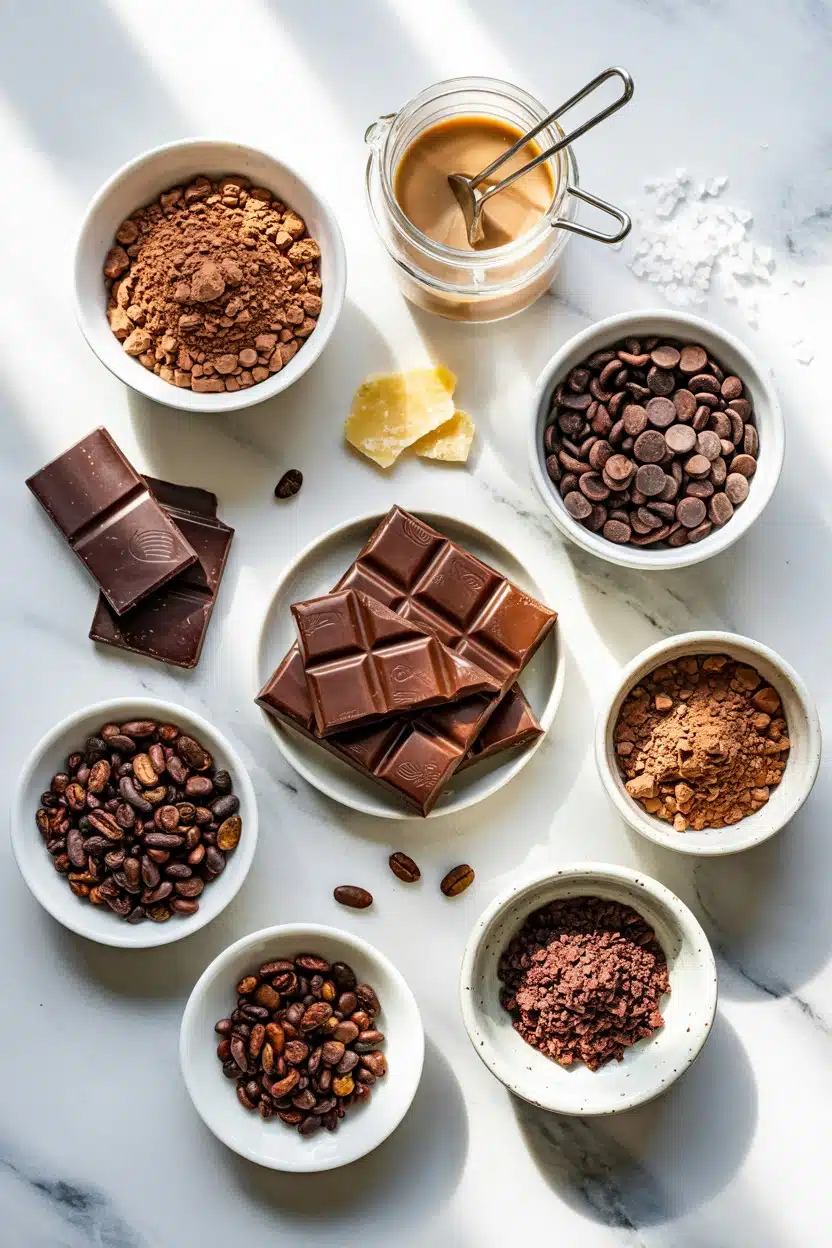
7 - Cocoa Nib Mix

Cocoa nibs are crushed, roasted cacao beans with no added sugar or fat. They're crunchy and intensely bitter.

Combine 1 tablespoon cocoa nibs with 1 teaspoon melted butter (or coconut oil) and 1 teaspoon sugar per 1 oz bittersweet chocolate. Grind the nibs in a spice grinder if you want smoother texture, or leave them coarse for crunch.

What to expect:

  • Delivers raw cacao flavor with textured bite
  • Works in granola, bark, or topped brownies where crunch is welcome
Best Pick
Use cocoa nibs when you want pronounced chocolate essence without smooth melt - ideal for toppings or mix-ins, not ganache or mousse.

Skip if: Recipe depends on smooth, melted chocolate texture or refined sweetness.

Making Bittersweet Chocolate Substitutes Work

Most swaps deliver similar richness but shift sweetness or texture. Test with a small batch if you're unsure, and adjust other sugars based on how sweet your substitute tastes.

Melting behavior matters - semisweet and vegan chips work like bittersweet, while cocoa powder and nibs need fat added back. Match the substitute to your recipe's texture needs first, then fine-tune flavor.

  • Closest match - Semisweet chocolate for same melt and structure
  • Easiest grab - Dark cocoa powder mix for pantry-staple intensity
  • Dietary option - Vegan dark chocolate chips for plant-based richness

Frequently Asked Questions

Can I use semisweet chocolate chips instead of bittersweet bars?

Yes, swap 1:1 by weight. Chips contain stabilizers that prevent full melting in some recipes, so chop a semisweet bar if you need smooth ganache or sauce.

How do I adjust sweetness when using milk chocolate instead of bittersweet?

Reduce other sugars by 1-2 tablespoon per 4 oz chocolate. Taste your batter before baking and cut more if it's too sweet.

Does cocoa powder work in recipes that need melted chocolate?

It works in batters and doughs but not in ganache or bark. Cocoa powder lacks the fat structure that melted chocolate provides, so add butter or oil to compensate.

Can I substitute carob chips in brownies without changing the recipe?

Yes, use 1:1 and expect a sweeter, nuttier flavor. Carob sets firmer than chocolate, so brownies may feel slightly denser after cooling.

What's the best bittersweet chocolate substitute for baking versus cooking?

Semisweet chocolate works for both. For baking, unsweetened chocolate plus sugar gives precise control. For sauces and hot drinks, milk chocolate adds creaminess but demands sugar adjustment.

7 Best Substitutes for Bittersweet Chocolate for Baking Cakes

7 Best Substitutes for Bittersweet Chocolate

No ratings yet
This guide helps you replace bittersweet chocolate in your recipes with seven alternatives. Each substitute suits different needs, from baking to cooking, with ratio tips and sweetness adjustments provided.
Print Recipe Pin Recipe
Prep Time 8 minutes mins
Cook Time 6 minutes mins
Total Time 14 minutes mins
Servings: 6 servings
Course: Substitute Guide
Cuisine: General
Ingredients Method Notes

Ingredients
  

  • 1 to 1 Semisweet Chocolate Use 1:1 ratio to replace bittersweet chocolate; slightly sweeter so reduce other sugars if needed
  • Dark Cocoa Powder + Butter or Oil Use 3 tablespoon cocoa powder plus 1 tablespoon butter or oil per 1 oz bittersweet chocolate for baking; intense cocoa flavor, drier texture
  • 1 oz Unsweetened Chocolate + Sugar Combine 1 oz unsweetened chocolate with 1 tablespoon sugar to replace 1 oz bittersweet chocolate for controlled sweetness in baking
  • 1 to 1 Vegan Dark Chocolate Chips Use 1:1 in place of chopped bittersweet chocolate, melts similarly but slightly acidic finish
  • 1 to 1 Milk Chocolate Swap 1:1 but reduce other sugars by 1-2 tablespoon per 4 oz chocolate; softer set in ganache or mousse
  • 1 to 1 Carob Chips Use 1:1 in allergy-friendly baking; no cocoa, nutty-sweet flavor; firmer set than chocolate
  • Cocoa Nibs + Fat + Sweetener Combine 1 tablespoon cocoa nibs with 1 teaspoon melted butter or oil plus 1 teaspoon sugar per 1 oz bittersweet chocolate for crunchy textured substitute

Method
 

  1. Select your substitute based on the recipe's texture and sweetness needs.
  2. For cocoa powder mix, blend fat into wet ingredients and sift cocoa with dry ingredients before mixing.
  3. Combine unsweetened chocolate with sugar when precise sweetness control is needed.
  4. Use semisweet or vegan chips 1:1 for similar melting behavior to bittersweet chocolate.
  5. Adjust recipe sugars down by 1-2 teaspoons per 4 ounces of sweeter substitutes like semisweet or milk chocolate.
  6. Avoid using cocoa powder or nibs in recipes needing melted chocolate texture like ganache; add butter or oil to compensate for fat loss.
  7. Taste-test your batter or mixture after substitution to balance sweetness and texture.

Notes

Taste-test milk chocolate carefully to avoid overly sweet or soft ganache texture.

Tried this recipe?

Let us know how it was!

5 Best Substitutes for Barramundi for Pan-Seared Fillets

April 21, 2026

You measured out barramundi for tonight's recipe and came up one fillet short. The fish you counted on isn't enough to feed everyone at the table.

5 Best Substitutes for Barramundi for Pan-Seared Fillets
barramundi-substitutes

Barramundi adds mild flavor and flaky texture that holds shape when cooked. The best substitute matches the cooking method and texture you need-delicate for steaming or pan-frying, firmer for grilling or searing.

QUICK SUMMARY

**Snapper** and **cod** deliver mild flavor and flaky texture for most cooked dishes. Snapper works slightly firmer, cod handles high heat better. If you're baking or pan-frying gently, tilapia saves money without major flavor shifts.

🐟Closest swap: Snapper matches barramundi's sweetness and flake with slightly more firmness
⚖️Use 1:1 ratio for all fish swaps and adjust cook time by a minute or two based on thickness
⚠️Common mistake: Overcooking leaner fish like cod ruins texture-pull it off heat when just opaque

7 Barramundi Swaps That Keep Flavor Balanced

These alternatives change how heat and structure behave. Pick based on your cooking method and how much firmness you want in the final dish.

Quick Substitute Reference
#SubstituteBest ForRatioKey Note
1 Snapper 🍳 Cooking 1:1 Slightly firmer but same mild sweetness
2 Tilapia 🍳 Cooking 1:1 Budget-friendly, softer texture
3 Cod 🍳 Cooking 1:1 Firmer flesh, less sweet
4 Halibut 🍳 Cooking Equal parts Best for grilling, stronger flavor
5 King Oyster Mushroom 🌱 Vegan Equal volume Meaty texture, no fish flavor

1 - Snapper

Snapper shares barramundi's mild sweetness and flakes the same way when cooked. The flesh is slightly firmer, which helps it hold shape when pan-seared or grilled without turning mushy.

Use a 1:1 ratio and cook snapper the same way you'd handle barramundi. The firmer texture means you can push sear time by 30 seconds without risking a dry result.

Snapper

Works for: Pan-searing, grilling, or roasting where you need shape retention

Skip if: You want the softest, most delicate flake possible

Barramundi

Works for: Gentle cooking methods like steaming or light sautéing

Skip if: High heat or long cook times are involved-it can dry out faster

Here's what to know:

  • Cook time stays the same for fillets of equal thickness
  • Snapper's slightly firmer bite won't collapse in fish tacos or rice bowls
  • Season aggressively-snapper's mild flavor won't fight bold spices
  • The skin crisps beautifully if you sear it skin-side down first

If you're out of snapper too, snapper swaps for firm fillets covers options that hold shape under heat.

2 - Tilapia

Tilapia delivers mild flavor and flaky texture at a fraction of the cost. The flesh is softer than barramundi, which makes it a gentler swap for dishes where you're baking or lightly pan-frying instead of searing hard.

Use a 1:1 ratio and reduce cook time by a minute if your fillets are thinner. Tilapia dries out fast, so pull it off heat the moment it turns opaque.

Missing tilapia as well? Tilapia swaps that work has mild-flavored picks for simple preparations.

Skip if: you need a fish that holds up to high-heat grilling or prolonged cooking.

3 - Cod

Cod offers mild flavor and flaky texture but with firmer flesh that stands up to baking, steaming, or pan-frying. It's less sweet than barramundi, so the flavor sits more neutral in the final dish.

Best Pick
Cod works when you're cooking fish in a sauce or stew where the liquid will add back moisture and flavor.

Use a 1:1 ratio and watch the clock-cod turns rubbery if you overcook it even slightly. Pull it off heat when the center just turns opaque and flakes with light pressure.

The essentials:

  • Cod's firmer texture won't fall apart in fish chowder or curry
  • Less natural sweetness means it takes on marinades and seasonings more aggressively
  • Thicker fillets need an extra minute or two compared to barramundi

No cod either? Cod replacements by use breaks down options for soups, bakes, and pan-sears.

4 - Halibut

Halibut provides flaky texture and holds shape well under high heat, making it a strong choice for grilling or searing. The flavor is cleaner and slightly more pronounced than barramundi, so it won't disappear into milder seasonings.

Use equal parts and expect a firmer bite. Halibut's density means it can handle an extra 30 seconds of sear time without drying out completely.

Shortcut
Brush halibut with oil or butter before cooking to keep the surface from sticking and add back moisture the leaner flesh lacks.

Out of halibut too? Halibut swaps for grilling covers firm fish that won't fall through the grates.

Skip if: you need a very mild flavor or you're cooking with delicate techniques like steaming.

5 - King Oyster Mushroom

King oyster mushroom mimics the meaty texture of fish and holds shape when pan-seared, making it the top vegan alternative. The flavor is earthy and umami-rich, not fish-like, so you'll need to season aggressively to match barramundi's role.

Watch Out
King oyster mushrooms release water when cooked-sear them hard and fast to build a golden crust before they turn soggy.

Slice mushrooms into thick rounds or planks to match fillet shape. Use equal volume and cook them over high heat to get a sear similar to fish skin.

Quick specs:

  • Score the surface in a crosshatch pattern to help seasoning stick and crisp the edges
  • Add soy sauce, seaweed, or miso to bring a briny note that mimics fish flavor

Missing king oyster mushrooms as well? Oyster mushroom swaps for texture has meaty picks that sear well.

Skip if: fish flavor or texture is critical to the dish.

Choosing the Right Barramundi Substitute

Test with a small batch if you're unsure. Most swaps need minor tweaks to cook time or seasoning intensity, but the results come close when you match texture to cooking method.

  • Closest match - Snapper for mild sweetness and reliable flake
  • Easiest grab - Tilapia for budget-friendly simplicity
  • Dietary option - King oyster mushroom for vegan meals

Frequently Asked Questions

Can I use frozen fish as a barramundi substitute?

Yes, frozen snapper, cod, or tilapia work fine if you thaw them completely and pat dry before cooking. Excess water from improper thawing will prevent a good sear and make the texture mushy.

Do these substitutes work for grilling?

Snapper, halibut, and cod all grill well if you oil the grates and use a fish basket to prevent sticking. Tilapia's softer texture makes it more likely to fall apart, so skip it for direct grilling.

Will the flavor change much with these swaps?

Snapper and tilapia stay close to barramundi's mild sweetness. Cod and halibut taste more neutral and slightly less sweet, but the difference disappears when you add bold seasonings or sauces.

Can I bake these substitutes instead of pan-searing?

All five substitutes bake well at 375-400°F. Check doneness at 10 minutes for thinner fillets and 12-15 minutes for thicker cuts-fish is done when it flakes easily and the center turns opaque.

How do I keep lean fish from drying out?

Brush the surface with oil or melted butter before cooking and pull the fish off heat just before it looks fully done. Residual heat will finish cooking it without turning the texture dry and chalky.

5 Best Substitutes for Barramundi for Pan-Seared Fillets

5 Best Substitutes for Barramundi

No ratings yet
This guide helps you choose the right barramundi substitute based on cooking method and texture. Snapper, cod, tilapia, halibut, and king oyster mushroom offer options from mild flaky fish to vegan alternatives.
Print Recipe Pin Recipe
Prep Time 6 minutes mins
Cook Time 5 minutes mins
Total Time 11 minutes mins
Servings: 4 servings
Ingredients Method Notes

Ingredients
  

  • 1 to Snapper Slightly firmer but same mild sweetness
  • 1 to Tilapia Budget-friendly, softer texture
  • 1 to Cod Firmer flesh, less sweet
  • Halibut Use equal parts; best for grilling, stronger flavor
  • King Oyster Mushroom Use equal volume; meaty texture, no fish flavor

Method
 

  1. Choose your substitute based on your cooking method and desired texture firmness.
  2. Prepare the substitute appropriately, trimming or slicing to match barramundi fillet size.
  3. Use a 1:1 ratio for all fish substitutes. For halibut and king oyster mushroom, use equal parts or volume as noted.
  4. Adjust cooking time by roughly a minute or two depending on fillet thickness and substitute firmness.
  5. Pull fish off heat when just opaque to avoid overcooking and maintain texture.
  6. For king oyster mushroom, sear hard and fast to form a golden crust and mimic fish skin texture.
  7. Season the substitute to taste, considering mild flavor of snapper or stronger flavor of halibut.
  8. Taste test the substitute dish before serving to ensure flavor balance and texture satisfaction.

Notes

Drain snapper fillets well before cooking to prevent watery texture.

Tried this recipe?

Let us know how it was!

5 Best Substitutes for Barberry in Persian Cooking

April 21, 2026

You're out of barberry for rice, and you're doubling the recipe. Most specialty shops stock it, but not today.

5 Best Substitutes for Barberry in Persian Cooking
barberry-substitutes

Barberry adds a sharp, fruity tartness to rice dishes and stews. The best swap depends on whether you need that bright acidity, the chewy texture, or both.

QUICK SUMMARY

**Dried cranberries** match barberry's tartness and chewy bite in rice dishes. Sumac powder replicates the tangy kick but skips the texture. Red currants work fresh but break down when cooked long. Most swaps need a slight ratio tweak to balance sweetness.

🔴Closest match: Dried cranberries for tart-sweet balance and texture
⚖️Core ratio: **1:1 for dried fruit**, half the volume for sumac powder
⚠️Common mistake: Skipping acid adjustment when using raisins alone

5 Barberry Substitutes Without Big Changes

Barberry's sharp tang and chewy texture make it tricky to replace. Some swaps lean sweet, others skip the berry form entirely.

Pick based on what matters most: tartness, texture, or both.

Quick Substitute Reference
#SubstituteBest ForRatioKey Note
1 Dried Cranberries 🍳 Cooking 1:1 Milder sourness, sweeter finish
2 Dried Sour Cherries 🍳 Cooking 1:1 Fruitier, less sharp
3 Sumac Powder 🍳 Cooking ½ teaspoon per 1 tbsp No texture, lemony tang
4 Red Currants 🍳 Cooking 1.5x volume (fresh) Fresh only, breaks down with heat
5 Raisins + Lemon Juice 🍳 Cooking 1 tablespoon + 1 tsp Sweet base, needs acid boost

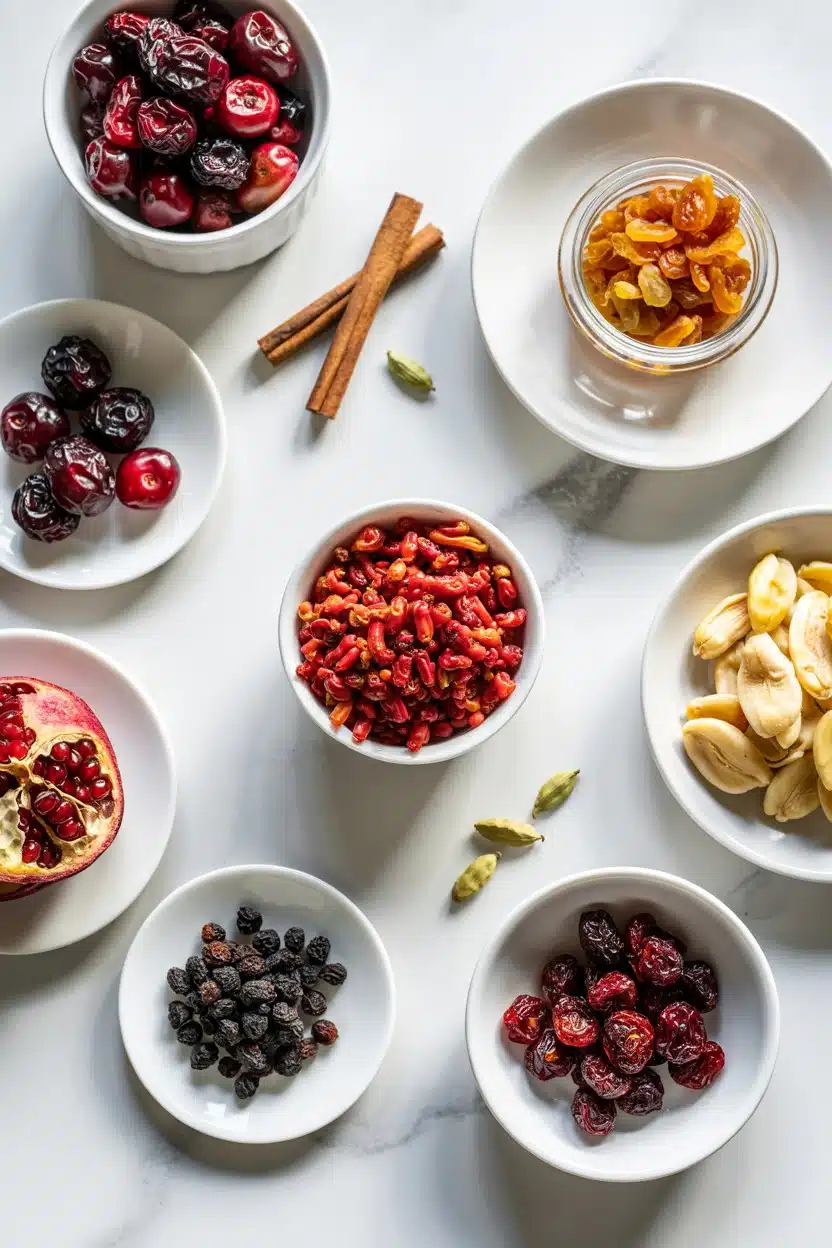
1 - Cranberries

Dried cranberries bring a tart-sweet balance that's close to barberry's profile. They hold their shape in rice and stews, adding pops of color and chewy texture.

The trade-off: cranberries lean slightly sweeter and less sharp. In Persian pilafs, they mimic barberry's brightness without overpowering the dish.

Dried Cranberries

Works for: Rice dishes, pilafs, mild stews where tart-sweet balance matters

Skip if: You need very sharp sourness or exact barberry intensity

Barberry

Works for: Recipes demanding bright acidity and firm berry texture

Skip if: Not available or you prefer milder tartness

Here's what to know:

  • Use 1 tablespoon cranberries per 1 tablespoon barberry
  • Add them at the same point in the recipe
  • Taste and add a pinch of citrus if the dish needs sharper tang

If you're out of cranberries too, dried cranberry swaps lists firmer fruit options.

2 - Sour Cherries

Dried sour cherries match barberry's tartness with a fruitier, less astringent edge. They soften more than barberry when cooked, making them better for stews than rice dishes where you want firm pops.

The color stays vibrant, and the tangy-sweet flavor complements savory spices. Use equal volume-1 tablespoon per 1 tbsp.

Best Pick
For slow-cooked stews where a softer berry texture works and you need fruity tartness without sharp sourness

Key details:

  • Swap 1:1 in pilafs and braises
  • Expect a softer bite after simmering
  • Pairs well with cinnamon and cumin

Skip if: you need very firm berries or extremely sharp acidity.

3 - Sumac

Sumac powder delivers the tangy, lemony brightness of barberry without any texture. It's a finishing spice, not a direct berry swap.

Use half a teaspoon of sumac per tablespoon of barberry. Stir it in at the end of cooking or sprinkle over rice before serving.

The essentials:

  • Ratio: ½ teaspoon sumac per 1 tablespoon barberry
  • Add at the end to preserve brightness

Out of sumac as well? Sumac swaps for tartness covers citrus-based alternatives.

Skip if: the recipe relies on chewy berry texture or color contrast.

4 - Red Currants

Fresh red currants bring juicy tartness and vibrant color that's close to barberry's sharpness. They work best in cold dishes or as a garnish.

Heat makes them burst and lose structure, so they're not ideal for long-cooked pilafs. Use about 1.5 times the volume to account for moisture.

Watch Out
Fresh currants break down quickly under heat-add them at the very end or use in uncooked applications

Quick specs:

  • Use 1.5 tablespoon fresh currants per 1 tablespoon dried barberry
  • Best in salads, cold rice dishes, or last-minute stirs

Missing currants as well? Red currant substitutes covers tart berry swaps.

Skip if: you're cooking low and slow or need dried fruit that holds its shape.

5 - Raisin & Lemon Mix

Raisins alone are too sweet, but pairing them with lemon juice mimics barberry's sweet-tart balance. This combo works best in slow-cooked dishes where the flavors meld.

The texture stays chewy, though raisins plump more than barberries. Use 1 tablespoon of raisins plus 1 teaspoon of lemon juice per tablespoon of barberry.

Shortcut
Mix raisins and lemon juice together before adding them to the dish-it distributes the acid more evenly

What to expect:

  • Ratio: 1 tablespoon raisins + 1 teaspoon lemon juice per 1 tablespoon barberry
  • Raisins soften and plump during cooking
  • Lemon brightens the sweetness
  • Works in pilafs, stews, and braises

Out of raisins too? Raisin swaps for sweetness offers dried fruit picks.

Skip if: you want pure berry flavor or bright red color.

How to Choose a Barberry Substitute

Start with dried cranberries if you want the closest match. Adjust seasoning after tasting-some swaps need a squeeze of lemon to match barberry's sharpness.

  • Closest match - Dried cranberries for tart-sweet balance
  • Easiest grab - Raisins + lemon juice from pantry basics
  • Dietary option - Sumac powder for vegan, gluten-free tang

Frequently Asked Questions

Can I use fresh cranberries instead of dried for barberry substitutes?

Fresh cranberries are too tart and watery. Dried cranberries match barberry's chewy texture and concentrated flavor better in rice dishes and stews.

Does sumac powder work in baked goods that call for barberry?

Sumac adds tartness but no texture or moisture. It's better for savory dishes where you need acidity without the berry form.

How do I keep red currants from bursting in hot dishes?

Add them right before serving or use them in cold preparations. Heat breaks down fresh currants quickly, so they're not a good fit for long-cooked recipes.

Can I mix dried cherries and cranberries for a better barberry match?

Yes. Use half of each to balance the fruitiness of cherries with the sharper tang of cranberries. Total volume should match the barberry amount called for.

Do I need to soak dried fruit substitutes before adding them to rice?

Not usually. Dried cranberries and cherries plump as the rice cooks. If you want softer texture, soak them in warm water for 10 minutes first, then drain.

5 Best Substitutes for Barberry in Persian Cooking

5 Best Substitutes for Barberry

No ratings yet
Barberry adds sharp, fruity tartness and chewy texture to dishes. Choose your substitute based on whether you want bright acidity, chewiness, or both. Adjust ratios and add acid if needed.
Print Recipe Pin Recipe
Prep Time 6 minutes mins
Cook Time 6 minutes mins
Total Time 12 minutes mins
Servings: 4 servings
Course: Condiments, Substitutes
Cuisine: General
Ingredients Method Notes

Ingredients
  

  • 1 tablespoon Dried Cranberries Use equal volume to barberry; milder sourness with sweeter finish
  • 1 tablespoon Dried Sour Cherries Use equal volume to barberry; fruitier and less sharp than barberry
  • 0.5 teaspoon Sumac Powder Use half a teaspoon per tablespoon of barberry; no texture, lemony tang
  • 1.5 tablespoon Fresh Red Currants Use 1.5 times volume of barberry; add fresh at end to avoid breaking down with heat
  • 1 tablespoon Raisins + Lemon Juice Use 1 tablespoon raisins plus 1 teaspoon lemon juice per tablespoon of barberry; sweet base needs acid boost

Method
 

  1. Choose a substitute based on the desired tartness, texture, or both for your dish.
  2. If using dried fruit (cranberries, sour cherries, raisins), use equal volume to barberry; for sumac powder, use half the volume; for red currants, use 1.5 times the volume fresh.
  3. Add dried cranberries, sour cherries, or raisin-lemon mix at the same cooking stage as barberry; add sumac powder at the end to preserve brightness.
  4. For red currants, add at the very end or use in cold dishes to prevent bursting under heat.
  5. Taste your dish after adding substitutes and adjust with a pinch of citrus or lemon juice to balance tartness if needed.

Notes

Add dried cranberries slowly and taste-test to avoid overly sweet or bland results.

Tried this recipe?

Let us know how it was!

5 Best Substitutes for Anise in Baking & Cooking

April 21, 2026

You're mid-recipe and realize the jar of anise seeds is empty. The dish needs that sweet, licorice-like note to carry the flavor through, and skipping it changes everything.

5 Best Substitutes for Anise in Baking & Cooking
anise-substitutes

Not every swap hits the same way. The best pick depends on what anise does in your recipe-some deliver licorice punch, others add aromatic sweetness, and a few bring texture you can't skip.

QUICK SUMMARY

Out of anise? **Fennel seeds** bring mild licorice sweetness, **star anise** adds stronger flavor for slow cooking, and **anise extract** works when liquid form doesn't matter. Match the swap to how you're cooking-savory dishes need one type, baking another-and adjust ratios to avoid overpowering.

🌟Closest match: Fennel seeds deliver similar sweetness with less intensity
📊Core ratio: **Use 1:1 for fennel seeds**, half for star anise or licorice root
⚠️Watch out: Star anise overpowers delicate batters-save it for savory dishes

5 Easy Anise Swaps for Cooking

These replacements range from nearly identical to functional alternatives. Each works in specific contexts, and ratios shift based on intensity.

Pick the one that suits your dish best.

Quick Substitute Reference
#SubstituteBest ForRatioKey Note
1 Fennel Seeds ✨ Both 1:1 milder, sweeter licorice tone
2 Star Anise 🍳 Cooking 1 whole per 1 tablespoon seeds stronger, woodsy, remove before serving
3 Anise Extract 🥧 Baking 1 teaspoon per 1 tablespoon seeds pure flavor, no texture
4 Sambuca 🍳 Cooking 1:1 adds alcohol, sweet anise kick
5 Ground Licorice Root ✨ Both ½ tablespoon per 1 tablespoon anise earthier, less aromatic sweetness

1 - Fennel Seeds

Fennel seeds share anise's botanical family and carry a similar licorice profile. The flavor stays sweeter and milder, making them safer when you don't want to overpower.

They work across baking and savory dishes without major adjustments. Use 1 tablespoon fennel per 1 tablespoon anise and taste as you go.

Fennel Seeds

Works for: cookies, breads, sausages, roasted vegetables, any recipe needing gentler licorice

Skip if: you need bold, punchy anise flavor that hits hard

Anise Seeds

Works for: concentrated licorice punch in smaller amounts, traditional recipes calling for strong aromatic sweetness

Skip if: you want a softer, more balanced background note

Quick tips:

  • Toast fennel seeds briefly to boost aroma before grinding
  • Add extra pinch if batter tastes flat
  • Works well in Italian sausage blends

If you're short on fennel seeds too, what to use instead covers milder spice options.

Skip if: the recipe demands sharp, concentrated licorice with no room for softness.

2 - Star Anise

Star anise delivers more intensity than the seeds. It's a close botanical cousin but brings woodsy depth and slight bitterness that suits slow-cooked dishes.

Use 1 whole star anise per 1 tablespoon anise seeds and remove it before serving. The flavor keeps building as it simmers.

Don't have star anise either? Missing both means swaps for anise-forward recipes covers backup picks.

Skip if: you're baking delicate pastries-star anise overpowers light batters and cakes.

3 - Anise Extract

Anise extract is concentrated liquid flavor without seed texture. It works when you need pure licorice punch in baked goods or frostings.

Best Pick
Use 1 teaspoon extract per 1 tablespoon anise seeds-add gradually to avoid overpowering desserts.

Use 1 teaspoon per 1 tablespoon anise seeds and add it after mixing wet ingredients. A little goes far, so start with half the amount and build up.

Key details:

  • Blends invisibly into batters and glazes
  • No crunch or seed bits
  • Alcohol-based-most evaporates during baking
  • Works in icings, cookies, cakes, sweet breads

Out of extract as well? If you're missing both forms, anise swaps by type ranks alternatives by texture.

Skip if: the recipe relies on whole seeds for visual appeal or textural contrast.

4 - Sambuca

Sambuca brings sweet anise flavor in liquid form with alcohol warmth. It works best in sauces, glazes, or cocktail recipes where liquid doesn't disrupt structure.

Use 1 tablespoon Sambuca per 1 tablespoon anise seeds. The alcohol cooks off but leaves concentrated licorice behind.

Watch Out
Don't use Sambuca in alcohol-free cooking-flavor stays strong but warmth changes the finish.

Quick specs:

  • Adds sweetness along with licorice notes
  • Best in pan sauces, marinades, or flambé dishes

No Sambuca on hand either? Missing both means Sambuca swaps for cooking has liquid alternatives.

Skip if: you're cooking for anyone avoiding alcohol or baking dense batters where liquid throws off ratios.

5 - Ground Licorice Root

Ground licorice root delivers earthier licorice flavor without anise's aromatic sweetness. It works in spice blends, teas, and some baked goods where herbal depth fits.

Use ½ tablespoon ground licorice root per 1 tablespoon anise seeds. Start with less-it's less sweet and more assertive.

UseRatioNotes
Spice rubs½ tablespoon per 1 tablespoon aniseAdds herbal depth without sweetness
Tea blendsEqual amountSteep longer for fuller flavor
Cookie doughStart with ¼ tbspTaste batter before adding more

The essentials:

  • Less aromatic than anise seeds
  • Works in savory contexts better than sweet

Skip if: you need bright, sweet licorice notes-ground licorice root stays heavier and more medicinal.

Final Thoughts on Swapping Anise

Start with fennel seeds for the closest match. Adjust intensity by tasting early and adding more if needed.

Star anise works for slow-cooked dishes, anise extract for baking, and Sambuca when liquid form fits the recipe.

  • Closest match - Fennel seeds deliver similar sweetness with less punch
  • Easiest grab - Anise extract if you bake often
  • Dietary option - Ground licorice root for alcohol-free, vegan cooking

Frequently Asked Questions

Can I use fennel seeds instead of anise in cookies?

Yes, fennel seeds work in cookies with a 1:1 swap. The flavor stays milder, so you might want to add a bit more if the dough tastes flat after mixing.

How much star anise equals one tablespoon of anise seeds?

Use 1 whole star anise per 1 tablespoon anise seeds. Remove it before serving-star anise keeps releasing flavor as it simmers and can overpower if left too long.

Does anise extract taste the same as anise seeds?

Anise extract delivers concentrated licorice flavor without texture. It tastes stronger per volume, so use 1 teaspoon extract per 1 tablespoon seeds and add gradually to avoid overpowering.

Can I skip anise in a recipe entirely?

You can skip it, but the dish loses its licorice note. If anise is central to the recipe's flavor, leaving it out changes the profile-consider using fennel seeds or extract instead.

Is ground licorice root a good substitute for anise in baking?

Ground licorice root works in spice-forward baked goods but tastes earthier and less sweet than anise. Use half the amount and taste the batter-it's better in cookies and spice cakes than delicate pastries.

5 Best Substitutes for Anise in Baking & Cooking

5 Best Substitutes for Anise

No ratings yet
When you run out of anise, choose your substitute based on how the original flavor functions in your recipe. Fennel seeds provide a milder, sweeter licorice note for both baking and cooking. Star anise suits slow-cooked savory dishes with its strong, woodsy flavor. Anise extract is ideal for baked goods requiring pure flavor without texture, while Sambuca adds a sweet anise kick in liquid form for sauces and glazes. Ground licorice root offers an earthier, less sweet flavor for spice blends and teas. Adjust amounts and taste as you go to avoid overpowering.
Print Recipe Pin Recipe
Prep Time 7 minutes mins
Cook Time 6 minutes mins
Total Time 13 minutes mins
Servings: 4 servings
Course: Substitution Guide
Cuisine: General
Ingredients Method Notes

Ingredients
  

  • 1 tablespoon Fennel Seeds milder, sweeter licorice tone; substitute 1:1 for anise seeds
  • 1 whole Star Anise stronger, woodsy flavor; use 1 whole per 1 tablespoon anise seeds; remove before serving
  • 1 teaspoon Anise Extract pure flavor, no texture; use 1 teaspoon per 1 tablespoon anise seeds; add gradually to avoid overpowering
  • 1 tablespoon Sambuca adds alcohol, sweet anise kick; use 1:1 ratio for anise seeds
  • 0.5 tablespoon Ground Licorice Root earthier, less aromatic sweetness; use half amount compared to anise seeds

Method
 

  1. Choose your substitute based on the recipe: fennel seeds for both savory and baking, star anise for slow-cooked savory dishes, anise extract for baked goods, Sambuca for sauces and glazes, and ground licorice root for earthy spice blends or teas.
  2. Toast fennel seeds briefly before grinding to boost their aroma and match the licorice tone when using.
  3. Use the specified ratio: 1 tablespoon fennel seeds per 1 tablespoon anise seeds, 1 whole star anise per 1 tablespoon anise seeds, 1 teaspoon anise extract per 1 tablespoon anise seeds, 1 tablespoon Sambuca per 1 tablespoon anise seeds, and 0.5 tablespoon ground licorice root per 1 tablespoon anise seeds.
  4. Remove whole star anise before serving to avoid overpowering flavors from prolonged simmering.
  5. Add liquid substitutes like anise extract and Sambuca gradually to avoid affecting the batter or sauce consistency.
  6. Taste the dish after adding the substitute and adjust the amount as needed to balance flavor without overpowering.

Notes

Add anise extract gradually to batters to prevent overpowering and off textures.

Tried this recipe?

Let us know how it was!

5 Best Substitutes for Blade Steak for Slow Cooking & Grilling

April 21, 2026

The store isn't an option, and the pantry has to cover this one. Blade steak brings beefy flavor with enough connective tissue to turn silky after a long braise.

5 Best Substitutes for Blade Steak for Slow Cooking & Grilling
blade-steak-substitutes
QUICK SUMMARY

Chuck roast and flat iron steak are top substitutes; prioritize matching flavor and texture first. Adjust cooking time or heat depending on the cut. Remember, slow-cooking cuts need longer braising to become tender.

🥩Closest match: Flat iron steak shares the same muscle minus the center tendon.
⚖️Ratio + fix: Swap 1:1; extend cooking time for tougher cuts like chuck roast.
🔥Watch heat: Skirt steak needs very high heat and quick cooking to avoid toughness.

Not every cut handles the same cooking method, so match the swap to your technique first. Some work better on high heat, others need low and slow. The table below gives you the fastest answer.

Quick Substitute Reference
#SubstituteBest ForRatioKey Note
1 Chuck Roast 🍳 Cooking 1:1 Rich flavor, needs longer cook
2 Skirt Steak 🍳 Cooking 1:1 Best for quick high heat
3 Flat Iron Steak 🍳 Cooking 1:1 Tender, mild, sears well
4 Top Sirloin 🍳 Cooking 1:1 Lean, roasts nicely
5 Beef Brisket 🍳 Cooking 1:1 Fatty, needs hours to tenderize

5 Easy Blade Steak Swaps for Cooking

These alternatives range from pantry-friendly braising cuts to quick-cooking steaks that sear in minutes. Pick based on your cooking method and what's already in your fridge.

1 - Chuck Roast

Chuck roast comes from the same shoulder region as blade steak, so the beefy depth matches closely. The texture runs slightly tougher, which means it needs more time to break down.

Cut it into steak-sized portions and braise for at least two hours. The collagen melts into the sauce, giving you that same rich body blade steak delivers.

Skip if: you need something ready in under an hour.

Chuck Roast

Works for: pot roast, beef stew, shredded beef tacos

Skip if: grilling or pan-searing quickly

Blade Steak

Works for: braising, grilling after tenderizing, stir-fry

Skip if: you want uniform slices without a center seam

2 - Skirt Steak

Skirt steak cooks in the opposite direction-screaming hot, fast, and done. The fibers run long and loose, which creates that signature chew fajita lovers recognize.

Slice against the grain or it turns stringy. Keep it medium-rare at most; anything beyond that dries out quickly.

The essentials:

  • Sear over high heat for 2-3 minutes per side.
  • Rest 5 minutes before slicing thin against the grain.
  • Season aggressively since the loose texture absorbs marinades well.

Skip if: your recipe calls for braising or stewing.

3 - Flat Iron Steak

Flat iron comes from the top blade muscle, making it one of the closest relatives to blade steak. The main difference is a center tendon that's already been removed during butchering.

Marbling runs through the whole cut, so it stays juicy without much effort. It sears beautifully and tastes mild, almost buttery.

Best Pick
Flat iron delivers the most similar texture to blade steak without adjusting your technique.

Skip if: you're making a slow braise where tenderness develops over hours.

4 - Top Sirloin

Top sirloin runs leaner than blade steak, which means less fat to protect against overcooking. The flavor stays beefy but won't have that same richness from marbling.

Roast it whole or grill thick steaks to medium for the best results. Going past medium turns it chewy fast.

When you need similar texture with more options, what to use for Sirloin Steak covers cuts that hold up to dry heat.

Skip if: braising or any recipe that counts on fat rendering out.

Watch Out
Top sirloin dries out quickly-pull it at 130°F internal for medium-rare.

5 - Beef Brisket

Brisket takes everything blade steak does and stretches it out. The fat cap and connective tissue need hours to render, but the payoff is shredded beef that falls apart at a glance.

Plan for 3-4 hours of low heat at minimum. Smoke it, braise it, or slow-roast it-just don't rush it.

Key details:

  • Keep the fat cap facing up so it bastes the meat as it melts.
  • Target 200-205°F internal temperature for pullable texture.
UseRatioNotes
Pot roast1:1 by weightAdd 1–2 hours to cook time
Smoked beef1:1 by weightLow and slow, 225°F for 6+ hours
Shredded tacos1:1 by weightBraise until fork-tender

Skip if: you need dinner in under two hours.

Choosing the Right Blade Steak Substitute

The right swap depends entirely on how you're cooking. Fast and hot calls for skirt or flat iron. Low and slow opens the door to chuck roast or brisket.

  • Closest match - Flat iron for similar tenderness and mild beef flavor
  • Easiest grab - Chuck roast since most grocery stores stock it
  • Bold alternative - Brisket when you have time and want deep, smoky richness

Frequently Asked Questions

Can I use chuck roast instead of blade steak for grilling?

Not directly. Chuck roast is too tough for quick grilling. Slice it thin and marinate overnight, or braise it instead.

Which substitute tastes most like blade steak?

Flat iron steak comes closest. It's cut from the same muscle group and has similar marbling and tenderness.

Why does skirt steak need to be sliced against the grain?

Skirt steak has long muscle fibers. Cutting against them shortens those fibers, making each bite tender instead of chewy.

Is top sirloin a good choice for beef stew?

It works but can turn dry. Top sirloin lacks the fat content that keeps blade steak moist during long simmering.

How much longer does brisket take compared to blade steak?

Expect at least double the time. Blade steak braises in 1-2 hours, while brisket needs 3-4 hours minimum to become tender.

5 Best Substitutes for Blade Steak for Slow Cooking & Grilling

5 Best Substitutes for Blade Steak

No ratings yet
This guide details five practical substitutes for blade steak, matched to cooking methods from quick searing to long braising. Choose substitutes by cooking technique and adjust prep as needed.
Print Recipe Pin Recipe
Prep Time 7 minutes mins
Cook Time 10 minutes mins
Total Time 17 minutes mins
Servings: 4 servings
Course: Main Dishes
Cuisine: American
Ingredients Method Notes

Ingredients
  

  • 1 to Chuck Roast Use 1:1 ratio by weight. Cut into steak-sized portions and braise for at least two hours.
  • 1 to Skirt Steak Use 1:1 ratio by weight. Best cooked screaming hot and fast, sear 2-3 minutes per side.
  • 1 to Flat Iron Steak Use 1:1 ratio by weight. Tender, mild, sears well with removed center tendon.
  • 1 to Top Sirloin Use 1:1 ratio by weight. Lean, roasts nicely; pull at 130°F internal for medium-rare.
  • 1 to Beef Brisket Use 1:1 ratio by weight. Fatty, needs 3-4 hours low heat to tenderize.

Method
 

  1. Choose your substitute based on the cooking method: use skirt or flat iron for quick high heat, chuck roast or brisket for low and slow.
  2. For chuck roast, cut into steak-sized portions and braise at least two hours until collagen melts into the sauce.
  3. For skirt steak, sear over high heat 2-3 minutes per side, rest 5 minutes, then slice thin against the grain.
  4. For flat iron steak, sear well and keep cooking quick to preserve tenderness; avoid slow braising.
  5. For top sirloin, roast or grill thick steaks to medium, and pull from heat at 130°F internal temperature.
  6. For beef brisket, cook low and slow for 3-4 hours minimum with fat cap facing up to baste meat.
  7. Adjust ratios 1:1 by weight for all substitutes, and ensure cooking time matches cut toughness and cooking method.
  8. Taste-test throughout to ensure desired tenderness and flavor balance.

Notes

Slice skirt steak thin against the grain to prevent stringy, chewy bites during quick cooking.

Tried this recipe?

Let us know how it was!

5 Best Substitutes for Beef Tenderloin in Elegant Dinner Recipes

April 21, 2026

You measured out the beef tenderloin for tonight's dinner, but there's not enough to finish the recipe. That buttery texture and mild flavor make it a centerpiece cut, so the swap needs to deliver on tenderness or at least get close.

5 Best Substitutes for Beef Tenderloin in Elegant Dinner Recipes
beef-tenderloin-substitutes
QUICK SUMMARY

Filet mignon and strip steak best replicate tenderloin's texture and flavor. Prioritize tenderness first, then flavor. For strip steak, trimming excess fat helps balance richness.

🥩Closest feel: Filet mignon offers the same buttery texture and mild flavor.
⚖️Ratio + fix: Swap 1:1; trim strip steak fat for a leaner bite.
🔥Watch heat: Top round needs low, slow cooking to avoid toughness.

The right substitute depends on cooking method and how much chew you're willing to accept. Some cuts match the melt-in-your-mouth quality; others bring more beef flavor but firmer texture. Use the table below to find the fastest match for what you're making.

Quick Substitute Reference
#SubstituteBest ForRatioKey Note
1 Filet Mignon 🍳 Cooking 1:1 Same cut, just portioned
2 Strip Steak 🍳 Cooking 1:1 Beefier, more chew
3 Sirloin 🍳 Cooking 1:1 Budget-friendly, robust
4 Top Round 🍳 Cooking 1:1, longer cook Needs slow heat
5 Porterhouse 🍳 Cooking 1:1 Two textures in one

5 Beef Tenderloin Replacements for Better Texture

These options range from near-identical to budget-friendly backups. The first two get closest to that fork-tender quality, while the rest work when you're cooking low and slow or don't mind a bit more bite.

1 - Filet Mignon

Filet mignon is beef tenderloin-just cut into individual steaks. You're getting the same muscle, same buttery texture, same mild flavor.

The only difference is portion size and sometimes price per pound. Use it anywhere tenderloin works: seared, roasted, or sliced for beef stroganoff.

Quick specs:

  • Same tenderness - No texture adjustment needed.
  • Portion math - One 8-oz filet equals about half a pound of whole tenderloin.
  • Searing tip - High heat for 3 minutes per side, then rest 5 minutes.

Skip if: You need a large roast for slicing at the table.

FILET MIGNON

Works for: Any recipe calling for tenderloin steaks or medallions

Skip if: You're roasting a whole tenderloin for a crowd

STRIP STEAK

Works for: Dishes where bolder beef flavor matters more than tenderness

Skip if: The recipe depends on a melt-in-your-mouth texture

2 - Strip Steak

Strip steak comes from the short loin, right next to the tenderloin. It's got a firmer bite and noticeably beefier taste.

The fat cap along one edge adds richness during cooking. Slice against the grain for the best texture in stir-fries or fajitas.

The essentials:

  • Chew factor - Expect more resistance than tenderloin.
  • Fat advantage - That exterior fat bastes the meat as it cooks.
  • Slicing matters - Thin cuts against the grain minimize toughness.
  • Rest time - Give it 5 minutes off heat before cutting.

Skip if: You want that buttery, zero-resistance tenderness.

3 - Sirloin

Sirloin sits further back on the cow, where the muscles work harder. That means more flavor but less tenderness.

The tradeoff is worth it for roasts and grilled steaks where you want beef to taste like beef. A good marinade or dry brine helps tenderize the meat before cooking.

Shortcut
Salt sirloin heavily 45 minutes before cooking-it breaks down proteins and improves texture without a full marinade.

Key details:

  • Flavor boost - Stronger, meatier taste than tenderloin.
  • Marinade window - 2-4 hours in acid-based marinade tenderizes without turning mushy.
  • Cooking temp - Medium-rare to medium keeps it from getting tough.

If you're also short on sirloin, Sirloin Steak substitutes for cooking covers cuts with similar robustness.

Skip if: You're serving guests who expect fork-tender beef.

4 - Top Round

Top round comes from the rear leg-a lean, hardworking muscle. It needs patience.

Quick-cooking methods turn it chewy. Slow roasting at 275°F or braising breaks down the connective tissue and yields sliceable, tender meat.

What to expect:

  • Lean profile - Almost no marbling, so it dries out fast over high heat.
  • Roast method - Low and slow, 25 minutes per pound at 275°F.

This cut shines in Sunday roasts and French dip sandwiches. Slice paper-thin for the best eating experience.

Skip if: You're pan-searing or need quick-cooking medallions.

5 - Porterhouse

Porterhouse gives you two steaks in one: a strip on one side, tenderloin on the other. The bone runs down the middle.

That built-in variety means uneven cooking. The tenderloin side finishes faster than the strip side.

SectionTextureCook Time
Tenderloin sideButtery, tenderFinishes 2 min faster
Strip sideFirmer, beefierNeeds extra sear time
Near boneMost flavorfulHardest to gauge doneness

Position the tenderloin side away from direct heat on the grill. This gives the strip side extra time without overcooking the delicate portion.

Skip if: You need uniform texture for medallions or stroganoff.

Golden Rule
Match your substitute to your cooking method first, flavor preferences second. Tender cuts handle high heat; lean cuts need time.

Before You Bake Without Beef Tenderloin

The right swap depends on how you're cooking. For quick sears and elegant dinners, filet mignon or strip steak come closest. For roasts and braises where time isn't an issue, top round and sirloin deliver on flavor without the premium price.

  • Closest match - Filet mignon, same cut portioned smaller
  • Easiest grab - Sirloin, widely available at any grocery store
  • Budget option - Top round, lean and affordable for slow roasts

Frequently Asked Questions

Can I use strip steak instead of beef tenderloin for beef Wellington?

You can, but expect a chewier result. Strip steak has more fat and a firmer texture, which changes the classic melt-in-your-mouth experience.

What's the best budget substitute for beef tenderloin?

Top round or sirloin cost significantly less. Top round works best for slow roasts; sirloin handles grilling and quick sears if you don't overcook it.

Do I need to adjust cooking times when substituting?

Filet mignon and strip steak cook similarly to tenderloin. Top round needs much longer at lower temperatures to avoid toughness.

Will the flavor change noticeably with these substitutes?

Yes. Tenderloin is mild and buttery. Strip steak and sirloin taste beefier and more robust, which some people actually prefer.

Can I substitute beef tenderloin in stir-fry recipes?

Sirloin or strip steak work well for stir-fries. Slice thin against the grain and cook over high heat quickly to keep them tender.

5 Best Substitutes for Beef Tenderloin in Elegant Dinner Recipes

5 Best Substitutes for Beef Tenderloin

No ratings yet
This guide helps home cooks choose the best beef tenderloin substitute based on cooking method and texture preference. Options range from identical tenderloin cuts to budget-friendly alternatives suitable for different cooking styles.
Print Recipe Pin Recipe
Prep Time 7 minutes mins
Cook Time 8 minutes mins
Total Time 15 minutes mins
Servings: 4 servings
Course: Substitute Guide
Ingredients Method Notes

Ingredients
  

  • 1 to Filet Mignon Same cut as tenderloin, portioned smaller; use 1:1 ratio for substitutions
  • 1 to Strip Steak Beefier flavor, firmer texture; use 1:1 ratio for substitutions
  • 1 to Sirloin Budget-friendly, robust beef flavor; use 1:1 ratio for substitutions
  • 1 to Top Round Lean cut needing slow heat; use 1:1 ratio but allow longer cooking
  • 1 to Porterhouse Two textures in one steak with tenderloin and strip sides; use 1:1 ratio

Method
 

  1. Choose your substitute based on cooking method and desired tenderness: tender cuts for quick searing, lean cuts for slow roasting or braising.
  2. For filet mignon, use a 1:1 ratio; cook with high heat for 3 minutes per side and rest for 5 minutes before serving.
  3. Use strip steak at a 1:1 ratio, slice thin against the grain for stir-fries, and allow 5 minutes resting time after cooking.
  4. For sirloin, apply a 1:1 substitution ratio; marinate 2-4 hours if desired and cook to medium-rare or medium to avoid toughness.
  5. Use top round with a 1:1 ratio but plan for longer cooking at low temperatures (275°F) to tenderize the meat properly.
  6. If using porterhouse, position the tenderloin side away from direct heat to cook uneven sides properly and avoid overcooking the tender side.
  7. Always slice tougher cuts against the grain thinly to improve tenderness and texture in your dish.

Notes

Slice sirloin thin against the grain to prevent toughness and ensure tenderness when substituting for beef tenderloin.

Tried this recipe?

Let us know how it was!

7 Best Substitutes for Bacon in Home Cooking & Finishing

April 21, 2026

You're counting on bacon for that smoky, salty punch that makes the whole dish work. The swap has to land close, or the recipe falls flat.

7 Best Substitutes for Bacon in Home Cooking & Finishing
bacon-substitutes
QUICK SUMMARY

Turkey bacon and tempeh bacon offer the best texture and flavor balance. Prioritize matching the dish's need for fat, crunch, or smoke. For smoky flavor without meat, try smoked paprika mixed with olive oil. Adjust cooking times to avoid toughness or dryness.

🥓Closest feel: Turkey bacon crisps like regular bacon with milder smoke flavor.
⚖️Ratio + fix: Swap 1:1; add maple syrup to tempeh for sweetness and caramelization.
🔥Watch heat: Prosciutto crisps quickly but becomes tough if overcooked.

The right substitute depends on whether you need the fat, the crunch, or the smoke. Some options nail the texture but miss the flavor. Others bring the smokiness without any of the crisp. Match the function first, then pick from the list below.

Quick Substitute Reference
#SubstituteBest ForRatioKey Note
1 Turkey Bacon 🍳 Cooking 1:1 Leaner, milder smoke
2 Smoked Paprika Mix 🌱 Vegan 1 teaspoon + 1 tablespoon oil per 1 tablespoon bacon Smoky flavor only
3 Tempeh Bacon 🌱 Vegan 1:1 Chewy, nutty, earthy
4 Prosciutto 🍳 Cooking 1 slice per slice Saltier, delicate
5 Pancetta 🍳 Cooking 1:1 Less smoky, porky
6 Mushroom Bacon 🌱 Vegan 1 cup per 2 slices Umami-rich, chewy-crisp
7 Smoked Salmon 🍳 Cooking Equal weight Fishy, smoky, oily

7 Bacon Substitutes Without Big Changes

These swaps range from pantry staples to specialty picks. Some mimic texture, others focus on that smoky depth. Start with what you have and match it to the dish.

1 - Turkey Bacon

Turkey bacon crisps up in a pan much like regular bacon, but it runs leaner and milder. The smoke flavor sits in the background rather than hitting you right away.

Use equal amounts and cook over medium heat to avoid drying it out. The edges crisp nicely, though the center stays slightly chewier than pork bacon.

Here's what to know:

  • Add a splash of oil - The lower fat content means it can stick without it.
  • Expect less rendered fat - You won't get enough drippings for gravy or sautéing.
  • Season more aggressively - A pinch of smoked salt boosts the flavor.

If you're also out of turkey bacon, swaps when Bacon runs out covers similar cured options.

Skip if: you need authentic pork flavor or heavy rendered fat.

Turkey Bacon

Works for: BLTs, breakfast plates, crumbled toppings

Skip if: you need rendered fat for cooking other ingredients

Regular Bacon

Works for: everything requiring smoky pork fat

Skip if: you're avoiding pork or cutting saturated fat

2 - Smoked Paprika Mix

This combination delivers smoke without any meat. Mix one teaspoon of smoked paprika with one tablespoon of olive oil for every tablespoon of bacon your recipe calls for.

The flavor lands close on smokiness but skips the salty, meaty notes entirely. Use it in soups, beans, or roasted vegetables where bacon usually adds background depth. It won't crisp or provide texture, so pair it with something crunchy if that matters. The oil carries the paprika flavor through the dish as it cooks.

Skip if: you need bacon's crispy texture or meaty chew.

3 - Tempeh Bacon

Tempeh brings a chewy bite that holds up during cooking. Slice it thin, marinate in soy sauce with a touch of maple syrup, then pan-fry until the edges turn golden.

The nutty, earthy flavor differs from pork but adds genuine depth. It absorbs marinades well, so you can push it toward smoky or sweet depending on the dish.

The essentials:

  • Slice thin for crispier edges - Thick slices stay soft in the center.
  • Press before marinating - Removing moisture helps the marinade penetrate.

Don't have tempeh either? Bacon swaps that match lists plant-based options with similar chew.

Skip if: you want a true crisp finish or dislike fermented soy flavors.

Shortcut
Store-bought tempeh bacon strips skip the marinating step and cook in five minutes flat.

4 - Prosciutto

Prosciutto crisps beautifully under high heat but turns tough if overcooked. Lay slices flat in a dry pan over medium-high heat for about two minutes per side.

The salt level runs higher than bacon, so taste your dish before adding more seasoning. The texture stays delicate rather than sturdy-it shatters more than chews.

Key details:

  • Add at the end - Long cooking makes it leathery.
  • Crumble over finished dishes - Works great on salads, pasta, and eggs.
  • Reduce other salt - Prosciutto brings plenty on its own.
  • Cook flat, not overlapping - Each slice needs contact with the pan.

If prosciutto isn't in the fridge either, Prosciutto substitutes for cooking covers cured meats with similar salt and texture.

Skip if: your recipe needs thick slices or extended cooking time.

5 - Pancetta

Pancetta comes from the same cut as bacon but skips the smoking process. The flavor runs milder and more purely porky, making it a natural fit for Italian dishes like carbonara or amatriciana.

Dice it into small cubes and render slowly over medium-low heat. The fat melts out gradually, leaving behind crispy, golden bits. Use that rendered fat to sauté vegetables or toast breadcrumbs.

The lack of smoke means you might want to add a pinch of smoked salt or a splash of liquid smoke if your recipe depends on that flavor.

Skip if: you're avoiding pork or need that distinct smoky punch.

UseRatioNotes
Pasta carbonara1:1Traditional choice, no adjustments needed
Brussels sprouts1:1Render fat first, then add vegetables
Baked beans1:1Add smoked paprika for missing smoke

6 - Mushroom Bacon

Shiitake mushrooms roasted until crispy deliver serious umami without any meat. Slice them thin, toss with oil and soy sauce, then bake at 375°F for 20-25 minutes until the edges curl and darken.

The texture lands somewhere between chewy and crunchy-satisfying but different from pork. These work best as toppings for salads, grain bowls, or avocado toast.

One cup of sliced mushrooms replaces about two strips of bacon. The flavor reads earthy and savory rather than smoky, so add a pinch of smoked paprika to the marinade if you want that note.

Skip if: you need meaty fat or true bacon flavor.

Best Pick
Mushroom bacon works particularly well on loaded baked potatoes where you want crunch without meat.

7 - Smoked Salmon

Smoked salmon brings smokiness and richness but swaps pork fat for fish oil. The texture stays silky rather than crispy, making it better for finishing dishes than cooking into them.

Layer it over eggs benedict, fold into cream cheese for bagels, or drape across a salad. Heat destroys the delicate texture, so add it at the very end or serve it cold.

What to expect:

  • No crunch - The texture is soft and flaky.
  • Fishy notes - Distinct ocean flavor alongside the smoke.

If smoked salmon isn't available either, common Salmon swaps ranked lists similar smoky fish options.

Skip if: you're cooking for extended periods or need crispy texture.

Watch Out
Smoked salmon turns rubbery and loses flavor when heated too long-add it after cooking finishes.

Before You Bake Without Bacon

The best substitute depends on what bacon does in your recipe. If you need rendered fat, stick with pancetta or turkey bacon. For smoke without meat, the paprika-oil combination works well in soups and stews.

  • Closest match - Pancetta for porky richness without smoke
  • Easiest grab - Turkey bacon, found in most grocery stores
  • Dietary option - Mushroom bacon for a fully plant-based swap

Frequently Asked Questions

Can I use turkey bacon in recipes that call for rendered bacon fat?

Turkey bacon produces very little fat when cooked. If your recipe needs bacon drippings for sautéing or gravy, add a tablespoon of butter or oil to compensate.

What's the best bacon substitute for carbonara?

Pancetta is the traditional choice and works perfectly. It renders enough fat to coat the pasta and provides similar salty, porky flavor without the smoke.

How do I make mushroom bacon crispy instead of chewy?

Slice the mushrooms as thin as possible and spread them in a single layer without overlapping. Bake at 375°F until the edges darken and curl, checking every five minutes after the 15-minute mark.

Does prosciutto taste the same as bacon?

Prosciutto tastes saltier and less smoky than bacon. The texture is more delicate-it shatters rather than chews. It works best crisped as a topping rather than cooked into dishes.

Can I add smoke flavor to pancetta?

Yes. Add half a teaspoon of smoked paprika to the dish or a few drops of liquid smoke. Start with less than you think-liquid smoke is potent and easy to overdo.

7 Best Substitutes for Bacon in Home Cooking & Finishing

7 Best Substitutes for Bacon

No ratings yet
Choose bacon substitutes based on whether your dish needs fat, crunch, or smoke. Use turkey bacon for cooking, smoked paprika for smoky flavor, and mushroom bacon for plant-based crunch. Adjust seasoning and cooking method accordingly.
Print Recipe Pin Recipe
Prep Time 10 minutes mins
Cook Time 8 minutes mins
Total Time 18 minutes mins
Servings: 4 servings
Course: Substitute Guide
Ingredients Method Notes

Ingredients
  

  • 1 to Turkey Bacon Use 1:1 ratio as a leaner, milder smoked cooking substitute. Add splash of oil to prevent sticking and season aggressively with smoked salt.
  • 1 teaspoon Smoked Paprika Mix 1 teaspoon smoked paprika with 1 tablespoon olive oil per 1 tablespoon bacon to add smoky flavor only. Does not provide crisp or meatiness.
  • 1 tablespoon Olive Oil Combine with smoked paprika to carry smoky flavor through dish in place of bacon fat.
  • 1 to Tempeh Bacon Use 1:1 ratio. Slice thin and press before marinating to help flavor penetrate and achieve crisp edges. Offers a nutty, earthy chew.
  • Prosciutto Use 1 slice per slice. Add at the end or crumble over finished dishes. Reduce other salt as prosciutto is saltier and delicate.
  • 1 to Pancetta Use 1:1 ratio. Render fat slowly over medium-low heat for crispy bits. Add smoked salt or liquid smoke to mimic bacon's smoky flavor.
  • 1 cup Mushroom Bacon Use 1 cup sliced mushrooms per 2 bacon strips. Roast thin slices with oil and soy sauce for umami-rich, chewy-crisp texture. Add smoked paprika for smoke.
  • Smoked Salmon Use equal weight. Add smoked salmon at the end or cold to maintain its soft, silky texture and smoky fish flavor. Avoid heating too long.

Method
 

  1. Choose your substitute based on desired function: cooking fat, smoky flavor, or texture.
  2. For turkey bacon, use equal amounts and cook over medium heat with a splash of oil to avoid sticking.
  3. Mix smoked paprika with olive oil at 1 teaspoon paprika plus 1 tablespoon oil per 1 tablespoon bacon called for in the recipe.
  4. Slice tempeh bacon thin, press to remove moisture, marinate, and pan-fry until edges turn golden for best texture.
  5. Cook prosciutto slices flat in a dry pan over medium-high heat for about 2 minutes per side and add at the end.
  6. Dice pancetta, render slowly over medium-low heat until crispy, and consider adding smoked salt or liquid smoke if needed.
  7. Prepare mushroom bacon by thinly slicing shiitake mushrooms, tossing with oil and soy sauce, and roasting at 375°F for 20-25 minutes.
  8. Add smoked salmon to dishes at the end or serve cold to preserve texture and flavor; avoid prolonged heat.
  9. Taste-test and adjust seasoning especially salt and smoke based on the substitute you use to keep flavor balanced.

Notes

Slice tempeh bacon thin and press before marinating to avoid gritty or mushy texture and maintain good chew.

Tried this recipe?

Let us know how it was!

5 Best Substitutes for Black Bean in Mexican and Latin Cooking

April 21, 2026

You're scaling up a batch of black bean soup and the can in the pantry won't stretch far enough. Black beans bring earthy flavor and a creamy-yet-firm texture that holds through long simmers.

5 Best Substitutes for Black Bean in Mexican and Latin Cooking
black-bean-substitutes
QUICK SUMMARY

Pinto beans and kidney beans offer the best texture and flavor balance for black bean swaps. Prioritize matching texture first-creamy or firm-depending on the dish. Adjust cooking times slightly to avoid overcooking or undercooking the substitute.

🫘Closest texture match: Pinto beans melt into sauces, mimicking black beans' creaminess well.
⚖️Ratio + fix: Swap 1:1; reduce cooking time for softer beans like pinto.
⚠️Watch texture: Lentils cook fast and can break down too much if overcooked.

The right substitute depends on what your recipe needs most-body, color, or that characteristic richness. Some swaps disappear into stews while others stand out in salads. Match the job first, then adjust from there.

Quick Substitute Reference
#SubstituteBest ForRatioKey Note
1 Pinto Beans 🍳 Cooking 1:1 Milder and creamier
2 Kidney Beans ✨ Both 1:1 Sweeter, meatier texture
3 Chickpeas 🍳 Cooking 1:1 Nutty, slightly grainy
4 Black-Eyed Peas 🍳 Cooking 1:1 Earthier, slightly sweeter
5 Lentils 🍳 Cooking ¾:1 Softer, breaks down faster

5 Simple Black Bean Swaps to Save Time

These substitutes range from pantry staples to options you might grab on a quick store run. The closest matches come first, with bolder alternatives toward the end.

1 - Pinto Beans

Pinto beans run creamier than black beans and break down more during cooking. That softer texture works well in refried beans, burritos, and chunky chilis where you want some beans to melt into the sauce.

The flavor leans milder and earthier, so bump up cumin or add a splash of lime to compensate. Swap cup for cup.

Here's what to know:

  • Color shifts - Expect a lighter, tan appearance in the finished dish.
  • Mashing works well - Pintos puree smoother than black beans.
  • Hold time matters - They soften quickly, so add late if you want whole beans.
  • Seasoning boost helps - Add extra garlic or chili powder for depth.

If you're short on pinto beans too, tested Pinto Bean replacements covers beans with similar creaminess.

Skip if: you need beans that hold their shape through long braising.

PINTO BEANS

Works for: Refried beans, burritos, thick stews

Skip if: You need firm beans that won't break down

BLACK BEANS

Works for: Soups, salads, Cuban dishes, firm texture

Skip if: You want a creamier, mashed consistency

2 - Kidney Beans

Kidney beans hold their shape better than black beans and bring a slightly sweeter, meatier bite. They're a solid pick for chili, minestrone, or rice and beans where you want substantial pieces.

Use them 1:1. The red color changes the look, but the heartiness stays consistent.

Don't have kidney beans either? Check Kidney Bean substitutes for cooking for options that won't turn mushy.

Skip if: you're making a dish where dark color matters, like black bean dip.

3 - Chickpeas

Chickpeas swap in easily for black beans in salads, grain bowls, and Mediterranean-style dishes. They hold their round shape and add a nutty, slightly grainy texture that contrasts nicely with softer ingredients.

The flavor runs milder, so season generously. Use the same amount-one cup for one cup.

Shortcut
Canned chickpeas work straight from the can. Rinse well to remove excess sodium and any tinny taste.

The essentials:

  • Texture differs - Firmer and denser than black beans.
  • Color change - Light tan instead of dark.
  • Roasting option - Crisp them in the oven for added crunch on salads.

No chickpeas on hand either? Try Chickpea substitutes for cooking for beans with similar firmness.

Skip if: you need that signature dark appearance or want beans that blend into sauces.

4 - Black-Eyed Peas

Black-eyed peas bring a Southern character to dishes and work especially well in soups, hoppin' john, and slow-cooked greens. They're earthier and slightly sweeter than black beans, with a distinctive black spot that adds visual interest.

Swap them 1:1. They cook faster than dried black beans, so adjust timing if starting from scratch.

Key details:

  • Texture runs softer - They won't stay as firm in long braises.
  • Pairs well with pork - Ham hock or bacon fat brings out their best.
  • Quick-cooking - Canned versions need only warming through.

Missing black-eyed peas as well? See Black Pepper substitutes ranked for swaps that match the earthy profile.

Skip if: you need dense, creamy beans that hold together in cold salads.

Best Pick
For traditional Southern dishes like hoppin' john, black-eyed peas actually improve on black beans-they're the authentic choice.

5 - Lentils

Lentils cook faster than any bean on this list and work best in soups, curries, and dishes where you want the legume to partially break down. Green or brown lentils hold shape better than red ones.

Use ¾ cup cooked lentils for every cup of black beans. The earthy, slightly peppery flavor adds depth to vegetarian dishes.

UseRatioNotes
Soups¾:1Add late to prevent mush
Tacos¾:1Season heavily with cumin
Salads¾:1Use French green lentils for firmness

Out of lentils also? Check common Lentil swaps ranked for quick-cooking alternatives.

Skip if: whole bean shape matters-lentils won't mimic that round, distinct look.

How to Choose a Black Bean Substitute

Match the swap to your recipe's needs. For stews and chili where beans partially break down, pinto beans come closest. For salads and dishes where shape matters, chickpeas or kidney beans hold up better.

  • Closest match - Pinto beans for similar creaminess and cooking behavior
  • Easiest grab - Kidney beans, usually stocked in most pantries
  • Dietary option - Lentils for faster cooking and higher protein density

Frequently Asked Questions

Can I substitute canned beans for dried black beans in recipes?

Yes. One 15-ounce can of drained beans equals about 1½ cups cooked, which replaces ½ cup dried. Rinse canned beans to reduce sodium.

Will the substitute change the taste of my dish noticeably?

Slightly. Pinto and kidney beans run milder, while chickpeas add nuttiness. Boost seasonings like cumin, garlic, or lime to compensate for black beans' earthier flavor.

Which substitute works best for black bean soup?

Pinto beans work best. They have similar creaminess and break down nicely when blended. The color will be lighter, but the texture stays close to the original.

Can I use lentils in tacos instead of black beans?

Absolutely. Season cooked lentils with taco spices and they mimic seasoned ground meat. Use green or brown lentils-red ones turn mushy.

Are these substitutes safe for people with bean allergies?

All options listed are legumes, so they share similar allergen profiles. If you have a legume allergy, try diced roasted vegetables like sweet potato or butternut squash for texture without the beans.

5 Best Substitutes for Black Bean in Mexican and Latin Cooking

5 Best Substitutes for Black Bean

No ratings yet
Black beans add earthy flavor and creamy texture that holds through cooking. Choose substitutes based on your recipe needs for body, color, or richness. Adjust seasoning and cooking time accordingly for best results.
Print Recipe Pin Recipe
Prep Time 7 minutes mins
Cook Time 6 minutes mins
Total Time 13 minutes mins
Servings: 4 servings
Course: Cooking Tips, Substitutes
Cuisine: Pantry Staples
Ingredients Method Notes

Ingredients
  

  • 1 cup Pinto Beans Swap 1:1 with black beans. Milder and creamier; add extra garlic or chili powder. Add late if you want whole beans to avoid over-softening.
  • 1 cup Kidney Beans Use 1:1 ratio. Sweeter, meatier texture that holds shape well. Red color changes dish appearance. Skip if dark color is essential.
  • 1 cup Chickpeas Use 1:1 ratio. Nutty and slightly grainy texture. Rinse canned chickpeas well to remove excess sodium and can flavor.
  • 1 cup Black-Eyed Peas Swap 1:1. Earthier and slightly sweeter with a black spot. Adjust cooking time as they cook faster than dried black beans.
  • ¾ cup Lentils Use ¾ cup cooked lentils for 1 cup black beans. Softer texture that breaks down faster; use green or brown for firmness.

Method
 

  1. Choose your substitute based on recipe needs: pinto beans for creaminess, kidney or chickpeas for shape, lentils for faster cooking and protein.
  2. If using canned beans like chickpeas, rinse well to remove excess sodium and any tinny flavor.
  3. Apply substitution ratios as follows: Pinto, kidney, chickpeas, and black-eyed peas at 1:1; lentils at ¾ cup cooked per 1 cup black beans.
  4. Adjust seasonings to compensate for flavor differences, such as boosting cumin, garlic, or lime when substituting milder beans like pinto or chickpeas.
  5. Consider cooking times: add pinto beans late to keep whole beans, watch black-eyed peas as they cook faster, and use green or brown lentils for better texture in salads.
  6. Taste-test and adjust seasoning and texture before finishing your dish to ensure the substitution worked as expected.

Notes

Rinse canned chickpeas well to avoid a tinny taste that alters your dish's flavor balance.

Tried this recipe?

Let us know how it was!

7 Best Substitutes for Biscuit Cutter for Baking and Shaping Dough

April 21, 2026

You're scaling up the batch and the drawer only has one biscuit cutter-not enough to keep pace. Biscuit cutters give you clean, even rounds that rise tall and bake evenly, but any sharp-edged cylinder can do the same job.

7 Best Substitutes for Biscuit Cutter for Baking and Shaping Dough
biscuit-cutter-substitutes
QUICK SUMMARY

Glass and cookie cutters offer the cleanest cuts for biscuit dough. Prioritize a sharp edge to avoid squashing the dough. Using a metal measuring cup can work well in a pinch-just press firmly and twist gently for best results.

🥛Closest match: Glass with a thin rim cuts dough cleanly without compressing it
⚖️Ratio + fix: Swap 1:1; press gently to avoid squashing dough when using glass
⚠️Watch out: Jar lids can compress dough if edges aren't sharp enough

P>The right substitute depends on edge sharpness and diameter, not the tool itself. A dull rim compresses dough instead of slicing it, which kills the rise. Match the size you need and keep the edge thin.

Quick Substitute Reference
#SubstituteBest ForRatioKey Note
1 Glass ✨ Both Same diameter Thin rim works best
2 Cookie Cutter 🥧 Baking Match size Metal cuts cleaner than plastic
3 Knife/Pizza Cutter 🥧 Baking Cut to size Square biscuits rise fine
4 Jar Lid 🥧 Baking Match diameter Press straight down
5 Measuring Cup 🥧 Baking Match diameter 1-cup size fits most recipes
6 Egg Ring 🥧 Baking Match diameter Makes smaller biscuits
7 Pastry Wheel 🥧 Baking Cut strips Best for layered dough

7 Top Biscuit Cutter Alternatives That Hold Up

Some of these cut just as cleanly as the real thing, while others require a slightly different approach. The choice comes down to what's in your kitchen and whether you care about perfectly round edges.

1 - Glass

A thin-rimmed drinking glass works nearly as well as a metal cutter. The key is finding one with a sharp enough edge to slice rather than squash.

Dip the rim in flour before each cut to prevent sticking. Press straight down without twisting-twisting seals the edges and stops the rise.

Here's what to know:

  • Flip the glass upside down and use the open end for cutting.
  • Thinner glass rims cut cleaner than thick ones.
  • Chill the glass first if your kitchen runs warm.

Skip if: the glass has a rounded or rolled rim.

Thin-Rimmed Glass

Works for: All biscuit doughs, scones, shortcakes

Skip if: Rim is thicker than 2mm

Standard Drinking Glass

Works for: Softer doughs that cut easily

Skip if: Dough is stiff or cold

2 - Cookie Cutter

Metal cookie cutters with straight sides substitute directly for biscuit cutters. Round ones match the traditional shape, but any shape cuts dough cleanly.

The main limitation is size. Most cookie cutters run smaller than standard biscuit cutters, so your biscuits will be bite-sized unless you find a larger one.

The essentials:

  • Metal cuts cleaner than plastic-plastic tends to drag.
  • Look for cutters without intricate details that trap dough.
  • A 3-inch round cutter matches most biscuit recipes.
  • Flour the cutter between cuts to keep edges sharp.

3 - Knife/Pizza Cutter

Sharp knives and pizza wheels skip the round shape entirely. Square or rectangular biscuits rise just as tall and bake just as evenly.

Roll your dough into a rectangle, then cut straight lines. No re-rolling scraps means every biscuit comes from the first roll, which keeps them tender.

Shortcut
Cut dough into squares to avoid re-rolling scraps-re-rolled biscuits turn out tougher.

Key details:

  • Use a bench scraper for the cleanest straight cuts.
  • Pizza wheels work fastest on large batches.
  • Avoid sawing-one firm press cuts better.

Skip if: you need uniform rounds for presentation.

4 - Jar Lid

Wide-mouthed canning jar lids cut firm doughs effectively. The metal edge is thin enough to slice without compressing.

Use the flat inner lid, not the screw band. The band's ridges create uneven edges that affect how biscuits bake.

Quick specs:

  • Standard wide-mouth lids measure about 3 inches.
  • Regular mouth lids work for smaller biscuits.

Press firmly and lift straight up. A quick twist at the end helps release the dough from the lid.

Skip if: you only have the screw band without the flat lid.

Lid TypeDiameterBest For
Wide-mouth flat lid3 inchesStandard biscuits
Regular flat lid2.5 inchesSlider-sized biscuits
Screw band onlyVariesNot recommended

5 - Measuring Cup

A metal measuring cup with a thin rim doubles as a cutter in a pinch. The 1-cup size matches most biscuit recipes perfectly.

Flip it upside down and use the open end. Plastic cups work but drag more than metal, so flour them generously.

Golden Rule
Dip the rim in flour after every two cuts-sticky edges compress dough and kill the rise.

What to expect:

  • 1-cup measures cut roughly 3-inch rounds.
  • Half-cup measures work for mini biscuits.

Skip if: your measuring cups have thick, rounded rims.

6 - Egg Ring

Metal egg rings cut smaller biscuits or slider-sized rounds. They're already designed to withstand heat and cut cleanly through soft mixtures.

The diameter runs smaller than standard biscuit cutters-usually around 3 inches. Good for appetizer-sized biscuits or biscuit sandwiches.

Here's what to know:

  • Remove any silicone coating before using on dough.
  • The thin metal edge cuts cleaner than most improvised tools.

Egg rings work especially well when you want uniform mini biscuits for a party spread.

Best Pick
Egg rings make consistently sized mini biscuits perfect for sliders or appetizers.

Skip if: you need full-sized biscuits-most egg rings are too small.

7 - Pastry Wheel

Pastry wheels excel at cutting dough into strips, squares, or diamonds. They don't make rounds, but they handle laminated doughs beautifully.

For biscuits, roll dough into a rectangle and cut straight lines. The fluted edge adds a decorative touch to each piece.

The essentials:

  • Fluted wheels leave pretty crimped edges.
  • Straight wheels cut cleaner for stacking.
  • Roll fast and firm-hesitation tears dough.
  • Keep the blade clean between cuts.
Watch Out
Pastry wheels can drag through cold, stiff dough-let it warm slightly before cutting.

Skip if: round biscuits matter for your recipe.

Final Thoughts on Swapping Biscuit Cutter

Any thin-edged cylinder cuts biscuit dough cleanly-the shape matters less than the sharpness. Start with a drinking glass if you want rounds, or grab a knife for squares that skip the scrap re-rolling problem entirely.

  • Closest match - Glass with thin rim for clean rounds
  • Easiest grab - Knife or pizza wheel already in the drawer
  • Best for mini biscuits - Egg ring for uniform small rounds

Frequently Asked Questions

Why do my biscuits come out flat when I use a glass?

The rim is probably too thick or you're twisting as you cut. Press straight down with a thin-rimmed glass and lift without rotating to keep the layers intact.

Do square biscuits taste different than round ones?

No difference in taste or texture. Square biscuits actually come out more tender because you skip re-rolling the scraps, which toughens the dough.

Can I use a plastic cookie cutter instead of metal?

Plastic works but drags more through dough. Flour it generously and press firmly rather than twisting to get cleaner cuts.

What size substitute should I use for standard biscuits?

Look for something around 2.5 to 3 inches in diameter. A 1-cup measuring cup or wide-mouth jar lid hits this range perfectly.

How do I keep dough from sticking to my improvised cutter?

Dip the cutting edge in flour before each cut. If dough still sticks, chill the cutter in the freezer for a few minutes between batches.

7 Best Substitutes for Biscuit Cutter for Baking and Shaping Dough

7 Best Substitutes for Biscuit Cutter

No ratings yet
When you lack a biscuit cutter, several kitchen tools can stand in effectively. Choose substitutes based on edge sharpness and size to ensure clean cuts and good biscuit rise.
Print Recipe Pin Recipe
Prep Time 7 minutes mins
Cook Time 6 minutes mins
Total Time 13 minutes mins
Servings: 6 servings
Course: Baking, Substitutes
Cuisine: American
Ingredients Method Notes

Ingredients
  

  • Glass Use a thin-rimmed glass with the same diameter as biscuit cutter. Dip rim in flour before cutting to prevent sticking.
  • Cookie Cutter Match size to biscuit cutter (3-inch round matches most recipes). Use metal rather than plastic for cleaner cuts.
  • Knife/Pizza Cutter Cut dough into squares or rectangles by cutting to size. Use a firm press to avoid dough compression.
  • Jar Lid Use flat inner jar lid matching biscuit diameter (about 3 inches). Press straight down and lift with a slight twist.
  • Measuring Cup Use 1-cup metal measuring cup with thin rim to match most biscuit recipes. Flour rim generously before each cut.
  • Egg Ring Match egg ring diameter to biscuit size, making smaller slider-sized biscuits. Remove silicone coating before use.
  • Pastry Wheel Cut dough into strips or shapes with fluted or straight edges. Roll firm and fast to avoid tearing dough.

Method
 

  1. Choose your substitute based on the biscuit shape and size you need: glass or round cutters for rounds, knife or pastry wheel for squares or strips.
  2. For glass, dip the rim in flour before each cut to prevent sticking, press straight down without twisting, and chill if kitchen is warm.
  3. If using a cookie cutter, select a metal one in the right size and flour edges between cuts to maintain sharpness.
  4. Use a sharp knife or pizza cutter to roll dough into a rectangle and cut straight lines; avoid sawing motions and press firmly.
  5. Press flat jar lids firmly straight down on the dough and lift with a slight twist to release; avoid screw bands.
  6. Flip measuring cups upside down and use the open end to cut, flour rim after every two cuts, and choose size accordingly.
  7. Remove any silicone coating from egg rings before use; they work best for smaller biscuits or sliders with uniform size.
  8. Roll dough fast and firm with a pastry wheel to cut strips or shapes; clean blade between cuts and let dough warm if stiff.
  9. Avoid twisting the cutter during cutting to ensure biscuit layers remain intact and the rise is not compromised.

Notes

Dip the glass rim in flour before each cut to avoid dough compression and prevent flat biscuits.

Tried this recipe?

Let us know how it was!

What are Flaxseeds? [Taste, Uses & More]

April 20, 2026

Most people assume flaxseeds are essentially tasteless - a neutral add-in you dump into a smoothie and forget about.

That's not quite right. Ground flaxseed carries a genuine nutty warmth, mild earthiness, and a faint bitter edge that can shift noticeably depending on how you prepare it.

QUICK SUMMARY

Flaxseeds are small oil seeds with a nutty, mildly earthy flavor. Ground seeds release more taste and nutrition than whole ones. Use them in baked goods, smoothies, oatmeal, and dressings. Store ground flaxseed refrigerated and use within 1-3 months.

👅Flavor: Nutty, warm, slightly earthy with a faint bitter note
🍳Best Use: Ground into baked goods, smoothies, oatmeal, or dressings
⏳Shelf Life: Whole seeds up to 1 year; ground seeds 1-3 months refrigerated
🌿Diet Notes: Gluten-free, vegan, omega-3 ALA source; grind for best absorption
🛒Buying Tip: Choose glossy, dry seeds with no off-odor; oil in dark bottles only

What Are Flaxseeds?

Flaxseeds come from *Linum usitatissimum*, a plant with origins in the Fertile Crescent that has been cultivated for fiber and food for thousands of years. They're classified as an oil seed - small, flat, and glossy, roughly the size of a sesame seed.

You'll find them sold as whole seeds, pre-ground into meal, or cold-pressed into flaxseed oil.

Two main varieties exist: brown flax and golden flax. Brown flax has a slightly more pronounced earthy flavor; golden flax is milder and lighter in color.

Both are nutritionally similar. You may also see them labeled as linseed - the same plant, same seed, just an older English name still common in Europe and Australia.

👅
Flavor
nutty
earthy
slightly bitter
warm
✋
Texture
crunchy (whole)
fine and slightly mucilaginous (ground)
👃
Aroma
mildly nutty
toasty when heated
Flavor Intensity
Moderate
 

What Do Flaxseeds Taste Like?

The closest reference point is a lightly toasted sunflower seed - warm and nutty, but quieter. Ground flaxseed also picks up a hint of walnut's mild bitterness without any of walnut's sharpness.

It's a background flavor, not a dominant one.

Whole seeds don't contribute much taste at all. Their hard outer shell passes through largely intact, which is why grinding matters both for flavor release and nutrient absorption.

Once ground, the oils open up and the nutty character becomes noticeable.

Toasting shifts things further. A dry pan over medium heat for two to three minutes pulls out a deeper, almost grain-like warmth from brown flax in particular. The faint bitter edge stays but is less prominent against the toasty backdrop. Golden flax stays milder throughout, making it the easier choice when you want flaxseed to disappear into a recipe rather than announce itself.

How to Use Flaxseeds

Flaxseeds work across a wider range of applications than most people use them for.

The key split is whole versus ground - each behaves differently in a recipe.

Ground flaxseed mixed with water forms a gel (a flax egg) that binds baked goods without eggs, a property driven by the seed's soluble mucilage.

If you're ever swapping out flaxseeds in a recipe, it's worth knowing which property - binding, texture, or fat - you're actually replacing.

How Flaxseeds Are Used
Method Best For Tip
🥗 Whole/Raw Topping breads, granola, crackers before baking Adds crunch and visual contrast; flavor contribution is minimal
🍳 Ground Smoothies, oatmeal, yogurt, muffins, pancake batter Use a coffee grinder; grind fresh for best flavor and shelf life
🥧 Flax Egg Vegan binding in cakes, cookies, veggie burgers 1 tablespoon ground flaxseed + 3 tablespoon water; rest 5 minutes before using
✨ Flaxseed Oil Finishing drizzle on salads, dressings, cold sauces Never heat above low; it smokes and degrades quickly at high temps
🇺🇸 North American health baking
🇸🇪 Scandinavian breads
🌱 Plant-based cuisine
Pairs well with
🌾 oats and porridge
🍌 bananas and soft fruits
🫙 yogurt or kefir
🍋 olive oil and lemon
🌰 chopped nuts and seeds
🍞 whole-grain flours

How to Buy and Store Flaxseeds

At the store, look for whole seeds that are glossy and dry.

Any clumping or oily sheen on the bag signals the seeds have started to oxidize.

Brown and golden varieties are stocked in most grocery stores; health food stores often carry both in bulk.

For flaxseed oil, only buy bottles in dark glass - light degrades it fast - and check the press date if one is listed.

Quick Tip
Buy whole seeds and grind small batches at home. Pre-ground flaxseed meal oxidizes faster and loses flavor sooner than seeds you grind yourself.

Whole seeds keep in a cool, dark pantry for up to a year. Ground flaxseed and flaxseed oil both need refrigeration in opaque containers and are best used within one to three months.

For a full breakdown of how long flaxseed keeps under different conditions, the shelf life varies more than most people expect.

Start Here With Flaxseeds

New to flaxseeds?

Start with ground flaxseed stirred into oatmeal or a smoothie - low commitment, and the nutty flavor blends naturally with fruit and oats.

Once that's familiar, try a flax egg in your next batch of muffins.

Save flaxseed oil for last; it's the most perishable form and the most restrictive to use, but it adds a clean, nutty finish to dressings that whole-grain mustard and lemon can't replicate.

Frequently Asked Questions

Are flaxseeds the same as linseed?

Yes - linseed and flaxseed are the same plant and the same seed (*Linum usitatissimum*). "Linseed" is the older term still commonly used in the UK, Australia, and parts of Europe, often in agricultural and industrial contexts. In food and health contexts, "flaxseed" is now the dominant term in North America.

Do flaxseeds taste bitter?

There is a faint bitter note, but it's mild and rarely noticeable when flaxseed is mixed into other ingredients. Brown flax tends to carry slightly more bitterness than golden flax. If bitterness is a concern, choose golden flax and pair it with naturally sweet ingredients like banana or oats.

Should you eat flaxseeds whole or ground?

Ground is better for nutrition. Whole flaxseeds have a hard outer shell that the digestive system often can't break down, meaning the oils and lignans inside may pass through unabsorbed. Grinding - even roughly - cracks that shell and makes the ALA omega-3s and other nutrients available.

How do you use flaxseed oil in cooking?

Flaxseed oil is a finishing oil only - it has a low smoke point and breaks down quickly under heat, which damages both flavor and its ALA content. Use it drizzled over salads, blended into cold dressings, or stirred into yogurt after cooking. It should never go into a hot pan.

Can you substitute flaxseeds for chia seeds in recipes?

In most recipes, yes - ground flaxseed works in place of chia in a 1:1 ratio for binding and thickening. The main difference is that chia gels more fully and has a more neutral flavor, while flaxseed adds a nuttier taste. If you're looking at [replacements for chia seeds](https://forkliftkitchen.com/chia-seeds-substitutes/) more broadly, flaxseed is generally the closest match for egg-replacement and baking uses.

What Is Greek Yogurt? [Taste, Uses & More]

April 20, 2026

Many cooks assume Greek yogurt is just regular yogurt with better marketing. It isn't.

The straining process removes liquid whey, concentrating the protein and sharpening the tang in ways that make it behave differently in nearly every application - from marinades to baked goods to cooling sauces. Understanding what it actually is changes how you reach for it.

QUICK SUMMARY

Greek yogurt is a strained fermented dairy made from cow or sheep milk. It's thicker and tangier than regular yogurt, with concentrated protein and a lactic sourness. Use it raw as a dip or topping, in marinades, or baked into batters. Opened, it keeps 7-10 days refrigerated.

👅Flavor: Bright tang, mild lactic sourness, subtle milky sweetness underneath
✋Texture: Dense, spoonable, creamy - holds its shape on a spoon
🍳Best Uses: Tzatziki, marinades, baked goods, cooling sauces, breakfast bowls
🌍Cuisines: Greek, Middle Eastern, Mediterranean, modern American
📅Shelf Life: Unopened 2-3 weeks; opened 7-10 days sealed and refrigerated

What Is Greek Yogurt?

Greek yogurt is a strained fermented dairy product made from cow or sheep milk that has been cultured with live bacteria and then drained of its whey.

That straining step is what separates it from standard yogurt - removing excess liquid produces a thicker, protein-dense result.

It's sold under several names: strained yogurt, Greek-style yogurt, and occasionally Greek yoghurt (the British spelling). "Kefir-style yogurt" is sometimes used, though that's a misnomer - kefir is a distinct fermented product.

Sheep-milk versions carry a slightly richer, more mineral quality compared to the cleaner tang of cow-milk yogurt. Fat content varies from nonfat to full-fat (around 10% fat), and that choice meaningfully affects both mouthfeel and how the yogurt behaves in cooking.

Straining it further at home produces labneh, a denser spread that sits between Greek yogurt and fresh cheese.

👅
Flavor
bright tang
lactic sourness
milky sweetness
✋
Texture
dense
spoonable
creamy
👃
Aroma
fresh lactic
light dairy tang
Flavor Intensity
Moderate
 

What Does Greek Yogurt Taste Like?

The easiest comparison: think of a thicker, tangier sour cream. Greek yogurt shares that lactic sourness but with a cleaner finish - sour cream has more fat-derived richness, while Greek yogurt's tang comes through sharper and brighter.

Compared to labneh, it's noticeably milder and less concentrated.

Fat content drives how much of the milky sweetness comes through. Full-fat versions balance the tang with a rounded creaminess; nonfat versions push the sourness forward without much to soften it.

Cold temperature also sharpens the tang - straight from the fridge, it reads more acidic than when it sits at room temperature for a few minutes.

Heat changes things significantly. Folded into a warm soup off the heat, the tang mellows and integrates.

Baked into a quick bread, the acidity mostly disappears, leaving behind moisture and a slight buttermilk-like quality in the crumb.

How to Use Greek Yogurt

Greek yogurt works across a wider range of techniques than most refrigerator staples. Raw, it's the base for tzatziki - grated cucumber, garlic, lemon, and dill stirred in.

It also swaps directly for sour cream on baked potatoes, tacos, or anything that wants a cool, tangy counterpoint.

Quick Tip
When stirring Greek yogurt into hot soups or sauces, pull the pan off the heat first and add the yogurt gradually. Direct, sustained heat causes the proteins to seize and the mixture to split.

In marinades, the acidity and protein help tenderize chicken before roasting or grilling - coat the meat, refrigerate for at least two hours, and the yogurt creates a crust as it cooks.

Bakers use it to replace oil or buttermilk in quick breads and cakes, keeping the crumb moist.

For a denser spread, line a colander with cheesecloth and strain it overnight to make labneh.

How Greek Yogurt Is Used
Method Best For Tip
🥗 Raw Dips, toppings, breakfast bowls, tzatziki Full-fat gives better body for dips
🧊 Cold marinade Tenderizing chicken, lamb, fish Marinate at least 2 hours; pat dry before cooking
🍲 Stirred off-heat Soups, sauces, curries Temper by adding a spoonful of hot liquid first
🧁 Baked Quick breads, cakes, muffins Replaces oil or buttermilk 1:1 by weight
🇬🇷 Greek
🌍 Middle Eastern
🫒 Mediterranean
🇺🇸 Modern American
Pairs well with
🥒 cucumber
🧄 garlic
🍋 lemon
🌿 dill & mint
🍯 honey & walnuts
🫐 berries & granola
🌶️ harissa & chili
🐟 smoked salmon

If a recipe calls for it and you don't have any on hand, check our guide to replacements for Greek yogurt before improvising.

How to Buy and Store Greek Yogurt

At the store, check the ingredient list first. Authentic strained yogurt contains only milk and live cultures - nothing else. Many commercial tubs add cornstarch, gelatin, or modified food starch to mimic the thick texture without straining.

If thickeners appear, the tang and protein content won't match the real thing.

For richness, full-fat is the better choice in dips and baked goods. A 2% option works well for marinades and breakfast bowls where the fat difference is less noticeable.

Look for a glossy, uniform surface - pooled watery liquid on top is just separated whey and normal to stir back in, however a large amount suggests the seal was compromised.

Watch Out
Never freeze Greek yogurt if you plan to use it as a dip or topping. Freezing breaks the protein structure, turning the texture grainy and watery on thaw. It's fine for baking applications where texture is less critical.

Store sealed between 34-40°F (1-4°C). Opened containers keep for 7-10 days - for a full breakdown of how long it lasts under different conditions, see our Greek yogurt shelf life guide.

For comparison, how long yogurt keeps in its unstrained form follows similar but slightly shorter timelines due to the higher moisture content.

Start Here If You're New to It

Buy one tub of full-fat Greek yogurt.

Use half as a straight swap for sour cream on something you already make.

Use the rest stirred with honey and walnuts for breakfast. Those two uses reveal the range - savory tang versus mellowed sweetness - faster than any other starting point.

Once you've seen both sides, the marinades and baked applications follow naturally.

Frequently Asked Questions

Is Greek yogurt the same as regular yogurt?

No - the key difference is straining. Regular yogurt retains its whey, making it thinner and lower in protein. Greek yogurt is strained to remove that liquid, which roughly doubles the protein content and produces a much thicker, tangier product. The live cultures are similar, however the nutritional profile and texture diverge significantly.

How tangy is Greek yogurt compared to sour cream?

Greek yogurt is tangier but lighter on the palate than sour cream. Sour cream's higher fat content (around 20%) cushions its acidity, giving it a richer, rounder finish. Greek yogurt's tang comes through sharper and more forward, especially in nonfat versions where there's little fat to offset it.

Can you cook with Greek yogurt without it curdling?

Yes, with the right technique. The proteins in Greek yogurt seize when exposed to high, direct heat - the fix is to add it off the heat or to temper it first by whisking a spoonful of hot liquid into the yogurt before incorporating it into the pot. Full-fat versions are more stable than nonfat under heat.

How do you make Greek yogurt thicker at home?

Line a fine-mesh strainer or colander with cheesecloth, spoon in plain Greek yogurt, and let it drain in the refrigerator for 4-24 hours depending on how thick you want the result. After about 8 hours you'll have something close to labneh. The liquid that drains off is whey - it's usable in bread doughs or brines, as covered in this whey brine for feta guide.

Can people who are lactose-intolerant eat Greek yogurt?

Often, yes - in moderation. The straining process removes much of the lactose along with the whey, and the live cultures further break down remaining lactose during fermentation. Tolerance varies by individual, and products with added milk solids will have higher lactose levels, so checking the ingredient list matters.

What are Fenugreek Seeds? [Taste, Uses & More]

April 20, 2026

Most people assume fenugreek seed is just a background spice - something that disappears into a curry blend without much personality.

That assumption is wrong. Fenugreek seed (also called methi dana) is one of the few spices that genuinely shifts character depending on how you treat it, moving from raw bitterness to a warm, maple-adjacent sweetness the moment heat enters the picture.

QUICK SUMMARY

Fenugreek seed is a small, hard, yellow-brown spice seed with a bitter-warm raw flavor that softens into a nutty, maple-like sweetness when toasted or bloomed in oil. Used widely in Indian, Pakistani, and Ethiopian cooking, whole seeds last 1-2 years stored correctly.

👅Flavor: Bitter-warm raw; nutty and maple-like once toasted or bloomed in hot oil
🍳Best Uses: Tadka for dal, curry powders, marinades, pickles, spice blends
📦Shelf Life: Whole seeds up to 2 years airtight; ground fenugreek 3-4 months

What Is Fenugreek Seed?

Fenugreek seed comes from *Trigonella foenum-graecum*, a leguminous plant native to the Eastern Mediterranean and cultivated heavily across South Asia.

The seeds are small - roughly the size of a lentil - with a distinctive angular shape, pale-golden to yellow-brown color, and a hard, dense structure that resists crumbling until ground.

You'll find them sold as whole seeds, cracked, or pre-ground into fenugreek powder. In Indian cooking, whole seeds go by the name methi dana; ground fenugreek is simply called methi powder.

Both forms appear in commercial spice blends like panch phoron (a Bengali five-spice mix) and berbere.

👅
Flavor
bitter-warm
nutty
maple-like
slightly astringent
✋
Texture
hard and crunchy raw
mealy when simmered
👃
Aroma
maple syrup when heated
musty-green when raw
Flavor Intensity
Strong
 

What Does Fenugreek Seed Taste Like?

Raw fenugreek seed bites back. The initial flavor is assertively bitter with a dry, astringent finish - think bitter celery seed crossed with toasted nuts, with none of the sweetness yet apparent.

That bitterness comes largely from saponins, the same compounds that make raw seeds nearly unpleasant eaten alone.

Heat changes everything. Dry-toasting for 20-60 seconds releases sotolon, the aromatic compound responsible for fenugreek's signature maple-syrup note.

The bitterness doesn't vanish - it pulls back behind a warm, rounded nuttiness that reads almost sweet by comparison.

Soaking seeds overnight in water dulls the raw edge considerably before cooking. However, the fuller flavor transformation only happens with real heat: bloom them in hot ghee for 30-60 seconds and the aroma jumps out of the pan entirely.

Ground fenugreek added during simmering delivers a milder, more integrated warmth than whole seeds bloomed early in the process.

How to Use Fenugreek Seed

Precision matters here. Fenugreek added at the wrong moment - or in too-large a quantity - turns a dish astringent.

Used correctly, it builds depth that few other spices can replicate. If you're working without it on hand, check out replacements for fenugreek seed before substituting freely.

How Fenugreek Seed Is Used
Method Best For Tip
🔥 Dry-Toast Releasing maple aroma before grinding or adding to dal 20-60 seconds max; seeds turn bitter if they darken past golden
🫕 Tadka/Bloom Opening curries, dal, and sabzis; North Indian and Pakistani dishes 30-60 seconds in hot ghee or oil before adding aromatics
💧 Soak & Puree Lamb or chicken marinades; reduces bitterness and tenderizes Soak overnight, then blend with yogurt or tomato base
🫙 Steep Pickles; adds bitter balance against vinegar or brine Use lightly toasted seeds; raw seeds muddy the brine aroma
🫓 Crush into Dough Regional flatbreads; subtle bitter-warm note in the crumb Use sparingly - under ½ teaspoon per cup of flour
🇮🇳 Indian (North & Bengali)
🇵🇰 Pakistani
🇪🇹 Ethiopian
🌍 Middle Eastern

Fenugreek pairs cleanly with bold, earthy spices and acidic ingredients that can absorb its bitterness. It holds its own alongside cumin seed swaps that work in tadka-heavy recipes where you're adjusting multiple spice elements at once.

Avoid adding it to delicate green salads or light custards - the bitterness overwhelms anything subtle.

Pairs well with
🌰 mustard seed
🌿 cumin
🫚 coriander
🍋 tamarind
🥛 yogurt
🧅 onion
🍅 tomato
🥩 lamb

How to Buy and Store Fenugreek Seed

Look for whole seeds that are uniform pale-brown to golden with a smooth, slightly glossy surface.

Reject any bag showing visible insect holes, powder residue at the bottom, or a stale, flat smell - fresh seeds have a faint green-musty note raw that sharpens to maple when warmed.

Bags sold at South Asian grocery stores typically have faster turnover and fresher stock than general supermarket spice aisles.

Quick Tip
Store whole seeds in an airtight glass or metal container, away from light and heat. Ground fenugreek loses its maple aroma fast - buy small quantities and use within 3-4 months of opening.

Whole seeds keep their potency for 1-2 years when stored correctly. Ground fenugreek drops off quickly once exposed to air, so grinding fresh from whole seeds before cooking is always the better option.

For longer storage options, the guide to freezing fenugreek seed covers what holds up well and what doesn't.

Start Here If You're New to Fenugreek

New to the spice? Begin with ½ teaspoon of whole seeds bloomed in ghee for a dal.

That single step shows you both the maple aroma and how quickly bitter can tip over into sharp if the heat runs too long.

Confident with dal? Move to panch phoron or a homemade curry powder, where fenugreek sits alongside mustard seed, coriander, and cumin and the bitterness disperses into the blend.

Note that methi leaves (fresh fenugreek) have a different flavor profile from the seeds - milder and greener - so the two aren't direct swaps in a recipe.

Frequently Asked Questions

Does fenugreek seed actually taste like maple syrup?

The maple resemblance is real but partial. Fenugreek seeds contain sotolon, the same compound responsible for maple syrup's aroma, so the scent when toasted is genuinely maple-like. The flavor, however, carries significant bitterness and nuttiness alongside it - it's not sweet the way maple syrup is.

How do you reduce bitterness in fenugreek seeds?

Soaking whole seeds in cold water overnight leaches out a portion of the bitter saponins before cooking. Dry-toasting until just golden (not dark brown) also mellows the sharpness by converting bitter compounds into more rounded, nutty aromatics - the key is stopping before the seeds darken.

Can you use fenugreek seeds instead of fenugreek leaves?

They're from the same plant but behave differently in a dish. Seeds deliver concentrated bitterness and maple-like warmth; leaves (methi) are milder, greener, and work more like an herb. Swapping one for the other changes the dish's character significantly - use seeds sparingly as a partial flavor substitute, not a direct replacement.

How much fenugreek seed should you use per cup of curry?

For whole seeds bloomed in tadka, ¼ to ½ teaspoon per serving (roughly per cup of finished curry) is the standard range in North Indian cooking. Ground fenugreek used mid-simmer calls for even less - around ⅛ teaspoon - because the surface area releases bitterness faster than whole seeds do.

Are there any safety concerns with fenugreek seeds?

Culinary quantities used in cooking are considered safe for most people. However, fenugreek seed contains soluble fiber and compounds that can interact with blood-sugar medications and anticoagulants at high supplemental doses. Anyone managing diabetes or taking blood thinners should consult a clinician before using fenugreek in supplement form.

What Is Psyllium Husk? [Taste, Uses & More]

April 20, 2026

Most people assume psyllium husk is purely a supplement - something you stir into a glass of water and endure.

The real story is more interesting. In gluten-free and keto kitchens, it's the binder that makes bread act like bread, holding structure where flour proteins normally would.

It works quietly, transforming dough without adding flavor, which is why so many recipes call for it without ever explaining what it actually does.

QUICK SUMMARY

Psyllium husk is a soluble fiber derived from Plantago ovata seeds. It has an almost neutral flavor with a faint grainy note, gels when hydrated, and functions as a binder and thickener in gluten-free, keto, and vegan baking.

👅Flavor: Nearly neutral with a faint earthy, cereal-like quality
🧪Texture: Dry and powdery raw; thick, mucilaginous gel when hydrated
🍞Best Uses: Gluten-free dough binding, keto bread, egg replacement, smoothie thickening
📦Shelf Life: 2-3 years unopened; 12-18 months after opening in an airtight jar
🌿Also Known As: Ispaghula, plantago ovata husk, psyllium fiber

What Is Psyllium Husk?

Psyllium husk is the outer seed coating of Plantago ovata, a flowering plant native to India and Iran.

It has been cultivated across South and Central Asia for centuries, primarily for its fiber content.

Today it's sold in three common forms: whole husks, fine powder, and capsules - with powder being the most useful format for cooking because it blends more evenly into dry ingredients.

The husk itself is rich in soluble fiber. When it contacts liquid, it absorbs water rapidly and forms a dense, mucilaginous gel - a property that makes it useful far beyond supplement use.

You might also see it labeled as ispaghula on packaging from UK or South Asian markets.

👅
Flavor
neutral
faintly earthy
slight cereal note
✋
Texture
powdery (dry)
mucilaginous gel (hydrated)
👃
Aroma
almost none
faint grainy smell
Flavor Intensity
Mild
 

What Does Psyllium Husk Taste Like?

Psyllium husk tastes like almost nothing. That's not damning it - it's the point.

The flavor is faintly reminiscent of ground oats or plain oat bran: a very subtle cereal note with no bitterness, sweetness, or sharpness to speak of.

The texture is where psyllium husk makes its presence known.

Dry, it's a fine, chalky powder.

Hydrated, it becomes a slippery, gel-like mass - similar in behavior to soaked chia seeds, but without any flavor contribution.

In baked goods, that gel integrates into the crumb and becomes virtually undetectable once the bread cools.

The only time flavor becomes noticeable is when it's used in large quantities without enough other ingredients to dilute it - a slight grainy aftertaste can emerge, but at standard recipe quantities (1-2 teaspoons), it's a non-issue.

How to Use Psyllium Husk

Psyllium husk earns its place in the kitchen through one core mechanism: gel formation.

You hydrate it first - or fold it into a dry mix and let the added liquids do the work - and it binds everything together.

The standard ratio for baking is 1-2 teaspoons of psyllium husk powder per cup of gluten-free flour.

If you're swapping out psyllium husk for another binder, that ratio helps you calibrate the substitute too.

Quick Tip
Always hydrate psyllium husk in cool or room-temperature liquid. Hot liquid causes it to clump and gel unevenly before it can disperse through your mix.

As an egg replacer, combine 1 tablespoon of psyllium husk powder with 3 tablespoons of water and rest for 2-3 minutes until gel forms. That replaces one egg in most baking recipes.

For smoothies or sauces, add ½ teaspoon and allow 2-3 minutes off-heat before serving - it thickens steadily.

How Psyllium Husk Is Used
Method Best For Tip
🍞 Baked in dough Gluten-free bread, keto loaves, flatbreads Use powder form; 1-2 teaspoon per cup of flour
🥣 Hydrated (gel) Egg replacement, veggie burger binder, meatloaf Mix 1 tablespoon + 3 tablespoon water; rest 2-3 minutes
🥤 Blended Smoothies, sauces, yogurt, porridge Start with ½ tsp; let sit before consuming
🌾 Gluten-Free Baking
🥑 Ketogenic Cooking
🌱 Vegan Baking
Pairs well with
🌰 almond flour
🥥 coconut flour
🥚 eggs
🥛 plant milk
🫙 yogurt
🧂 baking soda / powder

How to Buy and Store Psyllium Husk

At the store, you'll find two formats: whole husks and powder. Whole husks gel more slowly and visibly, which can be useful when you want to see the process. Powder integrates more smoothly into batters and is the better default for baking.

Either way, look for pale beige color - dark specks or a musty odor signal oxidation or contamination.

The label should read "100% psyllium husk" with no fillers.

Watch Out
Psyllium husk absorbs ambient moisture quickly once opened. Store in a glass jar with a tight-fitting lid, away from steam sources like the stovetop or kettle.

Unopened, psyllium husk keeps for 2-3 years. After opening, a properly sealed container extends usability to 12-18 months.

For context on how that compares to similar pantry staples, the same humidity concerns that govern flour spoilage signs apply here too. A dedicated page on psyllium husk's shelf life covers the specifics if you want more detail.

Where to Start With Psyllium Husk

Start with keto or gluten-free bread if you want to understand what psyllium husk actually does structurally.

A simple loaf using almond flour, eggs, and 1 tablespoon of psyllium husk powder per 2 eggs will show you how it changes crumb texture.

From there, the egg-replacement use case is worth trying - it's one of the more reliable vegan binders in baked goods that need lift and structure.

If bread baking isn't your focus, ½ teaspoon stirred into morning yogurt or porridge adds fiber with zero flavor trade-off.

Frequently Asked Questions

Is psyllium husk the same as flaxseed?

No - they're different ingredients with overlapping uses. Psyllium husk is the seed coating of Plantago ovata and is almost entirely soluble fiber with no fat. Flaxseed contains significant omega-3 fat, adds a nutty flavor, and gels differently - its mucilage is less dense, so it produces a softer bind with more flavor impact in baked goods.

Can psyllium husk be used as an egg substitute?

Yes, and it works reliably in dense baked goods like quick breads, muffins, and flatbreads. The ratio is 1 tablespoon psyllium husk powder mixed with 3 tablespoons of water, rested for 2-3 minutes until a gel forms. It doesn't replicate the lift from beaten eggs, so it works better in recipes that don't rely on aeration.

Does psyllium husk affect blood sugar?

Psyllium husk can slow glucose absorption after meals because its soluble fiber forms a gel in the gut that slows digestion. This effect is mild and depends on the quantity consumed and the overall composition of the meal. People managing diabetes should treat it as a useful dietary component but not a replacement for medical guidance.

Why does psyllium husk sometimes turn bread purple?

A purple or grayish tint in psyllium husk bread is a known reaction caused by compounds in the husk interacting with heat and alkaline ingredients like baking soda. It's harmless and doesn't indicate spoilage or error. Using a smaller quantity of psyllium, or switching to a different brand, often reduces the discoloration.

How much psyllium husk should I use per day?

As a fiber supplement, typical guidance is 5-10 grams per day (roughly 1-2 teaspoons of powder), taken with at least 8 ounces of water. Psyllium husk can interfere with the absorption of oral medications if consumed at the same time, so a gap of at least 2 hours is recommended. Starting at the lower end reduces the chance of digestive discomfort as your system adjusts.

What Is Taco Seasoning? [Taste, Uses & More]

April 20, 2026

You spot it at the store - a small foil packet or a squat jar labeled "taco seasoning" - and wonder whether it's worth buying or easy enough to skip.

That question has a real answer, and it depends on what you're actually cooking.

QUICK SUMMARY

Taco seasoning is a dry spice blend built on cumin, chili, garlic, and paprika. It seasons ground meat, beans, and roasted vegetables for tacos and Tex-Mex dishes. Commercial packets are convenient but high in sodium; homemade blends let you control both salt and heat.

👅Flavor: Warm cumin-forward heat with garlic savoriness and mild chili bite
🍳Best Uses: Ground beef tacos, seasoned beans, dry rubs, taco dips
📅Shelf Life: Unopened 12-24 months; opened jar 6-12 months; homemade 3-6 months

What Is Taco Seasoning?

Taco seasoning is a pre-mixed dry spice blend rooted in Tex-Mex cooking - a North American adaptation of Mexican flavors that took hold across the U.S. Southwest.

The core mix almost always includes ground chili pepper, cumin, garlic powder, onion powder, and salt. Paprika or smoked paprika, oregano, and sometimes chipotle powder appear in richer blends.

It's sold under several names: taco mix, taco spice, taco seasoning packet, or taco seasoning mix.

The powdered blend has a fine, uniform grain that dissolves cleanly into sauces when simmered with water or broth.

Store-bought versions vary in heat level and sodium content; homemade blends let you dial in exactly what you want.

If you ever need to swap it out mid-cook, there are alternatives to taco seasoning that use pantry staples you likely already have.

👅
Flavor
earthy cumin
mild chili heat
garlic-onion savory
smoky paprika
✋
Texture
fine powder
dissolves when simmered
👃
Aroma
toasted warm spice
slightly smoky
savory
Flavor Intensity
Moderate
 

What Does Taco Seasoning Taste Like?

The dominant note is cumin - warm, slightly bitter, and earthy in a way that reads as distinctly "taco" to most people.

Garlic and onion powder layer in a rounded savoriness underneath, while chili pepper adds background heat that lands somewhere between mild and medium depending on the brand.

Think of it as a simplified chili powder blend, but with cumin pushed much further forward and garlic more pronounced than you'd find in Italian seasoning.

Smoked paprika, when present, adds a subtle char note without actual smoke.

The flavor mellows when simmered into meat with water - it loses some sharpness and becomes more integrated - but intensifies noticeably in dry applications like roasting or grilling.

How to Use Taco Seasoning

The most common use is browning ground beef, then simmering with 2-3 tablespoons of taco seasoning and half a cup of water for five minutes.

That technique applies equally well to ground turkey or crumbled plant-based meat.

Beyond the skillet, the blend functions as a dry rub for chicken breasts before grilling, a quick seasoning for roasted cauliflower, or stirred into black beans while they simmer.

Quick Tip
Mix taco seasoning with oil and lime juice for a fast taco vinaigrette - it holds together slaws and grain bowls without needing a creamy base.
  • 🥩 Brown ground beef, add seasoning + water, simmer 5 minutes - done.
  • Stir into sour cream or Greek yogurt for a quick taco crema or dip.
  • Toss with chickpeas or popcorn for a savory snack with no extra prep.
  • Rub onto chicken before grilling, then shred for tacos or burrito bowls.
  • Sprinkle on roasted potatoes or sweet corn in the last few minutes of roasting.
How Taco Seasoning Is Used
Method Best For Tip
🍳 Browning + Simmering Ground beef, turkey, plant-based meat Add water or broth to prevent scorching and help it coat evenly
🧂 Dry Rub Chicken breasts, pork shoulder, cauliflower steaks Pat protein dry first so the rub adheres
🔥 Roasting Potatoes, chickpeas, corn, squash Toss with oil before roasting; add in last 10 minutes to prevent bitterness
🥣 Mixing Into Dips/Sauces Crema, sour cream, vinaigrettes, bean dips Start with half the amount - the flavor concentrates as it sits

For a hands-on example of these techniques in action, a ground beef street-style tacos recipe shows the browning and simmering method step by step.

🇲🇽 Tex-Mex
🌵 American Southwest
🌮 Mexican-American Street Food
Pairs well with
🥩 ground beef
🫘 black beans
🥑 avocado
🌽 corn tortillas
🍋 lime
🍚 Spanish rice
🫙 sour cream

How to Buy and Store Taco Seasoning

Check the ingredient list first. A good commercial blend leads with chili pepper, cumin, garlic, and salt near the top - not starch or anti-caking agents. For bulk jar purchases, open the lid in the store if you can: a flat or musty smell means the spices have faded. Homemade blends made from individually purchased ground spices give you the freshest result and the most control over sodium.

Store opened jars in an airtight, opaque container in a cool, dark pantry - away from your stove.

Heat and humidity are the two fastest ways to kill dried spice flavor.

Unopened commercial packets last 12-24 months; an opened jar stays potent for 6-12 months; homemade blends are best within 3-6 months.

For longer storage questions, details on freezing taco seasoning and extending shelf life are worth reading before you stock up in bulk.

Watch Out
Many commercial packets contain 300-500mg of sodium per serving. If you're watching salt intake, a homemade blend lets you cut or omit salt entirely without sacrificing flavor.

Start Here If You're New to Taco Seasoning

Buy a single packet first.

Use it for ground beef tacos, follow the standard simmer method, and taste the result.

If it works for your heat preference and sodium tolerance, stock up.

If the salt is too high or the heat too mild, that's your signal to blend your own - cumin, chili powder, garlic powder, onion powder, and a pinch of smoked paprika gets you there in under two minutes.

Taco seasoning is low-commitment and immediately useful once you understand what it actually does.

Frequently Asked Questions

Is taco seasoning the same as chili powder?

No - chili powder is a single-spice blend (or near single) primarily made from dried ground chiles, while taco seasoning is a multi-spice mix that includes cumin, garlic powder, onion powder, and salt in addition to chili. You can use chili powder as a component in homemade taco seasoning, but substituting one directly for the other gives you a noticeably flatter result. If you need [chili powder swaps that work](https://forkliftkitchen.com/chili-powder-substitutes/), that affects how the finished taco seasoning blend behaves overall.

How much taco seasoning per pound of meat?

The standard ratio is 2-3 tablespoons of taco seasoning per pound of ground meat, simmered with about half a cup of water. A standard commercial packet (roughly 1 oz) is sized to season exactly one pound. Start at 2 tablespoons if you're using a high-sodium blend; add the third tablespoon to taste once the water has reduced.

Can I use taco seasoning for chicken?

Yes - taco seasoning works well as a dry rub on chicken breasts or thighs before grilling or roasting. The cumin and garlic in the blend complement chicken without overpowering it, especially when the cooked meat is shredded and served with bright toppings like lime, cilantro, and avocado. Use about 1-1.5 tablespoons per pound and pat the chicken dry first so the spices adhere properly.

Is store-bought taco seasoning gluten-free?

Most commercial taco seasoning blends are gluten-free by ingredient, however some manufacturers add anti-caking agents, modified starch, or wheat flour as fillers - making cross-contamination a real risk. If you need certified gluten-free, look for packaging that states it explicitly, or make your own blend from single-ingredient spices. Brands like McCormick and Ortega offer certified gluten-free options, but always verify the label on the current production run.

Can taco seasoning go bad?

It won't make you sick past its date, but it will lose potency - the cumin flattens first, then the garlic and chili notes fade, leaving a muted, vaguely dusty powder. The clearest test is smell: open the jar and take a strong whiff. If there's no immediate warm, toasted-spice hit, the blend is past its peak and you'll need to use significantly more of it or replace it.

What Is Tamari? [Taste, Uses & How to Cook with It]

April 20, 2026

Tamari does something in a recipe that's hard to replicate: it deepens savory notes without sharpening them.

Where what makes soy sauce distinct can cut through a dish with a briny edge, tamari rounds everything out - adding miso-like depth and a silky body that clings to proteins and vegetables alike.

It's the condiment you reach for when a dish needs more without tasting like it has more.

QUICK SUMMARY

Tamari is a Japanese fermented soy condiment - darker, thicker, and less sharp than standard soy sauce. It delivers rich umami with a mellow salty finish and works best as a finishing sauce, marinade, or dressing base. Often wheat-free, but always check the label.

🍶What It Is: Dark, viscous fermented soy sauce from Japan, often a miso byproduct
👅Flavor: Rich umami, savory-buttery, mellow salt, subtle roasted sweetness
🍱Best Uses: Finishing glazes, marinades, dipping sauces, vinaigrettes
🌾Gluten: Often wheat-free, but certified gluten-free versions require label check
📦Shelf Life: Unopened 2-3 years; opened refrigerated, best within 6-12 months

What Is Tamari?

Tamari - also called tamari shoyu - originates in Japan's Chūbu region, where it developed as a liquid byproduct of miso fermentation.

As miso paste matures in wooden barrels, a dark, protein-rich liquid pools on the surface.

That liquid, collected and bottled, is tamari.

Unlike Chinese-style soy sauces, which are brewed primarily with wheat and soy, traditional tamari is made with little or no wheat - a structural difference that directly affects both flavor and texture.

It falls under the broader category of fermented soy sauces, but it's a distinct product.

Shoyu (the standard Japanese soy sauce) contains a near-equal ratio of wheat to soy.

Tamari uses predominantly soy, which produces a thicker, more viscous liquid with a darker amber-brown color.

Some producers now make it alongside alternatives to dashi powder as part of a wider gluten-free pantry lineup.

👅
Flavor
rich umami
savory-buttery
mellow salty
roasted soy sweetness
✋
Texture
viscous
slick
silky
👃
Aroma
deep roasted soy
fermented tang
Flavor Intensity
Moderate
 

What Does Tamari Taste Like?

Tamari tastes like soy sauce's quieter, more composed counterpart. The salt is there, but it doesn't lead.

Instead, you notice a rounded savory depth first - something closer to reduced dark soy or a well-aged miso broth - followed by a faint roasted sweetness that lingers on the back of the palate.

The buttery quality is real and comes from a higher concentration of free amino acids produced during fermentation. Raw from a spoon, it reads almost sweet.

Cooked into a glaze or pan sauce, the sweetness recedes and the umami intensifies.

One key distinction from standard shoyu: tamari won't hit a dish with sharp, briny immediacy. That makes it less suited to recipes relying on the piercing saltiness of Chinese-style soy, but ideal anywhere you want depth without dominance.

The aroma - roasted soy with a faint fermented tang - carries through even when it's used in small quantities.

How to Use Tamari

Tamari shines brightest when added at the end of cooking. High heat over a long period can push it bitter, so treat it like a finishing condiment in most applications.

A tablespoon over grilled salmon just before serving creates a glossy, umami-forward glaze. Stirred into warm miso soup or dashi, it deepens the broth without compounding saltiness.

For marinades, 30 to 60 minutes is enough. Tamari's viscosity means it clings well to mushrooms, beef strips, or firm tofu without pooling at the bottom of the bowl.

It also deglazes a pan cleanly - add it after sautéing aromatics and it lifts the fond while contributing body to a braise or stir-fry sauce.

How Tamari Is Used
Method Best For Tip
🥗 Raw / Finishing Dipping sauces, dressings, drizzling over tofu or steamed veg Add after cooking to preserve aroma
🍳 Marinating Beef, mushrooms, tofu, chicken thighs 30-60 min is sufficient; longer risks over-salting
🍳 Deglazing Stir-fries, pan sauces, braises Use low-to-medium heat; avoid prolonged reduction
🥗 Vinaigrettes Grain salads, slaws, noodle dishes Whisk with sesame oil, rice vinegar, and a touch of mirin
🇯🇵 Japanese
🌏 Pan-Asian
🍽️ Modern Western

If you're building a vinaigrette, tamari pairs particularly well with sesame oil and ginger - the fat carries the umami evenly.

For an easy comparison of acid components in Asian-style dressings, comparing aji mirin vs rice vinegar options is worth a look.

When a recipe calls for soy but you want softer salt, check tamari swaps that work before reaching for something less precise.

Pairs well with
🍯 miso
🍶 mirin
🫙 sesame oil
🧄 garlic
🫚 ginger
🧅 scallions
🧈 butter

How to Buy and Store Tamari

Look for bottles labeled clearly as "tamari" or "miso-type tamari." The liquid should appear dark amber-brown and slightly viscous - thin, watery tamari is a quality signal worth avoiding.

Check the ingredient list: traditional tamari lists soy, water, salt, and possibly a small amount of wheat. If gluten matters to you, certified gluten-free labels are the only reliable indicator.

Quick Tip
Glass bottles preserve tamari's aroma longer than plastic. If you find a brand you like, look for a "bottled on" date and choose the freshest stock.

After opening, refrigerate in the original bottle or a small airtight jar.

Cold storage slows flavor loss and keeps the roasted soy aroma intact.

Unopened, it holds well for 2-3 years in a cool, dark pantry.

Once open, aim to use it within 6-12 months for peak quality.

For more on what off-tamari actually looks and smells like, tamari spoilage signs covers the specifics.

Start Here If You're New to Tamari

New to the bottle?

Use it as a direct drop-in for soy sauce in dipping contexts first - sushi, dumplings, or cold noodles.

The flavor difference will be immediately apparent and nothing is at risk if the balance is slightly off.

Once you're comfortable, move it into marinades and finishing glazes.

Cooks who already work with miso paste swaps that work or alternatives to liquid aminos will find tamari slots into their pantry logic quickly - it occupies the same umami-forward space but with more complexity than either.

Frequently Asked Questions

Can I substitute tamari for soy sauce 1:1?

Yes, in most recipes a 1:1 swap works. The main adjustment to expect is a slightly less sharp salt hit and a fuller, rounder finish. In dishes where the piercing brine of Chinese-style soy is a defining characteristic - like some Cantonese stir-fries - the difference will be noticeable, though not necessarily unwelcome.

Does tamari contain wheat?

Traditional tamari is made with little or no wheat, but formulations vary by brand. Some producers add a small amount. Always read the ingredient label, and look for a certified gluten-free mark if you have celiac disease or a wheat sensitivity.

Is tamari healthier than soy sauce?

Not in a meaningful clinical sense - both are high-sodium condiments used in small quantities. Tamari does contain slightly more protein per tablespoon due to its higher soy concentration, and it's a better option for people avoiding gluten. Neither product is a significant source of vitamins or minerals at typical serving sizes.

Can you use tamari in baking?

It works in savory baked applications - adding a teaspoon to a meatloaf glaze, a marinade for roasted nuts, or a umami-forward bread dip. Avoid using it in sweet baked goods where its fermented soy character would be out of place. The key constraint in baking is temperature: tamari added before a long, high-heat cook can develop bitter notes, so use it in glazes applied near the end of roasting.

What happens if you cook tamari at high heat for a long time?

Prolonged high-heat reduction scorches the amino acids and sugars in tamari, producing a bitter, acrid edge that's difficult to mask. This is why it's better suited to finishing, short deglazing, or low-heat braising than to long sauces or reductions. If a recipe calls for extended cooking with soy sauce, standard shoyu handles that application better.

What Is Stevia? [Taste, Uses & More]

April 20, 2026

Stevia lands on your palate differently than sugar does.

The sweetness hits fast and high, then lingers past the point where cane sugar would have already faded.

That trailing finish - faintly bitter, sometimes edged with licorice or a cool menthol note - is the part that surprises people. Stevia's intensity and aftertaste are what define it, and understanding both is the key to using it well.

QUICK SUMMARY

Stevia is a zero-calorie leaf extract from Stevia rebaudiana, sold as liquid drops, powders, and packets. It sweetens without affecting blood glucose but carries a bitter or licorice-like aftertaste at higher doses. Best suited to beverages, cold desserts, and low-sugar baking with a bulking agent.

👅Flavor: Intensely sweet with a bitter, licorice-tinged finish at higher doses
🍃Origin: Native to Paraguay and Brazil; used for centuries before commercial extraction
🧪Best Form: Reb A ≥ 95% extract or stevia-erythritol blends for cleanest flavor
☕Best Uses: Coffee, iced tea, cold-set desserts, sugar-free dressings and sauces
📦Shelf Life: Powders 2-3 years; liquid drops 12-24 months depending on preservatives
⚠️Watch Out: High heat concentrates bitterness; won't replace sugar's structure in baked goods

What Is Stevia?

Stevia comes from *Stevia rebaudiana*, a flowering plant native to Paraguay and Brazil, where indigenous Guaraní communities used the leaves to sweeten bitter herbal teas for centuries.

Today's commercial stevia is not the raw leaf - it's an extract built on compounds called steviol glycosides, primarily rebaudioside A (Reb A).

These glycosides are what deliver sweetness 200 to 400 times more potent than sucrose.

You'll find it in several forms. Dried whole leaves work for infusing syrups or teas.

Powdered Reb A extracts and tabletop packets suit everyday sweetening. Liquid stevia drops are concentrated and highly portable.

Each form differs in potency, so dose with care.

👅
Flavor
intensely sweet
bitter finish
licorice-like
✋
Texture
powdery or crystalline
viscous (liquid form)
👃
Aroma
mildly herbaceous
green-leaf note
Flavor Intensity
Strong
 

What Does Stevia Taste Like?

Sugar is the obvious reference point, but the comparison only holds at first.

Both deliver sweetness, but stevia's onset is faster and its exit is slower - that drawn-out finish is where the differences become hard to ignore.

At low doses the aftertaste is subtle.

Push the amount higher and it sharpens into something distinctly bitter, with an anise or licorice quality that some people find reminiscent of saccharin.

Whole-leaf stevia carries a mild grassy undertone that disappears almost entirely in highly purified Reb A extracts. Certain extracts also show a cooling, menthol-like top note on first contact - noticeable in beverages, less so when stevia is blended into a recipe with competing flavors.

Pairing it with vanilla, cinnamon, or citrus rounds the finish considerably.

How to Use Stevia

Stevia's strongest suit is cold and room-temperature applications. Dose conservatively - more stevia doesn't just mean more sweetness, it means more bitterness too.

How Stevia Is Used
Method Best For Tip
🥗 Stirred In Iced tea, lemonade, cold brew coffee, smoothies Start with ⅛ teaspoon powdered extract per 8 oz; adjust once chilled
💧 Liquid Drops Hot coffee, espresso, protein shakes 2-4 drops per serving; add after brewing to preserve top notes
🧁 Blended (Baking) No-bake desserts, puddings, mousse Pair with erythritol or allulose to restore bulk and mouthfeel
🍳 Sauces & Dressings Vinaigrettes, fruit sauces, marinades Add at the end of cooking; heat concentrates bitterness
🇺🇸 North American Low-Sugar
🥑 Keto & Diabetic Cooking
🏭 Sugar-Free Confectionery

When stevia falls short structurally - in meringues, spun caramel, or anything relying on sugar to hold form - look at stevia swaps that work for options that match both sweetness and function.

Pairs well with
🍋 Citrus (lemon, lime)
🫐 Berries and stone fruit
🍦 Vanilla
🍂 Cinnamon
🧂 Erythritol or allulose
☕ Coffee and cocoa

How to Buy and Store Stevia

Best Pick
Look for powdered extracts labeled Reb A ≥ 95% - higher purity means a cleaner, less bitter flavor. Check the ingredient list for fillers like maltodextrin if you want pure extract with no added carbohydrates.

For beverages, liquid stevia drops dissolve instantly and are easy to dose. For baking, a stevia-erythritol blend gives you both sweetness and enough bulk to keep texture reasonable.

Whole dried leaves are worth finding if you plan to steep an infused syrup or herbal tea.

Store powders and packets sealed in a cool, dark pantry - heat and light degrade potency over time. Liquid drops may need refrigeration after opening; check the label.

For a full rundown on keeping stevia fresh and potent long-term, see keeping stevia fresh.

Where Stevia Makes Sense

Start here if you need sweetness without calories or blood sugar impact.

It earns its place in daily coffee, iced drinks, cold-set puddings, and fruit-forward sauces where a small dose does the work quietly.

Avoid it as a straight one-for-one sugar swap in structured bakes - it needs help there.

Keep your dose low, pair it with flavors that soften its finish, and it performs reliably.

Frequently Asked Questions

Is stevia natural or artificial?

Stevia is derived from the leaves of Stevia rebaudiana, a plant native to South America, which makes it a plant-based extract rather than a synthesized compound. However, commercial stevia undergoes extensive processing - the leaves are extracted, filtered, and purified - so it's more accurate to call it a highly processed natural extract than a whole food. The FDA classifies certain high-purity steviol glycosides (Reb A) as "generally recognized as safe" (GRAS).

How much stevia equals 1 cup of sugar?

For pure Reb A powder, roughly 1 teaspoon replaces 1 cup of sugar in sweetness, though this varies by brand and purity. Stevia-erythritol blends are formulated to measure closer to a 1:1 ratio with sugar, making them more practical for baking. Neither substitution restores the bulk, moisture, or browning that sugar provides, so structural recipes need adjustment beyond just the sweetener swap.

Does stevia have a bitter aftertaste?

Yes, especially at higher doses or with lower-purity extracts that contain a broader range of steviol glycosides beyond Reb A. The bitterness also intensifies with heat and extended cooking time. Choosing a Reb A ≥ 95% extract and pairing stevia with citrus, vanilla, or cocoa reduces how noticeable the aftertaste is in the finished dish or drink.

Can you bake with stevia?

You can use stevia in baking, but it works best in recipes where sugar's role is limited to sweetness - think no-bake bars, puddings, or cheesecakes. For cakes, muffins, or cookies, you'll need a bulking agent like erythritol alongside stevia to compensate for the missing volume and moisture. Stevia also won't caramelize or create the Maillard browning that sugar provides in many baked goods.

Is stevia safe for people with diabetes?

Pure stevia extract does not raise blood glucose or insulin levels, making it one of the more thoroughly studied non-nutritive sweeteners for people managing diabetes. The caveat is the blend: many tabletop stevia products include fillers like maltodextrin or dextrose that do contain carbohydrates, so reading the ingredient label matters. People using stevia-erythritol blends should confirm the carbohydrate content, as erythritol itself has minimal glycemic impact but other fillers may not.

What Is Tempeh? [Taste, Uses & More]

April 20, 2026

Bite into a slice of tempeh and the first thing you notice is resistance - a firm, dense chew that gives way to something earthy and vaguely nutty, with a faint tang sitting just underneath.

It doesn't taste like any single thing. Fermented soybeans bound into a compact cake by a white mycelium of *Rhizopus* mold - that's the actual structure you're chewing through, and that structure is exactly what makes tempeh behave so differently from anything else in the plant-based protein category.

Unlike softer fermented soy foods like natto or miso, tempeh holds a defined shape.

Slice it, cube it, crumble it - it cooperates. The fermentation deepens its flavor without making it sharp or overwhelming, which is why it absorbs marinades so readily and crisps up so well in a hot pan.

QUICK SUMMARY

Tempeh is a fermented soybean cake from Indonesia with a nutty, earthy, mildly tangy flavor. It's firm enough to slice, sear, or crumble, and works across a wide range of savory cooking methods. Shelf life runs 2-3 weeks refrigerated unopened, or up to 6 months frozen.

🌱Origin: Java, Indonesia - a staple fermented soy product for centuries
👅Flavor: Nutty, earthy, mildly tangy with a background umami note
🍳Best Uses: Pan-searing, marinating and baking, crumbling as a meat substitute
❄️Shelf Life: Up to 3 weeks refrigerated unopened; 3-6 months frozen
💡Quick Tip: Steam 8-10 minutes before cooking to mellow any bitterness

What Is Tempeh?

Tempeh originated on the island of Java, Indonesia, where it's been a dietary staple for several hundred years.

It's made by cooking whole soybeans, inoculating them with *Rhizopus oligosporus* mold spores, and fermenting the mixture until the mycelium binds the beans into a dense, sliceable cake.

The result is categorized as a fermented soy product - distinct from tofu, which is coagulated soy milk, or edamame, which is simply fresh soy.

Most commercial tempeh uses soybeans exclusively, though grain-mixed versions incorporating barley, rice, or flaxseed exist. The visible whole beans pressed into the block aren't a quality defect - they're the defining structure of the product.

Fresh tempeh should be covered in a clean white mycelium; gray or black patches signal over-fermentation rather than spoilage, but they do intensify bitterness.

👅
Flavor
nutty
earthy
mildly tangy
umami-rich
✋
Texture
firm
chewy
crisps when seared
👃
Aroma
earthy
mushroom-like
Flavor Intensity
Moderate
 

What Does Tempeh Taste Like?

The closest shorthand: imagine firm tofu and cooked cremini mushrooms crossed with a nuttier, slightly fermented edge. That's the raw baseline.

Cooking shifts things considerably - pan-searing in a little oil develops a browned crust with a deeper, roasted-nut quality, while the interior stays dense and chewy.

Raw or steamed tempeh has a milder profile with the tang more noticeable on the finish. Marinating pulls flavor into the porous structure, so the final taste reflects the marinade almost as much as the tempeh itself.

This makes it unusually receptive to bold ingredients like tamari, sambal, or peanut sauce without losing its own character entirely.

One factor worth knowing: bitterness can surface in poorly stored tempeh or heavily dark-spotted blocks. A brief steam before cooking - 8 to 10 minutes - reduces that sharpness noticeably.

The umami note, meanwhile, comes from the fermentation process itself, not from added seasoning, which is why tempeh has more inherent depth than plain tofu.

How to Use Tempeh

Tempeh's firm structure means it holds up to almost any cooking method without falling apart. Steaming first is the standard prep step in Indonesian cooking and the most reliable way to prep tempeh before a marinade or high-heat cook.

After that, the method depends on the dish.

How Tempeh Is Used
Method Best For Tip
🍳 Pan-Sear Sandwiches, wraps, grain bowls 4-6 min per side in oil over medium-high heat
🔥 Bake Skewers, kebabs, meal-prep slabs 400°F for 15-20 min after marinating at least 30 min
🥘 Crumble & Sauté Tacos, Bolognese, grain bowls 6-8 min until edges crisp; season aggressively
🥥 Braise Indonesian dishes, coconut curry Simmer in coconut milk and spices low and slow
🍢 Grill Skewers, BBQ plates Marinate firmly; grill on oiled grates to prevent sticking
🇮🇩 Indonesian
🌏 Southeast Asian Fusion
🌱 Plant-Based American
☸️ Buddhist Vegetarian

Glazing with kecap manis - Indonesia's sweet soy sauce - produces a sticky, lacquered coating that plays well against tempeh's earthy base. For heat, sambal added to the marinade or drizzled after searing is the traditional pairing.

If tempeh isn't available, there are solid alternatives to tempeh that work in similar preparations.

Pairs well with
🧄 Garlic
🫚 Tamari / Soy Sauce
🌶️ Sambal
🥜 Peanut Sauce
🥥 Coconut Milk
🍋 Lime / Rice Vinegar
🫚 Ginger
🌾 Brown Rice / Quinoa

How to Buy and Store Tempeh

Fresh tempeh should have a clean white mycelium coating over visible whole soybeans, with a compact, dry surface.

Avoid packages that feel sticky or slimy, or that smell sharply sour rather than mildly earthy.

Small gray or black spots indicate advanced fermentation rather than dangerous spoilage, but the flavor will be more bitter.

Vacuum-sealed commercial blocks last longer than fresh-style tempeh sold loose or in perforated packaging.

Quick Tip
Freeze tempeh in slices or cubes before it reaches its use-by date. Frozen portions go straight into a hot pan - no thawing required - and the texture stays firm.

Store unopened tempeh in the refrigerator and use it by the package date - typically within 2-3 weeks. Once opened, keep it in an airtight container and use within 3-5 days.

For longer storage, tempeh freezes cleanly for 3-6 months. Full details on dating and storage indicators are covered in our guide to tempeh shelf life.

Start Here With Tempeh

New to tempeh? Start with pan-searing.

Slice it thin, give it a 30-minute soy-garlic marinade, and cook it over medium-high heat until both sides are golden. That single method shows you exactly what tempeh does - how it crisps, how the flavor deepens, and why the firm texture matters.

From there, crumbling and braising open up naturally.

If you've tried it and found it bitter, steam it first next time. That step alone changes the result.

Frequently Asked Questions

Is tempeh healthier than tofu?

Tempeh generally offers more protein, fiber, and micronutrients per serving than tofu because it uses whole soybeans rather than processed soy milk. The fermentation process also makes the nutrients more bioavailable and reduces some of the antinutrients naturally present in soy. That said, both are complete protein sources - the difference is meaningful but not dramatic. For more context on [tofu preparation tips](https://forkliftkitchen.com/tofu-shelf-life/), see our tofu guide.

How do you cook tempeh so it isn't bitter?

Steam the tempeh for 8-10 minutes before applying any marinade or heat. This step leaches out the bitter compounds that develop during fermentation, particularly in blocks with darker mycelium spots. After steaming, the tempeh absorbs marinades more readily and develops a cleaner flavor when cooked.

Can tempeh be frozen?

Yes - tempeh freezes well for 3-6 months with minimal texture change. Slice or cube it before freezing so portions are ready to cook directly from frozen. Unlike tofu, which can turn spongy after freezing, tempeh's dense structure stays largely intact.

How do you make tempeh crispy?

Slice it thin - no thicker than ¼ inch - and pan-sear in a neutral oil over medium-high heat without moving it for at least 4 minutes per side. Patting the surface dry before it hits the pan and avoiding overcrowding the skillet are both critical; moisture and steam are the main obstacles to a crisp exterior.

Does tempeh need to be cooked before eating?

Commercially produced tempeh is typically pasteurized and safe to eat without further cooking, but raw tempeh has a pronounced bitter, chalky flavor that most people find unpleasant. Cooking - even a brief steam - substantially improves both the taste and the texture. In practice, it's always cooked before serving.

« Previous Page
Next Page »

Primary Sidebar

ForkliftKitchen recipe developer

Welcome!

Recipe Developer · 12+ Yr Kitchen Veteran

I'm the recipe developer behind this site, focused on practical, well-tested dishes and smart ingredient swaps. Every recipe is written to be clear, reliable, and easy to make at home.

650+ Recipes
12+ Yrs Exp.
3x Tested
Our Story →

As Featured In

Allrecipes

TASTE OF HOME

Food52

HUFFPOST

Yahoo! Life

Our Editorial Standards

  • ✓ Every recipe tested at least 3 times before publishing
  • ✓ Substitutes verified by real kitchen trials, not guesswork
  • ✓ Reviewed for accuracy by our editorial team
  • ✓ Updated regularly with seasonal info and reader feedback

Most Popular

  • Creamy Lemon Shrimp Linguine
    Creamy Lemon Shrimp Linguine
  • Creamy Garlic Mushroom Chicken
    Creamy Garlic Mushroom Chicken
  • Sesame Ginger Chicken Noodle Bowls
    Sesame Ginger Chicken Noodle Bowls
  • Baked Lemon Herb Fish Fillets
    Baked Lemon Herb Fish Fillets
  • Veggie Loaded Fried Rice
    Veggie Loaded Fried Rice
  • Spicy Garlic Shrimp Stir Fry
    Spicy Garlic Shrimp Stir Fry

Join 8,000+ Home Cooks

Weekly Kitchen Tips

Easy recipes, smart substitutes, and real cooking shortcuts — every Thursday.

Subscribe Free →


Side Dishes

  • What to Serve With Asian Salmon? 15 Best Side Dishes
    What to Serve With Asian Salmon? 15 Best Side Dishes
  • Side Dishes for Strawberry Spinach Salad
    15 Best Side Dishes for Strawberry Spinach Salad
  • Sides for Grilled Cauliflower Steaks to Complete the Meal
    15 Sides for Grilled Cauliflower Steaks to Complete the Meal
  • 15 Sides To Serve With Calabacitas
    15 Best Sides for Calabacitas – Mexican-Inspired Favorites


Substitutes

  • 7 Best Substitutes for Hot Sauce in Marinades & Stir-Fries
    7 Best Substitutes for Hot Sauce in Marinades & Stir-Fries
  • 9 Best Substitutes for Butter in Baking and Cooking
  • 7 Best Substitutes for Tagliatelle for Italian Pasta Dishes
    7 Best Substitutes for Tagliatelle for Italian Pasta Dishes
  • 7 Best Substitutes for Udon Noodles in Asian Stir-Fries
    7 Best Substitutes for Udon Noodles in Asian Stir-Fries


Browse by Topic

  • Side Dishes320
  • Substitutes785
  • Dinner163
  • Air Fryer77
  • Taste Profiles484
  • Food Storage123


Reader Reviews

★★★★★

"Finally a food blog that tells you exactly why a substitute works instead of just listing options."

— Sarah M., via email

★★★★★

"The side dish recommendations are so specific — saved my dinner party twice this month."

— James R., Pinterest comment

★★★★★

"I trust this site more than most because they actually test everything. You can tell."

— Priya K., blog comment

Footer

↑ Back to Top

Forklift Kitchen

We do the heavy lifting so you can enjoy the cooking. Tested recipes, smart substitutes, and perfect pairings—built for real home cooks.

Content

  • Recipes
  • Substitutes
  • What to Serve With
  • Blog

Company

  • About Us
  • Contact
  • Subscribe

Legal

  • Privacy Policy
  • Terms of Service

As an Amazon Associate I earn from qualifying purchases.

© 2026 Forklift Kitchen.

Rate This Recipe

Your vote:


A rating is required
A name is required
An email is required