
You open the pantry to grab stevia for your iced tea and find an empty container. The recipe needs that zero-calorie sweetness without the bulk of regular sugar.
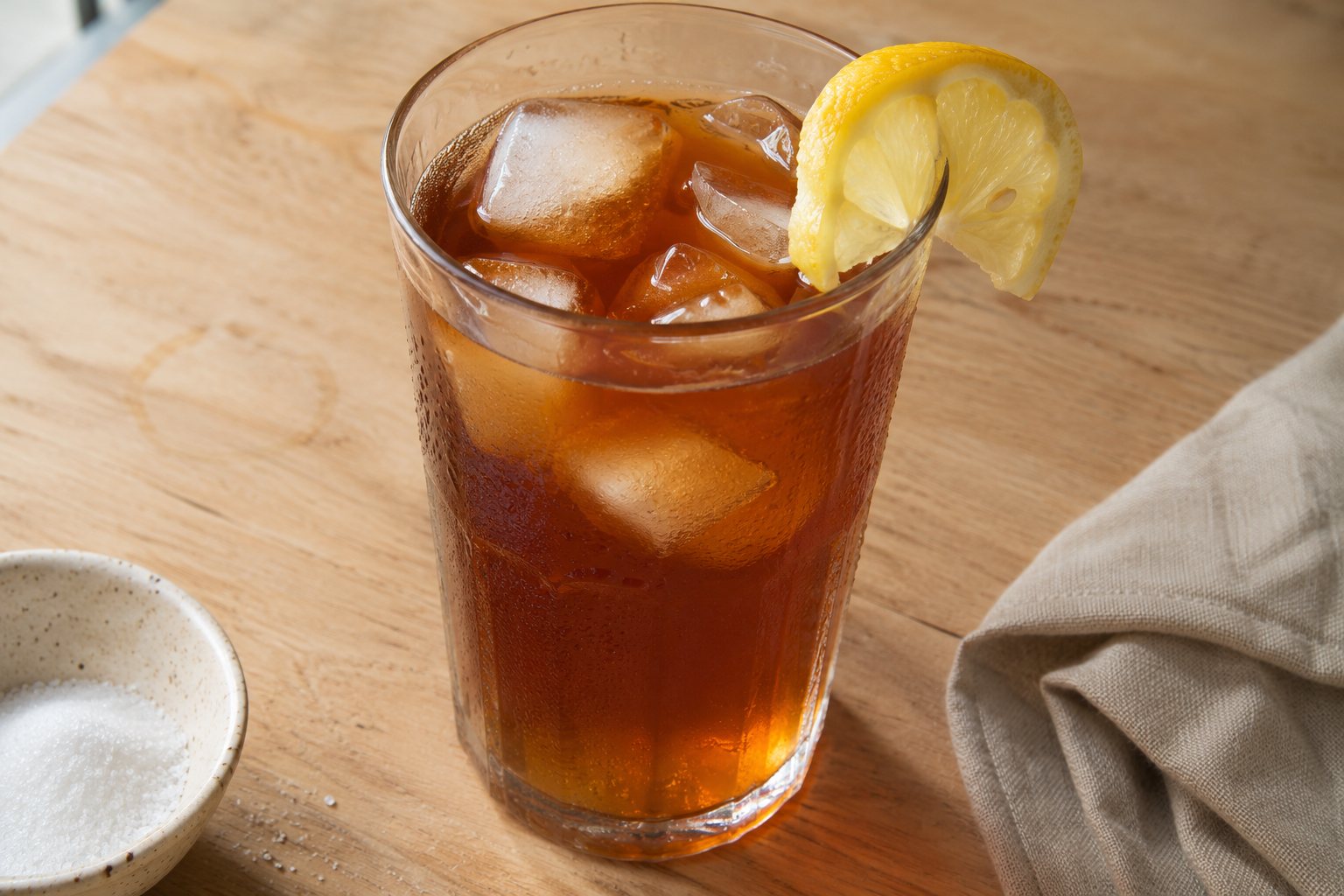
Stevia brings intense sweetness-200 to 400 times stronger than sugar, with no calories and minimal impact on blood glucose. Most swaps either match that sweetness intensity or replace the sweetening function with different properties.
The right swap depends on what you are making, such as a drink, a cookie or a dressing, and on whether the result has to stay sugar-free.
Monk fruit sweetener is the closest swap for stevia. Use it 1:1 by volume for stevia blends that measure like sugar, with less bitter aftertaste.
Erythritol also swaps 1:1 and adds slight bulk for cookies and cakes, but it leaves a cooling sensation.
Xylitol swaps 1:1 too, but it is toxic to dogs, so keep it out of homes with pets.
Which Kind of Stevia Does Your Recipe Mean?
Stevia is sold in two very different strengths, and every ratio below depends on which one your recipe means.
Remember it later
Planning to try this recipe soon? Save it for a quick find later!
- Pure extract powder or liquid drops: Purified stevia extract is so concentrated that a recipe asks for a pinch or a few drops. The label gives its sugar equivalent, and brands range from about ¼ to 1 teaspoon per cup of sugar.
- Baking blends and packets: These mix stevia with a bulking sweetener such as erythritol, so they measure cup for cup like sugar. Every "1:1" swap below is for this kind.
Pure stevia has no bulk, so cakes and cookies made with it alone can turn out dry, thin or flat.
Out of Stevia? Try These 7 Swaps
Stevia's intense sweetness with zero calories makes direct swaps tricky. The alternatives below either match that sweetness intensity or replace the sweetening function with different trade-offs.
| # | Substitute | Best For | Ratio | Key Note |
|---|---|---|---|---|
| 1 | Monk Fruit | ✨ Both | 1:1 | Less bitter aftertaste |
| 2 | Erythritol | ✨ Both | 1:1 | Cooling sensation present |
| 3 | DIY Stevia Syrup | 🍳 Cooking | 1 tablespoon per tablespoon sugar | Adds liquid to recipe |
| 4 | Xylitol | ✨ Both | 1:1 | Toxic to dogs |
| 5 | Agave Syrup | 🍳 Cooking | ⅔-3/4 cup per tsp | Adds moisture bulk |
| 6 | Honey | 🍳 Cooking | ½-2/3 cup per tsp | Distinct floral notes |
| 7 | Coconut Sugar | 🥧 Baking | 1 cup per tsp | Caramel undertones |
The 1:1 rows are for stevia blends that measure like sugar. The "per tsp" rows assume a pure powder where 1 teaspoon sweetens like 1 cup of sugar, so if your label gives a smaller amount, scale the swap up to match.
1 – Monk Fruit Sweetener 🍵
Monk fruit sweetener is made from mogrosides, compounds in the luo han guo fruit that are 100 to 250 times sweeter than sugar. Use 1:1 by volume wherever a recipe calls for a stevia blend that measures like sugar.
For pure stevia powder, replace each teaspoon with about 1 cup of a monk fruit blend sold to measure like sugar.
The sweetness hits similar to stevia but with less bitter aftertaste. Heat stability makes it work in baking, cooking, and cold beverages.
- ✅ Zero calories and minimal glycemic impact
- ⚠️ Slightly different aftertaste than stevia-some find it fruity
The main trade-off is availability-monk fruit costs more and shows up in fewer stores than stevia. For tea, coffee, and baked goods where stevia's bitterness bothers you, monk fruit delivers cleaner sweetness.
2 – Erythritol 🍪
Erythritol is a sugar alcohol that provides about 70% of sugar's sweetness with nearly zero calories. Use 1:1 by volume for a stevia blend that measures like sugar.
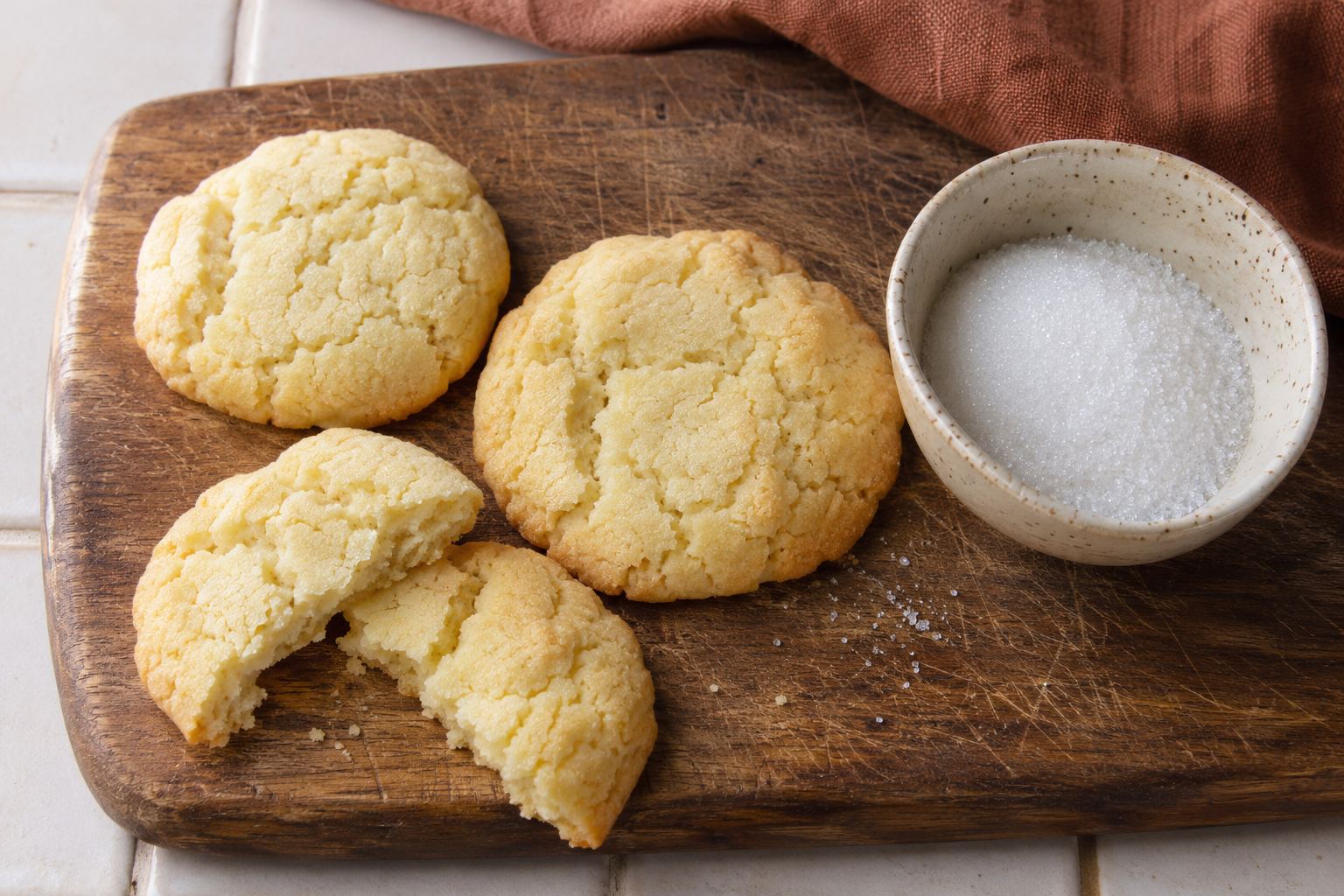
Because it is weaker than sugar, each teaspoon of pure stevia powder takes about 1 ⅓ to 1 ½ cups of erythritol.
It adds slight bulk compared to stevia's minimal volume. That bulk helps in baking, where pure stevia leaves cookies and cakes thin and flat.
- ✅ Doesn't spike blood sugar
- ⚠️ Cooling sensation on the tongue-noticeable in some recipes
The cooling effect works fine in cookies and cakes but can feel odd in sauces or syrups. Erythritol can crystallize when recipes cool down-you'll sometimes see grainy texture in glazes or frostings.
A 2023 Cleveland Clinic study in Nature Medicine linked higher blood erythritol levels to more heart attacks and strokes. The study was observational and cannot show that erythritol causes them, but it is worth raising with your doctor if you are at risk.
3 – DIY Stevia Syrup 💧
Mix 1 teaspoon stevia powder with 1 cup hot water until dissolved. Use 1 tablespoon of this syrup wherever a recipe would take 1 tablespoon of sugar.
The liquid form blends into beverages and moist batters more easily than powder. It dilutes stevia's intensity and spreads the sweetness evenly.
The syrup still needs pure stevia powder, so it fits when powder is what you have left and the recipe wants a liquid. It also adds liquid to your recipe, so cut back other liquids by the amount of syrup you add.
- ✅ Works great in iced tea, lemonade, and muffin batters where extra moisture doesn't hurt
- ⚠️ Skip it for dry baking like shortbread cookies, where the added liquid changes texture too much
4 – Xylitol ⚠️
Xylitol is another sugar alcohol with sweetness nearly equal to regular sugar. Use 1:1 by volume in place of a stevia blend, or about 1 cup per teaspoon of pure stevia powder.
The sweetness profile is clean with a mild cooling effect similar to erythritol but less pronounced. It dissolves well in both hot and cold liquids.
- ✅ Stable when heated-works in baking
- ✅ Minimal aftertaste compared to stevia
- ⚠️ Extremely toxic to dogs-even small amounts cause severe problems
If you have pets in the house, skip xylitol entirely. Accidental ingestion by dogs can be fatal.
For pet-free households, it's one of the better stevia replacements for baked goods and beverages.
5 – Agave Syrup 🥤
Agave syrup comes from the agave plant and is sweeter than sugar, with a neutral taste in the light grade and caramel notes in amber. Use ⅔ to ¾ cup agave per 1 teaspoon of pure stevia powder.
That ratio looks large because a teaspoon of pure stevia sweetens like about a cup of sugar. Agave adds both sweetness and liquid, so reduce other liquids in your recipe by about 2 to 3 tablespoons for ¾ cup of agave.
It works in salad dressings, marinades, and beverages where added moisture fits. Light agave stays neutral, so it suits citrus and fruit flavors without competing with them.
6 – Honey 🍯
Honey brings natural sweetness with floral and sometimes fruity notes depending on the source. Use ½ to ⅔ cup honey per 1 teaspoon of pure stevia powder and reduce other liquids by about 2 to 3 tablespoons.
The distinct flavor works in tea and marinades, and it is the point of a creamy honey mustard dressing. Heat changes honey's flavor slightly but doesn't destroy its sweetening power.
Honey adds calories and sugars-it's not a low-calorie swap. Use it when you want natural sweetness and don't need stevia's zero-impact profile.
It won't work in vegan recipes or for anyone avoiding added sugars. The strong flavor also overwhelms delicate dishes that need neutral sweetness.
7 – Coconut Sugar 🥥
Coconut sugar comes from coconut palm sap and tastes like brown sugar with caramel and mild molasses notes. Use 1 cup coconut sugar per 1 teaspoon of pure stevia powder, the same amount as sugar cup for cup.
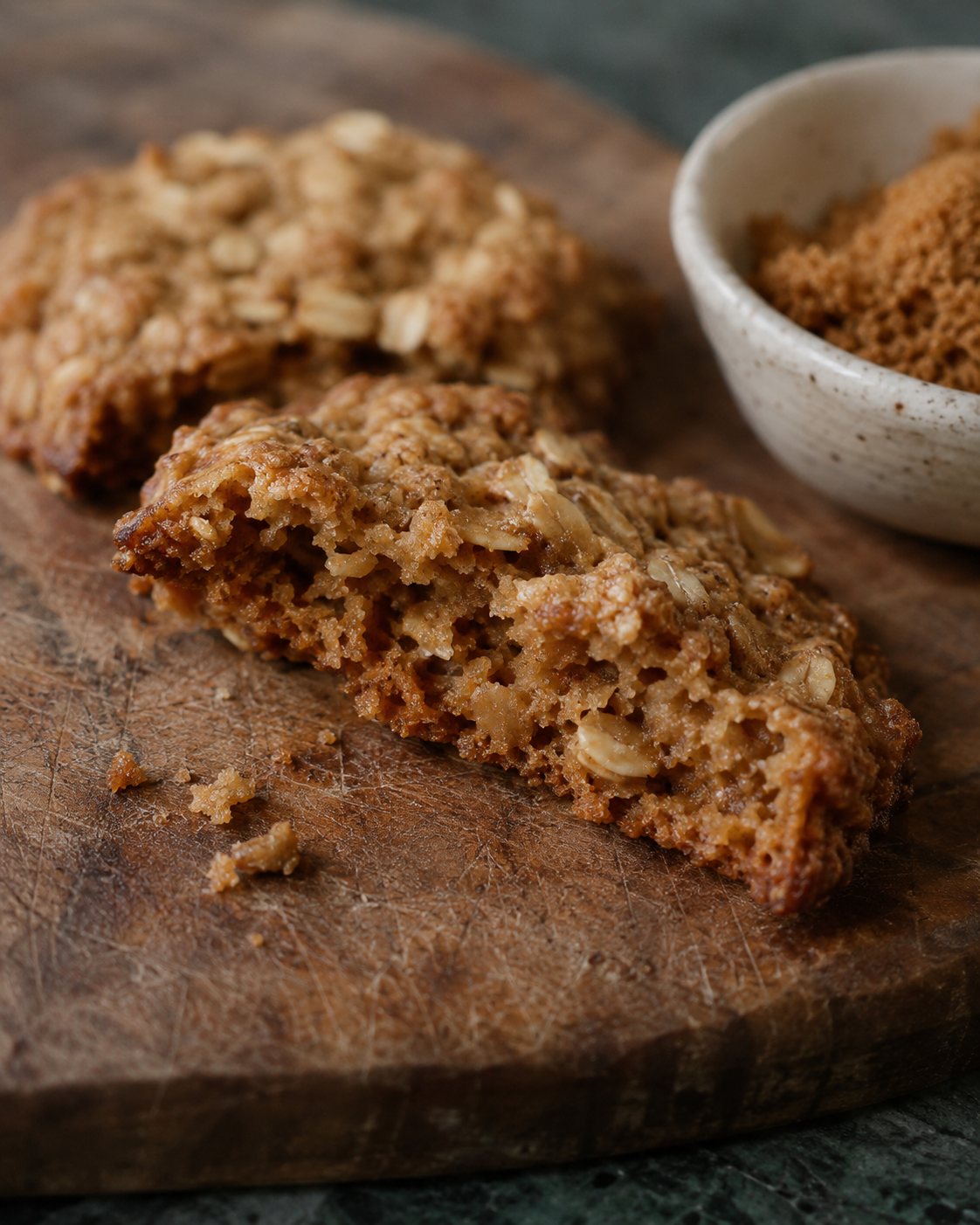
The bulk and moisture it adds work in recipes where stevia's lack of volume causes problems. Cookies, muffins, and quick breads benefit from the added structure.
- ✅ Adds texture and browning to baked goods
- ✅ Dissolves in batters and doughs
- ⚠️ Same calories as sugar and only a slightly lower glycemic index, so it is not a low-calorie swap
The caramel notes change your recipe's flavor more than stevia would. Use it in spiced baked goods, oatmeal cookies, or banana bread where those notes fit.
Skip coconut sugar for beverages or recipes needing stevia's neutral sweetness. It won't dissolve easily in cold liquids and adds grainy texture.
Choose by What You're Making
- For hot beverages: Monk fruit or erythritol dissolve cleanly-1:1 swap
- For baking cookies or cakes: Erythritol or coconut sugar add helpful bulk
- For cold drinks: DIY stevia syrup blends instantly without graininess
- For dressings: Agave, honey or maple syrup work when added moisture fits
- For keto or diabetic baking: Monk fruit or erythritol keep calories and blood sugar low, while honey, agave and coconut sugar do not
Frequently Asked Questions
Yes: use 1 cup of regular white sugar per 1 teaspoon of pure stevia powder, or measure a stevia blend 1:1. Sugar adds bulk, moisture and calories, so baked goods change texture and your blood glucose rises, unlike with stevia.
Not exactly: monk fruit has less bitter aftertaste, though some people notice a mild fruity note. Both give intense zero-calorie sweetness, and sugar-measure blends of either swap 1:1.
Erythritol has a negative heat of solution, so it absorbs heat as it dissolves and feels cool on the tongue. The effect is mild in baked goods and stronger in cold drinks and frostings, and xylitol does the same a little less.
Yes, but cut other liquids by about ¼ cup per cup of honey or agave and lower the oven by 25°F, because they brown faster. They also add moisture, calories and blood sugar impact that stevia does not.
Xylitol is safe for people but extremely toxic to dogs, where even small amounts cause dangerous drops in blood sugar and liver failure. If you have pets, skip it entirely.



