
You spot it at the back of the baking aisle - a five-pound bag of white granulated sugar, often overlooked because it's always been there. Refined sugar is one of the most familiar ingredients in any kitchen, yet most of us have never thought much about where it comes from, how it behaves under heat, or why sugar storage life is essentially infinite when stored properly.
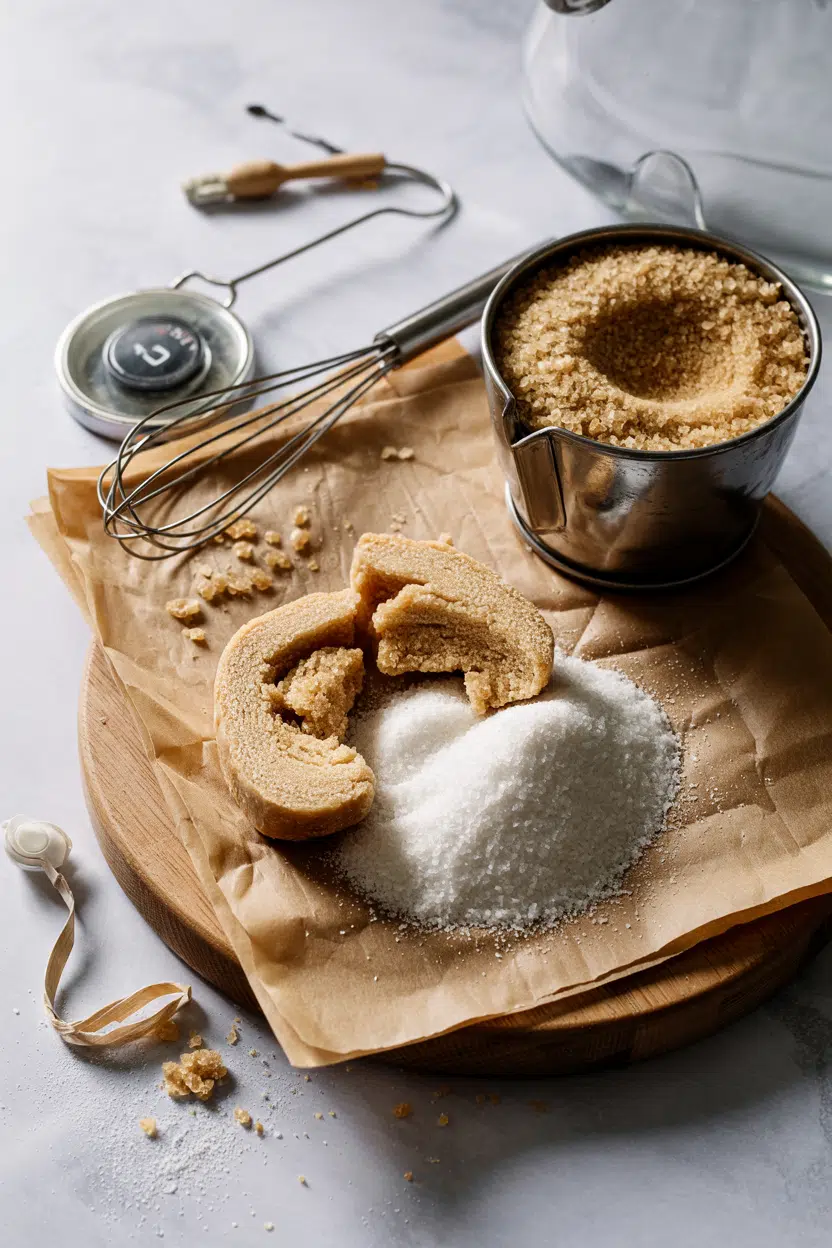
This profile covers what it actually is, what it tastes like, and how to put it to work.
Refined sugar is purified crystalline sucrose made from sugarcane or sugar beet. It tastes clean and neutral-sweet with no molasses undertone. Use it for baking, caramelizing, beverage sweetening, and meringues. Stored dry and sealed, it keeps indefinitely.
What Is Refined Sugar?
Refined sugar is purified sucrose - a disaccharide of glucose and fructose - extracted from sugarcane or sugar beet juice through repeated washing, filtration, and crystallization. The refining process strips out nearly all molasses, color, and plant compounds, leaving white, neutral crystals.
Remember it later
Planning to try this recipe soon? Save it for a quick find later!
You'll also see it labeled table sugar, white sugar, or granulated sugar, and occasionally as refined sucrose on ingredient lists. Those names all describe the same product.
Several grades exist, and crystal size is the practical difference:
- Standard granulated - the everyday workhorse for baking and cooking
- Superfine (caster sugar) - finer crystals that dissolve faster, preferred for meringues and cold drinks
- Powdered (confectioners') sugar - ground to a powder with added cornstarch, used for icings and dustings
- Coarse (sanding) sugar - larger crystals that hold shape and sparkle on baked surfaces
Unlike brown sugar, refined white sugar contains no residual molasses, which is why it contributes sweetness without flavor complexity.
What Does Refined Sugar Taste Like?
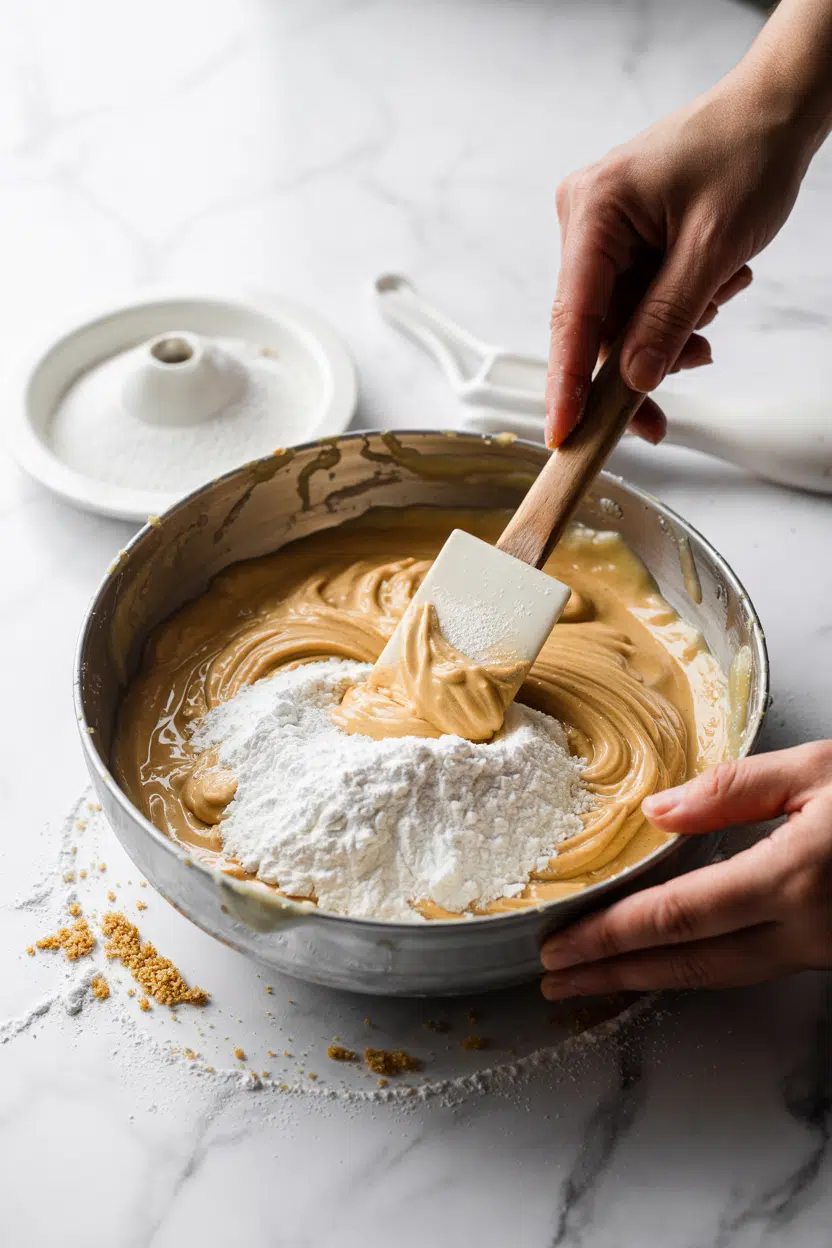
Pure, clean sweetness is the defining characteristic - no bitterness, no earthiness, no spice. At everyday concentrations in coffee or a cake batter, the flavor is simply sweet and neutral.
Heat changes things significantly. As sucrose approaches 320°F (160°C), caramelization begins - the neutral sweetness gives way to bitter, nutty, and butterscotch-like compounds.
That transformation is entirely a product of thermal breakdown, not anything present in the raw crystal.
Compared to honey or brown sugar, refined sugar tastes noticeably simpler. That neutrality is a feature in recipes where you want clean sweetness without interference from secondary flavors.
How to Use Refined Sugar
Refined sugar does several structurally distinct jobs in cooking, and understanding them helps you use it precisely.
In baking, creaming granulated sugar with butter creates air pockets that give cakes lift. Crystal size matters - standard granulated gives a slightly coarser crumb than superfine. For cookies, the sugar-to-fat ratio directly controls spread.
In beverages and syrups, sugar dissolves cleanly into hot liquid. For cold drinks, agave vs simple syrup comparisons come up often, but a basic 1:1 refined sugar syrup remains the bar standard for consistent sweetness.
| Method | Best For | Tip |
|---|---|---|
| 🥄 Dissolving | Coffee, tea, simple syrup, poaching liquid | Heat the liquid first; cold water dissolves sugar slowly |
| 🧈 Creaming | Cakes, cookies, buttercream | Beat at least 3 minutes to maximize aeration |
| 🔥 Caramelizing | Caramel sauce, pralines, crème brûlée | Use a light-colored pan to monitor color accurately |
| 🍞 Feeding yeast | Bread doughs, brioche, sweet rolls | Small amounts activate yeast; large amounts slow it |
| ⚖️ Balancing | Tomato sauces, vinaigrettes, marinades | Start with a pinch; it rounds acidity without sweetening noticeably |
Refined sugar pairs tightly with butter, vanilla, cocoa, lemon, and eggs - these are the core flavor relationships in Western baking and French confectionery.
In Latin American sweets like tres leches or alfajores, and across Asian desserts from mochi to pandan cake, granulated sugar provides the structural backbone without asserting its own flavor.
How to Buy and Store Refined Sugar
Look for fine, free-flowing white granules in a sealed bag or rigid canister. Skip any bag with visible clumping or a yellowish tint - both signal moisture exposure or age.
For specific tasks, buy superfine (caster) sugar for meringues and Swiss buttercream, or powdered sugar for icings.
Transfer opened bags into an airtight container in a cool, dry pantry. Humidity is the only real enemy - moisture causes clumping, and odors from nearby foods absorb easily through thin plastic.
The refined sugar storage life is indefinite under proper conditions, making it one of the few pantry staples that genuinely never goes bad.
If you're comparing it to less-processed refined sugar swaps, note that alternatives like coconut sugar, honey, and maple syrup bring their own flavors and behave differently in baked goods.
Start Here
Granulated refined sugar is the right starting point if you need clean, predictable sweetness with no flavor interference. Use standard granulated for most baking, switch to caster when fast dissolving matters, and reach for caramelization when you want depth and color.
Those three moves cover the vast majority of recipes that call for white sugar.
Frequently Asked Questions
Sugarcane or sugar beet. Both are processed identically - juice is extracted, filtered, and crystallized until only pure sucrose remains. The finished product is chemically identical regardless of source.
Refined sugar tastes clean and one-dimensional. Brown sugar carries molasses undertones - caramel-like, slightly bitter, more complex. The difference is obvious in side-by-side tasting.
Yes, with adjustments. Honey is sweeter and adds moisture, so reduce it by 25% and cut other liquids slightly. It also browns faster, so lower your oven temperature by about 25°F.
Humidity. Moisture absorbed between crystals fuses them together. Break up clumps by spreading the sugar on a baking sheet and drying it at 200°F for 15 minutes, then sifting.
Both, depending on amount. Small quantities (1-2%) feed yeast and speed fermentation. Above roughly 10% of flour weight, sugar draws water away from yeast cells and slows the rise significantly.



