You measured out the beef tenderloin for tonight's dinner, but there's not enough to finish the recipe. That buttery texture and mild flavor make it a centerpiece cut, so the swap needs to deliver on tenderness or at least get close.

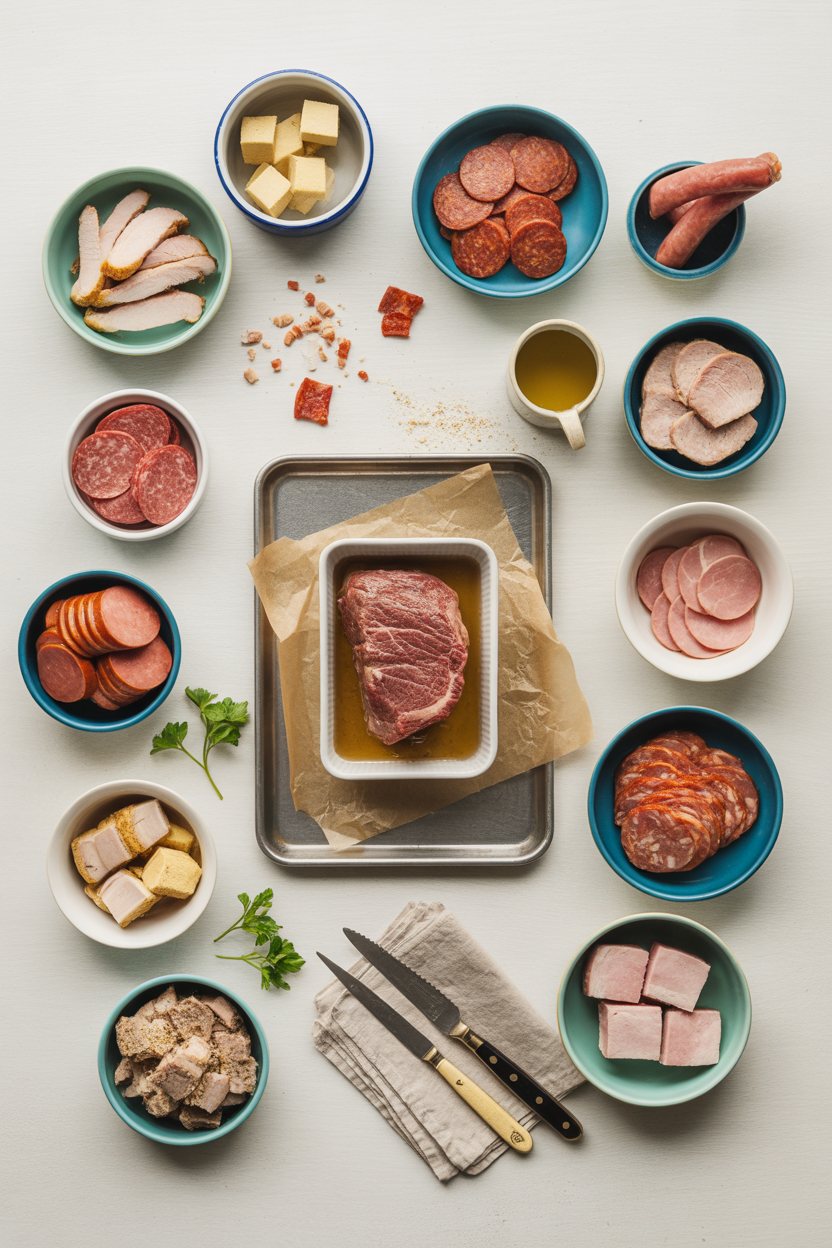
Filet mignon and strip steak best replicate tenderloin's texture and flavor. Prioritize tenderness first, then flavor. For strip steak, trimming excess fat helps balance richness.
The right substitute depends on cooking method and how much chew you're willing to accept. Some cuts match the melt-in-your-mouth quality; others bring more beef flavor but firmer texture. Use the table below to find the fastest match for what you're making.
| # | Substitute | Best For | Ratio | Key Note |
|---|---|---|---|---|
| 1 | Filet Mignon | 🍳 Cooking | 1:1 | Same cut, just portioned |
| 2 | Strip Steak | 🍳 Cooking | 1:1 | Beefier, more chew |
| 3 | Sirloin | 🍳 Cooking | 1:1 | Budget-friendly, robust |
| 4 | Top Round | 🍳 Cooking | 1:1, longer cook | Needs slow heat |
| 5 | Porterhouse | 🍳 Cooking | 1:1 | Two textures in one |
5 Beef Tenderloin Replacements for Better Texture
These options range from near-identical to budget-friendly backups. The first two get closest to that fork-tender quality, while the rest work when you're cooking low and slow or don't mind a bit more bite.
Remember it later
Planning to try this recipe soon? Save it for a quick find later!
1 - Filet Mignon
Filet mignon is beef tenderloin-just cut into individual steaks. You're getting the same muscle, same buttery texture, same mild flavor.
The only difference is portion size and sometimes price per pound. Use it anywhere tenderloin works: seared, roasted, or sliced for beef stroganoff.
Quick specs:
- Same tenderness - No texture adjustment needed.
- Portion math - One 8-oz filet equals about half a pound of whole tenderloin.
- Searing tip - High heat for 3 minutes per side, then rest 5 minutes.
Skip if: You need a large roast for slicing at the table.
FILET MIGNON
Works for: Any recipe calling for tenderloin steaks or medallions
Skip if: You're roasting a whole tenderloin for a crowd
STRIP STEAK
Works for: Dishes where bolder beef flavor matters more than tenderness
Skip if: The recipe depends on a melt-in-your-mouth texture
2 - Strip Steak
Strip steak comes from the short loin, right next to the tenderloin. It's got a firmer bite and noticeably beefier taste.
The fat cap along one edge adds richness during cooking. Slice against the grain for the best texture in stir-fries or fajitas.
The essentials:
- Chew factor - Expect more resistance than tenderloin.
- Fat advantage - That exterior fat bastes the meat as it cooks.
- Slicing matters - Thin cuts against the grain minimize toughness.
- Rest time - Give it 5 minutes off heat before cutting.
Skip if: You want that buttery, zero-resistance tenderness.
3 - Sirloin
Sirloin sits further back on the cow, where the muscles work harder. That means more flavor but less tenderness.
The tradeoff is worth it for roasts and grilled steaks where you want beef to taste like beef. A good marinade or dry brine helps tenderize the meat before cooking.
Key details:
- Flavor boost - Stronger, meatier taste than tenderloin.
- Marinade window - 2-4 hours in acid-based marinade tenderizes without turning mushy.
- Cooking temp - Medium-rare to medium keeps it from getting tough.
If you're also short on sirloin, Sirloin Steak substitutes for cooking covers cuts with similar robustness.
Skip if: You're serving guests who expect fork-tender beef.
4 - Top Round
Top round comes from the rear leg-a lean, hardworking muscle. It needs patience.
Quick-cooking methods turn it chewy. Slow roasting at 275°F or braising breaks down the connective tissue and yields sliceable, tender meat.
What to expect:
- Lean profile - Almost no marbling, so it dries out fast over high heat.
- Roast method - Low and slow, 25 minutes per pound at 275°F.
This cut shines in Sunday roasts and French dip sandwiches. Slice paper-thin for the best eating experience.
Skip if: You're pan-searing or need quick-cooking medallions.
5 - Porterhouse
Porterhouse gives you two steaks in one: a strip on one side, tenderloin on the other. The bone runs down the middle.
That built-in variety means uneven cooking. The tenderloin side finishes faster than the strip side.
| Section | Texture | Cook Time |
|---|---|---|
| Tenderloin side | Buttery, tender | Finishes 2 min faster |
| Strip side | Firmer, beefier | Needs extra sear time |
| Near bone | Most flavorful | Hardest to gauge doneness |
Position the tenderloin side away from direct heat on the grill. This gives the strip side extra time without overcooking the delicate portion.
Skip if: You need uniform texture for medallions or stroganoff.
Before You Bake Without Beef Tenderloin
The right swap depends on how you're cooking. For quick sears and elegant dinners, filet mignon or strip steak come closest. For roasts and braises where time isn't an issue, top round and sirloin deliver on flavor without the premium price.
- Closest match - Filet mignon, same cut portioned smaller
- Easiest grab - Sirloin, widely available at any grocery store
- Budget option - Top round, lean and affordable for slow roasts
Frequently Asked Questions
You can, but expect a chewier result. Strip steak has more fat and a firmer texture, which changes the classic melt-in-your-mouth experience.
Top round or sirloin cost significantly less. Top round works best for slow roasts; sirloin handles grilling and quick sears if you don't overcook it.
Filet mignon and strip steak cook similarly to tenderloin. Top round needs much longer at lower temperatures to avoid toughness.
Yes. Tenderloin is mild and buttery. Strip steak and sirloin taste beefier and more robust, which some people actually prefer.
Sirloin or strip steak work well for stir-fries. Slice thin against the grain and cook over high heat quickly to keep them tender.
5 Best Substitutes for Beef Tenderloin
Ingredients
Method
- Choose your substitute based on cooking method and desired tenderness: tender cuts for quick searing, lean cuts for slow roasting or braising.
- For filet mignon, use a 1:1 ratio; cook with high heat for 3 minutes per side and rest for 5 minutes before serving.
- Use strip steak at a 1:1 ratio, slice thin against the grain for stir-fries, and allow 5 minutes resting time after cooking.
- For sirloin, apply a 1:1 substitution ratio; marinate 2-4 hours if desired and cook to medium-rare or medium to avoid toughness.
- Use top round with a 1:1 ratio but plan for longer cooking at low temperatures (275°F) to tenderize the meat properly.
- If using porterhouse, position the tenderloin side away from direct heat to cook uneven sides properly and avoid overcooking the tender side.
- Always slice tougher cuts against the grain thinly to improve tenderness and texture in your dish.