
You're out of barberry for rice, and you're doubling the recipe. Most specialty shops stock it, but not today.
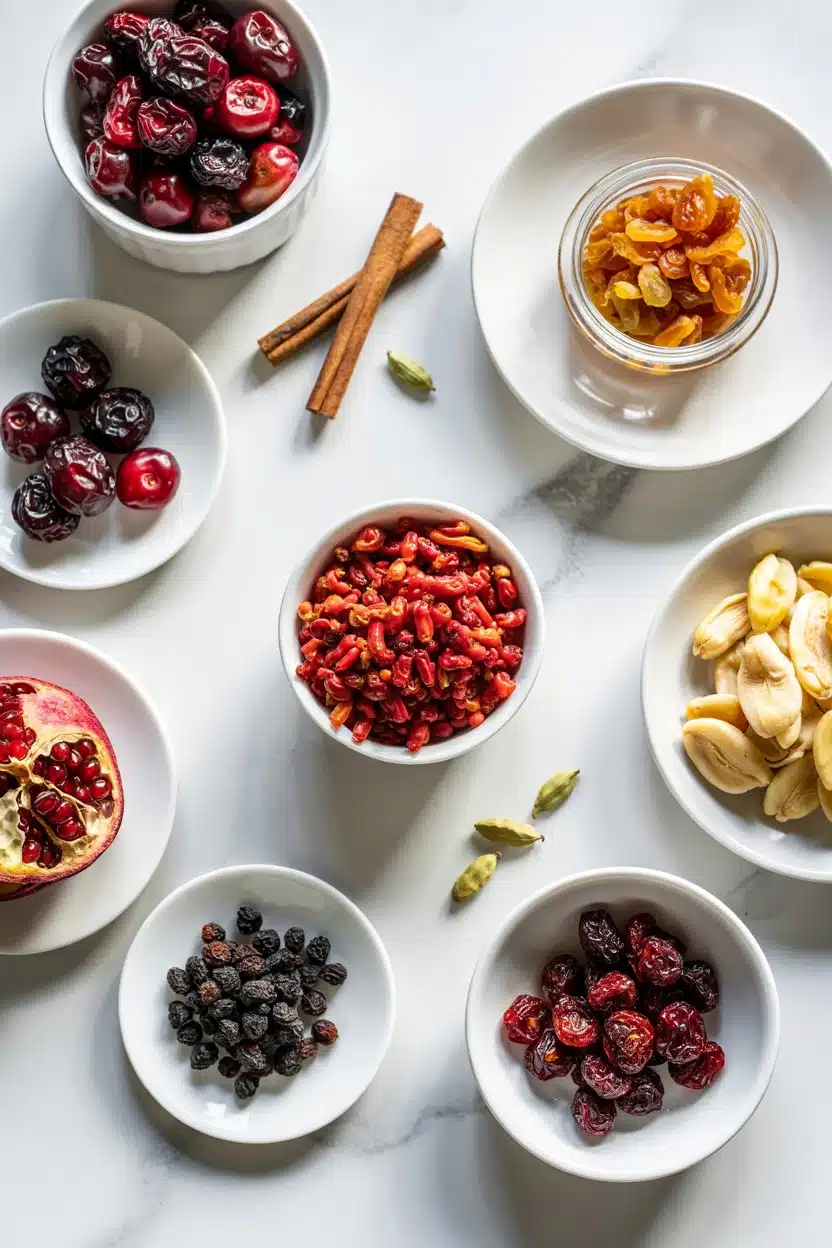

Barberry adds a sharp, fruity tartness to rice dishes and stews. The best swap depends on whether you need that bright acidity, the chewy texture, or both.
**Dried cranberries** match barberry's tartness and chewy bite in rice dishes. Sumac powder replicates the tangy kick but skips the texture. Red currants work fresh but break down when cooked long. Most swaps need a slight ratio tweak to balance sweetness.
5 Barberry Substitutes Without Big Changes
Barberry's sharp tang and chewy texture make it tricky to replace. Some swaps lean sweet, others skip the berry form entirely.
Remember it later
Planning to try this recipe soon? Save it for a quick find later!
Pick based on what matters most: tartness, texture, or both.
| # | Substitute | Best For | Ratio | Key Note |
|---|---|---|---|---|
| 1 | Dried Cranberries | 🍳 Cooking | 1:1 | Milder sourness, sweeter finish |
| 2 | Dried Sour Cherries | 🍳 Cooking | 1:1 | Fruitier, less sharp |
| 3 | Sumac Powder | 🍳 Cooking | ½ teaspoon per 1 tbsp | No texture, lemony tang |
| 4 | Red Currants | 🍳 Cooking | 1.5x volume (fresh) | Fresh only, breaks down with heat |
| 5 | Raisins + Lemon Juice | 🍳 Cooking | 1 tablespoon + 1 tsp | Sweet base, needs acid boost |
1 - Cranberries
Dried cranberries bring a tart-sweet balance that's close to barberry's profile. They hold their shape in rice and stews, adding pops of color and chewy texture.
The trade-off: cranberries lean slightly sweeter and less sharp. In Persian pilafs, they mimic barberry's brightness without overpowering the dish.
Dried Cranberries
Works for: Rice dishes, pilafs, mild stews where tart-sweet balance matters
Skip if: You need very sharp sourness or exact barberry intensity
Barberry
Works for: Recipes demanding bright acidity and firm berry texture
Skip if: Not available or you prefer milder tartness
Here's what to know:
- Use 1 tablespoon cranberries per 1 tablespoon barberry
- Add them at the same point in the recipe
- Taste and add a pinch of citrus if the dish needs sharper tang
If you're out of cranberries too, dried cranberry swaps lists firmer fruit options.
2 - Sour Cherries
Dried sour cherries match barberry's tartness with a fruitier, less astringent edge. They soften more than barberry when cooked, making them better for stews than rice dishes where you want firm pops.
The color stays vibrant, and the tangy-sweet flavor complements savory spices. Use equal volume-1 tablespoon per 1 tbsp.
Key details:
- Swap 1:1 in pilafs and braises
- Expect a softer bite after simmering
- Pairs well with cinnamon and cumin
Skip if: you need very firm berries or extremely sharp acidity.
3 - Sumac
Sumac powder delivers the tangy, lemony brightness of barberry without any texture. It's a finishing spice, not a direct berry swap.
Use half a teaspoon of sumac per tablespoon of barberry. Stir it in at the end of cooking or sprinkle over rice before serving.
The essentials:
- Ratio: ½ teaspoon sumac per 1 tablespoon barberry
- Add at the end to preserve brightness
Out of sumac as well? Sumac swaps for tartness covers citrus-based alternatives.
Skip if: the recipe relies on chewy berry texture or color contrast.
4 - Red Currants
Fresh red currants bring juicy tartness and vibrant color that's close to barberry's sharpness. They work best in cold dishes or as a garnish.
Heat makes them burst and lose structure, so they're not ideal for long-cooked pilafs. Use about 1.5 times the volume to account for moisture.
Quick specs:
- Use 1.5 tablespoon fresh currants per 1 tablespoon dried barberry
- Best in salads, cold rice dishes, or last-minute stirs
Missing currants as well? Red currant substitutes covers tart berry swaps.
Skip if: you're cooking low and slow or need dried fruit that holds its shape.
5 - Raisin & Lemon Mix
Raisins alone are too sweet, but pairing them with lemon juice mimics barberry's sweet-tart balance. This combo works best in slow-cooked dishes where the flavors meld.
The texture stays chewy, though raisins plump more than barberries. Use 1 tablespoon of raisins plus 1 teaspoon of lemon juice per tablespoon of barberry.
What to expect:
- Ratio: 1 tablespoon raisins + 1 teaspoon lemon juice per 1 tablespoon barberry
- Raisins soften and plump during cooking
- Lemon brightens the sweetness
- Works in pilafs, stews, and braises
Out of raisins too? Raisin swaps for sweetness offers dried fruit picks.
Skip if: you want pure berry flavor or bright red color.
How to Choose a Barberry Substitute
Start with dried cranberries if you want the closest match. Adjust seasoning after tasting-some swaps need a squeeze of lemon to match barberry's sharpness.
- Closest match - Dried cranberries for tart-sweet balance
- Easiest grab - Raisins + lemon juice from pantry basics
- Dietary option - Sumac powder for vegan, gluten-free tang
Frequently Asked Questions
Fresh cranberries are too tart and watery. Dried cranberries match barberry's chewy texture and concentrated flavor better in rice dishes and stews.
Sumac adds tartness but no texture or moisture. It's better for savory dishes where you need acidity without the berry form.
Add them right before serving or use them in cold preparations. Heat breaks down fresh currants quickly, so they're not a good fit for long-cooked recipes.
Yes. Use half of each to balance the fruitiness of cherries with the sharper tang of cranberries. Total volume should match the barberry amount called for.
Not usually. Dried cranberries and cherries plump as the rice cooks. If you want softer texture, soak them in warm water for 10 minutes first, then drain.
5 Best Substitutes for Barberry
Ingredients
Method
- Choose a substitute based on the desired tartness, texture, or both for your dish.
- If using dried fruit (cranberries, sour cherries, raisins), use equal volume to barberry; for sumac powder, use half the volume; for red currants, use 1.5 times the volume fresh.
- Add dried cranberries, sour cherries, or raisin-lemon mix at the same cooking stage as barberry; add sumac powder at the end to preserve brightness.
- For red currants, add at the very end or use in cold dishes to prevent bursting under heat.
- Taste your dish after adding substitutes and adjust with a pinch of citrus or lemon juice to balance tartness if needed.



