You reach for parsley and find an empty bunch wilted in the crisper. The recipe calls for that bright, grassy finish, but you're out.
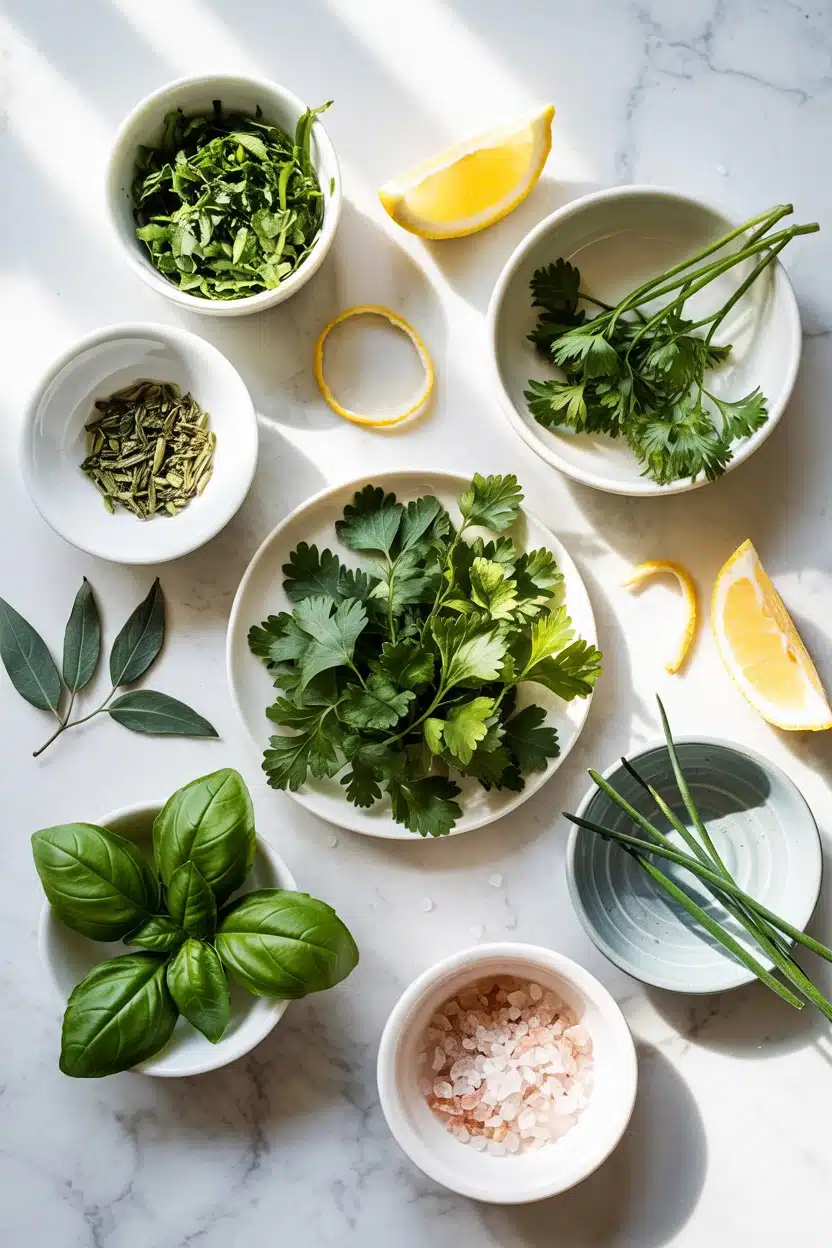
Swaps range from neutral herbs to stronger flavors that shift the dish slightly. Pick based on how parsley shows up in your plate-raw garnish, cooked into sauce, or folded into salad.
When you're out of parsley, **cilantro** and **chervil** offer the closest match for fresh brightness and tender texture. Both work well as garnishes or in salads. The main risk is stronger flavor-cilantro leans citrusy, chervil brings mild anise notes. Choose based on the dish's flavor profile and whether you need a neutral finish or can handle a slight shift.
5 Parsley Substitutes Without Big Changes
Some swaps bring mild shifts in flavor or texture. Others step farther from parsley's neutral profile but still deliver fresh brightness.
Remember it later
Planning to try this recipe soon? Save it for a quick find later!
| # | Substitute | Best For | Ratio | Key Note |
|---|---|---|---|---|
| 1 | Cilantro | ✨ Both | 1:1 | More citrusy and pungent |
| 2 | Chervil | 🍳 Cooking | 1:1 | Delicate anise undertone |
| 3 | Basil | 🍳 Cooking | ¾ amount | Sweet, peppery, more aromatic |
| 4 | Dried Parsley | 🍳 Cooking | 1 teaspoon per 1 tablespoon fresh | Rehydrate for best results |
| 5 | Tarragon | 🍳 Cooking | ½ amount | Stronger licorice flavor |
1 - Cilantro
Cilantro shares parsley's tender, leafy texture and fresh brightness. It works in most dishes where parsley finishes the plate or adds color to salads.
The flavor leans citrusy and slightly more pungent than parsley's mild vegetal note. Use equal amounts-1 tablespoon cilantro per 1 tablespoon parsley-and expect a brighter, more assertive finish.
Fresh Garnishes
Works for: tacos, salsas, grain bowls, Middle Eastern or Latin dishes where cilantro fits the profile.
Skip if: you need a neutral herb or the dish tilts European (French, Italian) where cilantro's citrus edge feels out of place.
Cooked Dishes
Works for: stir-fries, curries, or sauces added at the end where parsley would fold in gently.
Skip if: parsley's subtle bitterness balances rich flavors-cilantro's brightness might overwhelm.
Skip if: your dish needs parsley's mild, vegetal backbone or you're cooking for someone who tastes cilantro as soapy.
2 - Chervil
Chervil offers tender leaves and fresh brightness similar to parsley. It suits refined dishes where a delicate herbal note finishes sauces or garnishes plates.
The flavor carries mild anise undertones-softer than tarragon but more distinct than parsley. Use equal amounts-1 tablespoon chervil per 1 tablespoon parsley-and add it late to preserve its fragile leaves.
Key details:
- Works best in French-style sauces, egg dishes, or delicate salads
- Wilts faster than parsley-chop just before serving
- Flavor fades quickly under heat-stir in at the very end
If you're out of chervil too, tested chervil swaps covers milder options for dishes needing subtle brightness.
Skip if: you need a robust herb that holds up through longer cooking or the dish requires parsley's neutral, grassy flavor.
3 - Basil
Basil brings fresh green brightness but with a sweeter, more aromatic profile than parsley. It works when the dish can handle a shift toward peppery, slightly minty undertones.
Use ¾ amount-¾ tablespoon basil per 1 tablespoon parsley-because basil's flavor is stronger. The leaves are softer and bruise easily, so tear them by hand or add whole to avoid discoloration.
What to expect:
- Sweeter, less bitter than parsley with a peppery kick
- Pairs well with Mediterranean flavors but clashes with delicate sauces
- Add fresh at the end-heat turns basil muddy and dark
- Works raw in salads or as a topping for pizza, pasta, or grain bowls
If you're short on basil as well, swaps that match basil covers options for similar aromatic brightness.
Skip if: parsley's mild, neutral finish is key or the dish leans French, German, or Eastern European where basil's sweet profile feels out of place.
4 - Dried Parsley
Dried parsley flakes retain parsley's signature flavor in a more muted, slightly musty form. They work in cooked dishes where fresh texture isn't critical.
The leaves lose their crisp bite when dried, so they won't replace parsley in raw applications. Use 1 teaspoon dried per 1 tablespoon fresh-rehydrate in warm water or broth for 5 minutes before adding to soups, stews, or slow-cooked sauces.
The essentials:
- Best for cooked dishes where parsley simmers into the base
- Rehydrating improves texture and revives some brightness
- Flavor is duller than fresh but still recognizably parsley
| Use | Ratio | Notes |
|---|---|---|
| Soups & Stews | 1 teaspoon dried per 1 tablespoon fresh | Add early—needs time to soften and release flavor |
| Marinades | 1 teaspoon dried per 1 tablespoon fresh | Rehydrate first or mix into liquid base |
| Fresh Garnishes | Not recommended | Texture is papery and flavor too muted for raw use |
Skip if: you're garnishing a finished plate or the recipe relies on parsley's fresh, crisp texture-dried flakes won't deliver.
5 - Tarragon
Tarragon adds fresh green brightness with a distinct anise-licorice flavor. It works when the dish can handle a stronger herbal note or already leans French in style.
The flavor is more intense than parsley's mild vegetal profile. Use half the amount-½ tablespoon tarragon per 1 tablespoon parsley-and add it late to preserve its delicate leaves.
Quick specs:
- Best in béarnaise sauce, egg dishes, or creamy chicken recipes
- Pairs well with lemon, white wine, and butter-based sauces
Missing tarragon too? Tarragon swaps for cooking covers milder herbs that won't overpower your dish.
Skip if: parsley's neutrality balances the plate or you're cooking Italian, Middle Eastern, or Latin dishes where tarragon's anise flavor feels out of place.
Final Thoughts on Swapping Parsley
No herb replicates parsley's mild, grassy neutrality exactly. Cilantro and chervil stay closest when you need fresh brightness and tender texture. Dried parsley works in cooked dishes but won't replace fresh garnishes.
- Closest match - Cilantro for fresh brightness with a citrusy edge
- Easiest grab - Dried parsley for cooked dishes when fresh isn't available
- Dietary option - Basil for Mediterranean or Italian-style recipes needing bold flavor
Frequently Asked Questions
Cilantro works technically but shifts the flavor profile away from Italian tradition. Its citrusy, pungent edge clashes with tomato-based sauces, garlic, and olive oil where parsley's mild bitterness balances the dish. Skip it in pasta, marinara, or gremolata-basil fits better for Italian cooking.
Use 1 teaspoon dried parsley per 1 tablespoon fresh. Dried herbs concentrate in flavor but lose texture, so they work best in cooked dishes like soups, stews, or sauces where parsley simmers into the base. Rehydrate dried parsley in warm water for 5 minutes before adding to revive some brightness and soften the leaves.
Basil changes the dish too much. Tabbouleh relies on parsley's mild, grassy flavor to balance lemon, tomatoes, and bulgur. Basil's sweet, peppery profile shifts the salad toward Italian flavors and overwhelms the delicate grain base. Cilantro works better if you're out of parsley, though it leans slightly more citrusy.
No. Chervil's mild anise undertone doesn't suit sweet or baked recipes. Parsley rarely shows up in desserts, but if a savory baked dish calls for it-like herb bread or quiche-chervil works as long as you're okay with a subtle licorice edge. Skip it in anything sweet or neutral.
Cilantro matches parsley's tender texture and fresh brightness best. Use equal amounts and expect a slightly more citrusy, pungent finish. Chervil works for delicate dishes needing a refined touch, though it's harder to find. Skip dried parsley-it won't deliver the crisp, vibrant look or flavor a fresh garnish requires.
5 Best Substitutes for Parsley
Ingredients
Method
- Identify how parsley is used in your dish: raw garnish, cooking, or salad ingredient to choose the best substitute accordingly.
- For fresh herbs like cilantro and chervil, use equal amounts and add at the end to maintain texture and flavor.
- Use ¾ the amount of basil when substituting; tear leaves by hand and add fresh at the end to avoid discoloration.
- For dried parsley, use 1 teaspoon per tablespoon of fresh parsley, and rehydrate in warm water or broth for 5 minutes before adding.
- Use half the amount of tarragon and add late to preserve its licorice flavor; avoid in tomato-based or neutral dishes.
- Taste and adjust as needed, especially with stronger herbs like cilantro, basil, and tarragon to prevent overpowering your dish.
Notes
- Rehydrate dried parsley thoroughly before use to prevent a dry, gritty texture and to maintain flavor in cooked dishes.