You peel your last celeriac and realize you're two cups short for the batch you planned. The right backup keeps dinner on track without changing the whole recipe.
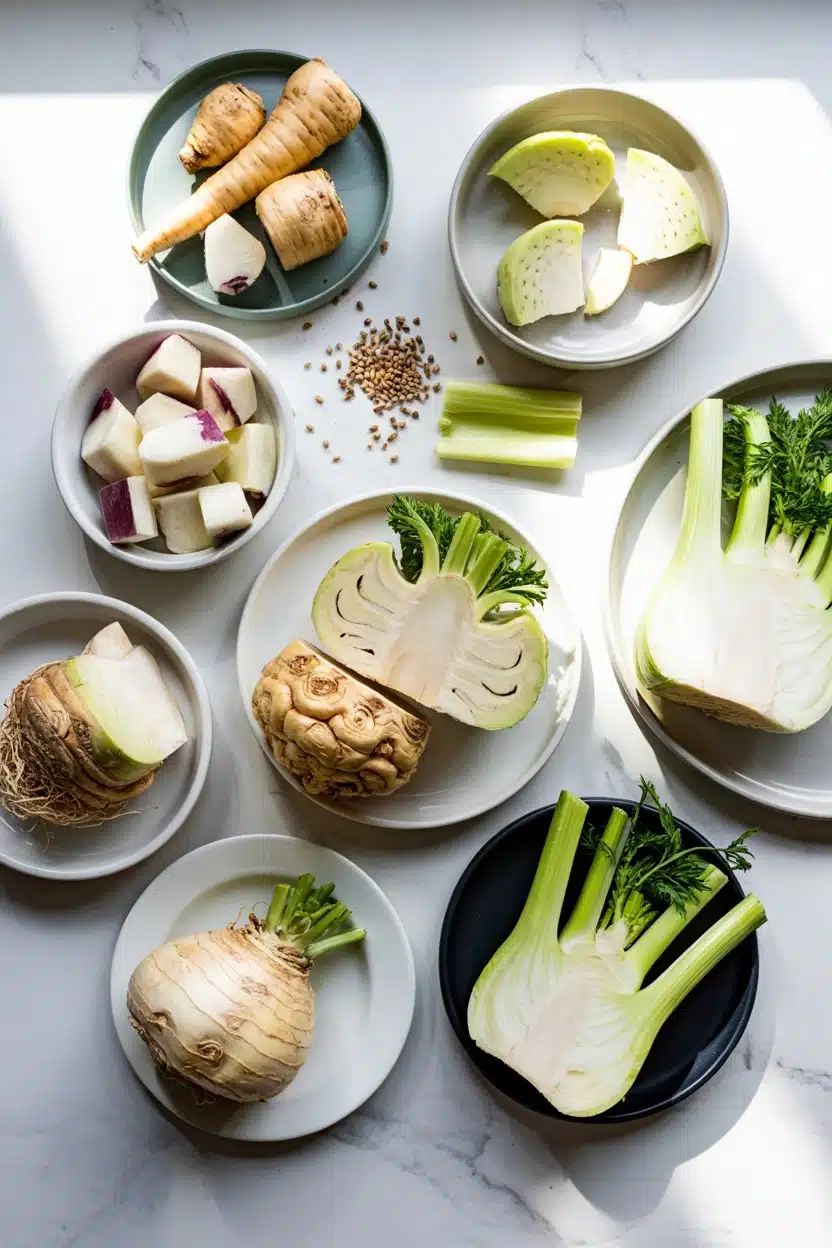
We tested these swaps to find what actually works. Pick based on how celeriac functions in your dish-earthy aroma, mild celery flavor, or firm texture.
**Celery root** gives you the closest match for soups and stews. **Parsley root** works for purees when you don't need celery notes. **Turnip** holds texture in braises but tastes peppery, not herbal. Choose based on whether you need that earthy celery character or just firm bulk.
5 Easy Celeriac Swaps for Cooking
Here are the best replacements, starting with the closest match. Each one handles heat differently, so we note when to adjust cooking time or seasoning.
Remember it later
Planning to try this recipe soon? Save it for a quick find later!
| # | Substitute | Best For | Ratio | Key Note |
|---|---|---|---|---|
| 1 | Celery Root | 🍳 Cooking | 1:1 by weight | same plant, lacks nuttiness |
| 2 | Parsley Root | 🍳 Cooking | 1:1 by weight | earthy but no celery taste |
| 3 | Turnip | 🍳 Cooking | 1:1 by volume | peppery, less aromatic |
| 4 | Kohlrabi | ✨ Both | 1:1 by volume | crisp texture, mild sweet |
| 5 | Fennel Bulb | 🍳 Cooking | ¾ cup per 1 cup | anise flavor, softer texture |
1 - Celery Root
Celery root is the same plant part you're replacing, so it delivers the earthy celery aroma and mild herbal flavor celeriac brings to soups and stews. You get the core flavor profile without the slightly nutty undertone celeriac has.
Use equal amounts by weight-1:1 swap-and cook it the same way. The texture holds through simmering and roasting, though it won't caramelize quite as deeply.
Celery Root
Works for: Soups, stews, purees where celery flavor matters
Skip if: You want that subtle nutty sweetness celeriac adds
Fresh Celery Stalk (Optional Boost)
Works for: Adding extra celery punch to root-based swaps
Skip if: You're roasting-stalks turn stringy
Here's what to know:
- Peel and dice just like celeriac-same prep steps
- Add one extra celery stalk if you want stronger herbal notes
- Works raw in slaws or salads if sliced thin
2 - Parsley Root
Parsley root adds earthy depth without the celery flavor, making it a smart pick for purees and roasted medleys where you need body and a mild sweetness. It's less aromatic but still delivers that root-vegetable richness.
Use equal amounts by weight-1:1-and expect it to soften faster than celeriac. If you're short on parsley root too, parsley swaps for cooking covers milder herb options that work in similar dishes.
3 - Turnip
Turnip holds firm through long cooking, making it a textural stand-in for soups and stews where you need chunks that don't collapse. It tastes mildly peppery instead of herbal, so the flavor shifts away from celery notes.
Use 1 cup chopped turnip per 1 cup celeriac and add a pinch of celery seed or an extra stalk of celery to restore some of that earthy aroma. Missing turnips as well? Turnip substitutes for soups lists firm-cooking alternatives.
Skip if: You need that celery-forward flavor in the final dish.
4 - Kohlrabi
Kohlrabi brings a crisp texture and mild earthiness that works in roasted vegetables and raw salads where you want celeriac's crunch without its herbal punch. It tastes faintly sweet and less aromatic, so it won't carry the same depth in brothy dishes.
Swap 1:1 by volume-same amount, same prep. Peel the tough outer layer before slicing or dicing.
Quick specs:
- Stays crisp raw, softens gently when roasted
- Roast at 425°F for 25-30 minutes, turning halfway
- Add celery seed or fresh thyme to bring back herbal notes
Out of kohlrabi too? Kohlrabi replacements for salads covers crunchy alternatives that hold up raw.
Skip if: The recipe relies on subtle celery flavor to balance other ingredients.
5 - Fennel
Fennel offers an aromatic complexity with a texture that softens beautifully when braised or roasted, adding a distinct anise note instead of celery's herbal character. It's best when you want aromatic depth but don't need that specific celery flavor.
Use slightly less fennel than celeriac-¾ cup per 1 cup-because its stronger flavor can dominate milder ingredients.
| Use | Ratio | Notes |
|---|---|---|
| Braising | ¾ cup per 1 cup | Slice thick—fennel softens faster |
| Roasting | ¾ cup per 1 cup | Caramelizes well at 400°F, 30–35 min |
| Raw salads | ½ cup per 1 cup | Shave thin—anise flavor is strong raw |
The essentials:
- Remove tough core before slicing
- Fronds work as a mild herb garnish
- Pair with citrus or tomato to balance the anise
- Lower heat slightly to prevent scorching
Missing fennel as well? Fennel seed swaps by dish covers spice alternatives that add similar aromatic notes.
Skip if: You're making a soup or stew needing subtle celery notes-fennel changes the flavor profile too much.
How to Choose a Celeriac Substitute
The best substitute depends on your recipe. Match the swap to what celeriac does-earthy aroma, celery flavor, or firm texture.
Consider flavor, texture, and cooking method before you swap. Some roots hold firm through long simmers, others soften fast or shift the taste.
- Closest match - Celery root for soups needing celery flavor
- Easiest grab - Turnip for stews needing firm texture
- Dietary option - Kohlrabi for raw salads needing crunch
Frequently Asked Questions
Celery stalks add flavor but lack the firm texture celeriac provides. Use them in soups or stews for celery notes, but add a root vegetable like turnip or parsley root for body.
Parsley root works best-it purees smooth and delivers earthy depth without celery flavor. Celery root also works if you want to keep that herbal note.
No-turnip tastes peppery and less aromatic. It matches celeriac's firm texture in soups and stews but won't give you that earthy celery flavor.
Yes-kohlrabi roasts well and stays crisp-tender. It softens more gently than celeriac, so it's best in roasted medleys or quick sautés, not long-simmered stews.
Use less fennel and add extra celery stalks to dilute the anise flavor. Cooking mellows fennel, but it won't disappear-choose celery root or turnip if you want to avoid that taste entirely.
5 Best Substitutes for Celeriac
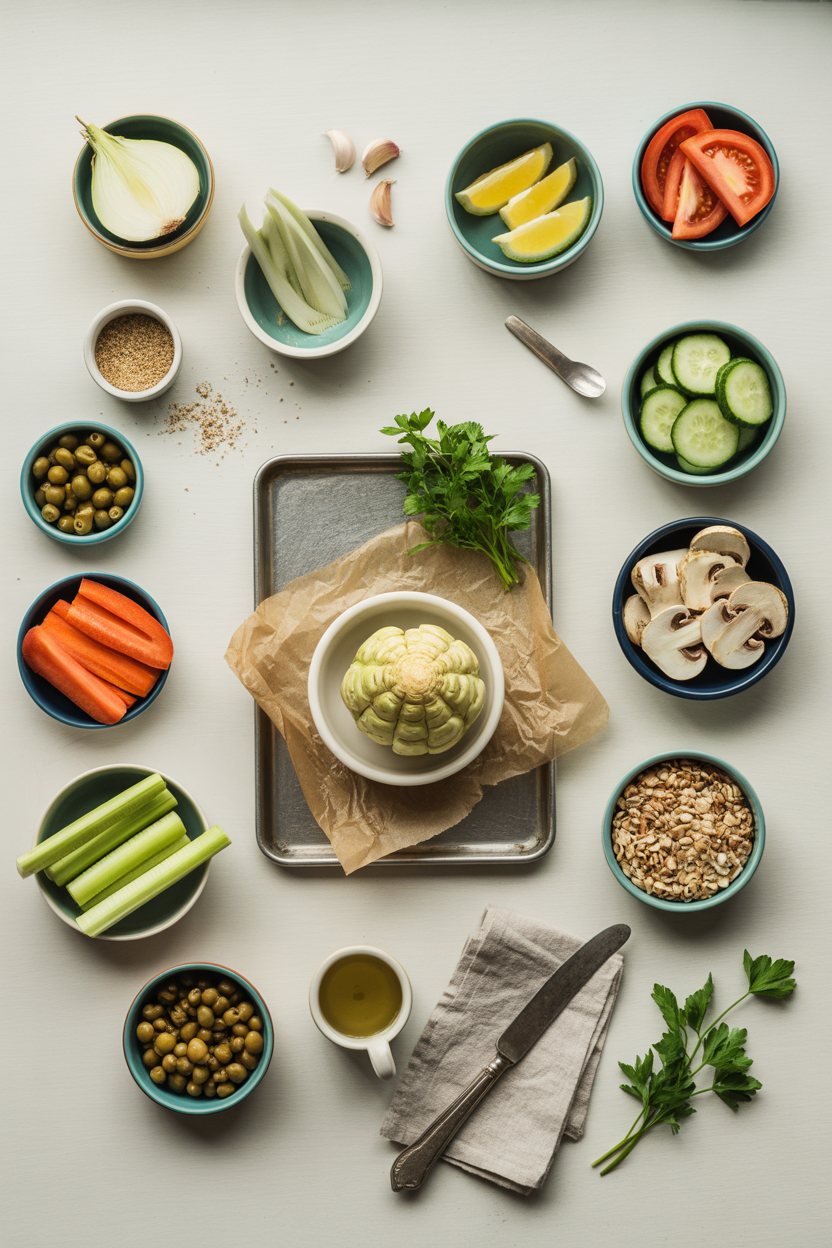
Ingredients
Method
- Choose your substitute based on whether you need earthy aroma, mild celery flavor, or firm texture.
- Peel and prepare the substitute as you would celeriac, adjusting thickness if noted (e.g., peel tough layers of kohlrabi, remove fennel core).
- Use celery root and parsley root in a 1:1 weight ratio; use turnip and kohlrabi in a 1:1 volume ratio; use fennel bulb at ¾ cup per 1 cup of celeriac.
- Adjust seasoning by adding celery seed or extra celery stalks with turnip, kohlrabi, or fennel to restore herbal or earthy notes if desired.
- Cook or roast according to each substitute's best use; note fennel softens faster and has distinct anise flavor, and turnips get bitter if overcooked.
- Taste test the final dish to ensure flavor balance, especially when using fennel or turnip as they alter the flavor profile more than celery root.