
You reach for the Calvados to finish a sauce or flambé and realize you're two tablespoons short. Scaling up a French apple tart recipe means you need triple the usual amount, but the bottle's nearly empty.
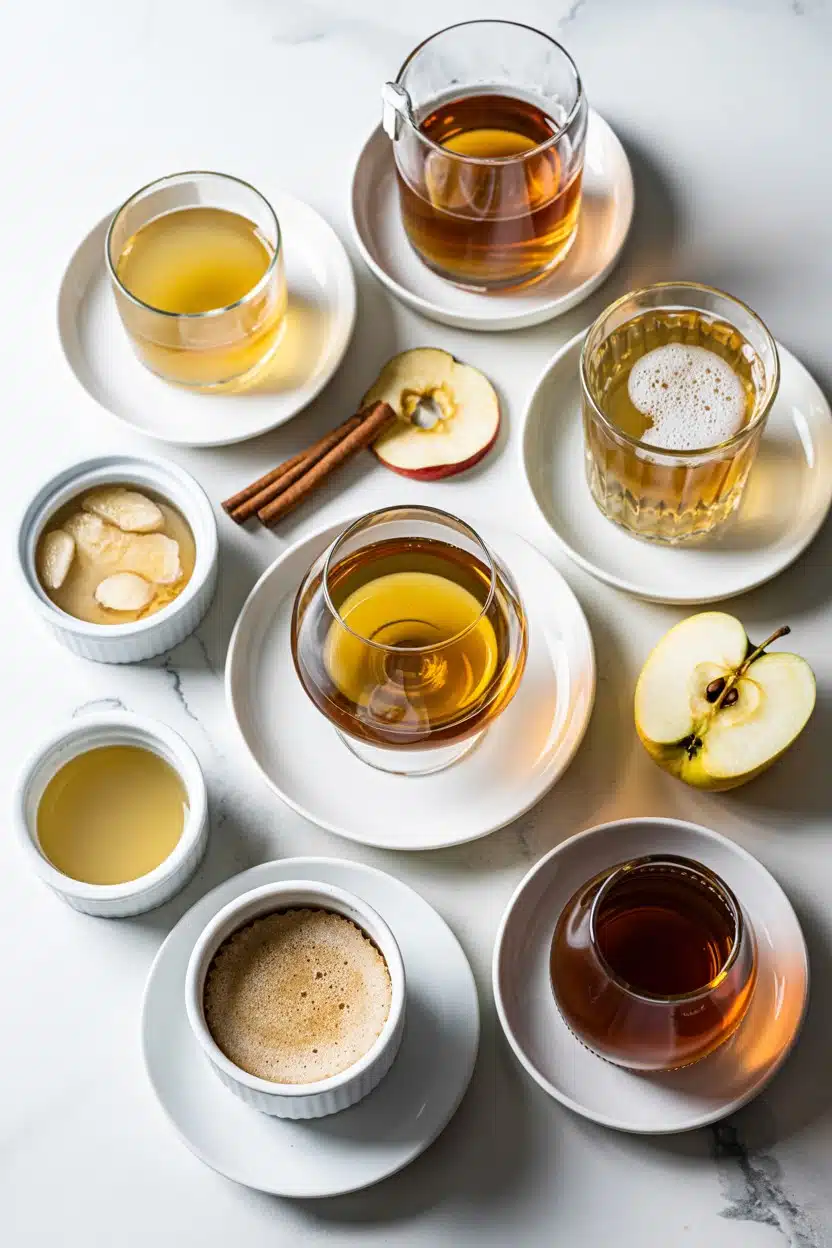
Most recipes use Calvados for its fruity depth and subtle warmth. Match that function first, then pick your swap based on what you're cooking.
Apple brandy works 1:1 in nearly all dishes, while apple cider mixed with brandy extract suits baking when you want less alcohol. Pear brandy shifts the flavor slightly but holds up in sauces and cocktails. Your main risk is losing the apple-forward taste or the spirit's warmth.
6 Top Calvados Alternatives That Hold Up
Some swaps stay close to the original, while others shift the flavor or remove alcohol entirely. Choose based on whether you need the spirit's warmth or just the fruity depth.
Remember it later
Planning to try this recipe soon? Save it for a quick find later!
| # | Substitute | Best For | Ratio | Key Note |
|---|---|---|---|---|
| 1 | Apple Brandy | ✨ Both | 1:1 | Almost identical flavor |
| 2 | Apple Cider Mix | 🥧 Baking | 3 tablespoon cider + ¼ teaspoon extract | Less alcohol, sweeter |
| 3 | Apple Juice Vinegar | 🍳 Cooking | 2 tablespoon juice + 1 teaspoon vinegar | No alcohol, tangy |
| 4 | Pear Brandy | ✨ Both | 1:1 | Pear notes instead of apple |
| 5 | Sweet Cider Vinegar Mix | 🍳 Cooking | 1 tablespoon vinegar + 1 teaspoon sugar + 2 tablespoon water | Non-alcoholic, less depth |
1 - Apple Brandy
Apple brandy shares the same apple-distillate base as Calvados. It delivers nearly identical fruity depth and spirit warmth in sauces, desserts, and glazes.
Swap 1 tablespoon apple brandy for 1 tablespoon Calvados without adjusting cooking time or other ingredients. The flavor profile stays so close that most recipes won't show a difference.
Standard Apple Brandy
Works for: sauces, flambés, pan reductions, baking
Skip if: you need a budget option or can't find it locally
Artisan Apple Brandy
Works for: finishing sauces, cocktails, cold applications
Skip if: cost matters or you're cooking off the alcohol anyway
Here's what to know:
- Use the same flambé technique - ignite at the pan's edge for safety
- Adjust sugar slightly if your brandy tastes sweeter than expected
- Taste before adding more; some brands carry stronger spice notes
If you're short on apple brandy too, brandy replacements for cooking covers grape-based spirits that still add warmth.
2 - Apple Cider Mix
Apple cider provides the fruity base, while brandy extract adds a hint of spirit aroma without full alcohol content. This works well in baked goods where you want apple flavor but less boozy punch.
Combine 3 tablespoon apple cider with ¼ teaspoon brandy extract per 1 tablespoon Calvados. Stir the extract into the cider before adding it to your batter or dough.
The essentials:
- Chill the cider if your recipe needs cold liquid to keep butter firm
- Add extract at the end to preserve its aroma during baking
- Reduce oven time by 2-3 minutes if the extra liquid makes batter wetter
Missing cider as well? What to use instead of cider lists juice and concentrate options that work here.
Skip if: you're deglazing a pan or making a reduction that needs alcohol to lift browned bits.
3 - Apple Juice Vinegar
Apple juice brings mild sweetness, and white wine vinegar mimics the acidity cooked Calvados leaves behind. This non-alcoholic mix suits savory sauces and marinades where the fruity note matters more than spirit warmth.
Mix 2 tablespoon apple juice with 1 teaspoon white wine vinegar per 1 tablespoon Calvados. Add the vinegar gradually and taste as you go to avoid overpowering tartness.
Use this in pork glazes, chicken marinades, or warm vinaigrettes where a hint of apple complements the dish. Skip it in desserts or baking where the vinegar's sharpness clashes with sugar.
Out of juice too? Tested juice swaps covers concentrate and cider options that blend with vinegar the same way.
4 - Pear Brandy
Pear brandy (like Poire Williams) shares Calvados's fruit-spirit profile but swaps apple notes for pear. It works in finishing sauces, cocktails, and dishes where a slight flavor shift won't throw off the balance.
Swap 1 tablespoon pear brandy for 1 tablespoon Calvados in reductions, glazes, or drinks. The floral pear note comes through more in cold applications than cooked ones.
Quick specs:
- Pair with pork or duck where pear complements the meat's richness
- Reduce cooking time slightly if the brandy's alcohol content is higher
Skip if: your recipe demands true apple flavor, like an apple tart or cider-braised dish.
5 - Sweet Cider Vinegar Mix
Apple cider vinegar provides tang, sugar adds mild sweetness, and water dilutes the sharpness. This non-alcoholic blend works for deglazing or cooking where Calvados's spirit warmth isn't critical.
Combine 1 tablespoon apple cider vinegar, 1 teaspoon sugar, and 2 tablespoon water per 1 tablespoon Calvados. Stir until the sugar dissolves before adding it to the pan.
Use this in braised dishes or pan sauces where you need acidity and a hint of apple without alcohol. The mix won't lift browned bits as aggressively as spirits do, so scrape the pan more actively.
| Use | Ratio | Notes |
|---|---|---|
| Deglazing | Full amount | Scrape pan actively; lacks alcohol's lift |
| Marinades | Full amount | Adds tang without boozy warmth |
| Glazes | Reduce by ¼ | Less liquid needed; concentrate flavors |
Skip if: you're baking or making delicate sauces where vinegar's sharpness disrupts the flavor balance.
Before You Swap Calvados
Start with apple brandy if you want the closest match. Adjust your mix based on whether the recipe needs alcohol, fruitiness, or both.
Taste as you go and don't dump the entire substitute in at once.
- Closest match - Apple Brandy for 1:1 swap
- Easiest grab - Apple Cider Mix for pantry staples
- Dietary option - Sweet Cider Vinegar Mix for no alcohol
Frequently Asked Questions
Yes, but you lose the apple flavor. Regular grape brandy adds warmth and spirit depth without the fruity note Calvados provides, so it works better in savory reductions than desserts.
Use 2-3 times the volume of Calvados called for, then reduce cooking time slightly to avoid extra liquid. Taste before adding more vinegar or extract to keep balance.
It shifts the flavor noticeably. Pear brandy suits dishes where a slight change enhances the profile, like pork or cream sauces, but skip it in apple tarts or cider-based recipes.
Flambéing requires alcohol to ignite, so non-alcoholic mixes won't work. Use apple cider vinegar blends for deglazing instead, scraping the pan actively to lift browned bits.
Apple cider mixed with brandy extract delivers fruity depth without overwhelming alcohol. Use 3 tablespoon cider plus ¼ teaspoon extract per 1 tablespoon Calvados and reduce oven time if needed.
5 Best Substitutes for Calvados
Ingredients
Method
- Choose your substitute based on ingredient needs: use spirits for warmth, cider mixes for baking, and vinegar blends for cooking without alcohol.
- Prepare non-alcoholic mixes by blending ingredients as directed to mimic Calvados flavor and texture.
- Apply substitute using specified ratios: 1:1 for apple and pear brandy; cider and vinegar mixes require precise mixing for balance.
- Adjust cooking or baking time slightly if needed, especially with cider mixes that add extra liquid or stronger alcohol content in brandy.
- Taste the dish after adding substitutes to ensure flavor balance; add more gradually to avoid overpowering or sour notes.



