You grab the container of caldo de tomate for your pozole, tip it to measure, and realize you're halfway short. The recipe's already started, and you need that rich tomato broth to anchor the soup.
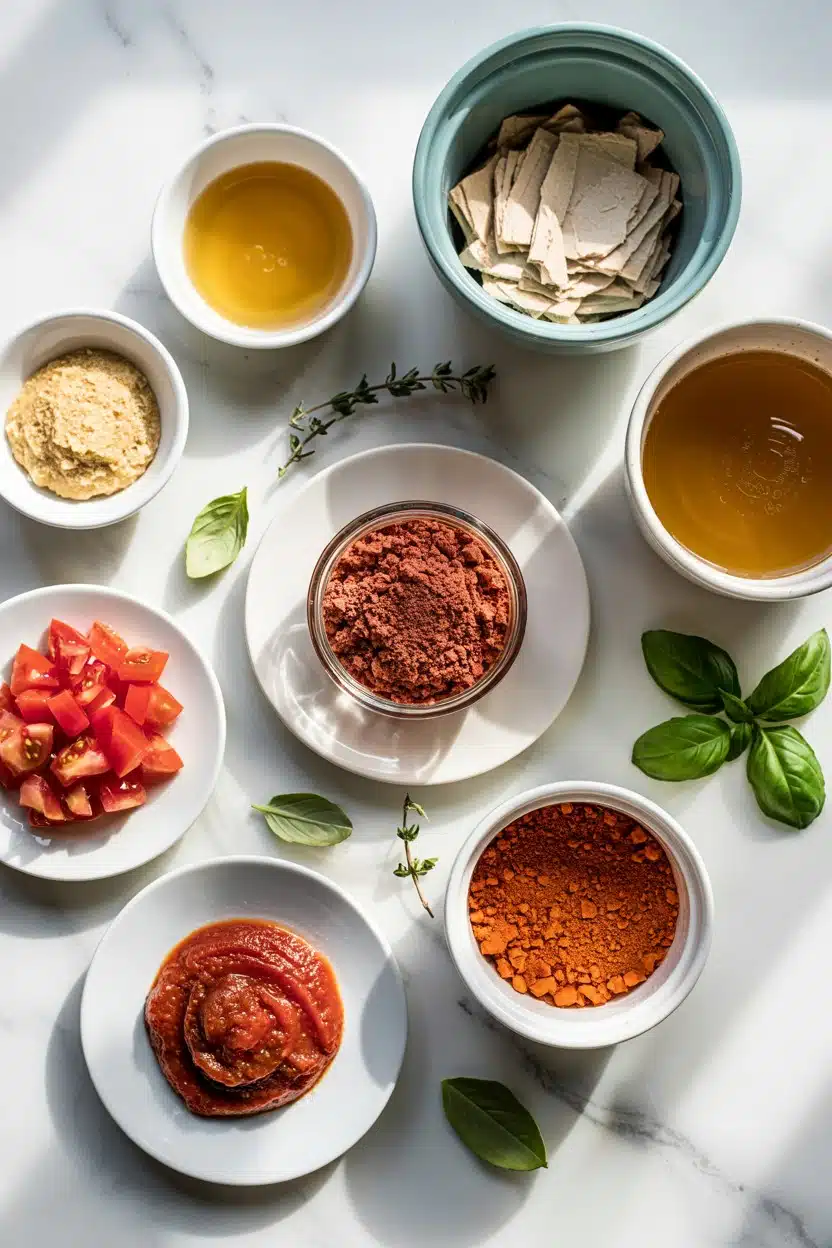
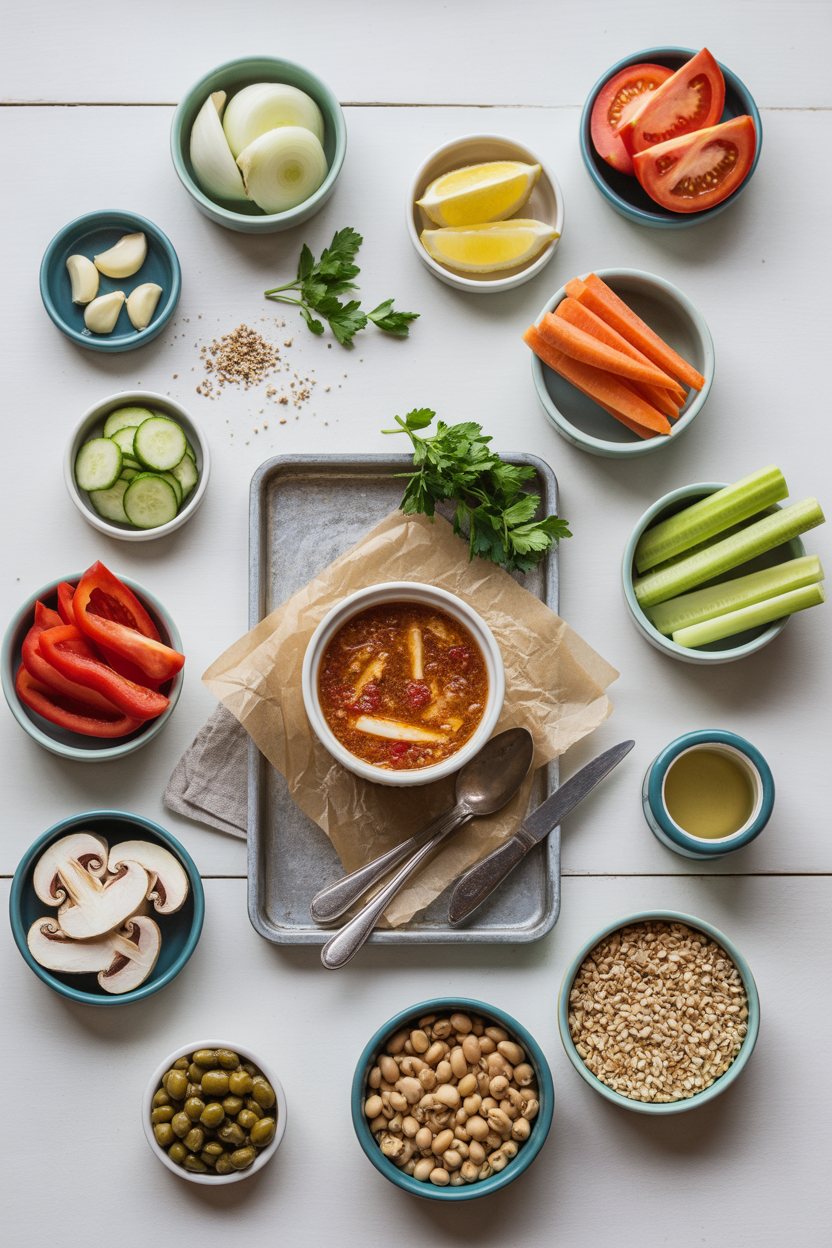
Swaps depend on what caldo brings to your dish - savory depth, tomato brightness, or liquid volume. Match the role first, then adjust ratios. Some replacements mimic the original closely, while others need a flavor tweak or texture fix.
When you're out of caldo de tomate, **tomato broth** (equal parts tomato juice and vegetable broth) delivers the closest match. **Tomato bouillon** dissolved in water works for quick soups but runs saltier. **Tomato soup** diluted 1:1 with water adds creaminess but sweetness too.
8 Caldo De Tomate Substitutes Without Big Changes
Some swaps mimic caldo's balanced tomato-savory profile, while others shift flavor or texture. Match the substitute to your recipe's needs - soups handle more flexibility than rice dishes.
Remember it later
Planning to try this recipe soon? Save it for a quick find later!
| # | Substitute | Best For | Ratio | Key Note |
|---|---|---|---|---|
| 1 | Tomato Broth | ✨ Both | 1:1 | Mix juice + broth |
| 2 | Tomato Bouillon | 🍳 Cooking | 1 cube per cup | Very salty |
| 3 | Tomato Soup Mix | 🍳 Cooking | 1:1 soup + water | Sweeter, thicker |
| 4 | Tomato Water Stock | 🍳 Cooking | 1:1 | Lighter body |
| 5 | Thinned Tomato Paste | 🍳 Cooking | 1 tablespoon per cup water | Needs salt added |
| 6 | Spiced Veg Broth | 🍳 Cooking | 1 cup + 1 teaspoon lime | No tomato flavor |
1 - Tomato Broth
Mixing equal parts tomato juice and vegetable broth replicates caldo's savory-sweet balance without hunting down specialty ingredients. The juice supplies acidity and tomato brightness, while the broth adds umami and body that straight juice lacks.
Use this swap 1:1 in soups, stews, and rice dishes. The texture runs slightly thinner than caldo, so if you're making arroz rojo, let it simmer an extra 2-3 minutes to cook off excess liquid.
If you're out of tomato juice too, tomato juice swaps covers firmer alternatives.
Tomato Broth
Works for: soups, stews, rice - mild tomato flavor
Skip if: you need thick, concentrated broth
Straight Tomato Juice
Works for: quick fixes with strong tomato taste
Skip if: recipe needs savory depth, not just acidity
Skip if: you want the exact layered spice profile of traditional caldo.
2 - Tomato Bouillon
A bouillon cube dissolved in hot water delivers concentrated tomato and savory notes fast. This swap works when you're making quick soups or stews that can handle bold, salty flavor.
Dissolve 1 cube in 1 cup hot water to replace 1 cup caldo. Taste before adding any extra salt - most bouillon cubes run high in sodium and can tip a dish too salty if you don't adjust other seasonings.
Quick specs:
- Stir until fully dissolved, no granules left
- Add cube to boiling water, not cold
- Let cool slightly before using in cold applications
Out of bouillon cubes too? Bouillon cube replacements has options that match intensity.
Skip if: you're watching sodium intake or need a cleaner ingredient list.
3 - Tomato Soup Mix
Canned tomato soup diluted with water brings creaminess and tomato flavor, though it skews sweeter than caldo. This swap fits richer soups and sauces where a velvety texture helps, but it changes the final dish more than other options.
Mix 1 part soup with 1 part water to replace 1 cup caldo. The sweetness works in chilis and braised dishes but clashes with delicate broths - taste and add a pinch of salt or a squeeze of lime to balance if needed.
The essentials:
- Use condensed soup, not ready-to-eat versions
- Thin gradually - start with less water
- Balance sweetness with acid or spice
No canned soup either? Canned tomato swaps for a few more options.
Skip if: your recipe relies on thin, clean broth texture.
4 - Tomato Water Stock
Combining fresh tomato water with vegetable stock mimics caldo's liquid base with a lighter, more delicate profile. This swap works for poaching liquids, light soups, or dishes where subtle tomato essence matters more than bold flavor.
Mix equal amounts tomato water and vegetable stock to replace 1 cup caldo. The body stays thinner, so it won't reduce into a thick sauce like traditional caldo - use it where broth consistency stays key.
Key details:
- Tomato water separates if left sitting - stir before using
- Flavor peaks fresh, fades after 2 days refrigerated
- Best for recipes where tomato plays a supporting role
- Add salt and pepper after mixing to adjust savory depth
Skip if: you need concentrated tomato punch or a broth that thickens as it cooks.
5 - Thinned Tomato Paste
Tomato paste thinned with water delivers concentrated tomato flavor in a broth-like form. This swap needs more hands-on adjusting than premade options, but it works when you control seasoning from scratch.
| Use | Ratio | Notes |
|---|---|---|
| Soups/Stews | 1 tablespoon paste + 1 cup water | Add salt, cumin, garlic powder |
| Rice Dishes | 1 tablespoon paste + ¾ cup water | Slightly thicker for better coating |
| Braising Liquid | 2 tablespoon paste + 1 cup water | Richer base, reduce salt elsewhere |
Mix 1 tablespoon paste with 1 cup water to replace 1 cup caldo. Start with less paste if you want a milder tomato flavor - you can always stir in more, but you can't pull it back out.
What to expect:
- Paste clumps if added to cold water - use warm or hot
- Flavor stays flat without salt and spices added separately
- Texture runs slightly thicker than caldo even when thinned
- Color deepens to a darker red-orange
Missing tomato paste as well? Tomato paste substitutes for swaps that hold richness.
Skip if: you need a clean, ready-seasoned broth without extra steps.
6 - Spiced Veg Broth
Plain vegetable broth spiked with lime juice and cumin supplies savory depth and brightness, but it skips tomato flavor entirely. This swap fits recipes where caldo's liquid and acidity matter more than its tomato character.
Use 1 cup vegetable broth plus 1 teaspoon lime juice and a pinch of cumin to replace 1 cup caldo. The lime cuts through richness like tomato does, while the cumin adds earthy warmth - but you lose the sweetness and color tomato brings.
Out of lime juice too? Citrus swaps for lime for similar brightness.
Skip if: tomato flavor defines the dish or you need that signature red-orange color.
How to Choose a Caldo De Tomate Substitute
The best swap hinges on what caldo does in your recipe - adds liquid, tomato brightness, or savory base. Tomato broth handles most uses, bouillon works for speed, and thinned paste lets you control seasoning from scratch.
Test swaps in forgiving dishes like soups or stews before using them in precise recipes like Spanish rice.
- Closest match - Tomato Broth for balanced flavor
- Easiest grab - Tomato Bouillon for speed
- Dietary option - Tomato Water Stock for lighter dishes
Frequently Asked Questions
Straight tomato juice works but runs too acidic and lacks the savory depth caldo provides. Mix it 1:1 with vegetable broth to balance acidity and add umami - this gets closer to caldo's flavor profile.
Taste the dish before adding any salt - bouillon cubes contain high sodium levels that can oversalt quickly. Start with half your usual salt amount, then adjust after the bouillon dissolves completely.
Yes - tomato soup runs thicker and creamier than caldo even when diluted. It works in hearty stews and chilis where body helps, but it makes delicate broths too heavy and shifts the texture.
Tomato broth and thinned tomato paste work best for rice - they coat grains without adding too much liquid. Tomato soup runs too thick, and bouillon can oversalt the rice before it finishes cooking.
Refrigerate in an airtight container for up to 4 days. Tomato water separates as it sits - stir before using. Both freeze well for 3 months; thaw overnight in the fridge and stir to recombine.
6 Best Substitutes for Caldo De Tomate
Ingredients
Method
- Choose a substitute based on your recipe's need for tomato brightness, savory depth, or liquid volume.
- For tomato broth, mix equal parts tomato juice and vegetable broth and use 1:1 substitution. Let simmer 2-3 minutes longer for rice dishes.
- For tomato bouillon, dissolve 1 cube in 1 cup boiling water, stir fully, then taste before adding salt.
- For tomato soup mix, combine equal parts condensed tomato soup and water; thin gradually and balance sweetness with salt or lime juice.
- Make tomato water stock by blending ripe tomatoes, straining, then mixing equal parts with vegetable stock. Stir before use and season as needed.
- Thin tomato paste with warm water (1 tablespoon per cup for soups/stews) and add salt and spices to prevent flat flavor and clumping.
- For spiced veg broth, combine 1 cup vegetable broth with 1 teaspoon lime juice and a pinch of cumin. Use where acidity and savory depth matter more than tomato flavor.
- Adjust seasoning after adding substitutes, especially salt. Taste the dish before finalizing to ensure balance.