You just discovered your dish needs Fleur De Sel. The canister is empty, and dinner won't wait.
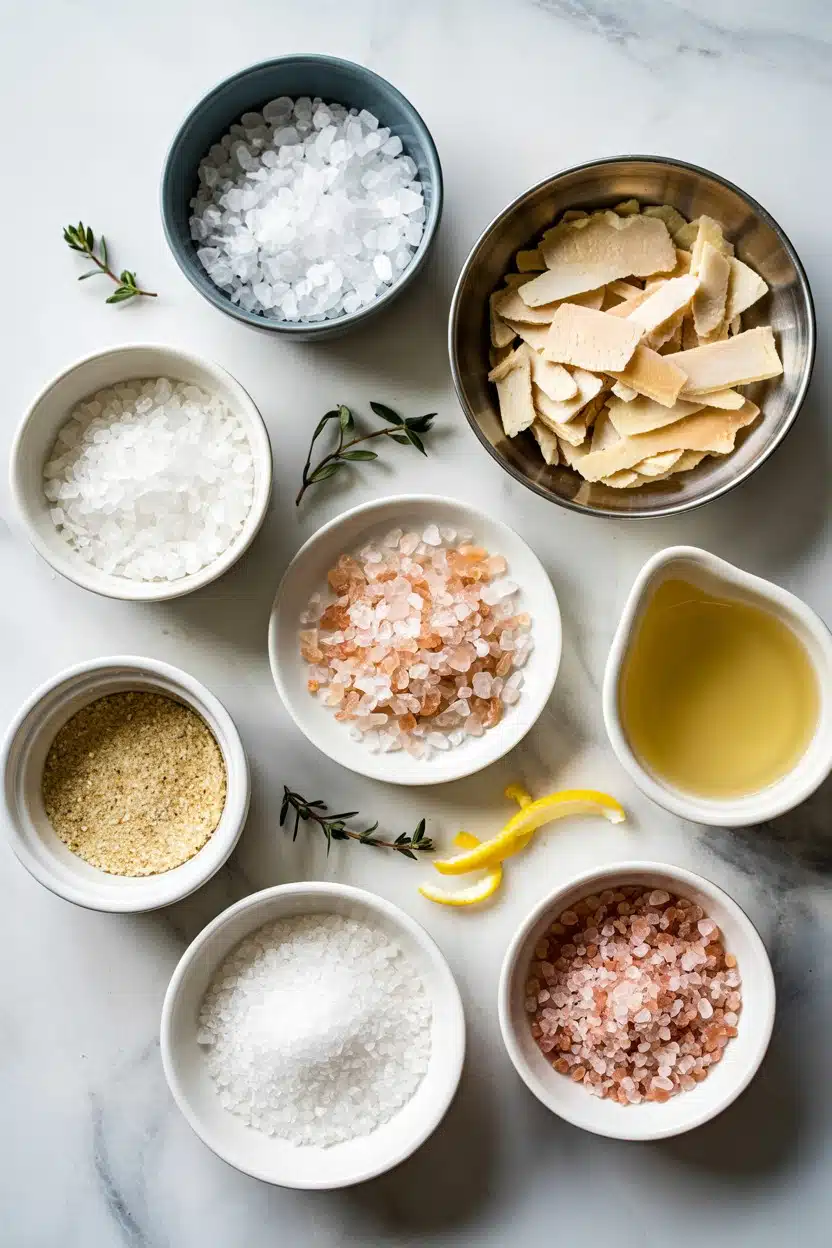
Maldon Salt and Kosher Salt are top substitutes to consider. Texture is key-choose flaky Maldon for crunch or Kosher for cooking ease. Adjust amounts based on saltiness and dissolve time. Use Maldon for finishing and Kosher for seasoning during cooking.
This French sea salt brings a delicate crunch and subtle mineral finish that regular table salt can't match. It dissolves slowly on the tongue, which makes it shine as a finishing touch on vegetables, grilled meats, or chocolate desserts.
Some swaps lean coarser and some finer, so texture matters as much as taste.
This guide covers five options that range from direct stand-ins to creative blends.
You'll see flaky salts, mineral-rich crystals, and even a smoky mix. The right choice depends on whether you're finishing a dish at the table or seasoning during cooking, and whether you want a clean salty bite or a hint of earth or smoke.
Start with less than you think and taste before adding more.
5 Best Substitutes for Fleur De Sel to Try
Each option below handles salt in a different way, from fine grains that dissolve fast to large flakes that add crunch. Pick based on your recipe's timing and the texture you want.
Remember it later
Planning to try this recipe soon? Save it for a quick find later!
1 - Kosher Salt
Kosher salt works well when you're cooking rather than finishing.
It dissolves quickly and seasons evenly, which makes it a solid choice for pasta water, marinades, or roasted vegetables. The grains are larger than table salt but smaller than Fleur De Sel, so the texture stays coarse without the same delicate crunch.
The flavor is clean and straightforward, with less of the mineral complexity you get from sea salt. If you need Kosher Salt stand-ins for other recipes, that resource covers even more ground.
Use 1 tablespoon of kosher salt for every 1 tablespoon of Fleur De Sel. Add it early in the cooking process so the grains have time to dissolve and distribute.
Taste the dish before adding more, because kosher salt can taste saltier than you expect once it melts into the food. Stir well after each addition so the seasoning stays even.
Skip this option if you're finishing a dish at the table. The coarse texture doesn't deliver the same delicate crunch, and it can feel gritty on tender foods like sliced tomatoes or soft cheeses.
2 - Maldon Salt
Maldon salt works beautifully as a finishing salt when you want a light, flaky crunch.
The pyramid-shaped flakes dissolve slowly on the tongue, so they add texture and bursts of saltiness without overpowering the dish. The flavor is milder and cleaner than Fleur De Sel, with less mineral depth.
You'll see this option on chocolate chip cookies, caramel desserts, and grilled steak, where the flakes catch the light and add a satisfying bite.
Use 1 tablespoon of Maldon salt for every 1 tablespoon of Fleur De Sel.
Sprinkle it on just before serving so the flakes stay crisp and visible. Taste a small bite first, then add more if the dish needs extra salt.
The flakes crush easily between your fingers, so you can control the texture by pinching them smaller or leaving them whole.
Avoid this substitute in baking recipes that call for fine salt.
The large flakes won't dissolve evenly in batters or doughs, and you'll end up with pockets of salt that taste too strong.
3 - Himalayan Pink Salt
Himalayan pink salt brings an earthy, mineral-forward flavor that works well in both cooking and finishing. The pink hue comes from trace minerals, which add a subtle complexity you won't find in plain white salt.
This option shines when you're seasoning roasted vegetables, grilled meats, or hearty stews, where the mineral notes blend into the background. The texture is coarser than table salt but finer than Fleur De Sel, so it dissolves faster and seasons more evenly during cooking.
Use 1 tablespoon of Himalayan pink salt for every 1 tablespoon of Fleur De Sel. Add it midway through cooking so the minerals have time to meld with the other flavors.
Taste before serving, because the earthy notes can build as the dish cooks. Stir thoroughly after each addition so the salt distributes without clumping.
Skip this substitute if you're finishing a delicate dish like fresh fruit, raw oysters, or lightly dressed greens. The mineral taste can overpower subtle flavors and change the dish in ways you didn't plan.
4 - Fine Sea Salt
Fine sea salt works best when you need even salt distribution in baking or cooking.
The small grains dissolve quickly and blend into batters, doughs, and sauces without leaving any gritty texture behind. The flavor is milder and less complex than Fleur De Sel, so you won't get the same mineral nuance or crunchy finish.
This option is a reliable choice for bread dough, cake batter, or pasta water, where the salt needs to disappear into the recipe rather than stand out on top.
Use 1 tablespoon of fine sea salt for every 1 tablespoon of Fleur De Sel.
Mix it into the recipe early so it has time to dissolve completely. Taste the batter or dough before baking if possible, and adjust the amount if it tastes flat or too salty.
Stir well after adding it so the grains don't settle at the bottom of the bowl.
Avoid using this substitute as a finishing salt.
The fine grain doesn't add any crunch or visual appeal, and the flavor lacks the brightness that makes Fleur De Sel special on top of finished dishes.
5 - Smoked Paprika Salt
This blend adds smoky warmth alongside saltiness, which makes it a smart choice for grilled dishes, roasted meats, or charred vegetables. Mix 1 tablespoon of table salt with ⅛ teaspoon of smoked paprika to match 1 tablespoon of Fleur De Sel.
The paprika shifts the flavor profile toward barbecue and campfire notes, so it works best when you want that extra layer. If you're curious about more ways to play with spice, Paprika style swaps offer plenty of flexibility.
Sprinkle the blend on just before serving so the smoky aroma stays bright and doesn't fade during cooking. Start with half the amount and taste, because the paprika can take over if you add too much at once.
The salt will dissolve, but the paprika will cling to the surface and add color along with flavor.
Skip this option if your recipe needs a pure salt flavor.
The smoky warmth will change the dish in ways that don't fit with delicate foods like white fish, fresh berries, or soft cheeses.
Before You Swap Fleur De Sel
There's no single replacement that matches every role Fleur De Sel plays.
Match the substitute to the job first, whether that's finishing with crunch, seasoning during cooking, or blending into batter. Start with less salt than you think you need, taste the result, and adjust slowly so the dish doesn't turn too salty to fix.
Frequently Asked Questions
Kosher salt works better during cooking than as a finishing touch because the grains are coarser and lack the delicate crunch Fleur De Sel provides.
Maldon salt has a milder, cleaner flavor with less mineral complexity, but it delivers a similar flaky crunch that works well as a finishing salt.
Himalayan pink salt dissolves well in batters and doughs, but the earthy mineral notes may shift the flavor slightly compared to a neutral sea salt.
Table salt works in cooking but lacks the texture and subtle mineral flavor that make Fleur De Sel special as a finishing salt on plated dishes.
If the salt overpowers the other flavors or feels gritty on your tongue, you added too much. Start with a light sprinkle and taste before adding more.