You reach for Frisee to bring that feathery crunch and gentle bitterness to your salad, only to find the crisper drawer empty. Frisee adds texture and a slight bite that balances rich dressings and fatty proteins, making it more than just a garnish. When it's missing, you need a green that can hold its own without wilting into mush.
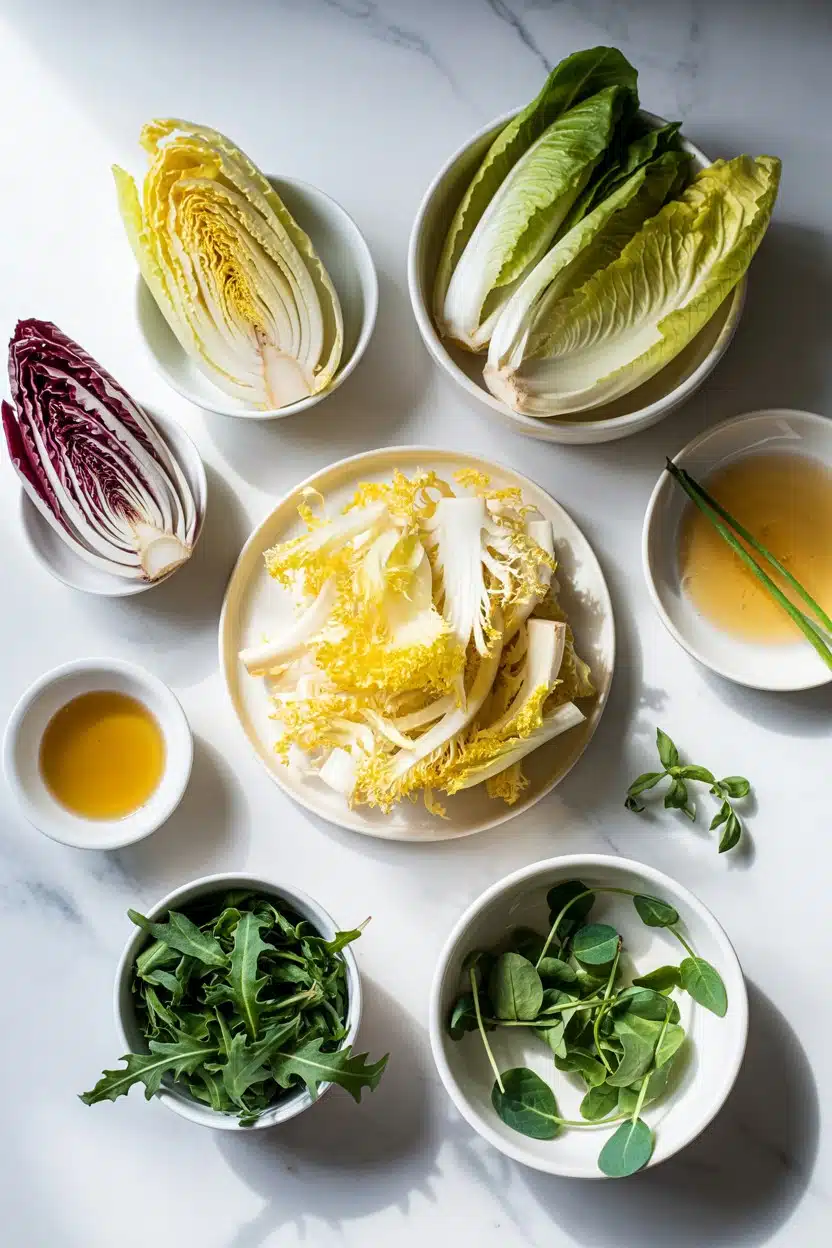
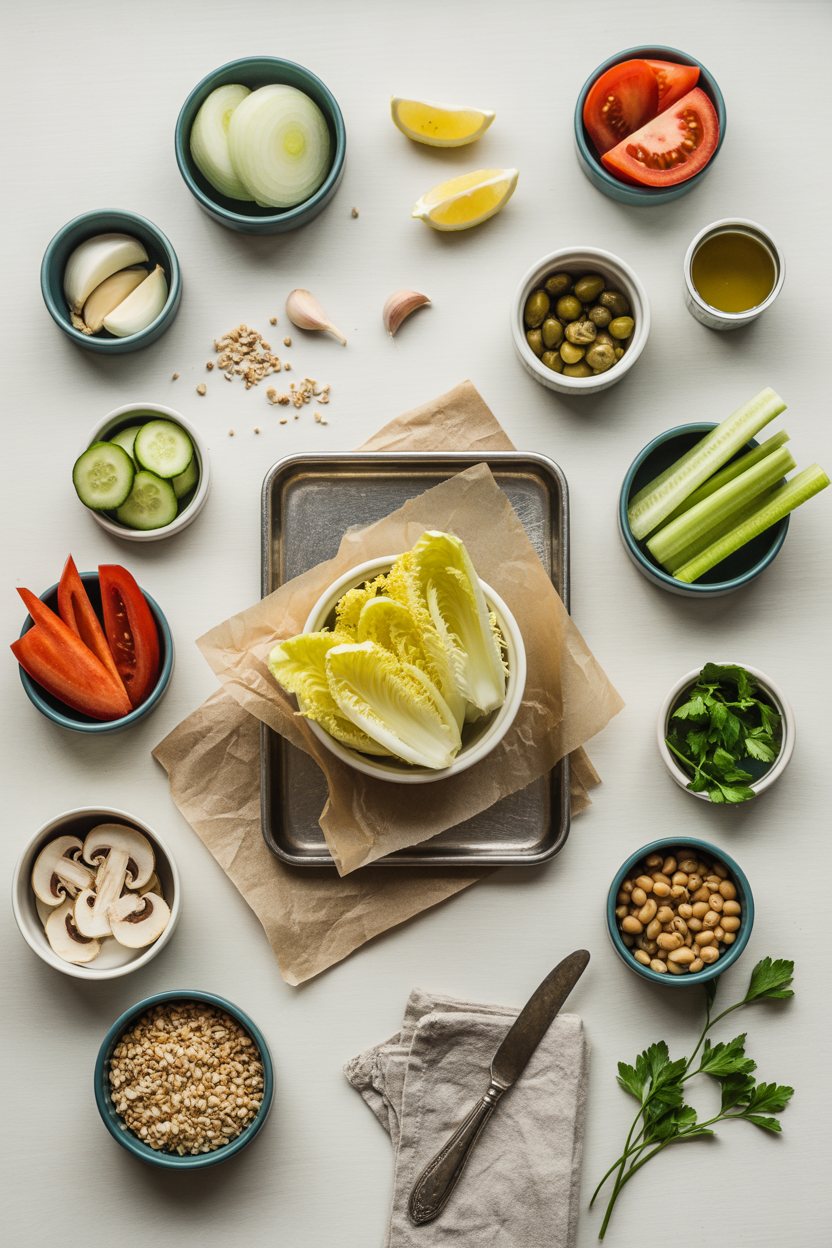
Curly En and Radicchio best replicate Frisee's bitterness and texture. Focus on matching bitterness first, then leaf sturdiness. For salads with warm toppings, choose thicker leaves to avoid wilting.
This guide walks through seven swaps that range from close botanical cousins to everyday lettuce you probably already have. Some deliver the same bitter edge, while others trade bitterness for peppery heat or mild sweetness. The key differences lie in texture, intensity, and how well each green stands up to vinaigrette or warm toppings.
No single replacement mirrors Frisee exactly. Pick based on whether you need that signature bitterness, a sturdy leaf structure, or just a clean base that won't overpower other flavors. Start with the suggested ratio, taste as you build the dish, and add more if the balance feels off.
7 Best Substitutes for Frisee to Try
The options below cover greens with similar bitterness, peppery alternatives, and milder backups for when you want texture without the bite. Choose based on how much bitterness your dish needs and whether you're serving raw or adding heat.
Remember it later
Planning to try this recipe soon? Save it for a quick find later!
1 - Curly Endive
Curly endive sits in the same botanical family as Frisee, so the bitterness feels familiar even if the texture is a touch less delicate. It works well in salads where you need frilly leaves that catch dressing, and it holds up as a garnish when you want visual interest. The bitterness is milder, and the leaves are slightly thicker, so they don't wilt as fast under warm proteins or bacon. If you want more ways to stay close to that flavor, how to swap in Endive are worth a look.
Use 1 cup per 1 cup of Frisee. Tear the leaves into bite-size pieces before tossing with dressing so they coat evenly. Taste after mixing, and if the bitterness feels too mild, add a pinch of lemon zest or a splash of red wine vinegar to sharpen the edge.
Skip this option when you're cooking greens down; curly endive can turn tough and chewy under heat.
2 - Radicchio
Radicchio brings bold color and a sharper bitter punch that stands out in any salad bowl. It excels when you want a green that can balance creamy dressings, blue cheese, or sweet fruit like pears and oranges. The leaves are firmer and more cabbage-like, and the flavor leans spicy on top of the bitterness, so it's not a quiet swap.
Use ½ cup chopped for every 1 cup of Frisee. Slice the leaves into thin ribbons so the intense flavor spreads evenly instead of landing in big, overpowering bites. Taste the dressed salad before serving, and if the bitterness feels too strong, add a touch of honey or maple syrup to the vinaigrette to soften the edge.
Avoid radicchio when you need a mild, neutral base; its spicy bitterness will dominate lighter ingredients.
3 - Arugula
Arugula swaps bitterness for peppery heat, making it a good choice when you want personality without the same sharp bite. It adds a leafy, spicy note that pairs well with citrus dressings, nuts, and shaved Parmesan. The texture is more delicate than Frisee, so it wilts faster under warm toppings or heavy dressings.
Use 1 cup per 1 cup of Frisee. Dress the arugula just before serving to keep it from collapsing, and toss gently so the leaves stay intact. If the peppery flavor feels too strong, mix it with a milder green like butter lettuce to dial it back.
Skip arugula if you're aiming for the classic bitter edge Frisee provides; the peppery note shifts the flavor in a different direction.
4 - Belgian Endive
Belgian endive delivers mild bitterness and a satisfying crunch that works in both salads and appetizer spreads. The leaves grow in tight, boat-shaped clusters, so they're sturdy enough to hold fillings or stand alone as dippers. The flavor is less intense than Frisee, and the texture is firmer and more watery, which keeps things crisp without adding much weight.
Use 1 cup chopped for every 1 cup of Frisee. Slice the leaves crosswise into rounds or leave them whole if you're using them as vessels for toppings. Taste after dressing, and if the bitterness feels too mild, add a few capers or a drizzle of balsamic vinegar to sharpen the profile.
Avoid Belgian endive when you need loose, feathery leaves; the structured shape changes the texture of the dish.
5 - Green Leaf Lettuce
Green leaf lettuce is the mildest swap on the list, offering a sweet, tender base when bitterness isn't what you're after. It works well in salads that need volume without strong flavor, and it pairs easily with everything from ranch dressing to grilled chicken. If you like the direction of this swap, looking at what to use instead of Lettuce gives you even more flexibility. The leaves are soft and delicate, so they tear easily and wilt under warm ingredients or heavy dressings.
Use 1 cup per 1 cup of Frisee. Tear the leaves into large, irregular pieces to add texture, and dress lightly so the greens don't collapse. Taste before serving, and if the salad feels too plain, add a handful of radishes or a sprinkle of toasted seeds for crunch and flavor.
Skip green leaf lettuce when bitterness or sturdy texture is central to the dish; this option won't deliver either.
6 - Mâche
Mâche brings a nutty, mild flavor and a soft, velvety texture that feels luxurious in delicate salads. It works best when you want a gentle green that won't compete with subtle ingredients like poached eggs, citrus segments, or light vinaigrettes. When you want to compare a few approaches, those Mache Lettuce replacement ideas walk through similar tricks with Mache Lettuce. The leaves are small and tender, so they wilt quickly under heat or heavy dressing.
Use 1 cup per 1 cup of Frisee. Dress the mâche just before serving to preserve its delicate structure, and toss gently to avoid bruising the leaves. If the mild flavor feels too quiet, add a few drops of walnut oil or a sprinkle of coarse sea salt to bring out the nuttiness.
Avoid mâche when bitterness is key; this green is all about gentle, nutty sweetness.
7 - Baby Kale
Baby kale offers an earthy, mildly bitter flavor and a chewy texture that holds up well in hearty salads. It works best when you want a robust green that can handle warm grains, roasted vegetables, or bold dressings. The leaves are tougher than Frisee, so they need more massage or a slightly acidic dressing to soften the bite.
Use 1 cup per 1 cup of Frisee. Massage the leaves with a little olive oil and lemon juice before adding other ingredients; this breaks down the fibers and mellows the flavor. Taste after dressing, and if the texture still feels too chewy, let the salad sit for a few minutes before serving so the acid can work.
Skip baby kale if you need a delicate, feathery texture; the chewy leaves will change the feel of the dish.
Before You Swap Frisee
No green perfectly replicates Frisee's feathery texture and gentle bitterness. Match your choice to the dish: use curly endive or Belgian endive for similar bitterness, arugula or radicchio for bold flavor, and green leaf lettuce or mâche for milder options. Start with the suggested ratio, taste as you go, and adjust dressing or seasoning to balance the new flavor.
Frequently Asked Questions
Yes, radicchio holds up better under warm toppings than Frisee, but its stronger bitterness and spicy flavor will shift the taste noticeably.
Green leaf lettuce is the mildest option, offering a sweet, tender base with almost no bitterness.
Arugula delivers peppery heat instead of classic bitterness, so it shifts the flavor profile rather than matching Frisee's bite.
Dress delicate greens like mâche or arugula just before serving, and toss gently to avoid bruising the leaves.
Yes, blending curly endive with arugula or radicchio can balance bitterness and texture to get closer to Frisee's profile.