You're mid-recipe when you realize cornichon is missing. These tiny pickled cucumbers add sharp tang and crisp bite to charcuterie, sauces, and salads. A good substitute needs to bring similar acidity and crunch without overwhelming the dish.
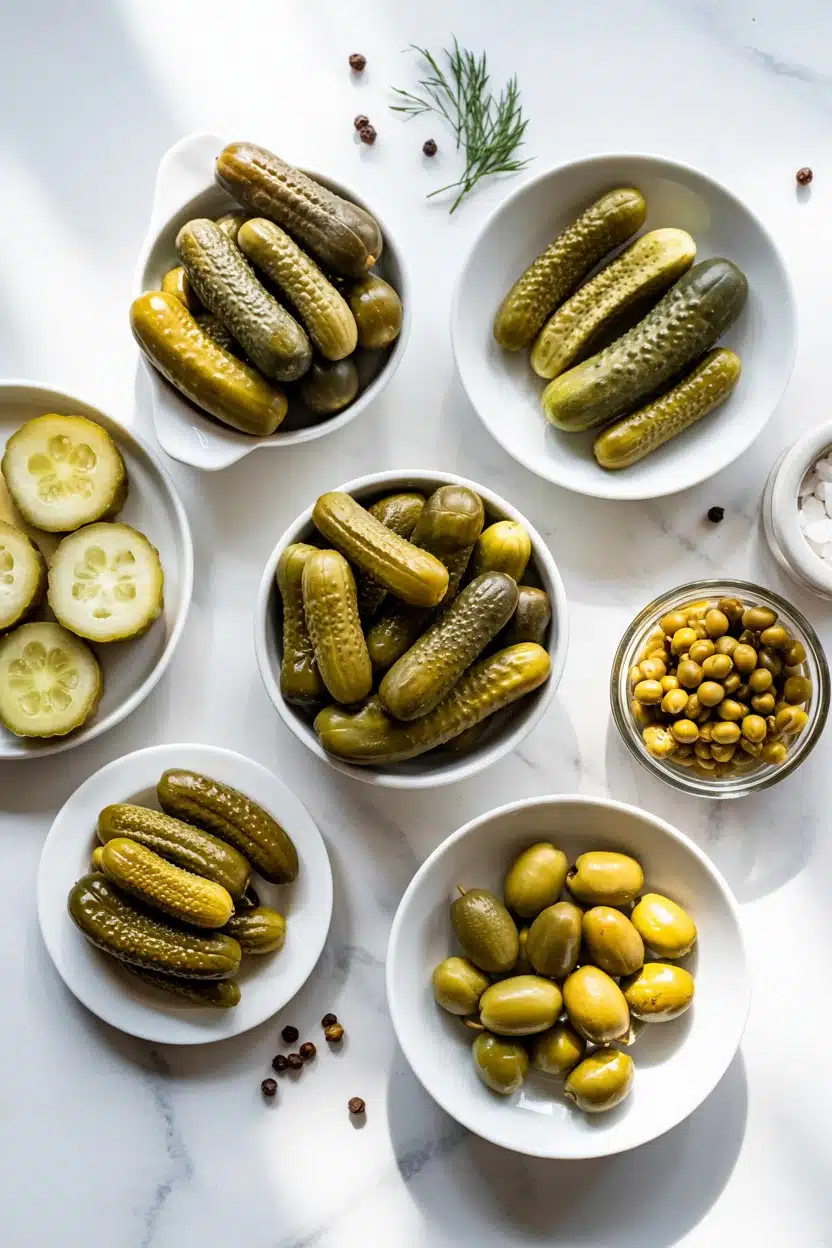
Dill pickles and gherkin pickles best match cornichon's crisp texture and tangy flavor. Focus on balancing acidity and crunch first. For sauces, capers add briny depth but lack crunch. Adjust vinegar or lemon zest to brighten dishes without pickles.
The options below range from other pickles to creative stand-ins that shift texture or flavor slightly. Some swaps taste milder, while others lean sweeter or brinier. Each one changes the result in a small but noticeable way.
No swap is exact. Choose by matching the role cornichon plays in your recipe. Start with less than you think you need, taste, and adjust from there.
5 Best Substitutes for Cornichon to Try
These five options cover pickled cucumbers, briny add-ins, and fresh twists that bring tang without needing a specialty jar. Pick the one that fits your dish and what you have on hand.
Remember it later
Planning to try this recipe soon? Save it for a quick find later!
1 - Dill Pickles
Small dill pickles work well when you need a crunchy, tangy bite in sandwiches, charcuterie boards, or chopped into egg salad. They taste milder and less sharp than cornichon, with a stronger dill flavor and less vinegar punch. The texture stays crisp, so they hold up when sliced thin or left whole as a garnish.
Use 1 tablespoon of chopped dill pickles per 1 tablespoon of cornichon. Chop them finely so the size matches what the recipe expects. Taste your dish after stirring them in, and add a splash of white vinegar if you need more brightness.
Skip dill pickles when you need a very sharp, tart flavor. Their mildness works better in rich, fatty dishes where a gentle tang is enough.
2 - Capers
Capers bring intense brine and salt to sauces, vinaigrettes, and compound butters. They taste more briny and less tart than cornichon, with a soft, almost chewy texture instead of a crunch. That makes them a better fit for blended or cooked dishes where texture matters less. If you want to explore backup options for Caper, you'll find even more ways to work with that salty, briny profile.
Use 1 teaspoon of capers for every 1 tablespoon of cornichon. Rinse them first to cut some of the salt, then chop or mash them if you want the flavor to spread evenly. Stir them in near the end so the brine stays bright.
Avoid capers when you need crisp texture or a clean, sharp tartness. They work best when you want concentrated brine in a liquid or soft mixture.
3 - Gherkin Pickles
Gherkin pickles match cornichon in size and crisp texture, making them a straightforward swap in relishes, potato salads, and tartare. They taste sweeter and less sour, with a rounder flavor that's less assertive. The crunch is nearly identical, so they hold up well when chopped or sliced.
Use equal amounts of gherkin pickles to cornichon. Chop them to the same size the recipe calls for, and taste before adding more. If the sweetness feels too soft, add a small splash of white vinegar to sharpen the edge.
Skip gherkins when you need a very tart, acidic bite. Their sweetness works better in dishes with rich proteins or creamy dressings.
4 - Pickled Baby Cucumbers
Pickled baby cucumbers bring crisp texture and lighter acidity to salads, grain bowls, and fresh garnishes. They taste fresher and less intensely pickled than cornichon, with a cleaner cucumber flavor. If you want to learn how to swap in Cucumber for other uses, that guide covers fresh and pickled options in more detail.
Use 1.5 tablespoons of pickled baby cucumbers per 1 tablespoon of cornichon. Slice them thinly so the texture stays subtle, and taste your dish after mixing them in. Add a pinch of salt or a few drops of vinegar if the flavor feels too mild.
Avoid this swap when you need a strong, sharp pickled flavor. The lighter acidity works best in fresh dishes where you want crunch without heavy tang.
5 - Lemon Zest & Vinegar
Lemon zest mixed with white vinegar adds bright acidity and citrus aroma to dressings, aioli, and garnishes. This swap brings tangy sharpness without any crunch, so it's best for liquid or blended recipes. For more ideas on adjusting acid levels, these ways to replace White Vinegar give you extra control over tang and balance.
Use 1 teaspoon of lemon zest plus ¼ teaspoon of white vinegar per 1 tablespoon of cornichon. Stir them in gradually, tasting after each addition so the citrus doesn't overpower the dish. This mix works best when added at the end to keep the zest fragrant.
Skip this option when you need pickled texture or a cucumber-based flavor. It's a flavor substitute only, not a texture match.
Making Cornichon Substitutes Work
No substitute tastes exactly like cornichon. Match the substitute to the role it plays in your recipe-texture, acidity, or both. Start with less than the recipe calls for, taste, and adjust gradually so you don't overshoot.
Frequently Asked Questions
Yes, small dill pickles or gherkins work well. Chop them to match cornichon size and adjust seasoning as needed.
Capers add briny flavor but lack crunch. Use them in sauces and dressings, not in recipes where texture matters.
Mix lemon zest with a splash of white vinegar to add tang and brightness. This works best in dressings and liquid recipes.
Quick-pickle baby cucumbers in vinegar, salt, and sugar for an hour. The flavor will be milder but still tangy and crisp.
Gherkins are similar in size and texture but taste sweeter and less tart. Add a splash of vinegar to sharpen the flavor.