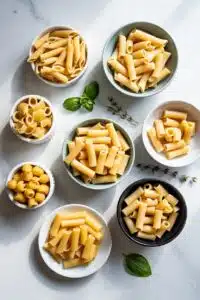
You're ready to pan-fry flounder when you realize the package has less than you need. Most recipes count on flounder for mild flavor and delicate texture that flakes cleanly.
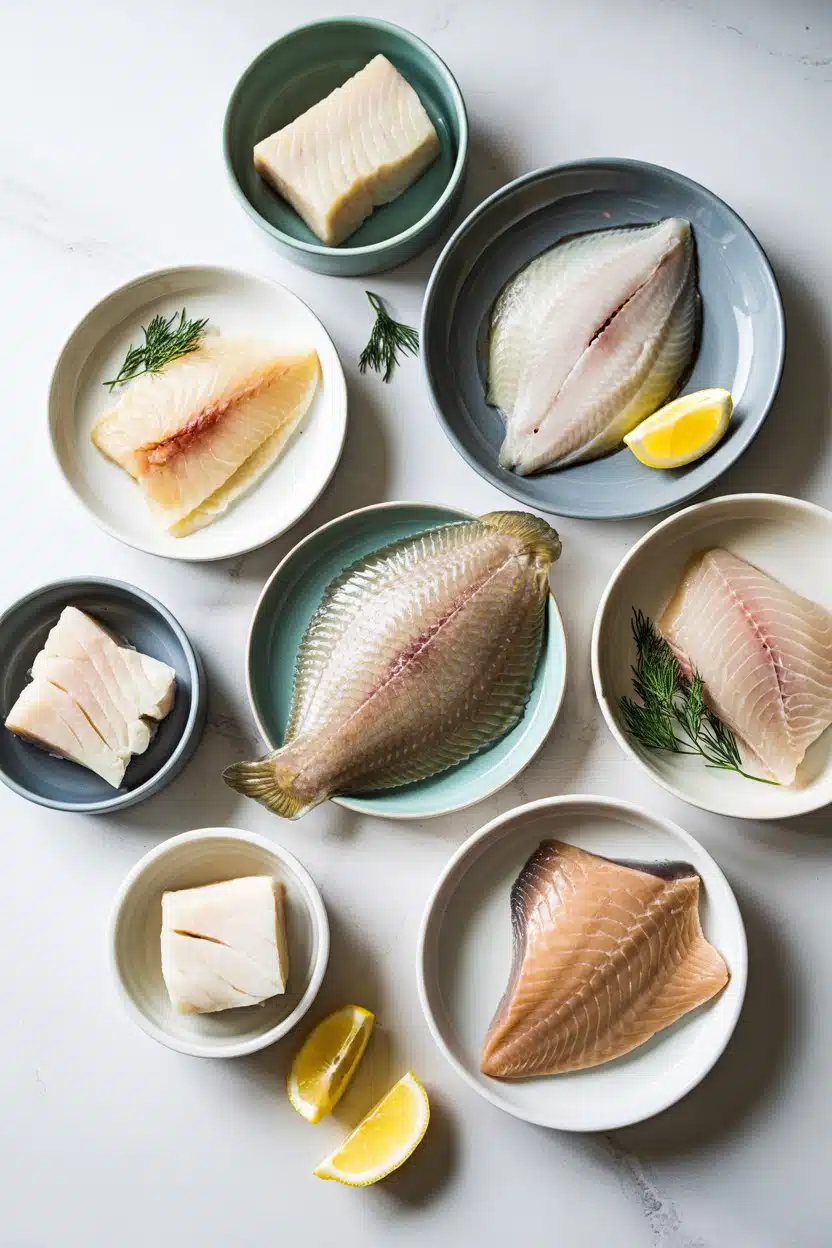
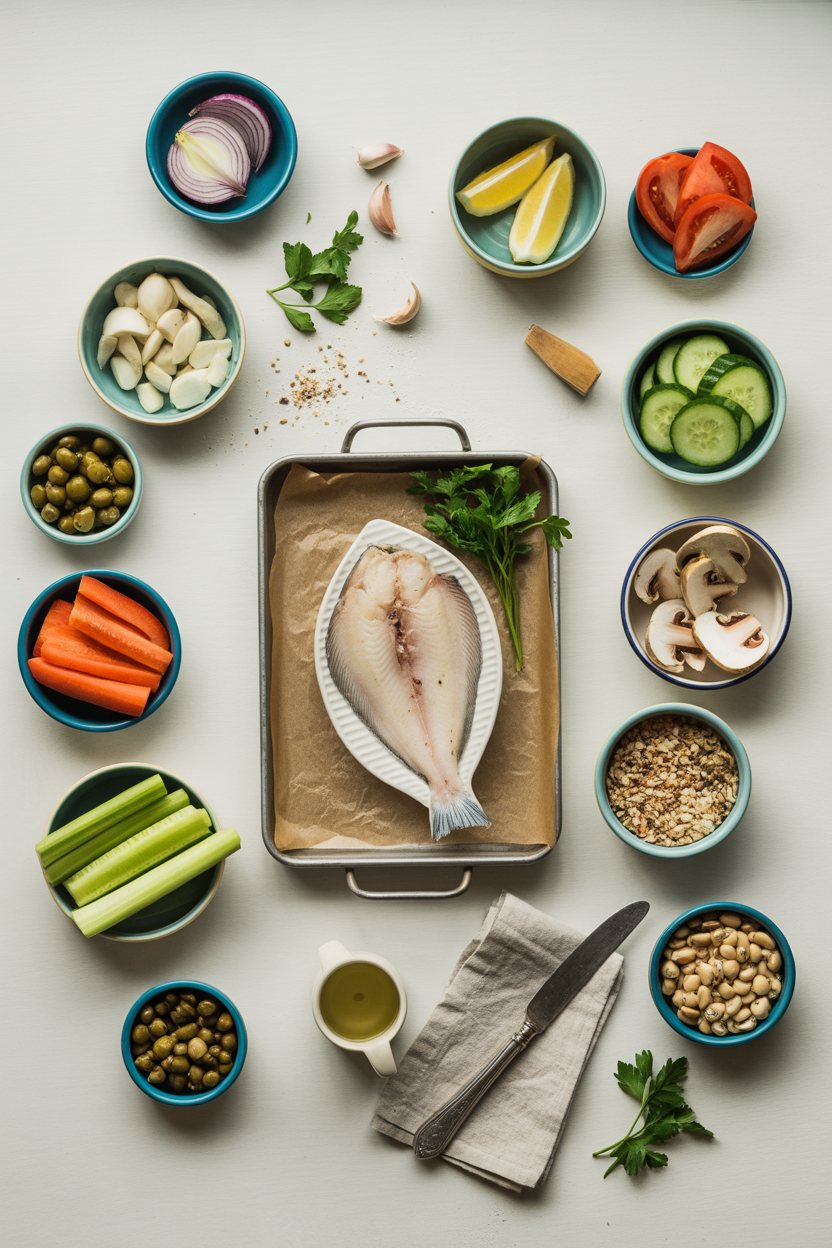
The swap depends on what flounder does in your dish. Mild fish work well in simple preparations, while firmer swaps suit stews and frying where you need extra structure.
**Sole** and **tilapia** are your closest matches for mild flavor and quick cooking. Most swaps need the same cook time, but watch for texture shifts-firmer fish like cod and pollock hold up better in stews but cook slightly drier. For plant-based dishes, pressed tofu mimics the flaky texture without seafood flavor.
5 Flounder Replacements for Better Texture
Flounder works because it cooks fast and stays tender with minimal seasoning. These swaps vary in firmness and flavor strength-picking the right one keeps your dish balanced.
Remember it later
Planning to try this recipe soon? Save it for a quick find later!
| # | Substitute | Best For | Ratio | Key Note |
|---|---|---|---|---|
| 1 | Sole | ✨ Both | 1:1 | Nearly identical texture and cook time |
| 2 | Tilapia | ✨ Both | 1:1 | More neutral flavor, widely available |
| 3 | Catfish | 🍳 Cooking | 1:1 | Earthy taste, best fried or robust prep |
| 4 | Cod | 🍳 Cooking | 1:1 | Firmer texture, needs lower heat |
| 5 | Pollock | 🍳 Cooking | 1:1 | Slightly stronger flavor, flaky texture |
| 6 | Tofu | 🌱 Vegan | 1:1 | Mimics texture, no seafood flavor |
| 7 | Hearts of Palm | 🌱 Vegan | 1:1 | Best raw or lightly dressed |
1 - Sole
Sole matches flounder's delicate flake and mild buttery flavor almost exactly. It cooks in the same time and works in any flounder recipe without adjustments.
Swap 1:1 by weight and use the same heat level. The flavor difference is slight-most diners won't notice the change in pan-fried or baked dishes.
If you're short on sole too, sole fish substitutes covers milder white fish swaps.
Sole
Works for: Pan-frying, baking, gentle preparations needing tender flake
Skip if: You need firmer structure for grilling or skewering
Flounder
Works for: Quick-cooking methods, delicate seasoning, mild dishes
Skip if: Recipe calls for very firm fish that holds shape under high heat
2 - Tilapia
Tilapia is milder and more neutral than flounder with a similar flaky texture. It's accessible and cooks just as fast, making it a reliable everyday swap.
Use 1:1 by weight-it won't add sweetness like flounder does. Season a bit more aggressively to compensate for the neutral base.
Here's what to know:
- Cooks in 3-4 minutes per side over medium-high heat
- Absorbs marinades and spice rubs easily
- More earthy undertone than flounder's slight sweetness
- Holds up well in light stews and broths
Missing tilapia as well? Tilapia fish swaps covers neutral white fish by recipe method.
3 - Catfish
Catfish flakes cleanly like flounder but carries a stronger earthy flavor. It works best in fried dishes or recipes with bold seasoning that can balance the muddy notes.
Swap 1:1 by weight and expect a firmer bite. The texture holds up better under breading and high heat than flounder does.
Quick specs:
- Earthier taste-not ideal for delicate sauces
- Firmer flesh stays intact during frying
- Best with Cajun spice, cornmeal coating, or tangy slaw
If you're out of catfish too, catfish replacements has firmer swaps for fried dishes.
Skip if: You're making a light lemon-butter preparation where clean flavor matters.
4 - Cod
Cod shares flounder's mild flavor and flaky texture but cooks firmer and slightly drier. It suits baked or stewed dishes where you need fish that holds its shape.
Use 1:1 by weight and reduce heat slightly to avoid drying out the thicker fillets. Add a tablespoon of butter or oil to keep moisture balanced.
The essentials:
- Thicker fillets need 1-2 extra minutes of cook time
- Sweetness is subtle-closer to flounder than tilapia
Don't have cod either? Cod fish alternatives covers flaky white fish for baking.
Skip if: You're pan-frying at high heat-cod can toughen quickly without careful timing.
| Use | Ratio | Notes |
|---|---|---|
| Pan-frying | 1:1 | Reduce heat slightly for firmer fish |
| Baking | 1:1 | Add 2 minutes to cook time for cod/pollock |
| Stews | 1:1 | Firmer swaps hold shape better |
5 - Pollock
Pollock offers mild flavor and flaky texture similar to flounder but with a slightly stronger seafood taste. It works well in stews, frying, or baked dishes where you need fish that stays firm.
Swap 1:1 by weight-the firmer texture prevents it from falling apart in wet preparations. The earthy undertone is subtle enough for most flounder recipes.
Out of pollock as well? Pollock fish swaps has flaky white fish for stews.
Skip if: You need the sweetest, mildest flavor possible-pollock has more character than flounder.
6 - Tofu
Firm pressed tofu mimics flounder's flaky texture and quick cooking time in plant-based recipes. It absorbs seasoning well but lacks any seafood flavor.
Use equal volume (1:1) and press the tofu for at least 15 minutes to remove excess water. Pan-fry in high heat to create a crisp exterior that mimics seared fish.
Missing tofu too? Tofu swaps for cooking covers plant proteins by texture.
Skip if: Seafood flavor is essential to the dish-tofu stays neutral no matter how you season it.
7 - Hearts of Palm
Hearts of palm offer a flaky texture similar to flounder in raw or lightly dressed preparations. They work best in cold salads or ceviche-style dishes where you don't need structure.
Use 1:1 chopped substitution and expect a mild vegetal sweetness instead of seafood flavor. Marinate them in citrus or vinegar to mimic the bright acidity flounder carries.
What to expect:
- Very soft texture-won't hold up to heat
- Sweet and slightly tangy flavor
- Best shredded or chopped into salads
- Works in vegan "fish" tacos with lime and slaw
If you're out of hearts of palm as well, hearts of palm swaps has flaky plant-based picks.
Skip if: You're cooking the fish-hearts of palm turn mushy under heat and lose their structure.
Choosing the Right Flounder Substitute
Start with the cooking method-delicate fish like sole work for quick pan-frying, while firmer options suit stews and baking. Most swaps need the same cook time, but firmer fish require lower heat to stay tender.
- Closest match - Sole for nearly identical flavor and texture
- Easiest grab - Tilapia for wide availability and neutral taste
- Dietary option - Pressed tofu for plant-based flaky texture
Frequently Asked Questions
Yes, but reduce heat slightly and add extra fat to prevent drying. Cod's firmer texture holds up well in tacos, but it needs careful timing to stay tender.
Tilapia is more neutral and earthy with less sweetness than flounder. The texture is similar, but you'll notice the flavor difference in simple preparations with minimal seasoning.
Yes, use 1:1 by weight and the same temperature. Catfish is firmer and more earthy, so it pairs better with bold seasonings like Cajun spice or garlic butter instead of delicate lemon-herb preparations.
Pressed firm tofu works best for cooked dishes-freeze it once, thaw, press, then pan-fry for a flaky texture. For raw preparations like ceviche, use shredded hearts of palm marinated in citrus.
Pat it completely dry before cooking and use medium-high heat with enough fat to coat the pan. Don't flip it until the edges turn opaque and it releases easily-forcing it too early breaks the fillet.
7 Best Substitutes for Flounder
Ingredients
Method
- Choose the substitute based on your cooking method and desired texture, from mild and delicate to firm and sturdy or plant-based.
- Prepare the substitute appropriately: press tofu to remove moisture, chop hearts of palm, or use fish fillets as is.
- Use a 1:1 substitution ratio by weight for fish and by volume for tofu and hearts of palm.
- Adjust cooking heat as needed: reduce heat slightly for firmer fish like cod and pollock to prevent drying.
- Season moderately especially for neutral-flavored substitutes like tilapia or tofu to enhance flavor.
- Check final dish texture and flavor, making small seasoning or cooking time adjustments to balance the swap.