You reach for salt pork mid-recipe and the jar is empty. That rich, salty fat was supposed to flavor the whole pot of beans.
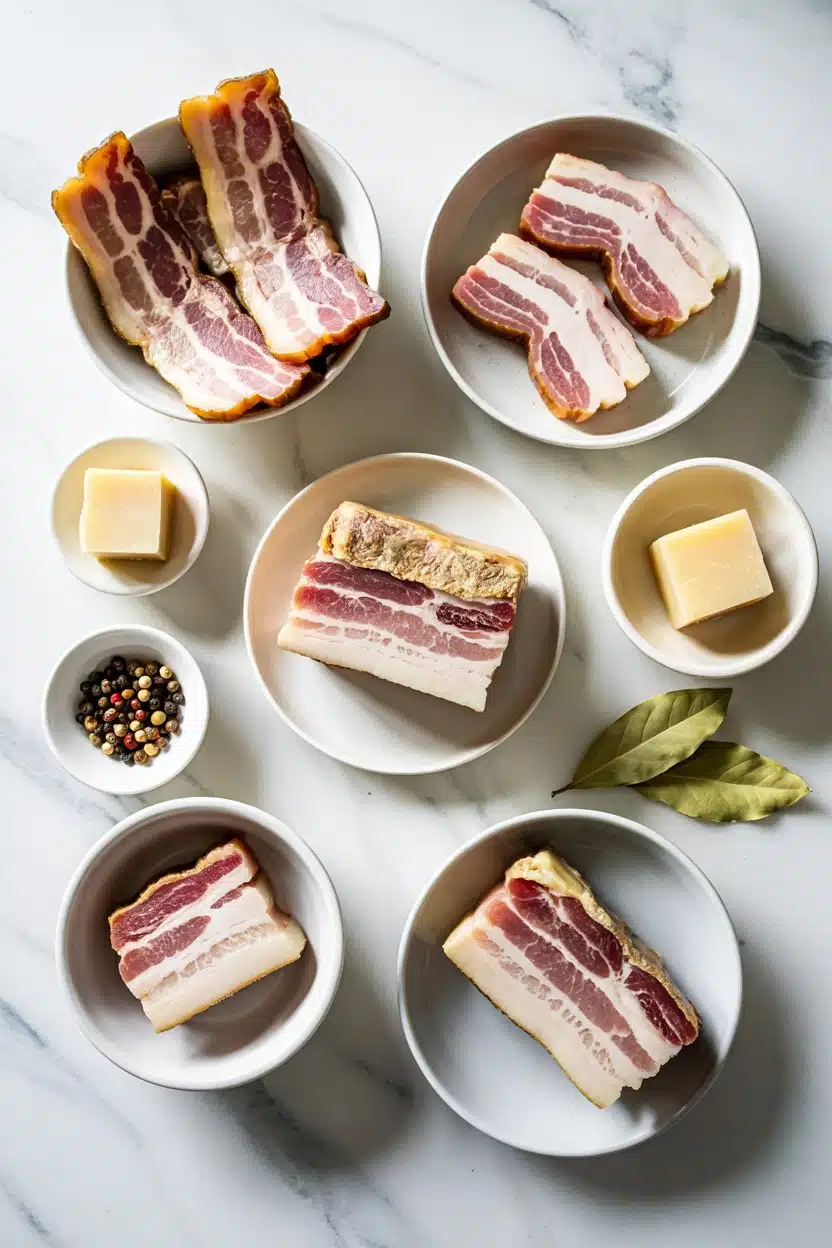

Bacon and salted pork belly are top substitutes; prioritize matching fat content and salt level first. Adjust smoke or meatiness to suit your dish. For soups, consider adding ham hock for extra depth.
These swaps work differently depending on what you're cooking. Match the fat content and salt level first, then adjust for smoke or meatiness.
Some substitutes add flavor notes the original doesn't have.
| # | Substitute | Best For | Ratio | Key Note |
|---|---|---|---|---|
| 1 | Bacon | 🍳 Cooking | 1:1 by weight | Adds smoke, less salty |
| 2 | Pancetta | 🍳 Cooking | 1:1 by weight | Milder, herbal notes |
| 3 | Salted Pork Belly | 🍳 Cooking | 1:1 by weight | Firmer texture, similar salt |
| 4 | Fatback | 🍳 Cooking | 1:1 by weight | Pure fat, no meat |
| 5 | Smoked Ham Hock | 🍳 Cooking | 1 small hock per cup | Deep smoke, firmer meat |
5 Salt Pork Swaps That Keep Flavor Balanced
These substitutes range from pantry staples to specialty cuts. The best choice depends on whether you need pure fat for rendering or meaty chunks for texture.
Remember it later
Planning to try this recipe soon? Save it for a quick find later!
1 - Bacon
Bacon delivers the porky richness salt pork provides, but smoke comes along for the ride. The flavor works beautifully in baked beans, collard greens, and chowders where a hint of campfire won't feel out of place.
Use equal weight and expect less saltiness. You may need to add a pinch of salt to compensate.
Here's what to know:
- Render slowly - Low heat prevents burning and extracts more fat.
- Choose thick-cut - Thin slices crisp too fast for long braises.
If you're also out of bacon, Bacon substitutes for cooking covers options with similar richness.
Skip if: You need pure pork fat without any smokiness.
BACON
Works for: Beans, greens, soups needing smoky depth
Skip if: Smoke flavor clashes with your dish
SALT PORK
Works for: Clean pork flavor without smoke
Skip if: You want crispy bits in the final dish
2 - Pancetta
Pancetta brings Italian-style cured pork flavor without the smoke. The taste runs milder and more delicate, with subtle herbal notes from the curing spices.
This swap shines when sautéing aromatics for pasta sauces, risotto, or braised vegetables. Use equal weight and dice it small so it renders evenly.
Don't have pancetta either? Check Pancetta alternatives to try for swaps with similar cured richness.
Skip if: You want intense pork flavor or need large fatty chunks.
3 - Salted Pork Belly
Salted pork belly comes closest to the original in terms of salt level and fat distribution. The texture runs firmer with more defined meat layers.
This works particularly well in slow-cooked dishes where the fat has time to render completely. Beans, greens, and long-simmered soups benefit most.
- Cube it small - Quarter-inch pieces render more evenly than large chunks.
- Blanch first - A quick boil removes excess salt if the dish is already seasoned.
- Low and slow - Give it at least an hour to fully render in braises.
- Taste before salting - The belly adds significant salt to the cooking liquid.
If salted pork belly isn't available either, Bell Pepper substitutes ranked won't help here-stick with bacon or fatback instead.
Skip if: You want something ready to eat without long cooking.
4 - Fatback
Fatback is pure pork fat with no meat attached. This makes it ideal when you need rendered lard for cooking but don't want chewy meat bits in the final dish.
The flavor stays clean and porky without the saltiness of cured products. Add your own salt to taste.
Use equal weight and cube it before rendering. Fatback melts completely, leaving no texture behind.
Skip if: You want the chewiness of meat included or need salt built into the fat.
| Use | Ratio | Notes |
|---|---|---|
| Rendering for cooking fat | 1:1 by weight | Melts completely, no residue |
| Flavoring beans/greens | 1:1 by weight | Add salt separately |
| Making lardons | Not recommended | No meat for texture |
5 - Smoked Ham Hock
Ham hock brings deep smoky flavor and collagen-rich body to soups and braises. The meat is firmer and leaner than salt pork, but the bone adds gelatin that enriches cooking liquid.
Use one small ham hock for every cup of diced salt pork your recipe calls for. The flavor runs bolder, so taste as you go.
- Simmer at least 2 hours - The collagen needs time to break down.
- Remove the bone - Shred the meat back into the pot before serving.
- Balance the smoke - A splash of vinegar cuts through heavy smokiness.
Missing ham hock as well? Check Ham Hock swaps by recipe type for options that add similar body.
Skip if: You need a leaner, less smoky result or want quick-cooking fat.
How to Choose a Salt Pork Substitute
The right swap depends on what salt pork does in your recipe. For pure fat rendering, fatback works cleanly.
For flavoring slow-cooked dishes, salted pork belly or ham hock deliver the richest results.
- Closest match - Salted pork belly for similar salt and fat
- Easiest grab - Bacon from any grocery store
- Boldest flavor - Smoked ham hock for deep richness
Frequently Asked Questions
Yes, bacon works well in baked beans. The smoke flavor actually complements the molasses. Use equal weight and expect slightly less saltiness.
Salt pork is cured in salt and may include some meat. Fatback is uncured pure fat with no meat attached and no added salt.
Blanching salted pork belly in boiling water for 2 minutes removes excess salt. Bacon and pancetta don't need rinsing unless your dish is already well-seasoned.
Bacon or pancetta both work in chowder. Render the fat first, then build your soup in the same pot to capture all the flavor.
Smoked olive oil plus a splash of soy sauce mimics the salty, rich flavor. Use 2 tablespoons oil per cup of salt pork called for. The texture won't match, but soups and beans still taste satisfying.
5 Best Substitutes for Salt Pork
Ingredients
Method
- Pick your substitute based on use: fat rendering (fatback), slow cooking (salted pork belly or ham hock), or general cooking (bacon, pancetta).
- Prepare bacon by rendering slowly on low heat to extract fat; choose thick-cut for long braises.
- Dice pancetta small and render evenly over medium heat without rinsing unless dish is well-seasoned.
- Cube salted pork belly into quarter-inch pieces, blanch in boiling water for 2 minutes, then add to slow-cooked dishes.
- Cube fatback and render slowly, adding salt separately as it contains no salt or meat.
- Simmer smoked ham hock at least 2 hours to break down collagen; remove bone and shred meat back into the dish before serving.
- Adjust seasoning after adding the substitute, tasting for salt and smoke levels to balance the flavor.