You reach for the granulated garlic and find nothing but an empty spot in the spice rack. That garlicky depth your recipe counts on is now up in the air.
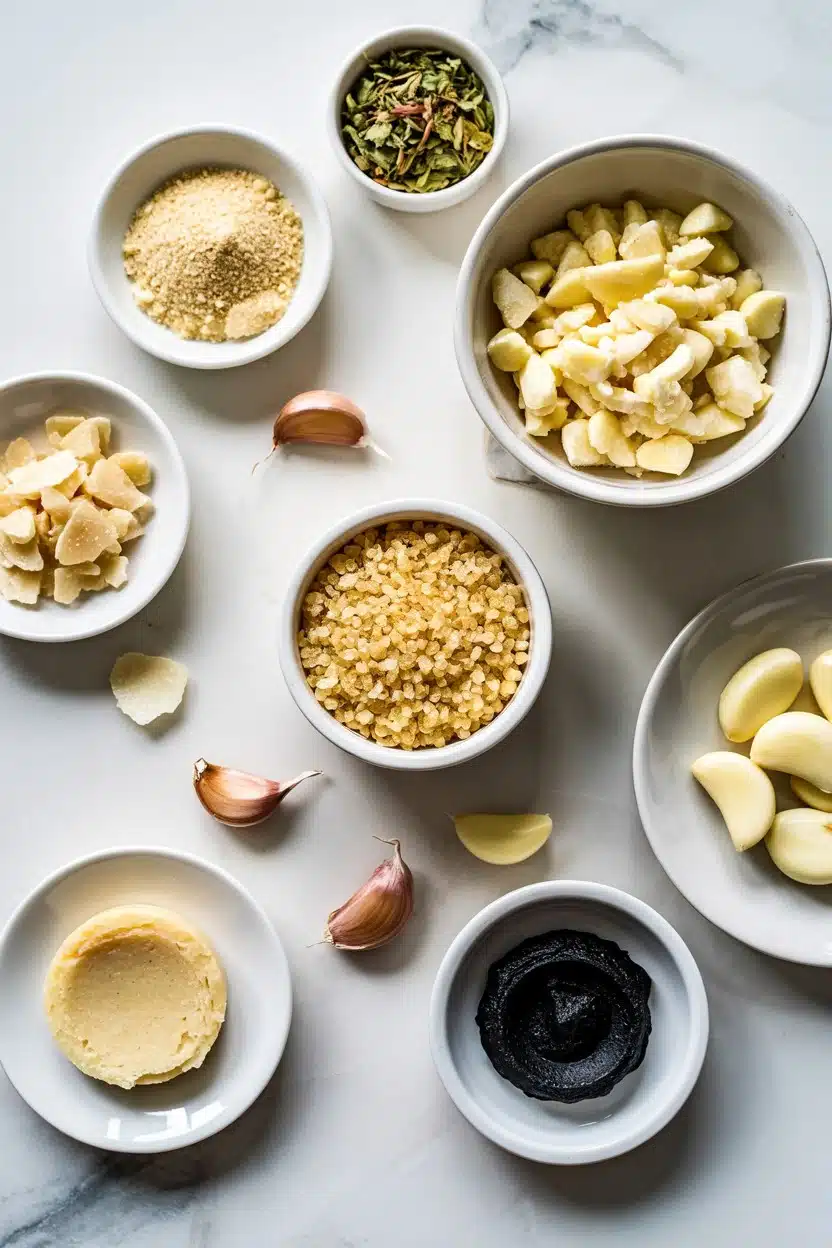
Granulated garlic adds savory backbone and aroma without the moisture of fresh cloves. The texture and release rate matter as much as the flavor itself. Some swaps dissolve quickly, others need time to bloom, and a few require you to dial back the salt.
Garlic powder is the closest match with the same punch but finer texture. Minced garlic works in cooked dishes but adds moisture. Garlic salt delivers flavor but forces you to cut back on salt elsewhere.
5 Smart Granulated Garlic Swaps When You're Out
Not all garlic forms behave the same way. Texture, moisture, and concentration shift how each one performs in the dish.
Remember it later
Planning to try this recipe soon? Save it for a quick find later!
| # | Substitute | Best For | Ratio | Key Note |
|---|---|---|---|---|
| 1 | Garlic Powder | ✨ Both | 1:1 | finer texture, concentrated |
| 2 | Minced Garlic | 🍳 Cooking | 1 tablespoon per 1 tsp | adds moisture, fresher bite |
| 3 | Garlic Salt | 🍳 Cooking | 1.5 teaspoon per 1 tsp | reduce added salt |
| 4 | Crushed Garlic Flakes | 🍳 Cooking | 1 tablespoon per 1 tsp | rehydrates slowly, milder |
| 5 | Garlic Oil | 🍳 Cooking | 1 teaspoon per 1 tsp | gentle flavor, adds fat |
1 - Garlic Powder
Garlic powder carries the same bold garlic punch you expect from granulated garlic. The main shift is texture-powder dissolves faster and clings to surfaces more readily.
Use equal amounts of garlic powder when swapping for granulated garlic. The finer grind means it disperses more evenly in dry rubs and spice blends, though it can clump if moisture sneaks in.
Granulated Garlic
Works for: dry rubs, longer cooking times, visible texture
Skip if: you want ultra-fine dispersion in liquids
Garlic Powder
Works for: quick-dissolving needs, fine seasoning blends
Skip if: you prefer granular texture in the finished dish
Here's what to know:
- Powder blends into sauces and soups faster than granules
- Store in a cool, dry spot to prevent clumping
- Flavor intensity is slightly sharper due to finer grind
- Works in both raw applications and high-heat cooking
If you're out of garlic powder too, tested garlic powder substitutes covers alternatives that deliver similar depth.
Skip if: your recipe depends on visible garlic specks or coarser texture for appearance.
2 - Minced Garlic
Minced garlic brings fresh, pungent flavor but introduces moisture. It works best in sautés and stir-fries where you want that fresh garlic bite without the dry texture of granules.
Use 1 tablespoon of minced garlic for every teaspoon of granulated garlic. The moisture content means this swap won't work in dry rubs or seasoning blends where clumping becomes an issue.
Skip if: you're making a dry spice mix or need a shelf-stable seasoning.
3 - Garlic Salt
Garlic salt delivers garlicky flavor with a salty undertone. The challenge is managing the extra sodium it brings to the table.
Use 1.5 teaspoons of garlic salt for every teaspoon of granulated garlic, then cut your added salt by at least half. The garlic-to-salt ratio varies by brand, so taste as you go.
Quick specs:
- Best for seasoning meats and roasted vegetables
- Garlic flavor is milder than pure granulated garlic
- Not ideal for baking or recipes with precise salt measurements
Skip if: your recipe is sensitive to salt balance or you're cooking for low-sodium diets.
4 - Crushed Garlic Flakes
Crushed garlic flakes rehydrate slowly and release a toasted, mellower garlic flavor. They shine in slow-cooked dishes where time lets them soften and bloom.
Use 1 tablespoon of crushed flakes for every teaspoon of granulated garlic. The larger pieces need moisture and heat to break down, so quick-cooking methods leave them chewy and underutilized.
| Use | Ratio | Notes |
|---|---|---|
| Soups & stews | 1 tablespoon per 1 tsp | Rehydrates fully, mild flavor |
| Slow braises | 1 tablespoon per 1 tsp | Softens over time, toasted notes |
| Quick sautés | Not recommended | Stays tough, uneven flavor release |
Skip if: you're working with a quick-cooking recipe or need fine, even distribution.
5 - Garlic Oil
Garlic oil imparts gentle garlic aroma with an oily finish. It works as a finishing drizzle or in sautéing where added fat fits naturally into the dish.
Use 1 teaspoon of garlic oil for every teaspoon of granulated garlic, and reduce other fats slightly to balance richness. The flavor is milder than dry garlic forms, so don't expect the same punch.
The essentials:
- Best used at the end of cooking to preserve aroma
- Won't provide the same savory depth as granulated garlic
Skip if: you need dry seasoning or a concentrated garlic punch in the base of your dish.
How to Choose a Granulated Garlic Substitute
Start with garlic powder if you want the closest match in flavor and ease. Most swaps need small adjustments-less salt with garlic salt, extra liquid time for flakes, fat reduction with garlic oil.
Test with half the suggested amount if you're unsure, then add more as needed.
- Closest match - Garlic powder for same flavor, finer texture
- Easiest grab - Minced garlic for cooked dishes only
- Dietary option - Garlic oil for fat-based cooking
Frequently Asked Questions
Yes, use equal amounts. Garlic powder dissolves faster and has a finer texture, but the flavor strength is similar enough for most recipes.
One teaspoon of granulated garlic equals about 1 tablespoon of minced fresh garlic. Fresh garlic adds moisture, so adjust liquid in dry rubs or spice blends.
No, garlic salt is milder and includes salt. Use 1.5 teaspoons of garlic salt per teaspoon of granulated garlic, then reduce added salt by half to avoid oversalting.
Yes, but crush them first. Use 1 tablespoon of crushed flakes per teaspoon of granulated garlic, and give them time to rehydrate in slow-cooked dishes.
It works in cooked dishes where added fat fits, but the flavor is milder. Use 1 teaspoon of garlic oil per teaspoon of granulated garlic and reduce other fats slightly.
5 Best Substitutes for Granulated Garlic
Ingredients
Method
- Choose garlic powder for a close match, minced garlic for cooking with moisture, or garlic oil for added fat.
- Crush garlic flakes before use and allow time to rehydrate in slow-cooked dishes.
- Use the appropriate ratio: 1:1 for garlic powder, 1 tablespoon minced garlic per 1 teaspoon granulated, 1.5 teaspoon garlic salt per 1 teaspoon granulated, 1 tablespoon crushed flakes per 1 teaspoon granulated, 1 teaspoon garlic oil per 1 teaspoon granulated.
- Adjust salt as needed when using garlic salt by reducing added salt by half to avoid oversalting.
- Reduce other fats slightly when using garlic oil to balance the added richness.
- Taste the dish after adding substitutes and adjust seasoning or moisture content as needed for best results.