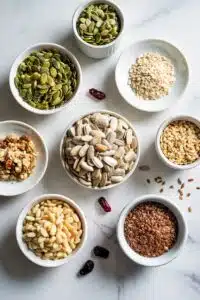
You're counting on old fashioned oats for that chewy, hearty texture in your recipe. The swap needs to deliver similar body and absorption, or the dish won't hold together the same way.
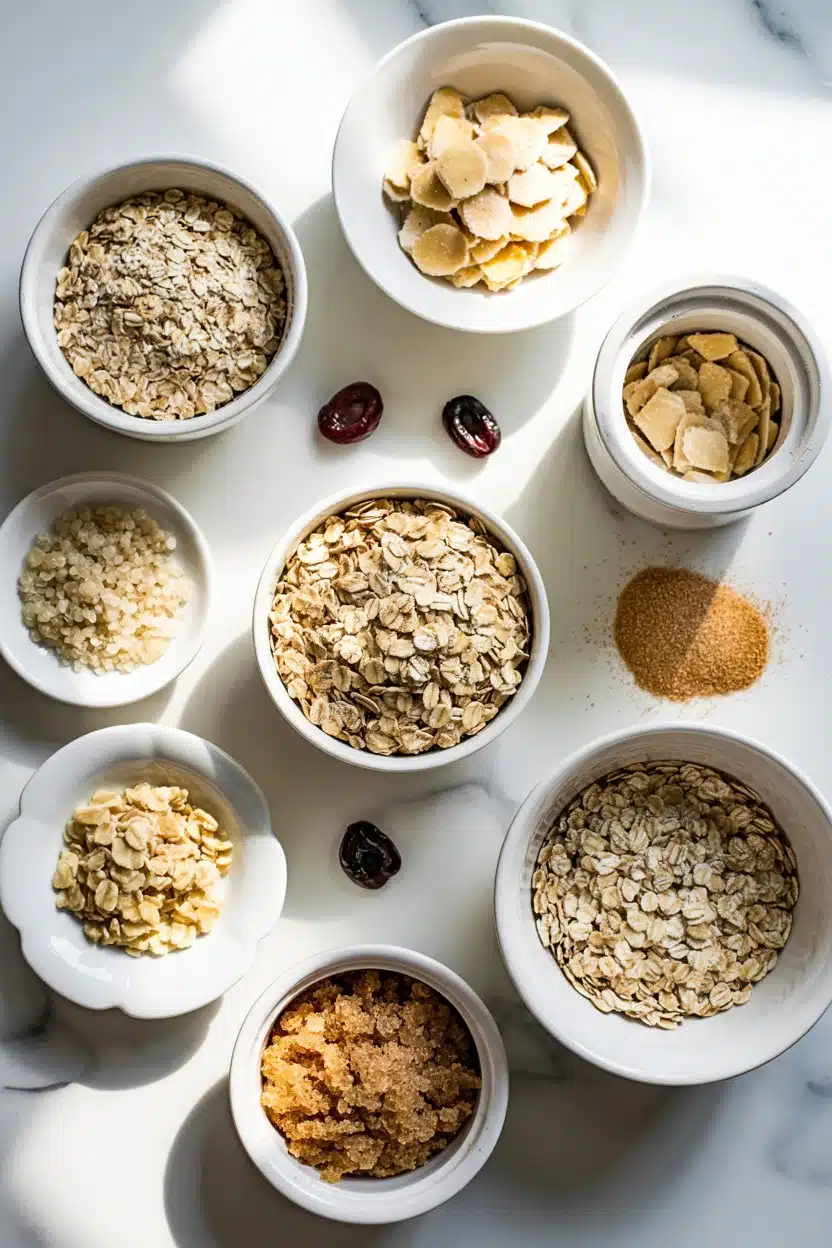

Rolled oats and steel-cut oats are top substitutes, focusing on texture first for best results. Flavor differences are subtle but noticeable. Adjust cooking times to fit the substitute's needs, especially with steel-cut oats for a chewier bite.
Not every oat works identically. Texture and cooking time vary more than flavor, so match the structure first. The list below starts with the closest matches and moves toward bolder alternatives.
| # | Substitute | Best For | Ratio | Key Note |
|---|---|---|---|---|
| 1 | Rolled Oats | ✨ Both | 1:1 | Slightly softer result |
| 2 | Steel-Cut Oats | 🍳 Cooking | 1:1 volume | Needs longer cook time |
| 3 | Quick Oats | 🥧 Baking | 1:1 | Finer texture, less chew |
| 4 | Quinoa Flakes | 🌱 Gluten-Free | 1:1 | Different grain taste |
| 5 | Chopped Nuts | 🥧 Baking | ¾ cup per 1 cup | Crunch only, no chew |
| 6 | Bran Flakes | 🍳 Cooking | 1:1 | More fibrous, less creamy |
| 7 | Buckwheat Groats | 🍳 Cooking | 1:1 volume | Earthy, coarser texture |
7 Easy Old Fashioned Oats Swaps for Cooking
These substitutes range from nearly identical oat varieties to grain-free alternatives. Pick based on what your recipe needs and what's already in your pantry.
Remember it later
Planning to try this recipe soon? Save it for a quick find later!
1 - Rolled Oats
Rolled oats and old fashioned oats are often the same product with different labeling. The texture runs slightly softer after cooking, but the oat flavor stays identical.
Use them cup-for-cup without adjusting liquid. The only real difference shows up in baked goods, where you'll get a marginally less chewy bite.
Quick specs:
- Swap 1:1 - No recipe changes needed.
- Expect softer edges - Cookies spread a bit more than with old fashioned oats.
Old Fashioned Oats
Works for: Chewy cookies, hearty oatmeal, granola bars
Skip if: You want a smoother porridge
Rolled Oats
Works for: Same recipes, slightly softer texture
Skip if: Maximum chew is the goal
2 - Steel-Cut Oats
Steel-cut oats deliver a nutty, toasty flavor with more bite than old fashioned oats. They hold their shape through long cooking, making them ideal for hearty breakfast bowls.
The trade-off is time. Steel-cut oats need 20-30 minutes on the stovetop compared to 5 minutes for old fashioned. Soak them overnight to cut cooking time in half.
Plan ahead or skip this one for quick recipes. The texture stays firmer even when fully cooked, so expect a chewier result.
Skip if: You need oats that soften quickly or blend into baked goods.
3 - Quick Oats
Quick oats are old fashioned oats that have been chopped finer and rolled thinner. They cook faster and create a smoother texture in everything from oatmeal to muffins.
The key difference: less chew. Quick oats absorb liquid rapidly and break down more during mixing.
The essentials:
- Use 1:1 - Same volume works for most recipes.
- Reduce mixing time - Over-mixing turns batter gummy.
- Expect softer cookies - They spread more and crisp less.
- Best for smoothies - They blend without leaving chunks.
Skip if: Visible oat flakes or a chewy texture matters to your dish.
4 - Quinoa Flakes
Quinoa flakes cook just like oats but deliver a slightly nuttier, earthier flavor. They work well for anyone avoiding gluten or looking to add more protein to breakfast.
The texture lands close to quick oats-soft and porridge-ready within minutes. Use the same amount of liquid you would for old fashioned oats.
If you're also out of quinoa flakes, common quinoa flakes swaps ranked covers grain-free options that cook similarly.
Key details:
- Swap 1:1 - Same volume, same liquid ratio.
- Add a pinch of salt - Brings out the mild nutty notes.
Skip if: You want that familiar oat taste front and center.
5 - Chopped Nuts
Chopped almonds or walnuts add crunch and richness where oats would normally provide chew. This swap works for toppings, granola clusters, and cookie mix-ins.
The texture is completely different-crisp rather than soft. Nuts also brown faster, so watch baking times carefully.
Use about three-quarters cup of nuts for every cup of oats the recipe calls for. The density is higher, and too many nuts can make baked goods crumbly.
If you're out of almonds as well, almonds substitutes ranked lists other nuts that toast and chop the same way.
Skip if: You need oats for structure, binding, or moisture absorption.
| Use | Ratio | Notes |
|---|---|---|
| Granola topping | ¾ cup nuts per 1 cup oats | Toast lightly first |
| Cookie mix-ins | ¾ cup nuts per 1 cup oats | Chop to oat-sized pieces |
| Crumble topping | ½ cup nuts per 1 cup oats | Mix with flour for binding |
6 - Bran Flakes
Bran flakes bring fiber and a toasty, wheaty flavor to recipes. They work best as a cereal base, granola component, or crunchy topping rather than a porridge substitute.
Here's what to know:
- Use equal volume - One cup bran flakes for one cup oats.
- Expect less creaminess - Bran flakes don't soften the same way.
- Add extra liquid for porridge - About 2 tablespoons more than usual.
The texture stays more distinct even after cooking. Bran flakes hold their shape rather than melting into a creamy bowl.
Skip if: Creamy oatmeal or soft-baked texture is the goal.
7 - Buckwheat Groats
Buckwheat groats deliver an earthy, nutty flavor that stands apart from oats. Despite the name, buckwheat contains no wheat and works for gluten-free diets.
The texture is coarser and chewier, even after a long simmer. Toast them dry in a pan for 2-3 minutes before cooking to bring out more flavor.
Use the same volume but add 5-10 extra minutes of cooking time. Buckwheat absorbs liquid more slowly than oats.
Skip if: You want a mild flavor that disappears into the recipe.
How to Choose an Old Fashioned Oats Substitute
The right swap depends on whether you're cooking porridge or baking. Rolled oats and quick oats handle most recipes without adjustment. Steel-cut oats and buckwheat groats need more time but reward you with heartier texture.
- Closest match - Rolled oats, nearly identical in every way
- Easiest grab - Quick oats, found in most pantries
- Dietary option - Quinoa flakes, gluten-free with similar cook time
Frequently Asked Questions
Yes, but expect softer cookies that spread more. Quick oats absorb moisture faster and break down during mixing, reducing the chewy texture.
Use the same volume of oats but allow extra cooking time. Steel-cut oats absorb liquid more slowly and need 20-30 minutes to fully soften.
Quinoa flakes work well for hot cereal and cook in about the same time. The flavor is slightly nuttier and earthier than traditional oats.
Nuts add crunch but won't provide the same chewy clusters. Use three-quarters cup of chopped nuts per cup of oats and mix with a binding ingredient like honey.
Quinoa flakes and buckwheat groats are both naturally gluten-free. Quinoa flakes cook faster and have a softer texture, while buckwheat groats stay chewy and hearty.
7 Best Substitutes for Old Fashioned Oats
Ingredients
Method
- Pick your substitute based on recipe type: cooking, baking, or dietary needs.
- Prepare the substitute as needed: soak steel-cut oats overnight, pulse oats to make quick oats, or toast buckwheat groats before cooking.
- Apply the substitute using the recommended ratios from the guide, adjusting liquid or mixing time if noted.
- Monitor texture and cooking times closely, especially for substitutes that require longer or different handling.
- Taste and check consistency before finalizing the dish to ensure the desired texture and flavor are achieved.