You're halfway through wrapping leftovers and the plastic wrap roll spins empty. That cling film does one job well-it seals out air and keeps food fresh without adding bulk.
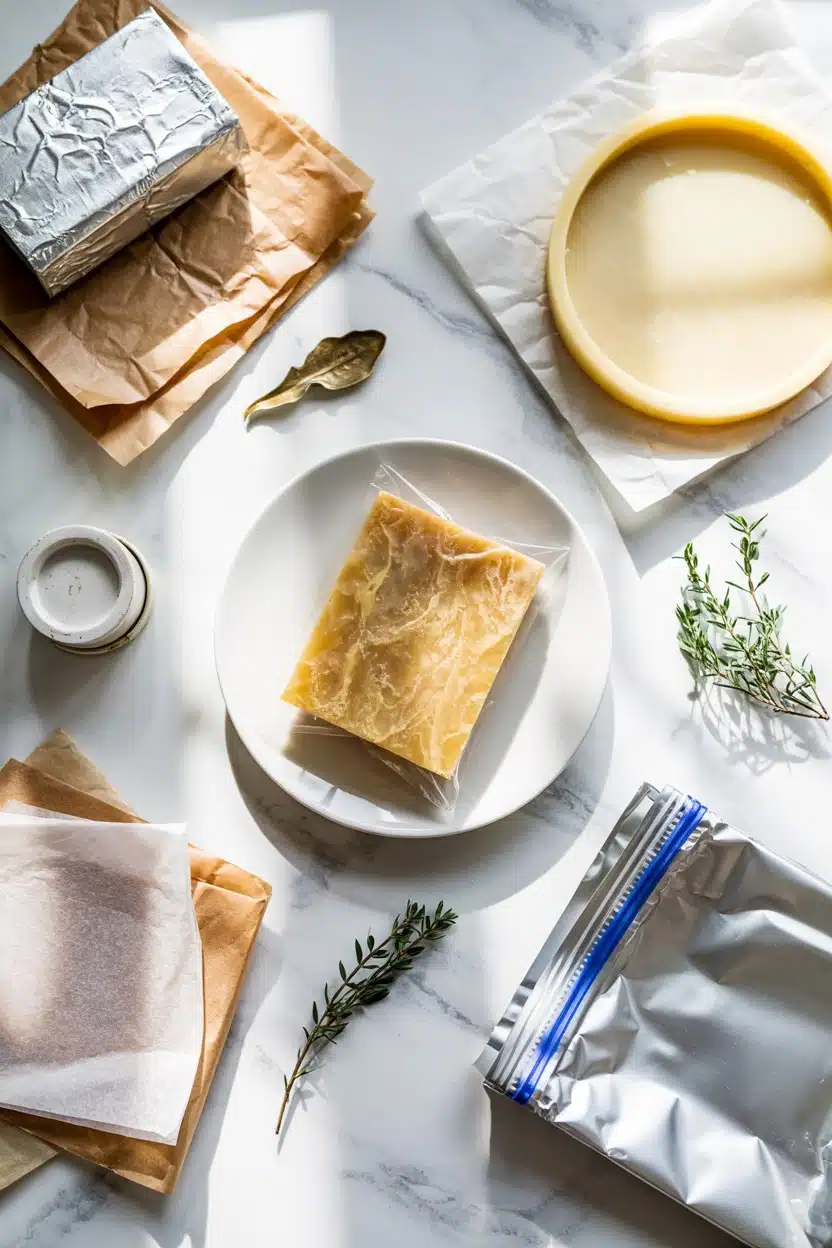

Aluminum foil and beeswax wraps are top substitutes for plastic wrap, focusing on sealing and breathability. Prioritize how airtight the cover needs to be. For best results, press wraps gently with warm hands to form a snug seal.
P>The best replacement depends on what you're covering and how long it needs to stay sealed. Some swaps work for quick fridge storage, others handle freezer duty or oven use better.
| # | Substitute | Best For | Ratio | Key Note |
|---|---|---|---|---|
| 1 | Aluminum Foil | 🍳 Cooking | 1:1 sheet | Avoid with acidic foods |
| 2 | Beeswax Wraps | ✨ Both | Equal size | Not for liquids |
| 3 | Parchment Paper | 🥧 Baking | Cut to fit | Won't seal airtight |
| 4 | Silicone Covers | ✨ Both | Stretch to fit | Best for bowls |
| 5 | Fabric Covers | 🍳 Cooking | Match size | Not airtight |
| 6 | Wax Paper | ✨ Both | Equal sheets | No heat use |
| 7 | Containers with Lids | ✨ Both | No wrap needed | Truly airtight |
7 Simple Plastic Wrap Swaps to Save Time
Some swaps stay close, while others require small adjustments. The list moves from everyday pantry items to reusable options that cut waste over time.
Remember it later
Planning to try this recipe soon? Save it for a quick find later!
1 - Aluminum Foil
Foil creates a tight seal and handles heat that would melt plastic wrap instantly. It molds around dishes and holds its shape without clips or ties.
The trade-off is texture-foil can't cling the way plastic does. Press it firmly around bowl edges to minimize air gaps.
Aluminum Foil
Works for: Oven covers, freezer storage, grilling packets
Skip if: Wrapping tomato sauce or citrus dishes
Plastic Wrap
Works for: Airtight fridge storage, microwave covers
Skip if: Anything going in the oven
Skip if: storing tomatoes, lemon-based marinades, or vinegar dressings-acid reacts with metal and leaves a metallic taste.
2 - Beeswax Wraps
These reusable wraps soften with hand warmth and mold around produce or sandwich halves. The wax coating creates a gentle seal that breathes slightly.
Rinse with cool water between uses. Hot water melts the wax coating and ruins the wrap.
Expect a faint honey scent at first. It fades after a few uses and doesn't transfer to food.
Skip if: wrapping raw meat, storing soup, or sealing anything with strong odors that might absorb into the fabric.
3 - Parchment Paper
Parchment works when you need a loose cover rather than an airtight seal. It handles steam beautifully for en papillote cooking.
The paper sits flat and won't cling to bowl rims. Secure edges with a rubber band or fold them under the dish.
If you're also out of parchment, Parchment Paper replacements for steaming covers heat-safe alternatives that won't stick.
Skip if: you need a true airtight seal for marinating or long-term fridge storage.
4 - Silicone Covers
Stretchy silicone lids suction onto smooth bowl rims and create a genuinely airtight seal. They work on glass, ceramic, and metal containers.
Key details:
- Stretch over the rim - Pull until the lip grips the edge completely.
- Check the fit - Silicone needs a smooth, flat surface to seal.
- Microwave safe - Most brands handle reheating without warping.
- Dishwasher friendly - Toss them on the top rack for easy cleaning.
The initial rubbery smell disappears after a few washes. These last for years with proper care.
Skip if: covering oddly shaped platters or anything with a textured rim.
5 - Fabric Covers
Cloth bowl covers work like shower caps for your leftovers. Elastic edges stretch over most bowl sizes and hold loosely in place.
Here's what to know:
- Machine washable - Toss in with dish towels.
- Breathable - Good for rising dough or resting salads.
Skip if: storing anything liquid or needing a true seal to prevent drying out.
6 - Wax Paper
Wax paper wraps sandwiches and cheese blocks neatly. The light coating keeps food from sticking without adding moisture.
| Use | Ratio | Notes |
|---|---|---|
| Sandwich wrapping | One sheet per item | Fold edges under to seal |
| Cheese storage | Wrap snugly | Allows slight breathing |
| Separating frozen items | Cut to size | Prevents sticking together |
The wax melts at low temperatures. Never use it in the oven or microwave.
Some people taste a slight waxy note on unwrapped food. Rinse produce after unwrapping if this bothers you.
Skip if: any heat application or when you need moisture locked in completely.
7 - Containers with Lids
Glass or plastic containers with matching lids provide the most reliable seal of any option here. No wrapping technique required.
The essentials:
- Stack efficiently - Square shapes save fridge space.
- Check the gasket - Silicone rings in lids create the tightest seal.
The only downside is bulk. Containers take up more space than a flat sheet of wrap.
Skip if: you need to cover a serving dish or wrap something that won't fit standard container sizes.
Final Thoughts on Swapping Plastic Wrap
The best substitute depends on your recipe and how long you're storing food. For quick fridge coverage, silicone lids or aluminum foil work immediately without any technique.
- Closest match - Silicone covers for airtight seal
- Easiest grab - Aluminum foil for instant coverage
- Eco option - Beeswax wraps for reusable daily use
Frequently Asked Questions
No. Metal causes sparks in the microwave. Use a damp paper towel, silicone lid, or microwave-safe plate as a cover instead.
They work well for short-term storage but breathe slightly more than plastic. Use them for produce and snacks, not raw meat or liquids.
A damp kitchen towel or silicone lid works perfectly. Both trap moisture and warmth while letting the dough expand without sticking.
Yes, but it doesn't seal as tightly. Double-wrap items or place wax-paper-wrapped food inside a freezer bag to prevent freezer burn.
Glass or plastic containers with lids outperform any wrap for meal prep. They stack neatly, seal completely, and handle reheating without switching vessels.
7 Best Substitutes for Plastic Wrap
Ingredients
Method
- Select a substitute based on your food type and storage duration needs.
- Prepare the substitute by cutting to size, stretching, or adjusting fit as needed.
- Apply the substitute in the recommended ratio or size equivalence to the original plastic wrap requirement.
- Check the seal or coverage and adjust for airtightness especially for long-term storage.
- Avoid using aluminum foil with acidic foods to prevent metallic taste transfer.
- Rinse beeswax wraps with cool water between uses to maintain effectiveness without melting wax.
- Secure parchment paper edges with rubber bands or folds to keep coverage in place.
- Use silicone covers on smooth rim bowls to ensure airtight sealing and microwave safety.
- Use fabric covers for breathable storage; avoid liquids or odor-prone foods to prevent scent transfer.
- Do not use wax paper with heat; rinse food if wax taste is detected after unwrapping.
- Choose containers with lids for strongest seal and stackability but allow bulk in storage.