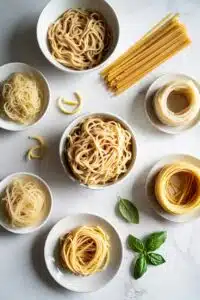
You're counting on lasagna noodles for the flavor and structure of tonight's dinner, so the swap has to land close. These wide, flat sheets do more than hold sauce-they create distinct layers and provide that satisfying chew between bites.

Zucchini and eggplant offer great texture and flavor balance for lasagna layers. Prioritize texture first to keep structure intact. No-boil sheets save time by hydrating during baking. Slice vegetables thinly for even cooking and layering.
P>The right substitute depends on whether you need traditional pasta texture or you're open to a lighter, grain-free approach. Some swaps work seamlessly. Others change the dish entirely.
| # | Substitute | Best For | Ratio | Key Note |
|---|---|---|---|---|
| 1 | Zucchini Slices | 🍳 Cooking | Equal volume | Releases moisture; salt and drain first |
| 2 | Eggplant Slices | 🍳 Cooking | Equal volume | Pre-roast to remove bitterness |
| 3 | No-Boil Sheets | 🍳 Cooking | 1:1 | Needs extra sauce for hydration |
| 4 | Fresh Pasta | 🍳 Cooking | 1:1 | Cooks faster; reduce bake time |
| 5 | Manicotti | 🍳 Cooking | Same volume | Different shape; similar wheat flavor |
| 6 | Stuffed Crepes | 🍳 Cooking | 1:1 per layer | Delicate; best for lighter dishes |
| 7 | Polenta Sheets | 🌱 Gluten-Free | Equal volume | Corn flavor; firmer texture |
7 Top Lasagna Noodle Alternatives That Hold Up
These options range from vegetable-based swaps to different pasta formats. The closest matches come first, with bolder alternatives toward the end.
Remember it later
Planning to try this recipe soon? Save it for a quick find later!
1 - Zucchini
Thinly sliced zucchini creates layers that hold sauce without the carbs. The texture softens during baking, giving you tender sheets between fillings.
The main challenge is moisture. Zucchini releases water as it cooks, which can make your lasagna soggy if you skip the prep.
Here's what to know:
- Salt slices and let them drain 20 minutes before layering.
- Pat completely dry with paper towels for crispier results.
If you're also out of zucchini, Zucchini alternatives to try covers similar vegetable options for layered dishes.
Skip if: you want that traditional chewy pasta bite.
ZUCCHINI SLICES
Works for: Low-carb diets, lighter summer lasagnas
Skip if: You need firm layers that hold structure
EGGPLANT SLICES
Works for: Hearty vegetable lasagnas, Mediterranean flavors
Skip if: You dislike earthy or slightly bitter notes
2 - Eggplant
Eggplant slices bring meatier texture than zucchini. They hold up better under heavy sauces and rich cheese layers.
The flavor runs earthier with slight bitterness. Pre-roasting solves both issues-it removes excess moisture and mellows the taste. Slice about ¼-inch thick for best results.
Don't have eggplant either? Check quick Eggplant replacements to try for similar hearty vegetable swaps.
Skip if: you want neutral-tasting layers that let the sauce shine.
3 - No-Boil Sheets
No-boil lasagna sheets skip the pot of boiling water entirely. They hydrate during baking, absorbing liquid from your sauce.
The texture differs slightly. These sheets stay firmer with less chew than traditional boiled noodles. They work well when you're short on time.
Quick specs:
- Use 1:1 replacement by sheet count.
- Ensure sauce reaches every edge for even cooking.
- Cover tightly with foil for the first 40 minutes.
- Check center doneness before serving.
Skip if: your recipe relies on that springy, al dente texture.
4 - Fresh Pasta
Fresh pasta sheets cook faster and turn out more tender than dried. They practically melt into each layer.
The trade-off is structure. You lose that firm bite, but you gain silkier texture throughout. Reduce baking time by 10-15 minutes to prevent mushiness.
The essentials:
- Use 1:1 sheet substitution without pre-cooking.
- Layer quickly-fresh pasta dries out fast.
Skip if: you prefer distinct, chewy noodle layers.
5 - Manicotti
Manicotti tubes give you the same wheat pasta flavor in a different package. Slice them open lengthwise and lay flat for makeshift sheets.
The shape change means thicker spots where tubes overlap. Your layers won't be perfectly even, but the taste stays familiar.
Key details:
- Use same pasta volume as noodles called for.
- Overlap edges slightly to cover gaps.
- Press gently to create flatter layers.
- Expect slightly thicker pasta sections.
Skip if: even, uniform layers matter for your presentation.
| Use | Ratio | Notes |
|---|---|---|
| Quick weeknight lasagna | No-boil 1:1 | Add extra sauce; cover while baking |
| Low-carb version | Zucchini equal volume | Salt and drain 20 min first |
| Gluten-free option | Polenta equal volume | Expect corn flavor; firmer bite |
6 - Stuffed Crepes
Crepes create delicate, almost French-style lasagna layers. They're thinner than any pasta option.
The eggy flavor comes through, especially with lighter sauces. This works beautifully for white sauce lasagnas or seafood fillings. Heavy meat sauces overpower the crepes.
Use one crepe per traditional noodle layer. They tear easily, so handle gently and work quickly.
Skip if: you're making a hearty, traditional red sauce lasagna.
7 - Polenta Sheets
Polenta offers a completely different experience. The corn flavor stands out, and the texture runs firmer and grainier than wheat pasta.
This swap works best when you embrace the difference rather than fight it. Italian-style polenta lasagna is its own dish worth trying.
What to expect:
- Cut chilled polenta into ¼-inch sheets.
- Brush with oil to prevent sticking.
Missing polenta too? See Polenta swaps that match for corn-based alternatives with similar texture.
Skip if: you need that classic wheat pasta taste and chew.
Making Lasagna Noodle Substitutes Work
Most of these swaps require small adjustments, but none will ruin your dinner. Start with no-boil sheets if you want the closest match to traditional lasagna.
For low-carb versions, zucchini edges out eggplant for milder flavor. Polenta takes you in a completely different direction-delicious, but noticeably different.
- Closest match - No-boil sheets need only extra sauce
- Easiest grab - Fresh pasta works without pre-cooking
- Dietary option - Zucchini keeps it grain-free and light
Frequently Asked Questions
Yes, fresh pasta sheets work as a direct 1:1 swap. They cook faster, so reduce baking time by 10-15 minutes and check for doneness earlier.
Zucchini releases moisture during baking. Salt the slices, let them sit 20 minutes, then pat completely dry before layering to prevent soggy results.
The flavor is similar, but texture differs slightly. No-boil sheets stay firmer with less chew than boiled noodles, though most people barely notice the difference.
Polenta sheets or thinly sliced zucchini work well for gluten-free lasagna. Polenta adds corn flavor while zucchini keeps things lighter and vegetable-forward.
Pre-roast eggplant slices at 400°F for 15 minutes before layering. This removes excess moisture, mellows bitterness, and gives you better texture in the finished dish.
7 Best Substitutes for Lasagna Noodle
Ingredients
Method
- Choose a substitute based on your preference for traditional pasta texture or a lighter, grain-free option.
- For vegetable slices (zucchini, eggplant), prep by slicing thin, salting (for zucchini), and draining or pre-roasting (for eggplant) to manage moisture.
- For no-boil and fresh pasta sheets, use a 1:1 replacement ratio; add extra sauce with no-boil sheets and reduce bake time with fresh pasta.
- Prepare manicotti by cooking until pliable, slicing open, and pressing flat; use same volume as noodles with slight edge overlap.
- Layer stuffed crepes one per noodle layer, handling gently to avoid tearing; add extra sauce to avoid drying out.
- For polenta, cut chilled sheets into ¼-inch slices and brush with oil to prevent sticking; use equal volume substitution.
- Adjust sauce quantity and baking times based on substitute characteristics to ensure proper hydration and texture.