You're halfway through pounding chicken breasts and the meat mallet is nowhere to be found. That textured head does two jobs: it flattens uneven cuts and breaks down tough fibers so meat cooks evenly.

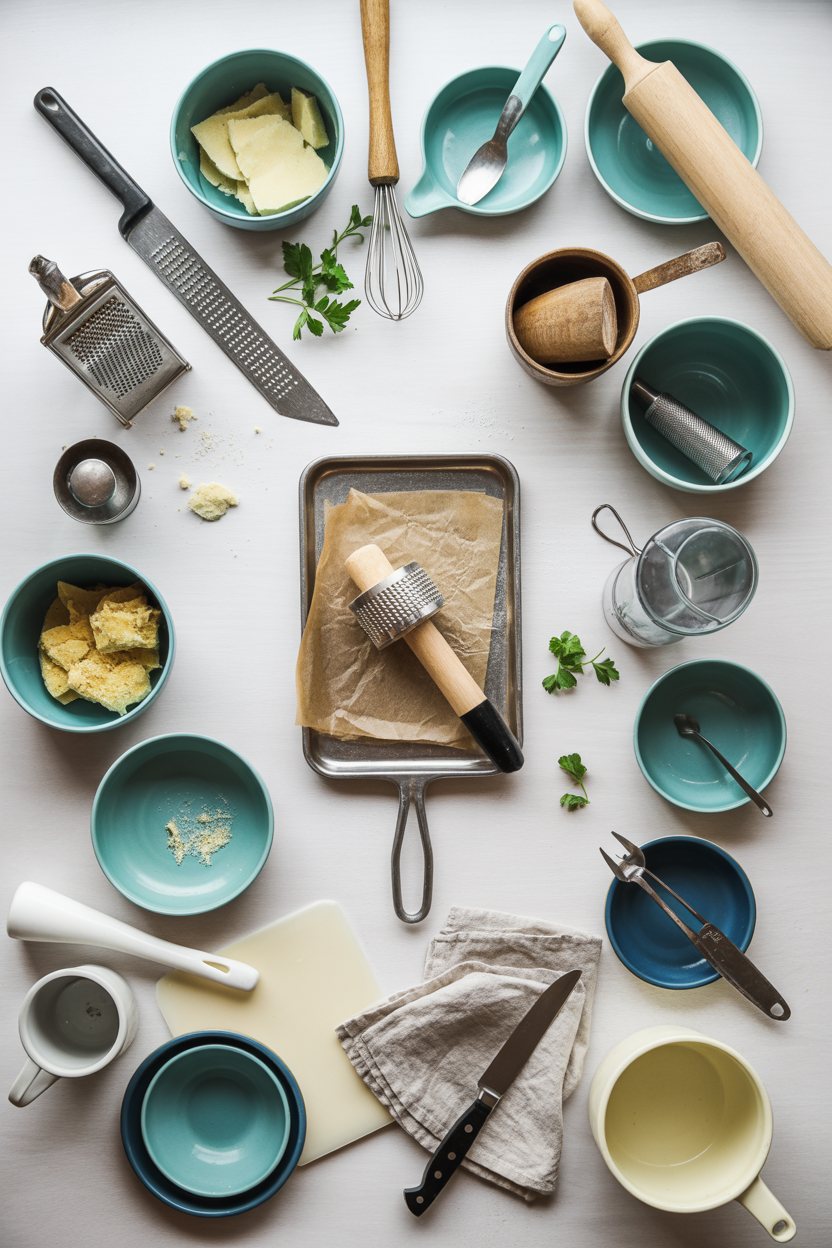
Rolling pin and heavy skillet are top substitutes for tenderizing and flattening meat. Focus on matching the mallet's weight and surface texture for best results. Use gentle, even pressure to avoid tearing the meat fibers.
The best substitute depends on whether you need force, control, or just a flat surface. Some swaps pound just as well; others work better for gentle flattening.
| # | Substitute | Best For | Ratio | Key Note |
|---|---|---|---|---|
| 1 | Rolling Pin | 🍳 Cooking | 1:1 pressure | Best for even flattening |
| 2 | Heavy Skillet | 🍳 Cooking | Press, don't strike | Great weight distribution |
| 3 | Glass Bottom | 🍳 Cooking | 1:1 gentle | Small cuts only |
| 4 | Wooden Spoon Handle | 🍳 Cooking | 1:1 light taps | For thin cuts |
| 5 | Tenderizer Powder | 🍳 Cooking | 1 teaspoon per lb | Chemical not mechanical |
| 6 | Knife Spine | 🍳 Cooking | 1:1 pressure | Wrap meat first |
| 7 | Frozen Meat | 🍳 Cooking | Firm pressure | Unconventional but works |
7 Best Meat Mallet Alternatives for Recipes
These options range from kitchen staples you already own to creative workarounds. The closest matches come first, with more specialized alternatives later.
Remember it later
Planning to try this recipe soon? Save it for a quick find later!
1 - Rolling Pin
A rolling pin flattens meat evenly without tearing the fibers. The smooth surface spreads pressure across the whole cutlet, which prevents thin spots that overcook.
Use firm, rolling pressure instead of striking. Start from the center and work outward for consistent thickness.
If you're also out of a rolling pin, Rolling Pin swaps that match covers alternatives for flattening tasks.
Quick specs:
- Works on chicken, pork, and beef cutlets - handles most proteins under 1 inch thick.
- Wrap meat in plastic first - prevents sticking and keeps cleanup easy.
- Apply steady pressure - rolling motion beats pounding for even results.
- Clean thoroughly after - raw meat contact requires proper washing.
Skip if: you need heavy tenderizing force for tough cuts.
Rolling Pin
Works for: Even flattening, thin cutlets, controlled pressure
Skip if: You need to break down tough connective tissue
Heavy Skillet
Works for: Maximum weight, thick cuts, hands-free pressing
Skip if: You need precise control over thickness
2 - Heavy Skillet
Cast iron or heavy stainless steel skillets deliver serious weight without swinging. The flat bottom distributes pressure evenly across the meat surface.
Press down firmly and hold rather than striking. You can also set the skillet on wrapped meat and let gravity do the work for a few minutes.
The essentials:
- Use the bottom surface - flip the skillet upside down for maximum contact.
- Let weight work for you - steady pressure beats repeated impacts.
Skip if: you need to tenderize very delicate fish or thin scallopini.
3 - Glass Bottom
A sturdy mason jar or drinking glass works for small jobs. The flat bottom provides enough surface area for individual portions.
Wrap the meat well and use gentle, controlled taps. Glass can crack under heavy impact, so this swap suits thinner cuts that need light flattening rather than aggressive pounding.
Skip if: you're working with thick steaks or need real force.
4 - Wooden Spoon Handle
The handle end of a solid wooden spoon provides a narrow striking surface. This works well for targeted tenderizing on thin cutlets.
Use light, quick taps across the meat surface. The narrow profile means more passes, but you get better control over which areas need work.
Key details:
- Choose a sturdy spoon - thin handles can snap under pressure.
- Tap in a grid pattern - cover the whole surface systematically.
Skip if: you're flattening large cuts or need to work quickly.
5 - Tenderizer Powder
Meat tenderizer powder uses enzymes to break down proteins chemically. It accomplishes what a mallet does mechanically but through a different process entirely.
Sprinkle one teaspoon per pound and let it sit for 30 minutes before cooking. The enzymes work on the surface, so flip the meat halfway through.
This adds a slight salty taste and won't flatten meat at all. Use it when tenderness matters more than thickness.
| Use | Ratio | Notes |
|---|---|---|
| Beef steaks | 1 teaspoon per lb | 30 min rest time |
| Pork chops | 1 teaspoon per lb | Flip halfway |
| Chicken breast | ¾ teaspoon per lb | Watch for mushy texture |
Skip if: you need to flatten meat or control thickness.
6 - Knife Spine
The spine of a chef's knife provides a solid, narrow edge for controlled flattening. Wrap the meat in plastic first to prevent direct contact.
Use the flat back of the blade and press firmly. This works best for cutlets that need slight evening out rather than aggressive pounding.
If Plastic Wrap substitutes for cooking aren't available either, parchment paper works as a barrier.
Skip if: you need to pound thick cuts or cover large surface areas quickly.
7 - Frozen Meat
A frozen portion of meat can pound another piece flat. The solid, heavy block delivers consistent force without special tools.
Wrap both pieces in plastic. Use the frozen portion like a hammer, applying firm pressure in steady motions.
What to expect:
- The frozen piece stays firm - it won't thaw fast enough to deform during use.
- Works in a pinch - unconventional but surprisingly effective.
- Cold temperature affects texture - the fresh meat may firm up slightly from contact.
- Thaw the pounder after - cook it later once fully defrosted.
Skip if: you need precise flattening or working with very delicate proteins.
Choosing the Right Meat Mallet Substitute
Most of these swaps handle basic flattening without any recipe changes. The right choice depends on whether you need weight, control, or tenderizing action.
For cutlets and schnitzels, a rolling pin or heavy skillet delivers the most consistent results. For tough cuts where texture matters more than shape, tenderizer powder does the job chemically.
- Closest match - Rolling pin for even, controlled flattening
- Easiest grab - Heavy skillet already in your kitchen
- Best for tough cuts - Tenderizer powder breaks down fibers without pounding
Frequently Asked Questions
A clean hammer wrapped in plastic can work, but the head shape creates uneven pressure. A flat-bottomed tool like a skillet gives better results.
Yes. Plastic wrap or a zip-top bag prevents the meat from sticking and keeps your tools clean. It also stops the meat from tearing.
A rolling pin mostly flattens. The smooth surface doesn't break fibers the way a textured mallet does, but thinner meat still cooks more evenly.
About 30 minutes works for most cuts. Longer than an hour can make the surface mushy, especially on chicken.
A rolling pin works best for chicken. The smooth surface and rolling motion flatten the breast evenly without creating holes or tears.
7 Best Substitutes for Meat Mallet
Ingredients
Method
- Choose a substitute based on your need: rolling pin for even flattening, heavy skillet for weight, tenderizer powder for breaking down fibers chemically.
- Wrap the meat in plastic or parchment paper before pounding to prevent sticking and protect both meat and tools.
- For rolling pin, use steady rolling pressure starting from center outward; avoid striking.
- Use the bottom of a heavy skillet pressed firmly and held steady or set on top of wrapped meat to let gravity compress.
- For glass bottom or wooden spoon handle, tap gently with controlled, light pressure; best on thin or small cuts.
- Sprinkle tenderizer powder evenly at 1 teaspoon per pound and let rest for 30 minutes before cooking; flip meat halfway through.
- Use the spine of a knife for firm pressure to even out thickness on cutlets; always wrap meat first.
- Use a frozen piece of meat wrapped in plastic as a hammer, applying firm, steady pressure to flatten another piece.
- Check for uniform thickness and appropriate tenderness; adjust pressure or rest time if needed before cooking.