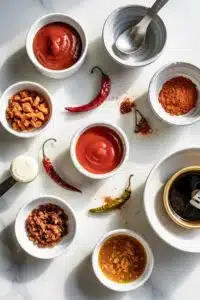
Rice vinegar adds a mild, slightly sweet acidity that balances stir-fries, dressings, and sushi rice. It's gentler than most vinegars, so the right swap depends on how much sharpness your dish can handle.

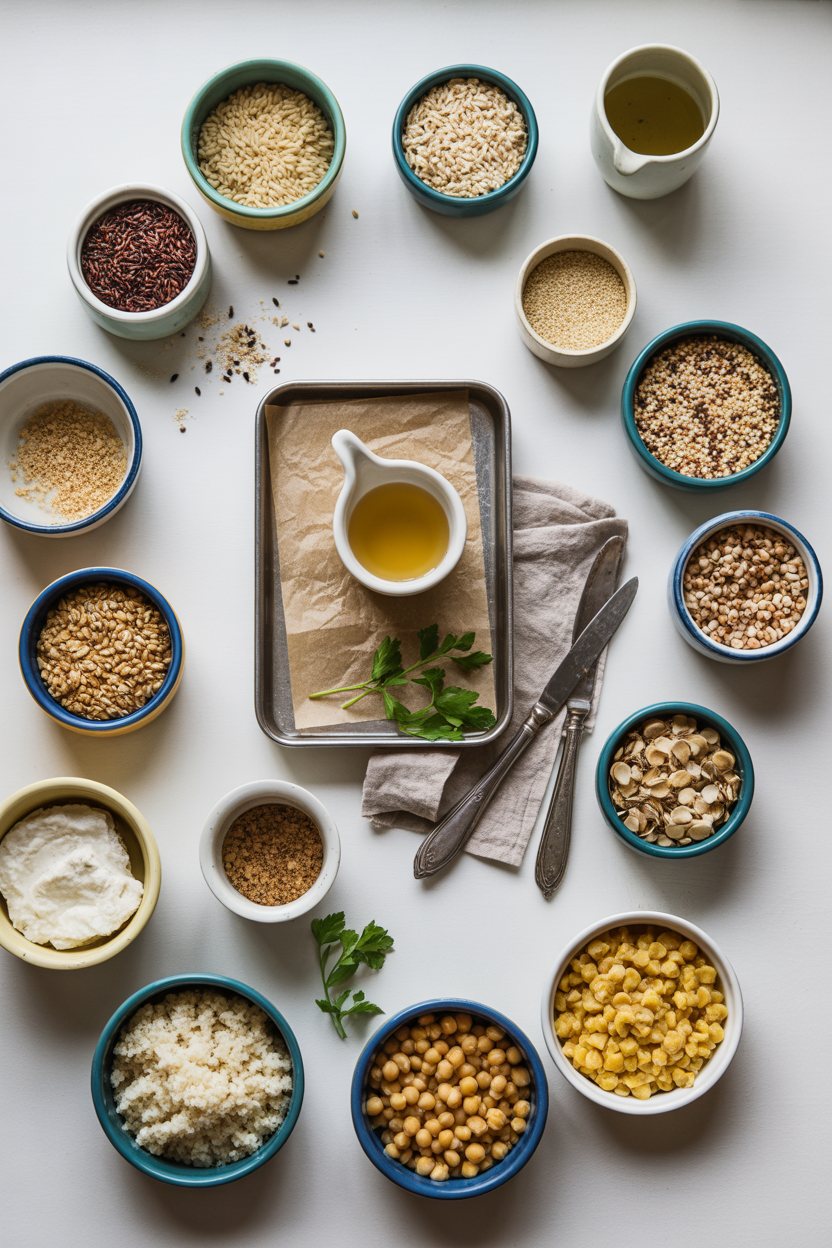
Champagne vinegar and apple cider vinegar are top substitutes; acidity level is key to balance. Adjust sweetness or dilute stronger vinegars to fit your dish. Consider the dish's sharpness tolerance before swapping rice vinegar.
Match the acidity level first, then adjust sweetness if needed. Some substitutes run sharper or more pungent, which works in robust dishes but overwhelms delicate ones.
| # | Substitute | Best For | Ratio | Key Note |
|---|---|---|---|---|
| 1 | Apple Cider Vinegar | 🍳 Cooking | 1:1 | Fruity, slightly tart |
| 2 | White Wine Vinegar | 🍳 Cooking | 1:1 | Crisp, sharper bite |
| 3 | Champagne Vinegar | ✨ Both | 1:1 | Light and subtle |
| 4 | Lemon Juice | 🍳 Cooking | 1:1 | Bright citrus punch |
| 5 | White Distilled Vinegar | 🍳 Cooking | 1:2 | Strong, dilute first |
| 6 | Malt Vinegar | 🍳 Cooking | 1:1 | Deep malty flavor |
| 7 | Sherry Vinegar | 🍳 Cooking | 1:1 | Nutty, slightly sweet |
7 Quick Rice Vinegar Substitutes That Work
These options range from pantry basics to specialty bottles. Pick based on what you're making and how much sharpness fits the dish.
Remember it later
Planning to try this recipe soon? Save it for a quick find later!
1 - Apple Cider
Apple cider vinegar brings fruity undertones and a tang that's bolder than rice vinegar. It works well in marinades and vinaigrettes where other flavors can balance its punch.
Use the same amount but consider adding half a teaspoon of sugar per tablespoon to soften the tartness. The apple notes complement pork, chicken, and grain bowls.
If you're also out of apple cider vinegar, quick Apple Cider replacements to try covers options with similar brightness.
Skip if: you're making delicate sushi rice or light finishing sauces.
Apple Cider Vinegar
Works for: Marinades, dressings, slaws
Skip if: Finishing sushi or light dishes
White Wine Vinegar
Works for: Pickling, cooking, pan sauces
Skip if: Sweet glazes or desserts
2 - White Wine
White wine vinegar runs drier and sharper than rice vinegar. That crispness suits pickled vegetables and pan sauces where you want acidity without sweetness.
Swap one-to-one, but taste as you go. Add a pinch of sugar if the dish needs balance.
Here's what to know:
- Works best in savory dishes where sharpness is welcome.
- Skip the sugar addition for pickles-the sharpness helps preservation.
No white wine vinegar either? White Wine alternatives to try has options that match the dry acidity.
Skip if: the recipe calls for sweetness or a mellow finish.
3 - Champagne
Champagne vinegar is the closest match in mildness. Light and slightly fruity, it won't overpower salad dressings or drizzled finishes.
Use it one-to-one with no modifications needed. The flavor profile sits close enough that most recipes won't notice the difference.
If champagne vinegar isn't in the pantry either, Champagne Vinegar swaps by recipe type lists mild alternatives.
4 - Lemon Juice
Lemon juice swaps the fermented tang for bright citrus acidity. It's sharper and more forward, which works when you want a fresh, zesty pop.
Use it in quick pickles, dressings, and dishes served cold. The citrus fades with heat, so add it at the end of cooking.
Quick specs:
- Use one-to-one, adjusting to taste.
- Adds citrus aroma rice vinegar doesn't have.
- Best for cold applications and finishing.
- Avoid in recipes needing long cook times.
Missing lemon juice as well? Replacements similar to Lemon Juice covers citrus-forward options.
Skip if: you need the vinegar's fermented depth or the dish cooks for more than a few minutes.
5 - White Distilled
White distilled vinegar packs serious punch. It's nearly twice as acidic as rice vinegar, so dilution is essential.
Mix half a tablespoon with half a tablespoon of water to replace one tablespoon of rice vinegar. This works for pickling and cooking where other bold flavors mask the sharpness.
The essentials:
- Always dilute before adding.
- Works in brines and heavy marinades.
- Skip for anything served raw or lightly dressed.
Skip if: the dish relies on subtle, mellow acidity.
| Use | Ratio | Notes |
|---|---|---|
| Pickling | 1:2 (half amount) | Dilute with equal water |
| Marinades | 1:2 (half amount) | Add sweetener to balance |
| Dressings | Not recommended | Too harsh for raw applications |
6 - Malt Vinegar
Malt vinegar brings a deep, toasty flavor that's nothing like rice vinegar's mildness. It's best in hearty dishes where that malty punch becomes a feature.
Use the same amount but expect a flavor shift. The result leans British pub rather than Asian pantry.
Key details:
- Pairs well with fried foods and grilled meats.
- Adds color that rice vinegar doesn't.
- Too assertive for sushi rice or light stir-fries.
Don't have malt vinegar either? Tested Malt Vinegar replacements covers alternatives with similar depth.
Skip if: you want clean, neutral acidity.
7 - Sherry
Sherry vinegar offers nutty complexity with a hint of sweetness. It's richer than rice vinegar, making it better suited for warm applications.
Use one-to-one in braises, pan sauces, and vinaigrettes for grain salads. The depth adds interest without overwhelming.
If sherry vinegar isn't available either, quick Sherry replacements to try lists options with similar warmth.
Skip if: the dish needs light, clean acidity or you're making traditional Asian recipes.
How to Choose a Rice Vinegar Substitute
Start with champagne vinegar for the closest flavor match-it's mild and needs no adjustments. When that's not available, apple cider or white wine vinegar work well with a pinch of sugar to round out the sharpness.
- Closest match - Champagne vinegar for gentle acidity
- Easiest grab - Apple cider vinegar, widely available
- Bold alternative - Sherry vinegar for nutty depth
Frequently Asked Questions
Champagne vinegar comes closest to the mild sweetness sushi rice needs. Add a small pinch of sugar if using white wine vinegar instead.
Yes, but use half the amount and dilute with water. White distilled vinegar is much stronger and will overpower dishes if used one-to-one.
Not exactly. Apple cider vinegar has a fruity, slightly tangy flavor that's bolder than rice vinegar's gentle sweetness. It works in marinades and dressings but changes the final taste.
Seasoned rice vinegar contains added sugar and salt. Plain rice vinegar substitutes may need a pinch of sugar and salt to match recipes calling for the seasoned version.
It can, but add it at the very end. Lemon juice loses its brightness when cooked too long, so stir it in after removing the pan from heat.
7 Best Substitutes for Rice Vinegar
Ingredients
Method
- Choose your substitute based on dish type and desired sharpness of acidity.
- For Apple Cider Vinegar, use the same amount as rice vinegar and add sugar to soften tartness if needed.
- Use White Wine Vinegar one-to-one and add a pinch of sugar for balance in some dishes; avoid sugar for pickling.
- Swap Champagne Vinegar one-to-one with no adjustments, ideal for subtle acidity in delicate dishes.
- Use Lemon Juice one-to-one, adding it at the end of cooking for best citrus flavor and avoid long cook times.
- Dilute White Distilled Vinegar with an equal amount of water and use half the quantity; avoid raw or light dressings.
- Use Malt Vinegar equally in robust dishes; expect a flavor shift. Not suitable for dishes requiring mild acidity.
- Substitute Sherry Vinegar one-to-one in warm dishes and add water to lessen acidity if needed; skip for traditional Asian recipes.
- Taste-test and adjust sweetness or dilution as needed to prevent overpowering or imbalance in your dish.