• Skip to primary navigation
  • Skip to main content
  • Skip to primary sidebar
  • Recipe Index
    • Air Fryer
  • Side Dishes
  • Substitutes
  • About
  • Contact
  • Subscribe

ForkLiftKitchen

menu icon
go to homepage
  • Recipe Index
    • Air Fryer
  • Side Dishes
  • Substitutes
  • About
  • Contact
  • Subscribe
subscribe
search icon
Homepage link
  • Recipe Index
    • Air Fryer
  • Side Dishes
  • Substitutes
  • About
  • Contact
  • Subscribe
×

Blog

What Is Kosher Salt? [Taste, Uses & More]

May 9, 2026

Pinch kosher salt between your fingers and you notice it before you taste it - those broad, flat crystals have a satisfying coarse texture that table salt simply doesn't offer.
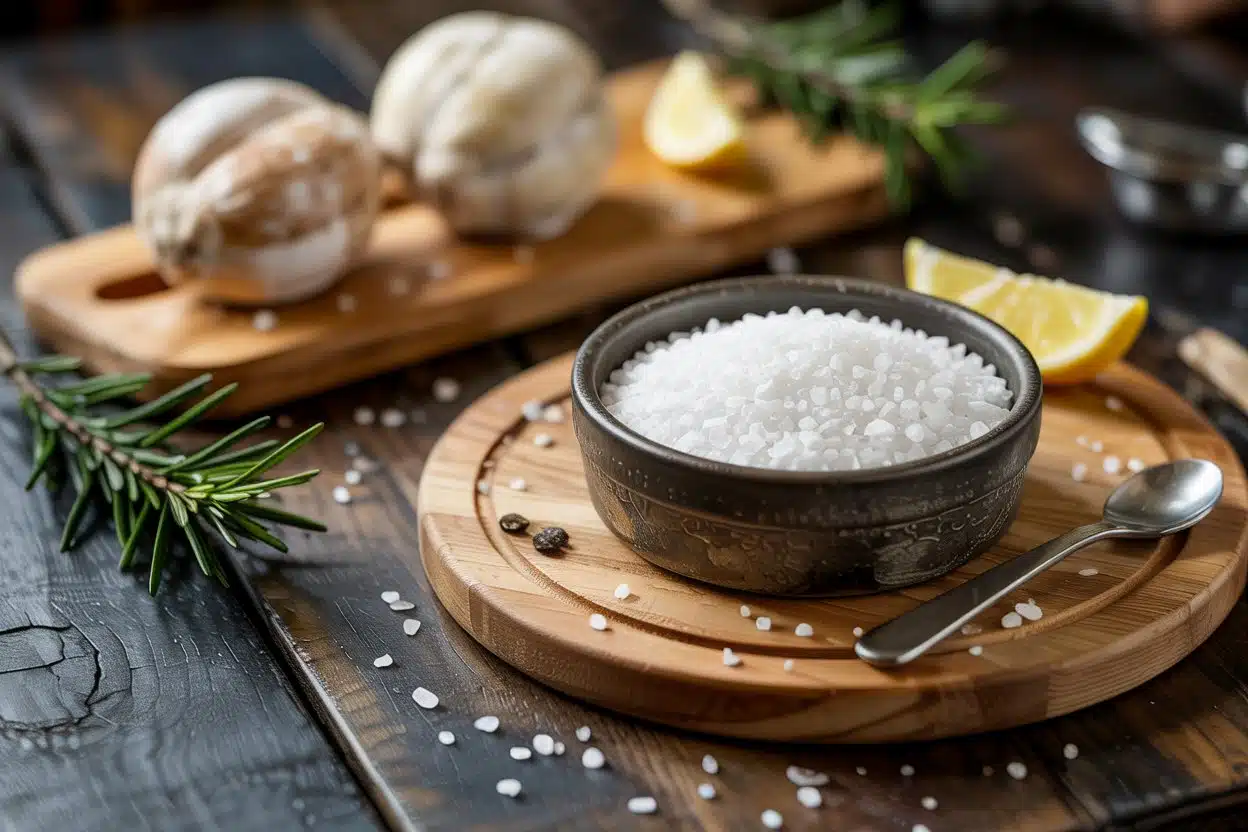
Press them against a raw steak and they cling there, drawing moisture upward, building the foundation of a proper crust.

That mechanical quality is the whole point.

QUICK SUMMARY

Kosher salt is a coarse, additive-free sodium chloride with flat or hollow crystals. It seasons cleanly - no metallic or iodized bite - and works across dry rubs, brines, pasta water, and finishing. Lighter per teaspoon than table salt, so measure by weight when precision matters.

👅Flavor: Clean, pure saltiness with no iodized or metallic notes
✋Texture: Coarse, flat flakes that crunch on contact and dissolve smoothly
🍽️Best Uses: Dry rubs, brining, finishing vegetables, seasoning pasta water
⏳Shelf Life: Indefinite when kept dry and sealed away from humidity
🛒Buy It: Choose flat flakes (Diamond Crystal style) or dense crystals (Morton style) by intended use

What Is Kosher Salt?

Kosher salt is a coarse-grained sodium chloride shaped into flat, plate-like crystals rather than the compact cubes of standard table salt.

Its name comes from the Jewish koshering process - drawing blood from meat before cooking - where those wide, irregular crystals create surface contact that fine salt cannot replicate.

Most kosher salt contains no iodine and no anti-caking chemicals, which is why food professionals reach for it by default. Clean NaCl and nothing else.

Two main crystal geometries dominate the market. Diamond Crystal produces hollow, light flakes that float and cling; a teaspoon is noticeably lighter than its Morton equivalent. Morton kosher salt uses denser, harder crystals that pack more salt per unit volume.

Neither is wrong - they simply behave differently in recipes that call for volumetric measures.

You'll also see it labeled koshering salt or coarse salt in some older recipes and cookbooks.

What Does Kosher Salt Taste Like?

Kosher salt tastes clean. No iodized sharpness, no chemical undertone - just a straightforward, pure salinity that registers on the tongue and steps aside.

Compared to fine table salt, it feels milder per teaspoon because the larger crystals take up more volume with less actual sodium. Taste them side by side and the difference is subtle; measure them by the spoon and it becomes significant.

Sensory SnapshotModerate Intensity
 
👅 Flavor
clean saltbrinyneutral
✋ Texture
coarsecrunchydissolves smoothly
👃 Aroma
neutralmineral whisper

Used as a finishing salt, the crystals crack under a tooth before dissolving - that brief crunch is the sensory signature of surface seasoning done right. Heat dissolves it completely, leaving no trace of texture in cooked sauces or braises.

How to Use Kosher Salt

Kosher salt earns its place across nearly every stage of cooking, from raw prep to final plating. Its crystal geometry does real mechanical work - something finer salts can't replicate.

How Kosher Salt Is Used
Method Best For Tip
🧂 Dry Rub Steaks, chops, whole birds before grilling or roasting Apply 45+ minutes ahead to let moisture return to surface
💧 Brine Poultry, pork, vegetables for pickling or fermentation Use non-iodized kosher salt - iodine inhibits fermentation
✨ Finishing Roasted vegetables, salads, chocolate desserts, cocktail rims Add at the last moment so crystals retain their crunch
🍝 Cooking Water Pasta, blanched greens, soaking beans Kosher salt dissolves quickly; season water generously

In American home and restaurant kitchens, it's the default seasoning salt. French technique uses coarse salt similarly - for roasting, for en-croûte preparations, for finishing grilled bread rubbed with olive oil.

Mediterranean cooking leans on it for brining, particularly with olives, eggplant, and whole roasted fish.

Pairings work best when the salt contrasts or amplifies - rosemary and garlic rubs on lamb, citrus zest with roasted carrots, butter and kosher salt finishing a pan sauce. The sweet-salt contrast it provides on chocolate and caramel desserts is one of the most reliable combinations in baking.

Golden Rule
Never swap kosher salt for table salt by volume in a recipe. A teaspoon of Morton kosher salt has roughly 75% the sodium of a teaspoon of fine table salt; Diamond Crystal has closer to 50%. Convert by weight - 6g is 6g, regardless of crystal size.

If you need a substitute in a pinch, kosher salt swaps depend on the application - finishing versus brine versus baking each calls for a different swap.

Try It In

🍫Salted Caramel Fudge BrowniesFinishing crystals hit every layer of the sweet-salt contrast→☕Salted Caramel Iced LatteA pinch sharpens the caramel and cuts sweetness cleanly→🍗Chicken Saltimbocca with ProsciuttoSeason the chicken before layering - kosher salt won't over-brine the thin cutlet→

How to Buy and Store Kosher Salt

At the store, the main decision is crystal type. Diamond Crystal-style flat flakes are lighter and cling well to meat surfaces.

Morton-style dense crystals pack harder and measure saltier by volume. Check the label for additives - most quality brands list only sodium chloride, but some coarser "kosher-style" salts include anti-caking agents.

Watch Out
Some supermarket brands labeled "coarse salt" are not true kosher salt - they may contain iodine or anti-caking additives. For pickling or fermentation, always verify the label reads pure sodium chloride.

Storage is straightforward:

  • Airtight container - keep the box sealed or transfer to a jar; loose salt absorbs kitchen humidity fast
  • Cool, dry pantry - avoid storing near the stove or any steam source
  • Away from strong odors - salt absorbs ambient smells if left uncovered

Kept dry, kosher salt freshness guide is effectively indefinite. Clumping is a moisture problem, not a spoilage one - break up clumps and the salt is still usable.

Where to Start with Kosher Salt

If you've been cooking with iodized table salt, switching to kosher salt for seasoning meat is the most immediate upgrade. Season a steak 30 minutes before cooking and notice how the surface dries and concentrates.

From there, try it as a finishing salt on roasted vegetables or a dark chocolate dessert - that's where the crystal crunch registers most clearly. Once you cook with it regularly, measure by weight, not volume.

That single habit prevents every recipe conversion headache.

Frequently Asked Questions

Why is it called kosher salt?

The name refers to the koshering process, not the salt's certification status. Its flat crystals draw blood from meat surfaces, fulfilling a requirement of Jewish dietary law. The salt itself may or may not carry a kosher certification depending on the brand.

Does kosher salt contain iodine?

Most brands do not. Kosher salt is typically sold as plain sodium chloride without iodine supplementation. If you rely on iodized salt as a dietary iodine source, you'll need to account for that separately.

How do I convert kosher salt to table salt in recipes?

Use weight, not volume. Six grams of table salt equals six grams of kosher salt regardless of crystal size. If you must convert by teaspoon, use roughly ¾ teaspoon table salt for every 1 teaspoon of Morton kosher salt, or ½ teaspoon for Diamond Crystal.

What is the difference between Diamond Crystal and Morton kosher salt?

Crystal structure is the key difference. Diamond Crystal uses hollow, layered flakes that are lighter per teaspoon and dissolve faster; Morton uses denser, compressed crystals with more sodium by volume. Many professional recipes are written specifically for one brand - check before scaling.

Can you use kosher salt for canning and pickling?

Yes, as long as it contains no iodine or anti-caking agents. Iodine inhibits the beneficial bacteria needed for fermentation, and anti-caking additives can cloud brine. Always read the label before using kosher salt in preservation recipes.
What Is Cottage Cheese? [Taste, Uses & More]

May 9, 2026

Most people assume cottage cheese is bland health food - low-fat, watery, and best left to diet plates from the 1970s. That reputation undersells it considerably.

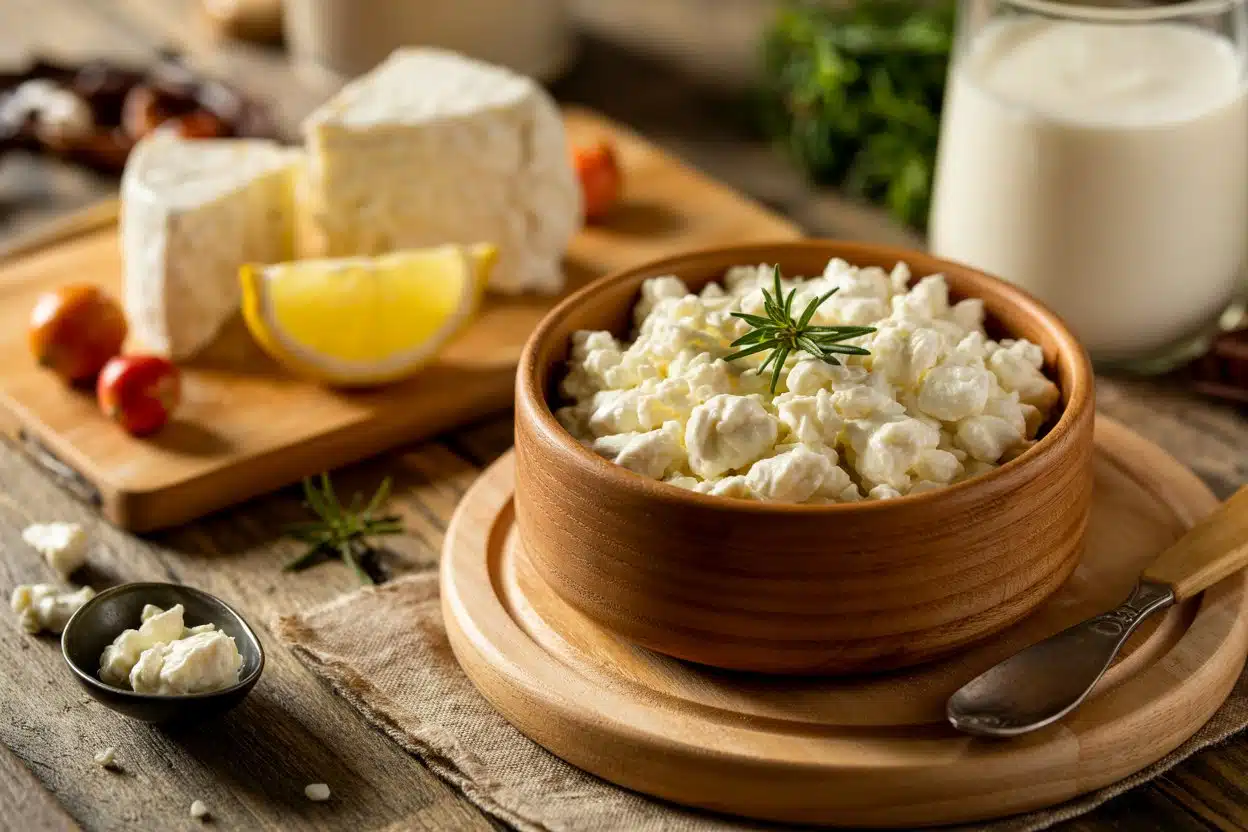
Cottage cheese is a fresh curd dairy with genuine range: mild tang, clean milkiness, and a soft curd texture that holds up in scrambled eggs as well as it does in cheesecake fillings.

Understanding what it actually is - and how curd size and fat content shift its behavior - changes how useful it becomes.

QUICK SUMMARY

Cottage cheese is a fresh, unaged curd cheese made from cow's milk, sold in a creamy milky dressing. It tastes mildly tangy and clean, with soft curds ranging from small to large. Best used raw, blended, or stirred into warm dishes at low heat.

🥛Flavor: Mild tang, clean milky, subtle lactic sweetness, slightly salty
🧀Texture: Soft curds, creamy dressing; slightly grainy depending on curd size
🍳Best Uses: Breakfast bowls, blended dips, lasagna fillings, egg dishes
❄️Shelf Life: Unopened 2-3 weeks; opened 5-7 days refrigerated
⚠️Avoid: High-heat long simmering - curds break down and turn grainy

What Is Cottage Cheese?

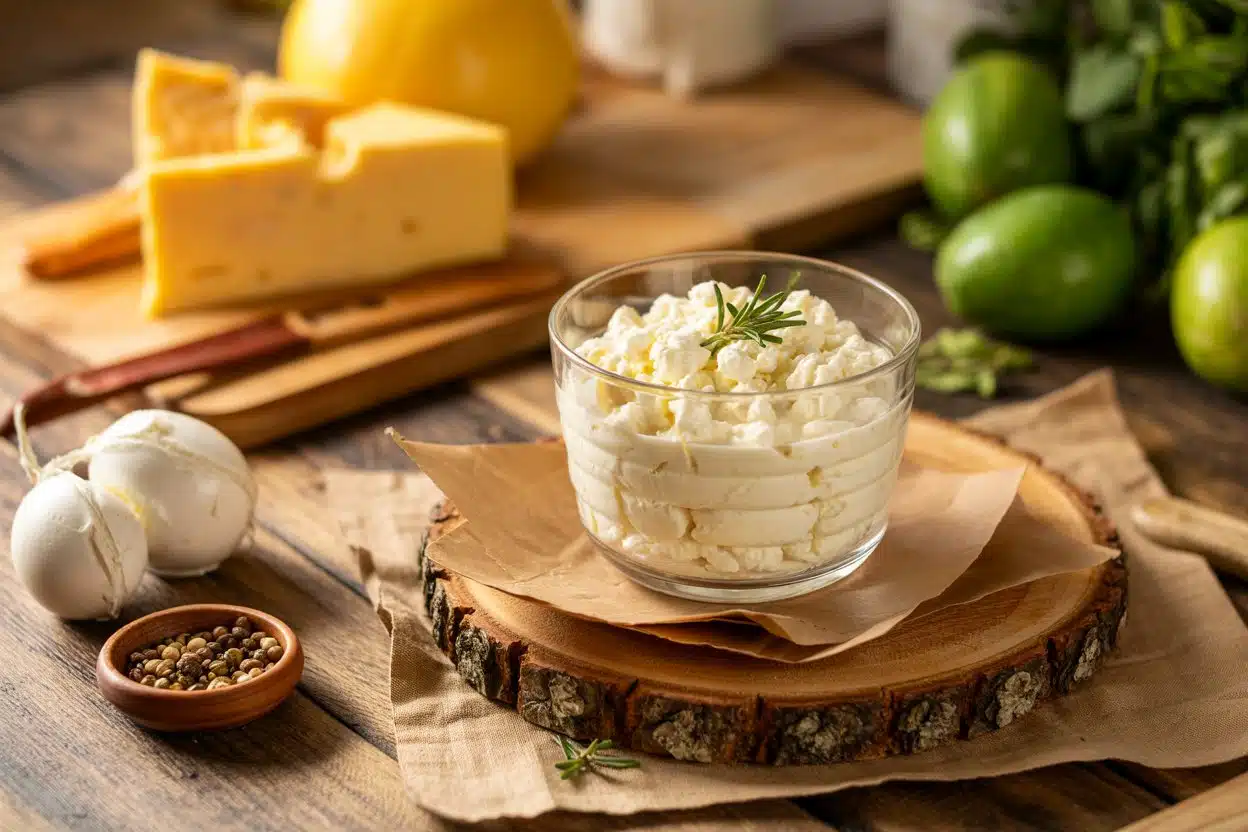
Cottage cheese is a fresh, unaged cheese produced by adding an acid or culture to cow's milk, causing it to curdle, then cutting and draining the curds while leaving them loose in a milky whey-based dressing.

No aging, no pressing - just fresh curds held in a creamy coating.

It originated in Northern Europe and became widely popular in the United States, where it's sold in standard supermarket tubs across several styles. The two main variables are curd size and cream content.

  • Large-curd - Bigger, more distinct curds with a chewier bite; good for dishes where texture matters.
  • Small-curd - Finer, softer curds that blend more easily; preferred for dips and baked fillings.
  • Creamed (full-fat) - Richer dressing, typically 4% milkfat; closest to sour cream in richness.
  • Low-fat / nonfat - Thinner dressing, lighter flavor; works well in high-protein cooking applications.
  • Whipped or blended - Curds fully pureed into a smooth, spreadable consistency.

Cottage cheese goes by "curd cheese" in some regions and is sometimes compared informally to fresh paneer, though the two are quite different in firmness.

It's nutritionally notable for high-quality protein, calcium, phosphorus, and B vitamins, making it one of the more protein-dense fresh dairy options available.

What Does Cottage Cheese Taste Like?

Cottage cheese tastes mild, clean, and lightly tangy - closer to plain yogurt in its lactic sharpness than to any aged cheese.

The difference from yogurt is structural: cottage cheese has distinct curds that interrupt the creaminess with a soft, slightly grainy chew.

Sensory SnapshotMild Intensity
 
👅 Flavor
mildly tangyclean milkylactic sweetnessslightly salty
✋ Texture
soft curdscreamy dressingslightly grainy
👃 Aroma
fresh milkymild lactic

Compared to ricotta, cottage cheese shares the same clean milkiness but feels curdier and less uniform. Ricotta is smoother and slightly sweeter; cottage cheese has more textural variation between the curds and the dressing around them.

Fat content shifts the flavor meaningfully. Full-fat creamed cottage cheese tastes noticeably richer and rounder, while nonfat versions can taste slightly flat or watery.

When stirred into warm dishes, the mild tang softens and the dairy flavor becomes more neutral - useful when you want creaminess without sourness.

How to Use Cottage Cheese

Cottage cheese earns its place across more situations than most people give it credit for. Its mild flavor means it adapts easily to both sweet and savory applications without competing with other ingredients.

Eaten raw is the most common approach - spooned into a bowl with fresh fruit like pineapple or berries, drizzled with honey, or topped with walnuts for crunch. It works on toast with sliced tomato and cracked black pepper, or alongside smoked salmon and chives in a quick assembly that requires no cooking.

Shortcut
Blend cottage cheese until smooth to use it as a 1:1 swap for ricotta in lasagna or stuffed pasta fillings - the texture is nearly identical once pureed.

In cooking, low heat is key. Folded into scrambled eggs or stirred into omelets, cottage cheese melts slightly into the eggs and adds creaminess without making them dense.

It works in baked casseroles and pasta fillings, where the curds soften but hold enough structure to add texture. Long, high-heat simmering breaks the curds down into grainy bits - avoid that.

How Cottage Cheese Is Used
Method Best For Tip
🥗 Raw Breakfast bowls, toast, salads, dips Drain excess whey first for cleaner presentation
🍳 Stirred in (low heat) Scrambled eggs, omelets, warm grain bowls Add at the end of cooking; don't let it boil
🫕 Baked Lasagna, stuffed shells, casseroles Blend first for smoother fillings
🔀 Blended Dips, cheesecake fillings, smoothie bowls Full-fat gives a creamier pureed result

In American kitchens, cottage cheese appears in tuna and chicken salads as a lower-fat stand-in for mayo. Eastern European cooking uses fresh-curd dairy in savory pancakes and dumplings, where cottage cheese can substitute with minimal adjustment.

It pairs cleanly with chives, dill, hot sauce, and cucumber - flavors that amplify its mild lactic character without overwhelming it.

Try It In

🍳Baked Cottage Cheese Egg SquaresShows how curds hold structure in a baked egg dish→🥣Cottage Cheese Breakfast Bowl with FruitA raw application with fruit, honey, and crunch→

How to Buy and Store Cottage Cheese

At the store, look for tubs with visible, intact curds and a milky, slightly translucent whey surrounding them. Excess liquid pooling at the top is normal in small amounts, however a strong sour smell or discolored whey signals spoilage.

Check the sell-by date - cottage cheese has a shorter window than harder cheeses, closer in turnover to sour cream than to aged blocks.

Watch Out
Don't buy cottage cheese with a sharp, distinctly sour smell at the store - that's early spoilage, not normal lactic tang. The aroma should be clean and fresh, not acidic.

Choose large-curd for dishes where texture is the point and small-curd when you plan to blend or fold it in. For storage at home, keep the container sealed in the coldest part of the fridge.

If you transfer it to another container, press plastic wrap directly onto the surface of the curds to limit drying. Opened cottage cheese lasts 5-7 days; for full detail on cottage cheese storage life and spoilage signs, that's covered separately.

Start Here

If you've only ever eaten cottage cheese plain and found it underwhelming, try the blended version first. Pureed until smooth, it loses the textural oddness that puts people off and becomes a clean, creamy base for dips and fillings.

  • For raw use - Full-fat creamed, large-curd; drain briefly and season simply.
  • For baking or pasta fillings - Blend small-curd or low-fat; texture after blending is nearly identical to ricotta.
  • For egg dishes - Stir in small-curd at low heat; don't boil.

If cottage cheese isn't available, cottage cheese swaps like ricotta or strained yogurt work in most recipes with minor adjustments. And if you're swapping it into a recipe that calls for ricotta specifically, check ricotta cheese alternatives to see which direction to go.

Frequently Asked Questions

Is cottage cheese the same as ricotta?

No. Both are fresh, unaged dairy products, however ricotta is smoother and slightly sweeter, made by reheating whey. Cottage cheese has distinct curds in a milky dressing, giving it a curdier, less uniform texture.

Does cottage cheese go bad quickly?

Once opened, it lasts 5-7 days refrigerated. The key signs of spoilage are a sharp sour smell and discolored whey - not just extra liquid pooling, which is normal.

How do you reduce watery whey in cottage cheese?

Spoon the cottage cheese into a fine mesh strainer and let it drain for 10-15 minutes before use. This works especially well before adding it to baked fillings or dips where excess moisture causes problems.

Is cottage cheese healthy?

It's high in protein and provides calcium, phosphorus, and B vitamins. Fat content varies by label - nonfat to full-fat - so the calorie count shifts significantly between versions. It contains lactose, though less than fluid milk.

Can you freeze cottage cheese?

Technically yes, however freezing breaks down the curds and turns the texture grainy and separated. Frozen-then-thawed cottage cheese is only usable blended into cooked dishes - not worth freezing for raw applications.

What Is Spam? [Taste, Uses & More]

May 9, 2026

Most people assume Spam is just a relic of wartime rationing - cheap, salty, and best forgotten.

That reputation undersells a canned meat product that has spent nearly 90 years earning genuine loyalty across Hawaii, the Philippines, Korea, and beyond.

Understanding what Spam actually is - and what it does on heat - changes how you think about keeping a can in the pantry.

QUICK SUMMARY

Spam is a precooked canned pork product with a salty, umami-rich flavor and a firm, springy texture. Pan-fry it for crisp edges, press it into musubi, or cube it into fried rice. High in sodium, but shelf-stable for years and ready straight from the can.

🐷What It Is: Precooked pork-and-ham loaf in a pull-tab can
🧂Flavor: Salty, savory, umami-rich with mild sweetness
🍳Best Use: Pan-fried with rice, eggs, or in Spam musubi
📦Shelf Life: Years unopened; 7 days refrigerated once opened
⚠️Watch For: High sodium - check label for reduced-sodium variants

What Is Spam?

Spam is a precooked canned luncheon meat made primarily from pork shoulder and ham, introduced by Hormel Foods in 1937. The full ingredient list is short: pork with ham, salt, water, potato starch, sugar, and sodium nitrite.

That simplicity is part of the point.

The product arrives as a solid pink block suspended in a thin gelatinous fat matrix - a byproduct of the pork proteins and natural gelatin released during the canning process.

It slices cleanly and holds its shape well, which makes it practical for a range of preparations.

Hormel now produces over a dozen variants. Here's how the core lineup differs:

  • Classic Spam - The original formula; highest sodium, firm texture, standard cured-pork flavor.
  • Spam Lite - 33% fewer calories and reduced fat; slightly softer texture when cooked.
  • Reduced Sodium Spam - Same format, 25% less sodium; marginally milder salt hit.
  • Spam with Tocino Seasoning - Sweetened variant developed for Filipino-style cooking.
  • Spam Teriyaki - Pre-seasoned with soy and sugar; popular in Hawaiian and Japanese adaptations.
  • Spam Oven Roasted Turkey - Non-pork option; different texture, less fatty flavor.

The name "Spam" is a registered trademark of Hormel. "Canned luncheon meat" is the generic category term used for similar products by other brands.

What Does Spam Taste Like?

Spam leads with salt. The sodium is front-and-center on first bite - noticeably more assertive than sliced deli ham. Behind that comes a deep, savory umami note from the cured pork, followed by a faint sweetness from the added sugar.

The flavor profile sits somewhere between cooked ham, mild bologna, and corned pork. None of those three is quite right alone, but together they triangulate it accurately.

Sensory SnapshotStrong Intensity
 
👅 Flavor
SaltyUmamiSlightly SweetCured Savory
✋ Texture
FirmSpringyCrisps When Fried
👃 Aroma
Cured PorkFaint Smoke

Heat changes everything. Pan-frying triggers Maillard browning on the cut faces, producing a caramelized crust that amplifies both the savory and sweet notes while cutting through the raw salt edge.

Raw from the can, Spam is edible but noticeably saltier and softer - cooking it is almost always worth the extra two minutes.

How to Use Spam

Spam works across a wider range of dishes than most people expect. The key variable is how you cut it: thin slices crisp up fastest, thick planks stay juicy in the center, and small cubes brown evenly on multiple sides for fried rice or stir-fries.

How Spam Is Used
Method Best For Tip
🍳 Pan-Fry Crispy slices for rice bowls, breakfast plates, musubi Medium-high heat, no oil needed - fat renders from the meat itself
🔥 Grill Charred slices for sandwiches or alongside pineapple Score the surface in a crosshatch for better grill marks and browning
🫙 Bake/Glaze Ham substitute for small gatherings; holiday-style presentation Coat with brown sugar and mustard; bake at 375°F until lacquered
🥢 Stir-Fry/Cube Fried rice, chow mein, ramen add-in, frittatas Cut into ½-inch cubes and add late - it's already cooked, just needs browning

Hawaiian fusion cooking treats Spam as a genuine protein staple, not a novelty. Spam musubi - a grilled slice pressed onto sushi rice and wrapped in nori - is arguably the most refined expression of the ingredient. Filipino home cooking uses it diced with garlic rice and fried eggs, a dish called Spamsilog.

Korean and Japanese adaptations fold it into army stew (budae jjigae) and onigiri fillings.

Pairing it with side dishes for corned beef as a reference point helps: Spam wants the same accompaniments - sharp mustard, pickled vegetables, starchy bases, and acidic condiments that cut the salt.

Soy sauce with mirin, pineapple glaze, and sesame oil with green onions all work well.

Watch Out
Don't pair Spam with delicate white fish or light raw salads. The cured salt level overpowers subtle flavors and turns fresh greens limp where the fat renders out during any warm application.
Try It In

🍱Hawaiian Spam MusubiThe classic grilled-slice-on-rice treatment that made Spam a Hawaii staple→

How to Buy and Store Spam

Inspect the can before buying. Reject anything with dents along the seam, visible rust, or a swollen lid - any of these indicate compromised integrity. Check the printed best-by date and buy the variant that matches how you plan to cook: classic for maximum browning, reduced-sodium if salt is a concern.

Golden Rule
Once opened, never store Spam in the original can. Transfer unused slices to an airtight container before refrigerating - the metal can accelerates oxidation and off-flavors develop quickly.

Storage by situation:

  • Unopened pantry - Cool, dry shelf away from heat sources; keeps well until the printed date, often 2-5 years out.
  • Opened, refrigerated - Airtight container; use within 7 days. For a full breakdown of spam storage life, including signs of spoilage, see our dedicated guide.
  • Freezing - Possible but not ideal; texture becomes crumblier after thawing, though flavor holds.

Flavored variants like Spam Teriyaki carry more added sugar, which can burn faster in the pan - worth knowing before you crank the heat.

Where to Start With Spam

New to it? Pan-fry two thick slices over medium-high heat until each face is deeply browned, then serve over white rice with a fried egg and a splash of soy sauce.

That one plate covers every reason Spam has stayed on shelves for nearly 90 years.

If you're looking to cut back on processed meat but still need a shelf-stable protein, our guide to spam swaps covers the closest alternatives by texture and salt level.

For a different angle on pantry-friendly fats and binders, the lard swaps page is a useful cross-reference for recipe adaptation.

Spam isn't for every meal. However, for fast, high-heat cooking where you need immediate flavor and no prep, it's hard to argue with a can that's been road-tested across four continents.

Frequently Asked Questions

What does Spam taste like when fried?

Frying triggers Maillard browning on the cut faces, producing a caramelized, slightly crispy crust. The salt edge softens, and the natural sugars in the meat amplify into a savory-sweet note that raw Spam doesn't have.

What is Spam made of?

Six ingredients: pork with ham, salt, water, potato starch, sugar, and sodium nitrite. Potato starch acts as a binder, and sodium nitrite is the curing agent that gives Spam its pink color and shelf stability.

How long does opened Spam last in the fridge?

About 7 days in an airtight container. Don't store it in the original can - metal contact speeds up oxidation and the flavor degrades noticeably faster.

Is Spam healthy to eat?

It's high in sodium and saturated fat, so it's not a daily protein source for most diets. Eaten occasionally and paired with whole-food ingredients like rice and vegetables, it fits into a balanced diet without issue.

Can you eat Spam straight from the can without cooking it?

Yes - it's fully precooked and safe to eat cold. The flavor is saltier and the texture softer than when fried, so most people prefer at least a quick pan-sear before serving.

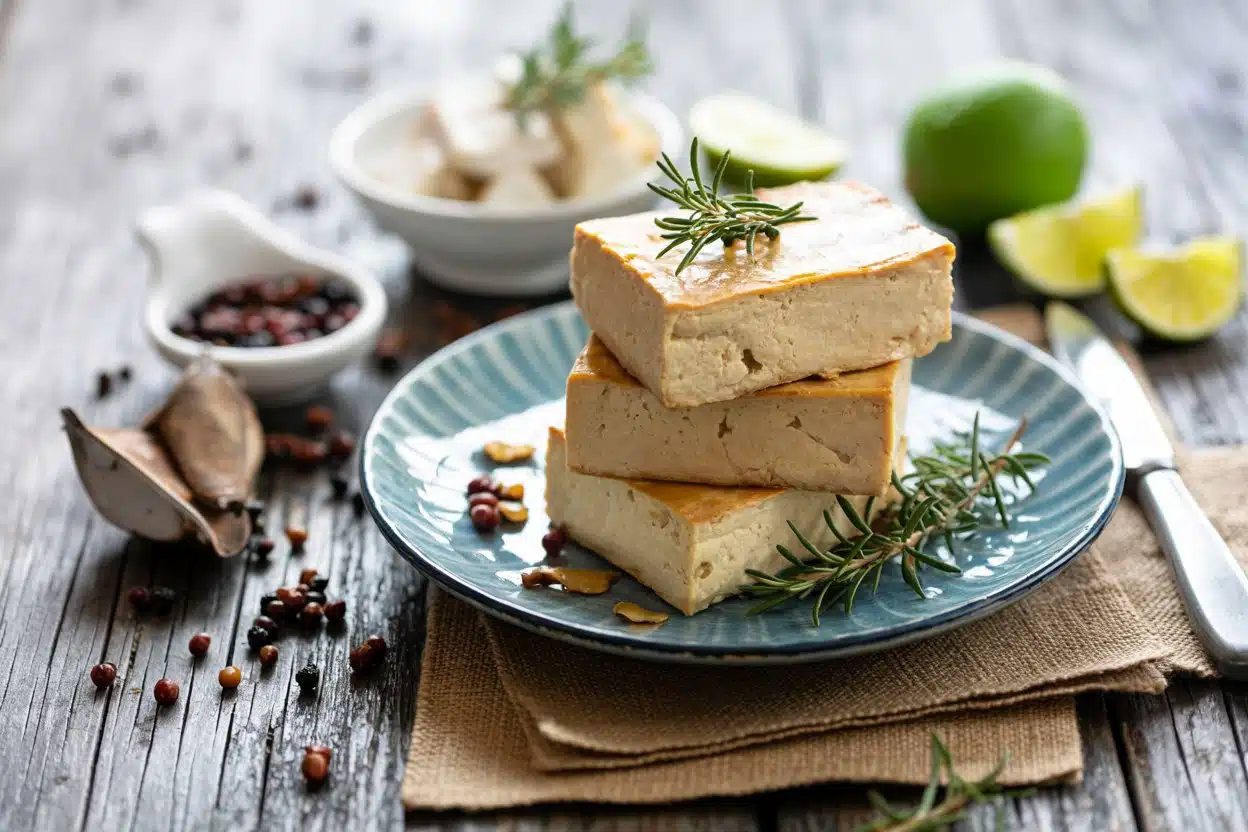
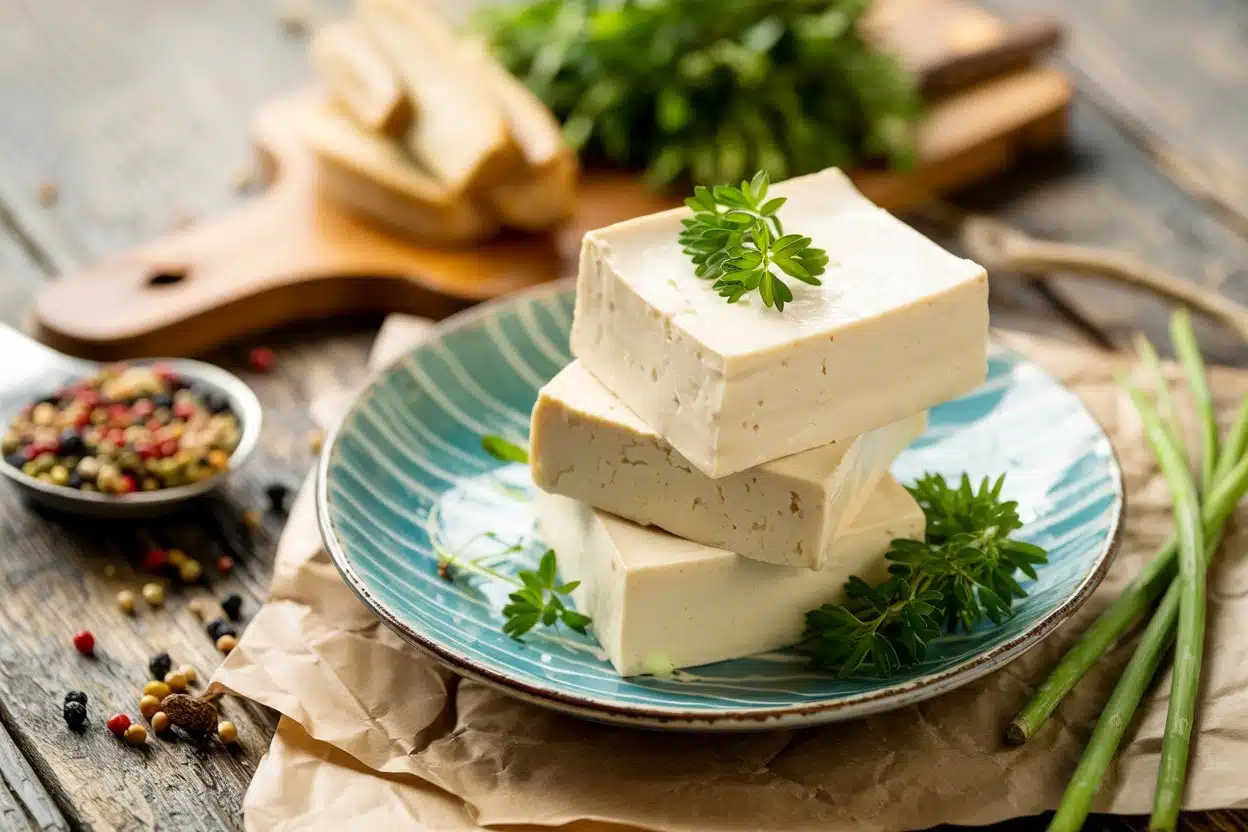
What Is Tofu? [Taste, Uses & More]

May 9, 2026

Miso soup without tofu feels incomplete - that quiet, custardy cube absorbing the dashi broth is one of the most understated moments in a bowl of food.

Tofu pulls off the same trick across dozens of dishes: it takes on flavor without announcing itself, holds its shape when pressed, and practically dissolves when left silken.

Unlike seitan, which has distinct chew and wheat flavor, tofu stays neutral by design - and that neutrality is the whole point.

QUICK SUMMARY

Tofu is a coagulated soy product made by pressing soy milk curds into blocks. It ranges from silken to extra-firm, with a mild, clean flavor that absorbs marinades and sauces well. Used across East Asian cooking and beyond, it suits both savory and sweet applications depending on the texture you choose.

🫘What It Is: Pressed soy milk curds, available silken through extra-firm
👅Flavor: Mild, clean, slightly beany with subtle nutty undertones
🍳Best Uses: Stir-fries, soups, scrambles, blended dressings, deep-frying
❄️Shelf Life: Opened: 3-5 days in water; unopened refrigerated: up to 3 weeks
🌱Dietary: Vegan, lactose-free, and gluten-free; avoid if soy allergic

What Is Tofu?

Tofu originated in China over two thousand years ago and spread throughout East Asia, becoming foundational in Chinese, Japanese, and Korean cooking.

It's made by curdling soy milk with a coagulant - typically calcium sulfate or nigari (magnesium chloride) - then pressing the curds into molds, much like dairy cheesemaking.

The coagulant used affects both texture and nutrition. Calcium sulfate produces a firmer, calcium-rich block; nigari yields a more delicate, mineral-clean curd.

Four main textures define the category:

  • Silken - Undrained and unpressed; custardy, scoopable, fragile
  • Soft - Slightly more structure; still delicate, holds in broth
  • Firm - Dense enough to slice, marinate, and pan-cook
  • Extra-firm - Lowest moisture content; best for searing, grilling, and frying

Tempeh is a common comparison, but it's a fermented whole-soybean product with an earthier, more assertive flavor - a different animal entirely.

Tofu is also sometimes compared to milk replacements in the sense that soy milk is its starting point, but the pressing process makes it its own distinct category.

What Does Tofu Taste Like?

Tofu's flavor is deliberately restrained. On its own, it tastes mildly beany - clean and faintly nutty, with no sharpness or bitterness.

The closest comparisons are blanched ricotta for silken varieties, or mild paneer for firm and extra-firm blocks.

Sensory SnapshotMild Intensity
 
👅 Flavor
mildly beanycleanslightly nuttysubtle umami
✋ Texture
custardy (silken)dense (extra-firm)
👃 Aroma
mild soybeanneutral after cooking

Heat changes the picture. Searing or deep-frying firm tofu develops a light golden crust and draws out a subtle umami depth that raw tofu doesn't have. Aged or fermented tofu (fermented doufu) pushes that umami further still, though that's a separate product category.

Pressing extra-firm tofu before cooking removes residual moisture, which sharpens flavor concentration and helps it take on marinades - soy sauce, ginger, garlic - far more effectively.

How to Use Tofu

Choosing the right texture for the method is the whole game with tofu. Silken belongs in the blender; firm and extra-firm belong in the pan or on the grill.

How Tofu Is Used
Method Best For Tip
🥣 Blended Smoothies, dressings, vegan desserts Use silken only; firm won't blend smooth
🍳 Pan-seared Bowls, sandwiches, stir-fries Press firm or extra-firm first; pat completely dry
🛢️ Deep-fried Agedashi tofu, Korean dubu jorim Coat in potato starch or cornstarch for crispness
🫕 Braised Mapo tofu, hot pots, miso soup Soft or firm absorbs sauce while holding shape
🔥 Grilled Skewers, yakitori-style, summer dishes Oil well and use extra-firm to prevent sticking

Pairings follow a consistent logic: soy sauce or tamari, sesame oil, miso, ginger, garlic, and scallions all amplify tofu's mild base without overwhelming it. Chili pastes like gochujang add heat that extra-firm tofu can stand up to.

For acid, rice vinegar or a squeeze of citrus works at the end of cooking rather than as a prolonged marinade.

If a dish calls for something with more structural bite, tofu alternatives like firm paneer or chickpea tofu (made from chickpea flour) are worth knowing. Similarly, tempeh alternatives are often confused with tofu alternatives - they serve different culinary roles.

Try It In

🥡Air Fryer Crispy Tofu BitesShows how dry heat crisps extra-firm tofu without deep frying→🍜Japanese Agedashi TofuClassic deep-fried soft tofu in dashi broth with a starch crust→🌶️Sichuan Mapo Tofu with PorkBraised soft tofu in a numbing, spicy sauce - a flavor-absorption showcase→

How to Buy and Store Tofu

At the store, look for firm, even-surfaced blocks with no yellowing or cracks. Silken tofu typically comes in aseptic cartons that don't require refrigeration until opened - check sell-by dates and avoid bulging packaging.

Watch Out
Don't leave silken tofu in an acidic marinade for more than a few minutes. The acid breaks down the delicate curd structure and turns it grainy before it ever hits the pan.

Once opened, block tofu should sit submerged in fresh cold water in a sealed container. Change that water daily.

Proper tofu storage life tops out at 3-5 days once opened, and up to 3 weeks unopened in the fridge. Frozen firm or extra-firm tofu keeps for 3 months - freezing changes the texture to something spongier and more porous, which actually absorbs marinades more aggressively.

Shortcut
Freeze a block of firm tofu overnight, thaw it the next day, and squeeze out the water. You'll get a chewier, more porous texture that soaks up sauces in half the time.

Where to Start with Tofu

New to tofu? Start with extra-firm in a hot pan.

Press it, dry it, sear it in neutral oil until golden on two sides, then add soy sauce and sesame oil in the last minute. That single technique covers the fundamentals: moisture removal, heat, flavor transfer.

From there, silken opens a different direction entirely - blended into a miso-based dressing or stirred gently into broth. If you're branching into fermented soy products, miso paste is a natural pairing that deepens tofu's quiet umami.

Tofu rewards patience more than technique.

Frequently Asked Questions

What is the difference between silken and firm tofu?

Silken tofu is undrained and unpressed, giving it a custardy, fragile texture suited to blending and soups. Firm tofu has had more moisture removed and holds its shape for slicing, searing, and grilling. They aren't interchangeable in recipes.
How do you make tofu crispy?

Press extra-firm tofu for at least 20 minutes, then pat it completely dry before cooking. Tossing in cornstarch or potato starch before pan-frying or air frying creates a crispier outer crust.

Can you freeze tofu?

Yes, but only firm or extra-firm varieties. Freezing changes the texture - it becomes chewier and more porous, which is actually useful for marinating. Silken tofu turns grainy and watery after freezing.

Does tofu taste like soy?

Only faintly. Raw tofu has a mild, clean soybean note that's barely perceptible. Cooking - especially searing - mostly neutralizes it, and any sauce or marinade takes over entirely.

Is tofu a complete protein?

Yes. Tofu contains all nine essential amino acids, making it one of the few plant-based complete proteins. Calcium content varies depending on whether calcium sulfate was used as the coagulant.

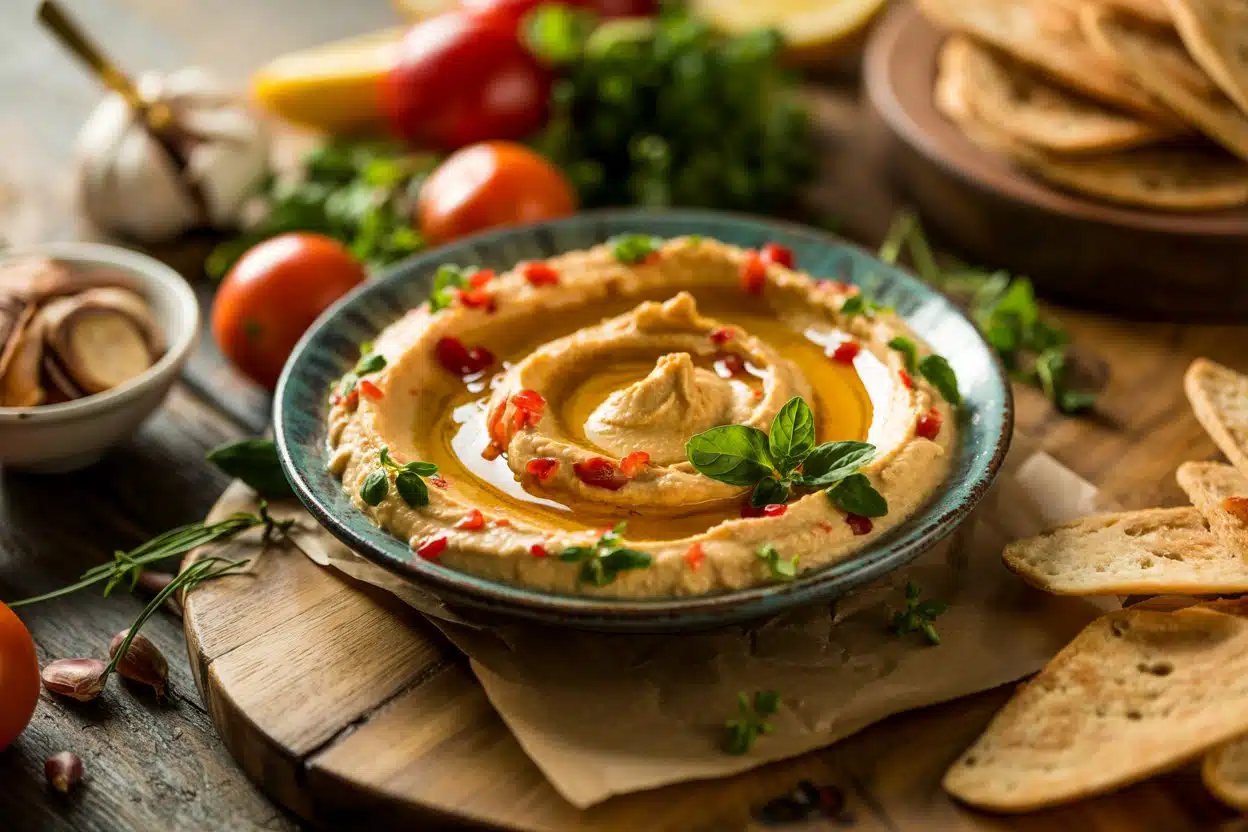
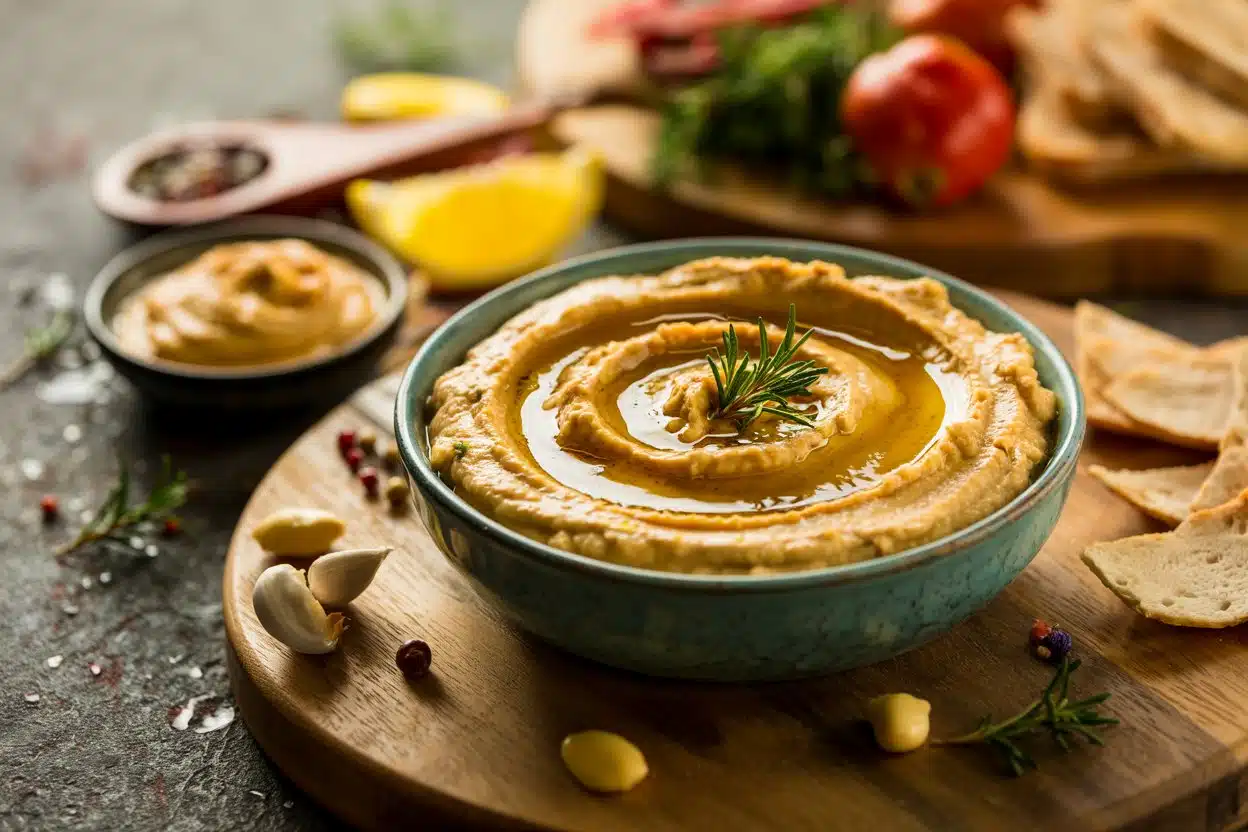
What Is Hummus? Taste, Texture, Uses & Nutrition

May 9, 2026

Hummus is a thick, creamy spread made from blended chickpeas, tahini, lemon juice, and garlic.

It tastes nutty and slightly tangy with a smooth, velvety texture that works as a dip, sandwich spread, or base for grain bowls.

We break down the full flavor profile, common uses, and nutrition facts below.

QUICK SUMMARY

Hummus is a blended chickpea spread from the Levant, built on tahini, lemon juice, and garlic. It reads nutty, tangy, and savory all at once - mild enough to pair with almost anything, rich enough to anchor a meal on its own.

🫘What It Is: Chickpea and tahini spread, originating in the Eastern Mediterranean
👅Flavor: Nutty, bright-tangy, garlicky, with an earthy chickpea backbone
🍽️Best Uses: Dip, sandwich spread, bowl base, or plate sauce under roasted meats
❄️Shelf Life: 4-7 days once opened or fresh-made; unopened commercial tubs last weeks
⚠️Watch For: Store-bought versions can run high in sodium; contains sesame (allergen)

What Is Hummus?

Hummus - also spelled hommous, houmous, or ḥummuṣ - is a legume-based spread from the Levant, with roots in Lebanese, Syrian, and broader Eastern Mediterranean cooking. The word itself is simply Arabic for chickpea.

At its core, it's cooked chickpeas (garbanzo beans) blended with tahini, fresh lemon juice, garlic, and often a drizzle of olive oil.

What separates a good batch from a mediocre one is technique, not ingredients. Longer blending, warm chickpeas, and ice-cold water or aquafaba (the chickpea cooking liquid) produce that signature silky texture.

Shortcut versions skipping these steps land closer to a chunky bean paste.

Variations exist across the region and beyond:

  • Classic Levantine - pale, smooth, heavy on tahini, finished with olive oil and paprika
  • Israeli-style - often served warm, topped with whole chickpeas and spiced oil
  • North African - sometimes spiced with cumin or harissa, deeper in color
  • Store-bought - roasted red pepper, spinach, and other flavored versions now common in Western supermarkets

What Does Hummus Taste Like?

Hummus lands in a flavor category that doesn't have a neat analogue. Think of a rich mashed bean spread with a lemony, garlicky lift - earthier than a white bean purée, creamier than refried beans, and distinctly savory in a way that sweet spreads aren't.

Sensory SnapshotModerate Intensity
 
👅 Flavor
nuttytangygarlickyearthy
✋ Texture
creamysilky when whippedslightly grainy if underblended
👃 Aroma
toasted sesamefresh garlicbright lemon

The tahini carries most of the nutty weight, while lemon provides brightness that stops the spread from tasting heavy. Garlic punches through both.

Warmed, hummus softens in flavor - the lemon mutes slightly and the chickpea base comes forward more than it does cold.

Golden Rule
Does hummus taste like chickpeas? Yes, but mildly - tahini and lemon dominate the front palate. The chickpea flavor is the backbone, not the headline.

How to Use Hummus

Hummus earns its place well beyond a snack bowl. Its thick, creamy texture makes it a functional substitute for mayo or butter on sandwiches - it clings without sliding, adds body, and brings acidity from the lemon.

Smear it on toast, or load it into a pita pocket with crispy baked falafel patties and pickled turnips for a full Levantine-style meal.

As a bowl base, it works under roasted vegetables, spiced lamb, or grain mixes. Streak it across a plate before laying on grilled chicken or roasted fish - it acts as both sauce and anchor.

Blended into dressings with extra lemon and olive oil, it adds creaminess without dairy.

How Hummus Is Used
Method Best For Tip
🥗 Cold/Dip Pita wedges, raw vegetables, mezze spreads Drizzle with olive oil and dust with paprika or za'atar before serving
🔥 Warmed Hot appetizer topped with whole chickpeas and spiced oil Warm gently over low heat; avoid boiling or it breaks and grains up
🫙 Spread Sandwiches, toast, wraps instead of mayo or butter Pair with [pita bread](https://forkliftkitchen.com/pita-bread-substitutes/) or flatbreads for a classic base
🥣 Bowl Base Under roasted eggplant, grain bowls, spiced meats Thin slightly with lemon juice or water so it spreads flat under toppings
🥄 Dressing Base Creamy salad dressings, sauce for roasted fish or chicken Whisk with extra lemon juice and a splash of water to loosen the texture

Hummus pairs tightly with za'atar, sumac, and roasted eggplant in Levantine cooking. It also stands alongside pickled cucumbers, olives, and grilled lamb.

If you want the paprika replacements that work as finishing garnishes, smoked or sweet varieties both complement the tahini base well. Avoid pairing hummus with raw sweet fruit - the tahini-lemon balance reads as clashing, not complementary.

Try It In

🫑Roasted Red Pepper Hummus DipA smoky, slightly sweet riff on the classic with charred red pepper blended in→

How to Buy and Store Hummus

At the store, look for tubs with a pale beige, uniform surface and no strong sour smell. Excessive oil separation on a sealed tub signals age or temperature abuse.

Fresh-made hummus from a deli counter should look smooth with a visible olive oil sheen on top - not watery pooling. If you're making it from scratch, garbanzo bean flour pancakes aside, whole dried or canned chickpeas both work, though dried and home-cooked chickpeas produce noticeably silkier results.

Quick Tip
Press a sheet of plastic wrap directly onto the surface of stored hummus, or pour a thin film of olive oil over the top. Both methods limit air contact and slow spoilage.

Storage is straightforward: refrigerate in an airtight container and it holds for 4-7 days. Commercial unopened tubs last weeks to months by the label.

For a full breakdown of timelines and signs of spoilage, check our guide to hummus storage guide. Freezing is possible but changes texture - the spread tends to separate slightly on thawing.

Where to Start With Hummus

If you're new to cooking with it beyond a snack bowl, start with the sandwich swap. Replace mayo on a wrap or toast, add roasted vegetables and a pinch of sumac, and you'll immediately see how hummus holds weight as an ingredient rather than just a side.

From there, try it as a plate sauce - spoon and spread, then lay grilled chicken or fish on top. Those two moves cover most of what hummus does well.

If store-bought feels too salty, making a batch at home with canned chickpeas and good hummus swaps as reference points will show you where the flavor levers actually sit.

Frequently Asked Questions

What is hummus made of?

The four core ingredients are cooked chickpeas, tahini (sesame paste), fresh lemon juice, and garlic. Most versions also include olive oil and a small amount of water or aquafaba to adjust consistency.

How long does hummus last in the fridge?

Fresh-made or opened store-bought hummus lasts 4-7 days refrigerated. An unopened commercial tub typically holds for several weeks to a few months - check the printed date on the lid.

Why is my hummus grainy?

Underblending is the most common cause. Process longer, and add ice-cold water or aquafaba a tablespoon at a time while the machine runs. Peeling the chickpea skins before blending also produces a noticeably smoother result.

Can you freeze hummus?

Yes, but texture suffers. Hummus often separates slightly after thawing, turning grainy rather than smooth. Stir well after thawing and add a splash of olive oil or lemon juice to help it re-emulsify.

Is hummus high in protein?

It's a moderate protein source - roughly 2-3 grams per two-tablespoon serving. It also contributes dietary fiber and monounsaturated fats from tahini and olive oil, which makes it nutritionally denser than most dips of similar volume.

What Is MSG? Taste, Umami Uses & Culinary Tips

May 9, 2026

MSG does one thing no other seasoning can fully replicate: it deepens savory flavor from within, making broths taste longer-cooked, sauces taste richer, and proteins taste meatier - all without tipping the dish toward salty or sour.

A quarter-teaspoon stirred into a weeknight soup can close the gap between a flat broth and one that reads like it simmered for hours.

For cooks who rely on chicken broth alternatives to build savory depth, MSG is the single most efficient tool available.

QUICK SUMMARY

MSG is a crystalline flavor enhancer - the sodium salt of glutamic acid - that amplifies umami in broths, sauces, and savory dishes. A small pinch sharpens savory depth without adding saltiness, acidity, or any identifiable flavor of its own.

🧂What It Is: Sodium salt of glutamic acid, sold as white crystalline powder
👅Flavor: Umami-rich, savory, slightly brothy - no saltiness or sharpness
🍜Best Uses: Ramen broth, stir-fries, tomato sauce, ground meat, marinades
🏪Buying Tip: Look for pure "monosodium glutamate" on the label, no fillers
📅Shelf Life: Indefinite when stored dry; best potency within 2-3 years

What Is MSG?

Monosodium glutamate is the sodium salt of glutamic acid, a free amino acid that occurs naturally in tomatoes, parmesan, dried shiitake mushrooms, and cured meats. The commercial version is produced through microbial fermentation - the same broad process used to make soy sauce or yogurt - which is how it remains both vegan and vegetarian.

Japanese chemist Kikunae Ikeda first isolated and commercialized glutamate in 1908, branding it under the name Ajinomoto, which translates loosely to "essence of taste." The compound is also registered as food additive E621 in international labeling systems.

MSG arrives as a fine, free-flowing white powder that looks similar to coarse table salt. It dissolves completely in water, leaving no visible residue, cloudiness, or texture.

Common package names include monosodium glutamate, MSG, E621, and Ajinomoto - all refer to the same compound.

Unlike salt, which contributes a distinct sodium taste, MSG functions by activating glutamate receptors on the tongue. That receptor activation is what we register as umami: the fifth basic taste, separate from sweet, salty, sour, and bitter.

What Does MSG Taste Like?

MSG itself has a faint, brothy savory quality when tasted in isolation - but that's not how it works in practice. Dissolved into a dish, it doesn't announce itself. Instead, it amplifies what's already there.

Sensory SnapshotModerate Intensity
 
👅 Flavor
umamisavorybrothy
✋ Texture
fine crystalline powderdissolves fully
👃 Aroma
neutralmildly broth-like when dissolved

The closest reference point is the lingering savoriness of long-simmered meat stock or concentrated soy sauce - minus any saltiness or fermented sharpness. MSG extends the finish of savory flavors on the palate, which is why dishes feel more complete rather than just more seasoned.

Heat doesn't degrade its effect. Add it early to a broth or stir it in at the end - the umami boost lands either way.

Golden Rule
Taste before you add MSG. It amplifies whatever is already present - an off-note in a dish gets louder too, not just the good flavors.

How to Use MSG

A light hand is standard. Most recipes require between ¼ and ½ teaspoon per four servings - roughly half the amount of salt you'd add at the same stage. Going over doesn't deliver more umami; it creates a flat, over-seasoned heaviness.

How MSG Is Used
Method Best For Tip
🍲 Dissolve in liquid Broths, ramen, soups, tomato sauces Stir in early; it needs no bloom time
🥣 Mix into proteins Ground beef, chicken, meatballs, burger patties Combine with salt and seasoning before shaping
🥗 Stir into dressings Vinaigrettes, creamy dressings, marinades Balance with soy sauce or mirin, not extra salt
🧂 Finish sprinkle Stir-fries, roasted vegetables, popcorn Add in the last 30 seconds of cooking
🫙 Dry blend Spice rubs, seasoning mixes, stock powder Mix with salt at a 1:3 MSG-to-salt ratio

MSG has deep roots in Japanese, Chinese, Korean, and Southeast Asian kitchens, where it features in ramen broth, stir-fries, hotpot bases, and dumpling fillings. It pairs especially well with soy sauce, dried shiitake, parmesan, garlic, and any cut of pork or chicken.

Two pairings worth knowing in particular:

  • 🍄 Dried shiitake + MSG - stacking two glutamate-rich ingredients in a vegetable stock creates a convincingly meaty base without any animal product
  • 🍅 Tomatoes + MSG - a small pinch in tomato sauce reduces perceived acidity and adds body, particularly useful in quick-cook sauces that haven't had time to develop

One situation to avoid: adding MSG on top of already heavily fermented or aged ingredients - stacking yeast extract, fish sauce, parmesan, and MSG in one dish risks tipping umami into an overwhelming, one-note heaviness.

When you need a different approach to savory depth entirely, msg swaps give you a comparison of the best alternatives.

Try It In

🍗Air Fryer Garlic Parmesan Chicken TendersAdd a pinch to the coating for deeper savory punch→🍯Air Fryer Honey Garlic Chicken TendersA small amount balances the sweet-savory glaze→🥔Air Fryer Garlic Parmesan Potato WedgesStir into the seasoning mix before tossing wedges→

How to Buy and Store MSG

Look for pure monosodium glutamate on the label - no blends, no fillers, no vague "flavor enhancer" language. Brands like Ajinomoto sell food-grade MSG in small airtight jars or resealable pouches; the crystals should be white, free-flowing, and clump-free.

Watch Out
Some products labeled "umami seasoning" or "savory powder" combine MSG with salt, sugar, or starch. Check the ingredient list - you want one ingredient only.

Storage is minimal effort. Keep MSG in an airtight container in a cool, dry pantry, away from steam and heat sources.

Moisture is the only real threat - it causes clumping, which makes measuring harder but doesn't ruin the compound.

Shelf life runs indefinitely if kept dry. For full potency, most producers recommend using it within two to three years, though how long MSG lasts depends almost entirely on how well it's sealed between uses.

Start Here

MSG rewards cooks who use it precisely. Try it first in broth - stir ¼ teaspoon into a finished soup and taste the difference before and after. That single test makes its function immediately clear.

From there, ground meat and stir-fries are the next logical stops. If you already cook with soy sauce regularly, reduce the soy by a small amount when adding MSG - both contribute sodium, and the goal is balance, not intensity.

  • 🍜 New to MSG - start with broth or soup at ¼ teaspoon per four servings
  • 🥩 Meat-focused cooking - mix into ground beef or chicken before shaping
  • 🌿 Plant-based cooking - combine with dried shiitake for meat-free umami depth

Frequently Asked Questions

Is MSG bad for you?

Major food safety bodies - including the FDA and WHO - classify MSG as safe for general consumption. The concern stems from a 1968 letter, not controlled research, and has not been supported by subsequent studies at normal dietary doses.

How much MSG should you add to soup?

Start with ¼ teaspoon per four servings and taste before adding more. MSG's effect is noticeable at low doses - more doesn't mean more umami, just more sodium.

Is MSG gluten free?

Yes. Pure monosodium glutamate contains no gluten - it's a single amino acid compound. Check that your specific product has no added fillers if you're buying a blended seasoning rather than pure MSG.

MSG vs salt: which should you use?

They do different jobs. Salt seasons broadly and draws out moisture; MSG specifically activates umami receptors without adding saltiness. Using both together - less salt plus a small amount of MSG - often produces better depth than either alone.

Can MSG be used in vegetarian or vegan cooking?

Yes - commercial MSG is produced by fermenting plant-derived sugars using bacteria, making it fully vegan. It's particularly useful in vegetable stocks and plant-based dishes where meaty savory depth is otherwise hard to achieve.

5 Best Substitutes for Sunflower Seeds in Salads & Baking

May 2, 2026

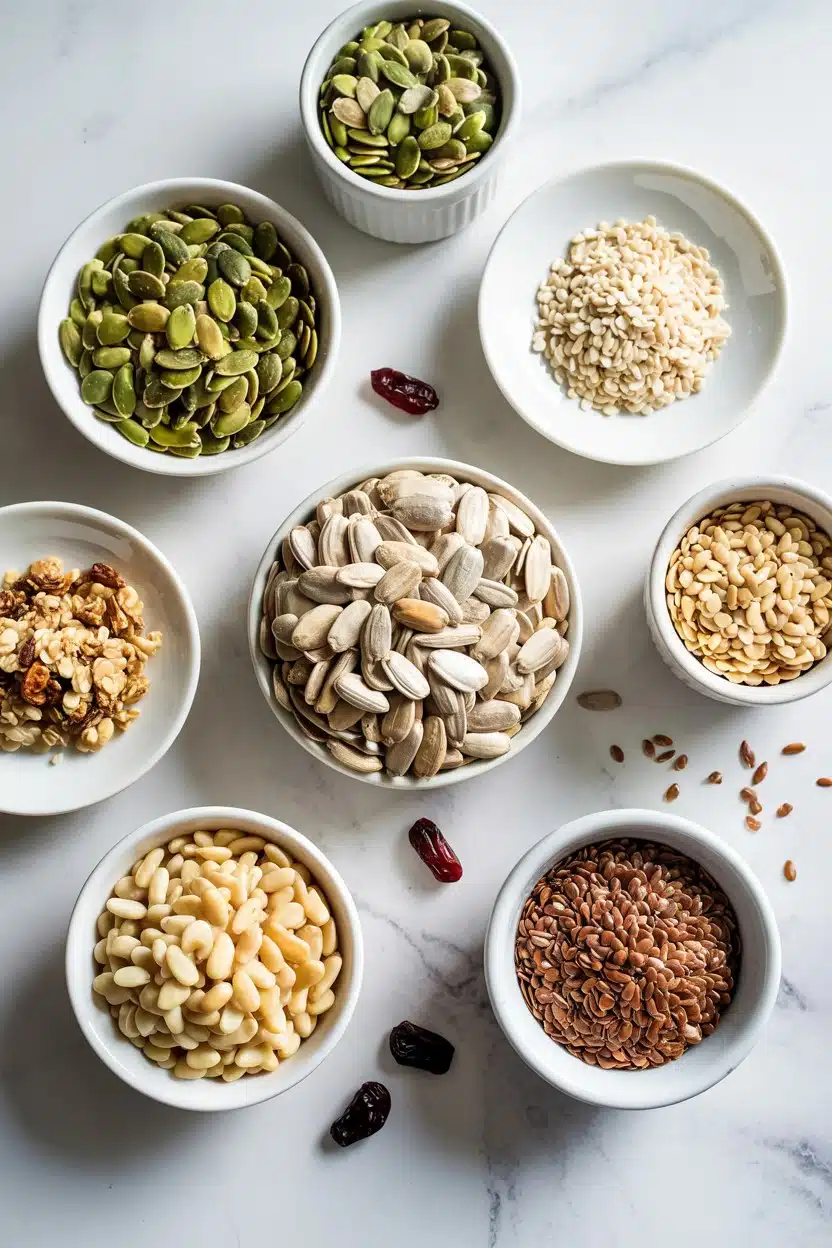
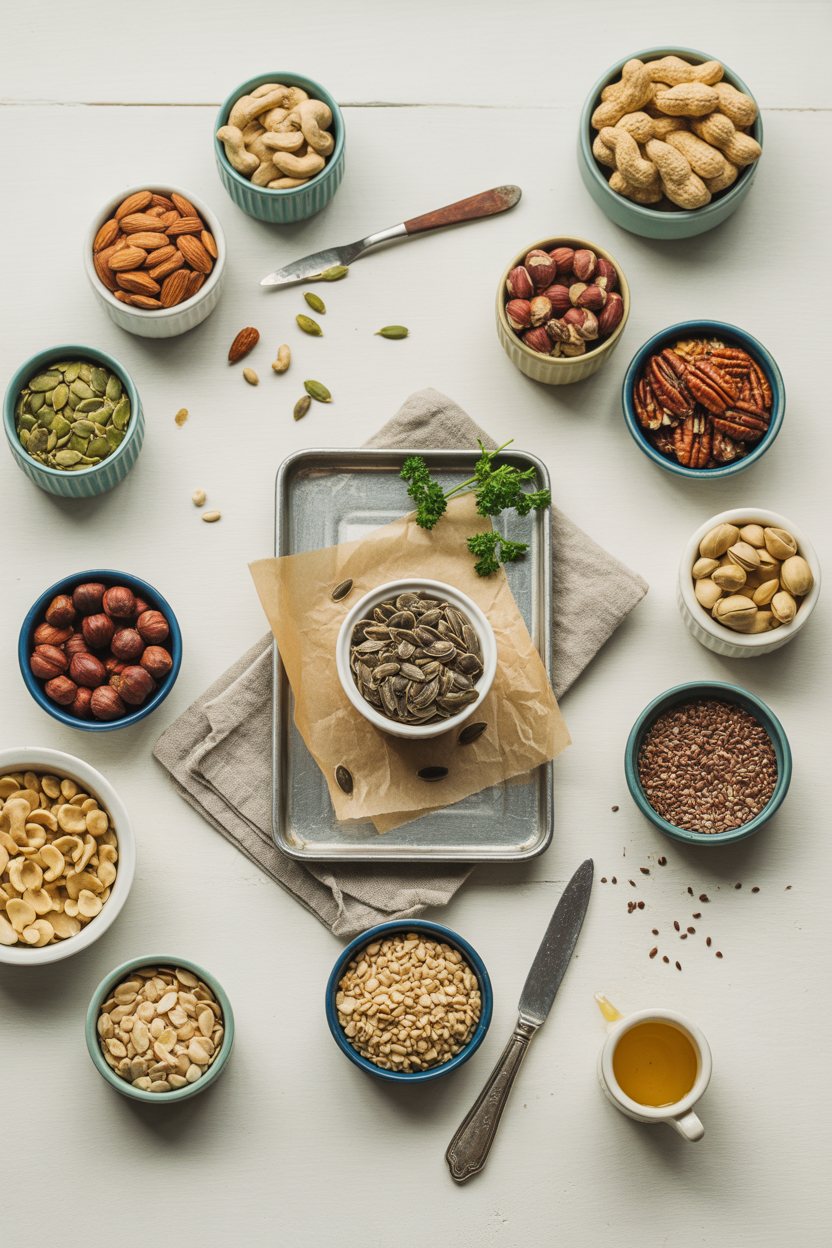
You reach for sunflower seeds and discover none left in the pantry. The crunch and nutty flavor they add to recipes doesn't have a single perfect stand-in - the right swap depends on what role they're playing in the dish.

5 Best Substitutes for Sunflower Seeds in Salads & Baking
sunflower-seeds-substitutes
p>Not every substitute works the same in baking, salads, or granola. Match the function first, then adjust the ratio.

QUICK SUMMARY

Pumpkin seeds and chopped almonds work best for most recipes. Pumpkin seeds match both crunch and earthy flavor, while almonds bring richness with a stronger taste. The main risk: chia and sesame seeds change texture when cooked or soaked.
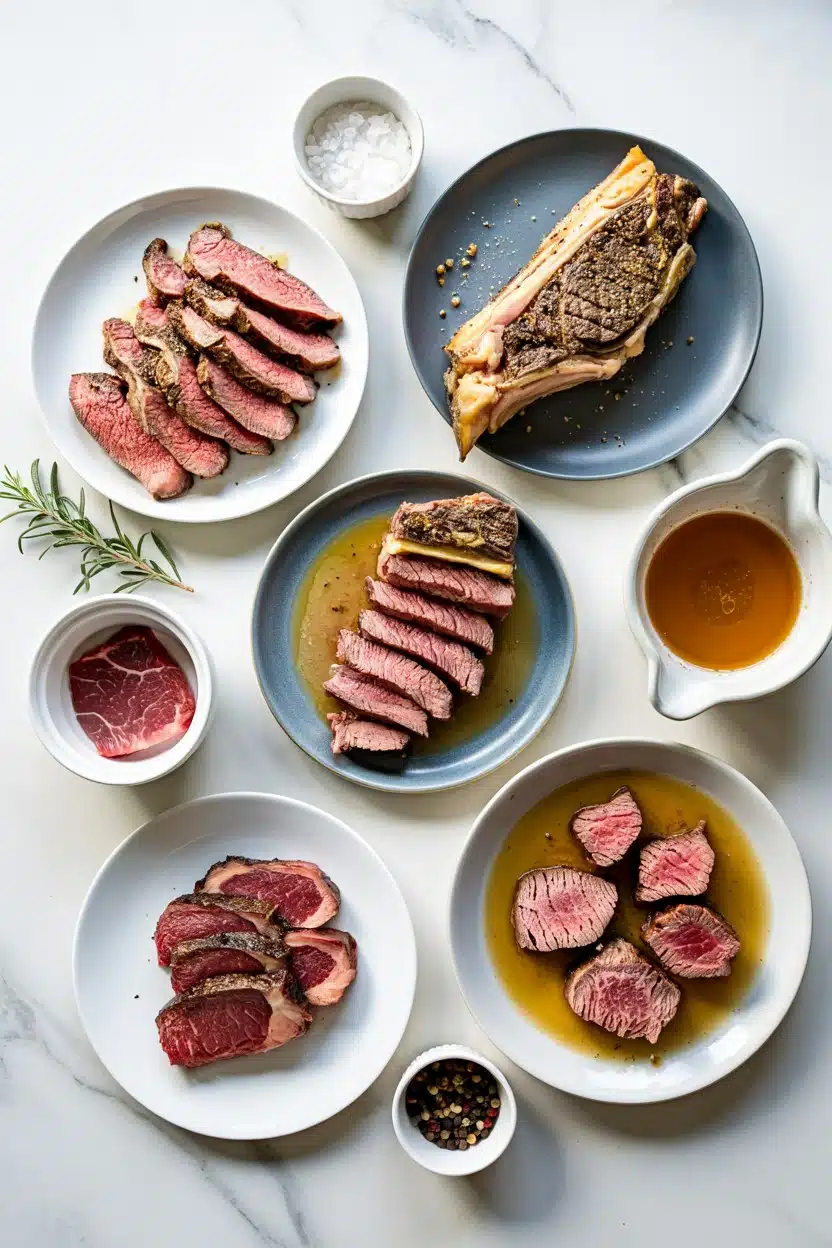
🎯Closest match: Pumpkin seeds deliver similar size and nutty flavor in most recipes
⚖️Core ratio: Use 1:1 by volume for direct swaps, adjust if flavor intensity differs
⚠️Common mistake: Using chia or sesame without accounting for size and texture shifts after cooking

5 Sunflower Seeds Swaps That Keep Flavor Balanced

These substitutes are ranked by how well they mimic sunflower seeds. Each one handles heat, moisture, and texture differently - pick based on what the recipe needs.

Quick Substitute Reference
#SubstituteBest ForRatioKey Note
1 Pumpkin Seeds ✨ Both 1:1 Slightly sweeter, earthy
2 Almonds 🥧 Baking 1:1 chopped Stronger, buttery flavor
3 Chia Seeds 🍳 Cooking 1:1 Softens when soaked
4 Sesame Seeds 🍳 Cooking 1:1 More intense, smaller size
5 Walnuts ✨ Both 1:1 chopped Oilier, bitter undertones

1 - Pumpkin Seeds

Pumpkin seeds match sunflower seeds in size and deliver a similar nutty crunch. They work in salads, granola, and baked goods without major recipe changes.

The flavor leans slightly sweeter and more earthy. If pumpkin seeds feel too intense, toast them lightly to balance the sweetness.

Pumpkin Seeds

Works for: Salads, granola, breads where mild earthiness fits

Skip if: You need a truly neutral flavor or smaller seed size

Sunflower Seeds

Works for: All-purpose crunch with milder, less sweet taste

Skip if: You're out - that's why you're reading this

Here's what to know:

  • Use the same volume as sunflower seeds in any recipe
  • Raw pumpkin seeds taste milder; roasted ones bring more depth
  • They hold their shape during baking without going soft
  • Add them at the same point in the recipe timeline

Out of pumpkin seeds too? Substitutes for pumpkin seeds covers firmer options.

2 - Almonds

Chopped almonds add crunch and richness, making them a strong pick for baking. They bring a buttery, more robust flavor than sunflower seeds.

Use them chopped to match the size of sunflower seeds. Missing almonds as well? Swaps instead of almonds lists milder alternatives.

Skip if: You're making a raw dish or need a subtle background flavor.

3 - Chia Seeds

Chia seeds deliver crunch when raw and a mild nutty taste. They work in granola or as a topping, but they soften quickly when exposed to moisture.

Here's what to know:

  • Use equal volume - they're smaller but pack more seeds per tablespoon
  • They turn gel-like when soaked, so skip them in dishes with liquid

Don't have chia seeds either? Chia seed replacements has dry options.

Watch Out
Chia seeds absorb moisture fast - sprinkle them just before serving if you want crunch.

Skip if: The recipe cooks the seeds in liquid or you need them to stay crunchy after baking.

4 - Sesame Seeds

Toasted sesame seeds bring a deep, nutty flavor with snappy crunch. They're smaller than sunflower seeds but work well as a finishing sprinkle on salads or roasted vegetables.

The flavor is more intense and slightly bitter. Toast them yourself for better control over the final taste.

Quick specs:

  • Use the same volume, but expect bolder flavor
  • White sesame seeds taste milder; black ones are earthier

Out of sesame seeds as well? Sesame seed swaps to use lists larger seeds.

Golden Rule
Start with half the volume if you haven't used toasted sesame before - the flavor can dominate.

Skip if: You need larger seeds for texture or a milder taste.

5 - Walnuts

Chopped walnuts provide crunch and rich, oily texture. They work in baking and salads where a stronger nut flavor fits the dish.

The taste is more bitter with an oilier mouthfeel than sunflower seeds. Use them in heartier recipes where bold flavor won't clash.

UseRatioNotes
Baking1:1 choppedToast first to reduce bitterness
Salads1:1 choppedPair with strong greens or vinegar
Granola1:1 choppedMix with sweeter nuts for balance

Skip if: You're making a dish with delicate flavors or need a neutral nut profile.

Final Thoughts on Swapping Sunflower Seeds

No swap replicates sunflower seeds exactly. Pumpkin seeds come closest in size and crunch, while almonds work best when you want richness in baked goods.

Start with a 1:1 ratio and taste as you go. Small adjustments prevent the flavor from going too strong or too mild.

  • Closest match - Pumpkin seeds for similar size and earthy flavor
  • Easiest grab - Chopped almonds if baking with bold flavors
  • Dietary option - Chia seeds for a plant-based crunch

Frequently Asked Questions

Can I use pumpkin seeds in the same amount as sunflower seeds?

Yes, use a 1:1 ratio by volume. Pumpkin seeds match sunflower seeds in size and crunch, though they taste slightly sweeter and more earthy.

Do chia seeds work in baking like sunflower seeds do?

Chia seeds work raw or in dry mixes, but they turn gel-like when exposed to moisture during baking. Use them in granola or as a topping instead of mixing into wet batters.

How do I stop sesame seeds from tasting too strong?

Start with half the volume and taste before adding more. Sesame seeds have a bolder, slightly bitter flavor that can overpower milder recipes.
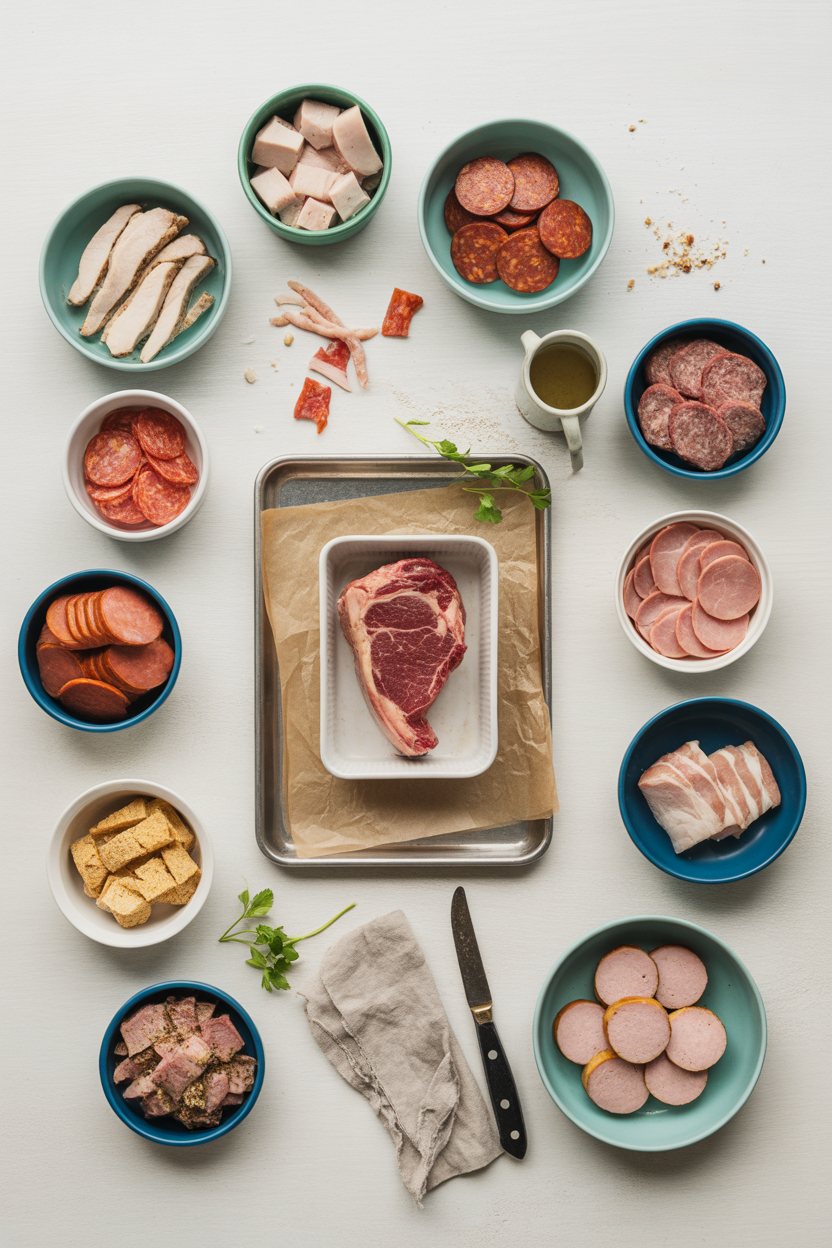
Can I swap walnuts for sunflower seeds in salads?

Yes, but chop them to match the size of sunflower seeds. Walnuts taste more bitter and oily, so they work best in salads with strong greens or tangy dressings.

Which substitute stays crunchy after baking?

Pumpkin seeds and chopped almonds hold their crunch during baking. Chia and sesame seeds soften or change texture when exposed to moisture or heat.

5 Best Substitutes for Sunflower Seeds in Salads & Baking

5 Best Substitutes for Sunflower Seeds

No ratings yet
Sunflower seeds add crunch and nutty flavor to many dishes. This guide lists five effective substitutes with usage tips, focused on matching texture and role in the recipe. Start with equal volume and adjust to taste.
Print Recipe Pin Recipe
Prep Time 6 minutes mins
Cook Time 6 minutes mins
Total Time 12 minutes mins
Servings: 4 servings
Course: Substitution Guide
Cuisine: General
Ingredients Method Notes

Ingredients
  

  • 1 cup Pumpkin Seeds Use 1:1 volume as a direct swap; slightly sweeter and earthy flavor
  • Almonds Use chopped almonds at a 1:1 volume ratio to match size and crunch
  • 1 cup Chia Seeds Use equal volume but note they soften and turn gel-like when soaked or cooked
  • 1 cup Sesame Seeds Use equal volume, start with half volume to avoid overpowering flavor
  • Walnuts Use chopped walnuts 1:1 by volume; toast for baking to reduce bitterness

Method
 

  1. Pick your substitute based on recipe use: pumpkin seeds or walnuts for both baking and salads, almonds for baking, chia and sesame for cooking or toppings.
  2. Chop almonds and walnuts to match sunflower seed size; toast walnuts and pumpkin seeds lightly to balance flavors when needed.
  3. Use a 1:1 substitution ratio by volume adjusting for flavor intensity where noted; reduce sesame seeds to half volume if new to their flavor.
  4. Add substitutes at the same point in the recipe where sunflower seeds would be added.
  5. Taste your dish as you go to adjust seasoning and ensure the substitute fits well with other flavors and textures.

Notes

Toast pumpkin seeds lightly before adding to prevent overpowering sweetness and ensure balanced texture in the dish.

Tried this recipe?

Let us know how it was!

5 Best Substitutes for Turkey in Roasted and Holiday Dishes

May 2, 2026

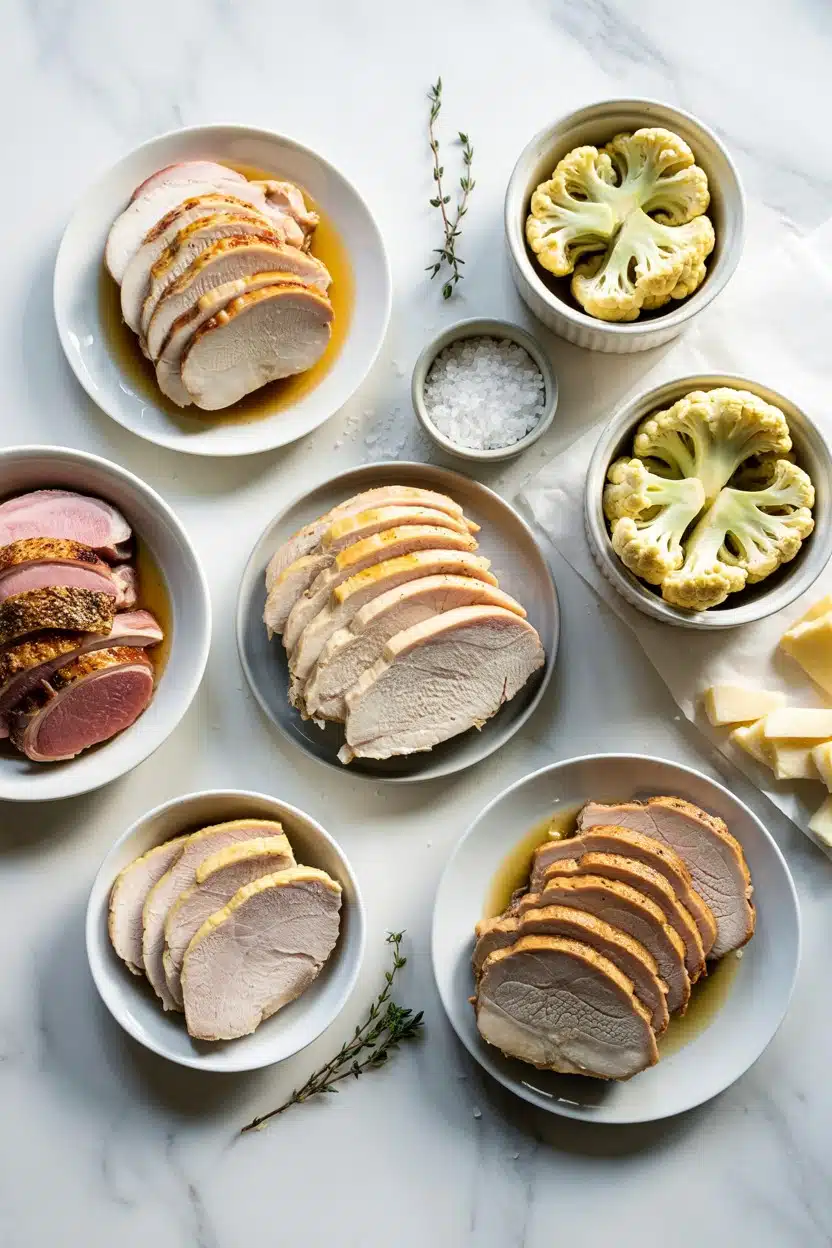
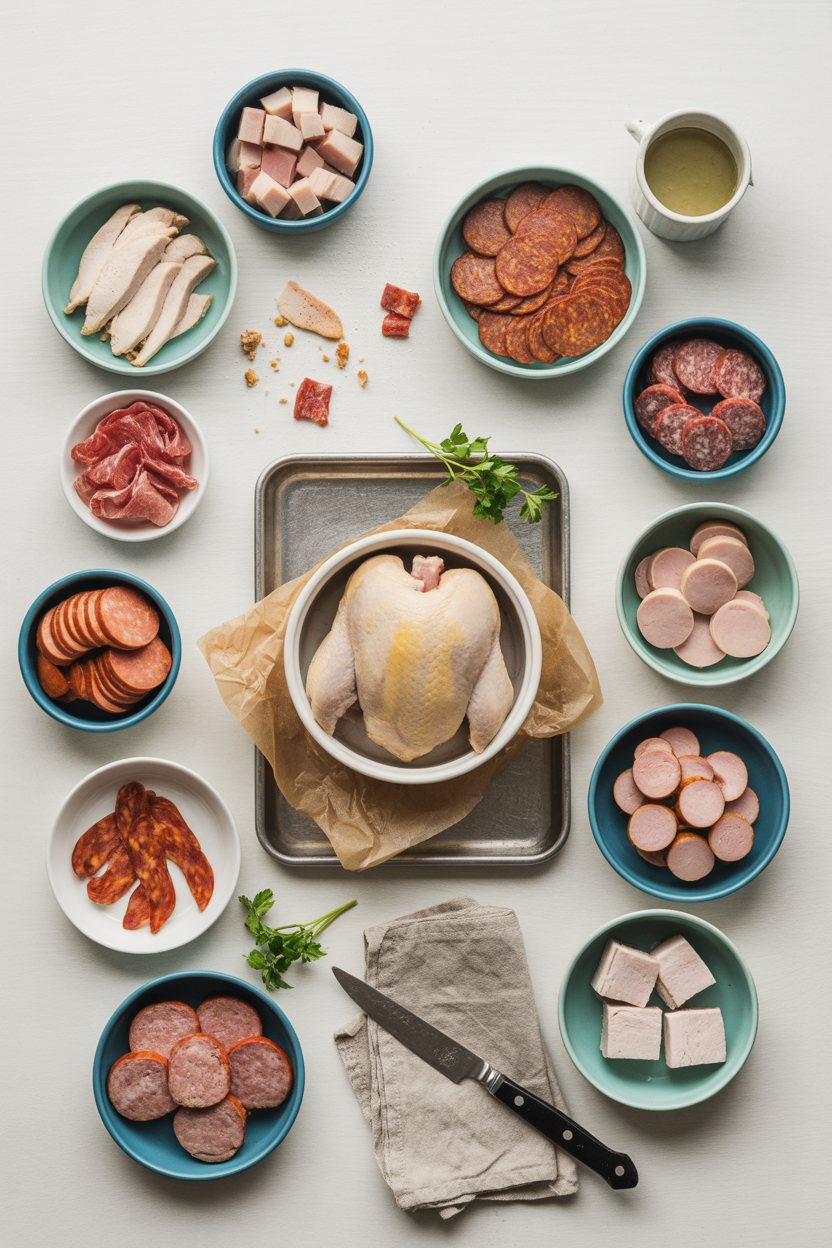
You measured out the turkey for tonight's recipe and realized there's not quite enough to finish the dish. Turkey brings lean protein with a mild, slightly savory flavor that takes well to roasting, grilling, or ground preparations.

5 Best Substitutes for Turkey in Roasted and Holiday Dishes
turkey-substitutes
QUICK SUMMARY

Chicken and tofu are top substitutes, focusing on texture and protein type. Choose chicken for similar roasting results and tofu for plant-based dishes. Adjust seasoning to balance flavor differences when swapping.

🐔Closest match: Chicken offers similar texture and mild flavor for roasting or ground use.
⚖️Ratio + fix: Swap 1:1; add extra seasoning when using tofu to boost flavor.
🔥Watch heat: Tofu needs careful cooking to avoid drying out or sticking in pans.

The right substitute depends on whether you need a whole bird, ground meat, or plant-based protein. Each swap behaves differently under heat, and some add flavors the original wouldn't.

The following options work best in different recipe situations.

Quick Substitute Reference
#SubstituteBest ForRatioKey Note
1 Chicken 🍳 Cooking 1:1 whole bird Milder and more tender
2 Tofu 🌱 Vegan 1 cup:1 cup Neutral, absorbs spices
3 Chicken Sausage 🍳 Cooking Equal weight Pre-seasoned, adds flavor
4 Duck 🍳 Cooking 1 duck per turkey Richer and fattier
5 Tempeh 🌱 Vegan Equal weight Nutty, firm texture

5 Best Turkey Alternatives for Recipes

These substitutes range from common poultry swaps to plant-based proteins. Pick based on your cooking method and what's already in the kitchen.

1 - Chicken

Chicken delivers the closest match in both texture and cooking behavior. The meat runs slightly more tender than turkey, with a milder flavor that won't overpower seasonings or sides.

Use one whole chicken per whole turkey, keeping in mind the smaller size means faster cooking. Reduce roasting time by about 30 minutes and check internal temperature earlier than you would for turkey.

Here's what to know:

  • Roast at the same temperature - 325°F to 350°F works for both birds.
  • Baste more often - Chicken dries out faster without the extra fat layer.

If you're also out of chicken, swaps when Chicken Base runs out covers options for building similar flavor profiles.

Skip if: you need the gamey depth that turkey provides for traditional holiday dishes.

CHICKEN

Works for: roasting whole, grilling pieces, ground meat recipes

Skip if: you want a richer, more distinctive poultry flavor

DUCK

Works for: special occasions, rich gravies, crispy skin dishes

Skip if: you need lean meat or a neutral base

2 - Tofu

Firm or extra-firm tofu works as a plant-based stand-in when you need protein without the meat. The texture holds up in casseroles and stir-fries, though it won't replicate the fibrous pull of real poultry.

Press the tofu for at least 20 minutes before cooking to remove excess water. Season aggressively-tofu absorbs flavors but contributes almost nothing on its own.

The essentials:

  • Cube or crumble depending on the dish - Cubed works for stir-fries, crumbled mimics ground turkey.
  • Use 1 cup cubed tofu per 1 cup cooked turkey - The ratio holds for most recipes.
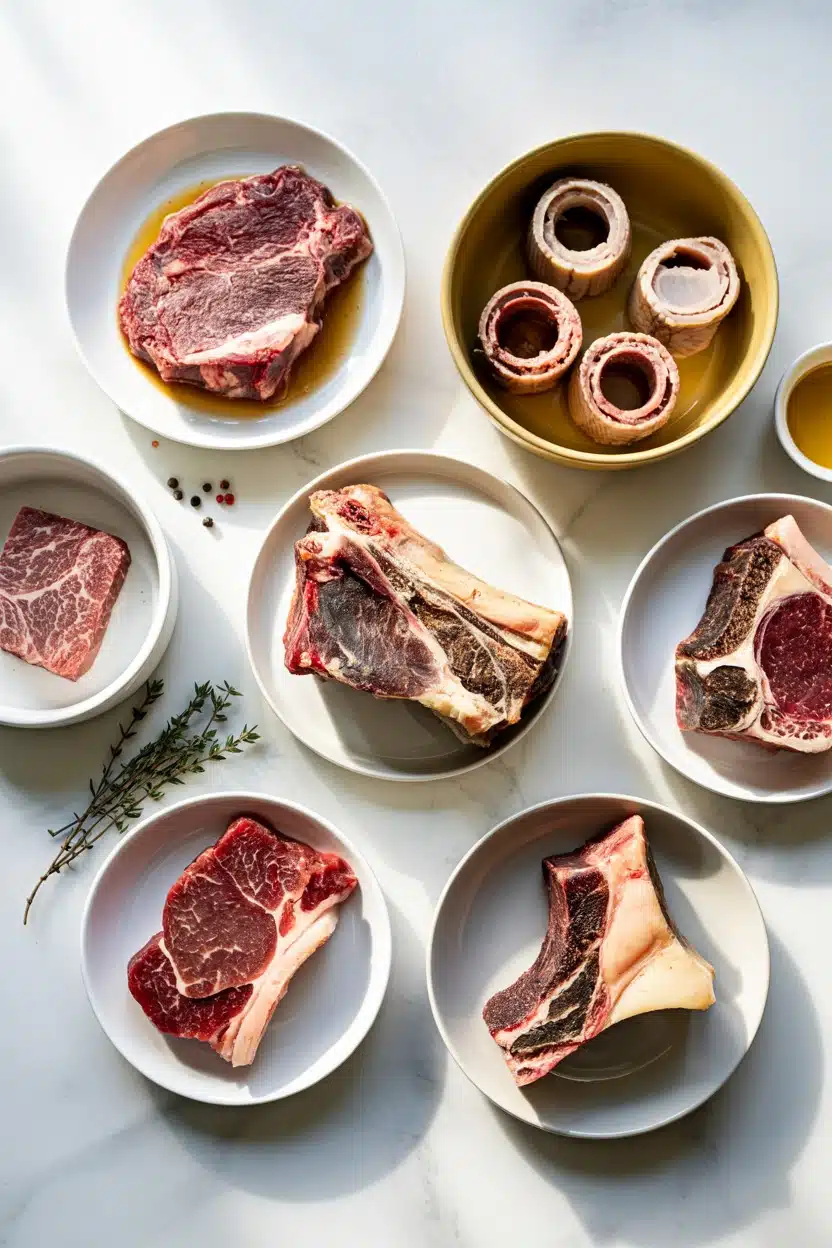
  • Brown in a hot pan first - This creates texture that plain tofu lacks.

Don't have tofu either? Check easy Tofu swaps that work for other protein options.

Skip if: you need meaty texture or the dish relies on poultry fat for flavor.

3 - Chicken Sausage

Chicken sausage brings built-in seasoning that works well in pasta dishes, skillets, and casseroles calling for ground turkey. The spice blend varies by brand, so taste before adding extra herbs.

Use equal weight to substitute for ground turkey. The sausage casing can be removed for a looser texture, or sliced into rounds for dishes where visible pieces work better.

Quick specs:

  • Remove casing for ground-style cooking - Crumble directly into the pan.
  • Reduce added salt - Most sausages are already well-seasoned.

If you want to adjust the herb profile, Sage swaps by recipe type helps balance the flavors.

Shortcut
Italian-seasoned chicken sausage works in any recipe calling for turkey with herbs.

4 - Duck

Duck delivers richer, fattier meat with a pronounced gamey taste that elevates holiday meals. One whole duck substitutes for one whole turkey, though the smaller size serves fewer people.

The higher fat content means more rendered drippings for gravy. Score the skin before roasting to help fat escape and the skin crisp properly.

Expect longer resting time after cooking-duck holds heat differently. The meat stays pink even when fully cooked, so use a thermometer rather than color to judge doneness.

If duck fat isn't available for basting, a simple Duck Fat substitutes list covers alternatives that won't compromise the dish.

Skip if: you prefer lean protein or want a neutral canvas for other flavors.

Watch Out
Duck renders significant fat during cooking-use a roasting rack and drain the pan midway to prevent smoking.

5 - Tempeh

Tempeh offers a firmer, nuttier alternative to tofu for plant-based cooking. The fermented soybeans create a denser texture that holds together during stir-frying or baking.

Use equal weight to substitute for cooked turkey. Marinate tempeh for at least 30 minutes-the slightly bitter undertone benefits from bold sauces like teriyaki or barbecue.

Slice thin for faster flavor absorption. Crumbling works for taco fillings or grain bowls where ground turkey would normally go.

Missing tempeh as well? See quick Tempeh replacements to try for similar plant proteins.

Skip if: you need a soft, smooth texture or the dish requires meat-like fibers.

UseRatioNotes
Stir-friesEqual weightSlice thin, marinate first
Taco fillingEqual weightCrumble and season heavily
Grain bowlsEqual weightCube and pan-fry until crisp

Picking the Right Replacement

The best swap depends on what you're making and who's eating. Chicken comes closest for traditional dishes, while plant-based options work for dietary restrictions.

Test with a small batch if you're trying something new. Most swaps need minor seasoning adjustments rather than complete recipe overhauls.

  • Closest match - Chicken for similar texture and cooking time
  • Easiest grab - Chicken sausage for pre-seasoned convenience
  • Dietary option - Tofu or tempeh for plant-based meals

Frequently Asked Questions

Can I use chicken in place of turkey for Thanksgiving?

Yes, roast chicken works well for smaller gatherings. Reduce cooking time by about 30 minutes and check temperature at 165°F in the thickest part.

Will tofu taste the same as turkey in casseroles?

No, tofu has a neutral flavor and softer texture. Press it well and season heavily to compensate for the missing meaty taste.

How do I adjust cooking time when substituting duck for turkey?

Duck cooks faster due to its smaller size. Plan for about 20 minutes per pound at 350°F, and use a meat thermometer rather than timing alone.

Is chicken sausage a good substitute for ground turkey in meatballs?

It works, but the pre-seasoned flavor changes the dish. Remove the casing and reduce added salt and herbs in your recipe.

What's the best plant-based turkey substitute for grilling?

Tempeh holds up better on the grill than tofu. Slice it thick, marinate for at least 30 minutes, and oil the grates to prevent sticking.

5 Best Substitutes for Turkey in Roasted and Holiday Dishes

5 Best Substitutes for Turkey

No ratings yet
Learn the best substitute options for turkey depending on your dish and dietary needs. Choose from whole birds, ground meats, or plant-based proteins with proper ratios and usage tips.
Print Recipe Pin Recipe
Prep Time 7 minutes mins
Cook Time 8 minutes mins
Total Time 15 minutes mins
Servings: 4 servings
Course: Substitute Guide
Cuisine: General
Ingredients Method Notes

Ingredients
  

  • 1 Chicken Use one whole chicken per whole turkey; milder and more tender
  • 1 cup Tofu Use 1 cup tofu per 1 cup cooked turkey; neutral flavor absorbs spices
  • Chicken Sausage Use equal weight; pre-seasoned and adds flavor, remove casing if needed
  • 1 Duck Use one whole duck per whole turkey; richer and fattier meat
  • Tempeh Use equal weight; nutty, firm texture, marinate before cooking

Method
 

  1. Choose your substitute based on the recipe: whole bird, ground meat, or plant-based protein.
  2. Press tofu for 20 minutes to drain excess water and marinate tempeh for 30 minutes before use.
  3. Apply the correct substitution ratio: use 1:1 whole bird for chicken and duck; use equal weight for chicken sausage and tempeh; use 1 cup tofu for 1 cup cooked turkey.
  4. Adjust cooking times and methods: roast chicken and duck at 325°F-350°F; reduce chicken roasting time by 30 minutes; baste chicken frequently; score duck skin and drain fat during cooking.
  5. For ground-style cooking, crumble chicken sausage and reduce added salt; slice tempeh thin for stir-fries or crumble for taco filling.
  6. Taste-test and adjust seasoning as needed, especially with pre-seasoned chicken sausage and neutral tofu or tempeh.

Notes

Press tofu before cooking to prevent watery dishes and maintain proper texture when substituted for turkey.

Tried this recipe?

Let us know how it was!

5 Best Substitutes for Spam in Savory Quick Meals

May 2, 2026

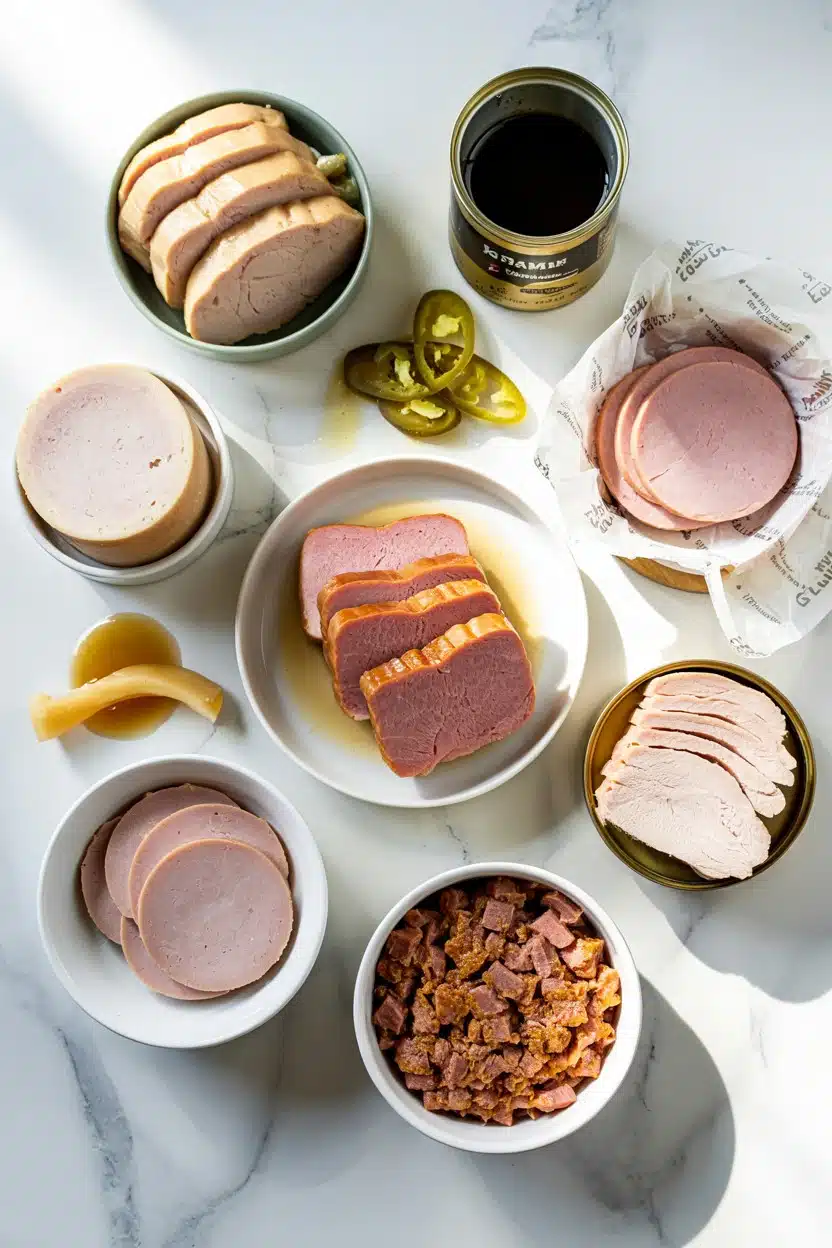
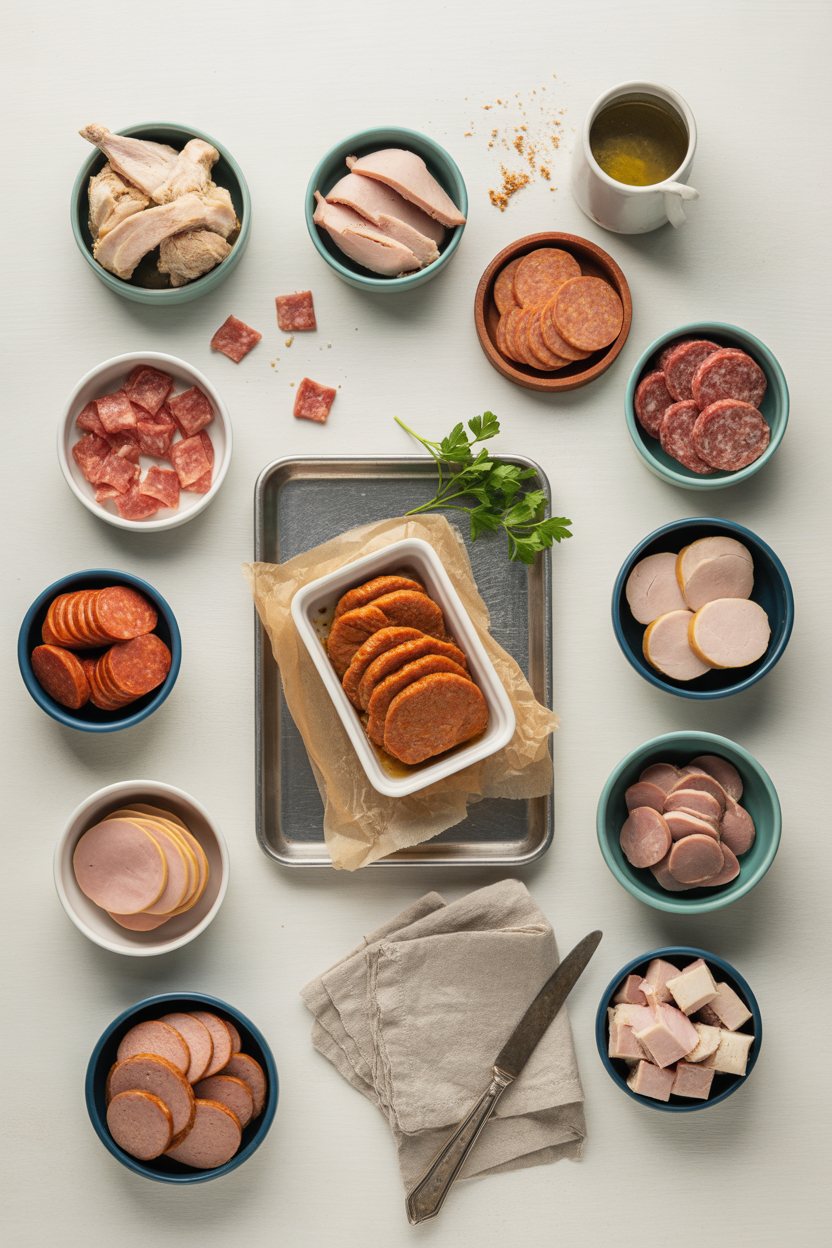
You need Spam's salty-savory punch, but the pantry came up short. That distinct porky richness carries dishes from fried rice to musubi.

5 Best Substitutes for Spam in Savory Quick Meals
spam-substitutes
QUICK SUMMARY

Corned beef and cooked ham stand out for texture and flavor. Prioritize matching either the porky richness or crispy edges first. Press tofu well before marinating to boost flavor absorption and texture. Adjust seasoning to balance saltiness when substituting.

🥩Closest match: Corned beef crisps well and offers a spiced, salty punch like Spam.
⚖️Ratio + fix: Swap 1:1; add a touch of sugar to balance corned beef's saltiness.
🔥Watch heat: Tempeh fries quickly and can burn if the pan is too hot.

The closest swap depends on whether you're chasing that crispy-edged texture or the seasoned flavor profile. Some options nail the fat content; others lean lighter but still deliver.

Quick Substitute Reference
#SubstituteBest ForRatioKey Note
1 Corned Beef 🍳 Cooking 1:1 Saltier and more spiced
2 Cooked Ham 🍳 Cooking 1:1 Less salty, more natural flavor
3 Marinated Tofu 🌱 Vegan 1:1 Absorbs marinades well
4 Smoked Turkey 🍳 Cooking 1:1 Leaner with smoky notes
5 Tempeh 🌱 Vegan 1:1 Nutty and firm texture

5 Spam Replacements for Better Texture

These substitutes range from near-identical canned meats to plant-based options that crisp up nicely. Pick based on what's in your pantry and whether you need that pork flavor or just the hearty bite.

1 - Corned Beef

Canned corned beef shreds more than Spam cubes, but it crisps beautifully in a hot pan. The flavor runs saltier with warm spices like coriander and black pepper baked in.

Cut back on any added salt in your recipe. The brine-cured beef brings plenty. Dice it small for fried rice or crumble it into hash.

If you're also out of corned beef, Corned Beef alternatives worth trying covers options with similar richness.

Skip if: you need neat, uniform cubes that hold their shape.

CORNED BEEF

Works for: Hash, fried rice, breakfast scrambles

Skip if: You want clean cubes or lower sodium

SPAM

Works for: Musubi, sandwiches, sliced and fried

Skip if: You're avoiding pork or processed meats

2 - Cooked Ham

Diced ham from the deli counter swaps in easily. It tastes cleaner-less processed, more recognizable as pork.

You lose that shelf-stable convenience, but the texture holds up in scrambles and salads. Pan-fry the cubes until the edges turn golden for closer results.

The essentials:

  • Works best in breakfast dishes and cold grain salads
  • Needs refrigeration unlike canned options

Skip if: you need something that stores in the pantry for months.

3 - Marinated Tofu

Firm tofu pressed and marinated picks up whatever flavors you throw at it. Soy sauce, sesame oil, and a touch of sugar gets you closer to that sweet-salty Spam profile.

The texture stays softer-no crispy edges without serious pan time. Press out the water for at least 20 minutes before cubing. High heat and minimal flipping helps develop a crust.

Key details:

  • Slice into thin rectangles for musubi
  • Marinade for 30 minutes minimum
  • Fry in a dry nonstick or well-oiled cast iron
  • Add a pinch of smoked paprika for depth

Don't have tofu either? Check instead of Tofu try these for plant proteins with better browning.

Skip if: you want that meaty chew without extra prep work.

Shortcut
Buy pre-marinated baked tofu from the refrigerated section-it's already seasoned and firm enough to slice and fry.

4 - Smoked Turkey

Smoked turkey breast brings that cured, savory quality without the pork. It runs much leaner, so expect less fat rendering in the pan.

Slice it thick and sear quickly over high heat. The smoke flavor comes through nicely in sandwiches and wraps where Spam's boldness might overwhelm.

What to expect:

  • Lighter taste that won't dominate other ingredients
  • Best sliced rather than cubed

Missing smoked turkey too? Browse Turkey alternatives to try for poultry swaps with similar smokiness.

Skip if: that distinctly porky, fatty richness is essential to your dish.

UseRatioNotes
Sandwiches1:1 by weightSlice thick for best texture
Stir-fries1:1 by volumeCube small, sear hot
Salads1:1 by volumeWorks cold without cooking

5 - Tempeh

Tempeh fries up with genuinely crispy edges-better than tofu in that department. The fermented soybean cake has a nutty, earthy flavor that stands on its own.

Slice it thin and shallow-fry until deeply golden. A quick steam before frying removes any bitterness and helps marinades absorb faster. The texture stays firm and slightly chewy.

Here's what to know:

  • Holds up to bold sauces without falling apart
  • Nuttier flavor needs assertive seasoning
  • Crumbles nicely for taco-style fillings

No tempeh on hand either? See Tempeh substitutes for cooking for similar plant proteins that crisp well.

Skip if: you want something milder that disappears into the dish.

Golden Rule
Match the fat content to the cooking method-lean swaps like turkey and tempeh need added oil to crisp properly.

Final Thoughts on Swapping Spam

The right substitute depends on whether you're after convenience, texture, or that salty-savory punch. Corned beef comes closest for flavor; tofu and tempeh work for plant-based meals with some extra prep.

  • Closest match - Corned beef for similar saltiness and fat
  • Easiest grab - Cooked ham from any deli counter
  • Plant-based pick - Tempeh for the best crispy edges

Frequently Asked Questions

Can I substitute bacon for Spam?

Bacon works but changes the dish significantly. It crisps differently and has a smokier, less uniform texture than cubed Spam.

What's the best low-sodium Spam substitute?

Fresh cooked ham or smoked turkey breast both run lower in sodium than canned options. Season to taste since they start milder.

Does tofu actually taste like Spam?

Not on its own. Marinated tofu mimics the salty-sweet profile when seasoned with soy sauce, sugar, and sesame oil, but the texture stays softer.

Can I use these substitutes in Spam musubi?

Corned beef and thick-sliced tofu work best for musubi. Both can be cut into rectangles that sit neatly on the rice block.

Which substitute crisps up the best?

Tempeh gets the crispiest edges when sliced thin and fried in oil. Corned beef also crisps well but shreds rather than holding neat cubes.

5 Best Substitutes for Spam in Savory Quick Meals

5 Best Substitutes for Spam

No ratings yet
This guide helps you choose the best Spam substitute based on flavor and texture preferences. It covers meat and plant-based options with tips on how to prepare and use each effectively.
Print Recipe Pin Recipe
Prep Time 12 minutes mins
Cook Time 8 minutes mins
Total Time 20 minutes mins
Servings: 4 servings
Course: Substitutes
Cuisine: American, Fusion
Ingredients Method Notes

Ingredients
  

  • 1 to Corned Beef Use 1:1 ratio by volume; saltier and more spiced, reduce added salt accordingly
  • 1 to Cooked Ham Use 1:1 ratio by volume; less salty with natural pork flavor, refrigerate as it is not shelf-stable
  • 1 to Marinated Tofu Use 1:1 ratio by volume; absorbs marinades well for sweet-salty flavor, press water out for at least 20 minutes
  • 1 to Smoked Turkey Use 1:1 ratio; leaner with smoky notes, best sliced thick for sandwiches or cubed for stir-fries
  • 1 to Tempeh Use 1:1 ratio by volume; nutty and firm texture, steam before frying to reduce bitterness and absorb marinades

Method
 

  1. Choose your substitute based on desired flavor and texture, and availability in your pantry.
  2. For plant-based options, press tofu for 20 minutes or steam tempeh briefly before use to improve texture and flavor absorption.
  3. Use each substitute at a 1:1 ratio by volume or weight depending on dish requirements.
  4. Dice or slice substitutes as recommended: small dice for corned beef and ham, thin rectangles for tofu, thick slices for smoked turkey, thin slices for tempeh.
  5. Pan-fry substitutes as needed to develop crispy edges, adjusting oil content especially for leaner options like smoked turkey and tempeh.
  6. Adjust seasonings accordingly, reducing salt with corned beef and adding assertive seasoning for nutty tempeh.
  7. Check texture and taste before serving or integrating into your recipe to ensure a balanced substitution.

Notes

Press tofu thoroughly to prevent watery texture which affects dish consistency.

Tried this recipe?

Let us know how it was!

5 Best Substitutes for Vanilla Bean in Baking Desserts

May 2, 2026

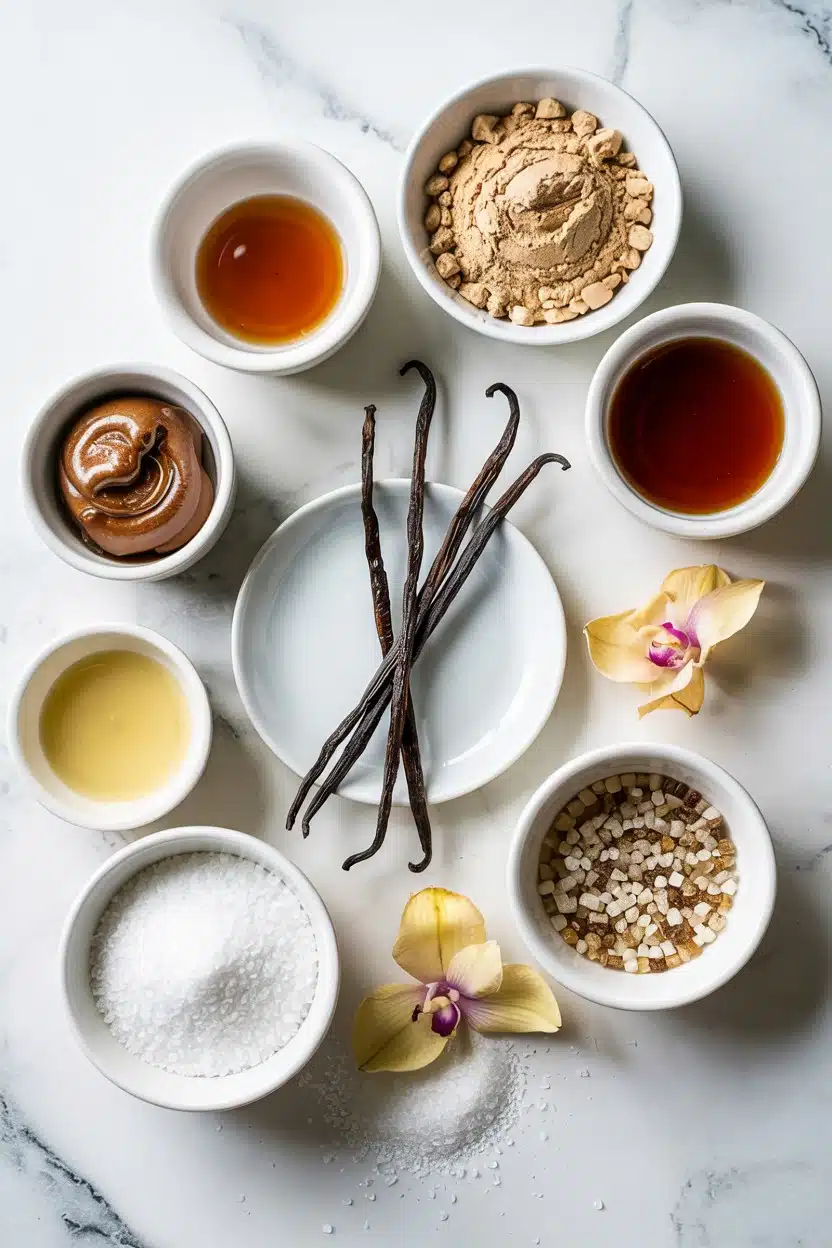
The vanilla bean in your cabinet has dried out, and the recipe calls for fresh seeds scraped from the pod. That distinctive floral depth won't come from a shriveled bean.

5 Best Substitutes for Vanilla Bean in Baking Desserts
vanilla-bean-substitutes
QUICK SUMMARY

Vanilla extract and vanilla paste offer the best flavor and texture balance; first consider whether visible seeds or liquid form suits your recipe. Adjust sweetness or moisture accordingly for best results.

🌿Closest match: Vanilla paste provides real seeds and concentrated flavor like whole beans.
⚖️Ratio + fix: Use 1:1 for extract; reduce added liquid slightly if needed.
⚠️Watch out: Imitation vanilla can taste flat, especially in delicate desserts.

The right swap depends on whether you need visible seeds, concentrated flavor, or just a clean vanilla note. Liquid extracts work differently than pastes or powders, so match the format to your recipe first.

Quick Substitute Reference
#SubstituteBest ForRatioKey Note
1 Vanilla Extract 🥧 Baking 1 teaspoon per bean Less intense, alcohol-based
2 Vanilla Paste ✨ Both 1 tablespoon per bean Visible seeds, concentrated
3 Vanilla Powder 🥧 Baking 1 teaspoon per bean Dry mixes only
4 Imitation Vanilla 🥧 Baking 1 teaspoon per bean Synthetic, less complex
5 Vanilla Sugar 🥧 Baking 1 tablespoon + 1 teaspoon extract Adds sweetness

5 Quick Vanilla Bean Substitutes That Work

These options range from pantry staples to specialty items. The best choice depends on whether you need seeds for appearance, concentrated flavor for custards, or just background vanilla warmth in baked goods.

1 - Vanilla Extract

Vanilla extract delivers the flavor without the visual appeal of specks. The alcohol base burns off during baking, leaving behind that familiar warmth.

Use 1 teaspoon for every vanilla bean the recipe calls for. The flavor reads slightly thinner, so add a pinch more if the dish relies heavily on vanilla as the star.

The essentials:

  • Works in cakes, cookies, and quick breads without any texture change
  • Add at the end for no-bake recipes to preserve the alcohol from cooking off
  • Double the amount in vanilla-forward recipes like buttercream

Skip if: you need visible seeds for presentation.

2 - Vanilla Paste

Vanilla paste bridges the gap between extract and whole beans. The thick syrup contains real seeds suspended in a concentrated base.

VANILLA PASTE

Works for: Custards, ice cream bases, and frostings where seeds matter

Skip if: You need a pourable liquid for thin batters

VANILLA EXTRACT

Works for: Any baked good where seeds aren't visible

Skip if: Presentation demands those signature flecks

One tablespoon replaces one vanilla bean. The flavor runs richer and sweeter than extract, so hold back on other sweeteners slightly.

3 - Vanilla Powder

Ground vanilla beans create a dry alternative that won't add moisture. The powder works in situations where liquid would throw off the recipe balance.

Shortcut
Mix vanilla powder directly into dry ingredients before combining with wet for even distribution.

Use 1 teaspoon per vanilla bean. The flavor leans earthier and less sweet than fresh pods, so pair it with recipes that have other bold flavors.

Dry rubs, spice blends, and homemade hot cocoa mix all take well to powder. Smoothies and wet batters tend to clump.

Skip if: you need the flavor to dissolve into liquid.

4 - Imitation Vanilla

Synthetic vanillin mimics the dominant flavor compound without the complexity of real beans. The taste reads flatter, but baking masks the difference more than you'd expect.

Key details:

  • High-heat baking (cookies, cakes) hides the synthetic edge
  • Use the same 1 teaspoon per bean ratio
  • Avoid in no-bake recipes where the flavor stays raw
  • Works fine when vanilla plays a supporting role

The price difference makes this practical for large batches. Birthday cakes for a crowd won't suffer.

Watch Out
Imitation vanilla tastes noticeably artificial in custards, ice cream, and anything where vanilla dominates.

Skip if: vanilla is the main flavor in your dish.

5 - Vanilla Sugar

Vanilla sugar adds both sweetness and aroma in one ingredient. The infused crystals work when you can adjust for the added sugar content.

Use 1 tablespoon of vanilla sugar plus 1 teaspoon of vanilla extract to match one bean. The sugar alone won't deliver enough punch.

UseRatioNotes
Cookie dough1 tablespoon sugar + 1 teaspoon extractReduce other sugar by 1 tbsp
Whipped cream2 teaspoon vanilla sugar onlySweetens while flavoring
Coffee or tea1 teaspoon vanilla sugarStir until dissolved

Quick specs:

  • Reduce regular sugar in the recipe by the amount of vanilla sugar added
  • Store in an airtight container to keep the flavor strong
  • Works as a finishing sprinkle on toast, fruit, or oatmeal

If you're also out of vanilla sugar, instead of Vanilla Sugar try these for options that add similar aromatic sweetness.

Skip if: you can't adjust the sugar balance in your recipe.

How to Choose a Vanilla Bean Substitute

The format matters more than the brand. Paste and powder give you visible seeds, while extract and imitation deliver flavor without changing texture.

  • Closest match - Vanilla paste for concentrated flavor with real seeds
  • Easiest grab - Vanilla extract, already in most pantries
  • Budget option - Imitation vanilla for high-heat baking where complexity fades

Frequently Asked Questions

How much vanilla extract equals one vanilla bean?

One teaspoon of vanilla extract replaces one vanilla bean. For vanilla-forward recipes, use up to two teaspoons to compensate for the lighter intensity.

Can I use vanilla paste in baking?

Yes, vanilla paste works in any baking recipe. Use one tablespoon per vanilla bean for the same flavor with visible seed specks.

Does imitation vanilla taste different from real vanilla?

Imitation vanilla tastes flatter and less complex. High-heat baking masks the difference, but custards and ice cream expose the synthetic flavor.

When should I use vanilla powder instead of extract?

Use vanilla powder in dry mixes, spice blends, or recipes where added liquid would affect the texture. It won't dissolve well in thin batters.

How do I substitute vanilla sugar without making things too sweet?

Reduce the regular sugar in your recipe by the same amount of vanilla sugar you add. One tablespoon of vanilla sugar plus one teaspoon of extract replaces one bean.

5 Best Substitutes for Vanilla Bean in Baking Desserts

5 Best Substitutes for Vanilla Bean

No ratings yet
This guide covers five practical substitutes for vanilla bean, detailing their best uses, substitution ratios, and key considerations to help you choose and use each option effectively in your recipes.
Print Recipe Pin Recipe
Prep Time 7 minutes mins
Cook Time 6 minutes mins
Total Time 13 minutes mins
Servings: 6 servings
Course: Substitution Guide
Cuisine: Universal
Ingredients Method Notes

Ingredients
  

  • 1 teaspoon Vanilla Extract Less intense, alcohol-based; use 1 teaspoon per vanilla bean the recipe calls for
  • 1 tablespoon Vanilla Paste Visible seeds, concentrated; use 1 tablespoon per vanilla bean
  • 1 teaspoon Vanilla Powder Dry mixes only; use 1 teaspoon per vanilla bean
  • 1 teaspoon Imitation Vanilla Synthetic, less complex; use 1 teaspoon per vanilla bean
  • 1 tablespoon Vanilla Sugar Adds sweetness; use 1 tablespoon vanilla sugar plus 1 teaspoon vanilla extract per vanilla bean

Method
 

  1. Select your substitute based on recipe needs: visible seeds, concentrated flavor, or a simple vanilla note.
  2. For baking without seeds, add vanilla extract at the ratio of 1 teaspoon per vanilla bean.
  3. Use vanilla paste for custards, ice cream, or frostings when seed appearance matters; add 1 tablespoon per vanilla bean.
  4. Mix vanilla powder into dry ingredients before combining with wet to avoid clumping; use 1 teaspoon per vanilla bean.
  5. Use imitation vanilla in high-heat baked goods at 1 teaspoon per vanilla bean, avoiding use in no-bake recipes.
  6. For added sweetness, substitute vanilla sugar by using 1 tablespoon plus 1 teaspoon vanilla extract per vanilla bean and reduce other sugars accordingly.
  7. Adjust quantities slightly if the recipe is vanilla-forward, and taste test for desired flavor intensity and texture after mixing.

Notes

Add vanilla paste slowly to custards to prevent watery texture and preserve seed appearance.

Tried this recipe?

Let us know how it was!

5 Best Substitutes for Urad Dal for Indian Cooking

May 2, 2026

You need urad dal to hold the batter together. The jar is empty, and the recipe won't wait.

5 Best Substitutes for Urad Dal for Indian Cooking
urad-dal-substitutes
QUICK SUMMARY

Yellow moong dal and chana dal offer the best texture and flavor balance. Focus on matching the binding and fermentation needs of your dish. Adjust cooking times since some substitutes break down faster or hold shape more firmly.

🌱Closest match: Yellow moong dal cooks smooth and mild, similar to urad dal's texture.
⚖️Ratio + tweak: Swap 1:1; reduce cooking time for faster-cooking dals like yellow moong or red lentils.
🔥Watch heat: Besan flour can turn grainy if overcooked, losing urad dal's binding effect.

Each substitute handles fermentation and texture differently. Match the function first-binding, fermentation, or thickening-then pick based on what you have.

Quick Substitute Reference
#SubstituteBest ForRatioKey Note
1 Yellow Moong Dal 🍳 Cooking 1:1 Milder, less earthy
2 Chana Dal 🍳 Cooking 1:1 Nutty, slightly sweeter
3 Whole Urad Dal ✨ Both 1:1 Soak longer for softness
4 Besan Flour 🍳 Cooking 2 tbsp:1 tbsp Grainy, no whole dal texture
5 Red Lentils 🍳 Cooking 1:1 Cooks faster, less sticky

5 Urad Dal Replacements for Better Texture

These swaps range from pantry staples to specialty options. Start with what matches your dish-fermented batters need different qualities than simple dals.

1 - Yellow Moong Dal

Yellow moong dal cooks faster and breaks down into a smooth consistency. The flavor runs milder with less of that distinctive earthy depth urad dal provides.

Use equal amounts by volume. Add a pinch of asafoetida to boost the savory backbone if the dish tastes flat.

Skip if: you need fermented batter for dosa or idli-moong dal won't develop the same tangy complexity.

2 - Chana Dal

Chana dal holds its shape better than urad dal, giving dishes more texture. The flavor leans nutty and slightly sweeter, which works well in tadka-style preparations.

Key details:

  • Soak longer - chana dal needs 4-6 hours to soften properly.
  • Expect firmer bites - it won't melt into the dish like urad dal does.

Urad Dal

Works for: creamy dals, fermented batters, binding

Skip if: you want distinct dal pieces

Chana Dal

Works for: textured dals, tadka, dry preparations

Skip if: the recipe needs creaminess

3 - Whole Urad Dal

Whole urad dal delivers the same earthy, robust flavor with a stronger nuttiness. The skin adds texture and visual contrast that split urad dal lacks.

Soak for 6-8 hours minimum-the skin takes longer to soften. Blend thoroughly if you're making batter; otherwise, expect a slightly coarser grind.

If you're also out of whole urad dal, Urad Dal substitutes for cooking covers options with similar binding strength.

Best Pick
Whole urad dal gives you the closest match for fermented batters-same flavor profile, just needs extra soaking time.

4 - Besan Flour

Besan flour works as a binder in fried snacks and pakoras where urad dal typically adds structure. The texture turns out grainier, and you lose the whole dal presence entirely.

Use 2 tablespoons besan for every 1 tablespoon urad dal called for. Mix with a little water to form a paste before adding to batters.

Don't have besan either? Check replacements similar to Lentil for binding alternatives that work in batters.

Skip if: you need whole dal pieces or that characteristic urad flavor-besan brings chickpea notes instead.

Shortcut
Besan mixed with rice flour creates a crispier coating than besan alone when replacing urad dal in fried items.

5 - Red Lentils

Red lentils cook in half the time and break down completely into a smooth consistency. The flavor stays mild with a slight sweetness-less earthy than urad dal.

The essentials:

  • Reduce cooking time - red lentils turn mushy in 15-20 minutes.
  • Add more seasoning - the milder flavor needs support from spices.
  • Skip the soak - red lentils cook fine without presoaking.

For more options when legumes run low, simple Lentil substitutes list ranks alternatives by cooking behavior.

Skip if: you're making sticky, creamy dal-red lentils won't achieve that texture.

UseRatioNotes
Quick weeknight dal1:1Cooks faster than urad dal
Soup base1:1Dissolves completely for smooth texture
Mixed dal dishes1:1Pair with chana dal for texture contrast

Before You Swap Urad Dal

No substitute perfectly replicates urad dal's unique binding and fermentation properties. Match the role first-whole urad dal works best for fermented batters, while moong dal or red lentils handle simple dals fine.

  • Closest match - Whole urad dal, same flavor and fermentation
  • Easiest grab - Yellow moong dal, cooks quickly
  • Texture alternative - Chana dal, holds shape well

Frequently Asked Questions

Can I use moong dal instead of urad dal for dosa batter?

Moong dal works but produces a different result. The batter ferments less actively and creates softer, less crispy dosas without that signature tang.

What ratio should I use when substituting besan for urad dal?

Use 2 tablespoons besan flour for every 1 tablespoon urad dal. Mix with water to form a paste before adding to your recipe.

Will red lentils make my dal as creamy as urad dal?

Red lentils create a smooth texture but lack the sticky, creamy quality urad dal provides. The result tastes good but feels lighter.

Do I need to soak chana dal before using it as a substitute?

Yes, soak chana dal for 4-6 hours minimum. It takes longer to soften than urad dal and stays firmer even after cooking.

Which substitute works best for someone avoiding urad dal due to digestion issues?

Yellow moong dal digests easier than most alternatives. It's lighter and less likely to cause bloating while still providing similar protein content.

5 Best Substitutes for Urad Dal for Indian Cooking

5 Best Substitutes for Urad Dal

No ratings yet
This guide details five effective substitutes for urad dal, highlighting their best uses, preparation tips, and how to adjust quantities for optimal results in various dishes.
Print Recipe Pin Recipe
Prep Time 9 minutes mins
Cook Time 6 minutes mins
Total Time 15 minutes mins
Servings: 4 servings
Course: Cooking
Cuisine: Indian-Inspired
Ingredients Method Notes

Ingredients
  

  • 1 Yellow Moong Dal Use equal volume to urad dal; add a pinch of asafoetida to boost flavor if needed
  • 1 Chana Dal Soak 4-6 hours before use; holds shape with nutty, sweeter flavor
  • 1 Whole Urad Dal Soak 6-8 hours minimum; longer soak for softness and blend thoroughly for batter
  • 2 tablespoon Besan Flour Use 2 tablespoon besan for every 1 tablespoon urad dal; mix with water to form paste before adding
  • 1 Red Lentils Use equal volume; cook faster without soaking; add more seasoning to support mild flavor

Method
 

  1. Choose your substitute based on desired dish function: binding, fermentation, or thickening.
  2. Prepare chana dal by soaking for 4 to 6 hours and whole urad dal for 6 to 8 hours before use.
  3. Blend whole urad dal thoroughly when making fermented batter; expect coarser texture if not fully processed.
  4. Mix besan flour with water to form a paste before adding; use twice the besan amount compared to urad dal.
  5. Use yellow moong dal and red lentils in equal volume to urad dal; reduce cooking time for red lentils.
  6. Add asafoetida when using yellow moong dal to enhance savory flavor if the dish tastes bland.
  7. Adjust seasoning when using red lentils as their flavor is milder and sweeter compared to urad dal.
  8. Check texture and taste regularly to ensure the substitute behaves as expected and the dish achieves desired consistency.

Notes

Blend whole urad dal thoroughly to prevent gritty texture and ensure proper batter binding.

Tried this recipe?

Let us know how it was!

7 Best Substitutes for Wonton Wrapper in Asian Dumpling Cooking

May 2, 2026

You're doubling the batch and the wonton wrapper stack runs out halfway through folding. These thin wheat sheets seal dumplings tight and crisp up fast in hot oil, so the swap needs similar stretch and heat tolerance.

7 Best Substitutes for Wonton Wrapper in Asian Dumpling Cooking
wonton-wrapper-substitutes
QUICK SUMMARY

Spring roll wrappers and gyoza wrappers best replicate wonton texture and heat tolerance. Focus on texture first-thickness affects chewiness and crispness. For frying, slightly thicker wrappers hold up better. Keep wrappers covered to prevent drying out during prep.

🥟Closest feel: Gyoza wrappers offer similar chew and crisp pan-fry results.
⚖️Ratio + fix: Swap 1:1; add a light oil brush to spring roll wrappers for pliability.
🔥Watch heat: Phyllo burns quickly; bake at lower temps to avoid burning.

The right substitute depends on your cooking method - frying, steaming, and boiling each demand different wrapper behavior. Check the table below for the fastest match, then read the details for adjustments.

Quick Substitute Reference
#SubstituteBest ForRatioKey Note
1 Spring Roll Wrapper 🍳 Cooking 1:1 Thicker and chewier
2 Phyllo Dough 🥧 Baking 1:1 layered Crispy and flaky
3 Gyoza Wrapper 🍳 Cooking 1:1 Slightly thicker
4 Rice Paper Wrapper 🍳 Cooking 1:1 soaked Translucent when cooked
5 Tortilla 🍳 Cooking 1 small = 2 Fusion-style only
6 Fresh Pasta Dough 🍳 Cooking Match size Chewier texture
7 Homemade Dough ✨ Both Match size Texture varies

7 Wonton Wrapper Replacements for Better Texture

Each option handles heat and moisture differently. Pick based on whether you're frying, steaming, or boiling - and what's already in your kitchen.

1 - Spring Roll Wrapper

Spring roll wrappers fry up golden and hold fillings securely. They're thicker than wonton wrappers, which means a chewier bite instead of that delicate snap.

Use them for fried dumplings or steamed parcels where a heartier texture works. The neutral flavor won't compete with your filling.

Here's what to know:

  • Swap 1:1 - One sheet replaces one wonton wrapper directly.
  • Fry at medium-high - Lower heat prevents burning before the inside cooks.
  • Steam for 8-10 minutes - They need longer than standard wontons.
  • Seal edges with water - Press firmly since the dough is less pliable.

SPRING ROLL WRAPPER

Works for: Fried dumplings, steamed buns, crispy appetizers

Skip if: You need paper-thin, delicate wontons for soup

WONTON WRAPPER

Works for: Soup wontons, quick-cooking fried dumplings

Skip if: You want a sturdier wrapper that won't tear

2 - Phyllo Dough

Phyllo bakes into shatteringly crisp layers that wonton wrappers can't match. The buttery flavor adds richness, making this ideal for baked appetizers rather than traditional dumplings.

Roll your filling in 2-3 sheets for structure. Brush butter between layers to prevent cracking.

Skip if: You're steaming dumplings - phyllo turns gummy without dry heat.

3 - Gyoza Wrapper

Gyoza wrappers are the closest relative to wonton wrappers. Slightly thicker with a chewier bite, they handle pan-frying beautifully and create those crispy-bottomed potstickers everyone fights over.

The essentials:

  • Use 1:1 - Same size, same folding technique.
  • Pan-fry with steam - Add water to the pan, cover, then crisp the bottoms.
Best Pick
Gyoza wrappers deliver the closest texture to traditional wontons - grab these first if your store carries them.

Skip if: You want ultra-thin wontons for clear soup.

4 - Rice Paper Wrapper

Rice paper turns translucent and slightly chewy when hydrated. It works for fresh rolls and lightly steamed dumplings where you want a delicate, gluten-free option.

Dip sheets in warm water for 5-10 seconds - no longer. Overly soft papers tear during folding.

If you're also missing rice paper, Rice Paper replacements for steaming covers alternatives that handle moisture similarly.

Skip if: You're deep frying - rice paper becomes greasy and chewy, not crispy.

5 - Tortilla

Tortillas create fusion-style dumplings with a denser, breadier texture. Cut small tortillas into quarters or use a round cutter to approximate wonton size.

Corn tortillas add earthy flavor. Flour tortillas stay neutral but won't crisp the same way.

Quick specs:

  • One small tortilla equals two wonton wrappers - Cut to size before filling.
  • Pan-fry or bake - Boiling makes them fall apart.
Shortcut
Brush tortilla pieces with oil before baking at 400°F for crispy wonton chips without frying.

Skip if: You're making traditional wonton soup or want authentic texture.

6 - Fresh Pasta Dough

Fresh pasta sheets work for boiled dumplings when you want a tender, toothsome wrapper. Roll them thin - about 1mm - for the best results.

The wheat flavor comes through stronger than wonton wrappers. Egg-based doughs add richness that pairs well with pork or shrimp fillings.

Key details:

  • Match sheet size to wonton dimensions - Cut into 3-inch squares.
  • Boil 3-4 minutes - Test one first since thickness varies.
UseRatioNotes
Boiled dumplingsMatch sizeRoll thin, cook 3-4 min
Pan-friedMatch sizeCrisp edges nicely
Deep friedAvoidToo thick, turns tough

Skip if: You need crispy fried wontons - pasta dough toughens in oil.

7 - Homemade Dough

A simple flour-and-water dough lets you control thickness and size exactly. Mix 2 cups flour with ¾ cup boiling water, knead until smooth, rest 30 minutes.

Texture depends entirely on your technique. Well-kneaded dough stays pliable. Under-worked dough cracks at the edges.

Skip if: You need to prep quickly - this adds 45+ minutes to your timeline.

Golden Rule
Rest the dough covered for at least 30 minutes. Skipping this step guarantees tough, shrinking wrappers.

Final Tips for Wonton Wrapper Substitutes

The right swap depends on your cooking method more than anything else. Gyoza wrappers come closest for most recipes, while spring roll wrappers handle frying better than the rest.

Test with a small batch before committing. Most swaps need minor tweaks to timing or temperature.

  • Closest match - Gyoza wrappers, nearly identical thickness
  • Easiest grab - Tortillas, already in most kitchens
  • Gluten-free option - Rice paper wrappers, light and translucent

Frequently Asked Questions

Can I use egg roll wrappers instead of wonton wrappers?

Yes, but cut them smaller. Egg roll wrappers are thicker and larger, so trim them to 3-inch squares for wonton-sized portions.

What's the best wonton wrapper substitute for soup?

Gyoza wrappers work best for soup. They're thin enough to stay delicate but hold up to simmering without falling apart.

Do wonton wrapper substitutes freeze well?

Most do. Freeze filled dumplings on a sheet pan first, then transfer to bags. Cook from frozen, adding 1-2 minutes to the cooking time.

Why do my substitute wrappers keep tearing?

You're likely overfilling or using too much moisture. Use less filling and seal edges with just a dab of water, pressing firmly.

Can I make wonton wrappers without a pasta machine?

Absolutely. Roll homemade dough with a rolling pin until paper-thin. It takes patience but works perfectly for small batches.

7 Best Substitutes for Wonton Wrapper in Asian Dumpling Cooking

7 Best Substitutes for Wonton Wrapper

No ratings yet
Choose the best wonton wrapper substitute based on your cooking method-frying, steaming, or boiling. This guide helps you pick, prepare, and adjust ratios for seven common alternatives available in most kitchens.
Print Recipe Pin Recipe
Prep Time 7 minutes mins
Cook Time 8 minutes mins
Total Time 15 minutes mins
Servings: 4 servings
Course: Substitutes
Cuisine: Asian-Inspired
Ingredients Method Notes

Ingredients
  

  • 1 Spring Roll Wrapper Use 1:1 substitute; thicker and chewier than wonton wrappers.
  • Phyllo Dough Use 1:1 layered sheets; bake for crispy and flaky substitution.
  • 1 Gyoza Wrapper Use 1:1 substitute; slightly thicker with chewier texture.
  • 1 Rice Paper Wrapper Use soaked 1:1 sheets; translucent and gluten-free option.
  • 0.5 small Tortilla Use one small tortilla for two wonton wrappers; fusion-style only.
  • Fresh Pasta Dough Match size to wonton wrappers; roll thin for tender dumplings.
  • Homemade Dough Match size to wonton wrappers; texture varies based on kneading.

Method
 

  1. Select your substitute based on cooking method: frying, steaming, or boiling.
  2. Prepare the substitute as needed, such as soaking rice paper or layering phyllo dough sheets.
  3. Apply the recommended ratio: 1:1 for most substitutes, 1 small tortilla equals 2 wonton wrappers for tortillas.
  4. Adjust cooking times and techniques according to the substitute: steam spring roll wrappers longer, pan-fry gyoza with steam, avoid deep frying pasta dough.
  5. Seal edges firmly with water for less pliable doughs like spring roll wrappers to prevent tearing.
  6. Test a small batch first to fine-tune timing and temperature for best texture and cooking results.

Notes

Soak rice paper wrapper sheets briefly to prevent tearing during folding.

Tried this recipe?

Let us know how it was!

7 Best Substitutes for Ziti Pasta in Baked Italian Dishes

May 2, 2026

You're halfway through building a baked ziti and the box is empty. Ziti's smooth, tube-shaped pasta catches sauce inside and outside, giving each bite a creamy-to-crispy contrast in casseroles.

7 Best Substitutes for Ziti Pasta in Baked Italian Dishes
ziti-pasta-substitutes
QUICK SUMMARY

Penne and Rigatoni offer the best texture and sauce-holding for baked dishes. Prioritize tube size and ridges to keep sauce inside. For casseroles, choose sturdier shapes to prevent mushiness.

🍝Closest feel: Penne's size and ridges closely mimic ziti's sauce grip.
⚖️Ratio + fix: Swap 1:1; slightly increase baking time for thicker rigatoni tubes.
🔥Watch heat: Cannelloni needs cutting down and careful baking to avoid overcooking.

Not every tube pasta behaves the same way in the oven. Pick a substitute that matches the size and texture you need-some hold more sauce, others cook faster.

Quick Substitute Reference
#SubstituteBest ForRatioKey Note
1 Penne 🍳 Cooking 1:1 Ridged texture grips sauce
2 Rigatoni 🍳 Cooking 1:1 Larger tubes, chunkier bite
3 Macaroni ✨ Both 1:1 Smaller size, different mouthfeel
4 Cannelloni 🍳 Cooking Equal volume Best for stuffed dishes
5 Rotini ✨ Both 1:1 Spirals trap sauce differently
6 Fusilli ✨ Both 1:1 Twisted shape, chewier texture
7 Ditalini Blend 🍳 Cooking Equal volume Small tubes for soups

7 Ziti Pasta Substitutes Without Big Changes

These swaps range from nearly identical tubes to spiral shapes that hold sauce in different ways. Match the pasta to your dish-baked casseroles need sturdier shapes, while pasta salads work with almost anything.

1 - Penne

Penne is the closest swap you'll find. The diagonal-cut tubes are almost the same length as ziti, and the ridged exterior grabs onto meat sauce and cheese.

The main difference is texture. Penne's ridges create more surface area, so sauces cling better than on smooth ziti. Use equal amounts-1 cup ziti equals 1 cup penne with no cooking time adjustment needed.

Skip if: you specifically want smooth pasta for a cleaner presentation.

ZITI

Works for: Classic baked pasta with smooth tubes

Skip if: You want more sauce in every bite

PENNE

Works for: Any baked dish where sauce coverage matters

Skip if: Smooth texture is essential

2 - Rigatoni

Rigatoni runs larger than ziti-wider tubes with ridged walls that hold chunky meat sauces inside. The heftier bite changes the dish's feel, making each forkful more substantial.

Expect a chewier texture in baked dishes. The bigger tubes take slightly longer to cook through, so check doneness a minute or two earlier than the box suggests if you're parcooking before baking.

Key details:

  • Ratio - Use equal amounts by volume.
  • Best for - Bolognese, sausage ragù, or any sauce with chunks.
  • Adjust - Reduce baking time by 5 minutes if pasta is fully cooked before assembly.
  • Watch for - Tubes can trap air pockets; stir sauce through before topping with cheese.

Skip if: you want a more delicate, refined pasta dish.

3 - Macaroni

Elbow macaroni swaps in easily for ziti but delivers a different eating experience. The curved, smaller shape means more pasta pieces per bite and a softer mouthfeel.

This works best in mac-and-cheese-style baked dishes or casseroles where you want every spoonful packed with pasta. The smaller size cooks faster, so reduce boiling time by 2-3 minutes.

Shortcut
Skip parcooking-add dried macaroni directly to a saucier bake and extend oven time by 10 minutes.

Skip if: you need longer tubes for a traditional baked ziti presentation.

4 - Cannelloni

Cannelloni tubes are much wider and longer-designed for stuffing with ricotta or meat fillings rather than tossing with sauce. You can cut them to fit if needed.

The texture stays tender-soft inside while the exposed edges crisp in the oven. This swap changes the dish dramatically, moving from scoopable baked pasta to something closer to stuffed shells.

Use equal volume if cutting to size. Keep filled cannelloni seam-side down to prevent splitting during baking.

Skip if: you want a quick weeknight dinner-stuffing takes time.

UseRatioNotes
Stuffed baked dishesEqual volumeCut to fit if tubes are too long
Layered casserolesEqual volumeArrange seam-side down
Individual portions2–3 tubes per servingFill generously for best results

5 - Rotini

Rotini's tight spirals catch sauce in every crevice, making this a strong choice for pasta salads or baked dishes with thinner sauces. The shape holds up well without getting mushy.

The twist changes how the dish eats-more textured, slightly chewier. It won't look like traditional baked ziti, but the flavor delivery actually improves with chunky vegetable or meat sauces.

The essentials:

  • Ratio - Swap 1:1 by volume.
  • Cook time - Same as ziti; no adjustment needed.
  • Best for - Cold pasta salads, veggie-heavy bakes.
  • Texture note - Spirals stay firmer longer in leftovers.
Best Pick
Rotini works better than ziti for make-ahead dishes-the spirals resist sogginess when reheated.

Skip if: tube-shaped pasta is specifically required for the recipe.

6 - Fusilli

Fusilli looks similar to rotini but with a looser, longer twist. The shape grabs thick sauces well and adds visual interest to baked dishes.

Expect a slightly chewier bite than ziti. The twisted shape means sauce pools in the grooves rather than inside a tube, so you get flavor on every surface.

Use equal amounts with no changes to cooking time. This swap works especially well with pesto or cream-based sauces that coat rather than fill.

Golden Rule
Fusilli pairs best with sauces that cling-too-thin sauces slide right off the twists.

Skip if: you need the hollow center for sauce to pool inside.

7 - Ditalini Blend

Ditalini are tiny tube-shaped pasta pieces-think of them as miniature rigatoni. A blend with slightly larger shapes gives you variety in each bite.

What to expect:

  • Size - Much smaller than ziti; changes portion perception.
  • Best for - Soups, pasta e fagioli, or loose casseroles.
  • Ratio - Use equal volume; cooking time drops by 2-3 minutes.

The small size means faster cooking and a different texture-more like a thick stew than a sliceable baked pasta. This works when you want comfort food that eats with a spoon.

Skip if: you need long pasta tubes that hold their shape when sliced.

Before You Swap Ziti Pasta

Most of these substitutes work without changing your recipe beyond minor timing adjustments. Penne comes closest in size and behavior, making it the safest grab for baked ziti.

For dishes where presentation matters less than flavor, rigatoni or rotini both deliver. Start with what's in your pantry-these shapes are forgiving.

  • Closest match - Penne, nearly identical size and cook time
  • Easiest grab - Macaroni, almost always on hand
  • Bold alternative - Rigatoni, bigger bite with better sauce grip

Frequently Asked Questions

Can I use penne instead of ziti without changing the recipe?

Yes, penne swaps 1:1 with no changes needed. The ridged texture actually holds sauce better than smooth ziti.

Will spiral pasta work in baked ziti?

Rotini and fusilli both work well in baked dishes. The texture changes slightly, but they hold sauce and reheat better than tubes.

Does rigatoni cook the same as ziti?

Rigatoni is slightly larger, so it may need an extra minute of boiling. Check for doneness before draining to avoid undercooking.

Can I use macaroni in baked ziti for kids?

Macaroni works great for kid-friendly portions. The smaller pieces are easier to eat and cook faster, so reduce boiling time by 2-3 minutes.

What pasta substitute works best for leftover baked ziti?

Rotini holds up best when reheated. The spiral shape resists getting mushy, unlike smooth tubes that can turn soft overnight.

7 Best Substitutes for Ziti Pasta in Baked Italian Dishes

7 Best Substitutes for Ziti Pasta

No ratings yet
When out of ziti pasta, use these 7 substitutes based on your dish and desired texture. Choose by sauce hold, cooking time, or presentation needs for baked casseroles or pasta salads.
Print Recipe Pin Recipe
Prep Time 6 minutes mins
Cook Time 8 minutes mins
Total Time 14 minutes mins
Servings: 4 servings
Course: Main Dish
Cuisine: Italian
Ingredients Method Notes

Ingredients
  

  • 1 cup Penne Ridged texture grips sauce well; swap 1:1 with ziti, no cooking time change
  • 1 cup Rigatoni Larger tubes, chunkier bite; use equal volume, reduce baking time by 5 minutes if pre-cooked
  • 1 cup Macaroni Smaller size; use equal volume, reduce boiling time by 2-3 minutes or skip parcooking and extend oven time by 10 minutes
  • Cannelloni Best for stuffed dishes; use equal volume, cut to fit if needed and keep seam-side down during baking
  • 1 cup Rotini Spiral shape traps sauce differently; swap 1:1 by volume with no cook time change
  • 1 cup Fusilli Twisted shape with chewier texture; swap 1:1, best with sauces that cling to surface
  • Ditalini Blend Small tubes for soups; use equal volume, cooking time drops by 2-3 minutes

Method
 

  1. Choose your substitute based on your dish type and desired pasta texture or sauce hold.
  2. Measure the substitute by volume as noted, usually 1:1 with ziti or equal volume.
  3. Adjust cooking or baking time according to the substitute selected, reducing or extending as specified.
  4. When using substitutes like cannelloni, cut to fit and arrange seam-side down to prevent splitting.
  5. For smaller shapes like macaroni or ditalini, consider skipping parcooking and extending oven bake time if suitable.
  6. Taste and check the consistency near the end of cooking to ensure proper doneness and sauce coverage.

Notes

Drain penne pasta thoroughly to prevent watery sauce and ensure proper binding in baked dishes.

Tried this recipe?

Let us know how it was!

7 Best Substitutes for Wild Rice in Grain Bowls and Salads

May 2, 2026

You reach for wild rice and the bag is empty. That earthy, chewy grain adds texture and nutty depth that plain rice can't match.

7 Best Substitutes for Wild Rice in Grain Bowls and Salads
wild-rice-substitutes
QUICK SUMMARY

Brown rice and black rice best replicate wild rice's texture and flavor. Focus on chew first, then color or cooking time. For softer results, cook substitutes slightly less to retain bite.

🌾Closest match: Black rice offers similar chew and a striking dark color.
⚖️Ratio + fix: Swap 1:1; reduce cooking time slightly to avoid mushiness.
⏳Watch out: Quinoa cooks faster and changes texture, so adjust timing carefully.

The right substitute depends on whether you need that signature chew or just a hearty grain base. Some swaps cook faster, some softer, and a few bring their own distinct flavors that change the dish.

Quick Substitute Reference
#SubstituteBest ForRatioKey Note
1 Brown Rice 🍳 Cooking 1:1 Milder and softer
2 Quinoa 🍳 Cooking 1:1 cooked Lighter, smaller grains
3 Farro 🍳 Cooking 1:1 cooked Earthy, chewy texture
4 Barley 🍳 Cooking 1:1 cooked Contains gluten
5 Black Rice 🍳 Cooking 1:1 cooked Slightly sweet, chewy
6 Bulgur Wheat 🍳 Cooking 1:1 cooked Cooks quickly, softer
7 Freekeh 🍳 Cooking 1:1 cooked Smoky, firm texture

7 Quick Wild Rice Substitutes That Work

These options range from pantry staples to specialty grains. The closest matches come first, with bolder alternatives following for when you want something different.

1 - Brown Rice

Brown rice lands softer than wild rice, without that distinctive chew. The flavor runs milder too-more neutral than nutty.

Use it in grain bowls where other toppings carry the flavor load. Add a splash of soy sauce or toasted sesame oil to boost depth.

Here's what to know:

  • Use 1 cup brown rice per 1 cup wild rice called for.
  • Cooking time runs about 45 minutes for most varieties.
  • Works best mixed with vegetables or in casseroles.

If you're also out of brown rice, Brown Rice replacements that work covers similar grain options.

Skip if: you need that chewy bite wild rice brings.

Brown Rice

Works for: Grain bowls, casseroles, stuffed peppers

Skip if: Chewy texture matters

Quinoa

Works for: Light salads, quick sides

Skip if: You want substantial chew

2 - Quinoa

Quinoa cooks in half the time and brings a lighter, fluffier texture. The grains are much smaller, so the visual changes significantly.

That nutty flavor stays present but reads more delicate. It works beautifully in cold salads where wild rice might feel too heavy.

Don't have quinoa either? Check swaps when Quinoa runs out for similar quick-cooking grains.

Skip if: the dish relies on wild rice's hearty chew.

3 - Farro

Farro brings serious chew-even more robust than wild rice. The earthy, wheaty flavor stands up to bold dressings and roasted vegetables.

The essentials:

  • Use 1 cup cooked farro per 1 cup cooked wild rice.
  • Pearled farro cooks in 20 minutes; whole farro needs 40.
  • Toast it dry first for deeper nutty flavor.
  • Holds up well in meal prep without turning mushy.

The texture actually improves after a day in the fridge. Farro absorbs dressing without falling apart.

No farro on hand? Try easy Farro swaps that work for chewy alternatives.

Skip if: you need a gluten-free option.

Best Pick
Farro delivers the closest chew to wild rice-use it when texture matters most.

4 - Barley

Barley offers a mild, slightly sweet flavor with good chew, though softer than wild rice. It absorbs broth beautifully, making it ideal for soups.

Pearl barley cooks faster than hulled. Either works, but adjust your liquid-barley drinks up more water than wild rice.

Quick specs:

  • Substitute 1:1 by cooked volume.
  • Add extra broth if using in pilafs or risotto-style dishes.
  • The starch makes it naturally creamy when stirred.

Missing barley too? See Barley swaps by recipe type for firm grain options.

Skip if: gluten is a concern.

5 - Black Rice

Black rice matches wild rice's chew almost perfectly. The dramatic purple-black color makes it a stunning stand-in for special occasions.

Key details:

  • Swap 1:1 by cooked volume.
  • Expect a slightly sweet, nutty flavor with hints of berry.

The color bleeds during cooking, so keep that in mind for lighter dishes.

If black rice isn't available either, Rice alternatives that absorb lists grains with similar texture.

Skip if: you want a lighter, fluffier result.

UseRatioNotes
Grain bowls1:1 cookedBlack rice adds visual drama
Salads1:1 cookedColor may tint lighter ingredients
Stuffings1:1 cookedHolds shape well after baking

6 - Bulgur Wheat

Bulgur cooks in about 15 minutes-a fraction of wild rice's time. The texture runs much softer, with a light, nutty flavor.

What to expect:

  • Use 1 cup cooked bulgur per 1 cup cooked wild rice.
  • Pour boiling water over it and let it sit-no active cooking needed.
  • Works well in tabbouleh-style preparations.
  • The softer texture absorbs dressings quickly.

Skip if: you want that firm, chewy bite.

Shortcut
Bulgur needs only boiling water and 15 minutes-perfect for last-minute grain swaps.

7 - Freekeh

Freekeh brings a distinctive smoky flavor from the roasting process. The texture stays firm and chewy, closer to wild rice than most grains.

It's made from young wheat, so the flavor runs greener and more complex. Use it where you'd appreciate that smokiness-alongside grilled meats or roasted vegetables.

The essentials:

  • Substitute 1:1 by cooked volume.
  • Cracked freekeh cooks in 20 minutes; whole needs 45.

Skip if: you need gluten-free.

Watch Out
Freekeh's smoky flavor changes the dish-taste as you go and adjust seasonings.

Making Wild Rice Substitutes Work

The best choice depends on what you're making. For cold salads and grain bowls, quinoa or farro work well. For soups and warm dishes, barley or brown rice absorb flavors beautifully.

  • Closest match - Farro for similar chewy texture
  • Easiest grab - Brown rice, likely already in the pantry
  • Gluten-free option - Black rice with matching chew

Frequently Asked Questions

What's the best substitute for wild rice in soup?

Barley works best in soups because it absorbs broth and adds body without falling apart. Use the same amount and add 10 extra minutes of cooking time.

Can I substitute brown rice for wild rice in a casserole?

Yes, use a 1:1 ratio. Brown rice is softer and milder, so the texture changes, but it bakes well and holds together in casseroles.

What gluten-free grain has similar texture to wild rice?

Black rice comes closest with its chewy texture and nutty flavor. Quinoa works too but has smaller grains and lighter texture.

Do I need to adjust cooking liquid when substituting for wild rice?

It depends on the grain. Barley absorbs more liquid, so add extra broth. Quinoa and bulgur need less water than wild rice typically does.

Which substitute cooks fastest when I'm short on time?

Bulgur wheat cooks in 15 minutes with just boiling water. Quinoa takes about 15-20 minutes on the stovetop. Both cut cooking time significantly compared to wild rice's 45-60 minutes.

7 Best Substitutes for Wild Rice in Grain Bowls and Salads

7 Best Substitutes for Wild Rice

No ratings yet
This guide helps home cooks find the best wild rice substitute based on texture and cooking time. It covers options for chewy texture, quick cooking, and gluten-free needs with practical ratio and usage tips.
Print Recipe Pin Recipe
Prep Time 6 minutes mins
Cook Time 10 minutes mins
Total Time 16 minutes mins
Servings: 4 servings
Course: Substitution Guide
Ingredients Method Notes

Ingredients
  

  • 1 cup Brown Rice Use 1 cup brown rice per 1 cup wild rice. Milder and softer texture, cooks about 45 minutes.
  • 1 cup Quinoa Use 1 cup cooked quinoa per 1 cup cooked wild rice. Lighter, smaller grains, cooks in half the time of wild rice.
  • 1 cup Farro Use 1 cup cooked farro per 1 cup cooked wild rice. Earthy, chewy texture. Pearled cooks 20 min, whole 40 min.
  • 1 cup Barley Use 1 cup cooked barley per 1 cup cooked wild rice. Contains gluten, absorbs broth well, add extra liquid for pilafs.
  • 1 cup Black Rice Use 1 cup cooked black rice per 1 cup cooked wild rice. Slightly sweet, chewy, color bleeds during cooking.
  • 1 cup Bulgur Wheat Use 1 cup cooked bulgur per 1 cup cooked wild rice. Cooks quickly with boiling water, softer texture.
  • 1 cup Freekeh Use 1 cup cooked freekeh per 1 cup cooked wild rice. Smoky flavor, firm texture. Cracked cooks 20 min, whole 45 min.

Method
 

  1. Choose the substitute based on dish type: farro or quinoa for salads; barley or brown rice for soups and warm dishes.
  2. Adjust cooking times and liquid as needed: add extra broth when using barley, use boiling water for bulgur.
  3. Use the specified 1:1 cooked ratio for all substitutes to maintain volume and texture balance.
  4. When using bulgur, pour boiling water and let it sit for 15 minutes instead of cooking.
  5. Toast farro dry before cooking to enhance nutty flavor if desired.
  6. Taste test and adjust seasonings gradually, especially when using smoky freekeh to avoid overpowering the dish.

Notes

Drain bulgur wheat well to prevent watery texture when substituting for wild rice.

Tried this recipe?

Let us know how it was!

7 Best Substitutes for Vermicelli in Indian & Asian Cooking

May 2, 2026

You measured out what you needed, but the vermicelli jar came up short. Now you're staring at a half-prepped dish and wondering what else in the pantry can fill in.

7 Best Substitutes for Vermicelli in Indian & Asian Cooking
vermicelli-substitutes
QUICK SUMMARY

Capellini and rice noodles are top substitutes, focusing on texture and cooking time. Choose based on whether a wheat or rice base suits your dish best. Remember to adjust cooking times since some noodles soak instead of boil.

🍝Closest match: Capellini mimics vermicelli's thin wheat strands perfectly.
⚖️Ratio + tweak: Swap 1:1; soak rice noodles in hot water instead of boiling.
🔥Watch heat: Fideo can overcook quickly due to its thicker, toasted strands.

The right swap depends on whether you need thin strands for soup, a stir-fry base, or a pilaf-style side. Some options match the texture closely; others change the dish slightly but still work. Start with what you have and adjust cooking time as needed.

Quick Substitute Reference
#SubstituteBest ForRatioKey Note
1 Capellini 🍳 Cooking 1:1 Slightly chewier wheat flavor
2 Rice Noodles 🍳 Cooking 1:1 Gluten-free, softer texture
3 Fideo 🍳 Cooking 1:1 Nutty, slightly thicker strands
4 Glass Noodles 🍳 Cooking 1:1 Transparent, slippery texture
5 Broken Spaghetti 🍳 Cooking 1:1 Firmer bite, needs breaking
6 Shirataki 🌱 Low-Carb 1:1 Chewy, gelatinous texture
7 Couscous 🍳 Cooking 1:1 Fluffy grains, not strands

7 Vermicelli Swaps That Keep Flavor Balanced

These substitutes range from nearly identical thin pastas to grain-based alternatives that shift the texture entirely. Pick based on whether your dish needs long strands, quick absorption, or just something to soak up the sauce.

1 - Capellini

Capellini matches vermicelli's thin profile better than any other wheat pasta. The strands cook in about 3 minutes and hold light sauces without getting gummy.

The main difference is chew. Capellini has slightly more bite, which works well in brothy soups but can feel heavier in cold noodle salads. Use the same amount and cut a minute off the boiling time compared to standard spaghetti.

Quick specs:

  • Use 1:1 by weight or volume
  • Boil 2-3 minutes for al dente
  • Rinse with cold water for salads to stop cooking

Skip if: your recipe specifically calls for rice noodles-the wheat flavor won't match.

Capellini

Works for: soups, light pasta dishes, quick weeknight meals

Skip if: you need gluten-free or rice noodle texture

Rice Noodles

Works for: stir-fries, pho, Asian-style soups

Skip if: you need wheat gluten for structure

2 - Rice Noodles

Thin rice noodles soak in hot water rather than boiling, making them faster to prepare. They turn soft and slightly slippery-closer to vermicelli's texture in Asian dishes than any wheat option.

The neutral flavor disappears into whatever sauce or broth you're using. Don't overcook them or they'll turn mushy.

If you're also out of rice noodles, simple Rice Noodle substitutes list covers gluten-free options that behave similarly.

Skip if: you're baking or need pasta that holds up to heavy, chunky sauces.

3 - Fideo

Fideo brings a toasted, nutty flavor that vermicelli doesn't have. The strands run slightly thicker, so they work better in saucy dishes than delicate soups.

Toast the fideo in oil before adding liquid-this step is traditional and keeps the noodles from getting soft too fast. Use the same amount as vermicelli, but expect a 2-3 minute longer cook time.

Shortcut
Skip toasting if you're short on time, but the flavor won't be as rich.

The essentials:

  • Toast in oil 1-2 minutes until golden
  • Add broth or sauce and simmer covered
  • Works best in sopa de fideo or Mexican rice dishes
  • Slightly thicker than vermicelli-adjust expectations

Skip if: you need very thin, delicate strands for cold salads.

4 - Glass Noodles

Glass noodles turn transparent when cooked and have almost no flavor on their own. They absorb dressings and sauces completely, making them ideal for cold noodle salads or spring roll fillings.

The texture runs slippery and slightly bouncy. Soak in warm water for 5-10 minutes rather than boiling-they soften quickly and overcook easily.

Key details:

  • Soak in warm water, not boiling
  • Drain well before adding to stir-fries
  • Cut with scissors if the strands are too long
  • Best served cold or at room temperature

Skip if: you need noodles that hold up in a long-simmered soup-they'll dissolve.

Golden Rule
Glass noodles keep absorbing liquid after cooking. Dress salads just before serving.

5 - Broken Spaghetti

Regular spaghetti snapped into 1-inch pieces works in pilafs and soups where you'd normally use vermicelli. The flavor matches well since both are wheat-based.

The texture runs firmer. Boil the broken pieces for 8-10 minutes instead of vermicelli's 4-5 minutes.

What to expect:

  • Break before cooking for even pieces
  • Boil 8-10 minutes for al dente
UseRatioNotes
Soups1:1 by volumeAdd extra cooking time
Pilafs1:1 by volumeToast first for better flavor
Casseroles1:1 by volumeWorks well with heavy sauces

Skip if: you need thin, delicate strands-broken spaghetti stays chunky.

6 - Shirataki

Shirataki noodles come packed in water and have almost zero calories or carbs. The texture is chewy and slightly rubbery, nothing like wheat pasta.

Rinse them thoroughly before cooking-the packing liquid has a strong smell that fades after a quick boil. Dry-fry them in a hot pan for 2-3 minutes to remove excess moisture and improve texture.

Here's what to know:

  • Rinse well, then boil 2-3 minutes
  • Dry-fry to remove rubbery texture
  • Absorbs sauce flavors readily

These work best when you want the noodle shape without the carbs. Expect a different mouthfeel.

Watch Out
Shirataki won't crisp or brown-don't expect stir-fry texture.

Skip if: you need a firm, wheat-based noodle with traditional pasta chew.

7 - Couscous

Fine couscous offers a completely different texture-fluffy grains instead of long strands. It works as a vermicelli replacement in pilafs and grain salads where the noodle shape isn't critical.

Pour boiling water over the couscous, cover, and let it steam for 5 minutes. Fluff with a fork. The cook time is faster than any noodle option.

The essentials:

  • Use equal volume to cooked vermicelli
  • Steam with boiling water, covered, 5 minutes

If you're missing couscous too, Couscous substitutes for bulk lists grains with similar quick-cooking properties.

Best Pick
Choose couscous when you want faster prep and don't need noodle strands.

Skip if: your recipe depends on long noodles for presentation or slurping.

Final Thoughts on Swapping Vermicelli

Most of these swaps work without changing your recipe much-just adjust the cooking time. Start with capellini or thin rice noodles for the closest match. For pilafs and grain-based dishes, couscous offers the fastest option.

  • Closest match - Capellini, same thin strands
  • Easiest grab - Broken spaghetti, already in most pantries
  • Dietary option - Rice noodles, gluten-free and neutral

Frequently Asked Questions

Can I use angel hair pasta instead of vermicelli in soup?

Yes, angel hair (capellini) works well in soups. Cook it separately and add at the end so it doesn't get mushy from sitting in hot broth.

Do rice noodles taste the same as vermicelli?

Rice noodles have a more neutral flavor and softer texture. They work best in Asian dishes where vermicelli would typically appear.

What's the best vermicelli substitute for stir-fry?

Thin rice noodles or glass noodles work best for stir-fries. Soak them until pliable, then toss in a hot wok for just 1-2 minutes.

Can I substitute couscous for vermicelli in a pilaf?

Couscous changes the texture from strands to fluffy grains, but it absorbs flavors the same way. Use equal volume and reduce cooking time to 5 minutes.

Is there a low-carb option that replaces vermicelli?

Shirataki noodles have almost no carbs and work in brothy dishes or stir-fries. Rinse and dry-fry them first to improve the texture.

7 Best Substitutes for Vermicelli in Indian & Asian Cooking

7 Best Substitutes for Vermicelli

No ratings yet
This guide lists seven practical substitutes for vermicelli, each suited for different uses like soups, stir-fries, or pilafs. Adjust cooking times and prep steps to match the substitute texture and flavor needs.
Print Recipe Pin Recipe
Prep Time 7 minutes mins
Cook Time 10 minutes mins
Total Time 17 minutes mins
Servings: 4 servings
Course: Substitutes
Cuisine: Various
Ingredients Method Notes

Ingredients
  

  • 1 to1 Capellini Use 1:1 by weight or volume; boil 2-3 minutes and rinse with cold water for salads; slightly chewier wheat flavor
  • 1 to1 Rice Noodles Use 1:1 ratio; soak in hot water rather than boiling; gluten-free with softer texture
  • 1 to1 Fideo Use 1:1 ratio; toast 1-2 minutes in oil before simmering 2-3 minutes longer; nutty flavor with thicker strands
  • 1 to1 Glass Noodles Use 1:1 ratio; soak in warm water 5-10 minutes, drain well; transparent and slippery texture
  • 1 to1 Broken Spaghetti Use 1:1 by volume; break into 1-inch pieces; boil 8-10 minutes; firm texture
  • 1 to1 Shirataki Use 1:1 ratio; rinse well, boil 2-3 minutes, dry-fry 2-3 minutes; chewy, gelatinous texture
  • 1 to1 Couscous Use equal volume; pour boiling water, cover and steam 5 minutes; fluffy grains not strands

Method
 

  1. Select a substitute based on your dish requirement: long thin strands for soups or salads, quick-absorbing noodles for stir-fries, or grains for pilaf style.
  2. Prepare the substitute accordingly: boil capellini 2-3 minutes, soak rice or glass noodles in hot or warm water, toast fideo before simmering, and steam couscous.
  3. Use a 1:1 substitution ratio by weight or volume, adjusting cook time as needed for firmer or softer texture.
  4. For glass noodles, drain well and add just before serving to prevent over-softening or dissolving.
  5. For shirataki, rinse thoroughly and dry-fry to improve texture before adding sauce or broth.
  6. Taste and check the final texture consistency after cooking, adjusting time or water slightly for the best result.

Notes

Rinse glass noodles before use to prevent watery salads and maintain firm texture.

Tried this recipe?

Let us know how it was!

7 Best Substitutes for Udon Noodles in Asian Stir-Fries

May 2, 2026

The store isn't an option, and that udon noodle stir-fry isn't going to make itself. Udon brings a thick, chewy bite that soaks up broth and clings to sauce-qualities that matter more than the wheat flavor alone.

7 Best Substitutes for Udon Noodles in Asian Stir-Fries
udon-noodles-substitutes
QUICK SUMMARY

Soba and Lo Mein best replicate udon's texture and sauce grip. Focus on texture first, then flavor. Adjust cooking time to avoid over-softening noodles.

🍜Closest feel: Soba offers a chewy texture with a unique earthy flavor.
⚖️Ratio + fix: Swap 1:1; reduce cooking time for thinner noodles like soba or lo mein.
🔥Watch heat: Rice noodles soften quickly and can become mushy if overcooked.

P>Not every noodle handles heat and liquid the same way. Pick a swap based on texture and how you're cooking, not just what looks similar in the pantry.

Quick Substitute Reference
#SubstituteBest ForRatioKey Note
1 Soba Noodles 🍳 Cooking 1:1 Nutty, thinner texture
2 Rice Noodles ✨ Both 1:1 Gluten-free, more delicate
3 Lo Mein Noodles 🍳 Cooking 1:1 Smoother, holds sauce well
4 Somen Noodles 🍳 Cooking 1:1 Very thin, cooks fast
5 Thick Spaghetti 🍳 Cooking 1:1 Chewier, wheat-forward
6 Shirataki Noodles 🌱 Low-carb Equal volume Neutral, gelatinous
7 Flat Rice Noodles 🍳 Cooking 1:1 Chewy, slightly sweet

7 Quick Udon Noodles Substitutes That Work

Some swaps stay close to udon's thick chew, while others work better for lighter dishes. Start with the closest match and adjust based on your recipe.

1 - Soba

Soba brings an earthy, buckwheat flavor that stands apart from udon's neutral wheat taste. The noodles run thinner but still hold up in hot broths and chilled dipping preparations.

Soba works in nearly any dish where udon appears-just expect a nuttier finish. If you're also out of soba, easy Soba Noodles swaps that work covers options with similar texture.

Here's what to know:

  • Use 1:1 by weight - No need to adjust quantities.
  • Rinse after cooking - Stops residual starch from making them gummy.

Skip if: You need gluten-free noodles.

SOBA

Works for: Hot soups, cold dipping sauces, stir-fries

Skip if: Gluten sensitivity or you want a neutral flavor

RICE NOODLES

Works for: Gluten-free needs, light broths, pad thai-style dishes

Skip if: You want thick, chewy bites

2 - Rice Noodles

Rice noodles deliver a softer, more delicate bite than udon. They absorb broth quickly and work well in Southeast Asian preparations where a lighter texture fits.

The slight sweetness pairs with peanut sauces and coconut broths. Missing rice noodles too? Check tested Rice Noodle replacements for swaps that stay tender.

The essentials:

  • Soak in hot water, don't boil - Prevents mushiness in stir-fries.
  • Add to soups at the last minute - They break down fast in liquid.

Skip if: You're counting on that thick, bouncy chew.

3 - Lo Mein

Lo mein noodles share udon's wheat base but run smoother and slightly thinner. They grip thick sauces without turning slick.

These noodles shine in high-heat stir-fries where you want caramelized edges. The texture holds better than udon in pan-fried dishes. If lo mein isn't available either, replacements similar to Lo Mein Noodle has options that absorb sauce the same way.

Quick specs:

  • Cook according to package - Times vary by brand.
  • Toss with oil after draining - Keeps noodles from clumping.
  • Works best in saucy dishes - Less ideal for clear broths.
  • Slightly firmer bite - Won't mimic udon's soft chew exactly.
Best Pick
Lo mein comes closest if you want wheat noodles that handle stir-fry heat without falling apart.

4 - Somen

Somen noodles cook in about two minutes and deliver a much thinner strand than udon. They're traditional in chilled Japanese dishes served with dipping sauce.

The delicate texture works in light broths but won't hold up to heavy sauces. Use somen when you want something refreshing rather than hearty.

Key details:

  • Watch the pot closely - Overcooking turns them to mush.
  • Rinse immediately in cold water - Stops cooking and removes starch.
  • Best served cold or in clear soups - Too fragile for stir-fries.
  • Use 1:1 ratio - Same quantity as udon.

Skip if: You need thick noodles that hold shape under sauce.

5 - Thick Spaghetti

Thick spaghetti (spaghettoni) offers a chewier bite than standard pasta and handles broth better than thin varieties. The wheat flavor runs stronger than udon, but the texture comes closer than most Western options.

Look for spaghetti labeled "thick" or "#7" for the best match. Cook until just al dente-the noodles continue softening in hot broth.

Shortcut
Already have regular spaghetti? It works in a pinch. Just don't expect the same satisfying bounce.

Skip if: Gluten is a concern or you want authentic Japanese flavor.

6 - Shirataki

Shirataki noodles contain almost no carbs and nearly zero calories. Made from konjac root, they have a springy, gelatinous texture that's nothing like wheat.

These noodles won't absorb flavor on their own. Dry-fry them first to remove excess moisture, then toss in sauce right before serving.

The neutral taste means your sauce does all the work. Good for low-carb versions of noodle bowls, but don't expect udon's comforting chew.

UseRatioNotes
Noodle soupsEqual volumeAdd last—they don't absorb broth well
Stir-friesEqual volumeDry-fry 2–3 minutes first
Cold noodle bowlsEqual volumeRinse thoroughly to reduce odor

7 - Flat Rice Noodles

Ho fun noodles bring a wide, slippery surface that picks up sauce differently than udon. The texture runs chewy with a slight sweetness-closer to pad see ew than ramen.

These noodles excel in high-heat wok cooking where you want charred edges. They're gluten-free and widely available in Asian grocery stores. If flat rice noodles aren't in the pantry either, Rice Noodle substitutes for cooking covers similar wide noodle options.

Watch Out
Fresh ho fun sticks together. Separate gently with oiled hands before cooking to avoid tearing.

Skip if: You want the dense wheat chew that defines udon.

Picking the Right Replacement

Most of these swaps work without major recipe changes, but the right choice depends on your dish. For soups, soba or lo mein come closest to udon's presence. For stir-fries, flat rice noodles or thick spaghetti handle high heat better.

  • Closest match - Lo mein for similar wheat texture and sauce grip
  • Easiest grab - Thick spaghetti from any grocery store
  • Dietary option - Rice noodles or shirataki for gluten-free and low-carb needs

Frequently Asked Questions

Can I use regular spaghetti instead of udon?

Yes, but choose thick spaghetti for better texture. Standard thin spaghetti cooks faster and won't hold up as well in brothy dishes.

What's the best gluten-free substitute for udon?

Rice noodles or flat rice noodles work well. Shirataki is another option if you're also watching carbs, though the texture differs significantly.

Do I need to adjust cooking time when substituting?

Usually yes. Somen cooks in 2 minutes while thick spaghetti takes 10-12 minutes. Follow package directions and taste-test before serving.

Which substitute works best in udon soup?

Soba or lo mein hold up best in hot broth. Rice noodles work but add them at the last moment since they soften quickly.

Can I use these substitutes in cold noodle dishes?

Soba and somen are traditional choices for cold preparations. Rice noodles also work well chilled with dipping sauce or in salads.

7 Best Substitutes for Udon Noodles in Asian Stir-Fries

7 Best Substitutes for Udon Noodles

No ratings yet
Udon noodles require a thick, chewy texture that holds broth and sauce well. Choose your substitute based on how you cook-soup, stir-fry, or cold dishes-to get the best texture and flavor balance.
Print Recipe Pin Recipe
Prep Time 7 minutes mins
Cook Time 8 minutes mins
Total Time 15 minutes mins
Servings: 4 servings
Course: Substitute Guide
Cuisine: Asian-Inspired
Ingredients Method Notes

Ingredients
  

  • 1 to 1 Soba Noodles Use 1:1 by weight. Rinse after cooking to prevent gumminess. Skip if gluten-free needed.
  • 1 to 1 Rice Noodles Use 1:1 ratio. Soak in hot water instead of boiling. Add to soups last to avoid breaking down. Skip if thick chew needed.
  • 1 to 1 Lo Mein Noodles Use 1:1 ratio. Cook per package and toss with oil to prevent clumping. Best in saucy stir-fries, less ideal for clear broths.
  • 1 to 1 Somen Noodles Use 1:1 ratio. Cook quickly, rinse in cold water immediately. Best cold or in light broths. Skip if you need thick noodles.
  • 1 to 1 Thick Spaghetti Use 1:1 ratio. Cook until al dente to maintain texture in broth. Skip if gluten or authentic flavor matters.
  • Shirataki Noodles Use equal volume. Dry-fry 2-3 minutes to remove moisture before saucing. Skip if expecting udon-like chew.
  • 1 to 1 Flat Rice Noodles Use 1:1 ratio. Separate carefully with oiled hands to prevent tearing. Skip if you want dense wheat chew.

Method
 

  1. Choose your substitute based on dish type: soba or lo mein for soups, flat rice noodles or thick spaghetti for stir-fries.
  2. Prepare noodles according to specific instructions: soak, cook, rinse, or dry-fry as needed for the substitute.
  3. Follow the 1:1 substitution ratio by weight or volume depending on the noodle type.
  4. Adjust cooking time as per substitute: somen cooks in 2 minutes, thick spaghetti takes 10-12 minutes.
  5. After cooking, rinse or toss noodles with oil to prevent clumping or gumminess when specified.
  6. Add noodles to your dish according to recipe timing, such as adding rice noodles at the last minute to soups.
  7. Taste-test the final dish for texture and flavor balance, adjusting future substitutions if needed.

Notes

Rinse soba after cooking to prevent gumminess and ensure the best texture in dishes.

Tried this recipe?

Let us know how it was!

7 Best Substitutes for Tagliatelle for Italian Pasta Dishes

May 2, 2026

You need tagliatelle to hold the sauce and give the dish its signature ribbony bite. The pantry has other pasta shapes, but not the wide, egg-rich strands the recipe calls for.

7 Best Substitutes for Tagliatelle for Italian Pasta Dishes
tagliatelle-substitutes
QUICK SUMMARY

Fettuccine and pappardelle best match tagliatelle's texture and sauce grip. Prioritize flat, egg-rich noodles for similar flavor and mouthfeel. Adjust cooking time slightly for thickness differences. Consider sauce type when choosing a substitute to keep the dish balanced and satisfying.

🍝Closest match: Fettuccine shares flat, egg-enriched texture and holds sauce similarly.
⚖️Ratio + fix: Swap 1:1; reduce cooking time for thinner noodles like linguine.
⚠️Watch out: Rice noodles are slippery and lack wheat pasta's chewiness.

The right swap depends on width, texture, and how much sauce the noodle can carry. A similar flat shape keeps the dish close to the original. Thinner or rounder pasta changes the experience more noticeably.

Quick Substitute Reference
#SubstituteBest ForRatioKey Note
1 Fettuccine 🍳 Cooking 1:1 Slightly thicker, same egg flavor
2 Pappardelle 🍳 Cooking 1:1 Wider ribbons, chewier bite
3 Spaghetti 🍳 Cooking 1:1 Round and thin, less sauce grip
4 Linguine 🍳 Cooking 1:1 Narrower flat noodle
5 Rice Noodles 🌱 Gluten-Free 1:1 volume Delicate, cook separately
6 Zucchini Noodles 🌱 Low-Carb 1.5:1 Fresh veggie flavor, soft texture
7 Lasagna Sheets 🍳 Cooking 1:1 Cut into strips, denser bite

7 Tagliatelle Replacements for Better Texture

These options range from near-identical Italian pastas to low-carb vegetable alternatives. Pick based on what sauce you're making and what's already in the pantry.

1 - Fettuccine

Fettuccine runs slightly thicker than tagliatelle but shares the same flat, egg-enriched character. The sauce clings almost identically, and most guests won't notice the difference.

Use equal weight and the same cook time. The extra thickness means a touch more chew, which actually works well with heavier cream sauces.

Here's what to know:

  • Swap at 1:1 by weight - No recipe adjustment needed.
  • Expect slightly firmer bite - The noodle holds up longer in hot sauce.
  • Best with rich sauces - Alfredo, carbonara, and bolognese all work.

Skip if: you need a thinner, more delicate noodle for light broths.

Fettuccine

Works for: Creamy sauces, meat ragùs, baked pasta dishes

Skip if: You want a thinner noodle for light preparations

Pappardelle

Works for: Braised meats, wild boar, mushroom sauces

Skip if: Delicate sauces would get lost on wide ribbons

2 - Pappardelle

Pappardelle brings wider, thicker ribbons that scoop up chunky meat sauces better than tagliatelle. The texture runs chewier, which pairs well with slow-cooked ragùs and braised proteins.

The extra width means each bite carries more sauce. Stick to hearty dishes where the noodle can stand up to bold flavors.

Key details:

  • Use 1:1 by weight - Same amount as tagliatelle.
  • Cook 1-2 minutes longer - Check for doneness since thickness varies by brand.

Skip if: the sauce is light or brothy-these wide ribbons will overwhelm it.

3 - Spaghetti

Spaghetti works in a pinch, but the round shape holds sauce differently than flat ribbons. Cream-based sauces slide off more easily, while oil-based dressings coat evenly.

Tomato and olive oil preparations show the best results. The thinner strand also cooks faster, so watch the timing.

If you're also out of spaghetti, simple Spaghetti Squash substitutes list covers low-carb options that work with similar sauces.

Watch Out
Spaghetti won't grip thick cream sauces the way flat noodles do-toss vigorously to coat.

4 - Linguine

Linguine sits between spaghetti and fettuccine-flat like tagliatelle but noticeably narrower. The reduced width means less sauce per bite, though the flat surface still grips better than round pasta.

Seafood dishes and lighter cream sauces work particularly well here. The noodle cooks at the same time as tagliatelle, so no adjustments needed.

The essentials:

  • Use equal weight - Direct 1:1 swap.
  • Best for lighter sauces - Clam sauce, lemon butter, and white wine preparations shine.

Skip if: you need the visual impact of wide ribbons on the plate.

5 - Rice Noodles

Rice noodles offer a gluten-free path with a completely different texture-more delicate and slightly slippery. The neutral flavor absorbs sauce well, though the mouthfeel won't match traditional wheat pasta.

Cook these separately according to package directions, then toss with sauce at the end. They turn mushy if simmered directly in liquid.

Don't have rice noodles either? Check Rice Noodle swaps for recipes for other gluten-free alternatives that hold up in Italian-style dishes.

UseRatioNotes
Stir-fry style1:1 volumeToss with sauce off heat
Cold noodle salad1:1 volumeRinse after cooking
Brothy soups1:1 volumeAdd at the last minute

6 - Zucchini Noodles

Zucchini noodles work for low-carb versions of pasta dishes, though they behave nothing like wheat-based tagliatelle. The texture runs softer, and they release water when heated.

Salt the spiralized zucchini and let it drain for 10 minutes before cooking. A quick sauté over high heat keeps them from turning soggy.

If zucchini isn't available either, easy Zucchini swaps that work lists other vegetable noodle options.

Shortcut
Skip cooking entirely-raw zucchini noodles work great in room-temperature pesto dishes.

Skip if: you need pasta that holds its shape in baked dishes or heavy sauces.

7 - Lasagna Sheets

Lasagna sheets cut into strips create wide, rustic ribbons similar to pappardelle. The texture runs denser and chewier than tagliatelle, with a homemade feel.

Slice dried sheets into 1-inch strips before boiling. Fresh lasagna sheets cut more easily and cook faster.

Quick specs:

  • Cut to 1-inch width - Mimics wide ribbon pasta.
  • Boil 2-3 minutes longer - Thicker dough needs extra time.
Golden Rule
Fresh lasagna sheets cook in half the time-start checking at 3 minutes.

Skip if: you want quick-cooking pasta or a delicate noodle texture.

Before You Swap Tagliatelle

Start with fettuccine if you want the closest match-same egg flavor, same flat shape, nearly identical sauce-gripping ability. For heartier dishes with braised meat, pappardelle actually improves the experience.

  • Closest match - Fettuccine with its similar flat, egg-rich profile
  • Easiest grab - Spaghetti works when nothing else is available
  • Dietary option - Rice noodles for gluten-free needs

Frequently Asked Questions

Can I use any flat pasta instead of tagliatelle?

Yes, fettuccine and pappardelle work best since they share the flat ribbon shape. Linguine works too but holds less sauce per bite due to its narrower width.

Does spaghetti work in recipes calling for tagliatelle?

Spaghetti works but changes the dish noticeably. The round shape doesn't grip cream sauces as well, so stick to oil-based or tomato sauces for better results.

What's the best gluten-free substitute for tagliatelle?

Wide rice noodles come closest in shape. Cook them separately and toss with sauce at the end to prevent mushiness. Gluten-free fettuccine made from rice or corn flour also works well.

How do I adjust cooking time when substituting pasta?

Follow the package directions for your substitute since thickness varies. Thicker options like pappardelle or lasagna strips need 1-3 extra minutes compared to tagliatelle.

Will zucchini noodles work in baked pasta dishes?

Zucchini noodles release too much water for baked dishes and turn soggy. Use them only in quick sautés or cold preparations where excess moisture won't ruin the texture.

7 Best Substitutes for Tagliatelle for Italian Pasta Dishes

7 Best Substitutes for Tagliatelle

No ratings yet
Use this guide to find the best tagliatelle substitute depending on sauce type and texture preference. Options include similar flat pastas and low-carb vegetable noodles for gluten-free or light meals.
Print Recipe Pin Recipe
Prep Time 7 minutes mins
Cook Time 8 minutes mins
Total Time 15 minutes mins
Servings: 4 servings
Cuisine: Italian
Ingredients Method Notes

Ingredients
  

  • 1 Fettuccine Slightly thicker, same egg flavor
  • 1 Pappardelle Wider ribbons, chewier bite
  • 1 Spaghetti Round and thin, less sauce grip
  • 1 Linguine Narrower flat noodle
  • Rice Noodles Delicate texture; cook separately and toss with sauce off heat
  • 1.5 Zucchini Noodles Fresh veggie flavor, soft texture; salt and drain before cooking
  • 1 Lasagna Sheets Cut into strips, denser bite; boil 2-3 minutes longer for dried sheets

Method
 

  1. Choose your substitute based on sauce type and desired texture, from creamy fettuccine to low-carb zucchini noodles.
  2. Prepare substitutes according to their specific needs: salt and drain zucchini noodles; cook rice noodles separately; cut lasagna sheets into strips.
  3. Apply substitution ratios: use equal weight for most pastas, 1:1 volume for rice noodles, and 1.5:1 for zucchini noodles.
  4. Adjust cooking times if needed; add 1-2 minutes for thicker options like pappardelle or 2-3 minutes for dried lasagna strips.
  5. Final check the sauce adherence and texture; toss spaghetti vigorously for cream sauces to improve coating.

Notes

Drain rice noodles before adding to sauce to prevent mushiness and watery texture.

Tried this recipe?

Let us know how it was!

5 Best Substitutes for Sirloin Steak in Pan-Seared Dishes

May 1, 2026

This dish depends on how sirloin steak behaves, not just the taste. The cut delivers moderate marbling with a clean, beefy flavor that holds up to high heat without turning tough.

5 Best Substitutes for Sirloin Steak in Pan-Seared Dishes
sirloin-steak-substitutes
QUICK SUMMARY

Ribeye and flank steak best match sirloin's fat and flavor profiles. Prioritize fat content and cooking method for a successful swap. Adjust cooking time for leaner cuts to avoid toughness.

🥩Closest match: Ribeye offers rich marbling and juiciness similar to sirloin.
⚖️Ratio + fix: Swap 1:1; reduce cooking time for leaner flank steak.
🔥Watch heat: Overcooking lean cuts like flank can make them tough and chewy.

The right substitute depends on fat content and cooking method, not just the label. Leaner cuts need different timing. Fattier ones bring richer flavor but change the dish's character.

Quick Substitute Reference
#SubstituteBest ForRatioKey Note
1 Ribeye Steak 🍳 Cooking 1:1 Richer and more buttery
2 Flank Steak 🍳 Cooking 1:1 Lean with chewier texture
3 Top Round Steak 🍳 Cooking 1:1 Needs low-slow cooking
4 Portobello Mushroom Cap 🌱 Vegan 1 cap per 4 oz Meaty texture, no beef
5 Beef Sirloin Tip Steak 🍳 Cooking 1:1 Best for quick-cooking

5 Top Sirloin Steak Alternatives That Hold Up

Below are sirloin steak substitutes that vary by fat content, tenderness, and how they respond to heat. The closest matches come first, with bolder swaps later for specific needs.

1 - Ribeye

Ribeye brings substantially more marbling than sirloin, which means a richer, more buttery bite. The extra fat bastes the meat as it cooks, keeping everything juicy even if you slightly overcook it.

Use equal weight. Expect a fattier finished dish with deeper beef flavor.

The essentials:

  • Sear over high heat to render the fat cap properly.
  • Rest 5 minutes before slicing to redistribute juices.
  • Trim excess fat if you want a leaner presentation.
  • Season simply-salt and pepper let the marbling shine.

Skip if: you prefer lean cuts or want to avoid extra richness.

RIBEYE

Works for: Pan-searing, grilling, steak dinners

Skip if: Watching fat intake or making stir-fry

SIRLOIN

Works for: Versatile cooking, leaner meals

Skip if: Wanting maximum richness

2 - Flank

Flank steak runs leaner than sirloin with long muscle fibers that benefit from marinades. The flavor punches harder-more intensely beefy-but the texture chews differently.

Slice against the grain or it turns stringy. Marinate at least 30 minutes to tenderize.

If you're also out of flank steak, tested Flank Steak replacements covers other lean cuts that grill well.

Skip if: you want a tender, fork-cutting steak experience.

3 - Top Round

Top round works when you're braising or slow-cooking, not searing. It's lean with a mild beef flavor that absorbs sauces and seasonings beautifully.

Quick specs:

  • Braise for 2-3 hours until fork-tender.
  • Slice thin for sandwiches if roasting.
  • Add liquid to prevent drying out during cooking.

This cut toughens with quick, high-heat methods. Low and slow is the rule.

Watch Out
Top round turns chewy and dry when grilled or pan-seared. Save it for pot roast or slow-cooker recipes.

Skip if: you're grilling or need a quick-cooking steak.

4 - Portobello

Portobello caps deliver meaty texture and earthy, umami-rich flavor without any beef. One large cap replaces about 4 ounces of steak in terms of portion size.

Grill or pan-sear like you would a burger. The edges caramelize nicely over high heat.

Key details:

  • Remove the gills for cleaner presentation.
  • Brush with oil to prevent sticking and add richness.

No portobello either? A simple Portobello Mushroom substitutes list has other mushroom options that sear well.

Skip if: you need actual meat texture or beef flavor.

Best Pick
For vegetarian guests, portobello caps hold up on the grill and satisfy that craving for something substantial.

5 - Sirloin Tip

Sirloin tip comes from the same region but sits leaner and slightly less tender. It shines in stir-fries and quick sautés where thin slices cook fast.

Cut against the grain into strips before cooking. Use high heat and don't crowd the pan.

What to expect:

  • Mild beef flavor that takes well to bold sauces.
  • Slightly firmer chew than standard sirloin.
  • Best at medium-rare to medium-overcooking toughens it.
UseRatioNotes
Stir-fry1:1Slice thin, cook hot and fast
Fajitas1:1Marinate 30 min for tenderness
Quick sauté1:1Don't overcook past medium

Skip if: you want a tender grilled steak to serve whole.

Final Tips for Sirloin Steak Substitutes

Most of these swaps work without overhauling your recipe, but fat content and cooking method drive the choice. Start with ribeye if you want the closest eating experience with more richness. For leaner options, flank or sirloin tip deliver solid beef flavor when cooked properly.

  • Closest match - Ribeye for similar searing results
  • Easiest grab - Sirloin tip for pantry flexibility
  • Plant-based option - Portobello for vegetarian grilling

Frequently Asked Questions

Can I substitute ribeye for sirloin in a stir-fry?

Yes, but the extra fat renders out and makes the dish richer. Trim some marbling if you want a leaner result closer to sirloin.

Why does flank steak need to be sliced against the grain?

Flank has long muscle fibers that turn stringy if sliced with the grain. Cutting across shortens those fibers and makes each bite more tender.

Is top round a good substitute for grilled sirloin?

No. Top round toughens with high, dry heat. It performs best when braised or slow-cooked with liquid.

How do I make portobello caps taste more like steak?

Marinate in soy sauce, balsamic, and garlic for 20 minutes before grilling. The umami deepens and the charred edges mimic seared beef.

What's the difference between sirloin and sirloin tip?

Sirloin tip is leaner and slightly tougher, coming from a different part of the round. It works best sliced thin for quick-cooking methods rather than served as a whole steak.

5 Best Substitutes for Sirloin Steak in Pan-Seared Dishes

5 Best Substitutes for Sirloin Steak

No ratings yet
This guide covers five top substitutes for sirloin steak varying by fat content and cooking method. Choose ribeye for richness, flank or sirloin tip for lean options, or portobello for a plant-based alternative.
Print Recipe Pin Recipe
Prep Time 7 minutes mins
Cook Time 6 minutes mins
Total Time 13 minutes mins
Servings: 4 servings
Course: Main Course
Cuisine: American
Ingredients Method Notes

Ingredients
  

  • 1 to Ribeye Steak Use equal weight as sirloin; expect richer, buttery flavor
  • 1 to Flank Steak Use equal weight as sirloin; lean with chewier texture; marinate 30 minutes
  • 1 to Top Round Steak Use equal weight as sirloin; best for braising or slow-cooking, not searing
  • Portobello Mushroom Cap Use 1 cap per 4 oz sirloin; meaty texture with no beef flavor
  • 1 to Beef Sirloin Tip Steak Use equal weight as sirloin; best for quick cooking in thin strips

Method
 

  1. Select substitute based on fat content and cooking method for best results.
  2. For ribeye, sear over high heat, rest 5 minutes before slicing, and season simply with salt and pepper.
  3. For flank steak, marinate at least 30 minutes and slice against the grain to avoid stringy texture.
  4. Top round requires low and slow cooking with liquid to stay tender; avoid grilling or pan-searing.
  5. Grill or pan-sear portobello caps after brushing with oil and removing gills; behaves like a meaty vegan option.
  6. Slice sirloin tip thin against the grain; cook quickly on high heat without crowding the pan; avoid overcooking past medium.
  7. Adjust portions by weight or count as noted; always check texture and flavor before serving to ensure a proper swap.

Notes

Slice flank steak thin against the grain to prevent stringy, tough bites when substituting sirloin steak.

Tried this recipe?

Let us know how it was!

5 Best Substitutes for Short Rib in Slow-Cooked Recipes

May 1, 2026

The store isn't happening tonight, and short rib is the one thing you don't have. That rich, fall-apart texture comes from the marbling and collagen in the cut-something your swap needs to replicate.

5 Best Substitutes for Short Rib in Slow-Cooked Recipes
QUICK SUMMARY

Chuck roast and brisket best replicate short rib's flavor and texture; prioritize marbling and collagen. For richer sauce, include bones or gelatin-rich cuts. Adjust cooking time based on cut thickness to ensure tenderness.

🥩Closest match: Chuck roast shares shoulder origin and deep beefy flavor with short ribs.
⚖️Ratio + fix: Swap 1:1; add extra braising liquid if using leaner cuts.
🔥Watch heat: Brisket can dry out if cooked too quickly or at too high temperature.

P>The best substitute depends on cooking time and how much fat you want in the final dish. Leaner cuts need more liquid; fattier ones deliver that melt-in-your-mouth finish without extra help.

Quick Substitute Reference
#SubstituteBest ForRatioKey Note
1 Chuck Roast 🍳 Cooking 1:1 Slightly less fatty
2 Brisket 🍳 Cooking 1:1 More fibrous texture
3 Oxtail 🍳 Cooking 1:1 Extra gelatinous body
4 Pork Shoulder 🍳 Cooking 1:1 Different meat profile
5 Boneless Chuck 🍳 Cooking 1:1 No bone flavor

5 Quick Short Rib Substitutes That Work

These swaps range from nearly identical beef cuts to options that change the dish's character entirely. Start with chuck roast for the closest match, then move to bolder alternatives if that's not available.

1 - Chuck Roast

Chuck roast comes from the same shoulder region as short ribs, making it the most reliable swap. The beefy flavor runs deep, though you'll notice slightly less fat rendering into the sauce.

Cut the roast into short rib-sized chunks before braising. This helps the pieces cook evenly and absorb the braising liquid the same way bone-in ribs would.

The essentials:

  • Sear hard first - Build fond before adding liquid.
  • Add 30 minutes - Chuck needs slightly longer to break down.
  • Increase liquid by ¼ cup - Less fat means less self-basting.
  • Rest before slicing - Let fibers relax for tender results.

Skip if: you need impressive bone-in presentation for guests.

2 - Brisket

Brisket delivers that deep, slow-cooked beef flavor but with a different texture. The grain runs longer and more fibrous, giving you sliceable pieces rather than fork-tender chunks.

SHORT RIB

Works for: Fall-apart braises, bone-in presentation

Skip if: You want sliceable portions

BRISKET

Works for: Slicing against the grain, sandwiches

Skip if: You need shredded, pull-apart meat

Plan for the same cooking time, but slice against the grain when serving. The texture works better in dishes where you want defined pieces rather than meat that falls apart.

Key details:

  • Trim excess fat cap - Leave ¼ inch for moisture.
  • Slice thin against grain - Prevents chewy bites.
  • Works best in - Korean-style braises, pot roasts.

Skip if: your recipe depends on meat that shreds easily.

3 - Oxtail

Oxtail brings more gelatin to the pot than any other option here. That collagen-rich connective tissue melts into the braising liquid, creating a silky, almost sticky sauce.

Best Pick
Choose oxtail when you want the richest, most body-forward braise.

The flavor leans slightly gamey compared to short ribs. Most people won't notice once aromatics and wine enter the equation, but it's there.

Expect longer cooking-sometimes an extra hour beyond what short ribs need. The payoff is worth the wait.

Skip if: you prefer leaner meat or need dinner on the table quickly.

4 - Pork Shoulder

Pork shoulder swaps the beef flavor entirely but keeps the slow-cooked, fall-apart texture intact. The fat content runs even higher, which means plenty of self-basting during the braise.

Adjust your seasonings to complement pork. Swap out beef-forward aromatics like thyme for sage or fennel seeds.

What to expect:

  • Milder base flavor - Pork won't overpower sauces.
  • More fat rendering - Skim if the dish looks greasy.

If you're also out of pork shoulder, common Pork Shoulder swaps ranked covers cuts with similar fat content.

Skip if: beef flavor is essential to the dish.

5 - Boneless Chuck

Boneless chuck gives you the same meat as option one, minus the bones. You lose some flavor extraction and the visual appeal, but the convenience factor goes up.

Shortcut
Pre-cut stew meat from the chuck section works in a pinch-just expect less uniform pieces.

The ratio stays 1:1 by weight. Since there's no bone contributing to the braise, consider adding a splash of soy sauce or Worcestershire for extra depth.

Quick specs:

  • Same cut, different form - Faster prep, less presentation value.
  • Add umami boost - Compensate for missing bone flavor.

Missing boneless chuck as well? A simple Short Rib substitutes list breaks down which cuts handle long braises best.

Skip if: you want that classic bone-in look on the plate.

UseRatioNotes
Braised stews1:1 by weightChuck or brisket closest match
Rich soups1:1 by weightOxtail adds most body
Quick weeknight1:1 by weightBoneless chuck saves prep time

Making Short Rib Substitutes Work

The right substitute depends on what you're cooking and how much time you have. Chuck roast delivers the closest flavor and texture for most braised dishes.

For richer sauces with more body, oxtail outperforms everything else on this list. Pork shoulder works when you're open to changing the dish's character entirely.

  • Closest match - Chuck roast for similar beefy depth
  • Easiest grab - Boneless chuck for fast prep
  • Richest result - Oxtail for maximum gelatin

Frequently Asked Questions

Can I use chuck roast instead of short ribs without changing the recipe?

Yes, use chuck roast 1:1 by weight. Add about 30 minutes to the cooking time since chuck breaks down slightly slower than bone-in short ribs.

Will brisket taste the same as short ribs in a braise?

The beef flavor is similar, but the texture differs. Brisket slices cleanly against the grain rather than falling apart like short ribs do.

Why does oxtail make the sauce thicker than short ribs?

Oxtail contains more collagen than short ribs. That collagen melts into gelatin during cooking, giving the braising liquid a silkier, more viscous texture.

Is pork shoulder a good substitute if I want to keep the dish beefy?

No, pork shoulder changes the dish's flavor profile completely. Use it only when you're open to a different result or prefer pork over beef.

Do I need to adjust liquid when using boneless chuck instead of bone-in short ribs?

Add about ¼ cup extra liquid. Without bones contributing moisture and fat, the meat benefits from a bit more braising liquid to stay tender.

5 Best Substitutes for Short Rib in Slow-Cooked Recipes

5 Best Substitutes for Short Rib

No ratings yet
This guide lists the best substitutes for short rib including chuck roast, brisket, oxtail, pork shoulder, and boneless chuck. It covers their ideal uses, prep tips, and adjustments needed for successful swaps.
Print Recipe Pin Recipe
Prep Time 6 minutes mins
Cook Time 10 minutes mins
Total Time 16 minutes mins
Servings: 4 servings
Course: Beef, Substitutes
Cuisine: General
Ingredients Method Notes

Ingredients
  

  • 1 to 1 Use 1:1 weight ratio of Chuck Roast. Slightly less fatty, cut into short rib-sized chunks for even cooking. Increase braising liquid by ¼ cup and add 30 minutes to cooking time.
  • 1 to 1 Use 1:1 weight ratio of Brisket. Trim fat cap leaving ¼ inch. Slice thinly against the grain to prevent chewiness. Same cooking time as short ribs.
  • 1 to 1 Use 1:1 weight ratio of Oxtail for richest gelatinous braise. Expect longer cooking time, up to an hour extra. Skip if preference is lean meat or quick meals.
  • 1 to 1 Use 1:1 weight ratio of Pork Shoulder. Changes flavor profile to pork but keeps fat content high. Adjust seasonings accordingly and skim excess fat if greasy.
  • 1 to 1 Use 1:1 weight ratio of Boneless Chuck. Add a splash of soy sauce or Worcestershire to compensate for missing bone flavor. Portion is faster to prep but less visually appealing.

Method
 

  1. Choose a substitute based on cooking time and desired fat content for your dish.
  2. For chuck roast, cut into short rib-sized pieces and sear hard to build fond before braising.
  3. Trim brisket fat cap to ¼ inch and slice thinly against the grain when serving.
  4. Expect longer cooking time for oxtail, sometimes up to an hour more than short ribs.
  5. When using pork shoulder, adjust seasonings to suit pork and skim excess fat if needed.
  6. For boneless chuck, add about ¼ cup extra liquid and consider adding soy sauce or Worcestershire for more flavor depth.
  7. Check texture and flavor after cooking and adjust seasoning and thickness of sauce as desired.

Notes

Add extra liquid when using boneless chuck to prevent dryness and maintain braising quality.

Tried this recipe?

Let us know how it was!

5 Best Substitutes for Serrano Ham in Spanish Tapas

May 1, 2026

You reach for the Serrano ham and the package is empty. That dry-cured saltiness was supposed to carry the whole dish.

5 Best Substitutes for Serrano Ham in Spanish Tapas
QUICK SUMMARY

Prosciutto and Jamón Ibérico best replicate Serrano's texture and flavor; prioritize curing style first. For cooked dishes, smoked bacon adds rich pork flavor. Adjust salt or smoke levels depending on the substitute used.

🥓Closest match: Prosciutto offers similar texture and saltiness to Serrano ham.
⚖️Ratio + fix: Swap 1:1; reduce added salt if using prosciutto or jamón ibérico.
🔥Watch heat: Smoked bacon can overpower dishes if cooked too long or at high heat.

Serrano ham does more than add flavor-it brings a firm, sliceable texture and concentrated pork taste that builds depth in tapas, salads, and cooked dishes. The best substitute depends on whether you need it raw for presentation or rendered for cooking. Some swaps match the cure and salt level closely, while others lean smokier or milder.

Quick Substitute Reference
# Substitute Best For Ratio Key Note
1 Prosciutto ✨ Both 1:1 Sweeter, more delicate
2 Smoked Bacon 🍳 Cooking 1:2 Strong smoke, needs cooking
3 Jamón Ibérico ✨ Both 1:1 Richer, nuttier, pricier
4 Turkey Ham 🍳 Cooking 1:1 Leaner, less salty
5 Pancetta 🍳 Cooking 1:1 Pork richness without smoke

5 Top Serrano Ham Alternatives That Hold Up

Each substitute below fills the role of Serrano ham in a slightly different way. The closest match depends on whether you're serving it raw on a board or cooking it into a dish.

1 - Prosciutto

Prosciutto comes closest in texture and curing style. The slices drape the same way, and the salt level sits in a similar range.

The main difference is sweetness-prosciutto runs milder and slightly sweeter than Serrano's nuttier edge. Use it anywhere you'd serve Serrano raw: wrapped around melon, layered on crostini, or draped over salads.

Key details:

  • Use 1:1 by weight - No adjustment needed for most recipes.
  • Works raw or lightly crisped - Heat briefly if you want crispy edges.
  • Slightly less firm - Handle gently when wrapping.

If you're also out of prosciutto, Prosciutto swaps for charcuterie covers options with similar texture.

Skip if: you need bold, assertive saltiness to stand up to strong cheeses.

PROSCIUTTO

Works for: raw presentations, charcuterie, wrapping figs or melon

Skip if: you need a firmer, nuttier bite

SERRANO HAM

Works for: tapas, firmer slicing, slightly drier texture

Skip if: you want a sweeter, more delicate flavor

2 - Smoked Bacon

Smoked bacon delivers pork richness with a heavier smoke hit. It works well in cooked applications where Serrano ham would be rendered anyway.

The texture differs entirely-bacon needs cooking and releases more fat. Use half the amount by weight since the flavor runs stronger. Dice it small and crisp it before adding to eggs, pasta, or bean dishes.

The essentials:

  • Use half the weight - Bacon's intensity overpowers at equal amounts.
  • Cook first - Raw bacon won't mimic cured ham's texture.
  • Expect smokiness - The flavor profile shifts noticeably.
  • Drain the fat - Or use it intentionally for cooking.

No bacon on hand either? Check quick Bacon replacements to try for similar smoky options.

Skip if: the dish requires raw ham or a delicate, unsmoked taste.

Watch Out
Bacon's smoke can dominate dishes where Serrano's subtler cure was meant to support, not lead.

3 - Jamón Ibérico

Jamón Ibérico is Serrano's premium cousin. The pigs feed on acorns, giving the meat a richer, nuttier complexity that Serrano can't match.

This swap works in every application-raw, cooked, or lightly crisped. The texture is slightly more marbled and the fat melts on your tongue. Use it 1:1 and expect an upgrade in depth.

What to expect:

  • Same ratio - One-to-one by weight works perfectly.
  • More marbling - The fat streaks add silkiness.
  • Higher cost - Budget accordingly for larger batches.

Skip if: you're cooking a weeknight dish where the price difference won't register.

4 - Turkey Ham

Turkey ham gives you the ham shape and sliceability without pork. It's leaner and milder, making it a practical swap for cooked recipes.

The flavor runs quieter. You'll lose some of the cured intensity, so season the dish a bit more aggressively. It holds up well in sandwiches, omelets, and casseroles where other flavors carry the load.

Quick specs:

  • Equal weight - No ratio change needed.
  • Boost seasoning - Add a pinch more salt or a splash of vinegar.

Missing turkey ham too? See Turkey alternatives worth trying for leaner swaps.

Skip if: authentic pork flavor is essential to the dish.

Shortcut
Turkey ham slices straight from the package into sandwiches-no crisping required.

5 - Pancetta

Pancetta brings Italian-cured pork richness without any smoke. The flavor sits closer to Serrano than bacon does, though the texture is fattier and needs cooking.

Dice or slice it thin and render it until the edges crisp. The pork taste comes through clean, with subtle spice notes from the cure. Use equal weight and expect to add crunch rather than chew.

The fat renders beautifully into sauces. Carbonara, bean soups, and braised greens all welcome pancetta's contribution.

Here's what to know:

  • Cook before eating - Pancetta isn't safe raw.
  • Dice small - Smaller pieces crisp faster and distribute better.

Out of pancetta as well? Try Pancetta alternatives worth trying for unsmoked pork options.

Skip if: you need a raw, sliceable ham for presentation.

Use Ratio Notes
Charcuterie boards 1:1 prosciutto Closest raw substitute
Cooked into pasta 1:1 pancetta Render until crisp
Eggs and omelets 1:2 bacon Smokier, use less

How to Choose a Serrano Ham Substitute

Start with what the recipe asks the ham to do. Raw presentations need prosciutto or Jamón Ibérico. Cooked dishes open up more options.

For the closest flavor match without smoke, pancetta renders well and keeps the pork taste clean. If you're avoiding pork entirely, turkey ham fills the shape-just season more boldly.

  • Closest match - Prosciutto, same cure style and texture
  • Easiest grab - Bacon, already in most fridges
  • Pork-free option - Turkey ham, leaner and milder

Frequently Asked Questions

Can I use prosciutto instead of Serrano ham in tapas?

Yes, prosciutto works well in tapas. It's slightly sweeter and more delicate, but the texture and salt level are close enough for most presentations.

What's the best substitute for Serrano ham in cooked dishes?

Pancetta or bacon both work well when the ham gets cooked. Pancetta stays closer to the original flavor, while bacon adds smokiness.

Is Jamón Ibérico the same as Serrano ham?

They're similar but not identical. Jamón Ibérico comes from a different pig breed fed on acorns, giving it a richer, nuttier taste and higher price.

Can I substitute turkey ham if I don't eat pork?

Turkey ham works in cooked recipes where ham flavor isn't the star. It's leaner and milder, so add extra seasoning to compensate.

How much bacon should I use to replace Serrano ham?

Use half the amount by weight. Bacon's smokiness and fat content are more intense, so less delivers a similar impact.

5 Best Substitutes for Serrano Ham in Spanish Tapas

5 Best Substitutes for Serrano Ham

No ratings yet
Serrano ham adds firm texture and saltiness to dishes, with substitutes varying by use: raw presentation or cooking. Prosciutto and Jamón Ibérico work raw, while pancetta and bacon suit cooked dishes. Turkey ham is a leaner, milder non-pork option.
Print Recipe Pin Recipe
Prep Time 6 minutes mins
Cook Time 8 minutes mins
Total Time 14 minutes mins
Servings: 4 servings
Course: Substitution Guide
Cuisine: Spanish-Inspired
Ingredients Method Notes

Ingredients
  

  • 1 Prosciutto Use equal weight (1:1) as Serrano ham. Works raw or lightly crisped. Sweeter and more delicate flavor.
  • 0.5 Smoked Bacon Use half the weight (1:2 ratio) since the flavor is stronger. Cook before use, drain fat, expect smoky taste.
  • 1 Jamón Ibérico Use equal weight (1:1). Richer, nuttier, and pricier. Suitable raw or cooked with more marbling.
  • 1 Turkey Ham Use equal weight (1:1). Leaner, less salty. Boost seasoning with salt or vinegar. Best for cooked dishes.
  • 1 Pancetta Use equal weight (1:1). Cook before eating. Dice small for faster crisping. No smoke, pure pork richness.

Method
 

  1. Choose your substitute based on recipe use: raw presentations need prosciutto or Jamón Ibérico; cooked dishes allow all options, especially pancetta and bacon.
  2. For prosciutto and Jamón Ibérico, serve raw or gently crisp if desired, using equal weight as Serrano ham.
  3. For smoked bacon, dice small, cook until crisp, drain excess fat, and use half the weight of Serrano ham.
  4. For turkey ham, use equal weight, season more aggressively, and serve cooked dishes like sandwiches or casseroles.
  5. Cook pancetta diced small until edges crisp; add for texture and pork flavor without smoke, at equal weight.
  6. Taste and adjust seasoning as needed, especially with turkey ham and bacon, to balance saltiness and smokiness.

Notes

Drain bacon fat before adding to avoid greasy dishes that overpower delicate flavors.

Tried this recipe?

Let us know how it was!
« Previous Page
Next Page »

Primary Sidebar

ForkliftKitchen recipe developer

Welcome!

Recipe Developer · 12+ Yr Kitchen Veteran

I'm the recipe developer behind this site, focused on practical, well-tested dishes and smart ingredient swaps. Every recipe is written to be clear, reliable, and easy to make at home.

650+ Recipes
12+ Yrs Exp.
3x Tested
Our Story →

As Featured In

Allrecipes

TASTE OF HOME

Food52

HUFFPOST

Yahoo! Life

Our Editorial Standards

  • ✓ Every recipe tested at least 3 times before publishing
  • ✓ Substitutes verified by real kitchen trials, not guesswork
  • ✓ Reviewed for accuracy by our editorial team
  • ✓ Updated regularly with seasonal info and reader feedback

Most Popular

  • Creamy Lemon Shrimp Linguine
    Creamy Lemon Shrimp Linguine
  • Creamy Garlic Mushroom Chicken
    Creamy Garlic Mushroom Chicken
  • Sesame Ginger Chicken Noodle Bowls
    Sesame Ginger Chicken Noodle Bowls
  • Baked Lemon Herb Fish Fillets
    Baked Lemon Herb Fish Fillets
  • Veggie Loaded Fried Rice
    Veggie Loaded Fried Rice
  • Spicy Garlic Shrimp Stir Fry
    Spicy Garlic Shrimp Stir Fry

Join 8,000+ Home Cooks

Weekly Kitchen Tips

Easy recipes, smart substitutes, and real cooking shortcuts — every Thursday.

Subscribe Free →


Side Dishes

  • What to Serve With Asian Salmon? 15 Best Side Dishes
    What to Serve With Asian Salmon? 15 Best Side Dishes
  • Side Dishes for Strawberry Spinach Salad
    15 Best Side Dishes for Strawberry Spinach Salad
  • Sides for Grilled Cauliflower Steaks to Complete the Meal
    15 Sides for Grilled Cauliflower Steaks to Complete the Meal
  • 15 Sides To Serve With Calabacitas
    15 Best Sides for Calabacitas – Mexican-Inspired Favorites


Substitutes

  • 7 Best Substitutes for Hot Sauce in Marinades & Stir-Fries
    7 Best Substitutes for Hot Sauce in Marinades & Stir-Fries
  • 9 Best Substitutes for Butter in Baking and Cooking
  • 7 Best Substitutes for Tagliatelle for Italian Pasta Dishes
    7 Best Substitutes for Tagliatelle for Italian Pasta Dishes
  • 7 Best Substitutes for Udon Noodles in Asian Stir-Fries
    7 Best Substitutes for Udon Noodles in Asian Stir-Fries


Browse by Topic

  • Side Dishes320
  • Substitutes785
  • Dinner163
  • Air Fryer77
  • Taste Profiles484
  • Food Storage123


Reader Reviews

★★★★★

"Finally a food blog that tells you exactly why a substitute works instead of just listing options."

— Sarah M., via email

★★★★★

"The side dish recommendations are so specific — saved my dinner party twice this month."

— James R., Pinterest comment

★★★★★

"I trust this site more than most because they actually test everything. You can tell."

— Priya K., blog comment

Footer

↑ Back to Top

Forklift Kitchen

We do the heavy lifting so you can enjoy the cooking. Tested recipes, smart substitutes, and perfect pairings—built for real home cooks.

Content

  • Recipes
  • Substitutes
  • What to Serve With
  • Blog

Company

  • About Us
  • Contact
  • Subscribe

Legal

  • Privacy Policy
  • Terms of Service

As an Amazon Associate I earn from qualifying purchases.

© 2026 Forklift Kitchen.

Rate This Recipe

Your vote:


A rating is required
A name is required
An email is required