
The store isn't happening tonight, and short rib is the one thing you don't have. That rich, fall-apart texture comes from the marbling and collagen in the cut-something your swap needs to replicate.
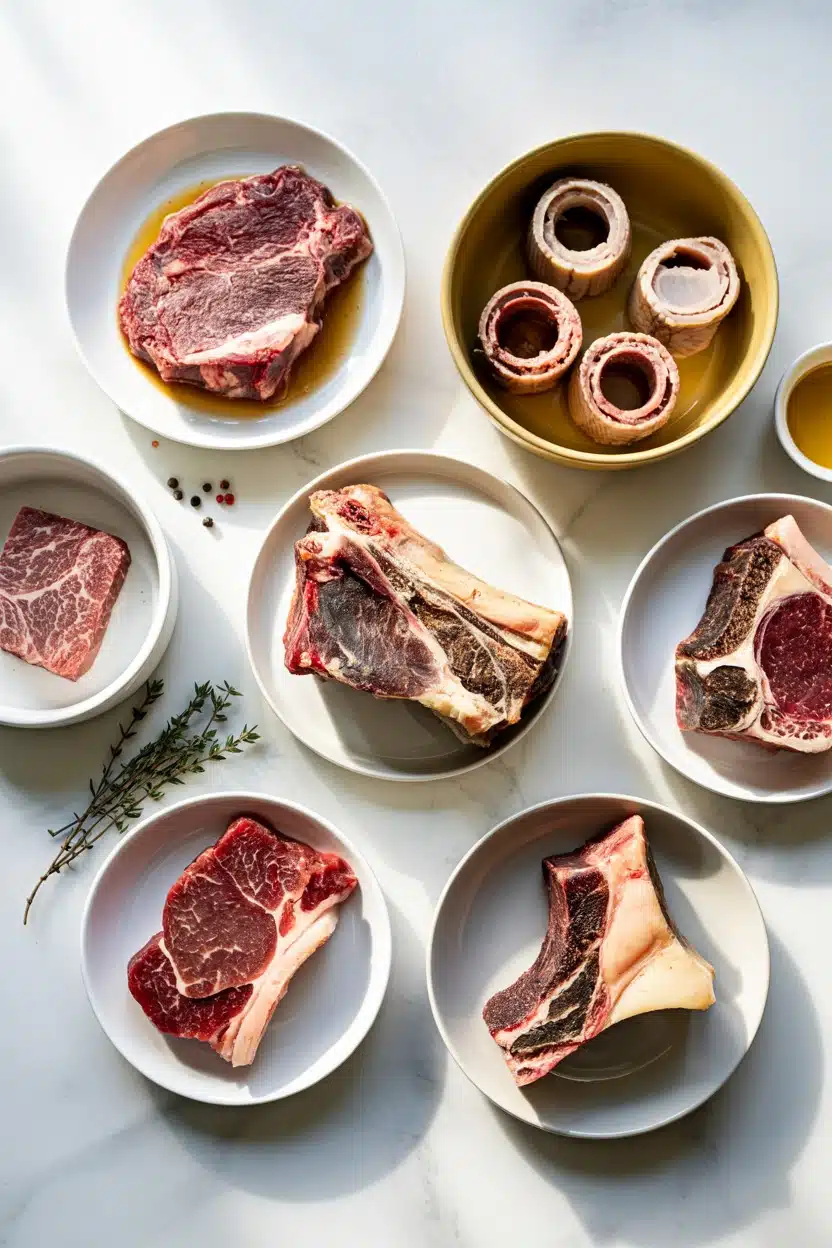
Chuck roast and brisket best replicate short rib's flavor and texture; prioritize marbling and collagen. For richer sauce, include bones or gelatin-rich cuts. Adjust cooking time based on cut thickness to ensure tenderness.
P>The best substitute depends on cooking time and how much fat you want in the final dish. Leaner cuts need more liquid; fattier ones deliver that melt-in-your-mouth finish without extra help.
| # | Substitute | Best For | Ratio | Key Note |
|---|---|---|---|---|
| 1 | Chuck Roast | 🍳 Cooking | 1:1 | Slightly less fatty |
| 2 | Brisket | 🍳 Cooking | 1:1 | More fibrous texture |
| 3 | Oxtail | 🍳 Cooking | 1:1 | Extra gelatinous body |
| 4 | Pork Shoulder | 🍳 Cooking | 1:1 | Different meat profile |
| 5 | Boneless Chuck | 🍳 Cooking | 1:1 | No bone flavor |
5 Quick Short Rib Substitutes That Work
These swaps range from nearly identical beef cuts to options that change the dish's character entirely. Start with chuck roast for the closest match, then move to bolder alternatives if that's not available.
Remember it later
Planning to try this recipe soon? Save it for a quick find later!
1 - Chuck Roast
Chuck roast comes from the same shoulder region as short ribs, making it the most reliable swap. The beefy flavor runs deep, though you'll notice slightly less fat rendering into the sauce.
Cut the roast into short rib-sized chunks before braising. This helps the pieces cook evenly and absorb the braising liquid the same way bone-in ribs would.
The essentials:
- Sear hard first - Build fond before adding liquid.
- Add 30 minutes - Chuck needs slightly longer to break down.
- Increase liquid by ¼ cup - Less fat means less self-basting.
- Rest before slicing - Let fibers relax for tender results.
Skip if: you need impressive bone-in presentation for guests.
2 - Brisket
Brisket delivers that deep, slow-cooked beef flavor but with a different texture. The grain runs longer and more fibrous, giving you sliceable pieces rather than fork-tender chunks.
SHORT RIB
Works for: Fall-apart braises, bone-in presentation
Skip if: You want sliceable portions
BRISKET
Works for: Slicing against the grain, sandwiches
Skip if: You need shredded, pull-apart meat
Plan for the same cooking time, but slice against the grain when serving. The texture works better in dishes where you want defined pieces rather than meat that falls apart.
Key details:
- Trim excess fat cap - Leave ¼ inch for moisture.
- Slice thin against grain - Prevents chewy bites.
- Works best in - Korean-style braises, pot roasts.
Skip if: your recipe depends on meat that shreds easily.
3 - Oxtail
Oxtail brings more gelatin to the pot than any other option here. That collagen-rich connective tissue melts into the braising liquid, creating a silky, almost sticky sauce.
The flavor leans slightly gamey compared to short ribs. Most people won't notice once aromatics and wine enter the equation, but it's there.
Expect longer cooking-sometimes an extra hour beyond what short ribs need. The payoff is worth the wait.
Skip if: you prefer leaner meat or need dinner on the table quickly.
4 - Pork Shoulder
Pork shoulder swaps the beef flavor entirely but keeps the slow-cooked, fall-apart texture intact. The fat content runs even higher, which means plenty of self-basting during the braise.
Adjust your seasonings to complement pork. Swap out beef-forward aromatics like thyme for sage or fennel seeds.
What to expect:
- Milder base flavor - Pork won't overpower sauces.
- More fat rendering - Skim if the dish looks greasy.
If you're also out of pork shoulder, common Pork Shoulder swaps ranked covers cuts with similar fat content.
Skip if: beef flavor is essential to the dish.
5 - Boneless Chuck
Boneless chuck gives you the same meat as option one, minus the bones. You lose some flavor extraction and the visual appeal, but the convenience factor goes up.
The ratio stays 1:1 by weight. Since there's no bone contributing to the braise, consider adding a splash of soy sauce or Worcestershire for extra depth.
Quick specs:
- Same cut, different form - Faster prep, less presentation value.
- Add umami boost - Compensate for missing bone flavor.
Missing boneless chuck as well? A simple Short Rib substitutes list breaks down which cuts handle long braises best.
Skip if: you want that classic bone-in look on the plate.
| Use | Ratio | Notes |
|---|---|---|
| Braised stews | 1:1 by weight | Chuck or brisket closest match |
| Rich soups | 1:1 by weight | Oxtail adds most body |
| Quick weeknight | 1:1 by weight | Boneless chuck saves prep time |
Making Short Rib Substitutes Work
The right substitute depends on what you're cooking and how much time you have. Chuck roast delivers the closest flavor and texture for most braised dishes.
For richer sauces with more body, oxtail outperforms everything else on this list. Pork shoulder works when you're open to changing the dish's character entirely.
- Closest match - Chuck roast for similar beefy depth
- Easiest grab - Boneless chuck for fast prep
- Richest result - Oxtail for maximum gelatin
Frequently Asked Questions
Yes, use chuck roast 1:1 by weight. Add about 30 minutes to the cooking time since chuck breaks down slightly slower than bone-in short ribs.
The beef flavor is similar, but the texture differs. Brisket slices cleanly against the grain rather than falling apart like short ribs do.
Oxtail contains more collagen than short ribs. That collagen melts into gelatin during cooking, giving the braising liquid a silkier, more viscous texture.
No, pork shoulder changes the dish's flavor profile completely. Use it only when you're open to a different result or prefer pork over beef.
Add about ¼ cup extra liquid. Without bones contributing moisture and fat, the meat benefits from a bit more braising liquid to stay tender.
5 Best Substitutes for Short Rib
Ingredients
Method
- Choose a substitute based on cooking time and desired fat content for your dish.
- For chuck roast, cut into short rib-sized pieces and sear hard to build fond before braising.
- Trim brisket fat cap to ¼ inch and slice thinly against the grain when serving.
- Expect longer cooking time for oxtail, sometimes up to an hour more than short ribs.
- When using pork shoulder, adjust seasonings to suit pork and skim excess fat if needed.
- For boneless chuck, add about ¼ cup extra liquid and consider adding soy sauce or Worcestershire for more flavor depth.
- Check texture and flavor after cooking and adjust seasoning and thickness of sauce as desired.



