
You need urad dal to hold the batter together. The jar is empty, and the recipe won't wait.

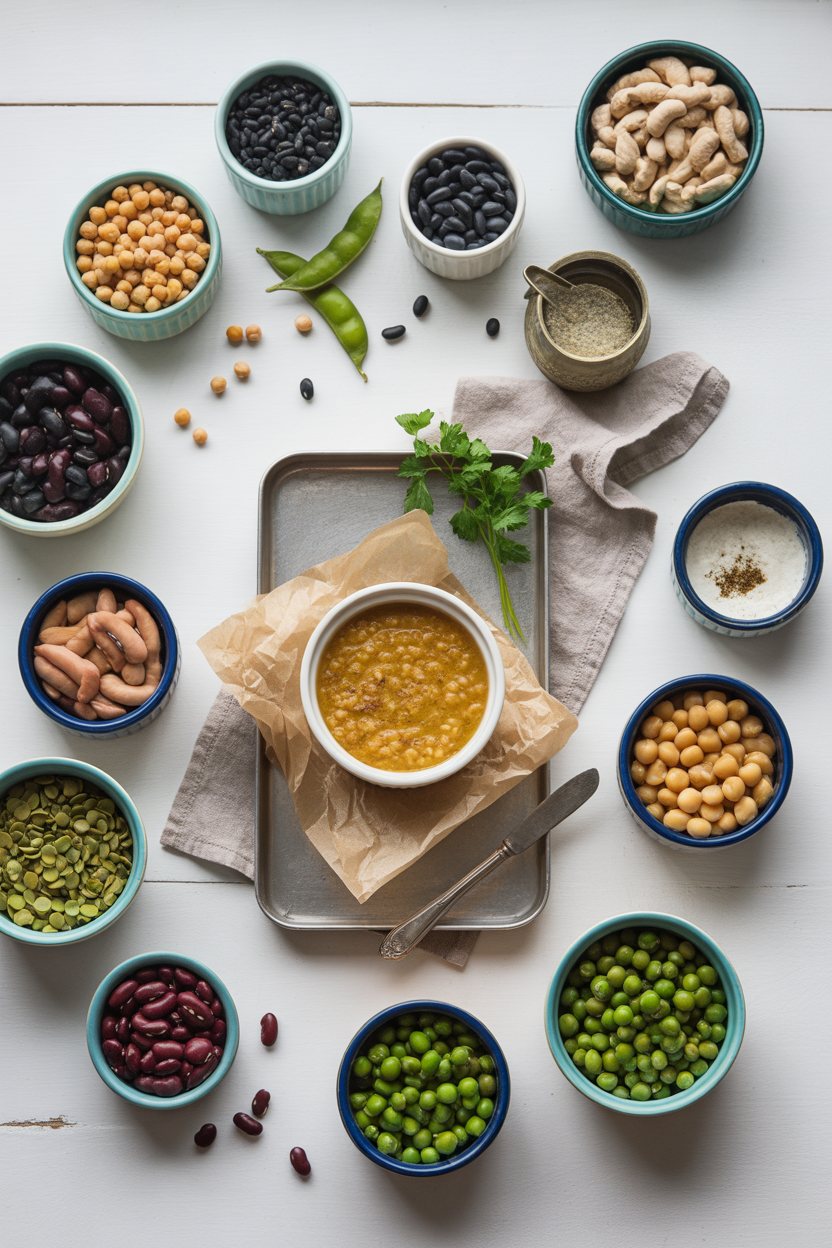
Yellow moong dal and chana dal offer the best texture and flavor balance. Focus on matching the binding and fermentation needs of your dish. Adjust cooking times since some substitutes break down faster or hold shape more firmly.
Each substitute handles fermentation and texture differently. Match the function first-binding, fermentation, or thickening-then pick based on what you have.
| # | Substitute | Best For | Ratio | Key Note |
|---|---|---|---|---|
| 1 | Yellow Moong Dal | 🍳 Cooking | 1:1 | Milder, less earthy |
| 2 | Chana Dal | 🍳 Cooking | 1:1 | Nutty, slightly sweeter |
| 3 | Whole Urad Dal | ✨ Both | 1:1 | Soak longer for softness |
| 4 | Besan Flour | 🍳 Cooking | 2 tbsp:1 tbsp | Grainy, no whole dal texture |
| 5 | Red Lentils | 🍳 Cooking | 1:1 | Cooks faster, less sticky |
5 Urad Dal Replacements for Better Texture
These swaps range from pantry staples to specialty options. Start with what matches your dish-fermented batters need different qualities than simple dals.
Remember it later
Planning to try this recipe soon? Save it for a quick find later!
1 - Yellow Moong Dal
Yellow moong dal cooks faster and breaks down into a smooth consistency. The flavor runs milder with less of that distinctive earthy depth urad dal provides.
Use equal amounts by volume. Add a pinch of asafoetida to boost the savory backbone if the dish tastes flat.
Skip if: you need fermented batter for dosa or idli-moong dal won't develop the same tangy complexity.
2 - Chana Dal
Chana dal holds its shape better than urad dal, giving dishes more texture. The flavor leans nutty and slightly sweeter, which works well in tadka-style preparations.
Key details:
- Soak longer - chana dal needs 4-6 hours to soften properly.
- Expect firmer bites - it won't melt into the dish like urad dal does.
Urad Dal
Works for: creamy dals, fermented batters, binding
Skip if: you want distinct dal pieces
Chana Dal
Works for: textured dals, tadka, dry preparations
Skip if: the recipe needs creaminess
3 - Whole Urad Dal
Whole urad dal delivers the same earthy, robust flavor with a stronger nuttiness. The skin adds texture and visual contrast that split urad dal lacks.
Soak for 6-8 hours minimum-the skin takes longer to soften. Blend thoroughly if you're making batter; otherwise, expect a slightly coarser grind.
If you're also out of whole urad dal, Urad Dal substitutes for cooking covers options with similar binding strength.
4 - Besan Flour
Besan flour works as a binder in fried snacks and pakoras where urad dal typically adds structure. The texture turns out grainier, and you lose the whole dal presence entirely.
Use 2 tablespoons besan for every 1 tablespoon urad dal called for. Mix with a little water to form a paste before adding to batters.
Don't have besan either? Check replacements similar to Lentil for binding alternatives that work in batters.
Skip if: you need whole dal pieces or that characteristic urad flavor-besan brings chickpea notes instead.
5 - Red Lentils
Red lentils cook in half the time and break down completely into a smooth consistency. The flavor stays mild with a slight sweetness-less earthy than urad dal.
The essentials:
- Reduce cooking time - red lentils turn mushy in 15-20 minutes.
- Add more seasoning - the milder flavor needs support from spices.
- Skip the soak - red lentils cook fine without presoaking.
For more options when legumes run low, simple Lentil substitutes list ranks alternatives by cooking behavior.
Skip if: you're making sticky, creamy dal-red lentils won't achieve that texture.
| Use | Ratio | Notes |
|---|---|---|
| Quick weeknight dal | 1:1 | Cooks faster than urad dal |
| Soup base | 1:1 | Dissolves completely for smooth texture |
| Mixed dal dishes | 1:1 | Pair with chana dal for texture contrast |
Before You Swap Urad Dal
No substitute perfectly replicates urad dal's unique binding and fermentation properties. Match the role first-whole urad dal works best for fermented batters, while moong dal or red lentils handle simple dals fine.
- Closest match - Whole urad dal, same flavor and fermentation
- Easiest grab - Yellow moong dal, cooks quickly
- Texture alternative - Chana dal, holds shape well
Frequently Asked Questions
Moong dal works but produces a different result. The batter ferments less actively and creates softer, less crispy dosas without that signature tang.
Use 2 tablespoons besan flour for every 1 tablespoon urad dal. Mix with water to form a paste before adding to your recipe.
Red lentils create a smooth texture but lack the sticky, creamy quality urad dal provides. The result tastes good but feels lighter.
Yes, soak chana dal for 4-6 hours minimum. It takes longer to soften than urad dal and stays firmer even after cooking.
Yellow moong dal digests easier than most alternatives. It's lighter and less likely to cause bloating while still providing similar protein content.
5 Best Substitutes for Urad Dal
Ingredients
Method
- Choose your substitute based on desired dish function: binding, fermentation, or thickening.
- Prepare chana dal by soaking for 4 to 6 hours and whole urad dal for 6 to 8 hours before use.
- Blend whole urad dal thoroughly when making fermented batter; expect coarser texture if not fully processed.
- Mix besan flour with water to form a paste before adding; use twice the besan amount compared to urad dal.
- Use yellow moong dal and red lentils in equal volume to urad dal; reduce cooking time for red lentils.
- Add asafoetida when using yellow moong dal to enhance savory flavor if the dish tastes bland.
- Adjust seasoning when using red lentils as their flavor is milder and sweeter compared to urad dal.
- Check texture and taste regularly to ensure the substitute behaves as expected and the dish achieves desired consistency.



