
Emmental is the closest substitute for Swiss cheese, because the Swiss cheese sold in American delis is made in the Emmental style. Jarlsberg comes next, and Gruyère is the better pick when the cheese has to melt.
All three swap in at the same weight or the same number of slices. The one to handle with care is mozzarella, which melts well but tastes of almost nothing, so it only fits a dish where the cheese is there for stretch.
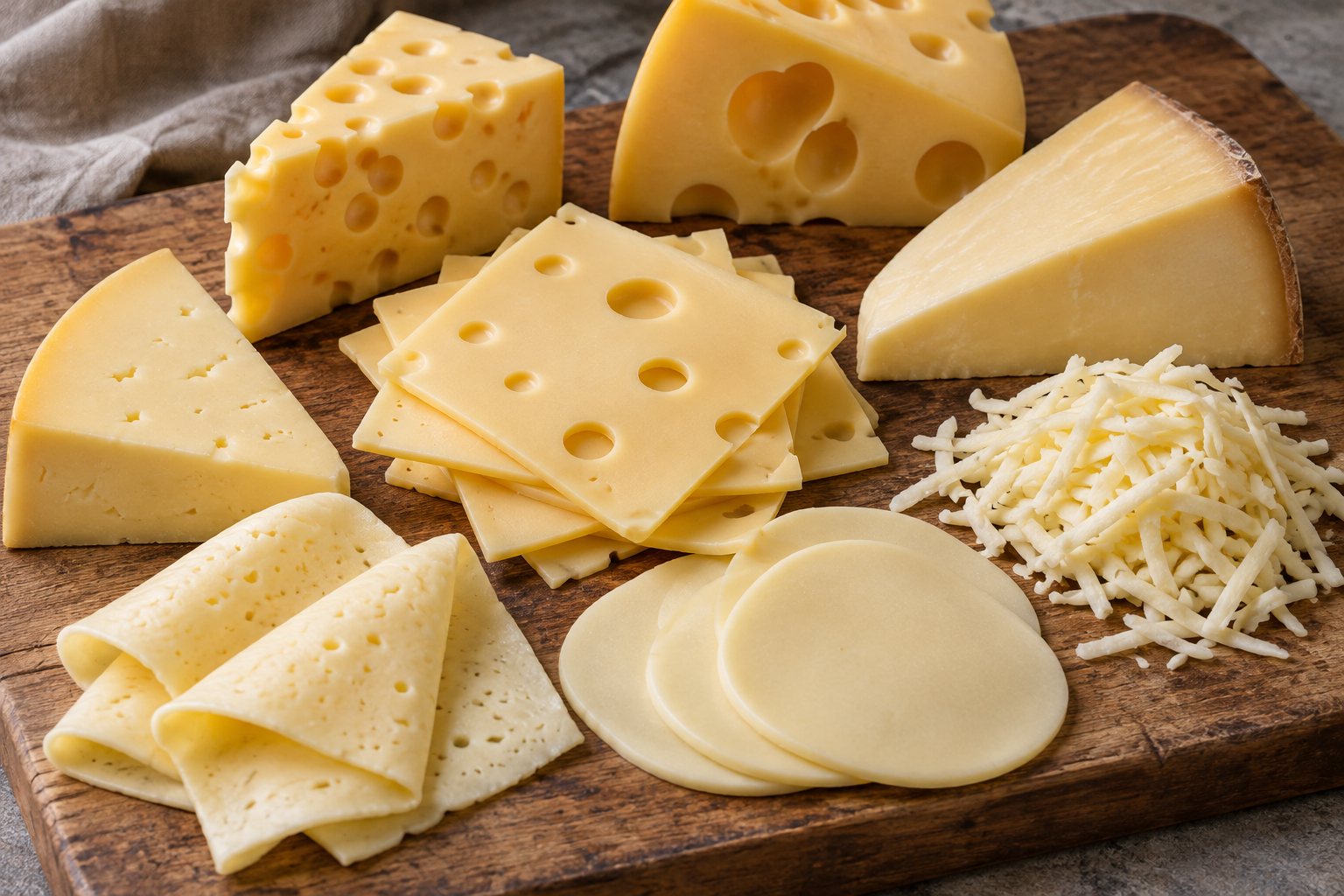
Emmental is the closest swap for Swiss cheese, because American Swiss is made in the Emmental style. Use the same amount.
Pick Gruyère when melt matters most and Jarlsberg when you want a milder, sweeter slice.
Mozzarella melts but has almost no flavor, so mix it with a stronger cheese.
What Does Swiss Cheese Do in a Sandwich or Melt?
In the United States, Swiss cheese is a generic name for Emmental-style cheese, and it does not have to be made in Switzerland. Many American versions use pasteurized or part-skim milk instead of the raw milk of the original.
Remember it later
Planning to try this recipe soon? Save it for a quick find later!
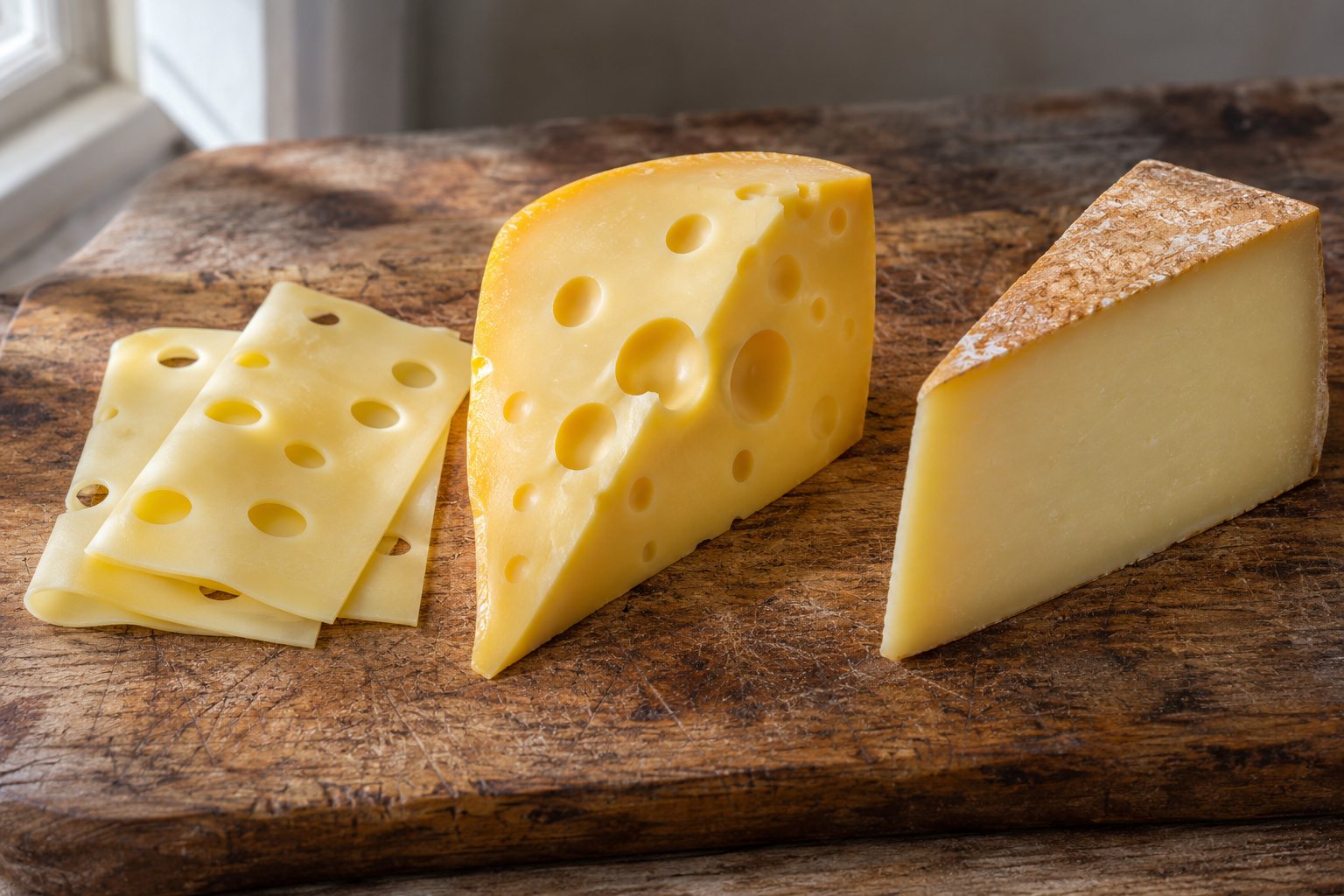
Swiss cheese does three jobs, and a swap has to cover the ones your dish needs:
- Sweet, nutty flavor: bacteria added during cheesemaking release acetate and propionic acid, and those compounds give Swiss its sweet, nutty taste.
- Smooth melt: a Swiss-style cheese softens into an even layer on a hot sandwich or in a gratin instead of staying in chunks.
- Clean slices: cheese with very large holes comes apart in mechanical slicers, so U.S. grading rules allow smaller holes in the top grade.
7 Best Swiss Cheese Substitutes, Ranked
The list runs from the closest match in taste to the swaps that only cover the melt. We'd use equal amounts of each one, by weight or by slice, unless an item says otherwise.
| # | Substitute | Best For | Ratio | Key Note |
|---|---|---|---|---|
| 1 | Emmental | ✨ Hot or Cold | 1:1 | Closest to deli Swiss |
| 2 | Jarlsberg | ✨ Hot or Cold | 1:1 | Mild, buttery, sweet |
| 3 | Gruyère | 🍳 Hot | 1:1 | Nuttier, smooth melt |
| 4 | Fontina | 🍳 Hot | 1:1 | Softer, earthier |
| 5 | Provolone | ✨ Hot or Cold | 1:1 | Buy mild dolce |
| 6 | Havarti | ✨ Hot or Cold | 1:1 | Buttery, melt on low heat |
| 7 | Mozzarella | 🍳 Hot | 1:1 | Stretch, little flavor |
The table shows which swaps work cold on a deli sandwich and which belong in hot dishes only.
1 – Emmental
Emmental cheese is the model for American Swiss, so it matches in color, holes and taste. It is a medium-hard cow's milk cheese with a savory but mild flavor, and cooks use it in gratins and fondue.
Use equal amounts in a sandwich, a gratin or a fondue. Swiss-made Emmentaler must age at least four months, so a wedge from a cheese counter may taste more savory than a mild deli slice.
2 – Jarlsberg
Jarlsberg cheese is a Norwegian cheese developed in 1956 from Swiss-style recipes. It has a semi-firm yellow body, medium to large holes and a slightly sweet, nutty taste.
It tastes mild and buttery, which suits a plain ham sandwich or a cheese board where nobody wants a sharp edge. Use equal amounts.
Jarlsberg ages at least three months, which keeps it close to the three to six months that Culture magazine recommends for melting cheeses.
3 – Gruyère
Gruyère cheese is a different Swiss cheese from American deli Swiss. It has few or no holes and tastes sweet but slightly salty, creamy and nutty when young and earthier as it ages.
It melts smoothly, and the Wisconsin dairy board recommends it for gratins, soups and fondue. Use equal amounts and buy the youngest wedge you can find, because older cheese melts less smoothly.
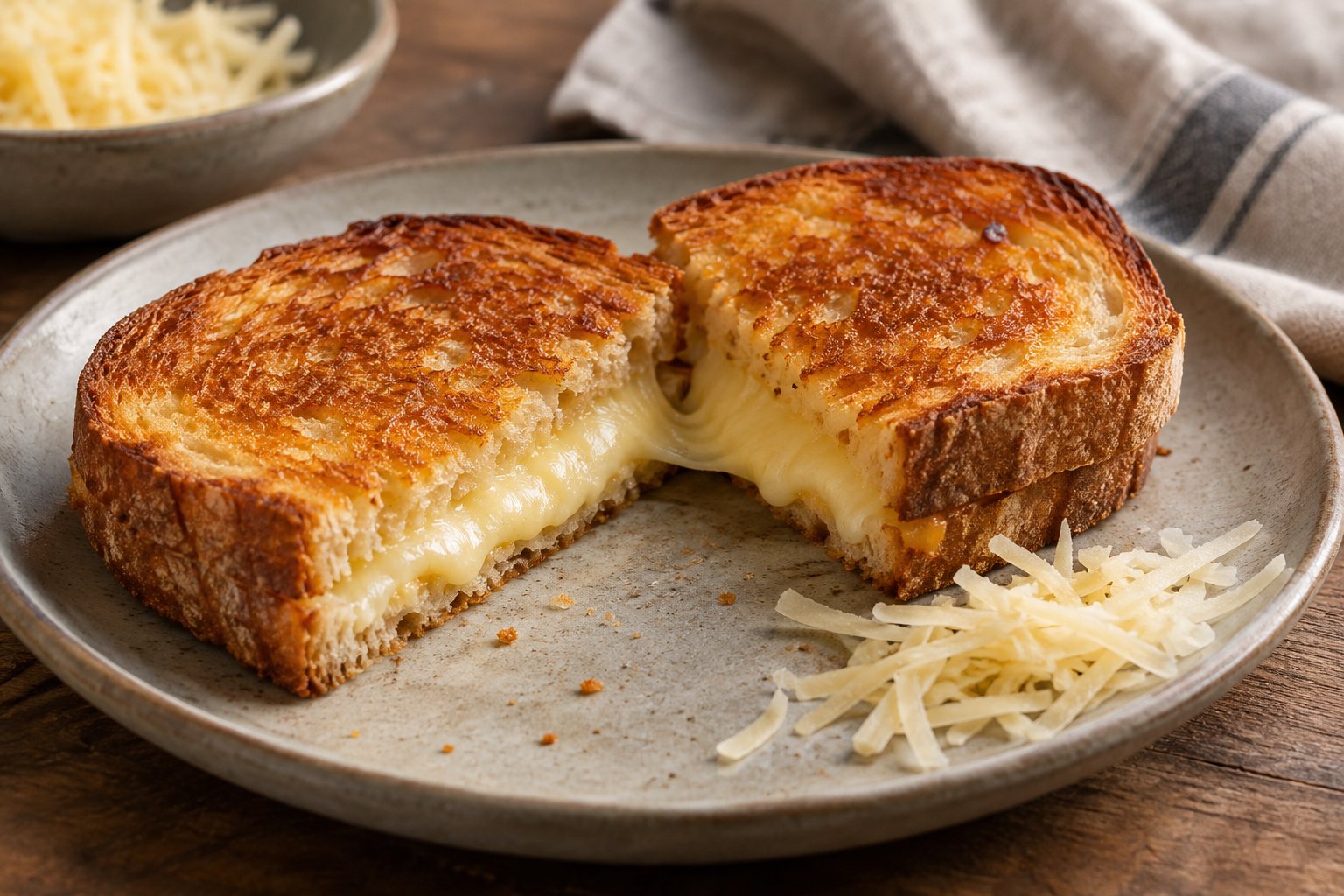
Where it falls short: well-aged Gruyère has an intense flavor and small cracks that make it slightly grainy, so a delicate sandwich built for mild Swiss tastes stronger than it should.
4 – Fontina
Fontina cheese comes in two styles, and they do not taste alike:
- Italian fontina: the Aosta Valley cheese tastes earthy, mushroomy and woody, and its nuttiness grows as it ages.
- Swedish, Danish and American fontina: these versions are milder and softer than the Italian one, with more holes.
For a Swiss swap, the milder Danish or American kind sits closer in taste and holes. Choose Italian fontina when you want the cheese itself to stand out, and use equal amounts either way.
Mature fontina is hard and still melts well, and young fontina is soft enough for fondue. Check the label for the country before you buy.
5 – Provolone
Provolone cheese is a semi-hard cow's milk cheese made by stretching the curd. Buy provolone dolce, which has a very mild taste, because piccante is aged at least four months and tastes very sharp.
It has no sweet nuttiness, so the sandwich tastes plainly cheesy. Culture magazine lists provolone with mozzarella and Muenster among cheeses that give good texture and flavor when blended. Use equal amounts.
Smoked provolone is also sold, so check the label if you do not want a smoky sandwich.
6 – Havarti
Havarti cheese is semi-soft and rindless, with a buttery aroma, a slightly sweet and slightly acidic taste, and very small, irregular holes.
It slices, grills and melts, and it softens quickly at room temperature, so keep it cold until you build the sandwich. Use equal amounts.
Keep the heat low. Wisconsin's dairy board lists Havarti among the best melters, while Culture magazine warns that its fat can separate out when heated hard, so a medium-low pan gets the melt without the grease.
7 – Mozzarella
Mozzarella is last because it covers the melt and little else. It is a stretched-curd cheese with a mild, milky taste, so it pulls into strings instead of melting into a creamy layer.
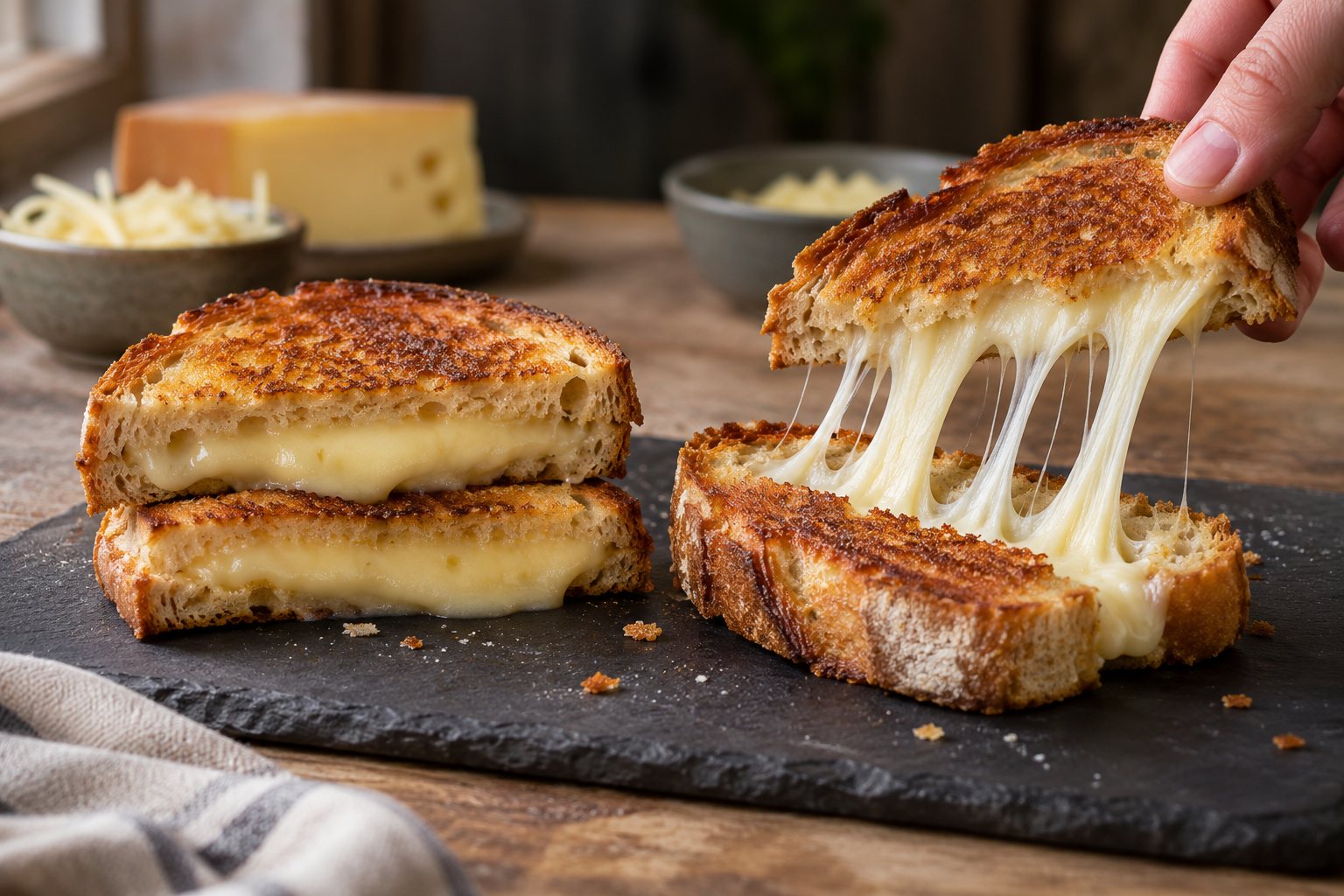
Two kinds are sold, and only one suits a hot sandwich:
- Low-moisture mozzarella: it was developed for pizza and baked dishes, so it is the one to use in a hot sandwich.
- Fresh mozzarella: it is sold in brine or whey and holds a lot of water, which can wet the bread.
Wisconsin's dairy board suggests pairing a stretchy cheese with a flavorful one, so we'd mix mozzarella with Gruyère or Emmental to keep the nutty taste and gain the stretch.
Which Swap Fits Which Dish?
Match the cheese to the job the dish gives it. The table pairs each dish with a first and second choice.
| If You're Making | Pick | Why |
|---|---|---|
| Hot Sandwich | Gruyère, then Fontina | Smooth melt with nutty flavor |
| Cold Sandwich | Emmental, then Jarlsberg | Closest to deli Swiss |
| Cheese Board | Jarlsberg or Emmental | Mild, semi-firm slices |
| Fondue | Gruyère plus Emmental | The traditional pair |
| Gratin | Emmental or Gruyère | Both melt into the dish |
| Plain Melt | Provolone dolce or Havarti | Mild taste, no strong nuttiness |
For fondue, Culture magazine's classic recipe uses equal weights of Gruyère and either Emmentaler or raclette cheese: 1 pound of each, tossed with 2 tablespoons of cornstarch and heated in 1¼ cups of dry white wine.
In a mushroom and Swiss omelet, Gruyère or Emmental adds the nutty note and melts into the eggs.
How Do You Melt a Swapped Cheese Without It Turning Greasy?
Four habits keep any of these swaps smooth:
- Grate it yourself: pre-shredded bags often contain anti-caking agents that can interfere with a smooth melt.
- Choose young cheese: younger cheeses melt better than older ones, and Culture magazine suggests cheeses aged three to six months.
- Keep the heat low: high heat can make the fats and proteins separate into a greasy mess, so stir often over low, steady heat.
- Add acid or starch to sauces: a little lemon juice or wine helps prevent clumping, and flour or cornstarch keeps a sauce from turning oily or stringy.
Is Gruyère the Same as Swiss Cheese?
No. Gruyère is a Swiss cheese with few or no holes and a nuttier, earthier taste. The Swiss cheese in American delis is Emmental-style, so Emmental is the closer match and Gruyère is the better melter.
Can I Use Cheddar Instead of Swiss Cheese?
Mild or medium cheddar melts well, so it works in a hot sandwich. It tastes tangier and lacks the sweet, nutty note of Swiss, and aged or extra-sharp cheddar is more likely to separate when heated.



