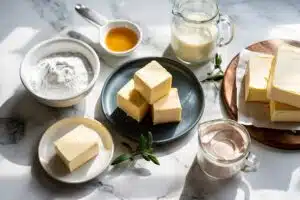
The feta jar sits empty when the salad's already half-assembled. Feta brings a salty, tangy bite and crumbly texture that defines Greek salads, roasted vegetables, and grain bowls.

Not all crumbly cheeses taste the same. Some bring more tang, others more salt.
The texture ranges from creamy to dry, and that changes how the cheese behaves in hot versus cold dishes.
In cold dishes like salads, goat cheese tastes the most like feta. It is tangier and creamier with less brine, and you use it 1:1.
For grilled or baked dishes, use halloumi, which handles heat better than any other option here.
For dairy-free, use marinated tofu 1:1. Press it, cube it, and marinate it at least 4 hours.
Flavor Profiles of Feta Cheese Alternatives
Some swaps stay close to feta's profile, while others shift the flavor in a different direction. Pick based on whether you need that sharp tang, crumbly texture, or both.
Remember it later
Planning to try this recipe soon? Save it for a quick find later!
| # | Substitute | Best For | Ratio | Key Note |
|---|---|---|---|---|
| 1 | Goat Cheese | 🍳 Cooking | 1:1 | Creamier, less briny |
| 2 | Ricotta Salata | ✨ Both | 1:1 | Milder, firmer texture |
| 3 | Cotija | 🍳 Cooking | ¾ cup | Saltier, drier |
| 4 | Queso Fresco | 🍳 Cooking | 1:1 | Milder, creamier |
| 5 | Halloumi | 🍳 Cooking | 1:1 | Squeaky, grillable |
| 6 | Tofu Feta | 🌱 Dairy-Free | 1:1 | Plant-based option |
| 7 | White Cheddar | 🍳 Cooking | ¾ cup | Sharper, no tang |
1 – Goat Cheese
Goat cheese crumbles easily over salads and roasted vegetables, but the texture leans creamier than feta. The tang hits harder without the briny edge, making it stand out in dishes where feta usually blends in.
Crumble it cold, straight from the fridge. It smears as it warms up.
- Ratio - Use 1 cup crumbled goat cheese for every 1 cup feta
- Texture - Softer and spreadable, less crumbly
- Flavor - Tangier without the salty brine
It suits cold dishes where you want the cheese to melt slightly into other ingredients. Heat makes goat cheese even softer, so it won't hold its shape on a hot pizza or in baked pasta the way feta does.
Skip if: You need a cheese that stays firm when grilled or baked.
2 – Ricotta Salata
Ricotta salata has a firmer, drier texture that grates cleanly over pasta or slices into wedges for salads. The flavor runs milder and less tangy, which lets other ingredients shine without competing for attention.
Use it anywhere you'd crumble feta but want a subtler presence, such as Mediterranean grain bowls, other grain salads, and simple pasta tosses. It holds its shape better than regular ricotta, so it suits both hot and cold dishes.
Skip if: The recipe depends on feta's briny punch.
In Pasta
Works for: Grating over hot dishes, holds shape
Skip if: You want bold tanginess
In Salads
Works for: Slicing into wedges, mild flavor
Skip if: You need maximum saltiness
3 – Cotija
Cotija brings sharper saltiness and a drier crumble that works well over tacos, salads, and grilled corn. The aged flavor leans toward parmesan territory, without feta's tanginess.
- Ratio - Use ¾ cup cotija for every 1 cup feta
- Texture - Drier, more crumbly
The reduced ratio accounts for cotija's stronger salt content. Start with less and taste before adding more.
If cotija tastes too sharp for your dish, the queso fresco below is the milder Mexican option.
Skip if: You need a cheese that melts into sauces or bakes smoothly.
4 – Queso Fresco
Queso fresco crumbles easily but stays softer and creamier than feta. The mild, milky flavor adds freshness to tacos, bean dishes, and salads without the tangy bite.
- Ratio - Use 1 cup queso fresco for every 1 cup feta
- Flavor - Fresh and mild, no acidity
Pick it when you want a neutral cheese that adds creaminess without competing with bold spices or acidic dressings. The texture stays soft even when chilled, so it won't give you that firm, crumbly contrast feta provides in Greek salads.
Crumble it over tacos or beans at the end. It softens in the heat but does not melt into strings.
Skip if: The recipe needs feta's sharp tang or firm texture.
5 – Halloumi
Halloumi holds up to high heat without melting, making it the only option here that you can grill, fry, or bake into crispy golden slices. The texture is chewy and squeaky, with a saltiness that matches feta but without the crumble.
Slice it about ½ inch thick and cook it over medium-high heat for 2 to 3 minutes per side. The exterior browns while the inside stays dense and stretchy.
Use it where you'd normally crumble feta on top but want something more substantial, such as grilled vegetable platters, warm grain bowls, or roasted sheet-pan dinners.
| Use | Ratio | Notes |
|---|---|---|
| Grilling | 1:1 | Slice ½-inch thick |
| Frying | 1:1 | No oil needed, cheese releases fat |
| Cold salads | 1:1 | Texture stays firm but chewy |
A non-stick pan needs no oil, but on grill bars brush the slices lightly with oil so they don't stick.
Skip if: You need a soft cheese that crumbles over cold salads.
6 – Tofu Feta
Marinated firm tofu mimics feta's crumbly texture for dairy-free diets, but the flavor depends entirely on your marinade. Plain tofu tastes neutral, so you'll need acid, salt, and herbs to get close to feta's profile.
Here's what to know:
- Ratio - Use 1 cup marinated tofu for every 1 cup feta
- Prep - Press tofu, cube it, marinate at least 4 hours
- Flavor - Absorbs marinade well but lacks dairy richness
The texture works in grain bowls, salads, and Mediterranean-style dishes where feta would normally sit cold. Crumble the cubes by hand, then drain them again, or the extra marinade turns a salad soggy.
Heat softens tofu further, so it won't hold up in baked dishes the way real feta does.
Skip if: You want authentic dairy flavor or need cheese that melts.
7 – White Cheddar
Aged white cheddar brings a sharper, nuttier flavor without feta's tanginess. The texture is drier and more crumbly, making it easy to grate over baked dishes and pasta.
Use it when you need a cheese that adds sharpness and holds up to heat. The flavor shifts away from Mediterranean territory, so it works better in casseroles, baked pastas, and roasted vegetables than in Greek salads or traditional mezze platters.
Skip if: You need authentic Mediterranean flavor or a cheese for cold salads.
Making Feta Cheese Substitutes Work
Most of these swaps work without major recipe changes, but one thing needs a check.
Feta is cured in brine, so it is saltier than goat cheese, ricotta salata or queso fresco. Taste the finished dish before you add salt, and add a squeeze of lemon if it needs more bite.
- Closest match - Goat cheese for cold dishes
- Easiest grab - Ricotta salata for versatility
- Dairy-free option - Marinated tofu for plant-based meals
Frequently Asked Questions
Cream cheese lacks feta's crumbly texture and tangy flavor, so it works in dips and spreads but won't crumble over salads. Add lemon juice and salt to mimic some of feta's sharpness.
Rinse cotija, halloumi or other salty cheeses under cold water and pat them dry. With goat cheese or ricotta salata, use a little less and taste before adding more.
Ricotta salata holds its shape during baking and gives a mild, salty bite similar to feta. Goat cheese turns too soft and halloumi stays too chewy for layered pastry.
Yes, but drain it well, because extra liquid makes the filling soggy. Plain ricotta is milder than feta, so the filling tastes less salty.
Firm cheeses like cotija, ricotta salata and aged white cheddar freeze better than goat cheese or queso fresco. Wrap tightly, thaw in the fridge, and use them in cooked dishes, because the texture turns crumbly.
Marinated firm tofu comes closest when you cube it, press out moisture, and soak it in lemon juice, olive oil, salt and herbs for at least four hours. Store-bought vegan feta also works, but check labels for cashew or almond bases if you have nut allergies.