You spot it at the cheese counter - a dense white block floating in cloudy brine, looking almost too simple for the shelf space it commands. Feta cheese earns its place in more kitchens than almost any other brined variety, and for good reason: that sharp, salty tang works in salads, baked dishes, and quick weeknight meals with equal ease.

If you've been crumbling pre-crumbled bags from the fridge section, knowing what real feta actually tastes and behaves like will change how you shop.
Feta is a brined sheep-and-goat milk cheese from Greece with a tangy, salty, crumbly character. Buy it as a block in brine, keep it submerged in the fridge, and use within 1-2 weeks of opening for the best flavor.
What Is feta cheese?
Feta is a Protected Designation of Origin (PDO) cheese, meaning genuine feta can only be produced in specific regions of Greece - primarily Macedonia, Thrace, Epirus, Thessaly, and a handful of other areas.
Remember it later
Planning to try this recipe soon? Save it for a quick find later!
It's made from sheep's milk, or a blend of sheep's milk with up to 30% goat's milk, then aged in brine for a minimum of two months.
That brining process is what defines the cheese structurally and flavor-wise. The result is a dense white block with a firm, slightly springy interior that crumbles cleanly when pressed.
Feta sits in a different category from fresh cheeses like ricotta - if you've tracked ricotta storage life before, you know it's fragile and mild by comparison. Feta is harder, sharper, and far more shelf-stable in its brine.
Outside Greece, cow's milk "feta-style" cheeses exist widely, but they lack the PDO designation and typically taste milder and less complex.
What Does feta cheese Taste Like?
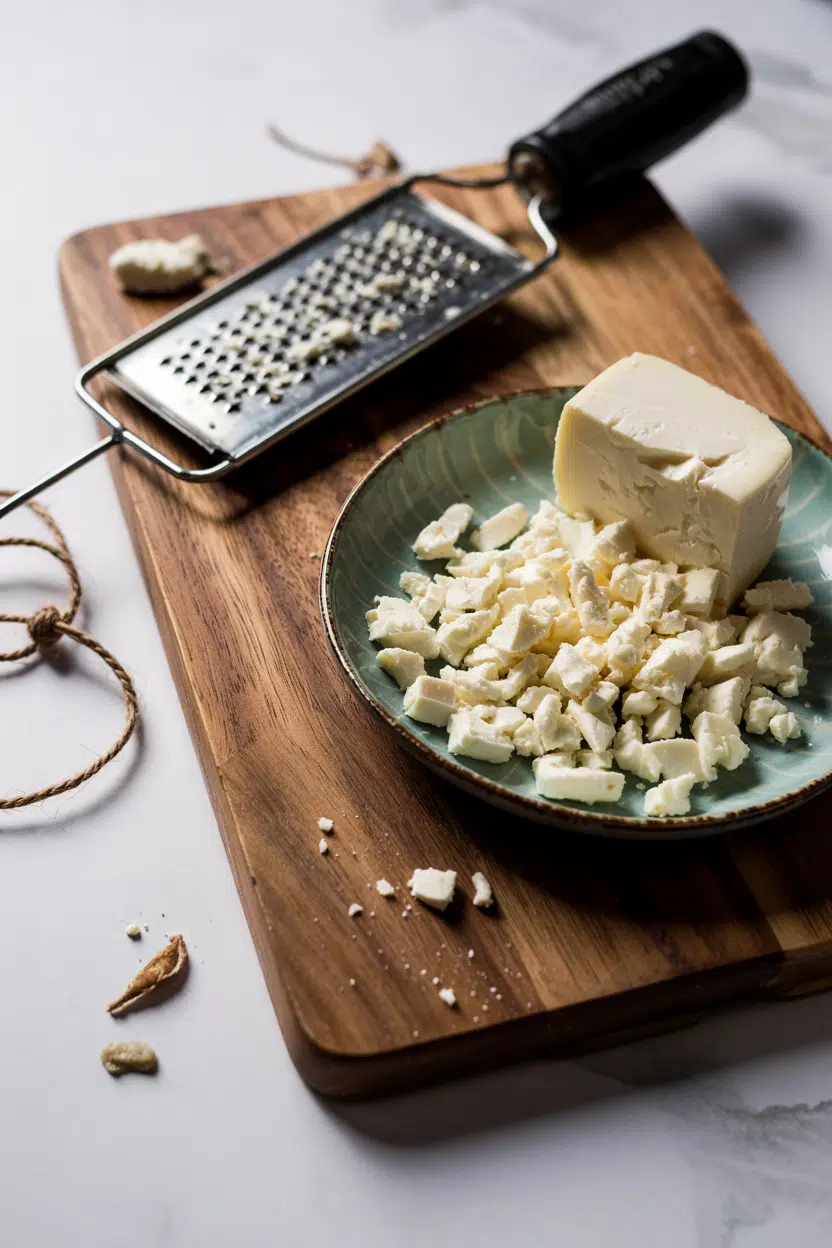
Tangy, salty, and bright - those three words cover feta's baseline flavor, but the intensity level matters here. This is a strong cheese, not a background note.
Raw from the block, feta lands closest to a tangier, saltier goat cheese or a firmer ricotta salata. Heat changes things noticeably.
Baked, the sharp edges soften into a creamier, more yielding texture - the brininess pulls back slightly and the milky sheep's fat comes forward. Crumbled cold over a salad, it stays assertive and almost squeaky-firm.
Older brine-packed feta tends to be saltier and more pungent than younger blocks. That variation is worth knowing before you reach for the salt shaker.
How to Use feta cheese
Feta belongs first in Greek and Mediterranean cooking, where it appears in horiatiki (the classic Greek salad), layered between phyllo sheets in spanakopita, and baked whole in shallow dishes with olive oil and oregano. These aren't the only places it works, however.
| Method | Best For | Tip |
|---|---|---|
| 🥗 Crumbled raw | Salads, grain bowls, egg dishes | Crumble by hand for irregular chunks that hold texture |
| 🔥 Baked | Baked feta dip, roasted vegetables, pasta | Drizzle generously with olive oil before baking to prevent drying |
| 🍳 Griddled | Saganaki-style starter, flatbreads | Dust with flour first so the crust sets before the block collapses |
| 🥣 Whisked into dressings | Creamy vinaigrettes, dips | Blend with lemon juice and olive oil for a smooth, pourable result |
| 🥧 Crumbled into fillings | Spanakopita, omelets, stuffed peppers | Squeeze excess moisture from any vegetables before mixing |
Beyond Greece, feta fits naturally into Balkan and Middle Eastern dishes. Crumbled over grilled lamb or fish just before serving, it melts slightly from the residual heat and delivers a sharp contrast to smoky meat.
In modern fusion cooking, it's stirred into warm pasta with lemon and olive oil or scattered over flatbreads where you'd want a salty, crumbly finish.
Feta's most useful pairing partners are olive oil, lemon, oregano, roasted peppers, olives, cucumbers, and - less predictably - watermelon, where its salt cuts through sweetness cleanly.
Avoid pairing it with overly sweet preparations or delicate white wines with no acidity to push back against the brine.
How to Buy and Store feta cheese
Buy a solid block in brine whenever possible. Look for pure white color with no yellowing, and press the surface lightly - it should feel dense and slightly springy.
Dry, chalky edges or an off-putting sour smell are signs to skip it. Vacuum-packed feta at the supermarket is a workable backup, though expect a firmer, drier texture.
Once opened, keep feta submerged in its original brine or in fresh lightly salted water in a sealed container in the coldest part of the fridge. Unopened brine-packed blocks last several weeks; once opened or repackaged, use within 1-2 weeks.
For a full breakdown, see our guide on feta cheese freshness guide.
Start with the block
If you've only ever bought pre-crumbled feta, the block is worth trying first. It's moister, more flavorful, and holds up better in cooking - whether you're layering spanakopita or crumbling it over a grain bowl.
Need something milder? Check our feta cheese replacements if saltiness is the sticking point.
Feta also holds its own alongside other brined cheeses - halloumi is a natural companion in Mediterranean spreads, though it grills where feta crumbles. Pick feta when you want that tangy, briny contrast to do the heavy lifting.
Frequently Asked Questions
Primarily sheep's milk. Authentic PDO feta is made from sheep's milk alone or a blend with up to 30% goat's milk. Cow's milk versions exist outside Greece but don't carry the PDO label.
Salt is applied during production and the cheese is then stored in brine, absorbing sodium continuously. The longer a block sits in brine, the saltier it becomes.
Yes, but texture suffers. Frozen feta becomes more crumbly and dry after thawing, which makes it better suited to cooked dishes than raw salads. Freeze in an airtight container for up to three months.
Soak it. Submerge the block in fresh lightly salted water for 30-60 minutes and it will rehydrate noticeably. Avoid plain unsalted water, which can make the flavor flat.
Not entirely, however it's lower in lactose than most fresh cheeses because the aging and brining process breaks down much of the lactose. Many people with mild lactose sensitivity tolerate it without issue.