
You spot a log of chèvre at the cheese counter - bright white, clean-edged, dusted with a thin coat of ash or herbs - and suddenly you're deciding between three nearly identical-looking options. Goat cheese rewards the shopper who knows what they're buying.
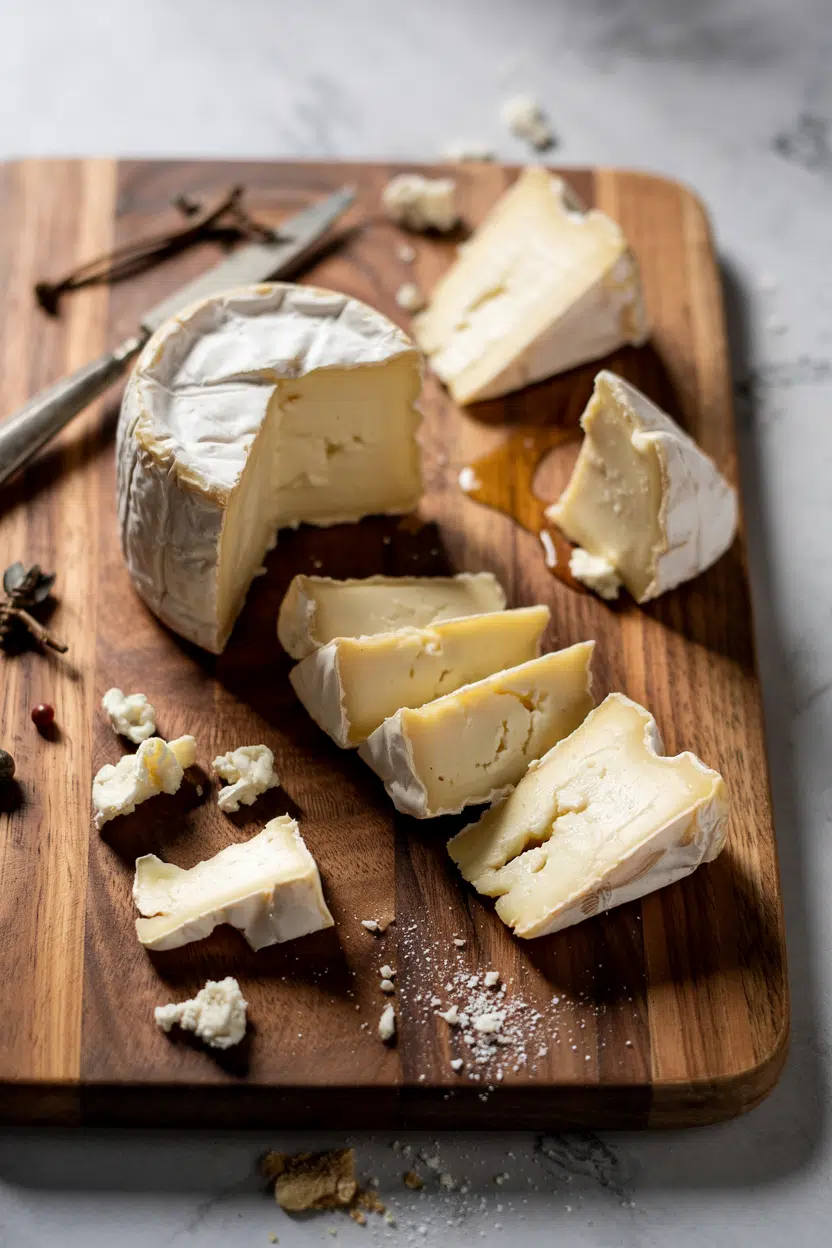
Fresh arugula and beet salads, warm crostini, weeknight pasta - goat cheese works across all of them, but only if you pick the right style and handle it correctly. Understanding what separates a grassy, lactic-bright fresh chèvre from a firm, crumbly aged wheel changes how you cook with it entirely.
Goat cheese is a tangy, lactic-bright cheese made from goat's milk, ranging from spreadable fresh chèvre to firm aged wheels. It carries a distinct brightness that cow's milk cheeses rarely match, pairs with honey, beets, and herbs, and suits everything from salads to baked appetizers.
What Is Goat Cheese?
Goat cheese is any cheese produced from goat's milk, and the category spans a wider range than most shoppers realize. At one end sits fresh chèvre - soft, spreadable, mild, and sold in logs or tubs within days of production.
Remember it later
Planning to try this recipe soon? Save it for a quick find later!
At the other end sit firm aged wheels, dense enough to grate, with a more concentrated earthiness.
The French term chèvre (literally "goat") is used interchangeably with goat cheese in most markets, though regional variants exist across Europe. Italian caprino, Spanish queso de cabra, and aged Bucheron all qualify.
The defining characteristic isn't form or age - it's the milk.
Goat's milk has a different fatty acid profile from cow's milk, which produces that signature brightness and slight caprine aroma no matter how the cheese is aged. Fresh chèvre is the most widely available style in the U.S., followed by semi-aged rounds and ash-coated logs.
- 🧀 Fresh chèvre - soft, spreadable, mild acidity; best eaten within days of opening
- 🧀 Semi-aged rounds - firmer exterior rind, creamier center, slightly more complex flavor
- 🧀 Aged wheels - dry, crumbly, concentrated; holds up to grating or slicing thin
- 🧀 Ash-coated logs - vegetable ash exterior slows drying and adds subtle mineral notes
What Does Goat Cheese Taste Like?
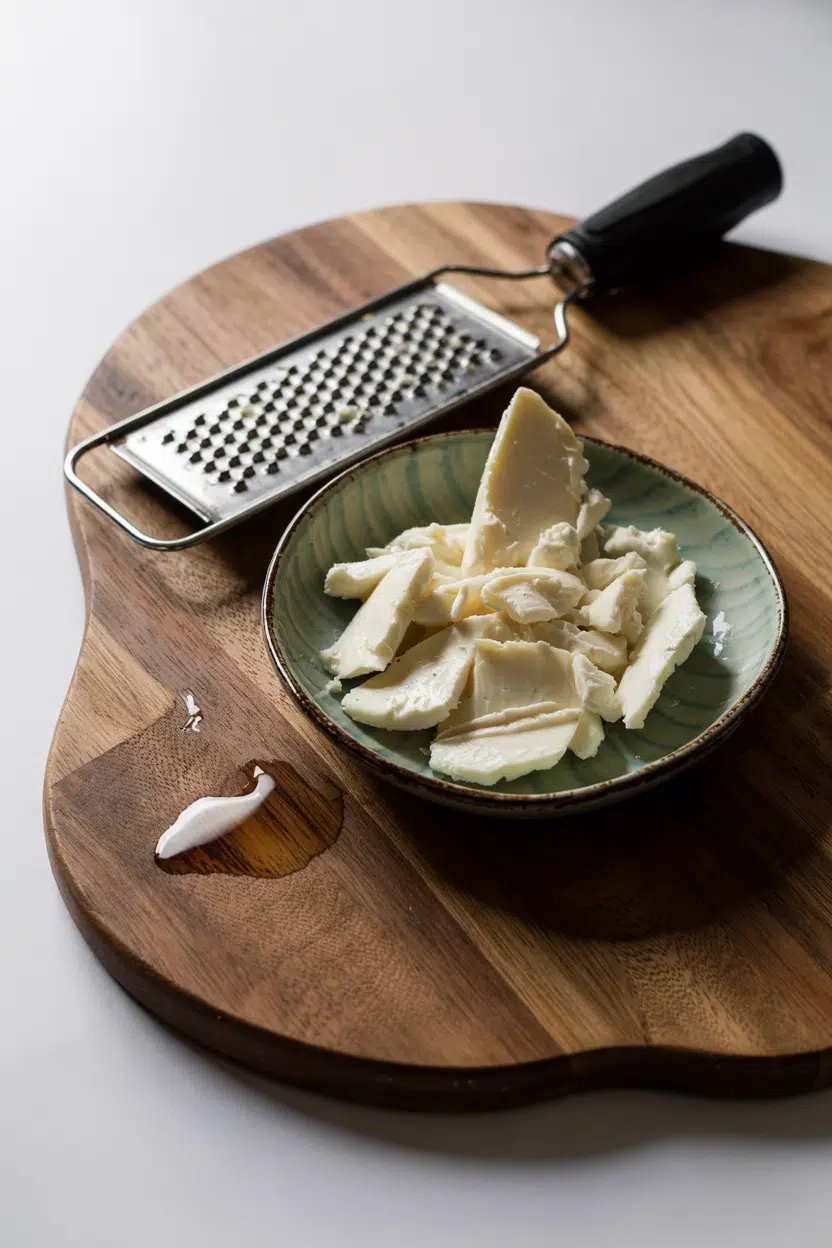
Fresh goat cheese opens with a clean lactic brightness - the same quality you get in plain yogurt, but rounder and creamier. That tangy-citrus acidity is the most recognizable feature. Compared to cow's cream cheese, chèvre reads noticeably sharper; compared to mild sheep ricotta, it's denser and more acidic rather than milky-sweet.
Age shifts the profile noticeably. Older wheels develop a more pronounced caprine earthiness - what people usually call "goaty" - and the texture moves from spreadable to slightly granular.
Heat softens fresh chèvre into something almost runny, intensifying the tang without adding bitterness.
How to Use Goat Cheese
Fresh chèvre is the most forgiving style. Crumble it cold over a roasted beet salad with arugula and cinnamon-sugar roasted nuts for a dish that needs nothing else. Spread it on crostini with honey and thyme, or fold it into warm pasta off the heat - the residual warmth melts it into a loose, tangy sauce without breaking it.
Baking works well for whole rounds or thick slices. Place a round in an oven-safe dish with olive oil and rosemary, bake until it softens and just starts to run, then serve immediately with crusty bread.
Goat cheese also fills tarts and quiches cleanly - caramelized onion and goat cheese tart is a French bistro staple precisely because the tang cuts through the sweetness of the onions.
Aged goat cheese functions differently. Grate it over roasted vegetables or shave it thin over warm dishes where you want concentrated flavor without creaminess.
Goat cheese has a natural home in French chèvre preparations and Mediterranean cooking, but Modern American bistro menus and Spanish tapas-style plates use it just as often. It pairs well with honey, fig jam, beets, arugula, roasted walnuts or pistachios, lemon, thyme, and rosemary.
For wine, stick to light-bodied whites or a dry rosé - heavy tannic reds fight the acidity instead of balancing it.
| Method | Best For | Tip |
|---|---|---|
| 🥗 Crumbled Raw | Salads, grain bowls, flatbreads | Add at the last moment so it doesn't absorb dressing |
| 🔥 Baked Whole | Appetizers, shared starters with bread | Use a small oven-safe dish; bake at 375°F until just soft |
| 🍝 Folded In | Warm pasta, omelets, frittatas | Remove pan from heat first - direct heat makes it grainy |
| 🥧 Tart/Quiche Filling | Savory tarts, quiche, stuffed chicken | Blend with eggs to smooth out texture before pouring |
| 🧀 Aged and Grated | Roasted vegetables, warm dishes | Use a microplane for thin, even coverage that melts on contact |
How to Buy and Store Goat Cheese
Fresh chèvre should be bright white with a clean, lactic smell. No pink tinge, no dark streaks, no ammonia sharpness.
Avoid packages swimming in liquid - some moisture is normal, but excess pooling suggests age or improper handling. For aged rounds, look for an even rind color and firm texture with no soft spots.
Storage matters more than most people expect. Wrap it in parchment or wax paper, then place inside a loosely closed container so air can circulate.
Plastic wrap traps moisture and accelerates ammonia buildup. Fresh goat cheese holds about 1-2 weeks once opened; aged varieties last 3-6 weeks unopened.
For a fuller breakdown, see our guide to goat cheese freshness guide. If you run out and need a stand-in, we've covered the best goat cheese replacements as well.
Where to Start with Goat Cheese
If you've never cooked with it, buy a plain fresh chèvre log. Crumble half over a simple salad with beets and dressed arugula.
Use the rest spread on toast with honey. That's the full range of the ingredient in two dishes, no technique required.
From there, try baking a whole round with herbs - it takes about fifteen minutes and shows you exactly what heat does to the texture. Aged styles come later, once you know the fresh baseline well.
Frequently Asked Questions
Technically, chèvre means "goat" in French and refers to any cheese made from goat's milk. In American markets, "chèvre" usually means the soft, fresh log-style specifically. All chèvre is goat cheese, but not all goat cheese is sold as chèvre.
Goat's milk contains higher concentrations of medium-chain fatty acids - caprylic, capric, and caproic acids - which produce that distinctive tangy, earthy brightness. Cow's milk cheeses have a milder, creamier baseline because those fatty acids are present in much lower amounts.
Often yes, in moderate amounts. Goat cheese - especially aged varieties - is lower in lactose than most cow's milk cheeses, and the smaller fat globules in goat's milk make it easier to digest. Individual tolerance still varies, so start with a small portion.
Light, high-acid whites work best - Sancerre and Pouilly-Fumé are the classic regional matches for French chèvre. Dry rosé also pairs well. Avoid heavy tannic reds, which clash with the cheese's acidity rather than complementing it.
You can freeze fresh chèvre, but the texture turns crumbly and slightly grainy after thawing. It's still usable in cooked dishes - pasta, quiche, baked applications - where texture matters less. Don't freeze it if you plan to serve it raw or spread.



