Most people assume cream cheese is just a bagel topping - a condiment that earns its place on a Sunday morning and not much else. That's a significant underestimation. Cream cheese is a fresh dairy staple that pulls serious weight in baking, cooking, and cold preparations, and understanding how it actually tastes and behaves in the kitchen changes how you use it.
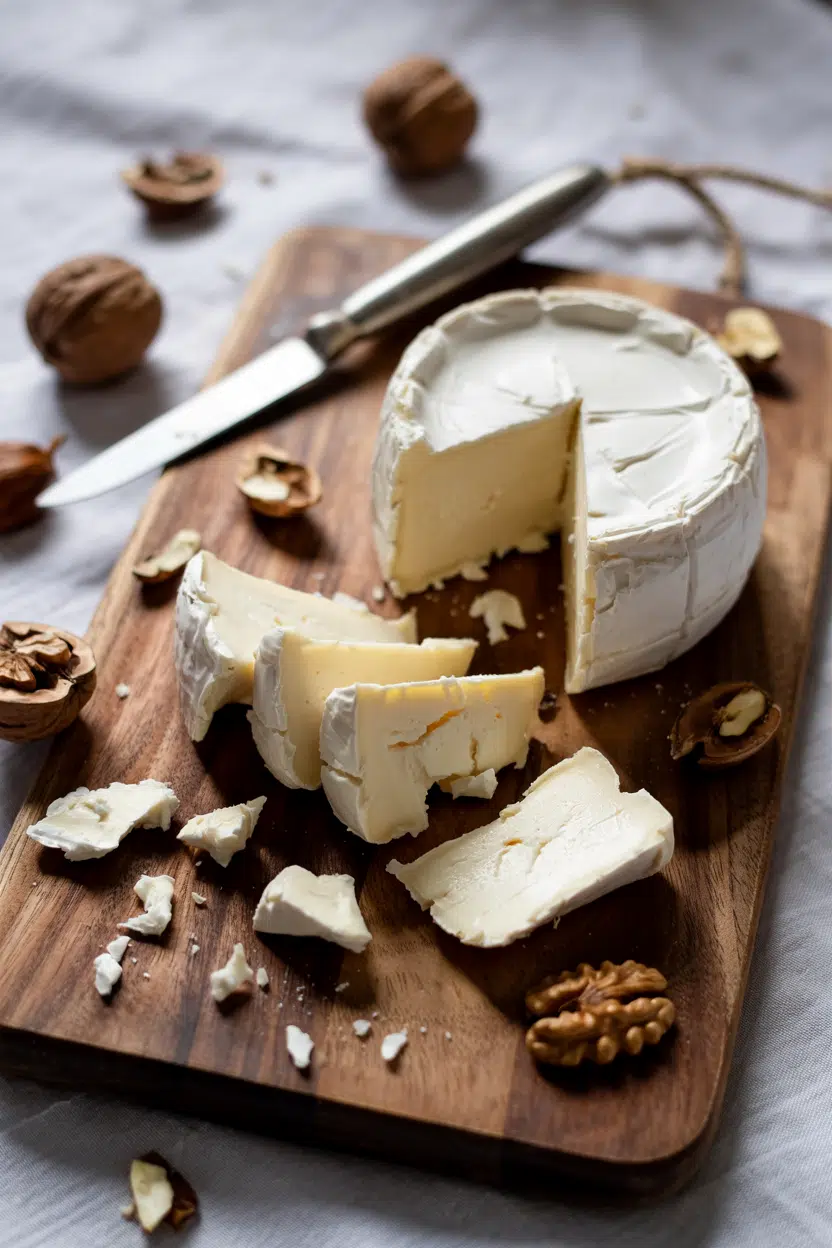
Knowing how cream behaves as an ingredient also helps - and the same logic applies here, whether you're spreading it cold or folding it into a cheesecake batter.
Cream cheese is a soft, fresh dairy cheese with mild tang, buttery richness, and a clean finish. It spreads cold, whips into frostings, and bakes into cheesecakes. Opened blocks keep about 7-10 days refrigerated.
What Is cream cheese?
Cream cheese originated in the United States and was commercially standardized in the 1870s in New York. Philadelphia cream cheese, introduced in 1872, became the category's benchmark brand - so dominant that "Philadelphia" is now shorthand for the product itself in many countries.
Remember it later
Planning to try this recipe soon? Save it for a quick find later!
By regulation, cream cheese must contain at least 33% milkfat and no more than 55% moisture, which gives it that characteristic dense, spreadable texture. It's a fresh unripened cheese, meaning it skips the aging process entirely and goes straight from production to refrigerated shelves.
A few varieties are worth knowing:
- Full-fat block - The standard for baking and frosting; firmer texture, most consistent results.
- Whipped cream cheese - Air-incorporated for a lighter spread; not a reliable substitute in baked recipes.
- Neufchâtel - A lower-fat version with slightly more moisture and a softer, less dense texture.
- Vegan alternatives - Typically cashew- or soy-based; flavor and melt behavior differ notably from dairy versions.
Neufchâtel is often shelved beside standard cream cheese and marketed as a cream cheese substitute, but its higher moisture content affects baked recipes.
What Does cream cheese Taste Like?
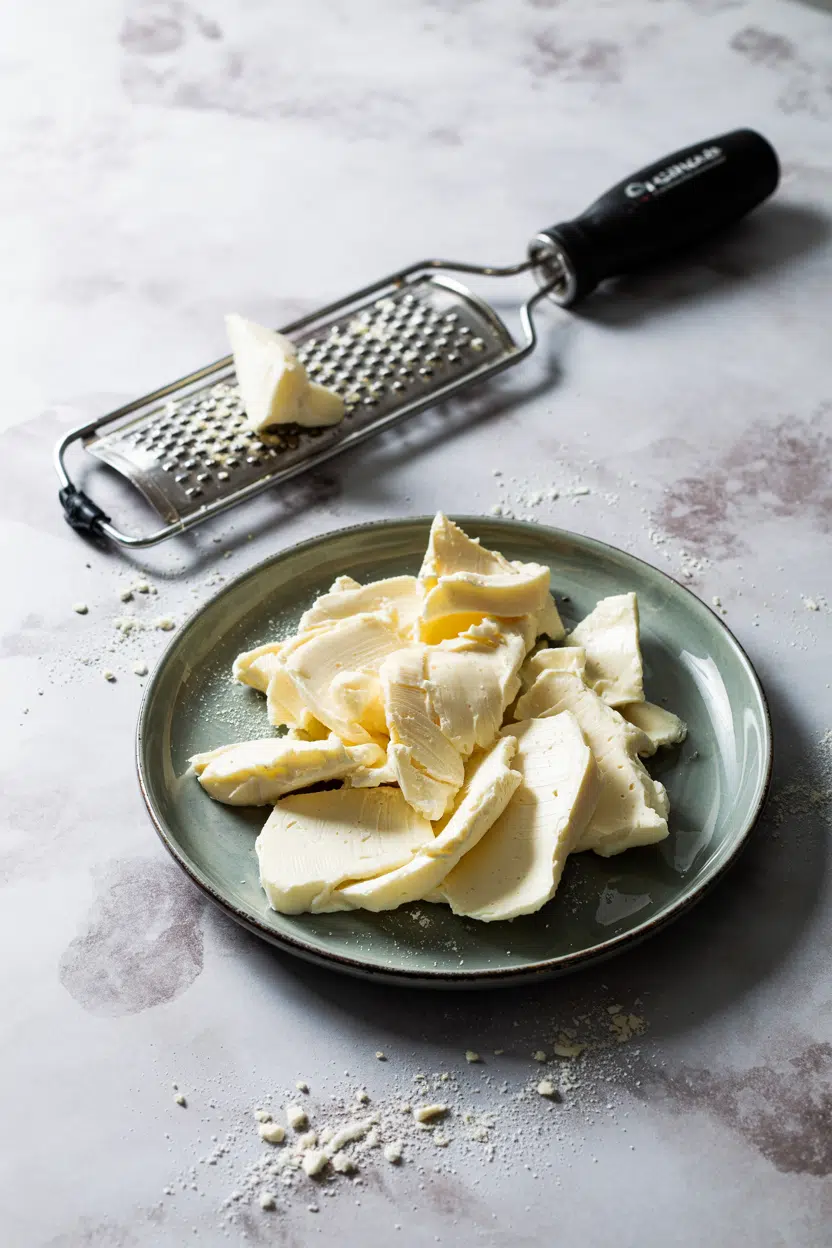
Cream cheese has a mild lactic tang - sharper than mascarpone, softer than fresh goat cheese. The richness comes from its high fat content, which coats the palate and rounds out that tang into something buttery rather than sour.
There's a faint natural sweetness underneath, though it's subtle enough that the overall impression stays savory-leaning. Cold cream cheese tastes denser and more restrained; at room temperature, the fat loosens and the tang becomes more pronounced.
When baked into cheesecake, the heat tempers the sharpness and amplifies the buttery note - the tang pulls back but never disappears entirely.
For comparison, mascarpone alternatives often use cream cheese as a base precisely because the fat content is close, even though the flavor profiles differ.
How to Use cream cheese
Cream cheese performs differently depending on temperature, so it's worth thinking about the method before you start.
| Method | Best For | Tip |
|---|---|---|
| 🧈 Cold Spread | Bagel schmear, stuffed jalapeños, chicken filling | Use straight from the fridge; block form holds shape better than whipped |
| 🔥 Baked | New York-style cheesecake, swirled brownies, baked dips | Room-temperature block only; whipped version causes uneven bake |
| 🍦 Whipped/Beaten | Cream-cheese frosting for carrot cake or red velvet | Beat with butter first, then add sugar; prevents a runny result |
| 🍝 Stirred into Sauce | Creamy pasta sauces, mashed potatoes | Use low heat and add off the boil to prevent splitting |
In American kitchens, cream cheese is most visible on a bagel - a classic schmear with smoked salmon, chives, and lemon zest is the benchmark pairing. Jewish-American food culture cemented that combination, and it remains the most recognizable use globally.
Beyond breakfast, cream cheese works hard in baking. It's the non-negotiable base for New York-style cheesecake, and it anchors cream-cheese frosting - the tangy counterpoint that keeps carrot cake and red velvet from tasting one-dimensional.
Savory applications extend further than most people use it. Fold it cold into herb-and-salmon dips, swirl a spoonful into pasta off the heat, or mix it into mashed potatoes for extra body.
Cream cheese pairs cleanly with dill, chives, brown sugar, vanilla, strawberries, and lemon zest.
How to Buy and Store cream cheese
At the store, choose a plump, sealed block with no watery separation visible on the lid or foil. Check the sell-by date and look for packages listing pasteurized cream and milk as the first ingredients.
Avoid anything with bloating, punctures, or liquid pooling inside the packaging.
Storage is straightforward. Keep it refrigerated in its original foil, and once opened, transfer it to an airtight container to prevent it from absorbing fridge odors.
- Unopened block - Stays good for 3-4 weeks past the printed date when refrigerated consistently.
- Opened block - Use within 7-10 days for best quality; discard if you see mold or smell sour rather than tangy.
- Freezing - Possible but not ideal; texture becomes crumbly after thawing, fine for baking but not spreading.
For a closer look at safe timelines, the cream cheese storage guide guide covers edge cases and signs of spoilage in detail.
Where to Start with Cream Cheese
If you're working out whether this ingredient fits a recipe, the decision is quick. Cold and uncooked is where cream cheese is most reliable - spreads, dips, and stuffed fillings require no special technique. Baking demands the full-fat block at room temperature, nothing else.
Reach for it when a recipe needs dairy richness with a hint of tang that butter alone won't provide. It pairs equally well alongside cheesecake sides or stirred into a weeknight pasta sauce.
Start cold, keep the heat low when you do cook it, and the full-fat block won't let you down.
Frequently Asked Questions
No. American Neufchâtel has less fat and more moisture than standard cream cheese. It spreads similarly but produces a softer, less stable result in baked recipes like cheesecake.
About 7-10 days in an airtight container in the refrigerator. Discard it earlier if the surface shows mold, pinkish discoloration, or the smell has shifted from tangy to sour.
It freezes but the texture changes significantly - it turns crumbly and grainy after thawing. Frozen cream cheese works in baked cheesecakes or cooked sauces, not as a spread.
Full-fat block cream cheese, fully softened to room temperature. Philadelphia is the most consistent brand; avoid whipped or reduced-fat versions, which add excess moisture and affect the set.
Yes, with low heat. Stir it in off the boil or over a gentle simmer. Adding it to a hard boil or acidic sauce causes the fat to separate and the texture to turn grainy.