• Skip to primary navigation
  • Skip to main content
  • Skip to primary sidebar
  • Recipe Index
    • Air Fryer
  • Side Dishes
  • Substitutes
  • About
  • Contact
  • Subscribe

ForkLiftKitchen

menu icon
go to homepage
  • Recipe Index
    • Air Fryer
  • Side Dishes
  • Substitutes
  • About
  • Contact
  • Subscribe
subscribe
search icon
Homepage link
  • Recipe Index
    • Air Fryer
  • Side Dishes
  • Substitutes
  • About
  • Contact
  • Subscribe
×

Blog

Mango con Chile Mexican Street Fruit

February 3, 2026

When you need a snack that works for kids' parties, summer picnics, or just a quick afternoon bite, diced mango with chili powder delivers. One bowl, 10 minutes, and a balance of sweet-spicy-tangy that makes plain fruit feel intentional.
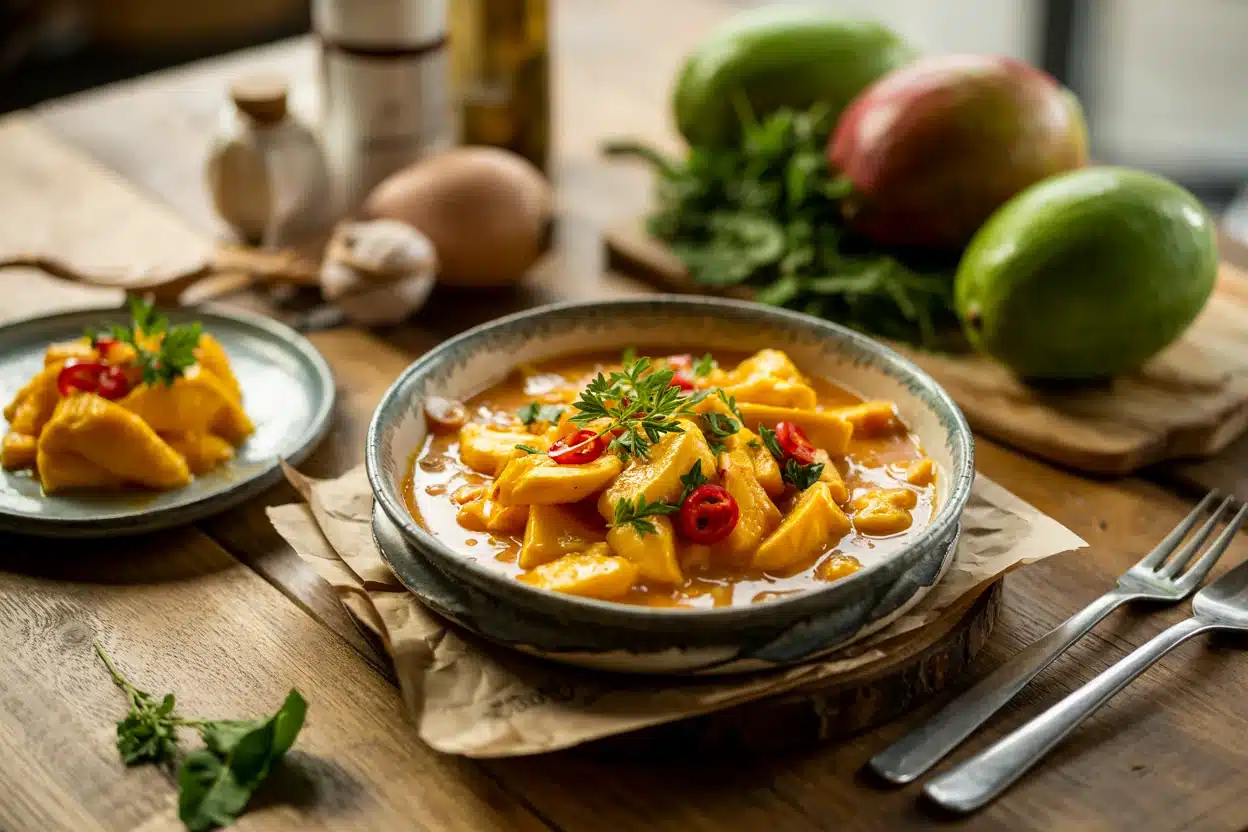
Mango con Chile Mexican Street Fruit

Ripe mango gets tossed with tajin seasoning and fresh lime juice for instant flavor. The chili powder coating sticks to the juicy pieces without sliding off.

Perfect for hot days when you want something cold and bright that still feels like a treat.

QUICK SUMMARY

Mango con chile combines juicy ripe mango with tangy chili powder, lime juice, and salt for a refreshing Mexican street snack. The tajin seasoning provides the signature spicy-tangy kick that balances the mango's sweetness in under 10 minutes. Choose firm-ripe mango with slight give for best texture.

⏱️Ready Fast: 10 minutes prep, no cooking required
🔪Start Here: Dice ripe mango into bite-sized cubes
⚠️Watch Out: Add chili powder gradually to avoid overpowering spice

Why This Recipe Works

The high-sugar content in ripe mango provides a natural sweet base that balances the heat from chili powder without needing extra ingredients. Tossing diced mango with lime juice first creates a coating layer that helps the chili powder stick evenly instead of clumping. Most people skip corn, but it balances the meal. For a version that comes together quickly, this easy corn side works with mango when you want a full snack spread.

Quick Reference
⏱️
Prep Time
10 min
🔥
Cook Time
0 min
⏰
Total Time
10 min
🍽️
Servings
4 servings
📊
Difficulty
Easy
🏷️
Category
Snack | Appetizer
💡
Quick Tip
Use ripe mango and fresh lime juice
🎯
Best For
Summer snack | Entertaining | Kids' party

Why it delivers:

  • Ripe but firm mango - Provides natural sweetness and holds shape when diced instead of turning mushy
  • Fresh lime juice - Adds bright acidity immediately before serving to prevent flavor loss from bottled juice
  • Tajin seasoning - Combines chili, lime, and salt in one spice blend that sticks to juicy fruit surfaces
  • Gradual chili addition - Starting with 1 teaspoon and adjusting up to 2 prevents overpowering heat
  • Chilled serving - Refrigerating mixed fruit for 10 minutes before serving maximizes refreshment on hot days
Quick Tip
Gently press mango to check ripeness-slight softness with a sweet aroma at the stem end signals it's ready to dice.

What You'll Need

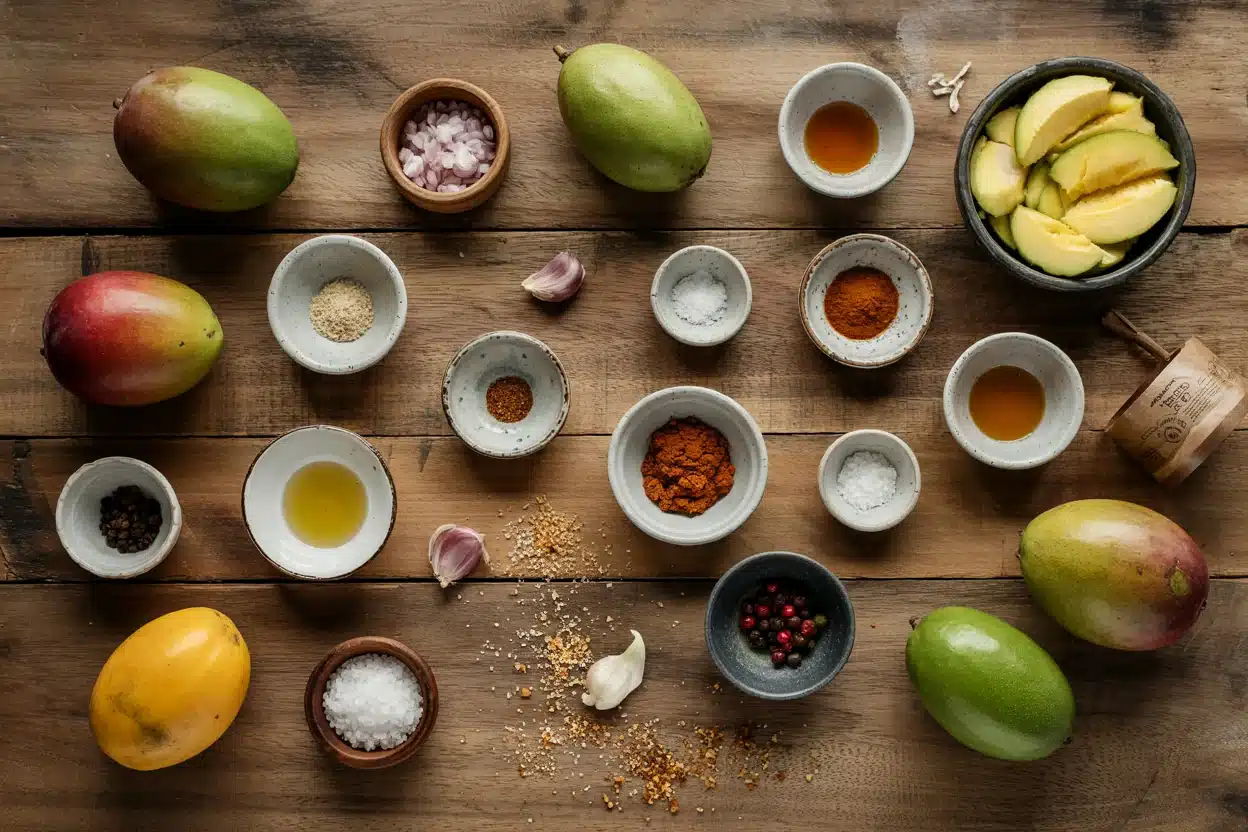
Mango con Chile Mexican Street Fruit - Mango con Chile Mexican Street Fruit

Shopping for this takes one produce run and a spice aisle check. The musubi works best when it hits the table at the same time as the main. We keep a batch ready for nights like this - try this quick musubi recipe when you want another fast snack option.

🥭
Fruit
  • 2 large ripe mangoes
  • 1 medium cucumber (optional)
🌶️
Seasoning
  • 2 teaspoon tajin chili powder
  • ½ teaspoon salt
  • 1 teaspoon sugar (optional)
🍋
Acid
  • 2 tablespoon fresh lime juice
  • 1 tablespoon chamoy sauce (optional)

Ingredient Details

  • Ripe Mango
    Choose fruit with slight give when pressed and a sweet aroma at the stem-underripe mango lacks sweetness and makes the chili taste harsh.
  • Tajin Seasoning
    This Mexican spice blend combines chili, lime, and salt in one step-it clings to wet fruit better than regular chili powder alone.
  • Fresh Lime Juice
    Squeeze limes right before mixing to preserve the bright acidity that balances sweetness-bottled juice loses punch after opening.
  • Salt
    Fine sea salt dissolves quickly into the lime juice and enhances mango's natural sweetness without adding grittiness.
  • Cucumber
    Peel and dice to the same size as mango cubes for texture contrast-the crisp crunch offsets juicy mango pieces.
  • Chamoy Sauce
    This tangy-spicy condiment adds complexity but isn't required-drizzle 1 tablespoon after tossing with chili powder for layered flavor.
  • Sugar
    Add up to 1 teaspoon only if your mango tastes tart instead of sweet-skip this if the fruit is naturally ripe and juicy.

Ingredient Swaps

Substitutions work when you're missing one ingredient or adjusting for heat tolerance. Rich mains need something to cut through, and corn does exactly that. For a version that comes together quickly, this easy corn side pairs with any spicy fruit snack when you need more options on the table.

Four ways to adjust:

  • Swap tajin for regular chili powder with lime zest and salt - Mix ½ teaspoon chili powder, ¼ teaspoon salt, and zest of 1 lime for a similar tangy-spicy kick with less depth
  • Use frozen mango chunks thawed instead of fresh - Drain excess liquid after thawing and expect softer texture with slightly less vibrant sweetness
  • Replace lime juice with lemon juice - The acidity level stays similar but you lose the slight floral sweetness that lime brings to tropical fruit
  • Try jicama instead of cucumber - Peel and dice this mild root vegetable for similar crunch with a slightly sweeter taste than cucumber's grassy notes

Regular Chili Powder

Works for: Budget-friendly when tajin isn't available, control heat level separately

Skip if: You want the signature tangy-lime flavor that makes this taste like street food

Frozen Mango

Works for: Off-season when fresh mangoes are expensive or hard to find

Skip if: You need firm texture that holds shape after tossing with lime and chili

Instructions

The mixing takes under 10 minutes with no heat required. A good pork can make or break the plate. We keep a batch ready for nights like this - this classic pork dish works when you're building a full Mexican-themed snack spread.

  1. Peel and dice mango: Slice mango cheeks off the pit, score flesh in a crosshatch pattern without cutting through the skin, then scoop cubes into a mixing bowl using a large spoon.

  2. Add lime juice first: Pour 2 tablespoons fresh lime juice over diced mango and toss gently for 20 seconds until all pieces are coated-this creates a wet surface for chili powder to stick.

  3. Sprinkle chili powder gradually: Add 1 teaspoon tajin seasoning, toss for 30 seconds, taste one piece, then add up to 1 more teaspoon if you want more heat and tang.

  4. Season with salt: Sprinkle ½ teaspoon fine sea salt over the mixture and toss again-the salt enhances sweetness and reduces any bitterness from the mango's fibrous parts.

  5. Chill and serve: Transfer to serving cups or bowls, refrigerate for 10 minutes if serving cold, or eat immediately at room temperature with optional chamoy drizzle on top.

Golden Rule
Add chili powder in stages and taste after each addition-you can always add more spice but you can't remove it once it's mixed.

What to Serve With It

This snack works best alongside other small plates or as an appetizer before a main meal. Chicken adds the contrast this plate needs, but timing matters. For a version that comes together quickly, these meatless meal ideas show how to build a full spread when you're planning a party or gathering.

Side Dish Prep Why It Works How to Serve
Grilled Corn on the Cob Medium Sweet charred kernels complement spicy-tangy fruit contrast Brush with butter, sprinkle with cotija cheese and lime
Tortilla Chips Easy Adds crunch and provides a scoop for juicy fruit pieces Serve in a basket, let guests scoop mango directly onto chips
Black Bean Salad Easy Adds protein and balances the sweetness with earthy legumes Toss beans with lime, cilantro, and diced red onion
Fresh Lime Wedges Easy Extra acidity for guests who want more citrus punch Arrange on the side, let people squeeze over their portion
Spicy Shrimp Skewers Involved Protein contrast with the fruit's sweetness for entertaining Grill shrimp with chili-lime marinade, serve hot alongside cold fruit

Three ways to serve it:

  • Street-style in cups - Portion into clear plastic cups with wooden spoons, drizzle chamoy sauce on top, and stick in a lime wedge
  • Party platter - Spread mango and cucumber cubes on a large serving plate, set out small forks, and place chili powder shaker nearby for extra heat
  • Taco night appetizer - Serve in small bowls before tacos hit the table, pair with tortilla chips for scooping
Shortcut
Buy pre-cut mango chunks from the produce section and skip the peeling step-just rinse, drain, and toss with lime and chili.

Store and Reheat

Mango con chile tastes best fresh but holds for short-term storage. Most people skip soup, but it balances the meal. We keep a batch ready for nights like this - try this quick soup dish when you're building a fuller Mexican menu with multiple courses.

Method Time Best For
🥶 Serve Chilled Direct from fridge Maximum refreshment on hot days or after outdoor activities
🌡️ Room Temperature Let sit 15 min Fuller mango flavor when you don't need extra cooling

For best results when storing:

  • Refrigerate in airtight container - Store mixed fruit for up to 2 days but expect softer texture and less vibrant lime flavor after 24 hours
  • Drain excess liquid before storing - Pour off pooled juice at the bottom to prevent mango from getting waterlogged and mushy overnight
  • Add fresh lime juice before serving leftovers - Squeeze ½ lime over refrigerated portions to restore brightness that fades during storage
  • Keep chili powder separate for meal prep - Dice mango and refrigerate plain, then toss with lime and chili right before eating for crisper texture
  • Don't freeze mango con chile - The high water content in mango creates ice crystals that turn the fruit mushy and watery when thawed

Frequently Asked Questions

Can I use frozen mango for mango con chile?

Yes, thaw frozen mango chunks completely and drain excess liquid before tossing with lime and chili. Expect softer texture with slightly less sweetness compared to fresh ripe mango.

How long can I store mango con chile in the fridge?

Store in an airtight container for up to 2 days but the texture softens and lime flavor fades after the first day. Add fresh lime juice before serving leftovers to restore brightness.

How do I know if mango is ripe enough for this dish?

Gently press the mango near the stem-slight softness with a sweet fruity aroma signals ripeness. Avoid rock-hard fruit that lacks sweetness or overly soft mangoes that turn mushy when diced.

What to do if mango con chile is too spicy or bland?

If too spicy, add more diced mango or cucumber to dilute the heat without removing chili. If bland, squeeze extra lime juice and sprinkle more tajin seasoning gradually until flavor balances.

Can I prepare mango con chile a day ahead?

Dice mango and refrigerate plain up to 1 day ahead, then add lime juice and chili powder right before serving. Mixing everything the night before makes the fruit soggy and dulls the lime's brightness.

Mango con Chile Mexican Street Fruit

Mango con Chile Mexican Street Fruit

No ratings yet
Mango con Chile is a quick and refreshing Mexican street snack featuring ripe mango tossed with tajin chili powder and fresh lime juice. This easy recipe delivers a perfect balance of sweet, spicy, and tangy flavors in under 10 minutes without any cooking required.
Print Recipe Pin Recipe
Prep Time 10 minutes mins
Cook Time 1 minute min
Total Time 11 minutes mins
Servings: 4 servings
Course: Appetizer, Snack
Cuisine: Mexican
Ingredients Method Notes

Ingredients
  

  • 2 large mango ripe, peeled and diced
  • 1 medium cucumber optional, peeled and diced to same size as mango
  • 2 teaspoon tajin chili powder
  • 0.5 teaspoon salt fine sea salt
  • 1 teaspoon sugar optional, if mango tastes tart
  • 2 tablespoon lime juice freshly squeezed
  • 1 tablespoon chamoy sauce optional, for drizzling on top

Method
 

  1. Peel and dice the mango into bite-sized cubes by slicing cheeks off the pit, scoring the flesh in a crosshatch pattern without cutting the skin, then scooping the cubes out into a mixing bowl.
    2 large mango
  2. Pour 2 tablespoons of fresh lime juice over the diced mango and toss gently for about 20 seconds until all pieces are coated. This creates a wet surface for the chili powder to adhere evenly.
    2 large mango, 2 tbsp lime juice
  3. Sprinkle 1 teaspoon of tajin seasoning over the mango, toss for 30 seconds, then taste one piece. Add up to 1 more teaspoon if you prefer more heat and tang.
    2 large mango, 2 tsp tajin chili powder
  4. Sprinkle ½ teaspoon of fine sea salt over the mixture and toss again to enhance sweetness and reduce any bitterness.
    2 large mango, 0.5 tsp salt
  5. Transfer the mango mixture to serving cups or bowls. Refrigerate for 10 minutes if you want to serve it cold, or enjoy immediately at room temperature. Optionally drizzle with chamoy sauce on top before serving.
    2 large mango, 1 tbsp chamoy sauce

Notes

  • Use ripe but firm mango with a slight softness and sweet aroma for best flavor and texture.
  • Add chili powder gradually to avoid overpowering the natural sweetness and adjust spice level to taste.
  • Refrigerate before serving for a refreshing treat on hot days, but serve within 2 days for best texture and flavor.

Tried this recipe?

Let us know how it was!

5 Best Substitutes for Clove in Baking & Cooking

February 3, 2026

You're halfway through spicing a pot of mulled wine when you realize the jar of ground clove is almost empty. Clove brings sharp aromatic warmth and slight bitterness that other spices don't quite match.

5 Best Substitutes for Clove in Baking & Cooking

Its pungent flavor balances sweet and savory dishes-from baked hams to gingerbread. Without it, recipes taste flat or too one-dimensional.

A few warm spices come close. Some mimic the aromatic punch, others bring similar depth with different flavor notes.

QUICK SUMMARY

Ground allspice replaces clove 1:1 in most recipes-it combines cinnamon, nutmeg, and clove-like warmth. Cinnamon + nutmeg (½ teaspoon + ⅛ teaspoon per 1 teaspoon clove) works in baking but lacks sharp pungency. Star anise brings aromatic depth to savory dishes but adds licorice notes.

🏆Closest match: Allspice mimics clove's warmth in baking and cooking
⚡Fastest swap: Cinnamon + nutmeg-likely already in your pantry
⚠️Watch out: Star anise brings strong licorice flavor-use half the amount

5 Top Substitutes for Clove

Clove brings sharp aromatic warmth that's hard to replicate exactly. The swaps below match different aspects-some focus on warmth, others on complexity.

Quick Substitute Reference
# Substitute Best For Ratio Key Note
1 Ground Allspice ✨ Both 1:1 Slightly milder bite
2 Cinnamon + Nutmeg 🥧 Baking ½ teaspoon + ⅛ tsp Lacks clove sharpness
3 Star Anise 🍳 Cooking ½ tsp Strong licorice flavor
4 DIY Clove Blend ✨ Both Custom mix Proportions vary results
5 Ground Mace 🍳 Cooking 1:1 Sweeter, less sharp

1. Ground Allspice 🌟

Allspice brings warm aromatic spice that mimics clove's complexity without the sharp bite. It combines flavors reminiscent of cinnamon, nutmeg, and clove in one spice.

Use 1:1 in any recipe calling for ground clove. It works in both sweet baked goods and savory dishes like braised meats or spiced sauces.

  • ✅ Closest flavor match for most recipes
  • ⚠️ Slightly less bitter than true clove

The warmth and depth make allspice the most flexible swap. It won't replicate clove's sharp pungency exactly, but it covers the aromatic role well.

If you run low on allspice too, swaps when Allspice runs out can help-several pantry spices fill that gap.

2. Cinnamon + Nutmeg Blend 🥄

Mixing cinnamon and nutmeg creates warm spice depth that works in sweet baked goods. Cinnamon brings sweetness, nutmeg adds slight earthiness.

Use ½ teaspoon cinnamon + ⅛ teaspoon nutmeg per 1 teaspoon clove. This blend works best in cookies, cakes, and spiced drinks where clove's sharp bite isn't essential.

  • 🥧 In baking: Works in gingerbread, spice cakes, and quick breads
  • ☕ In drinks: Great for chai, mulled wine, and cider
  • ⚠️ Lacks punch: Won't match clove's sharpness in savory dishes

The blend tastes softer and sweeter than clove. Skip this swap in savory applications like ham glazes or spiced stews-it won't bring the necessary depth.

3. Ground Star Anise 🍂

Star anise delivers aromatic warmth and complexity in savory cooking. It brings licorice-like sweetness with hints of spice that work in braised dishes and marinades.

Use ½ teaspoon star anise per 1 teaspoon clove. Add it early in cooking so the flavor mellows and integrates.

  • 🍳 In cooking: Excellent in stews, braises, and spiced broths
  • ⚠️ Strong licorice: Use less than called for-it dominates quickly

Star anise shines in savory applications but overwhelms delicate desserts. Skip it in cakes, cookies, or sweet baked goods where the licorice note clashes.

If you need more options for anise-forward dishes, tested Anise replacements cover similar flavors.

4. DIY Clove Blend 🧪

Mixing 2 parts ground allspice, 1 part cinnamon, and 1 part nutmeg replicates clove's warm complexity at home. This blend balances sweetness, earthiness, and aromatic warmth.

Make a batch and store it in an airtight container. Use it 1:1 wherever ground clove appears in a recipe-adjust proportions if you want more or less sweetness.

The blend works in both sweet and savory dishes. It mimics clove's depth without the sharp pungency, making it gentler on the palate.

Texture varies slightly depending on how fine you grind each spice. For baking precision, measure carefully-small ratio changes affect flavor balance more than you'd expect.

5. Ground Mace 🌿

Mace comes from the outer coating of nutmeg seeds and shares aromatic warmth with clove. It tastes slightly sweeter and less sharp, with delicate floral notes.

Use 1:1 in savory dishes like sauces, soups, and spiced meats. Mace blends into cooked applications where clove's bite would be too strong.

Skip mace in recipes where clove's sharpness defines the dish-ham glazes, pickling spices, or strong spice blends. The milder profile won't carry the same weight.

Mace works best when you want aromatic warmth without aggressive pungency. It improves cream sauces and gravies without overwhelming other flavors.

Need more ideas? Mace swaps by recipe type cover ground mace alternatives when you're out of both.

Match Your Pantry to Clove

Got allspice? Use it 1:1-it's the closest match for both sweet and savory recipes.

Only cinnamon and nutmeg? Mix ½ teaspoon cinnamon with ⅛ teaspoon nutmeg per 1 teaspoon clove for baking.

Making savory dishes? Star anise or mace work better than sweet spice blends-start with half the amount.

Frequently Asked Questions

Can I use whole cloves instead of ground?

Yes, but you'll need to grind them or remove them before serving. Use 3 whole cloves per ¼ teaspoon ground clove. Whole cloves work best in slow-cooked dishes like stews, braises, and mulled drinks where you can fish them out later.

What's the difference between clove and allspice?

Clove brings sharp, pungent warmth with slight bitterness. Allspice tastes like a blend of cinnamon, nutmeg, and clove-it's warmer and sweeter, less aggressive. Both add aromatic depth, but clove has more bite and intensity.

Can I skip clove entirely in a recipe?

You can, but the dish will lose warm aromatic complexity. Clove balances sweetness in baking and improves savory dishes. If you skip it, consider adding a pinch of cinnamon or allspice to fill the gap-though the flavor won't match exactly.

Does ground clove expire?

Ground clove loses potency after about 6 months. It won't spoil, but the flavor fades and turns bitter. Store it in an airtight container away from heat and light. If it smells weak or musty, replace it-stale clove won't bring the warmth you need.

Can I use clove in savory dishes?

Absolutely. Clove works in braised meats, spiced stews, and savory sauces-especially with pork, lamb, and game. Use it sparingly-too much turns bitter and medicinal. Pair it with other warm spices like cinnamon, allspice, or star anise for balanced depth.

Substitutes for Clove in Baking & Cooking

5 Best Substitutes for Clove

No ratings yet
Clove provides sharp aromatic warmth and a slight bitterness essential in many sweet and savory dishes. These top substitutes replicate clove's warmth and complexity, each suitable for different recipe types and flavor profiles.
Print Recipe Pin Recipe
Prep Time 10 minutes mins
Cook Time 6 minutes mins
Total Time 16 minutes mins
Servings: 4 servings
Course: Kitchen Tips, Substitutes
Cuisine: Various
Ingredients Method Notes

Ingredients
  

  • 1 cup Ground Allspice Use 1:1 ratio as a direct substitute for ground clove
  • Cinnamon + Nutmeg Use ½ teaspoon cinnamon + ⅛ teaspoon nutmeg per 1 teaspoon clove; best for baking
  • ½ teaspoon Ground Star Anise Use half the amount of clove; adds strong licorice flavor
  • DIY Clove Blend Mix 2 parts ground allspice, 1 part cinnamon, and 1 part nutmeg;
  • 1 cup Ground Mace Use 1:1 ratio in savory dishes; sweeter and less sharp than clove

Method
 

  1. Choose the substitute based on your recipe's flavor needs and use case (baking, cooking, or both).
  2. Prepare the substitute as needed, such as blending cinnamon and nutmeg or mixing the DIY clove blend.
  3. Apply the substitute according to the recommended ratios, adjusting for desired intensity.
  4. Cook or warm your dish as usual, allowing the substitute flavors to integrate and mellow.
  5. Taste and adjust seasoning to ensure balance and desired aromatic warmth.

Notes

  • Allspice is the closest flavor match but slightly milder than clove.
  • Cinnamon and nutmeg work best in sweet baked goods but lack clove's sharpness.
  • Star anise adds licorice notes; use carefully to avoid overpowering flavors.

Tried this recipe?

Let us know how it was!

5 Best Substitutes for Chipotle Powder in Marinades

February 3, 2026

You check the spice rack mid-rub prep and realize the chipotle powder container is empty. That smoky heat defines the dish you're making-regular chili powder won't deliver the same depth.

5 Best Substitutes for Chipotle Powder in Marinades

Chipotle powder brings smoke, moderate heat, and earthy sweetness from dried, smoked jalapeños. Without it, the flavor shifts noticeably.

A few pantry spices and DIY blends can fill that gap. Some match the smoke, others bring the heat, and one rebuilds the exact flavor if you've got whole chipotles.

QUICK SUMMARY

Smoked paprika matches the smoky depth 1:1 but runs milder. Ancho chili powder brings earthy warmth without smoke. A DIY blend of 3 parts paprika to 1 part cayenne rebuilds heat and color-though not the smoke. Grind whole chipotles for exact flavor when precision matters.

🔥Closest match: Smoked paprika for smoke and mild heat
⚡Fastest DIY: Cayenne + paprika blend, mixed in seconds
⚠️Watch out: Most swaps miss chipotle's specific smoky sweetness

Out of Chipotle Powder? Try These 5 Swaps

Chipotle powder delivers smoke and moderate heat that standard chili powders don't replicate. Pick your swap based on whether you need the smoke, the heat, or both.

Quick Substitute Reference
# Substitute Best For Ratio Key Note
1 Smoked Paprika ✨ Both 1:1 Milder heat, similar smoke
2 Ancho Chili Powder 🍳 Cooking 1:1 No smoke, earthy flavor
3 Cayenne + Paprika ✨ Both 3:1 Heat + color, no smoke
4 Chili Powder 🍳 Cooking 1:1 Milder, mixed spice blend
5 DIY Chipotle Powder ✨ Both 1:1 Exact flavor, variable texture

1. Smoked Paprika 🌶️

Smoked paprika gets you closest to chipotle's smoky profile. It's made from smoked peppers-same process, different base pepper.

Use 1:1 in any recipe calling for chipotle powder. Expect slightly milder heat but similar color and smoke depth.

  • ✅ Matches the smoke chipotle brings
  • ✅ Works in rubs, marinades, and sauces
  • ⚠️ Less heat than chipotle-add cayenne if needed

It shines in barbecue rubs and grilled meats where smoke is the priority. For recipes needing both smoke and heat, Smoked Paprika substitutes for cooking cover additional options.

2. Ancho Chili Powder 🌿

Ancho chili powder brings earthy warmth and mild fruitiness without smoke. Made from dried poblano peppers, it improves stews and braises.

Use 1:1 anywhere you'd use chipotle powder. The flavor won't match exactly, but it provides complexity.

  • 🍳 In slow-cooked dishes: Earthy notes develop over time
  • 🌮 In Mexican recipes: Fits traditional flavors
  • ⚠️ Skip for: Recipes where smoke is essential

Ancho works best in chili, mole, and braised meats where the fruity undertone complements other spices. If ancho runs out too, Ancho Chili Powder swaps that match list similar dried chile options.

3. Cayenne + Paprika 🔥

Mix 3 parts paprika with 1 part cayenne to rebuild chipotle's heat and color. This DIY blend works fast when you need both elements.

The paprika adds color and mild sweetness. Cayenne brings the heat.

  • ✅ Builds heat level quickly
  • ⚠️ No smoky depth-flavor is sharper
Watch Out
Start with less cayenne-you can always add more heat, but you can't take it back.

This blend fits dry rubs and finishing spice where you control the application. Regular paprika runs out often-check swaps when Paprika runs out for backup options.

4. Chili Powder 🌶️

Regular chili powder is a mixed spice blend-usually includes cumin, garlic powder, and mild chiles. It won't match chipotle's specific flavor, but it adds familiar chili warmth.

Use 1:1 in soups, chili, and basic taco seasoning. Expect less complexity and no smoke.

  • 🍲 In soups and stews: Blends with other spices easily
  • ⚠️ Lower heat: Most brands run milder than chipotle

It's the most accessible swap-nearly every kitchen has it. Works best in chili, taco filling, and casseroles where multiple spices compete.

For more precise heat control, Chili Powder swaps that match cover single-ingredient options.

5. DIY Chipotle Powder 🔪

Grind whole dried chipotle peppers in a spice grinder to make your own powder. This replicates the exact smoky heat-no compromises.

Use 1:1 ground chipotle for powder. Toast the peppers lightly before grinding to intensify the smoke.

  • ✅ Exact chipotle flavor match
  • ✅ Control heat level by seed removal
  • ⚠️ Texture may be coarser than commercial powder
  • ⚠️ Requires whole chipotles on hand

Grind small batches-fresh-ground chipotle loses potency faster than sealed powder. This works best when you need authentic chipotle flavor in adobo sauces, authentic Mexican dishes, or recipes where the smoke defines the dish.

Store ground chipotle in an airtight container for up to three months. More DIY spice blends appear in Chipotle Powder alternatives worth trying if you're building from scratch.

Picking Your Chipotle Powder Swap

  • 🏆 Closest match: Smoked paprika for similar smoke and color
  • 🔥 For heat control: Cayenne + paprika blend adjusts to taste
  • ⚡ Most authentic: Grind whole chipotles for exact flavor

Match the swap to what chipotle does in your recipe. If smoke is key, go with smoked paprika.

If heat matters more, build the cayenne-paprika blend.

Frequently Asked Questions

Can I use regular paprika instead of chipotle powder?

Regular paprika won't match chipotle's smoke or heat. It adds color but the flavor is sweet and mild. Mix it with cayenne to rebuild some of the heat-use 3 parts paprika to 1 part cayenne as a starting point.

Is chipotle powder spicier than regular chili powder?

Yes, chipotle powder typically runs hotter than standard chili powder. Chipotle brings medium heat from smoked jalapeños. Regular chili powder is a milder blend of chiles and spices like cumin and garlic powder. Start with less chipotle if you're substituting in the opposite direction.

What's the difference between chipotle powder and smoked paprika?

Chipotle powder comes from smoked jalapeños and delivers medium heat with a deep, sweet smokiness. Smoked paprika uses smoked sweet peppers-it brings similar smoke but runs milder on heat. Both add color and smoky depth, but chipotle has more kick.

Can I substitute chipotle in adobo sauce for chipotle powder?

Yes, but you'll need to adjust for liquid. Use 1 whole chipotle pepper plus 1 teaspoon adobo sauce per tablespoon of chipotle powder. Purée or mince the pepper finely. Reduce other liquids in the recipe slightly to compensate for the added moisture.

How do I make chipotle powder at home?

Toast whole dried chipotle peppers in a dry skillet for 30 seconds to intensify the smoke. Let them cool, then grind in a spice grinder or mortar and pestle. Remove seeds before grinding if you want less heat. Store in an airtight container for up to three months.

Substitutes for Chipotle Powder in Marinades

5 Best Substitutes for Chipotle Powder

No ratings yet
Running out of chipotle powder? These five substitutes offer varying levels of smoke, heat, and flavor to match your dish. From smoked paprika's smoky depth to a DIY ground chipotle powder for exact flavor, pick the best swap for your recipe.
Print Recipe Pin Recipe
Prep Time 10 minutes mins
Cook Time 6 minutes mins
Total Time 16 minutes mins
Servings: 4 servings
Course: Kitchen Tips, Substitutes
Cuisine: Various
Ingredients Method Notes

Ingredients
  

  • 1 cup Smoked Paprika Use 1:1 ratio; provides similar smoke with milder heat
  • 1 cup Ancho Chili Powder Use 1:1 ratio; adds earthy warmth without smoke
  • Cayenne + Paprika blend Mix 3 parts paprika with 1 part cayenne to rebuild heat and color; no smoke
  • 1 cup Chili Powder Use 1:1 ratio; milder with mixed spices, no smoke
  • 1 cup DIY Chipotle Powder Grind whole dried chipotle peppers 1:1; exact flavor but coarser texture

Method
 

  1. Choose your substitute based on desired smoke, heat, and authenticity.
  2. If using a blend (Cayenne + Paprika), mix ingredients thoroughly.
  3. Apply the substitute at a 1:1 ratio, except for the cayenne-paprika blend which is 3:1 paprika to cayenne.
  4. Adjust seasoning or heat level to taste after initial incorporation.
  5. For DIY powder, lightly toast chipotle peppers before grinding for maximum smoky flavor.

Notes

  • Smoked paprika is the closest match in smoky flavor but has less heat.
  • Mix cayenne and paprika carefully-start with less cayenne to control spiciness.
  • DIY chipotle powder needs whole dried chipotle peppers and may have coarser texture.

Tried this recipe?

Let us know how it was!

5 Best Substitutes for Berbere Spice in Ethiopian Dishes

February 3, 2026

You're building doro wat for dinner when you realize the berbere jar is empty. The recipe needs that specific layered warmth-the bright red color, the complex heat, and those earthy, sweet undertones that define Ethiopian cooking.

5 Best Substitutes for Berbere Spice in Ethiopian Dishes

Berbere is more than just heat. It's a blend of paprika, cayenne, fenugreek, ginger, coriander, cumin, and warming spices like allspice and cardamom that creates a smoky, slightly sweet, deeply aromatic foundation.

Most grocery stores don't stock berbere year-round. A few spice blends and DIY mixes can cover that gap with small adjustments.

QUICK SUMMARY

Homemade berbere blend (1 teaspoon paprika + ½ teaspoon cayenne + ½ teaspoon each ginger, cumin, coriander + ¼ teaspoon fenugreek + pinch allspice) recreates the original's layered heat and aromatic depth. Harissa works 1:1 in cooked dishes but brings more tang. Ras el hanout adds similar complexity with less heat-adjust cayenne as needed.

🏆Closest match: Homemade blend hits all flavor notes
⚡Fastest swap: Harissa paste works immediately in stews
⚠️Watch out: Simple paprika-cayenne mixes lack depth and aromatics

5 Substitutes for Berbere: Layered Heat and Aromatics 🌶️

Each swap below rebuilds different aspects-some focus on heat and color, others bring aromatic complexity.

Quick Substitute Reference
# Substitute Best For Ratio Key Note
1 DIY Berbere Blend ✨ Both 1:1 Close to original profile
2 Harissa 🍳 Cooking 1:1 More tang and garlic
3 Ras El Hanout 🍳 Cooking 1:1 + cayenne Less heat, more aromatic
4 Chili+Cumin+Paprika 🍳 Cooking See ratio Simpler, less complex
5 Paprika+Cayenne 🍳 Cooking See ratio Color and heat only

1. DIY Berbere Blend 🏠

Mixing your own blend from pantry spices gets you closest to authentic berbere. Combine 1 teaspoon paprika, ½ teaspoon cayenne, ½ teaspoon ground ginger, ¼ teaspoon fenugreek, ½ teaspoon cumin, ½ teaspoon coriander, and a pinch of allspice.

This recreates berbere's layered heat-the paprika brings smokiness and color, cayenne adds punch, ginger and fenugreek provide that characteristic warmth, and the aromatics build complexity.

  • ✅ Matches original's balanced heat
  • ✅ Controls spice intensity
  • ✅ Works in Ethiopian stews and marinades
  • ⚠️ Requires having all spices on hand

Use 1:1 in any recipe calling for berbere. The blend works in doro wat, misir wat, and tibs.

Store extra in an airtight container for up to 3 months.

2. Harissa 🌶️

Harissa paste or powder shares berbere's warm heat and spice complexity. It brings smoky, spicy notes with slight garlic and tang that cooked dishes absorb well.

Use 1:1 by volume-if using paste, thin slightly with oil for dry rubs. The flavor runs more Mediterranean than Ethiopian but hits similar warming notes.

  • 🍳 In stews: Add directly-the moisture integrates well
  • 🥩 For marinades: Works great on chicken and lamb
  • ⚠️ Avoid in dry coatings: Paste consistency doesn't distribute evenly

Harissa's garlic punch reads stronger than berbere. If the paste runs out, tested Harissa Paste replacements can step in.

3. Ras El Hanout 🇲🇦

Ras el hanout brings layered aromatic warmth similar to berbere but with less heat. This Moroccan blend includes cumin, coriander, ginger, cardamom, and sometimes rose petals-it's earthy and complex.

The main compromise is milder heat. Add ¼ teaspoon cayenne per tablespoon of ras el hanout to rebuild berbere's punch.

  • ✅ Similar aromatic complexity
  • ⚠️ Less spicy-needs cayenne boost

Use 1:1 in slow-cooked stews and braises where the spices have time to bloom. Skip it in dishes where heat intensity matters.

For more options, check Ras El Hanout substitutes ranked.

Quick Tip
Toast ras el hanout in oil briefly before adding liquids to wake up the aromatics.

4. Chili+Cumin+Paprika 🌮

Combining chili powder, cumin, and paprika covers berbere's basic heat, earthiness, and color. Mix 1 teaspoon chili powder, ½ teaspoon cumin, and 1 teaspoon paprika per 2 teaspoon berbere.

This blend hits the foundational notes but misses fenugreek's bitter-sweet edge and the warming spices that add depth. It works for quick weeknight cooking but won't replicate authentic Ethiopian flavor.

  • 🍳 For grilled meats: Rubs chicken and lamb well
  • 🍲 In quick stews: Adds heat and color fast
  • ⚠️ Skip for authentic dishes: flavor runs Tex-Mex

The mix works when you need heat and color more than complexity. If cumin's missing, grab a simple Cumin substitutes list to fill in.

5. Paprika+Cayenne 🔴

Mixing paprika and cayenne handles berbere's color and basic heat. Use 1 ½ teaspoon paprika plus ¼ teaspoon cayenne per 2 teaspoon berbere.

This is the simplest swap but sacrifices all aromatic depth. You get red color and spice but none of the ginger, fenugreek, or sweet undertones that make berbere distinctive.

  • ✅ Bright red color matches visually
  • ⚠️ No complexity or aromatic warmth

Use this mix when berbere's role is mainly visual or for finishing heat. It won't carry Ethiopian stews but works as a last-resort seasoning.

Need Paprika swaps that match for the base? We've got options.

Match Your Berbere Swap by Dish

  • For Ethiopian stews: DIY berbere blend or harissa work best
  • For quick marinades: Harissa paste integrates fast
  • For aromatic depth: Ras el hanout with added cayenne
  • For basic heat and color: Paprika-cayenne in a pinch

DIY blends beat commercial shortcuts when you want authentic flavor. Harissa and ras el hanout work when you're building warmth and complexity without needing exact Ethiopian spice profiles.

Frequently Asked Questions

Can I use curry powder instead of berbere?

Curry powder brings warm spice but tastes completely different-it's turmeric-forward and lacks berbere's paprika base and fenugreek bitterness. Use it only if you're okay with a totally different flavor. The dish won't taste Ethiopian.

What's the main flavor difference between berbere and harissa?

Berbere leans smoky-sweet with ginger and fenugreek warmth. Harissa tastes tangier with more garlic and cumin punch. Both bring heat, but harissa's acidity stands out more in finished dishes.

How much cayenne should I add to ras el hanout?

Start with **¼ teaspoon cayenne per tablespoon** of ras el hanout. Taste and adjust-some ras el hanout blends already include mild heat. You're rebuilding berbere's warmth without overwhelming the dish.

Can I make berbere without fenugreek?

Yes, but you'll lose that characteristic bitter-sweet undertone. Try adding a tiny pinch of maple syrup or honey to mimic fenugreek's sweetness. The blend won't taste identical but it'll still bring warmth and complexity.

Which substitute works best for doro wat?

DIY berbere blend gets closest to authentic flavor. If that's not possible, harissa works-the long simmer time mellows its tang. Avoid simple paprika-cayenne blends-doro wat needs aromatic depth to taste right.

Substitutes for Berbere Spice in Ethiopian Dishes

5 Best Substitutes for Berbere Spice

No ratings yet
When you're out of berbere spice, several blends can recreate its unique layered heat, earthiness, and aromatic complexity. From a DIY blend closely matching berbere's profile to regional spice mixes like harissa and ras el hanout, these substitutes vary in flavor depth and heat intensity.
Print Recipe Pin Recipe
Prep Time 10 minutes mins
Cook Time 8 minutes mins
Total Time 18 minutes mins
Servings: 4 servings
Course: Kitchen Tips, Substitutes
Cuisine: Various
Ingredients Method Notes

Ingredients
  

  • 1 teaspoon Paprika Part of the DIY Berbere Blend
  • 0.5 teaspoon Cayenne Part of the DIY Berbere Blend
  • 0.5 teaspoon Ground ginger Part of the DIY Berbere Blend
  • 0.25 teaspoon Fenugreek Part of the DIY Berbere Blend
  • 0.5 teaspoon Cumin Part of the DIY Berbere Blend
  • 0.5 teaspoon Coriander Part of the DIY Berbere Blend
  • Pinch of allspice Part of the DIY Berbere Blend
  • 1 cup Harissa Use 1:1 volume substitution in cooked dishes; thin paste with oil for dry rubs
  • 1 tablespoon Ras el hanout Add ¼ teaspoon cayenne per tablespoon for heat; use 1:1 substitution
  • Chili powder, cumin, and paprika blend Mix 1 teaspoon chili powder, 0.5 teaspoon cumin, 1 teaspoon paprika per 2 teaspoon berbere
  • Paprika and cayenne blend Mix 1.5 teaspoon paprika plus 0.25 teaspoon cayenne per 2 teaspoon berbere

Method
 

  1. Choose the substitute based on your desired flavor: DIY blend for authenticity, harissa for tang, ras el hanout for aromatic complexity, or simpler paprika-cayenne blends for heat and color.
  2. If using the DIY Berbere Blend or chili-cumin-paprika mixes, thoroughly blend the ground spices together.
  3. For harissa paste, thin with a bit of oil if using as a dry rub; add directly to cooked dishes otherwise.
  4. Add any necessary cayenne to ras el hanout to boost heat as per ratios, and toast briefly in oil to enhance aromatics.
  5. Use substitutes at a 1:1 volume ratio for berbere unless otherwise noted, adjusting to taste and dish type.

Notes

  • DIY blend closely approximates berbere flavor but requires multiple spices.
  • Harissa's garlic and tangy notes vary from berbere's profile and suit cooked dishes best.
  • Simple paprika-cayenne mixes provide color and heat but lack aromatic depth.

Tried this recipe?

Let us know how it was!

5 Best Substitutes for Basil in Fresh & Cooked Recipes

February 3, 2026

You're tossing pasta when you realize the basil you bought is already wilted and black. The dish needs that fresh herbal brightness and sweet aroma to balance tomatoes and garlic.

5 Best Substitutes for Basil in Fresh & Cooked Recipes

Basil brings a unique sweetness with hints of anise and clove. Standard grocery store herbs don't replicate that exact profile.

QUICK SUMMARY

Fresh oregano works 1:1 in cooked sauces but tastes earthier and less sweet. Parsley matches basil's fresh brightness in raw dishes like salads and garnishes. Cilantro swaps 1:1 for raw applications but brings citrusy notes instead of anise sweetness. Avoid cilantro in Italian dishes.

🏆Closest match: Fresh oregano for cooked Italian dishes
🥗Best raw: Parsley in salads and as garnish
⚠️Watch out: Cilantro changes flavor completely

5 Substitutes for Basil: Fresh Herbal Brightness

Each swap below handles different aspects-some work better cooked, others shine when used raw.

Quick Substitute Reference
# Substitute Best For Ratio Key Note
1 Fresh Oregano 🍳 Cooking 1:1 Earthier, less sweet
2 Parsley 🥗 Raw 1:1 Milder, less aromatic
3 Cilantro 🥗 Raw 1:1 Citrusy, pungent profile
4 Herb Blend 🍳 Cooking 2:1:1 Complex herbal mix
5 Spinach 🍳 Cooking 1:1 Texture only swap

1. Fresh Oregano Leaves 🌿

Fresh oregano steps in when you're cooking Italian sauces, stews, or braises that need herbal depth. The flavor runs earthier and more piney than basil's sweetness.

Use 1:1 in any cooked application. Oregano handles heat better than basil and doesn't wilt into black mush.

  • ✅ Shares herbal brightness and aromatic depth
  • ✅ Holds up better during long cooking
  • ⚠️ Less sweet-lacks basil's anise notes
  • ⚠️ Tougher leaf texture when used raw

Add oregano at the start of cooking so its pungency mellows. It works in marinara sauce, pizza sauce, or Mediterranean stews where herbal backbone matters more than delicate sweetness.

2. Fresh Flat-Leaf Parsley 🥗

Parsley brings fresh green brightness without basil's sweetness or strong aroma. It's the swap we use for raw applications like salads, garnishes, and fresh sauces.

Use 1:1 anywhere you'd use basil raw. The flavor stays mild and clean, slightly grassy with a hint of pepper.

Parsley won't overpower delicate ingredients the way basil sometimes can. It works in grain salads, pasta salads, or sprinkled over finished dishes for color and freshness.

Skip it in pesto or dishes counting on basil's signature sweetness. If you're out of parsley too, replacements similar to Parsley cover most bases.

3. Fresh Cilantro Leaves 🌱

Cilantro adds bright herbal freshness with a citrusy punch instead of basil's anise sweetness. Use it 1:1 only in raw dishes where its distinct profile works with the other flavors.

The flavor leans pungent and sharp with citrus notes. Some people taste soap-skip this swap if that's you.

Cilantro shines in salads, salsas, or garnishes where bright herbal notes matter more than matching basil exactly. It works with lime, garlic, and chili but clashes with traditional Italian flavors like tomato and mozzarella.

Don't use it in Caprese salad, marinara sauce, or pesto. The citrusy sharpness fights those classic combinations.

4. DIY Herb Blend: Parsley + Mint + Oregano 🔄

Mixing 2 parts parsley + 1 part mint + 1 part oregano rebuilds some of basil's complexity for cooked dishes. Parsley brings the green base, mint adds sweetness, and oregano provides aromatic depth.

Chop everything finely and mix before adding to your dish. This blend works in sauces, soups, and marinated dishes where the herbs cook down together.

  • 🍳 In cooking: Add early so flavors meld
  • ✅ Flavor depth: Covers more of basil's range
  • ⚠️ Not for raw: Too complex for fresh applications

The texture won't match basil's soft leaves perfectly. Use this when you're cooking the herbs into something rather than featuring them raw.

If you're short on mint specifically, Mint replacements that work fill that gap with similar sweetness.

5. Baby Spinach Leaves 🥬

Baby spinach provides leafy texture and balances acidity in cooked dishes but lacks any herbal aroma or sweetness. Use it 1:1 only when basil's role is textural.

The flavor stays mild and slightly earthy. It wilts similarly to basil but doesn't add aromatic complexity.

Spinach works in pasta sauces, soups, or stir-fries where you need green leaves to wilt into the dish. It adds color and body without changing the flavor much.

Skip it in pesto, Caprese salad, or any dish where basil's aroma matters. For more options, check this simple Spinach substitutes list if you need texture-based swaps.

Picking Your Basil Swap

  • For cooked Italian dishes: Fresh oregano or the parsley-mint-oregano blend
  • For raw salads and garnishes: Parsley keeps it clean and mild
  • For texture in cooked sauces: Spinach adds body without aroma

Match the swap to Cooked applications forgive more-raw dishes need closer flavor matches.

Frequently Asked Questions

Can I use dried basil instead of fresh?

Dried basil works in cooked dishes but tastes grassier and less sweet than fresh. Use 1 teaspoon dried for every tablespoon of fresh basil. Add it early in cooking to let the flavor develop. Skip dried basil in raw applications like Caprese salad-it won't soften enough and the flavor stays dull.

What's the best basil substitute for pesto?

The parsley-mint-oregano blend comes closest for pesto since it rebuilds some of basil's complexity. Use 2 cups parsley, ½ cup mint, and ½ cup oregano to replace 3 cups basil. Arugula or spinach work too but won't match the herbal sweetness. Add extra garlic and lemon to boost flavor when using non-basil greens.

Can I substitute Thai basil for regular basil?

Thai basil works 1:1 in most dishes but brings stronger anise flavor and a hint of spice. It holds up better in high-heat cooking than regular basil. Use it in Italian dishes if you want more pronounced licorice notes. It's better suited to Asian stir-fries and curries where that flavor fits naturally.

How do I keep fresh basil from turning black?

Store basil like cut flowers-trim the stems and place in a glass of water at room temperature. Cover loosely with a plastic bag and change the water every couple days. Don't refrigerate it. Cold temperatures cause the leaves to blacken quickly. Use basil within 3-5 days for best flavor and color.

Does basil lose flavor when cooked?

Basil's delicate oils break down with prolonged heat, so add it near the end of cooking for maximum flavor. Long-cooked sauces benefit from adding basil twice-some at the start for depth and more at the end for brightness. Raw basil delivers the strongest flavor and most aroma. Heat mutes the sweetness and anise notes significantly.

Substitutes for Basil in Fresh & Cooked Recipes

5 Best Substitutes for Basil

No ratings yet
Basil's fresh herbal brightness and sweet aroma can be replaced by various herbs depending on whether you're cooking or using raw applications. Fresh oregano works best in cooked Italian dishes, while parsley and cilantro are great for raw use. For a complex flavor, try a herb blend, and for texture, spinach is a good option.
Print Recipe Pin Recipe
Prep Time 10 minutes mins
Cook Time 6 minutes mins
Total Time 16 minutes mins
Servings: 4 servings
Course: Kitchen Tips, Substitutes
Cuisine: Various
Ingredients Method Notes

Ingredients
  

  • 1 cup Fresh Oregano Use 1:1 in cooked dishes; earthier and less sweet than basil
  • 1 cup Parsley Use 1:1 in raw dishes; milder and less aromatic
  • 1 cup Cilantro Use 1:1 in raw dishes; citrusy and pungent, avoid in Italian dishes
  • Herb Blend (Parsley + Mint + Oregano) Use 2 parts parsley + 1 part mint + 1 part oregano for cooked dishes
  • 1 cup Baby Spinach Use 1:1 in cooked dishes for texture only swap without aroma

Method
 

  1. Choose your substitute based on whether your recipe is cooked or raw.
  2. If using fresh herbs, finely chop (and mix if making herb blend) before adding.
  3. Apply the appropriate substitution ratio (usually 1:1 except for herb blend).
  4. Add cooked substitutes early in the cooking process to meld flavors. Use raw substitutes fresh for brightness.
  5. Adjust seasoning and taste before serving to ensure balance.

Notes

  • Fresh oregano holds up better to heat than basil and adds deeper herbal notes.
  • Parsley and cilantro are ideal for raw uses but have distinctly different flavor profiles from basil.
  • Herb blends can mimic basil's complexity but work best in cooked applications.

Tried this recipe?

Let us know how it was!

5 Best Substitutes for Annatto Seed in Cooking and Coloring

February 3, 2026

You're halfway through making arroz con pollo when you realize the annatto seeds aren't in the spice drawer. The recipe counts on that orange-red color and earthy undertone to give the rice its signature look.

5 Best Substitutes for Annatto Seed in Cooking and Coloring

Annatto seeds add bright color when heated in oil or ground into dishes-they're prized in Latin American and Caribbean cooking for visual appeal more than flavor. The seeds release their pigment slowly and carry a mild, earthy taste that doesn't overpower other spices.

Most grocery stores don't stock annatto seeds regularly. A few spices and oils can fill that gap depending on mild flavor, or both.

QUICK SUMMARY

Turmeric and paprika replace annatto seeds in cooked dishes-use ⅓ teaspoon turmeric or 1 teaspoon paprika per teaspoon of seeds. Homemade annatto oil (infuse 1 tablespoon seeds in ¼ cup oil over low heat for 5 minutes) carries the color into dressings and sautés. Avoid turmeric in raw dishes-it's too bitter.

🏆Closest match: Turmeric for color, paprika for earthy flavor
⚡Fastest swap: Paprika goes 1:1, no prep needed
⚠️Watch out: Turmeric stains more and tastes sharper

Out of Annatto Seeds? Try These 5 Swaps

Annatto's main job is adding color-the flavor stays mild. Pick your swap based on frying, or finishing a dish.

Quick Substitute Reference
# Substitute Best For Ratio Key Note
1 Ground Turmeric 🍳 Cooking 1:3 Stronger bitter taste
2 Paprika 🍳 Cooking 1:1 Redder color tone
3 Annatto Oil 🍳 Cooking DIY Infuse seeds in oil
4 Saffron Threads 🍳 Cooking Pinch Floral, more delicate
5 Red Palm Oil 🍳 Cooking 1 tbsp Adds fat texture

1. Ground Turmeric 🟡

Turmeric gives you the bright orange-yellow color annatto seeds provide when heated. Use ⅓ teaspoon turmeric per 1 teaspoon of annatto seeds.

The color releases fast in hot oil or liquid. Turmeric works in rice dishes, stews, and marinades where annatto seeds normally steep.

The flavor is stronger and more bitter than annatto. You'll notice earthier, sharper notes that can dominate mild dishes.

Skip turmeric in raw applications-it's too pungent. Stick to cooked dishes where heat mellows the bitterness.

2. Paprika (Sweet or Smoked) 🌶️

Paprika adds a red-orange color and mild earthy flavor close to annatto's profile. Use 1 teaspoon paprika per 1 teaspoon of annatto seeds.

Sweet paprika stays neutral. Smoked paprika brings a deeper, woodsy note that works in stews and marinades.

  • 🍳 In cooking: Add at the same time you'd use annatto
  • ⚠️ Color difference: Redder tone instead of orange

The flavor is more pronounced than annatto. com/paprika-substitutes/">Paprika swaps that match the mild profile, paprika itself is already closer than many dried chiles.

3. Homemade Annatto Oil Infusion 🛢️

Annatto oil carries the color and mild flavor into dishes without whole seeds. Infuse 1 tablespoon annatto seeds in ¼ cup neutral oil over low heat for 5 minutes.

The oil turns bright orange-red. Strain out the seeds and use the oil for sautéing, dressings, or finishing.

  • ✅ Flexible in liquid-based recipes
  • ⚠️ Adds fat-not ideal for oil-free cooking

If you don't have seeds on hand to make the oil, common Annatto Oil swaps ranked include turmeric-infused oil or paprika oil-both work similarly.

4. Saffron Threads 🌼

Saffron brings warm yellow-orange color and a floral, aromatic flavor. Use a pinch of saffron threads soaked in warm water per 1 teaspoon of annatto seeds.

Saffron's flavor is more delicate and sweet compared to annatto's earthy tone. It shines in rice dishes, broths, and paella-style recipes.

  • ✅ Elegant color and aroma
  • ⚠️ Expensive-reserve for special dishes
  • 🍳 Best in: Rice and light broths

The floral notes don't match annatto's earthiness exactly. For dishes where that matters, Saffron alternatives worth trying include turmeric or safflower threads at a lower price point.

5. Red Palm Oil 🟠

Red palm oil naturally carries a deep orange-red color and mild earthy flavor. Use 1 tablespoon red palm oil to replace oil infused with annatto.

The oil works in stews, frying, and sautés where both color and fat are needed. It's common in West African and Brazilian cooking.

The flavor is richer and more pronounced than annatto. The oil also adds a creamy texture that changes the dish's mouthfeel.

Skip this swap in oil-free recipes or where a neutral taste is critical. Red palm oil works best when you're already using fat in the dish.

Best Pick
For color and mild flavor, turmeric and paprika are the easiest swaps in cooked dishes.

Match Your Annatto Swap to the Dish

For rice dishes: Turmeric or saffron work best-they color the grains evenly without clumping.

For stews and braises: Paprika or red palm oil add both color and earthy depth that suits slow-cooked flavors.

For finishing oils: Make annatto oil or use red palm oil-both carry color into dressings and sautés without adding raw spice flavor.

Frequently Asked Questions

Can I use turmeric instead of annatto seeds for color?

Yes, turmeric provides bright orange-yellow color similar to annatto. Use ⅓ teaspoon turmeric per 1 teaspoon annatto seeds. The flavor is sharper and more bitter, so it works best in cooked dishes where heat softens the taste.

What's the difference between annatto seeds and annatto powder?

Annatto seeds are whole and need to steep in oil or liquid to release color. Annatto powder is ground and mixes directly into dishes. Powder disperses faster but seeds give you more control over color intensity.

Can paprika replace annatto in Latin American recipes?

Yes, paprika works 1:1 for annatto seeds in most Latin American stews, rice dishes, and marinades. The color leans redder instead of orange, and the flavor is slightly stronger. Sweet paprika stays closer to annatto's mild profile than smoked varieties.

Is saffron a good substitute for annatto seeds?

Saffron adds warm yellow-orange color similar to annatto but brings a floral, aromatic flavor instead of earthiness. Use a pinch soaked in warm water for rice dishes and broths. Saffron costs more and tastes different, so it's not a direct match.

How do I make annatto oil at home?

Heat 1 tablespoon annatto seeds in ¼ cup neutral oil over low heat for 5 minutes. The oil turns bright orange-red as the seeds release color. Strain out the seeds and use the oil for sautéing, dressings, or marinades.

Substitutes for Annatto Seed in Cooking and Coloring

5 Best Substitutes for Annatto Seed

No ratings yet
Annatto seeds are prized for their bright orange-red color and mild earthy flavor in Latin American and Caribbean cooking. When you run out, turmeric and paprika are the easiest and most effective substitutes for cooked dishes, while homemade annatto oil, saffron threads, and red palm oil provide additional options depending on flavor and fat needs.
Print Recipe Pin Recipe
Prep Time 10 minutes mins
Cook Time 8 minutes mins
Total Time 18 minutes mins
Servings: 4 servings
Course: Kitchen Tips, Substitutes
Cuisine: Various
Ingredients Method Notes

Ingredients
  

  • 0.33 teaspoon Ground Turmeric Use ⅓ teaspoon turmeric per 1 teaspoon annatto seeds. Stronger bitter taste;
  • 1 teaspoon Paprika Use 1 teaspoon paprika per 1 teaspoon annatto seeds. Redder color and mild earthy flavor.
  • Homemade Annatto Oil Infuse 1 tablespoon annatto seeds in ¼ cup neutral oil over low heat for 5
  • a pinch Saffron Threads Use a pinch soaked in warm water per 1 teaspoon annatto seeds. Floral, delicate flavor;
  • 1 tablespoon Red Palm Oil Use 1 tablespoon red palm oil to replace annatto-infused oil. Adds fat, creamy texture,

Method
 

  1. Choose the substitute that best fits your recipe's cooking method and flavor needs.
  2. For turmeric and paprika, add directly during cooking at the indicated ratio.
  3. Prepare homemade annatto oil by gently heating seeds in neutral oil, then strain before use.
  4. Soak saffron threads in warm water before adding to rice or broth dishes.
  5. Use red palm oil for sautéing or frying to add both color and fat, avoiding oil-free recipes.

Notes

  • Turmeric can be bitter and stains, so use sparingly in cooked dishes only.
  • Homemade annatto oil provides authentic color but adds fat to dishes.
  • Saffron and red palm oil carry different flavors; adjust recipes accordingly.

Tried this recipe?

Let us know how it was!

What to Serve With Pozole? 15 Delicious Sides

February 3, 2026

Pozole brings rich broth, tender hominy, and warming spice to the table. The soup handles protein, starch, and depth-but leaves room for texture and brightness.

What to Serve With Pozole? 15 Delicious Sides

We look for sides that add crunch, freshness, or bread for dipping. Shredded cabbage provides snap, lime wedges bring acidity, and tortilla chips offer a scoop for every spoonful.

Some sides cool the heat, others echo the corn flavors, and a few work as palate cleansers between rich bowls.

QUICK SUMMARY

Pozole is hearty, spicy, and deeply savory, so it needs crisp garnishes and neutral bread for balance. Shredded cabbage slaw adds crunch and freshness, corn tortilla chips provide scoop and texture, and warm cornbread muffins soak up the rich broth. Cool sides like cucumber jicama salad refresh the palate between bites.

🍞For dipping: Cornbread, bolillos, or tortilla chips catch every drop
🥗Add crunch: Cabbage slaw, radishes, or jicama salad cut the richness
⏱️Quickest pick: Lime wedges-2 minutes and instant brightness

What to Serve With Pozole: 15 Sides That Balance the Bowl

Pozole already delivers a complete meal, so sides focus on texture, freshness, and bread for soaking up broth. These 15 options bring what the soup needs without competing with its bold flavors.

# Side Dish Best For Prep
1 Crunchy Shredded Cabbage Slaw ✨ Any Time ✅ Easy
2 Golden Corn Tortilla Chips ✨ Any Time ✅ Easy
3 Warm Homemade Cornbread Muffins 🎉 Hosting ⚡ Medium
4 Tangy Pickled Radish Slices ✨ Any Time ✅ Easy
5 Classic Queso Fresco Crumbles ✨ Any Time ✅ Easy
6 Fresh Lime Wedges ✨ Any Time ✅ Easy
7 Tancita Mexican Rice 🌙 Weeknight ⚡ Medium
8 Grilled Mexican Street Corn (Elote) 🎉 Hosting ⚡ Medium
9 Soft Buttered Bolillos ✨ Any Time ✅ Easy
10 Simple Mixed Green Salad with Vinaigrette 🌙 Weeknight ✅ Easy
11 Spicy Avocado Salsa ✨ Any Time ✅ Easy
12 Grilled Cheese Panini with Jalapeño 🌙 Weeknight ✅ Easy
13 Homemade Refried Beans 🎉 Hosting 🔪 Involved
14 Zesty Cucumber and Jicama Salad ✨ Any Time ✅ Easy
15 Homemade Salsa Verde ✨ Any Time ✅ Easy

1. Crunchy Shredded Cabbage Slaw

Crisp cabbage adds snap and brightness that cuts through the rich broth. The slaw stays crunchy even after sitting on the table for a while.

Toss shredded cabbage with lime juice and a pinch of salt just before serving to keep it from wilting. The acidity mirrors the pozole's tangy notes without adding heat.

If you want a bright side to try, this delivers freshness in every bite.

Quick Tip
Use green or purple cabbage-both work, and purple adds color to the spread.

2. Golden Corn Tortilla Chips

Tortilla chips provide the perfect scoop for broth and hominy. The crisp texture holds up better than soft tortillas when dipping.

What to know:

  • Bake at 350°F - Spread chips in a single layer for even crisping.
  • Flip halfway - This prevents soggy bottoms and ensures golden edges.
  • Cool completely - Hot chips lose their snap when stacked.
  • Store airtight - Humidity softens chips quickly.

Make our favorite tortilla chips side when you need something that works for both dipping and scooping.

3. Warm Homemade Cornbread Muffins

Slightly sweet cornbread balances the spicy, savory broth with tender crumb. The corn flavor echoes the hominy without duplicating it.

Use medium-grind cornmeal for authentic texture that feels substantial but not gritty. Muffins stay warm longer than sliced bread and feel more special for gatherings.

If You Want Try This
Extra moisture Add sour cream to the batter
Spicy kick Mix in diced jalapeños
Richer flavor Brush tops with melted butter

4. Tangy Pickled Radish Slices

Sharp, zesty crunch from pickled radishes cuts richness and adds brightness. The vinegar bite refreshes the palate between spoonfuls.

  • Quick-pickle method - Combine equal parts vinegar and water with a tablespoon of sugar and salt.
  • Slice thin - Use a mandoline for even, crisp slices.
  • Wait 30 minutes - Radishes need time to absorb the brine.
  • Serve cold - Chill the jar before serving for maximum crunch.

Try simple radish slices we love when you want something tangy that takes minimal effort.

Our Pick
Use breakfast radishes-they're milder and stay crisper than standard red radishes.

5. Classic Queso Fresco Crumbles

Creamy, mild queso fresco adds salty richness without heaviness. The cheese melts slightly into the hot broth, creating pockets of tangy creaminess.

Crumble it fresh just before serving to maintain its texture. Pre-crumbled cheese dries out and loses the soft, creamy quality that makes it work.

Watch Out
Do not substitute feta-it's too sharp and salty for pozole's balanced flavors.

6. Fresh Lime Wedges

A squeeze of lime brightens every spoonful with citrus acidity. The fresh juice cuts through the richness and enhances the chili flavors.

Cut wedges right before serving to preserve the juice and prevent the flesh from drying out. Roll limes on the counter before slicing to release more liquid.

Try this homemade side dish recipe when you need something that takes seconds and delivers instant impact.

Method Time Best For
Room temp limes Instant Everyday meals
Charred lime halves 5 minutes Smoky depth
Lime zest garnish 2 minutes Extra citrus punch

7. Tancita Mexican Rice

Fluffy rice provides mild starchy balance to the bold broth. The neutral base soaks up liquid without adding competing flavors.

A few notes:

  • Toast rice first - Sauté dry rice in oil until lightly golden for nutty flavor.
  • Use chicken stock - Water makes bland rice that fades next to pozole.
  • Fluff with a fork - Stirring creates gummy texture.

Make this quick mexican rice recipe when you want a side that stretches the meal and adds substance.

Shortcut
Use minute rice cooked in salted stock-it's ready in 10 minutes with minimal effort.

8. Grilled Mexican Street Corn (Elote)

Charred corn with creamy cheese and chili powder echoes pozole's corn base while adding smoky sweetness. The combination feels festive and indulgent.

Brush grilled corn with chipotle mayo for a smoky kick that goes with the soup's heat. The crema coating melts slightly from the hot corn, creating a rich, tangy layer.

Try this easy corn elote recipe when you want a side that feels like a celebration on its own.

Grilled Elote

Works for: Outdoor gatherings, summer meals

Skip if: You need a quick weeknight option

Roasted Corn

Works for: Year-round cooking, easier prep

Skip if: You want authentic street corn char

9. Soft Buttered Bolillos

Soft Mexican rolls with crusty exteriors and tender crumb soak up broth perfectly. The neutral bread balances spicy soup without adding competing flavors.

Keep in mind:

  • Toast lightly - A quick pass under the broiler adds texture without drying out the center.
  • Butter while warm - Hot bread melts butter into every crevice.
  • Serve immediately - Bolillos lose their crisp crust quickly.

If you want a side that pairs well with rich soups, this delivers comfort in every bite.

Golden Rule
Never refrigerate bolillos-they turn stale within hours in the cold.

10. Simple Mixed Green Salad with Vinaigrette

Crisp greens with bright lime-cilantro vinaigrette refresh the palate between rich spoonfuls. The light dressing adds acidity without heaviness.

Use romaine or mixed greens that hold up to dressing without wilting immediately. Toss the salad just before serving to maintain crunch and prevent soggy leaves.

Make a crisp side to try when you need something light that takes minutes to assemble.

Greens Texture Best For
Romaine Crisp, sturdy Holds dressing well
Mixed greens Tender, varied Quick assembly
Cabbage mix Crunchy, firm Extra snap

11. Spicy Avocado Salsa

Creamy avocado with jalapeño and lime provides cooling richness that mellows the soup's heat. The texture contrasts with the broth's thin consistency.

  • Mash lightly - Leave some chunks for texture instead of making smooth guacamole.
  • Add jalapeño gradually - Start with half and taste before adding more heat.

If you want this zesty avocado salsa recipe, it delivers creamy coolness that balances spice.

Quick Tip
Squeeze lime juice directly onto cut avocado to prevent browning while you prep other ingredients.

12. Grilled Cheese Panini with Jalapeño

Melty cheese and spicy pepper create a crispy, indulgent side that soaks up broth. The pressed sandwich adds satisfying crunch and richness.

Use crusty bread like sourdough or ciabatta for a sturdy exterior that crisps beautifully in a panini press. The jalapeño adds heat that complements without overwhelming the pozole's spice level.

Try something quick on the side when you want a filling option that feels like comfort food.

Panini Press

Works for: Even browning, professional look

Skip if: You do not have the equipment

Skillet Method

Works for: Quick cooking, any kitchen

Skip if: You want restaurant-quality marks

13. Homemade Refried Beans

Creamy beans add protein-rich substance that complements pozole's corn flavors. The smooth texture contrasts with the chunky soup.

  • Cook low and slow - Simmer beans until they mash easily with a fork.
  • Mash partially - Leave some whole beans for texture.
  • Add lard or oil - Fat creates the creamy consistency that makes refried beans work.

Make a side that pairs well when you need something hearty that stretches the meal for a crowd.

Our Pick
Use pinto beans for authentic flavor-black beans work but taste different from traditional refritos.

14. Zesty Cucumber and Jicama Salad

Cool, crunchy vegetables with lime juice and chili powder provide refreshing contrast. The jicama adds crisp texture that stays snappy even after dressing.

A few notes:

  • Peel jicama completely - The skin is tough and inedible.
  • Slice thin - Use a mandoline for even matchsticks that dress evenly.

If you want this crisp jicama salad recipe, it brings cooling crunch that balances heat.

Watch Out
Dress this salad right before serving-cucumbers release water that dilutes the dressing.

15. Homemade Salsa Verde

Tangy tomatillo salsa with cilantro and serrano peppers adds bright heat that enhances pozole's flavor layers. The smooth texture works as both a garnish and a dip.

Roast tomatillos under the broiler until charred for deeper flavor that goes with the soup's richness. Blend with fresh cilantro, onion, and peppers for a salsa that brings complexity.

Try this smooth salsa verde recipe when you want a condiment that amplifies every bowl.

If You Want Try This
Milder heat Use poblano instead of serrano
Smokier flavor Char tomatillos on the grill
Creamier texture Add a spoonful of sour cream

Common questions come up when planning sides for pozole, especially around balancing the rich soup with fresh accompaniments.

Frequently Asked Questions

What sides go best with pozole?

Shredded cabbage, lime wedges, tortilla chips, and warm cornbread work best because they add crunch, acidity, and bread for soaking up broth.

How many sides should I serve with pozole?

Serve 3-4 sides for everyday meals and 5-7 for gatherings-pozole is already a complete meal, so sides focus on texture and freshness rather than bulk.

Can I prep sides for pozole ahead of time?

Yes-cornbread, refried beans, pickled radishes, and salsa verde hold well when made a day ahead and stored in the refrigerator.

What vegetables go with pozole?

Shredded cabbage, sliced radishes, diced onion, and cilantro are traditional garnishes that add crunch and freshness to every bowl.

What to serve with pozole for a party?

Set up a garnish bar with cabbage, radishes, lime wedges, tortilla chips, queso fresco, and salsa verde so guests can customize their bowls.

What to Serve With Pozole? 15 Delicious Sides

What to Serve With Pozole? 15 Delicious Sides

No ratings yet
We provide a list of 15 sides that complement pozole by adding fresh crunchy vegetables, neutral breads for soaking broth, and bright sauces. These options offer a range of textures, temperatures, and prep efforts to help build a balanced, satisfying meal around the hearty soup.
Print Recipe Pin Recipe
Prep Time 15 minutes mins
Cook Time 10 minutes mins
Total Time 25 minutes mins
Servings: 4 servings
Course: Dinner, Side Dish
Cuisine: Mexican
Ingredients Equipment Method Notes

Ingredients
  

  • Crunchy Shredded Cabbage Slaw crunchy
  • Golden Corn Tortilla Chips crunchy
  • Warm Homemade Cornbread Muffins rich
  • Tangy Pickled Radish Slices tangy
  • Classic Queso Fresco Crumbles creamy
  • Fresh Lime Wedges bright
  • Tancita Mexican Rice neutral
  • Grilled Mexican Street Corn (Elote) smoky
  • Soft Buttered Bolillos soft
  • Simple Mixed Green Salad with Vinaigrette bright
  • Spicy Avocado Salsa creamy
  • Grilled Cheese Panini with Jalapeño crispy
  • Homemade Refried Beans creamy
  • Zesty Cucumber and Jicama Salad crunchy
  • Homemade Salsa Verde tangy

Equipment

  • Cutting board
  • Mixing bowl for salads and dips
  • Sheet pan for roasting or baking chips
  • Serving platter

Method
 

  1. Assess what the main dish already provides-if it has starch, focus on vegetables and fresh sides.
  2. Choose 2-3 sides that fill different gaps: one vegetable, one starch or bread, one sauce or dip.
  3. Start the longest-cooking side first. Prep quick items like salads while the oven works.
  4. Balance temperatures-pair hot roasted vegetables with a cold slaw or chilled dip.
  5. Plate the main dish with sides arranged around it. Drizzle sauce or add garnish last.

Notes

Add a fresh salad or crunchy vegetable side and keep it chilled until serving. This prevents the meal from feeling too heavy or bland alongside the rich pozole broth.

Tried this recipe?

Let us know how it was!

7 Best Substitutes for Wood Ear Mushroom in Stir-Fries

February 3, 2026

You're prepping hot and sour soup when you realize the wood ear mushrooms didn't make it into your grocery haul. The recipe counts on that gelatinous crunch and neutral base that soaks up every drop of broth.

7 Best Substitutes for Wood Ear Mushroom in Stir-Fries

Wood ear mushrooms add texture without overpowering flavor. Standard button mushrooms won't replicate that signature bounce and snap.

QUICK SUMMARY

Dried black fungus (rehydrated) and fresh cloud ear mushrooms match wood ear's gelatinous crunch and neutral flavor 1:1. Shiitake or king oyster mushrooms work in cooked dishes but bring denser texture and stronger flavor. Avoid delicate mushrooms like enoki where firm snap matters.

🏆Closest match: Black fungus replicates texture and mild flavor perfectly
⚡Fastest swap: Fresh cloud ear mushrooms need no soaking
⚠️Watch out: Shiitake adds earthy umami wood ear doesn't have

7 Alternatives to Replace Wood Ear Mushroom

Wood ear's gelatinous crunch and neutral flavor don't translate directly to most mushrooms. The swaps below cover hot pots, stir-fries, and cold salads.

Quick Substitute Reference
# Substitute Best For Ratio Key Note
1 Dried Black Fungus ✨ Both 1:1 Same species, identical texture
2 Fresh Cloud Ear ✨ Both 1 cup : 1 cup No rehydrating needed
3 Enoki Mushrooms 🍳 Cooking 1:1 Delicate, less crunchy
4 Tofu Skin 🌱 Vegan 1:1 Chewy, not gelatinous
5 Shiitake Mushrooms 🍳 Cooking 1:1 Adds earthy umami
6 King Oyster Mushroom 🍳 Cooking 1:1 Firm but denser
7 DIY Agar Blend 🥗 Raw/Cold 1 teaspoon : 1 cup Mimics gel texture only

1. Dried Black Fungus (Rehydrated) 🏆

Dried black fungus is wood ear mushroom-just a different common name for the same species. Rehydrate it in warm water for 20 minutes and you get the exact gelatinous crunch and neutral flavor wood ear provides.

Use 1:1 by rehydrated weight in any recipe. The texture and flavor match completely because they're the same ingredient.

  • ✅ Identical texture and neutral flavor
  • ✅ Works in hot and cold dishes equally
  • ⚠️ Requires 20 minutes soaking before use

Black fungus shows up in Asian groceries under various names-wood ear, tree ear, and cloud ear sometimes get used interchangeably. If you need more spice flexibility in cooking, Black Pepper replacements that work cover different heat options.

2. Fresh Cloud Ear Mushrooms 🥗

Fresh cloud ear mushrooms share wood ear's family and bring similar gelatinous texture with a slightly less bouncy feel. The crunch holds up in stir-fries and the neutral flavor absorbs sauces.

Use 1 cup fresh for 1 cup wood ear in hot pots, salads, and stir-fries. No rehydrating needed-rinse and slice.

  • ✅ Same family, similar texture
  • ✅ Ready to use immediately
  • ✅ Works raw in cold salads
  • ⚠️ Less gelatinous than dried-then-rehydrated wood ear

Cloud ear works best where you want crunch without waiting. The fresh texture stays firmer in cold applications like sesame noodle salads or Vietnamese spring rolls.

3. Enoki Mushrooms 🍳

Enoki mushrooms soak up flavors but their thin, delicate strands don't replicate wood ear's firm snap. They add visual contrast and mild sweetness in soups and light stir-fries.

Use 1:1 by volume in soups where texture matters less than flavor absorption. Add them late in cooking so they don't turn mushy.

  • ✅ Absorbs broth flavors well
  • ✅ Adds visual interest
  • ⚠️ Much softer texture than wood ear
  • ⚠️ Breaks down fast with high heat

Enoki works in miso soup or hot pot where you want mild mushroom presence without dominant flavor. If you're already swapping mushroom types and want more options, check Enoki Mushroom swaps by recipe type for broader comparisons.

4. Tofu Skin (Yuba) 🌱

Tofu skin brings chewy texture and excellent sauce absorption but lacks wood ear's gelatinous quality. Fresh or rehydrated yuba holds up in braised dishes and stir-fries where you want chew over crunch.

Use 1:1 by volume in cooked applications. Soak dried yuba for 10 minutes or use fresh sheets cut into strips.

  • ✅ Chewy texture holds sauce
  • ⚠️ Firmer and less gelatinous than wood ear
Quick Tip
Tofu skin works best in dishes where protein matters-it adds substance shiitake can't match.

Yuba shines in Buddhist-style stir-fries and braised vegetable dishes. It won't snap like wood ear but brings body to vegan hot pot.

For plant-based protein swaps beyond mushrooms, Tofu substitutes ranked covers texture-matched alternatives.

5. Shiitake Mushrooms, Sliced 🍳

Shiitake mushrooms bring dense, meaty texture and rich umami that wood ear doesn't have. Slice them thin and they absorb flavors in hearty stir-fries and soups.

Use 1:1 sliced fresh in savory dishes where earthy depth complements other ingredients. Add them early so the flavor mellows.

  • ✅ Rich umami adds depth
  • ✅ Firm texture holds up to cooking
  • ⚠️ Much stronger flavor than neutral wood ear

Shiitake works in dishes where mushroom flavor should come forward-not where wood ear's neutral backdrop matters. Skip it in delicate broths or cold salads.

If shiitake runs out, Shiitake Mushroom substitutes for cooking lists texture-matched swaps.

6. King Oyster Mushroom, Thinly Sliced 🍳

King oyster mushroom adds firm, chewy texture when sliced thin but brings denser feel than wood ear's gelatinous bounce. The mild flavor stays neutral enough to absorb sauces.

Use 1:1 by volume in stir-fries needing bite. Slice the thick stems into thin strips so they cook evenly.

King oyster works where you want substantial texture-not where that signature gelatinous snap defines the dish. It holds up to high heat better than enoki but won't deliver wood ear's unique mouthfeel.

For more mushroom texture alternatives, tested Oyster Mushroom replacements cover different cooking methods.

7. DIY: Hydrated Agar Powder Blend 🧪

Agar powder dissolved and set creates gelatinous texture that mimics wood ear's bounce in cold dishes. Dissolve 1 teaspoon agar powder in 1 cup hot water, let it set, then slice into strips.

This works for cold salads and chilled appetizers where you need that jiggly texture. It won't hold up to cooking-heat melts it back to liquid.

  • ✅ Replicates gelatinous texture well
  • ⚠️ Lacks mushroom flavor entirely

Agar gel brings texture only-you'll need to season separately since it tastes neutral with a slight seaweed note. Use it in sesame cold noodles or as a textural element in vegan sushi rolls where wood ear's crunch matters more than its flavor.

Choosing Your Wood Ear Mushroom Swap

  • For hot pots and soups: Dried black fungus or fresh cloud ear
  • For stir-fries: Cloud ear or king oyster mushroom
  • For cold salads: Fresh cloud ear or DIY agar gel
  • For vegan dishes needing protein: Tofu skin adds substance

Match the swap to texture needs first-wood ear's signature is that gelatinous crunch, not bold flavor.

Frequently Asked Questions

Can I use button mushrooms instead of wood ear mushrooms?

Button mushrooms won't work-they're too soft and lack wood ear's gelatinous crunch. Shiitake or king oyster mushrooms come closer if you need a common grocery store option, but expect denser texture and stronger flavor.

Are wood ear and black fungus the same thing?

Yes-wood ear mushroom, black fungus, tree ear, and cloud ear often refer to the same species. Regional naming varies, but dried black fungus rehydrates to the exact texture and flavor of fresh wood ear mushrooms.

How do I rehydrate dried wood ear mushrooms?

Soak dried wood ear in warm water for 20-30 minutes until soft and expanded. Trim any tough stems, rinse thoroughly, and they're ready to use. They'll expand to 3-4 times their dried size.

What dishes use wood ear mushrooms?

Wood ear appears in hot and sour soup, moo shu pork, stir-fries, hot pot, and cold sesame noodle salads. It shows up in Chinese, Japanese, and Korean cuisines wherever you need gelatinous crunch that absorbs sauce without adding strong flavor.

Can I skip wood ear mushrooms entirely?

You can leave them out, but you'll lose texture contrast. If the recipe uses wood ear mainly for crunch, add julienned cucumber or water chestnuts instead. Neither replicates the gelatinous quality, but they add snap to the dish.

Substitutes for Wood Ear Mushroom in Stir-Fries

7 Best Substitutes for Wood Ear Mushroom

No ratings yet
Wood ear mushrooms provide a unique gelatinous crunch and neutral flavor essential for dishes like hot and sour soup. The best substitutes replicate this texture or offer alternative textures suitable for different cooking methods and dishes.
Print Recipe Pin Recipe
Prep Time 10 minutes mins
Cook Time 8 minutes mins
Total Time 18 minutes mins
Servings: 4 servings
Course: Kitchen Tips, Substitutes
Cuisine: Various
Ingredients Method Notes

Ingredients
  

  • 1 cup Dried Black Fungus (rehydrated) Use 1:1 by rehydrated weight; requires 20 minutes soaking in warm water
  • 1 cup Fresh Cloud Ear Mushrooms Use fresh 1 cup for 1 cup wood ear, no soaking needed
  • 1 cup Enoki Mushrooms Use 1:1 by volume; add late in cooking to prevent mushiness
  • 1 cup Tofu Skin (Yuba) Use 1:1 by volume; soak dried yuba 10 minutes or use fresh strips
  • 1 cup Shiitake Mushrooms (sliced fresh) Use 1:1 sliced fresh; add early for flavor mellowing
  • 1 cup King Oyster Mushroom (thinly sliced) Use 1:1 by volume; slice stems thin for even cooking
  • 1 teaspoon DIY Agar Powder Blend 1 teaspoon agar powder dissolved in 1 cup hot water,

Method
 

  1. Select the substitute based on your dish type and texture preference.
  2. If using dried substitutes, soak them in warm water until rehydrated as needed.
  3. Measure the substitute at a 1:1 ratio by volume or weight as specified.
  4. Incorporate the substitute into your recipe, adjusting cooking time to maintain texture.
  5. Taste and check consistency, adjusting seasoning or texture if necessary.

Notes

  • Dried black fungus is the closest match but requires soaking before use.
  • Fresh cloud ear offers immediate use without rehydrating, ideal for cold and hot dishes.
  • DIY agar gel works well for cold salads but cannot be heated without melting.

Tried this recipe?

Let us know how it was!

What to Eat With Raclette? 15 Easy Side Ideas

February 3, 2026

Melted raclette cheese runs rich and creamy, draping warm potatoes and vegetables in nutty Alpine flavor. That intensity needs something crisp, acidic, or starchy to balance the plate.

What to Eat With Raclette? 15 Easy Side Ideas

We look for sides that cut through richness or soak up melted cheese. Tangy pickles refresh between bites, crusty bread provides a vehicle for scooping, and fresh salads add brightness the cheese alone can't deliver.

QUICK SUMMARY

Raclette cheese is rich and creamy, so it needs starches to soak up melted cheese and acidic sides to refresh the palate. Herbed potatoes provide the classic base, pickled cornichons cut through fat, and mixed greens with mustard vinaigrette add brightness between bites.

🥔Soak it up: Roasted potatoes, crusty baguette, herb focaccia
🥗Add freshness: Green salads, pickled vegetables, apple slices
⏱️Quick pick: Pickled cornichons-straight from the jar

What to Serve With Raclette: 15 Sides That Balance Melted Cheese

From classic baby potatoes to bright salads, these sides go with the rich, melty experience of a traditional raclette dinner.

# Side Dish Best For Prep
1 Herbed New Potatoes with Sea Salt ✨ Any Meal ✅ Easy
2 Warm Garlic Butter Baguette Slices 🌙 Weeknight ✅ Easy
3 Tangy Pickled Cornichons and Pearl Onions ✨ Any Meal ✅ Easy
4 Crisp Sliced Apples with Lemon 🌙 Weeknight ✅ Easy
5 Mixed Green Salad with Mustard Vinaigrette ✨ Any Meal ✅ Easy
6 Roasted Seasonal Root Vegetables 🎉 Hosting ⚡ Medium
7 Grilled Zucchini and Bell Pepper Strips 🌙 Weeknight ✅ Easy
8 Classic French Dijon Mustard Sauce ✨ Any Meal ✅ Easy
9 Crunchy Radish and Cucumber Salad 🌙 Weeknight ✅ Easy
10 Smoked Paprika Roasted Nuts 🎉 Hosting ✅ Easy
11 Steamed Baby Carrots with Thyme 🌙 Weeknight ✅ Easy
12 Crispy Herb Focaccia Bread 🎉 Hosting ✅ Easy
13 Creamy Horseradish Sauce ✨ Any Meal ✅ Easy
14 Light Cabbage and Apple Slaw 🎉 Hosting ✅ Easy
15 Simple Steamed Green Beans with Lemon 🌙 Weeknight ✅ Easy

1. Herbed New Potatoes with Sea Salt

Baby potatoes boiled until tender soak up every drop of melted raclette cheese. The buttery texture goes well with nutty Alpine cheese, creating the foundation of a traditional Swiss raclette dinner.

Boil potatoes until a fork slides through easily, then toss with fresh herbs like rosemary or thyme while still warm. The herbs stick better to hot potatoes and release their aromatic oils.

Quick Tip
Leave skins on for easier prep and extra texture that holds up under melted cheese.

2. Warm Garlic Butter Baguette Slices

Crusty bread toasted with garlic butter gives you something to scoop melted cheese onto. The golden edges provide crunch that contrasts with creamy raclette.

  • Slice thick - Half-inch pieces hold up better than thin slices.
  • Brush generously - Don't skimp on the garlic butter for maximum flavor.
  • Broil briefly - Two minutes on high creates golden edges without burning.

Toast right before serving so the bread stays crispy and warm.

3. Tangy Pickled Cornichons and Pearl Onions

Small tart pickles cut through rich melted cheese with sharp acidity. The brine refreshes your palate between bites of fatty raclette and cured meats.

Serve chilled straight from the jar for the coldest contrast. If you want homemade pearl onions on the side, quick-pickle them in white wine vinegar with a pinch of sugar for balanced tang.

Cornichons

Works for: Sharp vinegar tang, firm crunch

Skip if: You prefer milder pickles

Pearl Onions

Works for: Sweet-tart balance, softer bite

Skip if: You want maximum crunch

4. Crisp Sliced Apples with Lemon

Fresh apple slices add sweetness and snappy crunch that offsets heavy cheese. The fruit provides a palate cleanser during long raclette dinners.

A few notes:

  • Choose firm varieties - Granny Smith, Honeycrisp, or Fuji hold up without browning quickly.
  • Slice thin - Quarter-inch pieces are easier to eat between bites of cheese.

Toss slices lightly with lemon juice to prevent browning and add brightness. For more ideas, check out a quick side to try that incorporates crisp apples.

If You Want Try This
Extra sweetness Add a drizzle of honey over apple slices
More texture Sprinkle with chopped walnuts
Herbal notes Garnish with fresh mint leaves

5. Mixed Green Salad with Mustard Vinaigrette

Crisp lettuce dressed with tangy mustard vinaigrette brightens the entire meal. The acidity cuts through melted cheese and refreshes your palate between rich bites.

What to know:

  • Keep it simple - Mixed greens, a light vinaigrette, nothing heavy.
  • Dress lightly - Too much dressing weighs down the greens.
  • Serve cold - Chilled greens provide temperature contrast.
  • Add just before serving - Dressed greens wilt quickly.

Try an easy mustard vinaigrette to try when you want homemade dressing that balances Swiss cheese perfectly.

Our Pick
Use baby spinach and arugula for a peppery bite that stands up to strong cheese.

6. Roasted Seasonal Root Vegetables

Carrots, parsnips, and beets roasted until caramelized add earthy sweetness to the plate. The tender vegetables complement melted raclette without competing for attention.

Toss root vegetables with olive oil, fresh rosemary, and coarse salt before roasting at high heat. The edges caramelize while the centers stay tender.

Golden Rule
Cut vegetables into uniform pieces so everything finishes cooking at the same time.

7. Grilled Zucchini and Bell Pepper Strips

Charred vegetables from the raclette grill add smoky flavor and tender-crisp texture. The slight char provides depth that plain steamed vegetables lack.

  • Slice evenly - Quarter-inch strips cook through without burning.
  • Brush with oil - Prevents sticking and helps achieve golden marks.
  • Season simply - Salt, pepper, and a squeeze of lemon let the char shine.
  • Watch closely - Thin vegetables cook fast on raclette grills.

Consider a roasted side to try when you want vegetables with similar golden edges.

Method Time Best For
Raclette grill top 5-7 minutes Interactive dining, char marks
Sheet pan roasted 20 minutes Making ahead, larger batches
Stovetop grilled 8-10 minutes No raclette grill available

8. Classic French Dijon Mustard Sauce

Sharp mustard sauce delivers tangy heat that cuts through creamy cheese. The bite provides flavor contrast without adding heaviness to the meal.

Mix prepared Dijon with a touch of honey and a splash of white wine for balanced sweetness. The sauce stays smooth and pourable at room temperature.

Shortcut
Use grainy mustard straight from the jar for texture and instant serving.

9. Crunchy Radish and Cucumber Salad

Thinly sliced vegetables tossed with rice vinegar provide refreshing crispness. The cool temperature and snappy texture offer relief from warm melted cheese.

Slice radishes and cucumbers paper-thin using a mandoline for delicate texture. Let them marinate in vinegar for ten minutes to soften slightly while maintaining crunch.

If you want a side that pairs well, this style of quick-marinated salad delivers every time.

10. Smoked Paprika Roasted Nuts

Warm spiced nuts add savory crunch and smoky depth to the raclette spread. The nutty richness complements cheese without feeling redundant.

  • Roast fresh - Warm nuts taste better than room temperature.
  • Season generously - Smoked paprika needs salt to bloom properly.

Toss nuts with olive oil and paprika, then roast at 350°F until fragrant. Store leftovers for quick paprika nuts we love as a make-ahead party snack.

Watch Out
Nuts burn quickly-check every 3 minutes and shake the pan for even toasting.

11. Steamed Baby Carrots with Thyme

Sweet tender carrots steamed with fresh herbs add color and simple vegetable balance. The natural sweetness pairs well with nutty raclette cheese.

Steam carrots until just tender, about eight minutes. Toss with butter and fresh thyme leaves while hot so the herbs stick and release their fragrance.

For a similar approach, try an easy carrots thyme to try when you want a slightly sweeter version.

Keep in mind:

  • Do not overcook - Mushy carrots lose their appeal.
  • Use fresh thyme - Dried herbs taste dusty on plain steamed vegetables.
If You Want Try This
Richer flavor Add a pat of butter while carrots are hot
More depth Roast instead of steaming for caramelization
Citrus notes Squeeze fresh lemon juice over finished carrots

12. Crispy Herb Focaccia Bread

Light airy focaccia with olive oil and herbs provides a neutral base for scooping melted cheese. The crispy crust holds up better than soft sandwich bread.

Warm focaccia briefly before serving to revive the crispy edges and soft interior. The olive oil in the dough complements raclette's richness without feeling greasy.

Consider a toasted side to try when hosting a larger raclette party.

Focaccia

Works for: Sturdy structure, herby flavor, soaks up cheese

Skip if: You want a crustier bite

Baguette

Works for: Maximum crunch, classic pairing, thin slices

Skip if: You prefer softer bread

13. Creamy Horseradish Sauce

Sharp horseradish mixed with sour cream adds zesty heat that brightens heavy cheese. The bite wakes up your palate between rich bites of raclette and cured meats.

A few notes:

  • Start mild - Add horseradish gradually and taste as you go.
  • Chill before serving - Cold sauce provides better contrast.
  • Use fresh lemon - Bottled juice tastes flat in simple sauces.

Blend prepared horseradish with sour cream and a squeeze of lemon juice until smooth. Check out zesty horseradish sauce we love for a similar tangy condiment that works with Swiss cheese.

Quick Tip
Make the sauce a day ahead so flavors meld and the horseradish mellows slightly.

14. Light Cabbage and Apple Slaw

Shredded cabbage and apple tossed in citrus vinaigrette brings crisp freshness to the table. The tart dressing cuts through melted cheese while crunchy vegetables add textural contrast.

What to know:

  • Shred thin - Thick cabbage stays too crunchy and hard to eat.
  • Let it sit - Fifteen minutes softens cabbage without making it soggy.
  • Keep dressing light - Heavy mayo-based slaws feel wrong with cheese.
  • Add apples last - They brown faster than cabbage.

Toss slaw with apple cider vinaigrette and let it rest while you set up the raclette grill. Try our favorite apple slaw side when you want a sweeter variation.

Cabbage Type Texture Best For
Green cabbage Firm, crunchy Classic slaw with sturdy bite
Red cabbage Dense, colorful Visual contrast, peppery flavor
Napa cabbage Tender, delicate Lighter slaw, softer texture

15. Simple Steamed Green Beans with Lemon

Bright green beans steamed until crisp-tender add color and fresh snap to the plate. The lemon zest provides aromatic brightness that complements nutty raclette.

Steam beans for five minutes, then toss with lemon zest and a drizzle of olive oil while hot. The residual heat releases the citrus oils without cooking them.

For similar preparation, check out tender green beans we love when you want French-style vegetables.

  • Trim ends first - Ragged ends look messy and cook unevenly.
  • Plunge in ice water - Stops cooking and locks in bright green color.
Our Pick
Use fresh lemon zest instead of juice for concentrated citrus flavor without added moisture.

These sides balance the richness of raclette and turn melted cheese into a complete Alpine-style dinner.

Frequently Asked Questions

What vegetables work best for raclette?

Baby potatoes, zucchini, bell peppers, mushrooms, and cherry tomatoes grill well and pair with melted cheese without overwhelming the plate.

How do you host a raclette party?

Set up a raclette grill with individual pans, provide sliced cheese and vegetables, offer cured meats and pickles, and let guests melt their own portions at the table.

What bread goes with raclette cheese?

Crusty baguette, herb focaccia, sourdough, or pumpernickel work well because they hold up under melted cheese without getting soggy.

Can you make raclette without a raclette grill?

Use a broiler to melt cheese over boiled potatoes and grilled vegetables, or heat individual portions in small cast iron skillets under high heat.

What drinks pair with raclette?

Crisp white wines like Chasselas or Fendant, light red wines like Pinot Noir, or hot herbal tea cut through the richness of melted cheese.

What to Eat With Raclette? 15 Easy Side Ideas

What to Eat With Raclette? 15 Easy Side Ideas

No ratings yet
We provide a list of 15 sides that balance melted raclette cheese by adding fresh vegetables, tangy pickles, hearty breads, and creamy sauces. These options offer variety in textures, temperatures, and preparation effort to create a well-rounded Alpine-style meal.
Print Recipe Pin Recipe
Prep Time 15 minutes mins
Cook Time 10 minutes mins
Total Time 25 minutes mins
Servings: 4 servings
Course: Dinner, Side Dish
Cuisine: Swiss
Ingredients Equipment Method Notes

Ingredients
  

  • Herbed New Potatoes with Sea Salt buttery
  • Warm Garlic Butter Baguette Slices crunchy
  • Tangy Pickled Cornichons and Pearl Onions tangy
  • Crisp Sliced Apples with Lemon crisp
  • Mixed Green Salad with Mustard Vinaigrette bright
  • Roasted Seasonal Root Vegetables caramelized
  • Grilled Zucchini and Bell Pepper Strips smoky
  • Classic French Dijon Mustard Sauce tangy
  • Crunchy Radish and Cucumber Salad crisp
  • Smoked Paprika Roasted Nuts smoky
  • Steamed Baby Carrots with Thyme tender
  • Crispy Herb Focaccia Bread crispy
  • Creamy Horseradish Sauce zesty
  • Light Cabbage and Apple Slaw crisp
  • Simple Steamed Green Beans with Lemon bright

Equipment

  • Cutting board
  • Sheet pan for roasting root vegetables
  • Mixing bowl for salads and sauces
  • Serving platter for arranging sides

Method
 

  1. Assess what the main dish already provides-if it has starch, focus on vegetables and fresh sides.
  2. Choose 2-3 sides that fill different gaps: one vegetable, one starch or bread, one sauce or dip.
  3. Start the longest-cooking side first. Prep quick items like salads while the oven works.
  4. Balance temperatures-pair hot roasted vegetables with a cold slaw or chilled dip.
  5. Plate the main dish with sides arranged around it. Drizzle sauce or add garnish last.

Notes

Add a fresh salad or pickled side and keep it chilled until serving. This prevents the plate from feeling too heavy or bland with rich melted cheese.

Tried this recipe?

Let us know how it was!

You Might Also Like

  • What to Eat With Chicken Francese: 15 Best Side Dishes
  • What to Serve With Brussels Sprouts: 15 Easy Side Ideas
  • 15 Simple Sides for Coquilles St Jacques Dinner

7 Best Substitutes for White Pepper When You're Out

February 3, 2026

You reach for white pepper to season a light-colored cream sauce and find an empty jar. The subtle heat and earthy undertone it brings won't show up as black specks the way regular pepper does.

7 Best Substitutes for White Pepper When You're Out

White pepper adds mild warmth without disrupting the visual of pale dishes like mashed potatoes, white gravy, or Alfredo sauce. The flavor is slightly fermented and less sharp than black pepper.

Most kitchens don't stock it regularly. A handful of spices and DIY blends can fill the gap depending on the dish.

QUICK SUMMARY

Black pepper works 1:1 but shows dark specks in light-colored dishes. Ground white peppercorns replicate the exact flavor if you have whole peppercorns. DIY blends using black pepper and potato starch lighten color while maintaining heat. Cayenne brings sharper heat at ¼ the amount but lacks earthiness.

🏆Closest match: Freshly ground white peppercorns deliver identical flavor and color
⚡Fastest swap: Black pepper 1:1, expect darker appearance in sauces
⚠️Watch out: Cayenne runs 4x hotter-start with ¼ teaspoon

Out of White Pepper? Try These 7 Swaps 🌶️

White pepper brings mild heat and earthiness to dishes where color matters. The swaps below cover heat, neutral appearance, or both depending on what's in your pantry.

Quick Substitute Reference
# Substitute Best For Ratio Key Note
1 Black Pepper 🍳 Cooking 1:1 Shows dark specks
2 DIY White Pepper ✨ Both 1:1 Exact flavor match
3 Cayenne Pepper 🍳 Cooking 1:4 Much hotter heat
4 Ground Ginger 🍳 Cooking 1:1 Warm, sweet spice
5 White Mustard Seed 🍳 Cooking 1:2 Sharp mustard heat
6 Celery Seed 🍳 Cooking 1:1 No heat added
7 DIY Pepper Blend 🍳 Cooking Custom Lightens black pepper

1. Black Pepper 🌶️

Black pepper steps in everywhere white pepper does, bringing the same earthy heat. The flavor runs sharper and more pungent than white pepper's mellow warmth.

Use 1:1 in any recipe. The main compromise is visual-black specks show up in light-colored sauces, mashed potatoes, and white gravies.

  • ✅ Same heat level and earthiness
  • ✅ Already in most kitchens
  • ⚠️ Dark color: Visible specks in pale dishes
  • ⚠️ Sharper bite: Slightly stronger pungency

Black pepper works best in dishes where appearance doesn't matter-think stir-fries, dark sauces, or anything with multiple colors. Skip it when plating white fish or cream-based soups where the visual matters.

If you're out of black pepper too, check out Black Pepper alternatives to try for more options.

2. DIY White Pepper Blend ⚡

Grinding whole white peppercorns at home gives you the exact flavor of store-bought white pepper. The taste stays mild with the characteristic earthy, slightly fermented undertone.

Use equal amounts of freshly ground white peppercorns. The grind might be slightly coarser if you're using a mortar and pestle instead of a spice grinder.

  • ✅ Identical flavor: Same mild heat and earthiness
  • ✅ No color change: Maintains pale appearance in sauces
  • ✅ Fresh aroma: More pronounced than pre-ground versions
  • ⚠️ Texture: May be coarser depending on your grinder

This works everywhere white pepper does-cream sauces, white gravies, potato dishes, and anywhere you need heat without visible specks. It's the only swap that truly replicates the original.

Keep whole white peppercorns sealed in a cool, dark spot. They stay potent longer than pre-ground versions.

3. Cayenne Pepper 🔥

Cayenne pepper brings sharp heat but runs much hotter than white pepper. The flavor is bright and direct without the earthy, fermented notes.

Use ¼ teaspoon cayenne per 1 teaspoon white pepper. Start small-you can always add more heat but can't take it back.

  • ✅ Adds clean heat to cooked dishes
  • ⚠️ Much hotter: 4x the heat of white pepper

Cayenne fits in spicy stir-fries, hot sauces, and curries where extra heat helps. Skip it in delicate cream sauces or dishes where mild warmth is the goal-it'll overpower everything else.

The red color shows up in pale dishes just like black pepper does. If cayenne isn't working, try what to use for Cayenne Pepper instead.

4. Ground Ginger 🫚

Ground ginger adds warmth and a sweet, spicy edge that differs from pepper's pungency. The heat is gentler and comes with floral, citrusy undertones.

Use equal amounts of ground ginger where you'd use white pepper. The flavor shifts the dish toward Asian-inspired profiles rather than maintaining pepper's neutral earthiness.

Ground ginger works in stir-fries, Asian soups, and marinades where its warm spice complements other ingredients. It doesn't replicate pepper heat, so skip it in dishes expecting that specific bite-think cream sauces or mashed potatoes.

The pale color won't disrupt the appearance of light-colored dishes. If ginger isn't landing right, try common Ginger swaps ranked for more ideas.

5. Ground White Mustard 🌾

Ground white mustard seed brings sharp, pungent heat that mimics some of white pepper's bite. The flavor skews toward tangy mustard rather than earthy pepper.

Use ½ teaspoon ground white mustard per 1 teaspoon white pepper. The heat builds as it sits, so add it early in cooking to mellow the intensity.

  • ✅ Sharp heat: Adds pungency to sauces and dressings
  • ⚠️ Mustard flavor: Distinct from pepper's earthiness

White mustard works in cooked sauces, vinaigrettes, and dishes where tangy heat fits the flavor. It's too assertive for delicate cream sauces or anywhere you need mild, neutral warmth.

The pale color won't show up in light-colored dishes. If mustard seed isn't working, check out swaps when Mustard Seed runs out for backup options.

Watch Out
Ground mustard seed intensifies as it cooks-taste as you go and don't overdo it in delicate dishes.

6. Ground Celery Seed 🌿

Ground celery seed adds herbal, earthy depth without any heat. The flavor is warm with mild bitterness and a celery-like aroma.

Use equal amounts of ground celery seed where you'd use white pepper. It brings earthiness but zero spice, so it won't replicate pepper's warmth.

Celery seed fits in soups, salads, and dishes where earthiness matters more than heat-think potato salad, coleslaw, or vegetable broths. Skip it in recipes relying on pepper's bite to brighten the dish.

The pale color stays neutral in cream sauces and light-colored dishes. If celery seed isn't the right fit, check Celery Seed alternatives to try for other options.

7. DIY White Pepper Powder 🥔

Mixing finely ground black pepper with potato starch lightens the color and softens the heat. The starch dilutes black pepper's intensity while masking the dark specks.

Use 3 parts finely ground black pepper to 1 part potato starch. Blend thoroughly so the starch distributes evenly.

This DIY blend works in light-colored sauces, gravies, and dishes where you need heat without visible specks. The flavor is slightly less intense than straight white pepper but closer than using black pepper alone.

The starch adds a faint thickening effect in liquids. Use this swap in cooked dishes-it won't behave the same way in raw applications like salad dressings.

Picking Your White Pepper Swap 🌶️

  • For cream sauces: Grind whole white peppercorns or use the DIY starch blend
  • For stir-fries: Black pepper or ground ginger work without color concerns
  • For mashed potatoes: White peppercorns or DIY blend maintain pale appearance

Frequently Asked Questions

Can I use black pepper instead of white pepper in cream sauces?

Yes, black pepper works 1:1 in cream sauces but shows dark specks throughout the dish. The flavor is sharper and more pungent than white pepper's mild earthiness. Use it when visual appearance doesn't matter or when you want a bolder pepper bite.

What's the difference between white pepper and black pepper in flavor?

White pepper tastes milder and earthier with a slightly fermented undertone-it brings warmth without sharp pungency. Black pepper is sharper, more pungent, and has a bolder heat. Both come from the same plant but white pepper has the outer husk removed before drying.

Can cayenne pepper replace white pepper in recipes?

Cayenne can replace white pepper but runs 4x hotter-use only ¼ teaspoon cayenne per 1 teaspoon white pepper. The heat is sharp and bright without white pepper's earthy undertone. It works in spicy cooked dishes but overpowers delicate cream sauces and soups.

How do I make homemade white pepper powder?

Grind whole white peppercorns in a spice grinder or mortar and pestle until finely powdered. For a color-lightening blend, mix 3 parts finely ground black pepper with 1 part potato starch. The first method gives authentic flavor, the second masks black pepper's dark color in pale dishes.

Does ground ginger work as a white pepper substitute?

Ground ginger adds warmth but brings sweet, floral notes instead of pepper's earthy heat. Use equal amounts in Asian-inspired dishes like stir-fries and soups. Skip it in cream sauces or dishes needing pepper's specific pungency-the flavor is too different.

Substitutes for White Pepper When You're Out

7 Best Substitutes for White Pepper

No ratings yet
If you are out of white pepper, several substitutes can provide similar heat or maintain the pale appearance of your dishes. Options range from black pepper for equivalent heat, DIY blends to replicate flavor and color, to other spices that add warmth or earthiness depending on your recipe.
Print Recipe Pin Recipe
Prep Time 10 minutes mins
Cook Time 6 minutes mins
Total Time 16 minutes mins
Servings: 4 servings
Course: Kitchen Tips, Substitutes
Cuisine: Various
Ingredients Method Notes

Ingredients
  

  • 1 teaspoon Black Pepper Use 1:1 ratio; note visible dark specks in pale dishes
  • 1 teaspoon DIY White Pepper (freshly ground white peppercorns) Use equal amount; authentic flavor and appearance
  • 0.25 teaspoon Cayenne Pepper Use ¼ teaspoon cayenne per 1 teaspoon white pepper; much hotter heat
  • 1 teaspoon Ground Ginger Use equal amounts; adds warmth with sweet, floral flavor
  • 0.5 teaspoon Ground White Mustard Seed Use ½ teaspoon per 1 teaspoon white pepper; sharp mustard heat
  • 1 teaspoon Ground Celery Seed Use equal amounts; adds earthiness without heat
  • DIY Pepper Blend (3 parts black pepper to 1 part potato starch) Mix 3:1 ratio of finely ground black pepper and potato starch;

Method
 

  1. Choose your substitute based on heat and color needs of your dish.
  2. For DIY blends, grind or mix ingredients thoroughly as needed.
  3. Use the appropriate ratio listed for each substitute to replace white pepper.
  4. Adjust seasoning to taste, especially when using hotter spices like cayenne.
  5. Apply substitute in your recipe and check final appearance and flavor.

Notes

  • Black pepper works well where visual specks are not a concern.
  • Freshly ground white peppercorns provide closest flavor and appearance match.
  • Use caution with cayenne as it is significantly hotter than white pepper.

Tried this recipe?

Let us know how it was!

7 Best Substitutes for Wheat Berries in Whole Grain Cooking

February 3, 2026

You're building a grain bowl for meal prep when you discover the wheat berries bag is empty. The recipe needs that chewy texture and nutty backbone-standard white rice won't cut it.

7 Best Substitutes for Wheat Berries in Whole Grain Cooking

Wheat berries bring firm bite and whole grain flavor that holds up in salads, pilafs, and soups. They're the intact wheat kernel before any processing.

Most grocery stores carry just a few whole grains. Several options match the chew and structure wheat berries provide.

QUICK SUMMARY

Farro and barley replace wheat berries 1:1 in most recipes-both deliver chewiness and nutty flavor. Bulgur wheat works at ¾ cup per cup of wheat berries for faster cooking. For gluten-free needs, brown rice or quinoa provide bulk but softer texture. Cooking times vary-barley and farro take 35-45 minutes, bulgur just 15-20.

🏆Closest match: Farro mimics chew and flavor almost exactly
⚡Fastest swap: Bulgur cooks in 15-20 minutes vs 45-60
🌾Gluten-free pick: Brown rice works 1:1 but softer texture

7 Top Substitutes for Wheat Berries

Wheat berries provide firm texture and nutty base that standard grains don't replicate easily. The swaps below match cooking behavior and structure in different ways.

Quick Substitute Reference
# Substitute Best For Ratio Key Note
1 Farro ✨ Both 1:1 Slightly softer chew
2 Barley 🍳 Cooking 1:1 Sweeter, less firm
3 Spelt Berries ✨ Both 1:1 Longer cooking time
4 Brown Rice 🌱 Gluten-Free 1:1 Softer, earthier flavor
5 Bulgur 🍳 Cooking ¾ cup Precooked, softer bite
6 Quinoa 🌱 Gluten-Free 1:1 Less chewy texture
7 DIY Whole Grain Blend ✨ Both 1:1 Variable texture

1. Farro (Pearled or Semi-Pearled) 🌾

Farro steps in when you need the closest match to wheat berries. It's a closely related wheat grain that cooks similarly and offers comparable chewiness.

Use 1:1 in any recipe calling for wheat berries. Pearled farro cooks in 30-35 minutes, semi-pearled takes 35-40.

The texture runs slightly softer than wheat berries but still holds firm in salads and pilafs. Farro works across grain bowls, warm salads, and side dishes where you need that nutty backbone.

Grains absorb liquid at different rates. Replacements similar to Farro may need adjusted water ratios.

2. Barley (Pearled) 🥣

Pearled barley brings chewiness and bulk similar to wheat berries but with a softer bite. It's not a whole grain anymore-the pearling removes the outer bran layer.

Use 1:1 in soups, stews, and salads. Cook times run 35-45 minutes depending on how firm you want it.

  • 🍲 In soups: Barley absorbs broth flavor and thickens liquid naturally
  • 🥗 In salads: Slightly sweeter than wheat berries, less pronounced chew
  • ⚠️ Texture note: Won't stay as firm when reheated

Cook times differ across grains. Quick Barley replacements to try may need more or less time.

3. Spelt Berries 🌱

Spelt berries are an ancient wheat variety that matches wheat berries in texture and whole grain flavor. They're whole, intact kernels just like wheat berries.

Use 1:1 in pilafs and grain salads. Cooking takes 45-60 minutes-longer than most substitutes here.

The flavor runs sweeter and milder than regular wheat berries. Spelt works best in recipes where you have time to let it simmer fully.

  • ✅ Whole grain structure similar to wheat berries
  • ✅ Sweet, nutty profile that doesn't overpower
  • ⚠️ Takes 45-60 minutes to cook-not a quick swap

4. Brown Rice 🍚

Brown rice provides a gluten-free alternative that brings whole grain texture and nutty flavor. It doesn't match wheat berries' firmness but works in most applications.

Use 1:1 in grain bowls and salads. Cooking takes 40-50 minutes.

The texture stays softer and less chewy than wheat berries. Brown rice shines in dishes where you need bulk and whole grain nutrition but don't rely on that specific wheat berry bite.

Cook times differ across grains. Common Brown Rice swaps ranked may need more or less time.

5. Bulgur Wheat (Coarse) ⚡

Coarse bulgur is parboiled wheat that's been cracked into small pieces. It cooks fast-15-20 minutes versus wheat berries' 45-60.

Use ¾ cup bulgur per 1 cup wheat berries. The precooked nature means softer texture and faster prep.

  • ⚡ Speed advantage: Ready in 15-20 minutes
  • 🥗 In salads: Works for tabbouleh-style dishes where chew isn't critical
  • 🍲 In soups: Add near the end-overcooks easily
  • ⚠️ Texture limit: Won't deliver wheat berry firmness

6. Quinoa 🌿

Quinoa brings protein-rich grain texture and mild nutty flavor. It's gluten-free and cooks in 15-20 minutes.

Use 1:1 in salads and light grain bowls. The texture runs softer with less chew than wheat berries.

  • 🌱 Gluten-free: Works for celiac or gluten-sensitive diets
  • 🥗 In salads: Fluffier, less structured than wheat berries
  • 🍲 In warm dishes: Absorbs dressing and broth well
  • ⚠️ Texture note: Lacks the firm chew-more delicate

Texture varies between grains. Quinoa substitutes for bulk work best when you match cooking style.

Best Pick
Farro delivers the closest match for wheat berries across texture, flavor, and cooking behavior-use it 1:1 in most recipes.

7. Homemade Whole Grain Blend 🔧

Mix half cracked wheat and half coarse bulgur (1 cup total) to replicate wheat berries' texture range. The cracked wheat adds chew, bulgur speeds cooking.

This blend works in pilafs and grain salads where varied texture adds interest. Cooking takes 25-30 minutes.

  • 🔧 DIY control: Adjust ratios based on desired chew level
  • ⚠️ Texture varies: Less uniform than single-grain swaps

Match Your Grain by Recipe Type

  • For salads and bowls: Farro or barley replicate chew best
  • For soups and stews: Barley absorbs liquid and thickens naturally
  • For quick cooking: Bulgur or quinoa cut time to 15-20 minutes
  • For gluten-free needs: Brown rice or quinoa work 1:1

Frequently Asked Questions

Can I use white rice instead of wheat berries?

White rice works for bulk but won't match wheat berries' chew or nutty flavor. It cooks softer and absorbs liquid differently. Use brown rice for closer texture and whole grain nutrition-it's still softer but gets you closer to the original.

What's the difference between wheat berries and farro?

Wheat berries are the intact kernel of common wheat. Farro is the intact kernel of ancient wheat varieties (emmer, einkorn, or spelt). Both provide firm chew and nutty flavor, but farro runs slightly softer and cooks 5-10 minutes faster than wheat berries.

How do I cook wheat berry substitutes to match the texture?

Simmer farro or barley 35-45 minutes until chewy but tender. For firmer texture, drain early and spread on a sheet pan to cool-this stops cooking. Bulgur and quinoa need just 15-20 minutes and won't achieve wheat berry firmness no matter how long you cook them.

Can I substitute wheat berries in bread recipes?

Cooked wheat berries add texture to bread dough but don't contribute to structure. You can swap cooked farro, barley, or spelt berries 1:1 for the same effect. Don't substitute flour with cooked grains-they serve different functions in baking.

Which substitute works best for meal prep grain bowls?

Farro and barley hold up best in meal prep-they stay firm after refrigeration and reheat well. Brown rice works but softens more over time. Avoid quinoa for multi-day prep-it breaks down and turns mushy after 2-3 days in the fridge.

Substitutes for Wheat Berries in Whole Grain Cooking

7 Best Substitutes for Wheat Berries

No ratings yet
Wheat berries provide a unique chewy texture and nutty flavor that not all grains can match. These 7 top substitutes offer options for similar chewiness, cooking times, and gluten-free alternatives suitable for salads, pilafs, and soups.
Print Recipe Pin Recipe
Prep Time 10 minutes mins
Cook Time 10 minutes mins
Total Time 20 minutes mins
Servings: 4 servings
Course: Kitchen Tips, Substitutes
Cuisine: Various
Ingredients Method Notes

Ingredients
  

  • 1 cup Farro Use 1:1 ratio to wheat berries; slightly softer chew;
  • 1 cup Barley Use 1:1 ratio; softer bite, sweeter flavor; cooks in 35-45 minutes.
  • 1 cup Spelt Berries Use 1:1 ratio; longer cooking time of 45-60 minutes; sweet, mild flavor.
  • 1 cup Brown Rice Use 1:1 ratio; gluten-free; softer texture; cooks 40-50 minutes.
  • 0.75 cup Bulgur Wheat Use ¾ cup bulgur per 1 cup wheat berries; precooked; faster cooking time 15-20 minutes;
  • 1 cup Quinoa Use 1:1 ratio; gluten-free; softer and less chewy; cooks 15-20 minutes.
  • 1 cup DIY Whole Grain Blend Mix half cracked wheat and half coarse bulgur; use 1 cup total; variable texture;

Method
 

  1. Choose the substitute based on your recipe needs such as texture, cooking time, and gluten-free requirements.
  2. Prepare the substitute grain by rinsing and draining if necessary.
  3. Measure the substitute using the recommended ratios compared to wheat berries, adjusting water as needed.
  4. Cook the substitute grain according to its specific cooking time until chewy but tender.
  5. Taste and check the texture before serving; adjust cooking time or liquid for desired firmness.

Notes

  • Farro is the closest match with slightly softer chew and moderate cooking time.
  • Bulgur and quinoa are fastest options but have softer texture and less bite.
  • For gluten-free diets, brown rice and quinoa provide suitable alternatives but softer textures.

Tried this recipe?

Let us know how it was!

What Goes With Tilapia? Here Are 15 Great Sides

February 3, 2026

Tilapia's mild flavor and tender texture make it one of the easiest fish to cook, but that delicate profile needs something to frame it. The plate wants vegetables, starches, or sauces that add brightness without competing.

What Goes With Tilapia? Here Are 15 Great Sides

We look for sides that bring citrus, crunch, or starchy neutrality to balance the fish. Roasted potatoes provide golden edges, tangy slaws add acidity, and herb-forward sauces introduce aromatic depth.

Fresh salads cut through richness while rice soaks up any pan sauce.

Summer calls for light pairings-grilled asparagus, cucumber salads, and corn on the cob work beautifully alongside tilapia's clean taste.

QUICK SUMMARY

Tilapia is tender, mild, and lightly sweet, so it needs sides that add acid, texture, or starchy support. Wild rice pilaf soaks up pan juices, grilled asparagus brings smoky char, and lemon dill sauce adds bright herby flavor. Starches anchor the plate, vegetables provide contrast, and sauces amplify the fish.

🍚Soak it up: Rice pilaf, roasted potatoes, pasta
🥗Add brightness: Cucumber salad, grilled asparagus, herb salad
⏱️Quick pick: Lemon dill sauce in 5 minutes

15 Ideal Side Options for Tilapia

We picked sides that either soak up sauce, add fresh contrast, or bring texture the fish can't provide.

# Side Dish Best For Prep
1 Garlic Roasted Baby Potatoes ✨ Any Meal ⚡ Medium
2 Lemon Herb Wild Rice Pilaf ✨ Any Meal ⚡ Medium
3 Steamed Garlic Green Beans with Almonds ✨ Any Meal ✅ Easy
4 Grilled Asparagus with Lemon Zest ✨ Any Meal ✅ Easy
5 Tangy Tomato and Cucumber Salad ✨ Any Meal ✅ Easy
6 Creamy Lemon Dill Sauce ✨ Any Meal ✅ Easy
7 Roasted Brussels Sprouts with Balsamic Glaze ✨ Any Meal ⚡ Medium
8 Cilantro Lime Quinoa Salad ✨ Any Meal ⚡ Medium
9 Honey Glazed Carrots ✨ Any Meal ⚡ Medium
10 Buttermilk Cornbread Muffins 🎉 Hosting ⚡ Medium
11 Chimichurri Dipping Sauce ✨ Any Meal ✅ Easy
12 Crispy Lemon Pepper Asparagus Fries 🌙 Weeknight ⚡ Medium
13 Fresh Garden Herb Salad ✨ Any Meal ✅ Easy
14 Brown Butter Lemon Pasta ✨ Any Meal ⚡ Medium
15 Sweet Corn on the Cob with Chili Lime Butter 🎉 Hosting ⚡ Medium

1. Garlic Roasted Baby Potatoes

Crispy golden edges with soft centers provide the starchy base tilapia needs. Fresh rosemary and olive oil add savory depth without overpowering the fish.

Roast at 425°F for 25 minutes until edges turn golden brown. Toss halfway through for even browning.

Quick Tip
Cut potatoes into uniform sizes so they cook evenly-uneven pieces leave some raw and others burnt.

2. Lemon Herb Wild Rice Pilaf

Bright lemon notes improve the fish while tender wild rice soaks up pan juices. The nutty grain adds texture contrast against flaky tilapia.

Cook wild rice in chicken stock instead of water for richer flavor. Stir in fresh parsley and sautéed onions during the last 5 minutes.

If you want this tender side dish recipe that works for weeknights or hosting, this delivers.

If You Want Try This
Maximum lemon flavor Add zest and juice at the end
Richer base Use chicken stock instead of water
Extra texture Toss in toasted pine nuts

3. Steamed Garlic Green Beans with Almonds

Tender green beans with crunchy toasted almonds add texture contrast the fish lacks. The garlic flavor stays mild and complements tilapia's delicate taste.

A few notes:

  • Steam until bright green - Overcooked beans turn dull olive and lose their snap.
  • Toast almonds separately - Toss them in a dry skillet for 3 minutes until fragrant.
  • Add garlic at the end - Raw garlic burns easily and turns bitter.

When you need our favorite beans almonds side that comes together fast, this works.

4. Grilled Asparagus with Lemon Zest

Smoky char from the grill brings out asparagus's natural sweetness. Fresh lemon zest adds brightness that mirrors any citrus notes in the fish.

  • Brush with olive oil first - Dry spears stick to grill grates and char unevenly.
  • Use medium-high heat - Too hot burns the tips before the stalks cook through.
  • Grate zest after grilling - Heat dulls the citrus oils and flattens the flavor.

Try a roasted side to try when you want something that cooks in under 10 minutes.

Watch Out
Thin asparagus spears cook in 4 minutes, thick ones need 8-grilling mixed sizes leaves some raw and others mushy.

5. Tangy Tomato and Cucumber Salad

Cool crisp vegetables add refreshing contrast to warm fish. The vinegar-based dressing provides the acidity tilapia's mild flavor needs.

Use ripe tomatoes and chill the salad for 30 minutes before serving. The cold temperature makes the bright flavors pop more.

Shortcut
Dice vegetables the night before and toss with dressing right before serving to keep everything crisp.

Red Wine Vinegar

Works for: Sharp tangy flavor that cuts through richness

Skip if: You want a milder, sweeter dressing

Balsamic Vinegar

Works for: Slightly sweet, mellow acidity with depth

Skip if: You prefer bright, sharp vinegar flavors

6. Creamy Lemon Dill Sauce

Bright creamy flavor enhances tilapia without overpowering its delicate taste. Greek yogurt provides tangy richness while fresh dill adds herbal notes.

Mix Greek yogurt with fresh dill, lemon juice, and a pinch of garlic. Let it sit for 10 minutes so the flavors blend.

When you want our favorite dill sauce side that comes together in 5 minutes, this works.

Method Time Best For
Greek yogurt base 5 minutes Tangy, lighter texture
Sour cream base 5 minutes Richer, smoother consistency
Mayo base 5 minutes Thickest, most traditional texture

7. Roasted Brussels Sprouts with Balsamic Glaze

Caramelized edges add a slightly sweet, nutty contrast to mild fish. The balsamic reduction introduces tangy depth without overwhelming the plate.

  • Roast cut-side down first - This creates the crispiest, most caramelized surface.
  • Use high heat - 425°F browns the edges while keeping centers tender.
  • Drizzle glaze after roasting - Adding it during cooking makes sprouts soggy and burns the sugar.

If you need a fresh side to try that adds color and texture, this delivers.

Golden Rule
Do not crowd the baking sheet-sprouts steam instead of roast when packed too tightly.

8. Cilantro Lime Quinoa Salad

Light fluffy quinoa with bright lime goes with the fish and adds plant-based protein. The cilantro brings fresh herbal notes that enhance tilapia's delicate flavor.

Keep in mind:

  • Rinse quinoa before cooking - Unrinsed grains taste bitter and soapy.
  • Let it cool completely - Warm quinoa turns mushy when tossed with dressing.

When you want a cool side to try that works for meal prep, this holds up well in the fridge.

If You Want Try This
More protein Add black beans or chickpeas
Extra crunch Toss in diced bell peppers
Richer flavor Use vegetable stock instead of water

9. Honey Glazed Carrots

Sweet tender carrots add a warm colorful side that contrasts mild fish. The honey glaze caramelizes slightly and brings out the vegetable's natural sweetness.

Cook carrots until just tender, then finish with a honey drizzle in the last 3 minutes. They should hold their shape without turning mushy.

Try an easy carrots to try when you need something simple that looks polished on the plate.

Our Pick
Use baby carrots for uniform cooking-large carrots need to be cut into even pieces or they cook unevenly.

10. Buttermilk Cornbread Muffins

Moist slightly sweet bread pairs well with fish and soaks up any pan sauce. The individual servings make plating easy for casual dinners or larger gatherings.

What to know:

  • Use buttermilk, not milk - Regular milk makes dry, crumbly cornbread with flat flavor.
  • Do not overmix the batter - Stirring too much develops gluten and turns muffins tough.
  • Bake until just golden - Overbaking dries them out and makes edges hard.
  • Serve warm with butter - Cold cornbread loses its tender texture and tastes dense.

Bake in muffin tins at 400°F for 18 minutes until tops spring back when touched lightly.

Quick Tip
Preheat the muffin tin before adding batter-this creates crispier edges and helps muffins rise higher.

11. Chimichurri Dipping Sauce

Herby tangy sauce adds bright flavor and freshness to tilapia. The parsley and garlic combination brings bold contrast without competing with the fish.

A few notes:

  • Use fresh parsley, not dried - Dried herbs lack the bright flavor chimichurri needs.
  • Let it sit for 30 minutes - The flavors meld and the garlic mellows slightly.

Make it with parsley, garlic, red wine vinegar, and olive oil. When you want this creamy dipping sauce recipe that adds bold flavor fast, this works.

Traditional Chimichurri

Works for: Bright, sharp herbal flavor with garlic punch

Skip if: You prefer milder, creamy sauces

Creamy Chimichurri

Works for: Mellower flavor with smooth texture

Skip if: You want the traditional sharp herbaceous bite

12. Crispy Lemon Pepper Asparagus Fries

Crunchy zesty fries introduce playful texture and bright flavor contrast. Almond flour coating stays crisp and adds nutty depth without gluten.

Coat asparagus spears lightly in almond flour mixed with lemon zest and black pepper. Bake at 425°F for 12 minutes until golden.

  • Pat asparagus dry first - Wet spears make the coating slide off and turn soggy.
  • Use thick spears - Thin ones overcook and shrivel before the coating crisps.
  • Flip halfway through - This ensures even browning on all sides.
  • Serve immediately - The coating loses crunch as it sits and turns soft.

If you want a tender asparagus fries side dish that feels fun but still healthy, try this.

Shortcut
Use an air fryer at 400°F for 8 minutes-it crisps the coating faster and skips the oven preheat.

13. Fresh Garden Herb Salad

Bright aromatic herbs add freshness and complexity alongside fish. The lemon vinaigrette keeps things light and complements tilapia's delicate flavor.

  • Use a mix of herbs - Basil, parsley, and chives create layered flavor instead of one flat note.
  • Toss right before serving - Dressed herbs wilt fast and turn slimy if they sit too long.

Toss mixed greens with fresh basil, parsley, and chives, then dress with lemon vinaigrette. Try a fresh garden salad side dish when you need something crisp and bright.

Method Time Best For
Lemon vinaigrette 5 minutes Bright, tangy, light dressing
Olive oil and vinegar 2 minutes Simple, traditional, sharp flavor
Creamy herb dressing 10 minutes Richer, smoother, more indulgent

14. Brown Butter Lemon Pasta

Buttery pasta with citrus complements tilapia without overpowering it. The brown butter adds nutty depth while lemon keeps things bright and fresh.

Keep in mind:

  • Use thin spaghetti or angel hair - Thick noodles feel heavy next to delicate fish.
  • Watch the butter closely - It goes from browned to burnt in seconds and turns bitter.
  • Toss with fresh lemon zest - The oils in the zest add more flavor than juice alone.
  • Reserve pasta water - A splash helps the sauce coat noodles instead of pooling at the bottom.

Cook pasta until al dente, then toss with brown butter, lemon zest, and a splash of pasta water. If you need this creamy side dish recipe that feels elegant but comes together fast, try this.

Watch Out
Do not add lemon juice to hot butter-it splatters violently and can burn you. Let butter cool slightly first.

15. Sweet Corn on the Cob with Chili Lime Butter

Sweet corn and zesty butter add smoky bright contrast to mild fish. The chili powder introduces gentle heat without overwhelming the plate.

A few notes:

  • Use fresh corn in summer - Frozen corn works year-round however fresh corn tastes sweeter and has better texture.
  • Brush butter while hot - The heat melts the butter and helps it soak into the kernels.

Grill corn until lightly charred, then brush with chili lime butter while hot. When you want tender lime butter on the side that feels special without extra effort, this delivers.

Our Pick
Grill corn in the husk for 15 minutes-it steams inside and the silk peels off cleanly when you shuck it.

Common questions come up when planning sides for tilapia.

Frequently Asked Questions

What sides go best with tilapia?

Roasted potatoes, wild rice pilaf, and grilled asparagus work best because they add starch, texture, or brightness without overpowering the fish.

What vegetables pair well with tilapia?

Green beans, asparagus, Brussels sprouts, and carrots pair well because they provide texture contrast and do not compete with tilapia's delicate flavor.

What starch pairs with tilapia?

Wild rice, quinoa, roasted potatoes, and lemon pasta pair well because they soak up pan sauce and provide neutral base flavors that support the fish.

How many sides should I serve with tilapia?

Serve two sides-one starch and one vegetable-for weeknight dinners, or add a sauce and salad for hosting.

Can I prep sides for tilapia ahead of time?

Yes-make cucumber salad, quinoa salad, lemon dill sauce, and chimichurri ahead, then roast vegetables or cook pasta right before serving.

What Goes With Tilapia? Here Are 15 Great Sides

What Goes With Tilapia? Here Are 15 Great Sides

No ratings yet
We provide a list of 15 sides that balance tilapia by adding starchy bases, fresh vegetables, and bright sauces. These options offer a variety of textures and temperatures, including crunchy, creamy, and tangy elements, with different prep efforts from quick salads to roasted vegetables.
Print Recipe Pin Recipe
Prep Time 15 minutes mins
Cook Time 10 minutes mins
Total Time 25 minutes mins
Servings: 4 servings
Course: Dinner, Side Dish
Cuisine: Tilapia
Ingredients Equipment Method Notes

Ingredients
  

  • Garlic Roasted Baby Potatoes crispy
  • Lemon Herb Wild Rice Pilaf bright
  • Steamed Garlic Green Beans with Almonds crunchy
  • Grilled Asparagus with Lemon Zest smoky
  • Tangy Tomato and Cucumber Salad tangy
  • Creamy Lemon Dill Sauce creamy
  • Roasted Brussels Sprouts with Balsamic Glaze tangy
  • Cilantro Lime Quinoa Salad bright
  • Honey Glazed Carrots sweet
  • Buttermilk Cornbread Muffins rich
  • Chimichurri Dipping Sauce herby
  • Crispy Lemon Pepper Asparagus Fries crunchy
  • Fresh Garden Herb Salad bright
  • Brown Butter Lemon Pasta rich
  • Sweet Corn on the Cob with Chili Lime Butter smoky

Equipment

  • Sheet pan for roasted vegetables
  • Mixing bowl for salads and dips
  • Cutting board
  • Serving platter

Method
 

  1. Assess what the main dish already provides-if it has starch, focus on vegetables and fresh sides.
  2. Choose 2-3 sides that fill different gaps: one vegetable, one starch or bread, one sauce or dip.
  3. Start the longest-cooking side first. Prep quick items like salads while the oven works.
  4. Balance temperatures-pair hot roasted vegetables with a cold slaw or chilled dip.
  5. Plate the main dish with sides arranged around it. Drizzle sauce or add garnish last.

Notes

Add a fresh salad or tangy sauce and keep it chilled until serving. This prevents the plate from feeling too heavy and keeps flavors balanced with mild tilapia.

Tried this recipe?

Let us know how it was!

You Might Also Like

  • 15 Best Side Dishes for Croissants for Brunch & Breakfast
  • 15 Best Sides That Go Great With Salmon Patties
  • 15 Best Side Dishes for Strawberry Spinach Salad

7 Best Substitutes for Turnip in Soups and Stews

February 3, 2026

You're peeling vegetables for a stew and realize the turnips you thought were in the crisper never made it home from the store. Turnips add mild earthiness and a slightly peppery bite that fades when cooked-they're not as common as carrots or potatoes, but they do something specific.

7 Best Substitutes for Turnip in Soups and Stews

Root vegetables with similar texture and flavors can step in. Some bring extra sweetness, others softer or firmer texture, but most absorb surrounding flavors the way turnips do.

QUICK SUMMARY

Rutabaga works 1:1 in soups and stews-it's sweeter and denser but shares turnip's earthy profile. Parsnip brings similar texture with more sweetness and less peppery bite. Kohlrabi offers crisp texture and mild flavor that mellows when cooked. Avoid swaps that don't soften properly in your specific dish.

🏆Closest match: Rutabaga-same texture, slightly sweeter
⚡Fastest swap: Carrot works in most cooked dishes
⚠️Watch out: Parsnips turn softer faster than turnips

7 Root Vegetables to Replace Turnip 🥕

Turnips bring mild earthiness and firm texture that holds up when cooked. The swaps below cover different cooking methods and flavors.

Quick Substitute Reference
# Substitute Best For Ratio Key Note
1 Rutabaga 🍳 Cooking 1:1 Sweeter and denser
2 Parsnip 🍳 Cooking 1:1 More sweetness, softer
3 Kohlrabi 🍳 Cooking 1:1 Mild and cabbage-like
4 Daikon 🍳 Cooking 1:1 Watery, softens fast
5 Jerusalem Artichoke 🍳 Cooking 1:1 Sweet and nutty
6 Carrot 🍳 Cooking 1:1 Sweeter, softer when cooked
7 DIY Root Blend 🍳 Cooking 1:1 Balanced sweet and crisp

1. Rutabaga 🥔

Rutabaga shares turnip's root vegetable structure with a denser texture and slightly sweeter flavor. It's the closest match for soups, stews, and braises where you need something that holds its shape.

Use 1:1 in any recipe calling for turnips. Rutabaga takes slightly longer to cook through-add a few extra minutes if you're roasting or boiling.

  • ✅ Holds texture through long cooking
  • ⚠️ Sweeter than turnips-adjust seasonings

If your recipe relies on turnip's subtle peppery bite, add a pinch of black pepper or mustard powder. Rutabaga leans earthier and sweeter-it won't replicate that sharp edge on its own.

Best Pick
For most cooked dishes, rutabaga delivers the texture and earthy flavor we look for first.

2. Parsnip 🌾

Parsnip brings sweet, nutty flavor and a tender texture when cooked. It works best in roasted or mashed preparations where sweetness goes with the dish.

Use 1:1 by volume. Parsnips soften faster than turnips-reduce cooking time by 5-10 minutes to avoid mushiness.

They caramelize beautifully when roasted, adding depth that turnips don't naturally have.

Skip parsnips in recipes where you need a neutral base or peppery kick. They'll make the dish noticeably sweeter.

Parsnips also break down quicker in long braises-they turn soft and start to dissolve after an hour of simmering.

For a simple Parsnip substitutes list, check our breakdown of what works when parsnips aren't available.

3. Kohlrabi 🥗

Kohlrabi offers crisp texture and a mild, cabbage-like flavor that mellows when cooked. It absorbs surrounding flavors well in stews and sautés.

Use 1:1. Kohlrabi stays firmer than turnips through cooking-if you want it tender, increase cooking time by 5 minutes or cut it smaller.

  • 🍳 In stews: Holds texture without getting mushy
  • 🥘 In sautés: Crisps up nicely with oil
  • ⚠️ Texture: More watery than turnips
  • ⚠️ Skip if: You need dense, starchy bulk

The flavor is milder than turnip's peppery edge. Season more aggressively if you're using it in a dish where turnips were meant to add bite.

4. Daikon Radish 🌶️

Daikon brings mild peppery notes and a watery texture. It works in soups and braises where it softens and absorbs broth flavors.

Use 1:1 by volume. Daikon breaks down faster than turnips-add it 10-15 minutes later in cooking to prevent it from disintegrating.

It releases more liquid as it cooks, which can thin out sauces.

  • ✅ Adds subtle spiciness similar to turnip
  • ⚠️ Softens and loses shape quickly

Skip daikon in dishes where you need firm chunks-it won't hold up in slow-cooked stews or long roasts. For more on Daikon Radish swaps by recipe type, check our guide.

5. Jerusalem Artichoke 🥜

Jerusalem artichoke adds sweet, nutty flavor and tender texture. It's best for roasting and mashing, where its natural sugars caramelize.

Use 1:1 in recipes where turnips are roasted or puréed. Jerusalem artichokes turn creamy when mashed-they won't give you the firmer texture turnips provide.

  • 🔥 When roasting: Caramelizes beautifully with olive oil
  • 🍲 In mashes: Delivers smooth, sweet results
  • ⚠️ Skip if: You need neutral flavor

The sweetness is more pronounced than turnips. Balance it with acidic ingredients like lemon juice or vinegar in the same dish.

6. Carrot 🥕

Carrots bring bright sweetness and soft texture when cooked. They're a pantry staple that works in soups, stews, and roasts where turnips add bulk.

Use 1:1. Carrots soften faster than turnips-add them 5-10 minutes later or cut them larger to match cooking times.

They won't provide the same earthy or peppery notes, but they'll absorb surrounding flavors well.

Carrots lean sweeter and brighter. If your recipe depends on turnip's subtle bitterness, add a pinch of mustard or a splash of vinegar to rebalance.

They're the easiest swap when you're building soups or stews and need something on hand.

7. DIY Root Blend 🍴

Mixing parsnip and kohlrabi gives you a balance of sweetness and crispness that approximates turnip's profile. It works in soups and stews where you want layered texture.

Use equal parts parsnip and kohlrabi to replace turnips 1:1 by volume. The parsnip adds sweetness while the kohlrabi keeps things crisp-they balance each other out.

Cut both vegetables to the same size so they cook evenly. Add them at the same time you'd add turnips-they'll soften at similar rates when combined.

This blend won't replicate turnip's peppery bite, but it covers texture and earthiness.

If you need more options, easy Kohlrabi swaps that work covers additional root vegetable combinations.

Matching Your Turnip Swap

  • For stews and soups: Rutabaga holds texture and flavor best
  • For roasting: Parsnip or Jerusalem artichoke caramelize well
  • For mashing: Parsnip or carrot deliver smooth results
  • For mild crunch: Kohlrabi stays firm through cooking

Frequently Asked Questions

Can I use potatoes instead of turnips?

Potatoes work as a bulk substitute but lack turnip's peppery bite and firmer texture. They're starchier and softer when cooked. Use them in soups or stews where you need root vegetable bulk but don't rely on turnip's specific flavor.

What tastes most like a turnip?

Rutabaga is the closest match-it has similar earthy flavor and texture, though it's slightly sweeter. Kohlrabi also comes close with its mild, crisp profile. Both absorb cooking flavors the way turnips do.

Do turnip substitutes work in raw dishes?

Kohlrabi and daikon work raw-they both have crisp texture and mild peppery flavor. Parsnip and carrot are too sweet raw. Rutabaga is too dense unless shaved very thin.

Can I mix different root vegetables to replace turnips?

Yes. Combining parsnip and kohlrabi balances sweetness and texture. Mix equal parts and use 1:1 in place of turnips. This works best in soups and stews where layered flavors help.

How do I adjust cooking time when using turnip substitutes?

Rutabaga needs 5-10 minutes longer. Parsnip, carrot, and daikon cook 5-10 minutes faster. Kohlrabi and Jerusalem artichoke match turnip timing closely. Cut all substitutes to the same size as the turnips in your recipe.

Substitutes for Turnip in Soups and Stews

7 Best Substitutes for Turnip

No ratings yet
Turnips bring mild earthiness and firm texture to dishes such as soups and stews. These 7 substitutes offer similar texture and flavor profiles with slight variations in sweetness, softness, or crispness, suitable for various cooking methods.
Print Recipe Pin Recipe
Prep Time 10 minutes mins
Cook Time 8 minutes mins
Total Time 18 minutes mins
Servings: 4 servings
Course: Kitchen Tips, Substitutes
Cuisine: Various
Ingredients Method Notes

Ingredients
  

  • 1 cup Rutabaga Use 1:1 as a substitute; slightly sweeter and denser than turnips.
  • 1 cup Parsnip Use 1:1; softer and sweeter, reduce cooking time by 5-10 minutes.
  • 1 cup Kohlrabi Use 1:1; firmer and milder flavor, may require 5 more minutes cooking for tenderness.
  • 1 cup Daikon Radish Use 1:1; softens quickly, add later in cooking to avoid disintegration.
  • 1 cup Jerusalem Artichoke Use 1:1; sweet and nutty, best for roasting or mashing.
  • 1 cup Carrot Use 1:1; sweeter and softer, add 5-10 minutes later or cut larger.
  • DIY Root Blend (Parsnip + Kohlrabi) Mix equal parts parsnip and kohlrabi; use 1:1 total volume as substitute.

Method
 

  1. Select your substitute based on cooking method and desired flavor profile.
  2. Prepare the substitute by peeling and chopping to match the size of turnip pieces.
  3. Use the substitute in a 1:1 ratio by volume; adjust cooking time as noted for each substitute.
  4. If needed, season to balance sweetness or add peppery notes to match turnip flavor.
  5. Check texture and taste during cooking to ensure substitutes soften appropriately without becoming mushy.

Notes

  • Rutabaga is the closest substitute but slightly sweeter; add pepper or mustard powder to balance flavor.
  • Parsnips soften faster, so reduce cooking time to prevent mushiness.
  • Combine parsnip and kohlrabi for a balanced root vegetable blend approximating turnip texture and flavor.

Tried this recipe?

Let us know how it was!

15 Quick Side Dishes to Serve With Beef Bulgogi

February 3, 2026

Beef bulgogi delivers smoky charred edges, sweet-savory glaze, and tender marinated meat. The marinade brings garlic, soy, and sesame richness that coats every bite.

15 Quick Side Dishes to Serve With Beef Bulgogi

What the plate needs are sides that add crunch, cool down the intensity, or soak up the sauce. Rice and noodles handle the liquid, pickled vegetables cut through sweetness, and leafy greens refresh between forkfuls.

We look for Korean banchan-style sides that bring contrast without competing-things that feel light, tangy, or neutral enough to let the bulgogi shine.

QUICK SUMMARY

Beef bulgogi is sweet, garlicky, and savory with caramelized edges. It needs starches to soak up sauce and crisp vegetables to balance richness. Steamed rice catches the glaze, kimchi adds tangy crunch, and cucumber pickles refresh the palate between bites.

🍚Soak it up: Jasmine rice, glass noodles, sweet potato wedges
🥗Add crunch: Kimchi, cucumber pickles, radish salad
⏱️Quick pick: Steamed jasmine rice with sesame oil

What to Serve With Beef Bulgogi: 15 Quick Sides

These sides balance the sweet-savory intensity bulgogi brings to the table. Some soak up sauce while others add crisp contrast.

# Side Dish Best For Prep
1 Garlic Butter Steamed Jasmine Rice ✨ Anytime ✅ Easy
2 Crisp Spicy Kimchi Napa Cabbage ✨ Anytime ⚡ Medium
3 Roasted Sesame-Garlic Broccoli Florets ✨ Anytime ✅ Easy
4 Tangy Korean Cucumber Pickles ✨ Anytime ✅ Easy
5 Soy Sesame Glazed Sweet Potato Wedges ✨ Anytime ⚡ Medium
6 Zesty Scallion and Radish Salad ✨ Anytime ✅ Easy
7 Sesame Ginger Sautéed Spinach 🌙 Weeknight ✅ Easy
8 Crispy Pajeon Korean Scallion Pancakes 🎉 Hosting ⚡ Medium
9 Soy-Garlic Stir-Fried Mushrooms ✨ Anytime ✅ Easy
10 Soft Steamed Egg Custard (Gyeranjjim) ✨ Anytime ✅ Easy
11 Chilled Korean Glass Noodle Salad (Japchae) 🎉 Hosting ⚡ Medium
12 Toasted Sesame Seeds and Seaweed Garnish ✨ Anytime ✅ Easy
13 Bright Miso-Pickled Daikon Radishes ✨ Anytime ✅ Easy
14 Sweet Soy Glazed Korean Carrots ✨ Anytime ✅ Easy
15 Crispy Sesame Scallion Flatbread 🎉 Hosting ⚡ Medium

1. Garlic Butter Steamed Jasmine Rice

Fluffy jasmine rice catches every drop of bulgogi sauce and provides neutral starch to balance intense flavors. The grains stay separate and tender, absorbing the sweet-savory glaze without turning mushy.

A splash of sesame oil stirred into hot rice adds nutty aroma that goes with the beef marinade. If you want creamy jasmine rice we love for pairing with grilled meats, this approach delivers every time.

Quick Tip
Rinse rice three times before cooking to remove excess starch and prevent clumping.

2. Crisp Spicy Kimchi Napa Cabbage

Tangy fermented cabbage brings probiotic crunch and bright acidity that cuts through rich beef. The chile heat and vinegar notes refresh the palate between bites without competing with bulgogi's sweetness.

A few notes:

  • Serve chilled - Cold kimchi feels more refreshing than room temperature versions.
  • Drain excess brine - Too much liquid makes the plate messy.
  • Use mature kimchi - Fermented for at least two weeks develops deeper tang.
  • Slice thick ribbons - Bite-sized pieces are easier to handle than whole leaves.

Try tender napa cabbage on the side when you want something fermented that brings complexity to the meal.

If You Want Try This
Mild tang Fresh kimchi (1-3 days old)
Deep funk Aged kimchi (3+ weeks)
Extra crunch Add radish kimchi (kkakdugi)

3. Roasted Sesame-Garlic Broccoli Florets

Charred broccoli edges turn crispy while stems stay tender, adding smoky vegetable notes that echo bulgogi's grilled character. Sesame oil and minced garlic bring nutty richness without heaviness.

Roast at high heat until florets develop golden spots and the garlic turns fragrant. Consider a roasted side to try when you need green vegetables that handle bold flavors.

Our Pick
Toss florets in toasted sesame oil before roasting for deeper flavor than drizzling after cooking.

4. Tangy Korean Cucumber Pickles

Thinly sliced cucumbers in rice vinegar and chile flakes provide cool acidic crunch that cleanses the palate. The quick pickle stays crisp and bright, cutting through bulgogi's sweet marinade.

  • Salt cucumbers first - Sprinkle with salt for 15 minutes, then rinse to remove excess moisture.
  • Slice paper-thin - Use a mandoline for uniform thickness that pickles evenly.
  • Add gochugaru - Korean chile flakes bring mild heat without overpowering vinegar tang.

If you want an easy cucumber pickles to try that comes together in minutes, this delivers clean refreshing contrast.

Method Time Best For
Quick pickle 30 minutes Same-day serving
Overnight brine 12 hours Deeper flavor development
Week-long ferment 7 days Probiotic tang

5. Soy Sesame Glazed Sweet Potato Wedges

Roasted sweet potato wedges develop caramelized edges that turn golden and slightly crispy. The natural sweetness echoes bulgogi's marinade while adding hearty starch to the plate.

  • Cut wedges thick - Half-inch pieces roast evenly without burning.
  • Glaze halfway through - Brush soy-sesame mixture on after 20 minutes to prevent scorching.
  • Roast at 425°F - High heat caramelizes sugars and crisps edges.

Drizzle with reduced soy sauce and sesame oil during the last five minutes of roasting. Try fluffy potato wedges on the side when you need filling starch that complements grilled beef.

Golden Rule
Do not crowd the baking sheet-wedges need space to roast rather than steam.

6. Zesty Scallion and Radish Salad

Peppery radish slices and fresh scallions tossed in rice vinegar bring bright crunchy contrast to rich bulgogi. The raw vegetables stay crisp and the light dressing refreshes without adding heaviness.

Slice radishes thin using a mandoline for uniform texture. Dress the salad right before serving to prevent wilting-the acidity softens vegetables quickly.

Watermelon Radish

Works for: Visual appeal, mild peppery bite, stays crisp longer

Skip if: You want intense spice or need budget-friendly options

Korean Radish (Mu)

Works for: Traditional pairing, sweeter flavor, firmer crunch

Skip if: You cannot find it at Asian markets

7. Sesame Ginger Sautéed Spinach

Tender wilted spinach with minced ginger and toasted sesame seeds adds earthy green notes in under 10 minutes. The quick sauté keeps spinach bright while sesame oil brings nutty richness.

Cook spinach just until leaves collapse but still hold bright color. If you love roasted ginger spinach we love for weeknight meals, this version works even faster.

Shortcut
Use pre-washed baby spinach to skip rinsing and trimming stems.

8. Crispy Pajeon Korean Scallion Pancakes

Savory scallion pancakes with golden crispy edges and tender centers provide textural contrast bulgogi cannot deliver. The pancake soaks up soy vinegar dipping sauce and adds satisfying crunch.

What to know:

  • Use ice-cold water - Cold batter creates crispier texture than room temperature liquid.
  • Cook in shallow oil - Quarter-inch of oil is enough for crispy edges without deep frying.
  • Flip once only - Multiple flips make pancakes soggy instead of crisp.

Serve pajeon hot straight from the skillet with a small bowl of soy-vinegar dipping sauce. The combination works well for hosting when you want something more substantial than simple banchan.

If You Want Try This
Classic version Scallions only with all-purpose flour batter
Seafood twist Add shrimp or squid to the batter
Extra crunch Mix in julienned carrots and zucchini

9. Soy-Garlic Stir-Fried Mushrooms

Earthy mushrooms sautéed in soy sauce and garlic echo bulgogi's umami depth while adding meaty texture from a vegetable source. Shiitake and cremini mushrooms develop golden edges and concentrated flavor.

Keep in mind:

  • Cook mushrooms dry - Do not rinse before cooking or they turn waterlogged.
  • Use high heat - Medium-high heat browns mushrooms instead of steaming them.

Stir-fry until liquid evaporates and edges caramelize. Try our favorite stir mushrooms side when you need something that feels substantial without competing with the beef.

Watch Out
Overcrowding the pan traps steam and prevents browning-cook in batches if needed.

10. Soft Steamed Egg Custard (Gyeranjjim)

Silky steamed egg custard with delicate texture provides creamy cooling contrast to intense bulgogi flavors. The custard feels light and soothing, balancing spicy or heavily seasoned beef.

Steam gently over medium-low heat to prevent curdling-the custard should wobble slightly when done. Check out our favorite custard gyeranjjim side for a traditional Korean banchan that works beautifully with grilled meats.

Method Time Best For
Stovetop steam 15 minutes Traditional silky texture
Microwave 5 minutes Quick weeknight shortcut
Oven water bath 25 minutes Large batch cooking

11. Chilled Korean Glass Noodle Salad (Japchae)

Chewy sweet potato noodles tossed with vegetables and sesame oil bring glossy texture and sweet-savory balance. The noodles soak up bulgogi sauce while staying pleasantly chewy.

A few notes:

  • Cook noodles al dente - Slightly underdone noodles finish cooking as they cool.
  • Toss while warm - Hot noodles absorb sesame oil better than cold strands.
  • Serve at room temperature - Chilled japchae feels refreshing but not ice-cold.

This side works well for hosting since you can make it ahead and let flavors develop. Consider this easy salad japchae recipe when you need something filling that feels special enough for guests.

Traditional Japchae

Works for: Full meal side, formal dinners, make-ahead convenience

Skip if: You need something ready in under 20 minutes

Simple Glass Noodles

Works for: Quick weeknight meals, minimal prep, fewer ingredients

Skip if: You want the full traditional experience with vegetables

12. Toasted Sesame Seeds and Seaweed Garnish

Crushed toasted sesame seeds and crumbled seaweed add nutty oceanic crunch when sprinkled over rice or bulgogi. The garnish brings textural contrast and umami depth without taking up plate space.

  • Toast seeds dry - No oil needed-shake the pan frequently until golden and fragrant.
  • Use roasted seaweed - Pre-toasted sheets (gim) work better than raw seaweed.

Crush the garnish just before serving to preserve crunch and aroma. Try a homemade side to try when you want something that improves plain rice into something more interesting.

Quick Tip
Store toasted sesame seeds in an airtight container for up to two weeks-they lose flavor quickly.

13. Bright Miso-Pickled Daikon Radishes

Daikon radish slices pickled in miso and rice vinegar develop sweet-salty tang that cuts through bulgogi's richness. The quick pickle stays crisp and the miso adds complex umami depth.

Slice daikon into thin rounds or matchsticks for faster pickling. The radish softens slightly but retains satisfying crunch that refreshes between bites of beef.

  • Use white miso - Red miso overpowers delicate daikon flavor.
  • Pickle for at least one hour - Longer marinating develops deeper flavor without turning radish mushy.

Consider a side that pairs well with grilled meats when you want something tangy that feels traditional and approachable.

Our Pick
Add a pinch of sugar to the pickling liquid to balance miso's saltiness and enhance daikon's natural sweetness.

14. Sweet Soy Glazed Korean Carrots

Tender-crisp carrots glazed with reduced soy sauce and honey bring earthy sweetness that complements bulgogi without competing. The glaze thickens into a glossy coating that clings to each piece.

  • Cut carrots on the bias - Diagonal slices expose more surface area for better glaze absorption.
  • Blanch first - Quick boil for three minutes before glazing ensures tender centers.
  • Reduce sauce separately - Simmer soy and honey until syrupy, then toss with carrots.
  • Garnish with sesame - Toasted seeds add nutty crunch to sweet glazed vegetables.

If you need something bright on the side that works with Korean flavors, these carrots deliver without extra fuss. When planning meals for family gatherings or casual weeknight dinners, we reach for options like easy one-pot soup meals or easy seafood recipes we make regularly.

If You Want Try This
Tender texture Blanch carrots before glazing
Crisp bite Roast raw carrots with glaze
Quick version Use pre-shredded carrots with sauce

15. Crispy Sesame Scallion Flatbread

Flaky flatbread with toasted sesame seeds and scallions brings crunchy chew that mops up bulgogi sauce. The bread feels more substantial than plain rice while staying light enough to avoid overwhelming the meal.

Brush dough with sesame oil before baking to develop nutty aroma and golden crust. The flatbread works well torn into pieces for sharing or cut into wedges for individual servings.

What to know:

  • Roll dough thin - Quarter-inch thickness creates crispy edges with tender centers.
  • Bake at high heat - 450°F produces the best texture and color.
  • Brush twice with oil - Once before baking and again right after for glossy finish.
  • Serve warm - Flatbread loses crispness as it cools.

Try a side that pairs well with grilled meats when you want bread that feels special without complicated technique. For other beverage pairings to round out the meal, check refreshing drinks to try that complement rich flavors.

Shortcut
Use store-bought naan or flatbread-brush with sesame oil and broil for two minutes until crispy.

These sides bring the variety and balance that make beef bulgogi meals feel complete without requiring hours in the kitchen.

Frequently Asked Questions

What are traditional Korean sides to serve with bulgogi?

Kimchi, pickled radishes, steamed rice, japchae glass noodles, and various banchan like seasoned spinach or bean sprouts provide authentic accompaniments.

What is the best rice option for bulgogi?

Steamed jasmine or short-grain white rice works best because tender fluffy grains soak up bulgogi sauce without competing with the beef's flavor.

How do you make kimchi at home for bulgogi?

Salt napa cabbage for two hours, rinse thoroughly, then coat with gochugaru chile paste, garlic, ginger, and fish sauce before fermenting at room temperature for one to three days.

What are easy Korean vegetable sides for weeknights?

Sesame spinach, cucumber pickles, and stir-fried mushrooms take under 15 minutes and require minimal ingredients while providing authentic Korean flavor.

Can you serve bulgogi without rice?

Yes-serve bulgogi with lettuce wraps, glass noodles, roasted vegetables, or flatbread to skip rice while still providing starch or fresh elements that balance the beef.

Side Dishes to Serve With Beef Bulgogi

15 Quick Side Dishes to Serve With Beef Bulgogi

No ratings yet
We provide a list of 15 sides that balance beef bulgogi by adding fresh vegetables, tangy pickles, savory starches, and creamy elements. These options offer a range of textures and temperatures with varying prep times to create a balanced and complete meal.
Print Recipe Pin Recipe
Prep Time 15 minutes mins
Cook Time 10 minutes mins
Total Time 25 minutes mins
Servings: 4 servings
Course: Dinner, Side Dish
Cuisine: Korean
Ingredients Equipment Method Notes

Ingredients
  

  • Garlic Butter Steamed Jasmine Rice neutral
  • Crisp Spicy Kimchi Napa Cabbage crunchy
  • Roasted Sesame-Garlic Broccoli Florets smoky
  • Tangy Korean Cucumber Pickles tangy
  • Soy Sesame Glazed Sweet Potato Wedges caramelized
  • Zesty Scallion and Radish Salad bright
  • Sesame Ginger Sautéed Spinach earthy
  • Crispy Pajeon Korean Scallion Pancakes crunchy
  • Soy-Garlic Stir-Fried Mushrooms meaty
  • Soft Steamed Egg Custard (Gyeranjjim) creamy
  • Chilled Korean Glass Noodle Salad (Japchae) glossy
  • Toasted Sesame Seeds and Seaweed Garnish nutty
  • Bright Miso-Pickled Daikon Radishes tangy
  • Sweet Soy Glazed Korean Carrots sweet
  • Crispy Sesame Scallion Flatbread crunchy

Equipment

  • Sheet pan for roasting vegetables
  • Mixing bowl for salads and dips
  • Cutting board
  • Skillet for sautéing and pancakes

Method
 

  1. Assess what the main dish already provides-if it has starch, focus on vegetables and fresh sides.
  2. Choose 2-3 sides that fill different gaps: one vegetable, one starch or bread, one sauce or dip.
  3. Start the longest-cooking side first. Prep quick items like salads while the oven works.
  4. Balance temperatures-pair hot roasted vegetables with a cold slaw or chilled dip.
  5. Plate the main dish with sides arranged around it. Drizzle sauce or add garnish last.

Notes

Add a crisp salad or tangy pickle and keep it chilled until serving. This prevents the plate from feeling too heavy or unbalanced with rich bulgogi.

Tried this recipe?

Let us know how it was!

What Goes With Char Siu Pork: 15 Best Sides to Try

February 3, 2026

Char siu pork brings sticky-sweet caramelized glaze, tender meat, and smoky richness. That combination covers protein and flavor intensity.

What Goes With Char Siu Pork: 15 Best Sides to Try

What's missing is neutrality-something to absorb the glaze, add crunch, or refresh the palate between bites. We pick sides that bring starch, bright vegetables, or herbaceous contrast without competing with the pork's bold profile.

QUICK SUMMARY

Char siu pork is sweet, rich, and intensely flavored, so it needs neutral starches and fresh vegetables. Jasmine rice or scallion pancakes soak up the glaze. Asian slaw and quick pickles cut the sweetness with tangy crunch.

🍚Soak it up: Jasmine rice, sesame noodles, or scallion pancakes
🥗Add contrast: Tangy slaw, pickled cucumbers, or bok choy
⏱️Quick pick: Steamed jasmine rice with garlic drizzle

What to Serve With Char Siu Pork: 15 Sides Worth Making

We focus on sides that either soak up the glaze or provide contrast the pork can't deliver on its own.

# Side Dish Best For Prep
1 Garlic Ginger Jasmine Rice ✨ Any Occasion ✅ Easy
2 Stir-Fried Chinese Broccoli with Oyster Sauce 🌙 Weeknight ✅ Easy
3 Crispy Five-Spice Roasted Potatoes 🎉 Hosting ⚡ Medium
4 Tangy Asian Slaw with Lime and Cilantro ✨ Any Occasion ✅ Easy
5 Scallion Pancakes with Sesame Dipping Sauce 🎉 Hosting ⚡ Medium
6 Miso-Glazed Roasted Carrots ✨ Any Occasion ✅ Easy
7 Quick Pickled Cucumbers with Chili Flakes ✨ Any Occasion ✅ Easy
8 Soy Ginger Glazed Sweet Potatoes 🎉 Hosting ⚡ Medium
9 Steamed Bok Choy with Garlic Drizzle 🌙 Weeknight ✅ Easy
10 Sweet Chili Dipping Sauce ✨ Any Occasion ✅ Easy
11 Crispy Sesame Noodles 🌙 Weeknight ✅ Easy
12 Roasted Garlic Green Beans with Toasted Almonds ✨ Any Occasion ✅ Easy
13 Cilantro-Lime Rice Salad 🌙 Weeknight ✅ Easy
14 Chinese Scallion Soy Dipping Sauce ✨ Any Occasion ✅ Easy
15 Sesame Seed and Cucumber Salad ✨ Any Occasion ✅ Easy

1. Garlic Ginger Jasmine Rice

Fragrant jasmine rice delivers mild floral notes that let the pork's glaze shine. The grains stay fluffy and separate, soaking up every drop of sauce without turning mushy.

Rinse rice three times before cooking to remove excess starch. Fluff with a fork after resting to keep grains from clumping.

Quick Tip
Toast minced garlic and ginger in sesame oil for 30 seconds before adding cooked rice for deeper flavor.

2. Stir-Fried Chinese Broccoli with Oyster Sauce

Chinese broccoli brings tender stems and slightly bitter leaves that cut through sweet glaze. Oyster sauce adds umami depth without overpowering the pork.

What to know:

  • Blanch first - Drop broccoli in boiling water for 90 seconds to lock in bright green color.
  • High heat works - Stir-fry on maximum heat for crisp-tender texture.
  • Add garlic last - Toss minced garlic in for 20 seconds at the end to prevent burning.

The combination delivers tender greens with savory sauce that complements char siu without competing. If you want this crisp side dish recipe on the table fast, prep ingredients before heating the wok.

3. Crispy Five-Spice Roasted Potatoes

Golden potato wedges with warm five-spice coating echo the pork's aromatic profile. Crispy edges and fluffy centers add textural contrast to tender meat.

Parboil potato wedges for 8 minutes before roasting. Drain well and shake in the colander to roughen edges for maximum crispness.

Toss with neutral oil and five-spice powder before spreading on a preheated sheet pan. Roast at 425°F for 30 minutes, flipping once for a side that pairs well with sticky glaze.

If You Want Try This
Extra crunch Toss with cornstarch after parboiling
More spice heat Add Sichuan peppercorns to five-spice blend
Deeper color Brush with soy sauce before roasting

4. Tangy Asian Slaw with Lime and Cilantro

Crisp cabbage ribbons with bright lime dressing refresh the palate between bites of rich pork. Fresh cilantro adds herbaceous notes that lighten the plate.

  • Salt cabbage lightly - Let shredded cabbage sit with salt for 10 minutes to draw out moisture.
  • Make dressing ahead - Mix lime juice, rice vinegar, sesame oil, and honey 2 hours early for mellowed flavors.

The slaw stays crunchy for hours and delivers this fresh side dish recipe that cuts through sweet glaze.

Our Pick
Use Napa cabbage instead of regular green cabbage for more delicate texture and milder flavor.

5. Scallion Pancakes with Sesame Dipping Sauce

Flaky, chewy pancakes with crispy layered texture provide a starchy vehicle for soaking up pork juices. The oniony bite complements char siu's sweetness.

A few notes:

  • Roll dough thin - Aim for ⅛-inch thickness for maximum layers.
  • Cook on medium - Too-high heat burns the outside before the inside cooks through.

Pan-fry in neutral oil until golden on both sides, about 3 minutes per side. Serve warm with a quick dipping sauce side dish mixed from soy sauce, rice vinegar, and toasted sesame oil.

Method Time Best For
From scratch 45 minutes Hosting or weekends
Store-bought dough 20 minutes Quick weeknight meals
Frozen pancakes 10 minutes Last-minute additions

6. Miso-Glazed Roasted Carrots

Caramelized carrots with sweet-savory miso coating add umami richness that complements pork without adding heaviness. The glaze develops sticky edges that mirror char siu's finish.

Keep in mind:

  • Cut evenly - Slice carrots lengthwise for uniform cooking.
  • Whisk miso well - Mix white miso paste with mirin and a touch of honey until smooth before tossing.
  • High heat caramelizes - Roast at 425°F for deeper browning.
  • Flip halfway - Turn carrots at 15 minutes for even glaze distribution.

The result delivers tender vegetables with concentrated sweetness. Finish with something bright on the side like sesame seeds and chopped scallions for color contrast.

Shortcut
Use baby carrots whole and skip the cutting step entirely.

7. Quick Pickled Cucumbers with Chili Flakes

Tangy cucumber slices with vinegar brine and gentle heat cut through rich pork glaze. The crunch stays snappy even after sitting in the fridge.

  • Slice thin - Use a mandoline for consistent ⅛-inch rounds.
  • Salt first - Toss cucumber slices with salt and let drain for 15 minutes to remove excess water.
  • Add sugar - Balance rice vinegar with a tablespoon of sugar for rounded acidity.

The pickles develop better flavor after 30 minutes in the brine. They keep for 5 days refrigerated in a sealed jar.

If You Want Try This
More heat Double the chili flakes
Sweeter brine Add 2 tablespoons honey
Garlic flavor Crush 2 cloves into the vinegar

8. Soy Ginger Glazed Sweet Potatoes

Sweet potato cubes with salty-sweet glaze balance char siu's intensity. The creamy interior contrasts with crispy caramelized edges.

Roast cubed sweet potatoes on a sheet pan until tender, about 25 minutes at 400°F. Toss with soy sauce, minced ginger, and sesame oil during the last 5 minutes.

  • Cut evenly - Aim for 1-inch cubes for consistent cooking.
  • Don't crowd - Spread potatoes in a single layer with space between pieces.

Try this creamy ginger potatoes recipe when you want something hearty that echoes the pork's glaze profile.

Golden Rule
Pat sweet potatoes dry after cutting to prevent steaming and ensure crispy edges.

9. Steamed Bok Choy with Garlic Drizzle

Tender bok choy with mild, slightly sweet flavor adds fresh greens without bitterness. The garlic oil drizzle provides aromatic richness.

  • Halve lengthwise - Cut baby bok choy in half to expose the core for even steaming.
  • Steam briefly - Cook for 4-5 minutes until stems turn crisp-tender and leaves wilt.
  • Drain well - Tip steamer basket to remove excess water before plating.
  • Drizzle warm - Heat garlic in neutral oil until fragrant, then pour over bok choy immediately.

The result delivers bright green vegetables that stay light on the palate. This works for weeknight dinners or festive gatherings when you need hearty veggie dinners we love on the table fast.

Baby Bok Choy

Works for: Individual servings, faster cooking

Skip if: You want more tender leaves

Regular Bok Choy

Works for: Family-style platters, meatier stems

Skip if: You're short on time

10. Sweet Chili Dipping Sauce

Sticky-sweet sauce with gentle heat and vinegar tang amplifies the pork's glaze. The bright red color adds visual contrast to the plate.

Simmer rice vinegar, sugar, garlic, and chili flakes until the sauce thickens slightly, about 8 minutes. The mixture reduces and develops concentrated sweetness.

A few notes:

  • Start mild - Add chili flakes gradually and taste as you go.
  • Cool before serving - Let sauce reach room temperature for better flavor balance.

Serve in small bowls alongside char siu for dipping or drizzling. Our favorite dipping sauce side keeps for a week refrigerated in a sealed jar.

Watch Out
Do not boil the sauce rapidly or sugar will crystallize and turn grainy.

11. Crispy Sesame Noodles

Chewy noodles with toasted sesame oil and crunchy seeds soak up pork juices. The nutty flavor complements char siu without adding heaviness.

  • Drain thoroughly - Shake cooked noodles in a colander to remove all water.
  • Toss while warm - Mix sesame oil into hot noodles for better absorption.
  • Toast seeds - Dry-toast sesame seeds in a skillet until golden for deeper flavor.
  • Add scallions - Thinly sliced green onions provide fresh contrast.

The noodles stay tender and never gummy when dressed immediately after draining. Creamy sesame noodles we love work for casual family dinners or Chinese New Year gatherings.

Noodle Type Texture Best For
Fresh egg noodles Tender, chewy Maximum flavor absorption
Dried wheat noodles Firmer bite Holding up to thick sauces
Rice noodles Light, delicate Gluten-free meals

12. Roasted Garlic Green Beans with Toasted Almonds

Bright green beans with garlicky roasted flavor and almond crunch add textural contrast. The beans stay crisp-tender without turning mushy.

Toss trimmed green beans with olive oil, minced garlic, salt, and pepper. Roast at 425°F for 12 minutes, shaking the pan once.

Toast sliced almonds separately in a dry skillet until golden, about 3 minutes. Sprinkle over beans just before serving for a fresh toasted almonds side dish that stays crunchy.

Quick Tip
Use whole garlic cloves instead of minced if you want milder, sweeter garlic flavor.

13. Cilantro-Lime Rice Salad

Cooled jasmine rice with fresh herbs and citrus delivers light, refreshing contrast. The lime juice brightens the plate without adding richness.

Mix cooked and cooled rice with lime juice, chopped cilantro, diced red onion, and a drizzle of olive oil. Let the salad rest for 15 minutes before serving to meld flavors.

  • Cool rice completely - Spread hot rice on a sheet pan to speed cooling.
  • Add lime gradually - Start with juice from one lime and adjust to taste.

The salad works warm or cold and holds up for hours without wilting. Try a creamy side to try when you want something that travels well to potlucks.

Jasmine Rice

Works for: Floral aroma, fluffy texture

Skip if: You want chewier grains

Brown Rice

Works for: Nuttier flavor, more fiber

Skip if: You need faster cooking time

14. Chinese Scallion Soy Dipping Sauce

Simple sauce with salty soy base and aromatic scallions adds umami punch. The thin consistency drizzles easily over pork and sides.

Heat neutral oil until shimmering, then pour over thinly sliced scallions in a heatproof bowl. The oil sizzles and releases scallion fragrance.

Keep in mind:

  • Use fresh scallions - Slice green and white parts separately for varied texture.
  • Add soy gradually - Start with 2 tablespoons and adjust for saltiness.
  • Include rice vinegar - A teaspoon balances the soy sauce.
  • Serve at room temperature - Cold sauce dulls the flavors.

The sauce keeps for 3 days refrigerated however the scallions lose their brightness. Serve with something zesty on the side like pickled ginger for extra contrast.

Our Pick
Add a pinch of sugar to round out the salty-savory profile and enhance scallion sweetness.

15. Sesame Seed and Cucumber Salad

Crisp cucumber ribbons with toasted sesame dressing provide cool, refreshing crunch. The light vinegar base cuts through pork richness without adding heaviness.

  • Peel in stripes - Remove every other strip of cucumber skin for visual contrast and easier chewing.
  • Slice thin - Use a vegetable peeler for paper-thin ribbons that absorb dressing quickly.
  • Dress last minute - Toss cucumbers with dressing right before serving to maintain crunch.

The salad delivers bright, clean flavors that reset the palate between bites of sticky char siu. Finish with cool cucumber salad on the side for meals that need something light and refreshing.

If You Want Try This
More crunch Add thinly sliced radishes
Creamier texture Mix in 2 tablespoons tahini
Spicy kick Stir in chili oil before serving

We cover sides that round out a char siu pork meal with balance and practical preparation tips.

Frequently Asked Questions

What sides go with Chinese BBQ pork?

Steamed jasmine rice, stir-fried vegetables with oyster sauce, tangy slaw, and scallion pancakes balance the sweet glaze and add textural variety.

What are the best vegetables for char siu pork?

Bok choy, Chinese broccoli, green beans, and roasted carrots provide fresh contrast without overpowering the pork's sweet-savory profile.

Is char siu pork gluten free?

Traditional char siu marinades contain hoisin sauce and soy sauce, both of which have gluten unless you substitute tamari and gluten-free hoisin.

How do you reheat char siu pork without drying it out?

Slice the pork, arrange in a baking dish with a tablespoon of water, cover tightly with foil, and warm at 300°F for 10 minutes to retain moisture.

What dipping sauces pair well with char siu pork?

Sweet chili sauce, scallion soy dipping sauce, and hoisin-based dips improve the pork's glaze and add extra layers of flavor.

What Goes With Char Siu Pork: 15 Best Sides to Try

What Goes With Char Siu Pork: 15 Best Sides to Try

No ratings yet
We provide a list of 15 sides that balance char siu pork by adding fresh vegetables, neutral starches, and flavorful sauces. These options offer a variety of textures, temperatures, and preparation times to round out the meal with contrast and absorption.
Print Recipe Pin Recipe
Prep Time 15 minutes mins
Cook Time 10 minutes mins
Total Time 25 minutes mins
Servings: 4 servings
Course: Dinner, Side Dish
Cuisine: Chinese
Ingredients Equipment Method Notes

Ingredients
  

  • Garlic Ginger Jasmine Rice aromatic
  • Stir-Fried Chinese Broccoli with Oyster Sauce tender
  • Crispy Five-Spice Roasted Potatoes crispy
  • Tangy Asian Slaw with Lime and Cilantro tangy
  • Scallion Pancakes with Sesame Dipping Sauce crispy
  • Miso-Glazed Roasted Carrots sweet-savory
  • Quick Pickled Cucumbers with Chili Flakes crunchy
  • Soy Ginger Glazed Sweet Potatoes salty-sweet
  • Steamed Bok Choy with Garlic Drizzle bright
  • Sweet Chili Dipping Sauce sticky-sweet
  • Crispy Sesame Noodles nutty
  • Roasted Garlic Green Beans with Toasted Almonds crisp
  • Cilantro-Lime Rice Salad fresh
  • Chinese Scallion Soy Dipping Sauce umami
  • Sesame Seed and Cucumber Salad refreshing

Equipment

  • Sheet pan for roasting vegetables
  • Mixing bowl for salads and dips
  • Cutting board
  • Serving platter for plating the meal

Method
 

  1. Assess what the main dish already provides-if it has starch, focus on vegetables and fresh sides.
  2. Choose 2-3 sides that fill different gaps: one vegetable, one starch or bread, one sauce or dip.
  3. Start the longest-cooking side first. Prep quick items like salads while the oven works.
  4. Balance temperatures-pair hot roasted vegetables with a cold slaw or chilled dip.
  5. Plate the main dish with sides arranged around it. Drizzle sauce or add garnish last.

Notes

Add a tangy salad or fresh vegetable and keep it chilled until serving. This prevents the plate from feeling too heavy or overly sweet with the rich pork.

Tried this recipe?

Let us know how it was!

7 Best Substitutes for Romaine Lettuce in Fresh Salads

February 2, 2026

You're assembling Caesar salad when you realize the romaine is wilted and unusable. Romaine's sturdy ribs and mild bitterness give salads structure-most tender lettuces don't hold up the same way.

7 Best Substitutes for Romaine Lettuce in Fresh Salads

Romaine delivers crisp texture with slightly bitter leaves that stand up to heavy dressings and toppings. Other greens either wilt too fast or lack that crunch.

QUICK SUMMARY

Green leaf lettuce swaps 1:1 with similar crunch and mild flavor. Butter lettuce works for tender salads but wilts faster. Iceberg matches the crunch but tastes watery. Mix 75% green leaf with 25% butter lettuce to rebuild romaine's texture and mild bitterness.

🥬Closest match: Green leaf lettuce for crunch and structure
⚡Fastest swap: Iceberg works 1:1 but expect less flavor
⚠️Watch out: Butter lettuce wilts fast under heavy dressings

7 Alternatives to Replace Romaine Lettuce

Romaine's firm ribs and mild bitterness don't translate directly to all lettuces. The swaps below cover fresh salads, wraps, and cooked applications.

Quick Substitute Reference
# Substitute Best For Ratio Key Note
1 Green Leaf Lettuce 🥗 Raw 1:1 Similar crunch, thinner leaves
2 Butter Lettuce 🥗 Raw 1:1 Tender and mild
3 Iceberg Lettuce 🥗 Raw 1:1 Crisp but watery
4 Kale 🍳 Cooking 1:1 Chewy, stronger flavor
5 Arugula 🥗 Raw 1:1 Peppery and soft
6 Spinach 🥗 Raw 1:1 Mild, no crunch
7 DIY Romaine Blend 🥗 Raw 75:25 Balanced texture and flavor

1. Green Leaf Lettuce 🥬

Green leaf lettuce has similar crispness and leafy structure to romaine. The ribs are thinner but still provide enough crunch for most salads.

Use it 1:1 anywhere you'd use romaine. It holds up to dressings and works in wraps without wilting immediately.

  • ✅ Closest flavor match for fresh use
  • ✅ Holds up to Caesar and ranch dressings
  • ⚠️ Ribs aren't as sturdy for sandwich stacking

The mild, slightly bitter taste matches romaine better than common Lettuce swaps ranked like iceberg. Green leaf works in any salad where romaine plays the base role.

2. Butter Lettuce 🥗

Butter lettuce brings mild freshness and tender leaves. It's softer than romaine but still provides a leafy base for salads and wraps.

Use 1:1 in recipes where you don't need firm crunch. Works best in lighter salads and as a wrap for tacos or lettuce cups.

  • ✅ Very mild and slightly sweet
  • ✅ Perfect for wraps and lettuce cups
  • ⚠️ Wilts fast under heavy dressings
  • ⚠️ Leaves tear easily when chopping

3. Iceberg Lettuce 🧊

Iceberg replicates romaine's crunch but with a more watery, neutral flavor. It holds up to heavy dressings and toppings without wilting.

Use 1:1 in salads, tacos, and sandwiches. It provides the structure but lacks the mild bitterness that makes romaine interesting.

Iceberg works best in recipes where crunch matters more than flavor. For more texture-focused swaps, check common Iceberg Lettuce swaps ranked.

4. Kale (Tender Varieties) 🌿

Kale adds structure and mild bitterness but with a chewier texture and stronger earthy flavor. It works in cooked applications where romaine would wilt too fast.

Use 1:1 in warm salads or light sautés. Massage raw kale with a bit of oil to soften it before using in fresh salads.

  • 🍳 In cooking: Holds up better than romaine in warm dishes
  • 🥗 Raw: Needs massaging to tenderize leaves
  • ⚠️ Flavor: Much stronger and more bitter
  • ⚠️ Texture: Chewier even when tender

Kale doesn't replicate romaine's mild crunch. It's better suited for recipes where you want heartier greens.

5. Arugula 🌱

Arugula provides fresh bitterness with a peppery edge. The leaves are softer than romaine but add bright, sharp flavor to salads.

Use 1:1 as a finishing green or in mixed salads. It won't hold up to heavy dressings the way romaine does.

  • ✅ Adds peppery brightness
  • ✅ Works well in Italian-style salads
  • ⚠️ Wilts fast-add just before serving

Arugula shifts the flavor completely. Use it when you want more personality than romaine's neutral crunch.

6. Baby Spinach 🍃

Baby spinach offers tender freshness with mild, slightly sweet flavor. It lacks romaine's crunch but works in salads and sandwiches where texture isn't critical.

Use 1:1 in mixed greens or as a base for lighter salads. Spinach wilts faster than romaine under warm toppings or heavy dressings.

Spinach doesn't replicate the sturdy rib structure romaine provides. For more options that match spinach's tender profile, see Spinach substitutes ranked.

7. DIY Romaine Blend 🥬

Mixing green leaf and butter lettuce rebuilds romaine's balance of crunch and mild flavor. Green leaf brings the structure, butter lettuce adds tender bite.

Use 75% green leaf + 25% butter lettuce by volume. This combo works in any recipe calling for romaine.

The blend gives you the firm ribs from green leaf and the softer, sweeter notes from butter lettuce. It's closer to romaine's texture than using either lettuce alone.

Which Romaine Swap to Use

  • 🏆 Closest match: Green leaf lettuce for crunch and structure
  • 🥗 For Caesar salads: Green leaf or the DIY blend
  • 🌮 For tacos and wraps: Butter lettuce or iceberg
  • ⚡ Fastest swap: Iceberg works 1:1 with no prep

Frequently Asked Questions

Can I use iceberg lettuce instead of romaine for Caesar salad?

Yes, iceberg works 1:1 and provides the same crunch. It's more watery and less flavorful than romaine, so the dressing carries more of the taste. Iceberg holds up to heavy Caesar dressing without wilting.

What's the best substitute for romaine in tacos?

Iceberg or butter lettuce both work well. Iceberg gives you the crunch, butter lettuce provides a tender wrap-like structure. Both handle warm fillings better than softer greens like arugula or spinach.

Does green leaf lettuce taste like romaine?

Green leaf lettuce tastes milder and less bitter than romaine but the difference is subtle. It has similar crispness and structure, making it the closest match for most salads. The thinner ribs won't hold up quite as well in heavy sandwiches.

Can you cook romaine lettuce substitutes?

Kale works best for cooked applications-it holds up to heat better than romaine. Green leaf and butter lettuce wilt fast like romaine does. If you're grilling or sautéing, use kale or stick with romaine if you can find it.

Why does butter lettuce wilt faster than romaine?

Butter lettuce has thinner, more delicate leaves with less rigid structure. Romaine's thick central ribs and firmer leaves resist moisture from dressings longer. Add butter lettuce just before serving to keep it from collapsing under wet ingredients.

Best Lettuce Alternatives To Romaine Lettuce

7 Best Substitutes for Romaine Lettuce

No ratings yet
Discover seven excellent substitutes for romaine lettuce, each suitable for different culinary uses from raw salads to cooked dishes. These alternatives match romaine's crisp texture, mild bitterness, or versatility in wraps and sautés.
Print Recipe Pin Recipe
Prep Time 6 minutes mins
Cook Time 5 minutes mins
Total Time 11 minutes mins
Servings: 4 servings
Course: Kitchen Tips, Substitutes
Cuisine: Various
Ingredients Method Notes

Ingredients
  

  • 1 cup Green Leaf Lettuce Use equal volume as romaine (1:1 ratio) for similar crunch and mild flavor.
  • 1 cup Butter Lettuce Use equal volume as romaine (1:1 ratio); softer leaves but tender and mild.
  • 1 cup Iceberg Lettuce Use equal volume as romaine (1:1 ratio); replicates crunch but more watery flavor.
  • 1 cup Kale Use equal volume as romaine (1:1 ratio); best for cooked or warm salads after massaging
  • 1 cup Arugula Use equal volume as romaine (1:1 ratio); provides peppery, soft leaves,
  • 1 cup Spinach Use equal volume as romaine (1:1 ratio); mild flavor but lacks crunch, wilts faster.
  • DIY Romaine Blend (Green Leaf + Butter Lettuce) Mix 75% green leaf lettuce with 25% butter lettuce by volume for best texture and

Method
 

  1. Choose the substitute based on your recipe-green leaf for crunch, butter lettuce for tenderness, kale for cooking.
  2. Prep the substitute by rinsing and draining; massage kale with oil if using raw.
  3. Use the recommended substitution ratios, typically 1:1 volume except the DIY blend (75:25).
  4. Adjust seasoning and dressings as needed, adding delicate greens like arugula or butter lettuce last to avoid wilting.

Notes

  • Green leaf lettuce is the closest substitute to romaine's crunchy texture and mild flavor.
  • Butter lettuce wilts faster, so add it just before serving to keep freshness.
  • Kale works best for warm or cooked dishes, but has a stronger flavor and chewier texture.

Tried this recipe?

Let us know how it was!

15 Sides to Serve With Frikadellen

February 2, 2026

Frikadellen bring rich, savory flavor with crispy golden crusts and tender meat inside. That combination needs sides that add freshness, starch, or tangy contrast.

15 Sides to Serve With Frikadellen

We look for options that balance the richness without competing for attention. Creamy potato sides soak up any pan drippings, crisp vegetables cut through the meat, and tangy sauces add brightness.

Some nights call for quick steamed greens, other times we want slow-braised cabbage that feels traditional and complete.

QUICK SUMMARY

Frikadellen are rich, crispy-edged German meat patties that need starches and vegetables to round out the plate. German potato salad or spaetzle provide hearty starch, braised red cabbage adds sweet-tangy contrast, and cucumber dill salad brings cool freshness between bites.

🥔Soak it up: Potato salad, mashed potatoes, spaetzle
🥗Add contrast: Braised cabbage, green beans, cucumber salad
⏱️Quick pick: Steamed green beans with toasted almonds

What to Serve With Frikadellen: 15 Sides That Complete the Plate

These sides bring the starches, vegetables, and sauces that turn frikadellen into a balanced meal.

# Side Dish Best For Prep
1 Creamy German Potato Salad ✨ Any ⚡ Medium
2 Roasted Garlic Mashed Potatoes ✨ Any ⚡ Medium
3 Braised Red Cabbage with Apples ✨ Any 🔪 Involved
4 Steamed Green Beans with Toasted Almonds 🌙 Weeknight ✅ Easy
5 Warm German Potato Pancakes ✨ Any ⚡ Medium
6 Tossed Mixed Green Salad with Mustard Vinaigrette 🌙 Weeknight ✅ Easy
7 Soft Rye Bread Slices ✨ Any ✅ Easy
8 Tangy Mustard Sauce ✨ Any ✅ Easy
9 Hearty Buttered Spaetzle Noodles ✨ Any ⚡ Medium
10 Roasted Brussels Sprouts with Bacon Crumbles ✨ Any 🔪 Involved
11 Creamy Horseradish Sauce ✨ Any ✅ Easy
12 Simple Cucumber Dill Salad 🌙 Weeknight ✅ Easy
13 Butter-Glazed Carrots with Parsley ✨ Any ⚡ Medium
14 Classic German Sauerkraut ✨ Any ✅ Easy
15 Crisp Oven-Baked Potato Wedges 🌙 Weeknight 🔪 Involved

1. Creamy German Potato Salad

Tender potatoes coated in tangy bacon vinaigrette bring the starch and acidity this meal needs. The warm dressing soaks into every bite.

Use waxy potatoes like Yukon Gold that hold their shape after boiling. Toss while still warm so the vinegar penetrates better and the bacon fat coats evenly instead of congealing.

Quick Tip
Slice potatoes while warm and pour dressing immediately for maximum flavor absorption.

2. Roasted Garlic Mashed Potatoes

Silky, buttery potatoes with mellow roasted garlic sweetness soften the crispy frikadellen crust. The creamy texture contrasts the meat without competing.

  • Roast whole garlic heads - Wrap in foil and roast at 400°F for 40 minutes until soft and golden.
  • Use Yukon Golds - They mash creamy without turning gluey like russets sometimes do.
  • Add butter gradually - Too much too fast makes them greasy instead of velvety.
  • Warm the milk first - Cold liquid cools the potatoes and makes them dense.

Consider a quick mashed potatoes side dish when you want something familiar that works for weeknight dinners or hosting friends who expect more than chips.

3. Braised Red Cabbage with Apples

Sweet-tart cabbage cooked low and slow with apple slices brings traditional German brightness that cuts through rich meat. The vinegar and fruit balance feels right next to frikadellen.

A few notes:

  • Simmer at least 40 minutes - Cabbage needs time to soften and absorb the sweet-sour flavors.
  • Use tart apples - Granny Smith holds up better than soft varieties that turn mushy.

The cabbage softens and darkens as it braises, releasing natural sugars that blend with vinegar and caraway seeds. Try this crisp cabbage apples recipe when you want something that tastes like it came from a German kitchen.

If You Want Try This
Traditional pairing Braised red cabbage with caraway
Faster option Shredded raw cabbage slaw
Mild sweetness Sautéed green cabbage with butter

4. Steamed Green Beans with Toasted Almonds

Crisp green beans with crunchy toasted almonds add fresh vegetables and nutty contrast. The snap breaks up the tender meat texture.

  • Steam for 4-5 minutes - Beans should stay bright green and slightly firm.
  • Toast almonds separately - Dry pan over medium heat for 3-4 minutes until fragrant and golden.
  • Add butter at the end - Toss warm beans with butter and almonds just before serving.
  • Season generously - Green beans need salt to bring out their flavor.

When you need vegetables that come together quickly, bright toasted almonds on the side deliver without extra effort.

5. Warm German Potato Pancakes

Golden, crispy potato pancakes fried until the edges turn lacy provide starchy crunch that matches frikadellen textures. Both get their appeal from the same pan-frying technique.

  • Squeeze out excess liquid - Wring grated potatoes in a towel to avoid soggy pancakes.
  • Serve immediately - They lose crispness fast as they sit.
  • Keep oil hot - Medium-high heat creates crispy edges without greasy centers.

The grated potatoes fry into lacy rounds with golden crusts and tender interiors.

Our Pick
Fry pancakes in the same pan you used for frikadellen to pick up those browned bits.

6. Tossed Mixed Green Salad with Mustard Vinaigrette

Fresh greens dressed in sharp mustard vinaigrette bring bright acidity that cuts through rich meat. The zesty dressing feels right at home with German flavors.

A few notes:

  • Use whole-grain mustard - The seeds add texture and visual interest.
  • Whisk oil slowly - Emulsified dressing coats leaves better than separated oil and vinegar.
  • Dress just before serving - Greens wilt fast once vinegar hits them.

The mustard vinaigrette should taste sharp enough to balance the frikadellen richness. When you need something crisp and light, this bright mustard vinaigrette recipe adds the punch this meal needs.

Mustard Vinaigrette

Works for: cutting richness, traditional pairings

Skip if: you want mild flavors

Ranch Dressing

Works for: creamy texture, crowd-pleasing option

Skip if: you want something lighter

7. Soft Rye Bread Slices

Dense rye bread with mild caraway flavor soaks up pan drippings and provides starchy heft without competing textures. The bread feels like a natural match for German meatballs.

Keep in mind:

  • Lightly toast before serving - Warming brings out the caraway aroma.
  • Slice thick - Thin slices tear when you drag them through sauce.

Rye bread adds authenticity to the meal without requiring any cooking. If you want a warm bread slices side dish that feels substantial, this delivers with minimal effort.

Bread Type Texture Best For
Rye Dense, hearty Soaking up drippings
Pumpernickel Dark, slightly sweet Traditional German meal
Sourdough Chewy, tangy Lighter pairing

8. Tangy Mustard Sauce

Bright Dijon mustard mixed with honey and vinegar creates sharp, sweet contrast that enhances savory meat flavors. The sauce adds moisture without heaviness.

  • Start with 2 parts mustard to 1 part honey - Adjust sweetness to taste.
  • Add vinegar gradually - Too much turns the sauce thin and harsh.
  • Whisk until smooth - Proper mixing creates silky texture.
  • Serve at room temperature - Cold sauce mutes the mustard bite.

When you need something quick that adds punch, try an easy mustard sauce to try that comes together in less than five minutes.

Shortcut
Mix equal parts Dijon and whole-grain mustard for texture without extra steps.

9. Hearty Buttered Spaetzle Noodles

Soft egg noodles tossed with butter and parsley provide tender starch that feels traditional next to frikadellen. The irregular shapes catch any pan sauce.

  • Press batter through a spaetzle maker - Consistent shapes cook evenly.
  • Boil in salted water - They float when done, usually 2-3 minutes.
  • Toss with butter immediately - Prevents sticking and adds richness.

Spaetzle absorbs flavors while maintaining its tender bite. The buttery coating keeps each piece separate and glossy.

If You Want Try This
Traditional starch Buttered spaetzle
Faster option Egg noodles
Crispy texture Pan-fried spaetzle leftovers

10. Roasted Brussels Sprouts with Bacon Crumbles

Crispy roasted Brussels sprouts with smoky bacon bits add charred vegetable flavor and crunchy texture. The combination matches the richness of frikadellen without feeling heavy.

Brussels sprouts caramelize at high heat, developing golden edges and tender centers. When you need vegetables that feel substantial, tender bacon crumbles we love bring depth without extra work.

Golden Rule
Avoid overcrowding the baking sheet or Brussels sprouts steam instead of roast.

11. Creamy Horseradish Sauce

Sharp horseradish mixed with sour cream creates spicy, cooling contrast that cuts through rich meat. The pungent bite wakes up the palate between bites.

A few notes:

  • Start with less horseradish - You can always add more heat.
  • Use fresh horseradish - Jarred versions lose potency over time.
  • Let it sit 10 minutes - Flavors meld and mellow slightly.

The sauce should taste sharp enough to notice however not so strong it overpowers the frikadellen. If you want this tangy side dish recipe that adds punch, this comes together faster than making gravy.

12. Simple Cucumber Dill Salad

Cool, crisp cucumber slices tossed with fresh dill and tangy dressing bring refreshing crunch that balances rich meat. The cold temperature contrasts the hot frikadellen.

  • Slice cucumbers thin - Use a mandoline for uniform pieces.
  • Salt and drain first - Let sliced cucumbers sit 10 minutes on paper towels to remove excess water.
  • Use Greek yogurt - Regular yogurt turns thin and watery.
  • Add garlic sparingly - Too much overpowers the fresh dill.

When you need something cold that comes together in minutes, consider a fresh dill salad side dish that stays crisp through dinner.

Yogurt-Based Dressing

Works for: lighter meals, tangy flavor

Skip if: you prefer creamy richness

Vinegar-Based Dressing

Works for: sharper acidity, longer storage

Skip if: you want milder contrast

13. Butter-Glazed Carrots with Parsley

Tender carrots glazed in butter and brown sugar provide sweet vegetable contrast that softens the savory meat flavors. The glossy coating catches light and looks appealing on the plate.

  • Cut carrots uniformly - Even pieces cook at the same rate.
  • Glaze in butter over medium heat - Too high burns the sugar before carrots soften.
  • Add brown sugar gradually - Start with 1 tablespoon per pound of carrots.
  • Finish with fresh parsley - The green flecks add color and herbal brightness.

Carrots should feel tender however not mushy, with enough bite to contrast the frikadellen texture. Try an easy carrots parsley to try when you want vegetables that feel polished enough for company.

Watch Out
Do not cover the pan while glazing or carrots steam instead of caramelize.

14. Classic German Sauerkraut

Tangy fermented cabbage brings bright acidity that offsets rich frikadellen without adding heaviness. The sharp flavor feels traditional and cuts through fat.

Warm sauerkraut slightly before serving to mellow the harsh edges and bring out sweeter notes. When you need something crisp on the side that requires zero cooking, this works straight from the jar.

Prep Method Time Best For
Cold from jar 0 minutes Maximum tang
Warmed on stovetop 5 minutes Mellow flavor
Sautéed with onions 15 minutes Sweeter, softer result

15. Crisp Oven-Baked Potato Wedges

Golden potato wedges roasted until crispy provide crunchy starch that matches frikadellen textures. The seasoned coating adds flavor without competing with the meat.

Season wedges generously with salt, pepper, and paprika before roasting at high heat. The dry oven air creates crispy exteriors while keeping interiors fluffy and tender.

Quick Tip
Soak cut potatoes in cold water for 30 minutes before roasting to remove excess starch and improve crispness.

These sides cover the starches, vegetables, and sauces that turn frikadellen into a complete meal. For other protein-centered dinners, check out comforting pork dinner options or explore simple chicken dishes we love when you want familiar flavors that work for weeknight cooking.

Frequently Asked Questions

What are the best sauces for frikadellen?

Tangy mustard sauce, creamy horseradish sauce, and brown gravy work best because they add moisture and cut through the richness without overpowering the meat.

What traditional German side dishes go with frikadellen?

German potato salad, braised red cabbage, sauerkraut, and spaetzle are traditional pairings that bring authentic flavors and textures to the meal.

Can I serve frikadellen with rice instead of potatoes?

Rice works however potatoes feel more authentic because they match the Central European tradition and absorb pan drippings better.

What vegetables pair well with frikadellen?

Green beans, braised cabbage, roasted Brussels sprouts, and glazed carrots add color, crunch, and nutritional balance without competing with the meat.

How do I serve frikadellen for a casual gathering?

Serve frikadellen on a platter with rye bread, mustard sauce, potato salad, and cucumber salad so guests can build their own plates.

Sides to Serve With Frikadellen

15 Sides to Serve With Frikadellen

No ratings yet
We provide a list of 15 sides to serve with frikadellen that balance rich, crispy meat patties. These sides include fresh vegetables, hearty starches, and tangy sauces offering a variety of textures, temperatures, and effort levels for well-rounded meals.
Print Recipe Pin Recipe
Prep Time 15 minutes mins
Cook Time 10 minutes mins
Total Time 25 minutes mins
Servings: 4 servings
Course: Dinner, Side Dish
Cuisine: German
Ingredients Equipment Method Notes

Ingredients
  

  • Creamy German Potato Salad tangy
  • Roasted Garlic Mashed Potatoes creamy
  • Braised Red Cabbage with Apples bright
  • Steamed Green Beans with Toasted Almonds crunchy
  • Warm German Potato Pancakes crunchy
  • Tossed Mixed Green Salad with Mustard Vinaigrette bright
  • Soft Rye Bread Slices starchy
  • Tangy Mustard Sauce sharp
  • Hearty Buttered Spaetzle Noodles tender
  • Roasted Brussels Sprouts with Bacon Crumbles smoky
  • Creamy Horseradish Sauce spicy
  • Simple Cucumber Dill Salad refreshing
  • Butter-Glazed Carrots with Parsley sweet
  • Classic German Sauerkraut tangy
  • Crisp Oven-Baked Potato Wedges crunchy

Equipment

  • Sheet pan for roasting vegetables
  • Mixing bowl for salads and dips
  • Cutting board for chopping ingredients
  • Serving platter to arrange main and sides

Method
 

  1. Assess what the main dish already provides-if it has starch, focus on vegetables and fresh sides.
  2. Choose 2-3 sides that fill different gaps: one vegetable, one starch or bread, one sauce or dip.
  3. Start the longest-cooking side first. Prep quick items like salads while the oven works.
  4. Balance temperatures-pair hot roasted vegetables with a cold slaw or chilled dip.
  5. Plate the main dish with sides arranged around it. Drizzle sauce or add garnish last.

Notes

Add one fresh vegetable salad and keep it chilled until serving. This prevents the plate from feeling too heavy or bland alongside rich frikadellen.

Tried this recipe?

Let us know how it was!

7 Best Substitutes for Portobello Mushroom in Marinades

February 2, 2026

You're grilling burgers and reach for the portobello caps, only to find them gone or looking past their prime. Portobellos bring dense texture and earthy richness that lighter mushrooms or vegetables don't match naturally.

7 Best Substitutes for Portobello Mushroom in Marinades

Their thick caps hold up to grilling, roasting, and stuffing-functions that smaller mushrooms or plant-based proteins struggle to replicate exactly. Missing that umami depth changes the dish.

A few swaps cover different cooking methods and dietary needs. Some stay close to the mushroom family, while others use vegetables or tofu to mimic the meaty bite.

QUICK SUMMARY

Cremini mushrooms work 1:1 in most recipes-they're portobellos' younger form with milder earthiness. Shiitake brings stronger umami but a firmer bite. For plant-based bulk without mushroom flavor, pressed tofu soaks up marinades like portobello does, though it lacks the umami richness.

🍄Closest match: Cremini for nearly identical texture and flavor
⚡Fastest swap: Button mushrooms work in soups-use 1.25 cups per 1 cup portobello
⚠️Watch out: Tofu and eggplant miss mushroom umami depth entirely

7 Substitutes for Portobello Mushrooms: Meaty Texture and Umami

Each swap below handles different aspects-some keep the mushroom family's earthiness, others focus on texture and marinade absorption.

Quick Substitute Reference
# Substitute Best For Ratio Key Note
1 Cremini Mushrooms ✨ Both 1:1 Milder but very similar
2 Shiitake Mushrooms 🍳 Cooking 1:1 Smokier, firmer texture
3 Button Mushrooms 🍳 Cooking 1.25:1 Less intense flavor
4 Eggplant 🍳 Cooking 1:1 No mushroom umami
5 Firm Tofu 🌱 Vegan 1:1 Neutral flavor base
6 King Trumpet ✨ Both 1:1 Denser, nutty notes
7 DIY Mushroom + Tofu 🌱 Vegan Custom Prep time required

1. Cremini Mushrooms 🍄

Cremini mushrooms are young portobellos-same species, smaller size, slightly milder flavor. They deliver umami richness and meaty texture in a more compact form.

Use them 1:1 by volume in any recipe calling for chopped or sliced portobello. They work in sautés, soups, and pasta dishes where the large cap shape isn't critical.

  • ✅ Nearly identical flavor and texture
  • ✅ Easier to find year-round
  • ⚠️ Too small for stuffed mushroom caps

The smaller size means more surface area for browning in sautés. If you're making mushroom burgers, you'll need several cremini caps per patty-they won't replace one large portobello cap for presentation.

2. Shiitake Mushrooms 🌰

Shiitake brings stronger umami punch than portobello, with a woodsy, almost smoky undertone. The texture runs firmer and more fibrous, holding up well to high heat.

Use 1:1 by volume in stir-fries, braises, and grilled dishes. Remove the tough stems-they don't soften like portobello stems do.

  • 🍳 In stir-fries: Add early so the flavor mellows slightly
  • 🔥 For grilling: Brush with oil-they're drier than portobello
  • 🥘 In marinades: Shiitake soaks up flavors but adds its own smokiness
  • ⚠️ Skip if: The recipe needs mild, neutral earthiness

Shiitake's hearty profile works great when you want bold mushroom flavor. It dominates lighter dishes where portobello would've stayed in the background.

For those looking to branch out from shiitake, easy Shiitake Mushroom swaps that work cover similar terrain.

3. Large Button Mushrooms 🥣

Button mushrooms are the mildest swap-same family as portobello and cremini, but with lighter flavor and softer texture. They work when you need bulk and moisture without intense earthiness.

Use 1.25 cups button mushrooms for every 1 cup of chopped portobello. The extra volume compensates for their lower flavor density.

  • ✅ Available everywhere, year-round
  • ⚠️ Less meaty bite-cook them longer to concentrate flavor

Button mushrooms shine in soups, sauces, and casseroles where they'll simmer with other ingredients. They won't stand alone as burger patties or stuffed caps-the texture's too delicate.

If button mushrooms aren't available either, easy Button Mushroom swaps that work offers alternatives.

4. Eggplant 🍆

Eggplant replaces portobello's meaty texture without bringing any mushroom flavor. The spongy flesh absorbs marinades aggressively and softens into a creamy mouthfeel when grilled or roasted.

Use 1:1 by volume, peeled and cubed. Salt the slices for 15 minutes before cooking to draw out moisture and prevent sogginess.

  • 🔥 For grilling: Thick slices hold up better than cubes
  • 🥗 In grain bowls: Roasted eggplant mimics portobello's bulk
Watch Out
Eggplant has zero umami on its own-add soy sauce, miso, or tomato paste to bridge that gap.

Eggplant works in dishes where marinades and seasonings provide the savory depth. It won't taste like mushrooms, but it fills the same structural role.

For more options beyond eggplant, see Eggplant swaps by recipe type.

5. Firm Tofu 🌱

Firm tofu offers neutral texture that soaks up whatever flavors you add. Press it first to remove excess water-this lets it brown properly and absorb marinades like portobello does.

Use 1:1 by volume of pressed tofu. Slice it thick (about ½ inch) for grilling, or crumble it for ground meat applications.

  • 🍳 For burgers: Freeze and thaw tofu first for chewier texture
  • 🥘 In stir-fries: Pan-fry until golden before adding sauce
  • ⚠️ Missing element: Add mushroom powder or soy sauce for umami

Tofu won't taste like mushrooms without help. Marinate it in soy sauce, liquid smoke, and garlic to get closer to portobello's savory profile.

The texture handles grilling and sautéing well, but the flavor foundation starts neutral. When tofu itself isn't available, swaps when Tofu runs out covers protein alternatives.

6. King Trumpet Mushrooms 🎺

King trumpet mushrooms bring dense, almost scallop-like texture with mild nutty flavor. They're meatier than portobello, holding their shape through aggressive cooking methods.

Use equal volume but expect firmer bite. Slice the thick stems into rounds for grilling, or tear them lengthwise for pulled "pork" texture.

The stems are the main event here-unlike portobello, where the cap gets most attention. King trumpet stems don't get tough or woody, making them more flexible for shredding and slicing.

7. DIY Mushroom Powder + Tofu Blend 🧪

This homemade mix combines tofu's texture with mushroom powder's umami depth. It's not a direct swap for whole portobello caps, but works well in crumbled or chopped applications.

Mix ½ cup pressed, crumbled tofu with 1 tablespoon mushroom powder for every 1 cup of chopped portobello. Add soy sauce and olive oil to bind the mixture.

  • 🍳 For taco filling: Sauté the mixture until tofu browns at edges
  • 🍝 In pasta sauce: Simmer 10 minutes to let flavors meld
  • ⚡ Prep tip: Make mushroom powder by grinding dried mushrooms
  • ⚠️ Won't work for: Stuffed caps or whole grilled mushrooms

The blend gives you control over umami intensity-add more mushroom powder for stronger flavor. It's closer to ground meat texture than sliced mushroom.

For base protein options, check Tofu substitutes ranked.

Match Your Portobello Swap to the Dish

Grilling or stuffing whole caps? Stick with cremini or king trumpet-they're the only ones with size and structure to match portobellos' presentation.

Making burgers or stir-fries? Shiitake or firm tofu work great.

Shiitake brings bold mushroom flavor, while tofu needs extra seasoning but handles marinades well.

Need vegan bulk without mushroom taste? Eggplant or the DIY tofu blend fill that gap.

Salt your eggplant first to prevent sogginess.

Frequently Asked Questions

Can I use white button mushrooms instead of portobello in pasta?

Yes, but use 1.25 cups button mushrooms per 1 cup portobello-they're less dense. Cook them longer to concentrate flavor, since button mushrooms have lighter earthiness. They'll add moisture and bulk but won't deliver the same meaty bite.

What's the best vegan substitute for portobello mushroom steaks?

King trumpet mushrooms work best-their thick stems slice into rounds that mimic steak texture. Marinate them like you would portobello. Eggplant rounds are the backup option, but they need salt treatment first and won't have mushroom flavor without added umami seasonings.

Do cremini mushrooms taste the same as portobello?

Nearly-cremini are young portobellos, so the flavor's slightly milder with less developed earthiness. The texture's almost identical, just smaller. Use them 1:1 in any recipe where you're chopping or slicing the mushrooms rather than keeping caps whole.

Can I substitute shiitake for portobello in a beef stew?

Yes, but expect smokier, more pronounced mushroom flavor. Shiitake's firmer texture holds up well in long braises. Remove the tough stems before adding them-they don't soften like portobello stems. Use 1:1 by volume.

How do I make tofu taste like portobello mushrooms?

Press the tofu first, then marinate it in soy sauce, balsamic vinegar, garlic, and liquid smoke for at least 30 minutes. Pan-fry until golden to develop caramelized edges. Adding mushroom powder to the marinade brings umami depth closer to portobello's natural flavor.

Substitutes for Portobello Mushroom in Marinades

7 Best Substitutes for Portobello Mushroom

No ratings yet
If you're out of portobello mushrooms or want alternatives, these seven substitutes cover different cooking methods and dietary needs. They range from similar mushrooms like cremini and shiitake to vegan options like tofu and eggplant, all aiming to replicate the meaty texture and umami richness of portobello.
Print Recipe Pin Recipe
Prep Time 10 minutes mins
Cook Time 8 minutes mins
Total Time 18 minutes mins
Servings: 4 servings
Course: Kitchen Tips, Substitutes
Cuisine: Various
Ingredients Method Notes

Ingredients
  

  • 1 cup Cremini Mushrooms Use 1:1 by volume as a nearly identical substitute with milder flavor.
  • 1 cup Shiitake Mushrooms Use 1:1 by volume, remove tough stems before use.
  • 1.25 cup Button Mushrooms Use 1.25 cups button mushrooms per 1 cup portobello for bulk and moisture.
  • 1 cup Eggplant Use 1:1 by volume, peel and cube, salt before cooking to remove moisture and prevent
  • 1 cup Firm Tofu Use 1:1 by volume of pressed tofu, slice thick or crumble,
  • 1 cup King Trumpet Mushrooms Use equal volume; slice thick for grilling or tear lengthwise for a pulled texture.
  • DIY Mushroom Powder + Tofu Blend Mix ½ cup pressed crumbled tofu with 1 tablespoon mushroom powder per 1 cup chopped

Method
 

  1. Choose the best substitute based on your dish and dietary needs.
  2. Prep the substitute: wash, peel, press, or crumble as needed; salt eggplant slices to reduce moisture if used.
  3. Use the recommended substitution ratio and adjust volumes accordingly.
  4. Marinate or season substitutes like tofu or eggplant to add umami depth.
  5. Cook substitutes by grilling, sautéing, or roasting as appropriate for your recipe, and check taste and texture before serving.

Notes

  • Cremini and king trumpet mushrooms maintain meaty texture suitable for grilling or stuffing.
  • Tofu and eggplant absorb marinades well but lack mushroom umami unless enhanced with seasonings.
  • DIY mushroom powder blended with tofu boosts umami and mimics ground mushroom texture for sauces and fillings.

Tried this recipe?

Let us know how it was!

5 Best Substitutes for Marshmallow in Vegan Baking

February 2, 2026

You grab the marshmallow bag and find it empty. The recipe's halfway done, and you need something that melts, binds, or adds that chewy sweetness right now.

Swaps depend on what marshmallows do in your dish. Some alternatives mimic the fluff, others nail the chew, and a few work best when you just need sticky sweetness without the bounce.

QUICK SUMMARY

Aquafaba fluff and vegan marshmallows come closest for most recipes. Aquafaba whips into a light, sweet foam that mimics marshmallow texture in toppings and no-bake treats. Vegan marshmallows swap 1:1 in s'mores and baking but may lack some stickiness. White chocolate with corn syrup works for sauces but won't give you chew.

🥄Closest match: Aquafaba fluff for vegan baking and fluffy toppings
⚖️Core ratio: Use 1:1 by volume for most swaps, adjust sweetness as needed
⚠️Common mistake: Swapping in recipes that need traditional chew, some alternatives melt differently or lack that signature bounce

4 Best Marshmallow Alternatives for Recipes

Some swaps nail the texture, others focus on sweetness and binding. Pick based on what your recipe needs most: fluff, chew, or sticky sweetness.

Quick Substitute Reference
# Substitute Best For Ratio Key Note
1 Aquafaba Fluff 🌱 Vegan 1 cup : 1 cup whip until stiff peaks form
2 Vegan Marshmallows ✨ Both 1:1 check brand for best melt
3 White Chocolate Mix 🍳 Cooking 2 tablespoon + 1 tablespoon : 1 tbsp use for sauces, not chew
4 Coconut Flake Mix 🍳 Cooking ¼ cup + 2 tablespoon : ½ cup adds tropical flavor
5 Meringue Mix 🥧 Baking 1 tablespoon mix : 1 tbsp binds and stabilizes only

1 - Aquafaba Fluff

Aquafaba whips into a light, airy foam that mimics marshmallow texture without gelatin. It works best in vegan baking, no-bake treats, and as a fluffy topping where you need volume and sweetness.

Use 1 cup aquafaba fluff per 1 cup marshmallow. Whip aquafaba with sugar until stiff peaks form, then fold into your recipe as you would melted marshmallows or marshmallow cream.

Aquafaba Fluff

Works for: vegan desserts, frostings, no-bake bars, topping for hot cocoa

Skip if: you need traditional marshmallow chew or the recipe relies on gelatin's binding power

Standard Marshmallows

Works for: s'mores, rice crispy treats, baking where chew matters, gelatin-based recipes

Skip if: cooking vegan or avoiding animal products

Here's what to know:

  • Whip cold aquafaba with cream of tartar for best stability
  • Add sugar gradually while whipping to build structure
  • Use immediately, aquafaba fluff deflates faster than marshmallow

Skip if: you're making traditional rice crispy treats or s'mores that need that signature bounce and chew.

2 - Vegan Marshmallows

Commercial vegan marshmallows replicate traditional texture and sweetness without gelatin. They melt, toast, and bake just like regular marshmallows in most recipes.

Replace 1:1 by volume. Use them straight from the bag in s'mores, baking, or melted into bars and treats.

  • Toast over flame or broiler for s'mores
  • Melt with butter for crispy rice treats, some brands need lower heat

Skip if: you have severe sensitivity to stabilizers or gums that some brands use.

3 - White Chocolate Mix

White chocolate chips melted with corn syrup create a creamy, sweet base that works in dessert sauces and toppings. It lacks marshmallow chew but nails the sweetness and helps bind ingredients.

Use 2 tablespoon white chocolate chips plus 1 tablespoon corn syrup per 1 tablespoon marshmallow. Melt together over low heat, stirring until smooth, then mix into your recipe.

This swap shines in fudge, dessert sauces, and sweet coatings where you need sticky sweetness without bounce. It melts smoother than marshmallows and adds a buttery richness.

Shortcut
Microwave in 15-second bursts, stirring between, to prevent scorching the chocolate.
  • Stir constantly while melting, white chocolate seizes if overheated
  • Add extra corn syrup if the mixture feels too thick
  • Cool slightly before folding into cold ingredients to prevent separation

Missing white chocolate as well? Swaps for white chocolate cooking covers creamier options that melt smoothly.

Skip if: your recipe needs chewy texture or you're making anything that requires marshmallow structure like rice crispy treats.

4 - Coconut Flake Mix

Toasted coconut flakes mixed with agave syrup give you chewiness and sweetness with a tropical twist. This works best in toppings, no-bake bars, and recipes where coconut flavor goes with the dish.

Use ¼ cup toasted coconut flakes plus 2 tablespoon agave syrup per ½ cup marshmallow. Toast the coconut first for deeper flavor, then toss with agave until coated.

Best Pick
Use this swap in granola bars, energy bites, or as a crunchy-chewy topping for baked sweet potatoes.

What to expect:

  • Toast coconut in a dry pan over medium heat, stirring often
  • Let cool slightly before mixing with agave to prevent clumping
  • Mixture stays chewy but won't melt like marshmallow
  • Works great in recipes that benefit from nutty, tropical notes

Skip if: you need neutral flavor or the recipe requires melted marshmallow that binds everything together.

5 - Meringue Mix

Meringue powder mixed with sugar syrup creates a stabilizer and binder that mimics some structural roles of marshmallows. It works in glazing, royal icing, and recipes where you need binding without chew.

Use 1 tablespoon meringue powder plus sugar syrup mixture to replace 1 tablespoon marshmallow. Whisk powder with simple syrup until smooth, then incorporate into your recipe.

This swap handles decorating, binding dry ingredients, and adding structure to frostings. It doesn't provide chewiness or volume like marshmallow.

  • Mix with equal parts water and sugar for basic syrup base
  • Whisk until no lumps remain before adding to recipe

Out of meringue powder too? Swaps close to meringue powder lists egg-white alternatives that stabilize and bind.

Skip if: you're making s'mores, rice crispy treats, or anything that needs marshmallow's signature texture and chew.

Making Marshmallow Substitutes Work

Test with a small batch if you're unsure. Most swaps need minor tweaks to nail the texture or sweetness balance.

  • Closest match - Aquafaba fluff for light, vegan texture
  • Easiest grab - Vegan marshmallows swap 1:1 directly
  • Dietary option - Coconut flake mix for plant-based chew

Frequently Asked Questions

Can I use marshmallow fluff instead of regular marshmallows?

Yes, use about ½ cup marshmallow fluff per 1 cup mini marshmallows. Fluff works great in no-bake recipes and frostings but won't toast or give you the same chew in baked goods.

Do vegan marshmallows melt the same way as regular ones?

Most vegan marshmallows melt similarly but may need slightly lower heat or longer time. Some brands get gooey and stretchy like traditional marshmallows, while others stay a bit firmer.

Can aquafaba fluff replace marshmallows in rice crispy treats?

It can, but the texture changes. Aquafaba fluff makes lighter, less chewy bars. Mix aquafaba fluff with a bit of melted vegan butter and work quickly, it sets faster than melted marshmallows.

What works best for toasting like marshmallows over a campfire?

Vegan marshmallows toast the closest to traditional marshmallows. They brown, get gooey, and hold on a skewer just like regular ones for s'mores.

Can I substitute marshmallows in fudge recipes?

White chocolate mixed with corn syrup works best in fudge. It melts smooth and binds ingredients without adding chew. Aquafaba fluff won't set properly, and coconut flakes change the texture too much.

7 Best Substitutes for Piquillo Pepper in Cooked Dishes

February 2, 2026

You're mid-recipe for Spanish stuffed peppers when you realize the jar of piquillos is empty. The recipe counts on their smoky sweetness and tender roasted flesh.

7 Best Substitutes for Piquillo Pepper in Cooked Dishes

Piquillo peppers bring mild heat, bright red color, and a soft texture that regular raw peppers can't match. They're roasted and peeled before jarring, which changes everything about how they behave in cooking.

QUICK SUMMARY

Roasted red bell peppers replace piquillos 1:1 in most cooked dishes-they match the sweet flavor and tender texture with slightly less smoke. Roasted cherry peppers work for stuffed applications but add more heat. Cubanelle peppers roasted at home mimic the texture but lose the bright red color.

🏆Closest match: Roasted red bell peppers for sweetness and color
🌶️Watch the heat: Cherry and Fresno peppers run spicier than piquillos
⚠️Color matters: Cubanelle and Anaheim stay pale green after roasting

7 Substitutes for Piquillo Pepper: Mild Roasted Sweetness

Each swap below matches different aspects-some bring the color, others focus on that tender roasted texture.

Quick Substitute Reference
# Substitute Best For Ratio Key Note
1 Roasted Red Bell 🍳 Cooking 1:1 Less smoky than piquillo
2 Roasted Cherry Peppers 🍳 Cooking 1:1 Slightly more heat
3 Cubanelle Pepper 🍳 Cooking 1:1 Pale color when roasted
4 Roasted Fresno 🍳 Cooking 1:1 Fruity with more kick
5 DIY Roasted Puree 🍳 Cooking 1 cup blended Needs prep time
6 Roasted Anaheim 🍳 Cooking 1:1 Lighter color, earthy
7 Sun-Dried Tomatoes 🍳 Cooking ½ cup rehydrated No pepper heat

1. Roasted Red Bell Pepper 🌶️

Roasted red bell peppers come closest to piquillo's sweet roasted profile. The jarred versions are already peeled and soft, ready to use straight from the container.

Use 1:1 anywhere you'd use piquillos-on tapas boards, in sauces, or layered in sandwiches. They match the tender texture and bright color almost exactly.

The smoke level runs lighter than authentic piquillos. If your recipe depends on that charred depth, consider adding a pinch of smoked paprika alongside the peppers.

They work great in Spanish-style dishes like romesco sauce, stuffed preparations, or sliced over grilled fish. Need more pepper swaps?

Check out quick Bell Pepper replacements to try for raw and cooked applications.

2. Roasted Cherry Peppers 🌶️

Roasted cherry peppers bring sweetness and bright tang with a touch more heat than piquillos. Their shape works well for stuffing, though they're rounder and smaller.

  • ✅ Holds up in cooked dishes without falling apart
  • 🌶️ Spice level: Mild to medium heat, not as gentle as piquillo
  • ⚠️ Watch the brine: Jarred versions can be salty-rinse first

Use them 1:1 in recipes where a little extra kick won't throw off the balance. They shine in antipasto platters, pasta sauces, and Mediterranean-style grain bowls.

Skip them if you need perfectly mild sweetness-the heat can dominate delicate dishes. For more pepper options with varying heat levels, see Cherry Pepper substitutes ranked.

3. Cubanelle Pepper 🌱

Cubanelle peppers roast down to a tender, mild-sweet flesh that mimics piquillo's texture. They stay pale yellow-green after roasting, so they won't match the visual impact.

  • 🍳 For cooking: Works in sautés, roasted veggie medleys, and stews
  • 🥗 Color trade-off: Expect light green instead of bright red
  • ✅ Texture: Soft and silky after roasting, very close to piquillo
  • ⚠️ Presentation: Skip if bright red color matters for plating

Use them 1:1 by volume. Roast at 400°F until the skin blisters, then peel and use as you would piquillos.

They fit recipes where flavor and texture matter more than appearance-think pasta fillings, omelets, or blended into sauces. Find more mild pepper options at easy Cubanelle Pepper swaps that work.

4. Roasted Fresno Pepper 🔥

Roasted Fresno peppers deliver bright red color and a fruity sweetness that's closer to piquillo than most raw peppers. The heat level runs higher-expect gentle warmth instead of pure mildness.

  • 🌶️ Heat check: Mild to medium spice, more than piquillo but not overwhelming
  • ✅ Color match: bright red after roasting
  • 🍳 Best for: Spicy tapas, smoky salsas, and bold Spanish dishes
  • ⚠️ Skip if: Recipe needs very mild, kid-friendly flavor

Use them 1:1 in recipes that can handle a little kick. Roast them the same way you'd roast bell peppers-char the skin, steam in a covered bowl, then peel.

They work well in dishes like patatas bravas topping, spicy aioli, or layered into savory tarts. For more pepper options with similar heat profiles, try Fresno Pepper alternatives worth trying.

5. DIY Roasted Sweet Pepper Puree 🥫

Making your own roasted red pepper puree lets you control the sweetness and smoke level. Roast red bell peppers until charred, peel them, and blend until smooth.

Use 1 cup of blended roasted peppers per 1 cup of jarred piquillos. Add a splash of olive oil and a pinch of salt to mimic the jarred texture.

The puree works best in sauces, spreads, and soups where whole pepper pieces aren't needed. It won't hold its shape for stuffing or plating whole.

Best Pick
For romesco sauce or pepper-based dips, homemade puree gives you the closest flavor control.

6. Roasted Anaheim Pepper 🌱

Roasted Anaheim peppers bring mild heat and earthy sweetness with a tender texture that works in most piquillo applications. They stay pale green after roasting-no red color to offer.

Use them 1:1 in recipes where color isn't critical. Roast until the skin blisters, peel, and use immediately or store in olive oil.

They fit dishes like chile rellenos-style preparations, roasted veggie tacos, or blended into cream sauces. The flavor runs slightly grassier than piquillo's pure sweetness, but the texture lands close.

Skip them when presentation matters or when you're serving Spanish dishes where bright red peppers signal authenticity. For more mild roasted pepper options, see Anaheim Pepper substitutes for cooking.

7. Sun-Dried Tomatoes Rehydrated 🍅

Sun-dried tomatoes won't replicate pepper flavor, but they add bright red color and tangy sweetness to sauces and spreads. Rehydrate them in warm water for 10 minutes before using.

  • 🍳 Best for: Adding color and tang to cooked sauces and pasta dishes
  • ⚠️ No pepper heat: Completely different flavor-sweeter and more acidic

Use ½ cup rehydrated sun-dried tomatoes per 1 cup of piquillos. The texture runs denser and chewier than roasted peppers, so chop finely for smoother integration.

They work in tomato-based sauces, grain salads, or blended into creamy dips where pepper texture isn't essential. Skip them entirely if your recipe depends on pepper flavor or silky roasted texture.

Match by What You're Making

  • For tapas and antipasto: Roasted red bell peppers or cherry peppers
  • For sauces and dips: DIY roasted puree or jarred roasted bells
  • For stuffed preparations: Cherry peppers or roasted bell peppers
  • When color doesn't matter: Cubanelle or Anaheim peppers work great

Frequently Asked Questions

Can I use raw bell peppers instead of piquillos?

Raw bell peppers don't match piquillo's roasted sweetness or tender texture. They're crisper, sharper, and lack the smoky depth roasting provides. If you're in a pinch, roast them first-char the skin under a broiler, steam them in a covered bowl for 10 minutes, then peel. The flavor still won't be identical, but it's much closer than using them raw.

What's the best substitute for piquillo peppers in romesco sauce?

Roasted red bell peppers work best for romesco-they bring the sweet roasted flavor and red color the sauce needs. Use jarred roasted bells 1:1, or roast fresh ones yourself for deeper flavor. Add a pinch of smoked paprika if you want more smokiness. DIY roasted pepper puree also works well since romesco gets blended anyway.

Are piquillo peppers and roasted red peppers the same thing?

Not exactly. Piquillos are a specific Spanish variety with a triangular shape, deeper sweetness, and more complex smoky flavor from wood-fire roasting. Standard roasted red bell peppers (usually jarred) taste milder and less smoky. They're close enough for most recipes, but true piquillos have a richer, more nuanced profile that food enthusiasts notice.

Can I substitute fresh peppers for jarred piquillos in stuffed pepper recipes?

Yes, but roast them first. Fresh bell peppers or cherry peppers won't have the tender texture or sweet roasted flavor stuffed piquillo recipes depend on. Roast your peppers until charred, peel them, and they'll work 1:1. Cherry peppers hold their shape well for stuffing. Bell peppers work but may split more easily during cooking.

Do piquillo pepper substitutes work for cold dishes and salads?

Roasted red bell peppers work great in cold applications-they're already tender and flavorful straight from the jar. Roasted cherry peppers also work but add more tang and heat. Skip raw substitutes like fresh bell peppers or Cubanelles-they don't have the soft texture or roasted sweetness cold dishes need. Sun-dried tomatoes can add color to grain salads but won't taste like peppers at all.

Substitutes for Piquillo Pepper in Cooked Dishes

7 Best Substitutes for Piquillo Pepper

No ratings yet
Piquillo peppers bring a unique mild heat, roasted sweetness, and tender texture to dishes. These 7 substitutes replicate different attributes such as color, sweetness, and texture for cooking and stuffing applications where piquillos are needed.
Print Recipe Pin Recipe
Prep Time 10 minutes mins
Cook Time 6 minutes mins
Total Time 16 minutes mins
Servings: 4 servings
Course: Kitchen Tips, Substitutes
Cuisine: Various
Ingredients Method Notes

Ingredients
  

  • 1 cup Roasted Red Bell Pepper Use 1:1 ratio as a direct substitute; less smoky than piquillo
  • 1 cup Roasted Cherry Peppers Use 1:1 ratio; slightly more heat, rinse jarred versions to reduce salt
  • 1 cup Cubanelle Pepper Use 1:1 ratio roasted and peeled; pale color after roasting
  • 1 cup Roasted Fresno Pepper Use 1:1 ratio; fruity flavor with more kick
  • 1 cup DIY Roasted Sweet Pepper Puree Use 1 cup blended roasted peppers with olive oil and salt per cup piquillos
  • 1 cup Roasted Anaheim Pepper Use 1:1 ratio roasted and peeled; lighter color, earthy flavor
  • 0.5 cup Sun-Dried Tomatoes (rehydrated) Use ½ cup rehydrated tomatoes per cup piquillos; no pepper heat

Method
 

  1. Choose the substitute that best fits your recipe's need for color, heat, or texture.
  2. If using fresh peppers (Cubanelle, Fresno, Anaheim), roast them until the skin blisters, then peel.
  3. Use the substitute at a 1:1 ratio by volume to replace piquillo peppers, except for sun-dried tomatoes which use half the volume.
  4. If making a puree, blend roasted sweet peppers with olive oil and seasoning to mimic jarred texture.
  5. Taste and adjust seasoning or add smoked paprika if additional smokiness is desired.

Notes

  • Roasted red bell peppers are the closest mild and sweet match with tender texture.
  • Watch the heat level when using cherry or Fresno peppers as they are spicier.
  • Color matters: Cubanelle and Anaheim peppers remain pale green after roasting.

Tried this recipe?

Let us know how it was!
« Previous Page
Next Page »

Primary Sidebar

ForkliftKitchen recipe developer

Welcome!

Recipe Developer · 12+ Yr Kitchen Veteran

I'm the recipe developer behind this site, focused on practical, well-tested dishes and smart ingredient swaps. Every recipe is written to be clear, reliable, and easy to make at home.

650+ Recipes
12+ Yrs Exp.
3x Tested
Our Story →

As Featured In

Allrecipes

TASTE OF HOME

Food52

HUFFPOST

Yahoo! Life

Our Editorial Standards

  • ✓ Every recipe tested at least 3 times before publishing
  • ✓ Substitutes verified by real kitchen trials, not guesswork
  • ✓ Reviewed for accuracy by our editorial team
  • ✓ Updated regularly with seasonal info and reader feedback

Most Popular

  • Creamy Lemon Shrimp Linguine
    Creamy Lemon Shrimp Linguine
  • Creamy Garlic Mushroom Chicken
    Creamy Garlic Mushroom Chicken
  • Sesame Ginger Chicken Noodle Bowls
    Sesame Ginger Chicken Noodle Bowls
  • Baked Lemon Herb Fish Fillets
    Baked Lemon Herb Fish Fillets
  • Veggie Loaded Fried Rice
    Veggie Loaded Fried Rice
  • Spicy Garlic Shrimp Stir Fry
    Spicy Garlic Shrimp Stir Fry

Join 8,000+ Home Cooks

Weekly Kitchen Tips

Easy recipes, smart substitutes, and real cooking shortcuts — every Thursday.

Subscribe Free →


Side Dishes

  • What to Serve With Asian Salmon? 15 Best Side Dishes
    What to Serve With Asian Salmon? 15 Best Side Dishes
  • Side Dishes for Strawberry Spinach Salad
    15 Best Side Dishes for Strawberry Spinach Salad
  • Sides for Grilled Cauliflower Steaks to Complete the Meal
    15 Sides for Grilled Cauliflower Steaks to Complete the Meal
  • 15 Sides To Serve With Calabacitas
    15 Best Sides for Calabacitas – Mexican-Inspired Favorites


Substitutes

  • 7 Best Substitutes for Hot Sauce in Marinades & Stir-Fries
    7 Best Substitutes for Hot Sauce in Marinades & Stir-Fries
  • 9 Best Substitutes for Butter in Baking and Cooking
  • 7 Best Substitutes for Tagliatelle for Italian Pasta Dishes
    7 Best Substitutes for Tagliatelle for Italian Pasta Dishes
  • 7 Best Substitutes for Udon Noodles in Asian Stir-Fries
    7 Best Substitutes for Udon Noodles in Asian Stir-Fries


Browse by Topic

  • Side Dishes320
  • Substitutes785
  • Dinner163
  • Air Fryer77
  • Taste Profiles484
  • Food Storage123


Reader Reviews

★★★★★

"Finally a food blog that tells you exactly why a substitute works instead of just listing options."

— Sarah M., via email

★★★★★

"The side dish recommendations are so specific — saved my dinner party twice this month."

— James R., Pinterest comment

★★★★★

"I trust this site more than most because they actually test everything. You can tell."

— Priya K., blog comment

Footer

↑ Back to Top

Forklift Kitchen

We do the heavy lifting so you can enjoy the cooking. Tested recipes, smart substitutes, and perfect pairings—built for real home cooks.

Content

  • Recipes
  • Substitutes
  • What to Serve With
  • Blog

Company

  • About Us
  • Contact
  • Subscribe

Legal

  • Privacy Policy
  • Terms of Service

As an Amazon Associate I earn from qualifying purchases.

© 2026 Forklift Kitchen.

Rate This Recipe

Your vote:


A rating is required
A name is required
An email is required