
You're halfway through dinner when you realize the harissa is gone. The recipe depends on that smoky heat to balance the dish.
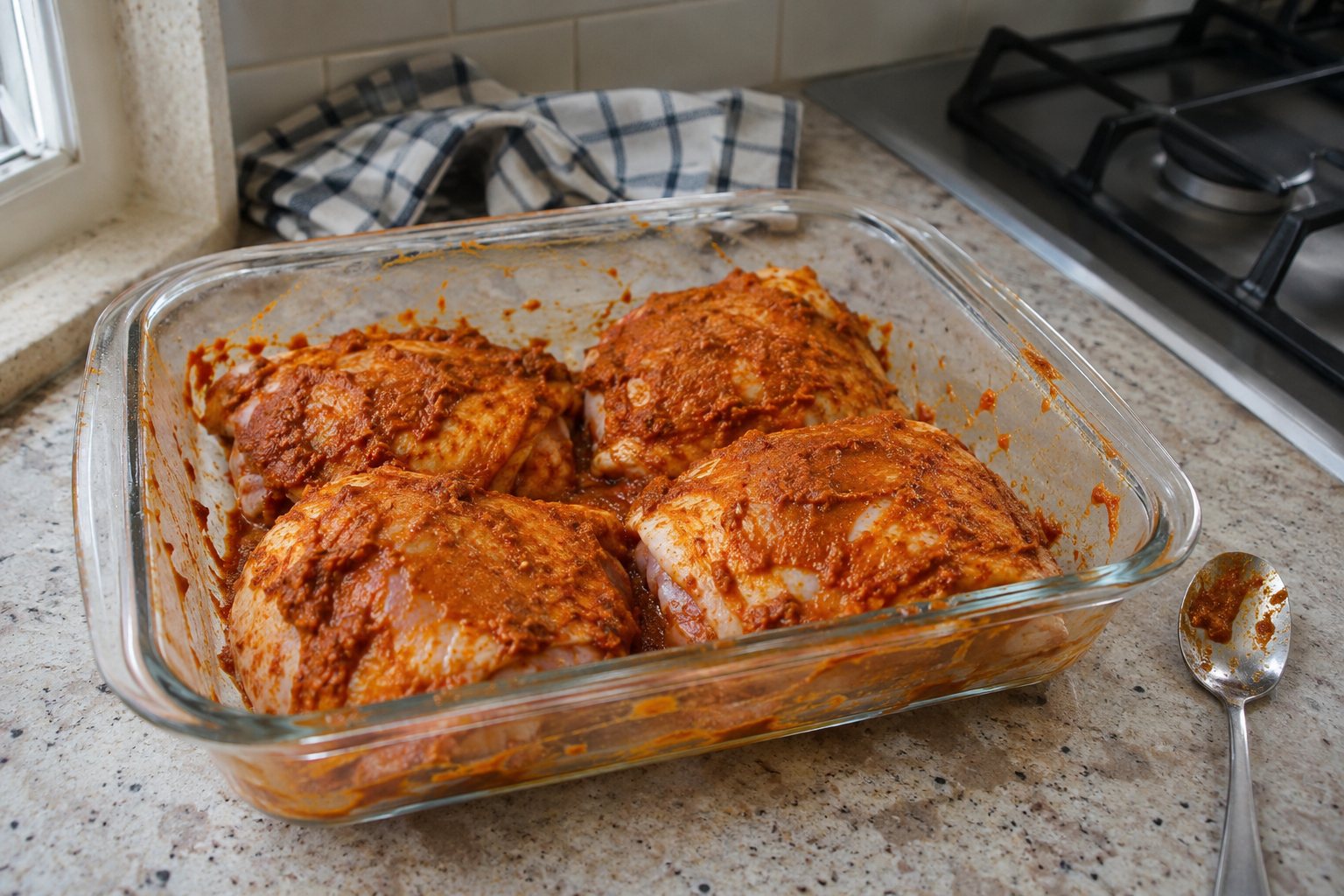
Harissa brings layers (roasted peppers, garlic, warm spices and a touch of oil) that most single-ingredient swaps can't replicate. Some alternatives lean sweeter, others skip the smoke entirely, and a few need extra seasoning to fill the gap.
Below are seven ranked options. Each one delivers heat, but the flavor shifts enough to matter.
| # | Substitute | Best For | Ratio | Key Note |
|---|---|---|---|---|
| 1 | Sriracha Sauce | 🍳 Cooking | 1:1 | Sweeter, less smoky |
| 2 | Gochujang | 🍳 Cooking | 1:1 | Fermented, thicker |
| 3 | Aleppo Pepper Mix | 🍳 Cooking | 1 teaspoon + 1 tablespoon oil | Fruity, mild heat |
| 4 | Chipotle in Adobo | 🍳 Cooking | 1:1 | Smokier, richer |
| 5 | Harissa Spice Blend | 🍳 Cooking | 1 tablespoon + 2 tablespoon oil | Drier, spicier |
| 6 | Cayenne-Garlic Mix | 🍳 Cooking | 1 teaspoon each | Sharp, pungent |
| 7 | Pepper-Cumin Mix | 🍳 Cooking | 1 tablespoon flakes + 1 tablespoon oil + ½ teaspoon cumin | Textured, earthy |
Sriracha is the quickest swap for harissa. Use it 1:1; the heat is similar, but it is brighter, sweeter and less smoky.
Chipotle in adobo is smokier and richer at 1:1, with sweetness from its tomato-based sauce.
For a thicker, drier match, mix 1 teaspoon of Aleppo pepper with 1 tablespoon of olive oil for every tablespoon of harissa.
7 Quick Harissa Paste Swaps for Cooking
These options are ordered by how closely they mirror harissa's balance of heat, garlic, and spice. The top picks handle most recipes without major adjustments; later swaps require tweaks to match the original's depth.
Remember it later
Planning to try this recipe soon? Save it for a quick find later!
Real harissa paste is chiles, garlic and olive oil with caraway, coriander and cumin, so a good swap has to cover heat, a savory garlic base and some earthy spice.
1 – Sriracha
Sriracha brings vinegar tang and a touch of sweetness that harissa doesn't have. The heat level stays consistent, but the flavor runs brighter and less earthy.
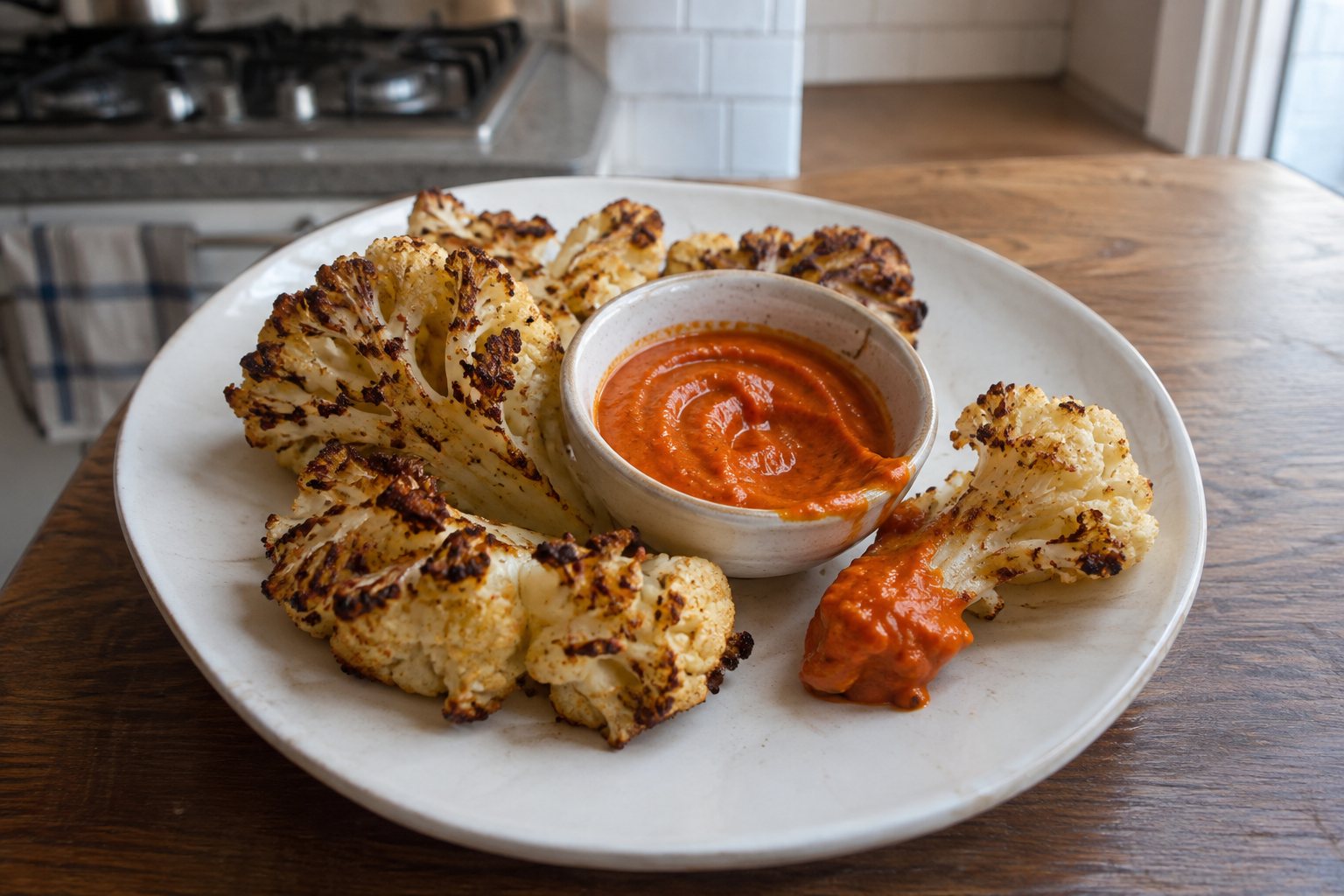
Use it straight in dips, marinades, or anywhere you need a spicy condiment that blends quickly. If you're cooking with roasted vegetables or grilled proteins, the tang cuts through richness without weighing the dish down.
Sriracha is runnier than harissa, so in a thick rub or glaze a plain chili paste such as sambal oelek holds better. Stir garlic and a pinch of cumin into it to get closer.
- Works for - Spicy condiments, quick marinades, dipping sauces
- Skip if - Smokiness or warm spice depth is central to the dish
2 – Gochujang
Gochujang adds fermented umami and a sticky, thick texture that harissa doesn't provide. The heat sits lower, but the sweetness and funk make it stand out in stews and braises.
Use the same amount and stir it in early so the flavors meld.
Skip if: You need a dry spice blend or want a lighter, fresher taste.
Sriracha
Works for: Quick dips, marinades, bright heat without smoke
Skip if: You need roasted pepper depth or warm spice layers
Gochujang
Works for: Stews, braises, recipes that benefit from fermented funk
Skip if: You want a dry blend or lighter, fresher flavor
3 – Aleppo Pepper Mix
Aleppo pepper delivers mild heat with a fruity edge, but it lacks the garlic and spice complexity harissa brings. Mixing it with oil helps it coat ingredients, though the texture stays thinner.
Combine 1 teaspoon Aleppo pepper with 1 tablespoon olive oil for every tablespoon of harissa. Adjust the oil if the dish needs more moisture.
Skip if: The recipe relies on garlic punch or layered warm spices.
4 – Chipotle in Adobo
Chipotle in adobo leans smokier and richer than harissa, with a sweetness from the tomato-based sauce. The heat runs similar, but the flavor tilts toward Mexican rather than North African.
Use it in sauces, soups, or anywhere smoke adds depth without clashing with the dish's direction. Mash the chipotle before stirring it in so it disperses evenly.
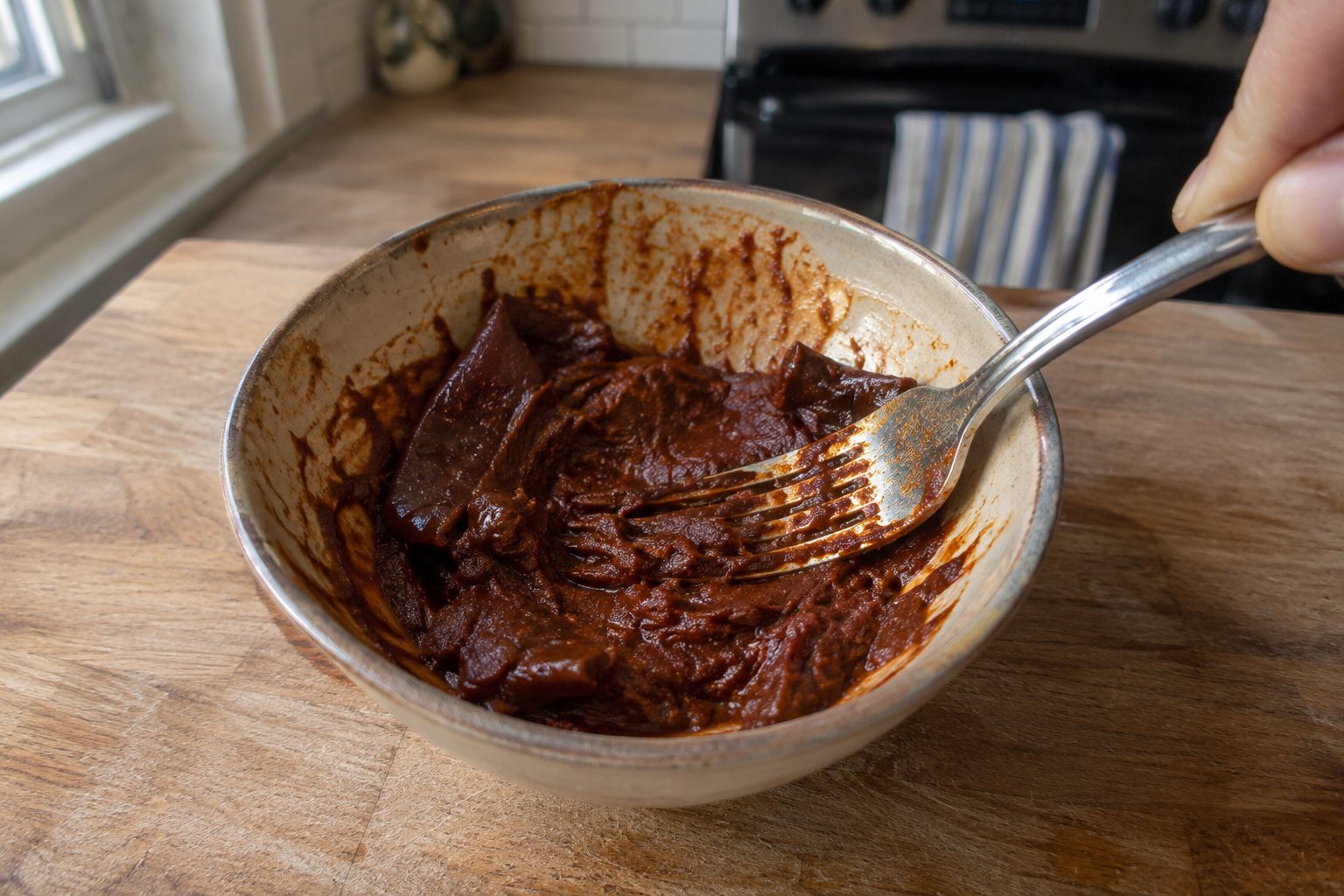
If the mash comes out too thick, loosen it with a spoonful of the can's adobo sauce, but taste first because that sauce already adds salt and vinegar tang.
- Ratio - 1 tablespoon per 1 tablespoon harissa
- Texture - Thicker, requires mashing or blending
- Flavor shift - Smokier, slightly sweeter, less herbal
- Best for - Sauces, stews, grilled meat marinades
Skip if: You want a fresher, lighter taste without heavy smoke.
| Use | Ratio | Notes |
|---|---|---|
| Marinades | 1:1 | Smokier, richer than harissa |
| Sauces | 1:1 | Mash chipotle before mixing |
| Stews | 1:1 | Adds tomato sweetness |
5 – Harissa Spice Blend
The spice blend carries the same flavor as the paste, but it needs oil to bind and coat ingredients. Without the moisture, it won't spread or cling the same way.
Mix 1 tablespoon spice blend with 2 tablespoons olive oil for every tablespoon of paste, and let it sit for a few minutes so the spices bloom. The oil only carries the flavor, so one of the olive oil substitutes works if the bottle is empty.
Skip if: You need a ready-to-use paste or want more aroma complexity right out of the jar.
6 – Cayenne-Garlic Mix
Cayenne and garlic paste deliver sharp heat and pungency without the smoky or sweet notes harissa provides. The flavor runs hotter and more direct.
Combine 1 teaspoon cayenne with 1 teaspoon garlic paste for every tablespoon of harissa, and add a pinch of cumin or coriander for more depth. Finely grated fresh garlic, or another garlic paste substitute, works too if you add it a little at a time and taste as you go.
Skip if: You want mild heat or smoky undertones.
7 – Pepper-Cumin Mix
Red pepper flakes, oil, and cumin create a textured, earthy substitute that lacks harissa's smooth consistency. The flakes don't blend completely, leaving visible speckles in the dish.
This mix works best in stir-fries, quick sauces, or anywhere texture doesn't matter. Use 1 tablespoon red pepper flakes, 1 tablespoon olive oil, and ½ teaspoon ground cumin for every tablespoon of harissa, and stir it in early so the oil carries the spice throughout.
What to expect:
- Texture - Coarser, less smooth than paste
- Flavor - Earthy from cumin, less smoky
- Best for - Stir-fries, quick sauces, dishes where visible spice is fine
If the cumin jar is empty, ground coriander or caraway, both used in traditional harissa, can cover the earthy note, as can other cumin substitutes.
Skip if: You need a smooth texture or want a more complex spice blend.
Final Thoughts on Swapping Harissa Paste
The best substitute depends on whether you need heat, smoke, or a paste texture. Sriracha works for quick condiments, gochujang fits stews and marinades, and chipotle in adobo brings the closest smoke.
For dry rubs or spice control, harissa spice blend with oil covers most bases.
- Closest match - Chipotle in adobo for smoke and richness
- Easiest grab - Sriracha for heat and quick blending
- Bold alternative - Gochujang for fermented depth in braises
Frequently Asked Questions
Hot sauce works for heat, but it's thinner and lacks the garlic and spice complexity harissa provides. Use the same amount and add a pinch of cumin or smoked paprika to fill the gap.
Most harissa substitutes are too wet or sharp for baking. Stick with harissa spice blend mixed with a small amount of oil if the recipe calls for paste in dough or batters.
Gochujang is sweeter, thicker, and fermented, while harissa is smokier with more garlic and warm spices. Both bring heat, but the flavor direction shifts enough to matter in recipes with clear regional profiles.
Blend roasted red peppers, garlic, cumin, coriander, and cayenne with olive oil until smooth. It won't match aged harissa, but it works in a pinch for marinades and sauces.
Chipotle in adobo and gochujang both handle high heat and add caramelized flavor. Use the same ratio as harissa and brush it on during the last few minutes of grilling to prevent burning.
Harissa powder is mostly ground dried chile with smaller amounts of cumin, coriander and caraway, plus garlic powder and salt. Stir ground cayenne or finely crushed red pepper flakes together with ground cumin, coriander and garlic powder, add caraway if you have it, and taste before salting.
Drain 1 jarred roasted red pepper and blend it with 1 small garlic clove, ½ teaspoon ground cumin, ¼ teaspoon smoked paprika and 1 tablespoon olive oil, and leave out the cayenne. Gochujang (#2) and the Aleppo pepper mix (#3) are the mildest options in the list.



