
You reach for the cayenne and the jar's empty, right when you need that sharp kick of heat. The recipe won't forgive flat seasoning.

Cayenne brings clean, focused heat without masking other flavors. Swap it carelessly and you'll either numb the dish or dull the fire you're after.
A few spices in your rack can fill that gap. Some match the heat, others bring extras you'll need to balance.
Pure red chili powder swaps 1:1 for cayenne and matches its heat and color, but supermarket chili powder blends add cumin and garlic and run much milder, so check the label.
Hot paprika is gentler and sweeter, so use 1.5 times the amount of cayenne and expect a little less kick.
Chipotle powder swaps 1:1 with milder heat and a lot of smoke, so start with half in a new dish and skip it in light recipes like lemon chicken.
| # | Substitute | Best For | Ratio | Key Note |
|---|---|---|---|---|
| 1 | Red Chili Powder | ✨ Both | 1:1 pure, 2:1 blend | Slightly fruitier heat |
| 2 | Hot Paprika | ✨ Both | 1.5:1 | Sweeter and milder |
| 3 | Red Pepper Flakes | 🍳 Cooking | 1:1 | Coarser texture |
| 4 | Chipotle Powder | 🍳 Cooking | 1:1 | Milder, adds smoke |
| 5 | Hot Sauce | 🍳 Cooking | 2:1 | Weaker, brings liquid and tang |
| 6 | Paprika Mix | ✨ Both | 2:1 blend | Custom heat control |
| 7 | Pepper Chili Mix | 🍳 Cooking | 1:1 blend | Different heat profile |
The 7 Best Cayenne Pepper Substitutes, Ranked
Cayenne pepper measures roughly 30,000 to 50,000 Scoville heat units, so most swaps below run milder.
Remember it later
Planning to try this recipe soon? Save it for a quick find later!
Treat the amounts as starting points for hot paprika, chipotle and hot sauce, and taste before you add more.
1 – Red Chili Powder 🌶️
Pure hot red chili powder, meaning ground dried hot red chiles such as Indian red chili powder, steps in when you need heat that won't change your recipe much. Use it 1:1 anywhere cayenne goes.
The heat runs similar but tastes slightly fruitier, with less of the sharp bite cayenne delivers. Color stays bright red, so your dish looks right.
- ✅ Pure ground red chiles match cayenne's heat closely
- ✅ Works in dry rubs and wet marinades
- ⚠️ Blends with garlic or cumin run milder
- ⚠️ Check the label for added ingredients
Chili powder isn't always pure ground chiles, and brands vary. The jar in most US supermarkets is a chili powder blend with cumin, garlic and oregano.
That blend is much milder than cayenne, so start with 2 teaspoons per 1 teaspoon of cayenne and add more to taste. Expect some cumin in the flavor.
Ground ancho or New Mexico chiles are much milder than cayenne too.
2 – Hot Paprika 🔥
Hot paprika gives you red pepper color with a sweet, peppery heat. Use 1.5 times paprika per 1 part cayenne to get closer to the kick.
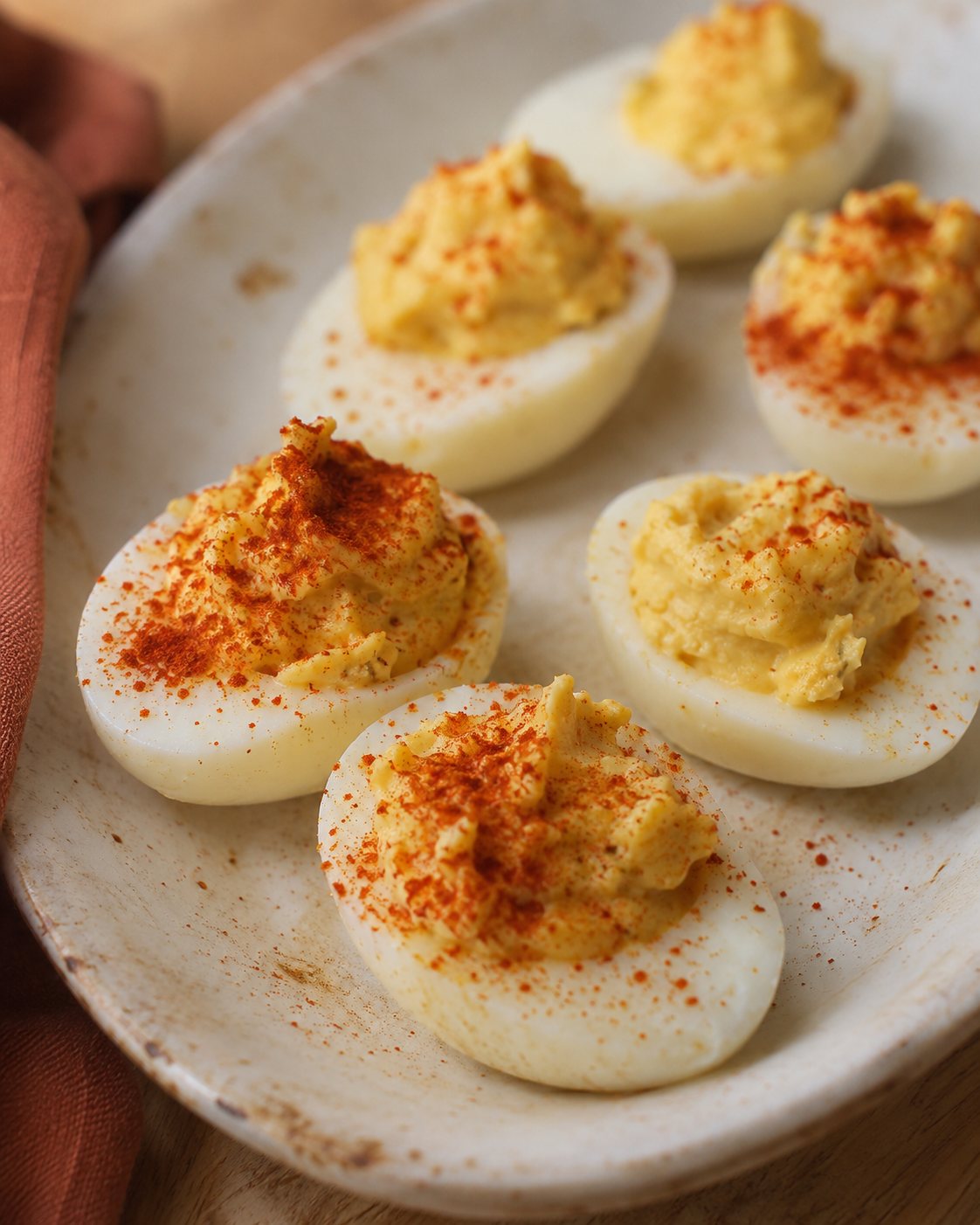
The flavor's gentler and sweeter than cayenne's sharp punch. It won't overpower delicate sauces or garnishes, though it stays milder even at 1.5 times the amount.
- 🍳 In cooking: Add to stews and braises early
- 🎨 For garnish: Sprinkle on deviled eggs or hummus
- ⚠️ Lower heat: Start with less and taste as you go
Hot paprika works best when you want color without extreme fire. Hungarian cooks use it when they want heat in dishes like chicken paprikash.
Check the label, because paprika also comes sweet, which has almost no heat, and smoked, which is usually mild unless the jar says hot (picante). If the dish needs more fire, add a pinch of red pepper flakes.
3 – Red Pepper Flakes 🌶️
Crushed red pepper flakes deliver heat but in chunky form. Use 1 teaspoon flakes per 1 teaspoon cayenne powder, so the heat's there but the texture isn't.

The flakes don't dissolve, so they sit in bites instead of spreading evenly. They work on pizza, in pasta sauce, or stirred into oil.
- ✅ Adds visual heat cues
- ⚠️ Uneven distribution in baked goods
Grind the flakes in a spice grinder if you need powder consistency.
4 – Chipotle Powder 🔥
Ground chipotle powder swaps in at 1:1 but brings smoky depth and gentler heat. The smoke comes from smoked jalapeños, and it's rich, earthy, and unmistakable.
Use it in chili, barbecue rubs, or Tex-Mex dishes where smokiness fits. Skip it in bright, clean-flavored recipes like lemon chicken or cream sauces.
Chipotle can dominate light dishes fast. Start with half the amount if you're unsure how the smoke will land.
5 – Hot Sauce (E.g., Tabasco) 🌶️
Hot sauce packs cayenne-style heat in liquid form, but a spoonful is much weaker than a spoonful of powder. Start with 2 teaspoons hot sauce per 1 teaspoon cayenne powder and add more by the dash in soups, stews, or marinades.
The vinegar tang changes the flavor slightly. It sharpens the dish and adds acidity you might not want in dry rubs or spice blends.
- 🍲 In liquid dishes: Stir into broths or sauces
- 🥩 In marinades: Adds heat and tenderizes meat
- ⚠️ Skip in baking: Liquid throws off flour ratios
- ⚠️ Watch the salt: Most hot sauces run salty
Hot sauce won't work in dry applications because it's too wet. If the bottle is empty too, other liquid heat sources can stand in for it.
6 – Paprika + Cayenne Mix 🎨
Mixing paprika with a bit of cayenne rebuilds the heat you need when you're low on cayenne. Use 2 parts paprika to 1 part cayenne to dial in the right kick.
This blend gives you more control than using cayenne alone, because you can adjust the ratio to fit the dish. It works in rubs, spice blends, and anywhere you'd use straight cayenne.
The mix tastes balanced: sweet from paprika, sharp from cayenne. Store leftovers in a sealed jar and label the ratio so you don't forget.
7 – Black Pepper + Chili Mix 🌶️
Mixing black pepper with mild chili powder creates heat with less red pepper bite. Use equal parts black pepper and chili powder to replace 1 part cayenne.
The heat profile shifts, since black pepper bites the back of your throat differently than cayenne's sharp front-of-mouth burn. It won't match perfectly, but it'll get you through the recipe.
It suits savory dishes where precision doesn't matter: scrambled eggs, roasted vegetables, or quick stir-fries.
Black Pepper + Chili Mix
Works for: everyday cooking, scrambles, roasted vegetables
Skip if: you need cayenne's sharp red pepper flavor
Picking Your Cayenne Swap by Dish
For dry rubs and spice blends: Red chili powder or the paprika-cayenne mix gives you powder consistency and adjustable heat.
For soups and stews: Hot paprika or chipotle powder blend in smoothly, just watch chipotle's smoke in lighter broths.
For finishing heat: Crushed red pepper flakes or hot sauce add visible kick. Flakes stay crunchy, sauce melts in.
- Closest match overall: Pure red chili powder at 1:1
- For milder heat: Hot paprika at 1.5:1
- For smoky depth: Chipotle powder at 1:1
Frequently Asked Questions
Regular paprika is too mild to give you the heat, so use hot paprika at 1.5 times the amount or mix regular paprika with a pinch of black pepper to add some bite. The color stays close but the heat won't match cayenne's kick without the hot version.
Start with about 2 teaspoons of hot sauce per 1 teaspoon cayenne powder, since most hot sauces are much weaker than the powder, then add more by the dash. It adds liquid and vinegar tang, so it works in soups or marinades but not in dry rubs or baked goods where moisture throws off ratios.
No, crushed red pepper flakes include seeds and have a coarser texture, and the heat's similar but sits in crunchy bits instead of blending smoothly. Use 1:1 in cooked dishes but grind the flakes first if you need fine powder for rubs or baking.
Chipotle powder swaps for cayenne at 1:1 but runs milder and adds smoky depth from smoked jalapeños. It works in chili and barbecue dishes but can overpower light recipes, so start with half if you're testing it in a new dish.
Yes, mix equal parts paprika and black pepper to get color and heat. It works in a pinch for everyday cooking, but black pepper bites at the back of the throat rather than with cayenne's sharp front heat.
Yes, if you can live with a different flavor. The cumin and garlic in the blend show up, so it suits chili, tacos and rubs better than a sauce that should taste only of heat.



